Garage Storage
Organizing your garage can be a game-changer when it comes to maximizing space and reducing clutter in your home. With the right garage storage solutions, you can transform your garage into a functional and tidy space where everything has its place. From shelving units and cabinets to hooks and bins, there are endless possibilities to customize your garage storage setup to suit your needs. Whether you're looking to store tools, sports equipment, or seasonal items, our range of garage storage options has you covered.
Sort
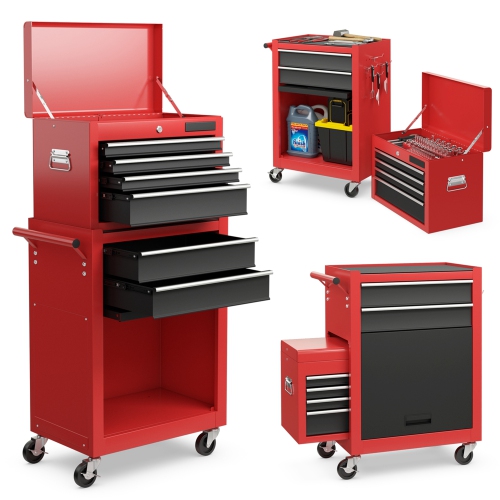
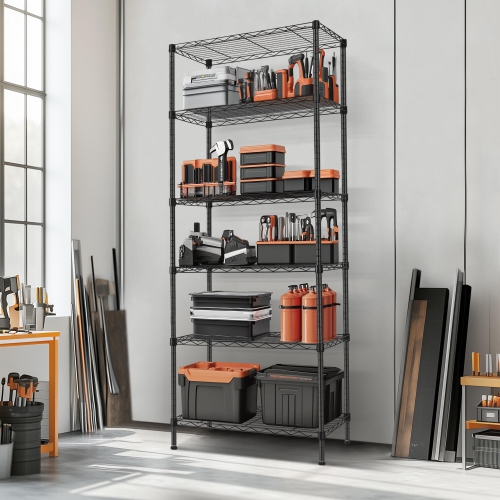
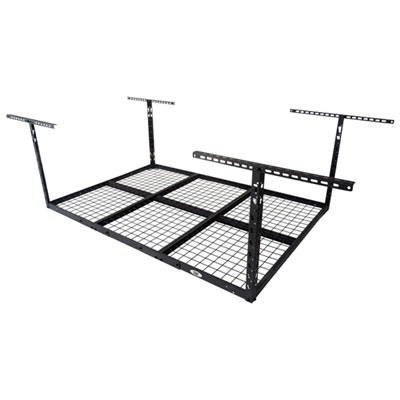

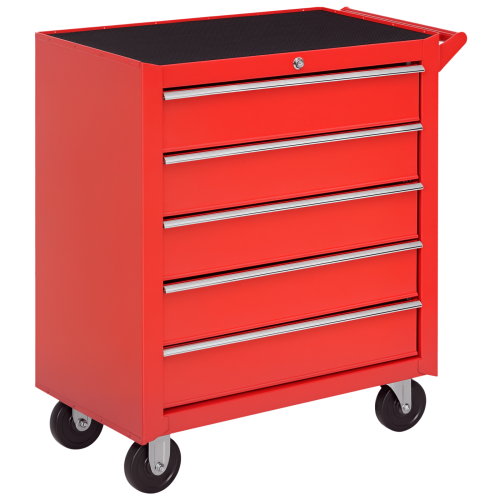

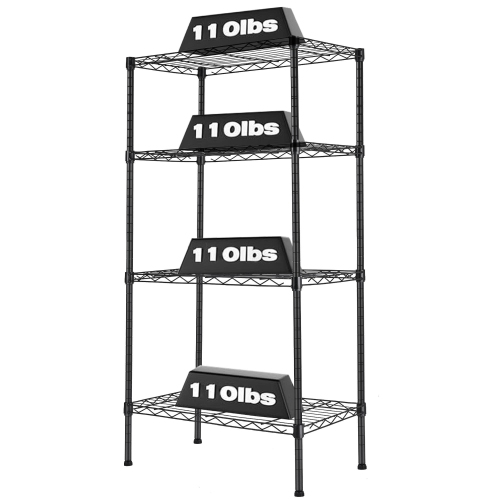
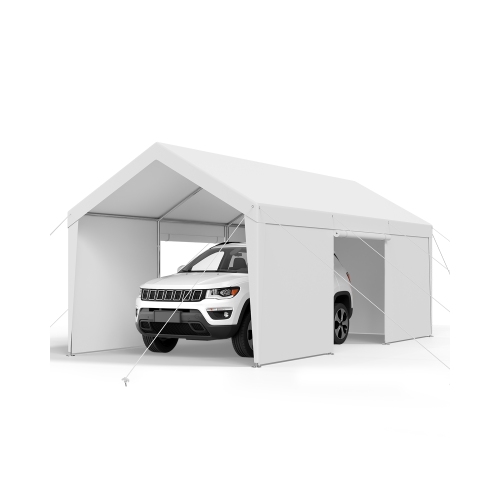
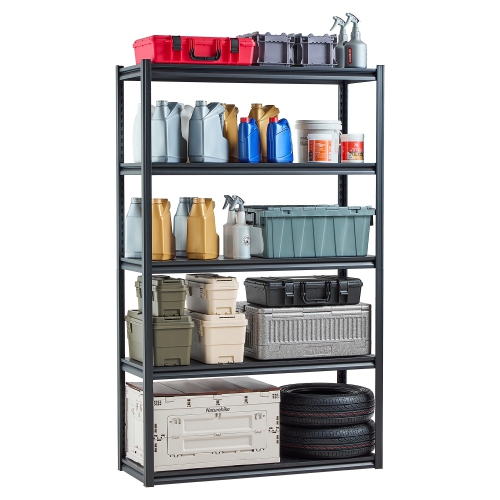
Room for your gear without crowding out your car
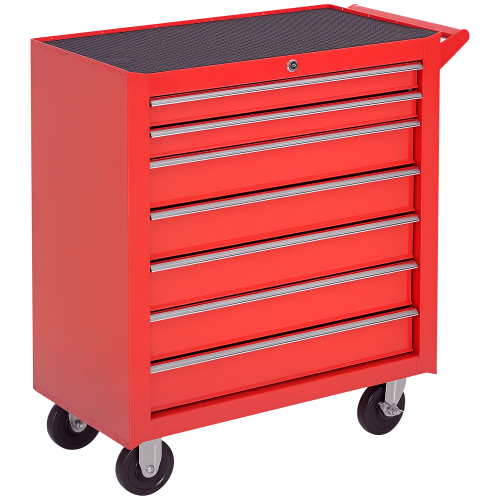
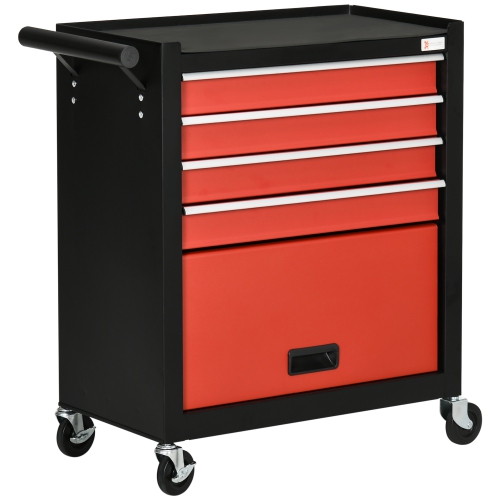
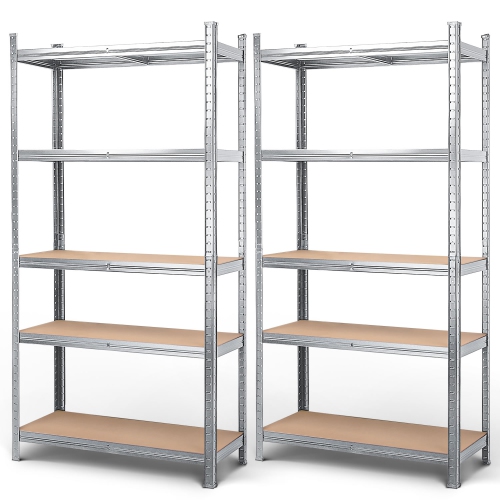
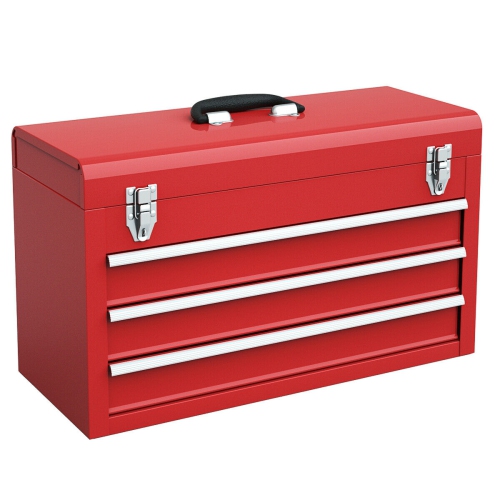
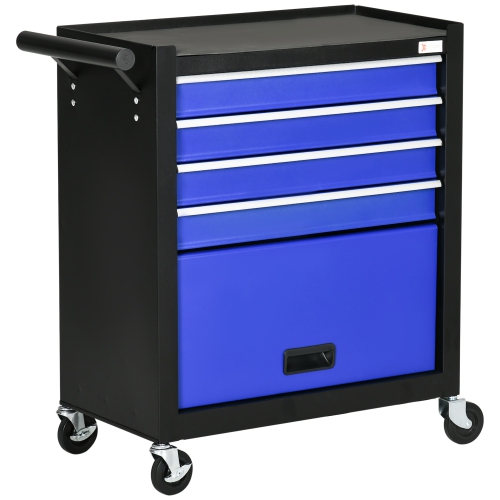
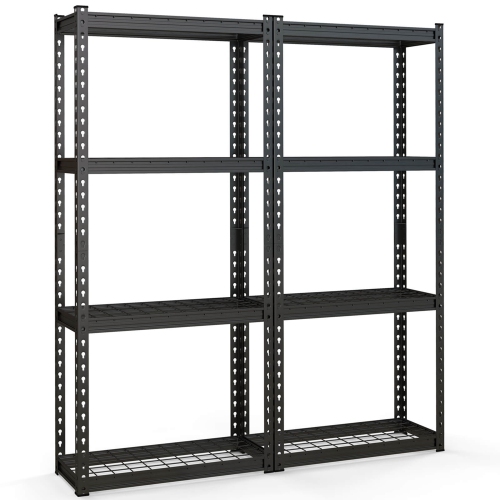
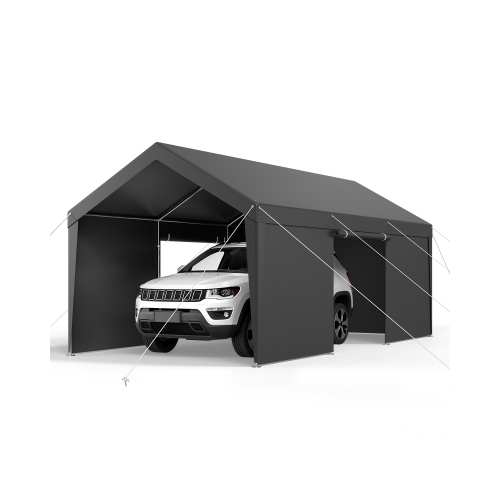
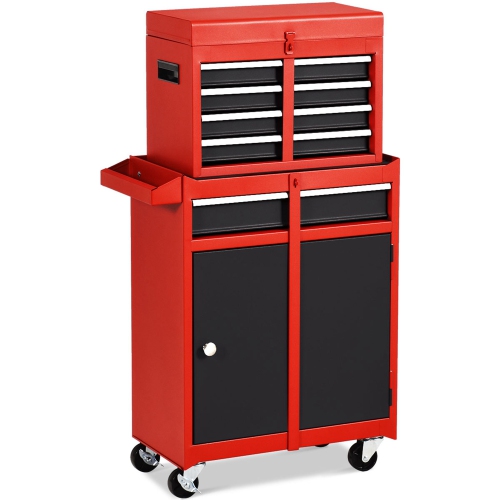
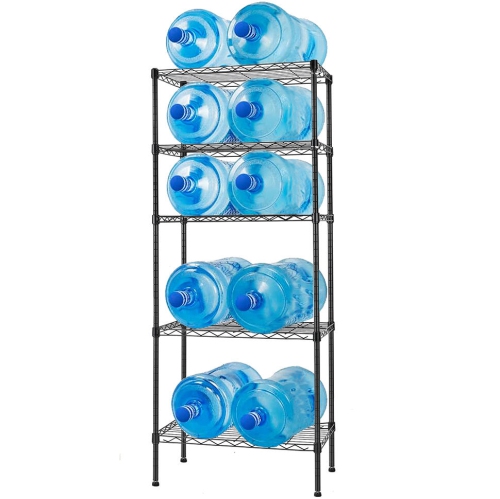
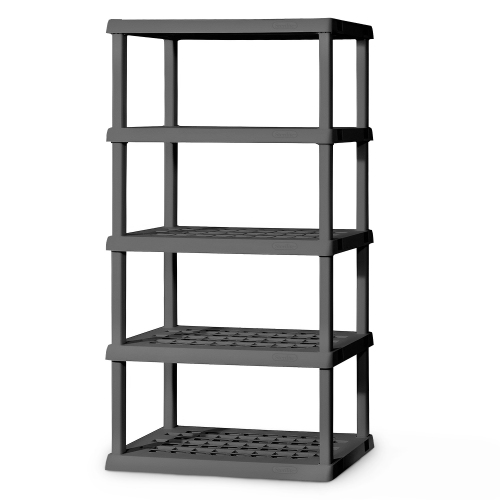
Garage storage brings structure to a space that often has several jobs at once: parking area, workshop, gear room, and a place for household supplies that do not fit indoors. The main storage options include freestanding shelving, enclosed cabinets, wall-mounted hooks and tracks, tool drawers, and overhead racks. Each serves a different purpose. Open shelves make regularly used belongings easy to see and reach, cabinets keep contents out of sight, and wall systems free up floor space without putting everyday essentials too far away. Overhead storage can suit bulky, less frequently used belongings when the ceiling structure and installation requirements allow it. A useful arrangement leaves enough room to open vehicle doors, walk through with a loaded bag, and move larger equipment without shifting several other things first. For a household with bicycles, sports gear, and a small collection of tools, a combination of storage types is often more practical than relying on one large cabinet. For someone who spends hours repairing or building things, accessible drawers and storage close to a work surface may matter more. Garage Shelves provide an open-storage foundation for bins, cases, and supplies, with adjustable shelf spacing offering flexibility as storage needs change. Depth deserves as much attention as height or width: a deep shelf can hold larger containers, but smaller belongings may disappear behind them. Shallow storage near an entry door can keep frequently reached-for gear visible while preserving a clear walkway. The most useful garage storage feels proportionate to both the room and its contents, making good use of vertical space without turning every wall into an obstacle. It also creates distinct places for belongings, so a quick task does not begin with searching through a pile or moving equipment out of the way. Shared garages benefit from simple labels and clear groupings that help everyone return things to the same place.
Materials and construction influence how garage storage handles daily use, how much care it needs, and what it can safely hold. Steel shelving and cabinets are common choices for tools and other weighty contents, though capacity depends on the complete design rather than the material alone. Shelf supports, fasteners, bracing, and the supporting surface all play a part. A powder-coated finish can help protect metal surfaces from scratches and corrosion, while damaged areas may need attention according to the manufacturer’s care instructions. Resin or plastic storage is often lighter and easy to wipe clean, but its load limits and intended use still need to match the contents. Wood and composite shelving can offer broad, flat surfaces for cases and containers; panel thickness, edge condition, and support spacing affect how well those surfaces hold their shape under load. Wire shelves allow visibility through the storage unit and provide airflow around contents, although small objects may need bins or compatible liners to sit securely. Published weight ratings deserve a close look because a rating for one shelf is not necessarily the capacity of the whole unit, and some ratings apply only when weight is evenly distributed. Heavy belongings are generally better placed low down, within the storage system’s stated limits, where they are easier to handle and less likely to make a unit top-heavy. Fit also includes practical details beyond the outer measurements. Cabinet doors need swing clearance, drawers need room to extend, and storage near a workbench should not prevent someone from standing comfortably at the surface. Handles, hinges, and drawer slides receive repeated use, so smooth movement and sturdy attachment matter. Adjustable feet can help suitable units sit level on an uneven floor, while compatible anchoring helps address tipping risks where required. For rolling storage, wheel ratings, secure wheel attachments, and locking casters are important considerations, especially when drawers or work surfaces are in use. Routine care is usually straightforward: remove dust, wipe spills promptly, follow the specified cleaning method, and periodically check for loose hardware, damaged shelves, or wear that could affect stability.
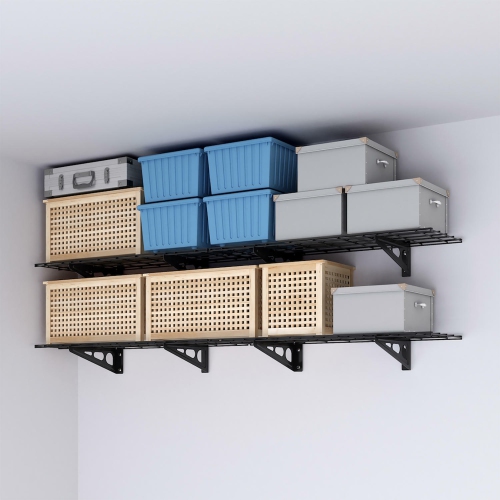
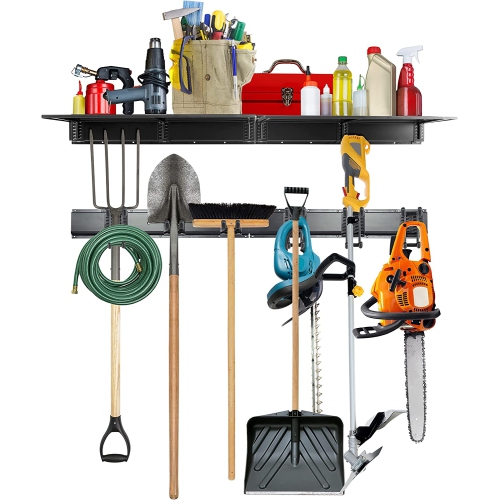
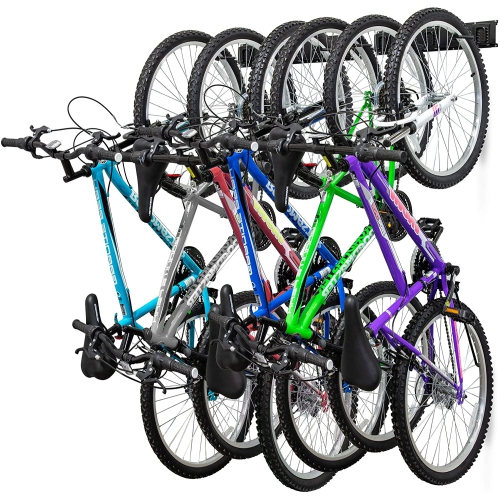
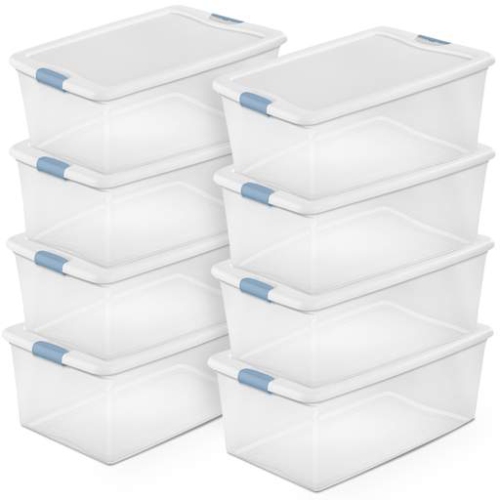
Wall and ceiling storage make a different contribution by moving suitable belongings away from the floor, but their usefulness depends on placement, access, and proper installation. Wall-mounted tracks, hooks, and racks can create a clear place for long-handled tools, coiled cords, or cycling equipment, keeping awkward shapes from leaning into a walkway. Hook shape, spacing, and protective contact surfaces matter when storing belongings that could slip, scratch, or catch on nearby gear. A bicycle mount, for example, needs to suit the bicycle’s dimensions and the user’s ability to lift and position it, not simply fit an empty patch of wall. Ceiling-mounted racks require particular attention to structural support, specified hardware, and clearance from the garage door, its tracks, and moving parts. Their load includes both the stored contents and any containers, and access should not involve climbing on furniture or reaching from an unstable position. Storage installations should follow the manufacturer’s directions, with qualified help when structural suitability or hidden wiring and plumbing are uncertain. Closed cabinets and compartmentalized drawers serve households that prefer a tidier appearance or need to separate small parts from larger equipment. A lockable cabinet can add access control, but it does not replace storage requirements for hazardous materials or make every cabinet suitable for chemicals, fuel, or batteries. Those contents need arrangements that follow their labels and applicable safety requirements. For ordinary household storage, clear containers reveal contents at a glance, while opaque containers with readable labels can give a more uniform appearance. Container dimensions should suit the shelf opening with enough space to grasp handles and remove lids without a struggle. Storage suited to the person using it is just as important as storage suited to the room: comfortable reach heights, manageable bin weights, and accessible handles make everyday routines easier. Modular designs can support changing hobbies or a growing tool collection without requiring the whole layout to start again. Whether the garage supports hands-on projects, family activities, or everyday household organization, durable storage with sensible access helps keep useful space ready for its next job.
Materials and construction influence how garage storage handles daily use, how much care it needs, and what it can safely hold. Steel shelving and cabinets are common choices for tools and other weighty contents, though capacity depends on the complete design rather than the material alone. Shelf supports, fasteners, bracing, and the supporting surface all play a part. A powder-coated finish can help protect metal surfaces from scratches and corrosion, while damaged areas may need attention according to the manufacturer’s care instructions. Resin or plastic storage is often lighter and easy to wipe clean, but its load limits and intended use still need to match the contents. Wood and composite shelving can offer broad, flat surfaces for cases and containers; panel thickness, edge condition, and support spacing affect how well those surfaces hold their shape under load. Wire shelves allow visibility through the storage unit and provide airflow around contents, although small objects may need bins or compatible liners to sit securely. Published weight ratings deserve a close look because a rating for one shelf is not necessarily the capacity of the whole unit, and some ratings apply only when weight is evenly distributed. Heavy belongings are generally better placed low down, within the storage system’s stated limits, where they are easier to handle and less likely to make a unit top-heavy. Fit also includes practical details beyond the outer measurements. Cabinet doors need swing clearance, drawers need room to extend, and storage near a workbench should not prevent someone from standing comfortably at the surface. Handles, hinges, and drawer slides receive repeated use, so smooth movement and sturdy attachment matter. Adjustable feet can help suitable units sit level on an uneven floor, while compatible anchoring helps address tipping risks where required. For rolling storage, wheel ratings, secure wheel attachments, and locking casters are important considerations, especially when drawers or work surfaces are in use. Routine care is usually straightforward: remove dust, wipe spills promptly, follow the specified cleaning method, and periodically check for loose hardware, damaged shelves, or wear that could affect stability.
Wall and ceiling storage make a different contribution by moving suitable belongings away from the floor, but their usefulness depends on placement, access, and proper installation. Wall-mounted tracks, hooks, and racks can create a clear place for long-handled tools, coiled cords, or cycling equipment, keeping awkward shapes from leaning into a walkway. Hook shape, spacing, and protective contact surfaces matter when storing belongings that could slip, scratch, or catch on nearby gear. A bicycle mount, for example, needs to suit the bicycle’s dimensions and the user’s ability to lift and position it, not simply fit an empty patch of wall. Ceiling-mounted racks require particular attention to structural support, specified hardware, and clearance from the garage door, its tracks, and moving parts. Their load includes both the stored contents and any containers, and access should not involve climbing on furniture or reaching from an unstable position. Storage installations should follow the manufacturer’s directions, with qualified help when structural suitability or hidden wiring and plumbing are uncertain. Closed cabinets and compartmentalized drawers serve households that prefer a tidier appearance or need to separate small parts from larger equipment. A lockable cabinet can add access control, but it does not replace storage requirements for hazardous materials or make every cabinet suitable for chemicals, fuel, or batteries. Those contents need arrangements that follow their labels and applicable safety requirements. For ordinary household storage, clear containers reveal contents at a glance, while opaque containers with readable labels can give a more uniform appearance. Container dimensions should suit the shelf opening with enough space to grasp handles and remove lids without a struggle. Storage suited to the person using it is just as important as storage suited to the room: comfortable reach heights, manageable bin weights, and accessible handles make everyday routines easier. Modular designs can support changing hobbies or a growing tool collection without requiring the whole layout to start again. Whether the garage supports hands-on projects, family activities, or everyday household organization, durable storage with sensible access helps keep useful space ready for its next job.
Top selling and popular products
-
 Your price for this item is $305.99
 -
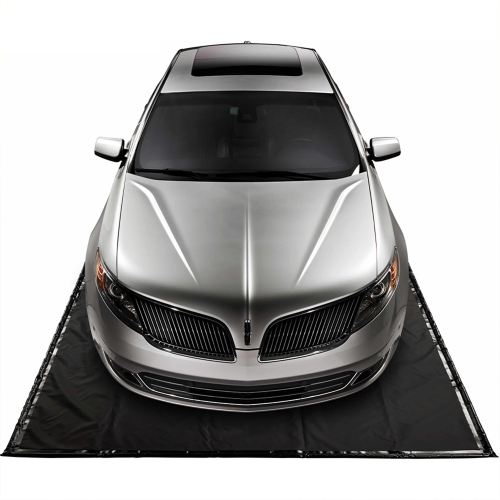 Your price for this item is $189.99
 -
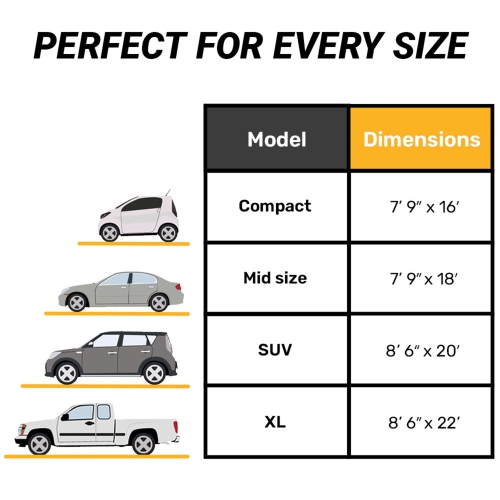 Your price for this item is $159.99
 -
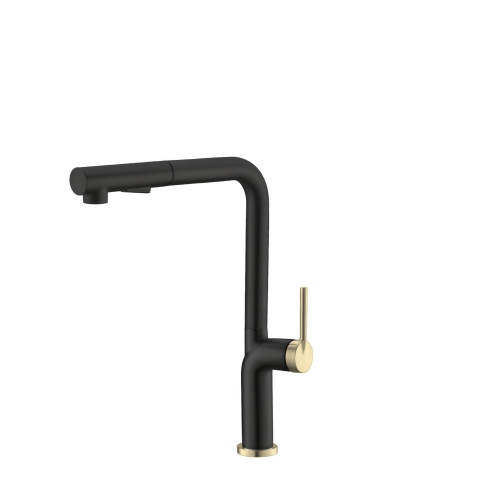 Your price for this item is $292
 -
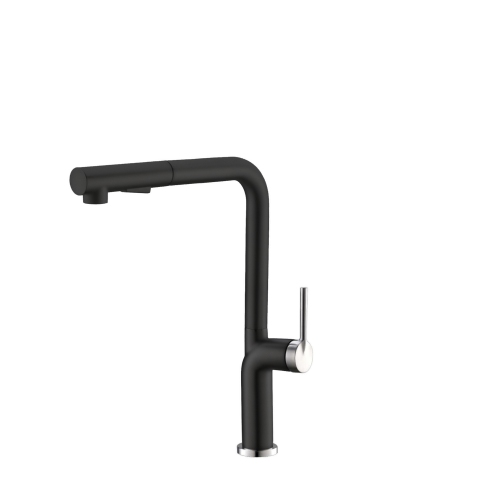 Your price for this item is $292
 -
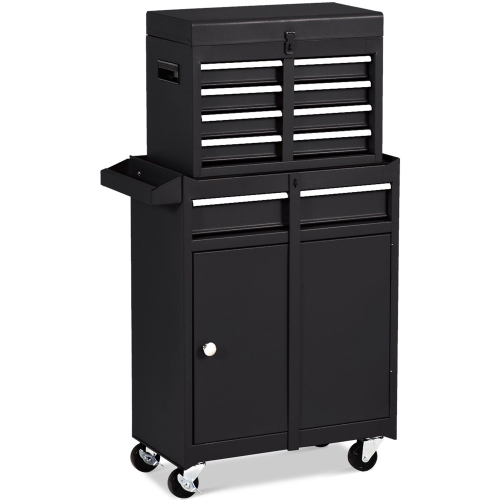 Your price for this item is $196.99
 -
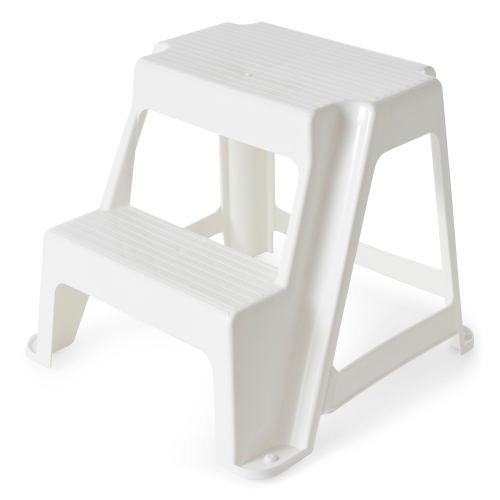 Your price for this item is $174.99
 -
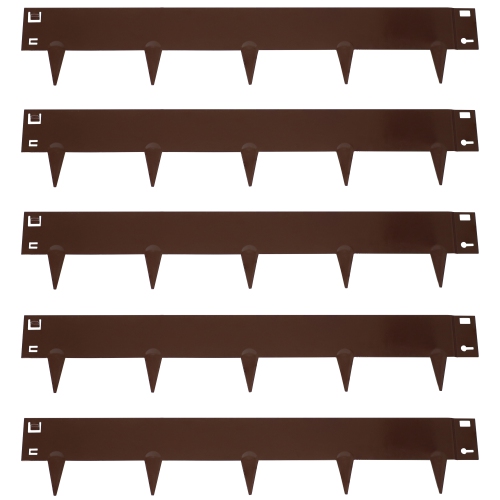 Your price for this item is $146.05
Discover more categories related to Garage Storage
Top Collections:
Pokemon Centers, Kindle Devices, Best Budget Office Chairs, Apple iPhones 16, Best Laptops for Writers, iPhone 15 Apple, Canon G7X Cameras, Refurbished Apple Laptops, Alarm Clock, Motorola Razr Phones
Some products may be subject to Environmental Handling Fees
(EHF) depending on your province.
Learn more about EHFs.