Garage Organization Kits
Garage Organization Kits offer a simple way to transform cluttered spaces into functional, tidy areas. Designed to help you maximize every inch of your garage, these kits provide efficient storage solutions for tools, sports equipment, seasonal items, and more. Whether you’re looking to clear floor space or create designated spots for all your gear, Garage Organization Kits make it easy to achieve a clean, streamlined look. Explore a wide selection to find the perfect fit for your needs and enjoy a more organized garage in no time.
Sort
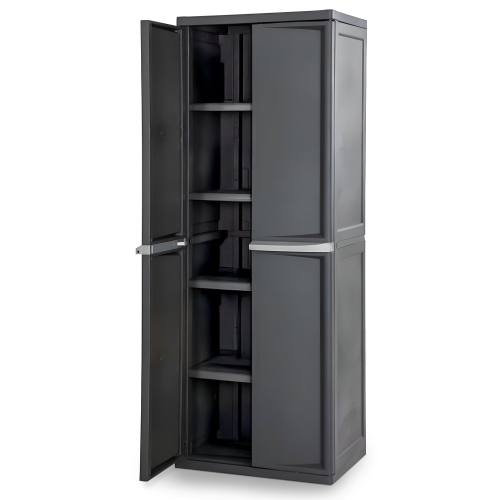
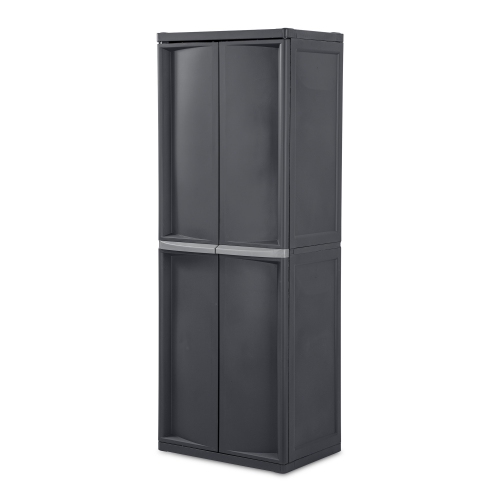

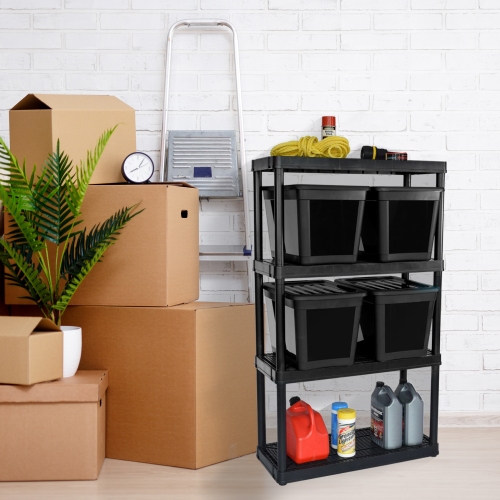
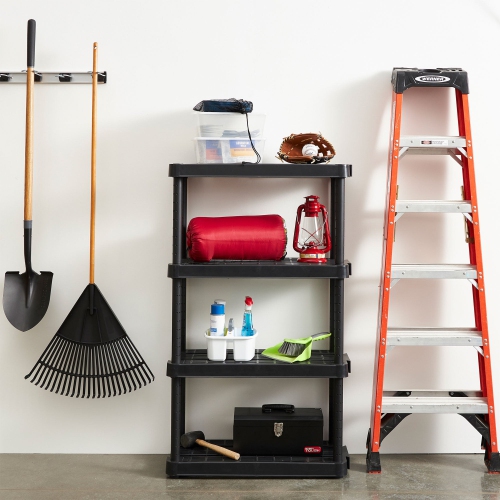

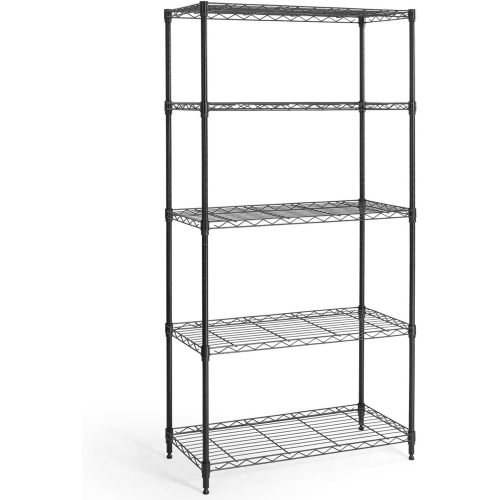
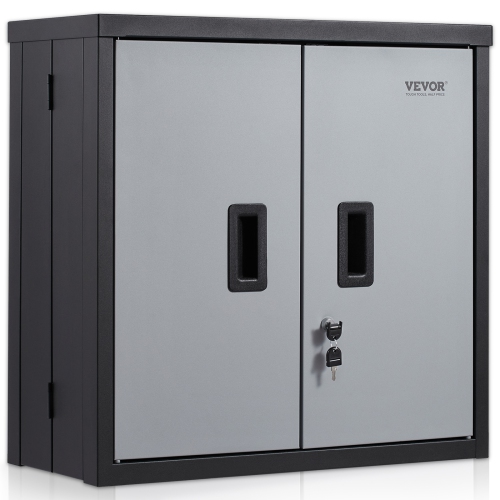
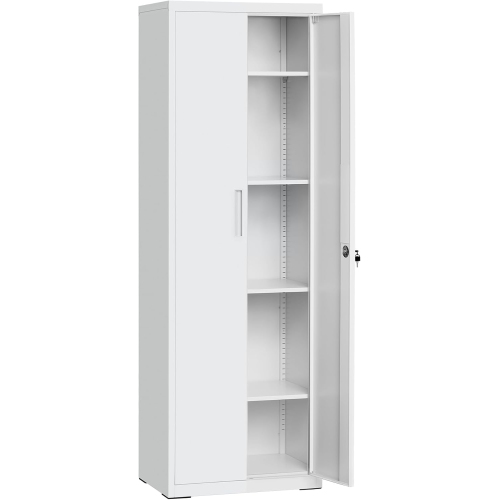
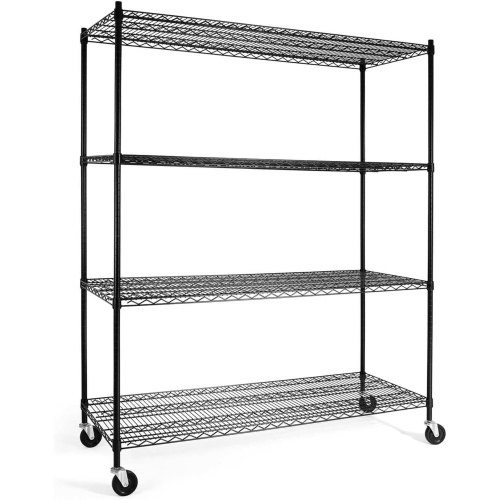
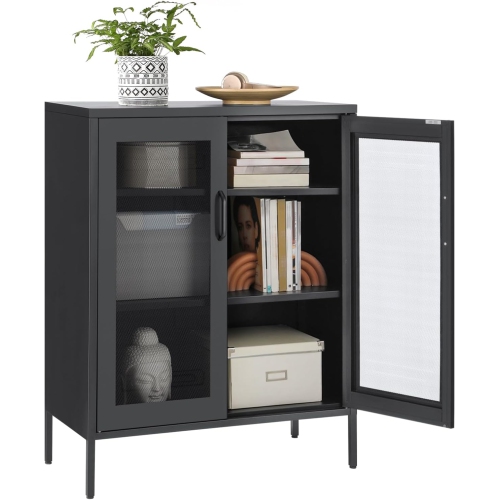
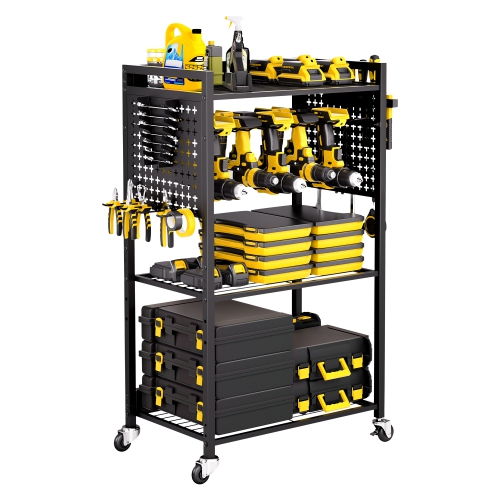
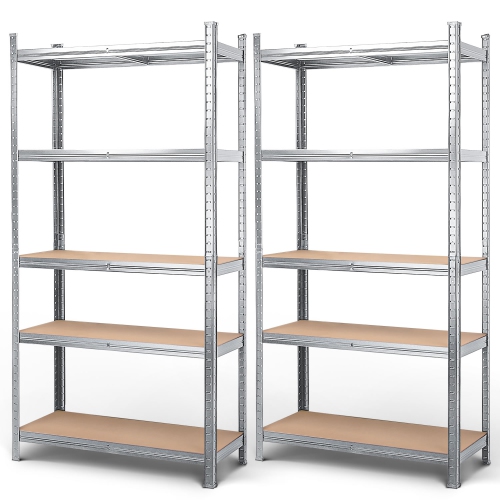
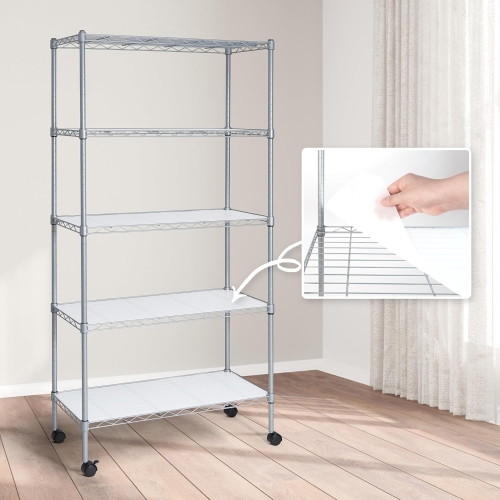

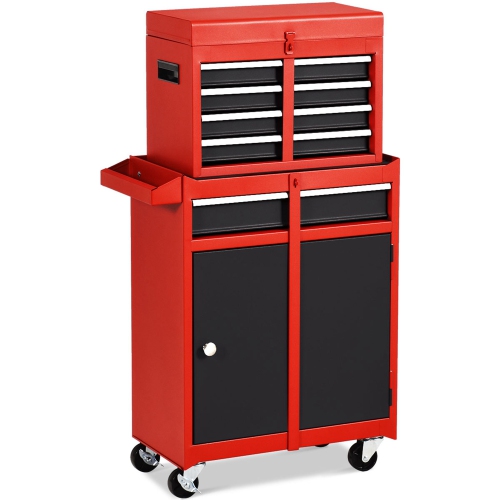
Storage that leaves room for parking and projects
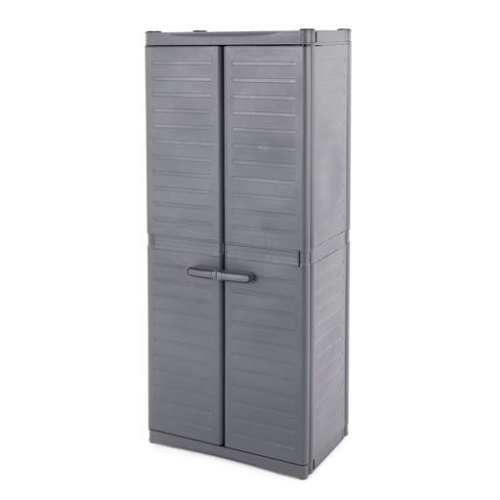
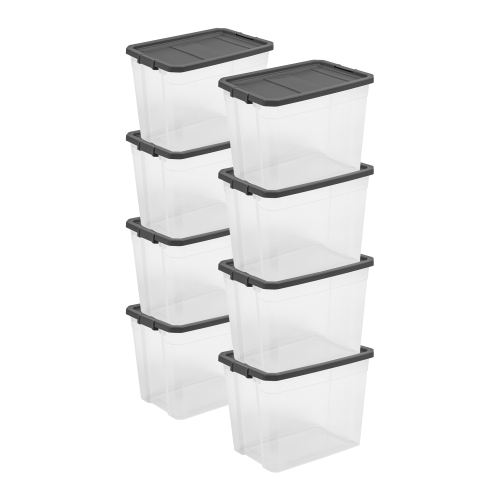
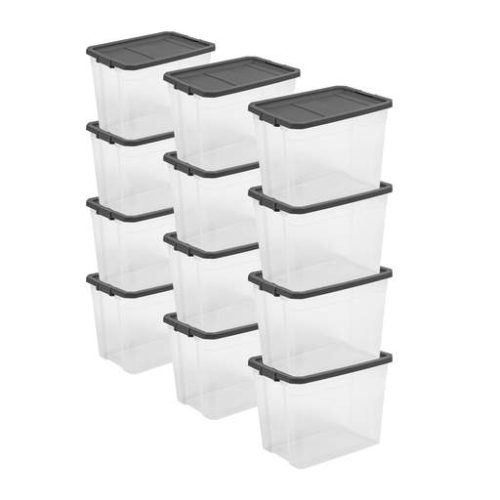
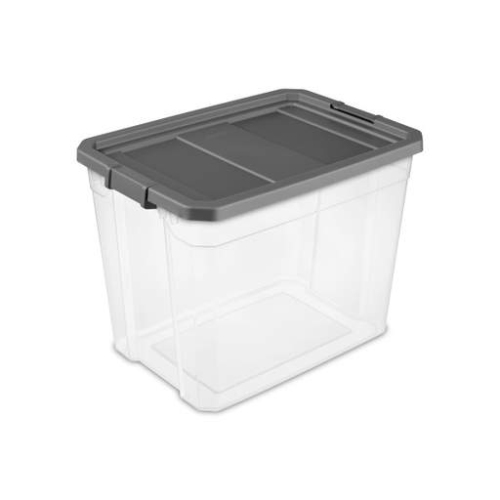
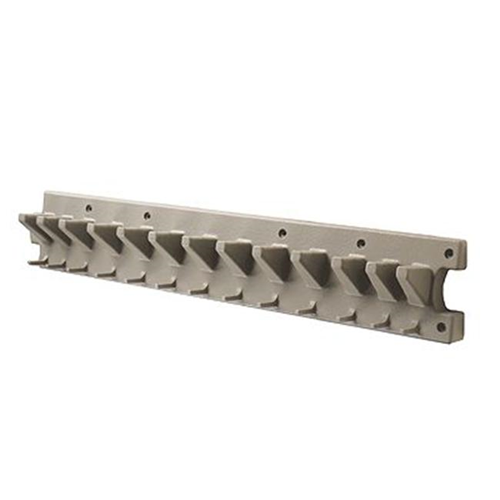
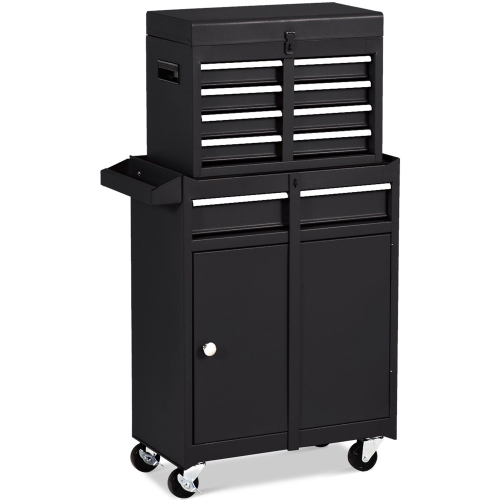
Garage organization kits bring compatible storage components together to help turn a crowded garage into a space with clear places for tools, equipment, and everyday gear. Common formats include wall-mounted track and rail kits, cabinet sets, shelving bundles, and modular systems that combine enclosed storage with a work surface. Wall-mounted kits make use of vertical space, keeping long-handled tools, extension cords, and frequently used equipment off the floor. Cabinet-based kits conceal smaller supplies behind doors and can create a more finished-looking workspace, while open shelving keeps bins and bulky belongings visible and accessible. The most useful format depends on what the garage needs to hold and how people move through it. A household that parks a vehicle inside has different clearance needs from someone using most of the space for repairs, woodworking, or fitness equipment. Even a narrow wall beside a parking space can serve a purpose when hooks, baskets, and shallow shelves keep belongings close to the wall. For an active family, a dedicated area for helmets, balls, and bags can make it easier to put equipment away after an outing. For a home repair enthusiast, a combination of drawers, cabinets, and hanging storage helps separate small fasteners from larger tools without spreading them across the workbench. A kit provides a starting layout, but its component mix matters more than the number of pieces in the package. Several hooks may count as separate pieces, just as a cabinet or shelf does, so package counts alone do not indicate storage capacity. Useful comparisons include the amount of usable shelf space, the depth of cabinets, the shape of tool holders, and whether the included accessories suit the belongings being stored. A well-matched garage storage kit makes those belongings easier to see, reach, and return without taking over the space needed for parking or projects.
Materials and construction affect how a garage organization system handles regular use. Steel frames and cabinets are often suited to heavier tools and equipment, although actual strength depends on the complete design, hardware, and stated load limits rather than the material name alone. Powder-coated finishes provide a protective surface, but scratches and chipped edges still deserve attention according to the manufacturer's care instructions. Resin components can be easy to wipe clean, while wood and composite work surfaces offer a broad area for sorting hardware or working on small projects. Their suitability for liquids, impacts, and heavier tasks varies by construction and finish. Shelf thickness, reinforced edges, drawer runners, and hinge quality all contribute to how a system feels when it is loaded and used repeatedly. Smooth drawer movement is particularly helpful when small tools share space with heavier accessories, and adjustable shelves allow cabinets to accommodate belongings of different heights. Fit involves more than checking whether the assembled width matches an empty stretch of wall. Cabinet doors need room to swing open, drawers need space to extend, and wall-mounted accessories project outward once tools are hanging from them. Vehicle doors, garage door tracks, outlets, switches, and access panels also affect placement. For wall-mounted kits, the mounting surface and attachment requirements are essential considerations: drywall alone should not be assumed to support a loaded rail or cabinet. Included fasteners may not suit every wall type, and installation should follow the manufacturer's instructions for suitable supports, anchors, and spacing. Weight ratings may apply separately to individual hooks, shelves, cabinets, or the whole system, so those figures are not interchangeable. Heavy belongings are generally easier to manage on lower shelves, with frequently handled tools at a comfortable reach. Where a layout includes overhead storage, safe clearance and the specified structural support are especially important. These practical details help distinguish a kit that simply fits on paper from one that works comfortably in daily use.
Modular garage organization kits are useful when storage needs are likely to grow or change. Repositionable hooks, adjustable shelves, and compatible add-on components allow a layout to evolve as hobbies develop or household equipment changes. Compatibility is worth checking carefully, since rails, brackets, and accessories from different systems are not necessarily interchangeable, even when they look similar. Mobile cabinets and workstations offer another kind of flexibility, making it possible to bring tools closer to a task and move them aside afterwards. Caster ratings, wheel size, floor condition, and locking mechanisms all affect how manageable a loaded unit will be; locks should be used as directed whenever the unit is stationary. Fixed cabinets may be a better match when a permanent work area and predictable placement matter most. Within either layout, smaller compartments prevent screws, fittings, and repair supplies from collecting in a single crowded drawer. Labels and clear-front containers can help shared households keep track of what belongs where, while a separate space for unfinished projects keeps loose parts from being mistaken for spare supplies. Complementary Garage Organization Tools can help refine these smaller storage areas around a larger kit. Care is usually a matter of following the material-specific cleaning instructions, removing dust and debris, wiping up spills promptly, and checking fasteners and moving parts as recommended. Abrasive cleaners may damage some finishes, and shelf liners should be suitable for the surface beneath them. Lockable cabinets can help restrict access to tools, but ordinary garage cabinetry should not be assumed to meet special storage requirements for chemicals, fuels, or other hazardous materials. A garage organization kit can also be a practical gift for a homeowner or hands-on hobbyist when the space, intended use, and installation preferences are already understood. Whether the goal is a tidy parking area or a dedicated workshop, the strongest match is a system that supports familiar routines and leaves enough room to use the garage comfortably.
Materials and construction affect how a garage organization system handles regular use. Steel frames and cabinets are often suited to heavier tools and equipment, although actual strength depends on the complete design, hardware, and stated load limits rather than the material name alone. Powder-coated finishes provide a protective surface, but scratches and chipped edges still deserve attention according to the manufacturer's care instructions. Resin components can be easy to wipe clean, while wood and composite work surfaces offer a broad area for sorting hardware or working on small projects. Their suitability for liquids, impacts, and heavier tasks varies by construction and finish. Shelf thickness, reinforced edges, drawer runners, and hinge quality all contribute to how a system feels when it is loaded and used repeatedly. Smooth drawer movement is particularly helpful when small tools share space with heavier accessories, and adjustable shelves allow cabinets to accommodate belongings of different heights. Fit involves more than checking whether the assembled width matches an empty stretch of wall. Cabinet doors need room to swing open, drawers need space to extend, and wall-mounted accessories project outward once tools are hanging from them. Vehicle doors, garage door tracks, outlets, switches, and access panels also affect placement. For wall-mounted kits, the mounting surface and attachment requirements are essential considerations: drywall alone should not be assumed to support a loaded rail or cabinet. Included fasteners may not suit every wall type, and installation should follow the manufacturer's instructions for suitable supports, anchors, and spacing. Weight ratings may apply separately to individual hooks, shelves, cabinets, or the whole system, so those figures are not interchangeable. Heavy belongings are generally easier to manage on lower shelves, with frequently handled tools at a comfortable reach. Where a layout includes overhead storage, safe clearance and the specified structural support are especially important. These practical details help distinguish a kit that simply fits on paper from one that works comfortably in daily use.
Modular garage organization kits are useful when storage needs are likely to grow or change. Repositionable hooks, adjustable shelves, and compatible add-on components allow a layout to evolve as hobbies develop or household equipment changes. Compatibility is worth checking carefully, since rails, brackets, and accessories from different systems are not necessarily interchangeable, even when they look similar. Mobile cabinets and workstations offer another kind of flexibility, making it possible to bring tools closer to a task and move them aside afterwards. Caster ratings, wheel size, floor condition, and locking mechanisms all affect how manageable a loaded unit will be; locks should be used as directed whenever the unit is stationary. Fixed cabinets may be a better match when a permanent work area and predictable placement matter most. Within either layout, smaller compartments prevent screws, fittings, and repair supplies from collecting in a single crowded drawer. Labels and clear-front containers can help shared households keep track of what belongs where, while a separate space for unfinished projects keeps loose parts from being mistaken for spare supplies. Complementary Garage Organization Tools can help refine these smaller storage areas around a larger kit. Care is usually a matter of following the material-specific cleaning instructions, removing dust and debris, wiping up spills promptly, and checking fasteners and moving parts as recommended. Abrasive cleaners may damage some finishes, and shelf liners should be suitable for the surface beneath them. Lockable cabinets can help restrict access to tools, but ordinary garage cabinetry should not be assumed to meet special storage requirements for chemicals, fuels, or other hazardous materials. A garage organization kit can also be a practical gift for a homeowner or hands-on hobbyist when the space, intended use, and installation preferences are already understood. Whether the goal is a tidy parking area or a dedicated workshop, the strongest match is a system that supports familiar routines and leaves enough room to use the garage comfortably.
Top selling and popular products
-
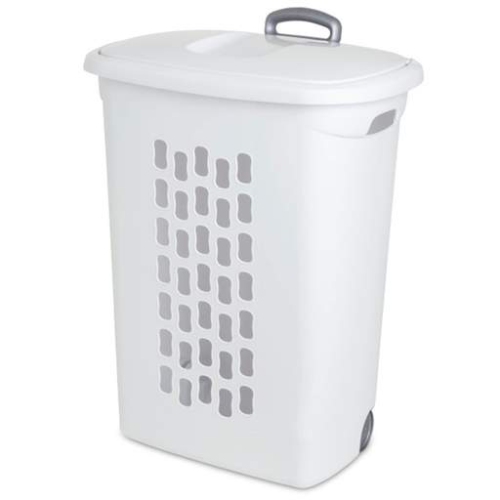 Your price for this item is $1089.99
 -
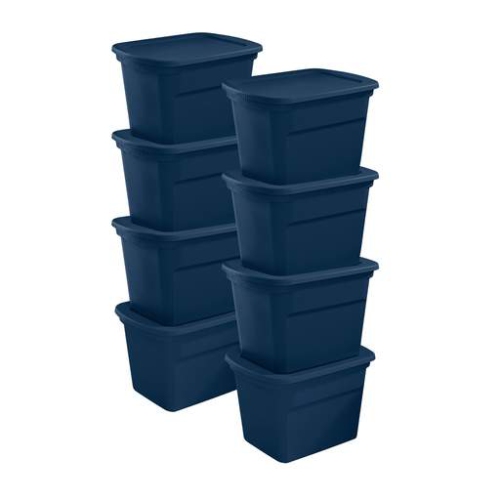 Your price for this item is $246.99
 -
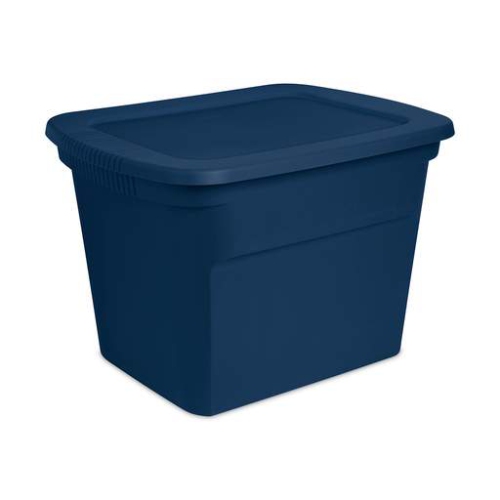 Your price for this item is $679.99
 -
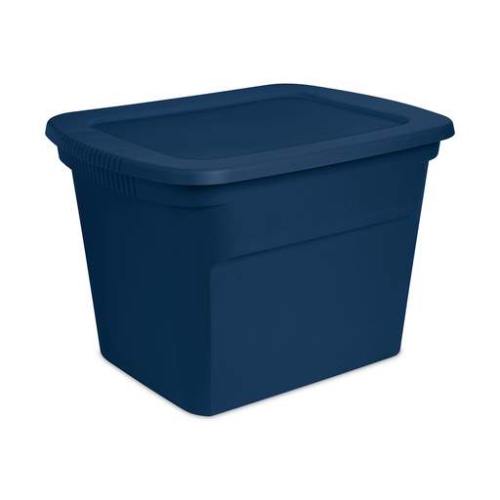 Your price for this item is $906.99
 -
 Your price for this item is $452.99
 -
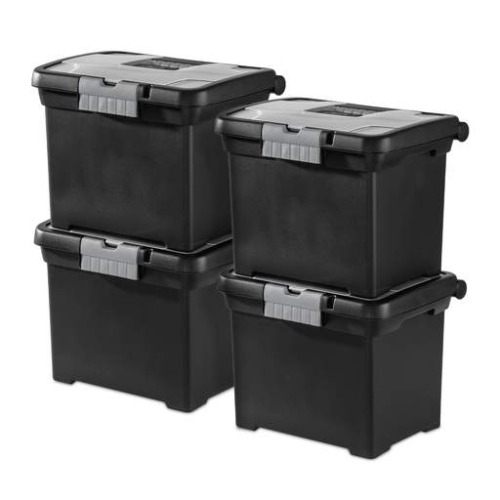 Your price for this item is $133.99
 -
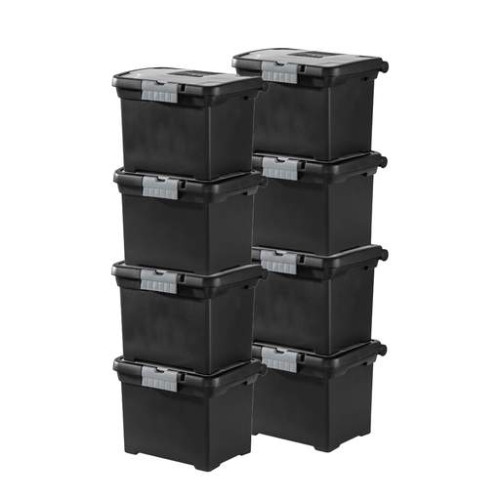 Your price for this item is $264.99
 -
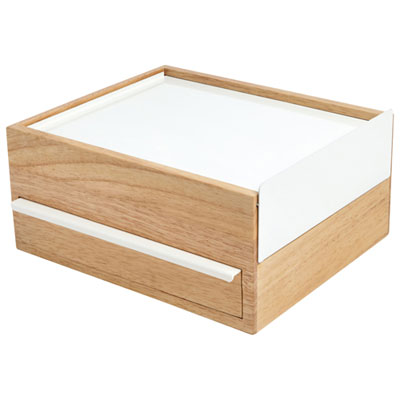 Your price for this item is $64.98
Discover more categories related to Garage Organization Kits
Top Collections:
Pokemon Centers, Kindle Devices, Best Budget Office Chairs, Apple iPhones 16, Best Laptops for Writers, iPhone 15 Apple, Canon G7X Cameras, Refurbished Apple Laptops, Alarm Clock, Motorola Razr Phones
Some products may be subject to Environmental Handling Fees
(EHF) depending on your province.
Learn more about EHFs.