Garage Workbench
Organize your garage workspace efficiently with a sturdy and versatile garage workbench. Whether you're a DIY enthusiast, a hobbyist, or a professional tradesperson, a quality workbench provides a dedicated area for projects, repairs, and maintenance tasks. From assembling furniture to fixing household appliances, a reliable workbench offers stability and ample space to work comfortably. Explore this selection of garage workbenches designed to enhance your productivity and elevate your workspace.
Sort


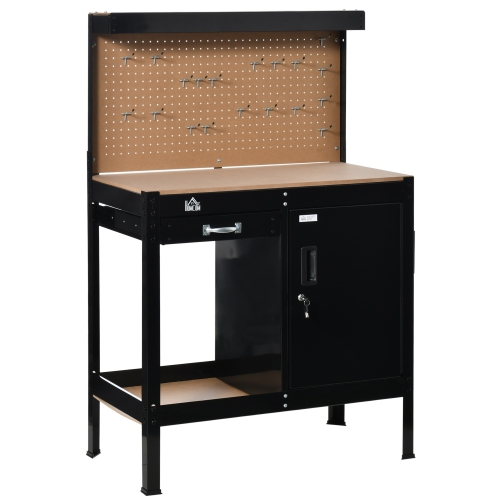
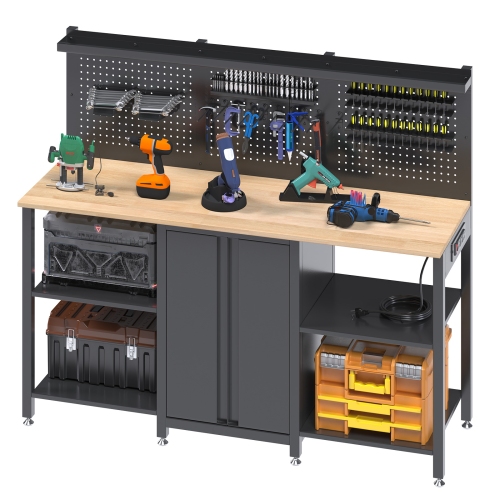


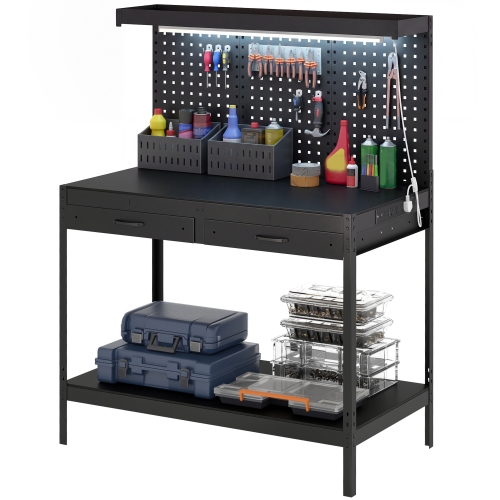


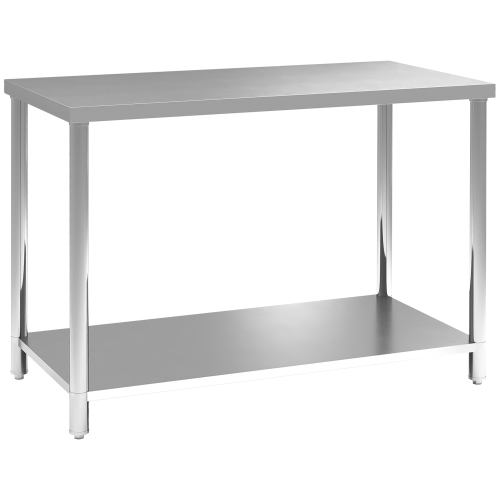

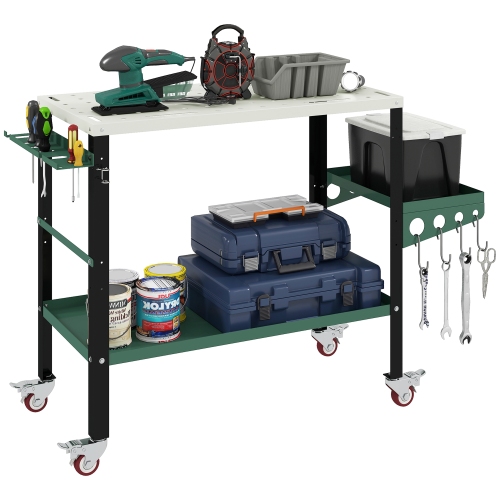
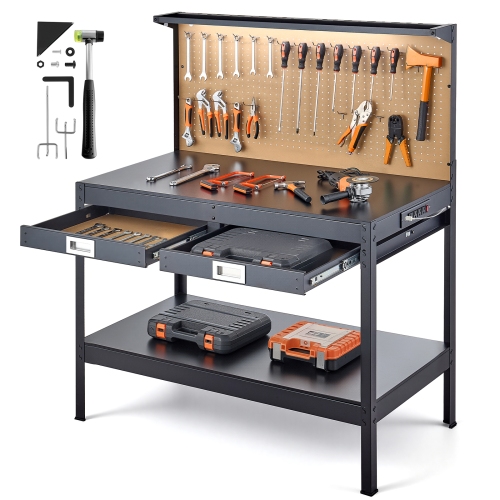


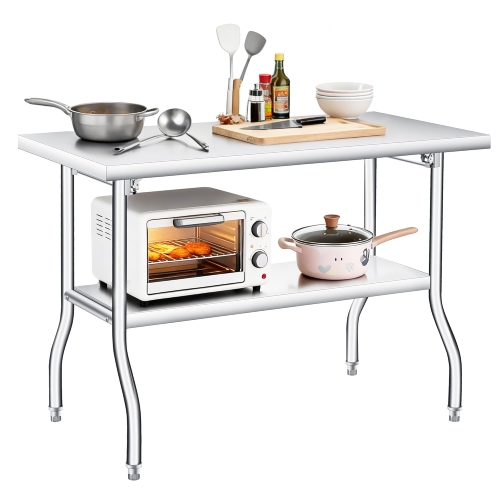


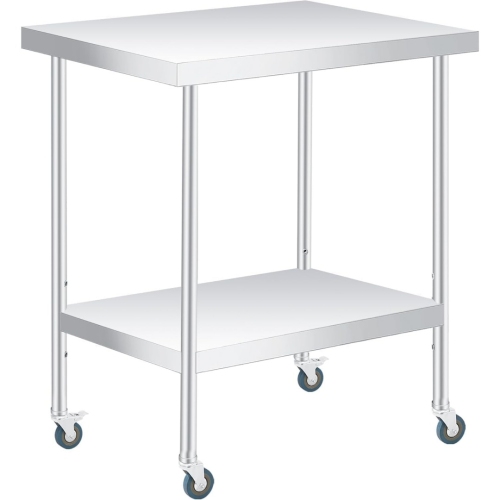

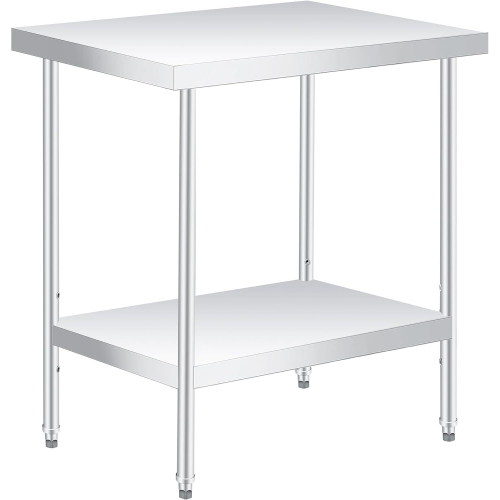

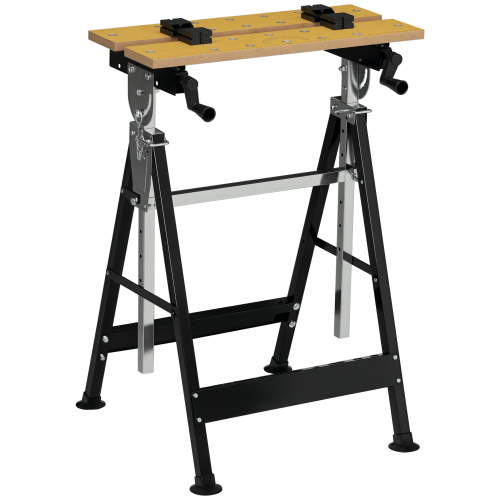
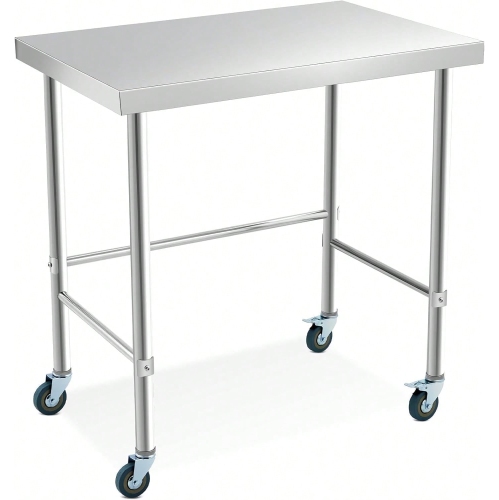


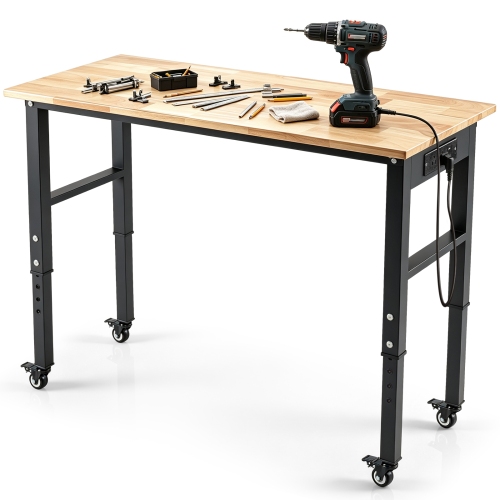
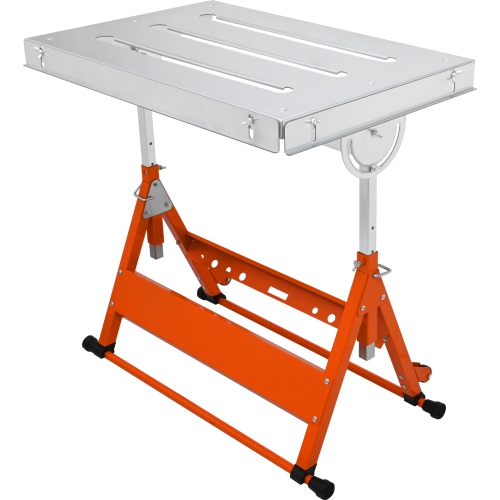
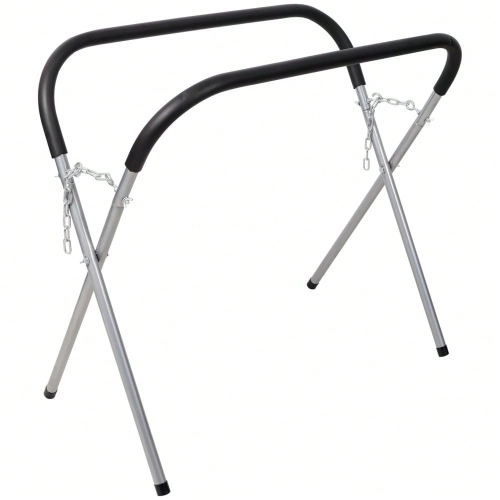
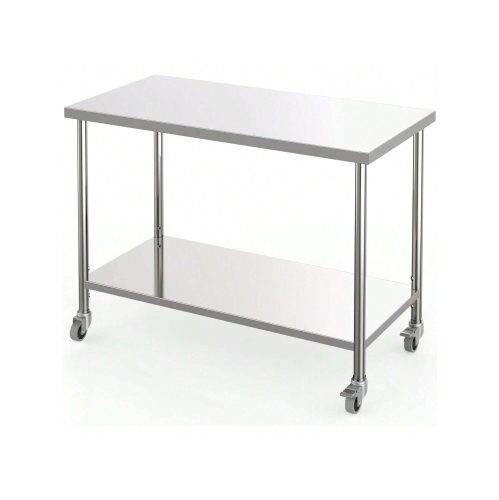
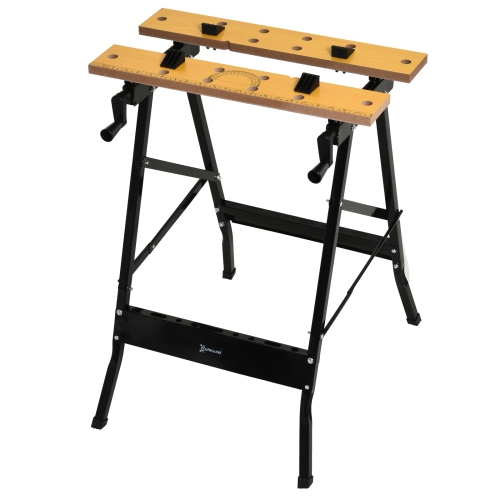
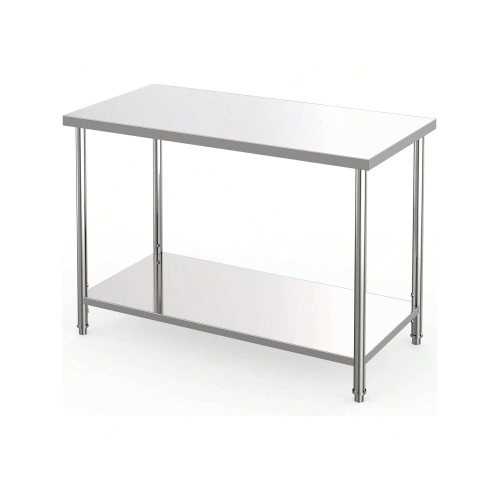

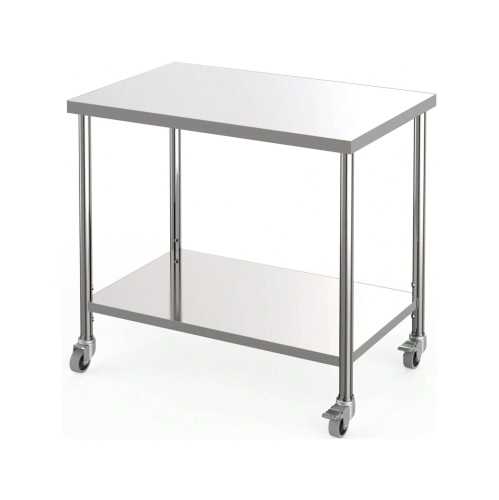
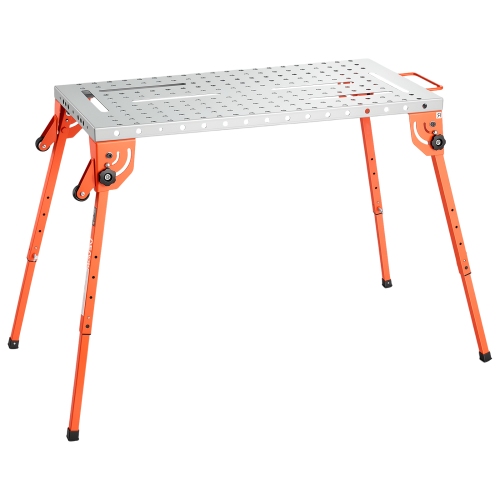


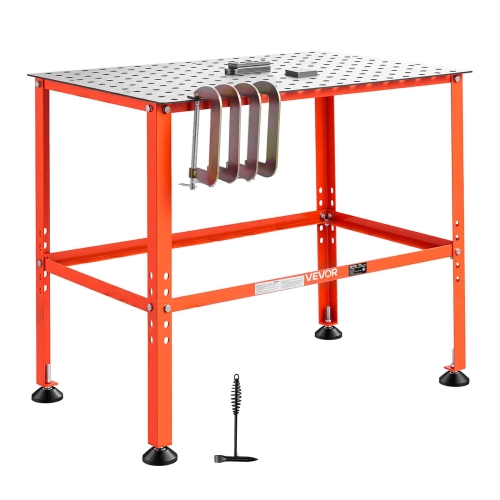
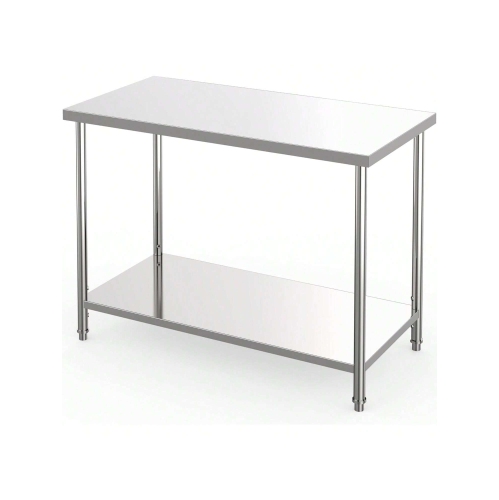


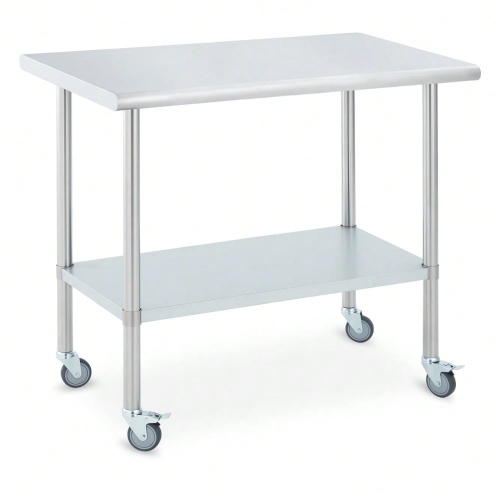
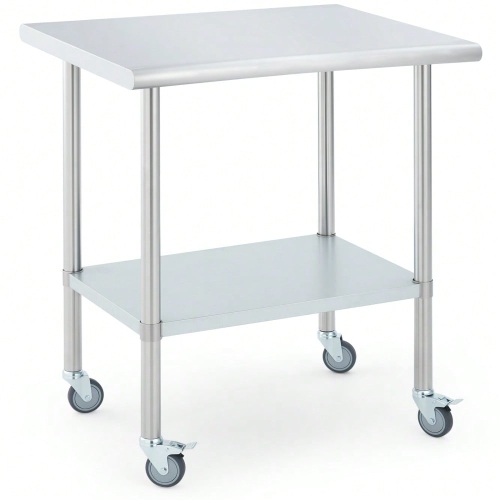

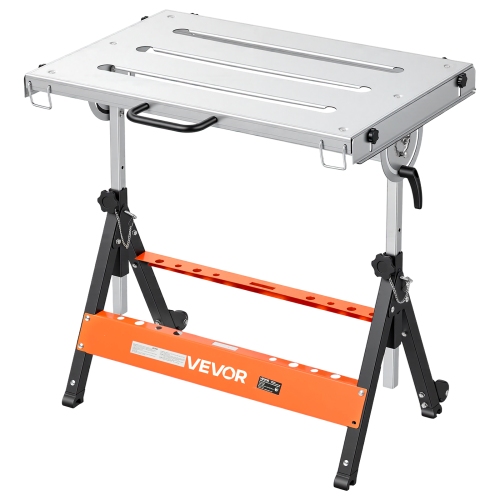

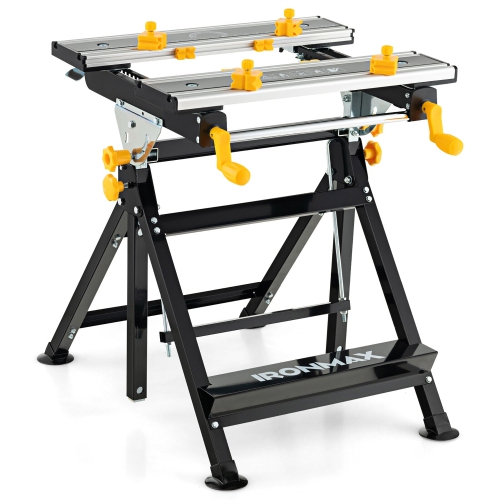
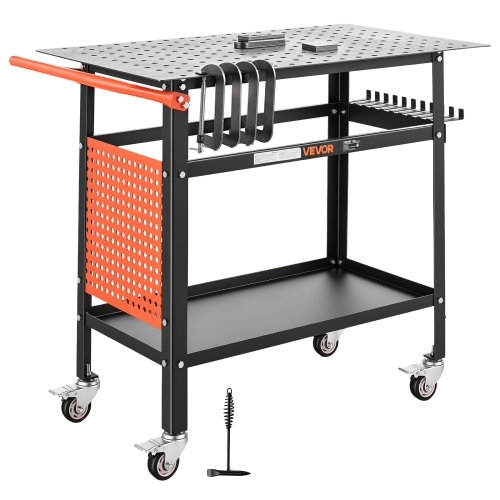


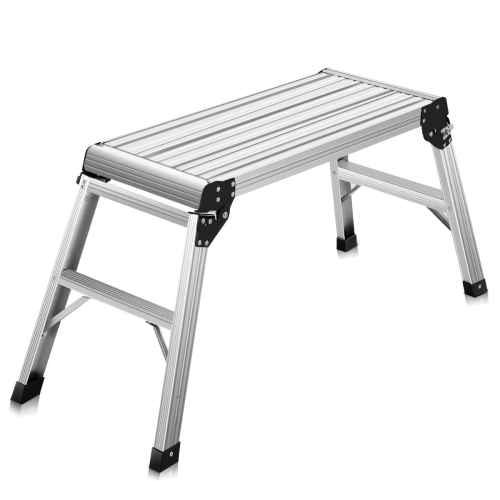
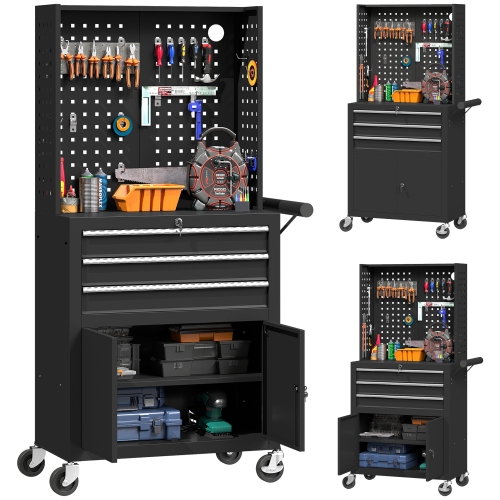
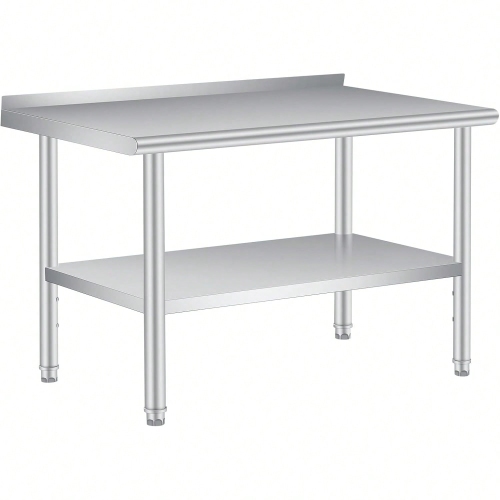
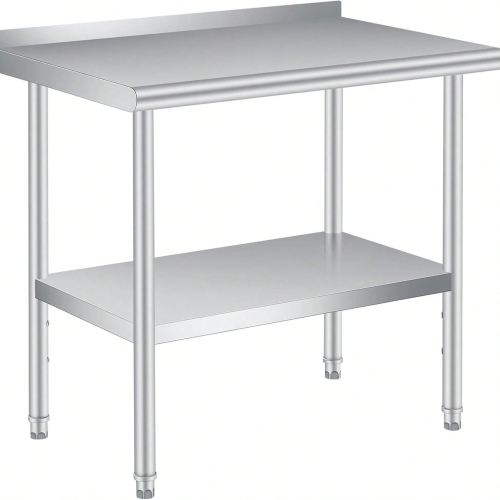

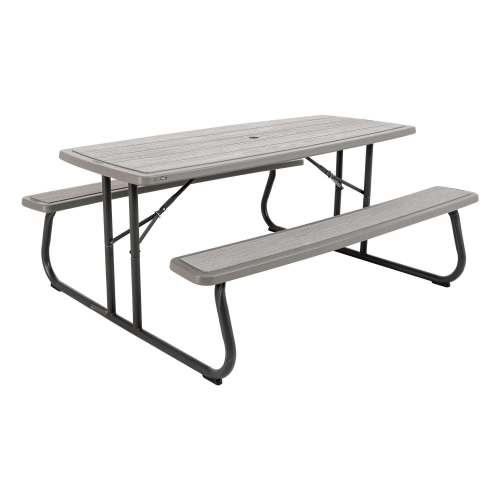

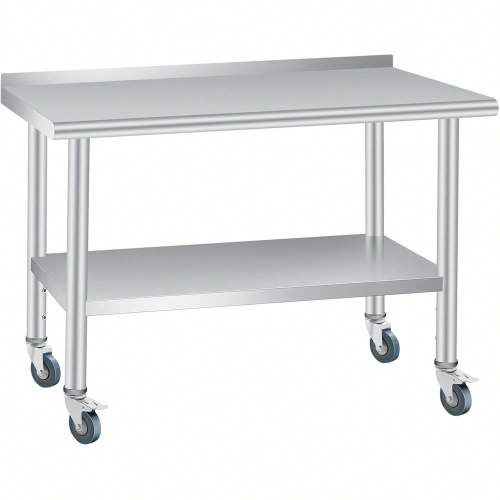
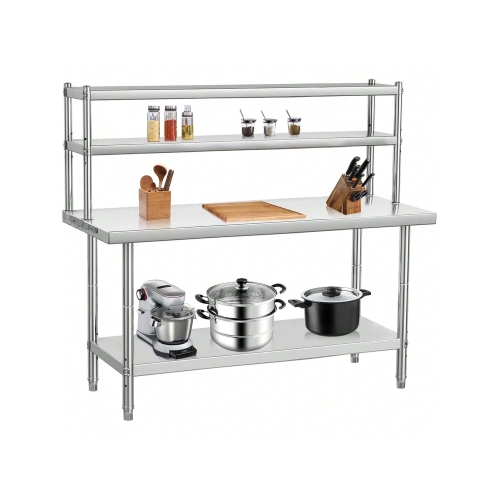
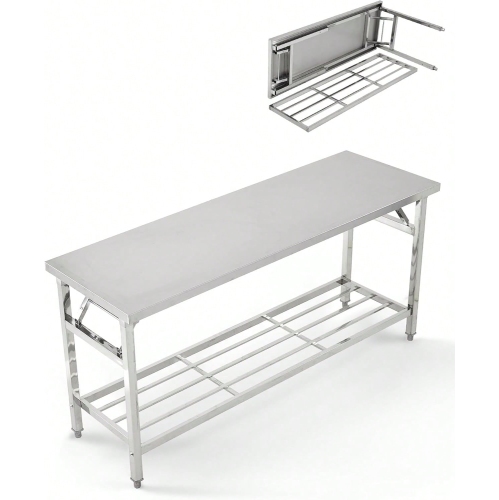
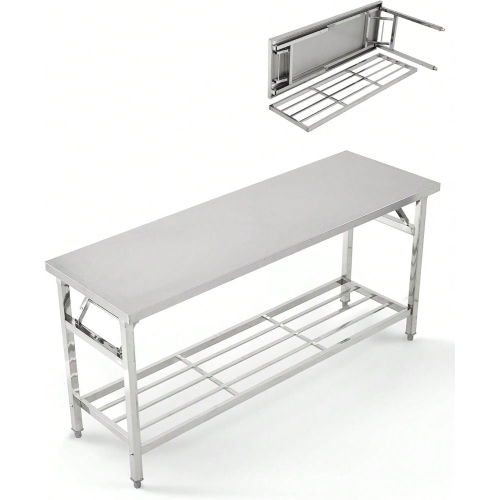

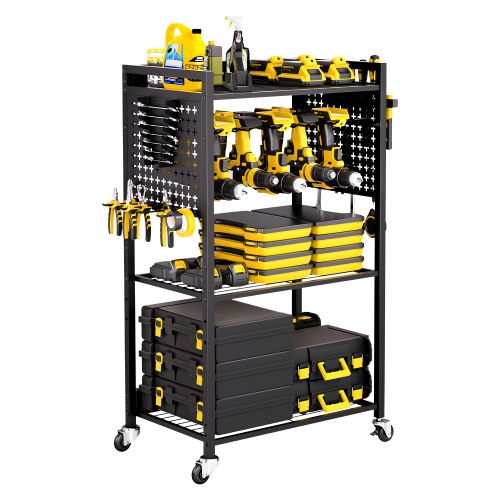

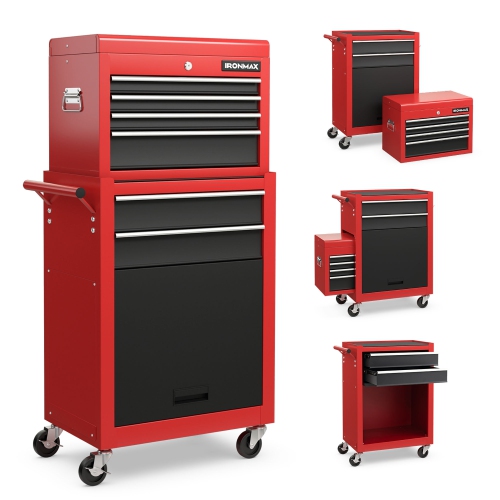
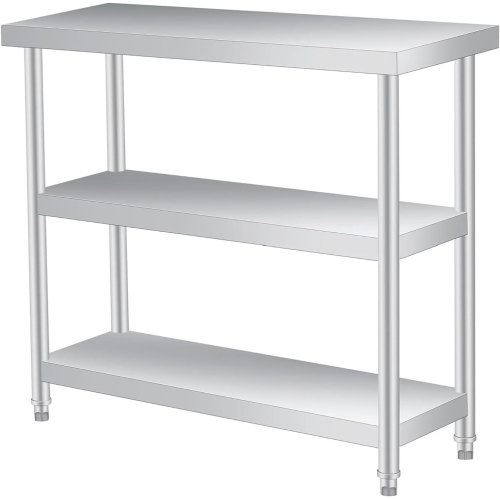
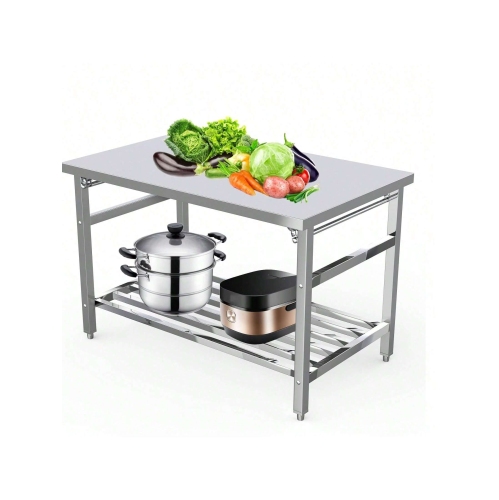
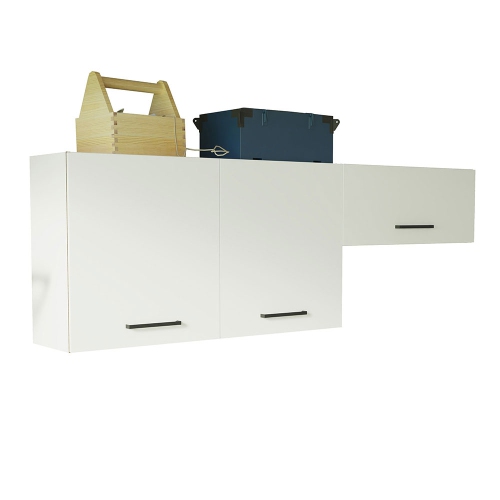
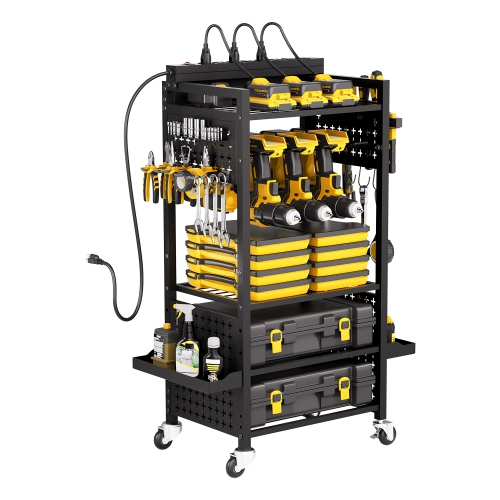
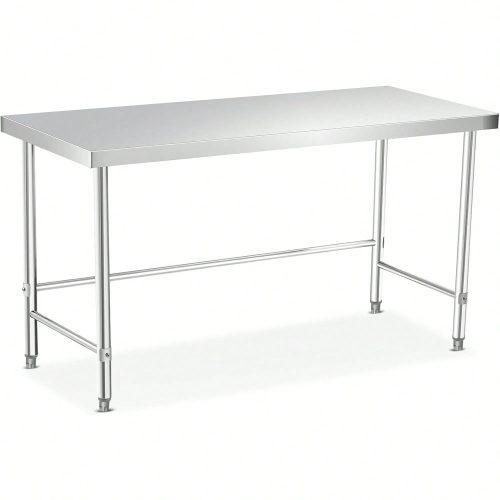
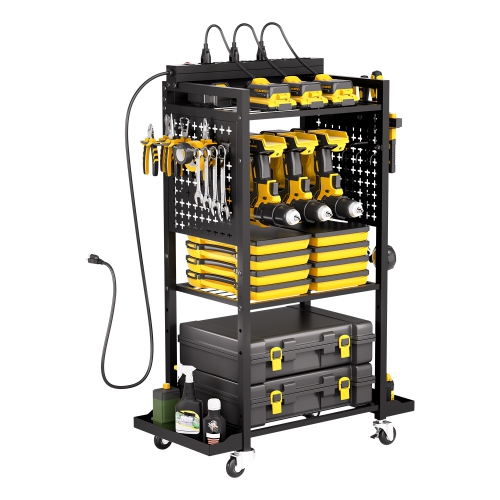

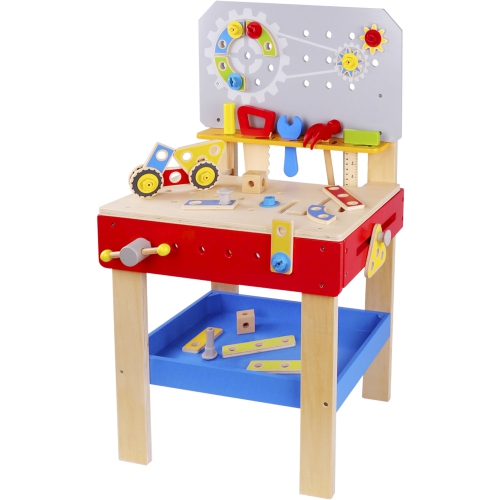

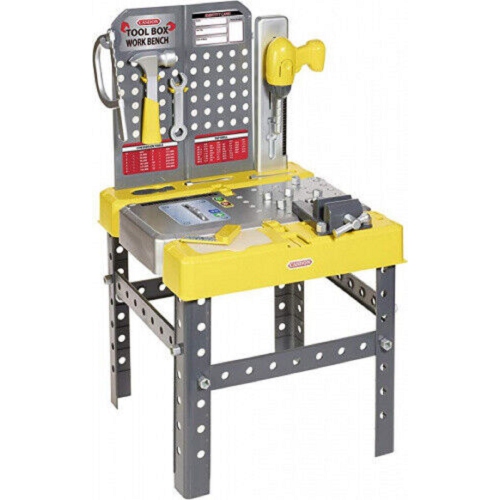

A sturdy top is only the starting point
A garage workbench is a sturdy, flat work surface designed for repairs, assembly, maintenance, and hands-on projects. It creates a dedicated place to measure a board, sort hardware, or take apart a small mechanism without balancing tools on a storage bin or clearing the kitchen table. The most useful design depends on the work it will support: woodworking calls for a stable surface that can accommodate clamps, while mechanical tasks may put greater emphasis on easy cleanup and organized parts storage. A general-purpose garage workbench balances these needs with a durable top, a supportive frame, and enough clear space to spread out a project. Solid wood and laminated hardwood tops provide substantial working surfaces that can often be refinished, depending on their construction and finish. Their weight can also help steady a bench during hand-tool work. Plywood and engineered wood surfaces vary in thickness and finish, so edge protection and resistance to everyday wear deserve attention. Steel tops suit many maintenance tasks, although resistance to oils, cleaners, and other substances depends on the metal and its coating. Stainless steel offers straightforward cleanup for many uses, but it can still scratch and requires suitable cleaning products. A protective mat can cushion delicate parts, while a replaceable work surface can take the wear from glue, paint, and repeated cutting. For projects centred on shaping timber, joining boards, or securing pieces for sanding, Wood Working Tables offer another relevant category to explore. Whatever the main material, durability comes from the whole assembly rather than the top alone. Frame bracing, secure joints, supported edges, and the way the surface attaches to the base all influence how solid a bench feels in use. A top that looks substantial is only part of the picture; resistance to rocking and twisting matters when a task involves pressure, vibration, or repeated movement.
Fit is about more than finding an empty stretch of garage wall. A workbench needs enough surrounding room for the user, the project, and the movements involved in completing it. Width determines how much can be laid out at once, while depth affects both usable surface area and the reach to tools stored at the back. An especially deep bench can become awkward if frequently used supplies sit beyond comfortable reach. In a garage shared with a vehicle, allow space for doors to open, people to pass, and drawers or cabinets to extend without blocking a walkway. Long boards and larger assemblies may need clearance beyond either end of the top. Workbench height also changes the experience of a task: detailed assembly often benefits from a higher working position, while jobs that require downward force may feel more manageable on a lower surface. Adjustable-height benches can accommodate different users or a mix of seated and standing work, though some adjust manually between projects rather than moving at the touch of a button. Legroom matters for seated tasks, particularly where drawers, crossbars, or lower shelves occupy the space beneath the top. Fixed benches favour a permanent layout, while mobile workbenches can move into an open area for access from several sides. Locking casters help hold a mobile bench in position, but wheel size, floor condition, and the manufacturer's instructions still affect safe use. Levelling feet can help a stationary bench sit securely on an uneven floor. Folding and wall-mounted designs make sense where the work area must be cleared after a project, provided their mounting requirements and load limits suit the intended use. Weight capacity deserves careful reading: a rating may refer to an evenly distributed load, and separate limits may apply to drawers, shelves, or the bench while it is moving. Heavy equipment, concentrated loads, and tools that produce vibration need support appropriate to their particular demands.
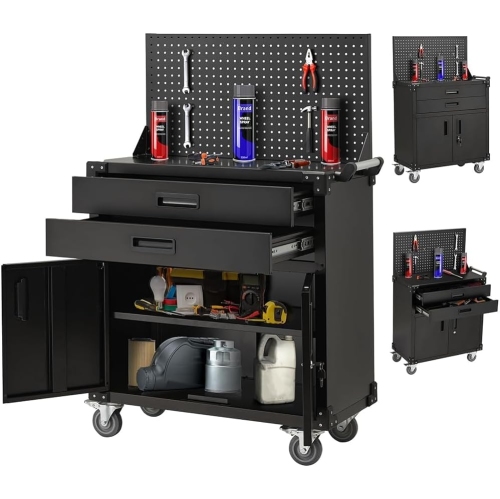
Storage features shape how efficiently a garage workbench functions once a project is underway. Shallow drawers keep small tools and measuring equipment visible, while deeper compartments can hold bulkier supplies without crowding the working surface. Drawer dividers make it easier to separate fasteners during a repair, especially when several similar screws need to return to different positions. A lower shelf provides space for larger equipment, although anything stored there should remain within its stated load capacity and clear of foot space. Pegboards and back panels can keep frequently used tools within reach, with heavier accessories secured according to the panel's limits. Enclosed storage helps keep dust off supplies, but locking drawers are not a substitute for any dedicated storage required for hazardous substances or sharp tools. Integrated power outlets can be convenient for compatible equipment, provided the outlet assembly's electrical rating is respected and cords stay away from cutting paths, pinch points, and walkways. Good task lighting makes pencil lines, small markings, and fasteners easier to see; its position should avoid casting a hand's shadow directly over the work. Clamp clearance is another practical detail, since a thick apron or cabinet directly beneath the edge may restrict where a clamp can grip. Likewise, a vise requires a suitable mounting area and support for the forces it will apply. Routine care helps preserve these useful features: remove abrasive debris, wipe up spills promptly, and use cleaning methods suited to the surface finish. Wood tops may need periodic treatment if specified by the manufacturer, while coated metal surfaces benefit from attention to scratches and exposed edges. Checking fasteners, drawer operation, levelling feet, and caster locks can catch looseness before it interferes with a task. For home repair enthusiasts, model makers, woodworking hobbyists, and people maintaining household equipment, a well-matched bench makes careful work easier to organize. It can also be a thoughtful gift when the recipient's workspace dimensions and preferred activities are known. The strongest match is a bench that supports familiar tasks comfortably, keeps essential tools close, and leaves sufficient room for the project itself.
Top selling and popular products
-
 Your price for this item is $99.99
-
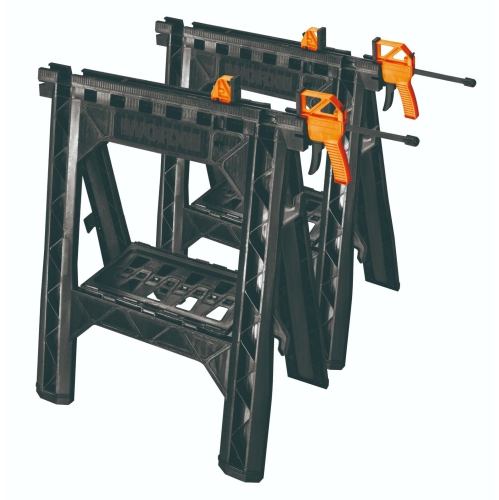 Your price for this item is $99.99
-
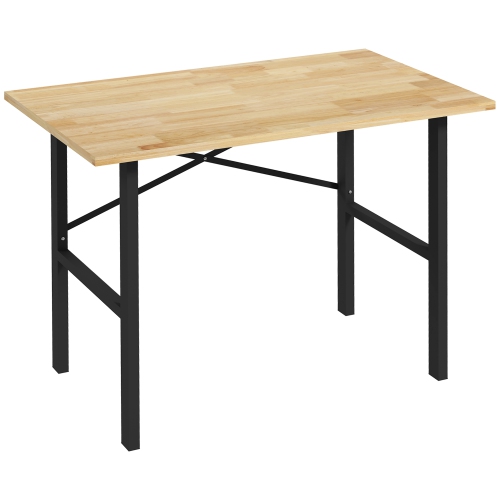 Your price for this item is $154.49
-
 Your price for this item is $404.99
-
 Your price for this item is $415.35
-
 Your price for this item is $89.99
-
 Your price for this item is $249.99
-
 Your price for this item is $169.99
Discover more categories related to Garage Workbench

Top Collections:
Pokemon Centers, Best Cameras for Sports Photography, Kindle Devices, Samsung Galaxy Phones, Canon G7X Cameras, Pokémon 30th Celebration Cards, Refurbished Apple Laptops, iPhone 15 Apple, Laptops for Students, Budget Smartphones
Some products may be subject to Environmental Handling Fees
(EHF) depending on your province.
Learn more about EHFs.