Garden Cages
Create a safe haven for your plants with our selection of garden cages. Perfect for keeping pesky pests at bay and providing support for climbing vines, our range of garden cages offers both functionality and style for your outdoor space. Whether you're a seasoned gardener or just starting out, these sturdy and versatile cages are essential for maintaining a thriving garden all season long. Explore our collection today to find the perfect solution for protecting and nurturing your beloved plants.
Sort
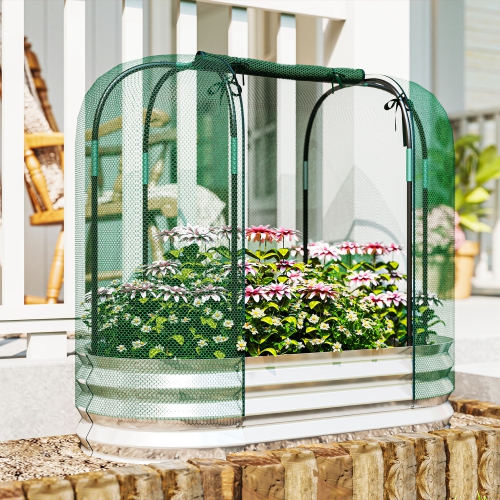
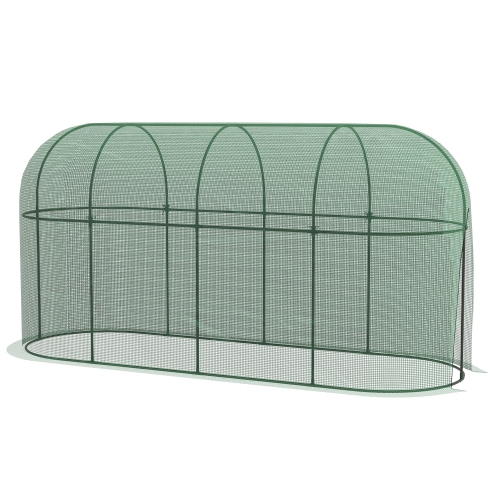
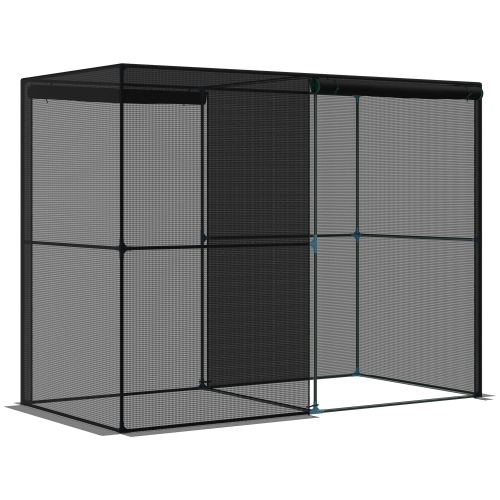
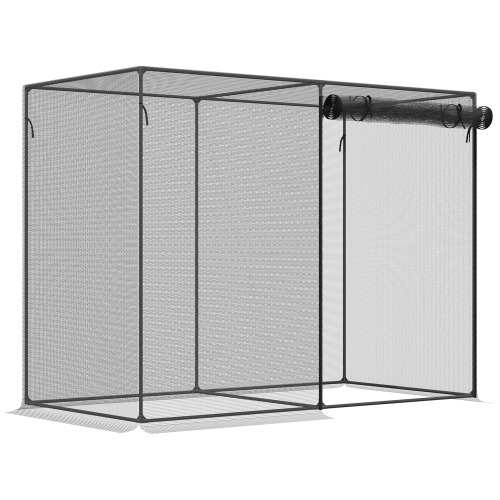
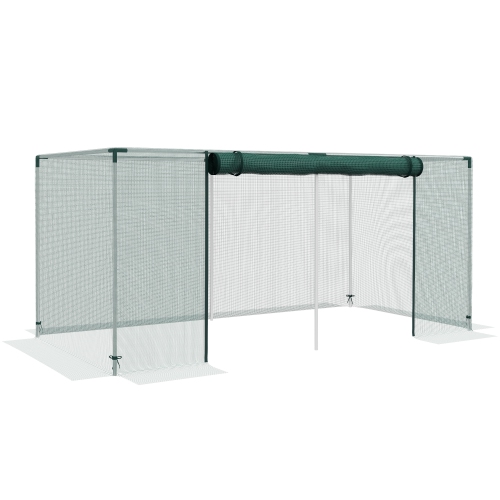
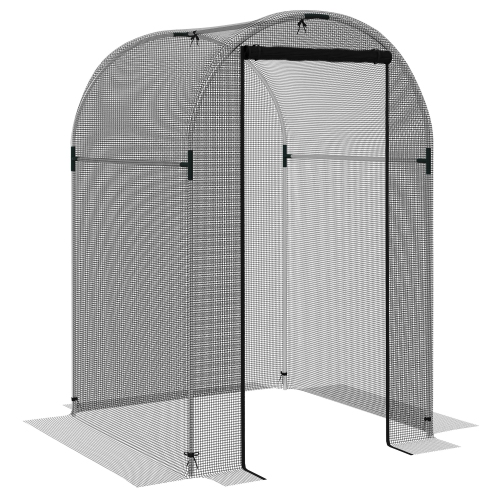
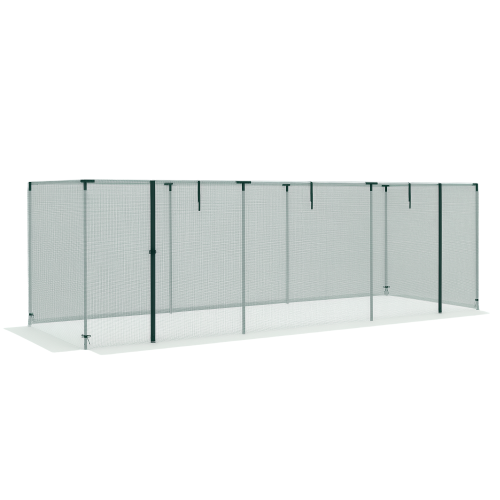
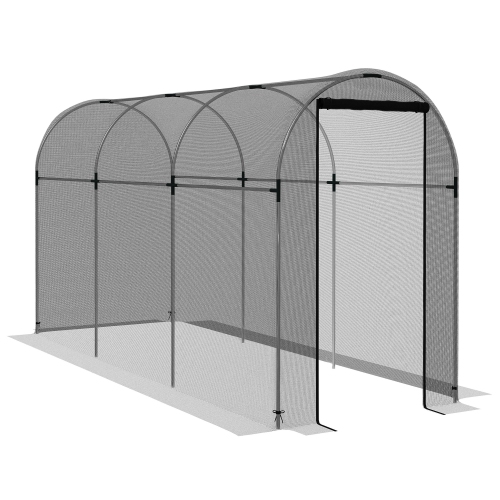
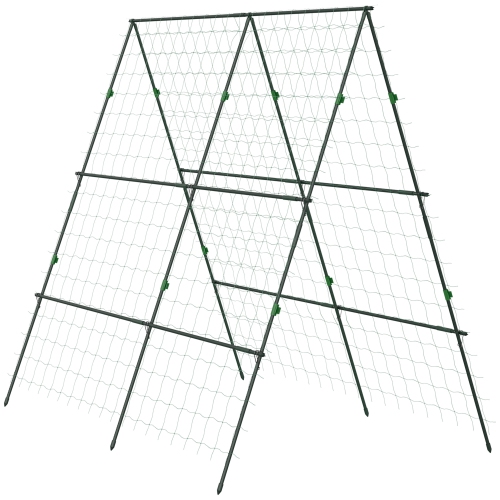
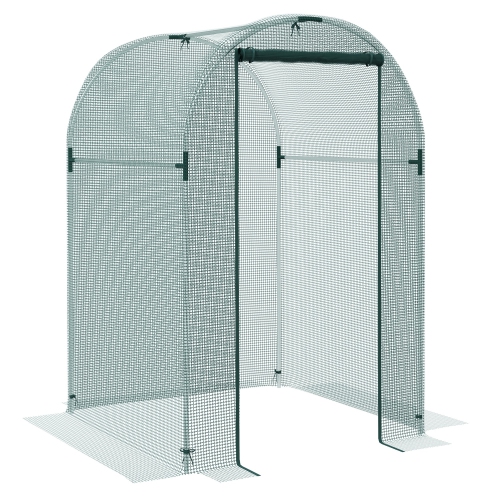
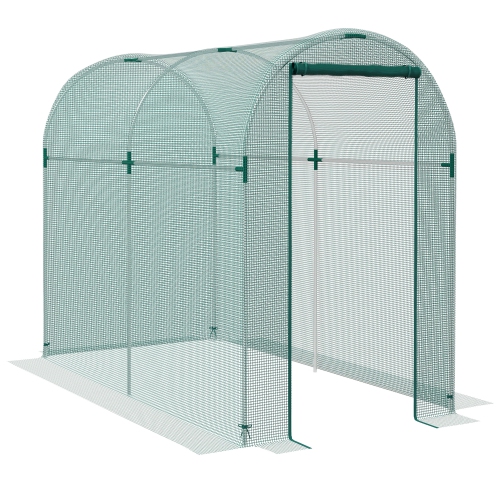
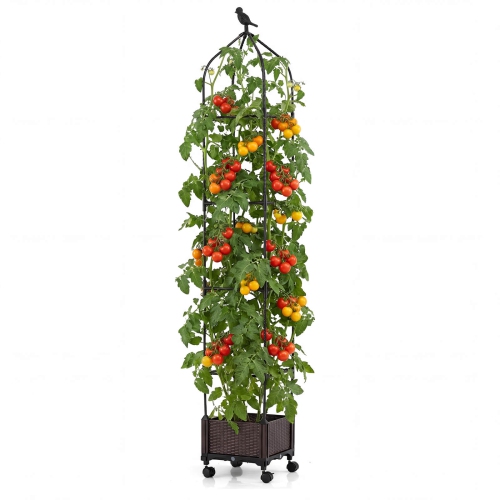
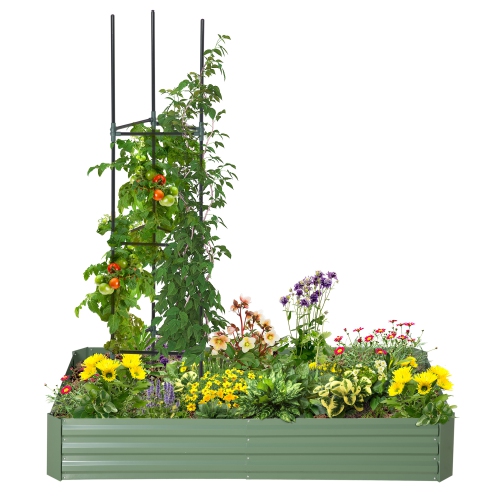
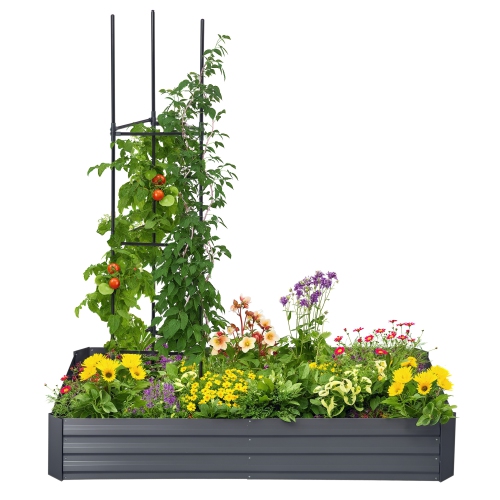
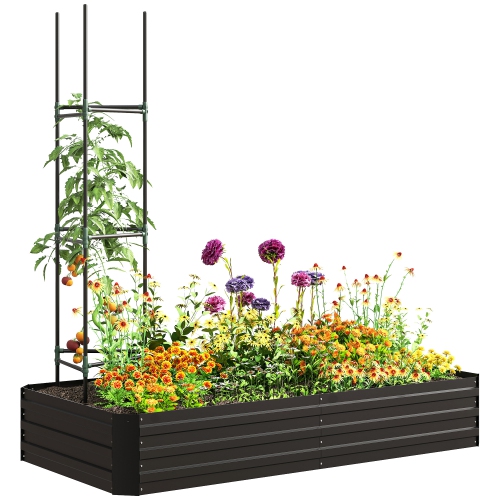
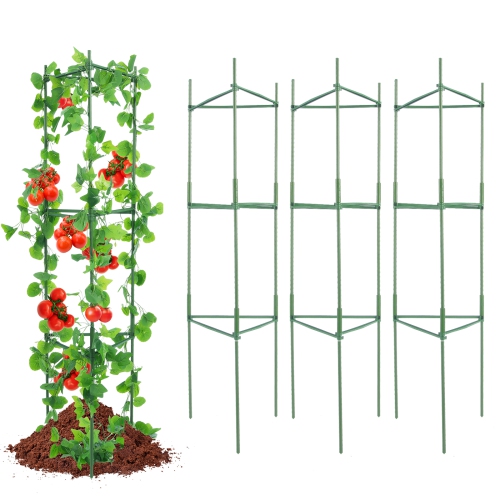
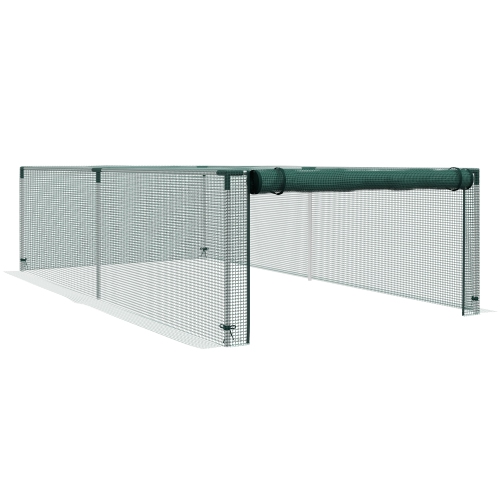
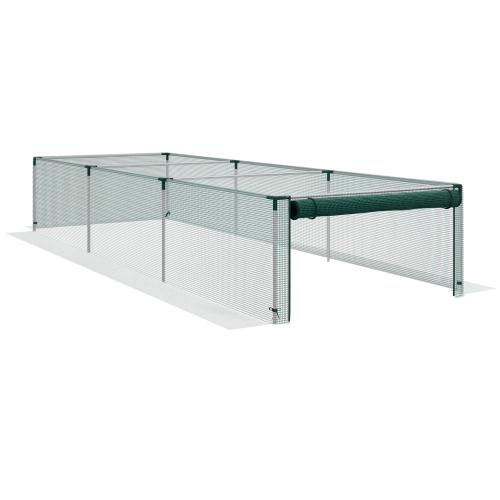
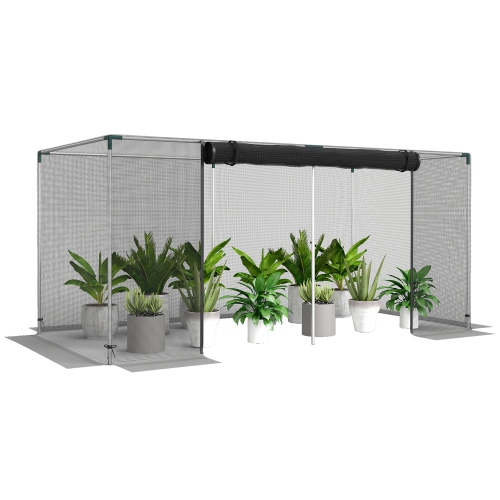
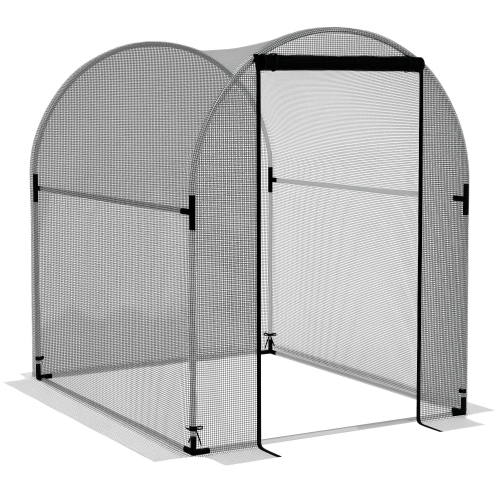
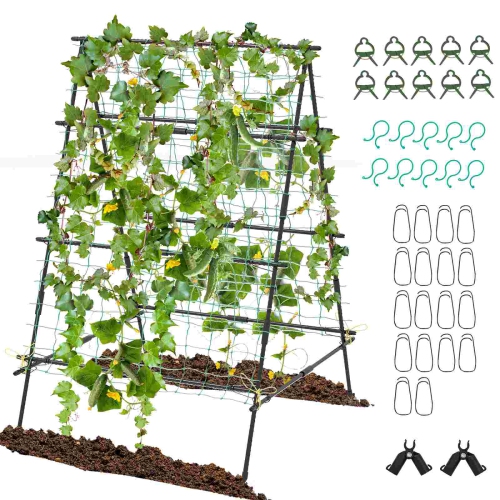
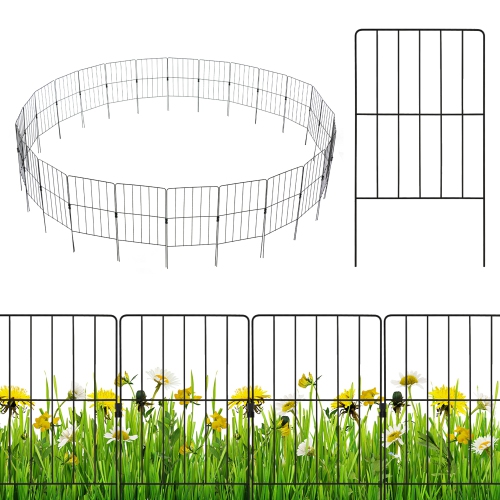
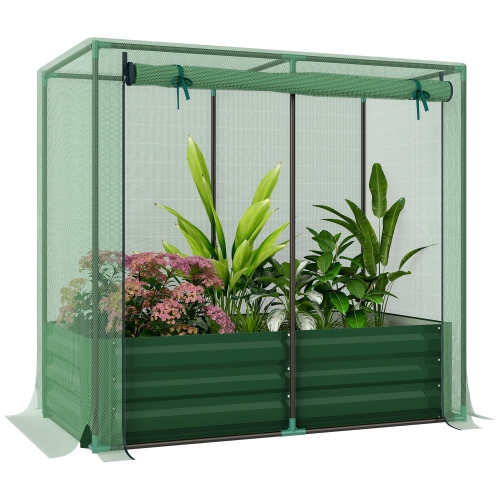
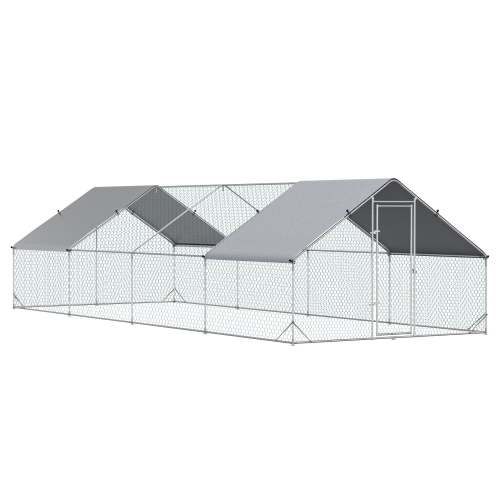
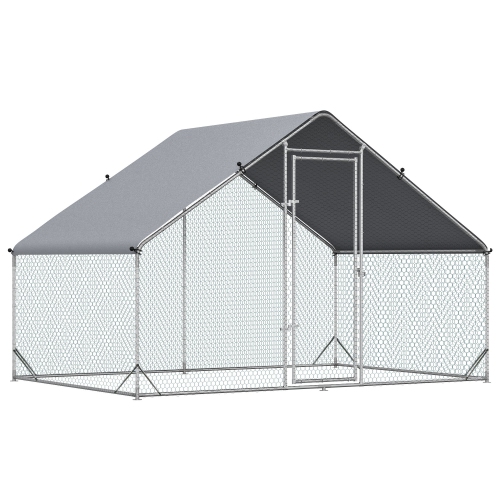
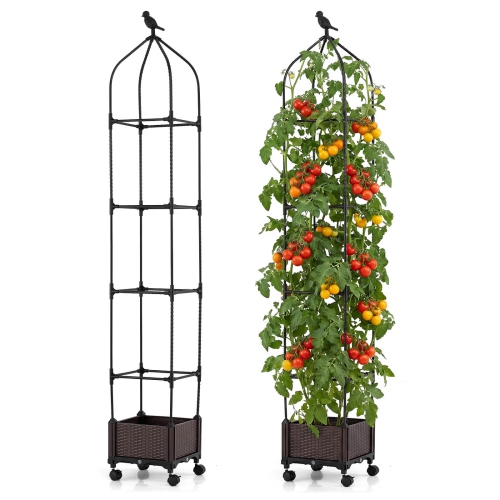
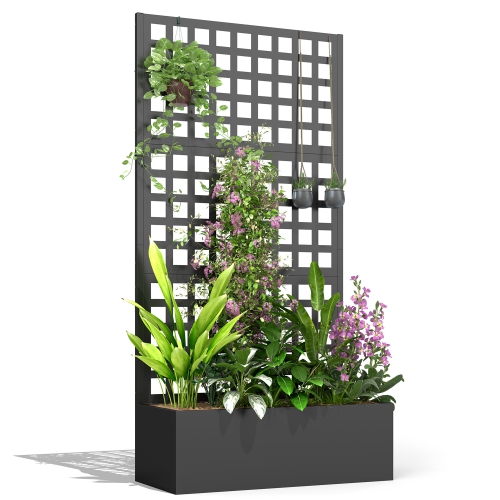
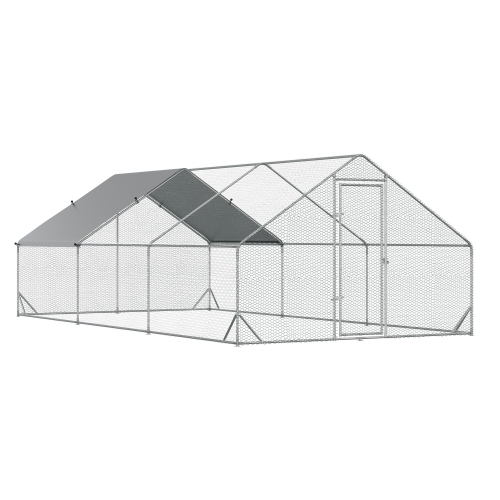
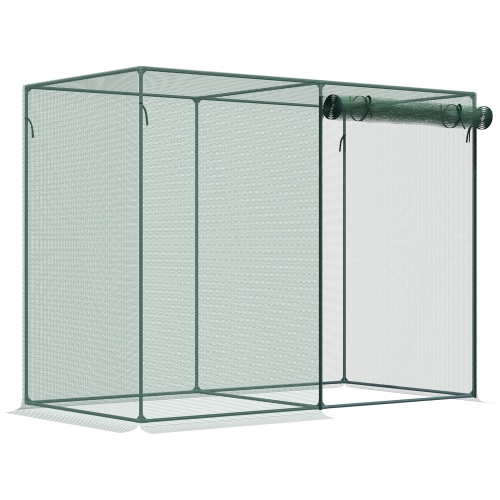
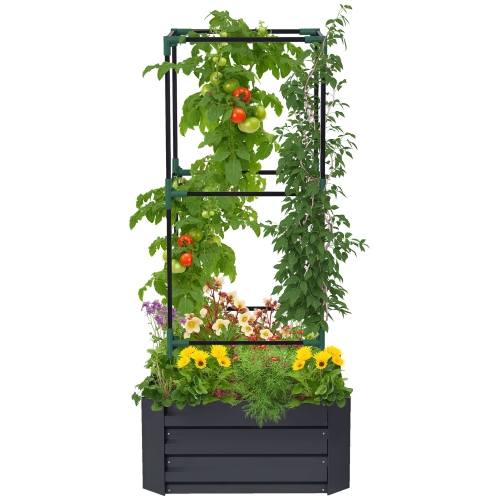
Protect plants while making everyday garden care easier
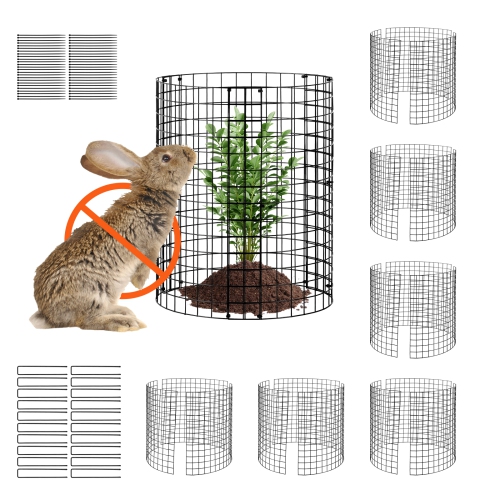
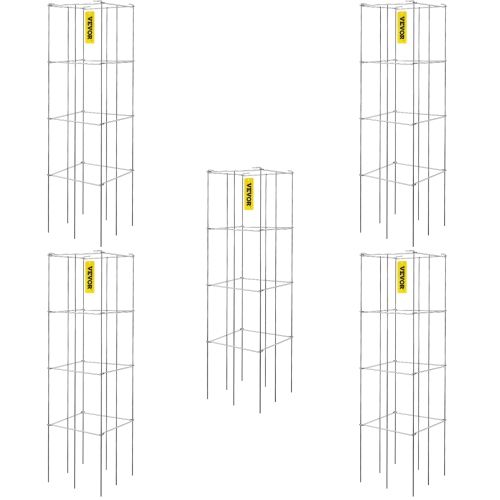
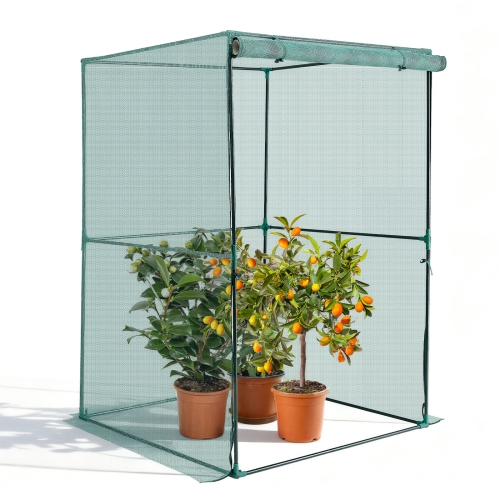
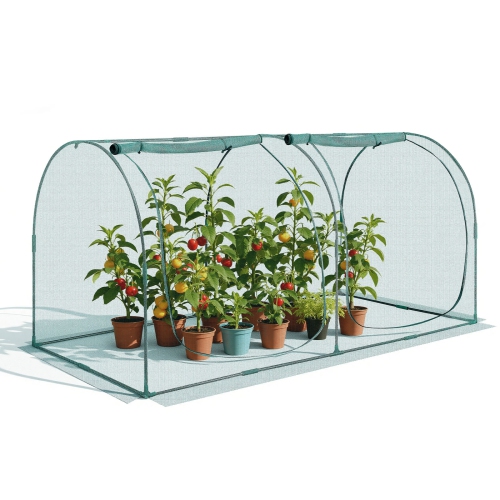
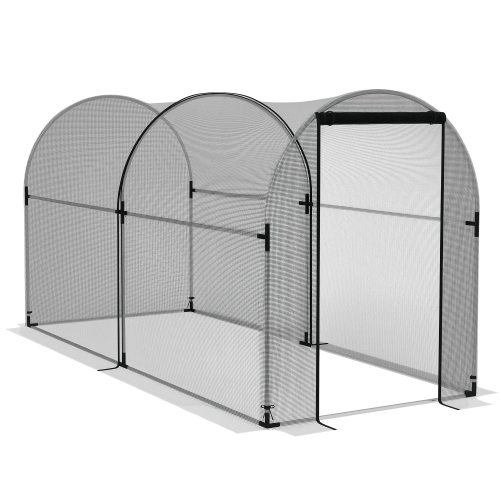
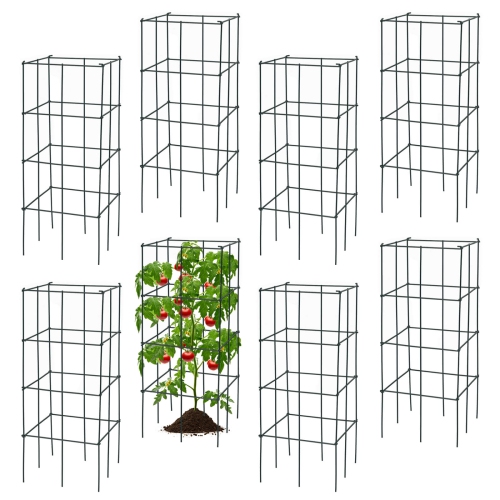
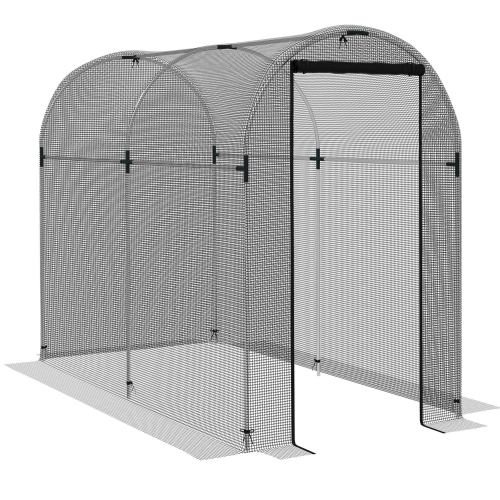
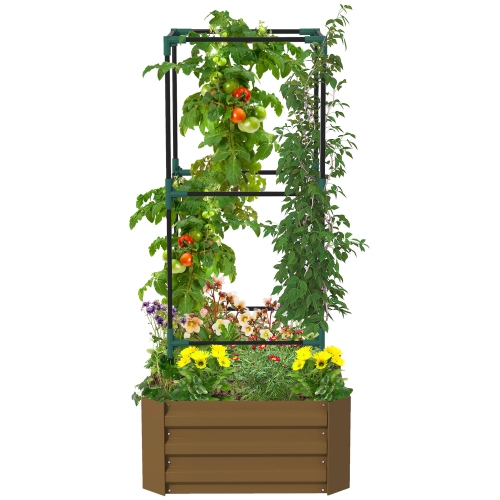
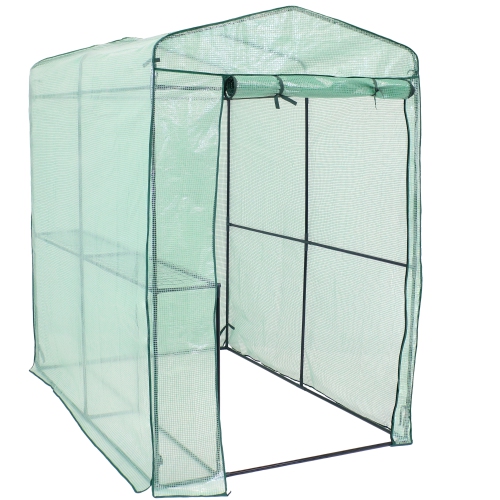
Garden cages are practical structures designed to protect plants, fruit, and vegetables while giving growing crops room to develop. Depending on the style, a garden cage may act as a protective enclosure, a support system, or both. Smaller cages can be placed around individual tomato, pepper, melon, or berry plants, while larger walk-in designs can cover raised beds, in-ground rows, and productive garden patches. They are especially useful for gardeners dealing with rabbits, birds, squirrels, deer, and other wildlife that may browse tender leaves or take interest in ripening produce. A cage can also help keep climbing or heavy-yielding plants upright, reducing the chance of stems bending under the weight of tomatoes, cucumbers, beans, or fruit. Mesh, netting, wire, and fabric-covered designs offer different levels of protection, so choosing the right style begins with considering what needs to be kept out. Fine mesh is suited to smaller insects and flying pests, while wider grids are generally intended to discourage birds and larger animals. If the main goal is to keep produce accessible while shielding it from wildlife, look for a structure with a front opening, zippered access panel, or hinged door. A walk-in layout can make a noticeable difference when watering, pruning, tying plants, removing weeds, or harvesting several rows at once. For gardeners who prefer a more open planting area, garden cages can be paired with Garden Frames to create a tailored support and protection setup around beds or larger growing spaces.
When comparing garden cages, pay close attention to dimensions, construction, coverage, and how the enclosure will be secured. Measure the length and width of the area to be covered, then allow enough height for plants to grow without pressing against the mesh. A cage that is too small can restrict foliage and make everyday care awkward, while one that is too large may require additional anchoring to remain stable. Pop-up and tent-style cages are convenient for gardeners who want a freestanding solution that can be assembled with minimal effort and moved as planting areas change. Raised bed cages are designed to fit over contained growing spaces and can be helpful where plants are arranged in a compact, accessible layout. Larger walk-in cages are a good match for berry patches, long vegetable rows, or gardeners who want to enter the enclosure rather than reach over its sides. Individual wire cages take up less space and can be positioned around specific plants that need support or protection. Look for sturdy frames that will not easily twist, along with mesh that suits the pest concern. Check whether the base includes ground stakes, extended edges, clips, or another anchoring method, since lightweight coverings can shift or lift in strong wind. In areas that experience changing conditions during the warmer and cooler parts of the growing season, a secure foundation helps keep the enclosure in place. It is also worth considering how the door closes, whether the mesh can be removed for cleaning or storage, and whether the frame can be folded when the garden is no longer in active use. Clear access is important for routine care; an enclosure that is difficult to open may discourage regular harvesting and allow overgrown plants to become crowded.
Garden cages can suit experienced gardeners, first-time growers, community garden users, and anyone hoping to make better use of a backyard, balcony, patio, or raised planting area. They can be a thoughtful gift for someone who enjoys growing vegetables, tending flowers, or experimenting with berry plants, particularly when wildlife has made it difficult to protect a harvest. Families may appreciate a walk-in enclosure that creates a defined space for children to observe seedlings, blossoms, and ripening produce without stepping directly into the planting bed. Gardeners with limited mobility may also prefer a design with a door and enough interior height to make watering and harvesting easier from inside the structure. During the warmer portion of the growing season, cages can help protect young plants as they become established and can keep developing fruit within reach of the gardener rather than local animals. As temperatures become cooler, they can continue to provide a barrier around late-season crops and make it easier to manage covers or remove the enclosure for storage. Before setting up a cage, clear away loose debris, position the frame so doors are easy to reach, and confirm that the lower edges sit close to the ground. Small gaps at the base can be enough for rabbits or other animals to enter, while loose mesh may allow birds to become tangled. Regularly inspect seams, fasteners, stakes, and door closures, especially after wind or heavy rain. With the right size, mesh, access features, and anchoring system, a garden cage can turn a vulnerable planting area into a more organized and dependable space for growing, tending, and enjoying fresh garden produce.
When comparing garden cages, pay close attention to dimensions, construction, coverage, and how the enclosure will be secured. Measure the length and width of the area to be covered, then allow enough height for plants to grow without pressing against the mesh. A cage that is too small can restrict foliage and make everyday care awkward, while one that is too large may require additional anchoring to remain stable. Pop-up and tent-style cages are convenient for gardeners who want a freestanding solution that can be assembled with minimal effort and moved as planting areas change. Raised bed cages are designed to fit over contained growing spaces and can be helpful where plants are arranged in a compact, accessible layout. Larger walk-in cages are a good match for berry patches, long vegetable rows, or gardeners who want to enter the enclosure rather than reach over its sides. Individual wire cages take up less space and can be positioned around specific plants that need support or protection. Look for sturdy frames that will not easily twist, along with mesh that suits the pest concern. Check whether the base includes ground stakes, extended edges, clips, or another anchoring method, since lightweight coverings can shift or lift in strong wind. In areas that experience changing conditions during the warmer and cooler parts of the growing season, a secure foundation helps keep the enclosure in place. It is also worth considering how the door closes, whether the mesh can be removed for cleaning or storage, and whether the frame can be folded when the garden is no longer in active use. Clear access is important for routine care; an enclosure that is difficult to open may discourage regular harvesting and allow overgrown plants to become crowded.
Garden cages can suit experienced gardeners, first-time growers, community garden users, and anyone hoping to make better use of a backyard, balcony, patio, or raised planting area. They can be a thoughtful gift for someone who enjoys growing vegetables, tending flowers, or experimenting with berry plants, particularly when wildlife has made it difficult to protect a harvest. Families may appreciate a walk-in enclosure that creates a defined space for children to observe seedlings, blossoms, and ripening produce without stepping directly into the planting bed. Gardeners with limited mobility may also prefer a design with a door and enough interior height to make watering and harvesting easier from inside the structure. During the warmer portion of the growing season, cages can help protect young plants as they become established and can keep developing fruit within reach of the gardener rather than local animals. As temperatures become cooler, they can continue to provide a barrier around late-season crops and make it easier to manage covers or remove the enclosure for storage. Before setting up a cage, clear away loose debris, position the frame so doors are easy to reach, and confirm that the lower edges sit close to the ground. Small gaps at the base can be enough for rabbits or other animals to enter, while loose mesh may allow birds to become tangled. Regularly inspect seams, fasteners, stakes, and door closures, especially after wind or heavy rain. With the right size, mesh, access features, and anchoring system, a garden cage can turn a vulnerable planting area into a more organized and dependable space for growing, tending, and enjoying fresh garden produce.
Top selling and popular products
-
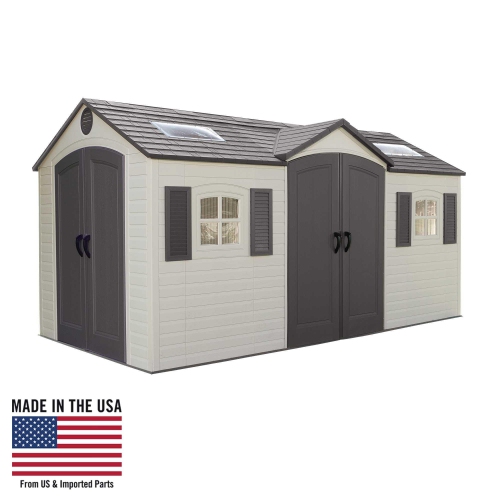 Your price for this item is $3999
 -
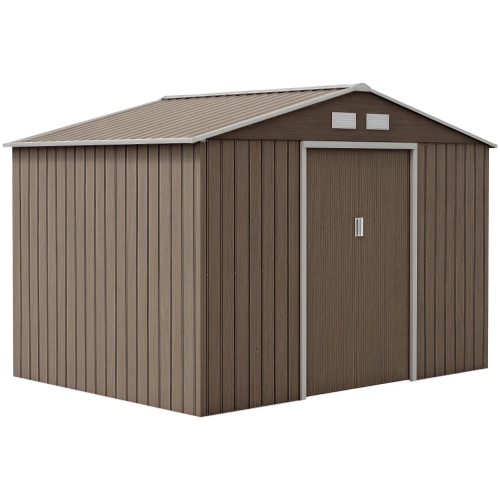 Your price for this item is $554.99
 -
 Your price for this item is $1204.99
 -
 Your price for this item is $385.99
 -
 Your price for this item is $113.35
 -
 Your price for this item is $459.99
 -
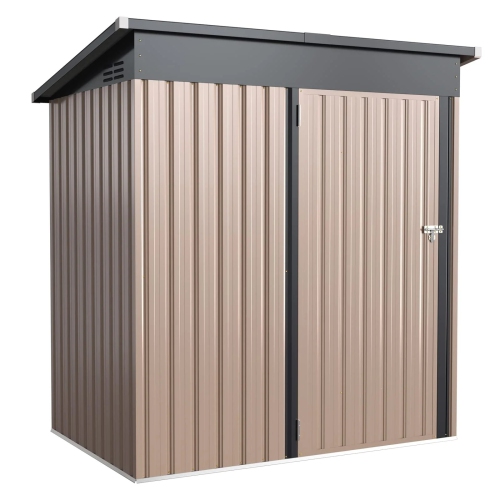 Your price for this item is $189.99
 -
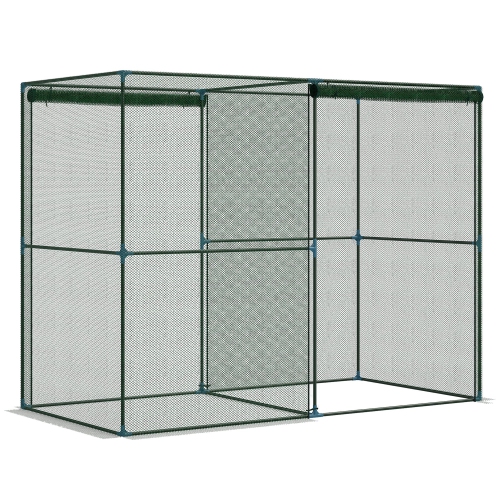 Your price for this item is $79.99
Discover more categories related to Garden Cages
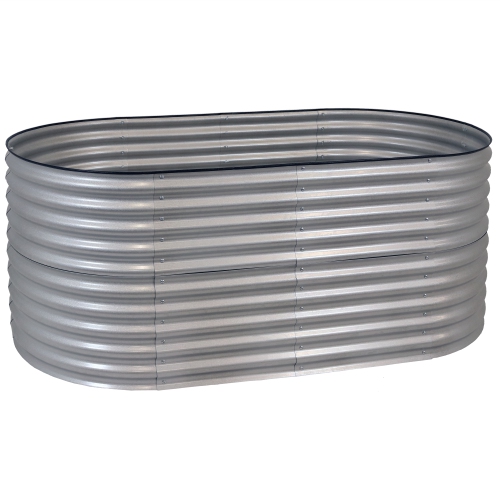
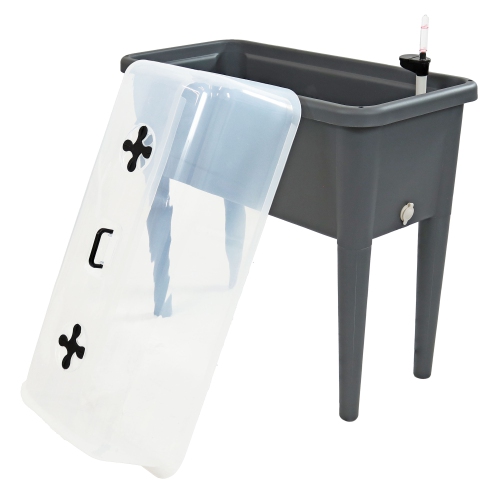
Top Collections:
Pokemon Centers, Kindle Devices, Best Budget Office Chairs, Apple iPhones 16, Best Laptops for Writers, iPhone 15 Apple, Canon G7X Cameras, Refurbished Apple Laptops, Alarm Clock, Motorola Razr Phones
Some products may be subject to Environmental Handling Fees
(EHF) depending on your province.
Learn more about EHFs.