Plant Cages
Enhance your gardening experience with our selection of plant cages, designed to provide essential support and protection for your beloved plants. These sturdy and versatile cages are perfect for securing delicate stems, promoting healthy growth, and safeguarding your garden from unpredictable weather conditions. Whether you're cultivating vibrant flowers or nurturing delicious vegetables, our range of plant cages offers a reliable solution to help your garden flourish. Discover the perfect combination of functionality and durability to elevate your gardening efforts today.
Sort
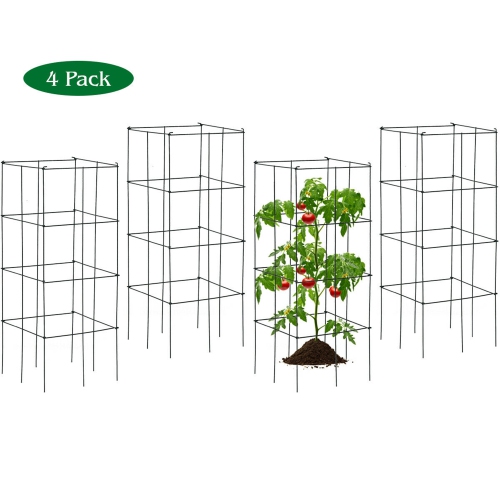
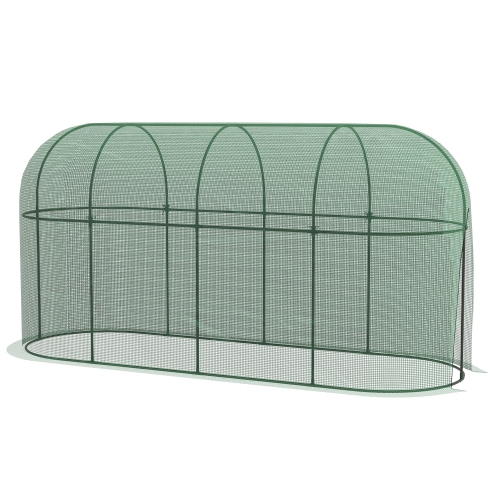
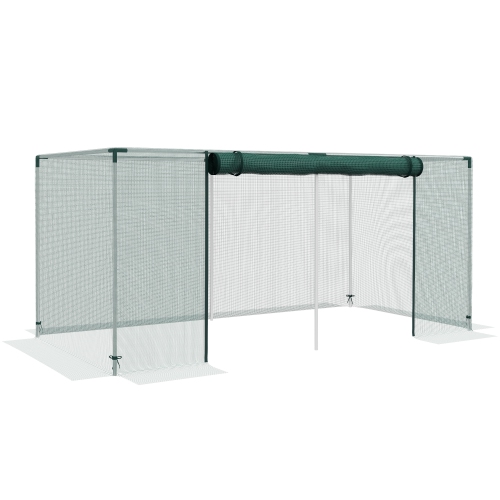
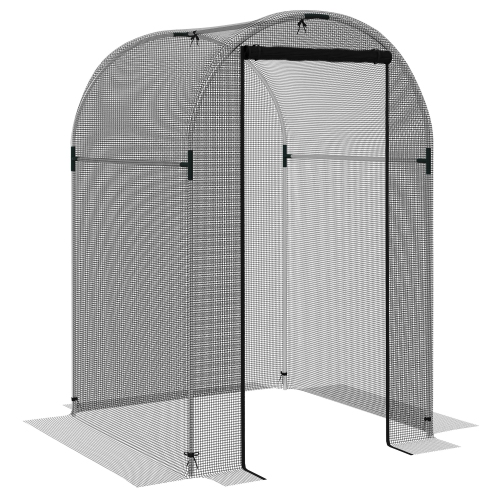
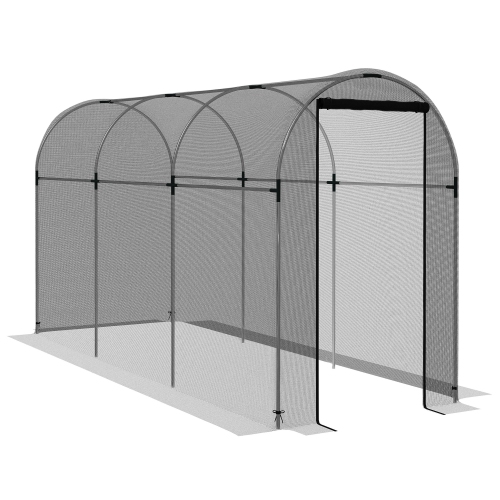
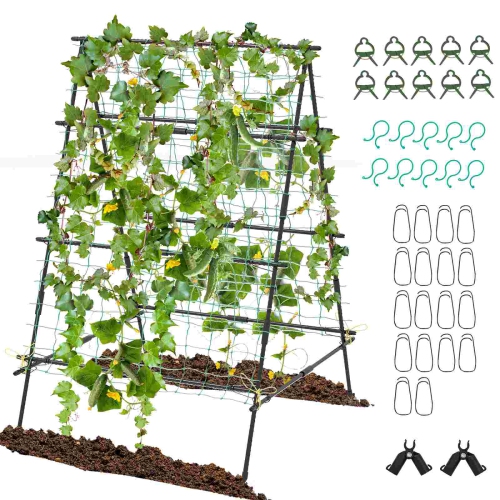
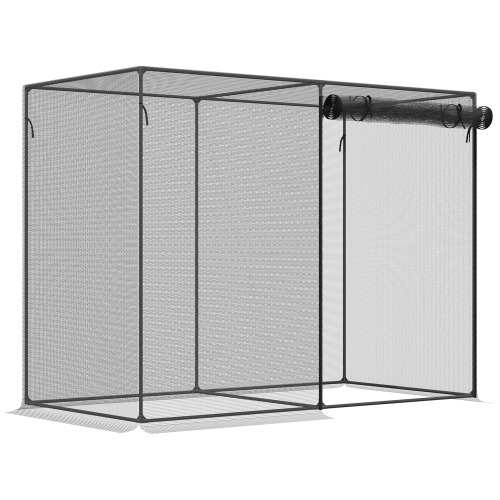
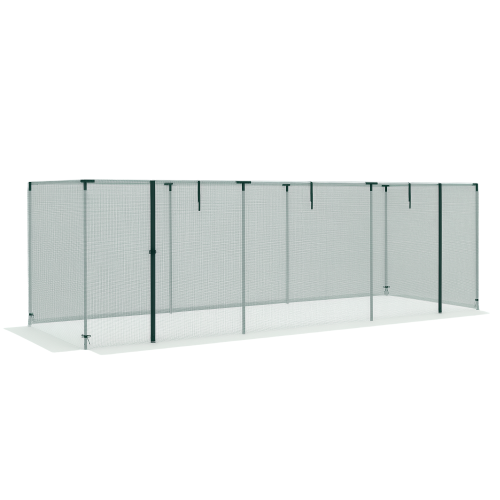
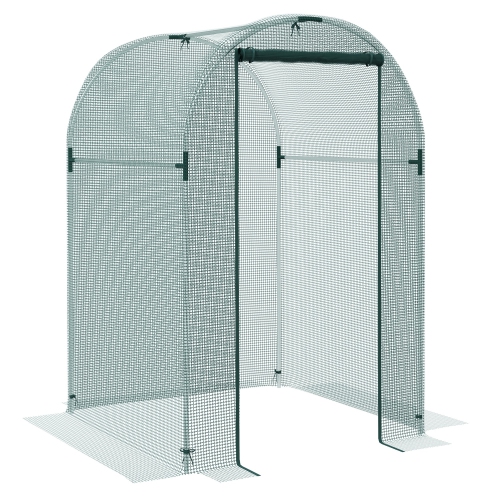
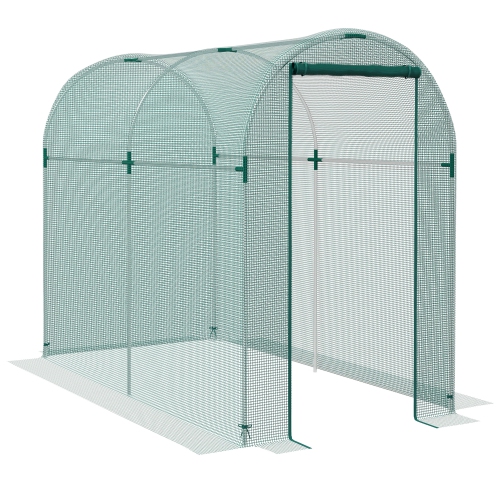
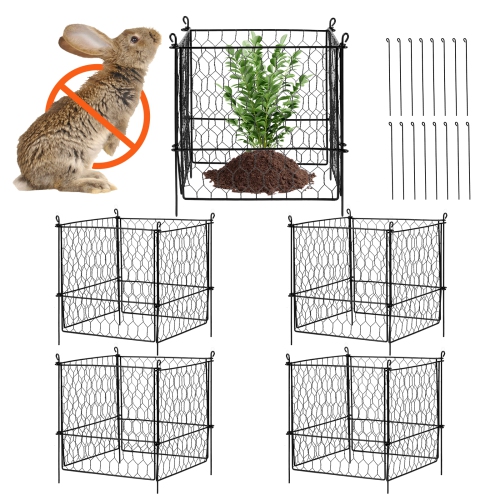
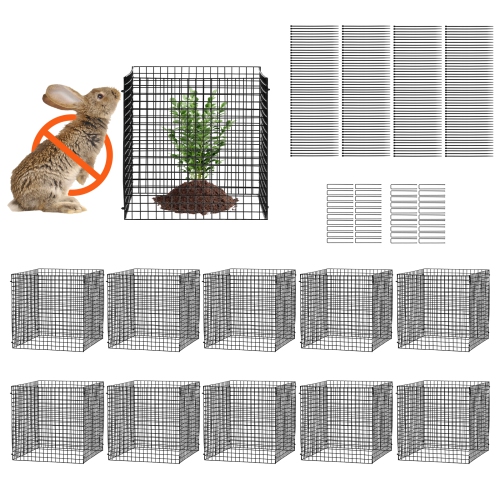
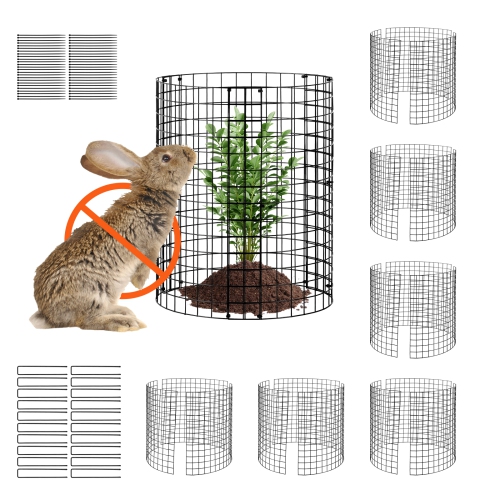
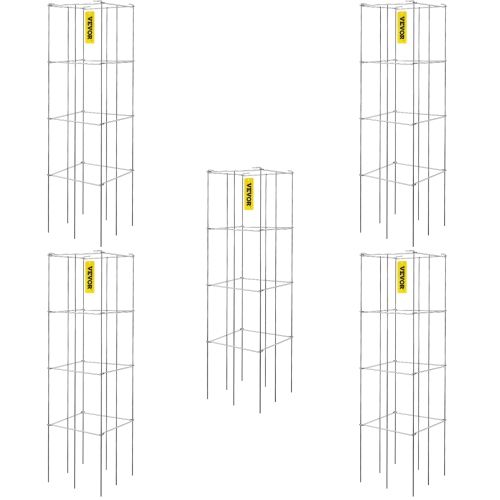
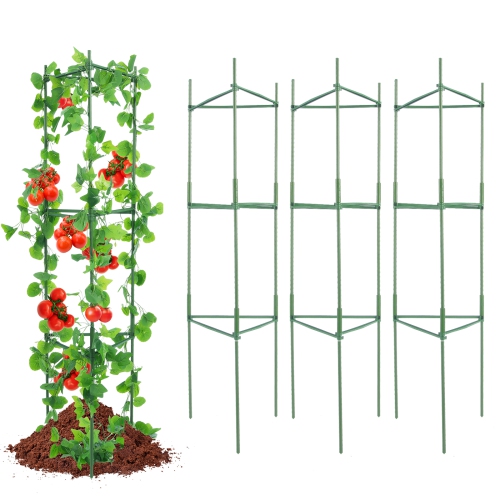
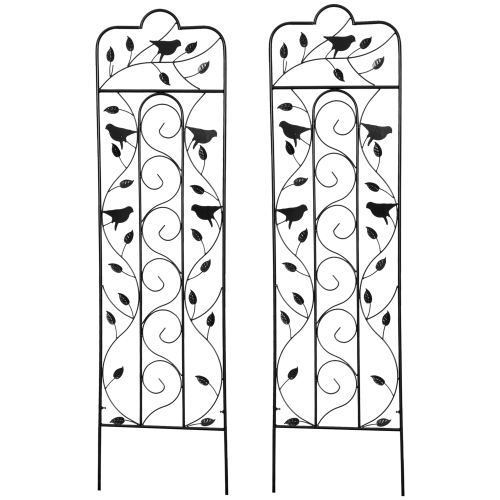
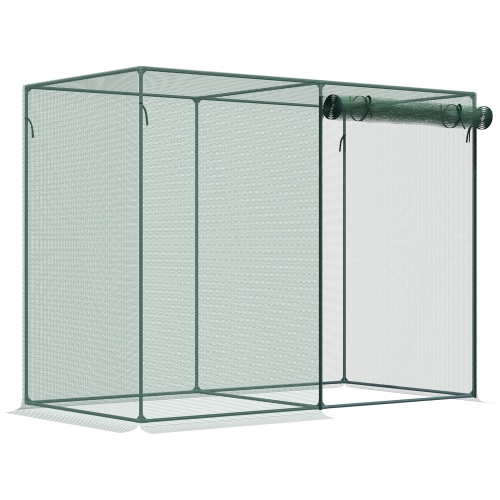
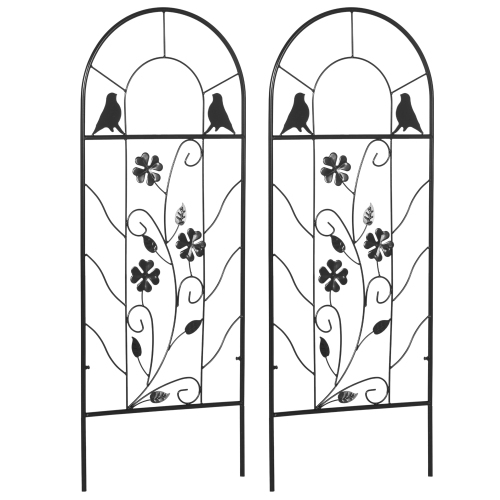
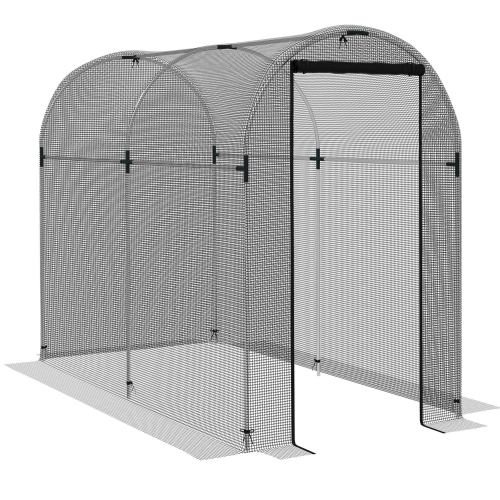
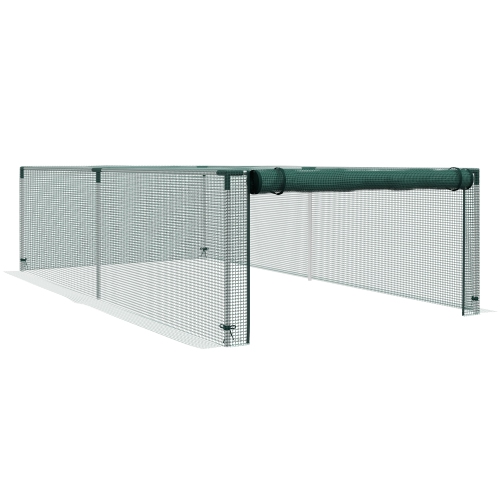
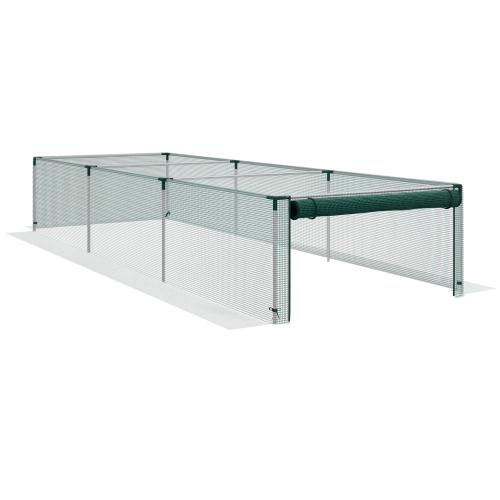
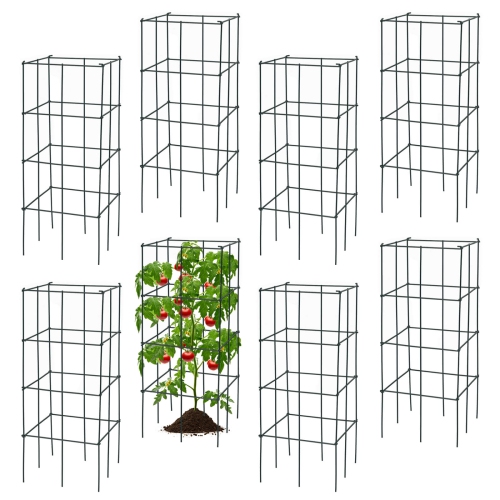
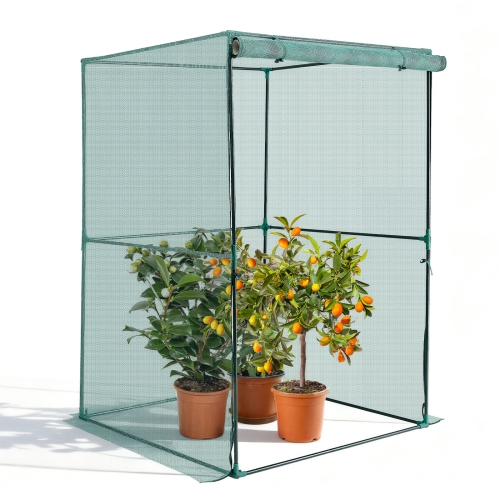
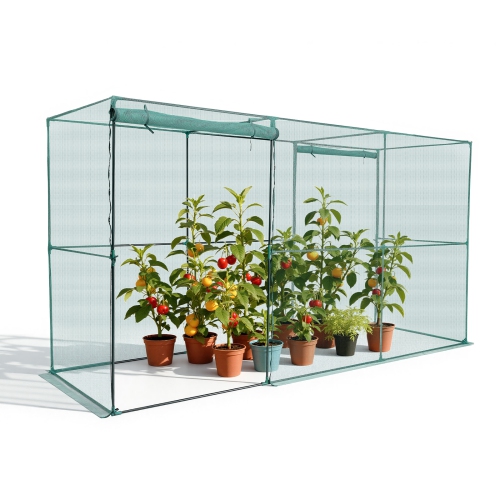
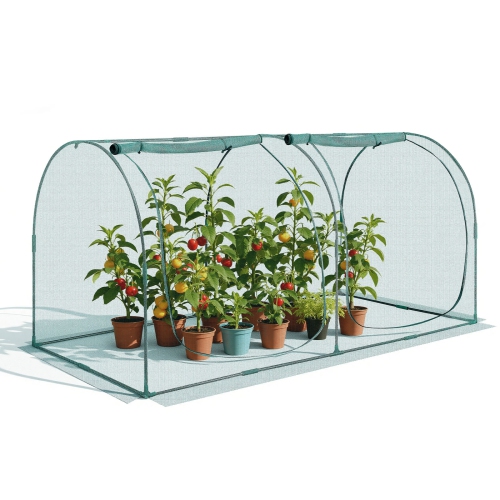
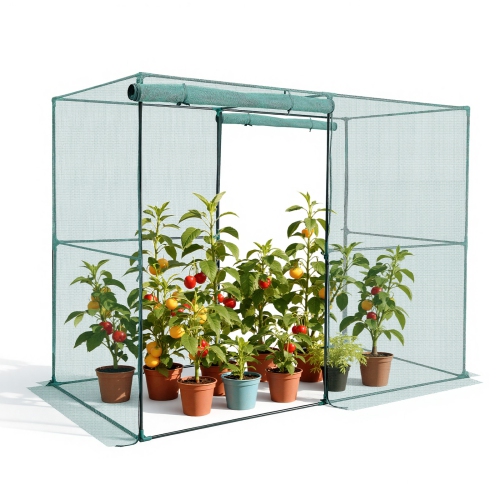
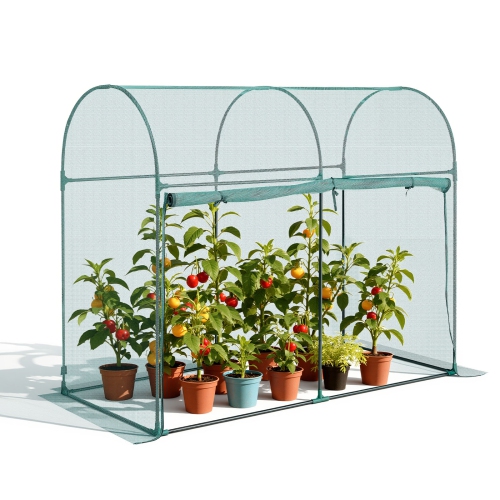
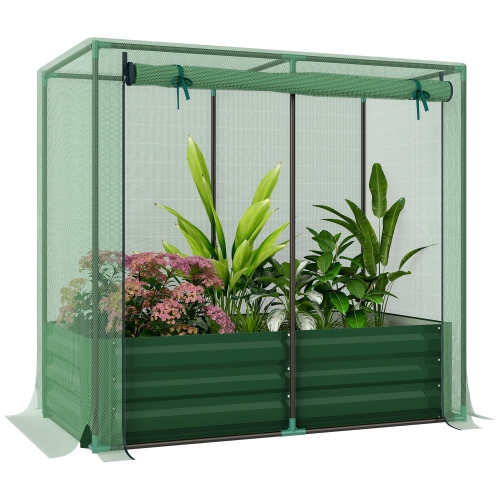
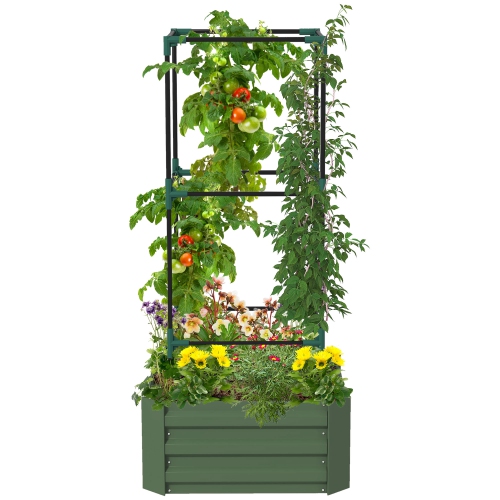
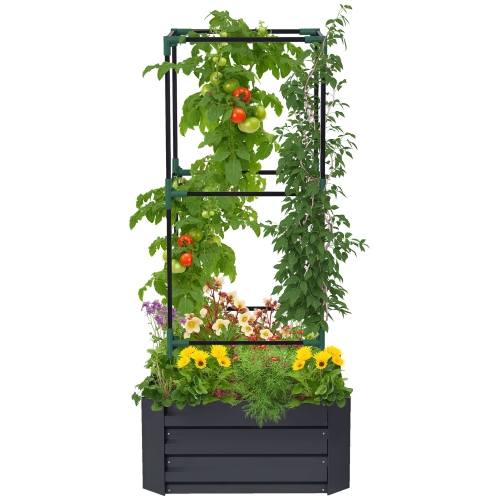
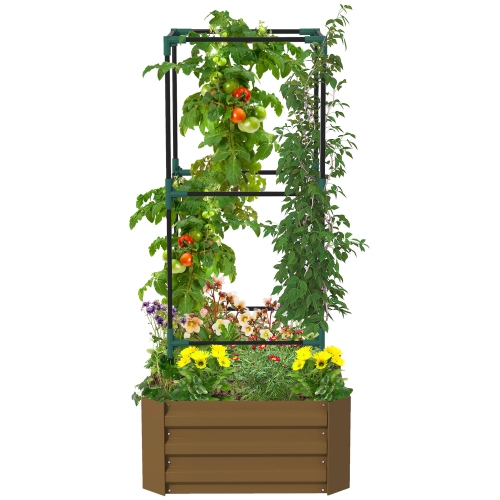
Sturdy supports keep plants upright and harvests protected
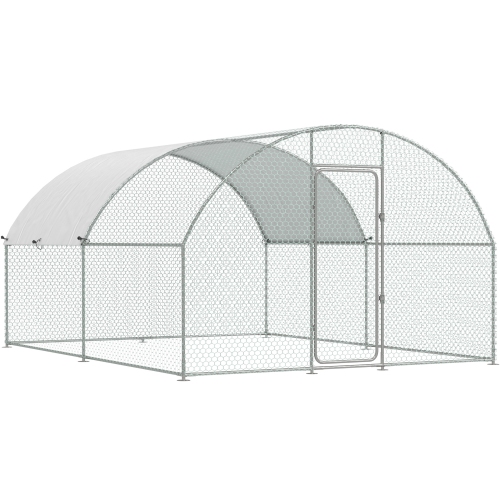
Plant cages are practical supports and protective barriers that help plants grow upright, stay organised and remain less vulnerable to damage. In a vegetable garden, a cage can support tomato plants as stems become heavy with fruit, give cucumber vines a structure to climb and help flowering plants hold their shape through wind and rain. Keeping foliage and fruit off the soil can also improve air circulation around the plant, which may help reduce damp conditions associated with common garden problems. Other plant cages are designed primarily as barriers, using wire or mesh to discourage rabbits, squirrels and other small animals from reaching tender shoots, leaves and vegetables. This makes them useful in raised beds, backyard plots, balcony gardens and containers, as well as around individual plants that need extra protection. A traditional wire cage may have a narrow base and a wider upper section to support a maturing plant, while an adjustable design can be reshaped as the plant spreads. Collapsible cages are convenient when growing season tasks are complete, since they can fold flat for storage in a shed, garage or compact utility area. Larger walk-in or enclosure-style structures can protect several rows of crops at once and create a more defined growing space. When comparing plant cages, start by identifying the job you need the cage to do: supporting a plant, creating a climbing frame, limiting access from animals or combining several of these functions. A lightweight support may be suitable for flowers or smaller container plants, while fruit-heavy tomatoes and sprawling vegetables benefit from a sturdier frame with strong joints and a stable base. Mesh spacing is another important detail when the goal is protection. Smaller openings can help keep out smaller animals, but the mesh should still allow light, rain and air to reach the plants. Look for materials and finishes suited to outdoor use, particularly if the cage will remain in place through changing weather. Smooth edges are helpful when working around delicate stems, and a design that can be opened or lifted makes watering, pruning and harvesting easier.
Choosing the right size is just as important as choosing the right shape. Measure the plant’s expected mature height and width rather than sizing the cage only for the young plant in front of you. A small seedling may look lost inside a tall support, but it can fill the structure quickly once warm weather encourages vigorous growth. For climbing plants, consider whether the cage offers enough height and horizontal space for tendrils to catch and spread. For bushy plants, allow room for foliage to grow without pressing tightly against the frame. Container gardeners should check that the cage fits inside the pot without crowding the root area, and that the container is heavy enough to remain stable as the plant gains height. In a garden bed, place the cage around the plant while it is still young, positioning the legs or lower edge firmly in the soil. Installing support early avoids disturbing established roots and allows stems to grow naturally through the openings. Push the base deep enough to resist movement, then use garden ties or soft plant clips to guide stems without pinching them. Top-heavy plants, exposed gardens and taller enclosures may need additional anchoring with stakes, clips or ground fasteners. Check the support after strong wind or heavy rain, since a cage that shifts can bend stems or expose roots. Mesh barriers should be closed securely around the bottom, with no wide gaps where animals can push underneath. In areas with raised beds or nearby fencing, inspect the edges and corners regularly, as even a small opening can reduce the effectiveness of the enclosure. A well-fitted cage should protect the plant without trapping leaves against wet mesh or making routine care awkward. Leave enough access for watering at the base, removing damaged foliage and picking ripe produce before it becomes overripe and pulls on the stems.
Plant cages are useful for new gardeners learning how to support their first vegetable plants, experienced growers managing a productive backyard plot and anyone looking to make container gardening more orderly. They can also be a thoughtful gift for a gardener who enjoys growing tomatoes, herbs, flowers or climbing vegetables but has limited space for large garden structures. A set of compact supports may suit someone with a balcony or patio, while a larger protective enclosure can be helpful for a household growing several beds of edible plants. Gardeners with pets or frequent visits from backyard wildlife may appreciate a cage that creates a clear boundary around vulnerable plants, and people extending their growing activities into the cooler months can use sturdy supports to keep late-season foliage upright and protected from rough weather. For broader animal protection, a plant cage can be considered alongside purpose-built options such as Chicken Cages, depending on the type of enclosure required and what is being kept inside. Before purchasing, review the cage dimensions, opening size, construction, assembly method and storage requirements. Think about whether you will move it between beds, leave it in place for several seasons or fold it away when the garden is dormant. A cage that is easy to assemble and reposition is valuable when crop rotation or changing light conditions affect planting plans, while a more permanent structure may be preferable for a dedicated growing area. With the right fit and secure installation, plant cages help turn unsupported, sprawling growth into a tidier display of stems, leaves, blossoms and fruit. They make harvesting more accessible, reduce the need to prop up plants with improvised materials and give a garden a considered appearance from the first new shoots through the cooler months.
Choosing the right size is just as important as choosing the right shape. Measure the plant’s expected mature height and width rather than sizing the cage only for the young plant in front of you. A small seedling may look lost inside a tall support, but it can fill the structure quickly once warm weather encourages vigorous growth. For climbing plants, consider whether the cage offers enough height and horizontal space for tendrils to catch and spread. For bushy plants, allow room for foliage to grow without pressing tightly against the frame. Container gardeners should check that the cage fits inside the pot without crowding the root area, and that the container is heavy enough to remain stable as the plant gains height. In a garden bed, place the cage around the plant while it is still young, positioning the legs or lower edge firmly in the soil. Installing support early avoids disturbing established roots and allows stems to grow naturally through the openings. Push the base deep enough to resist movement, then use garden ties or soft plant clips to guide stems without pinching them. Top-heavy plants, exposed gardens and taller enclosures may need additional anchoring with stakes, clips or ground fasteners. Check the support after strong wind or heavy rain, since a cage that shifts can bend stems or expose roots. Mesh barriers should be closed securely around the bottom, with no wide gaps where animals can push underneath. In areas with raised beds or nearby fencing, inspect the edges and corners regularly, as even a small opening can reduce the effectiveness of the enclosure. A well-fitted cage should protect the plant without trapping leaves against wet mesh or making routine care awkward. Leave enough access for watering at the base, removing damaged foliage and picking ripe produce before it becomes overripe and pulls on the stems.
Plant cages are useful for new gardeners learning how to support their first vegetable plants, experienced growers managing a productive backyard plot and anyone looking to make container gardening more orderly. They can also be a thoughtful gift for a gardener who enjoys growing tomatoes, herbs, flowers or climbing vegetables but has limited space for large garden structures. A set of compact supports may suit someone with a balcony or patio, while a larger protective enclosure can be helpful for a household growing several beds of edible plants. Gardeners with pets or frequent visits from backyard wildlife may appreciate a cage that creates a clear boundary around vulnerable plants, and people extending their growing activities into the cooler months can use sturdy supports to keep late-season foliage upright and protected from rough weather. For broader animal protection, a plant cage can be considered alongside purpose-built options such as Chicken Cages, depending on the type of enclosure required and what is being kept inside. Before purchasing, review the cage dimensions, opening size, construction, assembly method and storage requirements. Think about whether you will move it between beds, leave it in place for several seasons or fold it away when the garden is dormant. A cage that is easy to assemble and reposition is valuable when crop rotation or changing light conditions affect planting plans, while a more permanent structure may be preferable for a dedicated growing area. With the right fit and secure installation, plant cages help turn unsupported, sprawling growth into a tidier display of stems, leaves, blossoms and fruit. They make harvesting more accessible, reduce the need to prop up plants with improvised materials and give a garden a considered appearance from the first new shoots through the cooler months.
Top selling and popular products
-
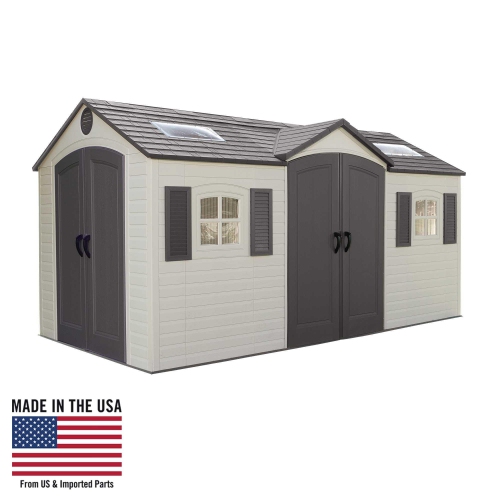 Your price for this item is $3999
 -
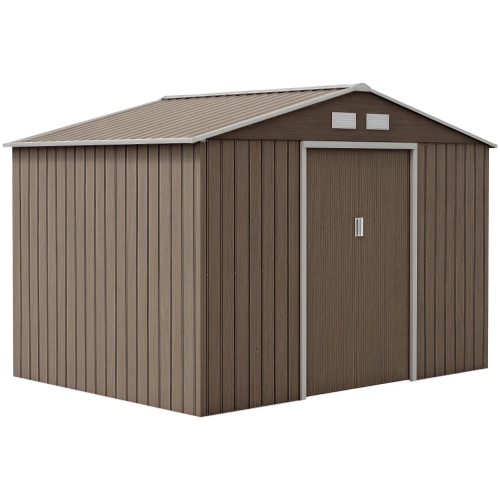 Your price for this item is $554.99
 -
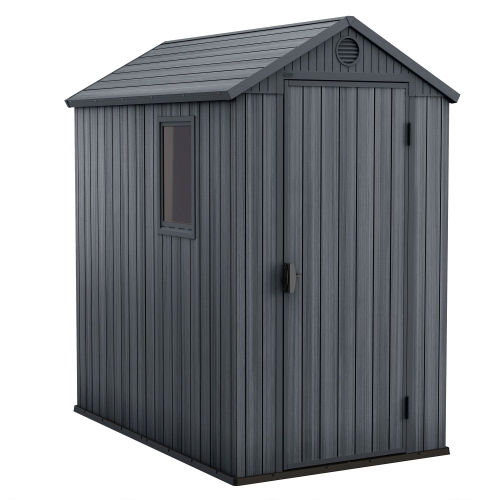 Your price for this item is $1204.99
 -
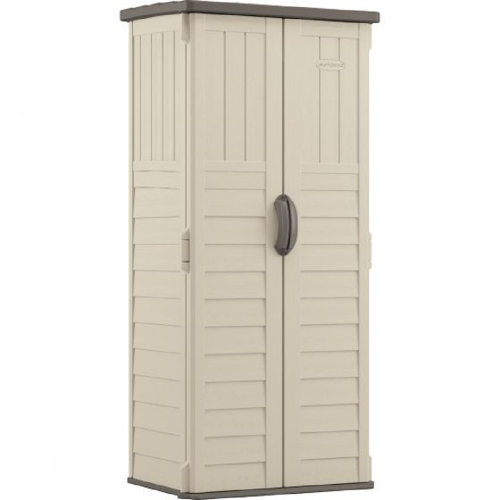 Your price for this item is $385.99
 -
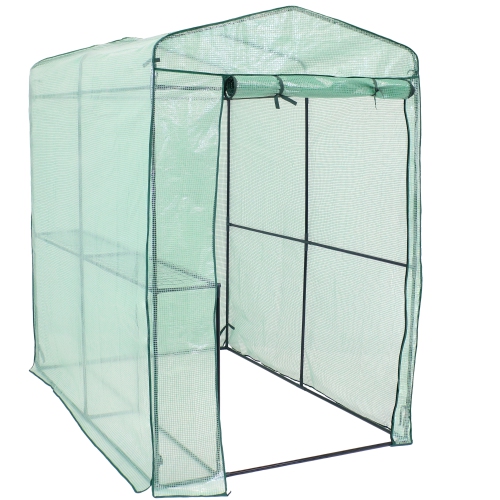 Your price for this item is $113.35
 -
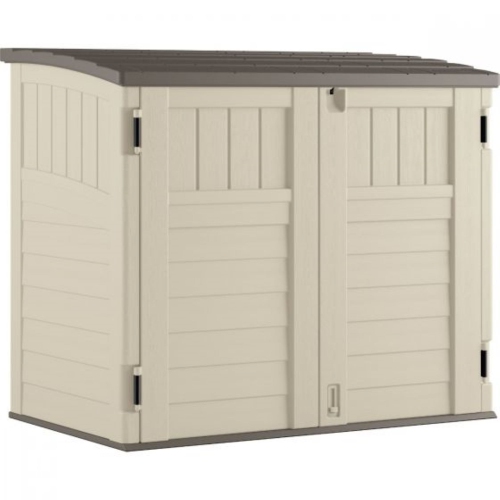 Your price for this item is $459.99
 -
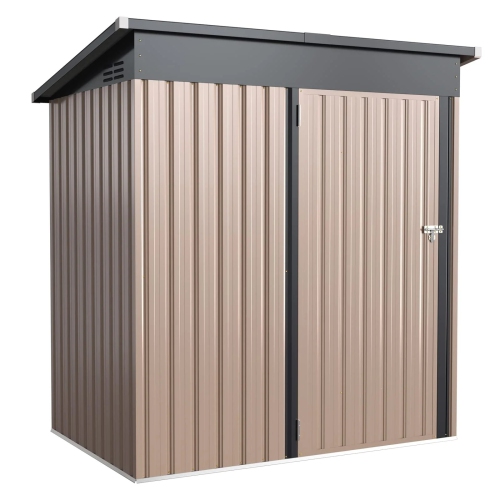 Your price for this item is $189.99
 -
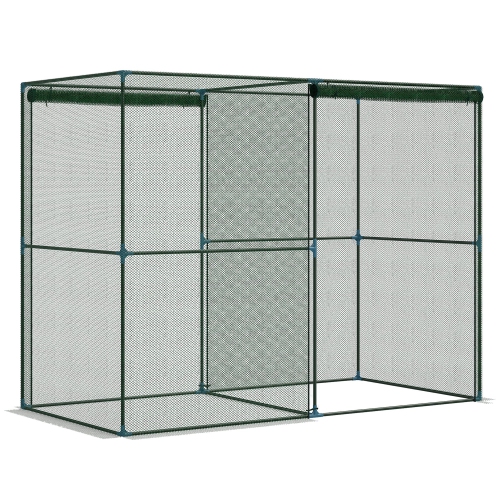 Your price for this item is $79.99
Discover more categories related to Plant Cages
Top Collections:
Pokemon Centers, Kindle Devices, Best Budget Office Chairs, Apple iPhones 16, Best Laptops for Writers, iPhone 15 Apple, Canon G7X Cameras, Refurbished Apple Laptops, Alarm Clock, Motorola Razr Phones
Some products may be subject to Environmental Handling Fees
(EHF) depending on your province.
Learn more about EHFs.