Garden Cold Frames
Extend your growing season and protect your delicate plants with our selection of garden cold frames. These versatile structures act as mini greenhouses, providing a controlled environment for your plants to thrive in. Whether you're a seasoned gardener looking to experiment with new crops or a beginner wanting to extend your gardening season, our range of garden cold frames offers a solution for every need. Durable, easy to assemble, and designed to maximize sunlight exposure, these cold frames are the perfect addition to any garden or backyard space. Browse our collection today and take your gardening game to the next level!
Sort
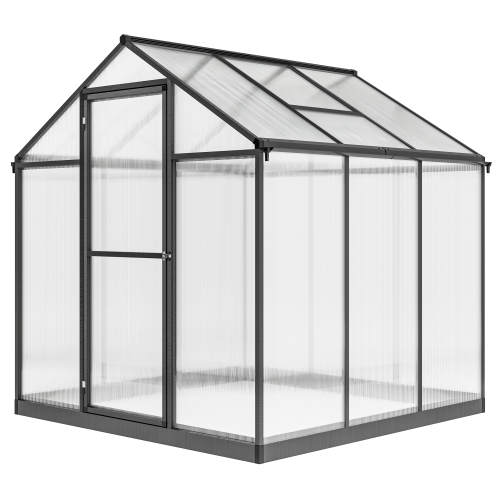
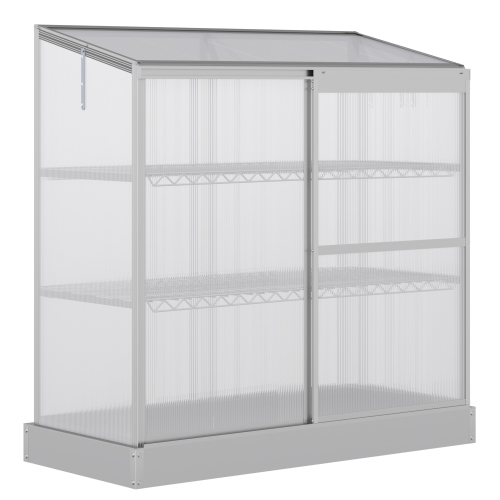
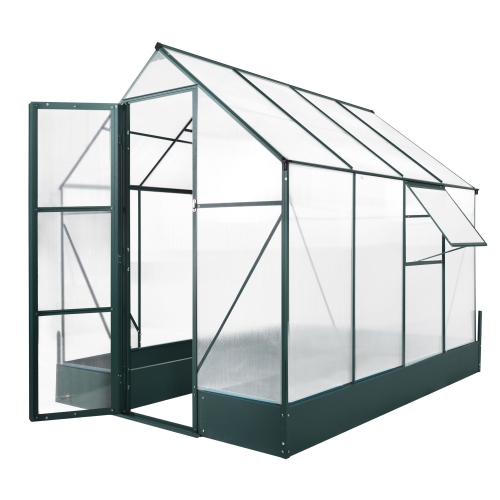
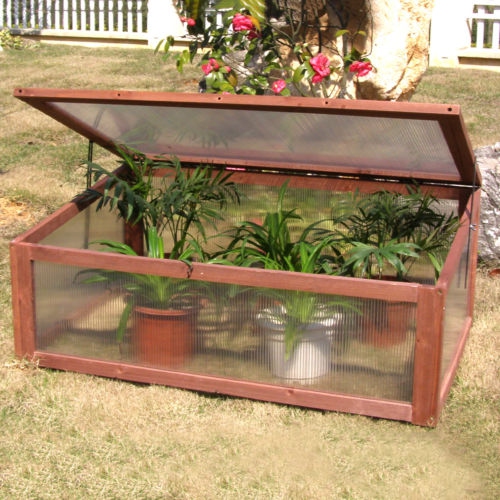
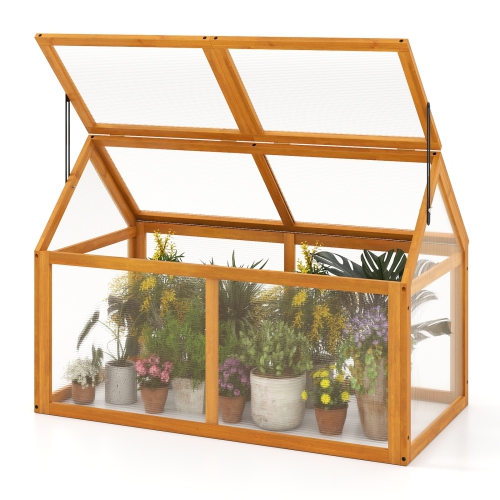
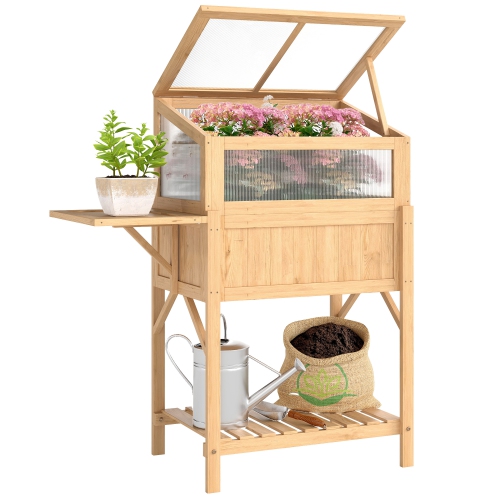
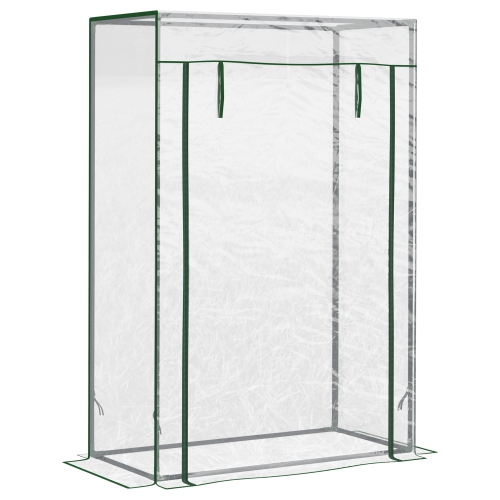
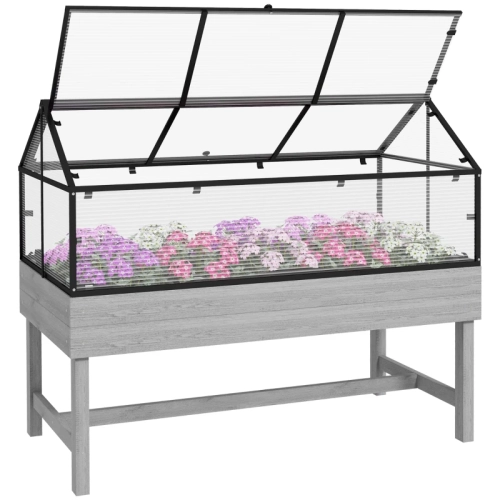
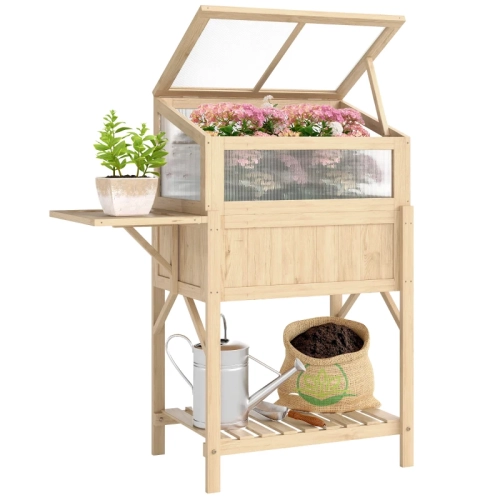
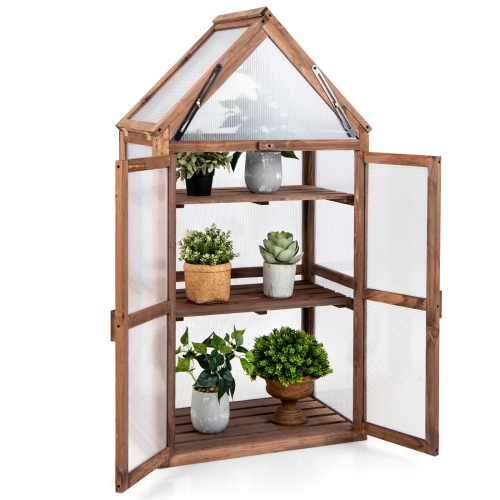
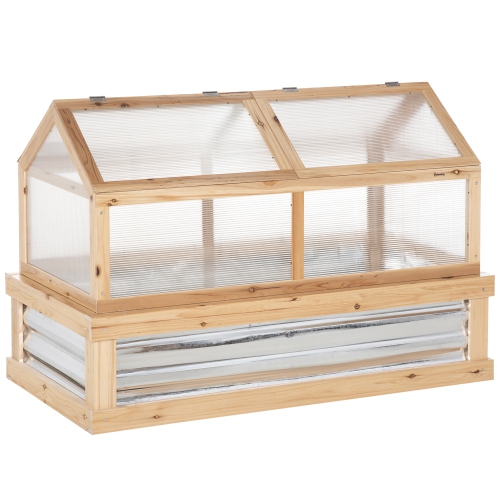
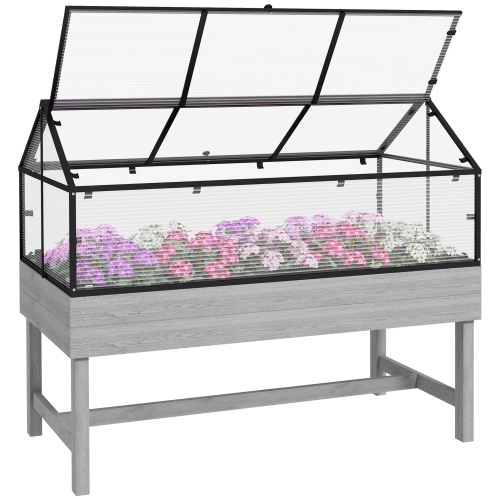
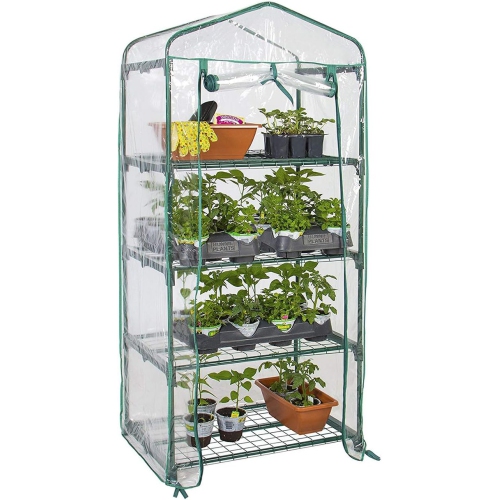
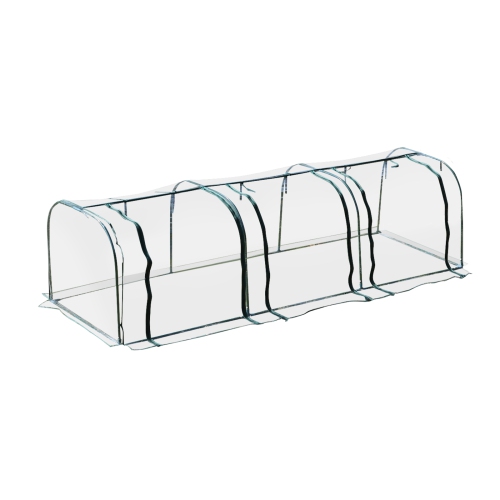
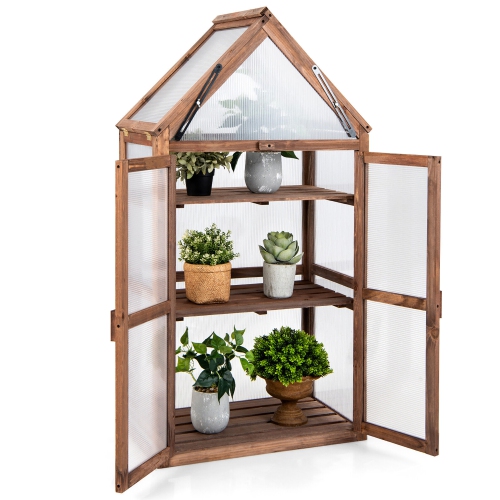
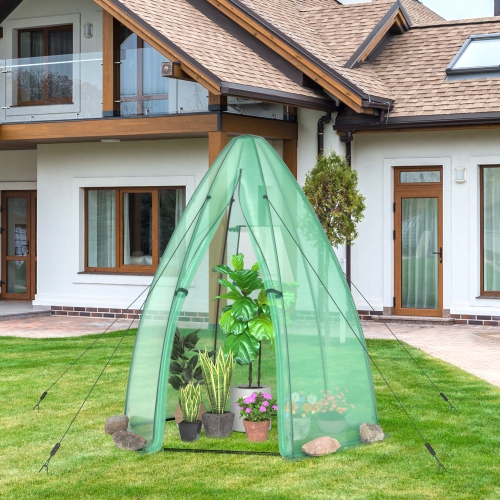
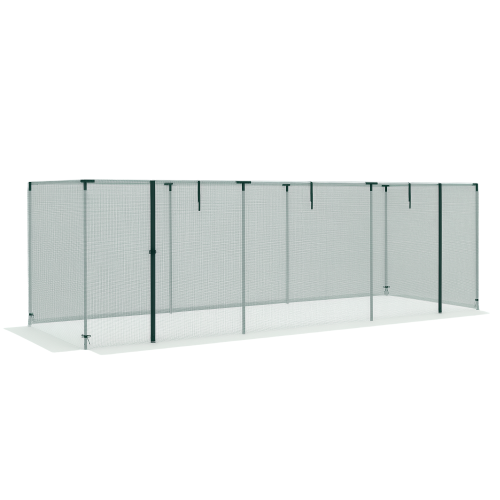
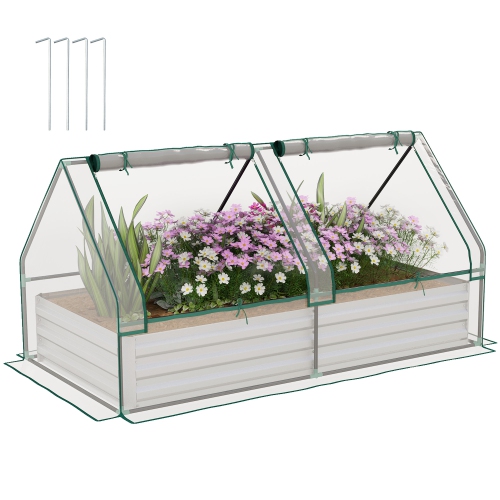
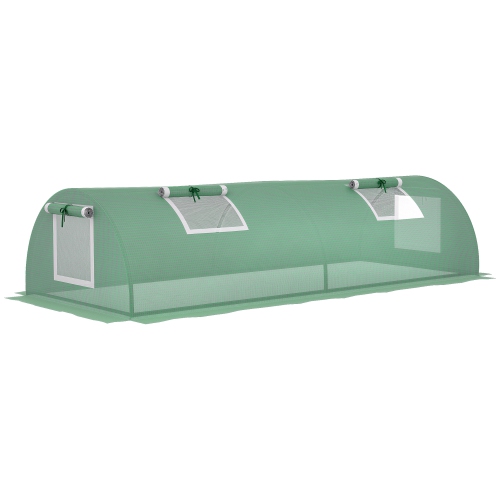
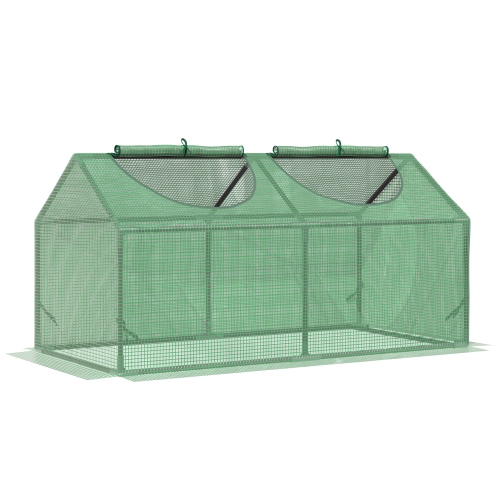
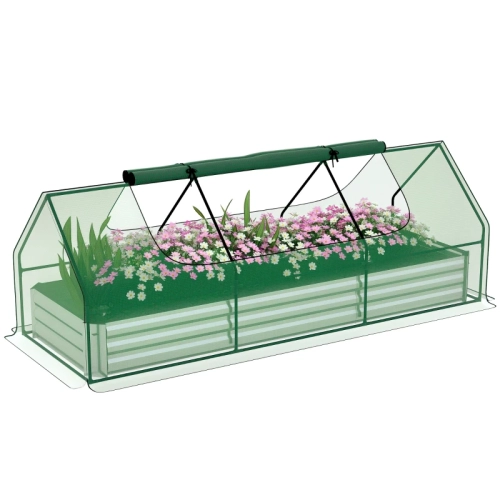
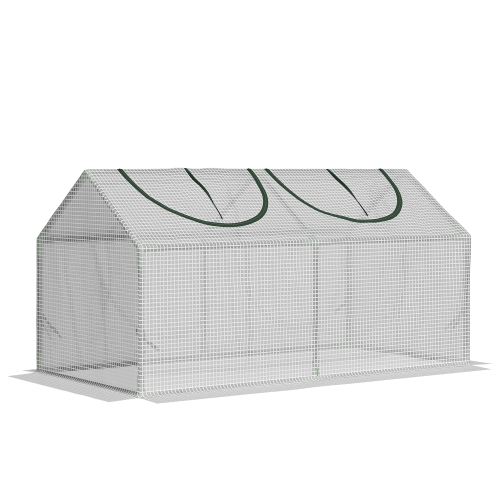
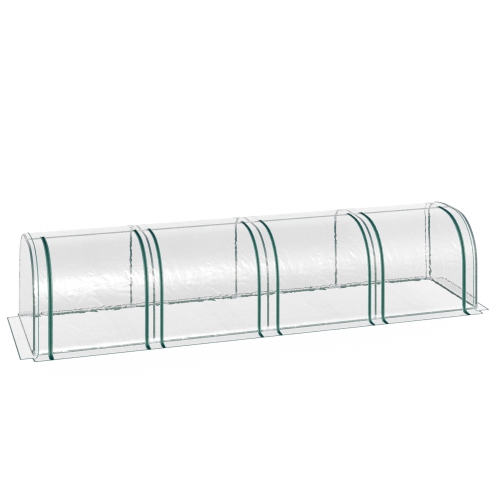
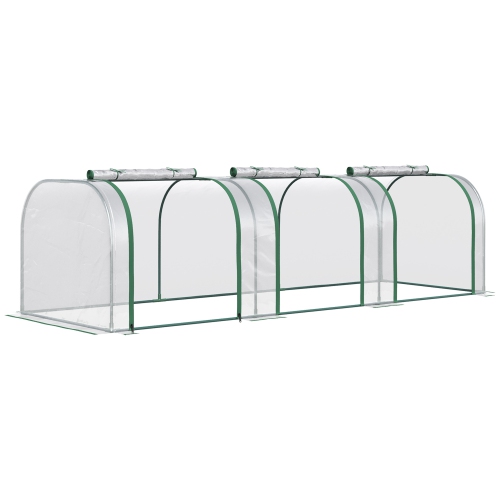
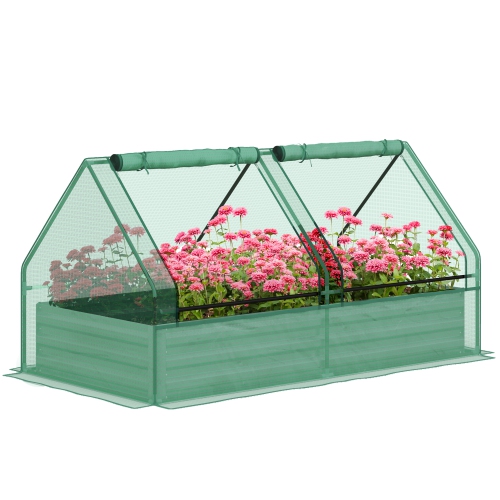
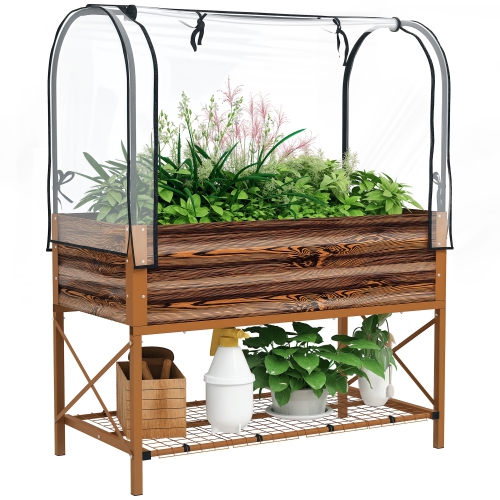
A warmer growing space for greens and young seedlings
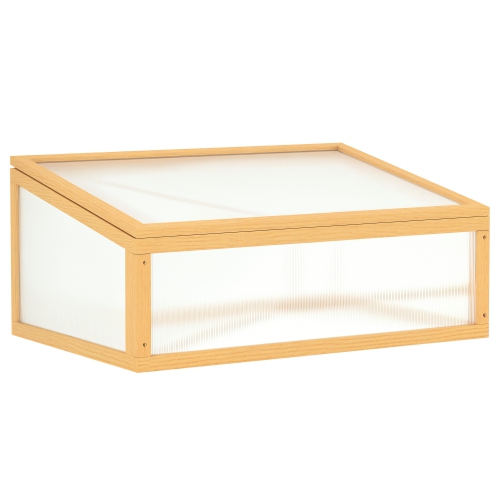
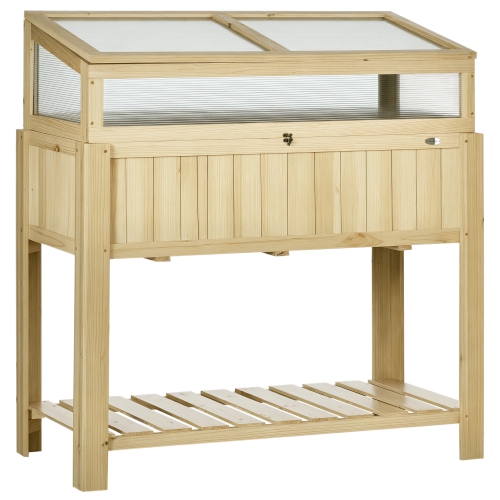
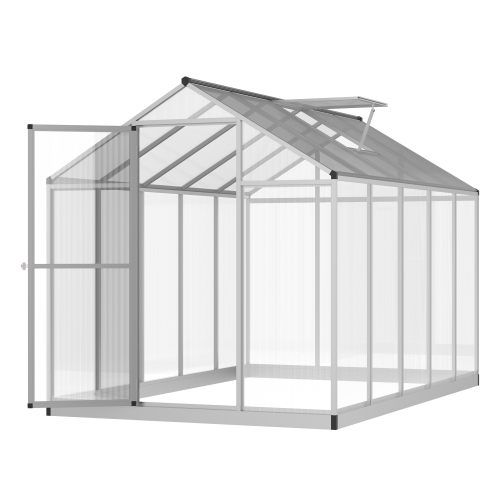
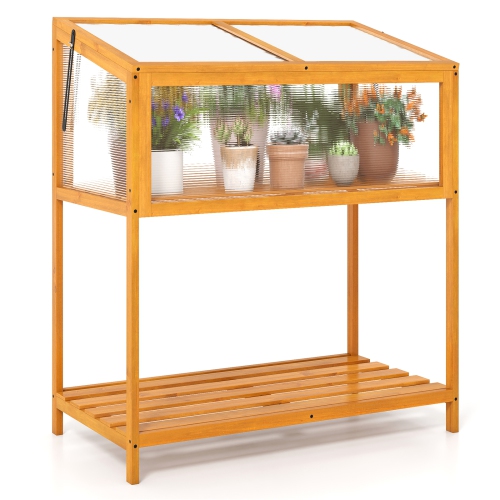
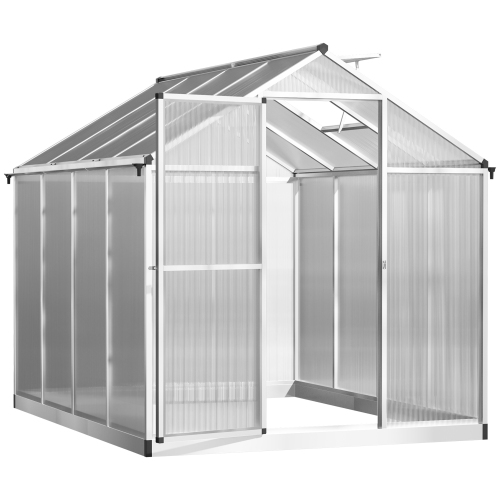
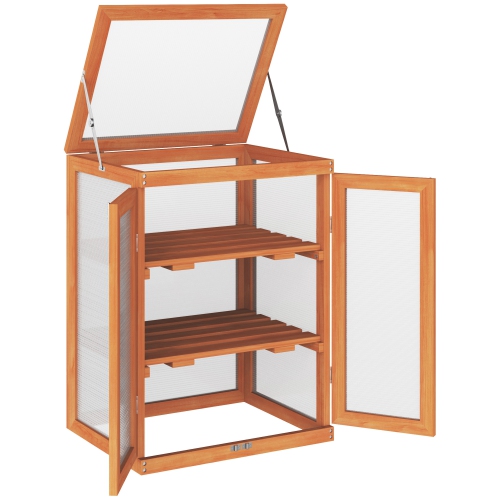
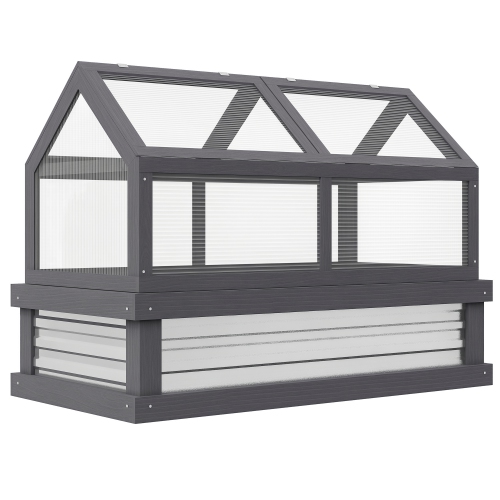
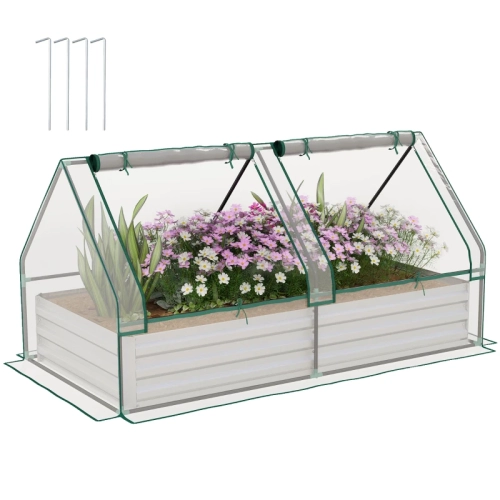
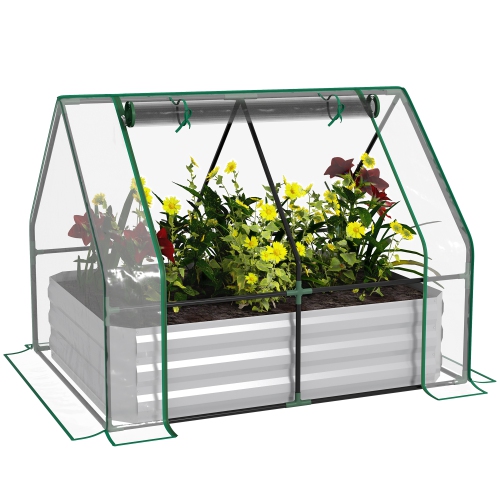
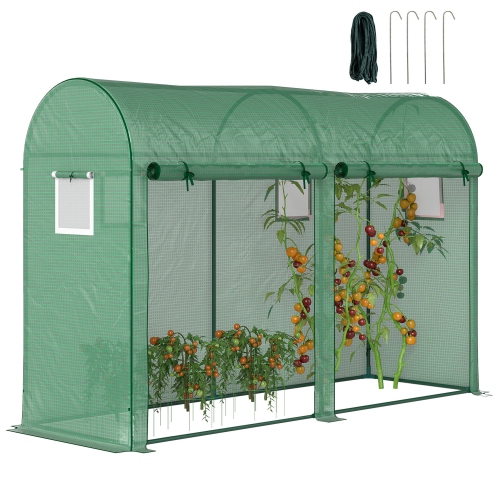
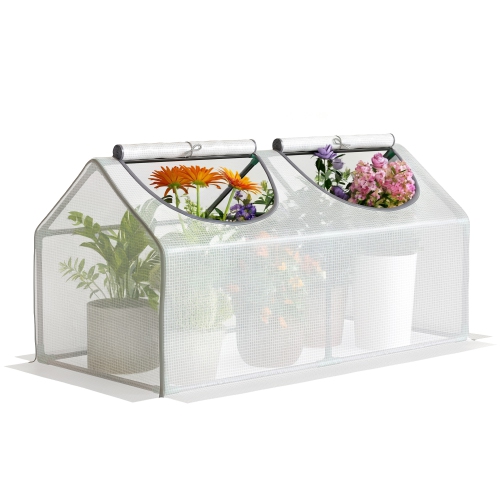
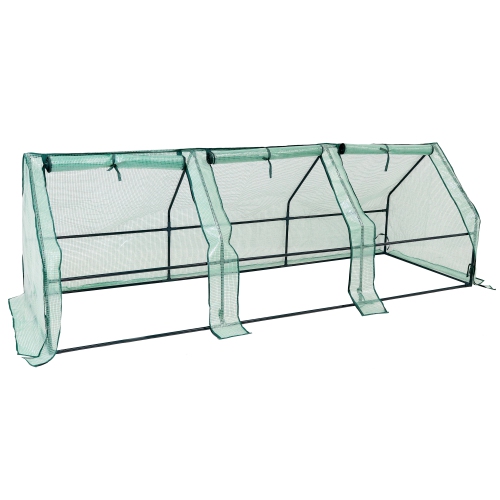
Garden cold frames are low, enclosed growing structures with transparent lids that admit sunlight and help retain warmth around plants. Most have an open base that sits directly over soil or a raised bed, although some designs accommodate pots and seed trays on a suitable surface. Unlike a heated greenhouse, a conventional cold frame relies on sunlight rather than a powered heat source. Its main purpose is to shelter plants from wind, rain, and light frost while creating a warmer growing space than an uncovered bed. That makes cold frames useful for extending the growing period for leafy vegetables, protecting young plants, and gradually preparing indoor-grown seedlings for outdoor conditions. Lettuce, spinach, mâche, and other cold-tolerant crops are common choices, though their performance depends on daylight, local temperatures, plant maturity, and the protection provided by the frame. In parts of Canada with milder winters, established hardy greens may remain accessible for harvesting well beyond the usual outdoor growing period; prolonged deep freezes place much greater limits on an unheated structure. A cold frame should therefore be viewed as added protection, not a guarantee of frost-free growing or year-round production. The familiar sloped shape, with a taller back and lower front, allows the lid to catch light while encouraging water to run off. A position with good sun exposure, often with the low side facing south or southeast, helps the structure capture useful warmth. Nearby buildings, fences, and trees can provide wind shelter, but their shadows also affect how much light reaches the plants. For a gardener tending a small kitchen plot, a cold frame can turn a modest patch of soil into a sheltered place for salad greens or trays of young transplants. For someone with a larger garden, several separately accessible sections can make it easier to group plants with similar watering, ventilation, and height requirements without dedicating space to a walk-in greenhouse.
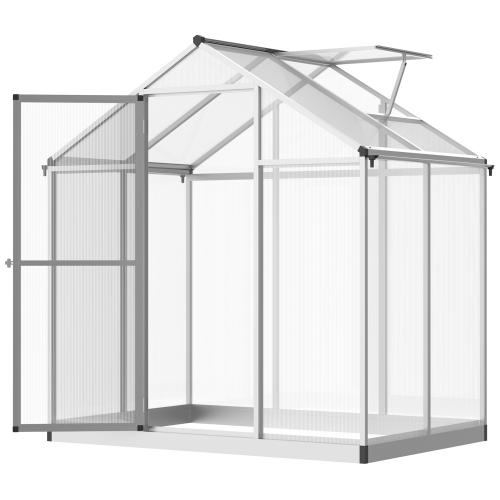
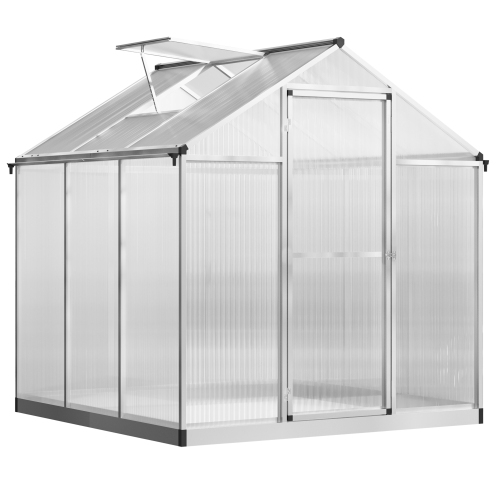
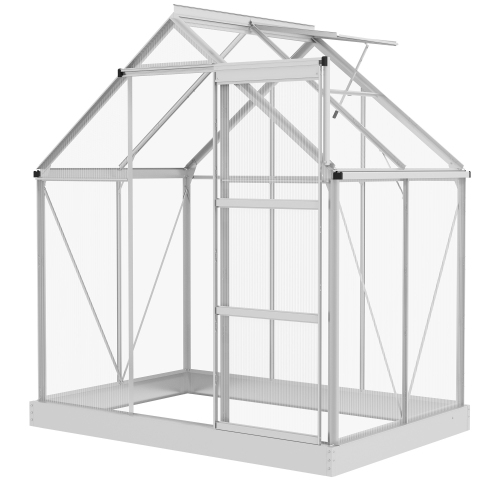
Materials and construction influence how a garden cold frame handles daily use, moisture, and exposure. Timber frames offer a traditional appearance that sits comfortably beside wooden raised beds, while the wood species, joints, finish, and contact with damp soil all affect longevity. Cedar is often chosen for its natural resistance to decay, but no timber structure is entirely free of maintenance. Aluminium frames are relatively light and resist rust, making them practical where occasional repositioning is important; secure connections and appropriate anchoring still matter in exposed locations. Transparent panels also vary. Glass offers clear visibility and a firm surface, although its weight and potential to break deserve consideration around children, pets, and busy pathways. Polycarbonate is lighter and more impact-resistant, and twin-wall panels provide an insulating air space that can help slow heat loss. Panel thickness, ultraviolet protection, edge sealing, and the way each panel is held in its frame can make a noticeable difference to durability. The lid deserves as much attention as the walls because it is the part opened repeatedly for watering, harvesting, and ventilation. Strong hinges, comfortable handles, and dependable lid supports help make those tasks manageable. A large single lid provides broad access, whereas divided lids allow one section to be opened without exposing the entire planting area. Internal height matters for upright herbs and taller seedlings, while usable width determines how easily plants at the back can be reached. Outside dimensions alone may not show whether standard seed trays fit between supports, so clear internal measurements are useful when comparing layouts. For placement over an existing raised bed, the frame needs a stable bearing surface without awkward gaps around the edges. On a patio, an open-bottom design requires pots, trays, or another suitable growing base, along with drainage that will not leave water pooling beneath it. Related Garden Frames can help define the broader planting area, while a cold frame specifically adds a clear, protective cover close to the crops.
Day-to-day practicality often determines how useful a cold frame becomes. Even when outdoor air feels cold, direct sunlight can heat the enclosed space quickly, so adjustable ventilation is an important feature rather than a minor convenience. A lid that can be held securely at different openings offers more control than one that is simply open or closed. Some designs can accommodate temperature-responsive openers, although compatibility, lifting capacity, and the opener’s operating range need to suit the lid. A thermometer placed near plant height gives a more useful picture of conditions inside than the outdoor forecast alone. Ventilation needs depend on the crop and the temperature within the frame, rather than a single outside temperature that suits every garden. Moisture needs attention too: a closed lid blocks most rainfall, and pots or shallow seed trays can dry at a different rate from the soil beneath them. Easy access makes it simpler to check the growing medium and water at soil level without soaking foliage unnecessarily. Good drainage helps prevent roots from sitting in saturated soil, while adequate space between plants allows air to circulate. Routine care includes removing fallen leaves, clearing debris from hinges and panel channels, and washing transparent surfaces with a soft cloth and a cleaner suitable for the material. Abrasive tools can scratch plastic glazing, and accumulated dirt reduces the light reaching plants. After strong winds or heavy snowfall, connections, anchors, and panels merit inspection; snow should be removed gently and in line with the structure’s load limits. A secure lid support also matters whenever hands are inside the frame, especially during gusty conditions. Portable or dismantlable designs may suit gardeners who need the bed uncovered later or prefer to store the structure between uses, provided there is space to keep panels protected from damage. Cold frames can be thoughtful gifts for vegetable growers, seed-starting enthusiasts, or gardeners working with compact spaces, particularly when the footprint matches an existing bed. A well-fitting frame with accessible lids and sturdy glazing is more likely to become part of a regular gardening routine than a larger structure that is difficult to reach, ventilate, or maintain.
Materials and construction influence how a garden cold frame handles daily use, moisture, and exposure. Timber frames offer a traditional appearance that sits comfortably beside wooden raised beds, while the wood species, joints, finish, and contact with damp soil all affect longevity. Cedar is often chosen for its natural resistance to decay, but no timber structure is entirely free of maintenance. Aluminium frames are relatively light and resist rust, making them practical where occasional repositioning is important; secure connections and appropriate anchoring still matter in exposed locations. Transparent panels also vary. Glass offers clear visibility and a firm surface, although its weight and potential to break deserve consideration around children, pets, and busy pathways. Polycarbonate is lighter and more impact-resistant, and twin-wall panels provide an insulating air space that can help slow heat loss. Panel thickness, ultraviolet protection, edge sealing, and the way each panel is held in its frame can make a noticeable difference to durability. The lid deserves as much attention as the walls because it is the part opened repeatedly for watering, harvesting, and ventilation. Strong hinges, comfortable handles, and dependable lid supports help make those tasks manageable. A large single lid provides broad access, whereas divided lids allow one section to be opened without exposing the entire planting area. Internal height matters for upright herbs and taller seedlings, while usable width determines how easily plants at the back can be reached. Outside dimensions alone may not show whether standard seed trays fit between supports, so clear internal measurements are useful when comparing layouts. For placement over an existing raised bed, the frame needs a stable bearing surface without awkward gaps around the edges. On a patio, an open-bottom design requires pots, trays, or another suitable growing base, along with drainage that will not leave water pooling beneath it. Related Garden Frames can help define the broader planting area, while a cold frame specifically adds a clear, protective cover close to the crops.
Day-to-day practicality often determines how useful a cold frame becomes. Even when outdoor air feels cold, direct sunlight can heat the enclosed space quickly, so adjustable ventilation is an important feature rather than a minor convenience. A lid that can be held securely at different openings offers more control than one that is simply open or closed. Some designs can accommodate temperature-responsive openers, although compatibility, lifting capacity, and the opener’s operating range need to suit the lid. A thermometer placed near plant height gives a more useful picture of conditions inside than the outdoor forecast alone. Ventilation needs depend on the crop and the temperature within the frame, rather than a single outside temperature that suits every garden. Moisture needs attention too: a closed lid blocks most rainfall, and pots or shallow seed trays can dry at a different rate from the soil beneath them. Easy access makes it simpler to check the growing medium and water at soil level without soaking foliage unnecessarily. Good drainage helps prevent roots from sitting in saturated soil, while adequate space between plants allows air to circulate. Routine care includes removing fallen leaves, clearing debris from hinges and panel channels, and washing transparent surfaces with a soft cloth and a cleaner suitable for the material. Abrasive tools can scratch plastic glazing, and accumulated dirt reduces the light reaching plants. After strong winds or heavy snowfall, connections, anchors, and panels merit inspection; snow should be removed gently and in line with the structure’s load limits. A secure lid support also matters whenever hands are inside the frame, especially during gusty conditions. Portable or dismantlable designs may suit gardeners who need the bed uncovered later or prefer to store the structure between uses, provided there is space to keep panels protected from damage. Cold frames can be thoughtful gifts for vegetable growers, seed-starting enthusiasts, or gardeners working with compact spaces, particularly when the footprint matches an existing bed. A well-fitting frame with accessible lids and sturdy glazing is more likely to become part of a regular gardening routine than a larger structure that is difficult to reach, ventilate, or maintain.
Top selling and popular products
-
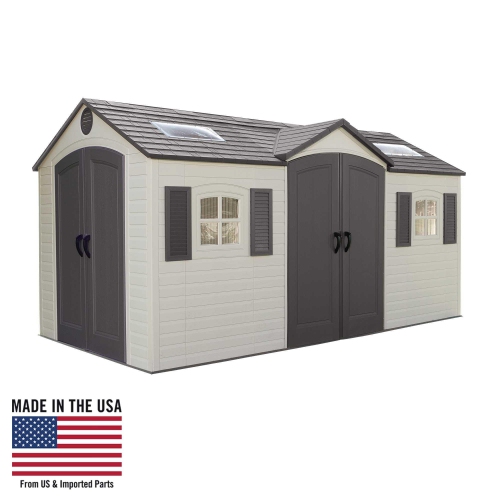 Your price for this item is $3999
 -
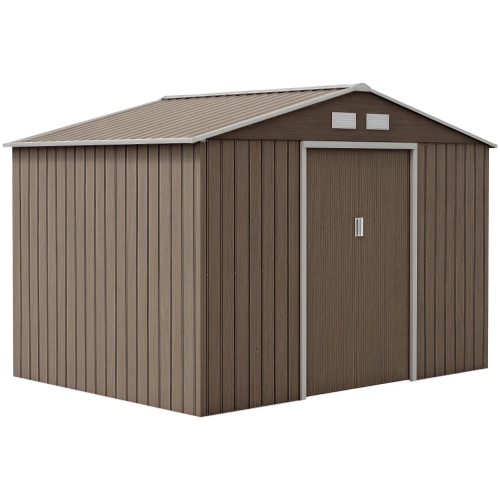 Your price for this item is $554.99
 -
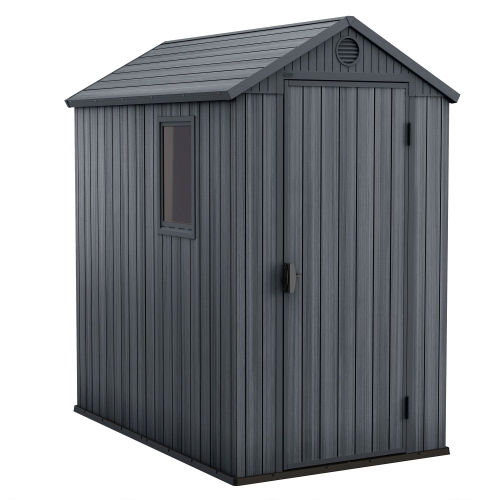 Your price for this item is $1204.99
 -
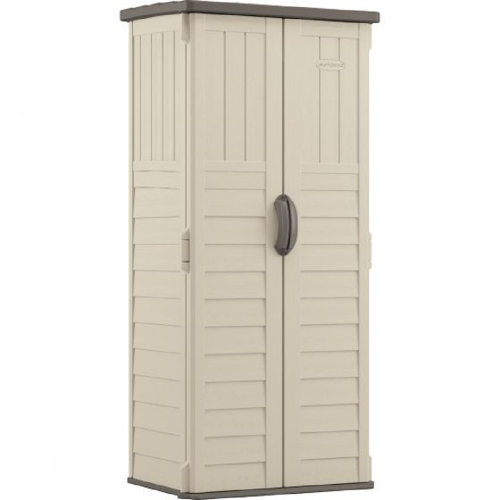 Your price for this item is $385.99
 -
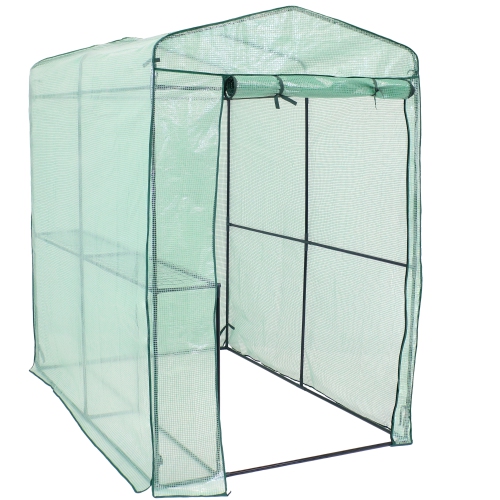 Your price for this item is $113.35
 -
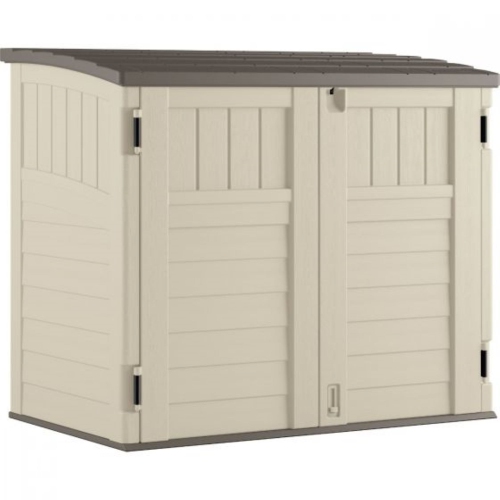 Your price for this item is $459.99
 -
 Your price for this item is $189.99
 -
 Your price for this item is $79.99
Discover more categories related to Garden Cold Frames
Top Collections:
Pokemon Centers, Kindle Devices, Best Budget Office Chairs, Apple iPhones 16, Best Laptops for Writers, iPhone 15 Apple, Canon G7X Cameras, Refurbished Apple Laptops, Alarm Clock, Motorola Razr Phones
Some products may be subject to Environmental Handling Fees
(EHF) depending on your province.
Learn more about EHFs.