Garden Design Ideas
Transform your outdoor space into a tranquil oasis with our curated collection of garden design ideas. Whether you have a sprawling backyard or a cozy balcony, we have inspiration for every size and style of outdoor area. From lush greenery and vibrant flowers to stylish furniture and decor accents, these creative ideas will help you elevate your garden to the next level. Explore our selection of design tips and trends to create a beautiful and functional outdoor retreat that you'll love spending time in.
Sort
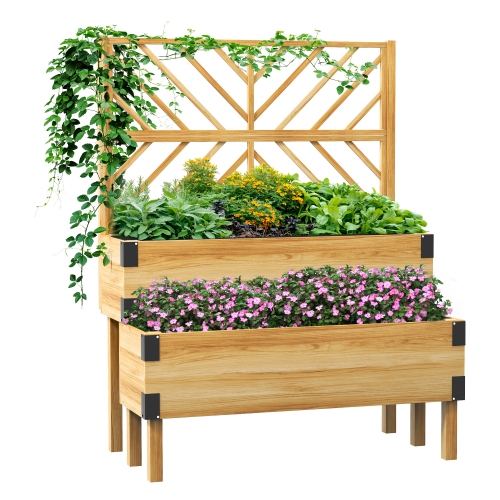
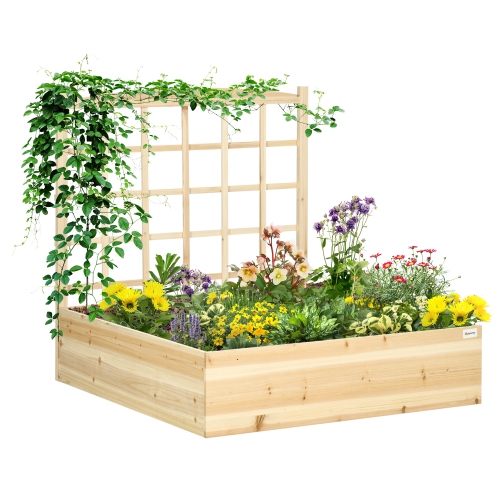
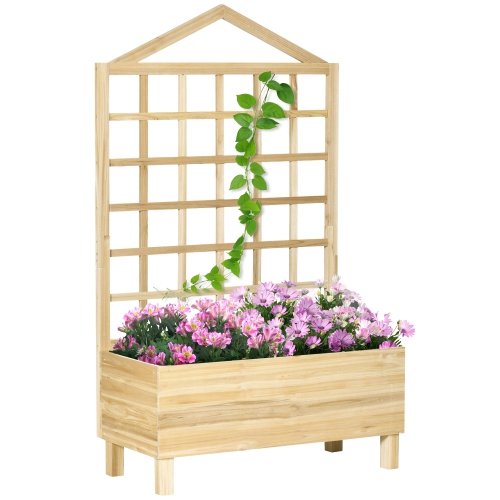
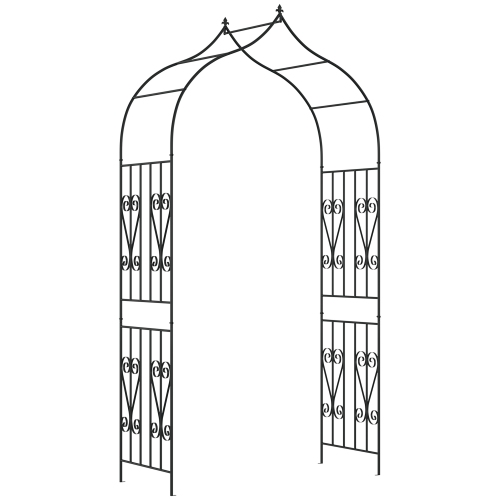
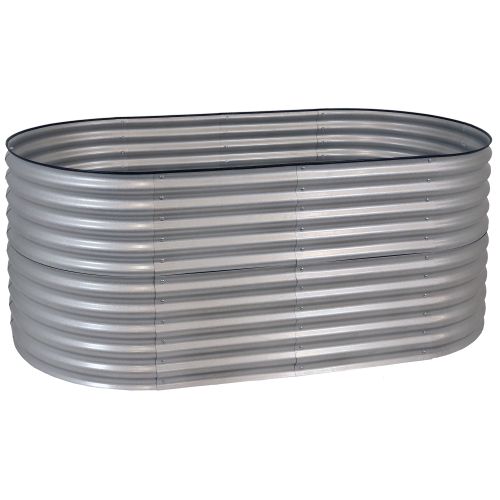
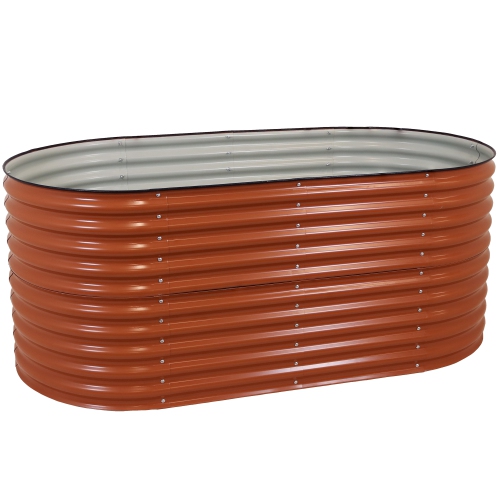
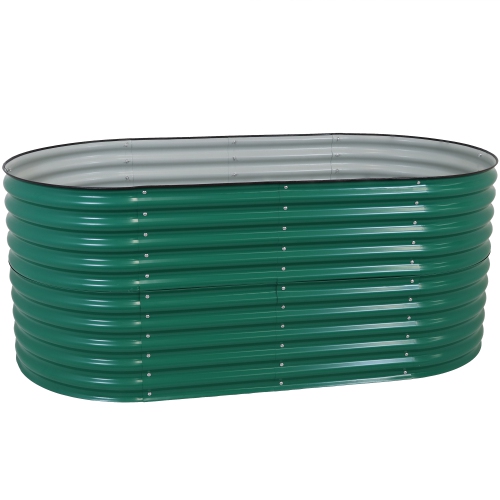
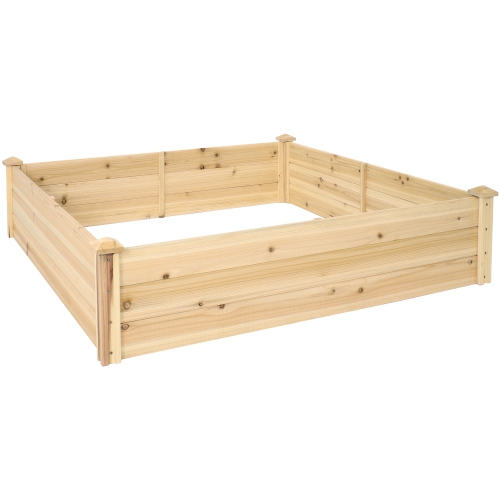
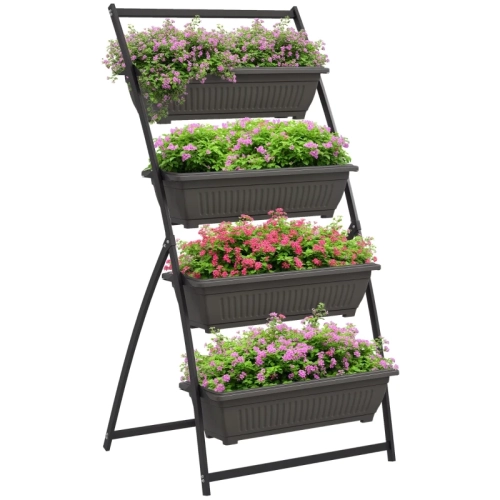
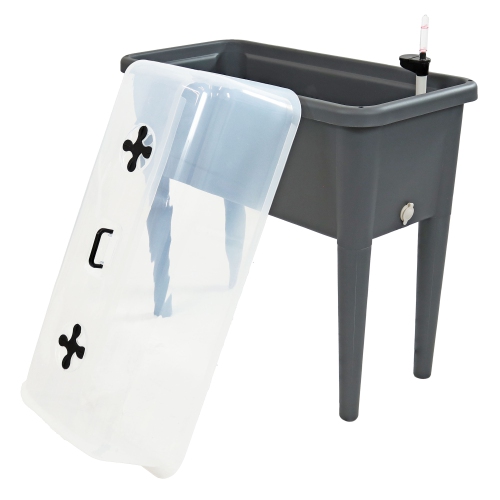
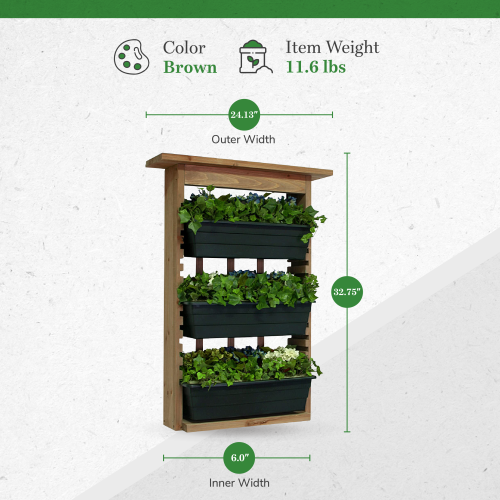
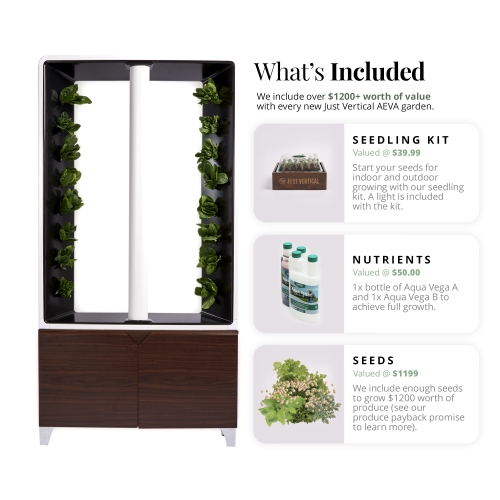
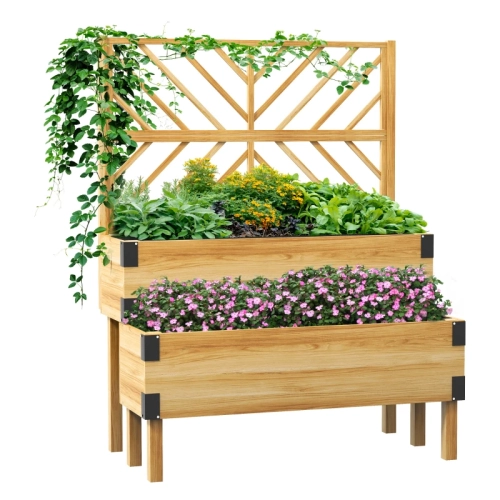
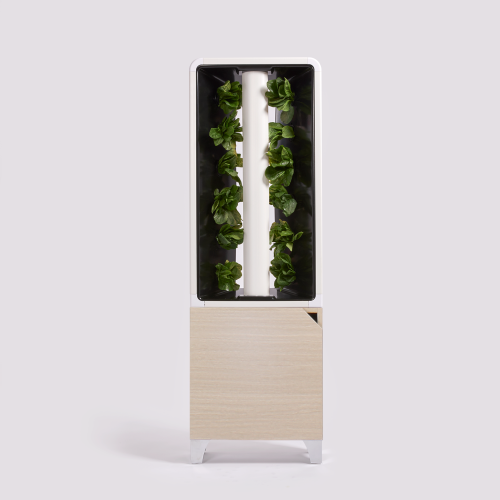
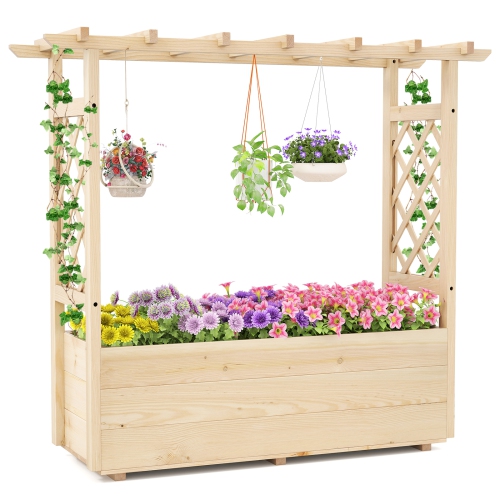

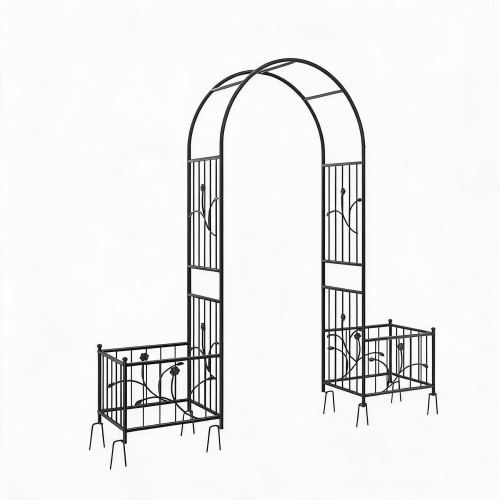
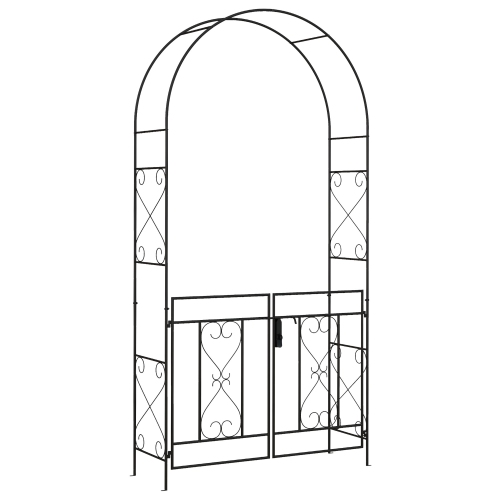
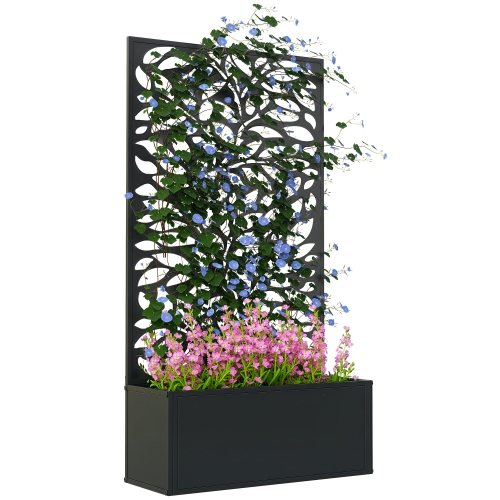
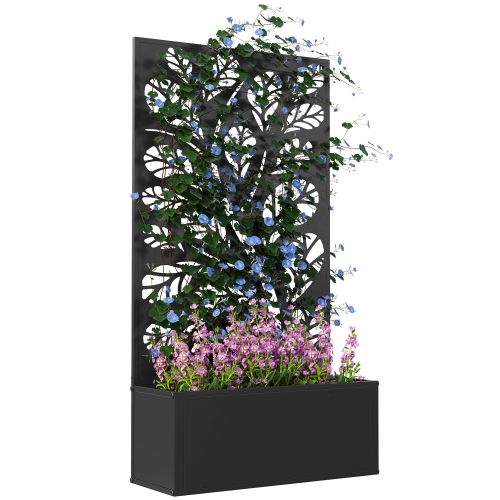
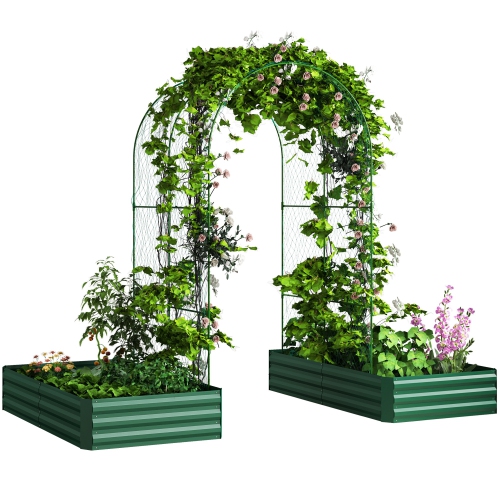
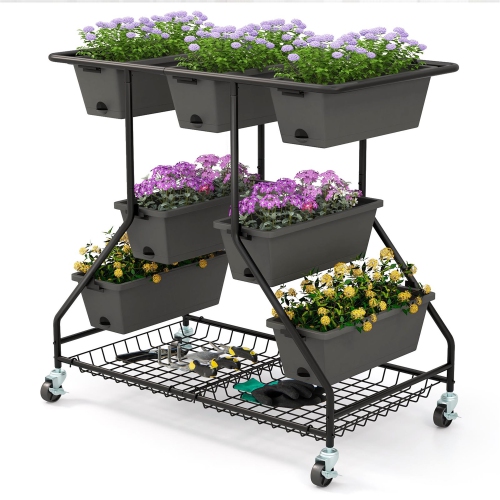
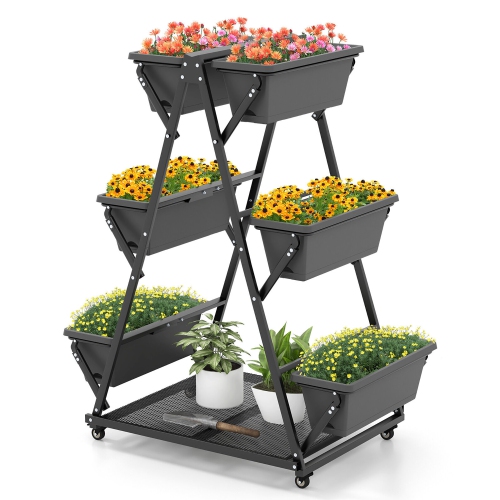
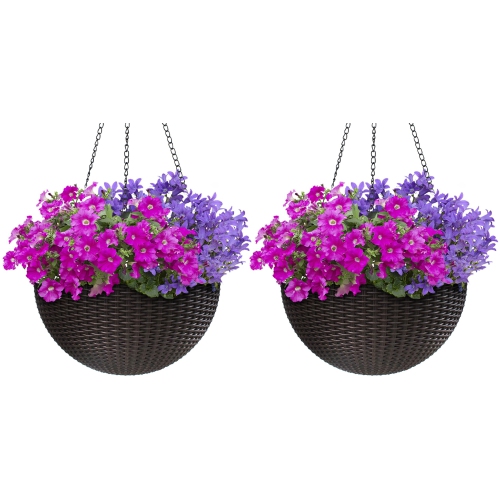
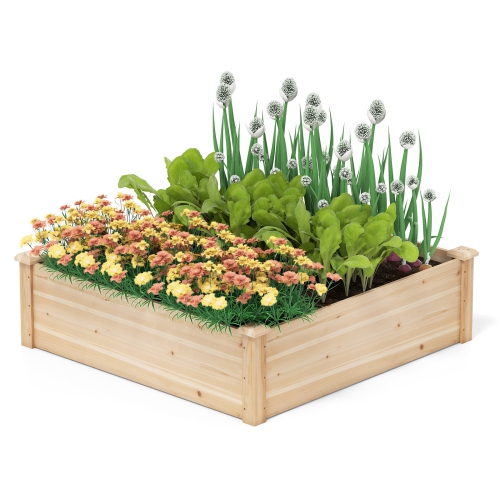

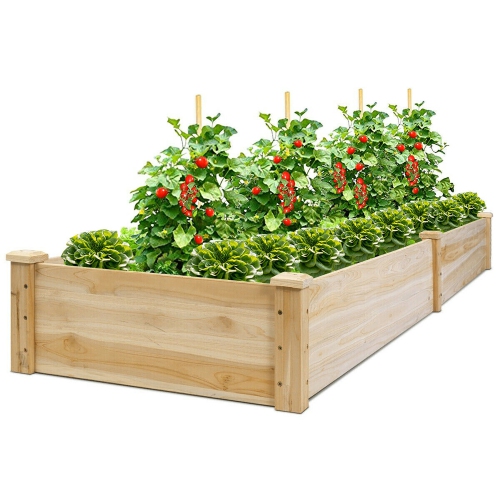
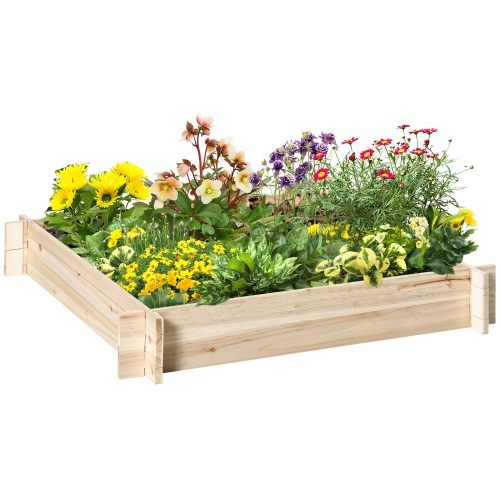

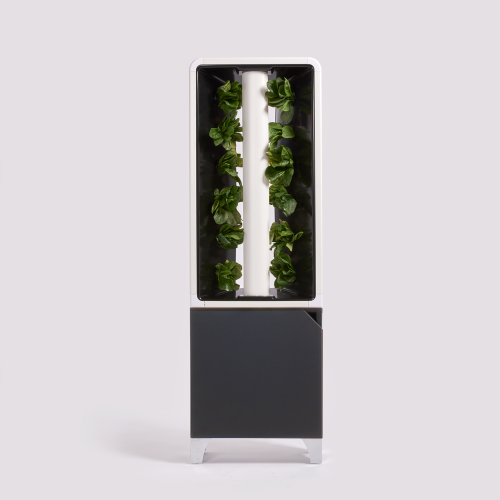
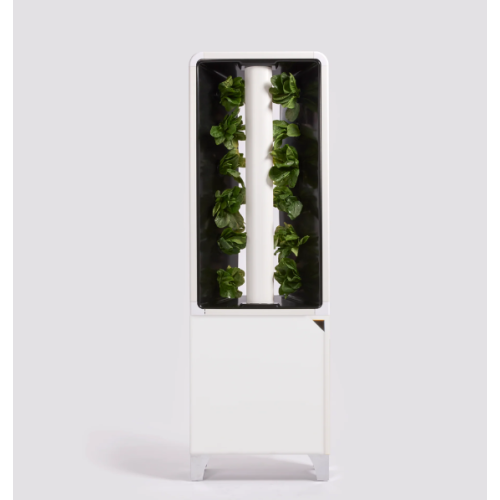
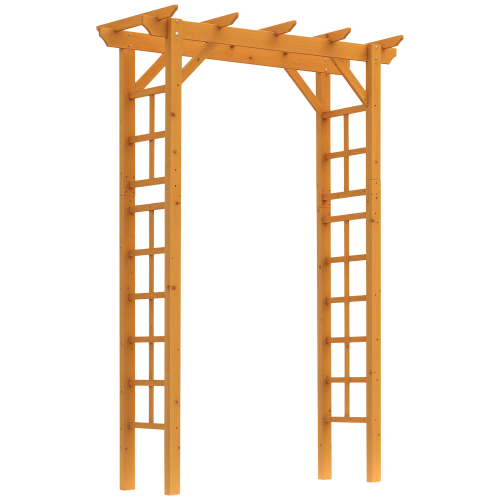
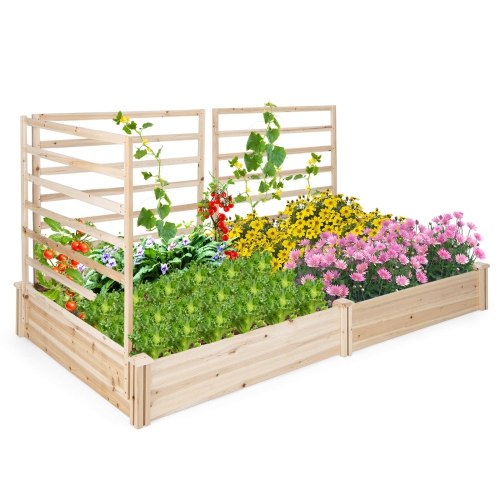
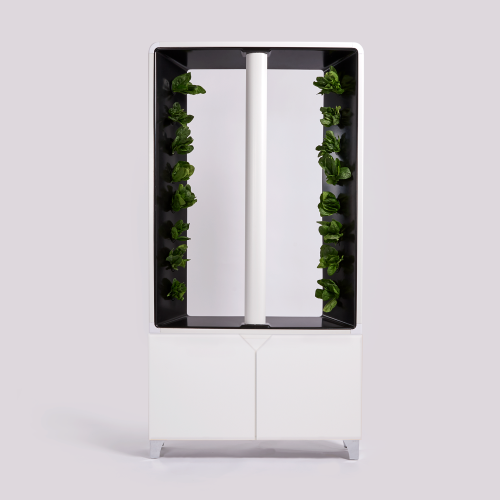
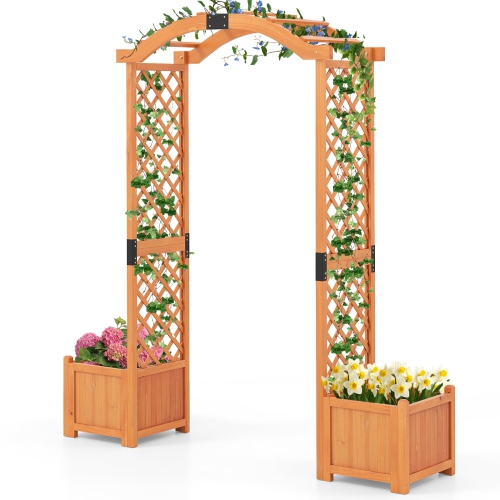
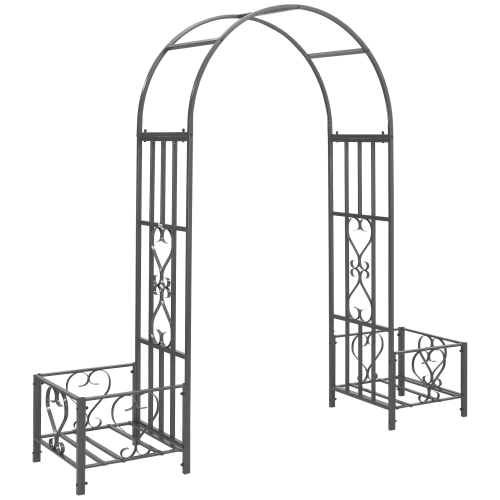
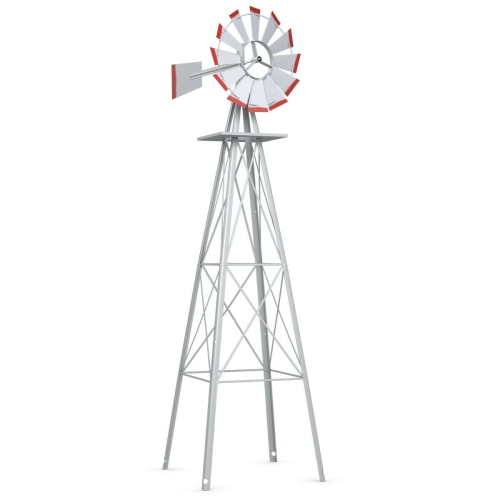
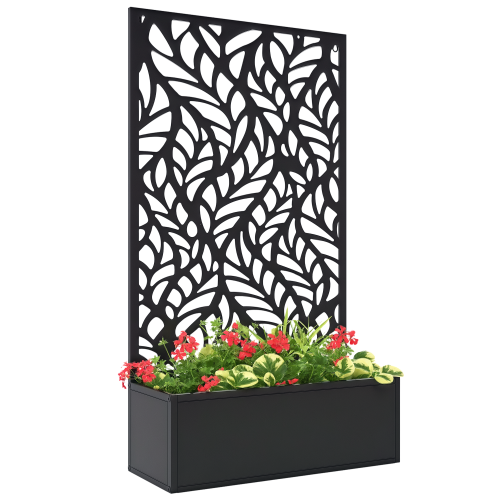
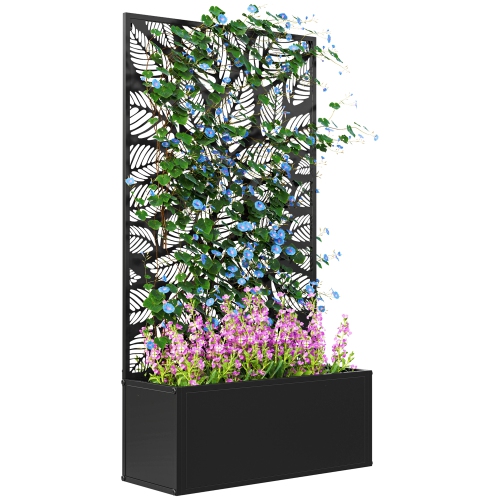
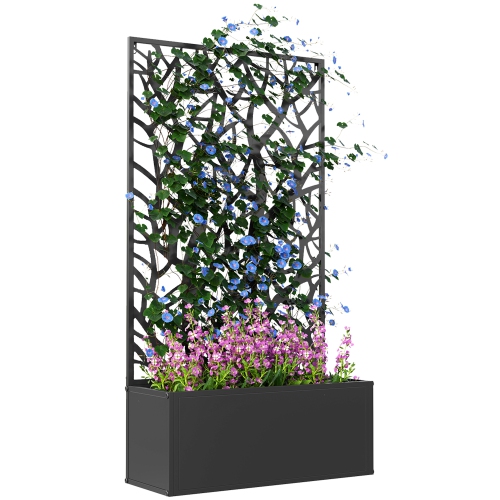
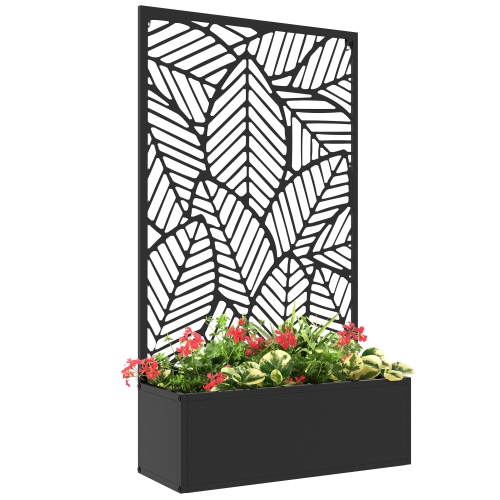
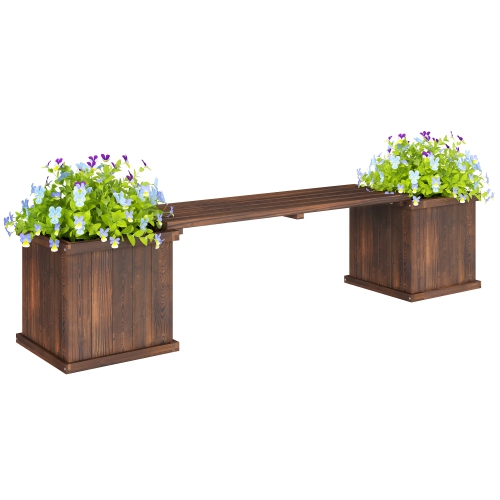
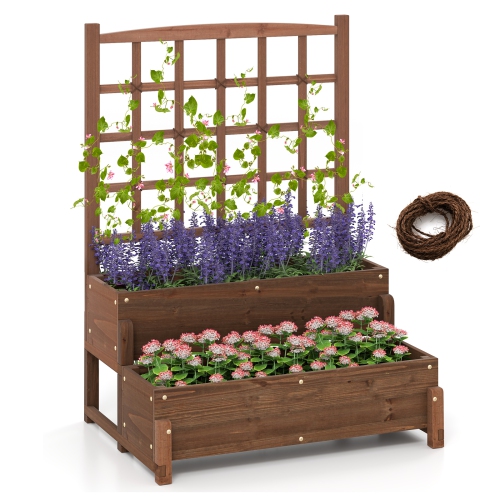
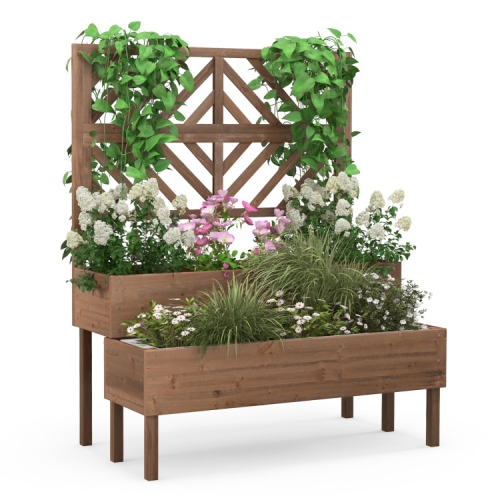
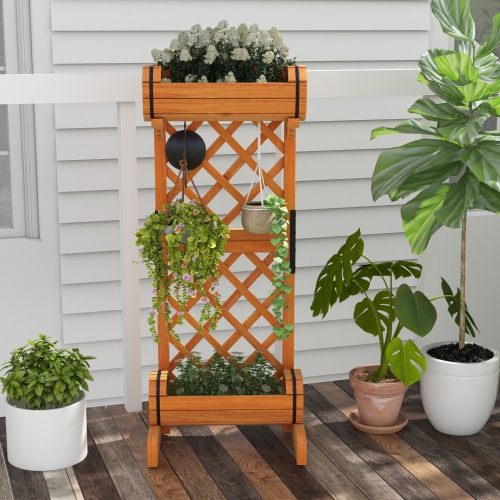
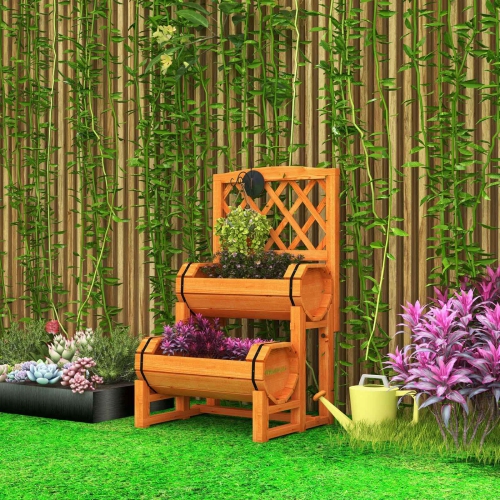

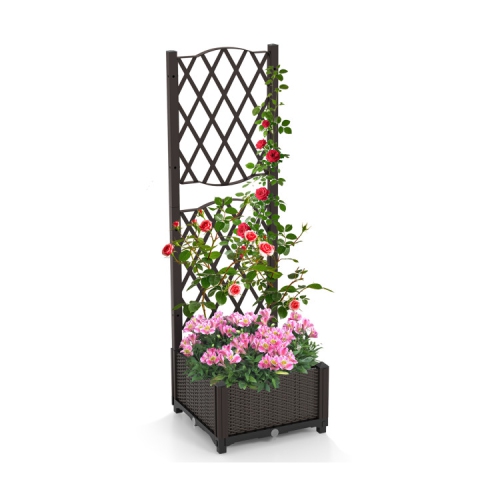
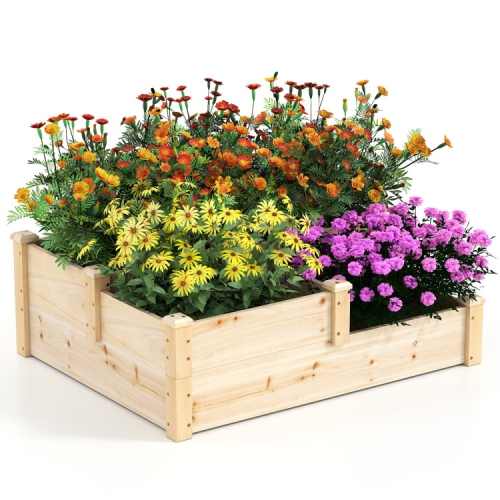
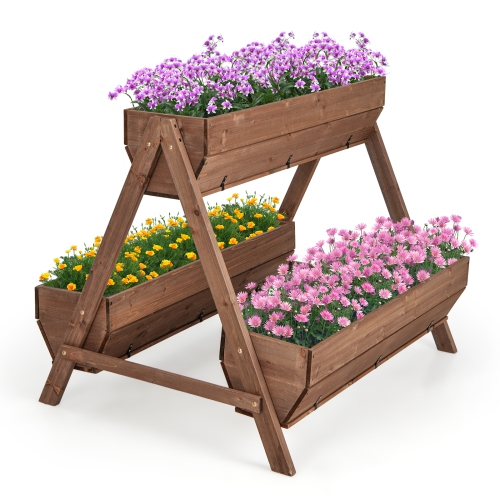
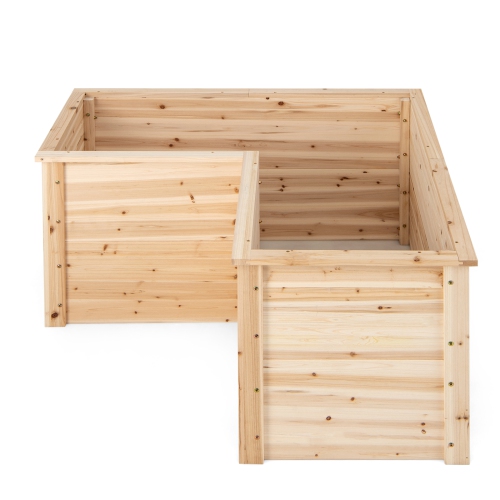
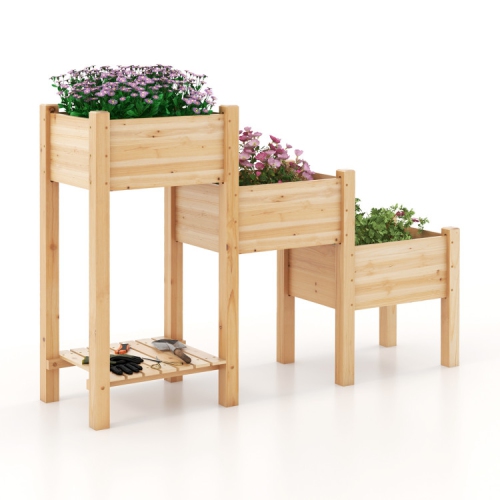
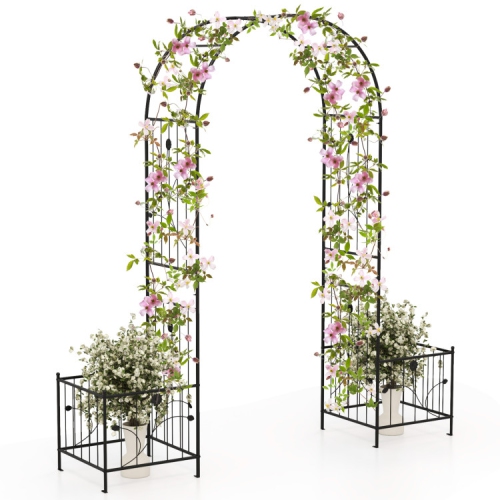
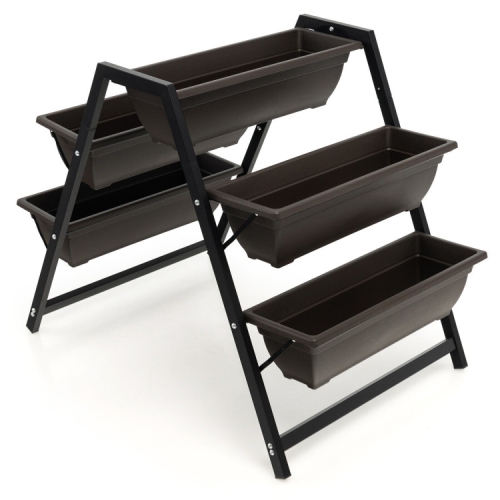
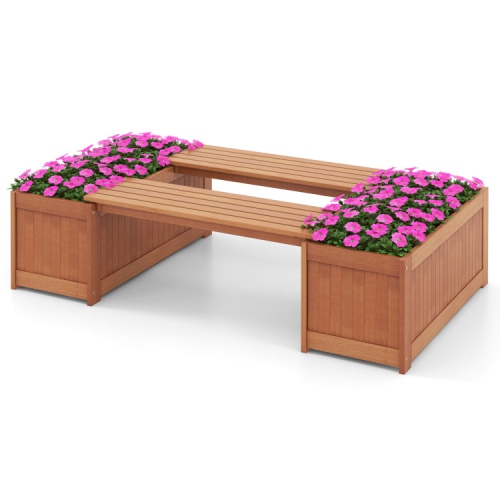
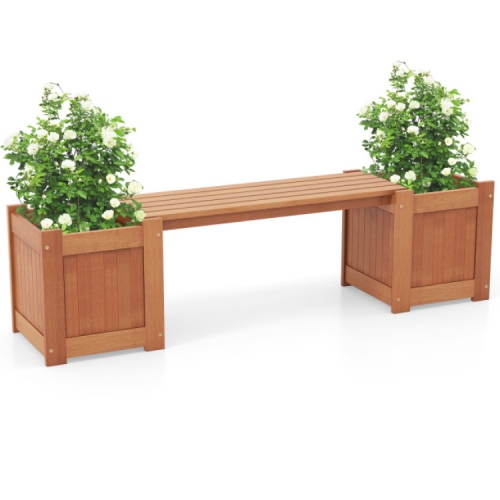
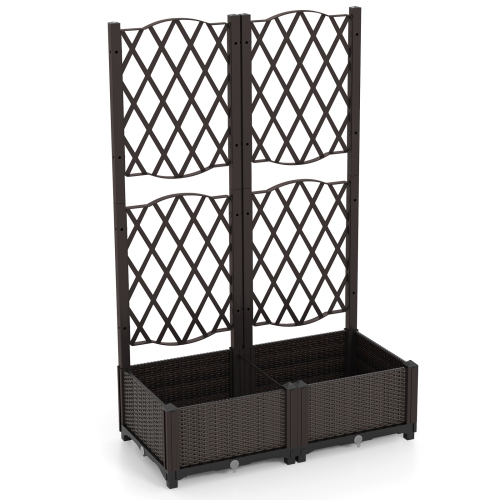
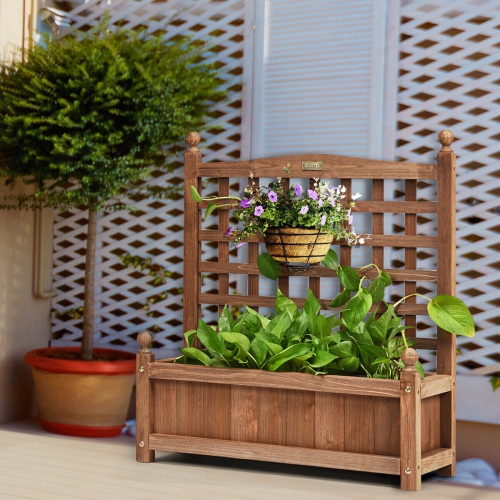
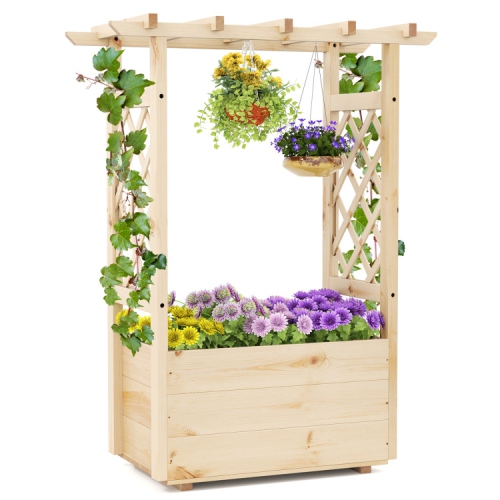
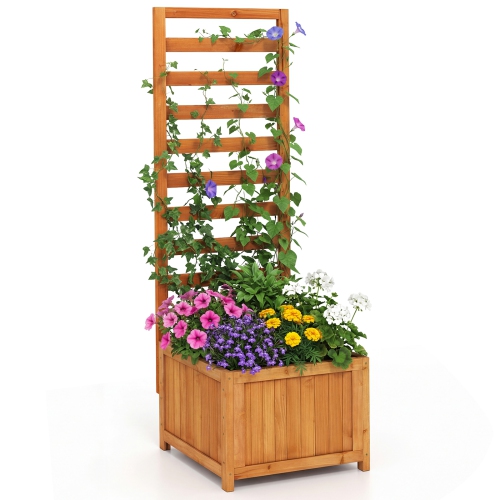
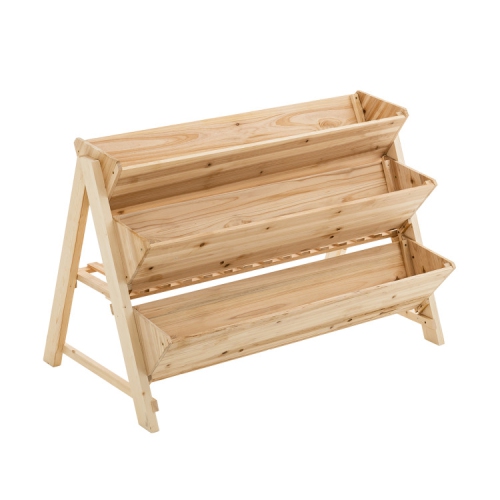
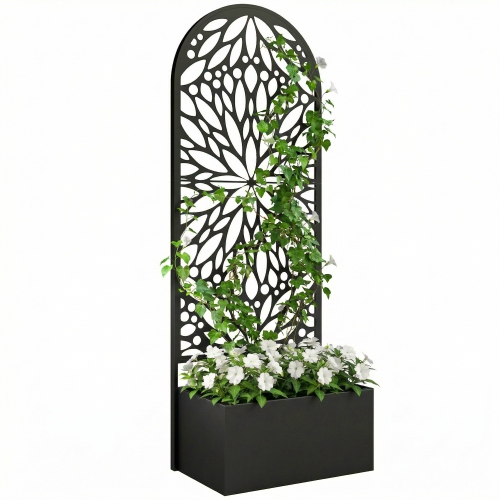
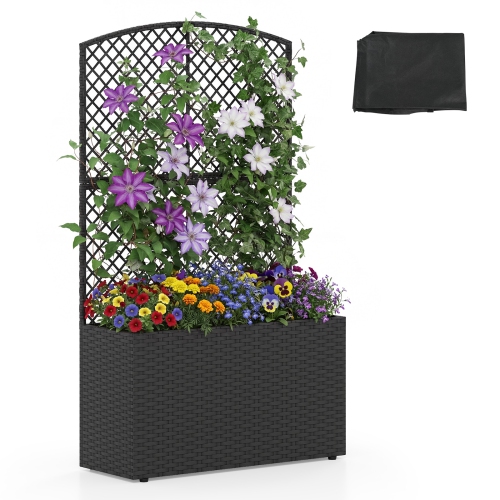
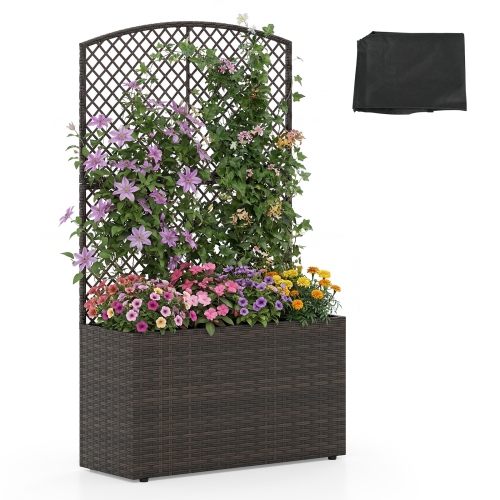
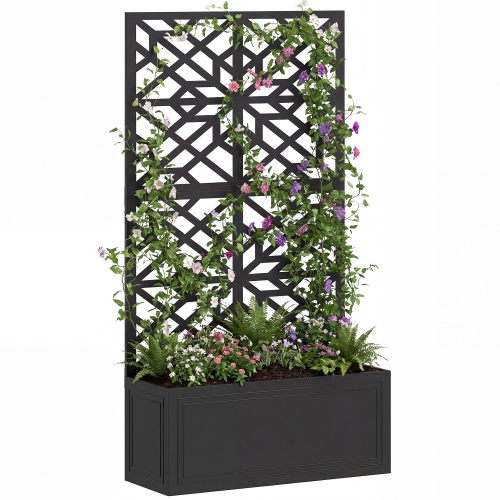
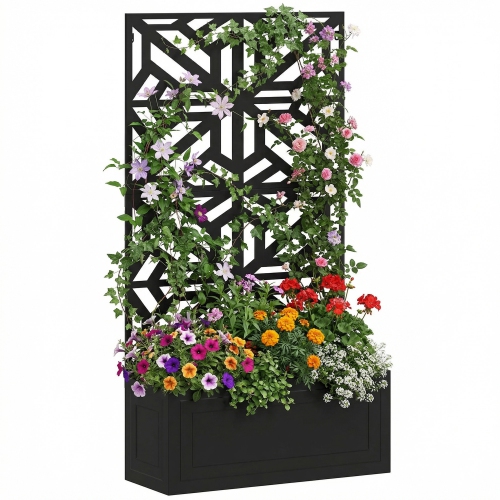
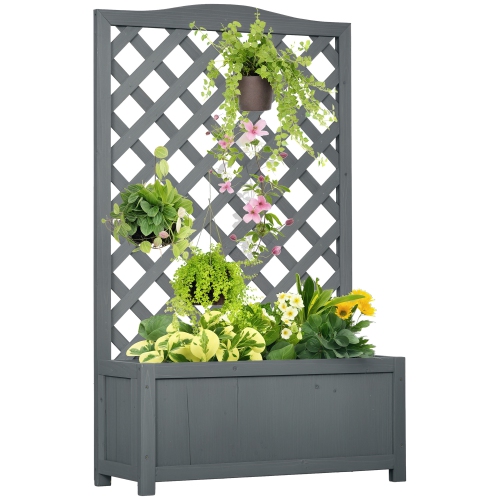
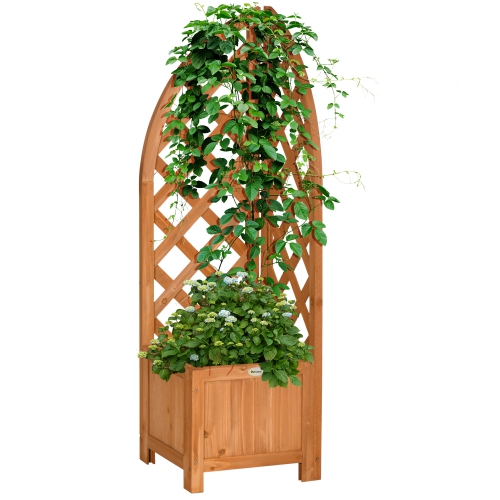
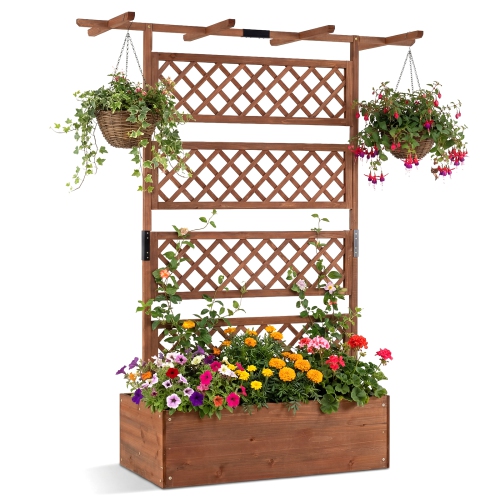
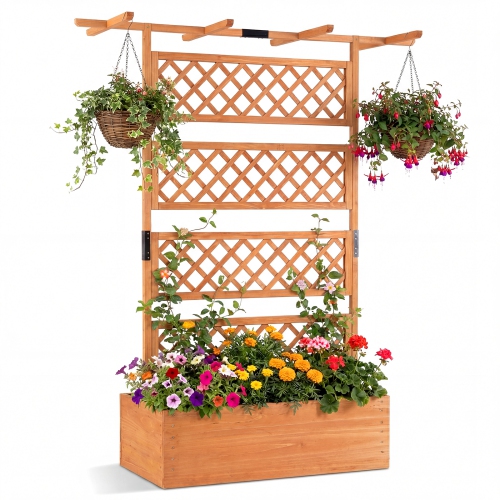
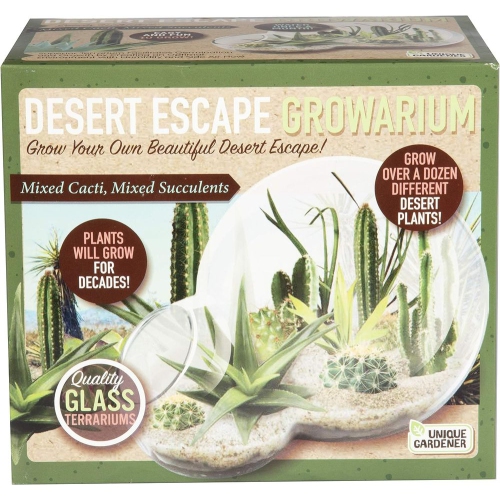

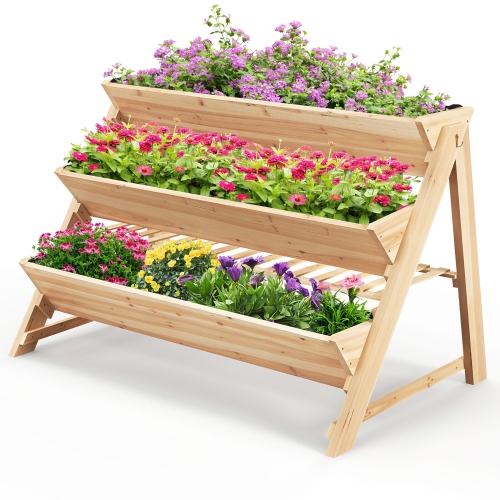
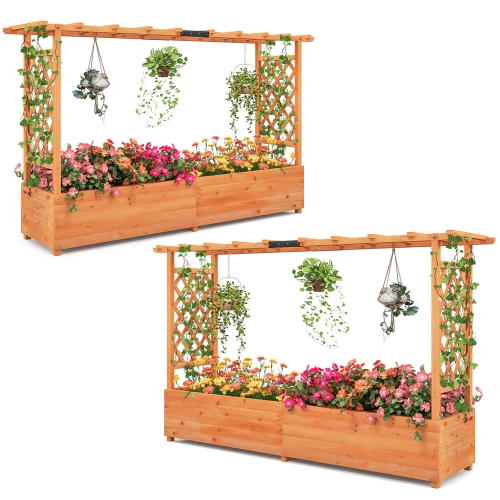
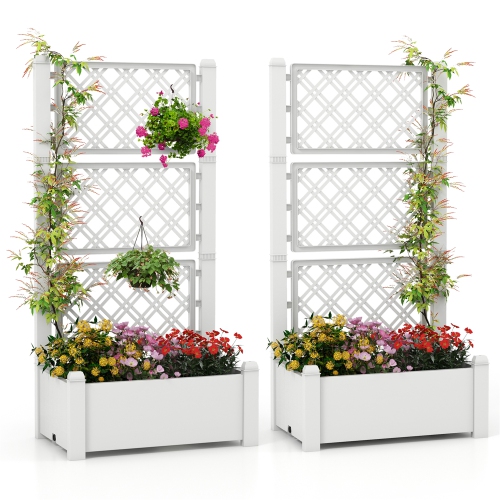
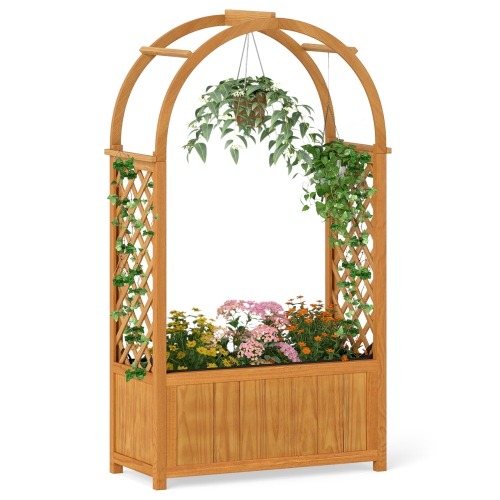
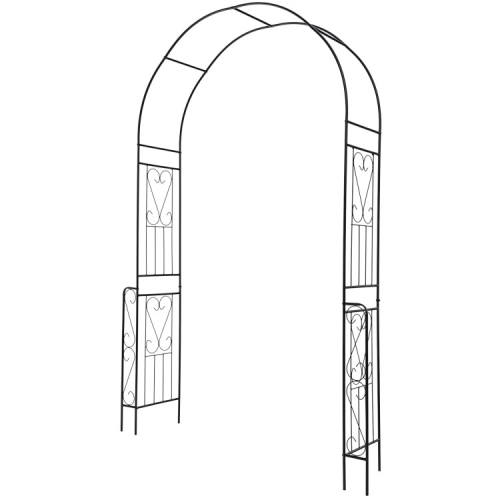
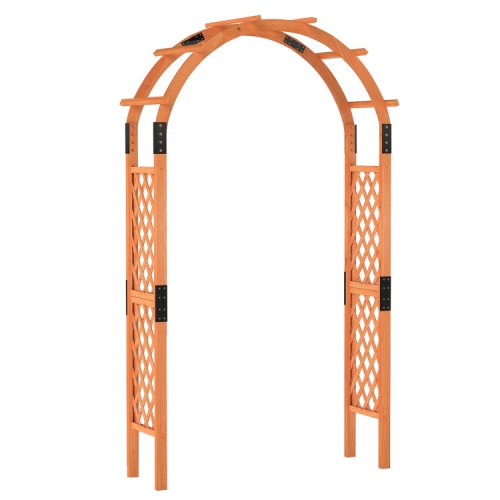
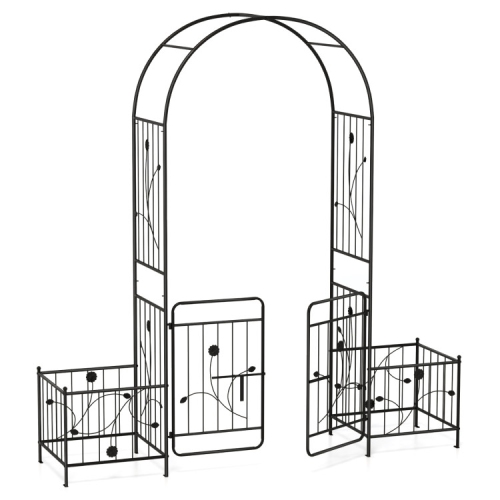
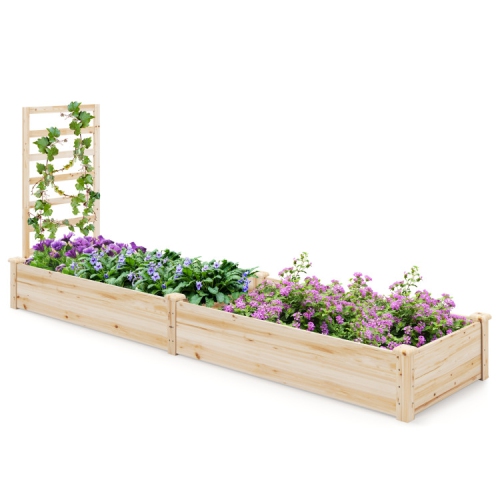
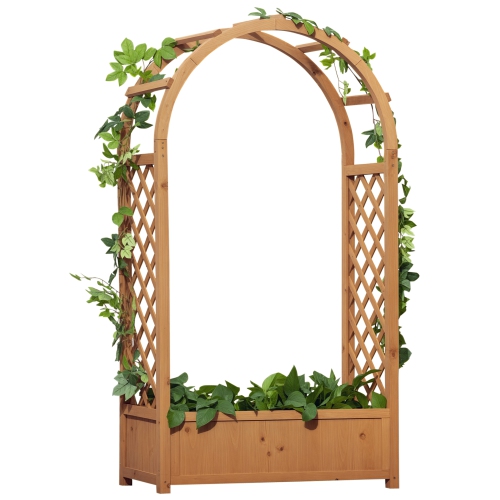
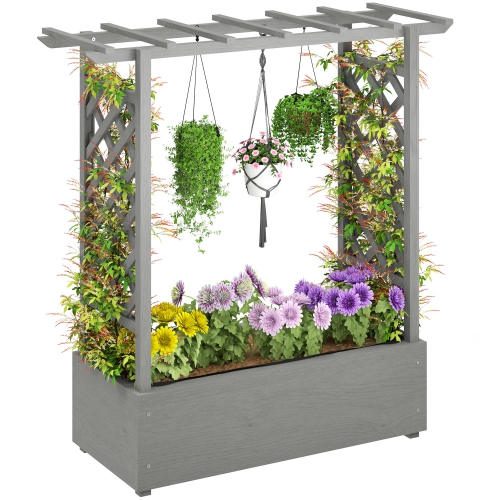
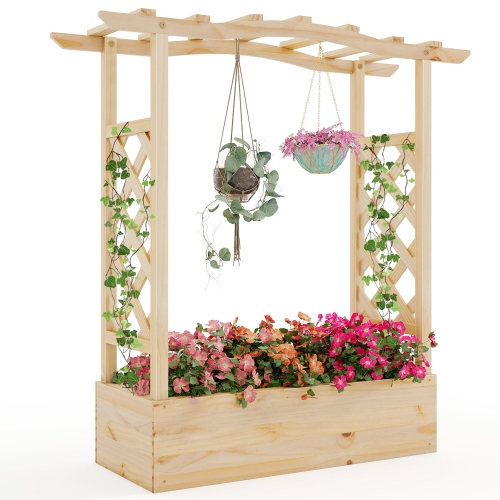
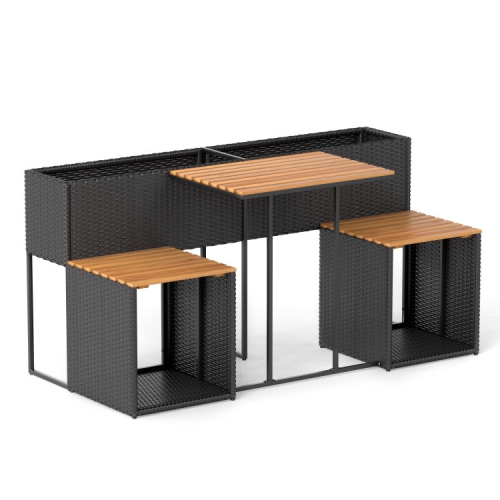
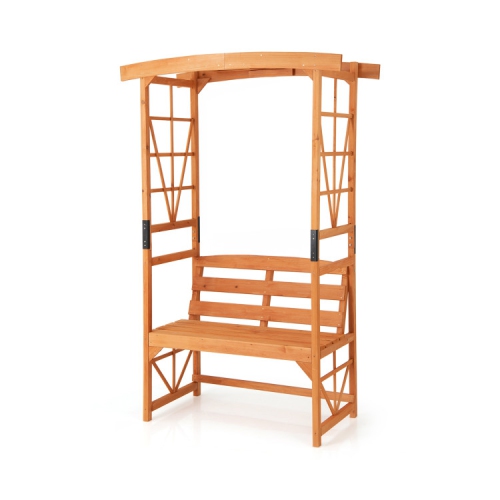
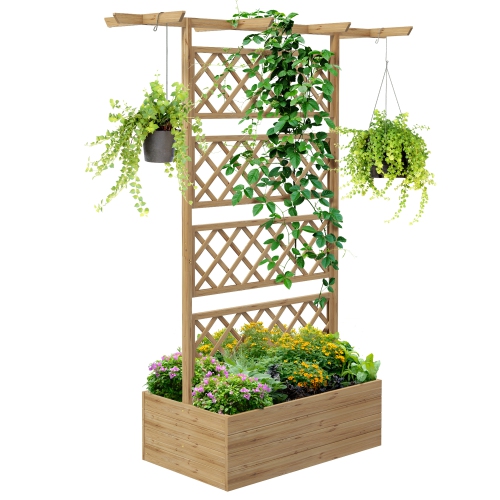
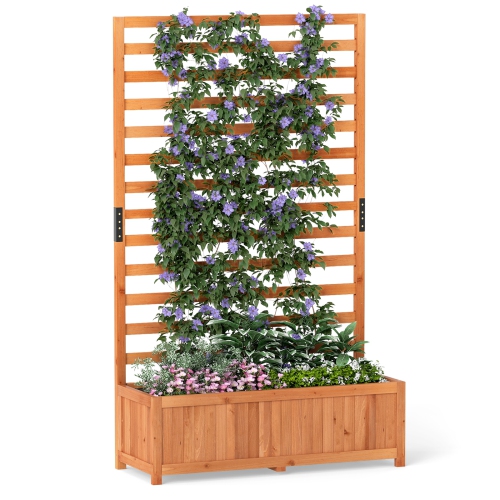
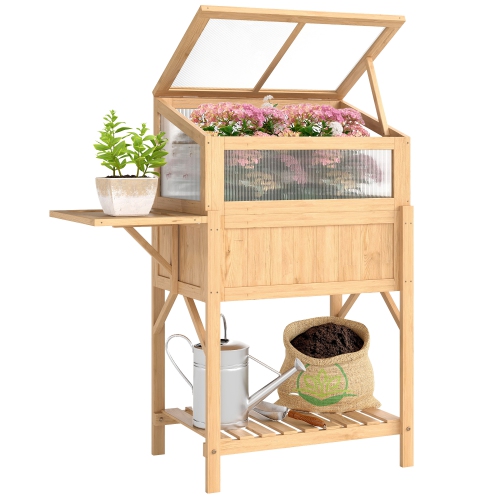
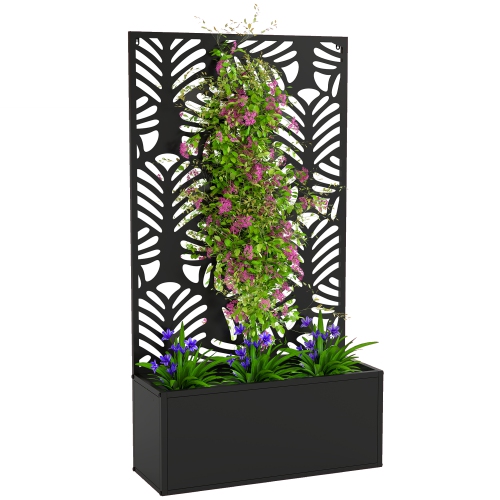
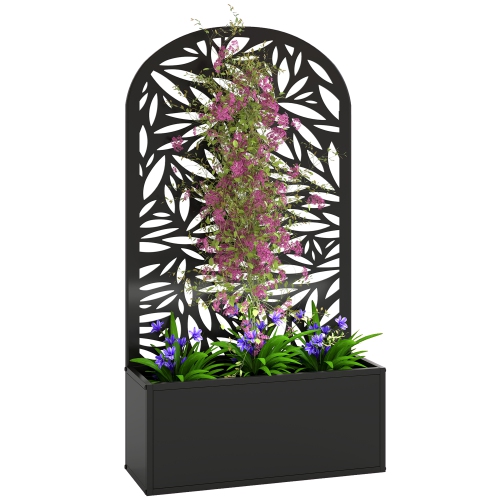
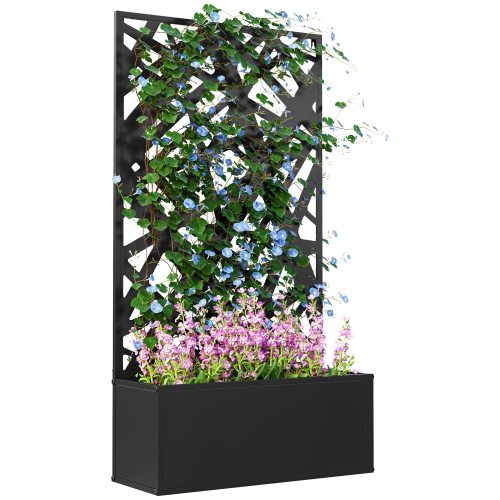
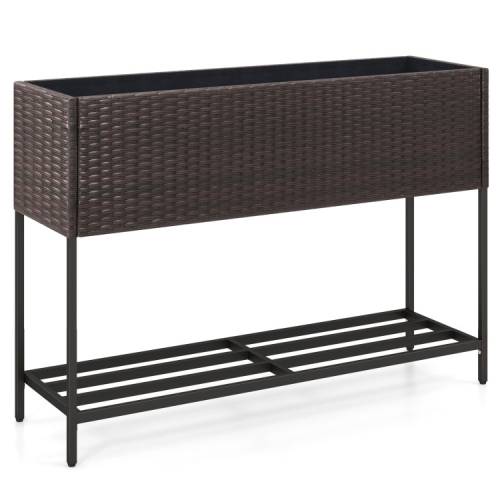
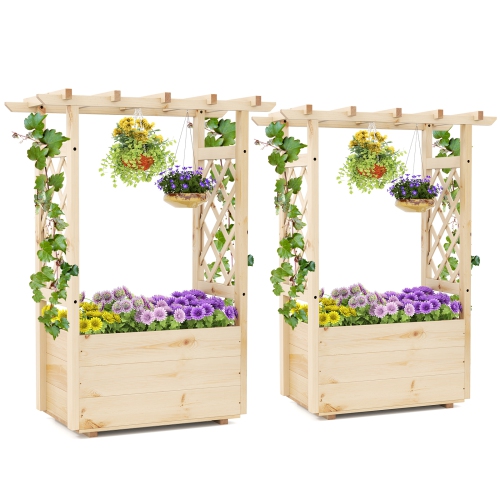
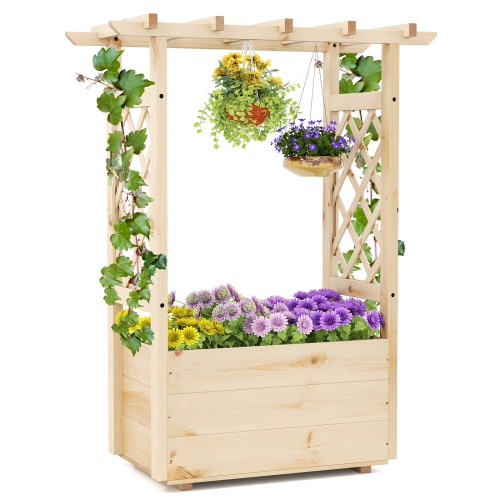
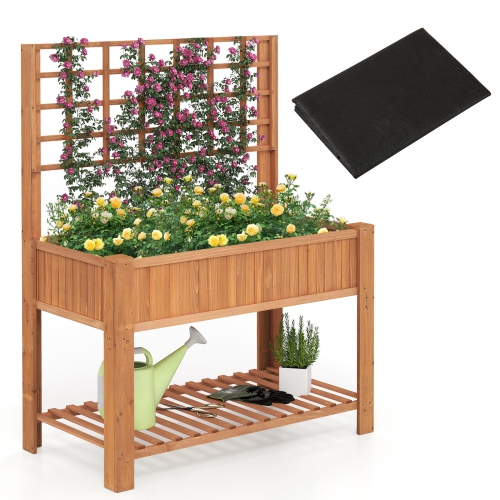

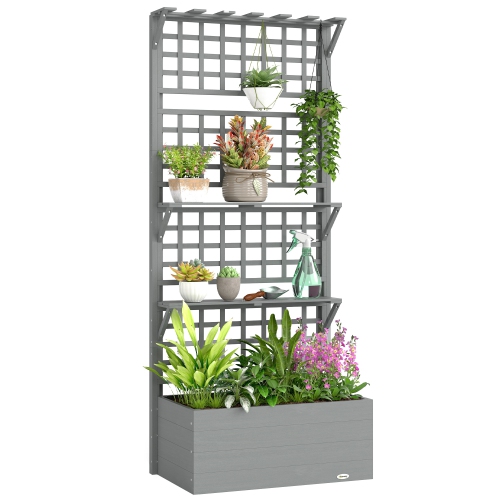
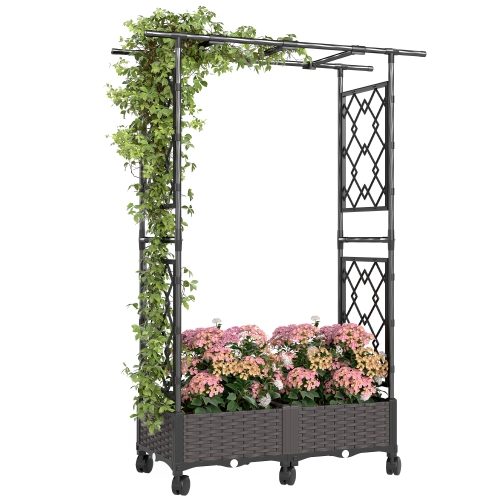

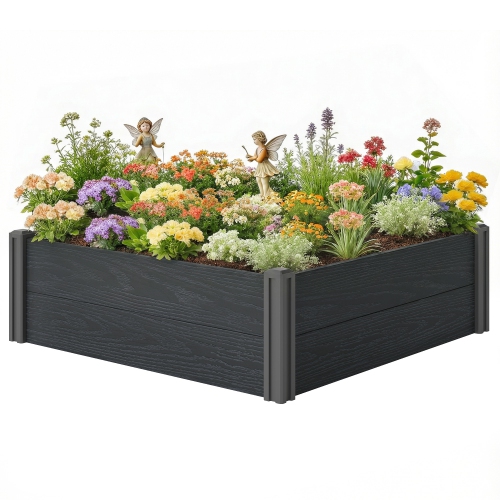
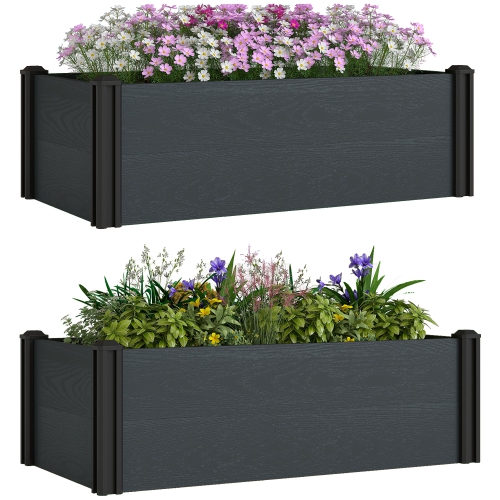
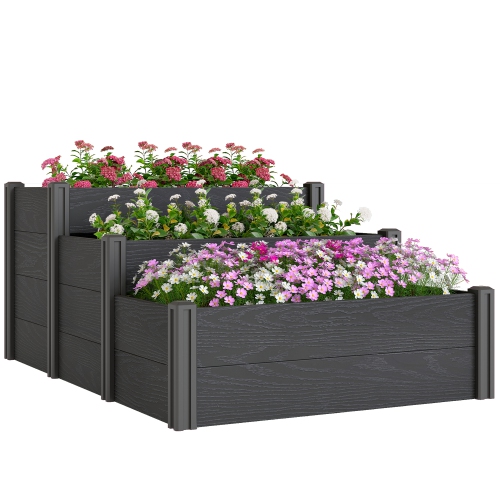
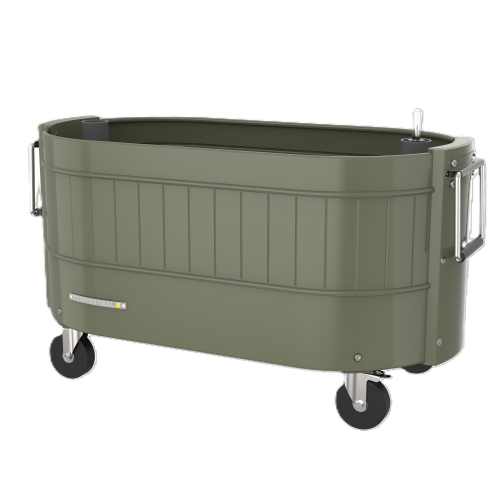
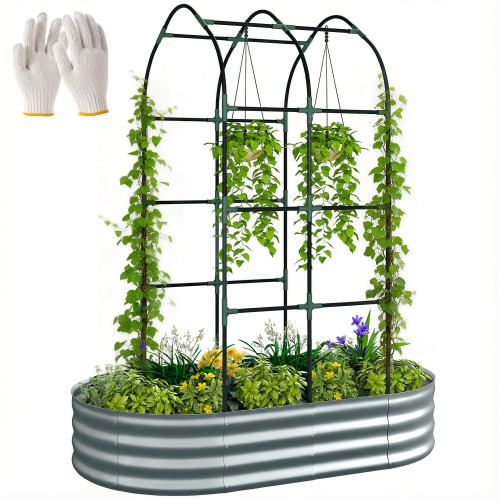
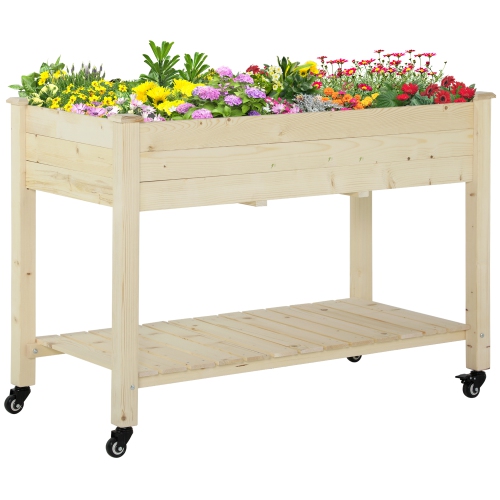

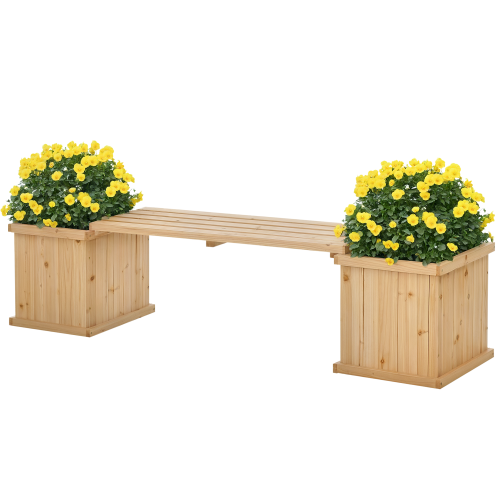

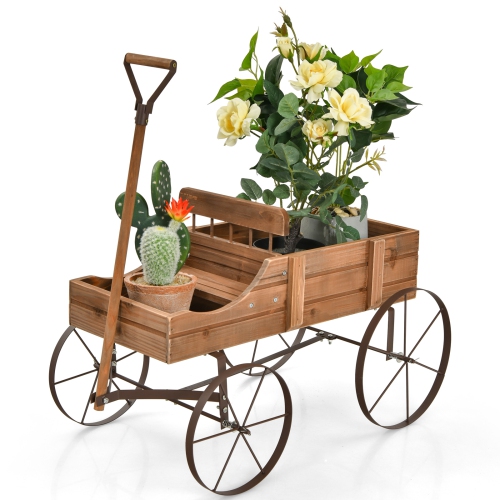

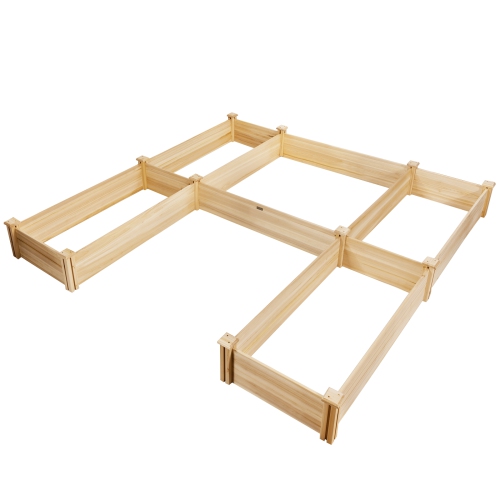
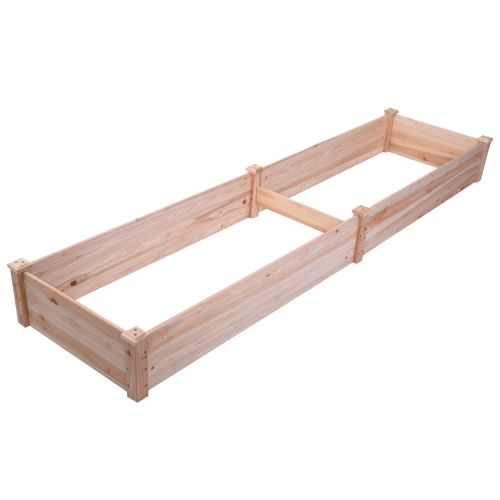

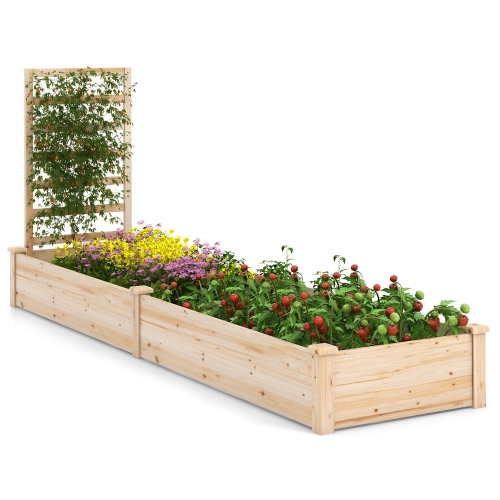
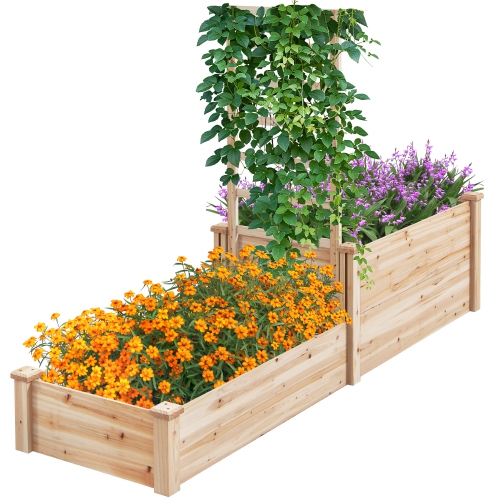
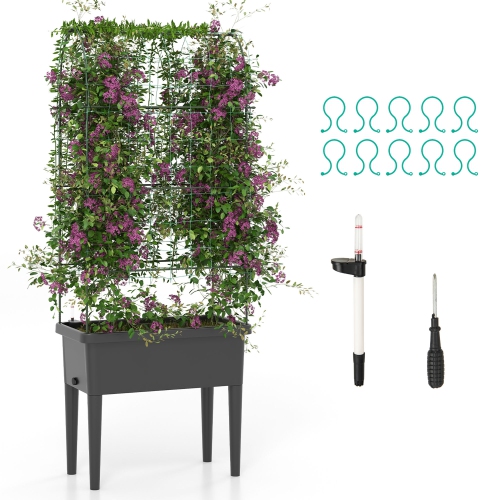
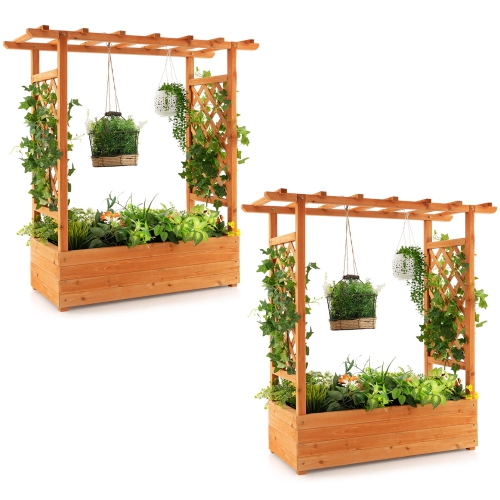
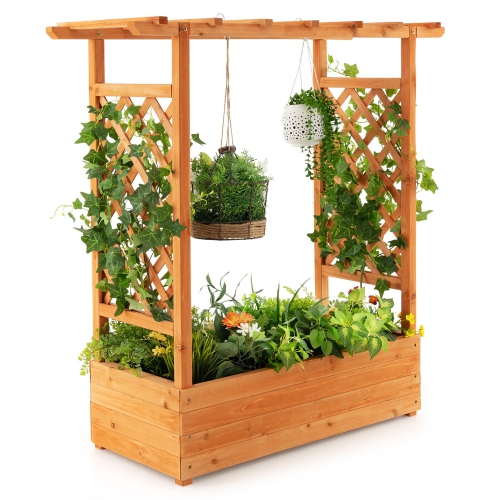
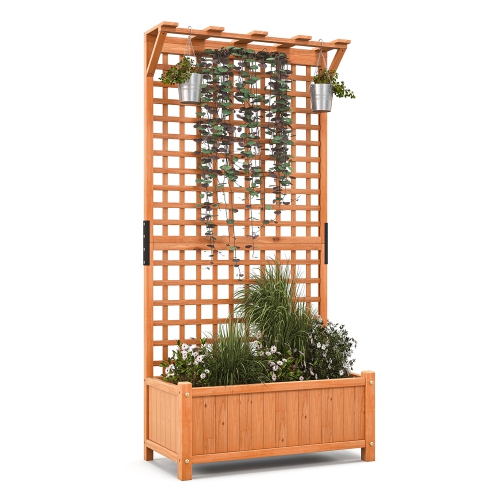
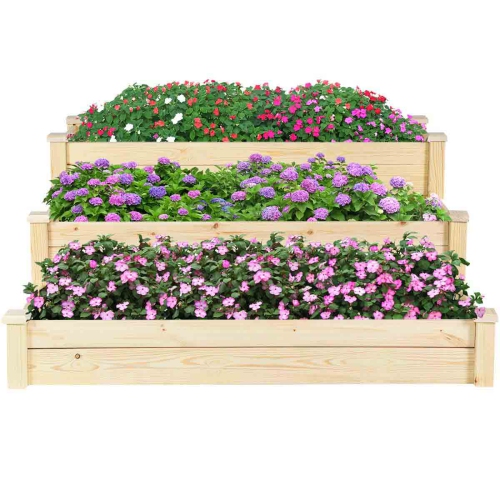
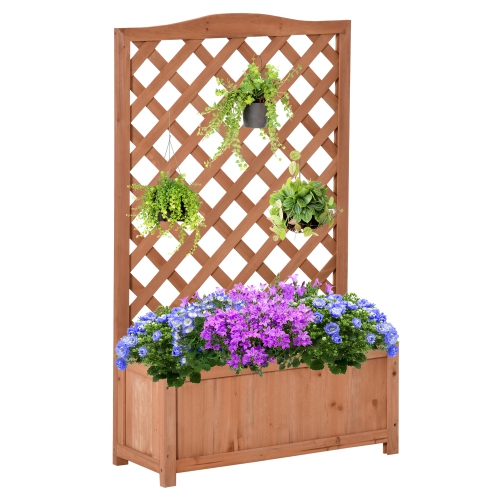
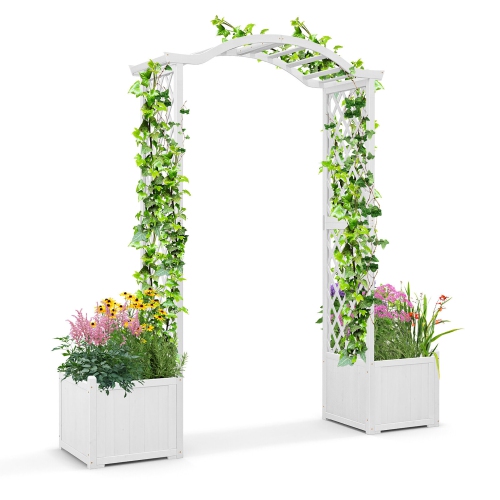
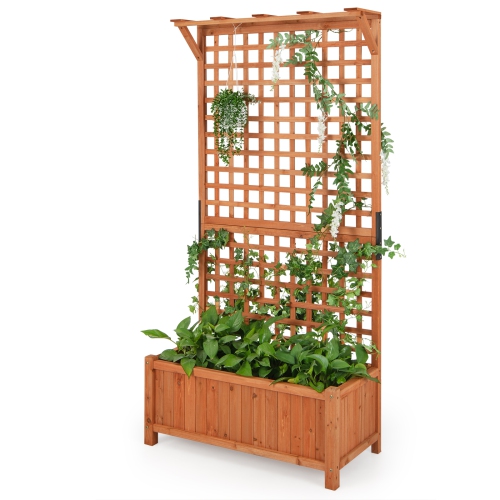
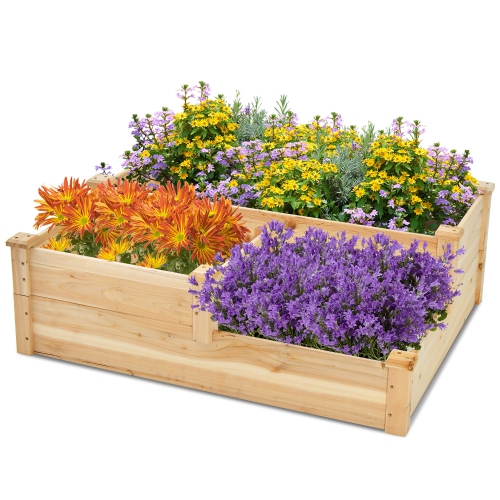
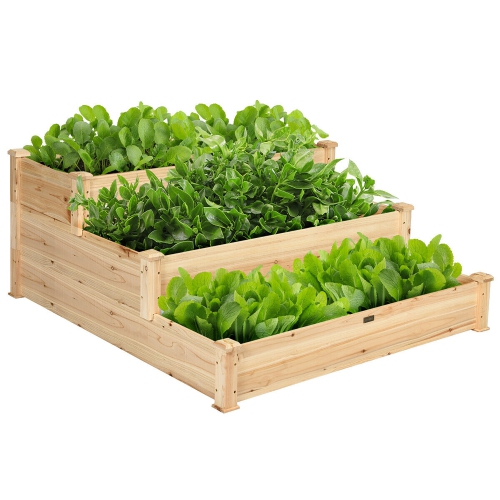
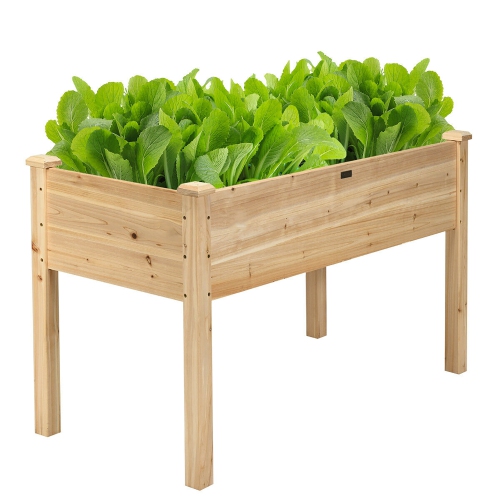
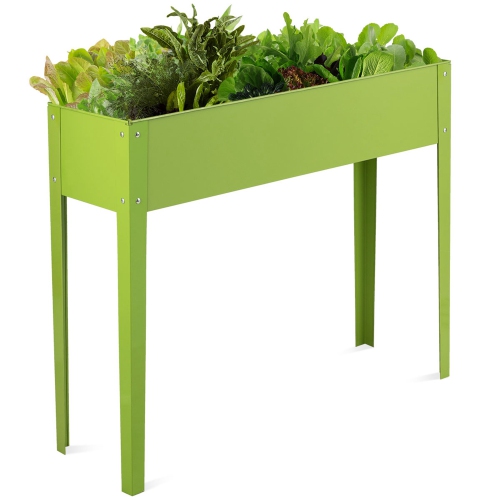
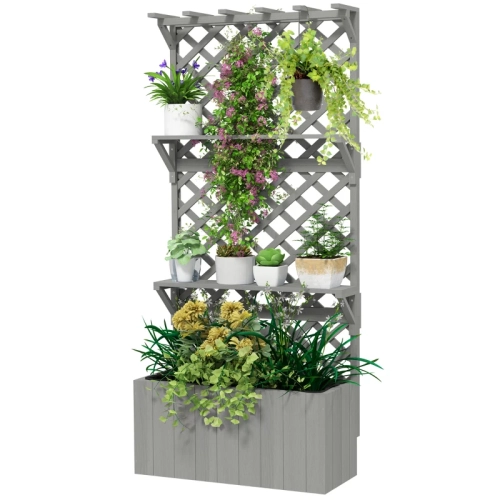
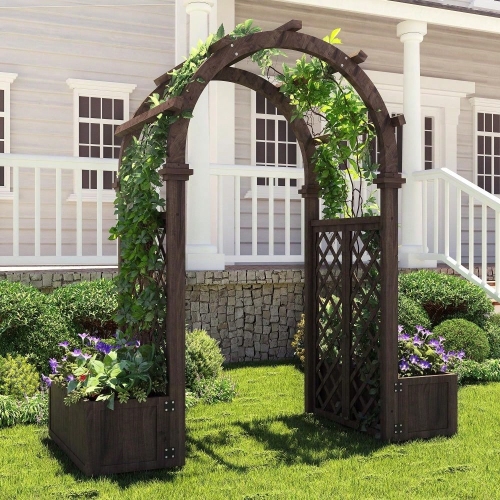
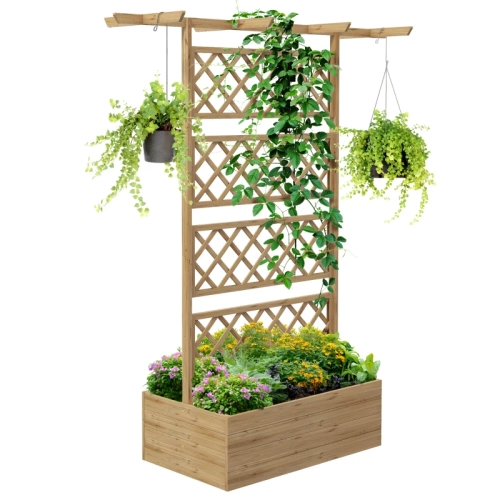
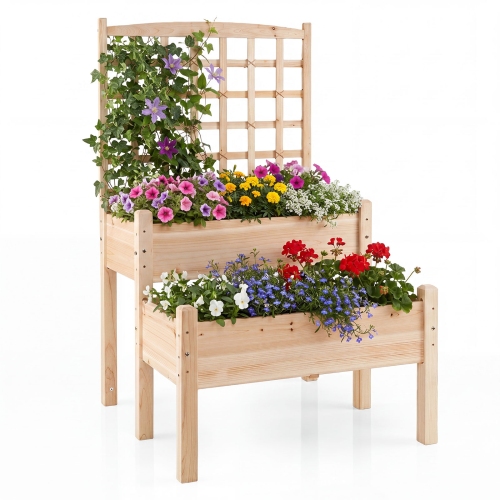
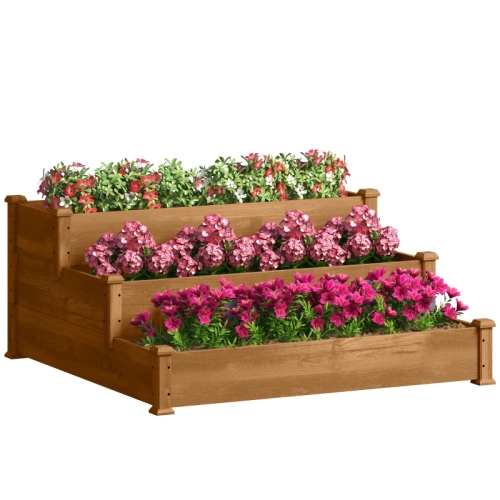
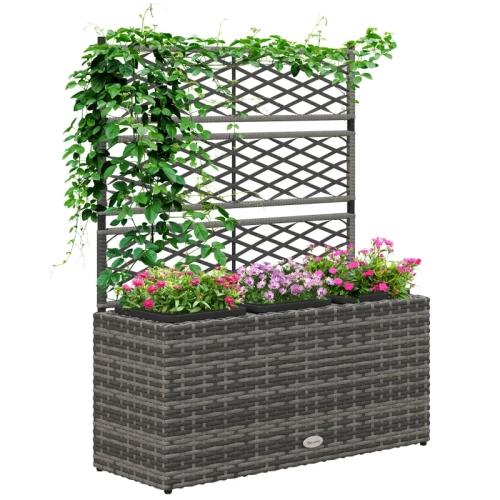
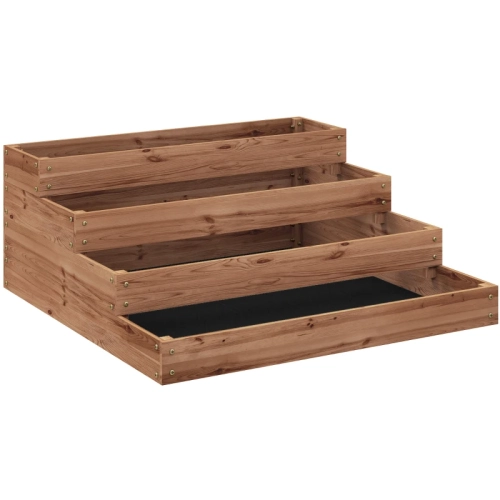
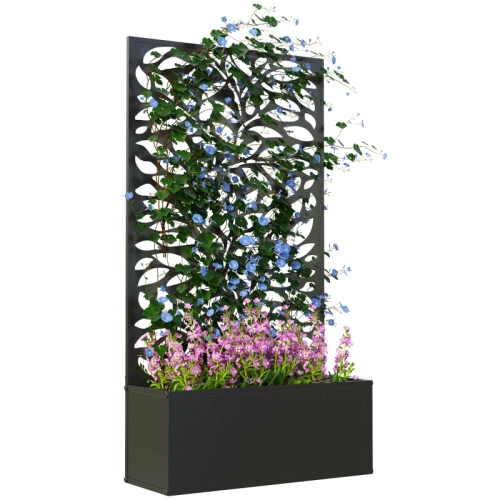
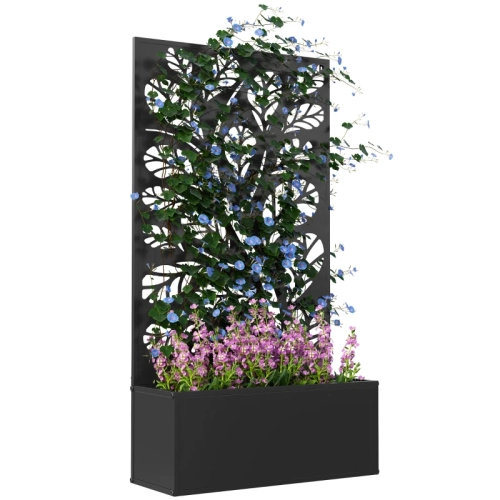
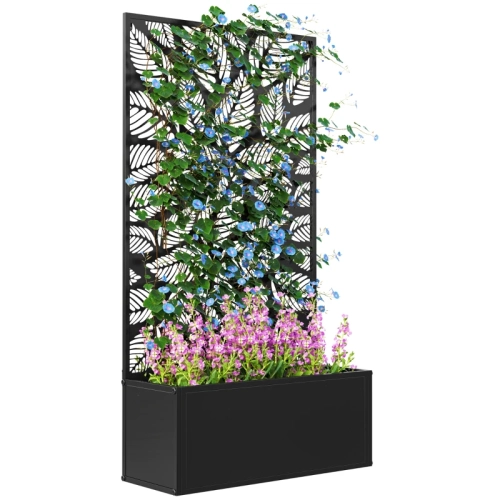
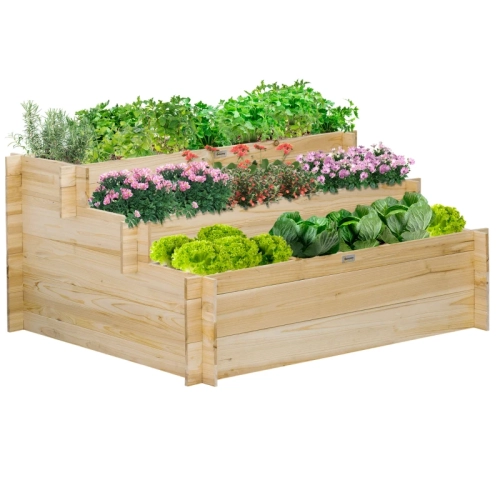
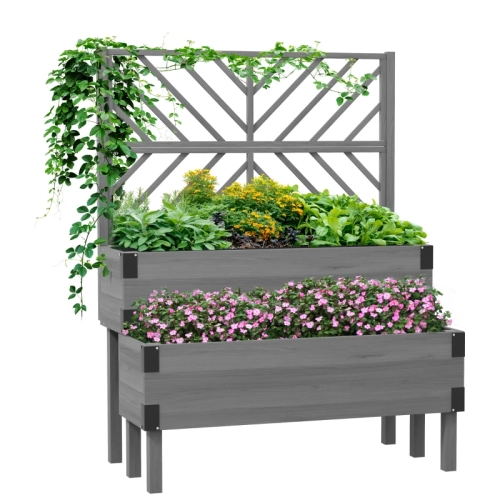
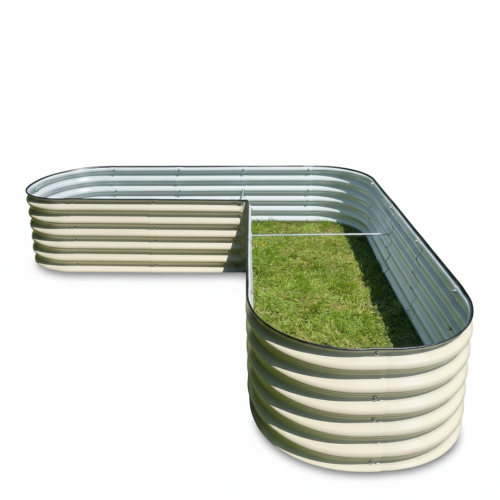
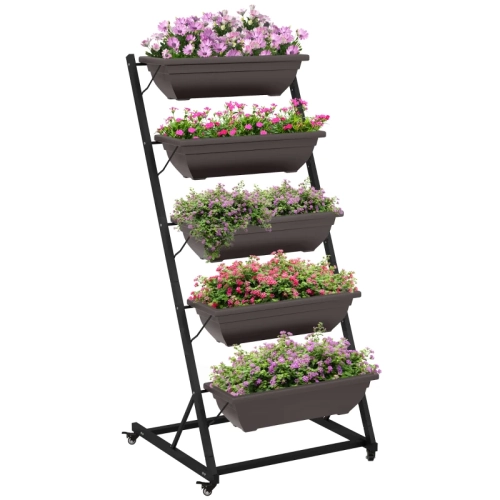
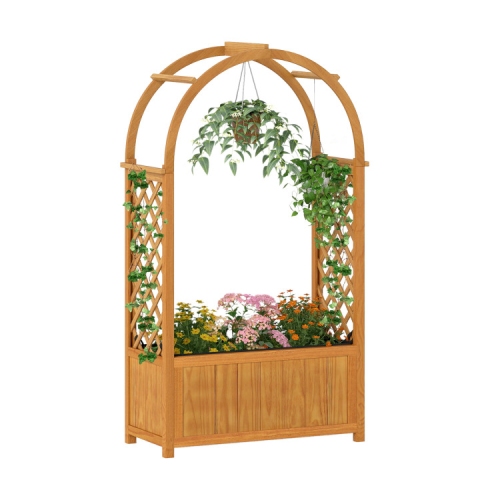
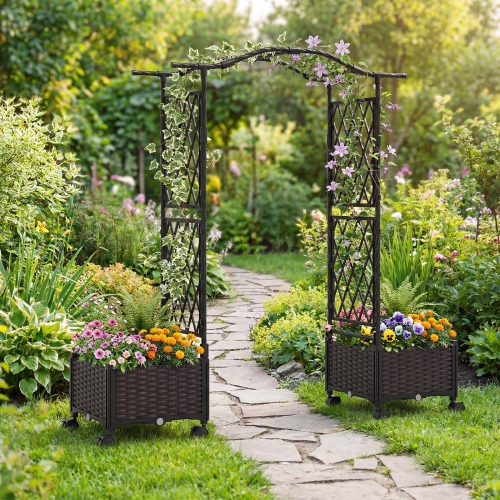
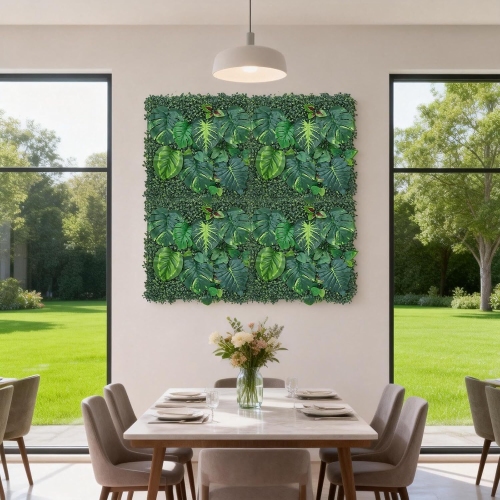
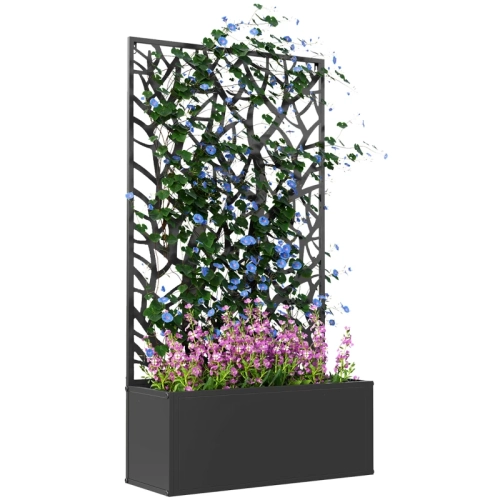
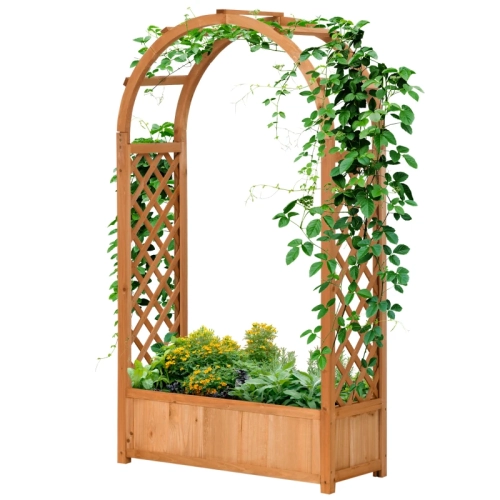
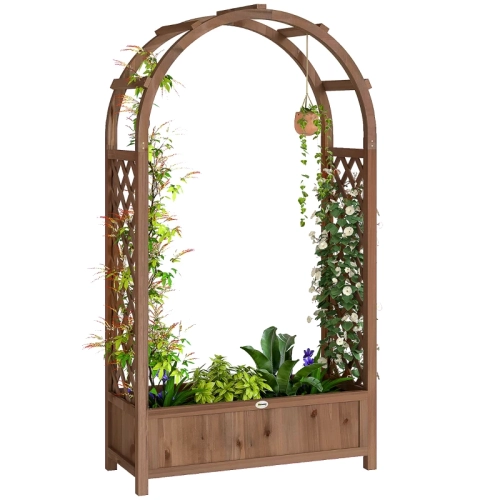
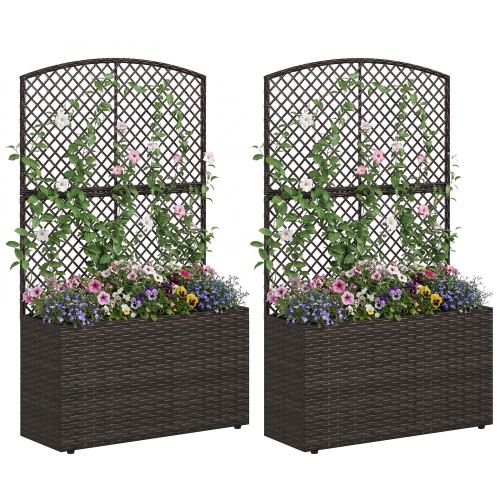
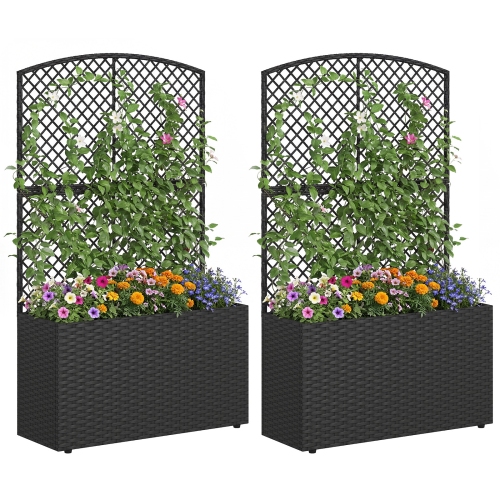
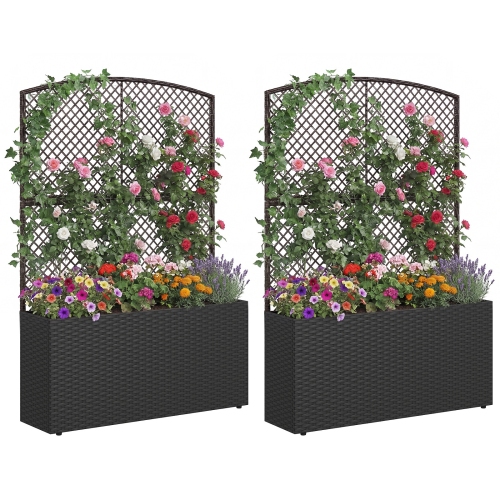
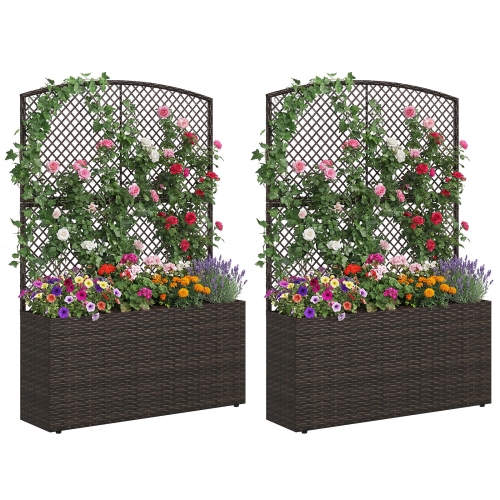
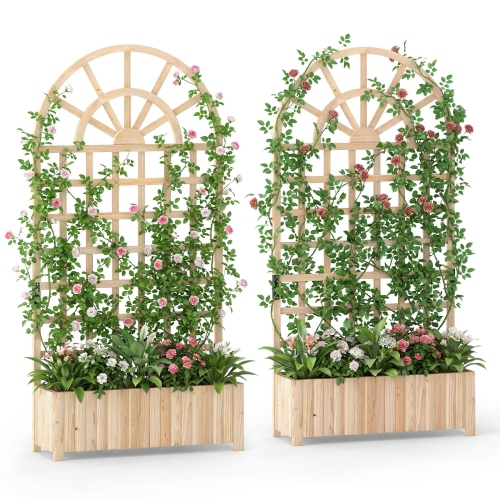
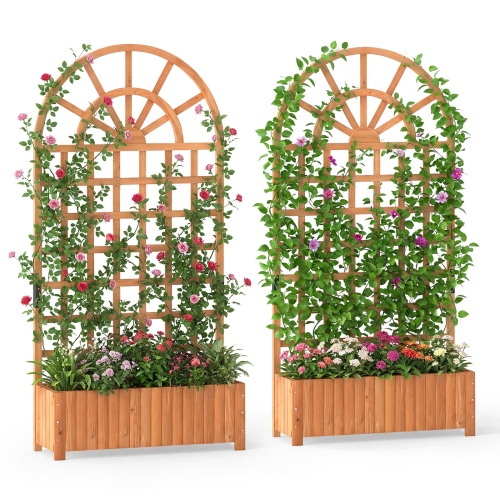
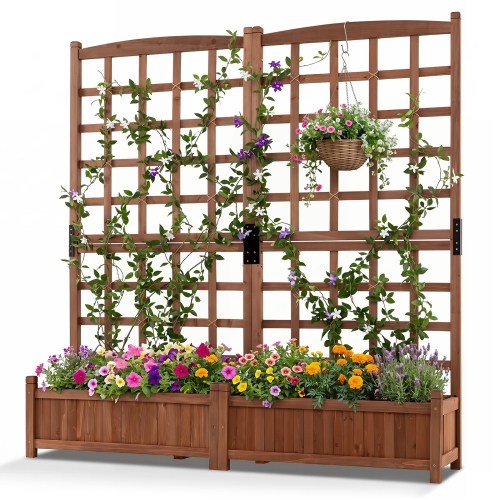
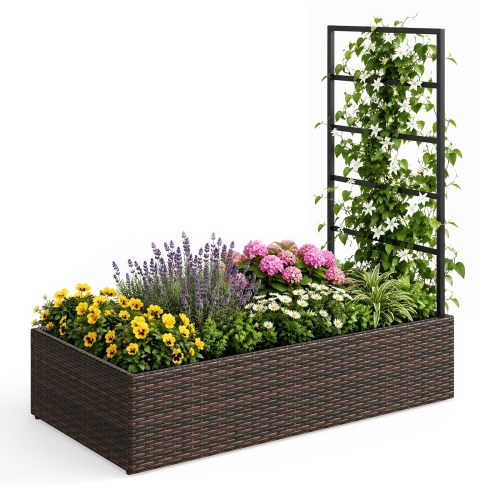
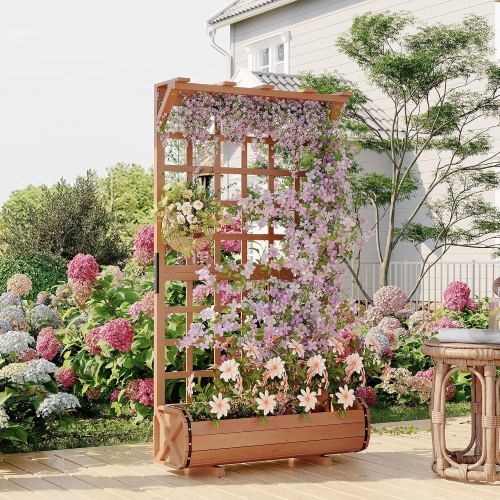
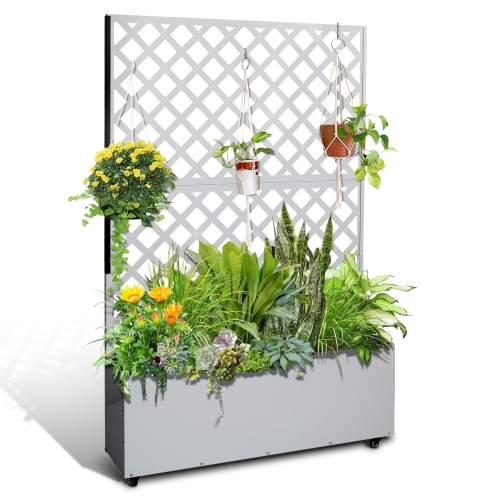
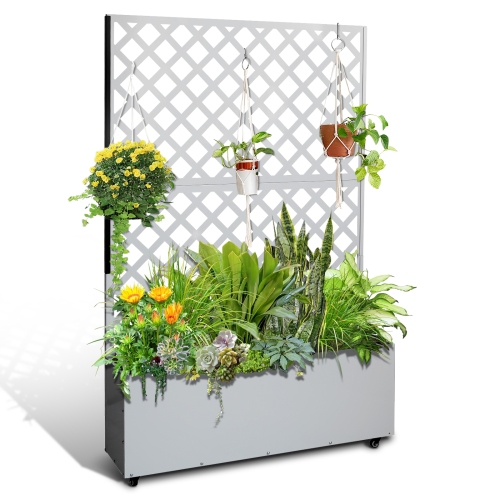
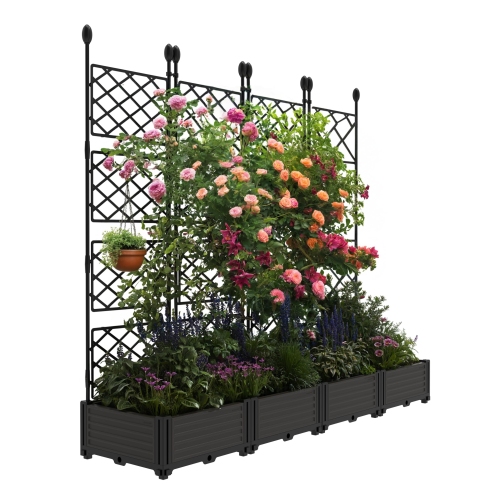
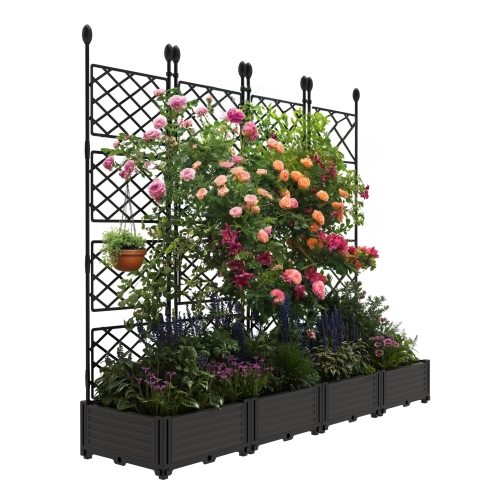
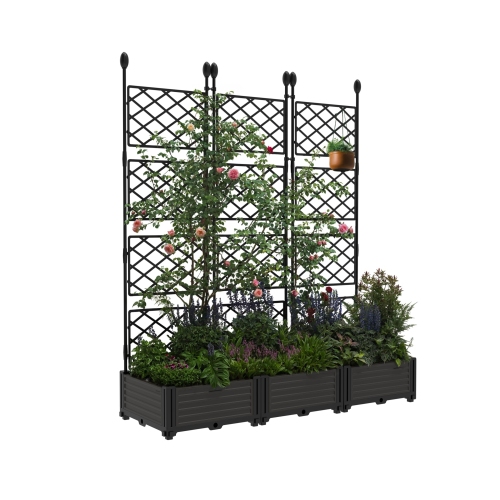
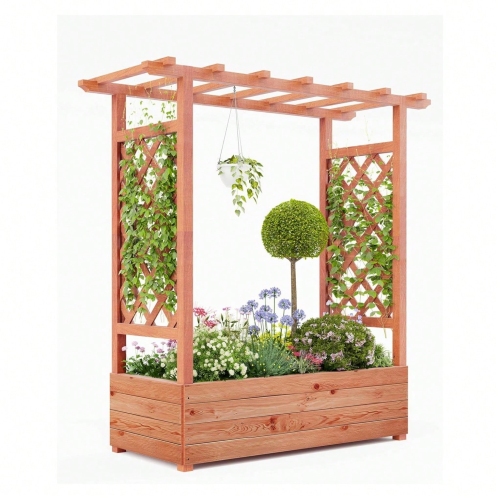
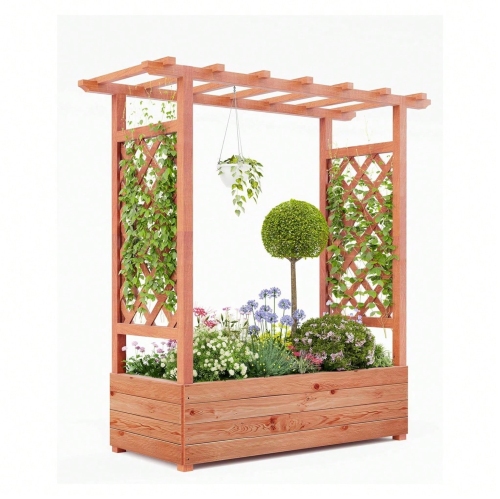
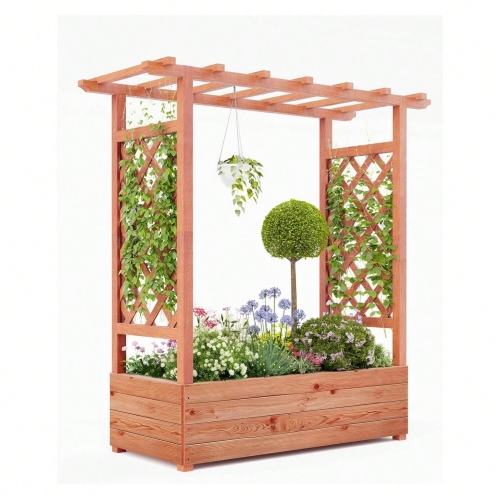
Thoughtful layouts give every garden corner a purpose
Garden design ideas bring planting, pathways, seating, lighting, and outdoor accents together to give an open space a clear purpose and a consistent look. The most useful combinations reflect how the space will be enjoyed: a quiet reading corner, a place for shared meals, an area for growing herbs, or a garden that looks inviting from inside the home. On a compact patio, coordinated planters and a small seating arrangement can create definition without crowding the floor. A larger yard can accommodate separate areas connected by a clear path, with repeated colours or materials helping the different sections feel related. Straight-edged planters, restrained planting palettes, and simple furniture shapes suit a contemporary setting, while rounded containers, textured finishes, and loosely grouped flowers lend themselves to a cottage-inspired garden. Formal designs tend towards symmetry, matched containers, and clearly defined borders. These styles need not be rigid: a wooden bench can soften a geometric layout, and a crisp metal planter can give a leafy corner a more deliberate shape. Scale matters as much as style. Tall planting at the back of a border, medium-height plants through the middle, and lower growth along the edge create depth while keeping paths visible. In a small space, fewer substantial containers often look calmer than many little pots scattered across every surface. Repetition creates rhythm, whether through a recurring flower colour, matching planter finishes, or the same edging along adjoining beds. A focal point gives the eye somewhere to settle; a seating nook, sculptural planter, or framed view can provide that focus without competing with the planting. Product proportions also affect how comfortable a garden feels. Furniture should leave room for chairs to pull out, gates to open, and people to pass without brushing against pots. Broad, uncluttered routes are particularly helpful for households using mobility aids, families moving between indoor and outdoor areas, and anyone carrying watering cans or gardening supplies. A successful arrangement looks considered while remaining easy to move through and use.
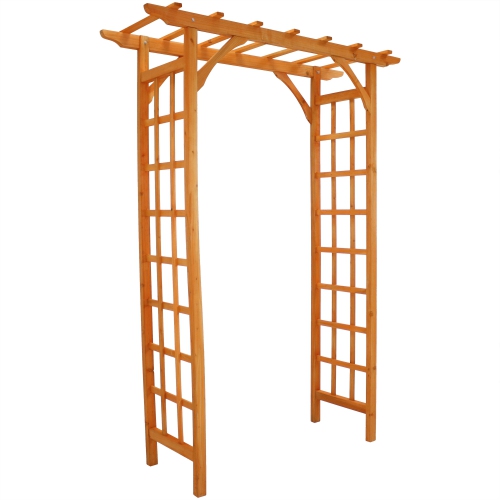
Materials and construction influence both the appearance of garden furnishings and the attention they need over time. Wood brings visible grain and warmth, making it a natural companion to planting and stone, although its finish and care requirements vary by species and treatment. Metal offers slender profiles and strong visual definition; protective coatings and well-finished joints matter where surfaces encounter moisture. Resin and other moulded materials can be easier to reposition, while substantial ceramic and concrete containers provide a grounded appearance but may be difficult to move once filled. The weight of soil, water, and mature plants is especially important on balconies and raised platforms, where building requirements and load limits need to be checked before arranging heavy containers. Planters need drainage suited to their intended use, along with a way to manage runoff where water could mark flooring or affect a neighbouring space. Container depth and width should accommodate the roots of the chosen plants rather than simply matching the available corner. Raised beds offer a defined growing area and can reduce the amount of bending involved, but their height, width, and access should suit the person tending them. For edible planting, materials and liners should be appropriate for that purpose. Vertical elements add another layer without using the same footprint as a broad planting bed. Trellises can support climbing plants, screens can separate a seating area from a utility space, and arbours can mark the entrance to a path. Proportion, secure installation, and access for maintenance are important considerations for each. For more ways to frame an entrance or define an outdoor room, Garden Structure Ideas explores this part of the overall design. Freestanding structures need a suitable base and anchoring, while wall-mounted features require fixings compatible with the supporting surface. Renters and condominium residents may also need permission before attaching fixtures or making permanent changes. A screen that offers a little separation while preserving light and circulation can feel more comfortable than a solid barrier that overwhelms a small garden.
Finishing touches make garden layouts feel lived in rather than merely arranged. Comfortable seating encourages longer use, whether the space is intended for conversation, reading, or a pause between gardening tasks. Seat height, back support, armrests, and the firmness of cushions are practical considerations, particularly when several people with different comfort needs share the area. Removable cushion covers and accessible cleaning instructions simplify care, while storage space helps keep soft furnishings and smaller accessories organized when they are not in use. Tables and plant stands should sit securely on the intended surface; narrow legs that work well on paving may be less suitable on loose gravel or uneven ground. Lighting adds definition after dark, with gentle illumination along routes and around changes in level helping people see where they are going. A softer pool of light near seating can create a welcoming atmosphere without flooding the entire garden. Fixtures should be rated for their location, and cord placement should keep walking routes clear. Decorative accents work best when they support a shared palette or texture rather than filling every gap. A limited mix of finishes gives flowers and foliage room to stand out, while leaving some open ground or unoccupied paving prevents the space from feeling cramped. Care requirements deserve the same attention as appearance: smooth surfaces may be easier to wipe clean, intricate details can collect dirt, and wood or coated metal may need periodic attention according to the manufacturer's directions. Drainage holes, fasteners, and furniture joints also benefit from routine checks. For households with children or pets, stable furnishings, securely placed containers, clear sightlines, and suitable plant choices help make shared spaces more comfortable. Garden furnishings and accents can also make thoughtful housewarming or retirement gifts when their size, maintenance needs, and style suit the recipient. Across different layouts, the strongest garden design ideas balance visual character with everyday use, making room for planting, movement, and relaxation without asking the space to do more than it comfortably can.
Top selling and popular products
-
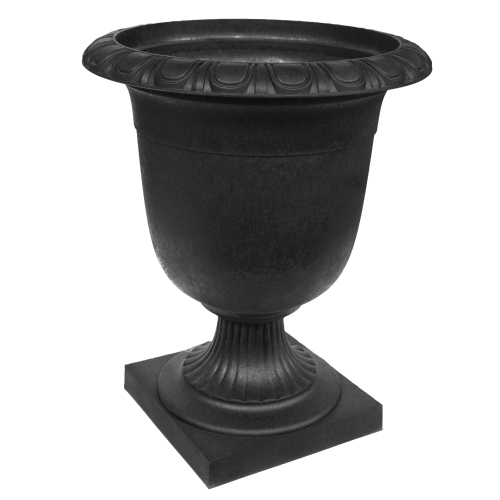 Your price for this item is $204.99
-
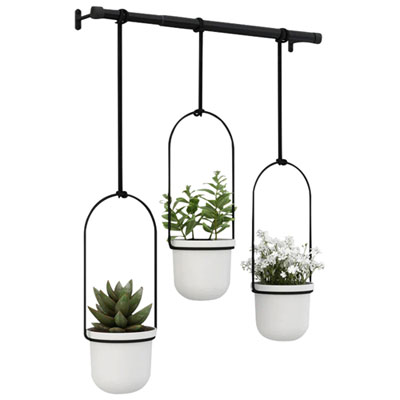 Your price for this item is $65.98
-
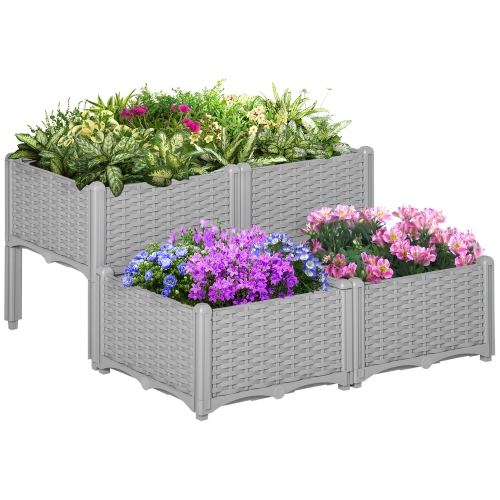 Your price for this item is $94.99
-
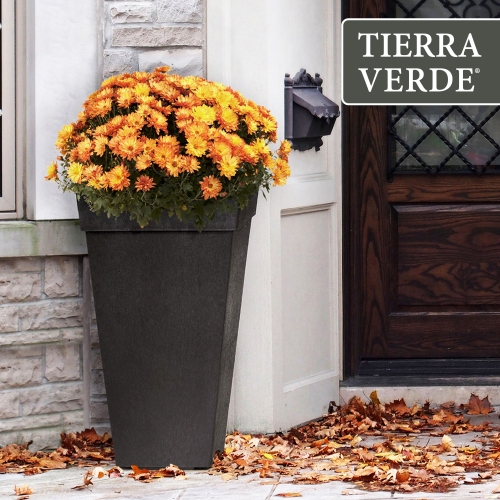 Your price for this item is $187.99
-
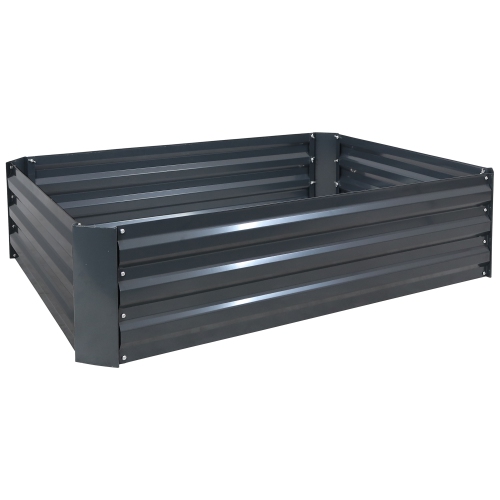 Your price for this item is $117.75
-
 Your price for this item is $117.75
-
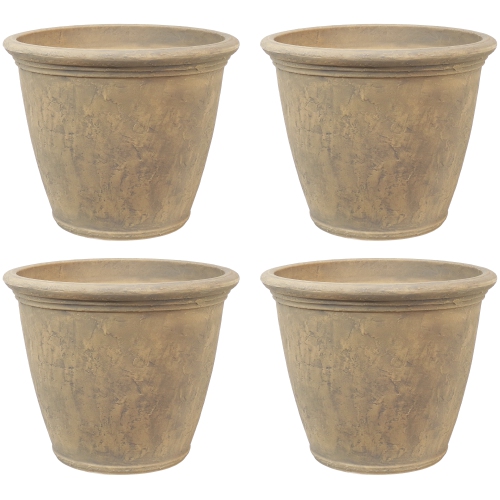 Your price for this item is $415.35
-
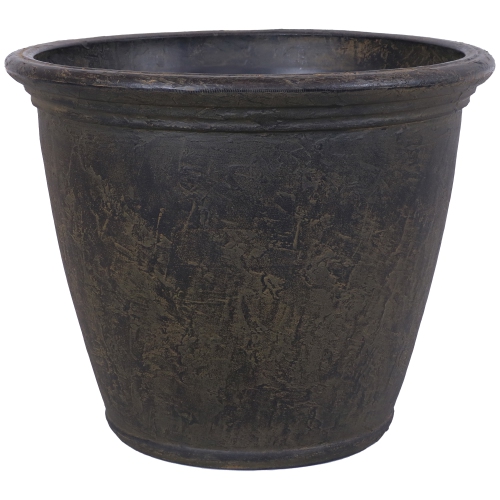 Your price for this item is $173.65
Discover more categories related to Garden Design Ideas
Top Collections:
Best Black Friday Deals This Year, Best Black Friday Deals On Electronics, Kindle Devices, Pokemon Centers, Best Black Friday Deals On Apple Products, Best Cameras for Sports Photography, Dyson Airwrap, Pokémon 30th Celebration Cards, Apple iPhone 17 Pro, Canon G7X Cameras
Some products may be subject to Environmental Handling Fees
(EHF) depending on your province.
Learn more about EHFs.