Garden Plant Stands
Elevate your garden oasis with our selection of versatile and stylish garden plant stands. Whether you're looking to showcase your favorite flowers, herbs, or succulents, these plant stands are the perfect way to add a touch of elegance and organization to your outdoor space. With a variety of sizes, materials, and designs to choose from, you can easily find the perfect plant stand to complement your garden decor and elevate your greenery to new heights. Browse our collection now and bring a touch of sophistication to your outdoor sanctuary.
Sort
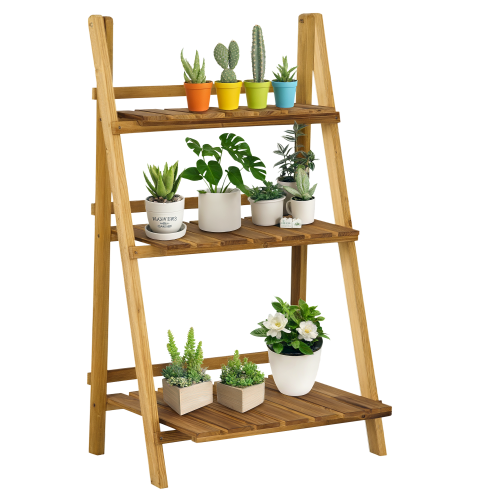
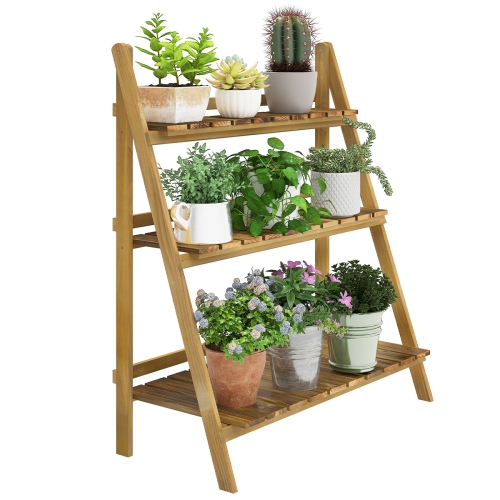
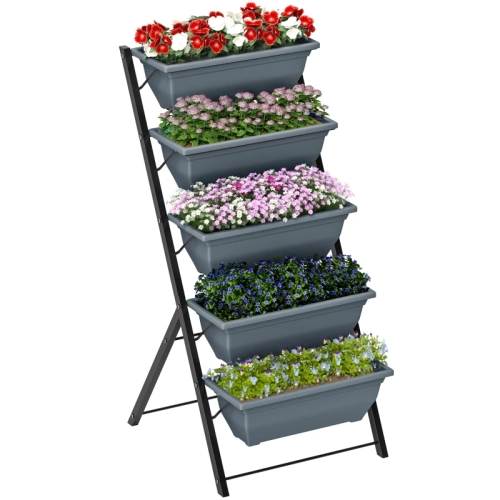
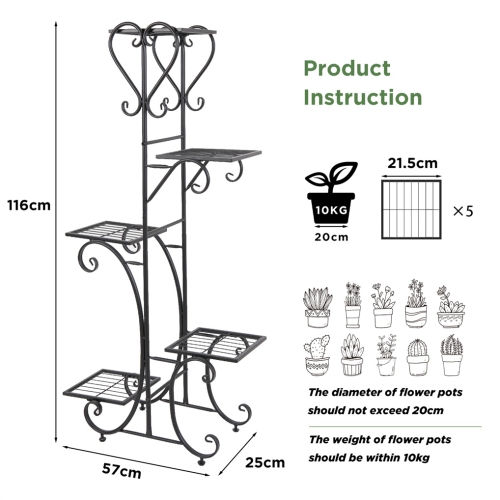
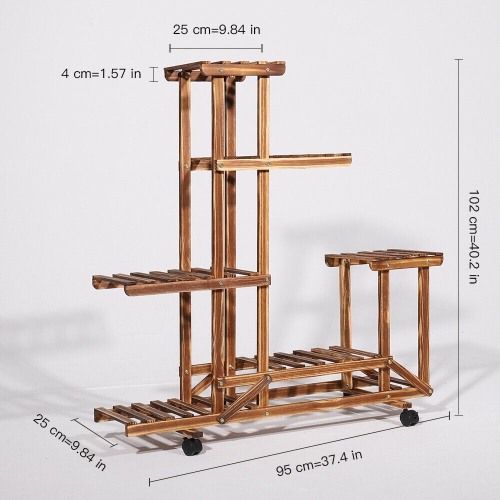


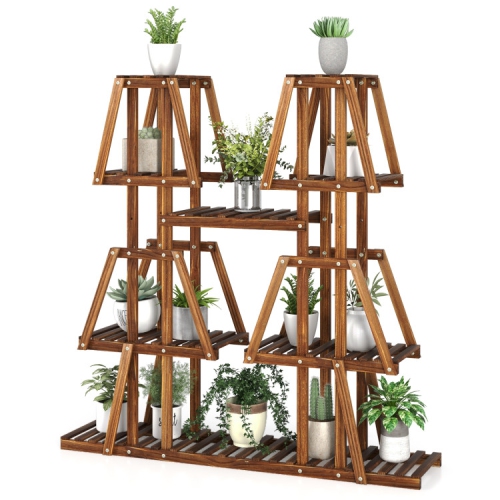
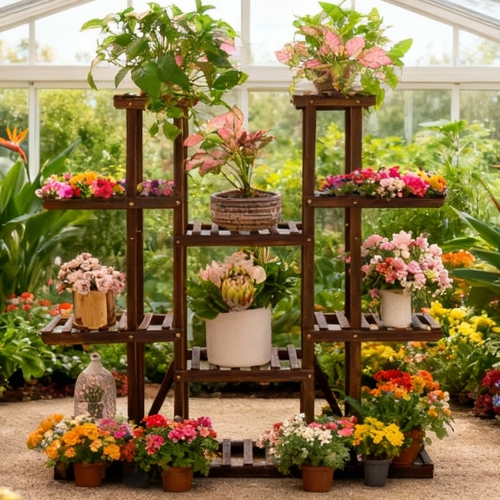
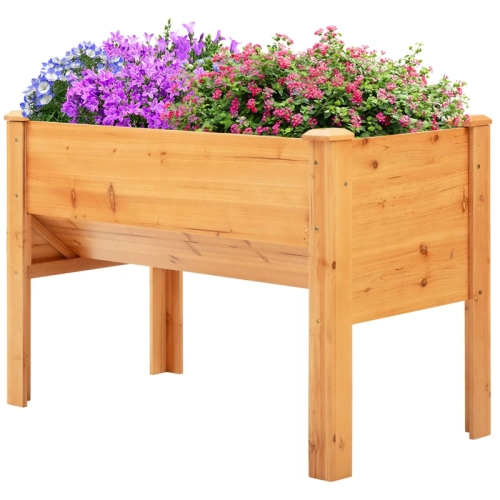

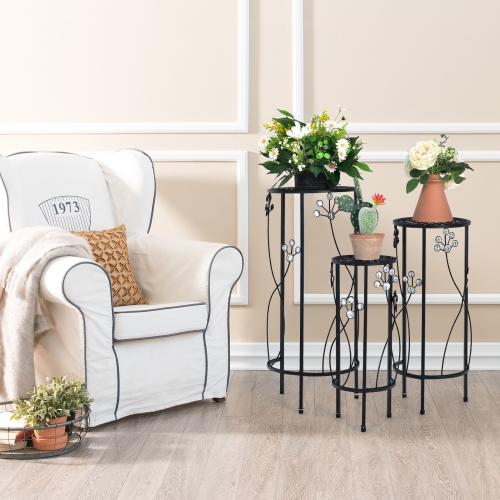
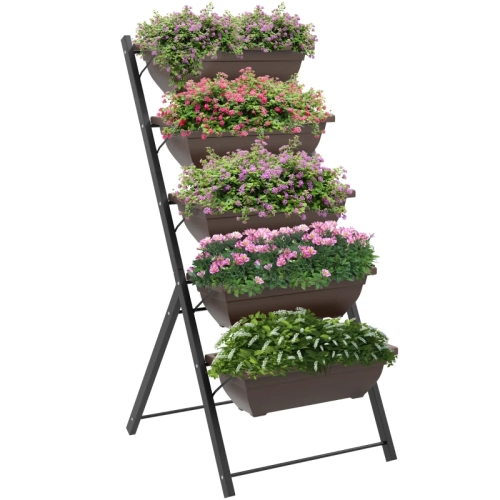
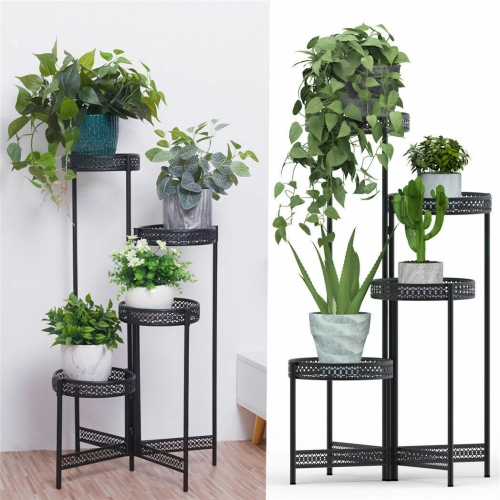
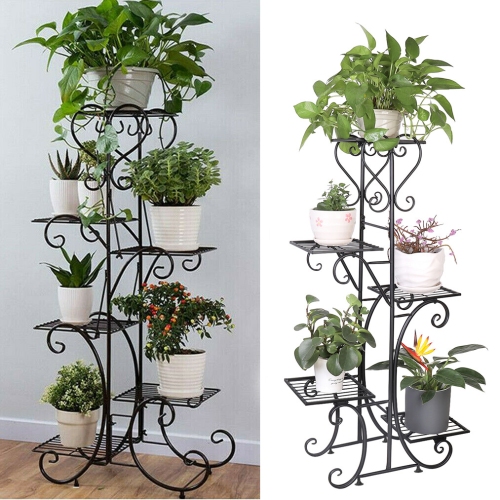
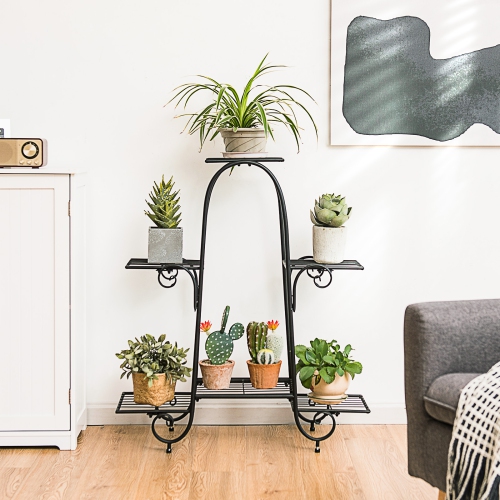
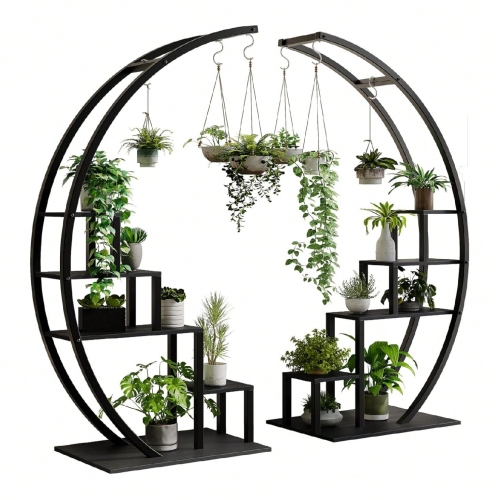
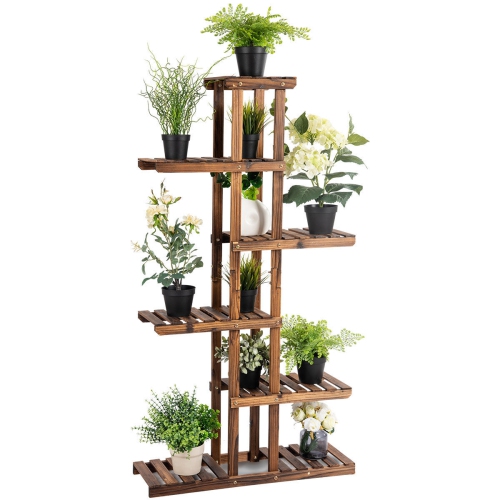
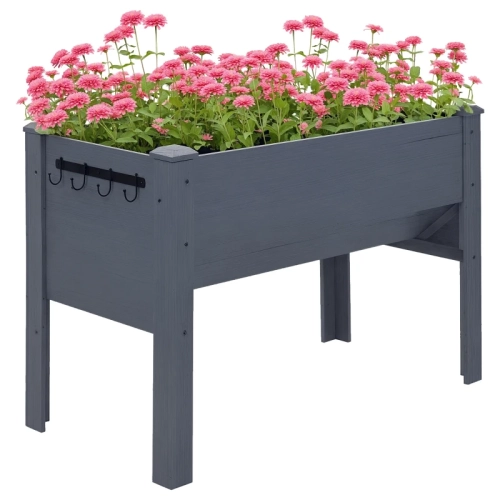
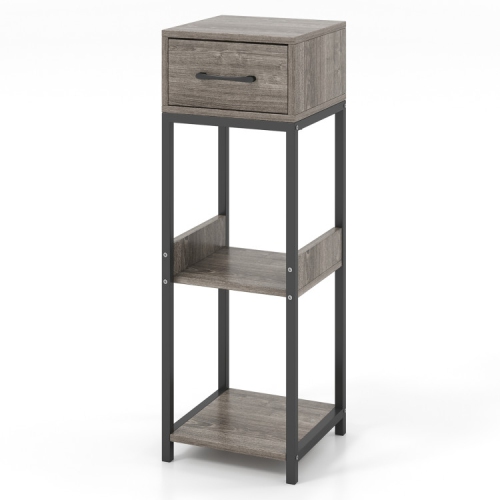
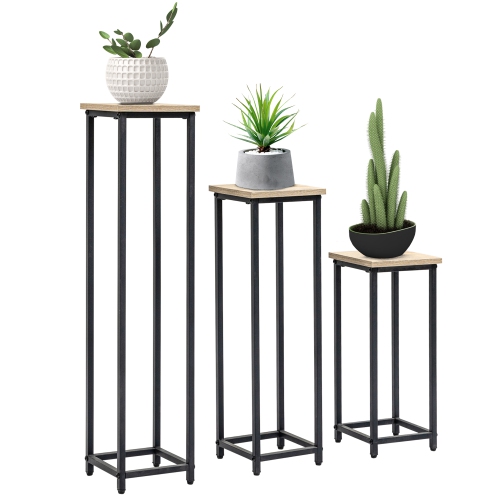
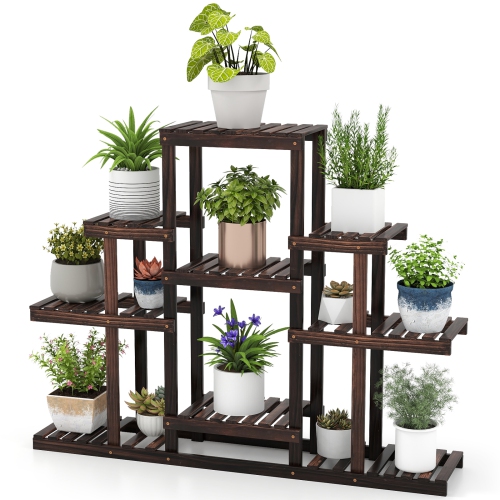

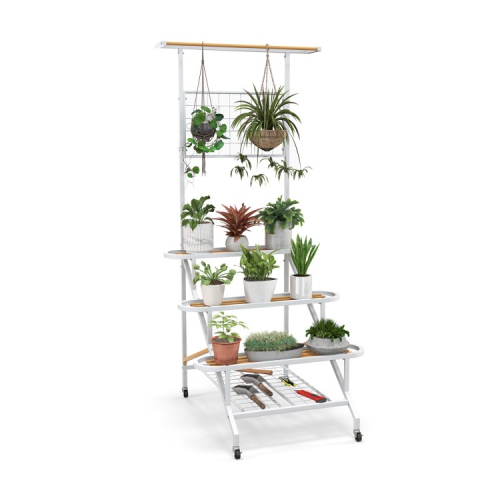
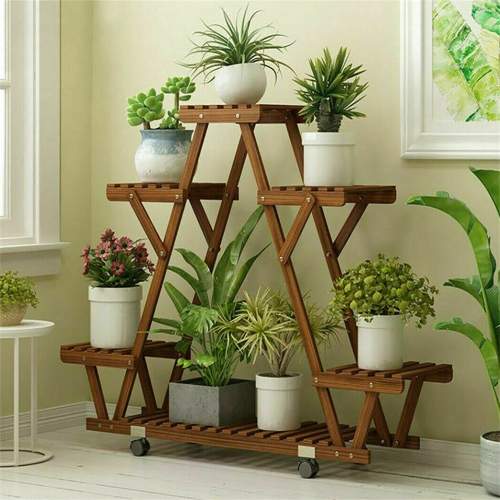
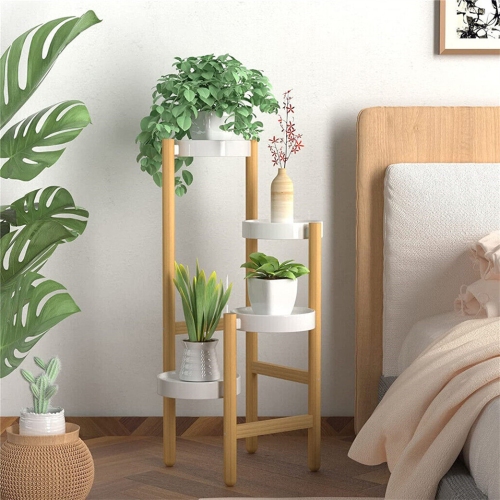


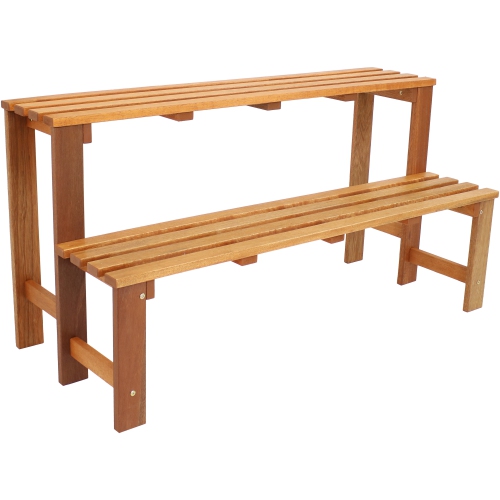


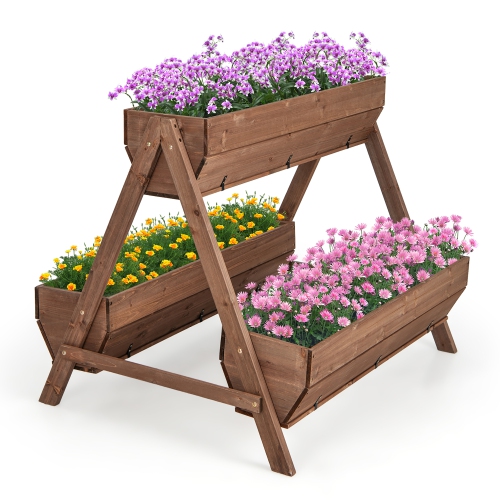
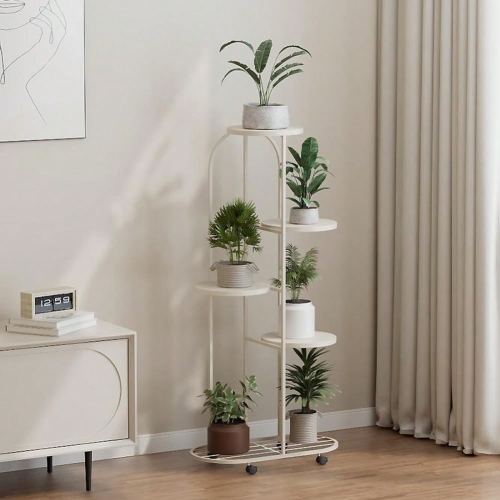

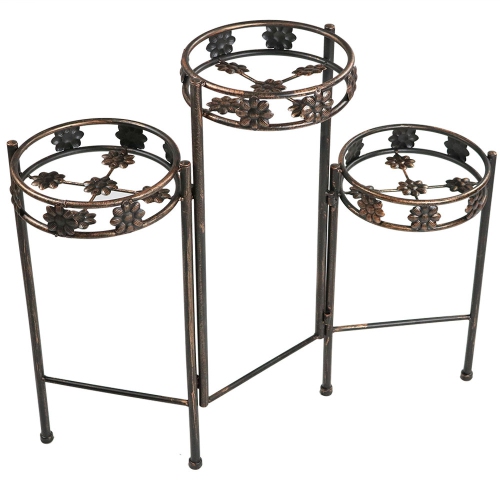
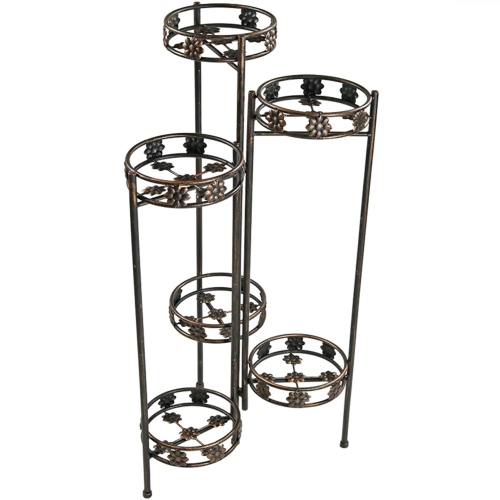


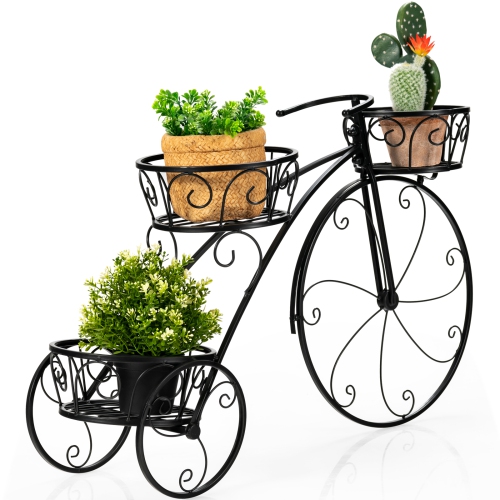
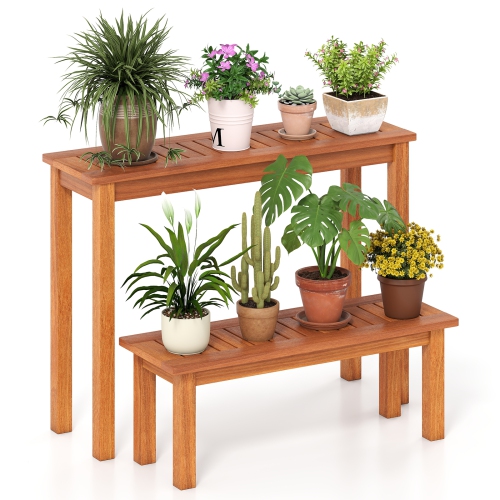
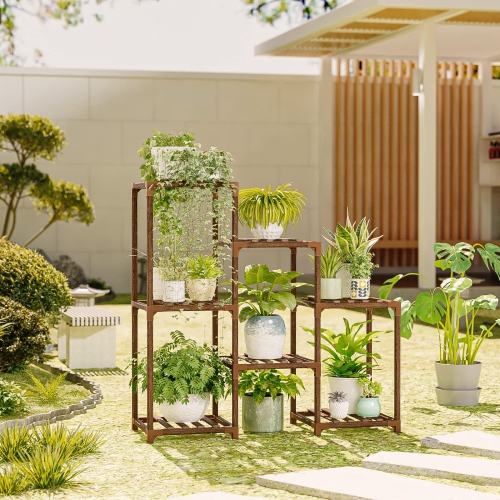
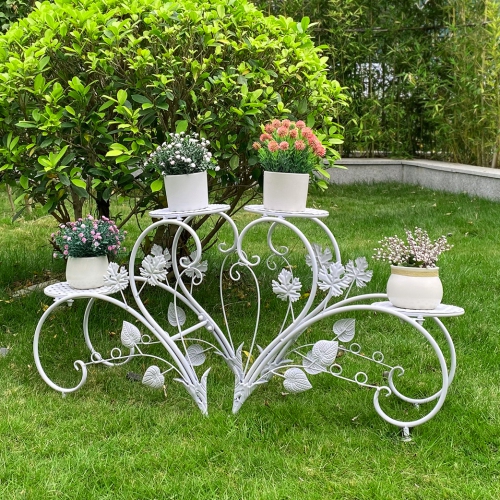
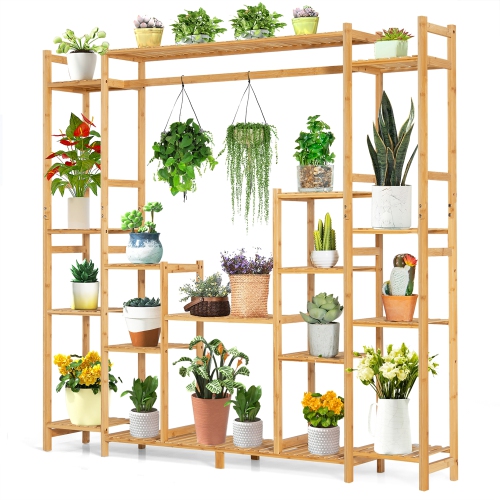

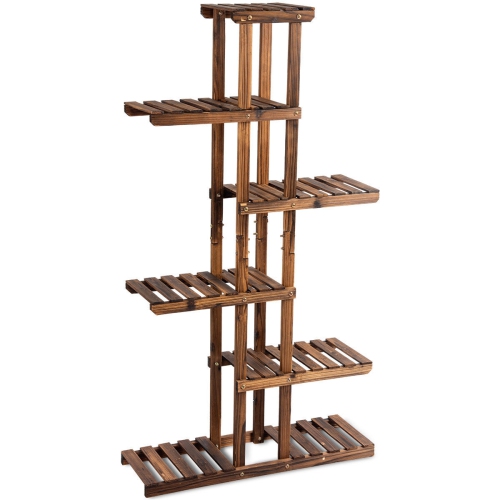


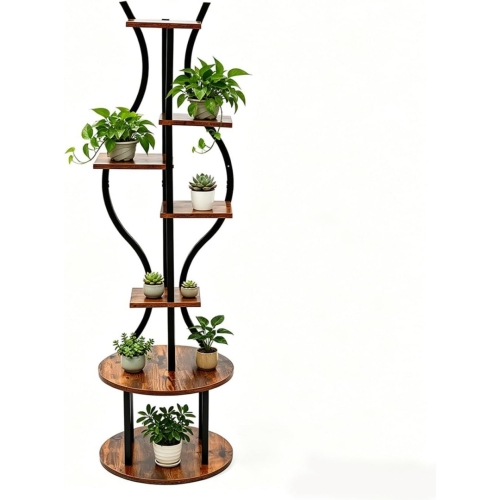
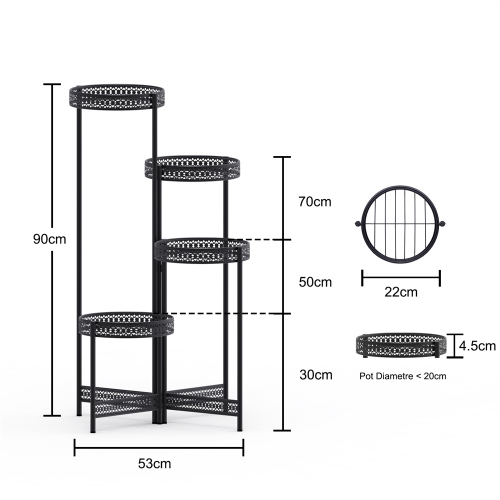
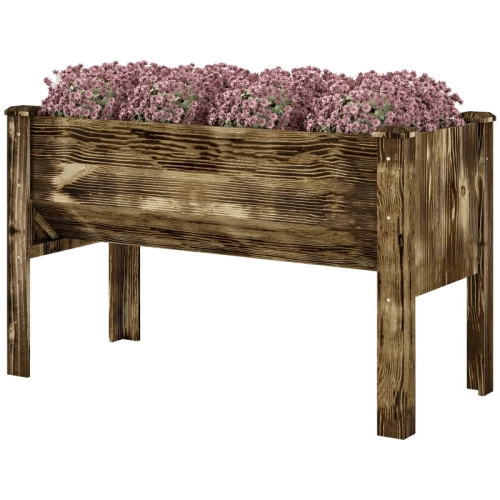


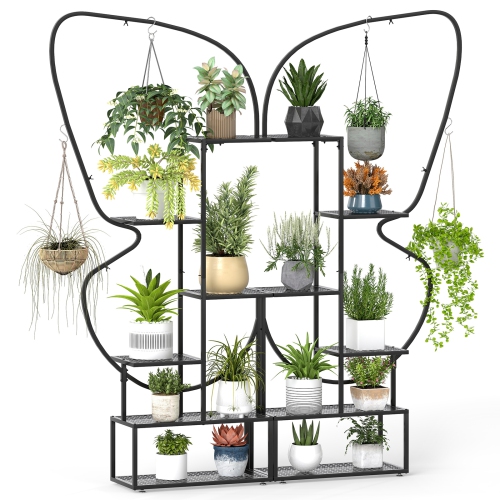
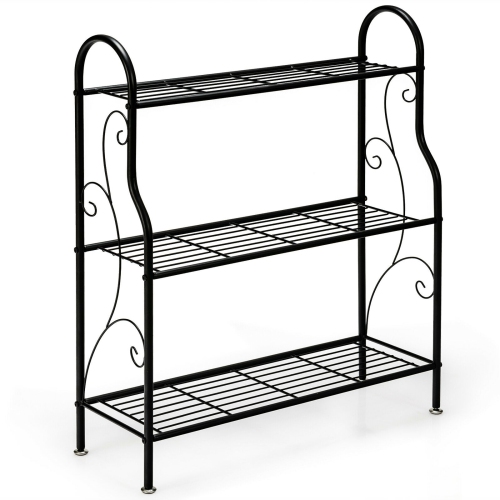
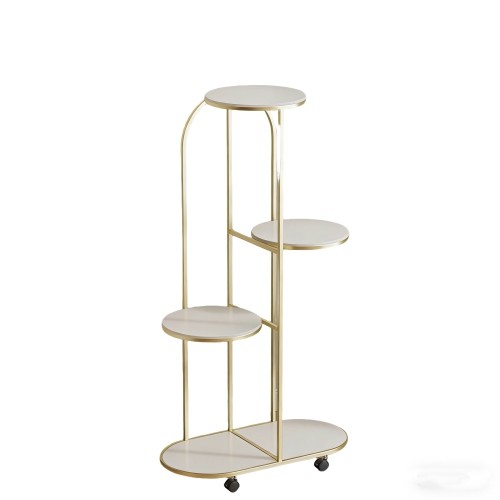
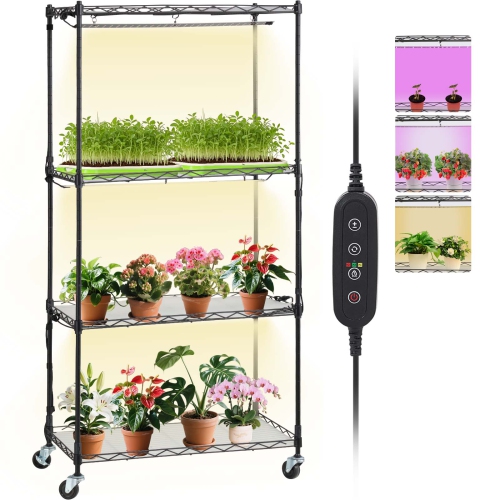
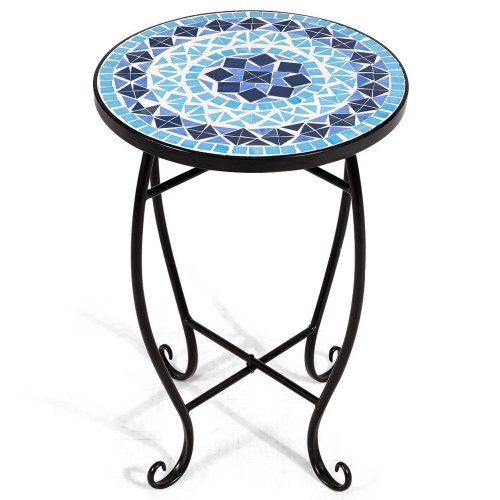
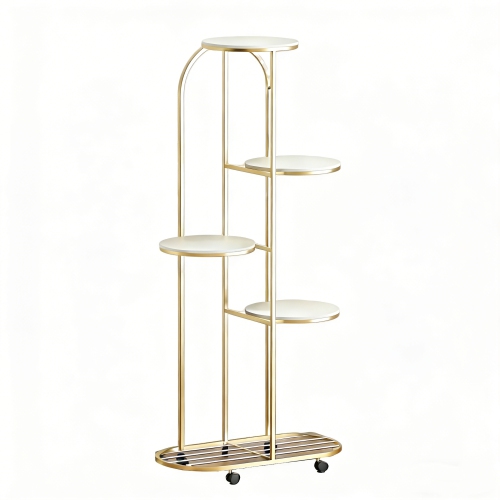
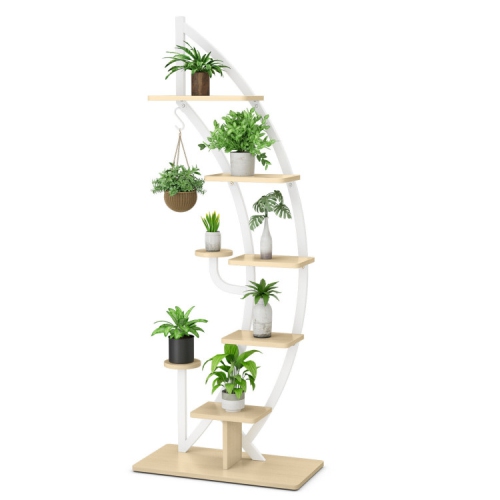
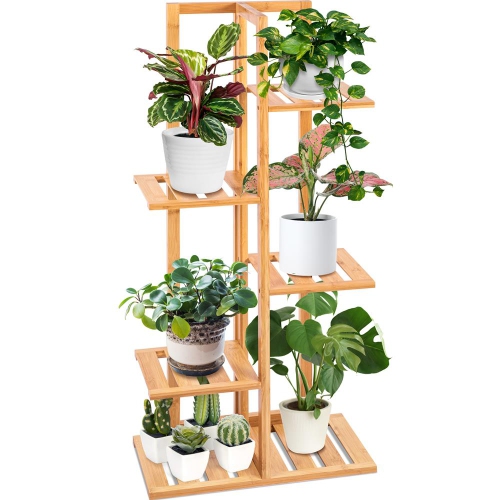

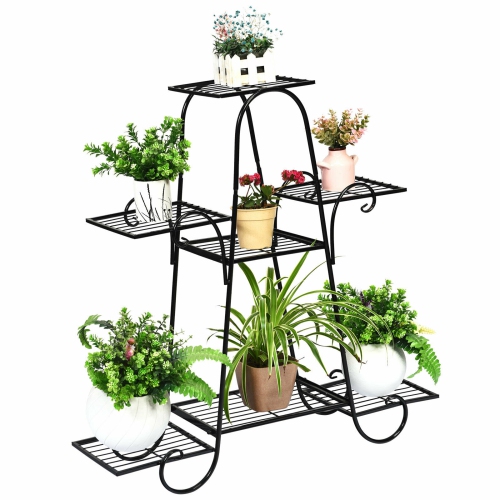
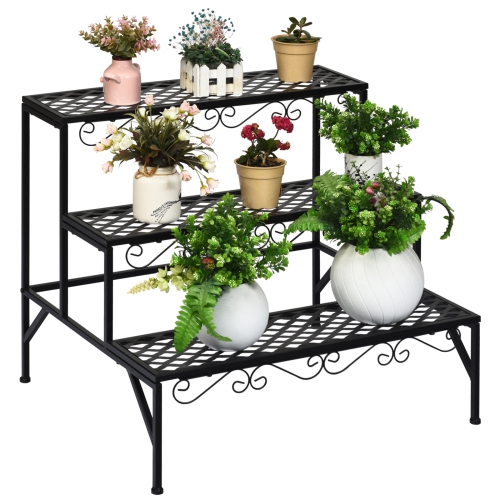

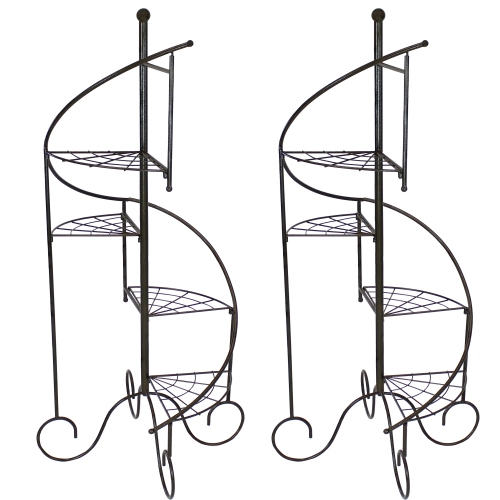
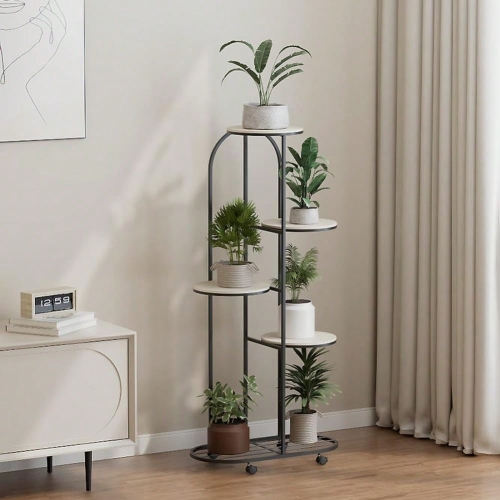
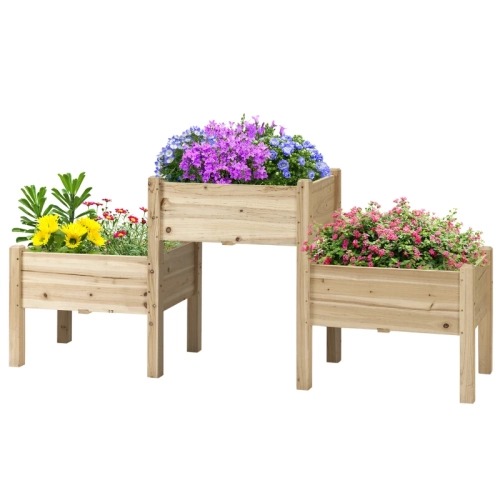
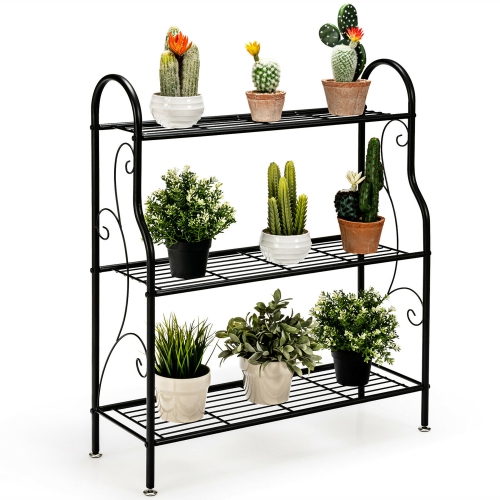
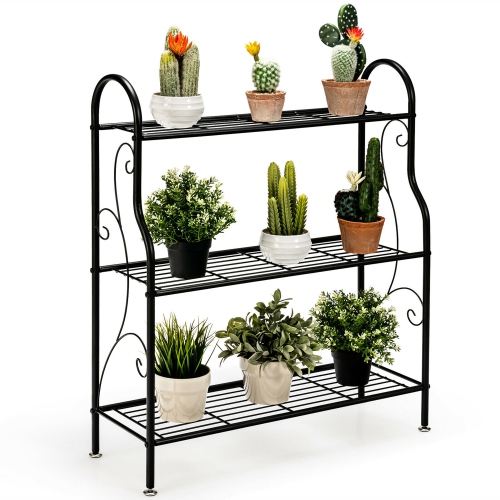
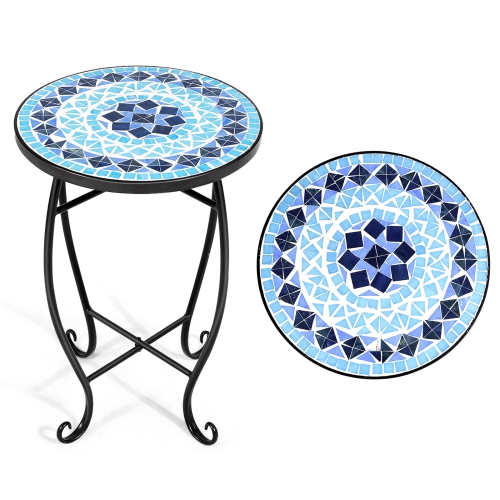
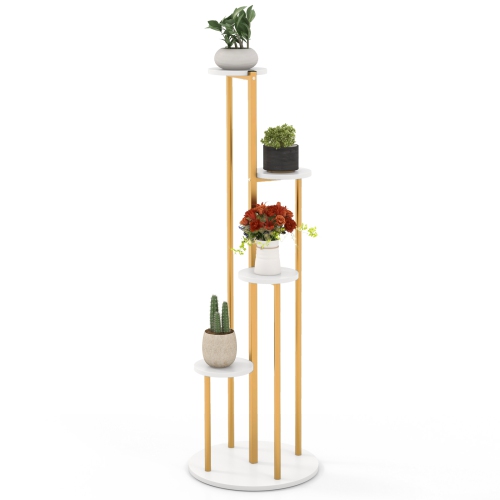

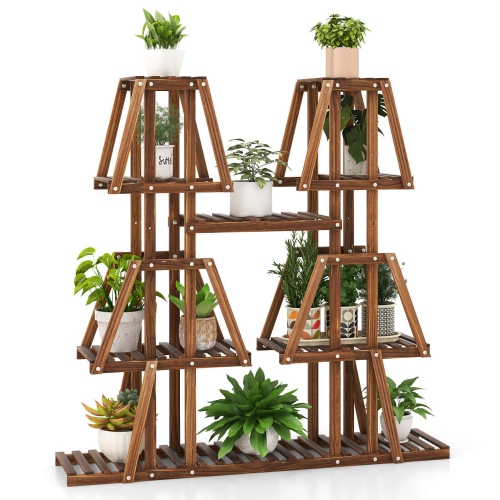
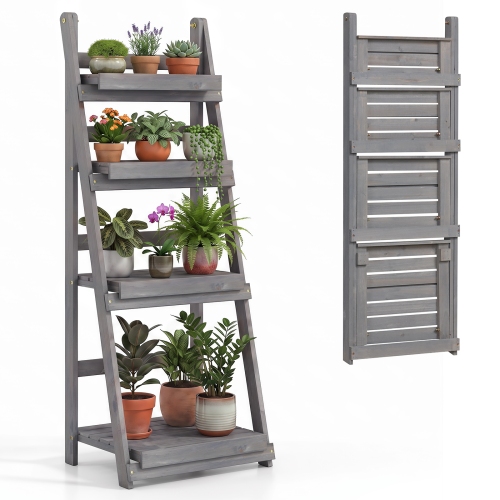
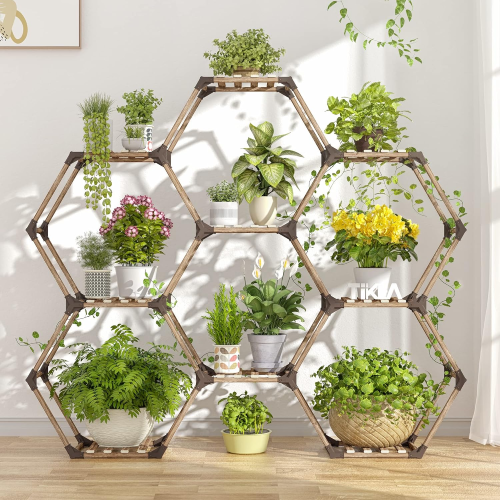
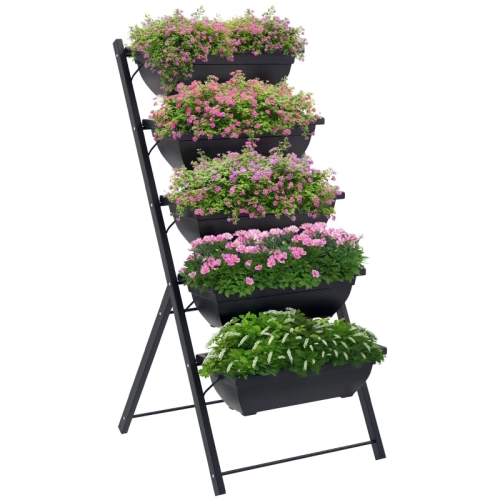
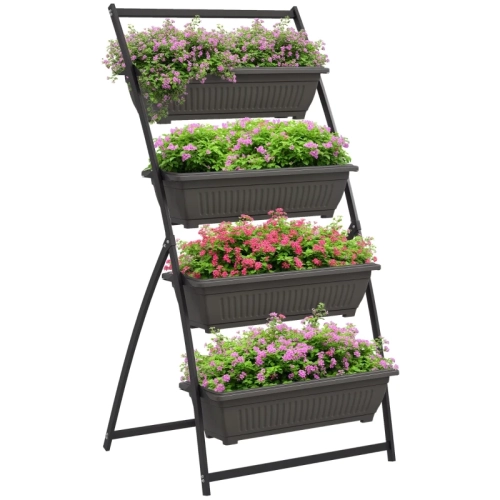
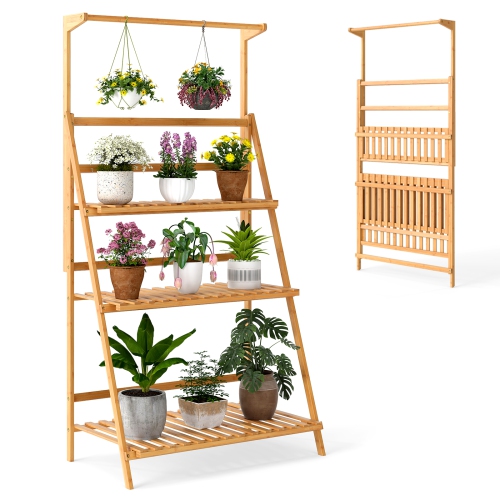
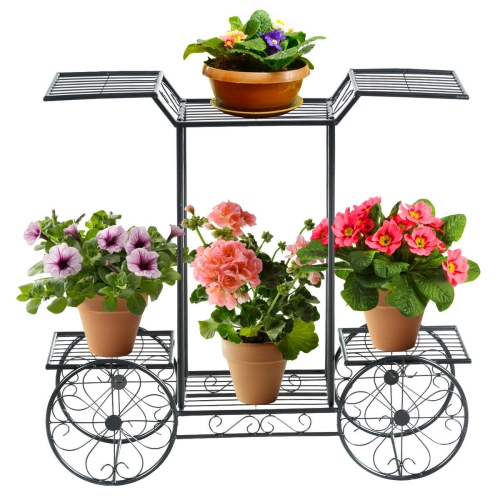
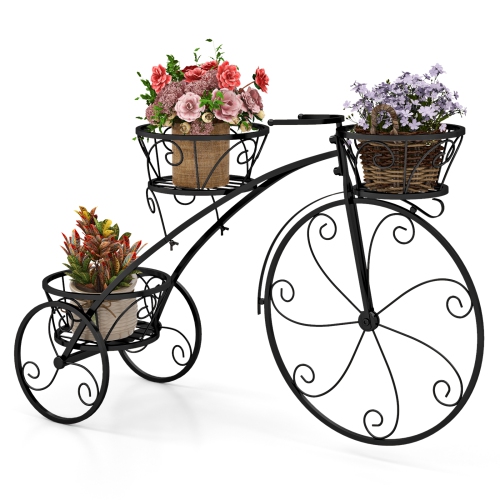
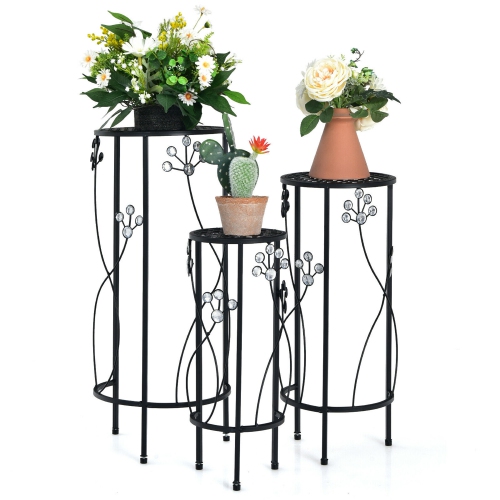
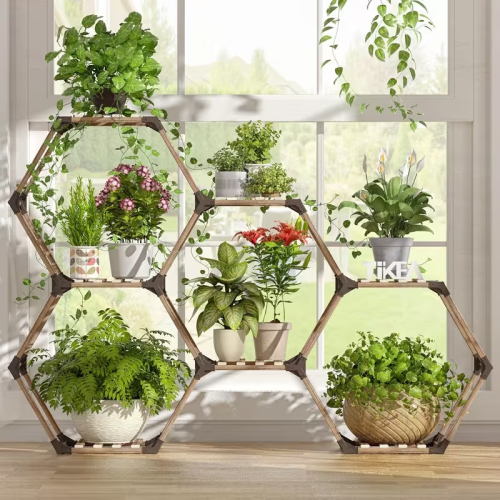

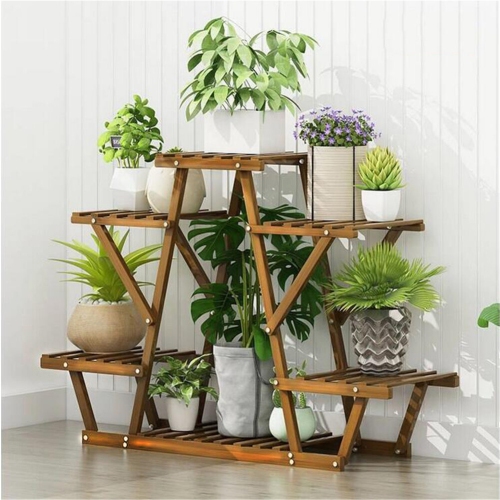


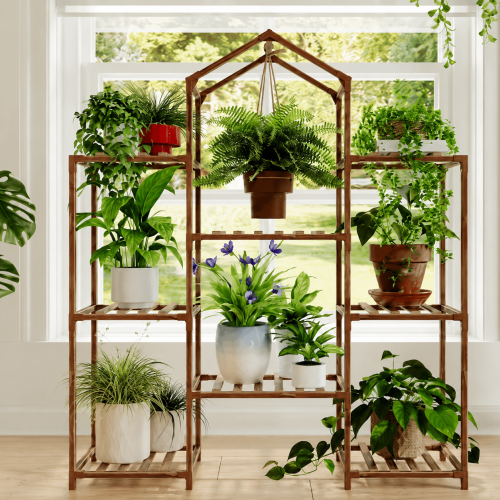

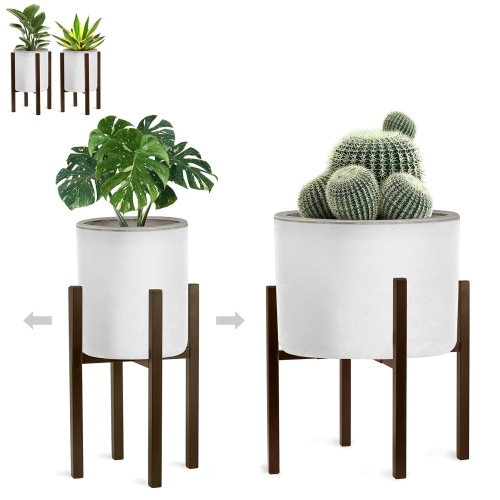
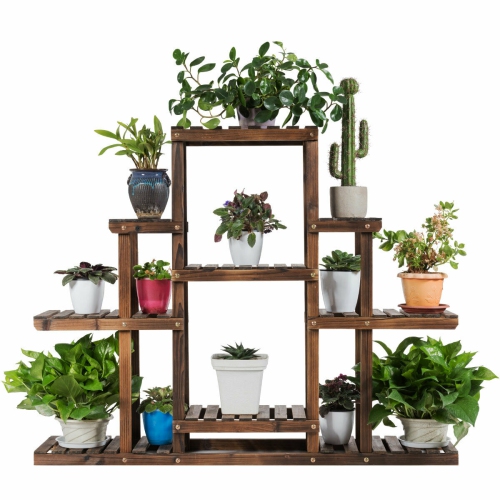
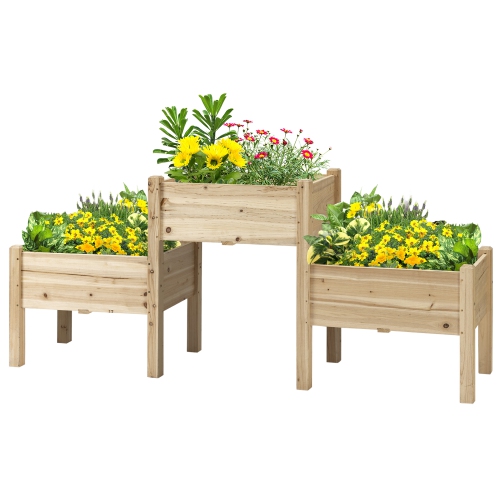
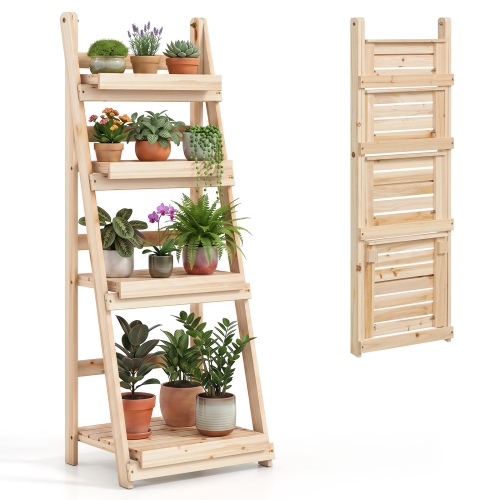
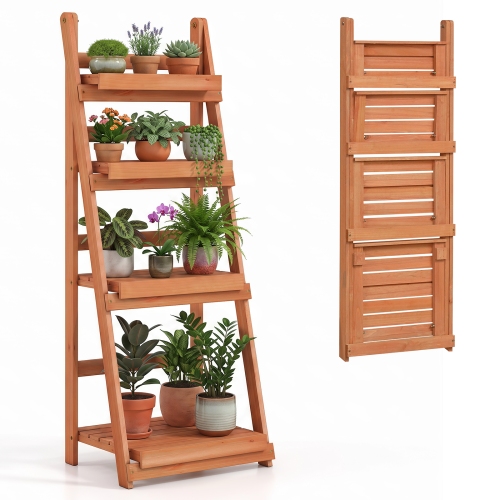
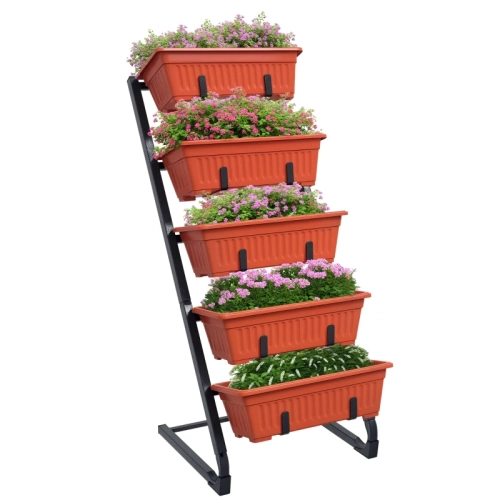
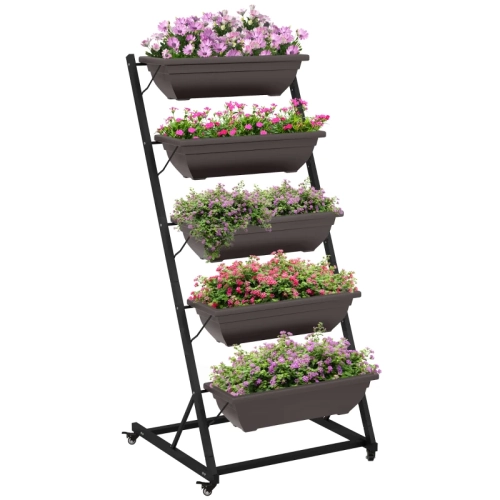
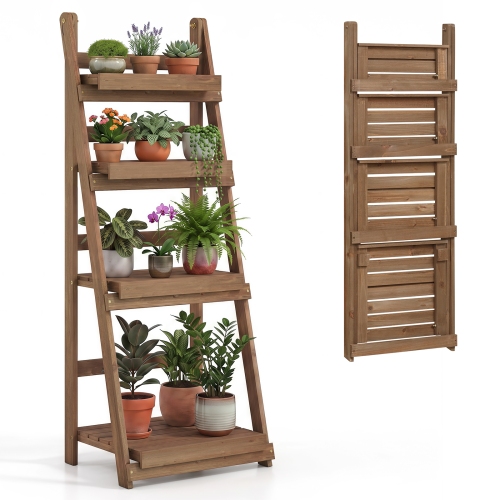
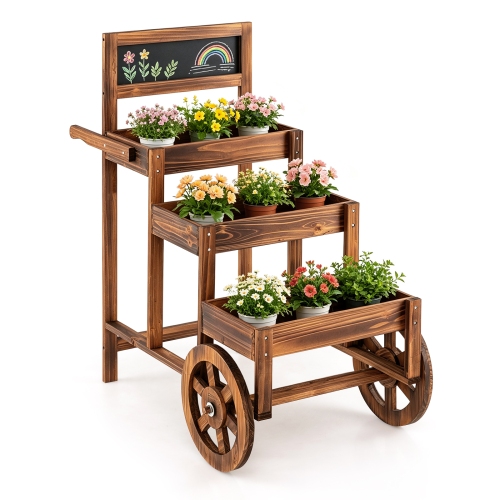

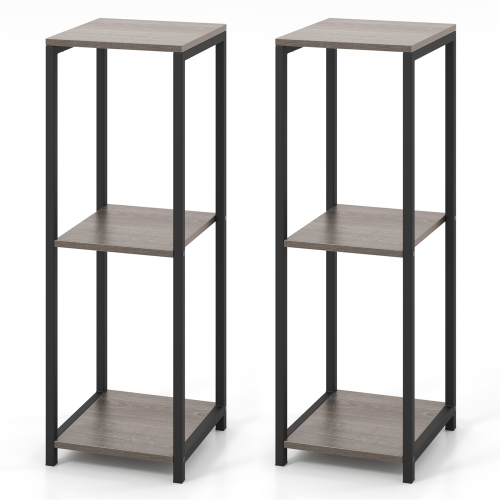
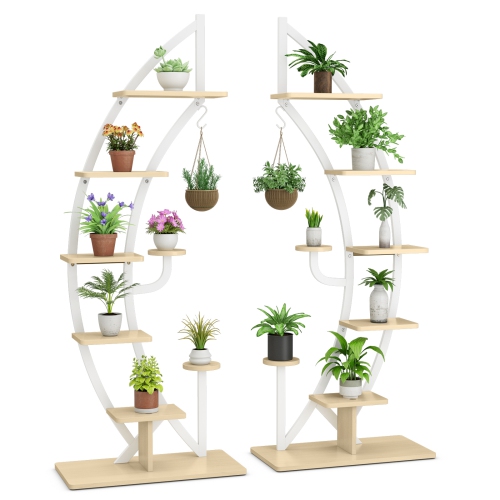

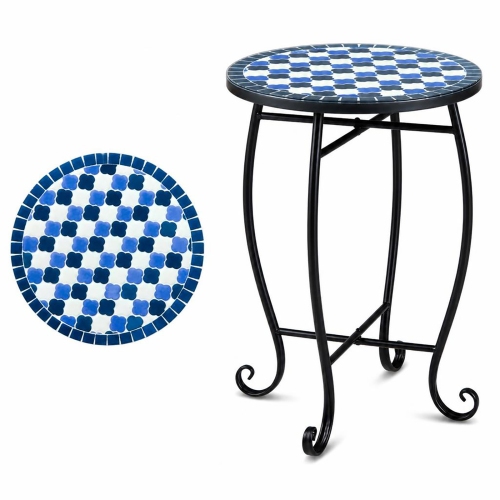
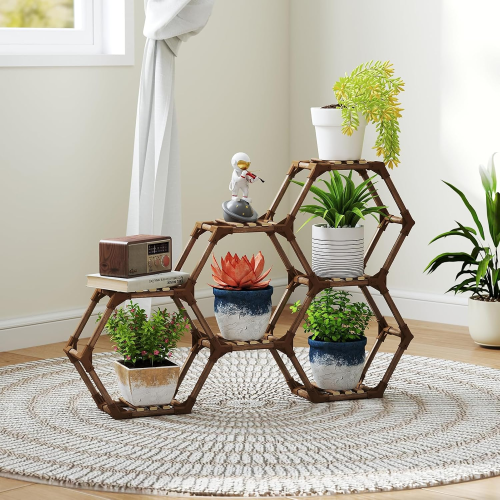


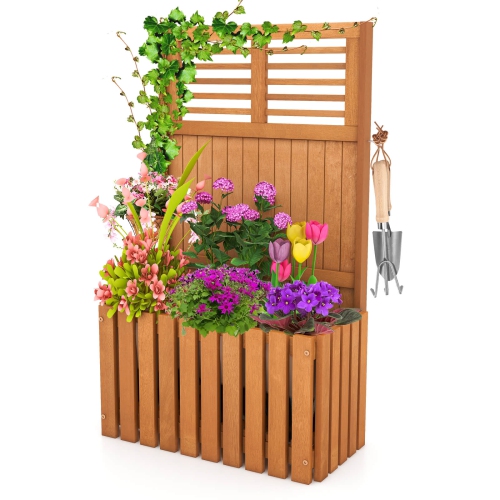
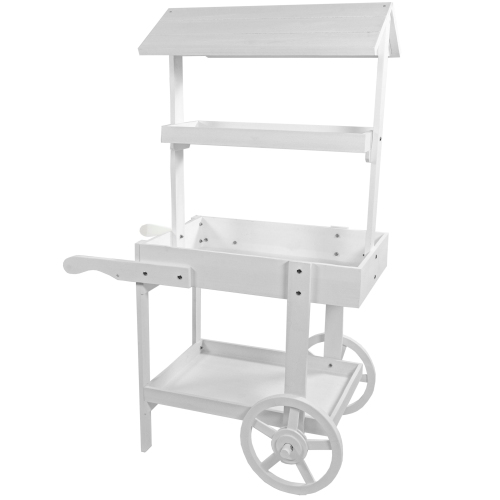
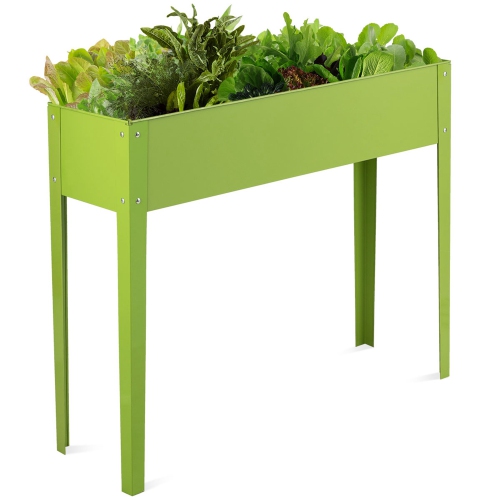
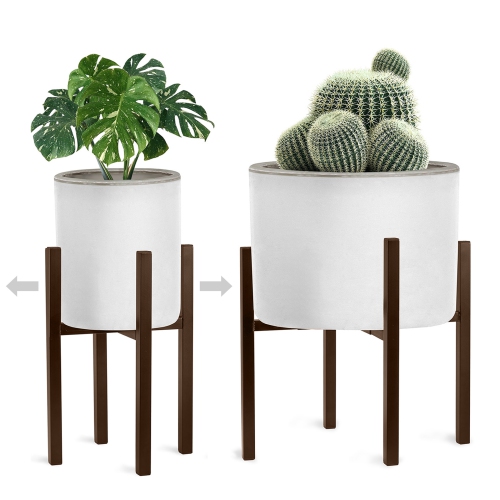

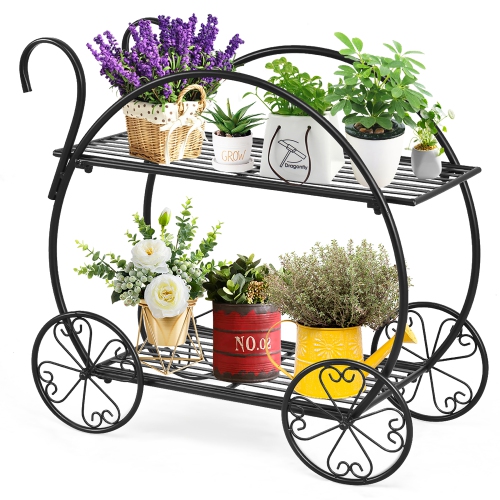

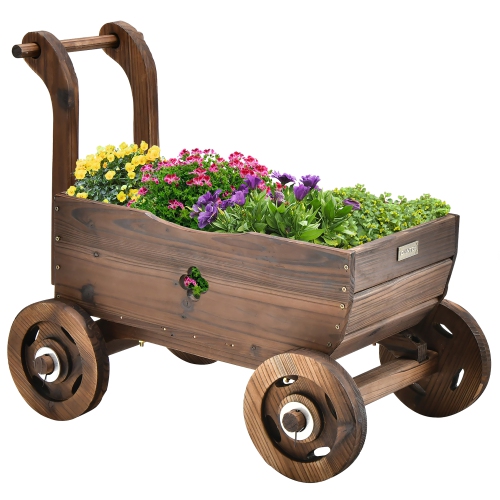

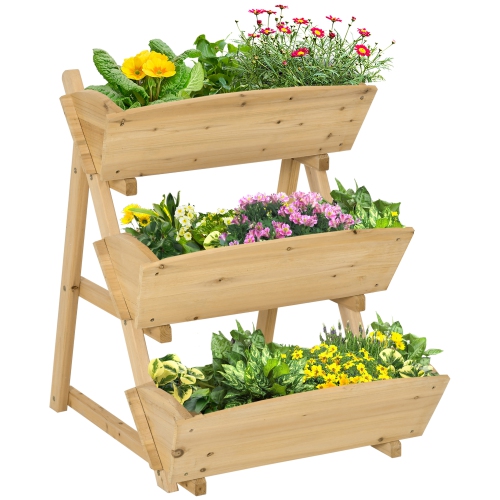
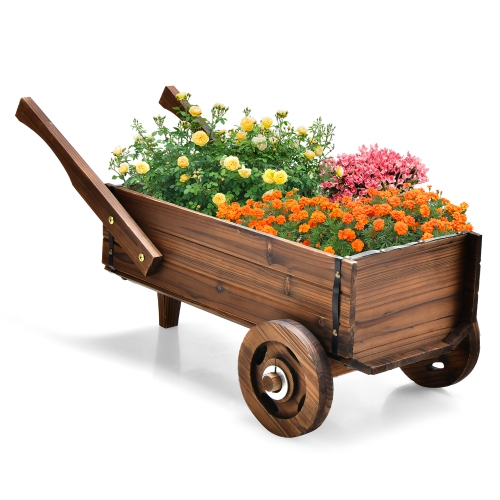
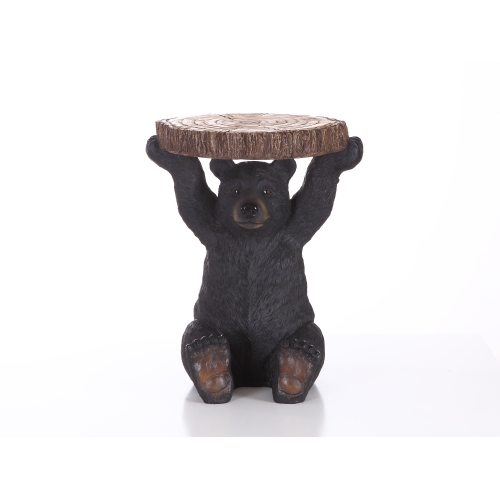

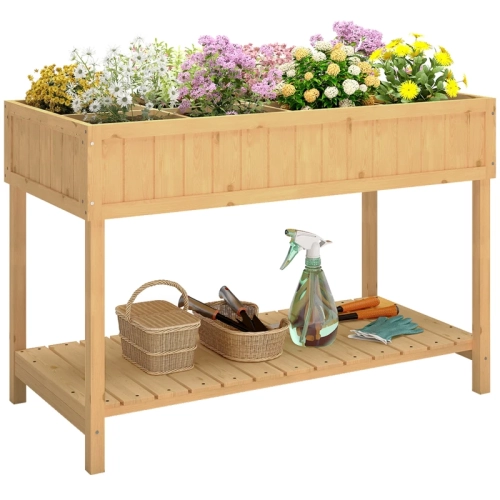
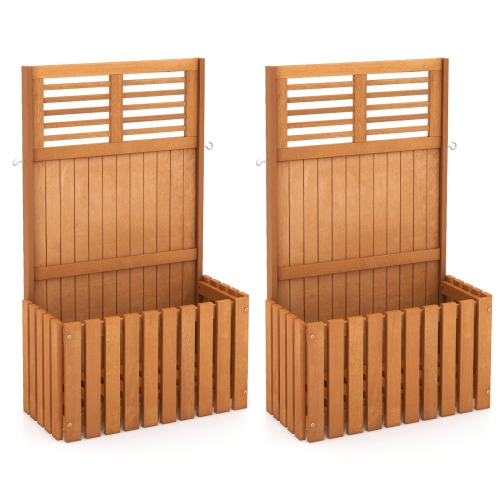
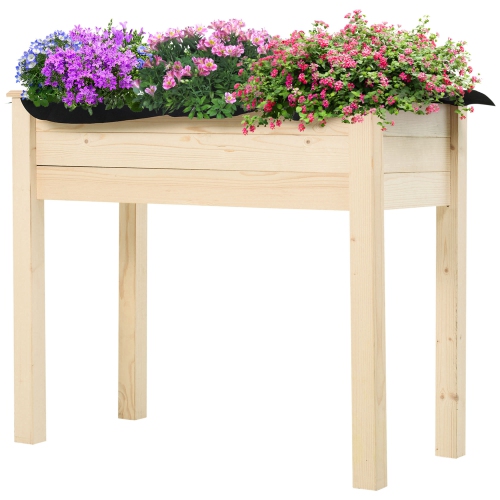

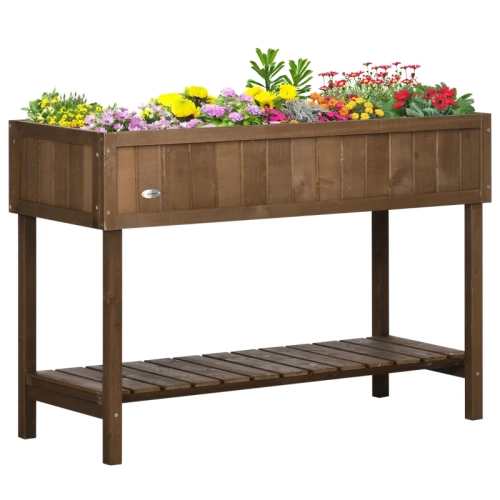
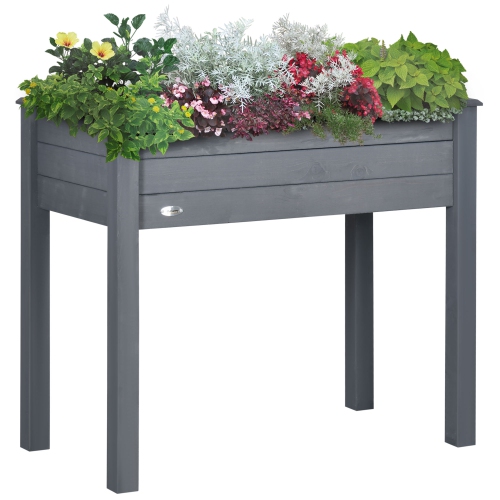

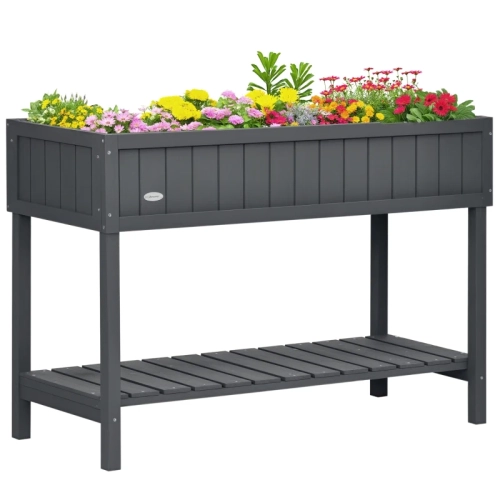

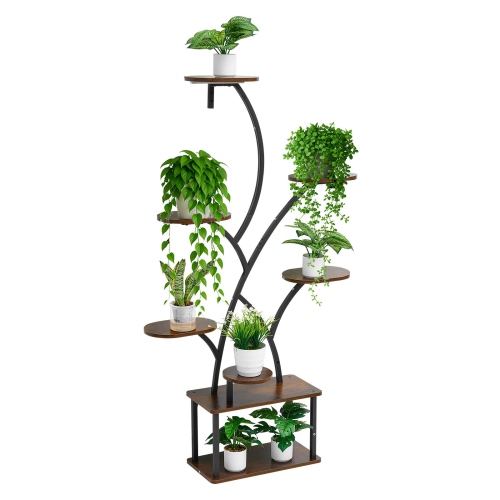
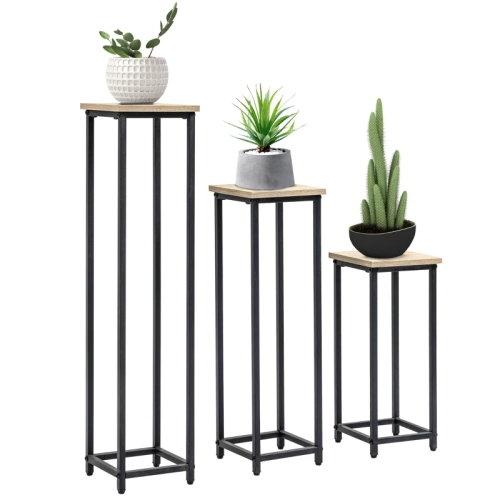
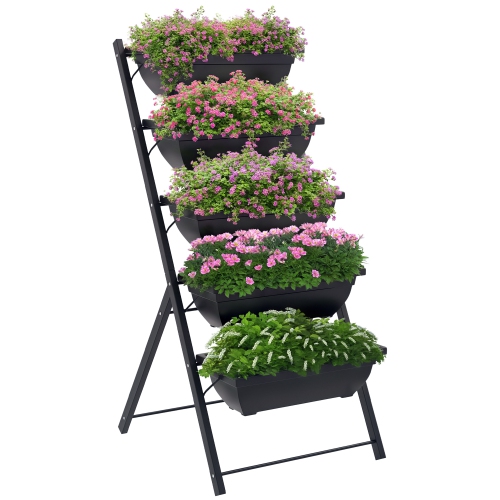
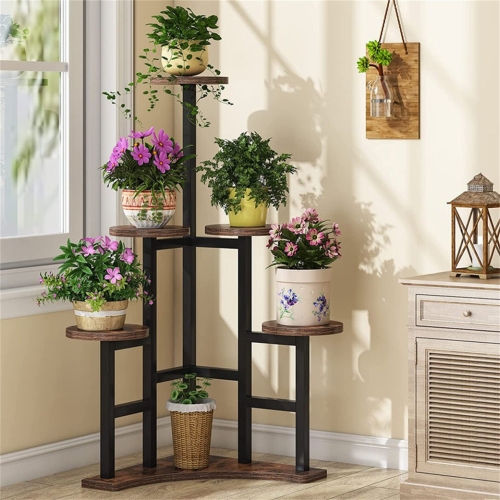

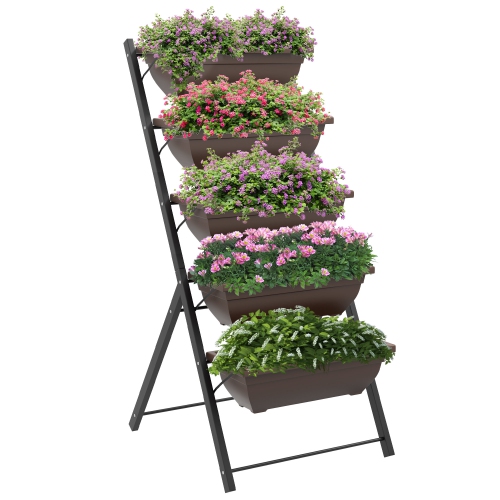
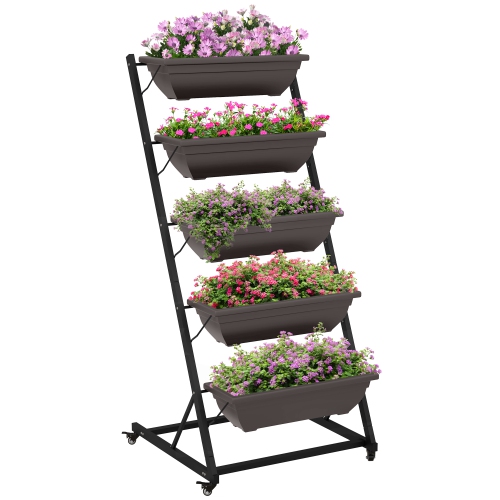
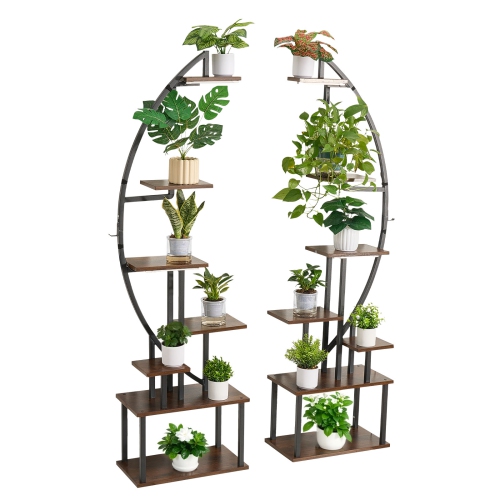
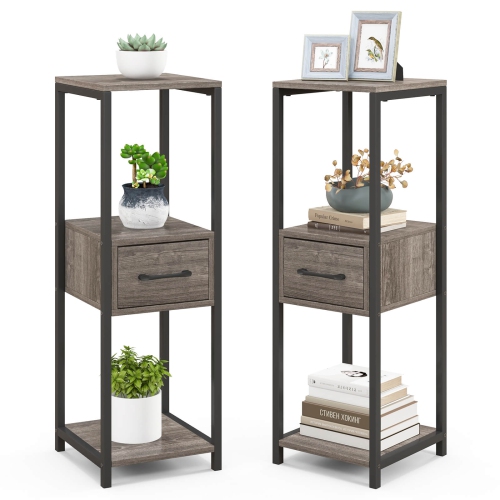
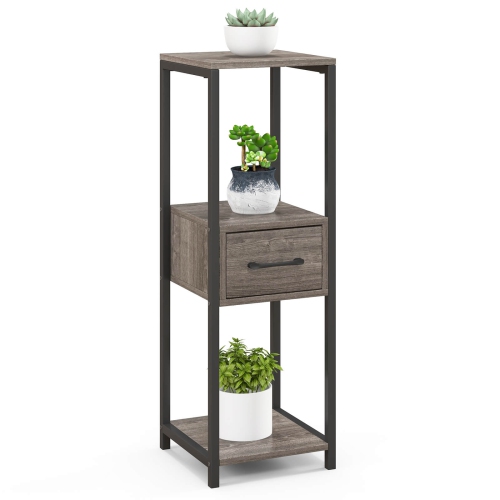
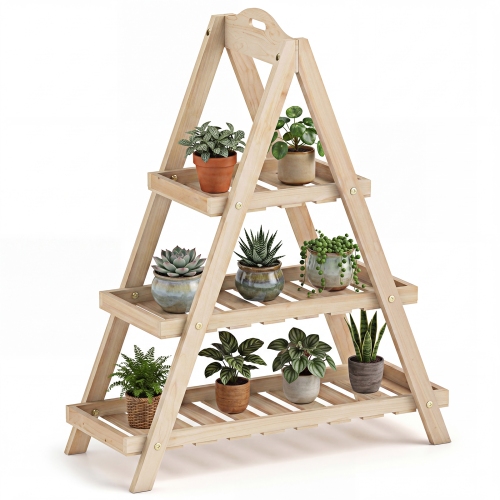
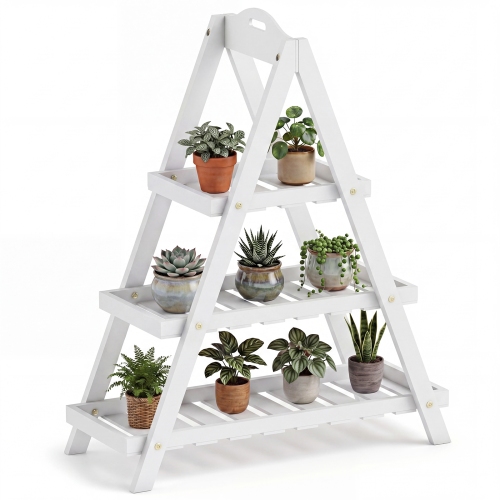
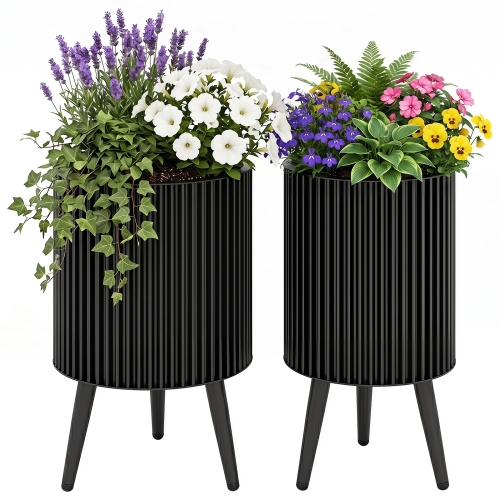
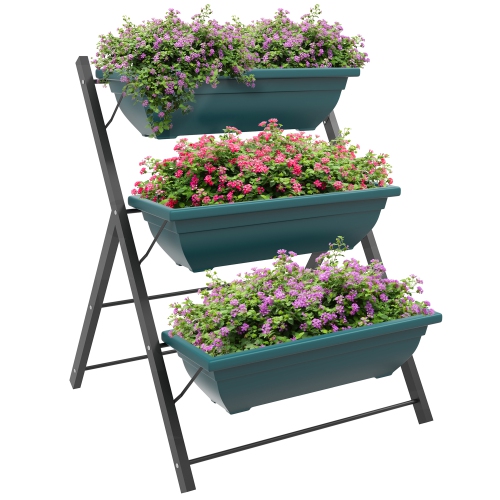
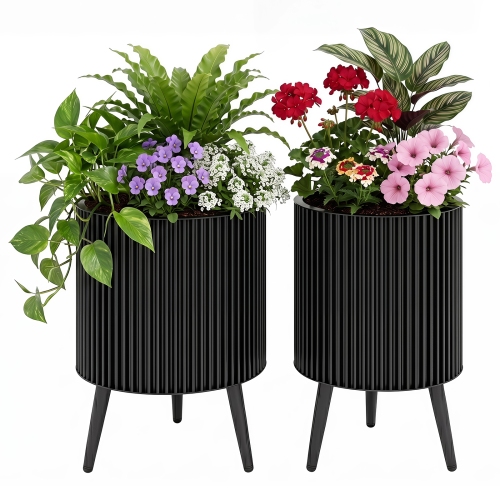
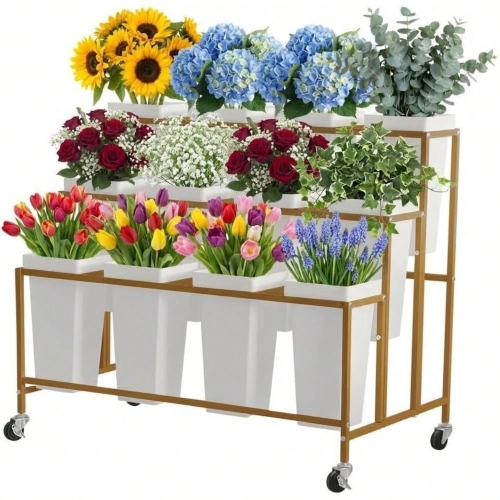

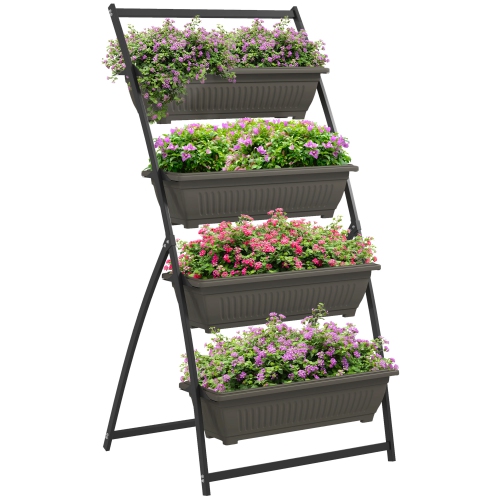


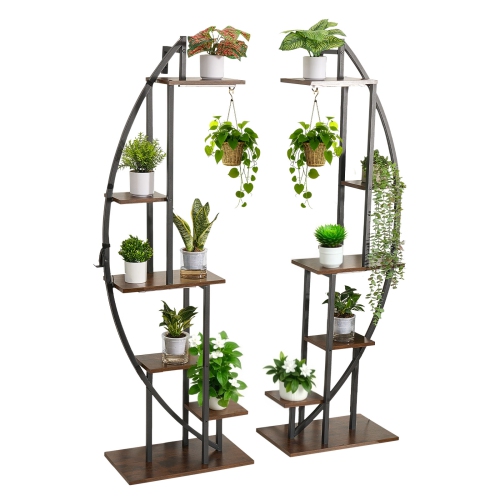
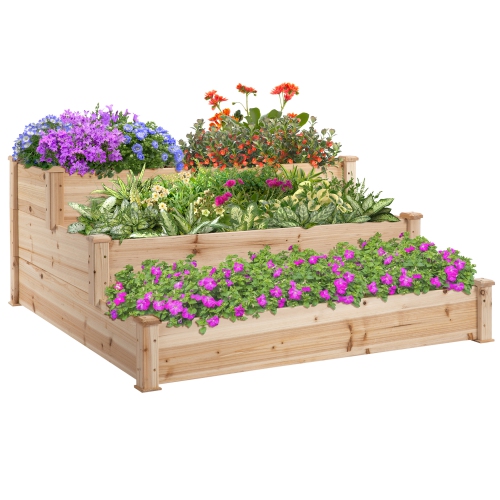
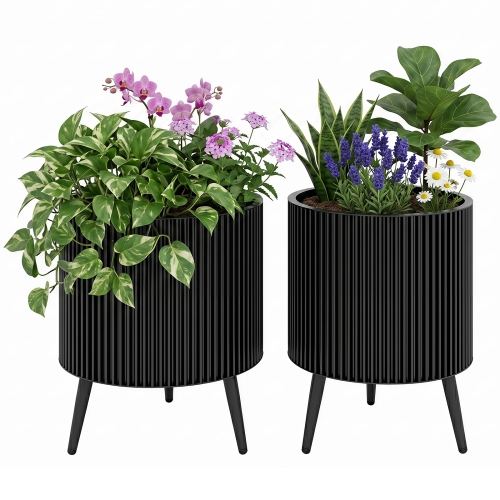
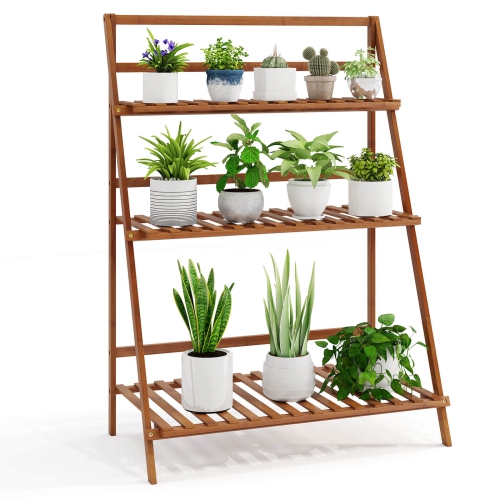
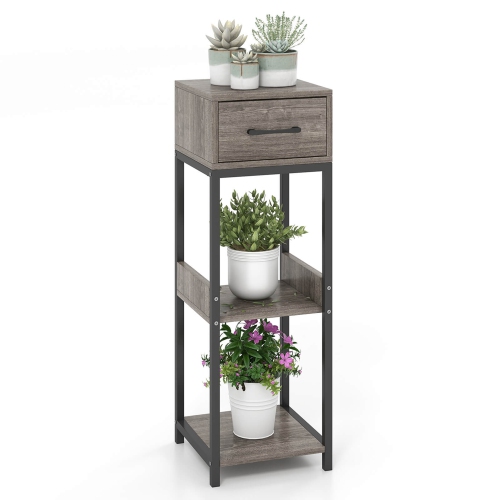
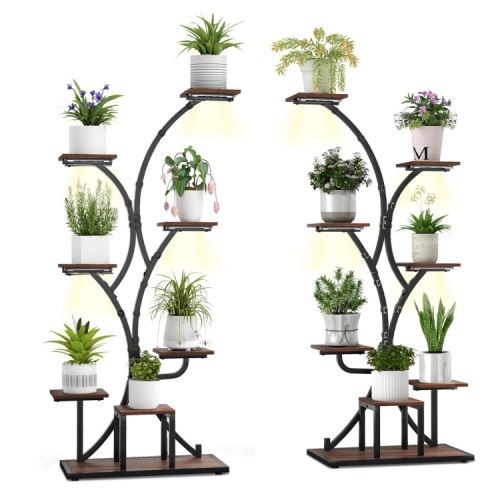

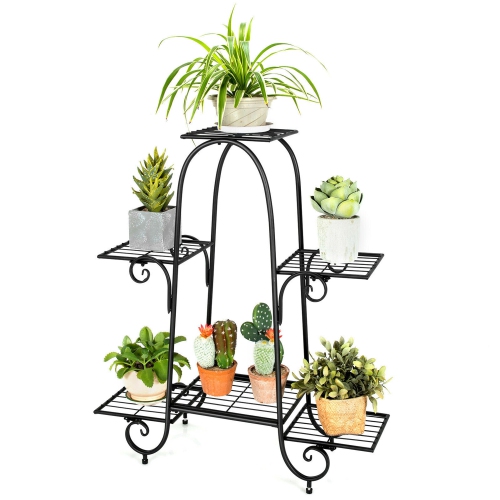
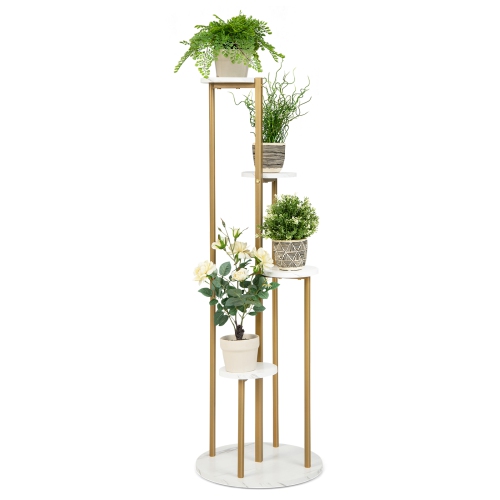
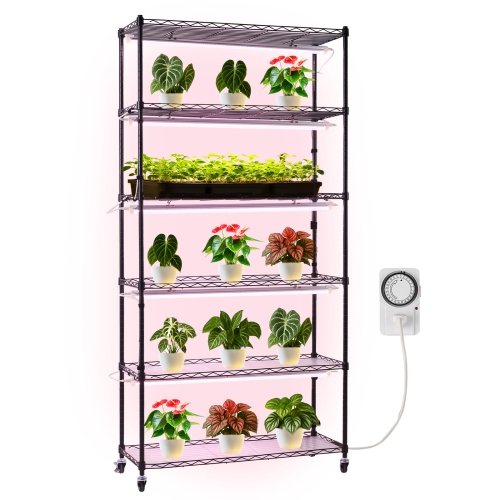

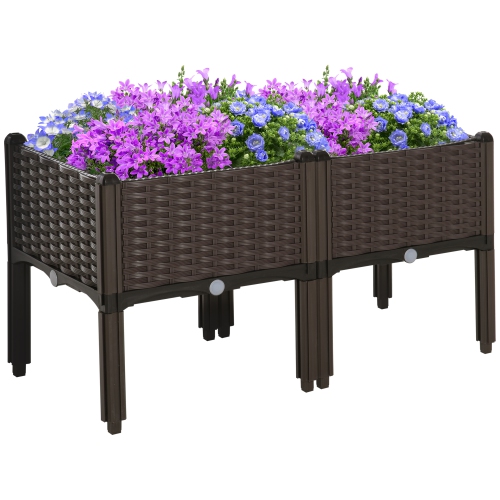
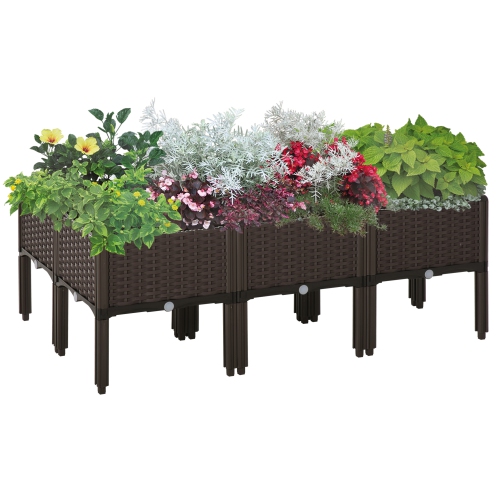
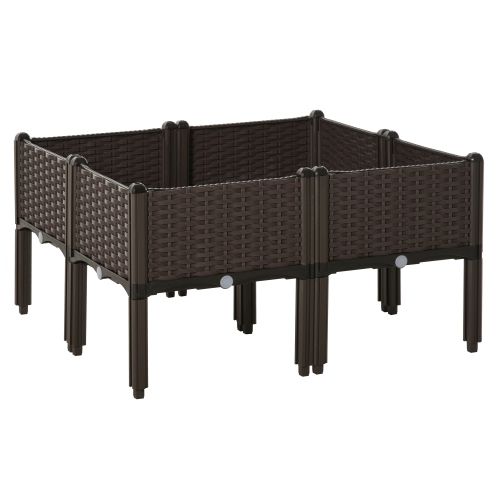
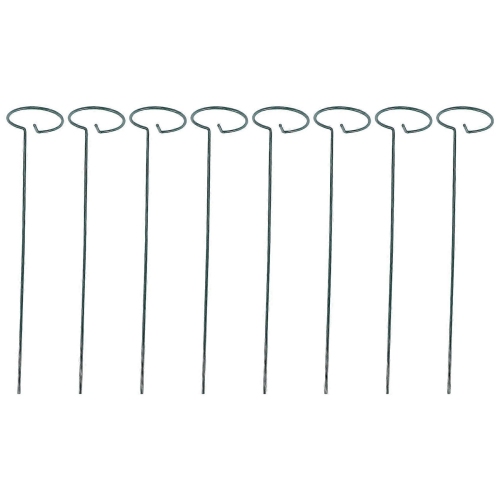



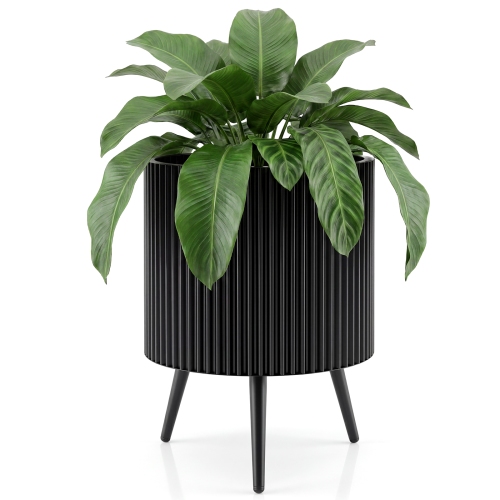

Layered plant displays that leave room to move
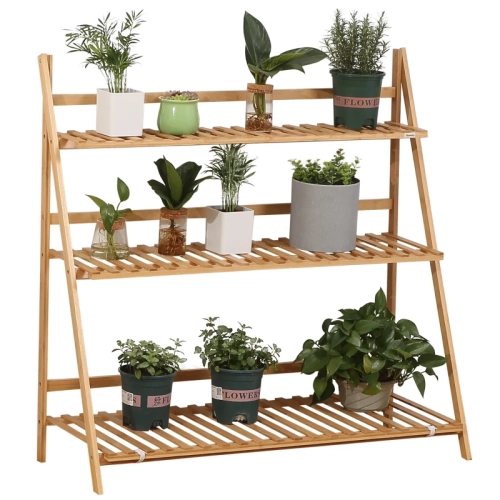
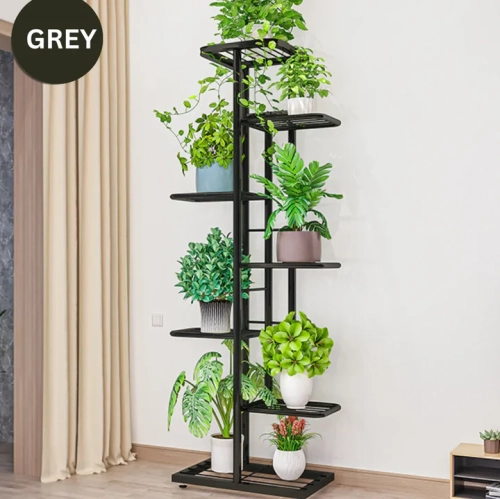
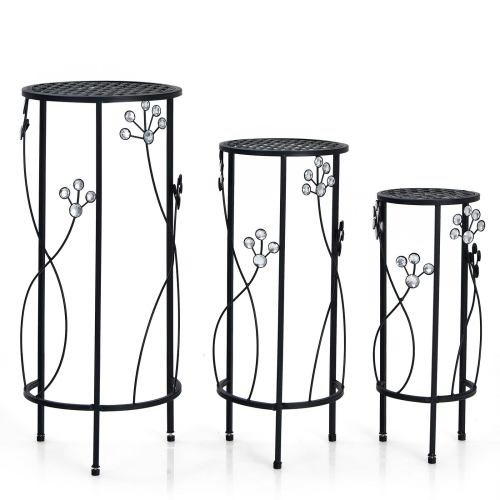
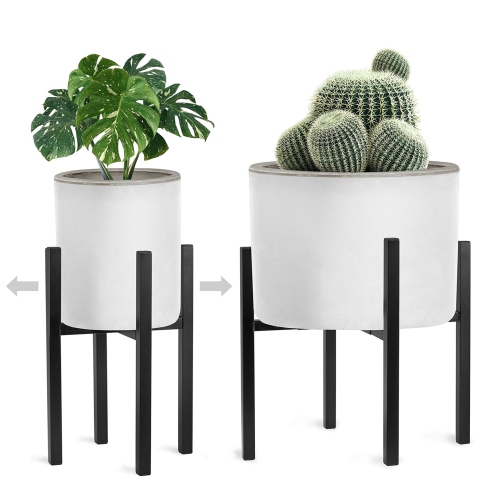
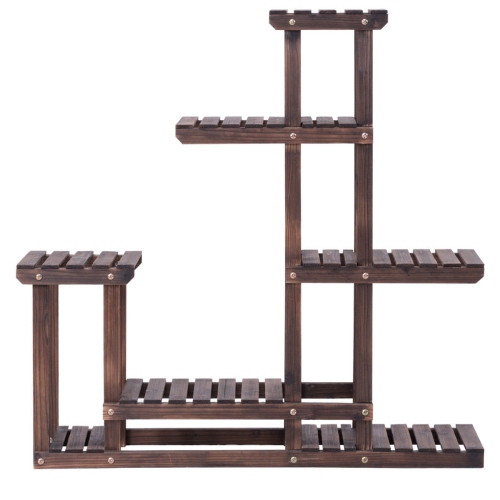
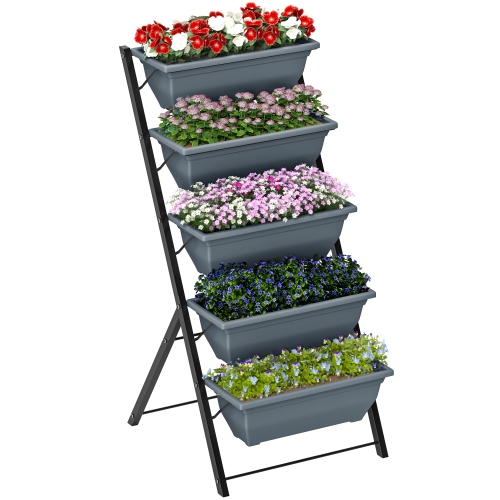
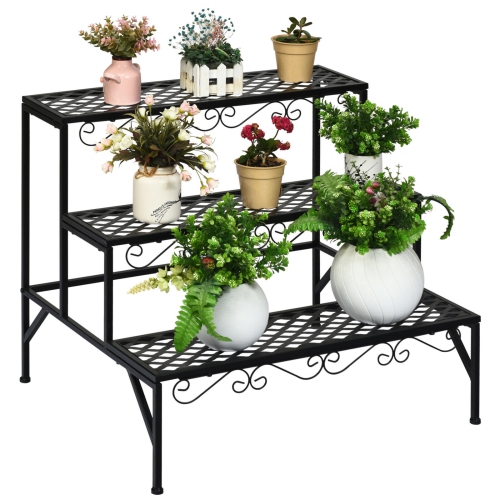
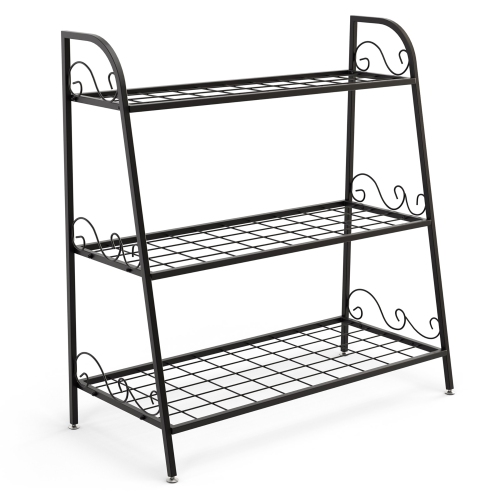
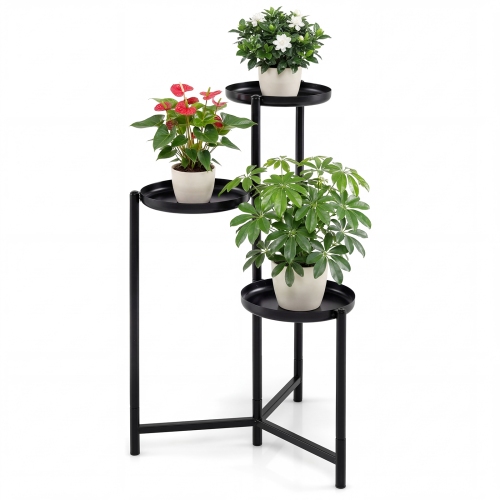
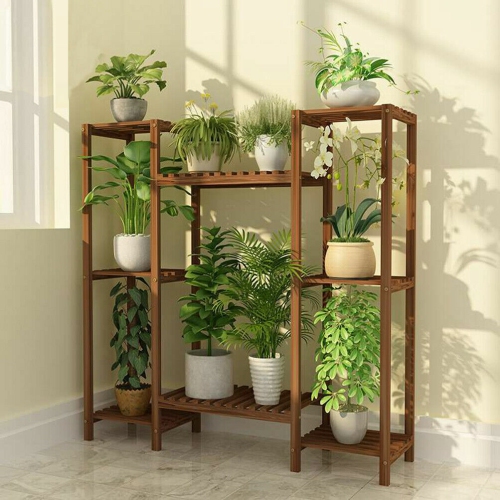
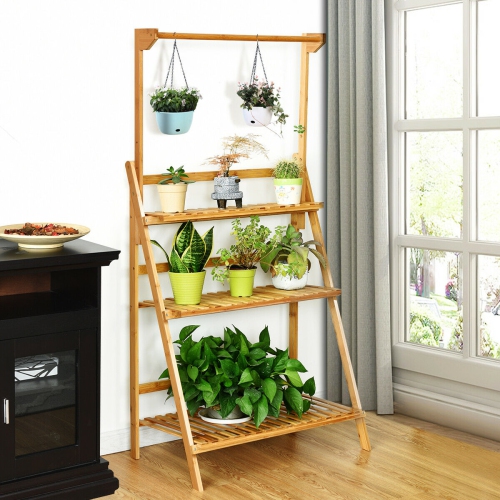
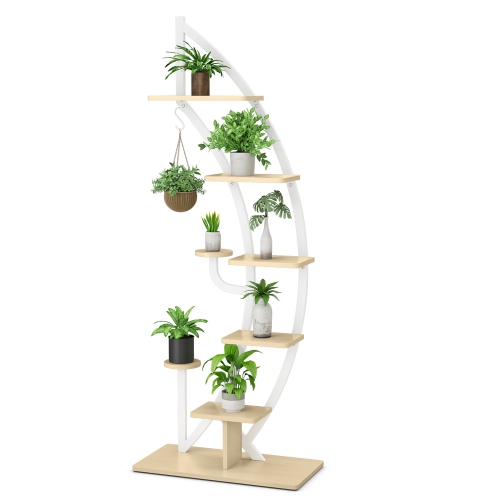
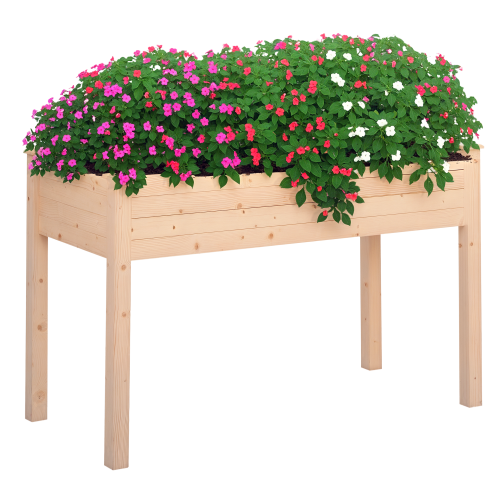
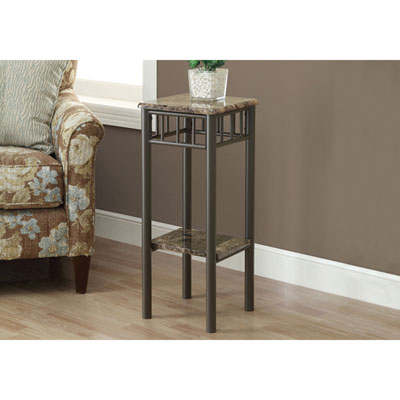
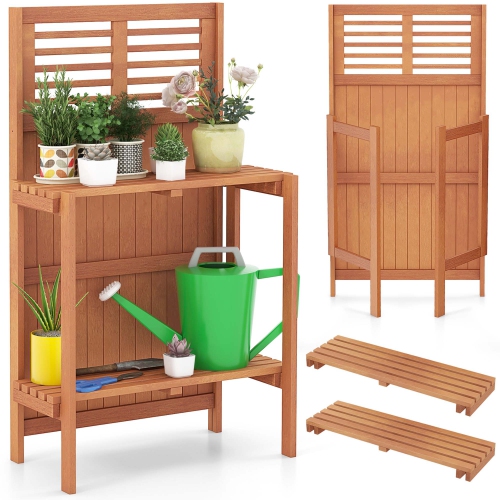
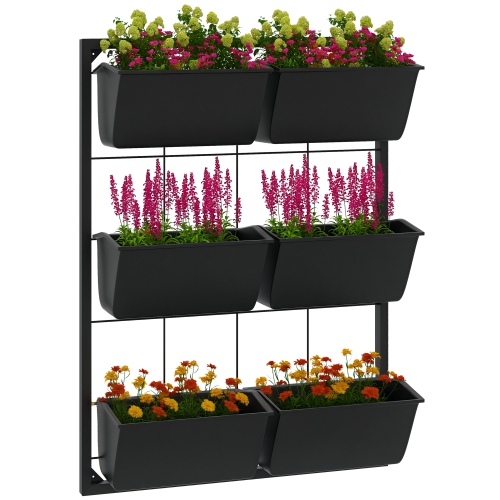
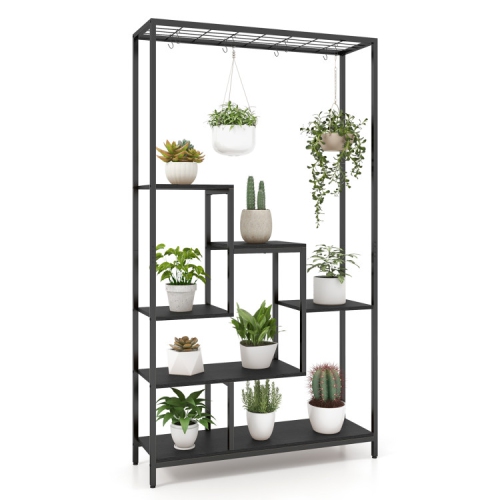
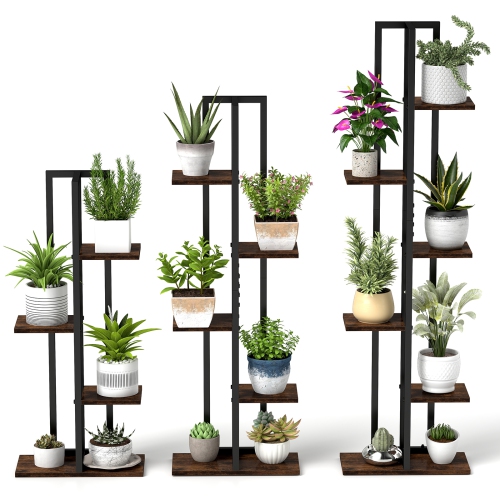
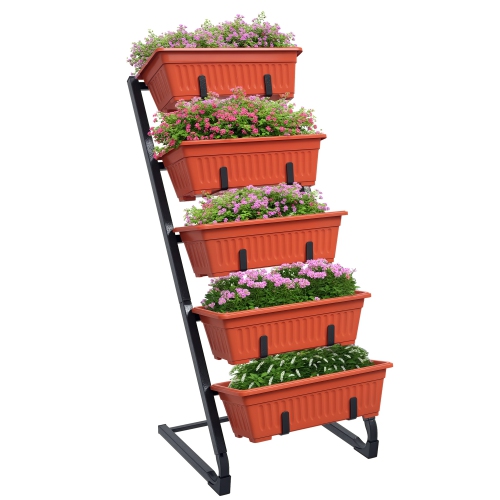
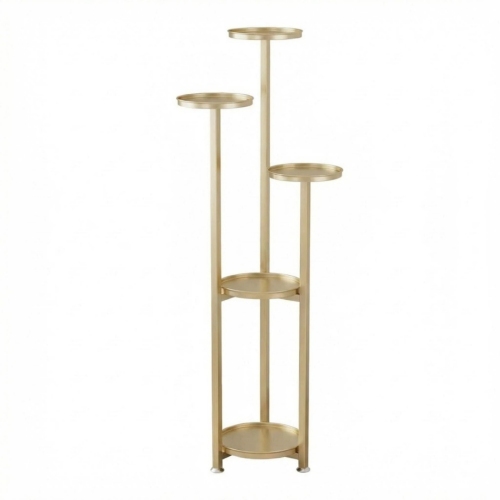
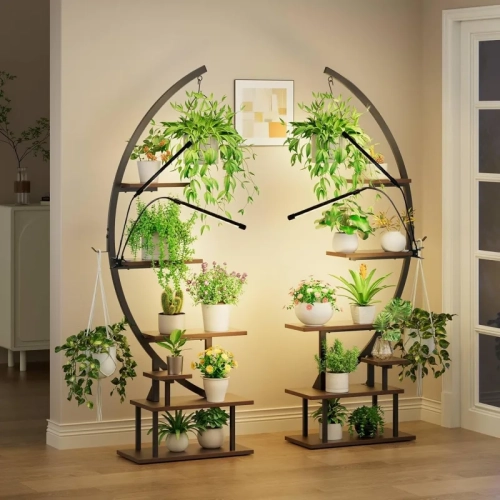
Garden plant stands raise potted plants above the ground, making it easier to arrange greenery at different heights on a patio, balcony, porch, or indoor floor. They can turn a row of containers into a layered display while leaving more usable space around seating and walkways. A single-pot pedestal gives a leafy specimen its own place beside a chair, while a tiered stand brings several smaller pots together in a compact footprint. Ladder-style stands typically have stepped shelves that give plants room to spread, although the spacing between tiers matters as much as the overall height. Upright herbs need clearance above their leaves, trailing plants need room to drape, and broad foliage can shade neighbouring pots if shelves sit too close together. Corner plant stands make use of awkward spaces beside patio doors or along balcony walls, provided the arrangement leaves doors, railings, and access routes clear. Wall-mounted pot holders and hanging supports offer another way to display plants without occupying floor space, but their suitability depends on the mounting surface, hardware, and permitted load. Raising a pot may help it reach available light, though a stand cannot make a shaded corner suitable for a plant that needs direct sun. The best arrangement still depends on the light reaching that particular spot throughout the day. For a cohesive display, repeated pot colours or similar container shapes can tie together plants with very different leaves and growth habits. Mixing heights adds interest without requiring every shelf to be full. Those who want a stronger visual accent alongside practical support can also explore Decorative Plant Stands for displays where the stand itself helps shape the look of the space. Whether the setting is a small condo balcony or a broad garden terrace, a well-proportioned stand gives each container enough room and keeps the overall arrangement from feeling crowded. It also brings small details, such as patterned foliage or a textured ceramic pot, closer to view.
Materials influence how garden plant stands look, how much care they need, and where they are best used. Wood brings warmth to a grouping of terracotta pots and softens the appearance of paved patios or brick walls. Its performance outdoors depends on the wood species, construction, finish, and exposure to moisture. An outdoor-rated wooden stand may still need periodic refinishing, and joints or shelf edges that stay wet can deteriorate sooner than surfaces that dry between waterings. Slatted shelves allow water to pass through, but pots still need a stable contact area rather than balancing across widely spaced gaps. Metal plant stands range from slim frames for smaller containers to more substantial structures suited to heavier displays. Powder-coated steel can provide sturdy support, though scratches in the coating may leave the underlying metal vulnerable to rust. Aluminium is generally lighter and resistant to rust, but its strength and load capacity depend on the design rather than the material alone. Wrought iron has a substantial feel and suits traditional garden settings, with protective finishes helping limit corrosion. Bamboo, rattan, and woven styles bring texture to sheltered spaces, but a natural appearance does not establish outdoor suitability; the stated use and finish are more useful indicators. Resin and plastic stands can be easier to move and wipe clean, while resistance to sunlight and low temperatures varies by construction. Across materials, durable shelves, sound joints, and a level base matter more than appearance alone. Cooler months bring extra considerations in many parts of Canada, especially where rain, snow, and repeated freezing and thawing can affect finishes and fasteners. A stand intended for indoor use belongs inside rather than under an open porch simply because it is covered overhead. Outdoor-rated stands also benefit from care suited to their material, such as removing trapped leaves, wiping away standing water, and checking fittings after prolonged exposure. Removable trays can simplify cleaning, provided collected water is emptied before it spills or leaves the base of a pot sitting wet.
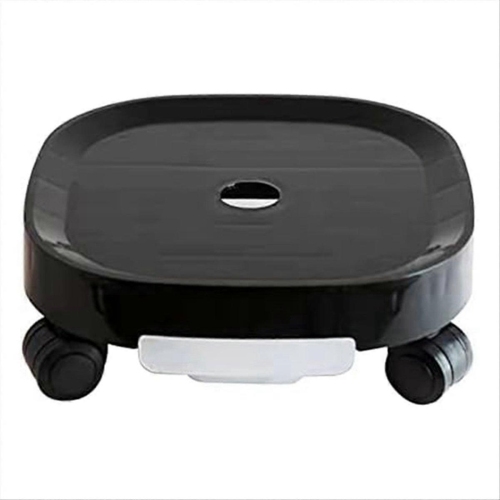
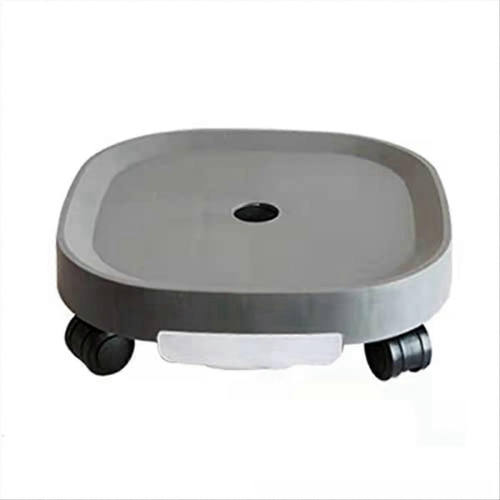
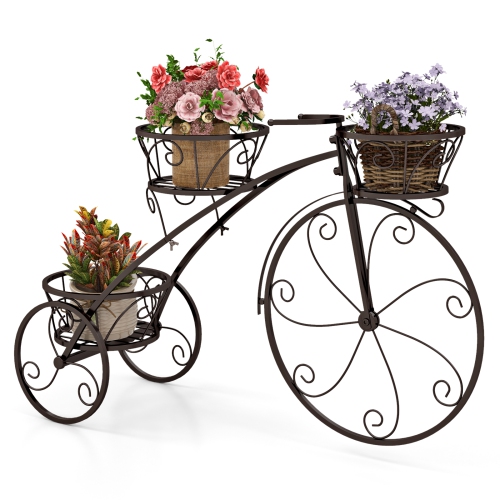
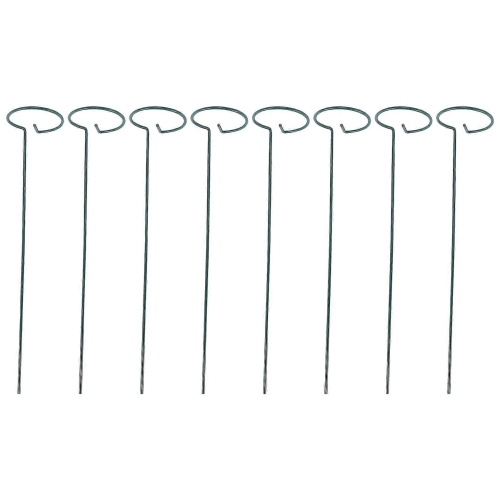
Fit starts with the containers as well as the space around them. A pot filled with damp soil can weigh much more than its empty weight suggests, so both the load rating for each shelf and the total capacity of the stand deserve attention. A broad planter needs adequate support beneath its base, while a tall plant benefits from a stable stand with a footprint that resists tipping. Heavy containers generally belong on lower tiers, with smaller, lighter pots above; this also makes routine watering more manageable. For ring-style holders, the opening must match the pot’s shape and dimensions so the container sits securely rather than slipping through or resting at an awkward angle. Shelf depth, vertical clearance, and the distance between supports all affect usable space. On a narrow balcony, a shallow stand may fit better than a deep shelving unit, but leaves and trailing stems still add to the display’s reach. Feet should rest firmly on a level surface, not wobble between deck boards or sink into soft soil. Indoors, suitable floor protectors and watertight saucers help reduce scratches and moisture marks, although saucers should be checked for leaks and overflow. Stands with castors can make cleaning or repositioning easier on smooth surfaces, particularly when the wheels lock securely, but they are not a substitute for safe handling on steps or uneven paving. Placement also matters in homes with children or pets: climbable tiers, accessible trailing stems, and top-heavy arrangements can create hazards even when the stand feels sturdy. For gardeners tending several containers, a comfortable shelf height can reduce some bending, while accessible spacing makes it easier to inspect leaves and remove spent growth without shifting every pot. Garden plant stands can also be thoughtful gifts for balcony gardeners, houseplant enthusiasts, or someone settling into a new home, especially when the recipient’s space and preferred pot sizes are known. A compact stand suits a modest collection, while a wider tiered layout accommodates a fuller display. The most useful choice balances visual appeal with secure support, straightforward care, and enough room for plants to grow.
Top selling and popular products
-
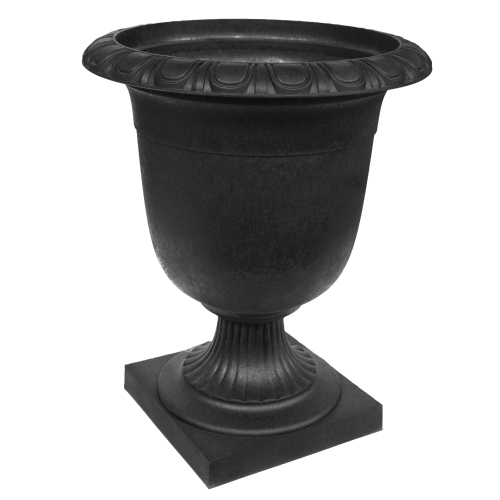 Your price for this item is $57.99
-
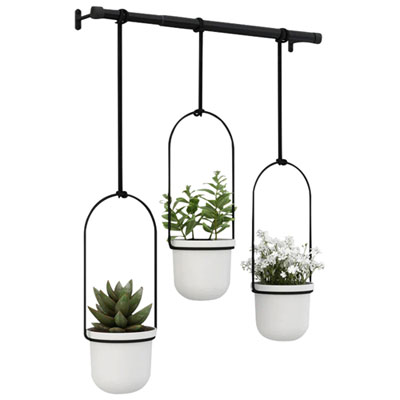 Your price for this item is $54.98
-
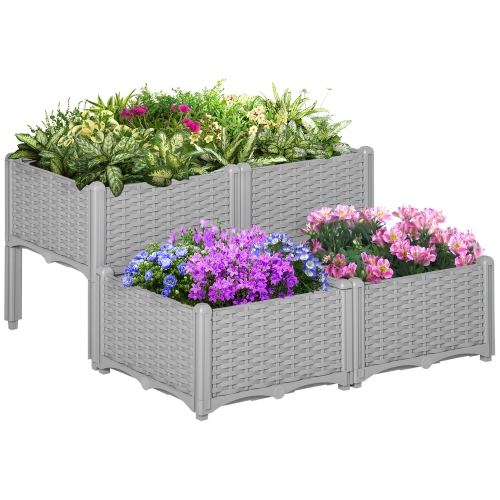 Your price for this item is $94.99
-
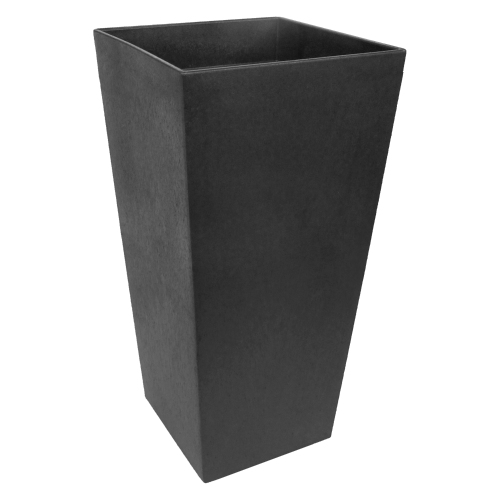 Your price for this item is $79.99
-
 Your price for this item is $105.99
-
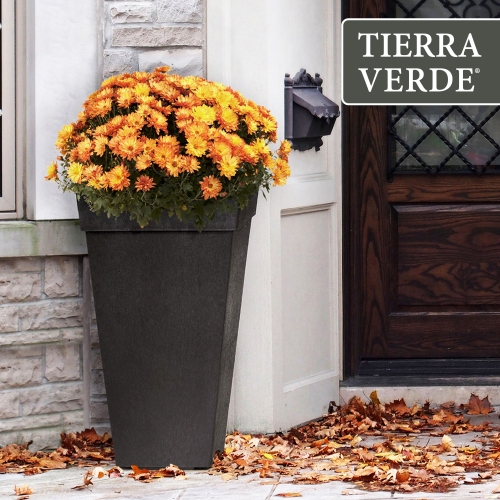 Your price for this item is $142.99
-
 Your price for this item is $117.75
-
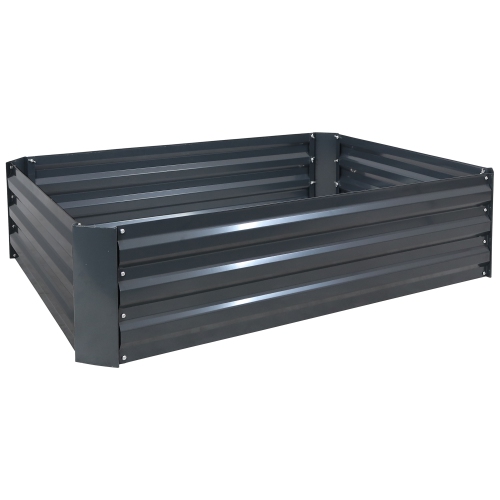 Your price for this item is $117.75
Discover more categories related to Garden Plant Stands
Top Collections:
Pokemon Centers, Best Cameras for Sports Photography, Kindle Devices, Samsung Galaxy Phones, Canon G7X Cameras, Pokémon 30th Celebration Cards, Refurbished Apple Laptops, iPhone 15 Apple, Laptops for Students, Budget Smartphones
Some products may be subject to Environmental Handling Fees
(EHF) depending on your province.
Learn more about EHFs.