Garden Screens
Enhance your outdoor space with our selection of garden screens, designed to add privacy, style, and functionality to your backyard oasis. Whether you're looking to create a cozy nook for relaxation, block unsightly views, or simply enhance the aesthetic appeal of your garden, our range of garden screens offers a versatile solution for all your landscaping needs. With various materials, sizes, and designs to choose from, you can easily customize your outdoor space to suit your personal taste and create a peaceful retreat right in your own backyard.
Sort
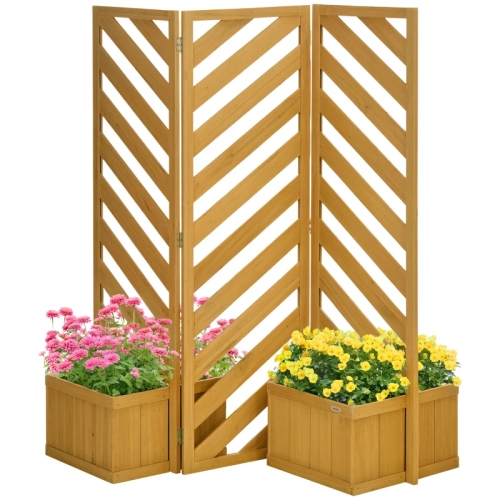
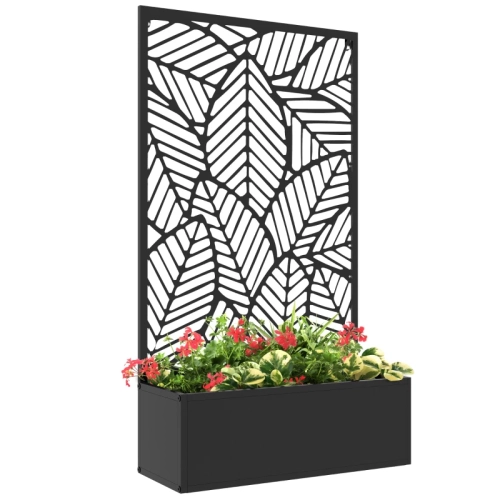
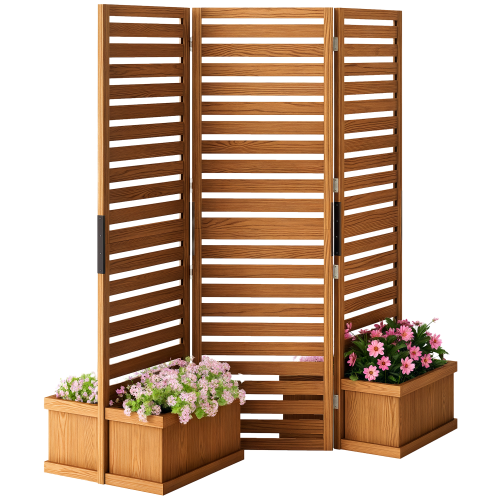
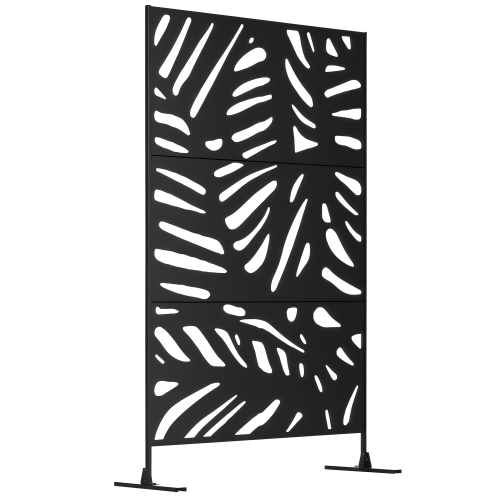
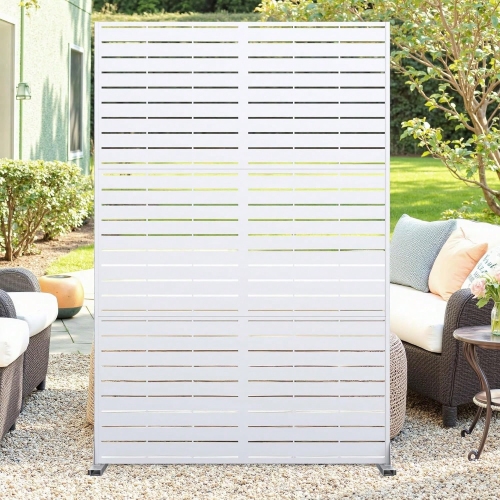
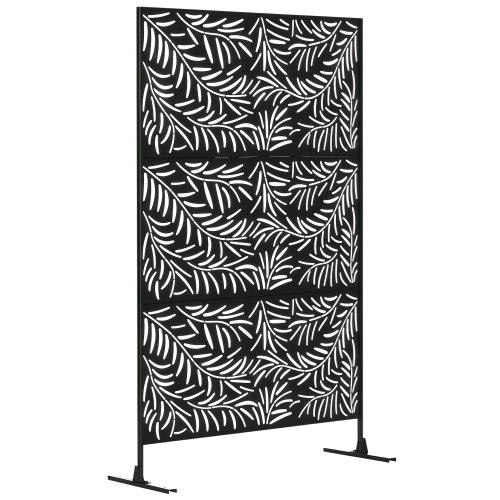
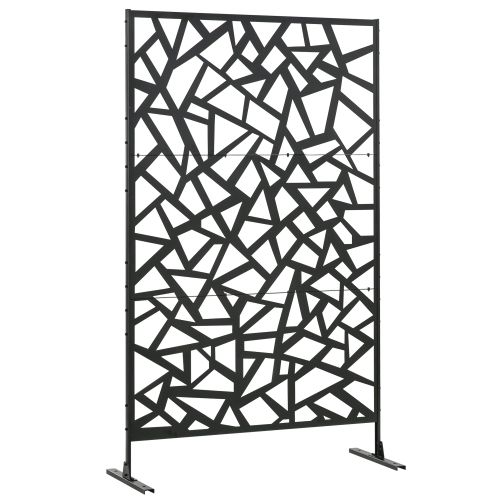
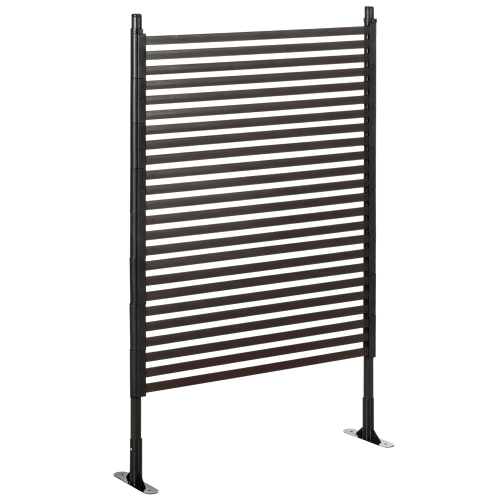
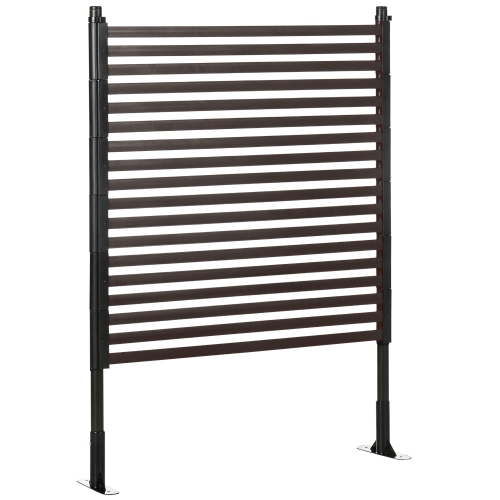
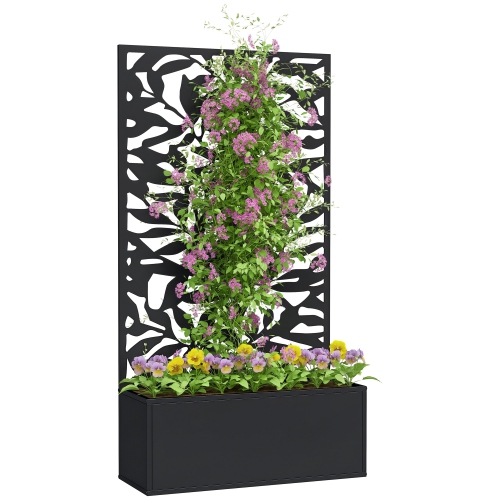
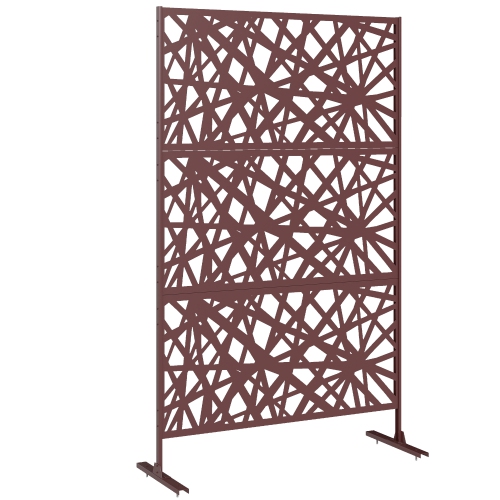
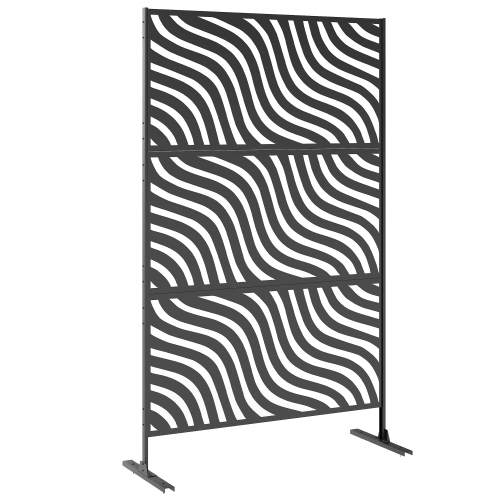
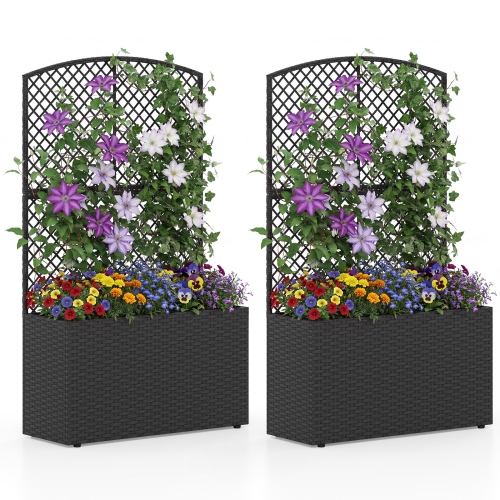
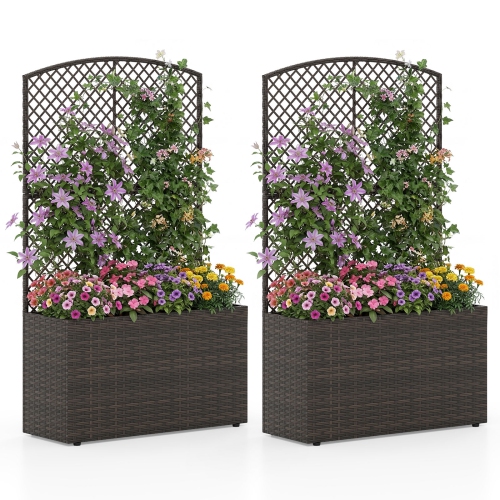
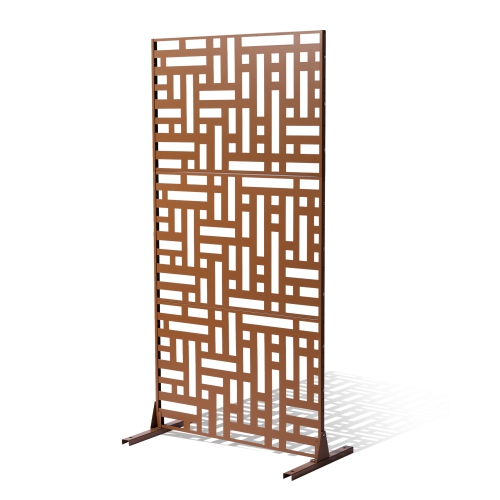
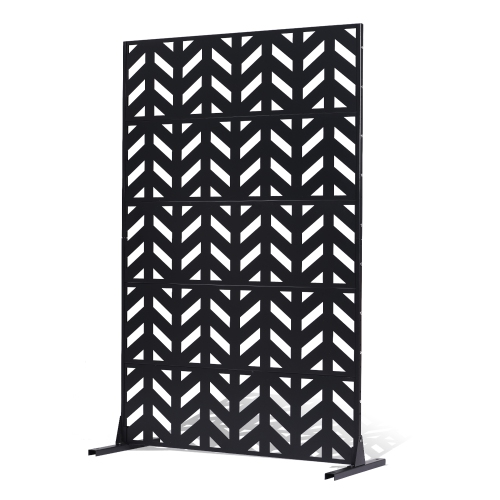
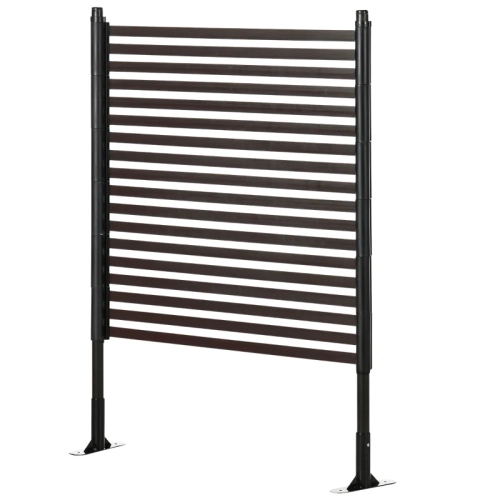
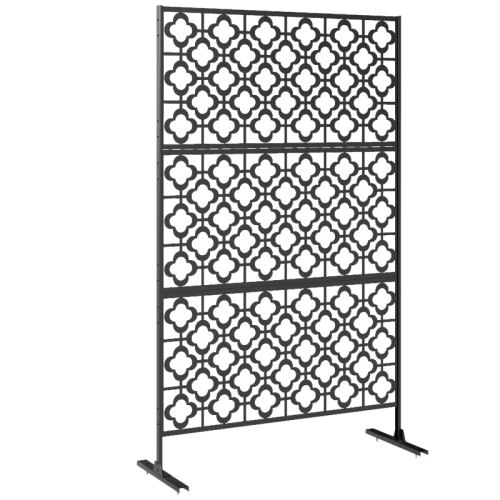
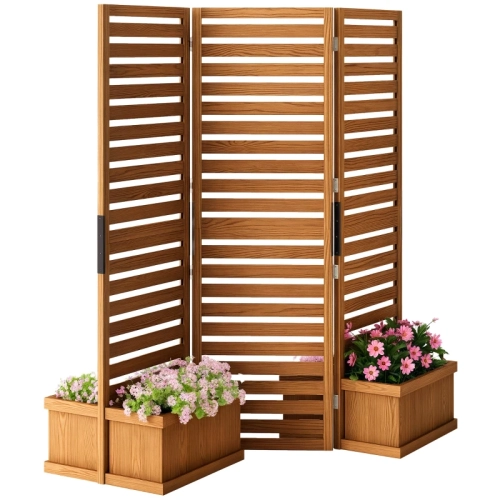
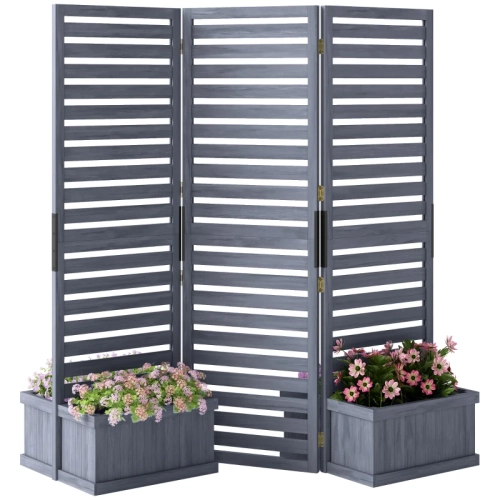
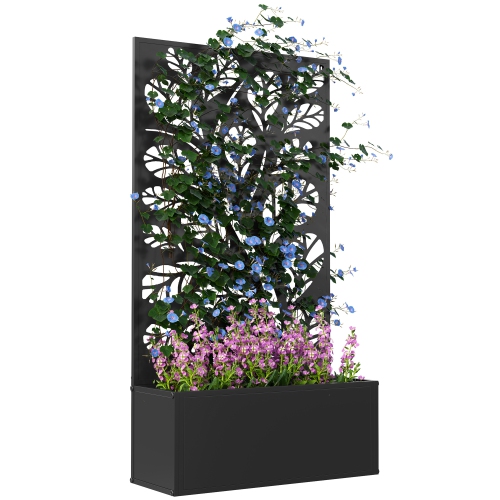
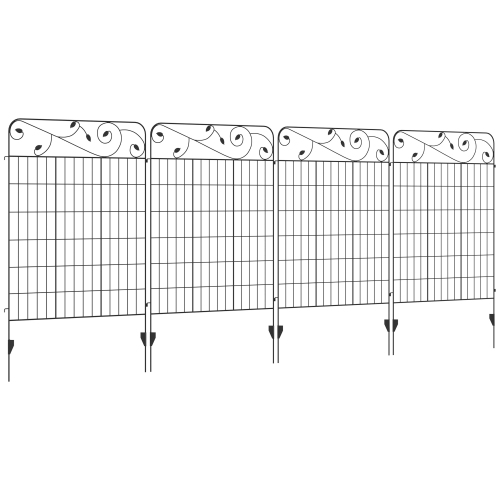
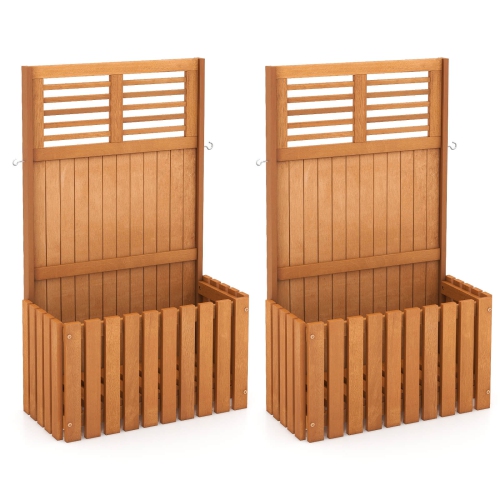
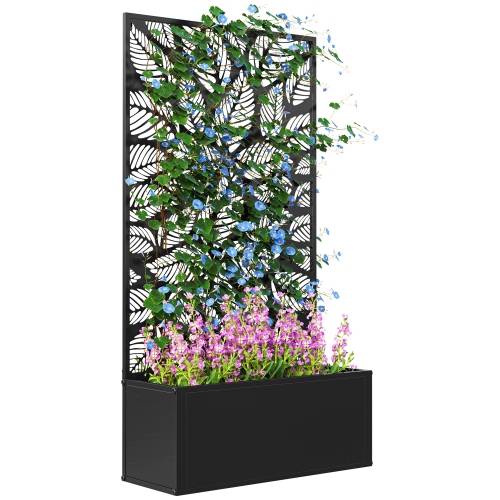
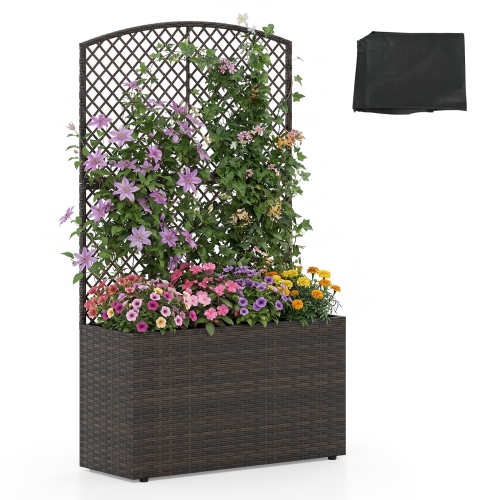
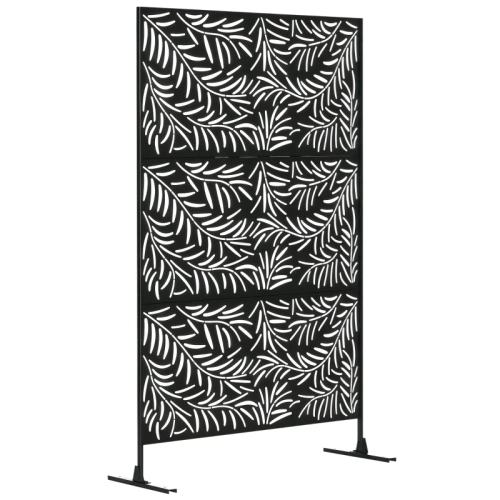
Privacy, structure, and style for changing outdoor spaces
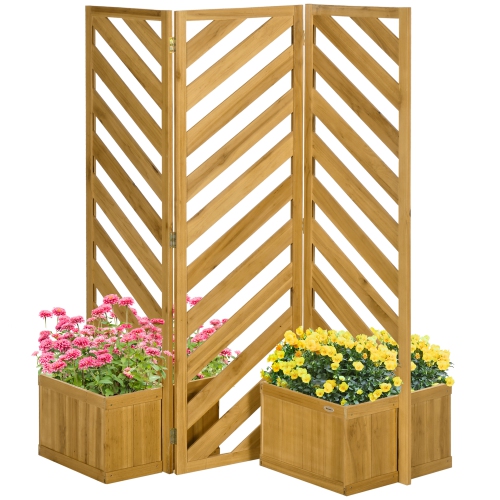
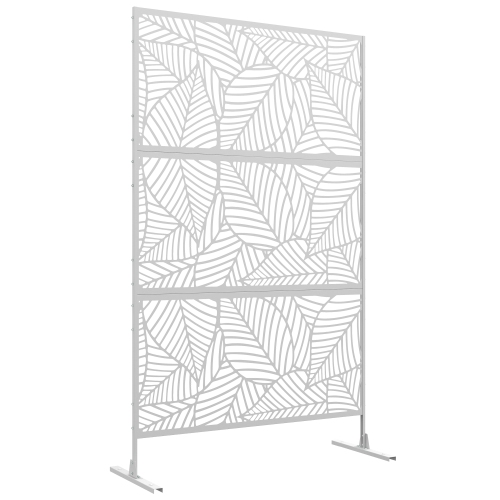
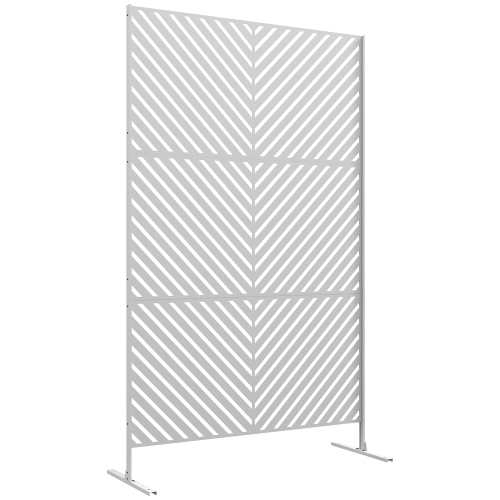
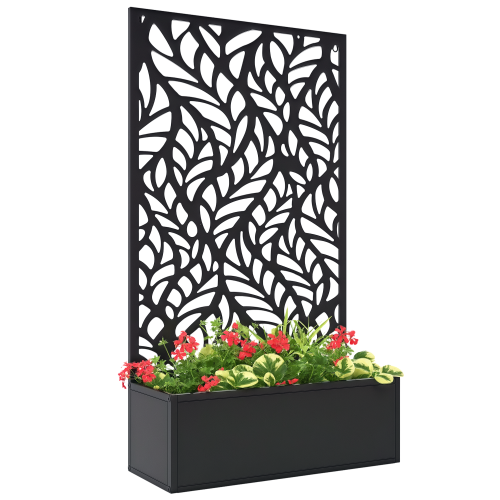
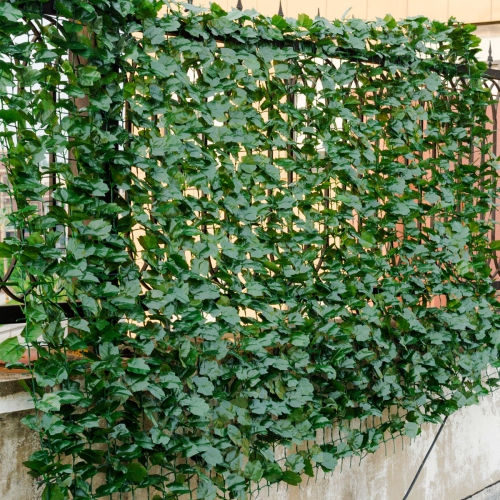
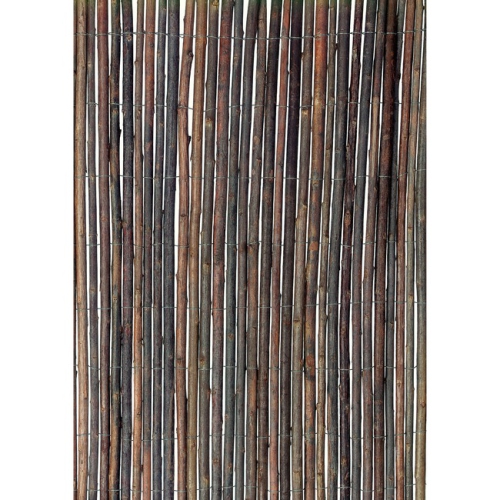
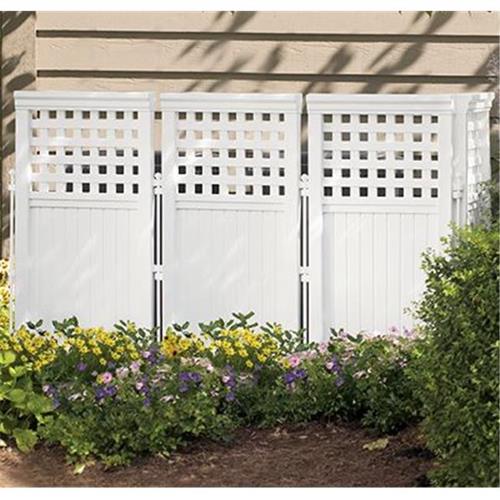
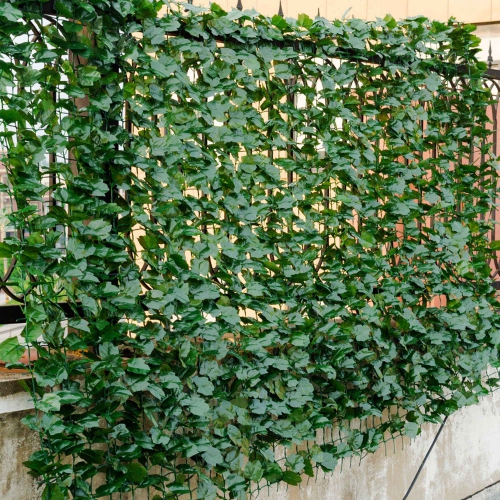
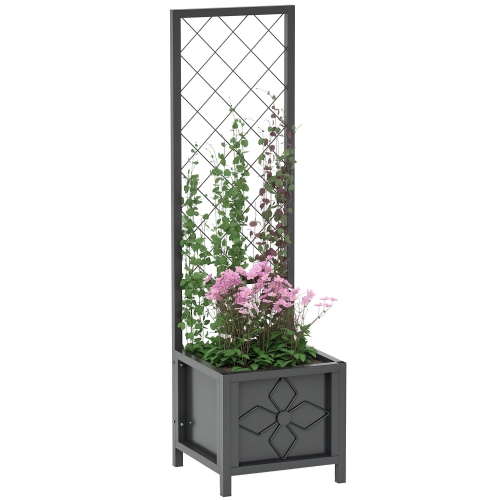
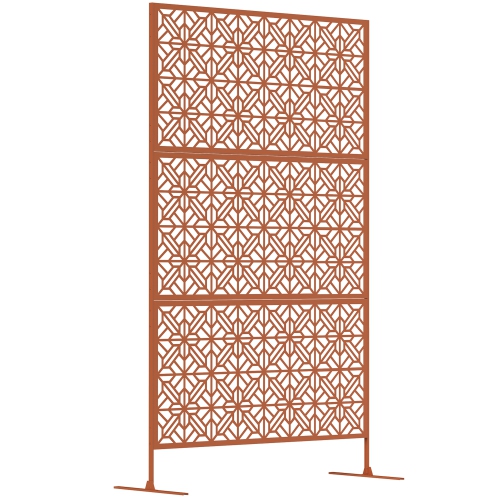
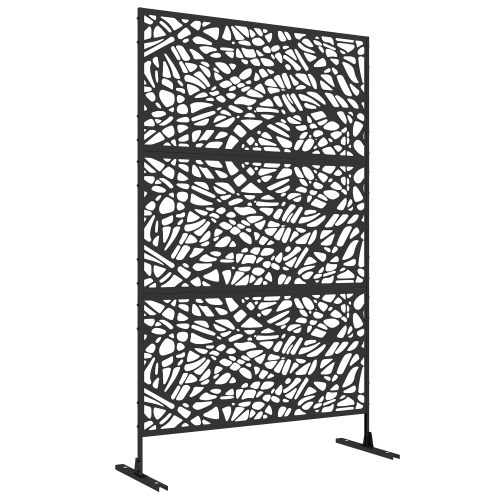
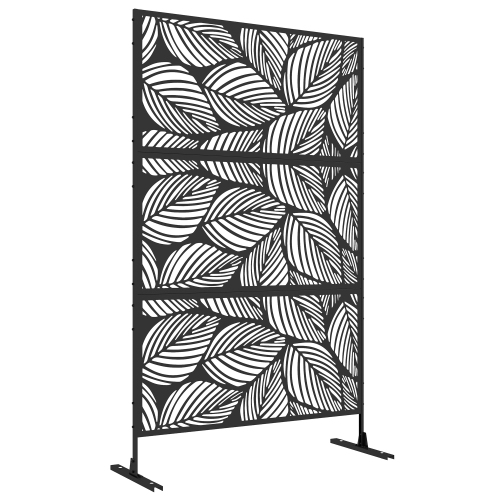
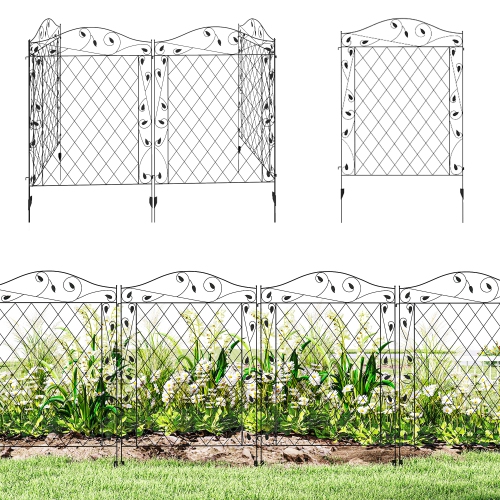
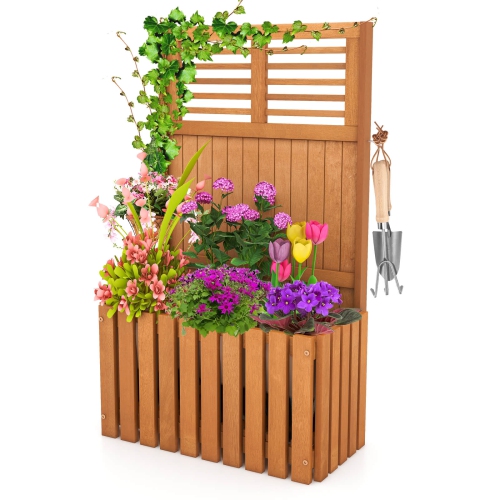
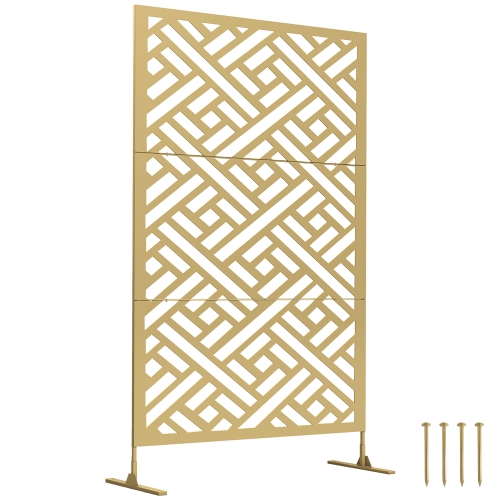
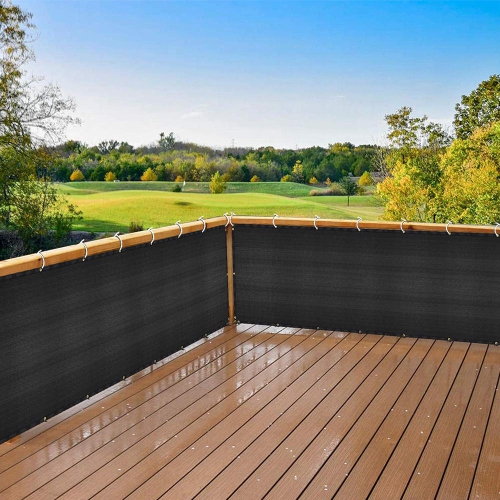
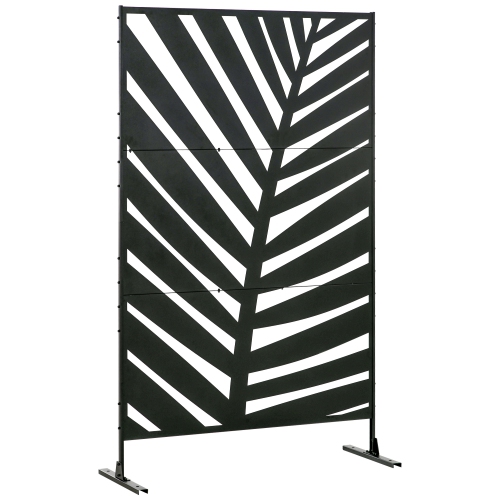
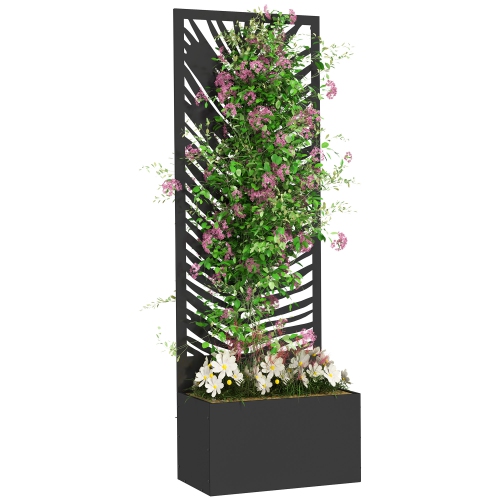
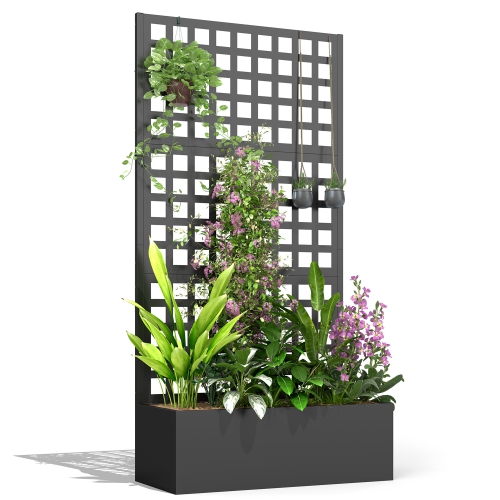
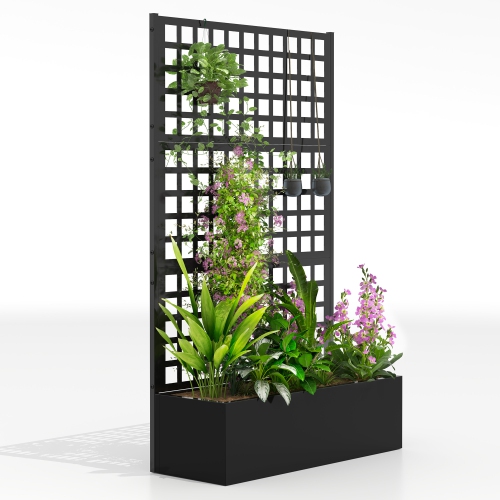
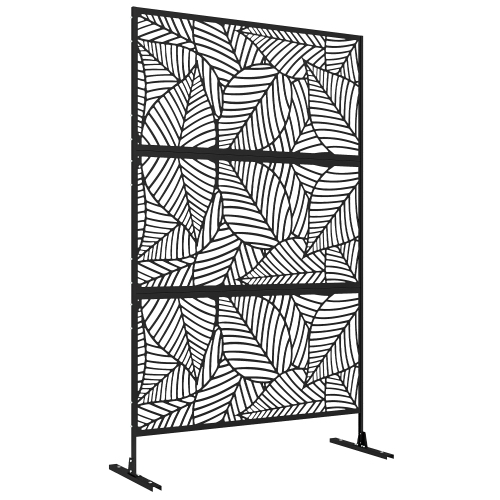
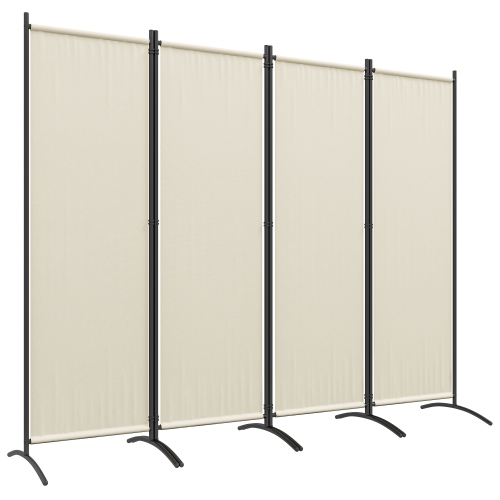
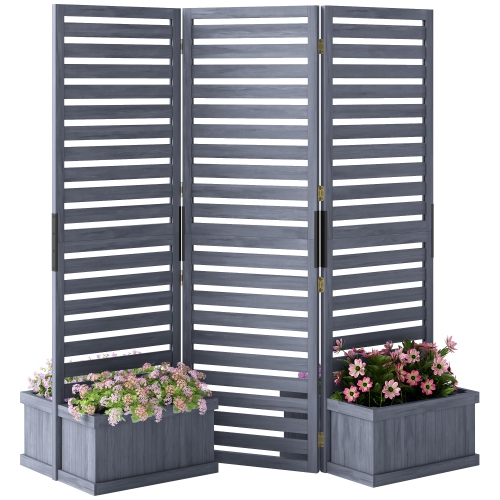
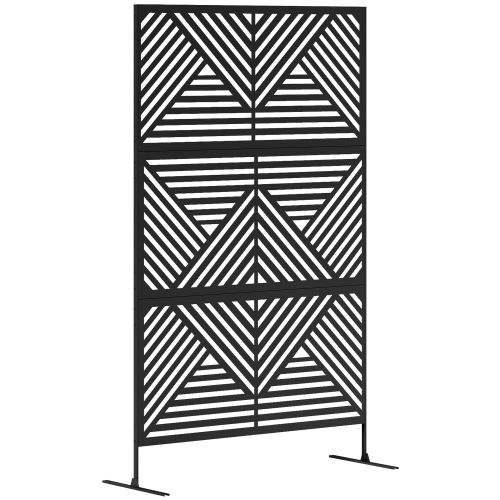
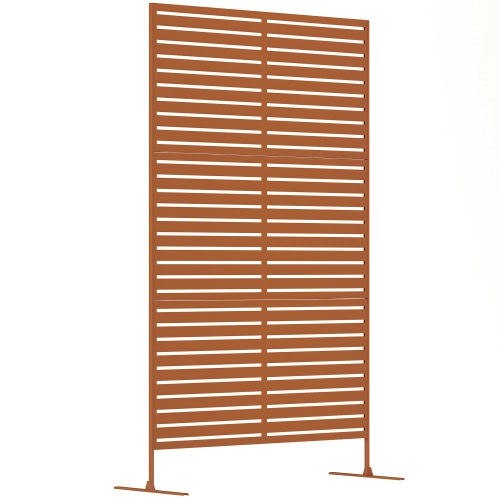
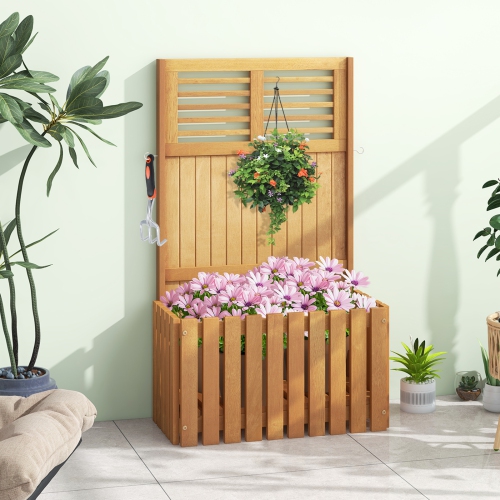
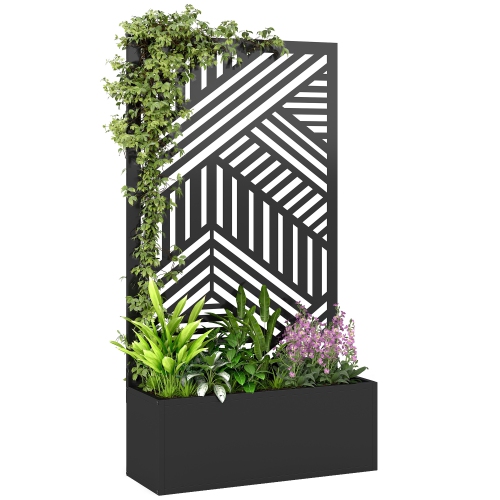
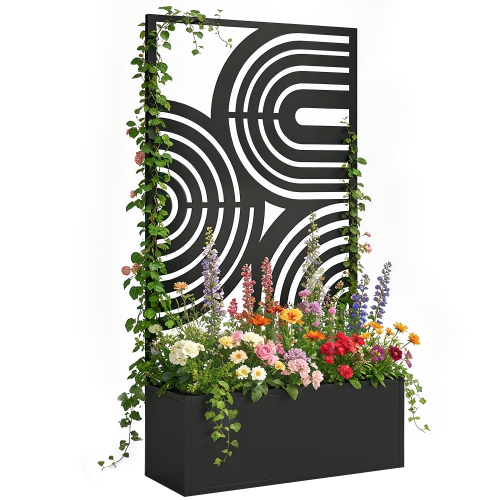
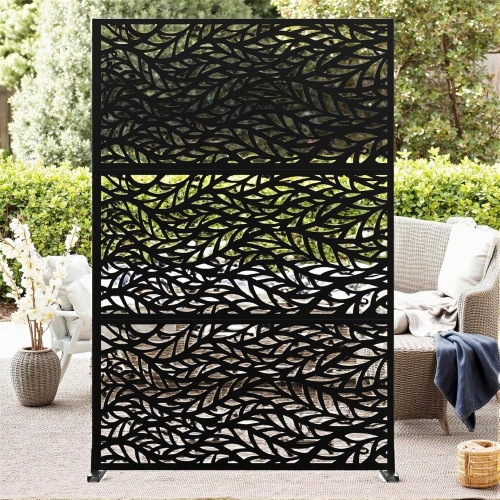
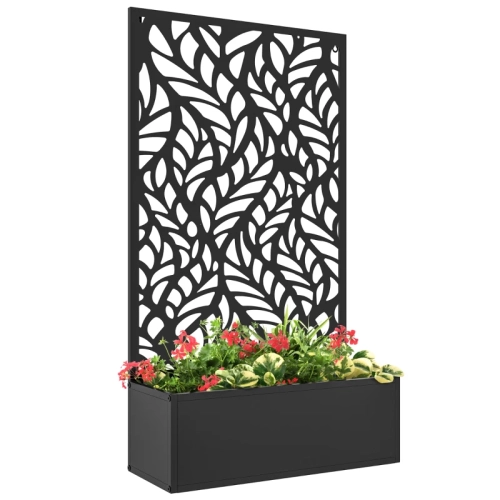
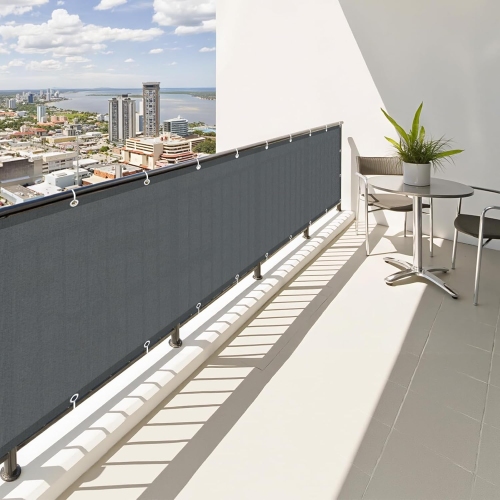
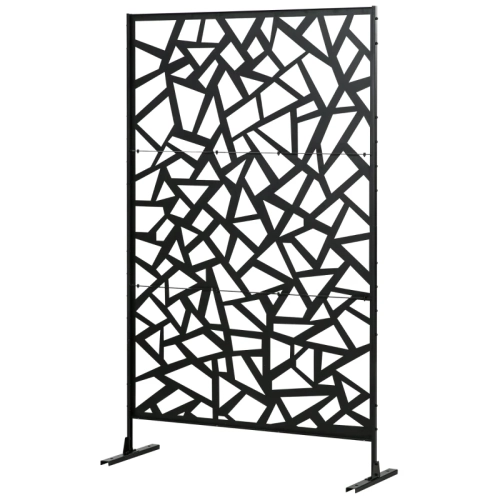
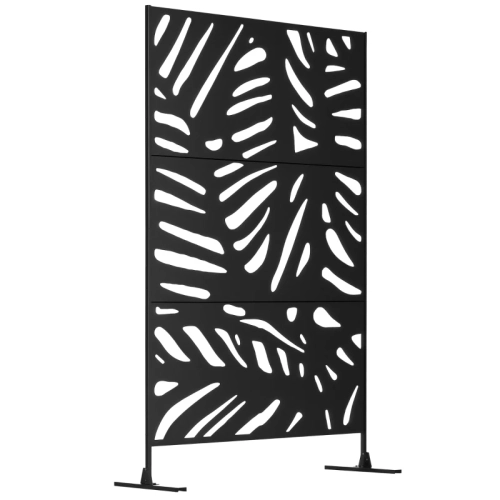
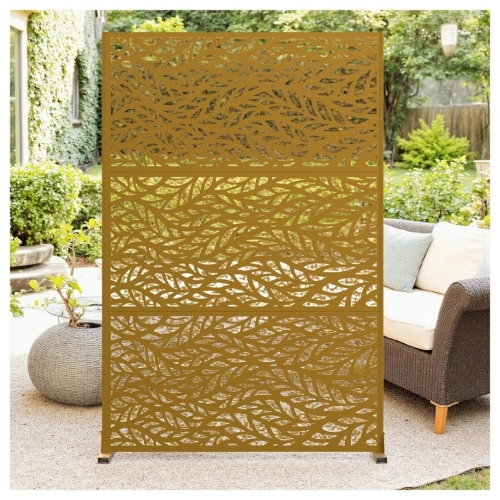
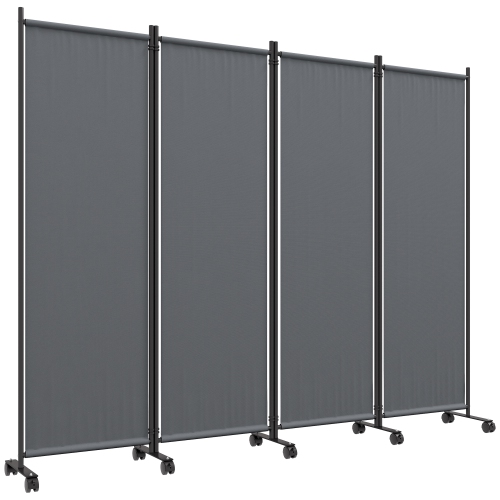
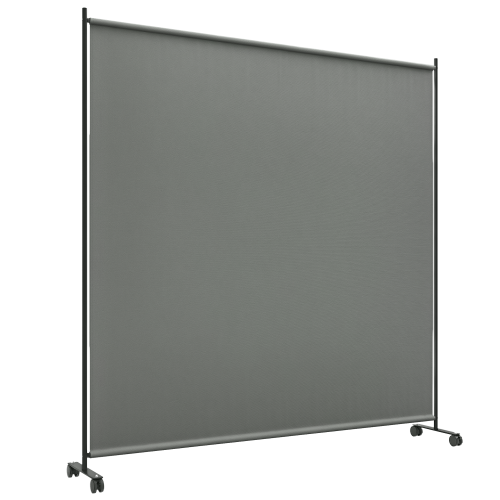
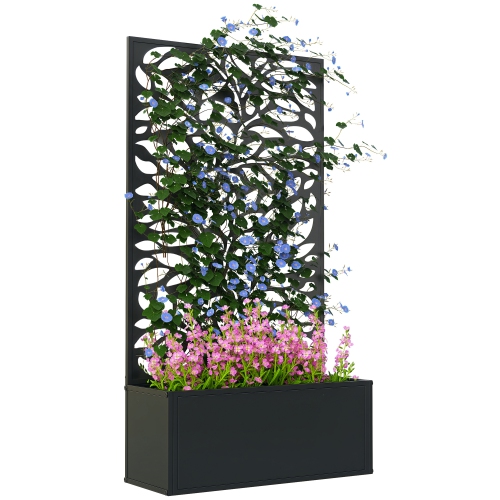
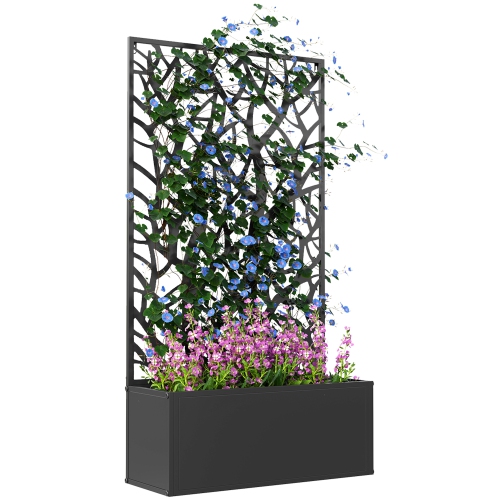
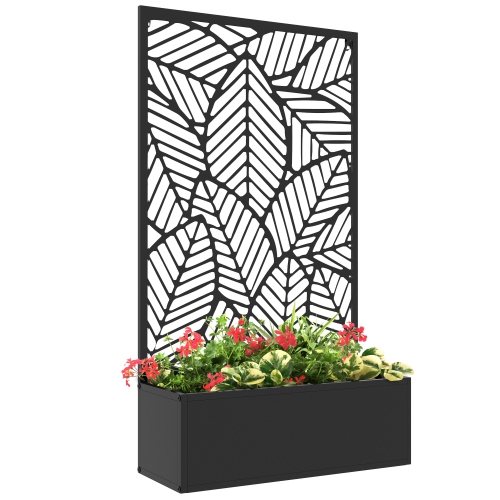
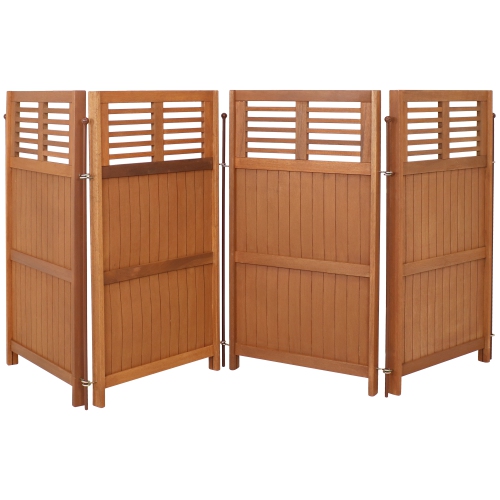
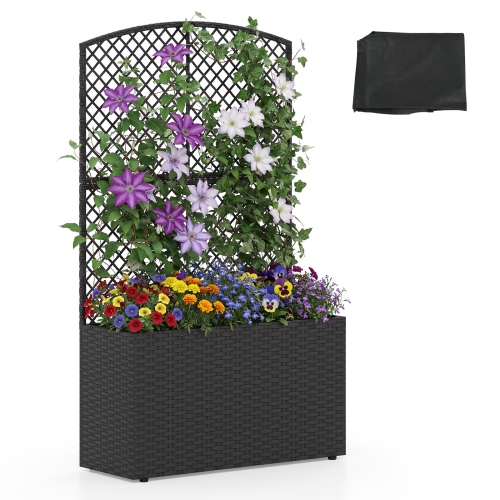
Garden screens are a practical way to create privacy, define outdoor areas, and add visual interest without changing the entire layout of a yard, patio, balcony, or deck. They can soften the view of neighbouring homes, conceal bins and storage areas, shield a seating area from passing foot traffic, or give a garden a more finished appearance. A screen may be used as a freestanding divider between a dining set and a lounge chair, positioned along a fence line, or installed beside a hot tub, porch, entrance, or outdoor workspace. Decorative cut-outs, slatted patterns, and textured surfaces allow light and air to pass through while breaking up direct sightlines. This balance is especially useful in smaller spaces, where a solid wall can feel imposing. When choosing a garden screen, begin by measuring the intended area, including the available width, height, and clearance around doors, railings, planters, and walkways. Consider the direction of prevailing wind as well as the amount of sunlight the screen will receive. A tall, solid panel can provide stronger privacy but may catch more wind, while an open pattern or slatted design can offer a lighter look and allow some airflow. For inspiration across different rooms and outdoor settings, explore Decorative Screens to compare styles that can complement modern, traditional, rustic, or minimalist spaces.
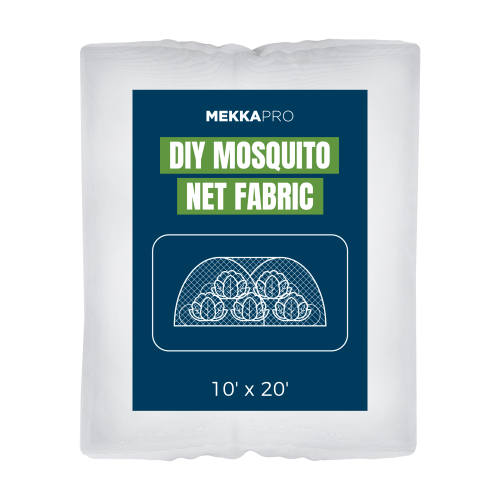
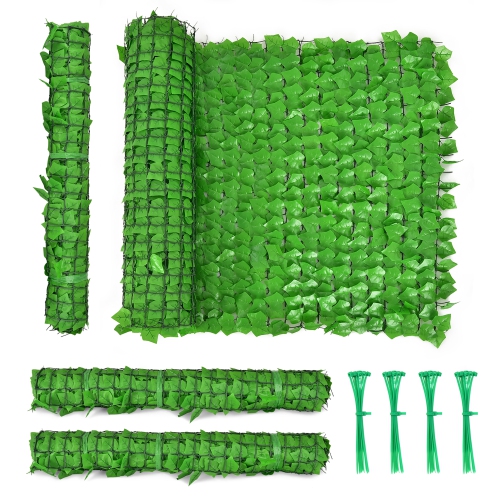
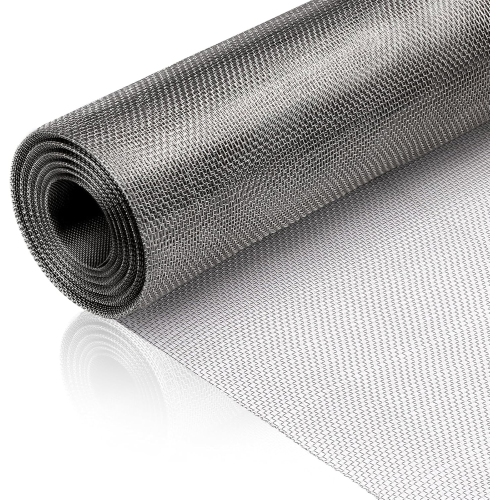
Material selection has a direct effect on appearance, weight, installation, and upkeep. Metal garden screens are often chosen for their crisp lines, decorative laser-cut patterns, and sturdy feel. They work well as architectural accents and can remain attractive with occasional cleaning using mild soap and water. Look for finishes intended for outdoor use, sealed edges, and construction that feels rigid rather than flexible. Wood screens bring natural warmth to a deck or garden and pair easily with planters, stone, brick, and outdoor furniture. Cedar and other outdoor-rated woods may develop a softer, weathered appearance over time, while staining or sealing can help maintain a more consistent colour and protect the surface from moisture. Natural wood typically needs more regular attention than metal or composite materials, particularly when exposed to rain, snow, and repeated temperature changes. Composite screens and fabric-style rolls can be useful when fast coverage, lighter handling, or flexible sizing is important. They may be attached to an existing fence, balcony railing, or support structure, although the mounting method should suit the screen’s weight and the surface beneath it. Before buying, check whether posts, brackets, hardware, bases, or mounting accessories are included. A freestanding screen may use a weighted planter base, deck block, or another stabilizing support, making it suitable for renters or temporary layouts. In-ground designs provide a more permanent solution and generally require careful post placement, appropriate footing depth, and concrete or other suitable anchoring material. Local building requirements, condominium rules, landlord policies, and utility locations should be reviewed before permanent installation.
Garden screens are useful throughout the changing seasons because they can make an outdoor space feel more comfortable even when it is used less often. During the cooler months, a screen can help define a sheltered corner for placing outdoor furniture, firewood storage, potted plants, or seasonal decorations, while also hiding areas that are less tidy after summer use. In early fall, it can frame a dining area for crisp evenings and create a more intimate backdrop for gatherings. As the weather becomes colder, removable or freestanding designs are convenient because they can be repositioned, stored, or brought closer to the house when needed. Permanent materials should be checked after periods of heavy rain, strong wind, freezing temperatures, or snowfall; tighten accessible fasteners, remove standing water, and clear leaves or debris from the base. A screen can also be a thoughtful housewarming gift for someone settling into a townhouse, condo, or new home, especially when it helps make a balcony or compact yard feel more private. It may appeal to anyone who enjoys outdoor entertaining, gardening, reading in a sheltered nook, or arranging a patio with distinct zones. For a polished result, coordinate the screen’s finish with nearby railings, lighting, planters, and furniture rather than treating it as an isolated feature. Dark metal can highlight pale walls and greenery, warm wood can echo a deck or fence, and a patterned panel can serve as a focal point behind a bench or seating area. With the right size, material, and support, a garden screen can provide useful privacy while giving an outdoor space the character and structure it may be missing.
Material selection has a direct effect on appearance, weight, installation, and upkeep. Metal garden screens are often chosen for their crisp lines, decorative laser-cut patterns, and sturdy feel. They work well as architectural accents and can remain attractive with occasional cleaning using mild soap and water. Look for finishes intended for outdoor use, sealed edges, and construction that feels rigid rather than flexible. Wood screens bring natural warmth to a deck or garden and pair easily with planters, stone, brick, and outdoor furniture. Cedar and other outdoor-rated woods may develop a softer, weathered appearance over time, while staining or sealing can help maintain a more consistent colour and protect the surface from moisture. Natural wood typically needs more regular attention than metal or composite materials, particularly when exposed to rain, snow, and repeated temperature changes. Composite screens and fabric-style rolls can be useful when fast coverage, lighter handling, or flexible sizing is important. They may be attached to an existing fence, balcony railing, or support structure, although the mounting method should suit the screen’s weight and the surface beneath it. Before buying, check whether posts, brackets, hardware, bases, or mounting accessories are included. A freestanding screen may use a weighted planter base, deck block, or another stabilizing support, making it suitable for renters or temporary layouts. In-ground designs provide a more permanent solution and generally require careful post placement, appropriate footing depth, and concrete or other suitable anchoring material. Local building requirements, condominium rules, landlord policies, and utility locations should be reviewed before permanent installation.
Garden screens are useful throughout the changing seasons because they can make an outdoor space feel more comfortable even when it is used less often. During the cooler months, a screen can help define a sheltered corner for placing outdoor furniture, firewood storage, potted plants, or seasonal decorations, while also hiding areas that are less tidy after summer use. In early fall, it can frame a dining area for crisp evenings and create a more intimate backdrop for gatherings. As the weather becomes colder, removable or freestanding designs are convenient because they can be repositioned, stored, or brought closer to the house when needed. Permanent materials should be checked after periods of heavy rain, strong wind, freezing temperatures, or snowfall; tighten accessible fasteners, remove standing water, and clear leaves or debris from the base. A screen can also be a thoughtful housewarming gift for someone settling into a townhouse, condo, or new home, especially when it helps make a balcony or compact yard feel more private. It may appeal to anyone who enjoys outdoor entertaining, gardening, reading in a sheltered nook, or arranging a patio with distinct zones. For a polished result, coordinate the screen’s finish with nearby railings, lighting, planters, and furniture rather than treating it as an isolated feature. Dark metal can highlight pale walls and greenery, warm wood can echo a deck or fence, and a patterned panel can serve as a focal point behind a bench or seating area. With the right size, material, and support, a garden screen can provide useful privacy while giving an outdoor space the character and structure it may be missing.
Top selling and popular products
-
 Your price for this item is $447.99
 -
 Your price for this item is $125.99
 -
 Your price for this item is $26.99
 -
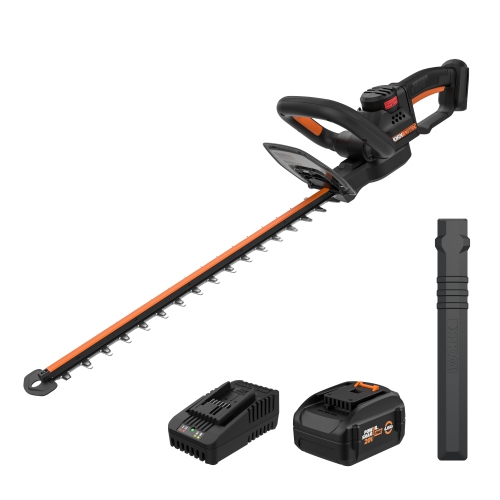 Your price for this item is $249.99
 -
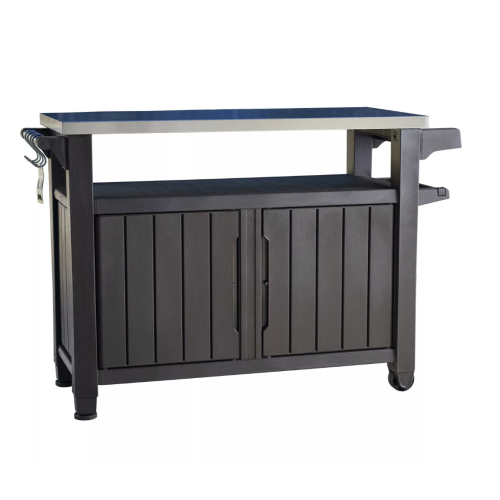 Your price for this item is $594.99
 -
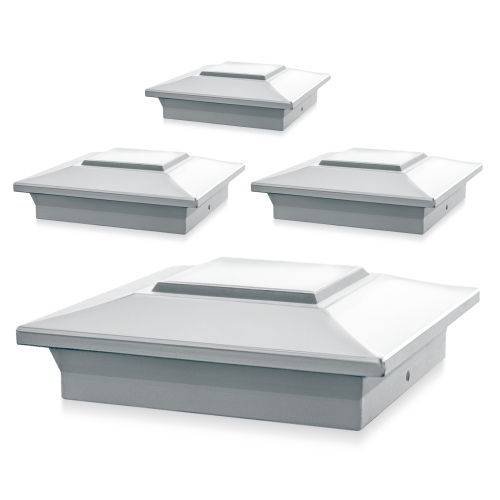 Your price for this item is $103.99
 -
 Your price for this item is $53.15
 -
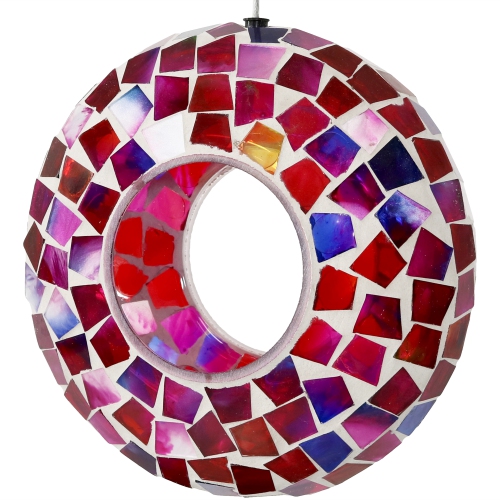 Your price for this item is $45.35
Discover more categories related to Garden Screens
Top Collections:
Best Laptops for Video Editing, Pokemon Centers, Samsung Z Fold, Kindle Devices, Best Cell Phones Under $300, Best Laptops for Writers, Best Budget Office Chairs, Best Cell Phones Under $500, Best Laptop Computers for Students, iPhone 15 Apple
Some products may be subject to Environmental Handling Fees
(EHF) depending on your province.
Learn more about EHFs.