Geometric Chandeliers
Illuminate your space with modern elegance by exploring our collection of geometric chandeliers. These stunning fixtures combine sleek lines and contemporary design to create a captivating focal point in any room. Whether you're looking to add a touch of sophistication to your dining area, living room, or entryway, these geometric chandeliers offer both style and functionality. From intricate metal frames to minimalist geometric shapes, find the perfect lighting solution to elevate your home decor and create a luxurious ambiance.
Sort


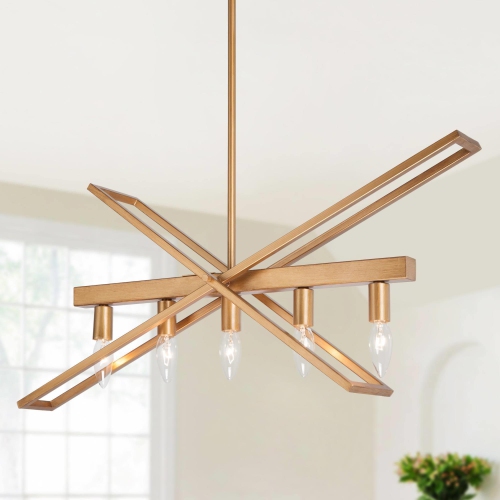

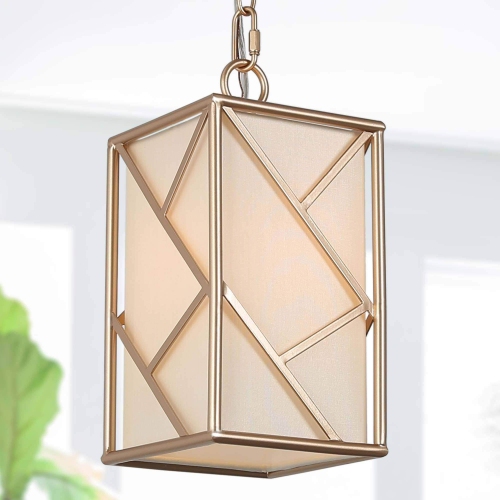


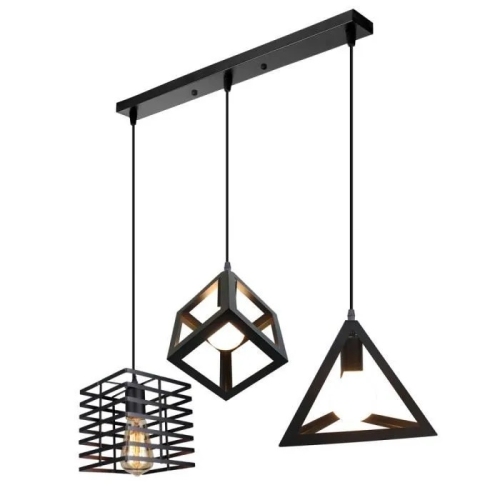
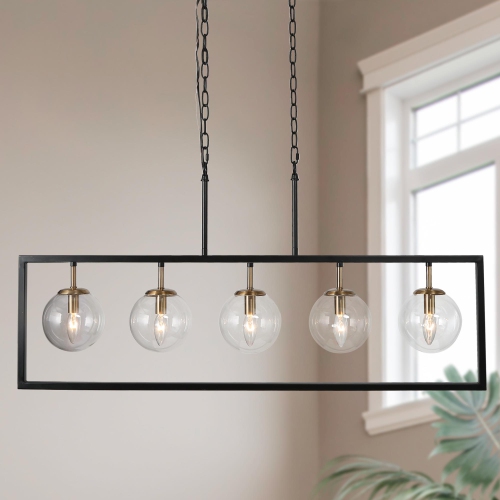


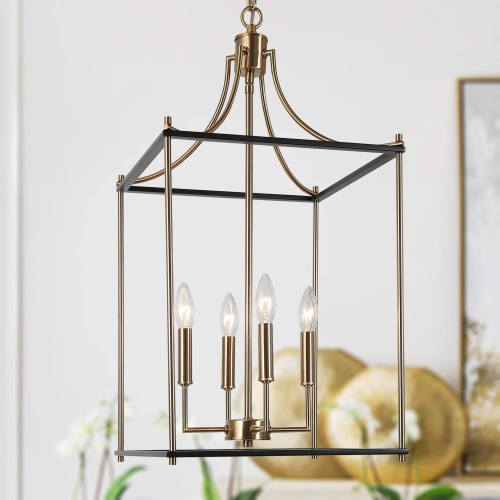


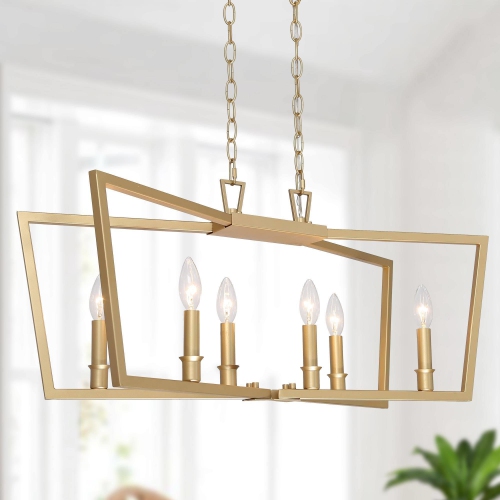
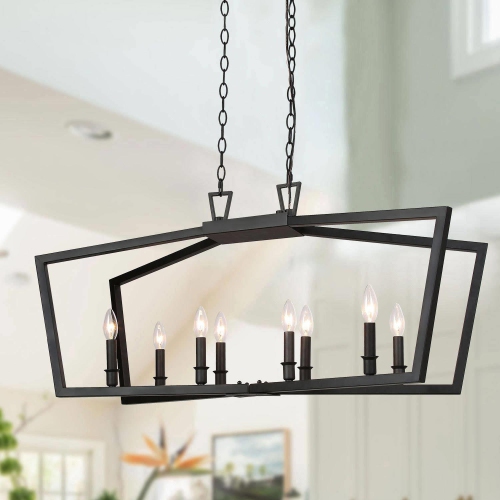
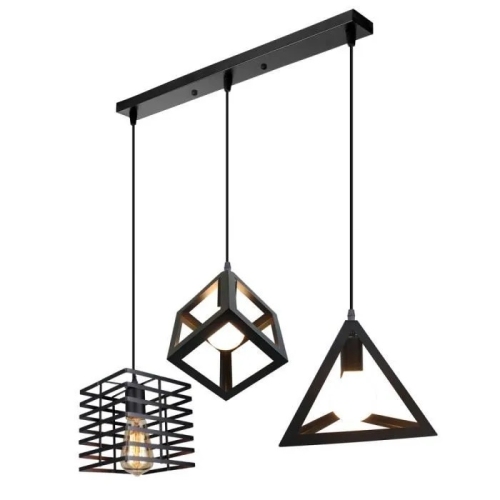

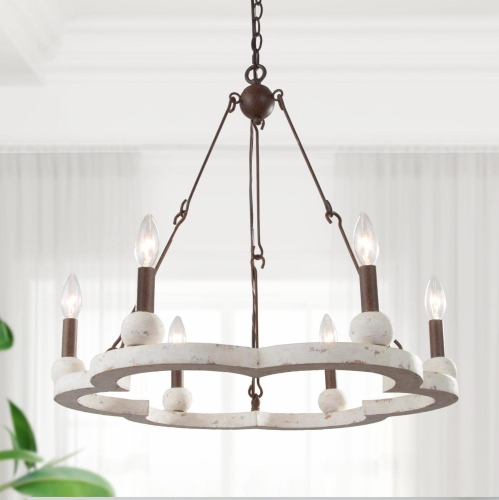
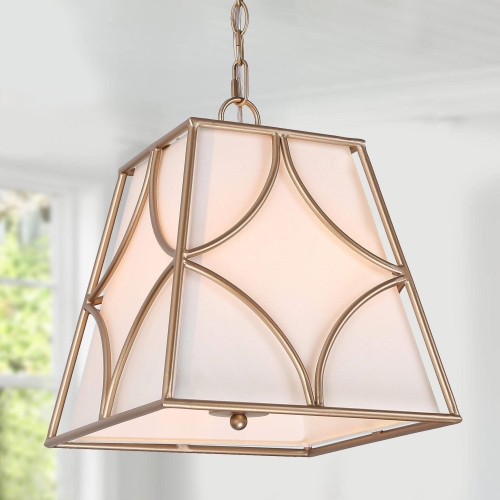


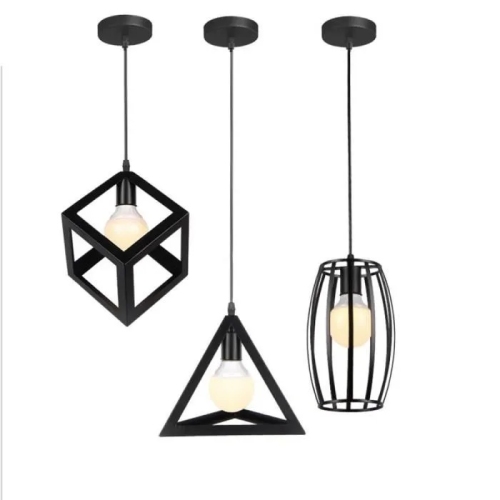
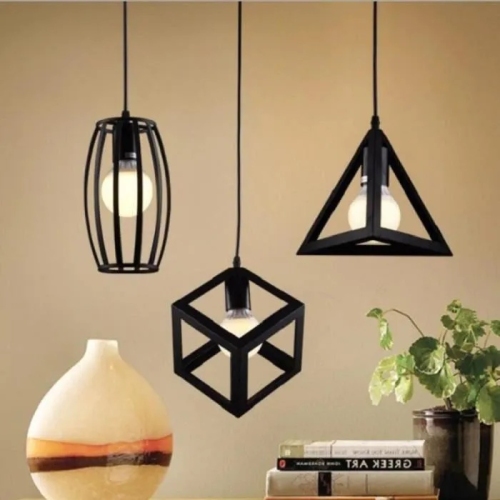
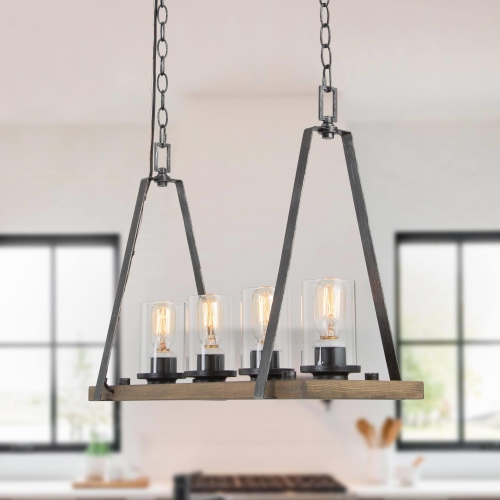
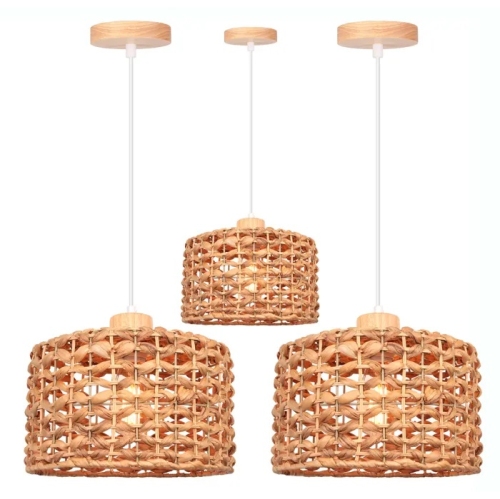

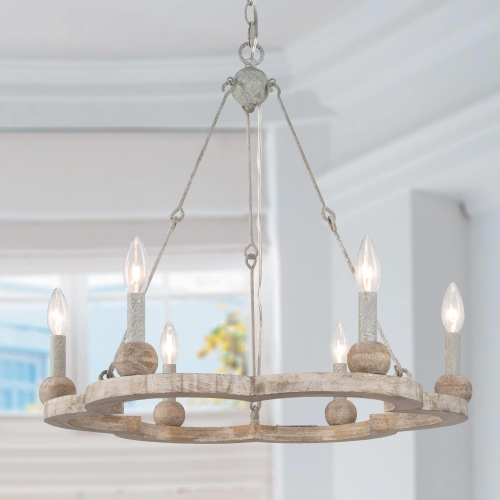


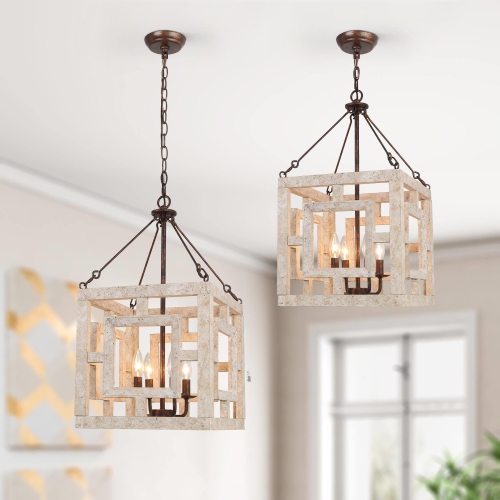
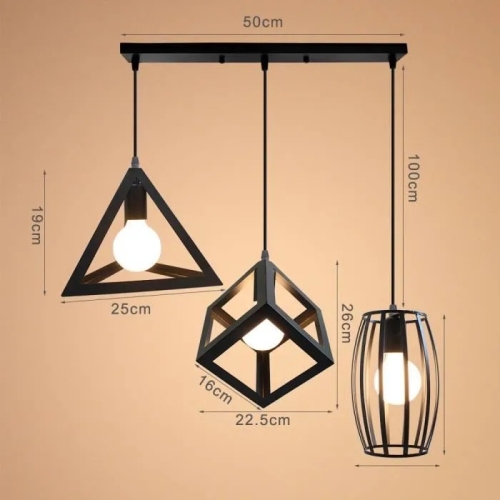
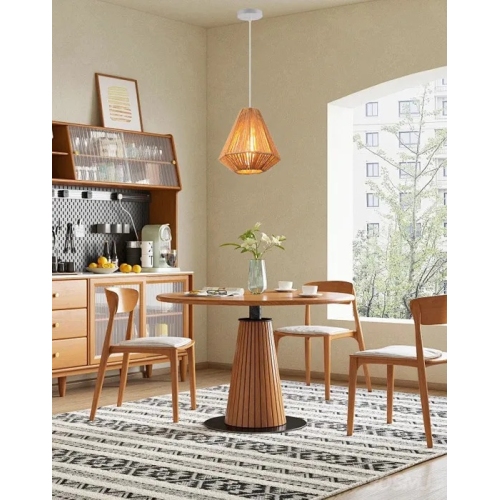
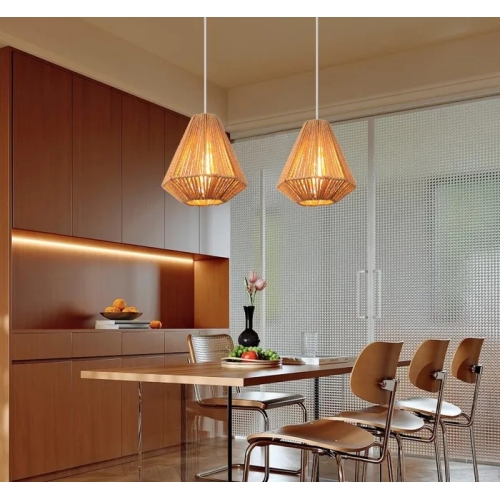
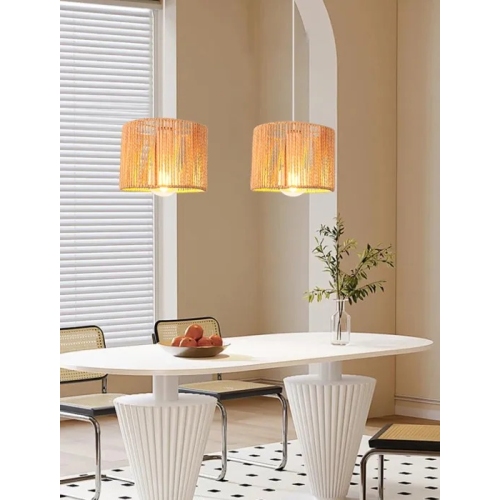
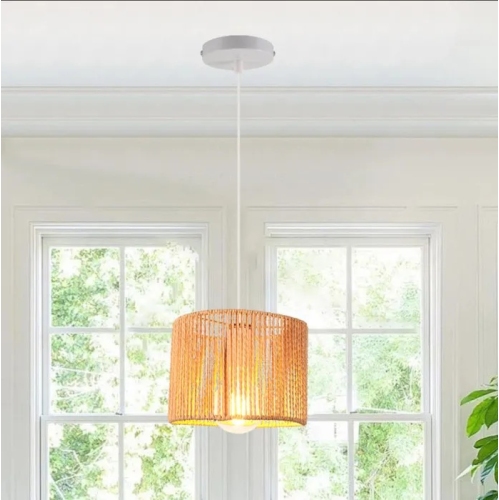
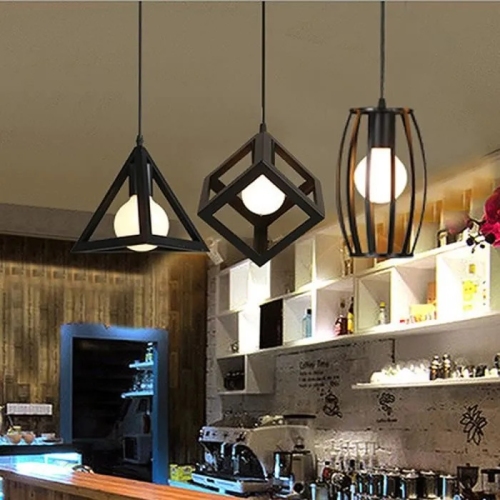

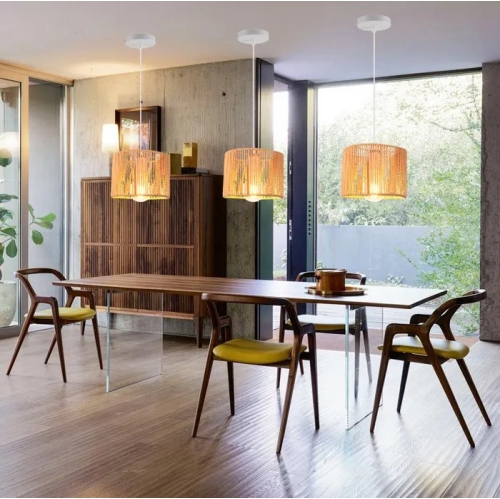
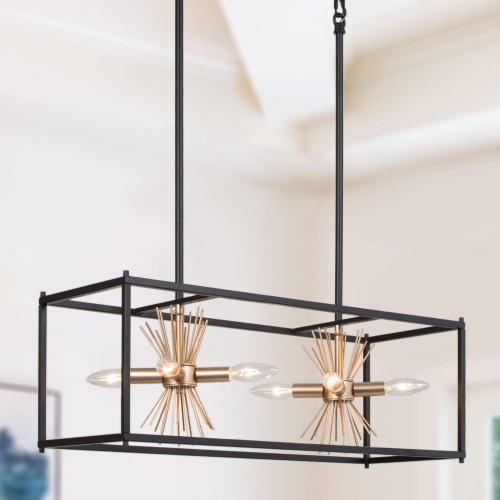

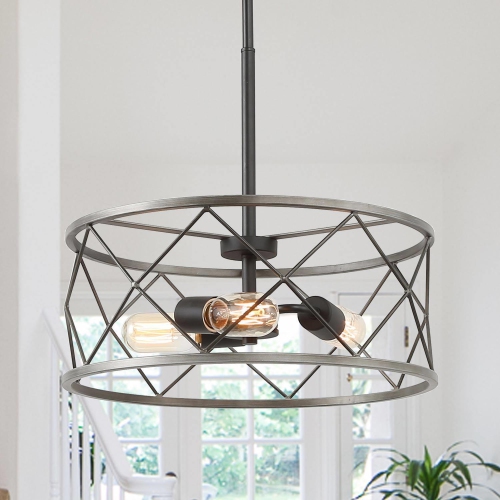


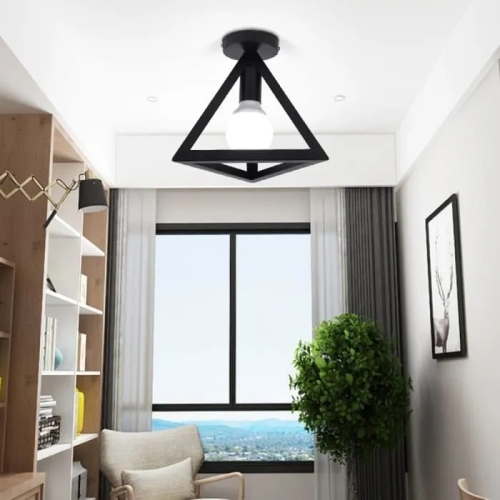


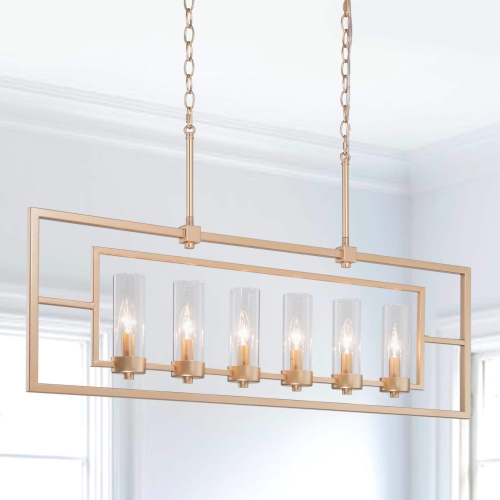
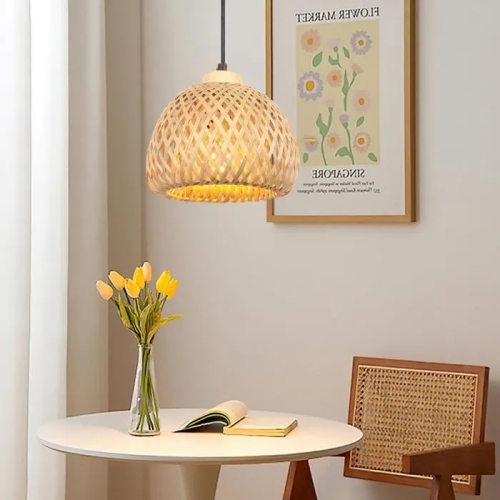


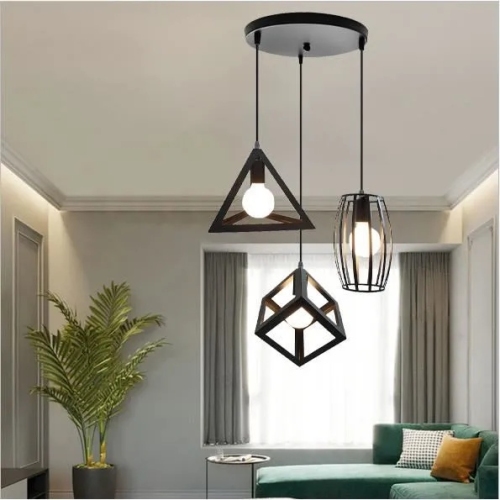
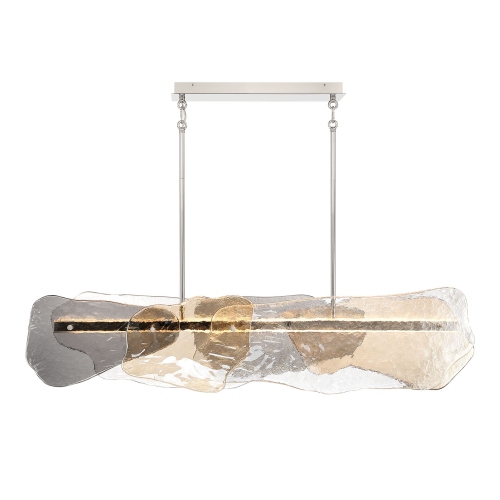


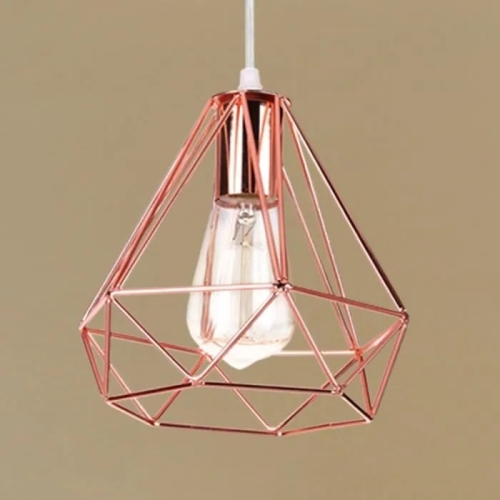








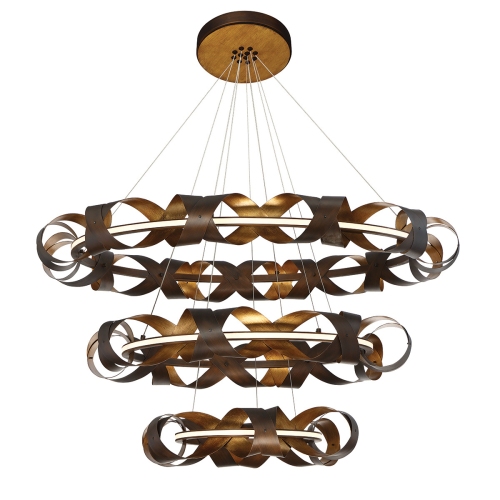


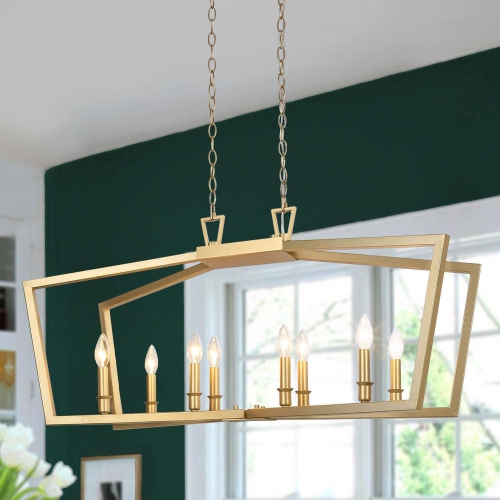


When the lighting frame becomes the focal point
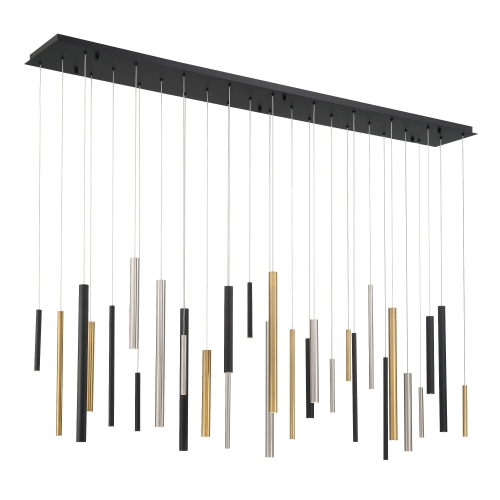
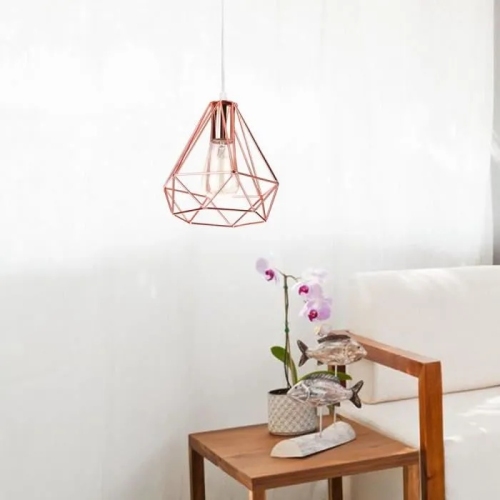
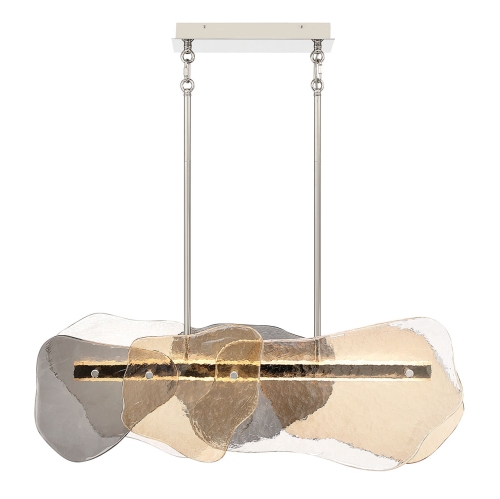
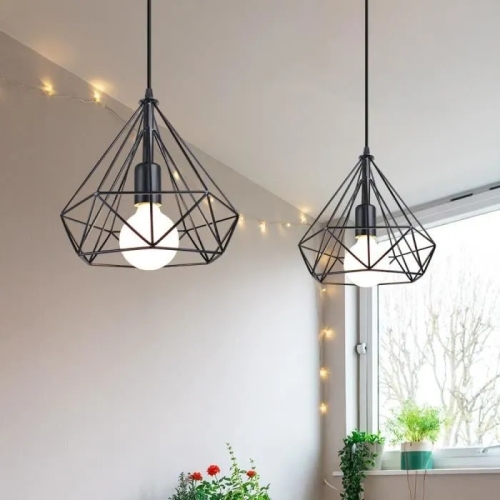
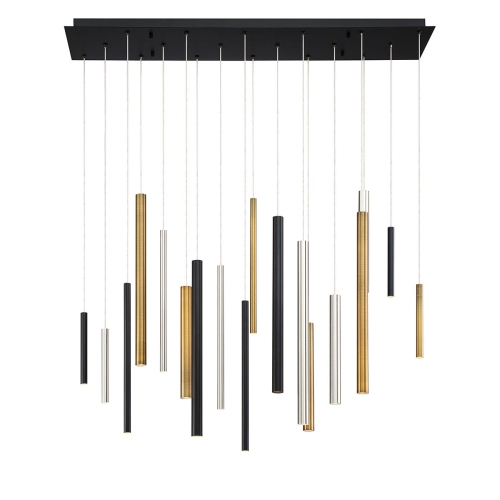
Geometric chandeliers bring sculptural shape to overhead lighting through open cubes, intersecting triangles, hexagonal frames, rings, and other defined forms. Unlike traditional chandeliers built around curved arms and hanging crystals, these designs often make the frame itself the focal point. Some surround exposed bulbs with a single angular cage; others layer several outlines to create depth or arrange illuminated bars in an offset composition. The effect can be spare and architectural or bold enough to anchor an entire room, depending on the size, finish, and complexity of the structure. Open-frame geometric chandeliers work particularly well where a light fixture needs visual presence without completely interrupting sightlines, such as above a dining table facing a living area. Nested cages give a simple silhouette more dimension, while branching, starburst-style arrangements spread light sources outward for a broader sculptural effect. Materials play a large part in how these shapes feel within a space. Steel frames can give crisp edges and substantial structure, while aluminum is often used for slim profiles and integrated LED designs. Wood accents soften sharp angles and pair naturally with upholstered dining chairs, textured rugs, and cabinetry with a visible grain. Glass shades can introduce either clear reflections or a softer glow, depending on their transparency and surface treatment. Stone elements, including alabaster, bring subtle variation in colour and pattern, with the appearance changing as light passes through them. Matte black outlines stand out against pale walls; brushed brass and gold-toned finishes add warmth; chrome and polished finishes catch reflections from nearby windows and lamps. Matching every metal finish in a room is not essential. Repeating one finish in cabinet handles, chair legs, or a mirror frame can be enough to make a geometric chandelier feel connected to its surroundings. For a restrained room, a simple shape often adds more character than a heavily detailed fixture, while a larger, layered design can hold its own alongside substantial furniture.
Scale and placement determine whether a geometric chandelier feels balanced or crowded. Overall width matters, but so do height, the spacing between its light sources, and the amount of empty space within its frame. A broad open cage can appear lighter than a smaller fixture with solid panels, although both still need adequate clearance. Above a dining table, the chandelier should relate to the tabletop rather than fill the room from wall to wall. A common starting point is a fixture roughly one-half to two-thirds the table’s width, with its lowest point about 30 to 36 inches above the tabletop beneath an 8-foot ceiling. Those measurements are starting points, not universal installation requirements: ceiling height, the fixture’s shape, sightlines, and manufacturer instructions can call for adjustments. A tall angular cage may need different placement from a shallow arrangement of illuminated bars. For long rectangular tables and kitchen islands, Linear Chandeliers offer an elongated format that can complement the same architectural look while distributing light along the surface. Square or rounded geometric forms often suit round tables, compact dining areas, and seating groups. In an entryway or over a walking route, overhead clearance takes priority over a dramatic low-hanging position. Adjustable chains, cables, or downrods can help suit the installation to the room, but their adjustment ranges and compatibility with sloped ceilings vary. Light quality deserves equal attention. Exposed clear bulbs emphasize the frame and create lively reflections, though they can also cause glare when positioned close to eye level. Frosted bulbs, opal glass, and diffusers soften the view of the light source. Warm white light around 2700K to 3000K often suits dining and living spaces, while the total lumen output helps indicate whether the chandelier can provide useful general illumination. Geometric frames may cast distinct patterns across walls and ceilings, especially when paired with small, bright bulbs. Dimming can make a dining area more flexible, provided the bulbs or integrated LED components and the dimmer are compatible. Nearby task lighting remains useful for food preparation, reading, or other activities that need more focused illumination.
Everyday practicality is especially important with a fixture that sits above furniture or hangs beyond easy reach. Replaceable-bulb chandeliers allow compatible bulbs to be changed as lighting preferences evolve, subject to the socket type, bulb dimensions, and maximum wattage specified by the manufacturer. Integrated LED chandeliers can achieve thinner lines and continuous bands of light, but it is worth checking whether their light modules and drivers are serviceable and what maintenance involves. A design with several nested frames may look beautifully intricate from below yet require more time to dust than a simple open rectangle. Smooth metal surfaces are generally straightforward to wipe with a soft, dry cloth; glass, wood, and stone may require different care methods, so the finish-specific instructions matter. Switch the light off and let it cool before cleaning, and avoid abrasive pads or harsh cleaners that could scratch coatings, cloud glass, or damage protective finishes. Spraying cleaner directly onto a fixture can allow moisture to reach electrical components; following the manufacturer’s cleaning method is the safer approach. Durability depends on more than the main material. Secure joints, appropriate suspension hardware, and a finish suited to the location all contribute to long-term performance. Kitchens can expose fixtures to airborne grease, while a bathroom installation requires a suitable location rating and compliance with applicable electrical requirements. A decorative open frame alone does not indicate suitability for a damp location. Hardwired installation is best handled by a qualified electrician, particularly when the fixture is heavy, the ceiling is sloped, or existing wiring needs attention. The ceiling electrical box and support must be rated for the chandelier’s weight. Geometric chandeliers suit homeowners furnishing a dining room, refreshing an entryway, or giving an open-plan living space a stronger visual centre. They can also appeal to people who enjoy architectural interiors but want more personality than a recessed-lighting layout provides. As a housewarming or renovation gift, a chandelier is best chosen with the recipient, since ceiling conditions, room proportions, and preferred light quality are as personal as the finish. The most satisfying choice combines a shape that feels right in the room with comfortable illumination and manageable care.
Top selling and popular products
-
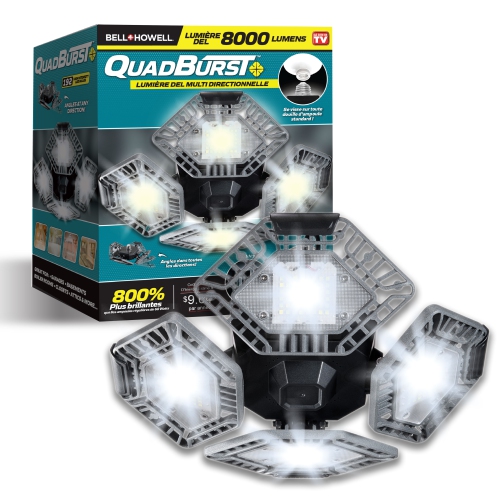 Your price for this item is $49.95
-
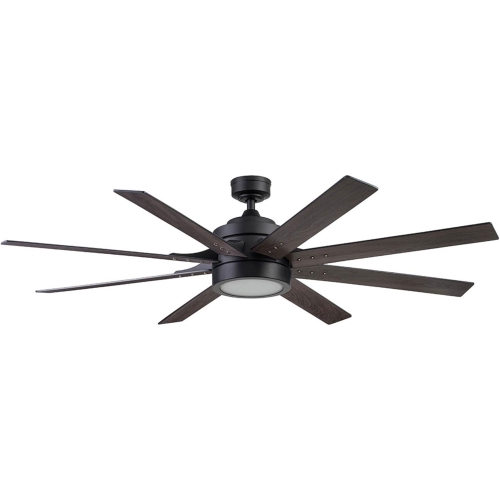 Your price for this item is $385.99
-
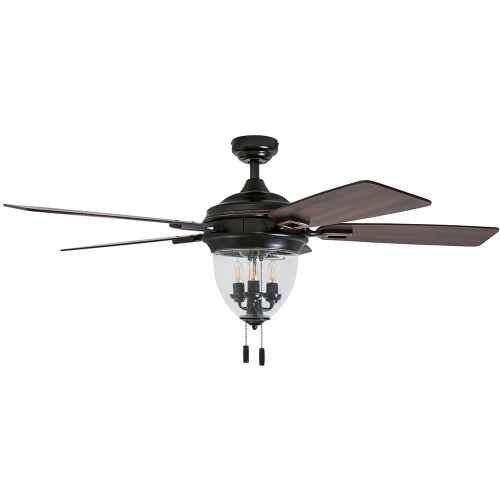 Your price for this item is $287.99
-
 Your price for this item is $187.99
-
 Your price for this item is $174.99
-
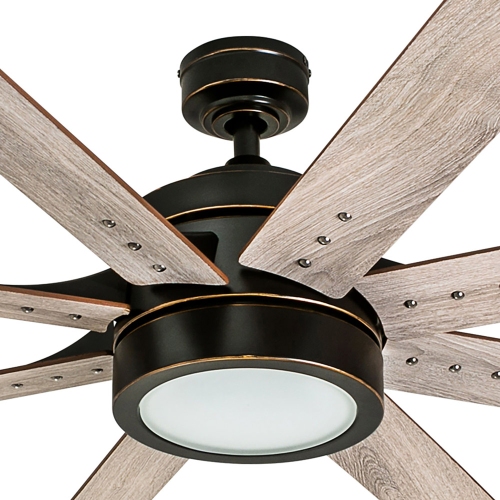 Your price for this item is $427.99
-
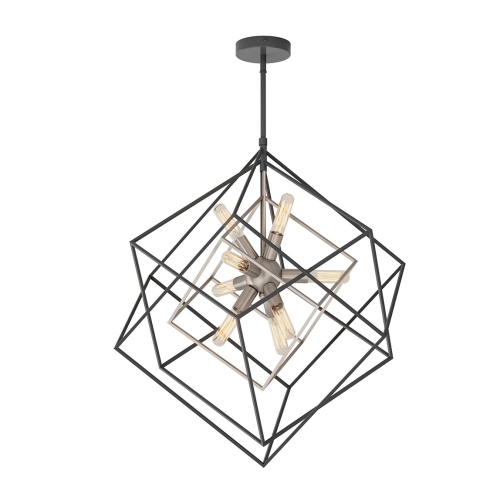 Your price for this item is $299
-
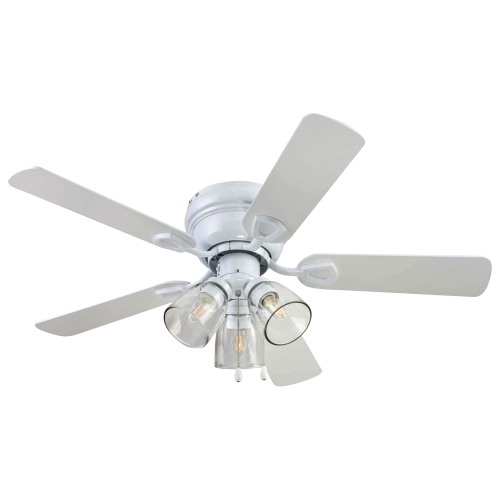 Your price for this item is $166.99
Discover more categories related to Geometric Chandeliers

Top Collections:
Pokemon Centers, Best Cameras for Sports Photography, Kindle Devices, Samsung Galaxy Phones, Canon G7X Cameras, Pokémon 30th Celebration Cards, Refurbished Apple Laptops, iPhone 15 Apple, Laptops for Students, Budget Smartphones
Some products may be subject to Environmental Handling Fees
(EHF) depending on your province.
Learn more about EHFs.