Geometric Wallpaper
Enhance the visual appeal of your living space with our geometric wallpapers. Create a statement wall or revamp an entire room with these eye-catching designs that are sure to impress. With their timeless appeal and versatility, our geometric wallpapers are the perfect choice to add a touch of contemporary elegance to your home decor.
Sort
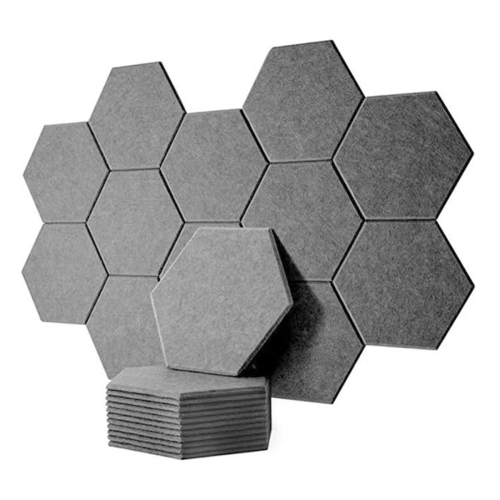
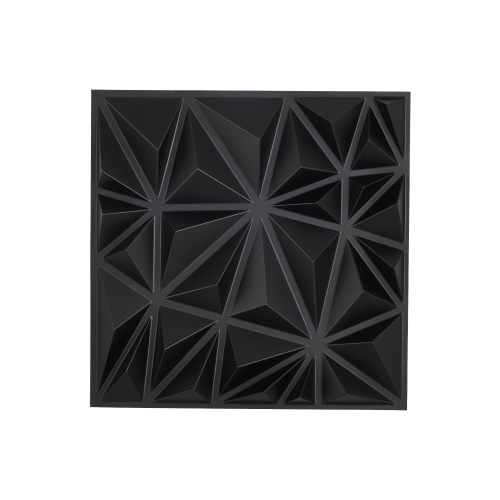
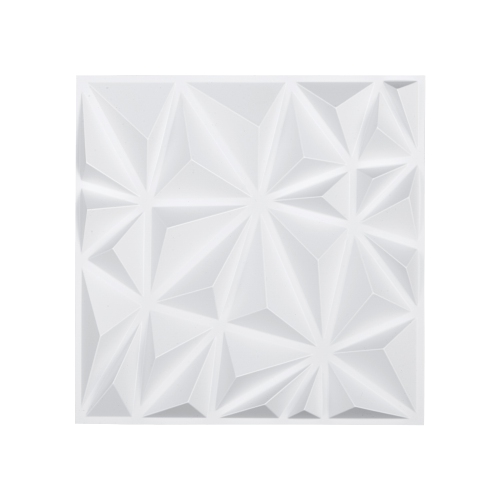
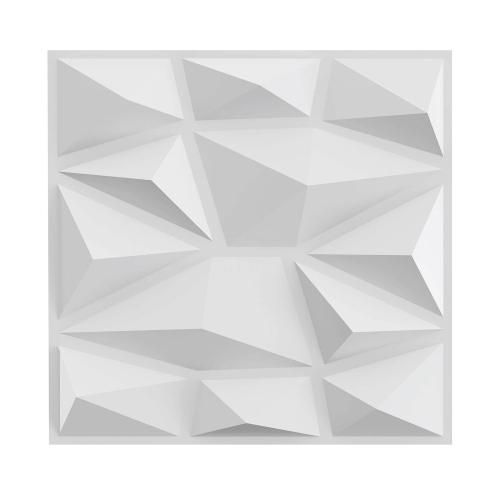

How pattern scale and contrast shape your room
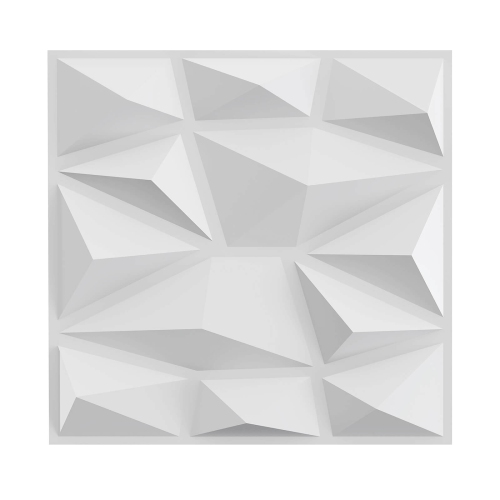
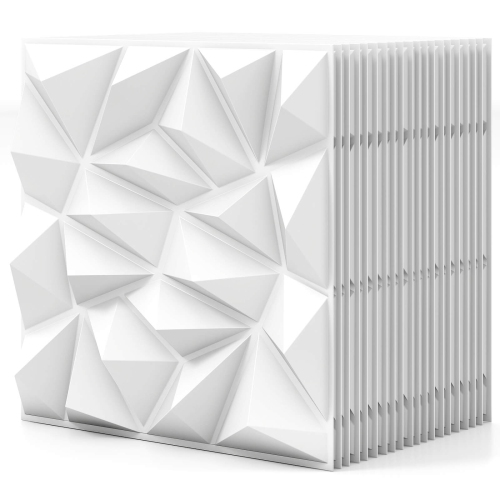
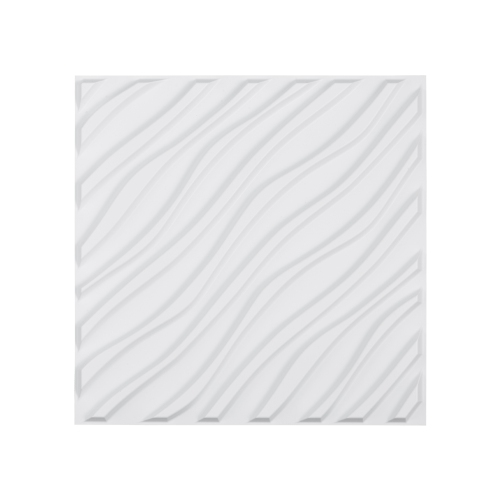
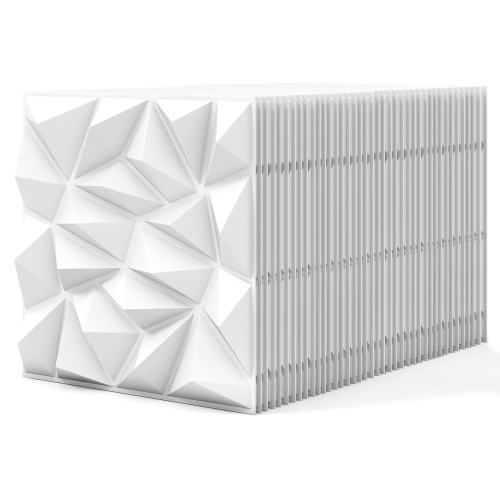
Geometric wallpaper brings structure, movement, and personality to a room through repeating shapes rather than scenic illustrations or floral motifs. Its appeal can be as understated as a fine diamond grid on a cream background or as expressive as oversized circles, interlocking hexagons, and angular blocks of colour. That range makes it a natural fit for many interiors, from a compact condo with clean-lined furniture to a family home with an eclectic mix of wood, textiles, and artwork. Small-scale patterns often create a textured impression from across the room, while larger repeats make individual shapes part of the room’s architecture. A charcoal lattice behind a pale upholstered bed can give the headboard a distinct frame; a soft arch pattern beside a reading chair can lend definition to a corner without adding another piece of furniture. Colour contrast matters just as much as the shapes themselves. Closely related shades tend to feel quieter, while a sharp contrast between light and dark makes the pattern more prominent. Vertical arrangements can draw attention towards the ceiling, and horizontal bands can emphasize the width of a wall, although the effect depends on the room’s proportions and furnishings. Geometric designs also span different decorative styles. Repeating fans and stepped shapes can suggest an Art Deco influence, loose hand-drawn lines soften a precise layout, and orderly grids suit streamlined spaces. In a dining area, a pattern can provide a backdrop for a sideboard and pendant light; in a home office, it can distinguish the workspace from the rest of an open-plan room. The amount of exposed wall helps determine how a design will read. A large motif may lose its impact behind tall bookcases, whereas a smaller repeat can remain visible between shelves, doorways, and framed prints. Wallpaper used on every wall creates a more enveloping look, while a single feature wall gives the pattern a defined role alongside painted surfaces.
Materials and application methods affect how geometric wallpaper looks, feels, and performs in everyday use. Traditional paper wallpaper can offer a smooth printed finish, but its cleaning limits and installation requirements vary. Non-woven wallcoverings commonly combine fibres for dimensional stability, and many use a paste-the-wall application method; the instructions for the particular wallcovering remain important. Vinyl and vinyl-coated finishes may offer greater resistance to surface marks and moisture than uncoated paper, though a wipeable finish does not make a wallcovering waterproof or suitable for direct contact with shower spray. Peel-and-stick wallpaper has a self-adhesive backing and can appeal to people decorating a smaller area or seeking an option that may be easier to remove later. Removability still depends on the adhesive, paint condition, surface preparation, and time in place, so it should not be treated as a guarantee against paint damage. For renters, permission to alter a wall and a discreet adhesion test are practical considerations before installation. Smooth, sound, clean walls generally give geometric patterns the most consistent appearance. Texture, flaking paint, and uneven patches can affect adhesion or show through thinner materials, while fresh paint needs the curing time specified by the paint and wallpaper manufacturers. Fit involves more than matching a roll’s dimensions to a wall. A pattern repeat determines how adjacent strips line up, and a straight match, offset match, or drop match can change the amount of material needed. Doors and windows reduce the area being covered but do not necessarily reduce the number of full lengths required by the same amount. Precise patterns also make alignment particularly noticeable: a tilted grid or interrupted chevron can draw the eye even when the colour is subtle. Establishing a true vertical starting line matters because corners and ceilings are not always square. Where batch information is supplied, matching production batches helps limit shade variation across adjoining strips. Samples, when used, can show how the print scale, surface texture, and finish look beside flooring, cabinetry, and upholstery under the room’s own lighting.
Day-to-day suitability depends on where the wallpaper will sit and how that space is used. In an entryway, walls may encounter coat sleeves, bags, and occasional scuffs; behind a desk, a chair back can repeatedly touch the same spot. A finish rated for the expected level of cleaning is more useful in these settings than a delicate surface chosen only for its appearance. Bedrooms and sitting areas may place fewer demands on wipeability, leaving more room for embossed textures, matte papers, or light-catching details. Metallic accents can bring depth to a geometric design, but they may also highlight uneven surfaces or look more pronounced under a nearby lamp. In kitchens and bathrooms, suitability depends on the manufacturer’s guidance, adequate ventilation, and distance from splashes or cooking residue. Wallpaper should not be assumed to serve as a protective backsplash. Care likewise varies by finish: some surfaces tolerate gentle wiping with a lightly damp cloth, while others are intended only for careful dusting. Excess water, abrasive pads, and strong cleaning products can damage inks, coatings, or seams. Following the stated care method and checking an inconspicuous area first helps preserve the appearance. For a cohesive room, the pattern does not need to be repeated on every surface. A wallpaper with angular navy lines might sit comfortably beside a plain sofa, a rounded coffee table, and a woven rug, allowing different forms and textures to balance one another. Geometric Pattern Decorative Pillows can echo a shape or accent colour without requiring an exact match; varying the scale keeps the wall and soft furnishings from competing. Artwork can work over patterned walls, too, particularly when a generous mount or a simple frame gives the image some visual separation. Whether the space belongs to a first-time homeowner, a renter personalizing an approved wall, or a family refreshing a shared room, geometric wallpaper offers a distinct decorative surface whose success rests on the relationship between pattern, material, placement, and everyday life.
Top selling and popular products
-
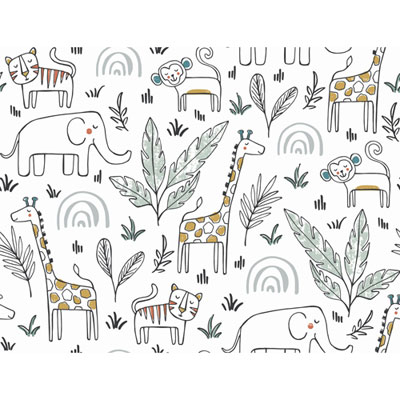 Your price for this item is $28.98
-
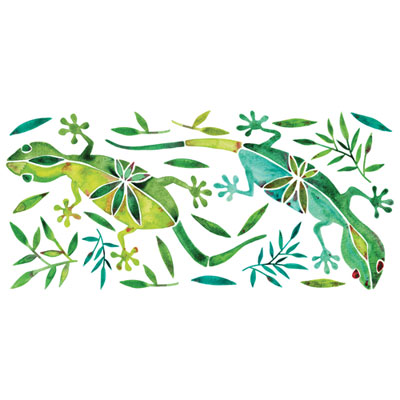 Your price for this item is $17.99
-
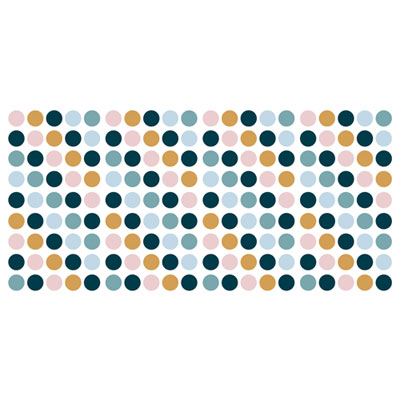 Your price for this item is $13.99
-
 Your price for this item is $13.99
-
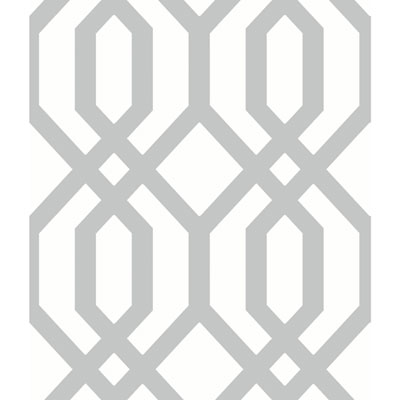 Your price for this item is $34.99
-
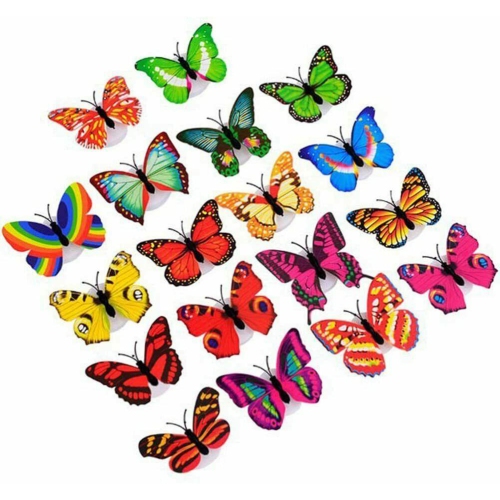 Your price for this item is $22
-
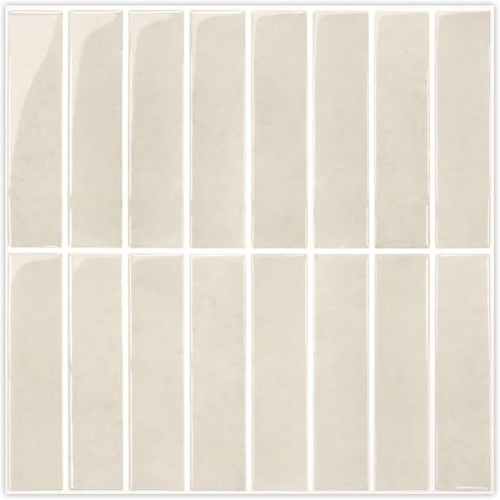 Your price for this item is $43.71
-
 Your price for this item is $269
Discover more categories related to Geometric Wallpaper

Top Collections:
Pokemon Centers, Best Cameras for Sports Photography, Kindle Devices, Samsung Galaxy Phones, Canon G7X Cameras, Pokémon 30th Celebration Cards, Refurbished Apple Laptops, iPhone 15 Apple, Laptops for Students, Budget Smartphones
Some products may be subject to Environmental Handling Fees
(EHF) depending on your province.
Learn more about EHFs.