Gingerbread Decorations
Transform your holiday season into a whimsical wonderland with an enchanting array of gingerbread decorations. Perfect for adding a touch of festive charm to any space, these delightful adornments capture the essence of the holidays with their intricate designs and warm, inviting hues. Whether you're sprucing up your home for a cozy family gathering or creating a magical atmosphere for guests, gingerbread decorations offer endless possibilities to express your creativity and holiday spirit. Embrace the joy of the season with these timeless treasures that bring smiles and a sense of nostalgia to all who behold them.
Sort


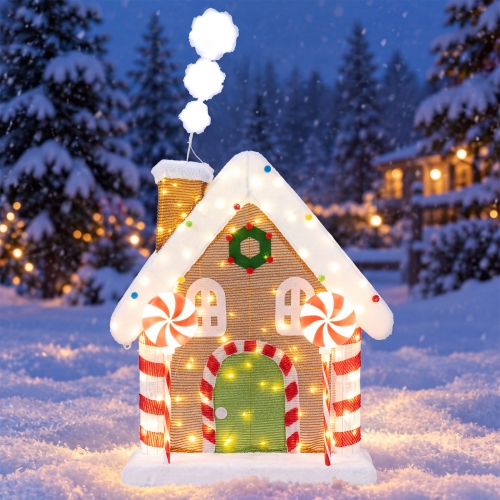

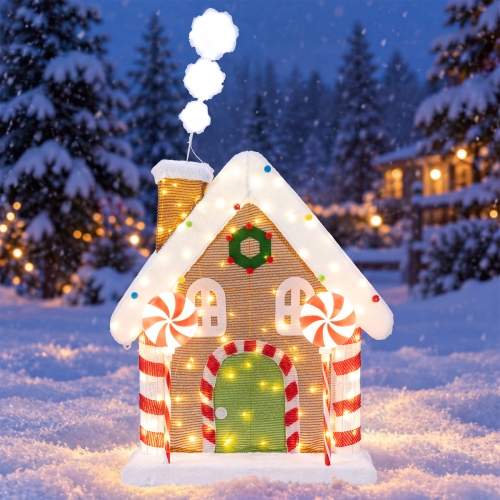

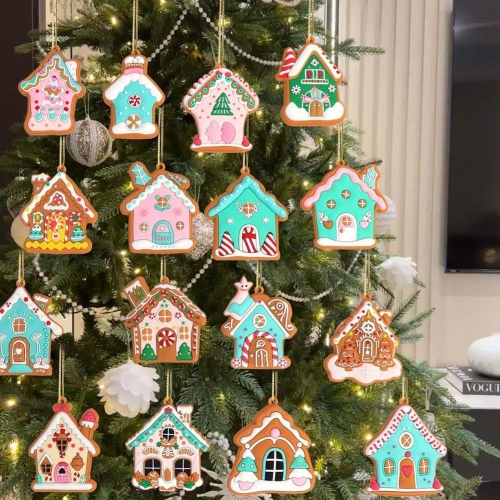
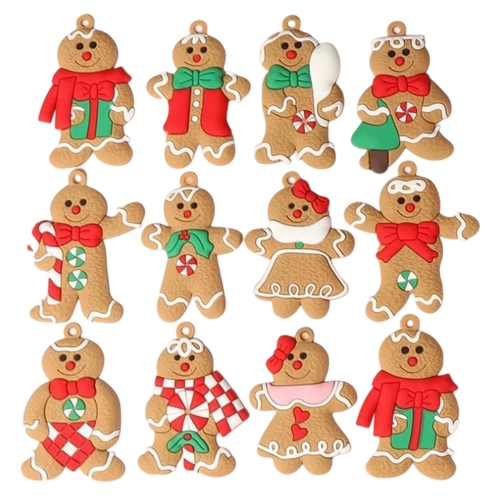



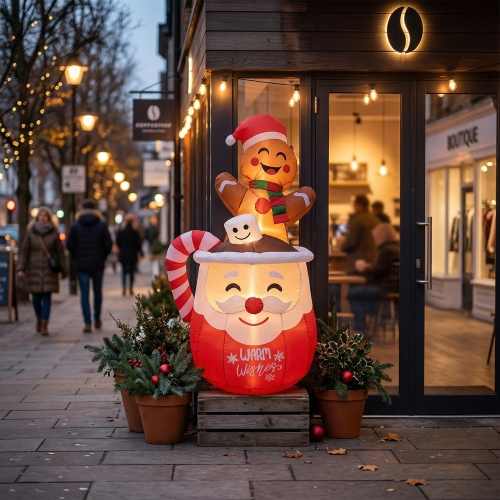
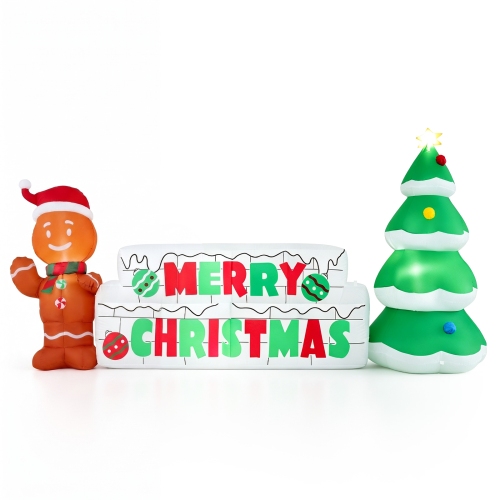
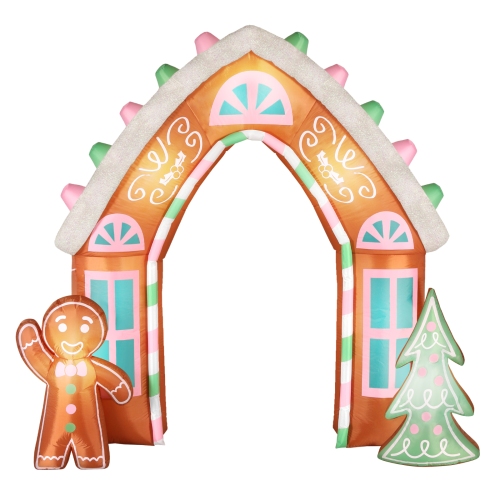

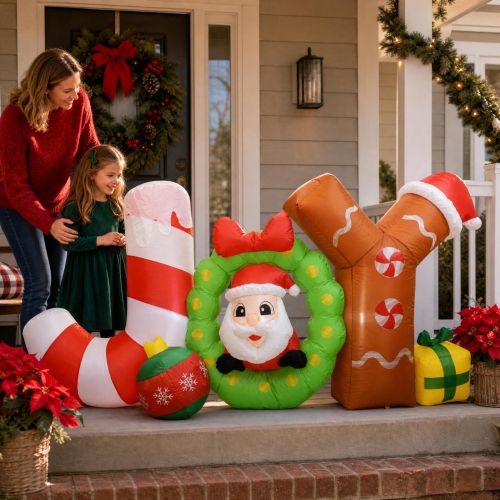

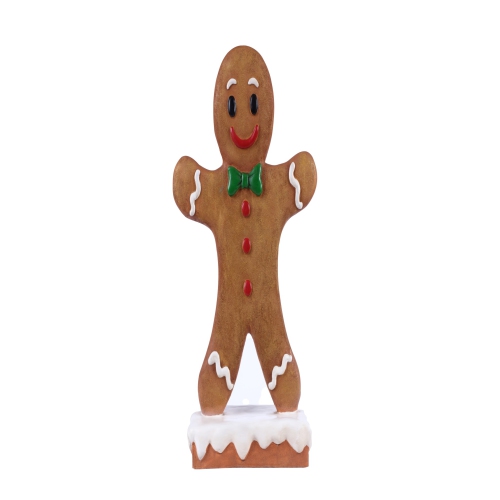
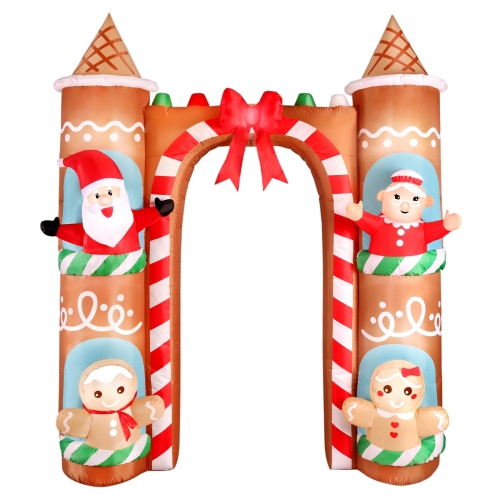
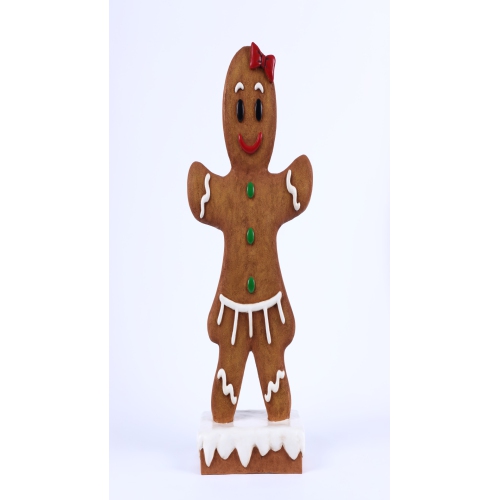
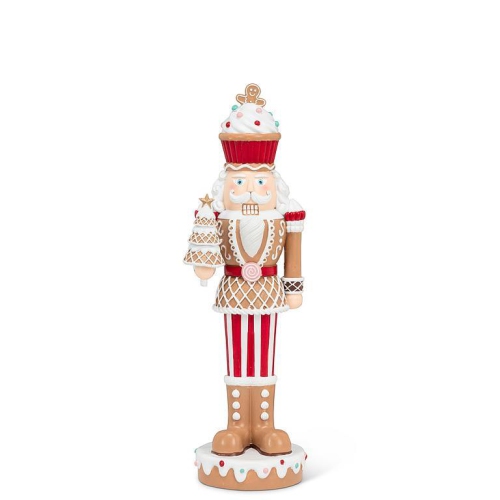
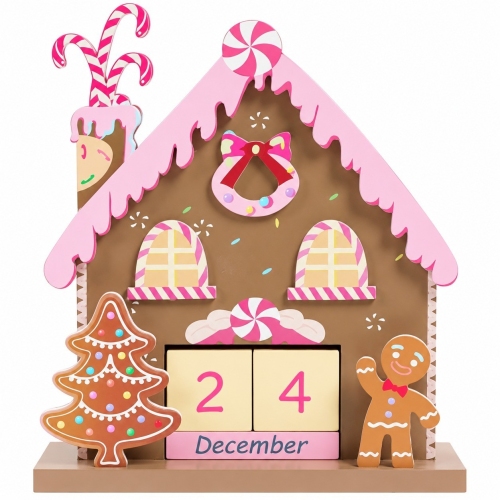
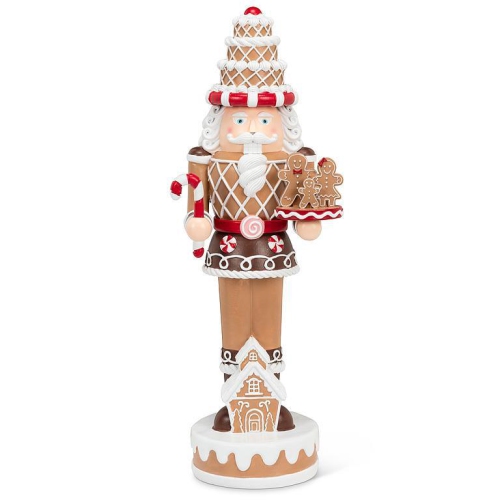
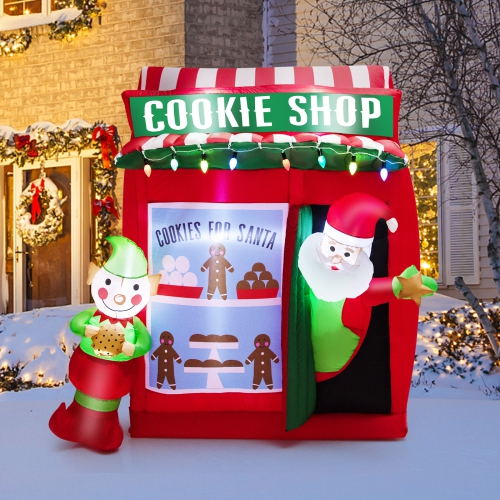
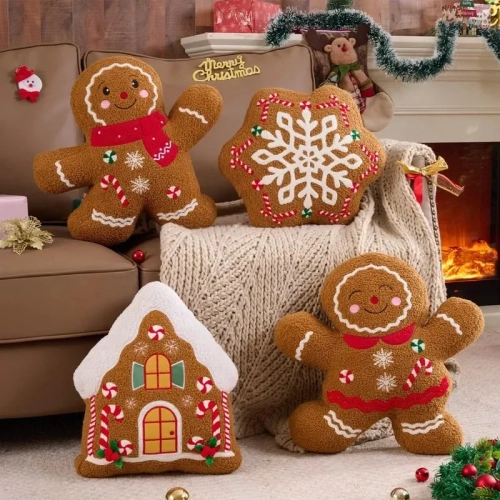
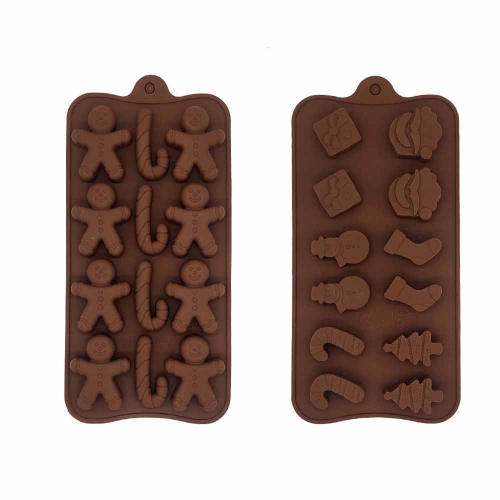
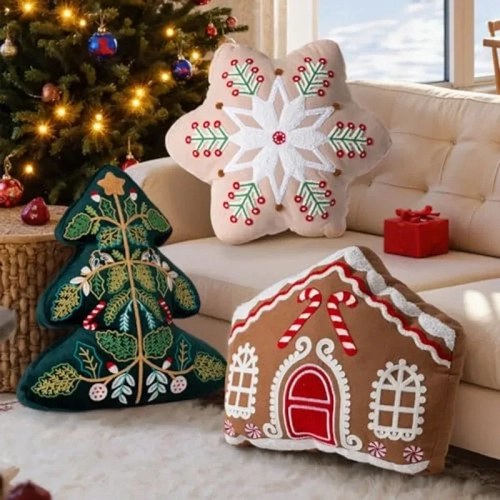
Cookie-inspired Christmas charm from tree branches to tabletops
Gingerbread decorations bring the familiar look of iced cookies and candy-trimmed houses to Christmas trees, mantels, shelves, and festive tables. Unlike edible gingerbread, these decorative pieces are intended for display, capturing details such as golden-brown walls, piped white trim, scalloped roofs, and colourful candy accents in materials made to last beyond a single celebration. The theme can feel playful or understated depending on the palette and finish. Warm brown and cream create a bakery-inspired look that pairs easily with wood furniture, white dishes, and simple greenery, while red, green, pink, or peppermint-striped accents give a display a more colourful character. A gingerbread house can serve as a focal point on a console, with smaller figures or hanging ornaments carrying the same details through the room. For a Christmas tree, repeating a few shapes and colours helps gingerbread ornaments sit comfortably alongside glass baubles, ribbon, or handmade keepsakes without making every branch look identical. In a compact home, a small grouping on an entryway shelf or sideboard can establish the theme without taking over useful surfaces. Larger rooms offer space for a village-style arrangement, but the effect depends more on proportion and spacing than on the number of pieces. Leaving gaps between houses makes their rooflines, windows, and icing details easier to appreciate. The style suits family celebrations, holiday entertaining, and homes where baking is part of the Christmas tradition, even when the display itself contains nothing edible. It can also make a thoughtful gift for someone who enjoys decorating a tree, arranging a festive mantel, or adding a cheerful detail to a kitchen shelf. Matching the recipient’s usual colours and available display space often matters more than choosing the most elaborate design. A restrained cream-and-brown finish may suit a simple interior, while brighter candy colours can work well in a room already filled with playful holiday accents. Gingerbread styling can also connect separate decorating areas: a similar icing pattern on a tree ornament and a tabletop house creates continuity without requiring a fully matching set.
Materials affect how gingerbread decorations look, feel, and hold up through repeated handling and storage. Ceramic can give houses and figures a substantial presence, with glazed finishes that catch the light, but it needs a stable surface and careful packing to protect corners and raised details. Resin allows for intricate textures, from biscuit-like surfaces to tiny icing swirls, although thin projections can still chip or snap if knocked. Wood offers a different character, particularly in flat ornaments and layered silhouettes where cut edges and painted details form part of the design. Felt and fabric create a softer look and can be lighter on tree branches, but they may collect dust or lose their shape if compressed. Plastic can also provide a lighter option, with durability depending on its thickness, construction, and finish. Whatever the material, look closely at attachment points, hanging loops, bases, and delicate trim rather than judging by the front view alone. Size deserves the same attention. A decoration that looks modest in a photograph may be too deep for a narrow mantel, while a small ornament can disappear among dense branches. Check overall height, width, and depth, including roof overhangs, hanging ribbons, or projecting accents. Heavier ornaments belong on branches strong enough to support them, and tabletop pieces need enough clearance that passing sleeves, serving platters, or cupboard doors will not catch them. Indoor display pieces should stay indoors unless their labelling specifically permits outdoor use. In kitchens and dining areas, keep decorative surfaces away from steam, splashes, open flames, and food preparation space. Cleaning methods vary by finish, so follow the care information rather than assuming a painted or glittered surface can be wiped with a damp cloth. A soft brush can help with dust on intricate details when suitable for the material. For storage, separate fragile pieces, protect raised icing effects from pressure, and avoid piling heavier houses on top of lightweight ornaments. Keeping small accessories together and photographing a favourite arrangement before packing can make the next setup easier without committing every piece to the same position each year.
A gingerbread display works best when it leaves room for the way the space is actually used. On a dining table, a low arrangement lets guests see one another and leaves space for dishes, glasses, and serving utensils. A sideboard can accommodate taller houses or a more detailed scene without competing with the meal. On a mantel, a mix of heights can create interest, provided each base sits securely and all decorations remain clear of heat sources. If lighting is part of the design, check whether it uses batteries or a plug, where the switch sits, and how easily the power source can be reached once the arrangement is in place. Route cords away from walkways and keep battery compartments secure, especially in homes with children or pets. Small candy-shaped details can look convincing, so decorative pieces should be clearly separated from edible treats and kept out of reach when necessary. They are not toys unless specifically labelled for that use, and they should not touch food unless identified as food-safe. For celebrations that combine a decorative display with homemade cookies or cakes, baking decorations offer a way to carry the gingerbread theme into the treats themselves while keeping food preparation separate from permanent ornaments. A serving area might repeat the display’s brown, white, and red palette through napkins and dishes rather than crowding the table with additional figures. Gifts benefit from the same practical thinking: a lightweight hanging decoration suits someone with limited shelf space, while a tabletop piece is better suited to a recipient who enjoys arranging seasonal displays. Consider whether they prefer easy-to-store accents, delicate keepsakes, or decorations that can be handled frequently. The most satisfying arrangement does not need to recreate a complete gingerbread village. A few well-proportioned pieces, visible icing details, and enough open space around them can convey the familiar charm of a decorated gingerbread house while keeping the room comfortable for everyday use and holiday gatherings.
Top selling and popular products
-
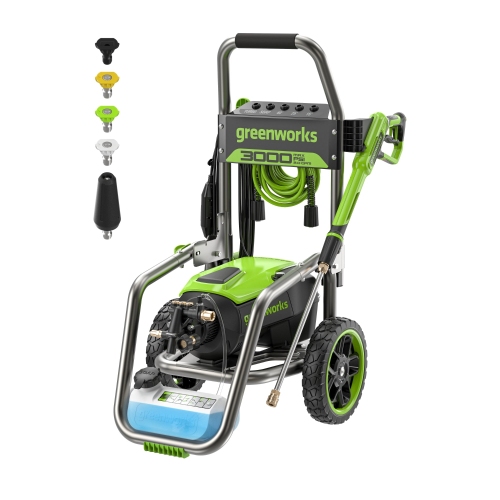 Your price for this item is $699.99
-
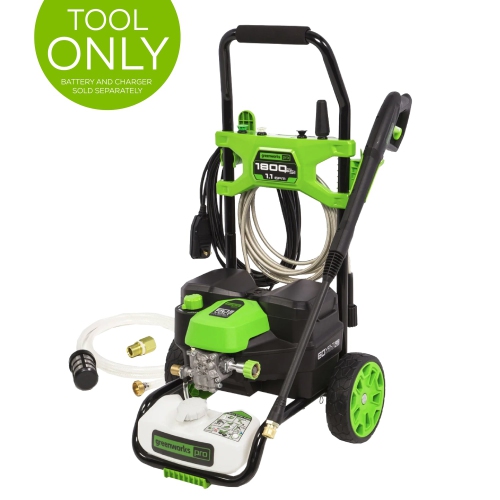 Your price for this item is $339.99
-
 Your price for this item is $899
-
 Your price for this item is $299.99
-
 Your price for this item is $81.99
-
 Your price for this item is $104.99
-
 Your price for this item is $507.99
-
 Your price for this item is $606.99
Discover more categories related to Gingerbread Decorations

Top Collections:
Best Black Friday Deals This Year, Best Black Friday Deals On Electronics, Kindle Devices, Pokemon Centers, Best Black Friday Deals On Apple Products, Best Cameras for Sports Photography, Dyson Airwrap, Pokémon 30th Celebration Cards, Apple iPhone 17 Pro, Canon G7X Cameras
Some products may be subject to Environmental Handling Fees
(EHF) depending on your province.
Learn more about EHFs.