Glass Dining Table Sets
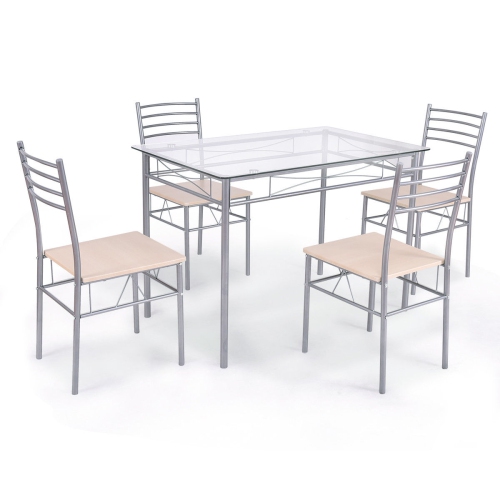
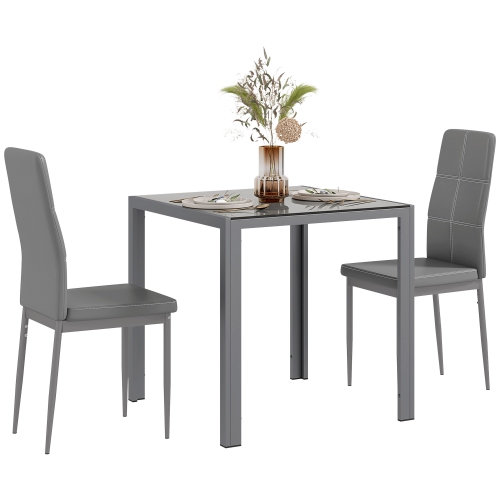
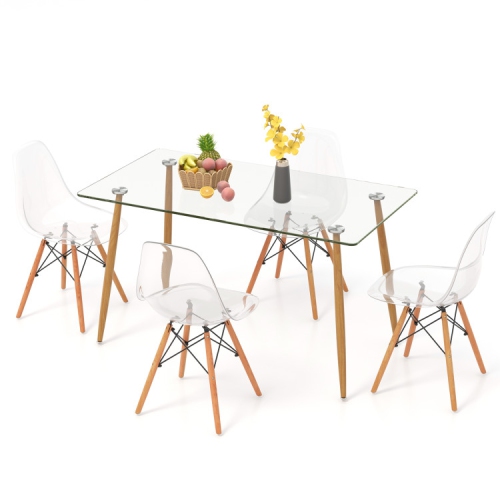
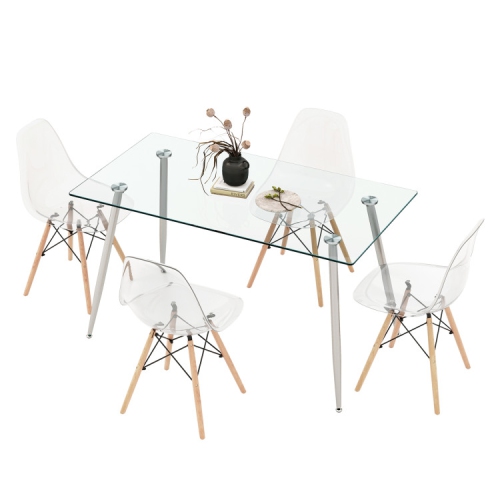
Create a stylish and functional dining space with this selection of glass dining table sets. Elevate your dining room with the sleek and modern design of a glass table, perfect for both casual meals and formal gatherings. The transparency of the glass creates an illusion of space, making it ideal for smaller rooms or open-concept living areas. Explore this range of dining table sets that combine durability, style, and versatility to enhance your home decor effortlessly.
Sort
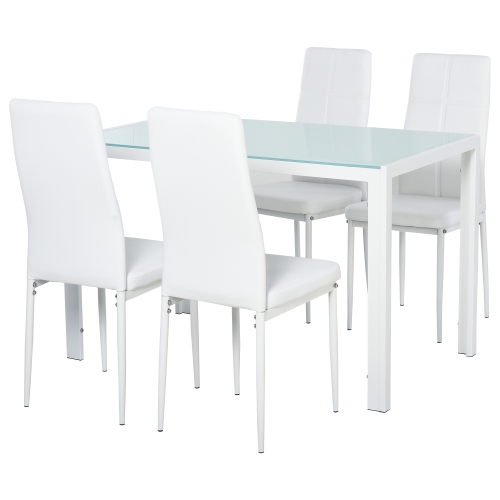
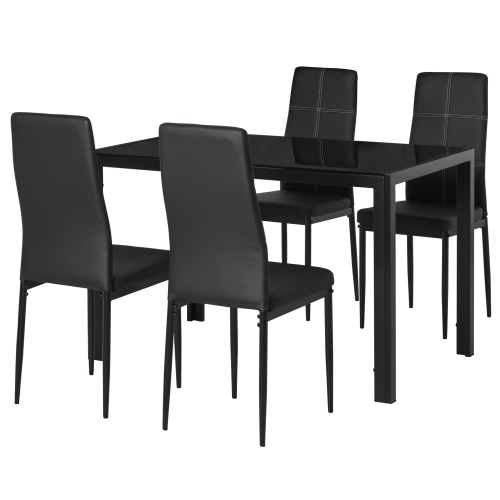
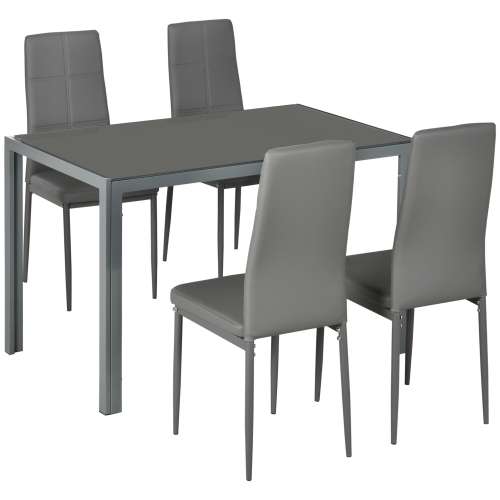
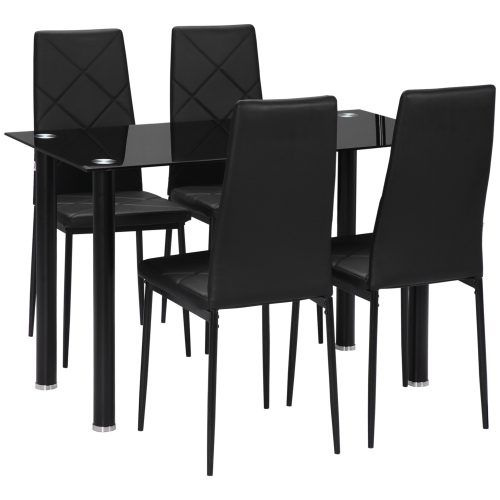

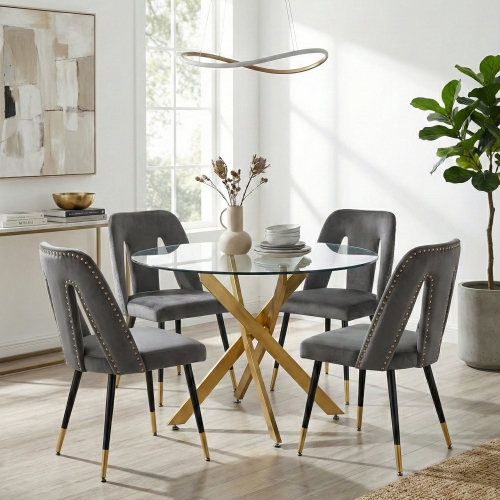
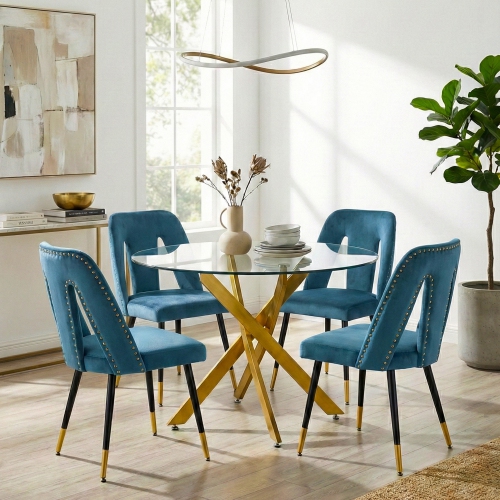
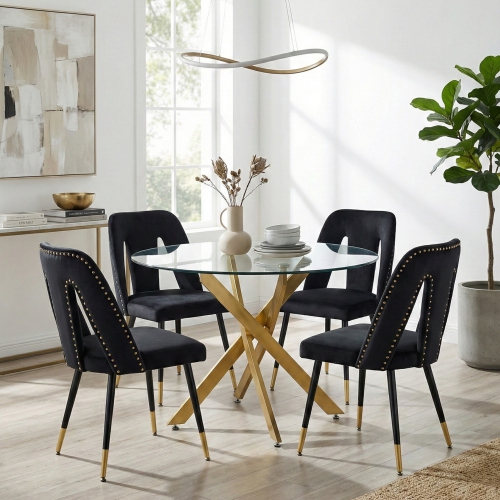
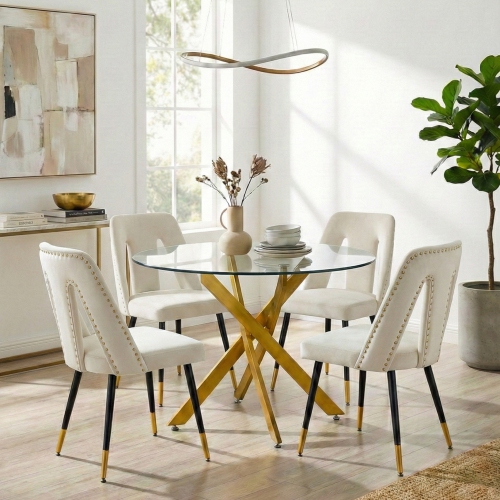
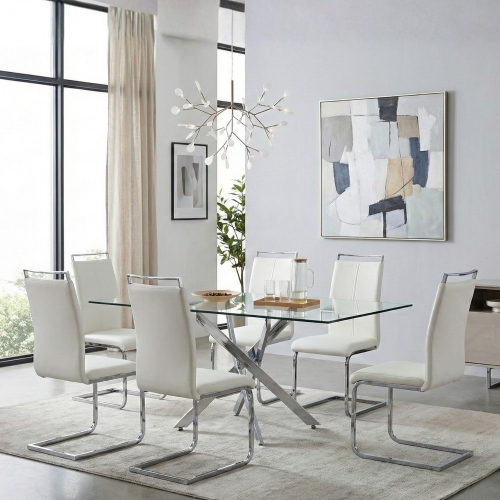
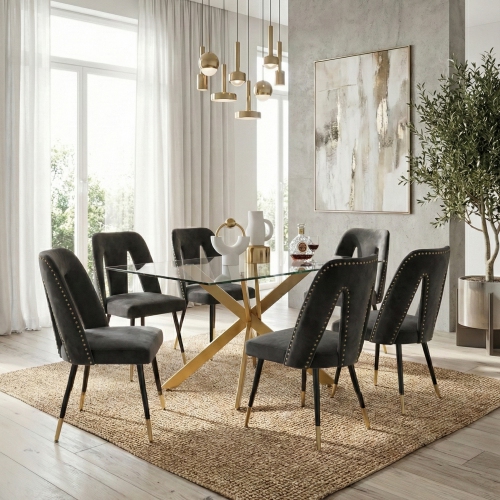
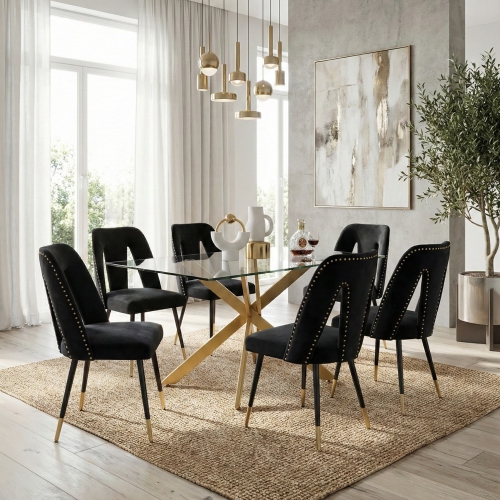
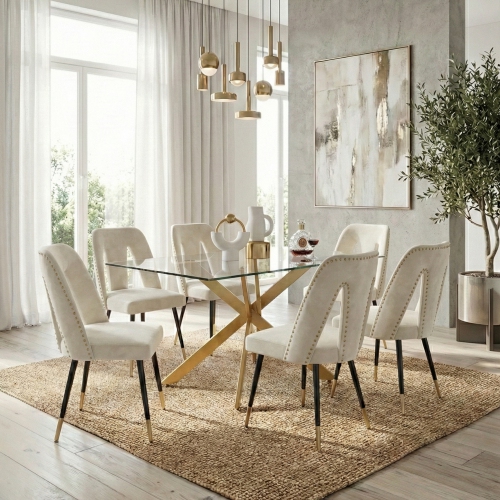
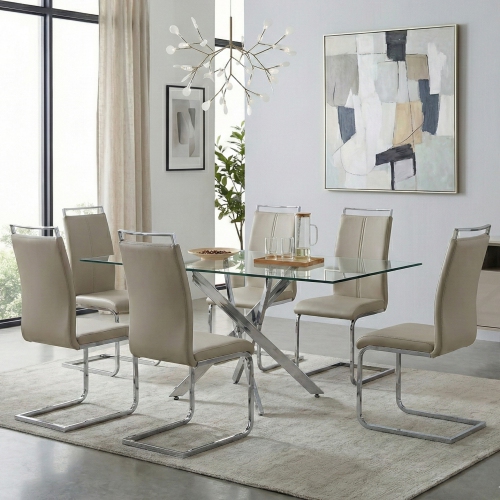
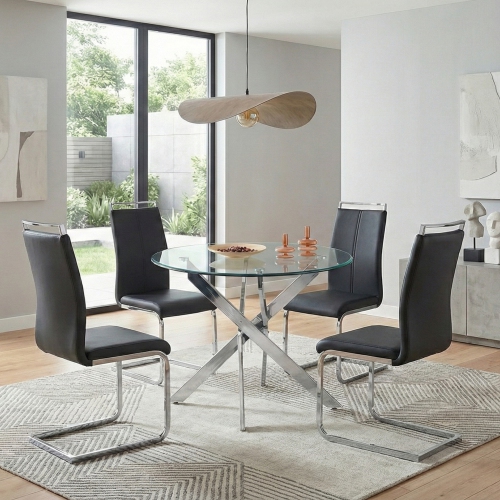
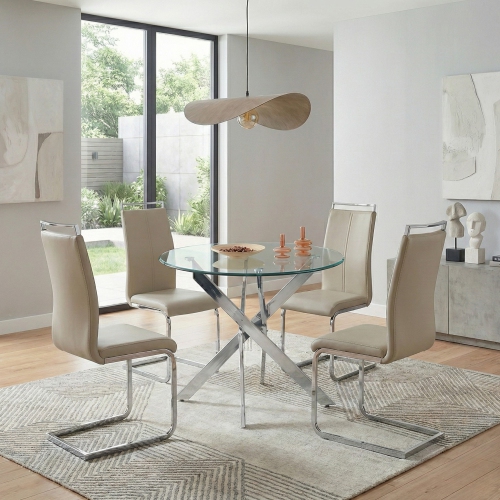
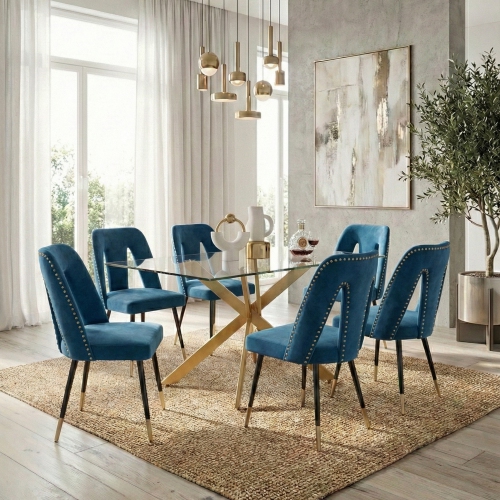
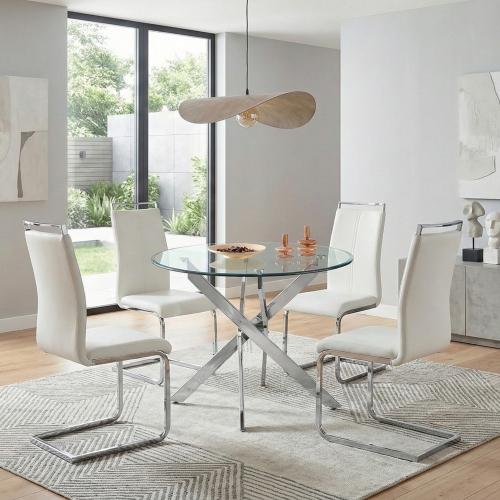
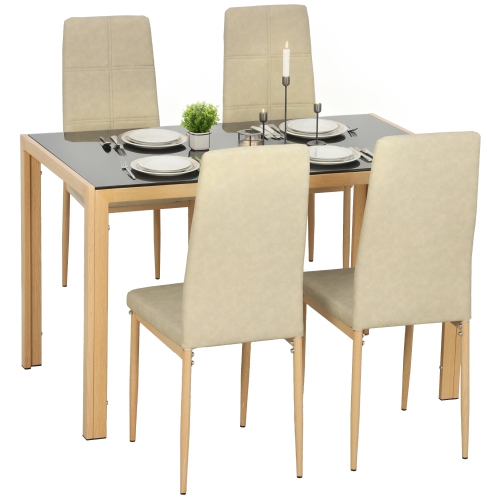
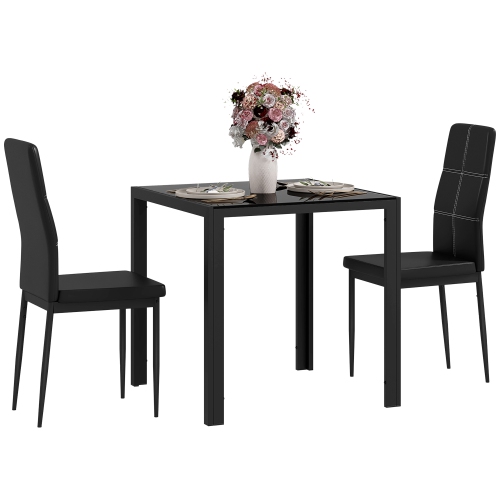
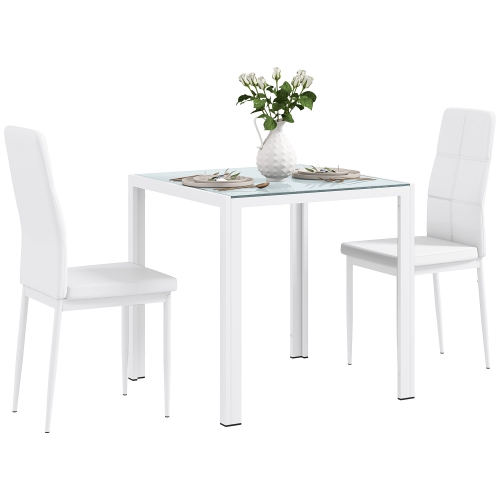
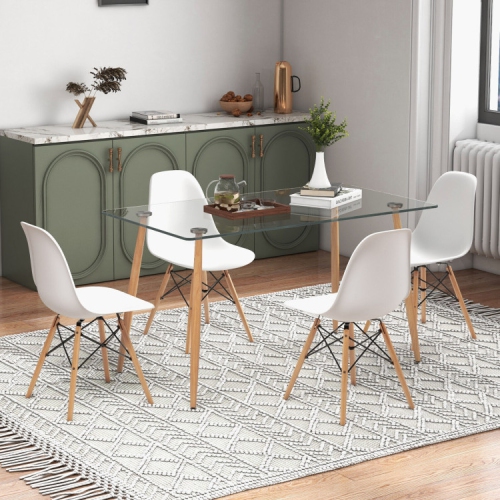

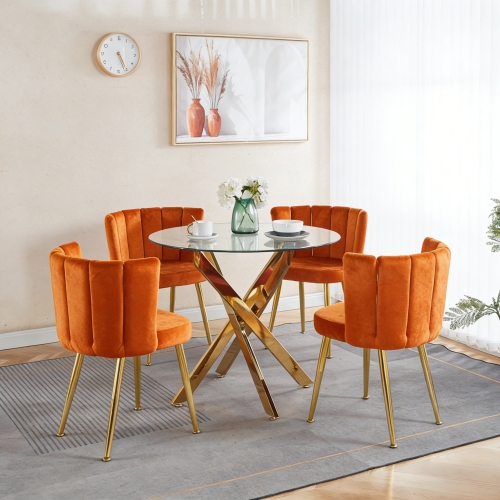
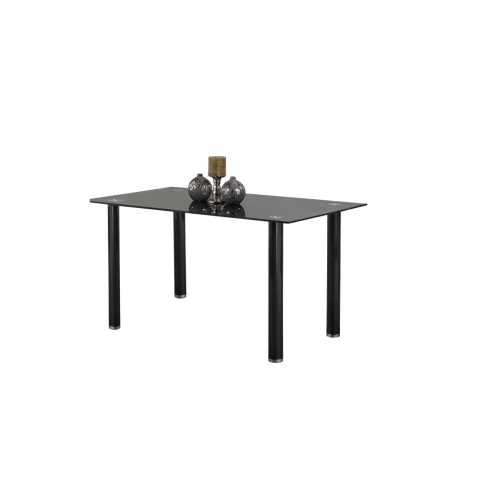
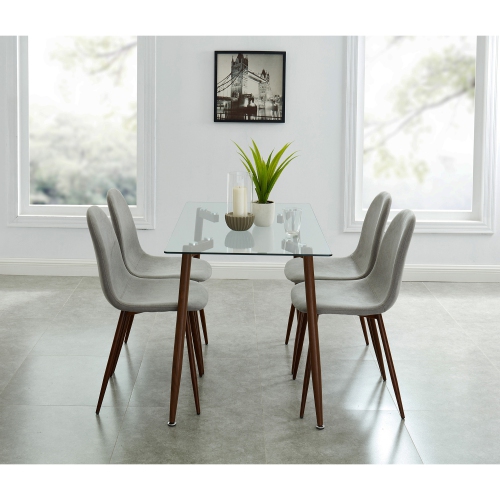
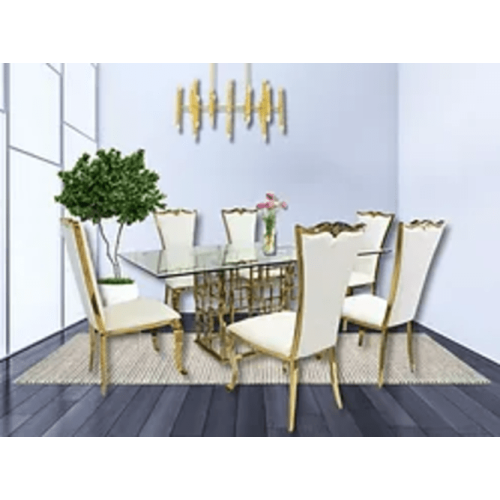
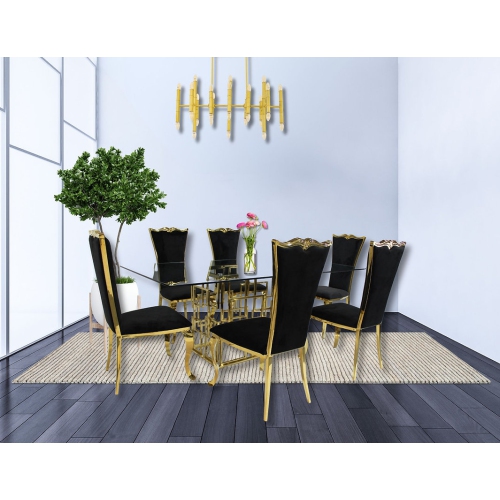

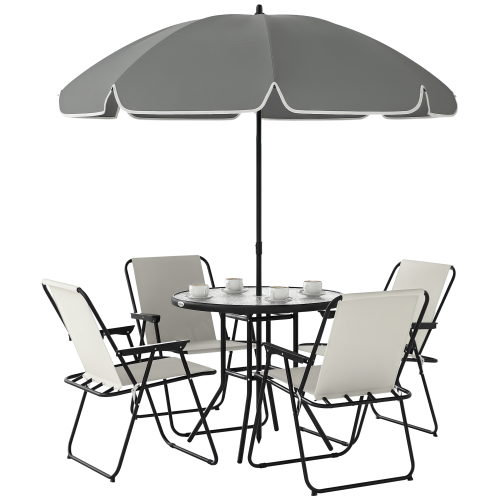
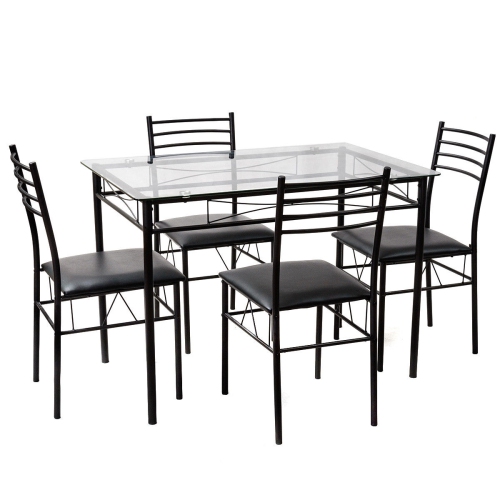
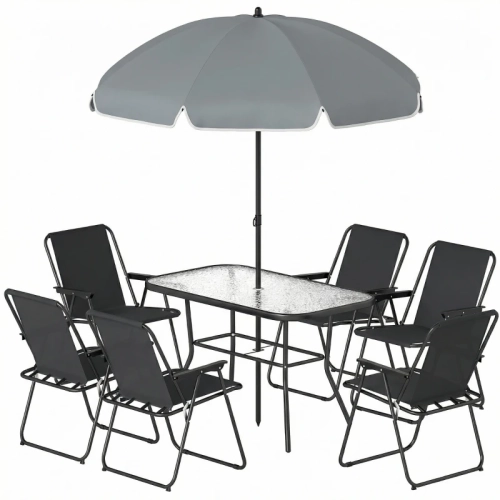
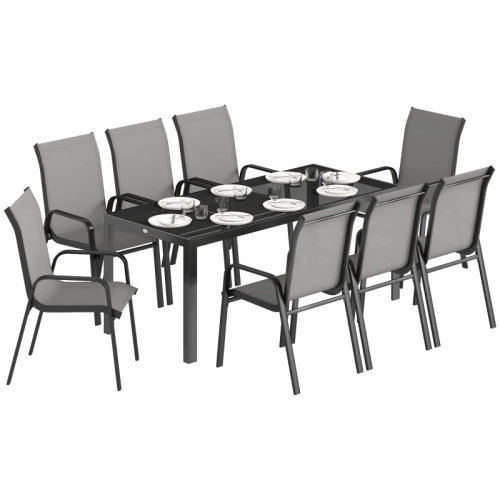
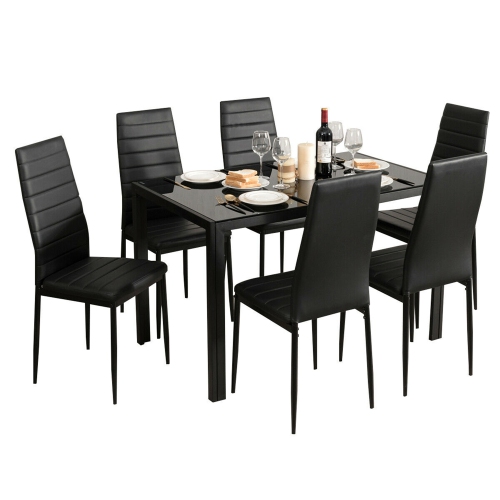
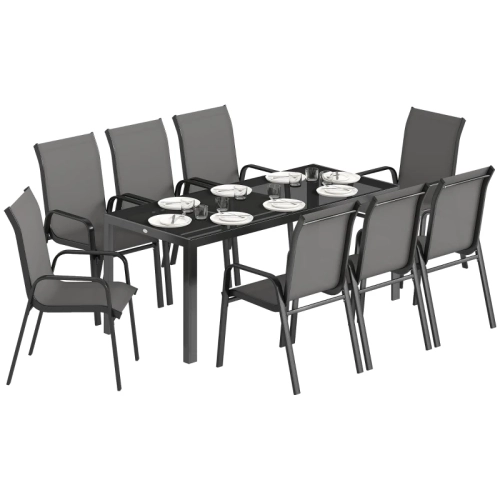
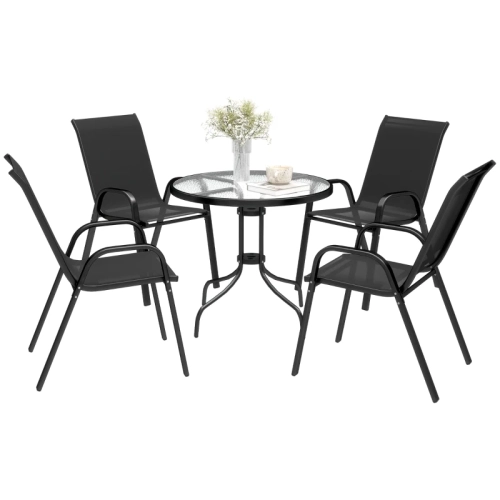
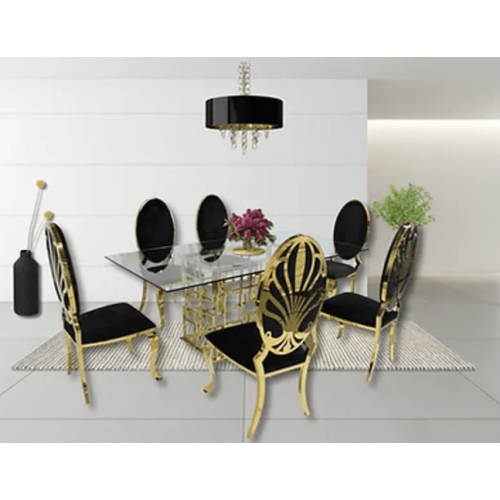


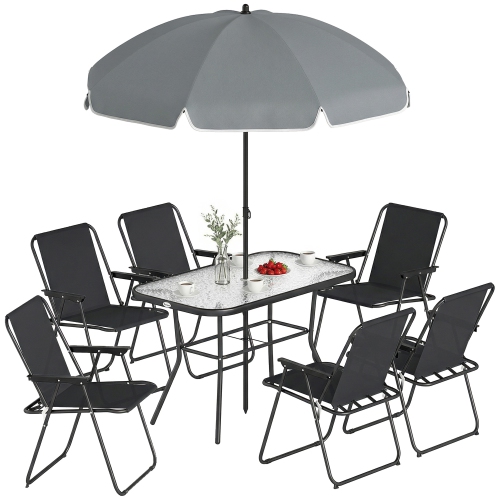
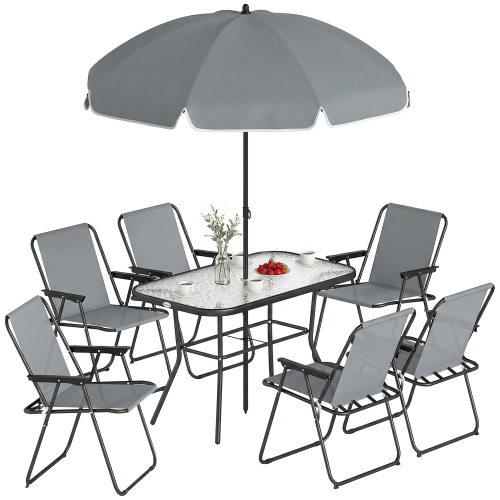
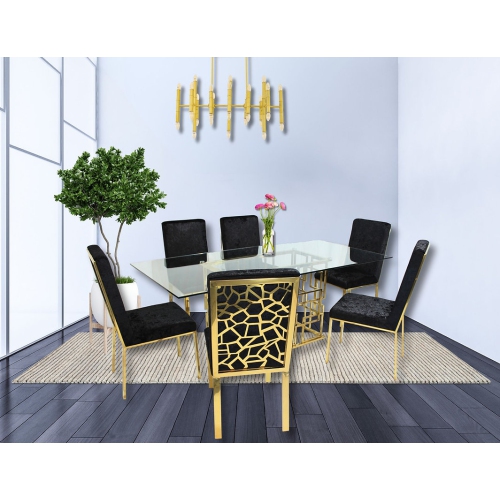
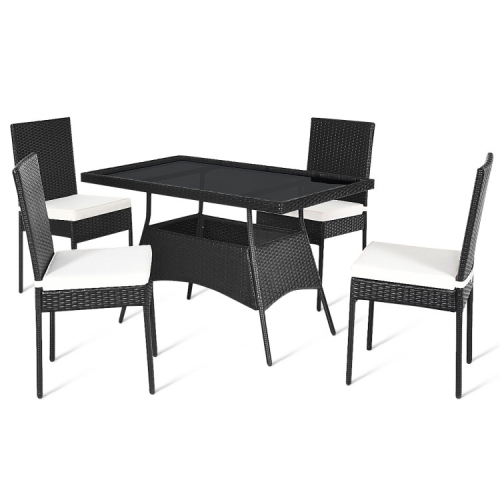
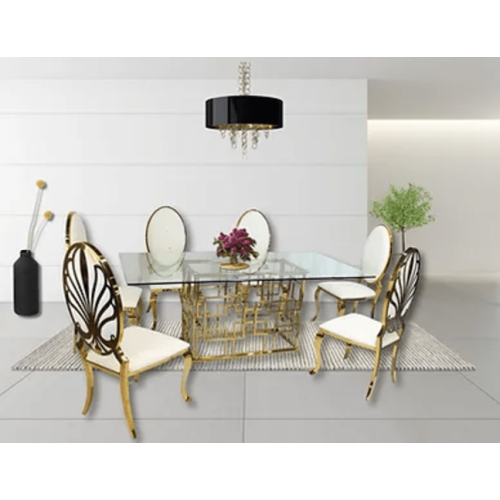
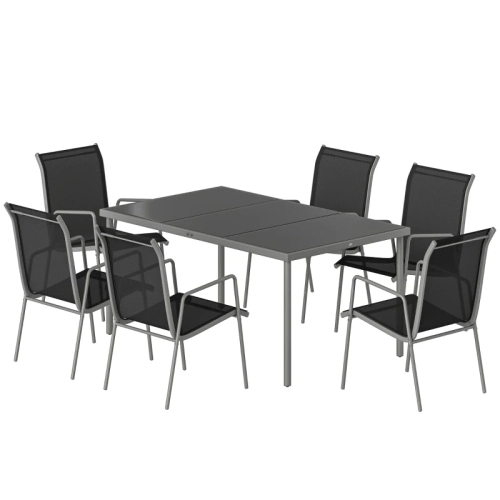
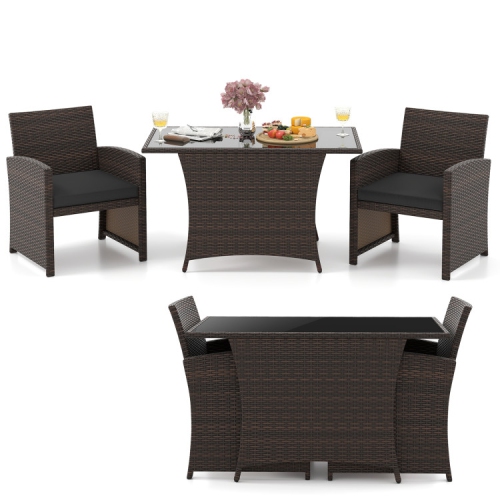
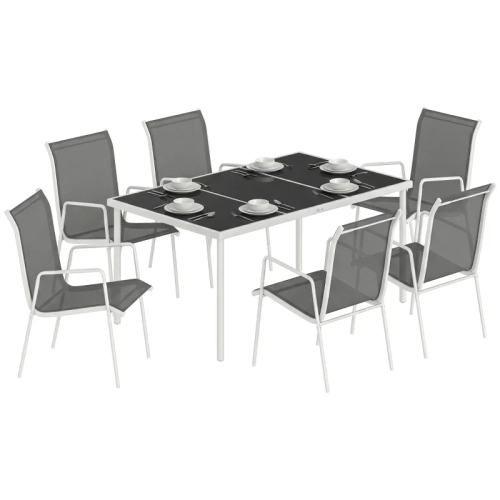
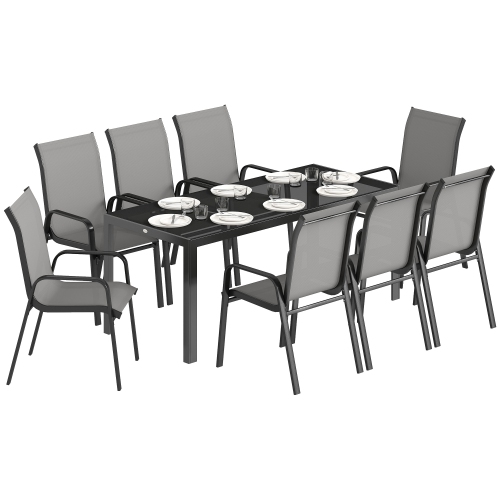
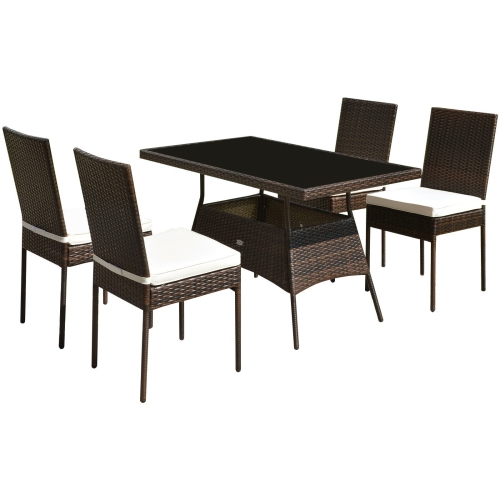
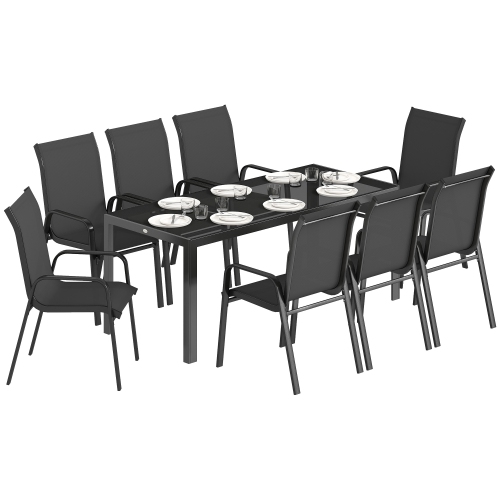

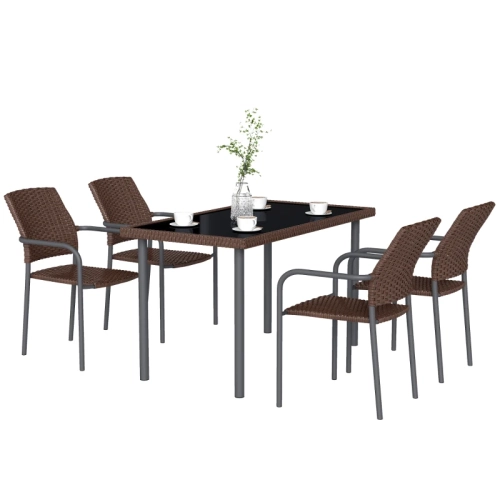
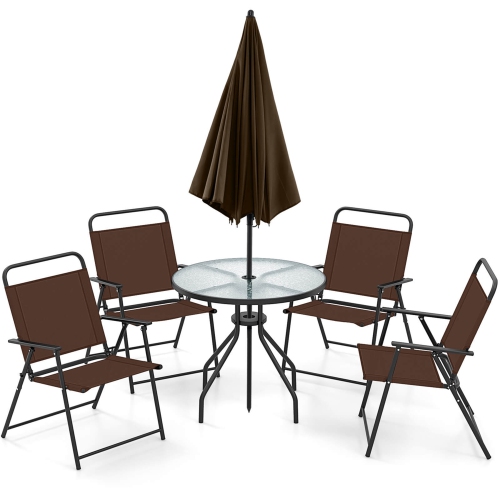
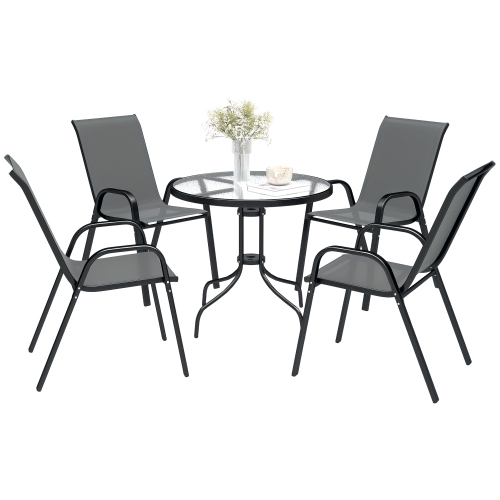
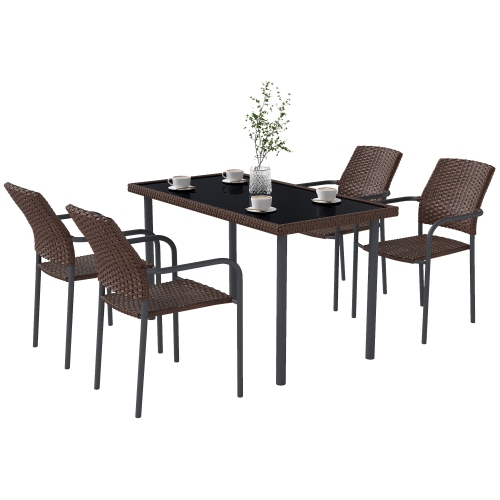


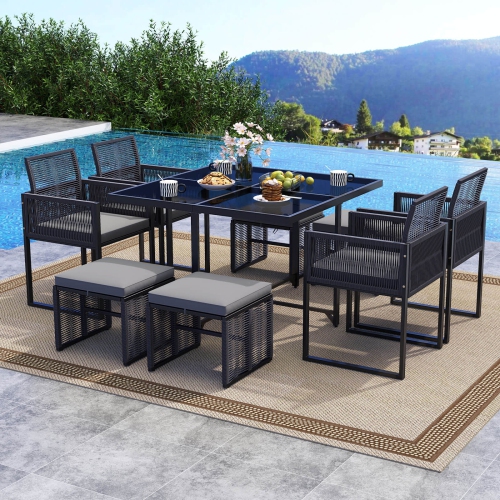
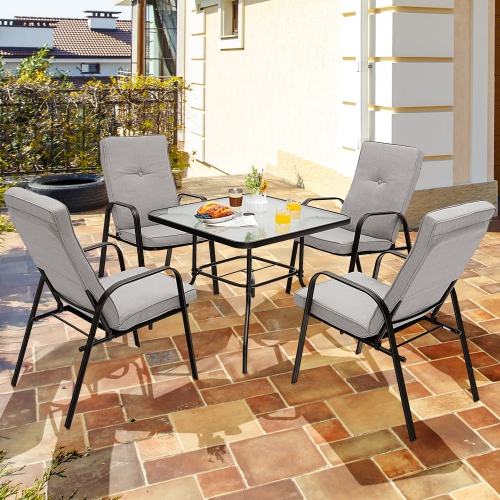
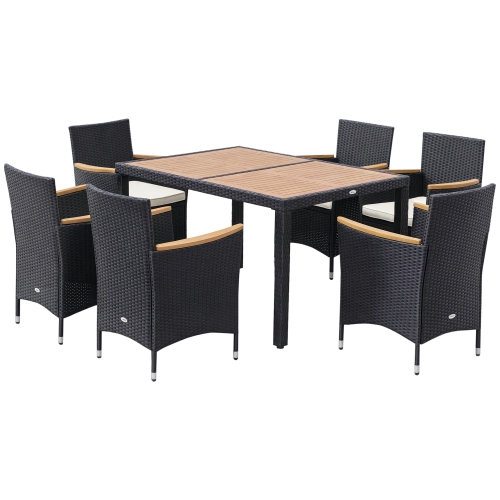

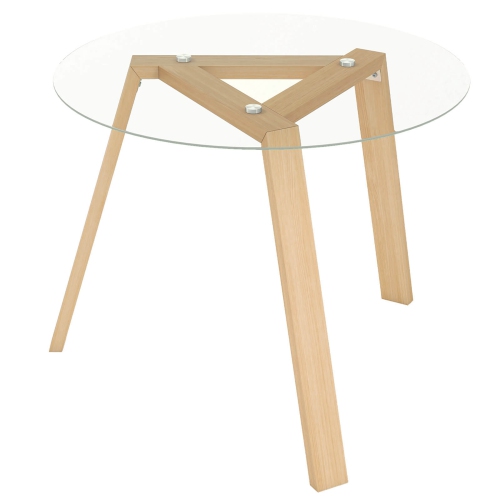
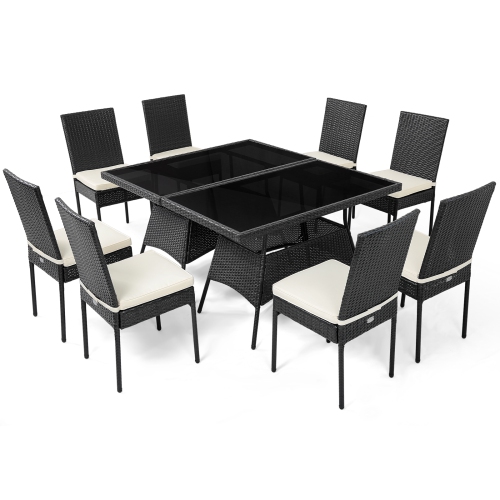
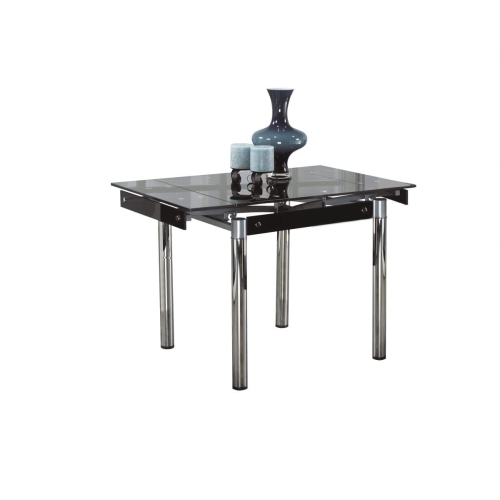
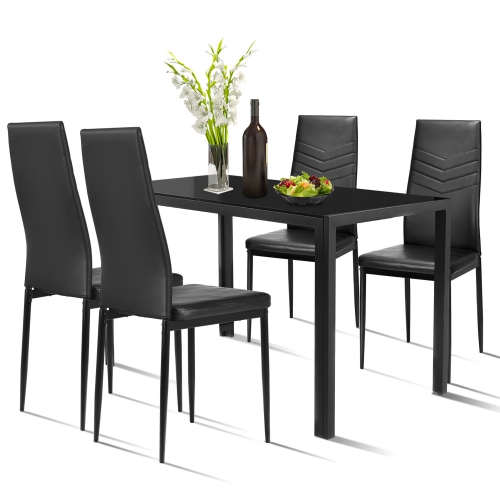
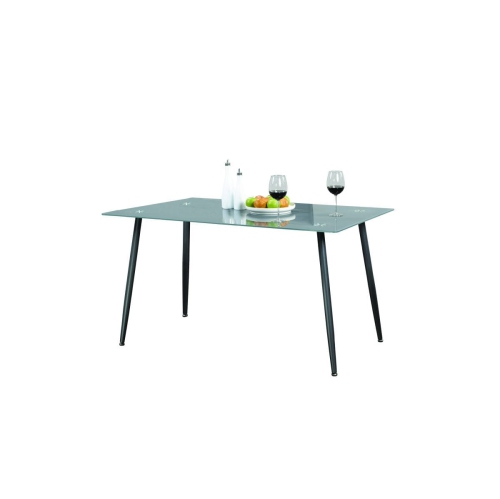


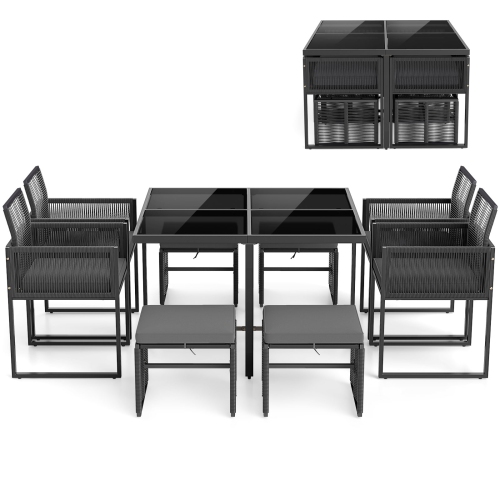

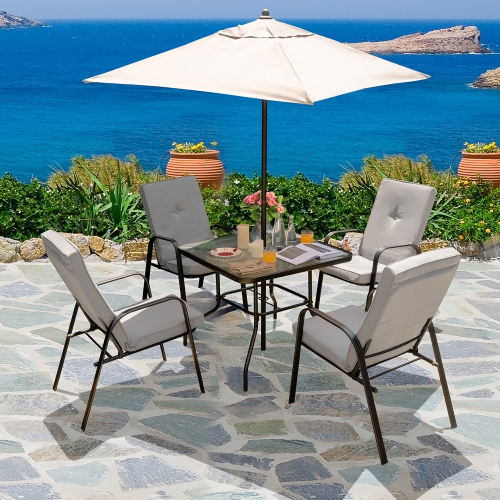
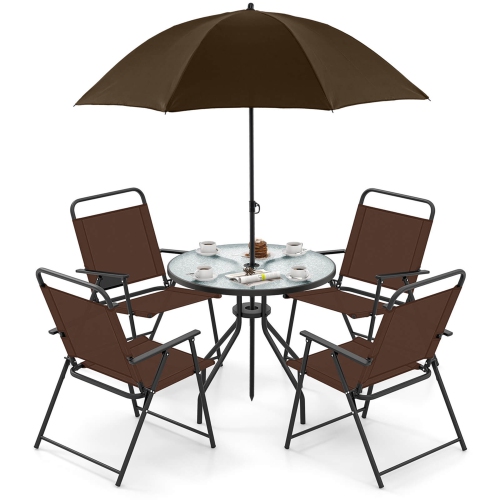
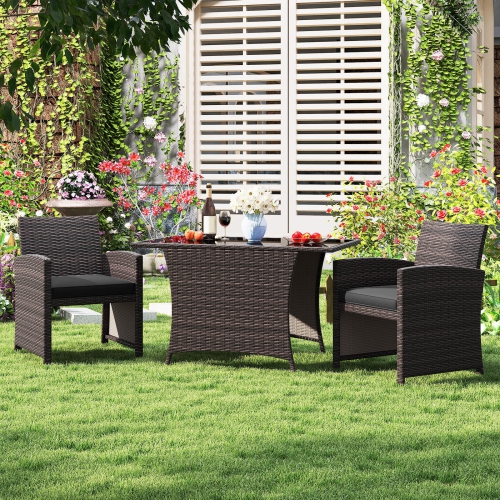


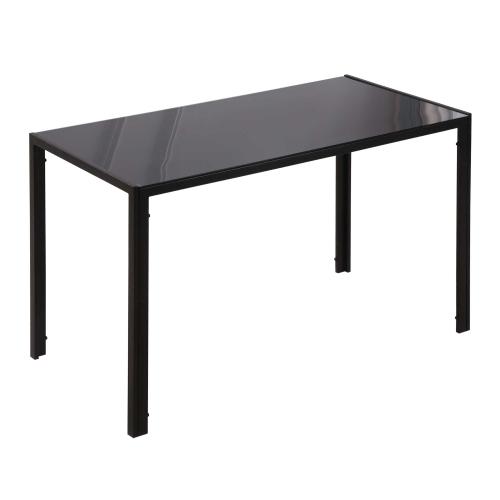
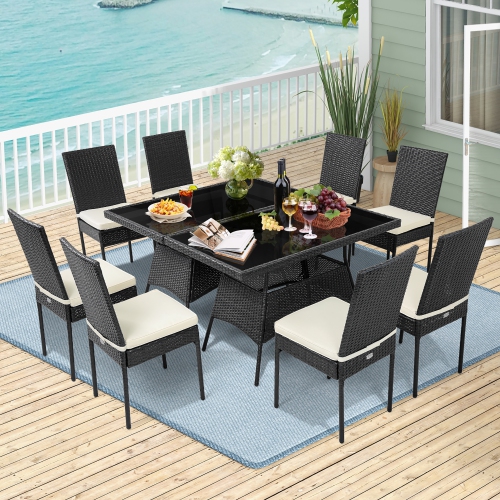
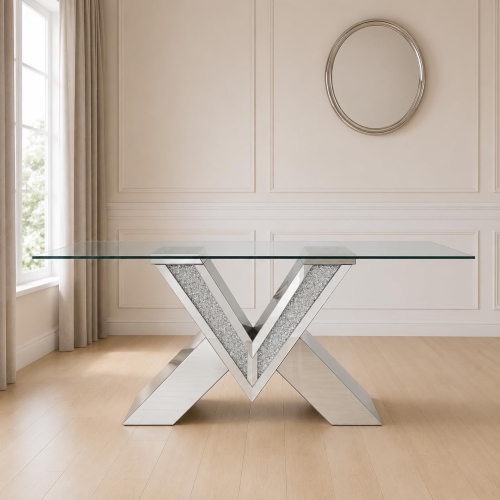
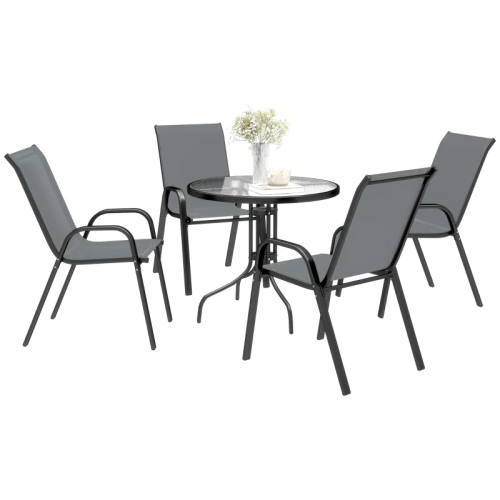

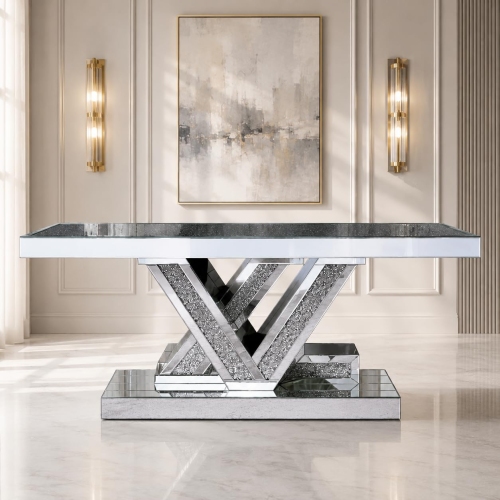
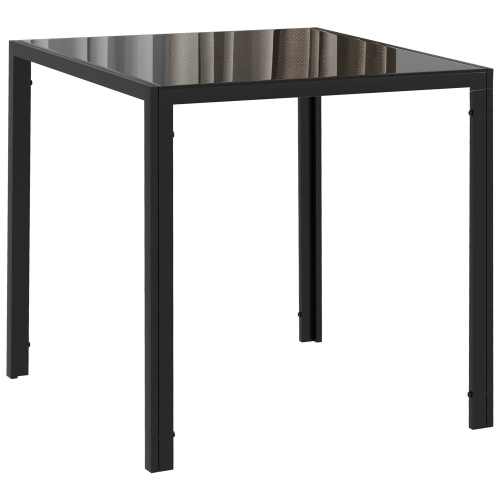
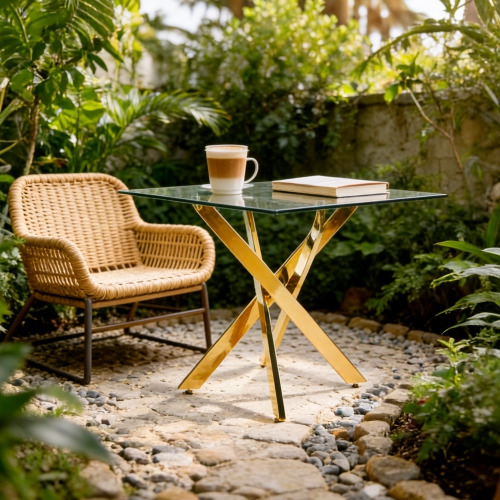

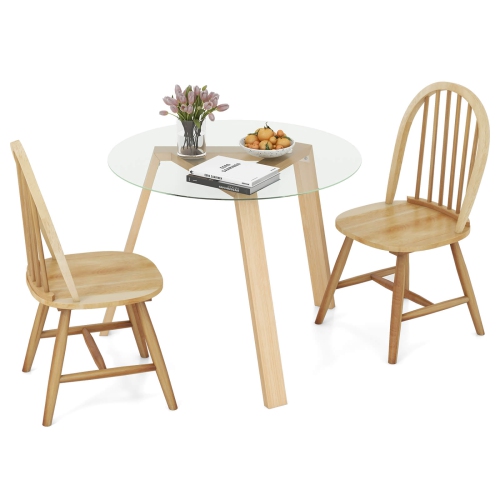
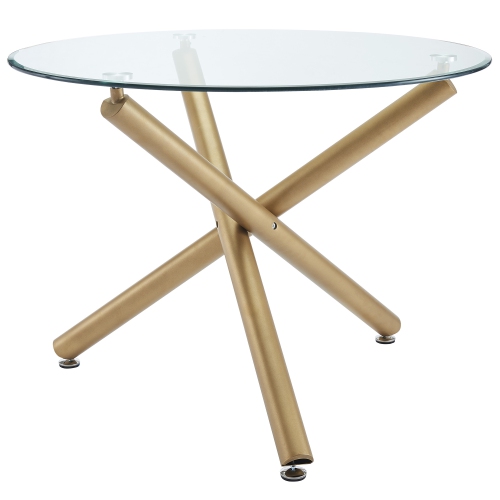
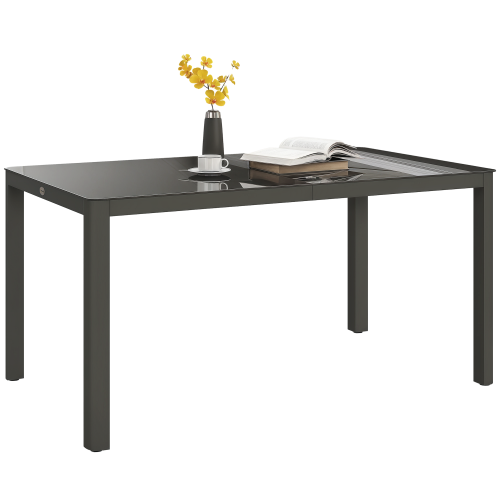
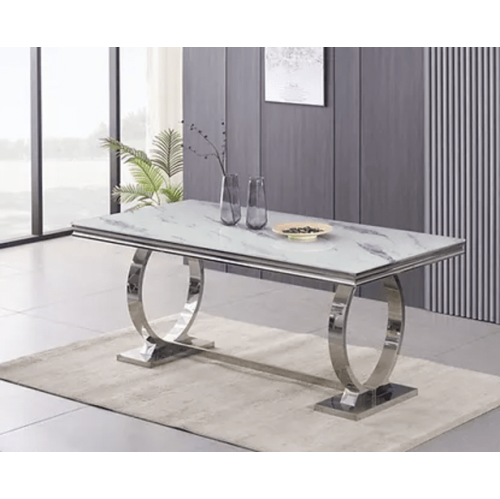
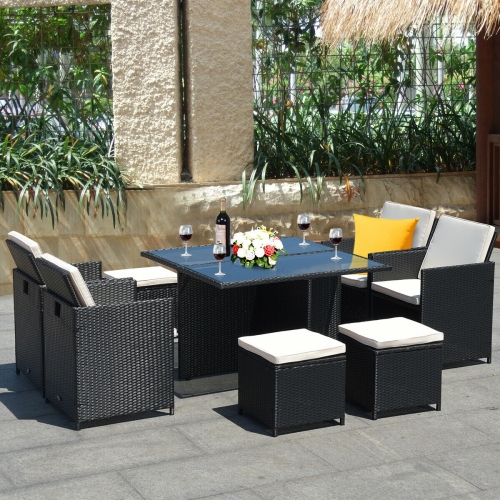



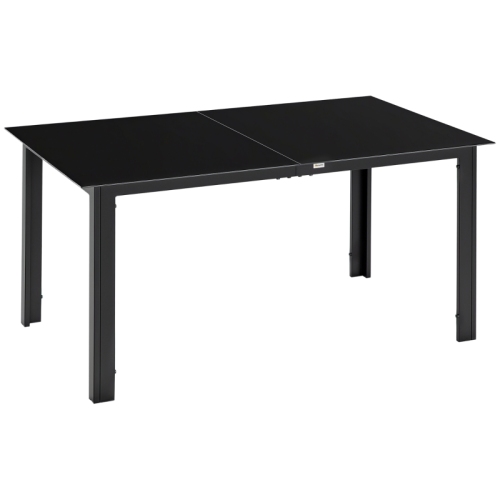
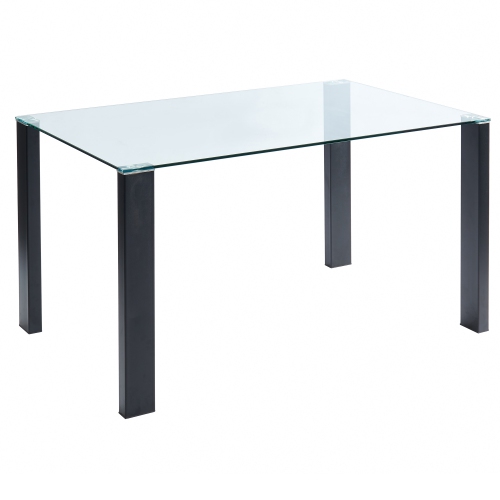
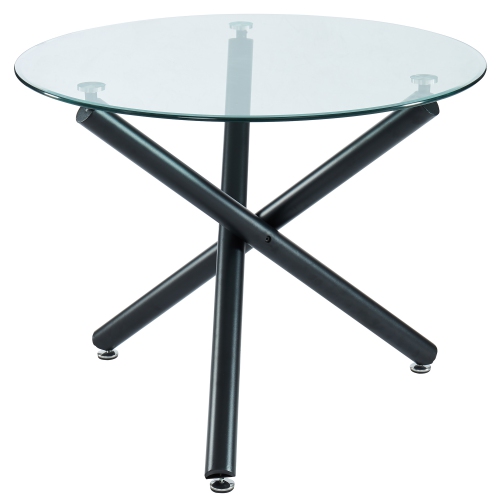
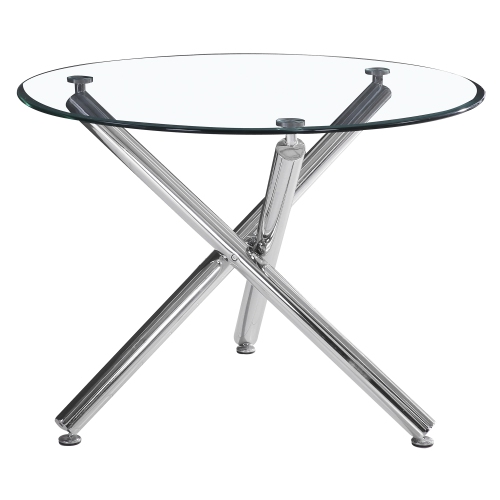
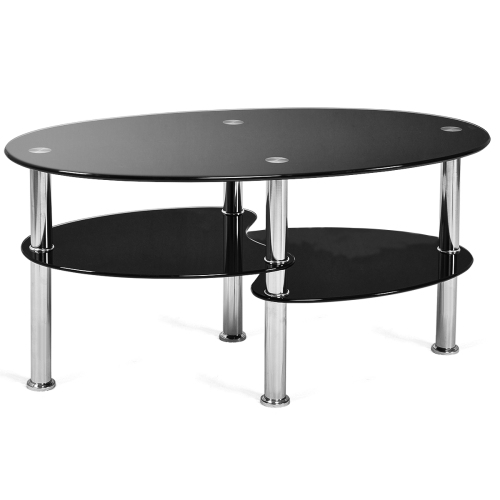
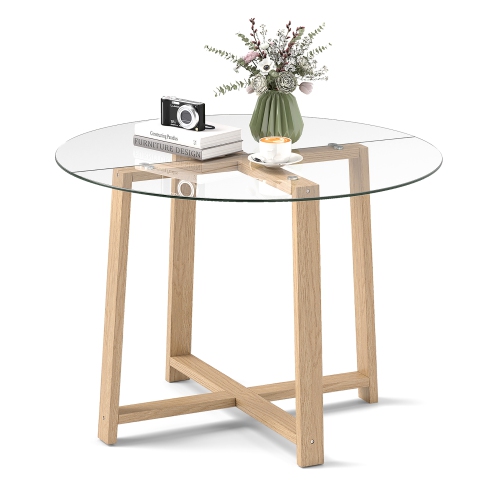
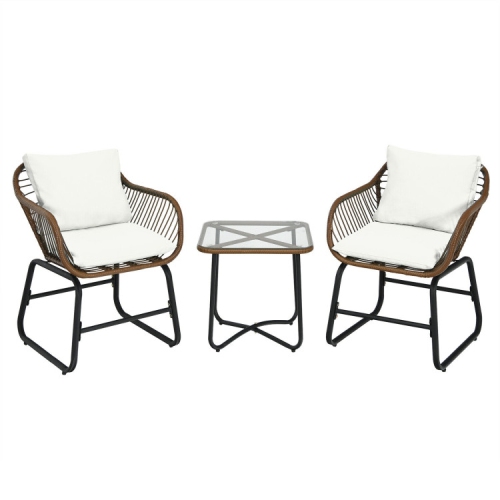
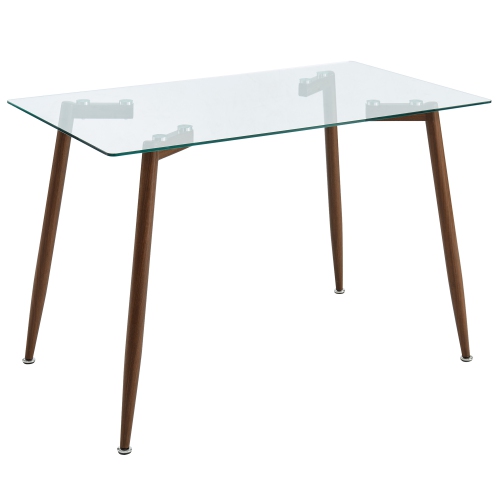
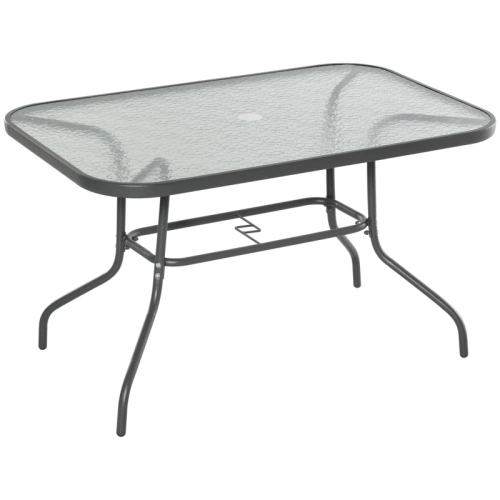
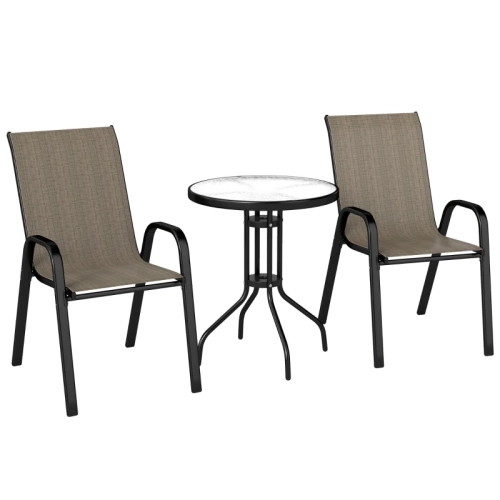
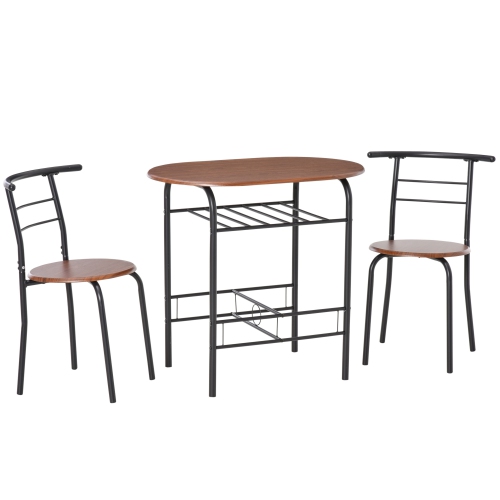
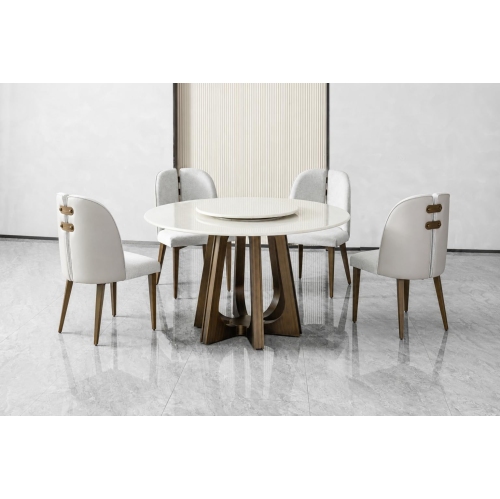
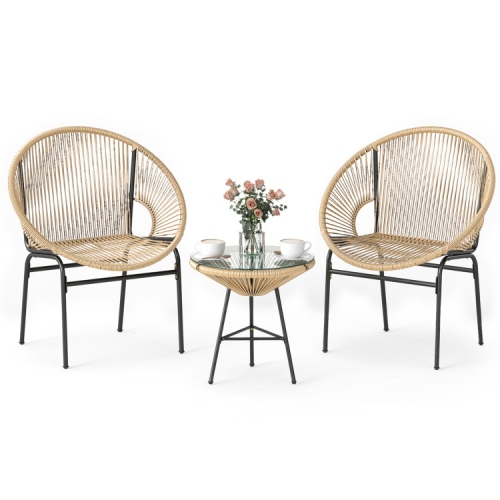
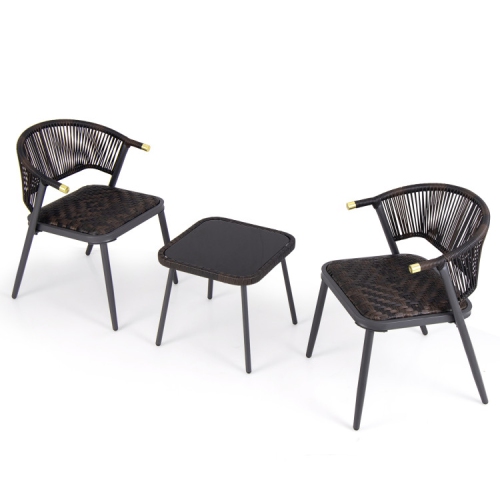
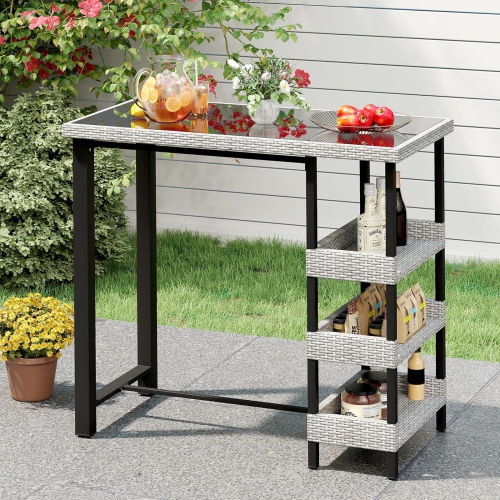


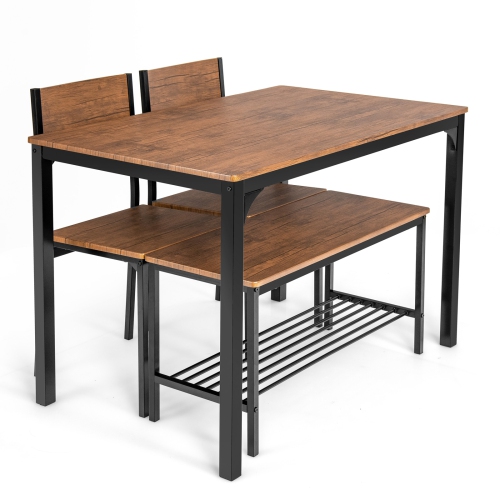
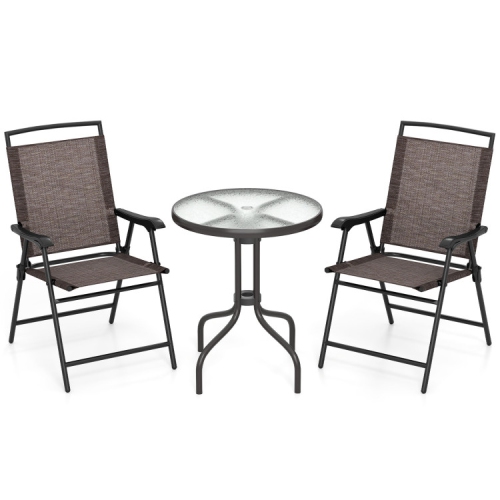
How clear tabletops help dining spaces feel more open
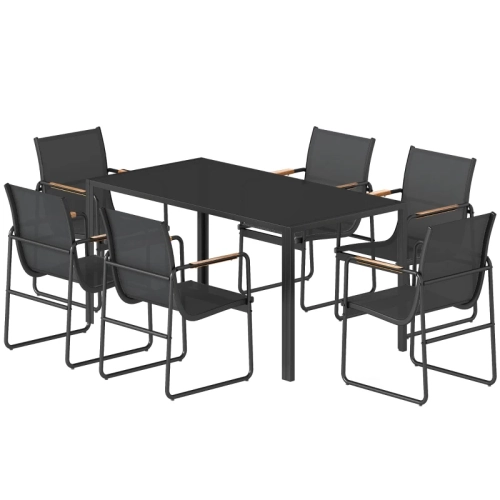
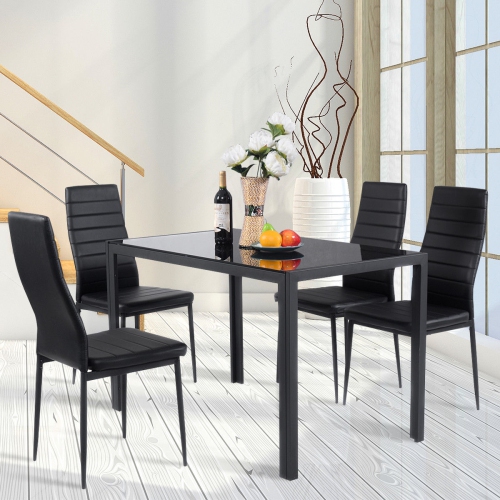
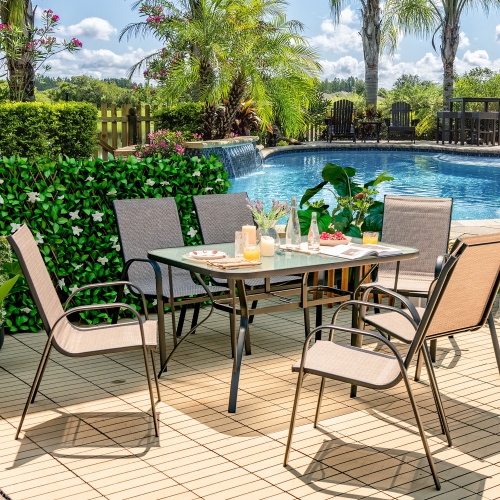
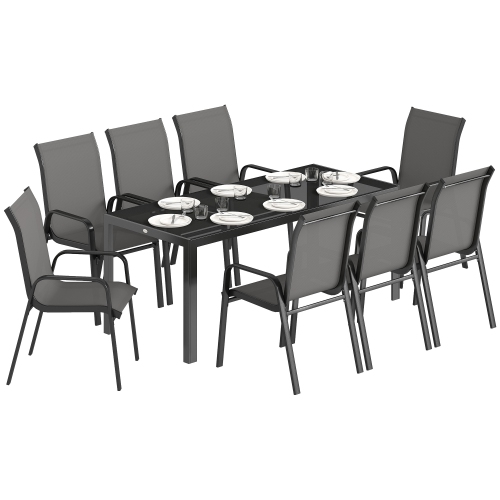
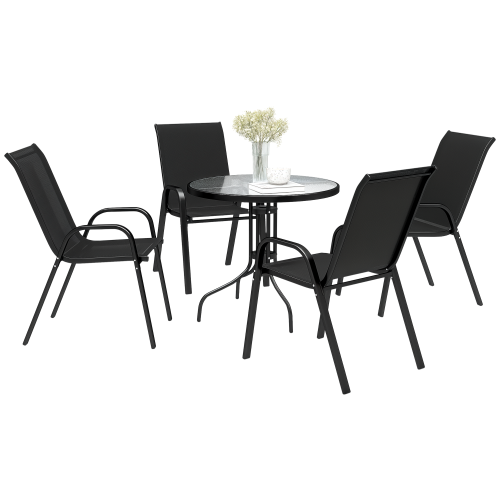
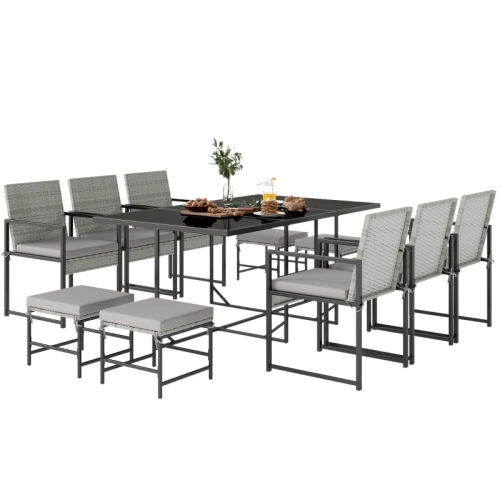
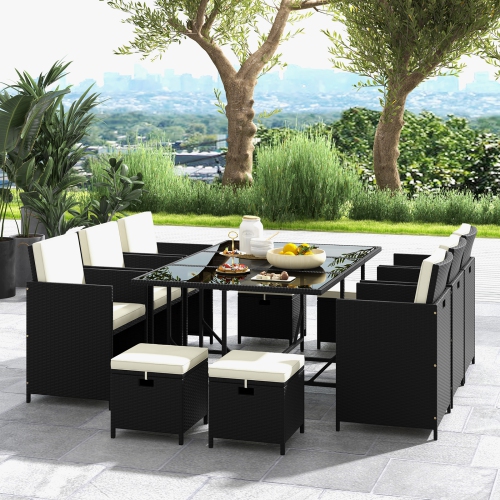
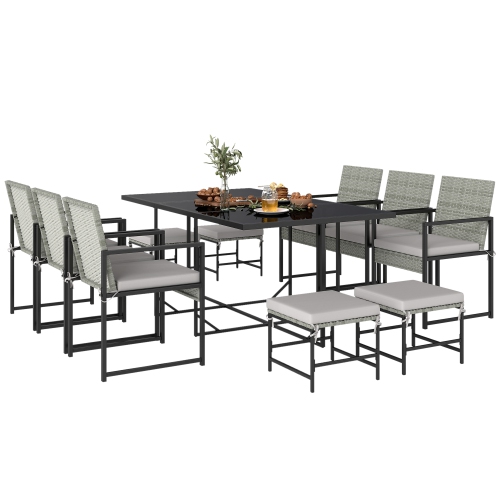
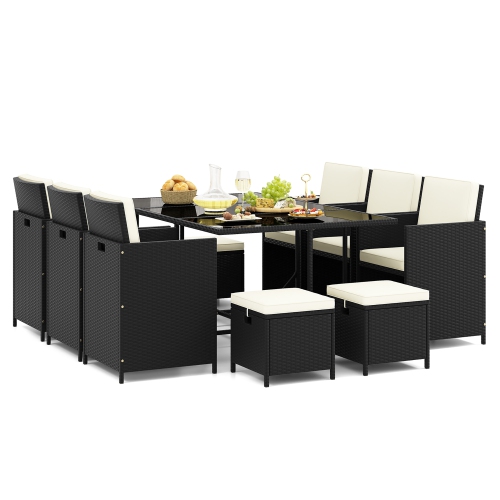
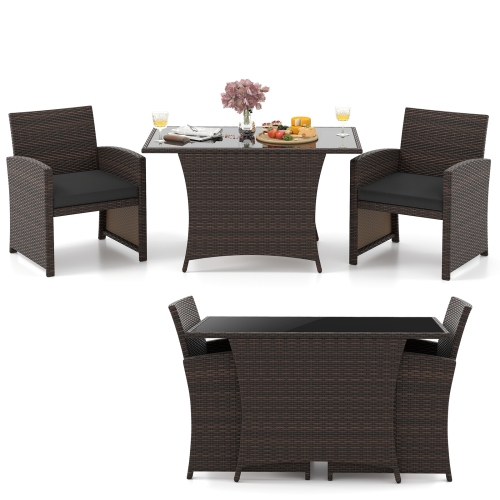
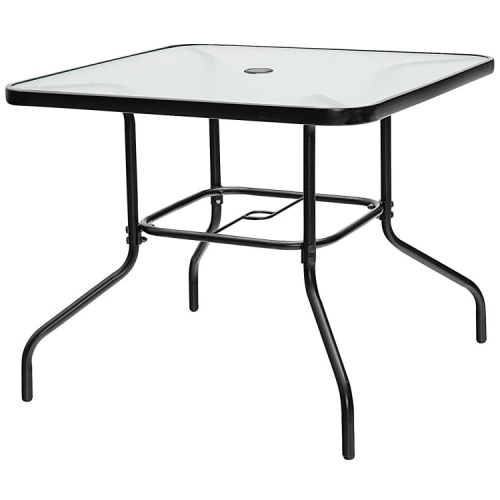
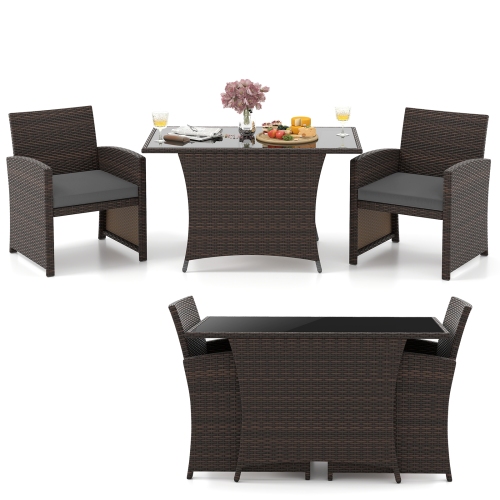
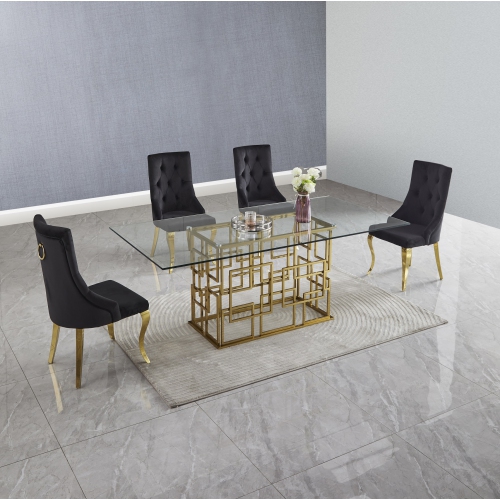
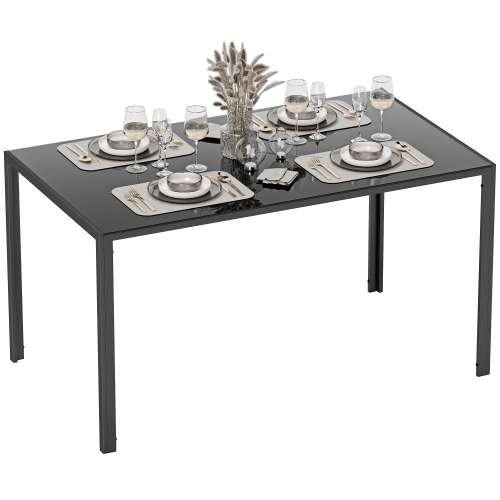
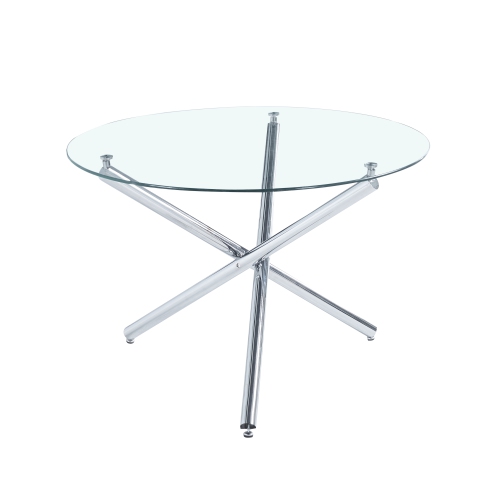
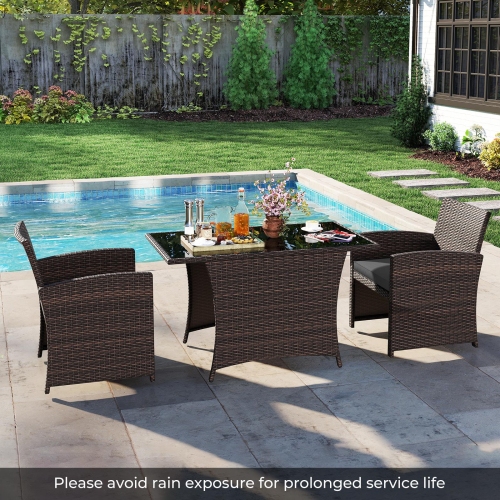
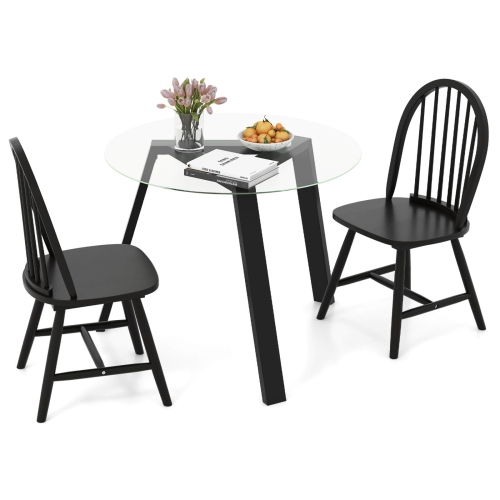
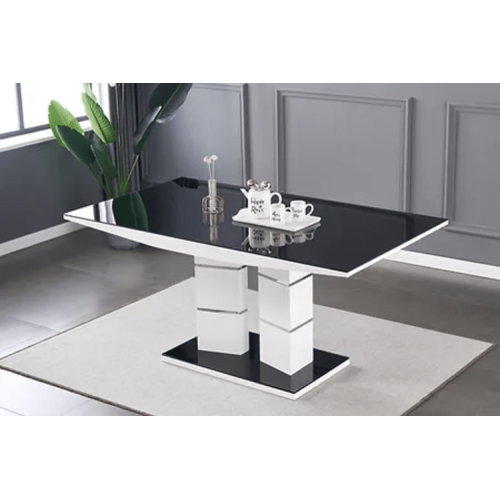
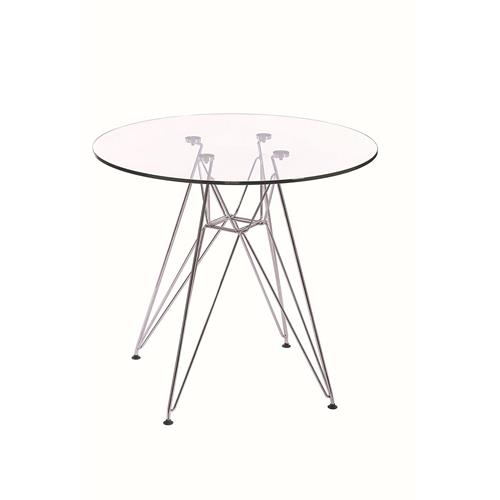
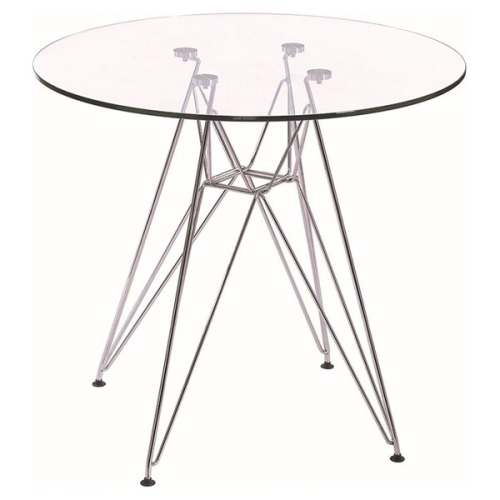
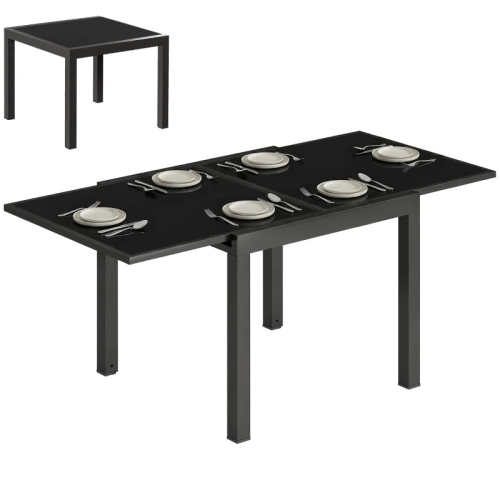
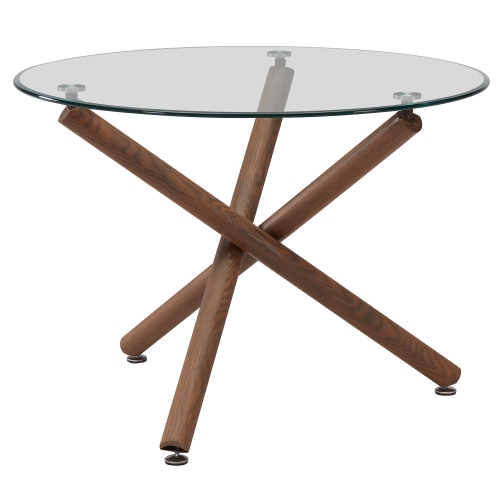
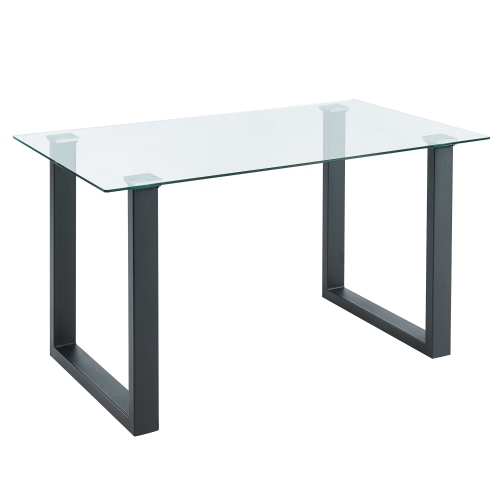
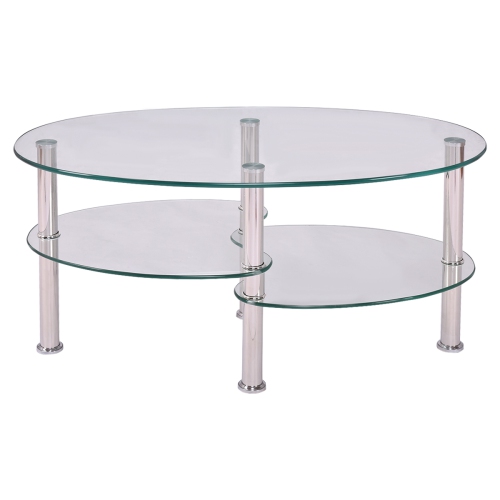
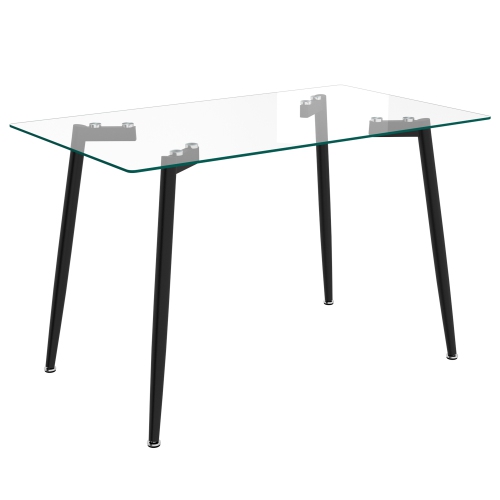
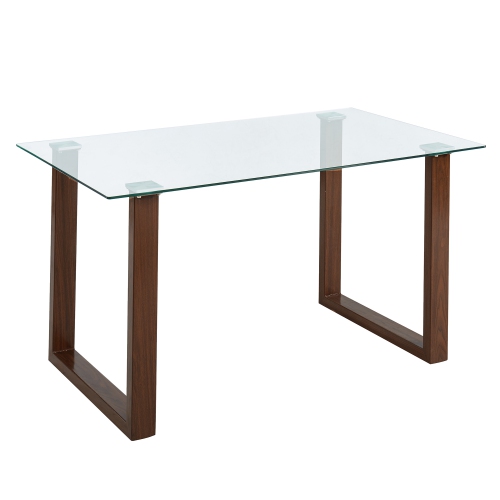
Glass dining table sets pair a glass-topped table with coordinated seating, bringing a light, open appearance to dining rooms, kitchen eating areas, and multipurpose living spaces. A clear top leaves the base, chair frames, and flooring visible, which can help a compact room feel less visually crowded without reducing the table’s actual footprint. That transparency also makes the construction beneath the surface part of the design: a simple metal frame creates a different impression from a sculptural pedestal or a warm wood base. Set sizes usually count every separate piece, not just the seats. A three-piece dining set typically includes one table and two chairs, a five-piece set generally includes a table and four chairs, and a seven-piece set commonly includes a table and six chairs. The listed contents and dimensions are more reliable than the piece count alone, especially when benches are included. For a couple furnishing a condo, a compact round table can provide a comfortable spot for breakfast and evening meals without dominating the living area. A rectangular table may work better for a household that regularly shares larger meals, with room along the centre for serving dishes. Square tables offer a balanced arrangement for smaller groups, while oval shapes combine an elongated surface with curved ends. Shape alone does not determine seating capacity; tabletop dimensions, chair width, and leg placement all affect how comfortably people can sit. Allow approximately 24 inches of table edge per diner as a starting point, with more space for wider chairs or generous place settings. Around the table, roughly 36 inches of clearance from the edge to a wall or other furniture helps chairs pull out, while a busy walkway benefits from additional room. Measuring with the chairs in use, rather than tucked away, gives a more realistic picture of how a dining set will fit into everyday life.
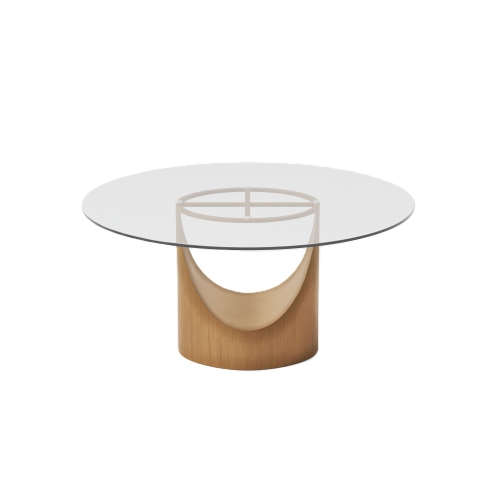
The glass, base, and seating materials each influence how a dining set looks and holds up to regular use. Tempered glass is heat-treated for greater strength than ordinary annealed glass and is designed to break into small fragments rather than long, sharp shards if it fails. It is not unbreakable or scratchproof, and broken tempered glass can still cause injury. Product specifications should identify the glass type, dimensions, and any stated load limits; thickness by itself does not establish the strength of the complete table. A well-supported top and a stable base matter just as much, particularly on a table used for family meals, homework, or occasional laptop sessions. Metal bases can offer a slim profile, with finishes ranging from understated matte surfaces to polished accents. Wood introduces visible grain and a softer contrast against the glass, while substantial pedestal bases can become the focal point of a room. Pedestals may leave more space for chairs around the perimeter, but their shape still needs to accommodate knees and feet. Corner legs provide a familiar layout, though the distance between them can limit how neatly chairs tuck underneath. Clear glass shows the room through the tabletop, whereas tinted or frosted finishes change the balance of transparency, reflection, and privacy. For a darker look, Black Glass Dining Tables offer a related option with a more defined visual presence. Chair materials deserve equal attention because the seating often determines how comfortable a dining area feels over a long meal. Upholstered seats add cushioning and texture, while smooth, wipeable coverings can simplify small spill cleanups when cared for as directed. Fabric colour and weave influence how noticeable crumbs, marks, and everyday wear become. Seat height, back support, and the space between the seat and tabletop are worth checking together. Armchairs require enough clearance beneath the table edge or apron, and broad chair backs can make an otherwise compact set occupy considerably more room.
Caring for a glass dining table set is usually straightforward, but the best routine accounts for both the tabletop and everything beneath it. Fingerprints, water spots, and crumbs can be easy to see on glass, particularly where daylight or an overhead light catches the surface. A clean, soft microfibre cloth and a manufacturer-approved cleaning product help lift marks without abrasive scrubbing. Removing loose grit first reduces the chance of dragging particles across the top, and drying the surface after cleaning helps prevent streaks. Cleaner should not be allowed to pool around mounting points or run onto upholstery, wood, or metal finishes that need different care. The underside of a clear tabletop also benefits from occasional attention, since smudges and dust can remain visible from above. Placemats and coasters provide a practical buffer against dishes and drinkware, while suitable trivets help protect the surface from hot cookware; a pan taken directly from the oven should not be placed on the glass. Avoid standing or sitting on the tabletop, dropping heavy objects onto it, or pushing the assembled table across the floor. When moving it, follow the assembly and handling instructions, with enough help to support the glass safely. Periodically checking fasteners and inspecting edges for chips can reveal issues before the table sees further use. If the top is chipped, cracked, or loose, stop using it until the damage has been assessed and addressed. In homes with young children, rounded corners may reduce sharp contact points, though they do not replace supervision or make glass furniture risk-free. Felt pads suited to the flooring can help chairs move with less scraping, and a rug should be large enough for chair legs to remain supported when seats are pulled back. For everyday dining, the most useful set is one that balances an appealing finish with comfortable seating, manageable upkeep, and enough space to move naturally. A table that accommodates breakfast dishes, a shared meal, and an evening conversation without crowding the room becomes a practical part of the home rather than furniture reserved for special occasions.
Top selling and popular products
-
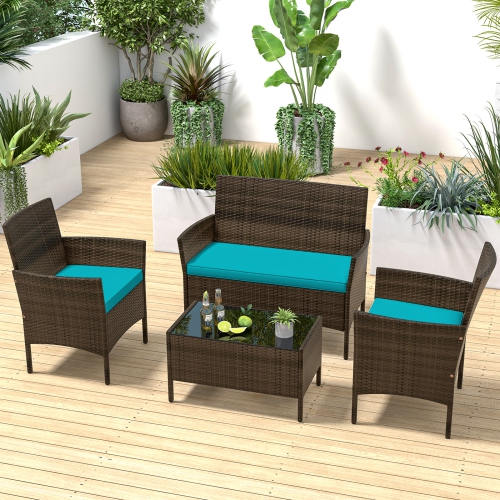 Your price for this item is $243.99
-
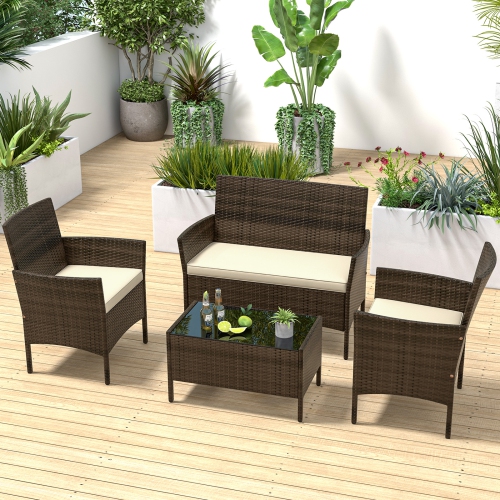 Your price for this item is $246.99
-
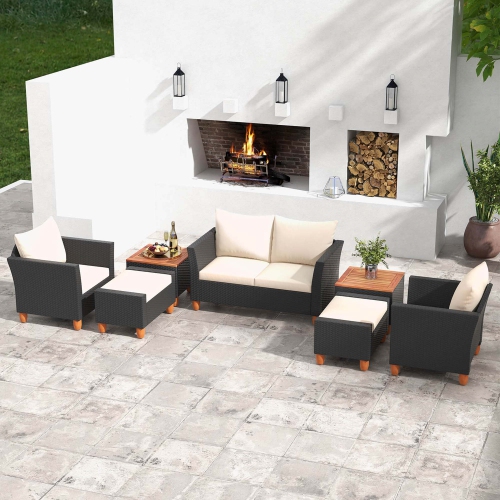 Your price for this item is $629.99
-
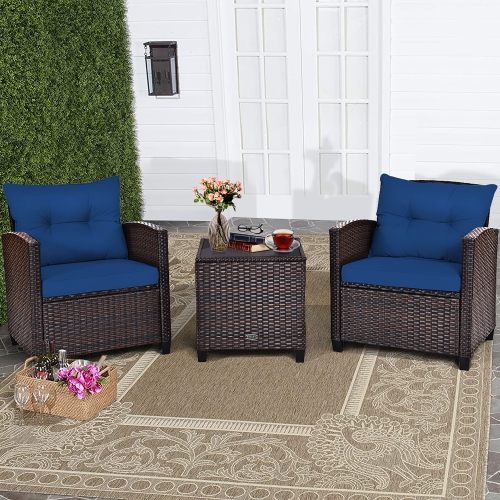 Your price for this item is $220.99
-
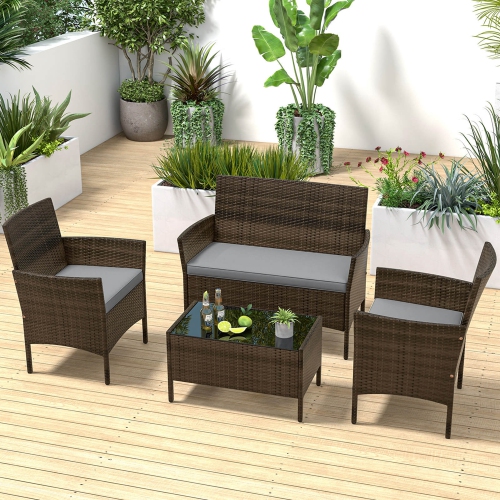 Your price for this item is $236.99
-
 Your price for this item is $229.99
-
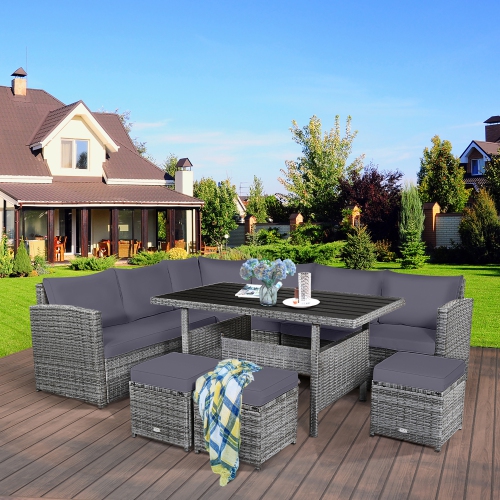 Your price for this item is $899.99
-
 Your price for this item is $654.99
Discover more categories related to Glass Dining Table Sets
Top Collections:
Best Black Friday Deals This Year, Best Black Friday Deals On Electronics, Kindle Devices, Pokemon Centers, Best Black Friday Deals On Apple Products, Best Cameras for Sports Photography, Dyson Airwrap, Pokémon 30th Celebration Cards, Apple iPhone 17 Pro, Canon G7X Cameras
Some products may be subject to Environmental Handling Fees
(EHF) depending on your province.
Learn more about EHFs.