Glass Lids for Frying Pans
Glass Lids for Frying Pans are essential kitchen accessories that help enhance your cooking experience. Designed to fit a variety of pan sizes, these lids offer a convenient way to monitor your food while it cooks. Whether you’re simmering sauces or sautéing vegetables, the right glass lid can make all the difference in your culinary routine. Explore a wide selection of Glass Lids for Frying Pans to find the perfect match for your cookware and enjoy added versatility in your kitchen.
Sort


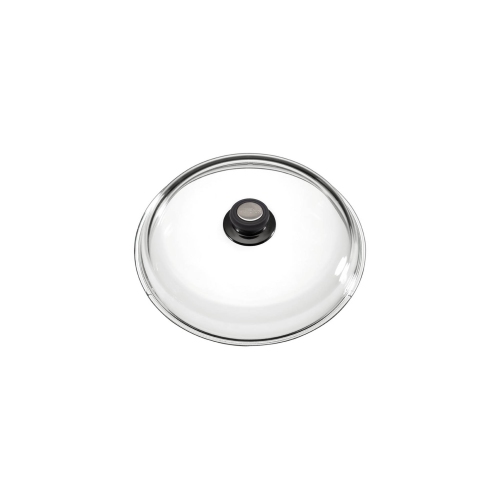
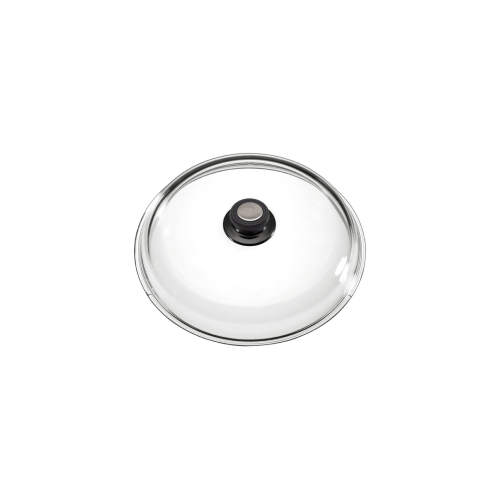
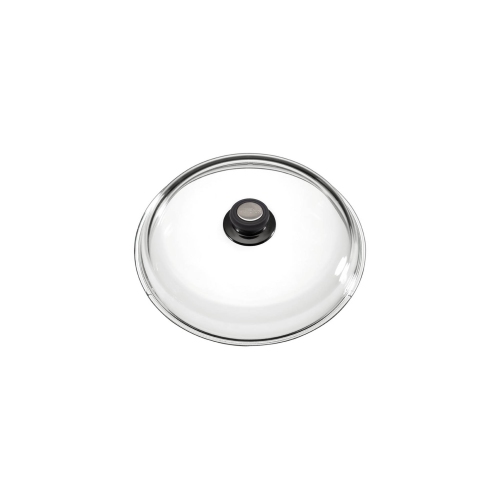
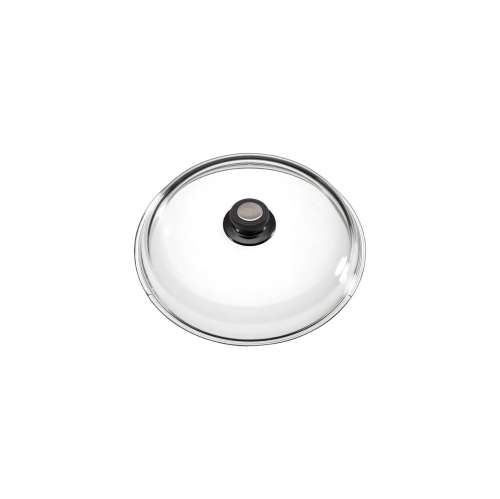
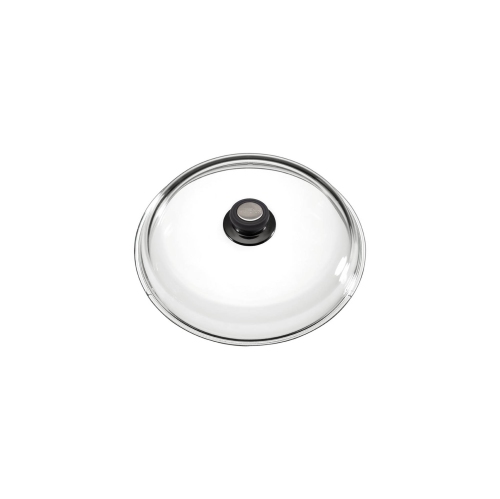
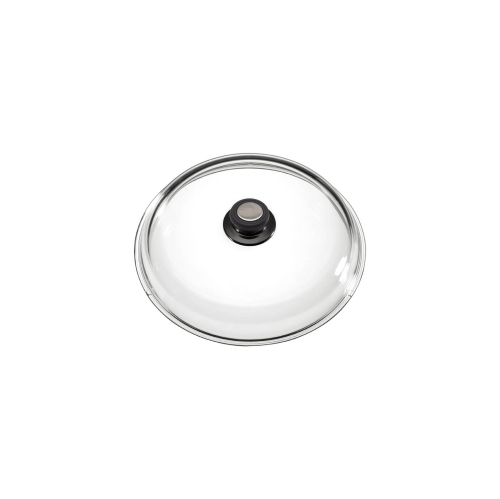
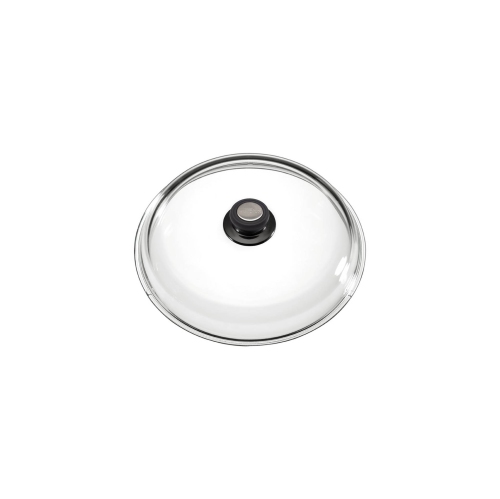

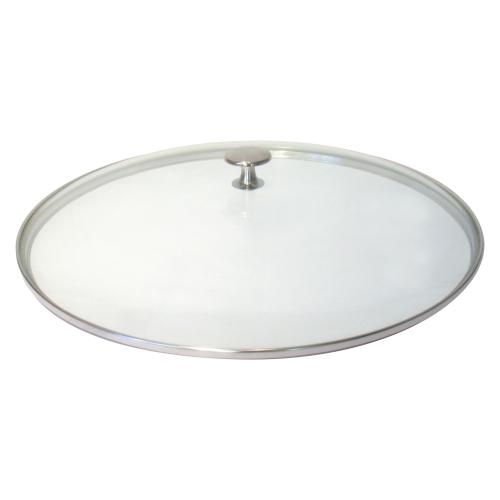





A clear view of food without lifting the lid
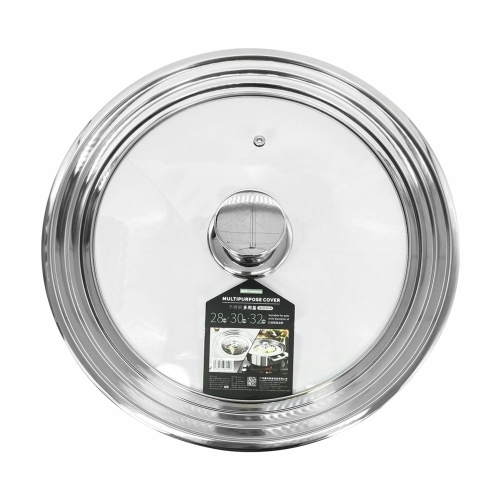
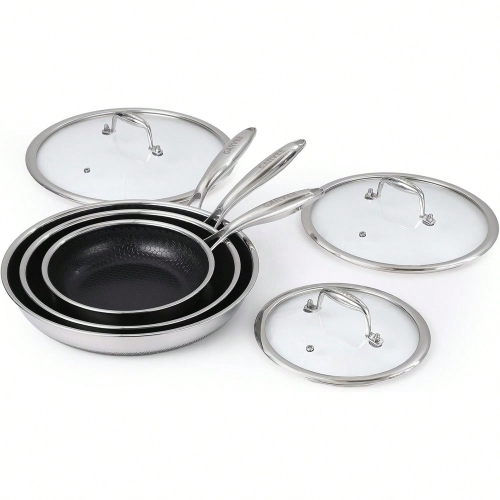
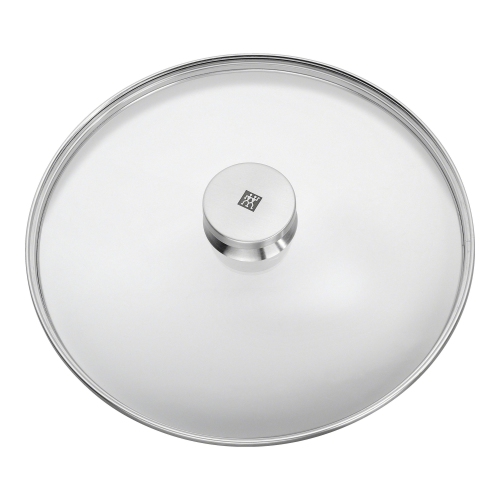
Glass lids for frying pans make it easier to keep an eye on food while holding heat and moisture inside the pan. A clear lid lets the cook watch a sauce bubble, see when leafy greens have wilted, or check whether the whites of an egg have set without repeatedly lifting the cover. That visibility is useful for everyday meals that move between uncovered browning and a gentler, covered finish. Chicken browned in a skillet, vegetables cooking with a splash of water, and dumplings steaming after their bases have crisped all benefit from different amounts of moisture at different stages. Covering the pan helps contain splashes, although a lid is not a complete barrier against steam or escaping droplets. Many frying pan lids use tempered glass, often paired with a metal rim and a handle made from stainless steel, silicone, or another heat-rated material. The glass provides a view of the cooking surface, while the rim helps the lid sit against the pan and protects the glass edge during ordinary handling. Some designs include a small steam vent that allows vapour to escape; others release steam around the edge. Neither design turns a frying pan into a pressure cooker or creates a pressure-tight seal. Condensation on the underside is normal and can temporarily obscure the view, particularly when food releases plenty of moisture. A covered pan also produces a different result from an uncovered one: trapped steam helps soften vegetables and finish foods through, but it can soften a crisp crust as well. For meals where a browned surface matters, the lid is often useful for only part of the cooking time. This makes a separate glass lid a practical addition to a frying pan that was supplied without one, or a replacement for a lid that no longer fits securely or has become damaged.
Fit is a defining consideration when comparing Glass Lids for frying pans, because matching the stated diameter is only part of compatibility. Frying pans can have flared sides, rolled edges, pouring lips, or a shallow inner ledge, and those details affect where a lid rests. A pan’s advertised size generally refers to its upper diameter rather than the flat cooking surface at the bottom, but measurement conventions can vary. Manufacturer compatibility information is therefore more useful than assuming that two pieces with the same size label will fit together. When dimensions are listed in both centimetres and inches, comparing the actual measurements helps avoid a mismatch caused by rounded conversions. A suitable lid should sit evenly on its intended resting point without rocking, sliding into the pan, or needing to be forced into place. The pan handle also needs enough clearance so that the lid can settle properly. Universal lids offer another approach, using stepped rims or flexible edges designed to accommodate several stated pan sizes. Their usefulness depends on how well those contact points match the cookware already in the kitchen; a broad fitting range does not mean compatibility with every rim shape. Lid height matters, too. A flatter profile takes up less storage space, while a domed shape provides more room above thicker food and can keep the underside away from a generous portion of vegetables. Handle shape changes the feel of everyday use just as noticeably. A raised loop can offer room for an oven mitt, while a knob may be easier to grasp from above, depending on its size and position. Metal handles can become hot, and silicone-covered handles still require care around heat. Oven suitability must apply to the complete lid, including its handle, rim, and fittings, not just the glass. Any stated heat limit should be followed, and stovetop compatibility alone does not establish that a lid is suitable for an oven or broiler.
Care and storage make a meaningful difference to the useful life of a glass frying pan lid. Tempered glass is durable in normal use, but it can still chip, scratch, or break, particularly after an impact or a sudden temperature change. A hot lid belongs on a dry, heat-resistant surface rather than a cold or wet countertop, and it should cool before washing. Adding cold water to hot glass or placing a chilled lid over intense heat can create thermal stress. Cleaning requirements vary with the materials and construction: some lids are dishwasher-safe, while others need handwashing to protect handles, rims, or finishes. Warm water, dish soap, and a soft sponge are often enough for routine grease and condensation marks when permitted by the care instructions. Abrasive pads can scratch surfaces, and residue around the rim or handle fittings may need extra attention with a soft brush. Thorough drying helps prevent trapped moisture around seams before the lid goes back into a cupboard. A chipped edge, visible crack, or loose handle is a reason to stop using the lid until the issue has been assessed; damaged glass should not be treated as a harmless cosmetic flaw. Storage is simplest when lids have a dedicated rack, divider, or protected space where their edges will not knock against heavy cookware. Those details are especially relevant in busy households, shared kitchens, and smaller homes where pans and lids are handled frequently or stored close together. For someone replacing a missing lid, the main benefit is restoring a familiar pan’s flexibility without changing the cookware they already enjoy using. For a home cook setting up a kitchen, a well-matched lid can support everything from covered breakfast eggs to a skillet supper finished in sauce. It can also be a thoughtful practical gift when the recipient’s pan dimensions and preferred style of cooking are known. A secure fit, comfortable handle, and manageable cleaning routine are what make the lid useful long after its first meal.
Top selling and popular products
-
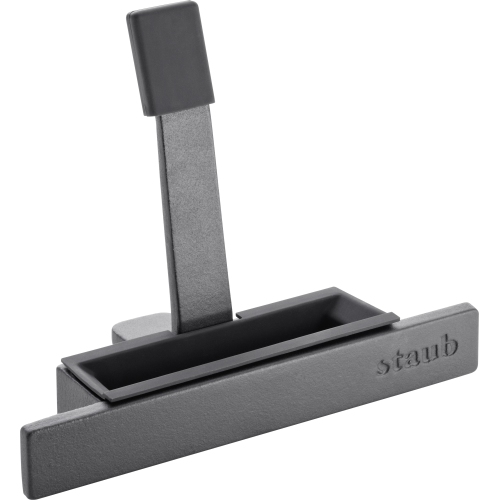 Your price for this item is $79.99
-
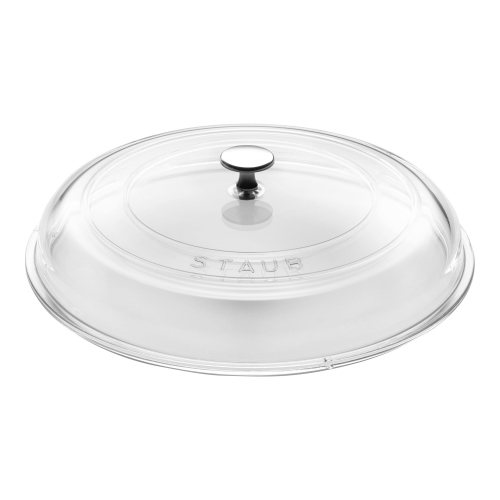 Your price for this item is $59.99
-
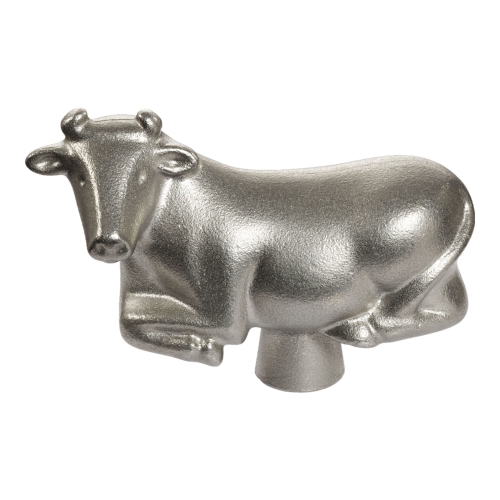 Your price for this item is $39.99
-
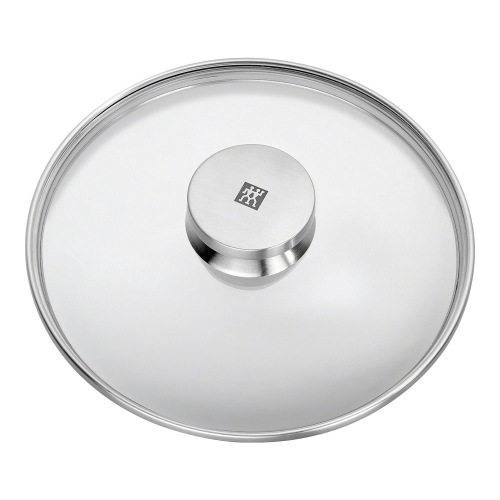 Your price for this item is $24.99
-
 Your price for this item is $39.99
-
 Your price for this item is $29.99
-
 Your price for this item is $24.99
-
 Your price for this item is $44.99
Discover more categories related to Glass Lids for Frying Pans


Top Collections:
Pokemon Centers, Best Cameras for Sports Photography, Kindle Devices, Samsung Galaxy Phones, Canon G7X Cameras, Pokémon 30th Celebration Cards, Refurbished Apple Laptops, iPhone 15 Apple, Laptops for Students, Budget Smartphones
Some products may be subject to Environmental Handling Fees
(EHF) depending on your province.
Learn more about EHFs.