Glass Media Cabinets
A glass media cabinet is a great way to show off your collection of DVDs, CDs, and Blu-ray discs. It's also a stylish way to store and display your media accessories. Here are some of our favorites.
Sort
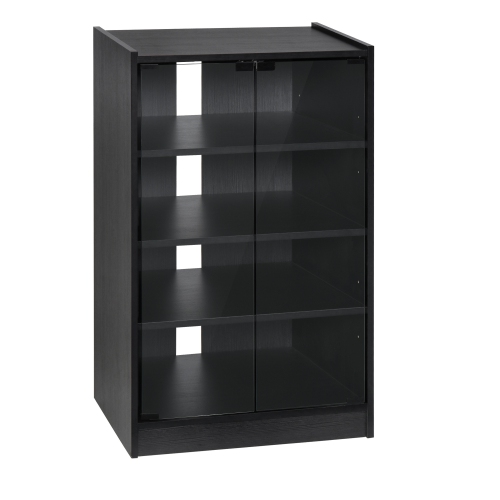
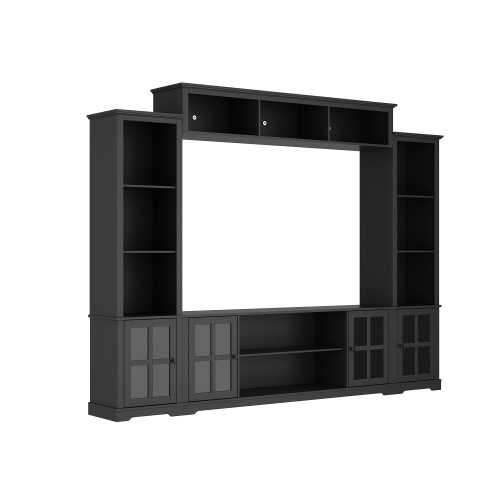
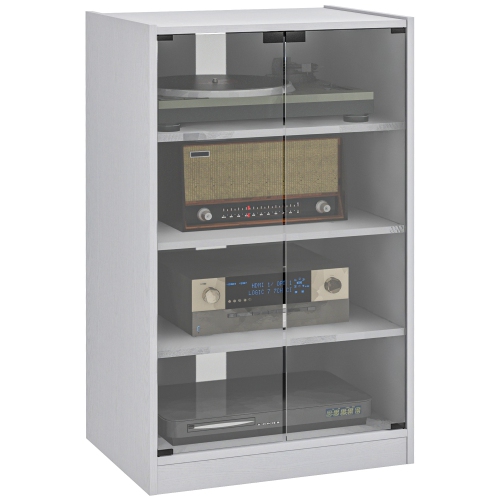
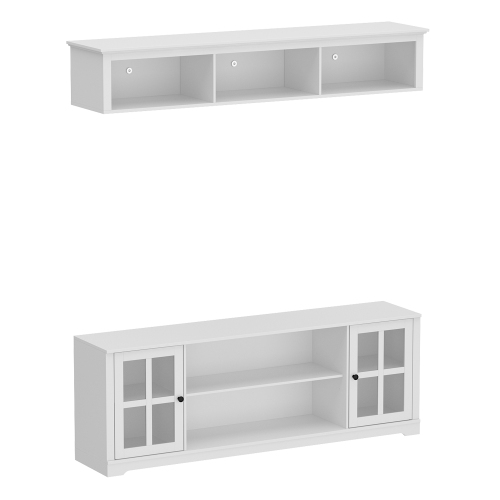
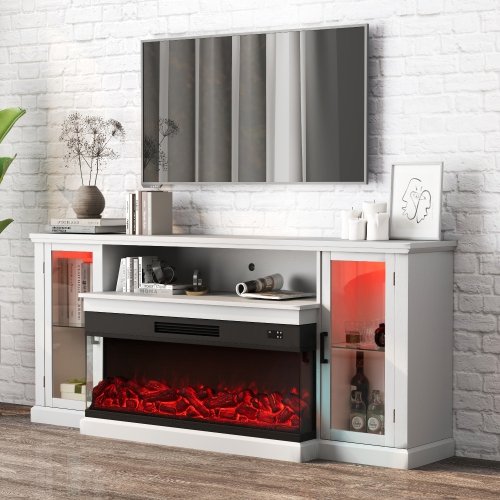
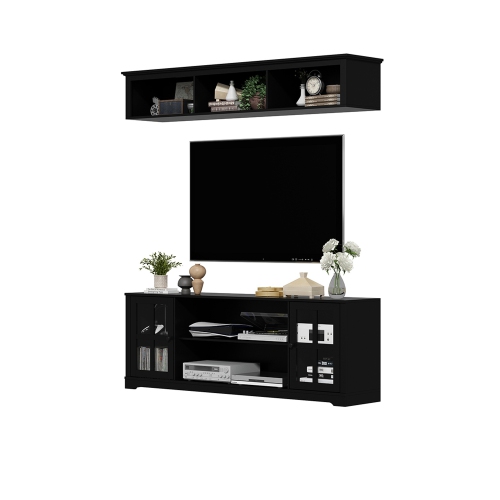
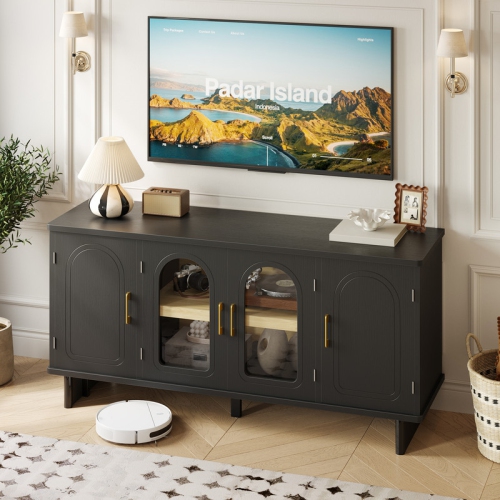
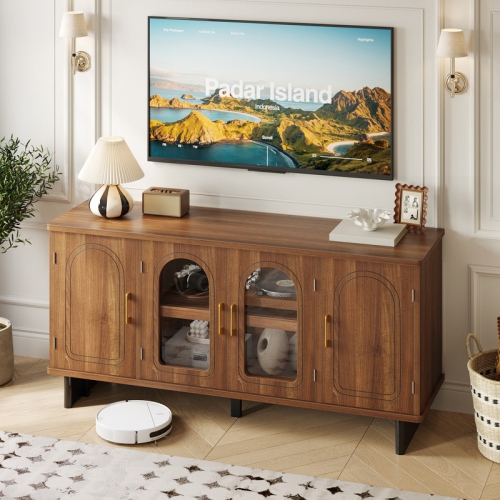
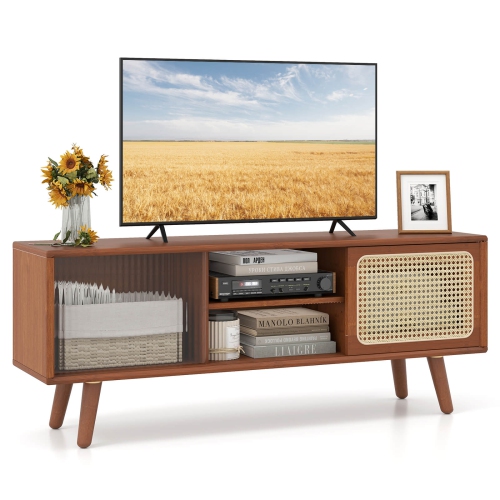
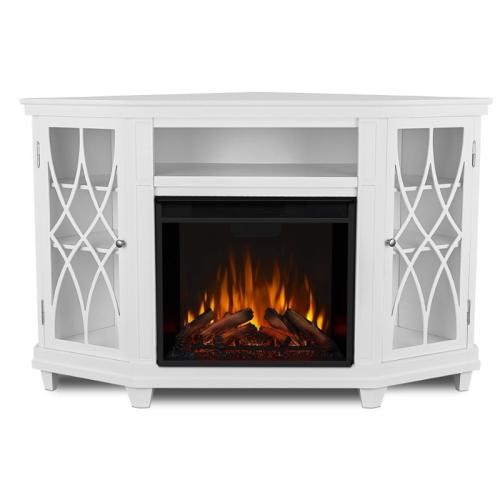
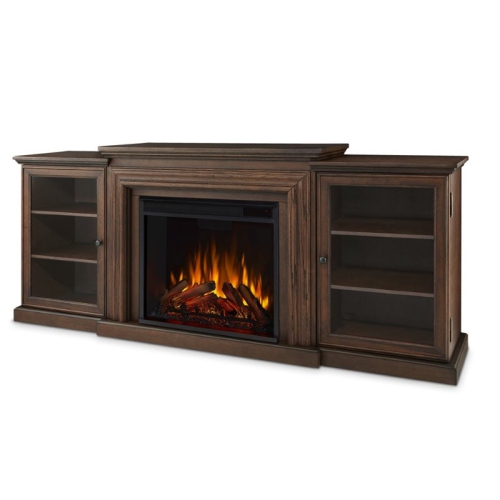
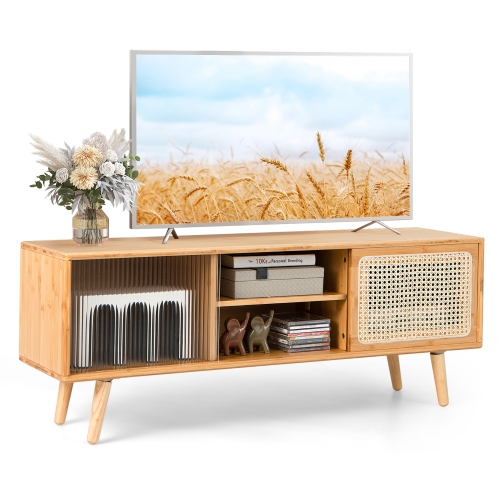
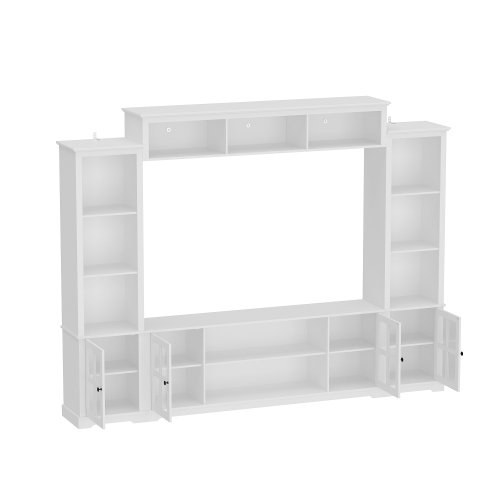
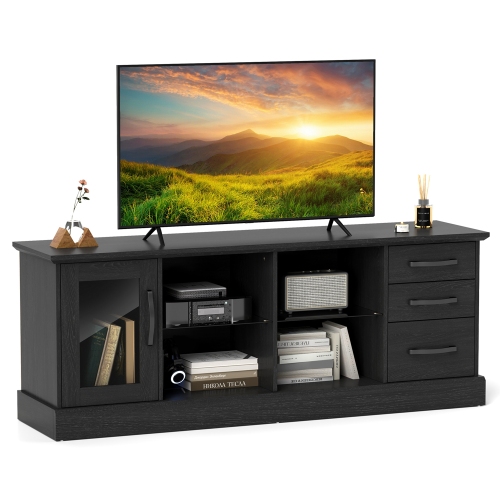
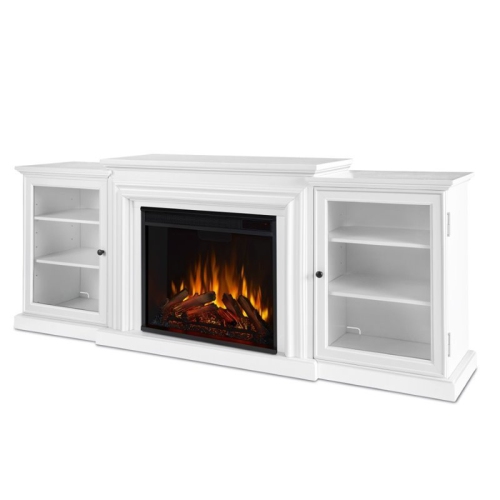
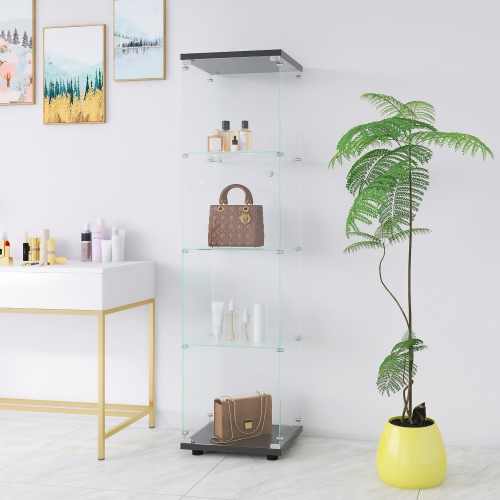

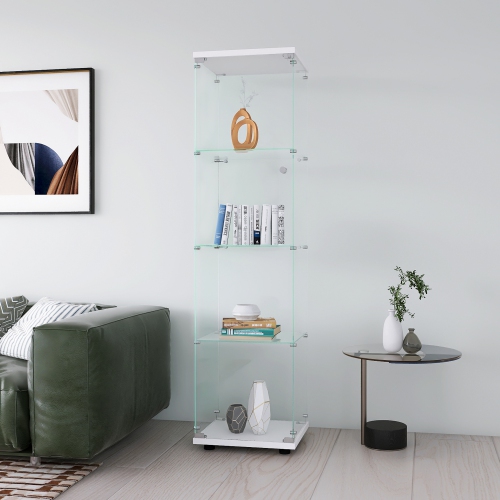
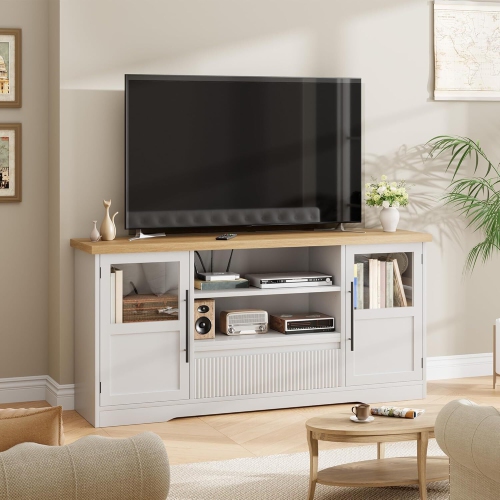
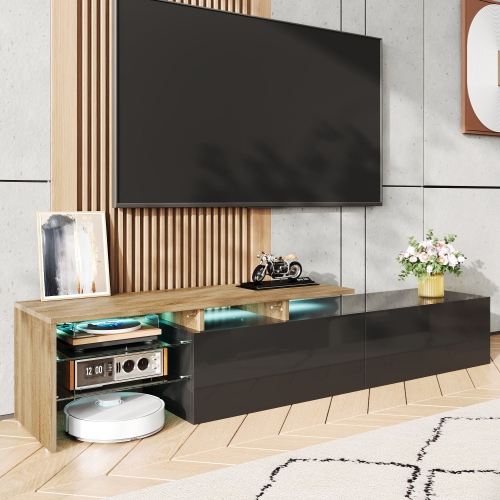
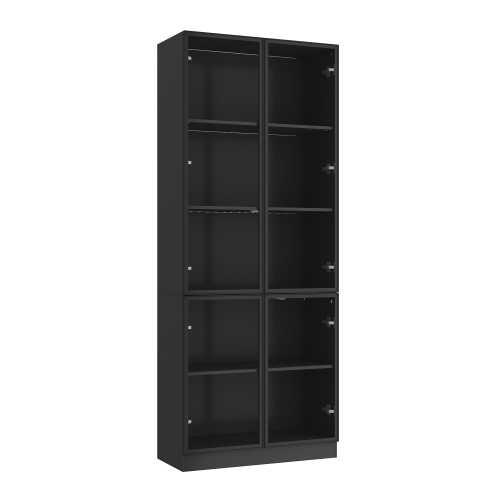
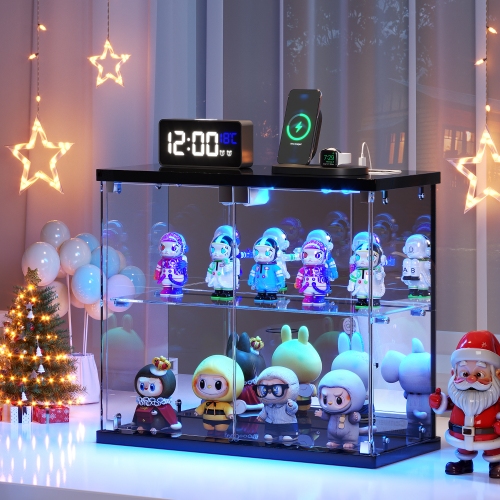
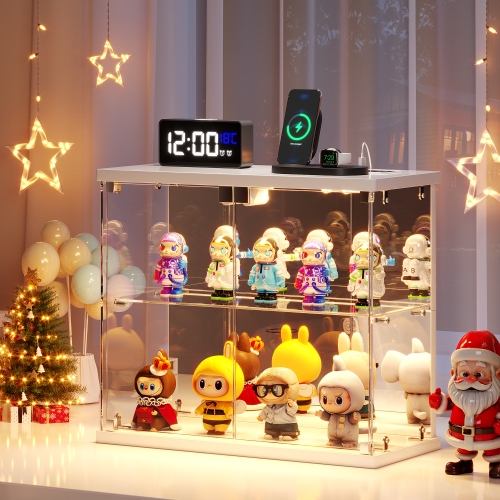
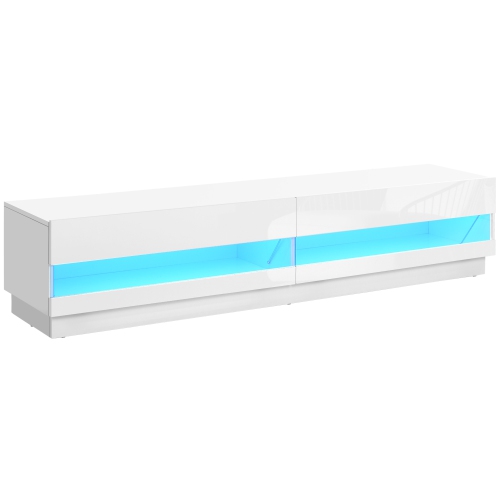
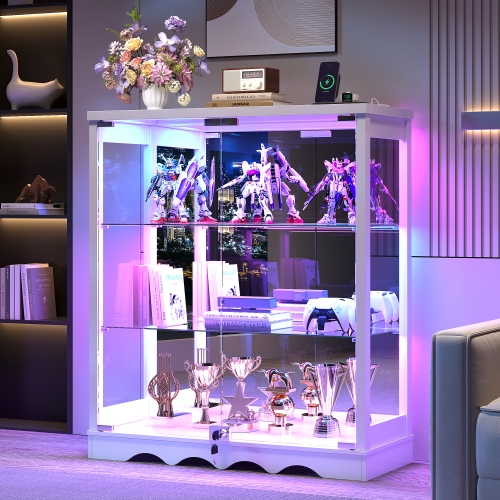
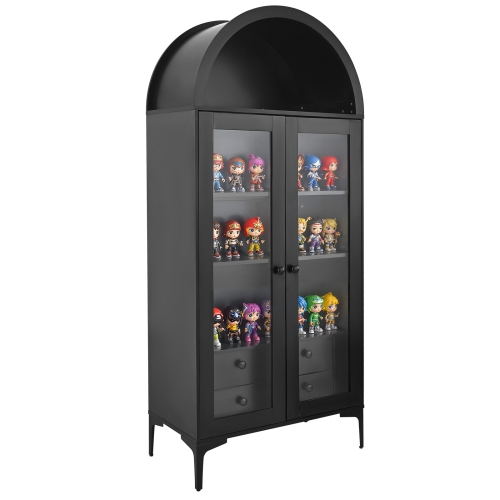
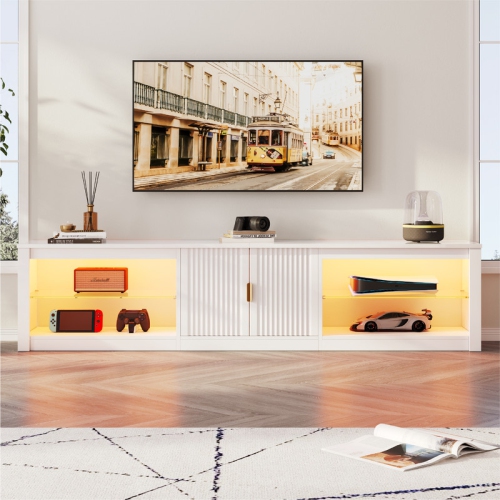
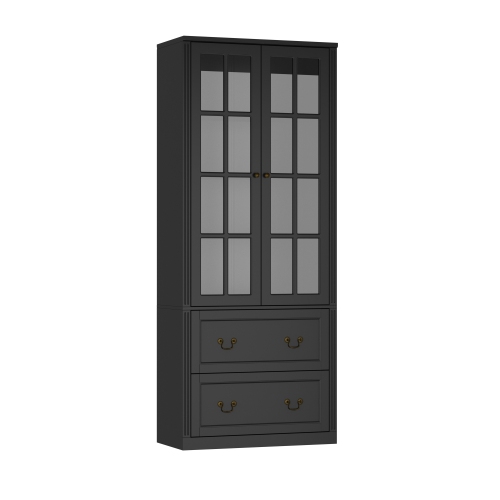
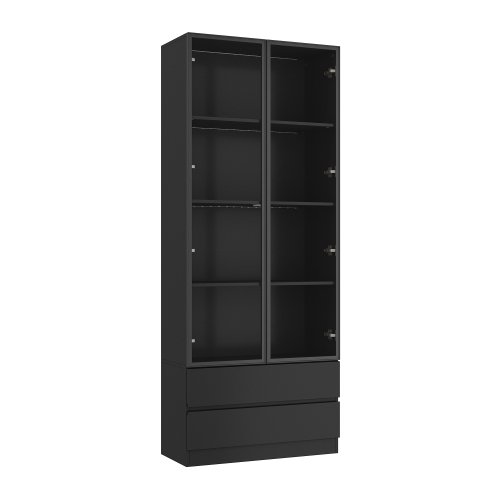
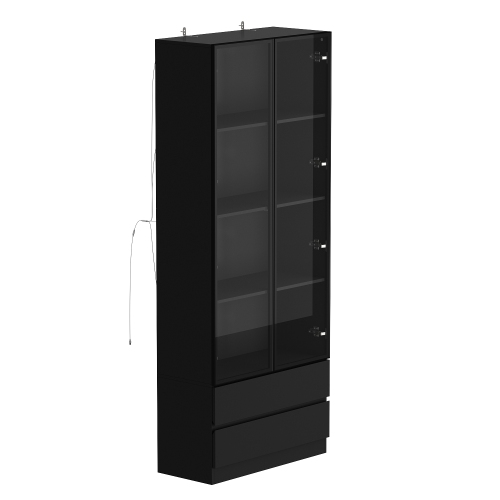
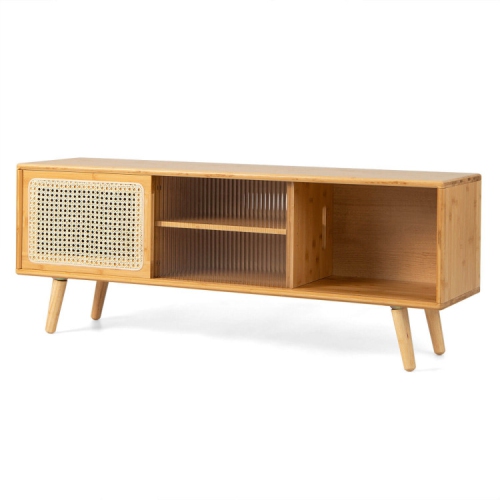
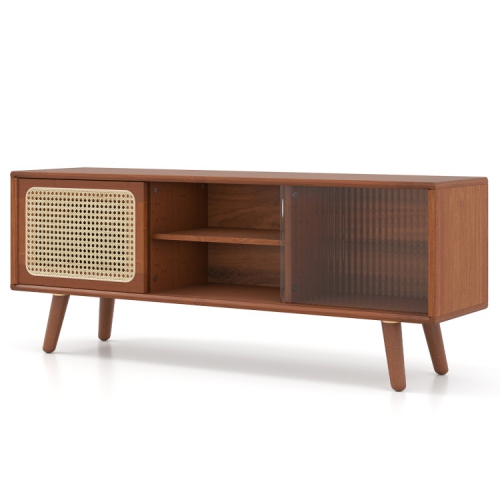
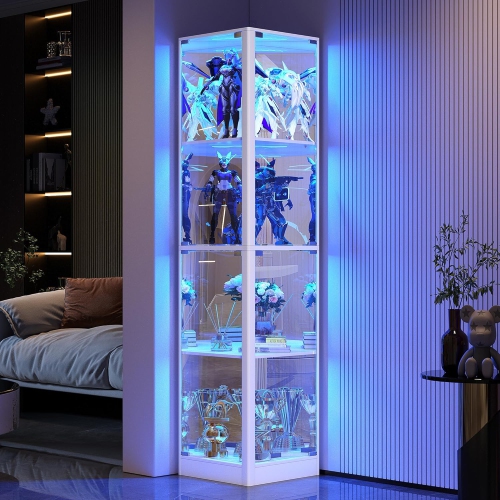
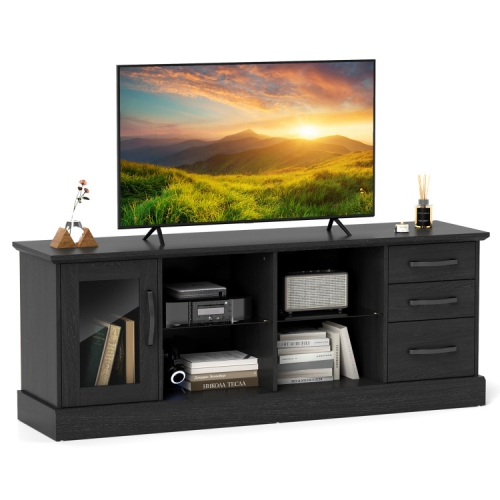
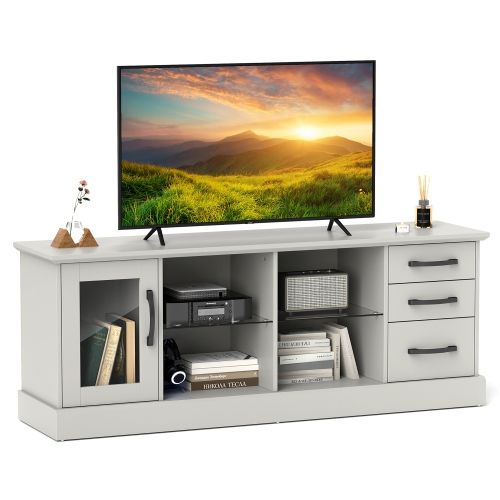
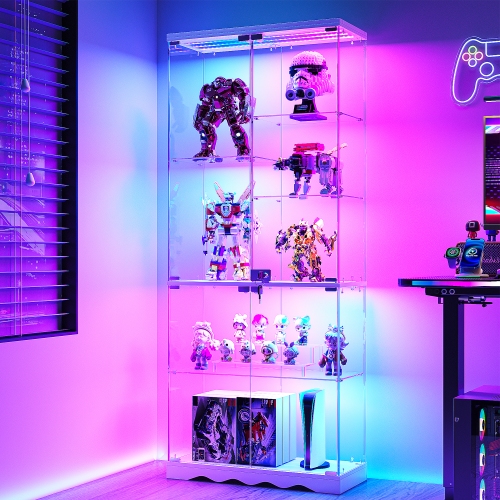
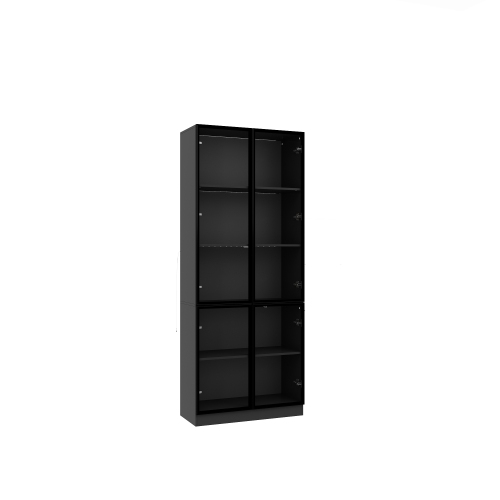
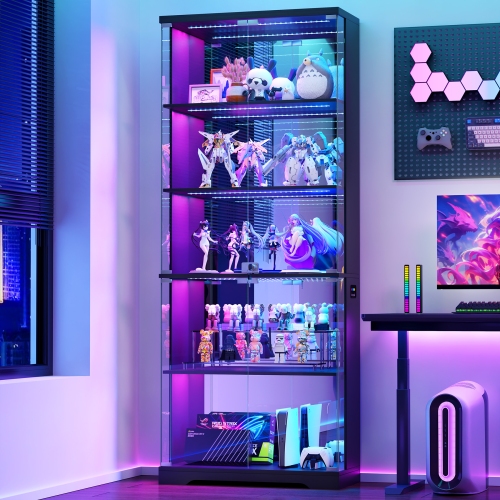
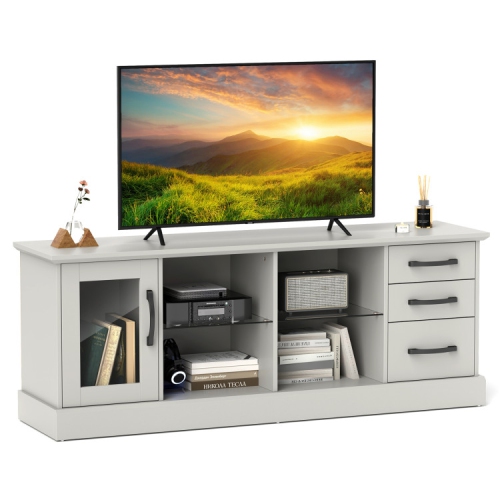
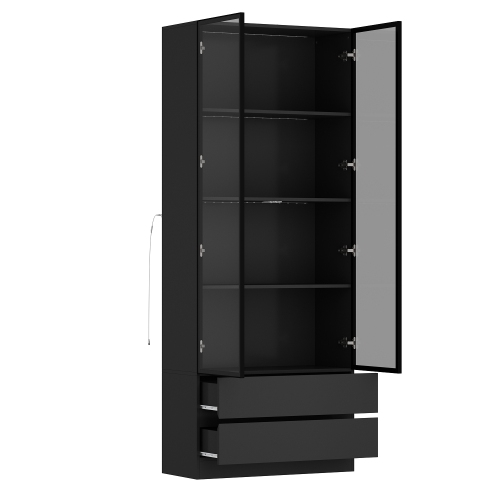
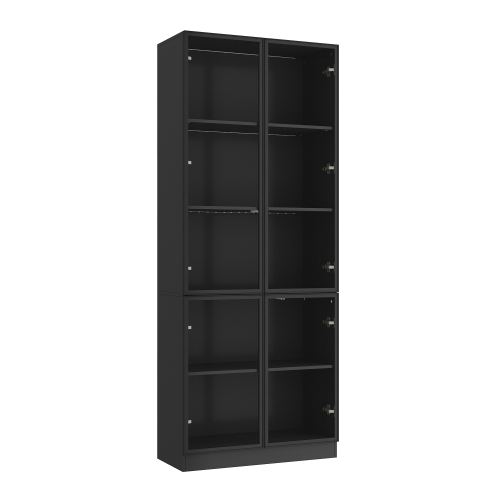
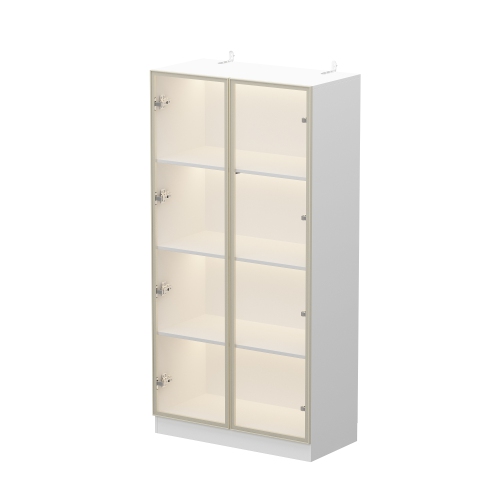
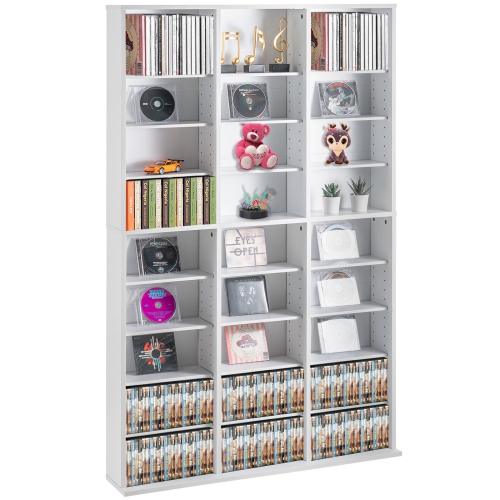
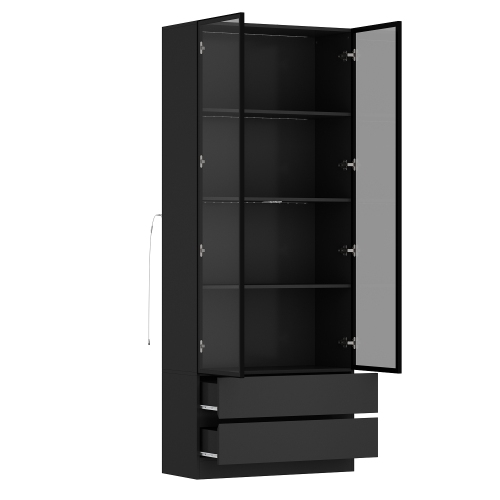
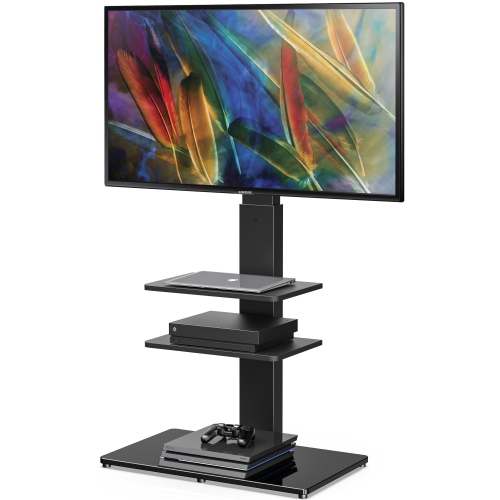
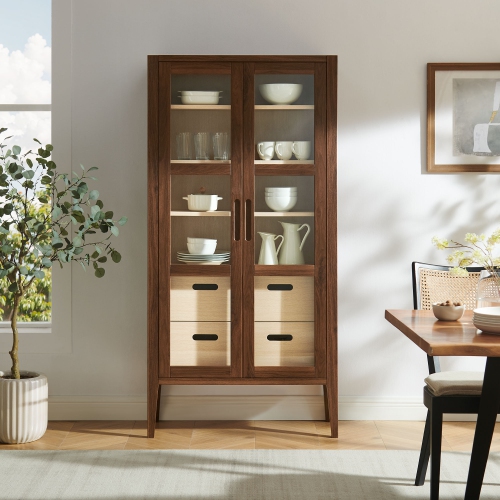
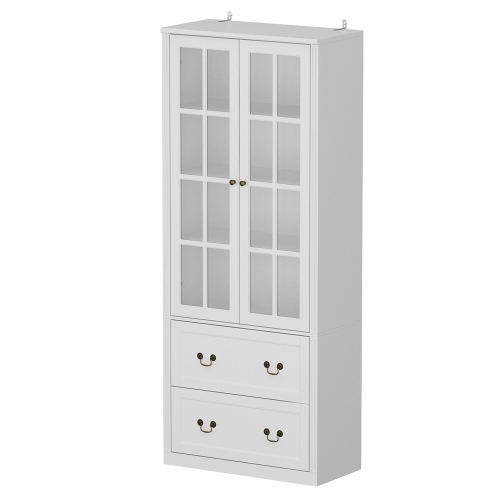
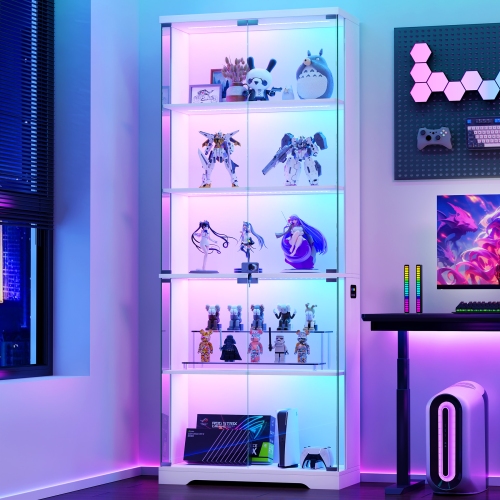
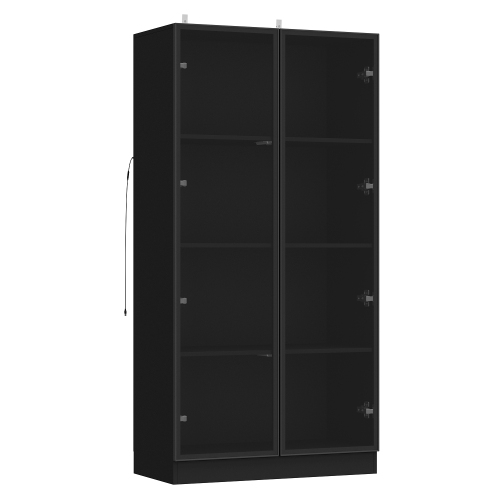
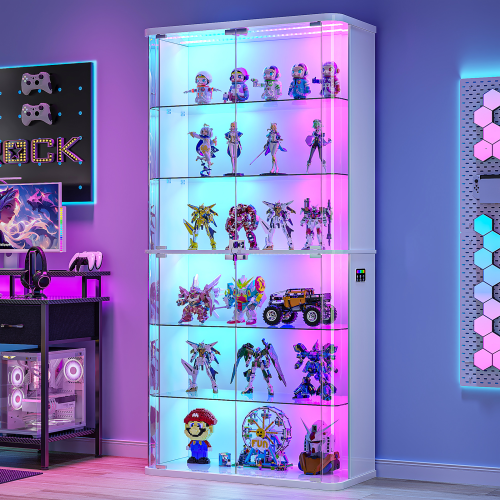

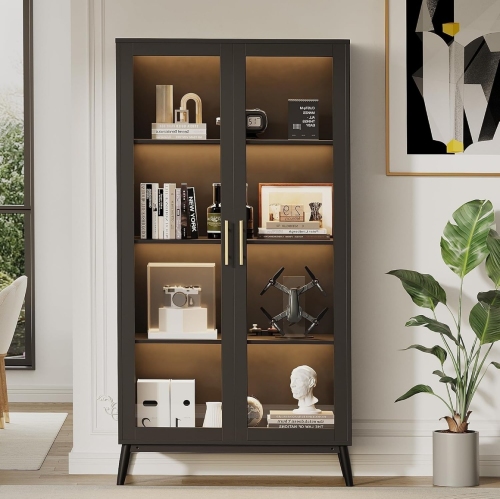
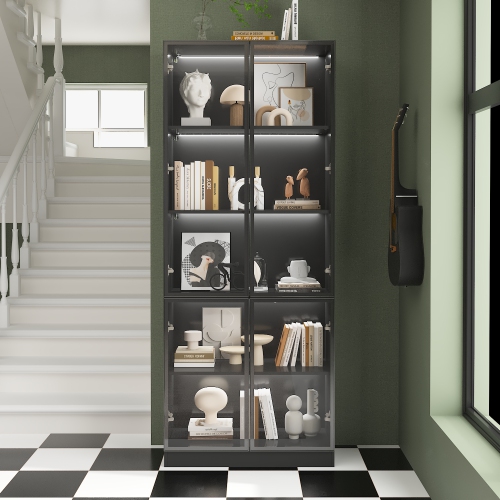
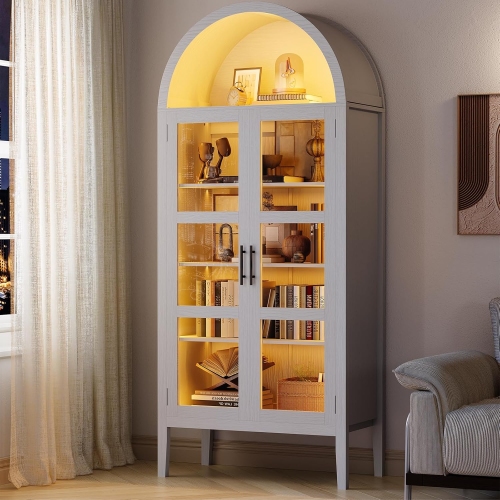
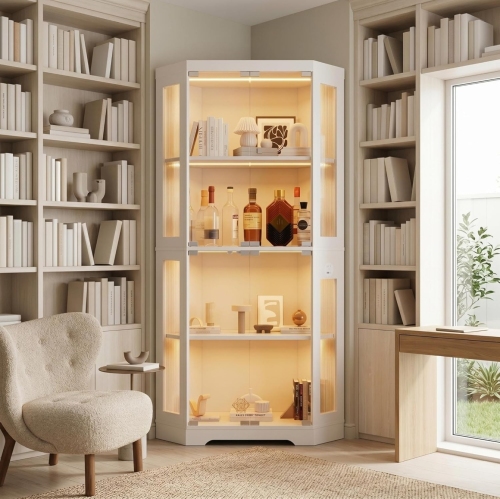
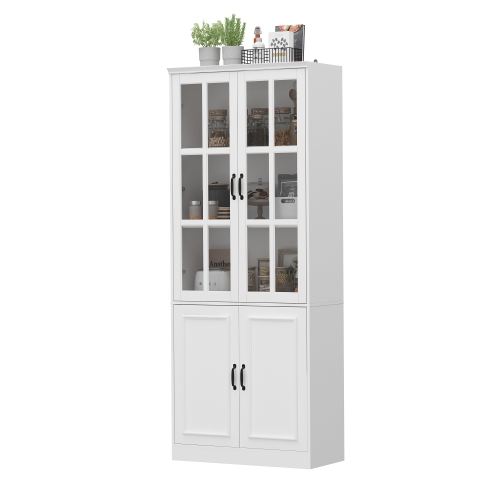
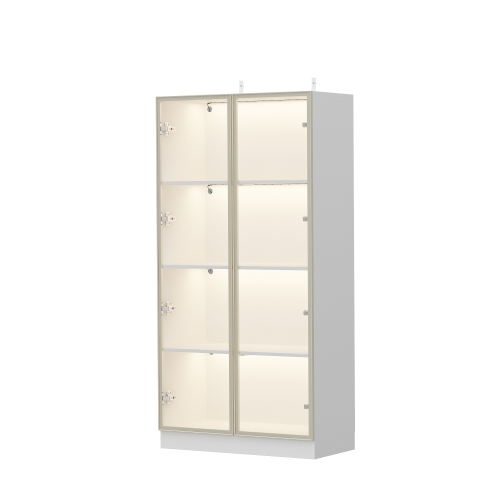
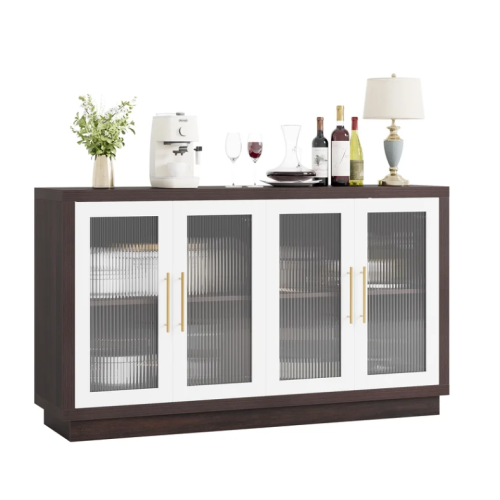
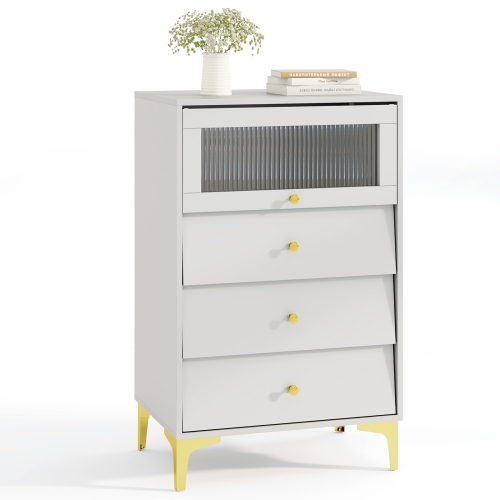
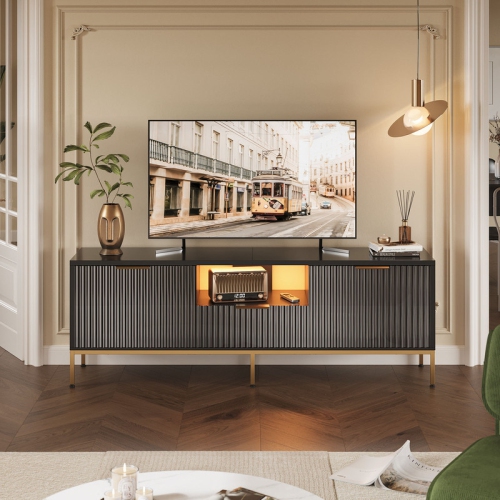
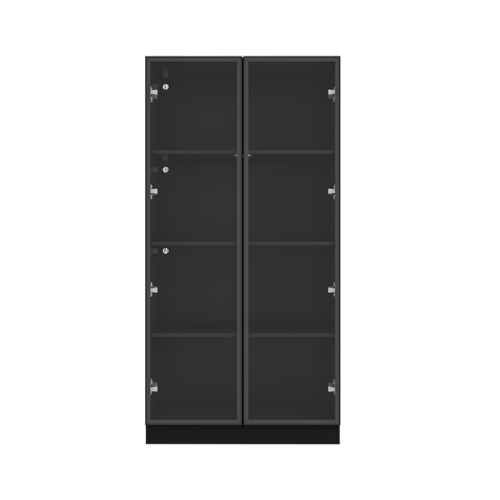
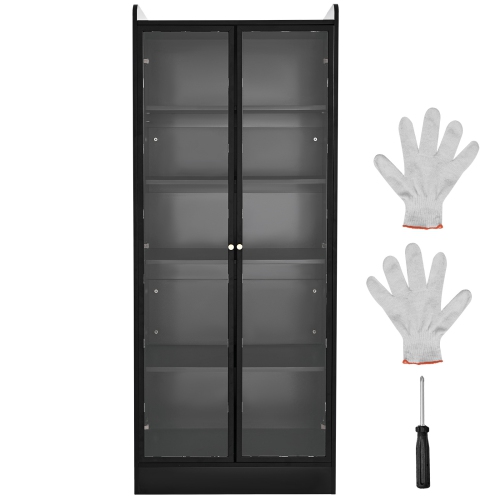
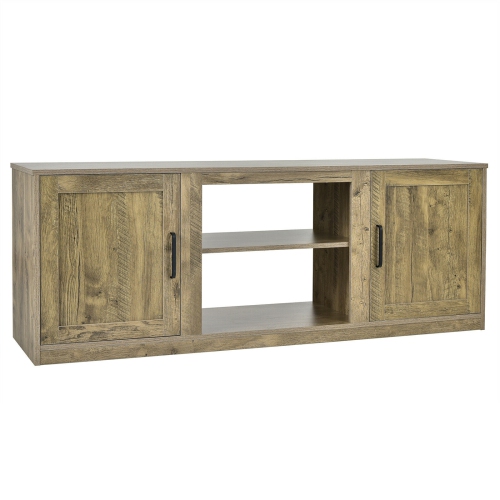
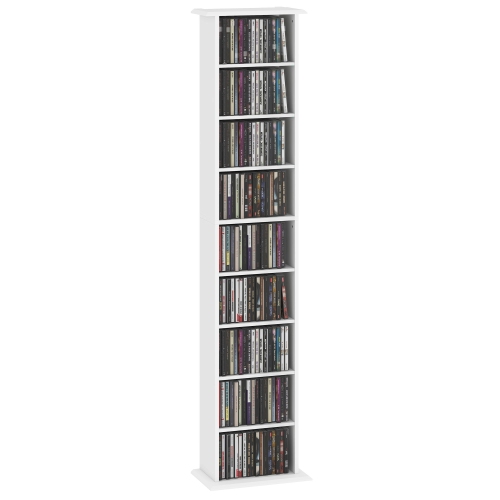
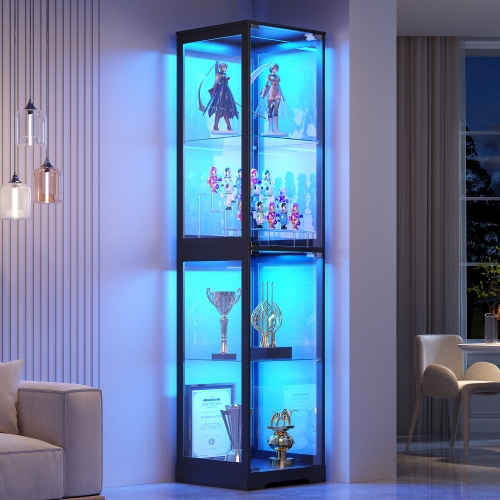
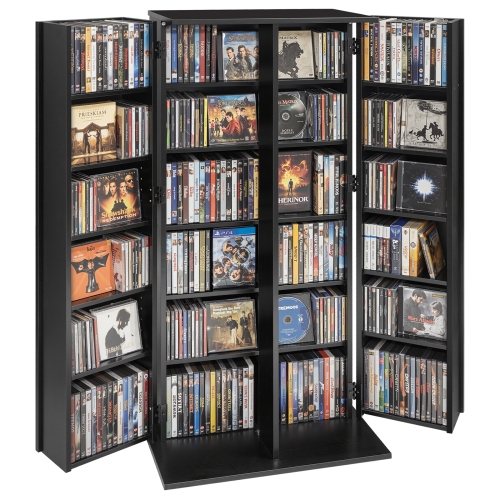

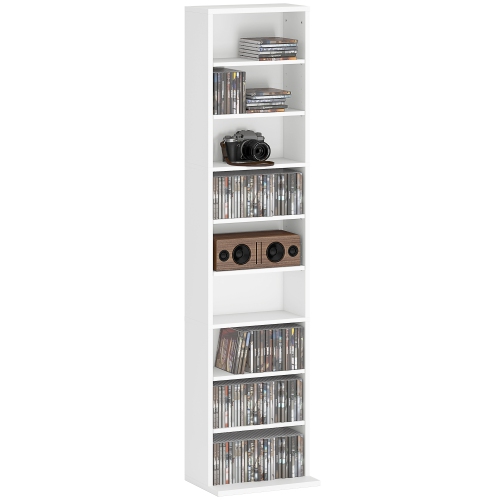
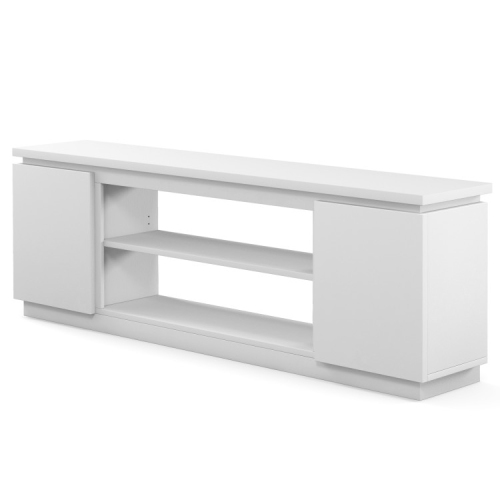
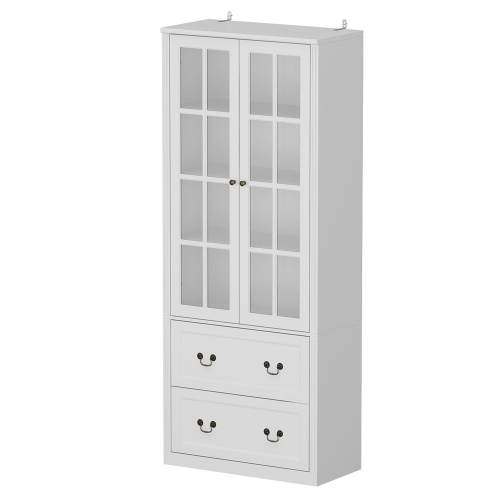
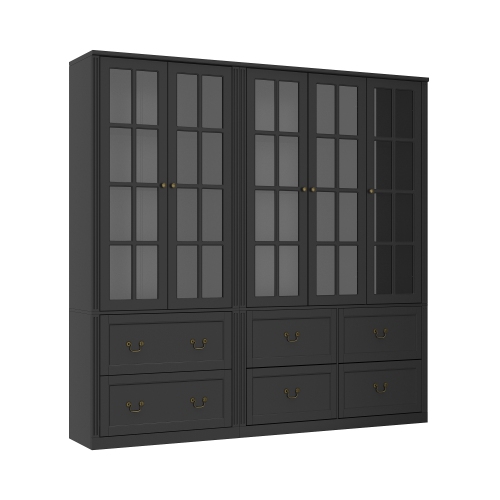
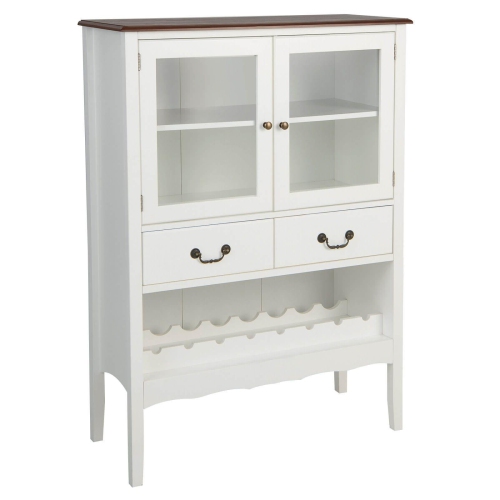
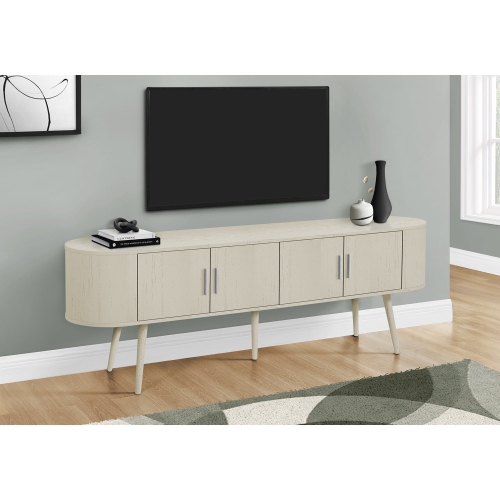
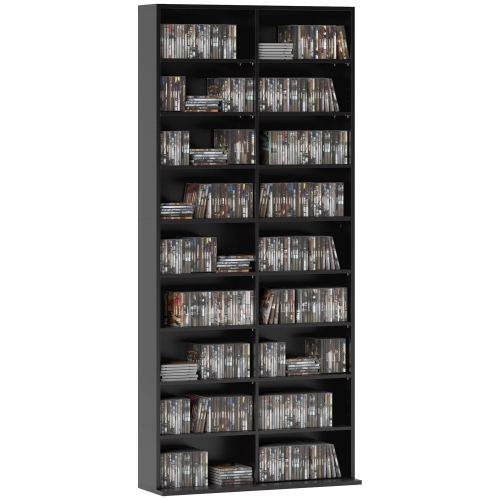
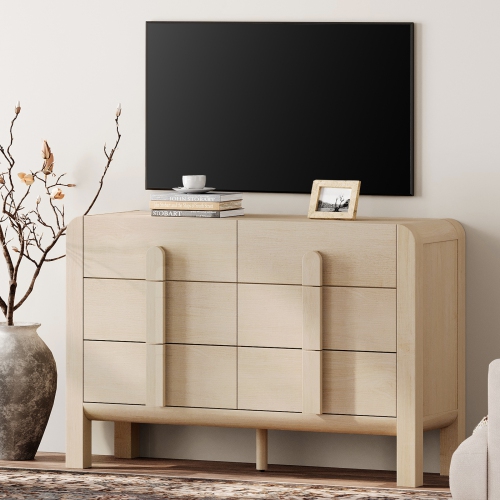
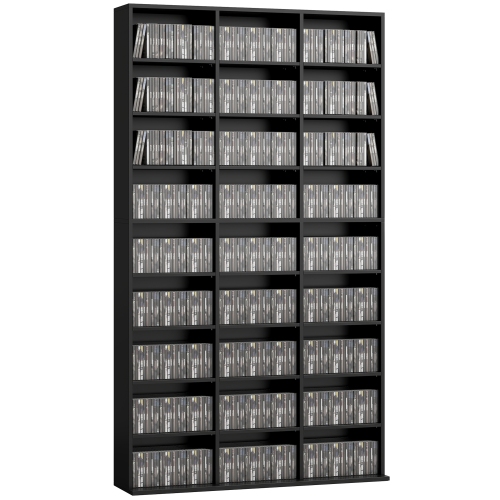
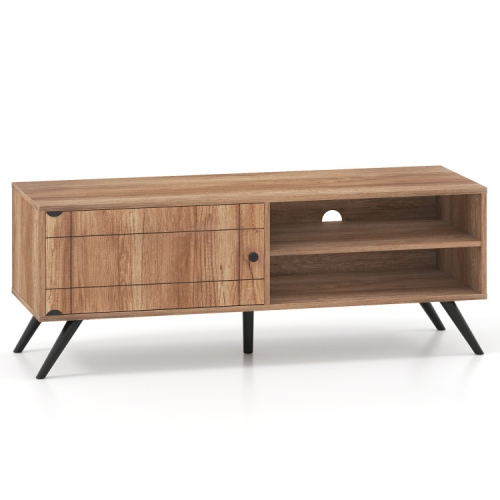
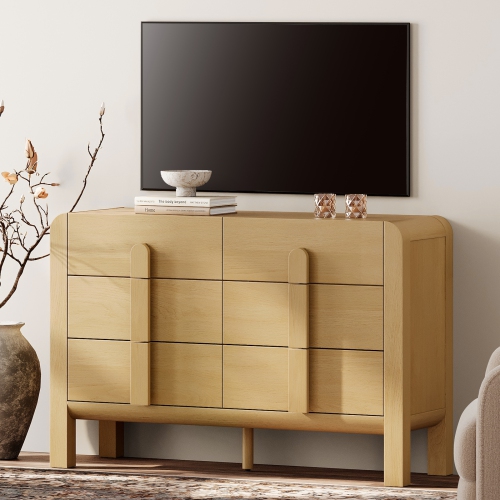
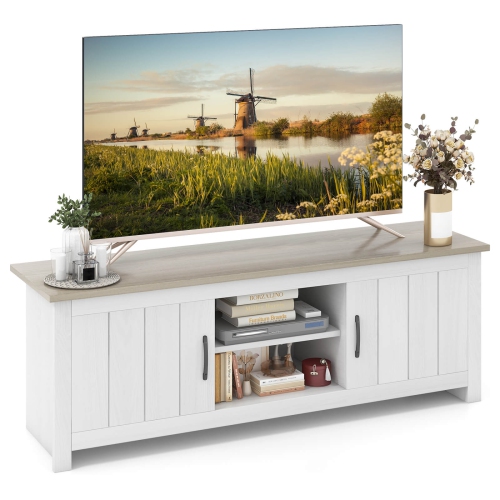
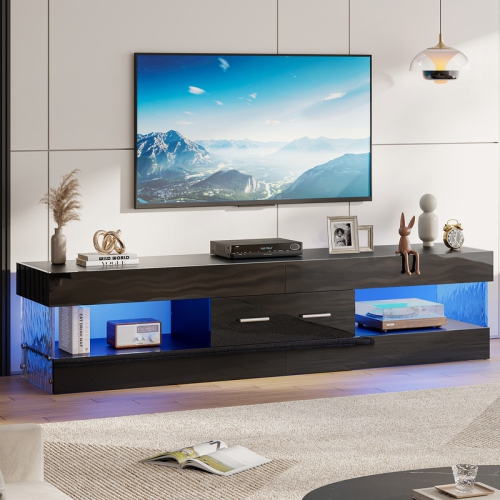
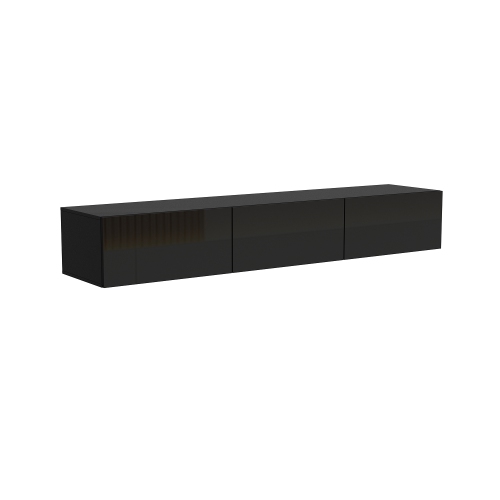
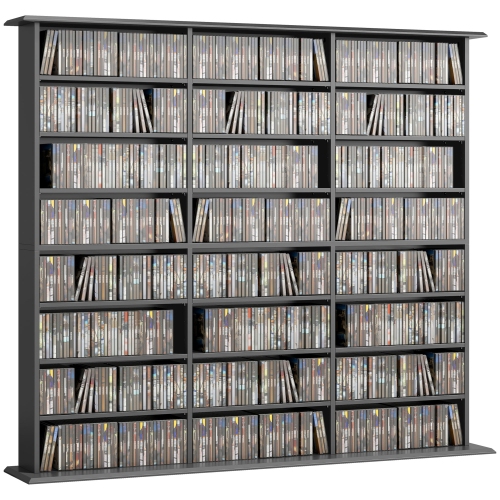
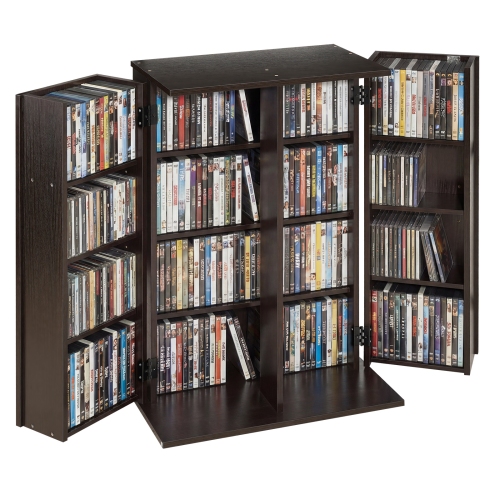
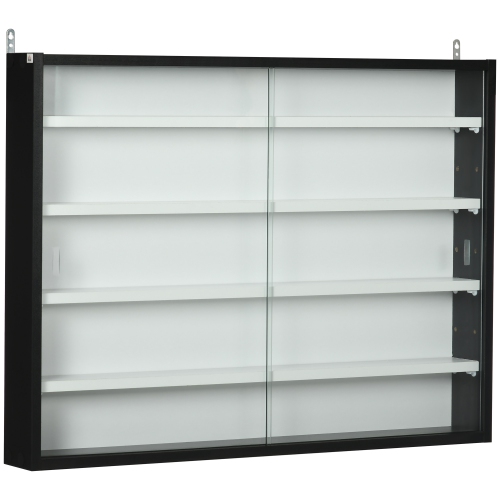
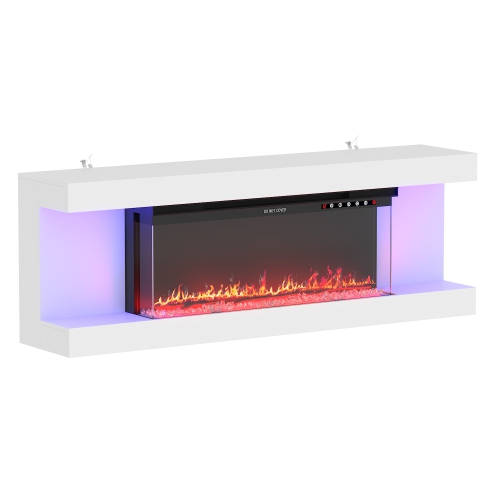
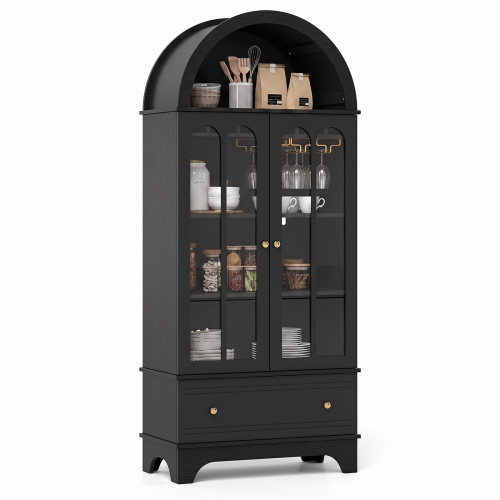
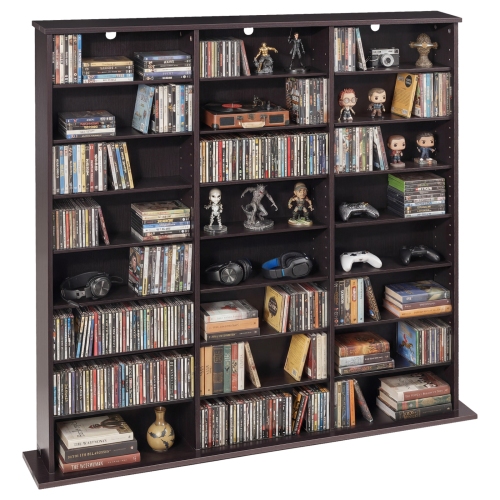
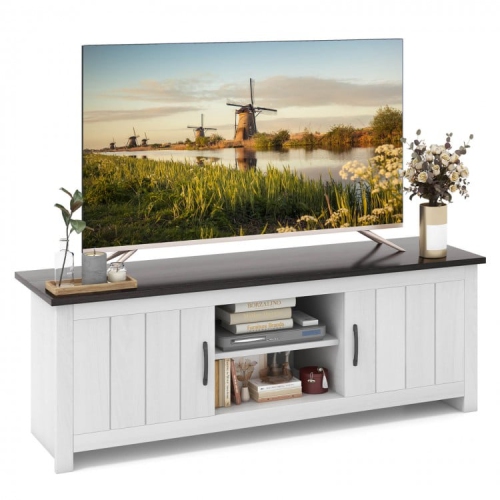
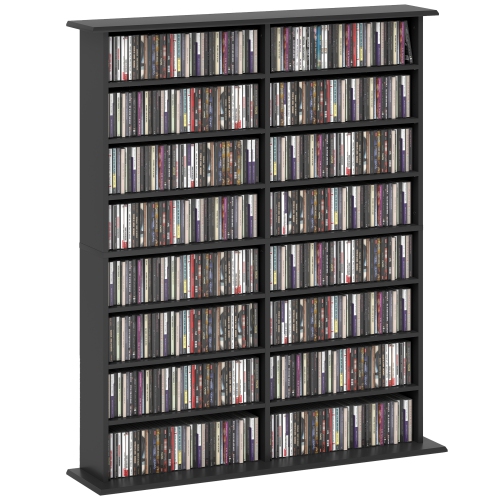
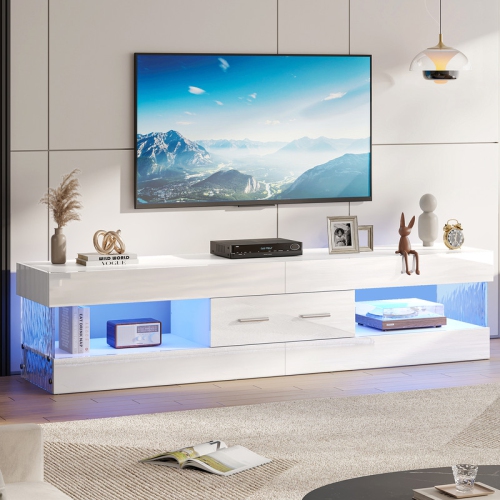
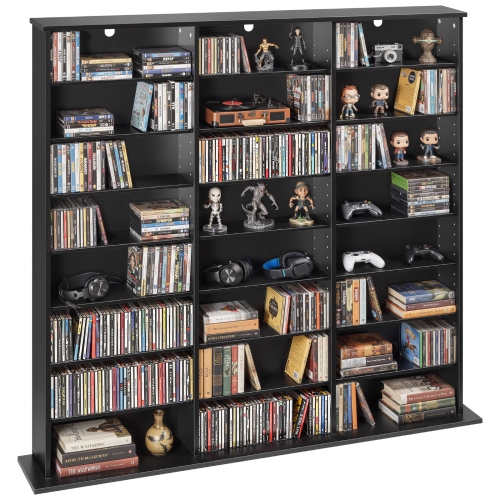
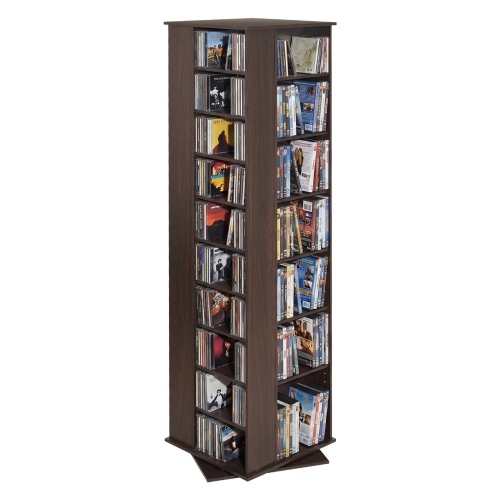
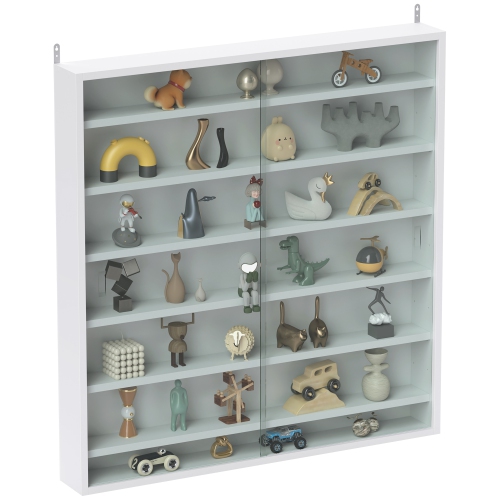
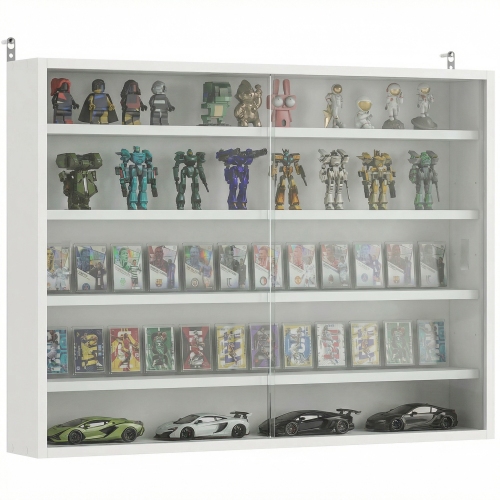
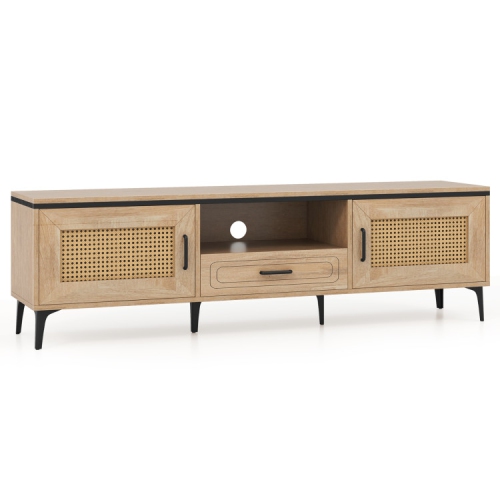
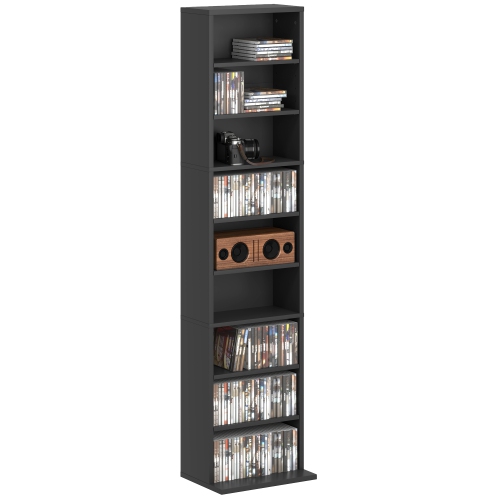
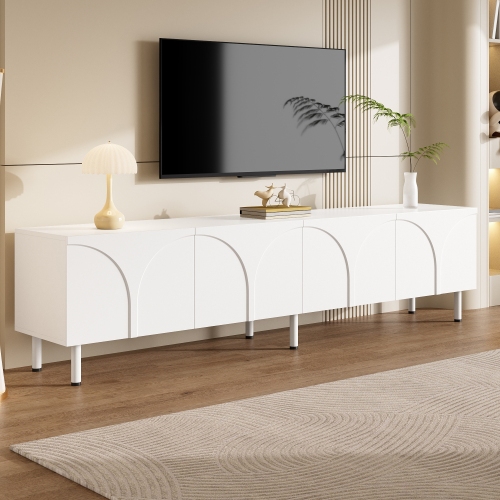
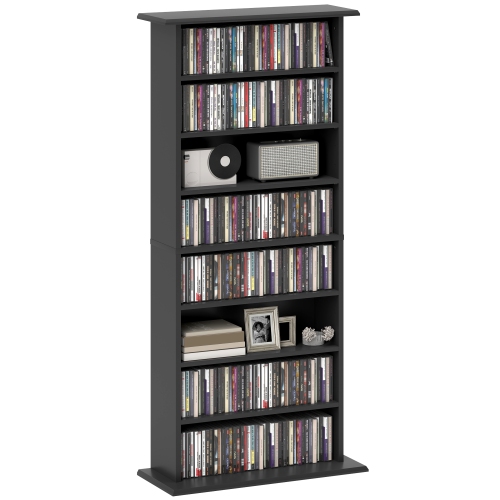
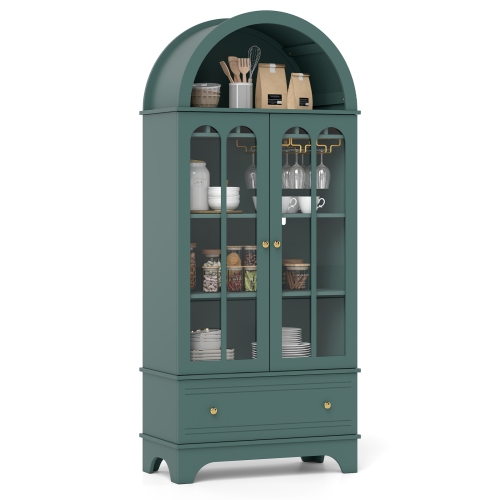
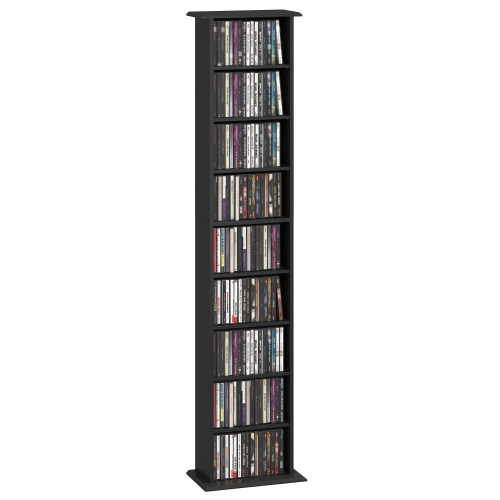
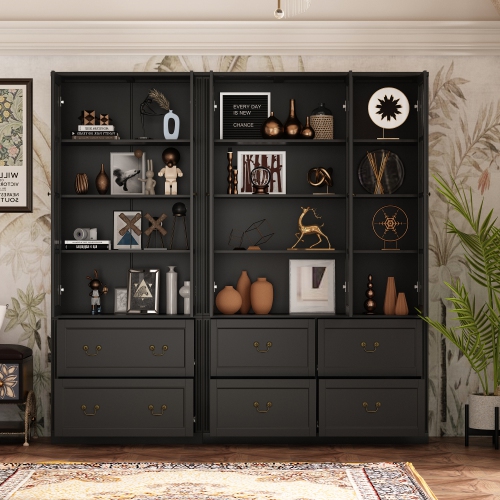
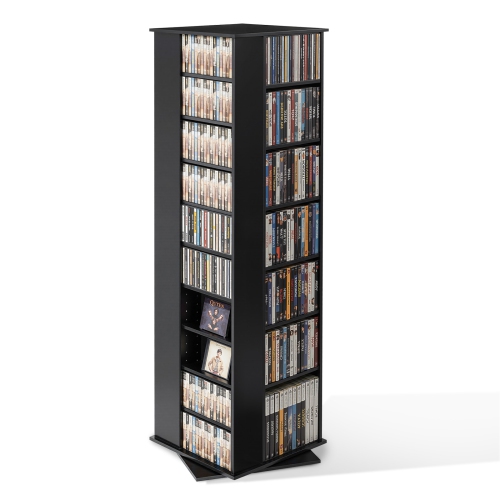
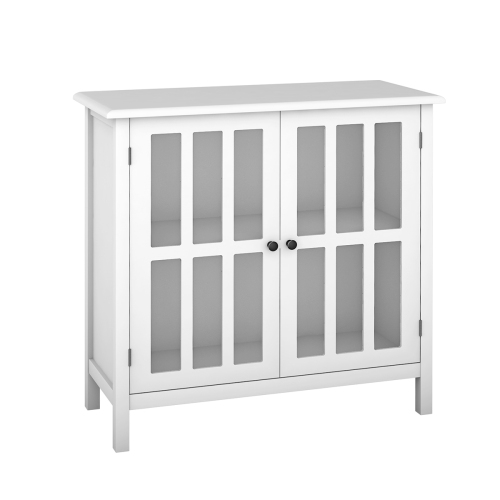
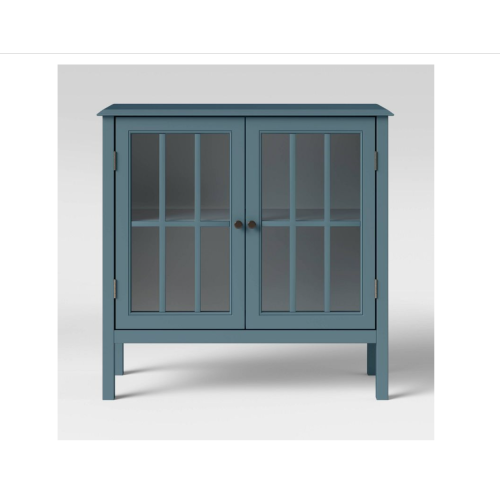
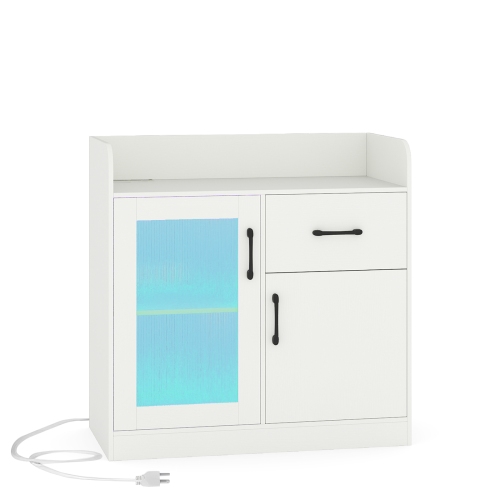
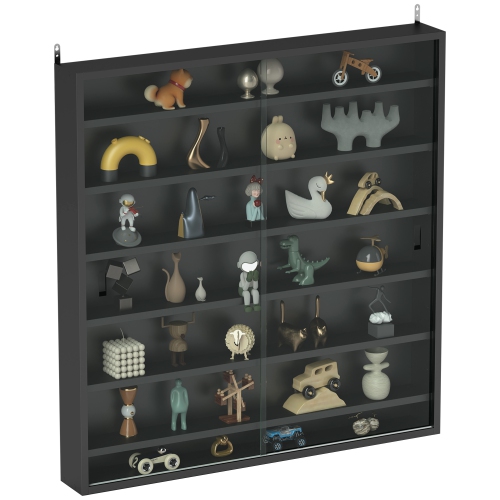
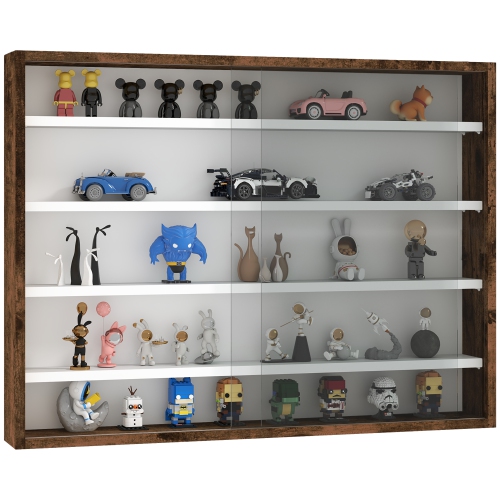
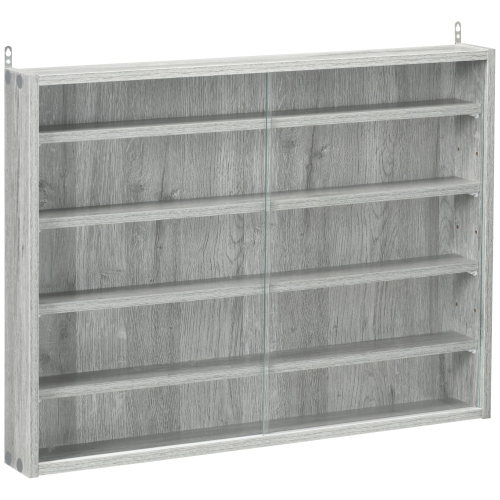
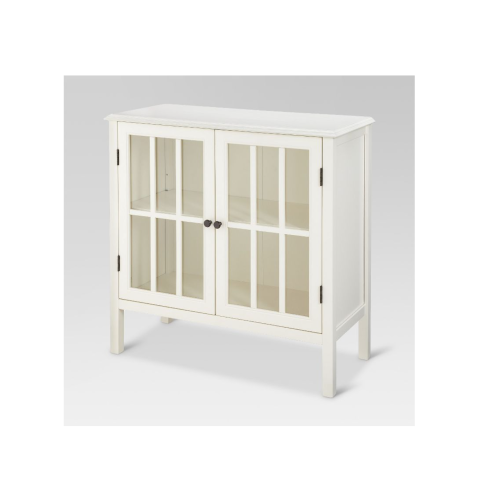
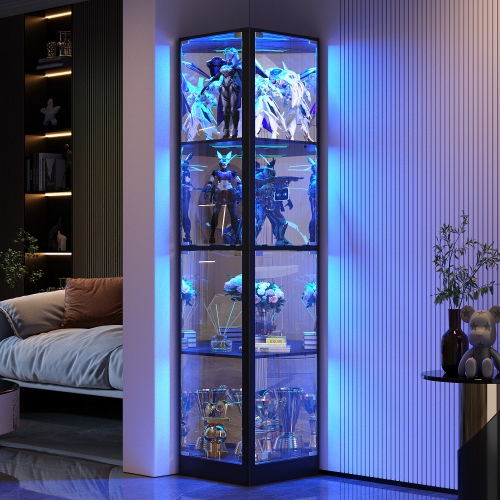
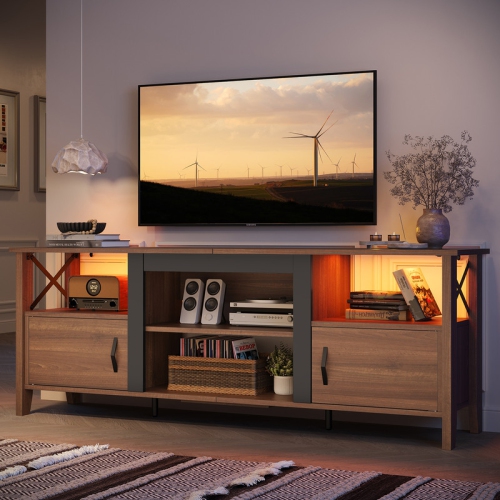
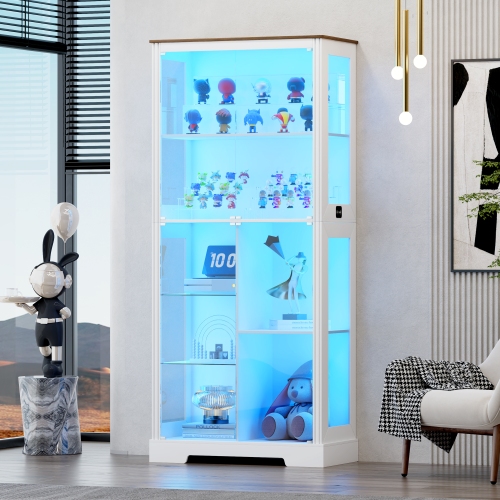
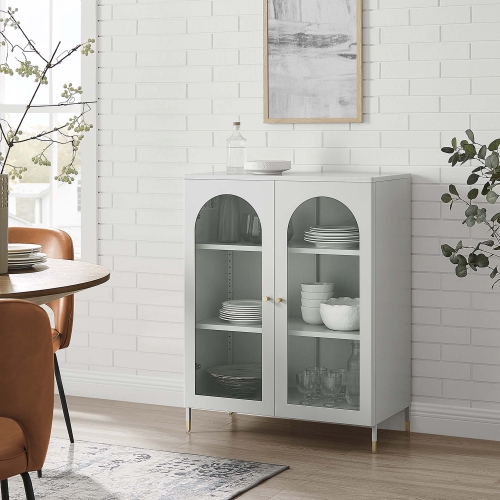
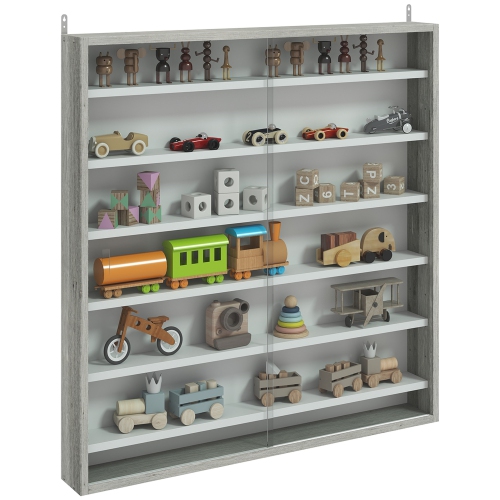
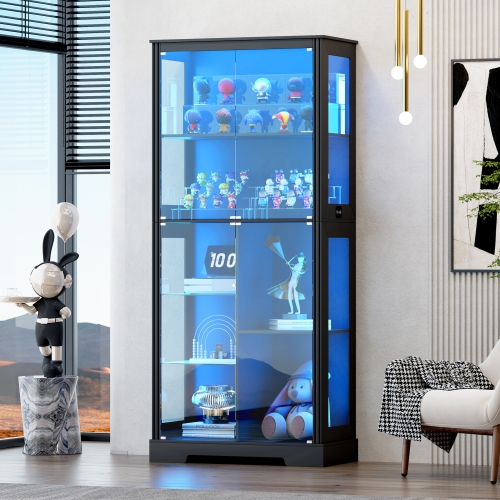
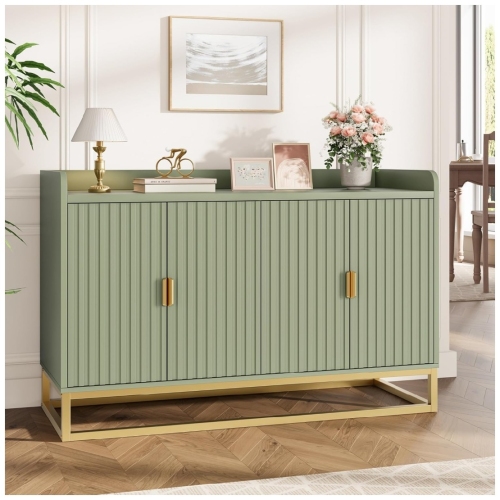
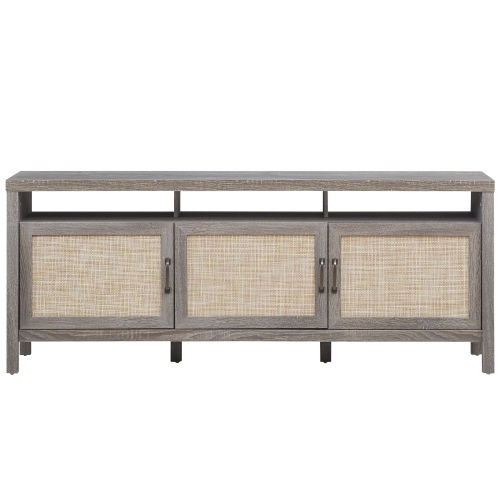
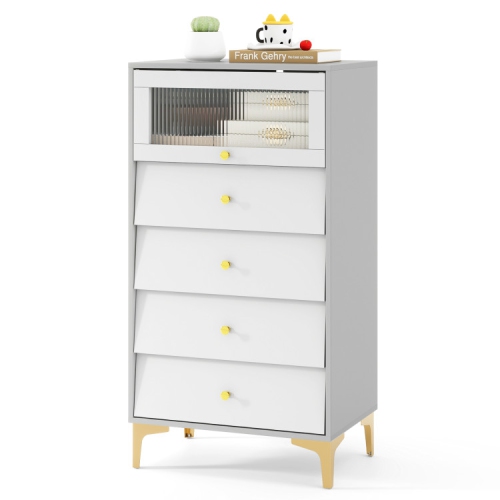
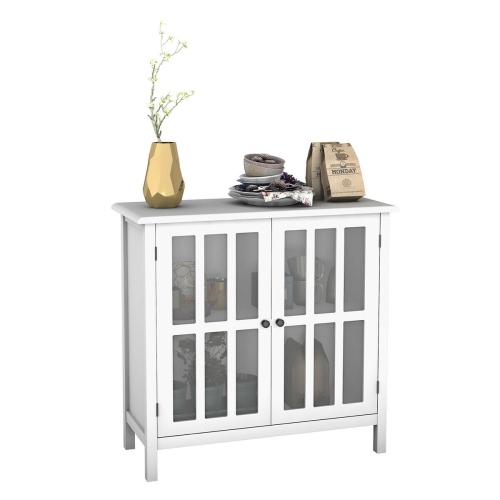
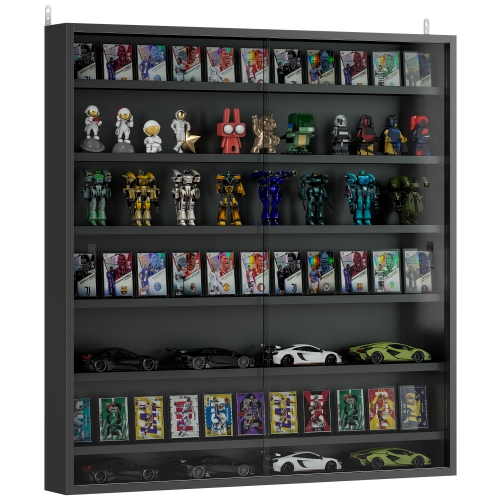
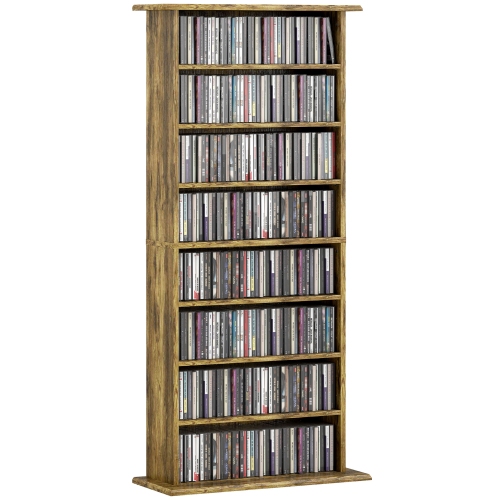
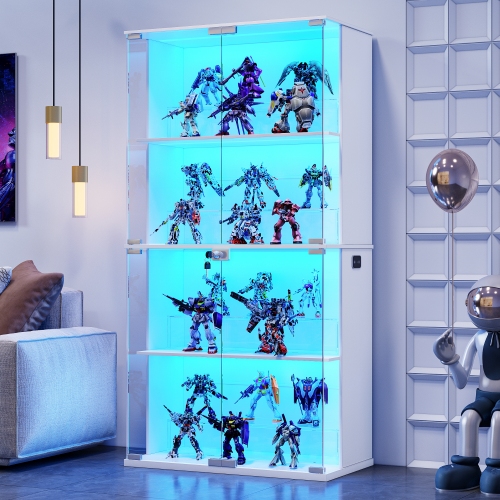
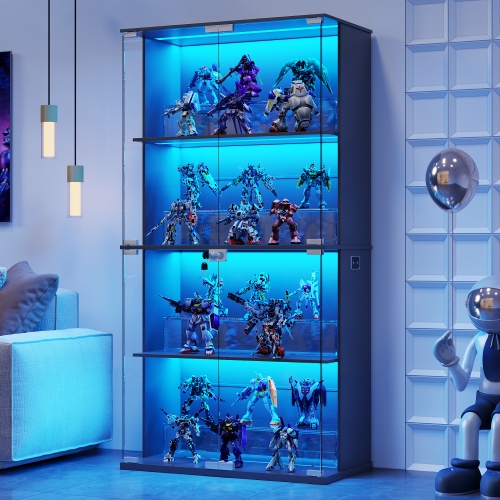
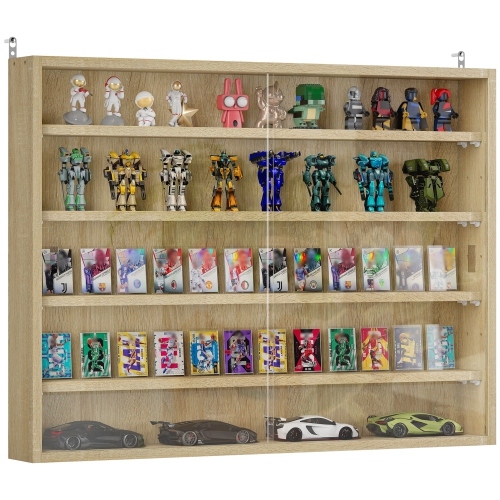
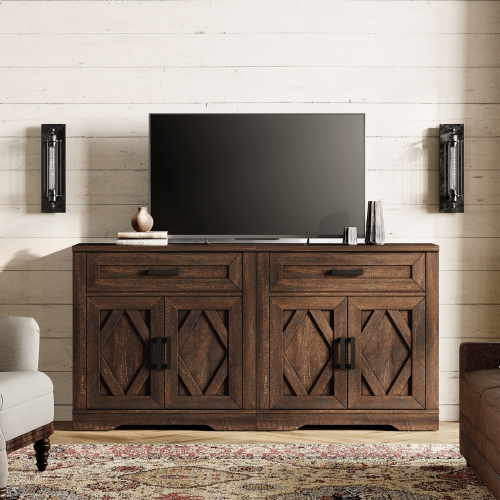
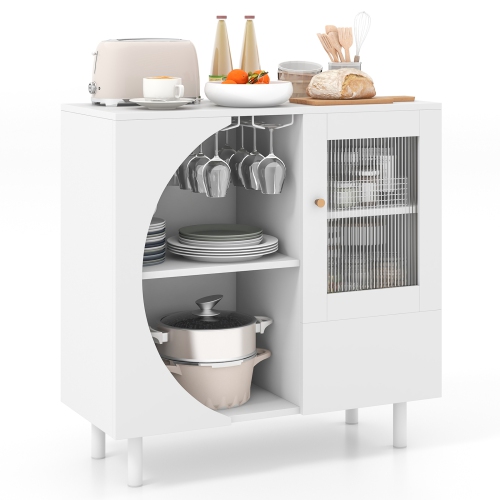
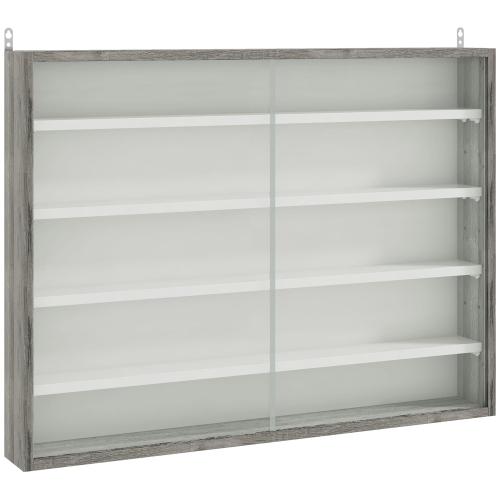
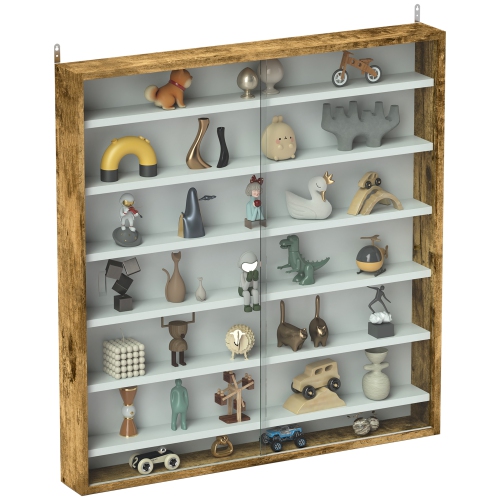
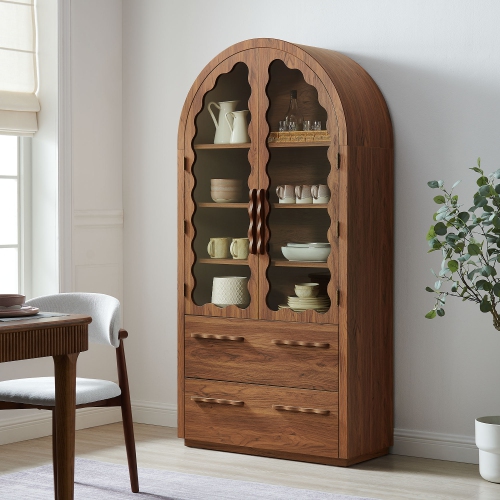
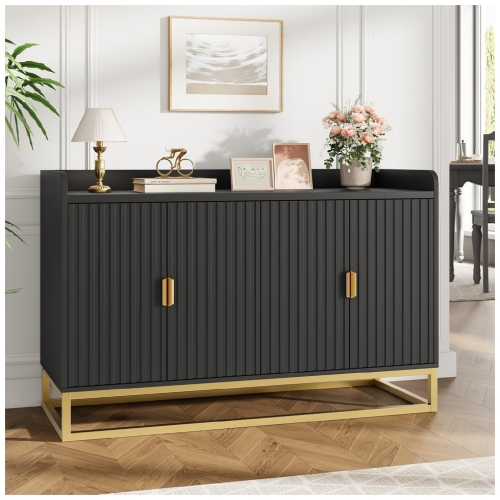
A polished home for screens, components and everyday entertainment
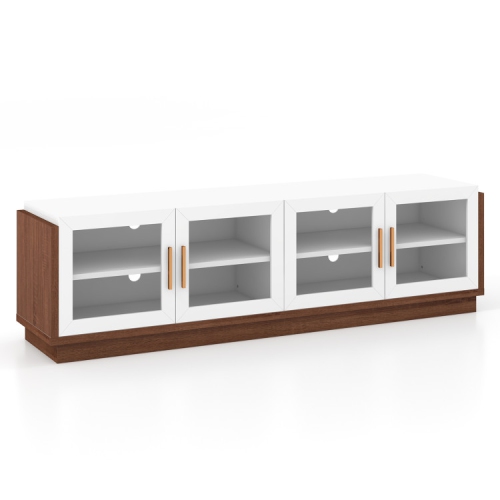
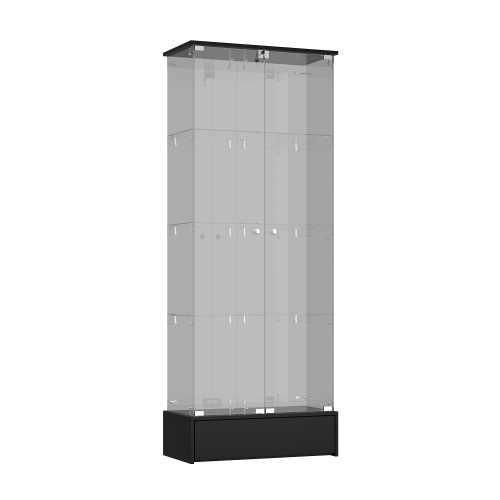
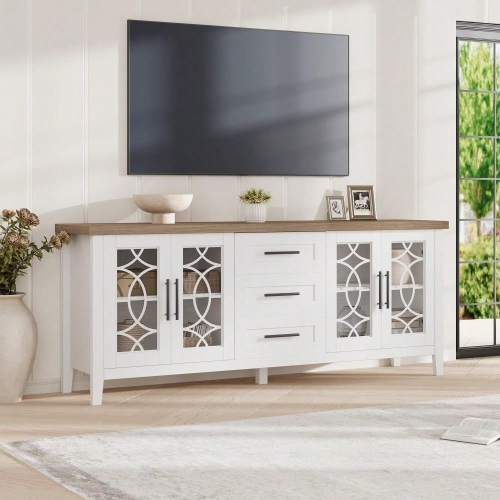
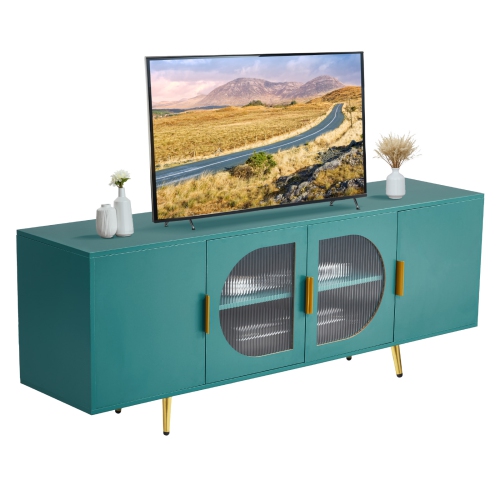
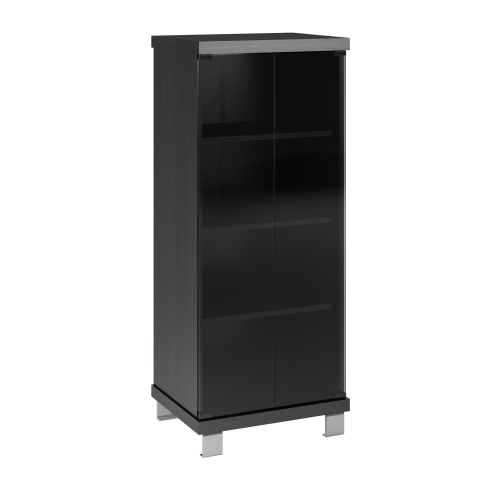
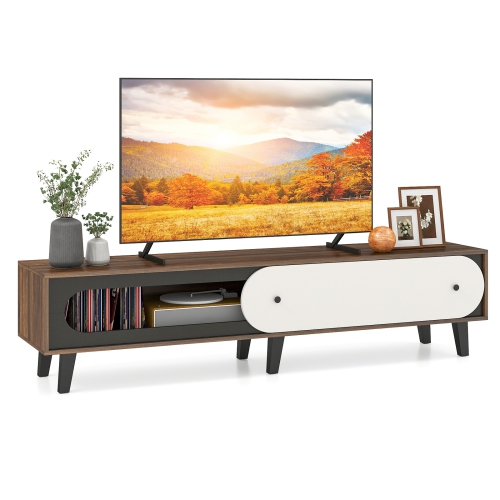
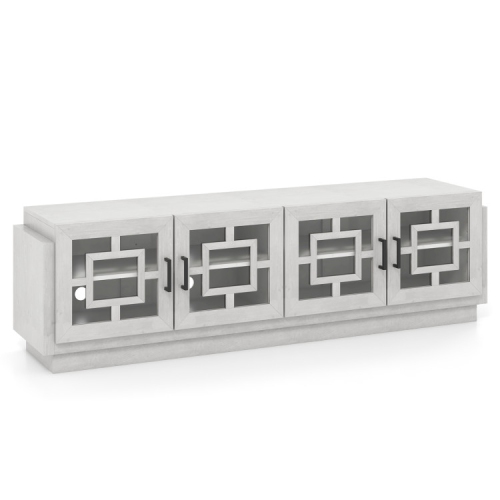
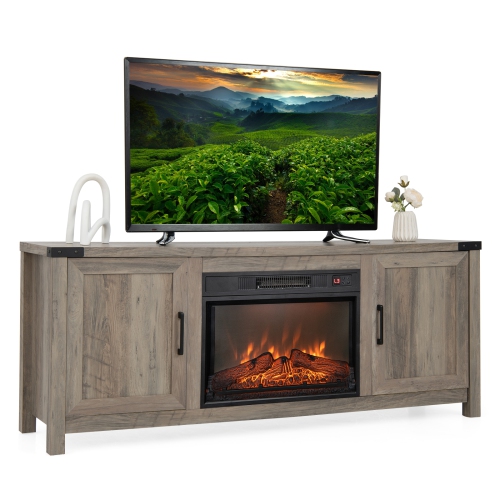
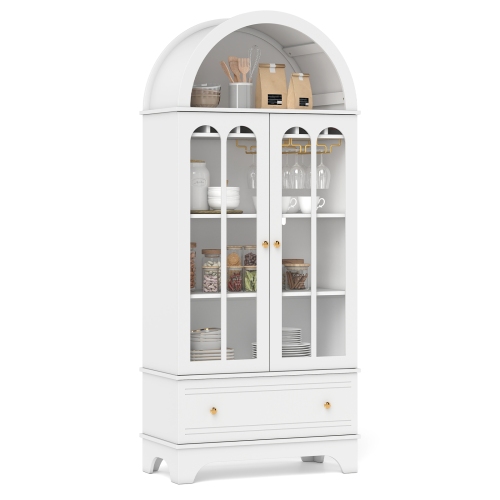
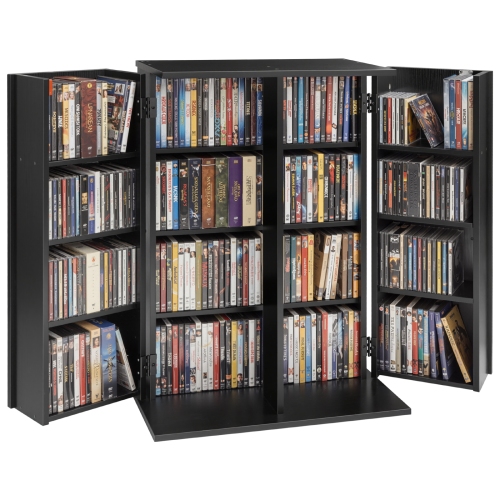
Glass media cabinets bring a polished, practical finish to an entertainment area by combining display-friendly design with storage for the equipment that keeps movie nights, gaming sessions and music listening running smoothly. Glass doors or panels let you see receivers, consoles, streaming devices and accessories without leaving them exposed to dust, while enclosed compartments help create a calmer, more organized look around your television. Depending on the design, a glass media cabinet may feature a wood-look, metal or mixed-material frame, adjustable shelves, open shelving, drawers or closed storage for remotes, controllers and extra cables. The glass can also add visual lightness to a room, making a substantial entertainment unit feel less imposing than a fully solid cabinet. For a living room, family room, bedroom or apartment lounge, these cabinets can act as a central anchor that gathers the television, media equipment and decorative accents in one coordinated area. They can also suit a home office or recreation room where a compact cabinet stores speakers, a turntable, a game system or other electronics while keeping the surrounding space easy to maintain. If you enjoy displaying books, decorative objects or collectibles alongside your technology, a related option such as Glass Curio Cabinets may offer a more showcase-oriented solution.
When choosing a glass media cabinet, start by measuring the space carefully, including the width of the wall, the height of nearby furniture and the clearance needed for doors, drawers and walking paths. The cabinet should be wide and deep enough to support your television securely, with a top surface that suits the screen size and leaves the arrangement looking balanced rather than crowded. A larger screen may call for a wider entertainment unit, while a narrow vertical cabinet can make better use of limited floor space in a condo, apartment or secondary viewing area. Check the product dimensions against baseboards, wall outlets and any soundbar that may sit beneath the television. Shelf weight limits are especially important if you plan to place a heavier audio receiver, amplifier, speaker or game console inside. Adjustable shelves make it easier to accommodate equipment of different heights, including taller components that may not fit on a fixed shelf. Tempered glass is a useful feature for everyday household spaces because it is designed with safety in mind and is more resistant to ordinary impacts than standard glass. Look for stable construction, secure door hardware and smooth hinges or sliding tracks. Glass may be clear, smoked, tinted or subtly textured; clear panels provide a direct view of the equipment, while darker glass can soften the appearance of cables and components when the cabinet is not in use. Consider how the frame will work with the rest of the room as well. Warm wood tones can complement traditional or relaxed interiors, black or metal frames can suit contemporary and industrial spaces, and streamlined mixed-material designs can bridge the two.
Practical details often make the greatest difference after installation. Rear cable-management openings allow power cords, HDMI cables, speaker wires and network connections to pass through without forcing the cabinet to sit far from the wall. Before arranging the components, identify where each cable needs to go and leave enough room for gentle bends rather than sharply folding wires behind the unit. Ventilation is another important consideration, particularly for receivers, game consoles and other electronics that produce heat during extended use. Open backs, ventilation cut-outs or space between shelves can help air circulate, but the cabinet should still be positioned according to the equipment manufacturer’s clearance recommendations. Many glass doors are designed to allow infrared remote signals to pass through, making it possible to operate a cable box, streaming device or console without opening the cabinet; confirm that the layout and door material are suitable for your remote-controlled equipment. Keep frequently used controllers and accessories in an accessible drawer or open compartment, while storing less-used cables, manuals and spare remotes in closed storage. A glass media cabinet can be a thoughtful gift for someone moving into a new home, setting up a first apartment, creating a dedicated gaming area or refreshing a family room before the cooler months encourage more indoor entertainment. It can also be useful for households that are tired of scattered devices and tangled cords, offering a defined place for each part of the setup. As the weather warms and through the later seasons, a well-organized cabinet makes it simple to transition between movie nights, sports viewing, gaming with friends and relaxed weekend listening while keeping the room presentable between uses.
When choosing a glass media cabinet, start by measuring the space carefully, including the width of the wall, the height of nearby furniture and the clearance needed for doors, drawers and walking paths. The cabinet should be wide and deep enough to support your television securely, with a top surface that suits the screen size and leaves the arrangement looking balanced rather than crowded. A larger screen may call for a wider entertainment unit, while a narrow vertical cabinet can make better use of limited floor space in a condo, apartment or secondary viewing area. Check the product dimensions against baseboards, wall outlets and any soundbar that may sit beneath the television. Shelf weight limits are especially important if you plan to place a heavier audio receiver, amplifier, speaker or game console inside. Adjustable shelves make it easier to accommodate equipment of different heights, including taller components that may not fit on a fixed shelf. Tempered glass is a useful feature for everyday household spaces because it is designed with safety in mind and is more resistant to ordinary impacts than standard glass. Look for stable construction, secure door hardware and smooth hinges or sliding tracks. Glass may be clear, smoked, tinted or subtly textured; clear panels provide a direct view of the equipment, while darker glass can soften the appearance of cables and components when the cabinet is not in use. Consider how the frame will work with the rest of the room as well. Warm wood tones can complement traditional or relaxed interiors, black or metal frames can suit contemporary and industrial spaces, and streamlined mixed-material designs can bridge the two.
Practical details often make the greatest difference after installation. Rear cable-management openings allow power cords, HDMI cables, speaker wires and network connections to pass through without forcing the cabinet to sit far from the wall. Before arranging the components, identify where each cable needs to go and leave enough room for gentle bends rather than sharply folding wires behind the unit. Ventilation is another important consideration, particularly for receivers, game consoles and other electronics that produce heat during extended use. Open backs, ventilation cut-outs or space between shelves can help air circulate, but the cabinet should still be positioned according to the equipment manufacturer’s clearance recommendations. Many glass doors are designed to allow infrared remote signals to pass through, making it possible to operate a cable box, streaming device or console without opening the cabinet; confirm that the layout and door material are suitable for your remote-controlled equipment. Keep frequently used controllers and accessories in an accessible drawer or open compartment, while storing less-used cables, manuals and spare remotes in closed storage. A glass media cabinet can be a thoughtful gift for someone moving into a new home, setting up a first apartment, creating a dedicated gaming area or refreshing a family room before the cooler months encourage more indoor entertainment. It can also be useful for households that are tired of scattered devices and tangled cords, offering a defined place for each part of the setup. As the weather warms and through the later seasons, a well-organized cabinet makes it simple to transition between movie nights, sports viewing, gaming with friends and relaxed weekend listening while keeping the room presentable between uses.
Top selling and popular products
-
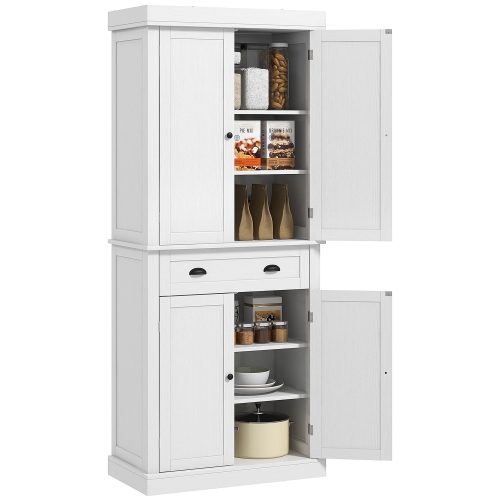 Your price for this item is $274.99
 -
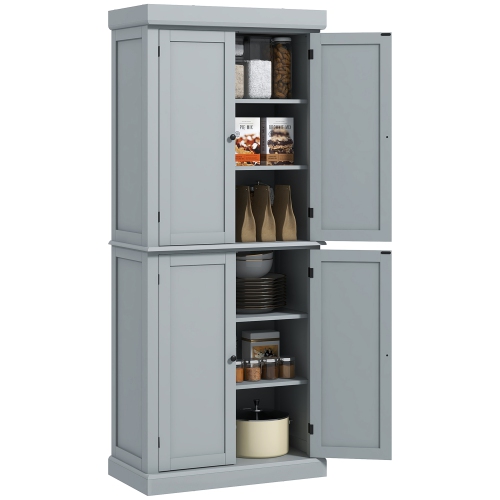 Your price for this item is $299.99
 -
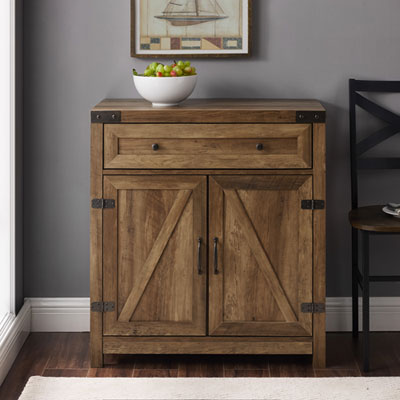 Your price for this item is $401.99
 -
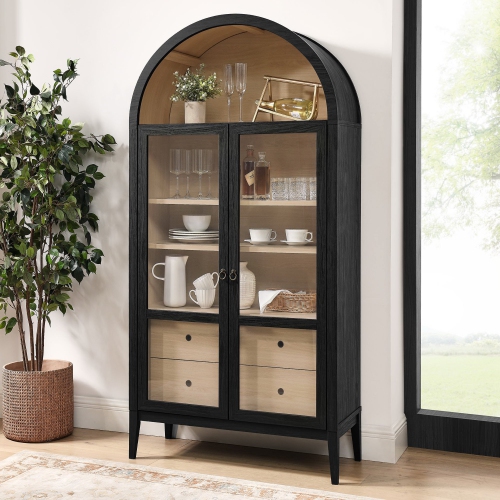 Your price for this item is $1155.71
 -
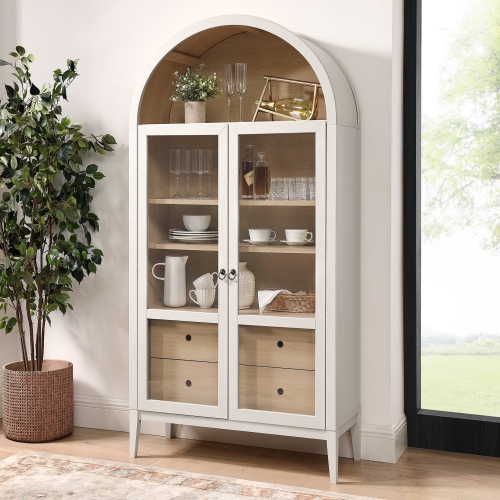 Your price for this item is $1155.71
 -
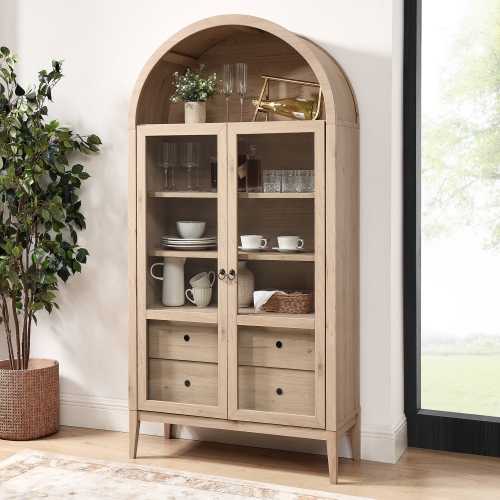 Your price for this item is $1155.71
 -
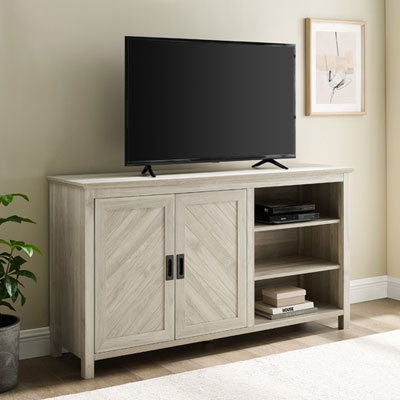 Your price for this item is $593.99
 -
 Your price for this item is $144.99
Discover more categories related to Glass Media Cabinets
Top Collections:
Pokemon Centers, Best Cameras for Sports Photography, Kindle Devices, Samsung Galaxy Phones, Canon G7X Cameras, Pokémon 30th Celebration Cards, Refurbished Apple Laptops, iPhone 15 Apple, Laptops for Students, Budget Smartphones
Some products may be subject to Environmental Handling Fees
(EHF) depending on your province.
Learn more about EHFs.