Glass Mirrors
Upgrade your space with the timeless elegance and functionality of glass mirrors. Reflecting light and style throughout any room, these mirrors are versatile decor pieces that can enhance the ambiance of your home. Whether you're looking to create the illusion of a larger space, add a touch of sophistication, or simply check your reflection before heading out the door, our collection of glass mirrors offers a variety of shapes, sizes, and designs to suit your unique aesthetic preferences. Explore our selection to find the perfect mirror to elevate your living space today.
Sort
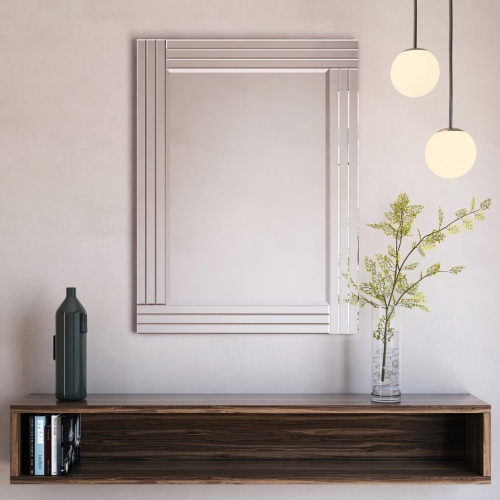
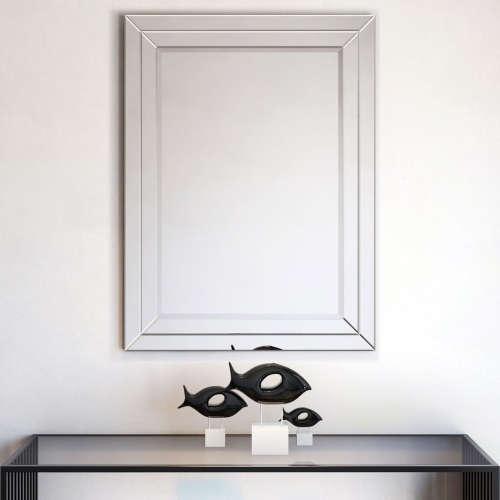
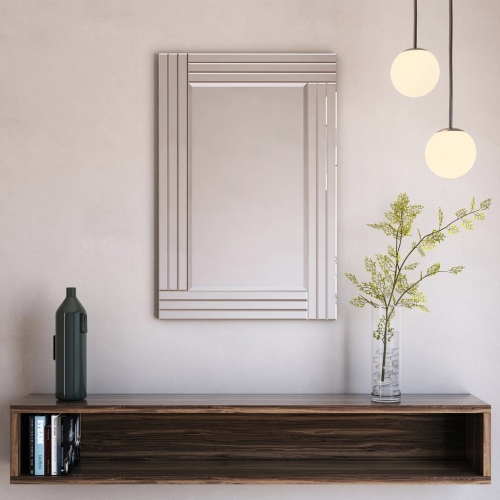
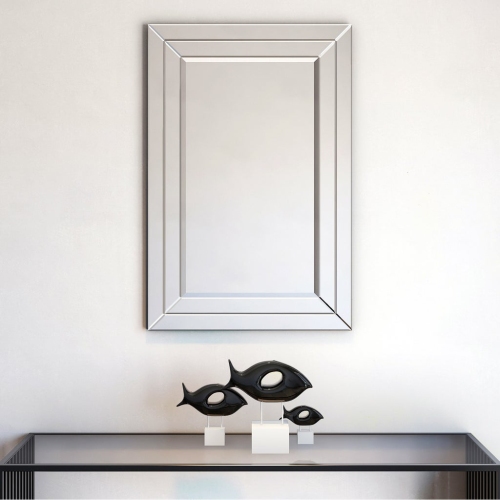
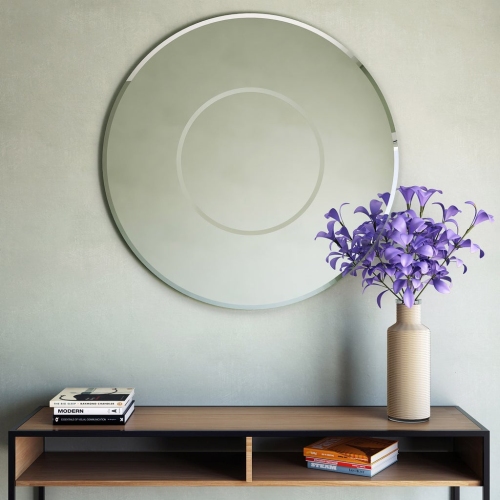
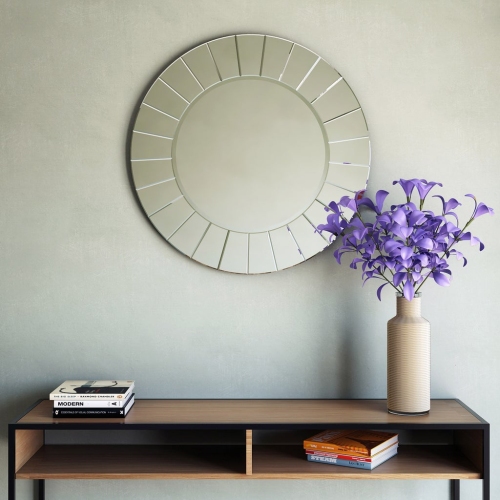
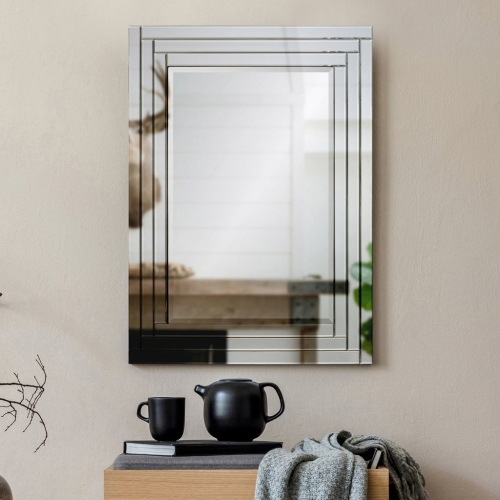
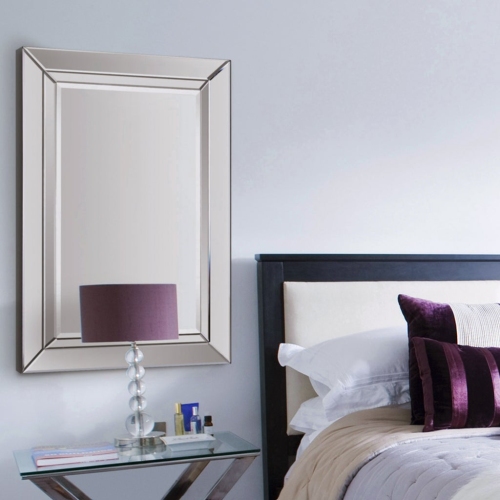
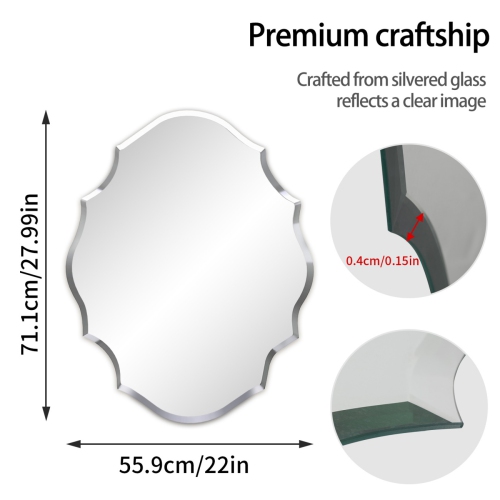
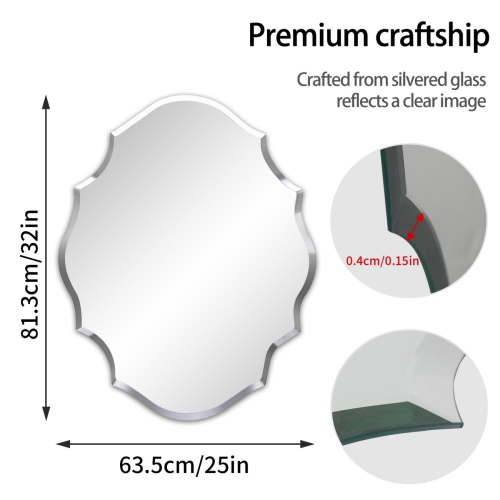
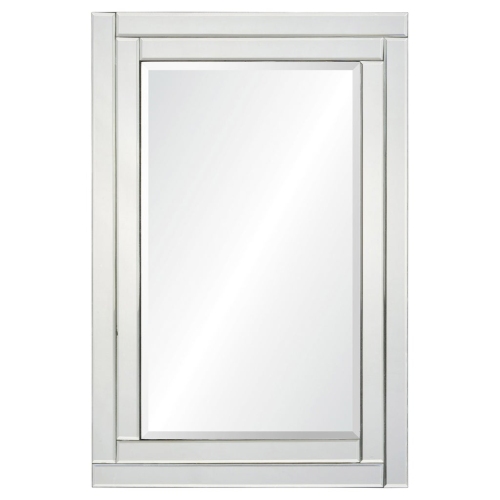
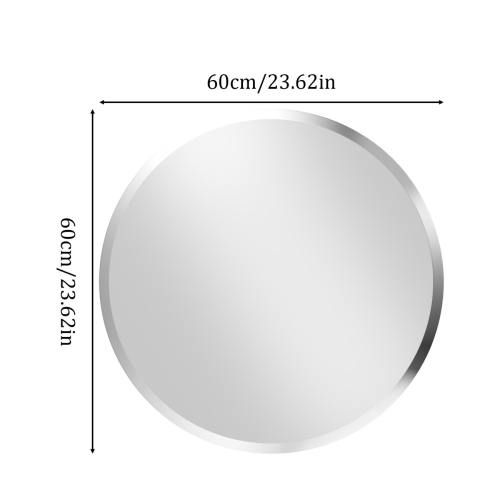
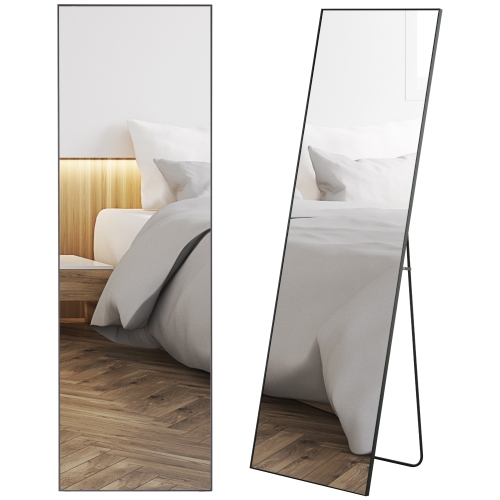
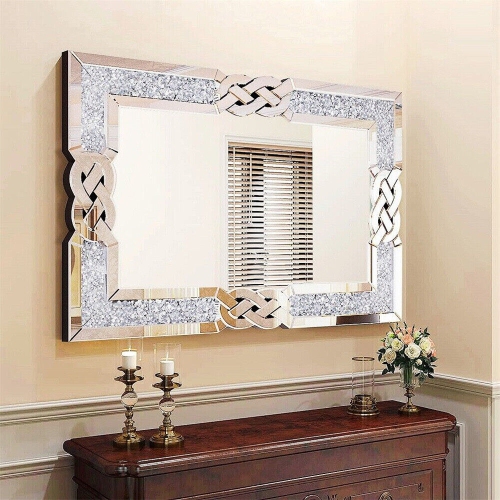
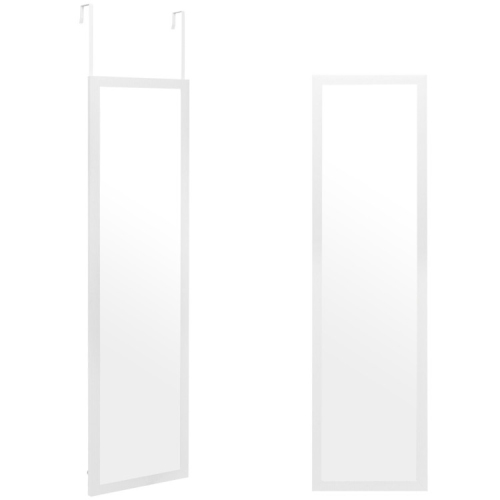
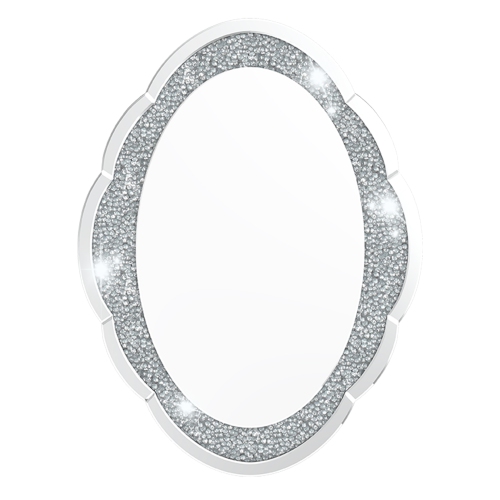
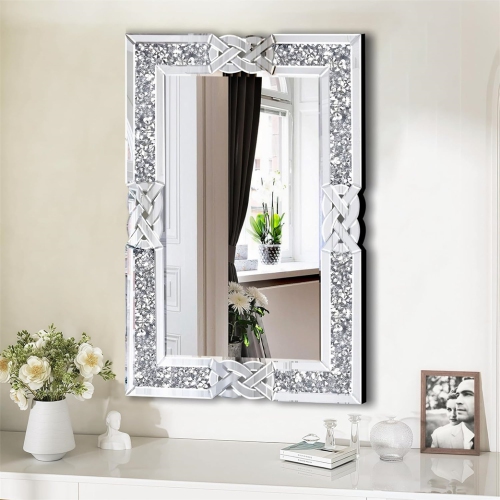
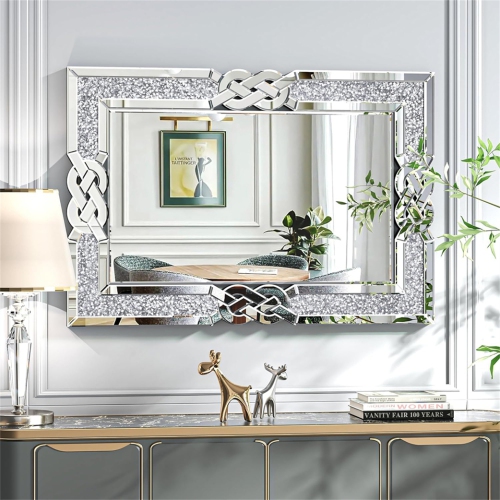
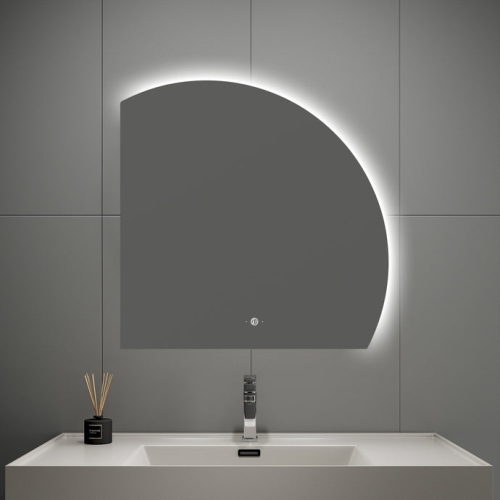
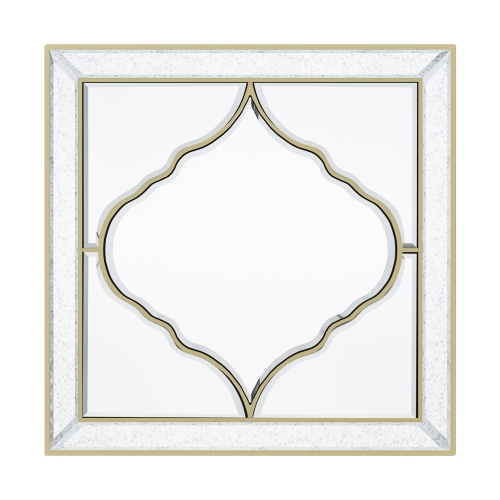
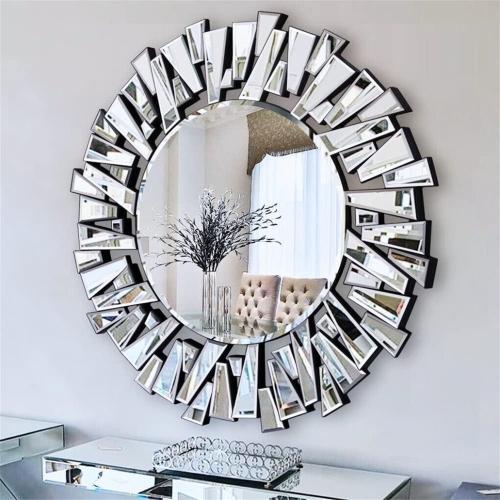
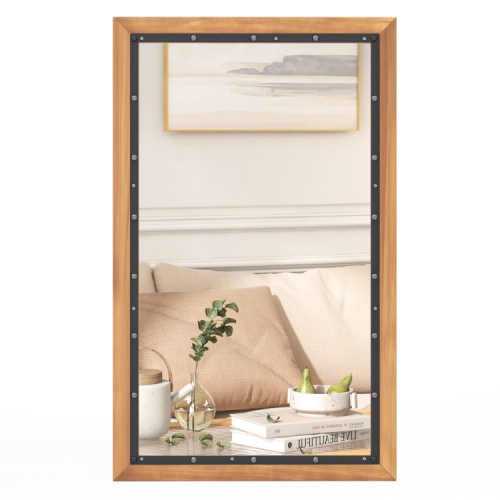
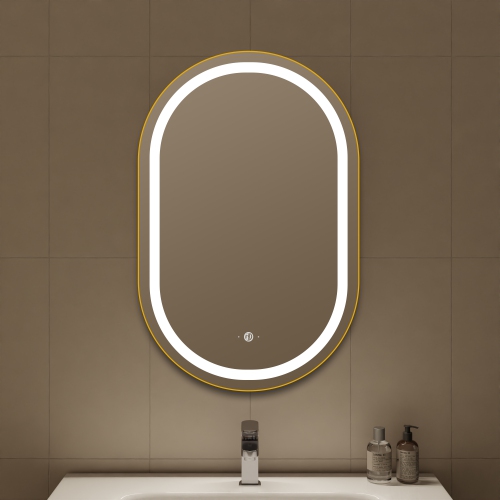
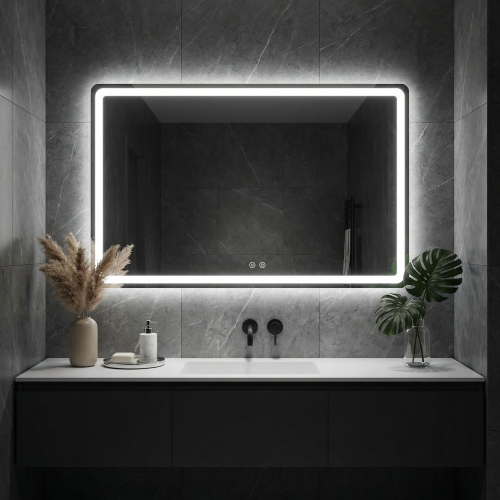
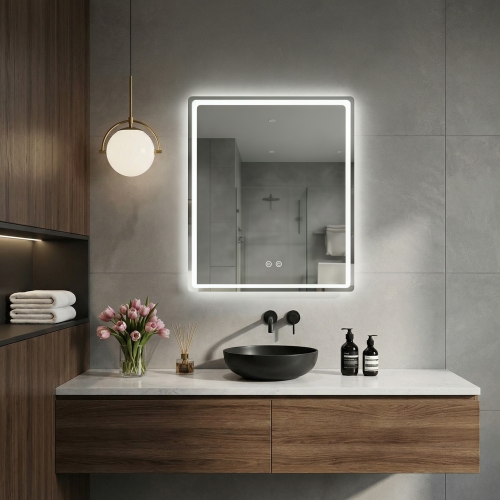
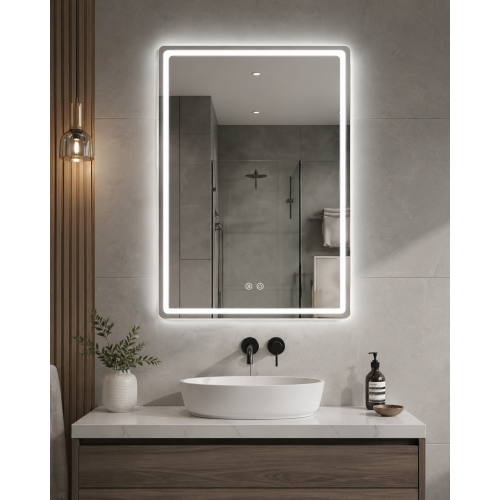
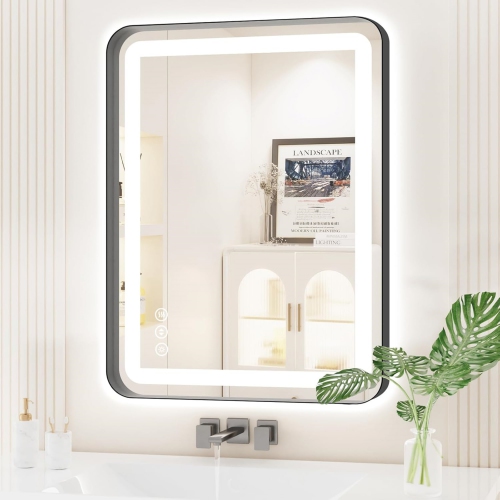
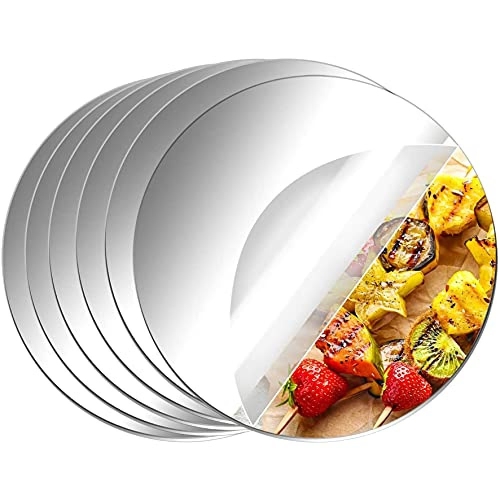
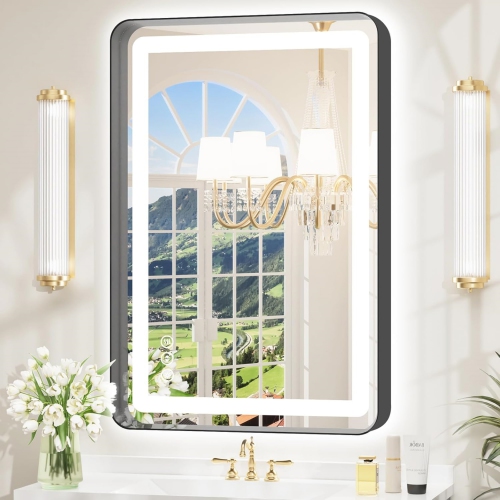
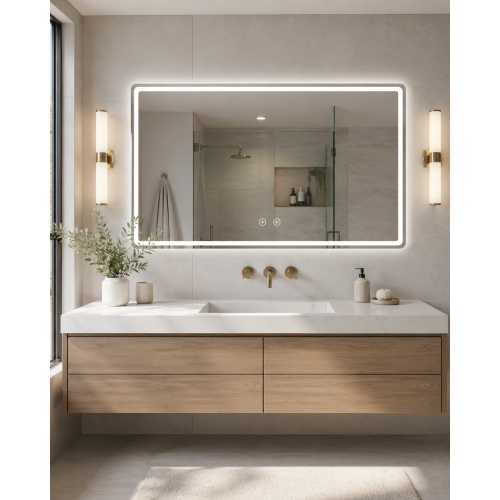
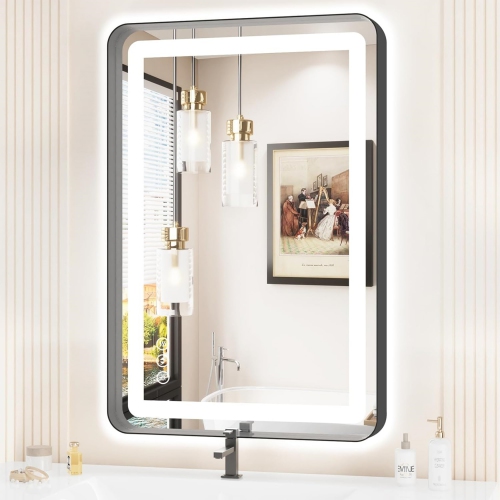
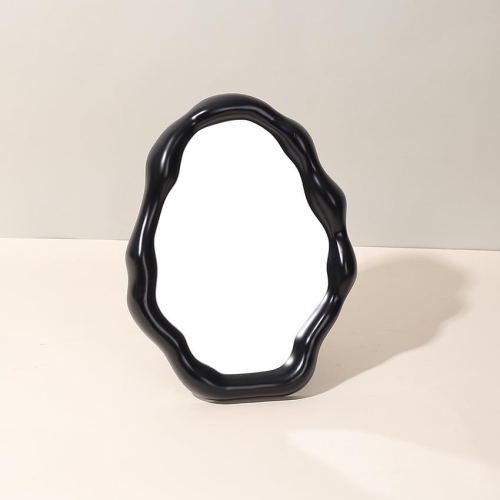
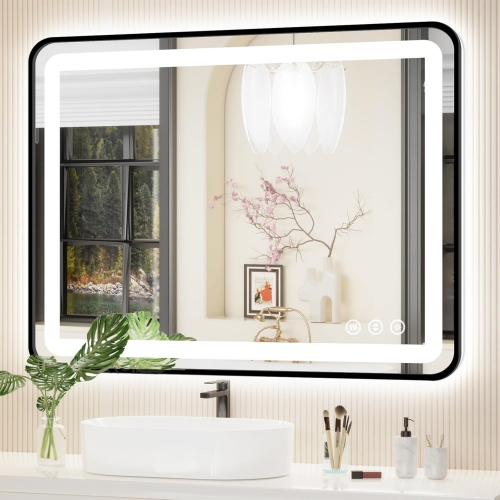
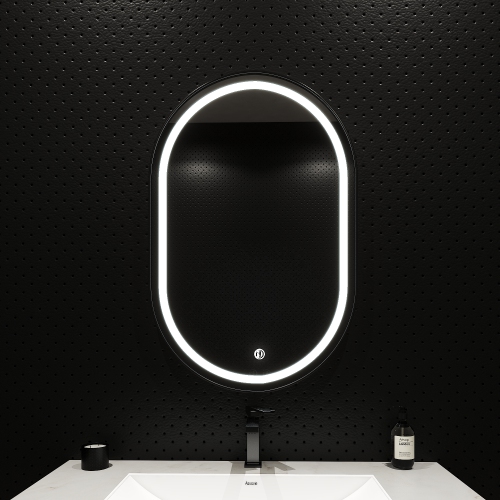
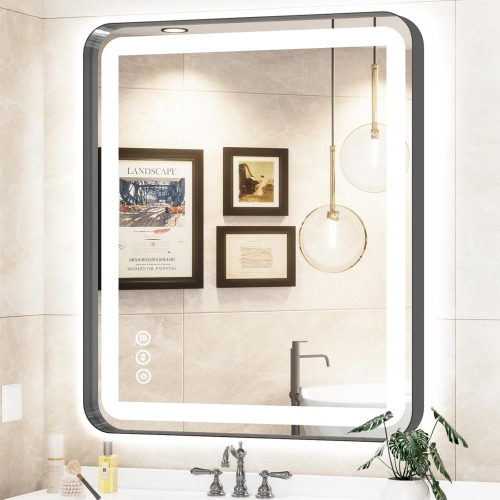
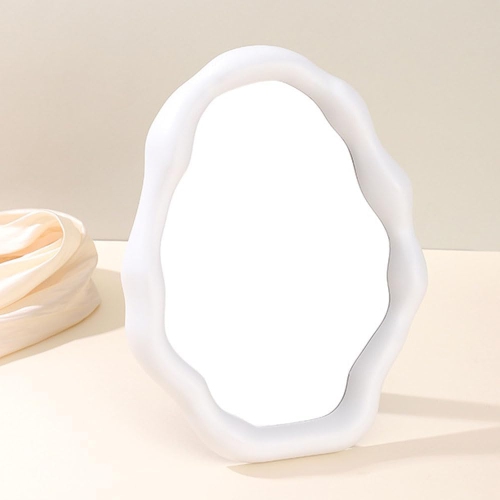
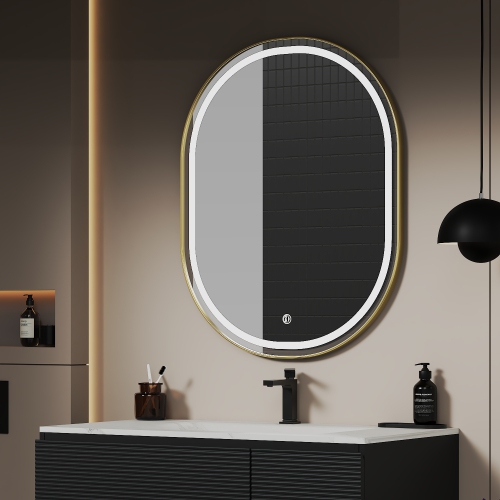
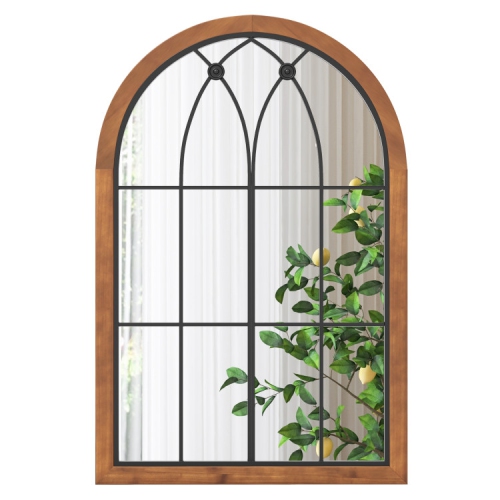
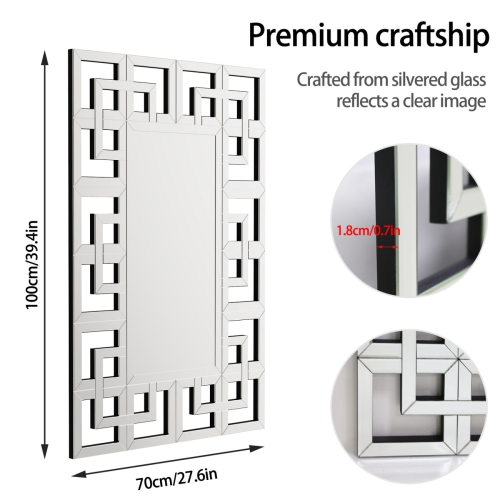
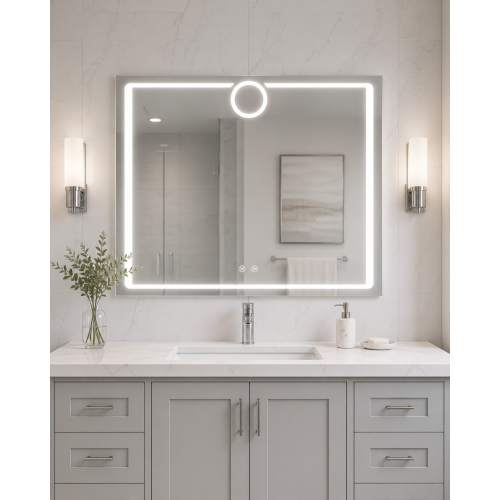
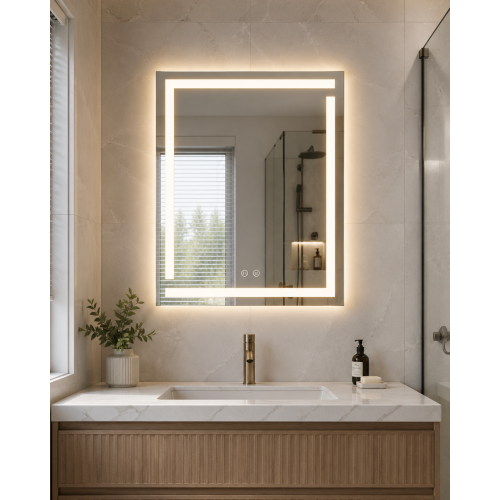
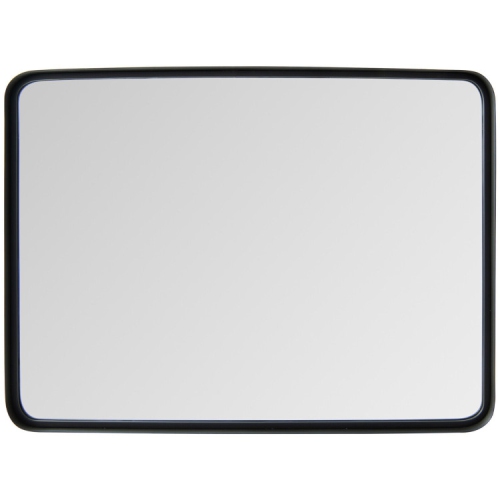
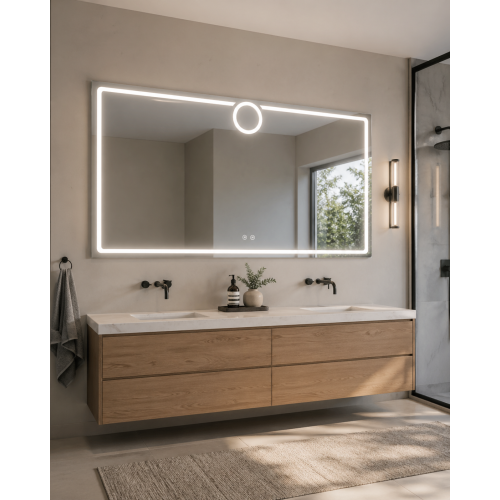
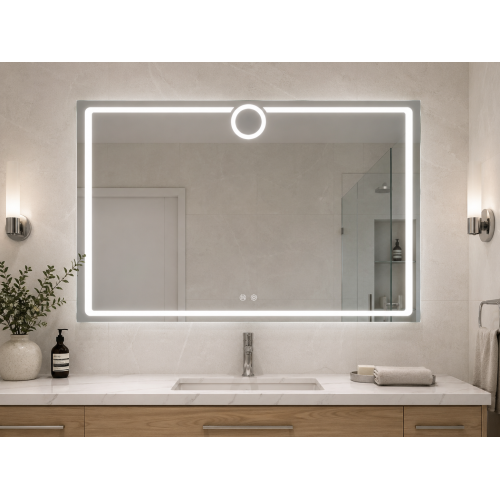
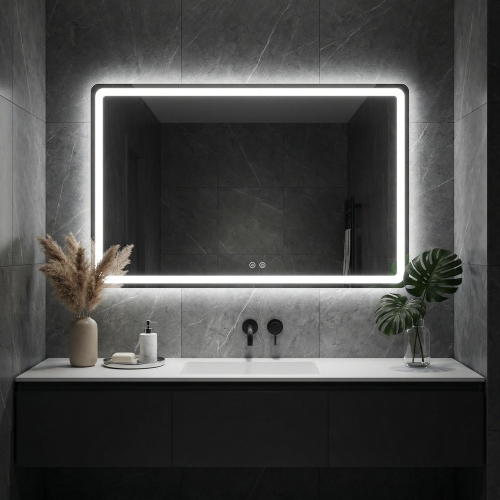
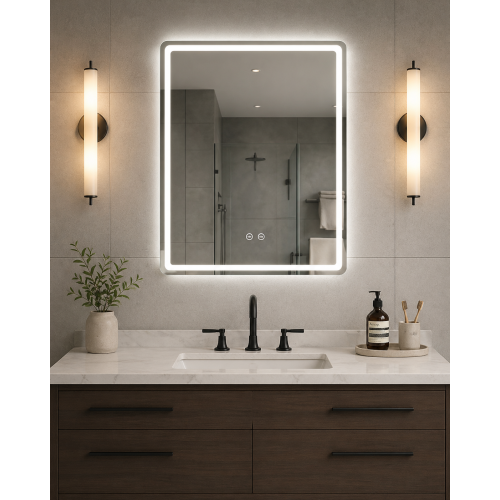
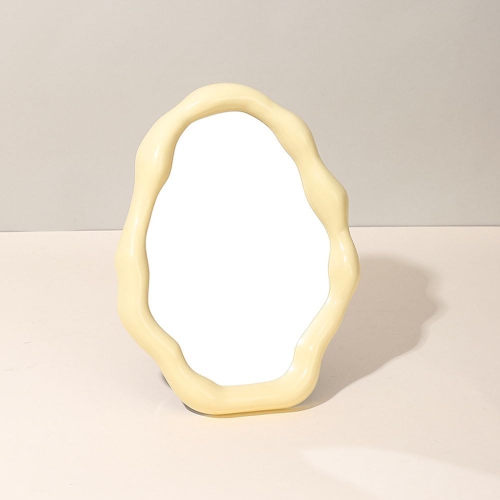
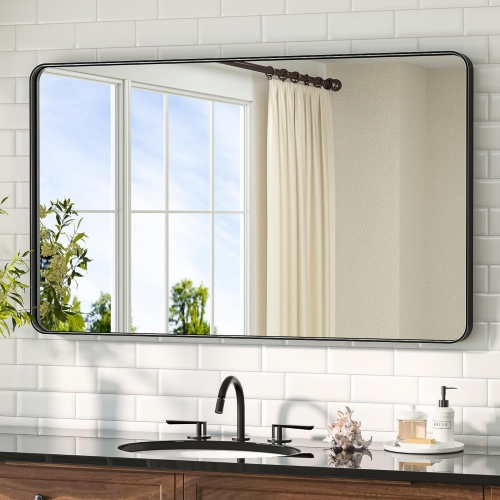
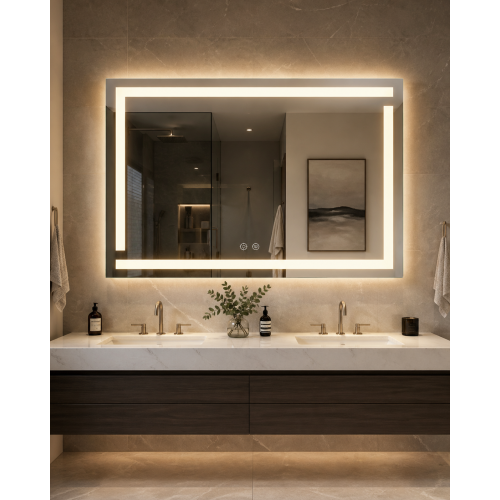
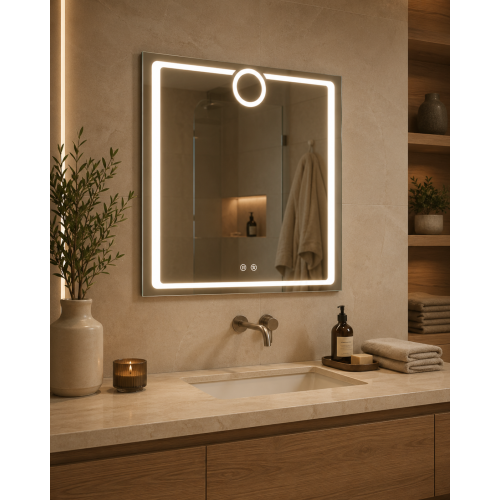
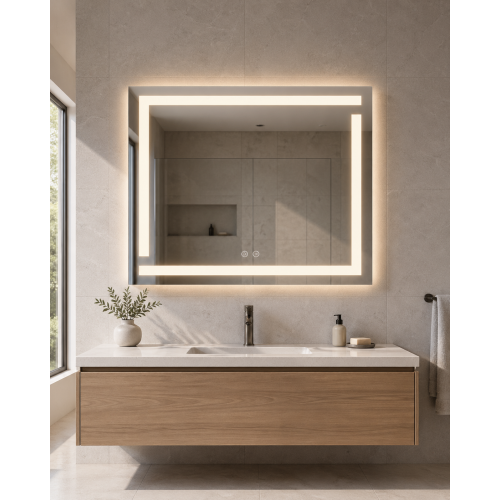
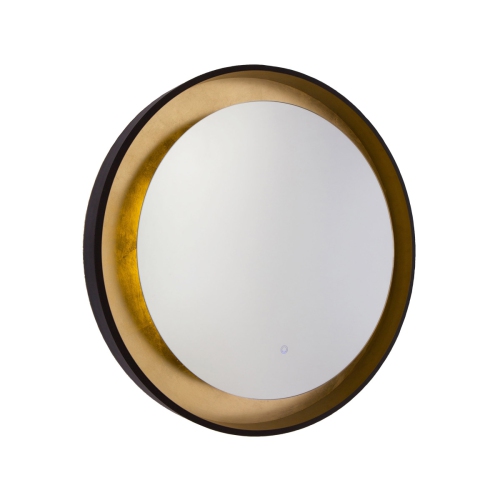
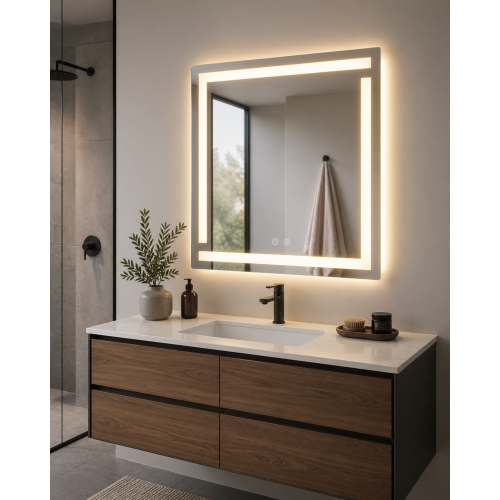
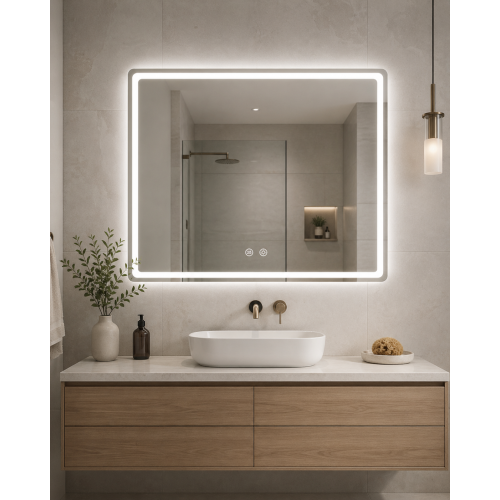
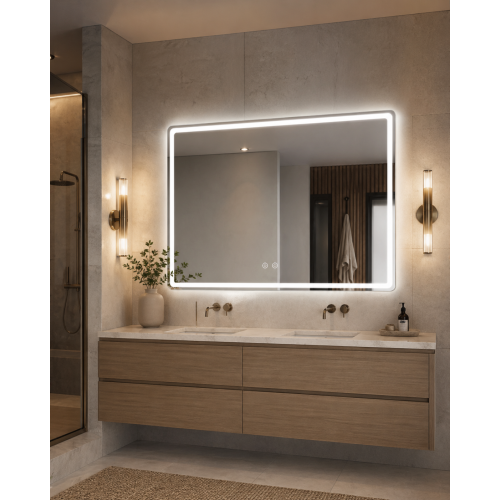
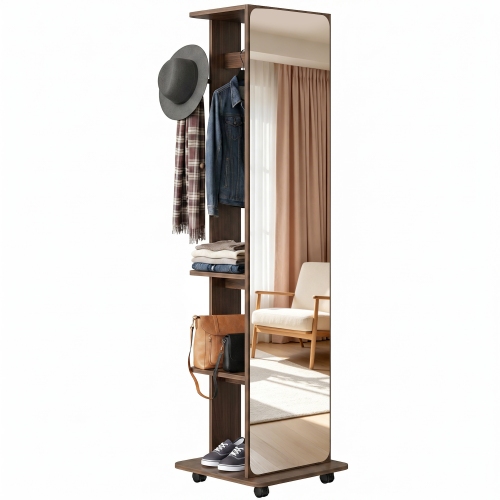
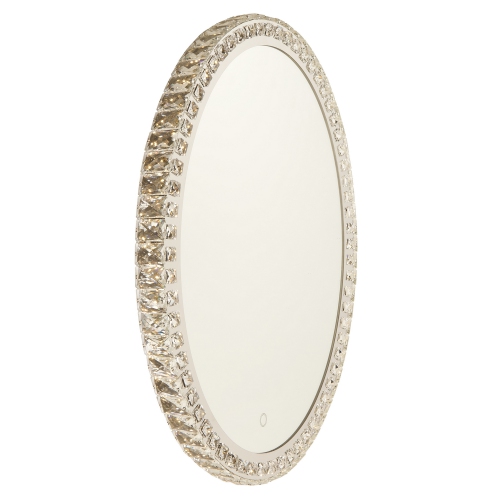
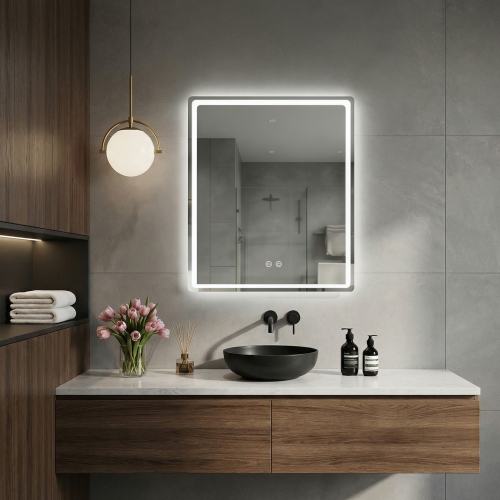
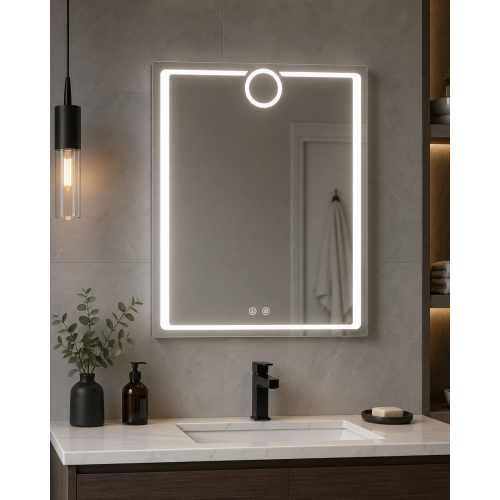
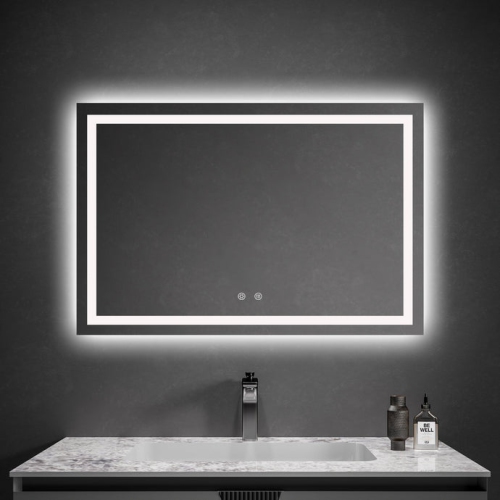
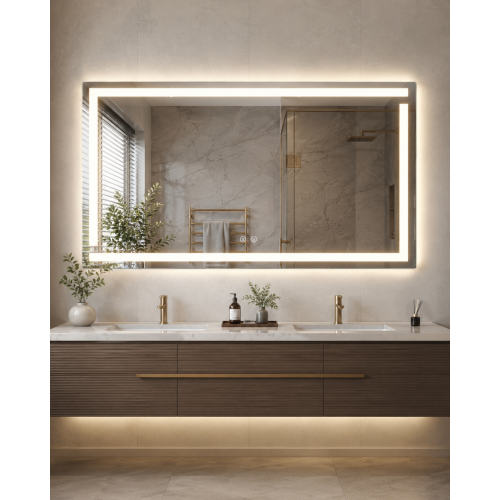
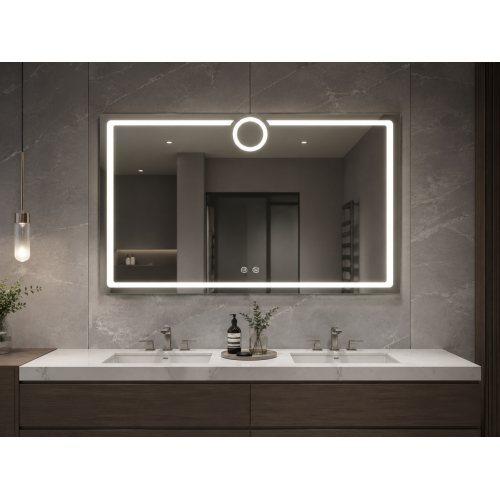
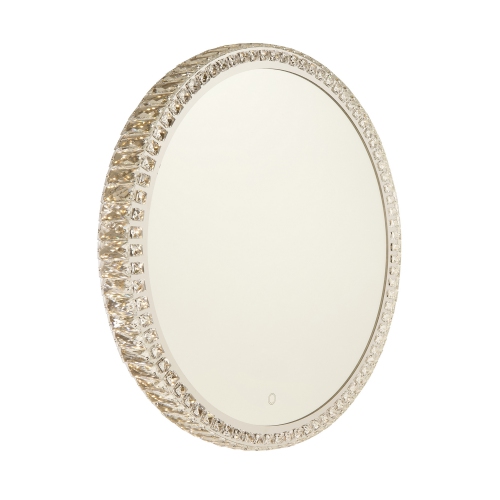
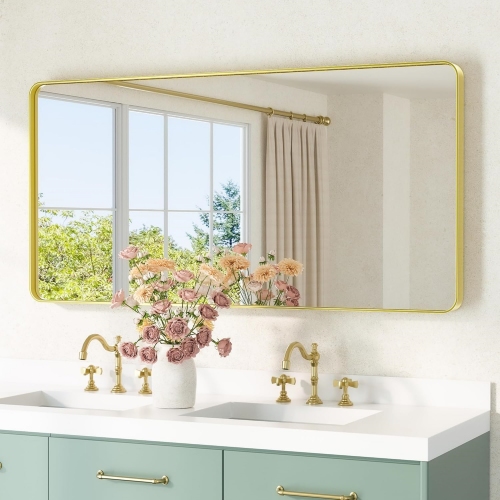
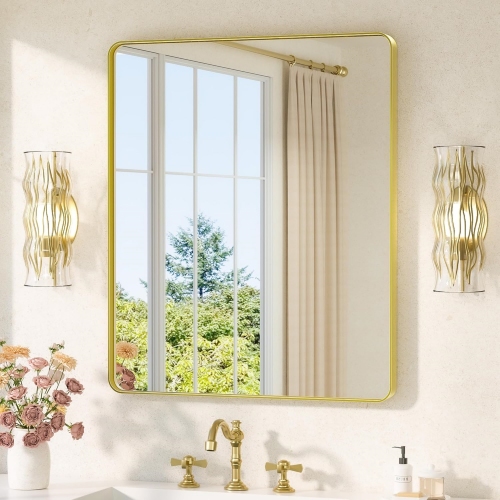
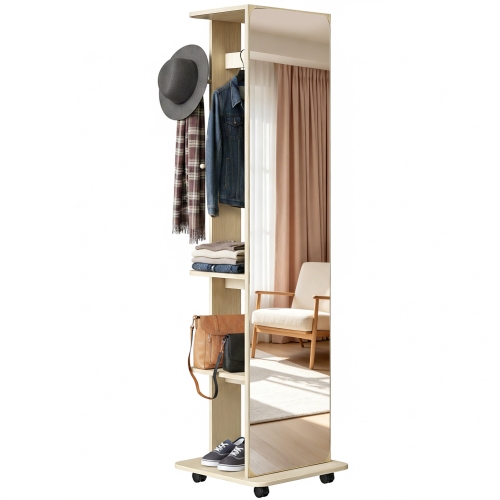
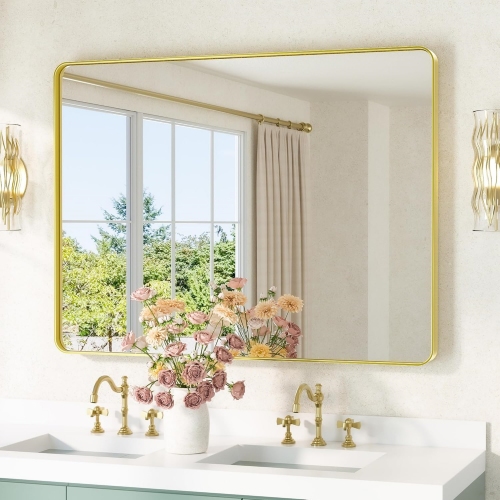
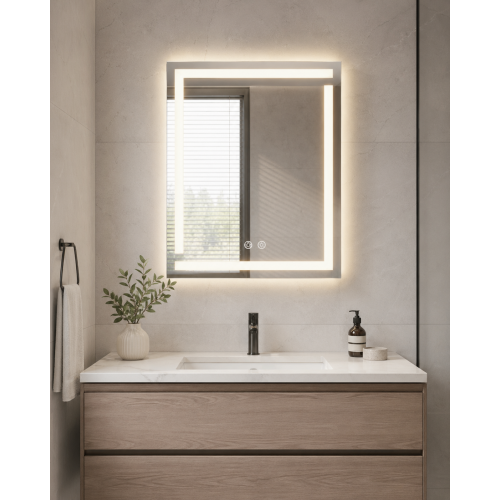
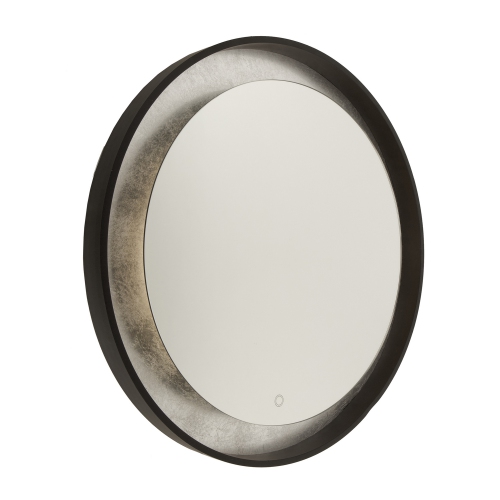
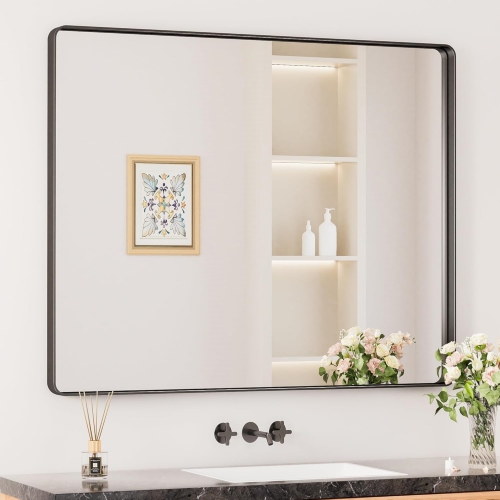
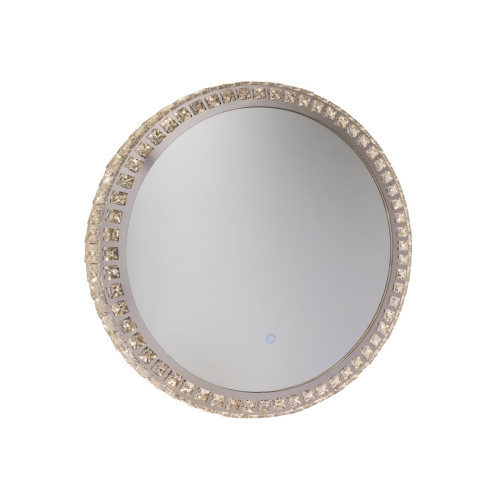
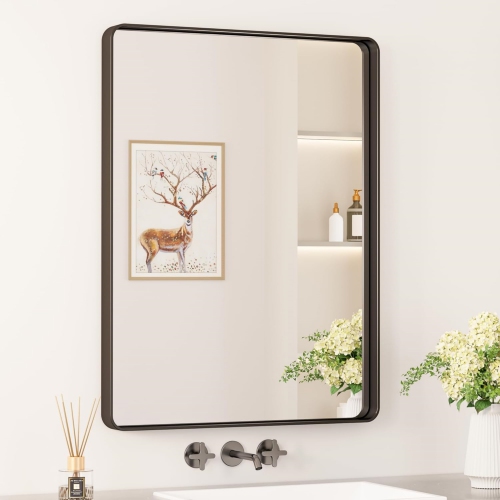
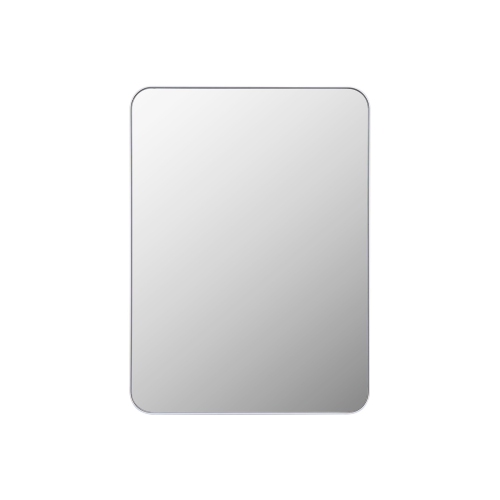
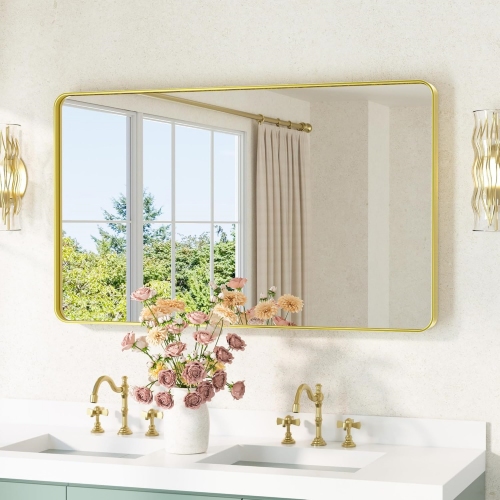
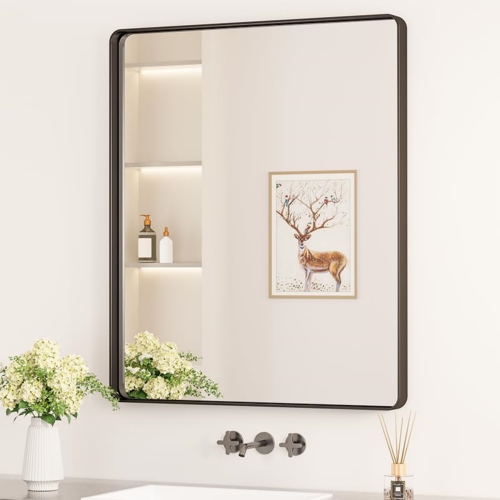
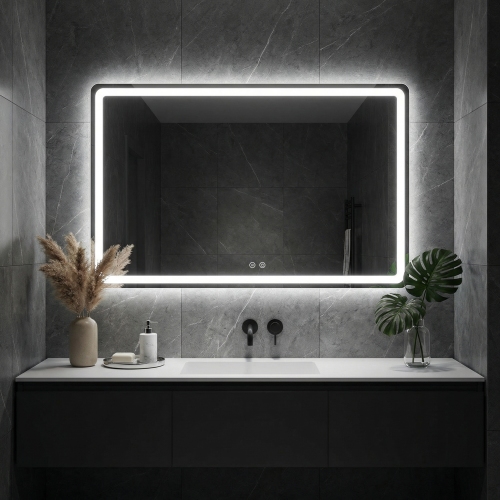
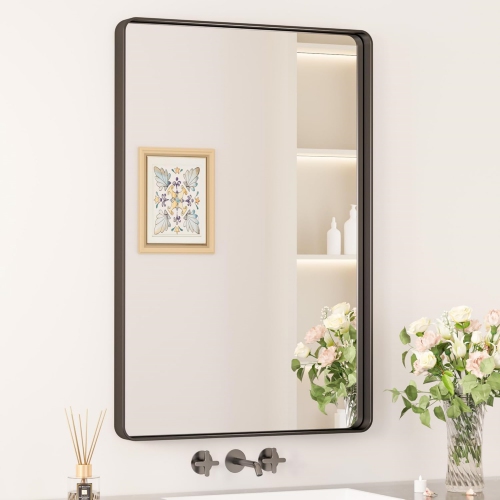
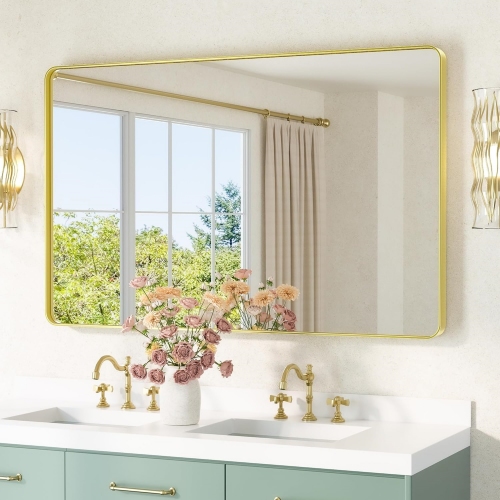
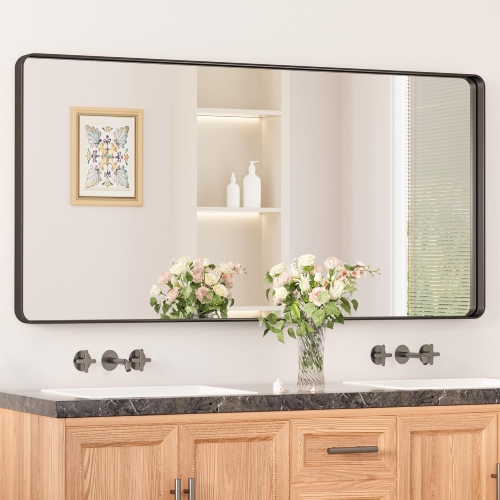
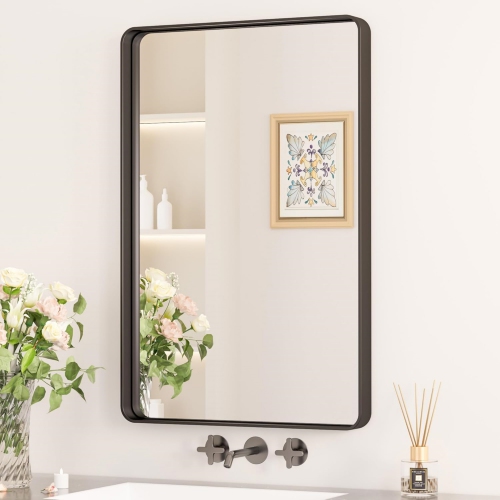
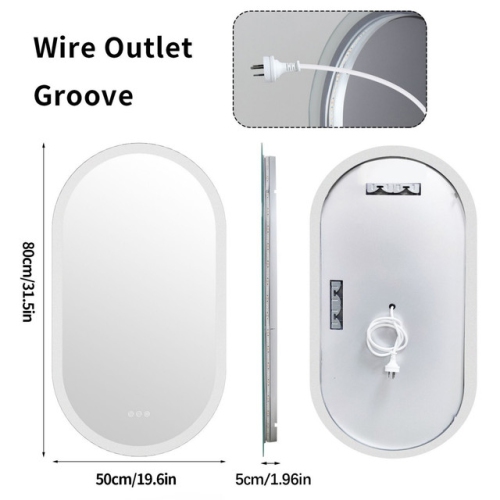
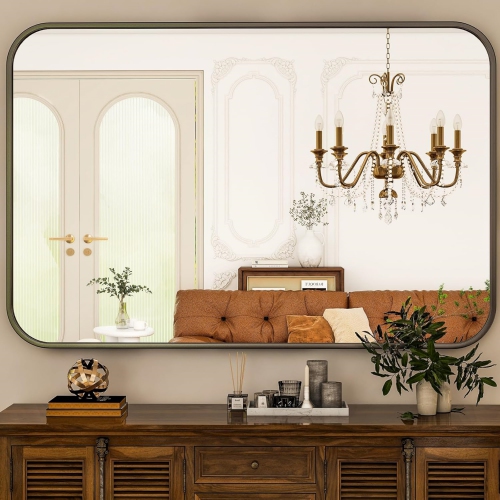
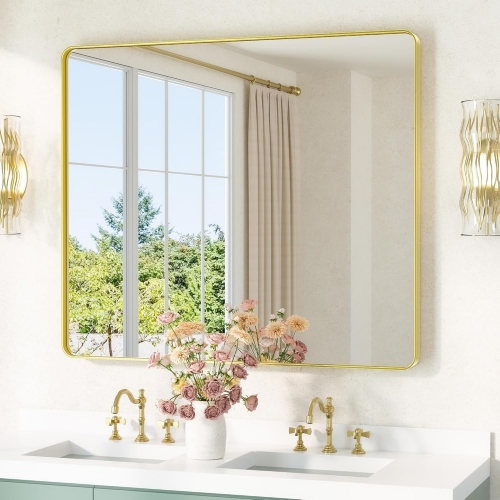
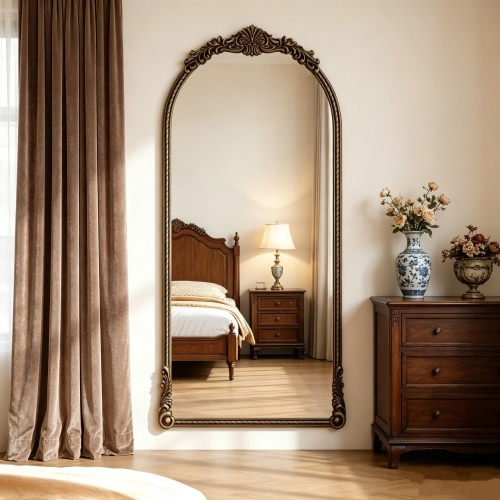
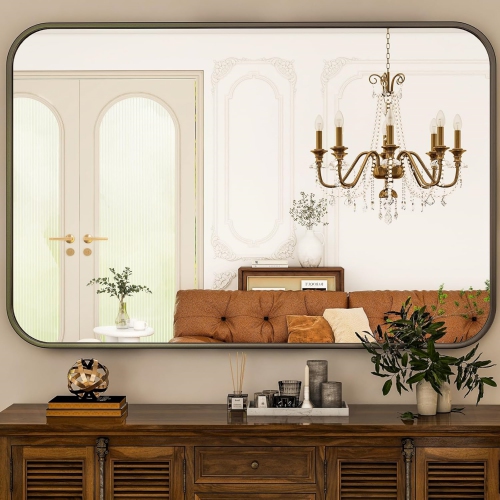
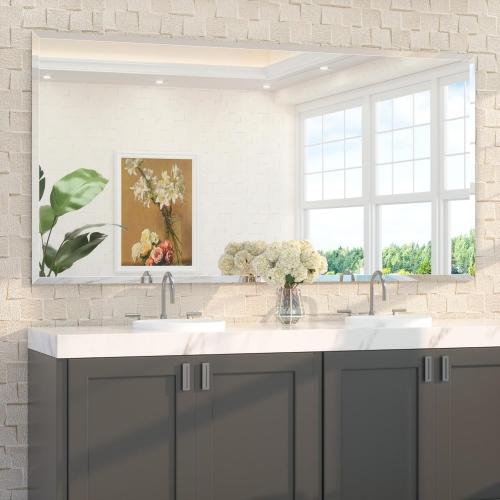

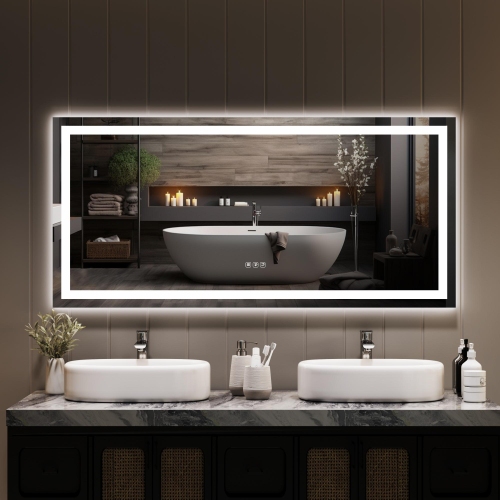
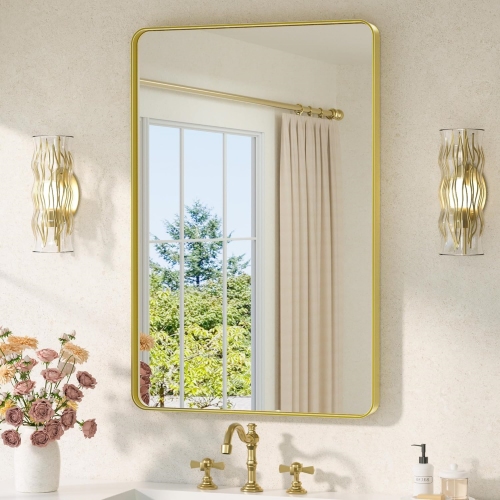
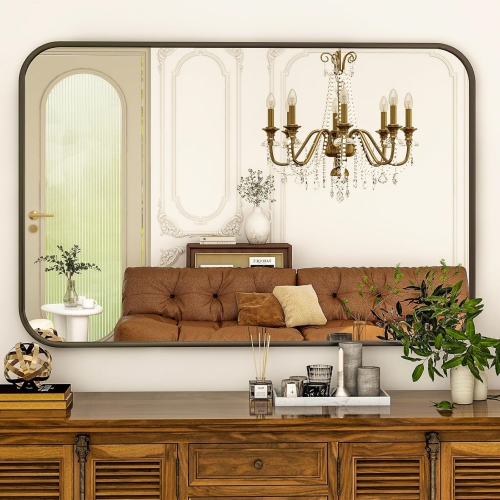
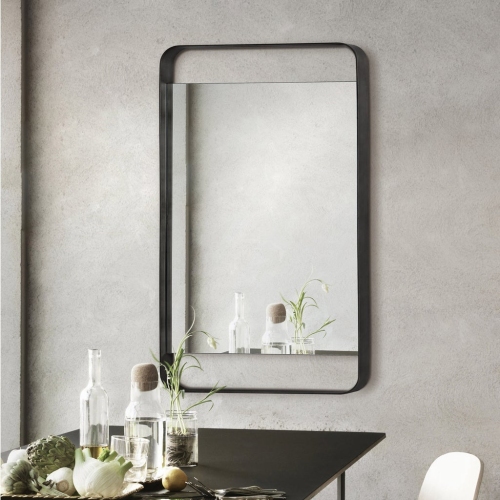
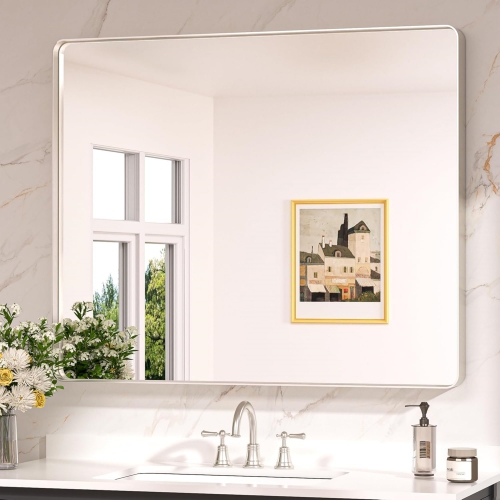
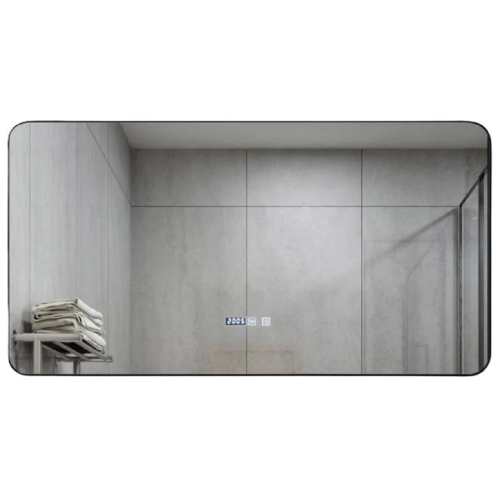
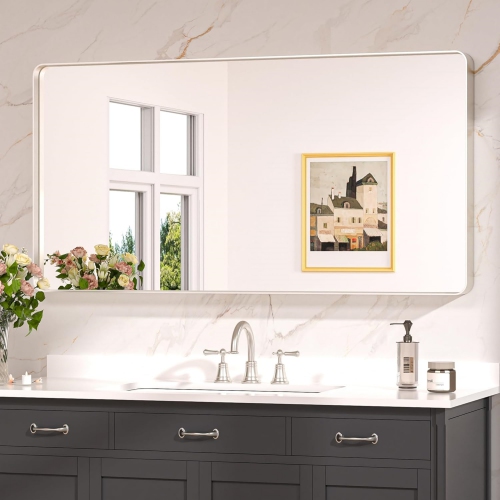
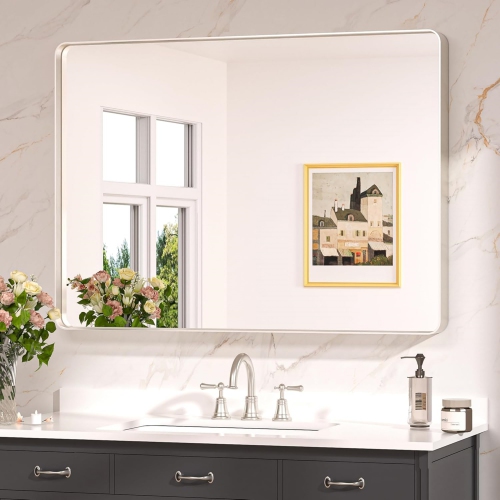
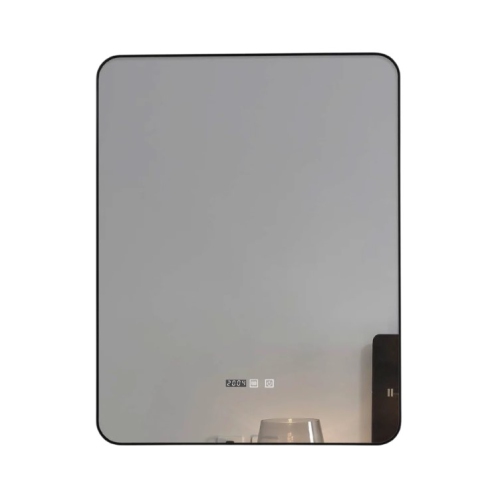
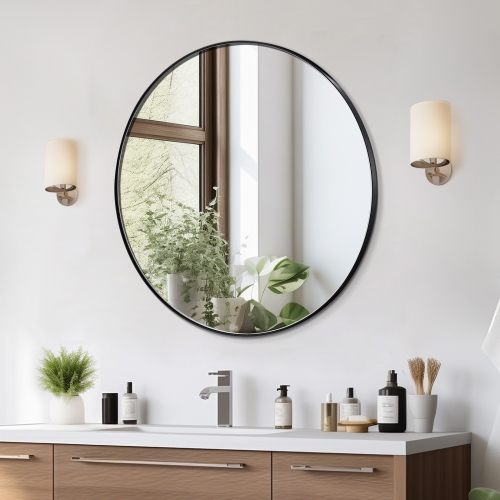
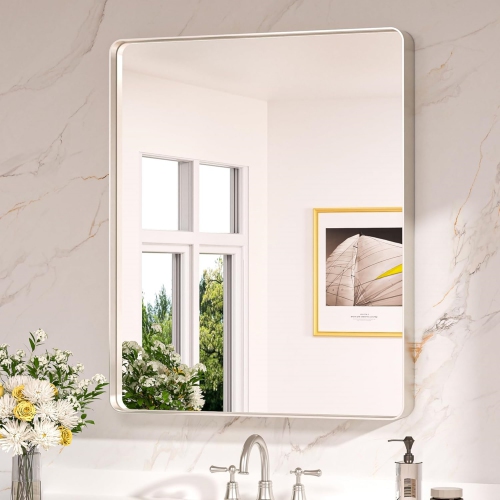
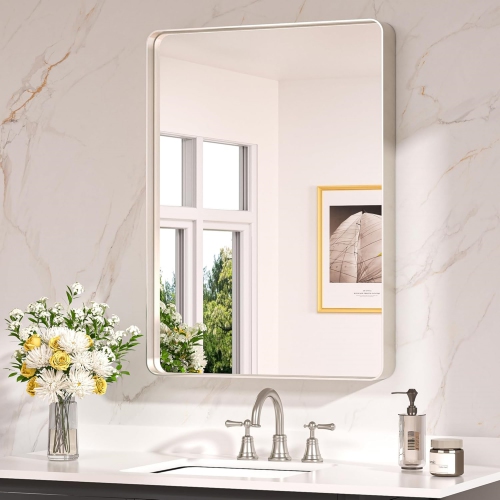
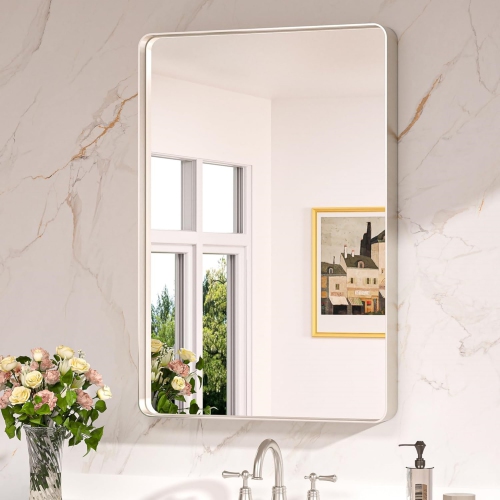
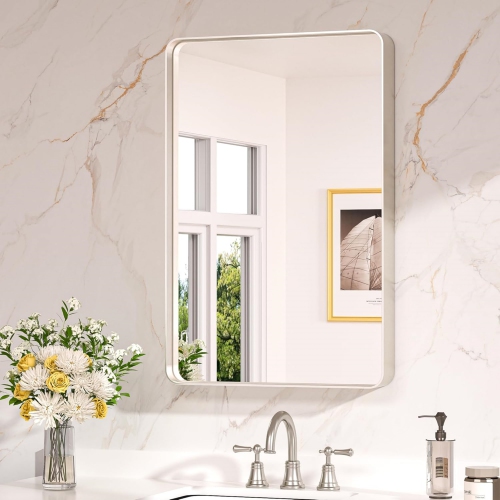
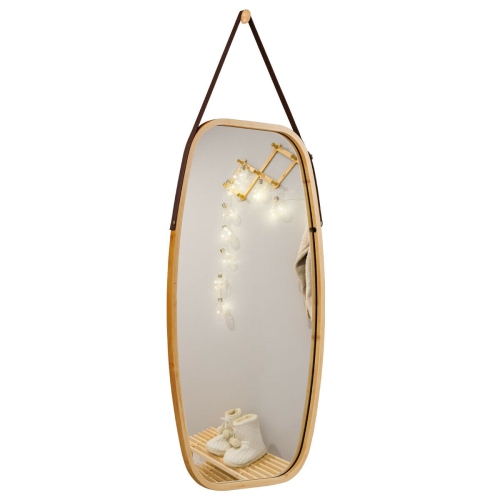
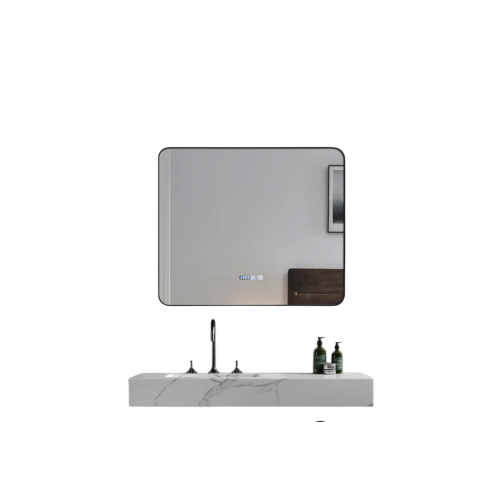
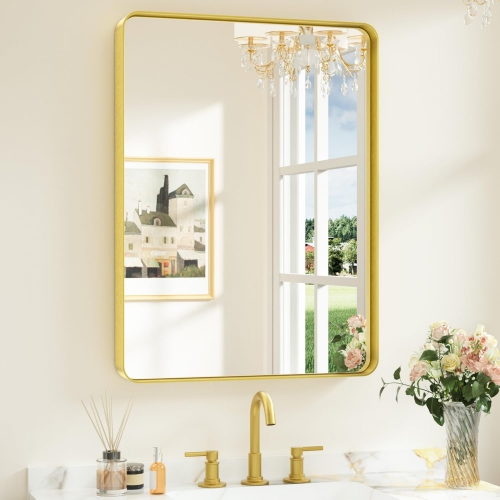
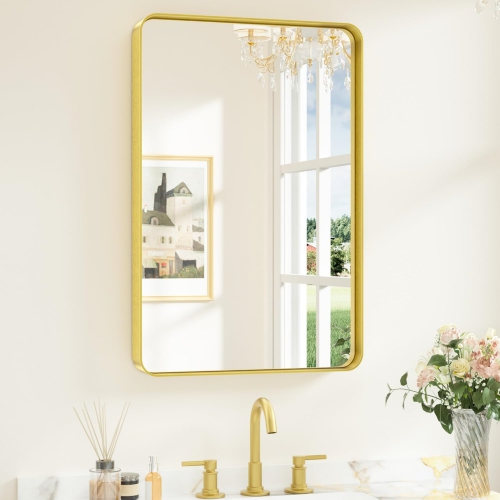
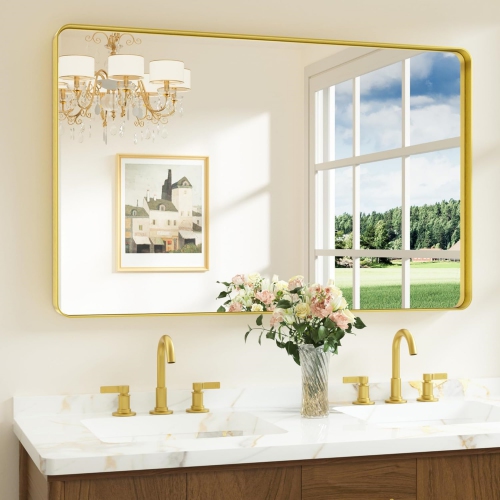
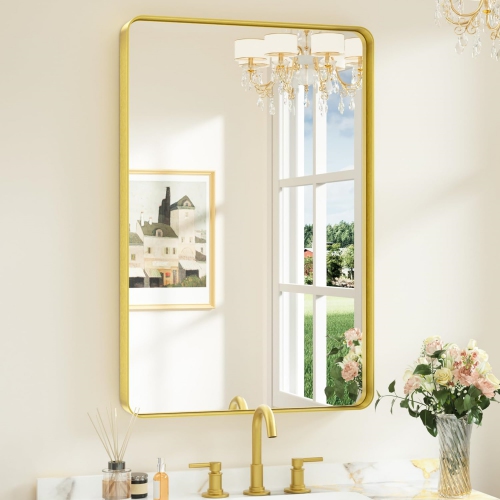
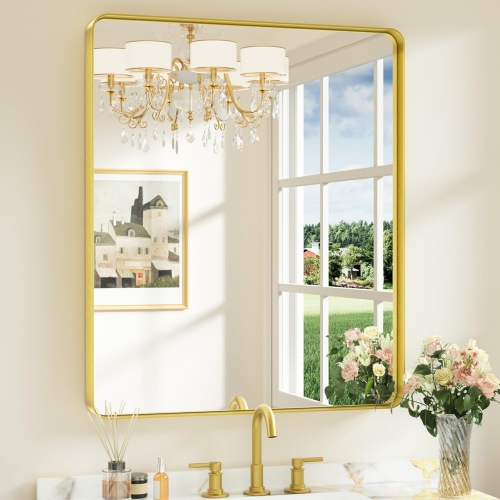
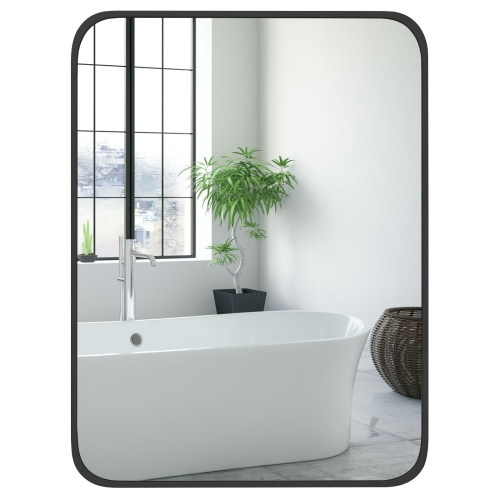
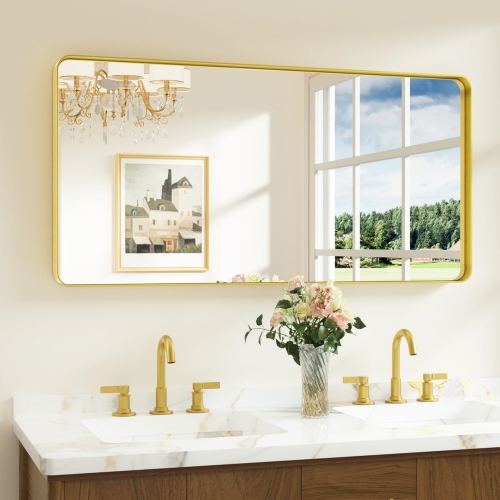
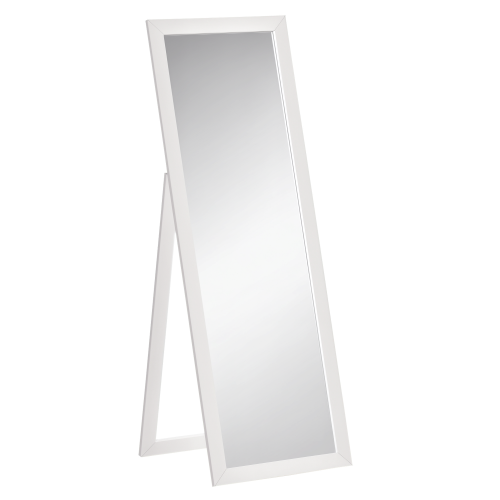
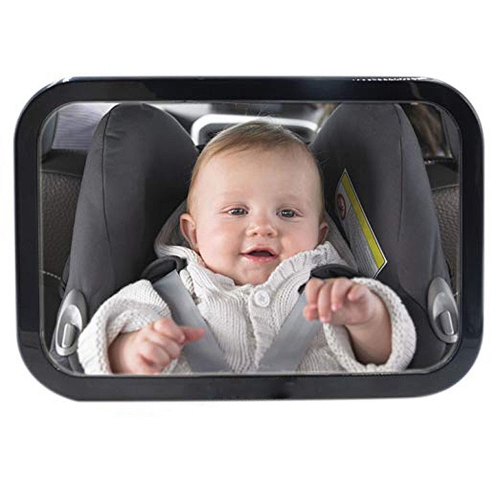
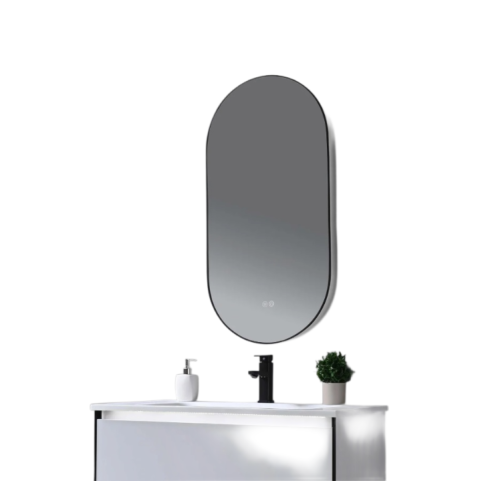
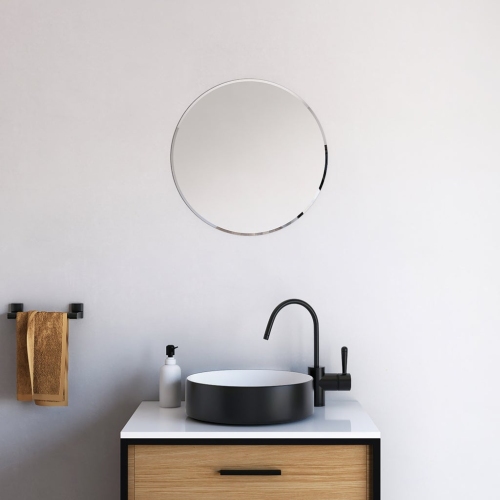
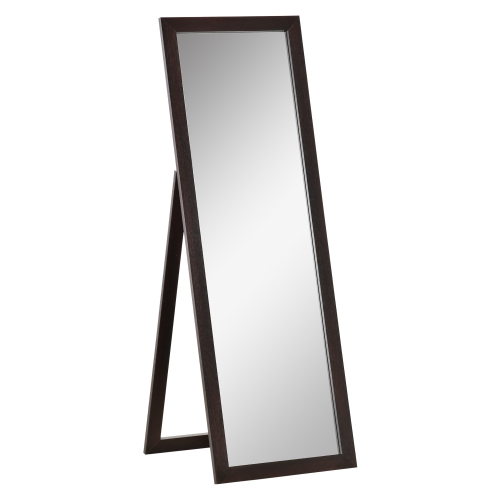
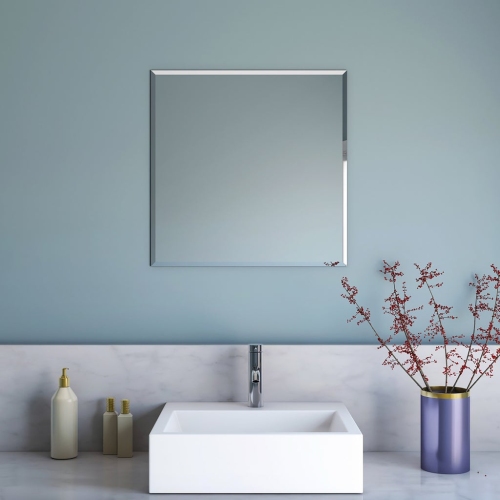
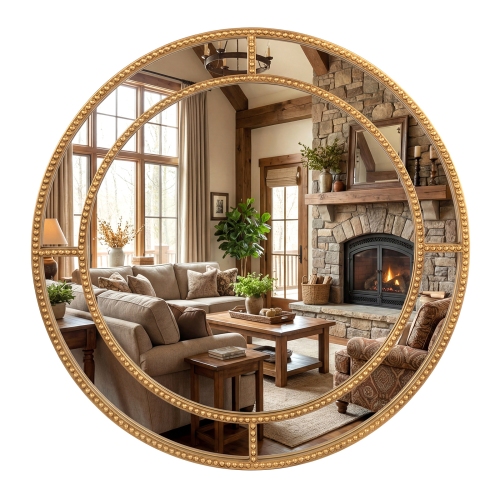
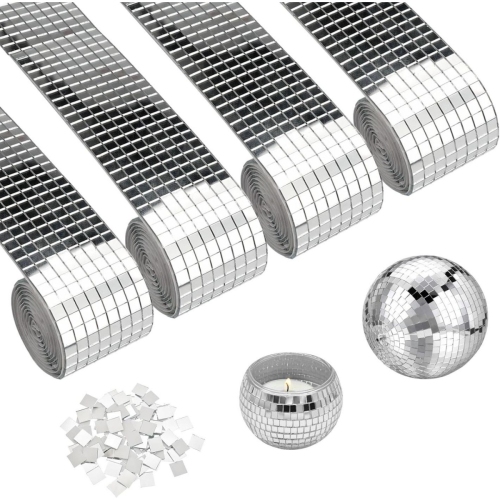
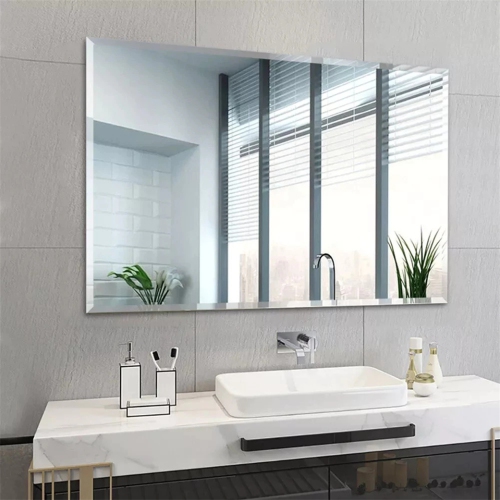
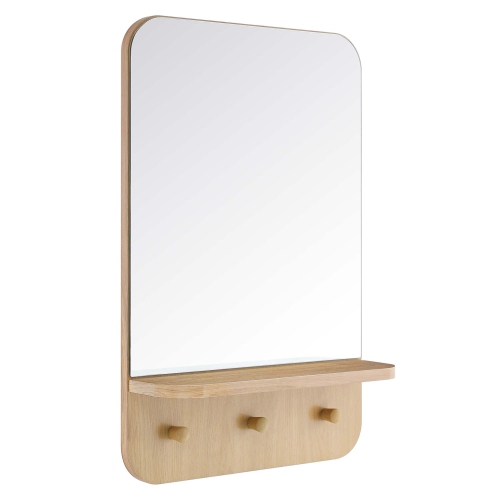
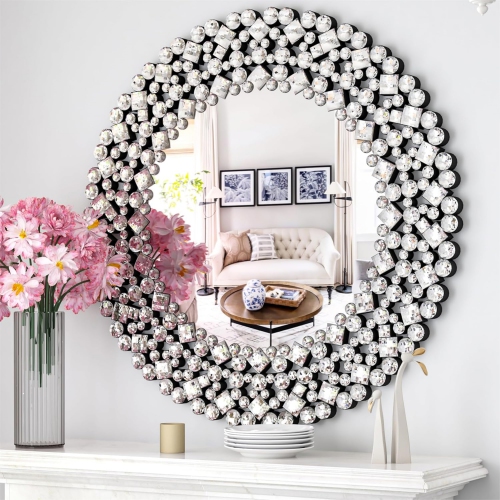
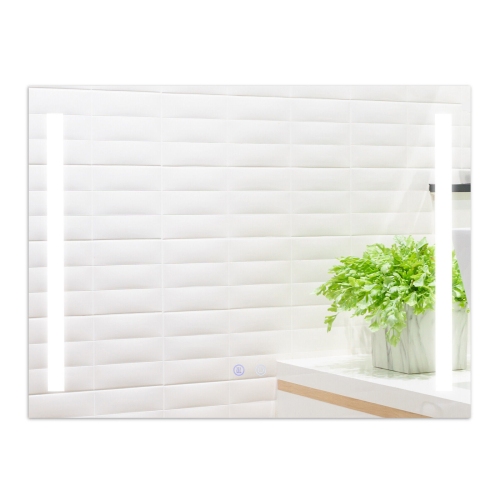
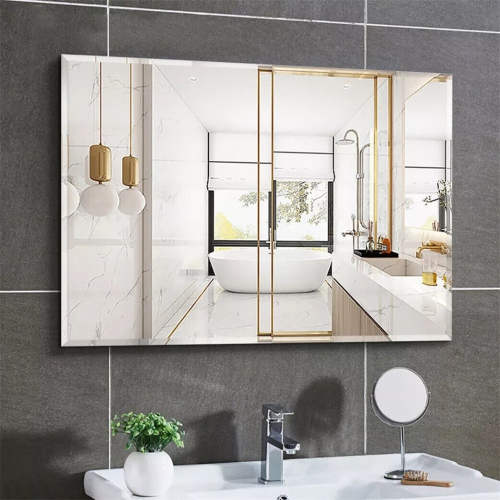
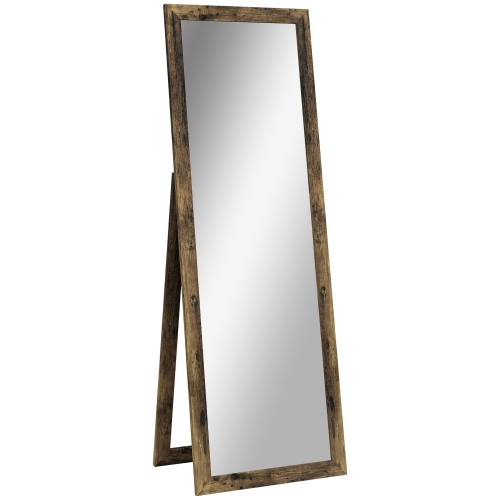

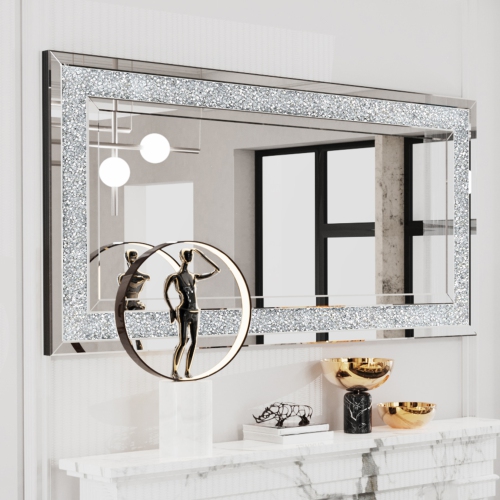
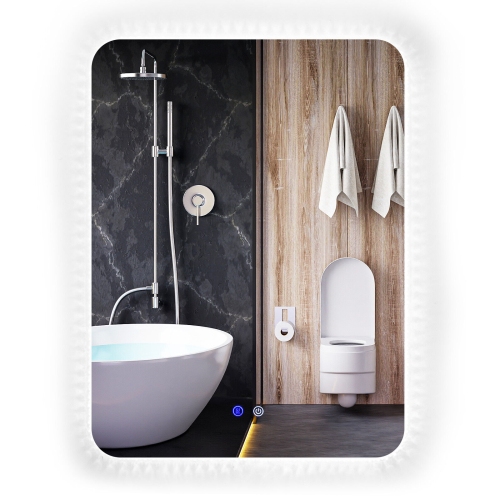
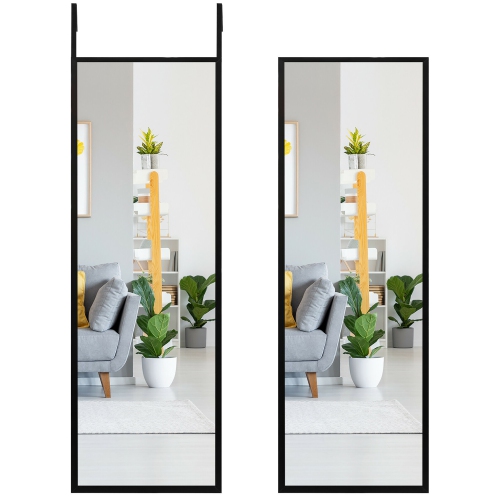

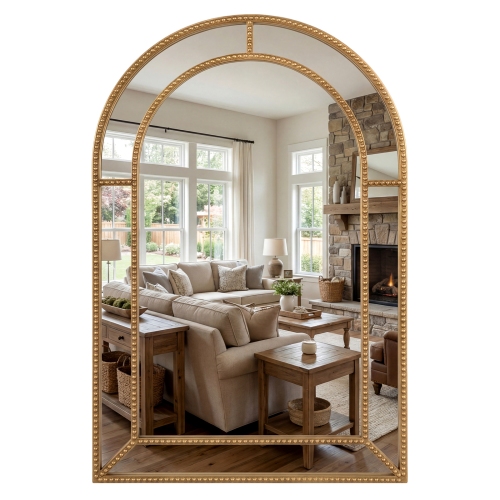
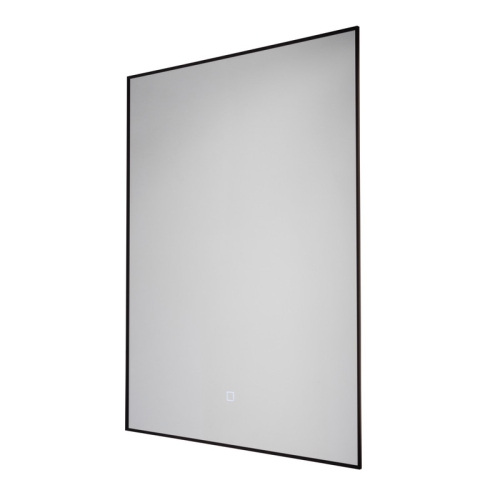
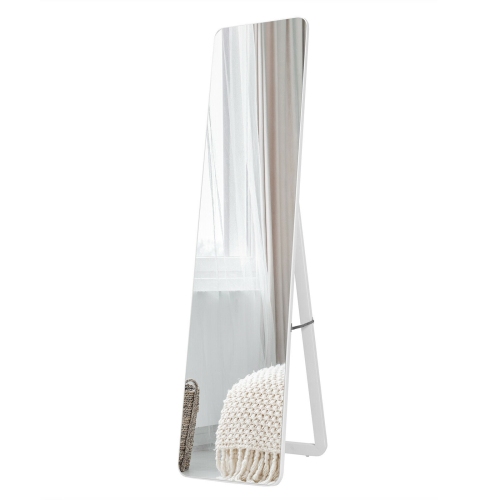
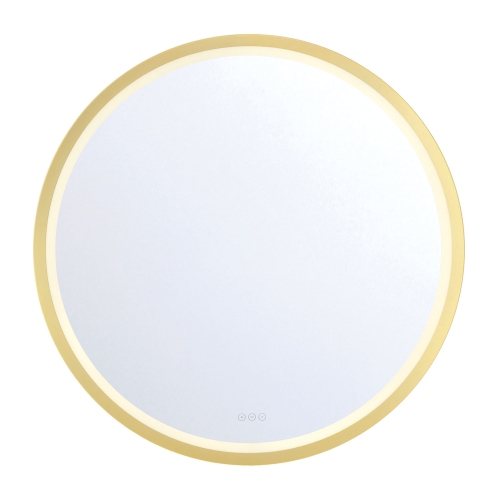
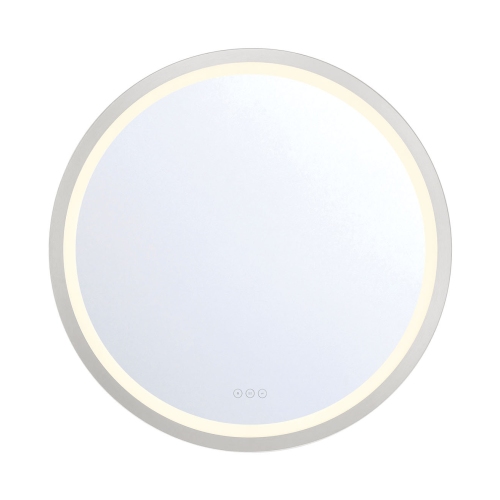
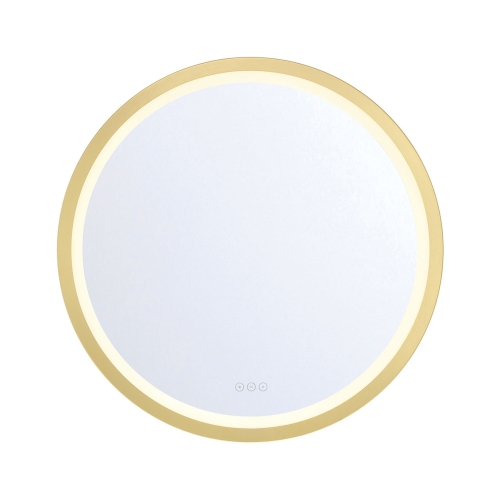
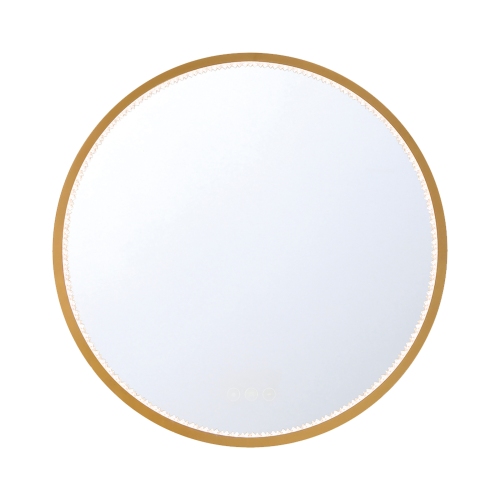

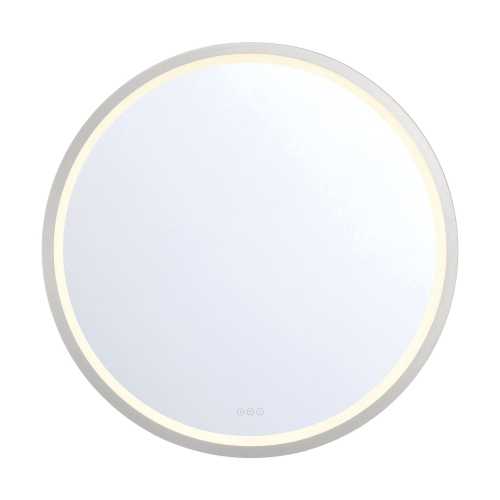

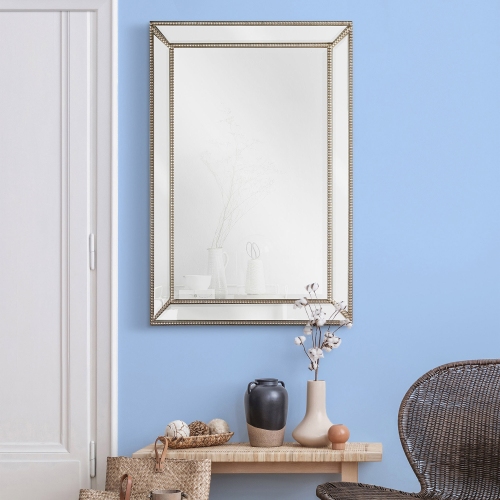

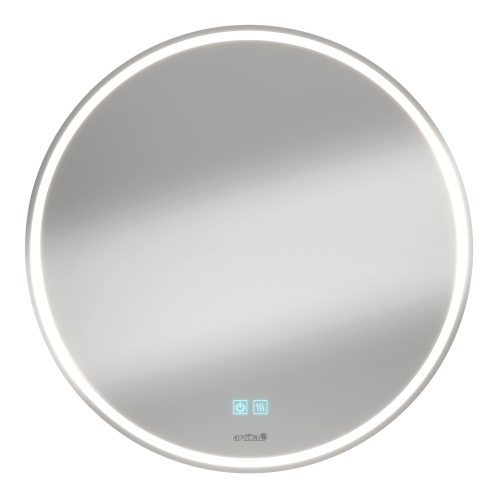
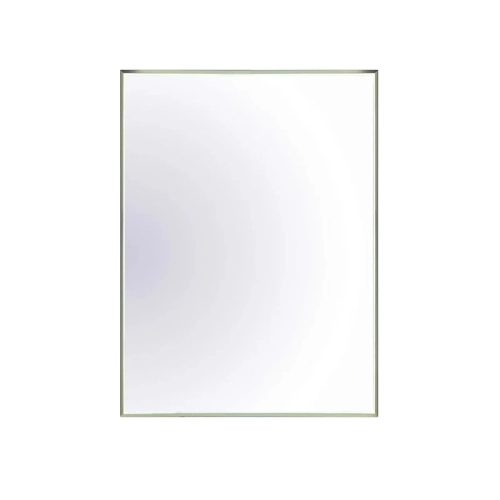
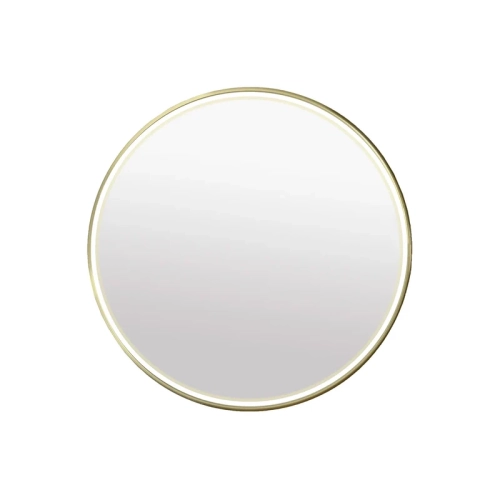
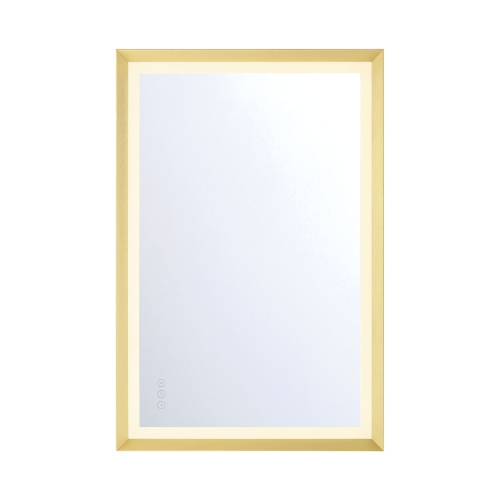

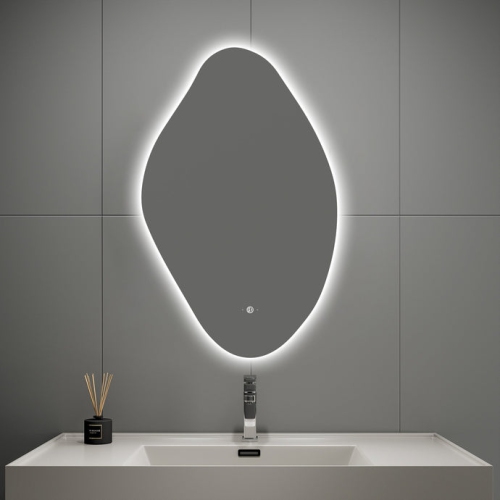
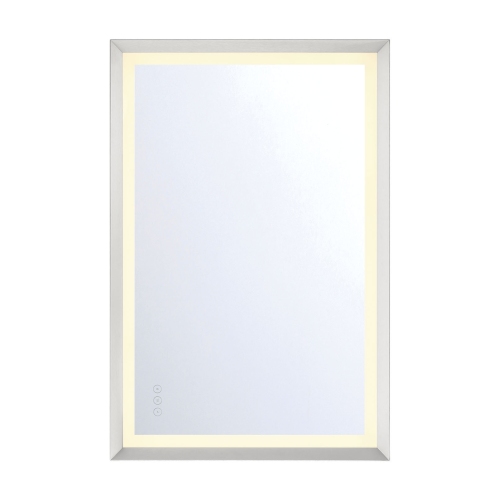
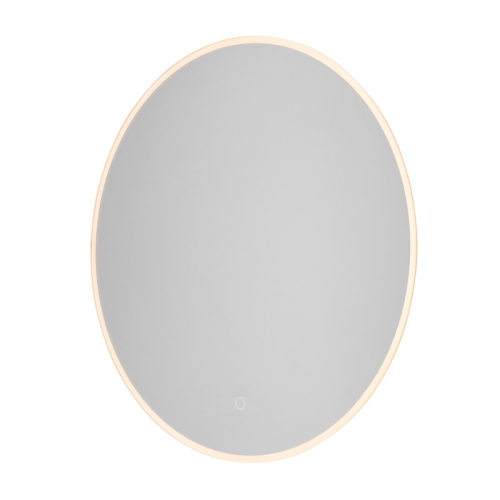
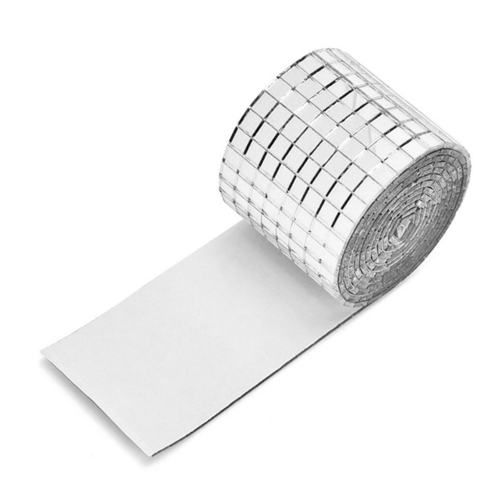
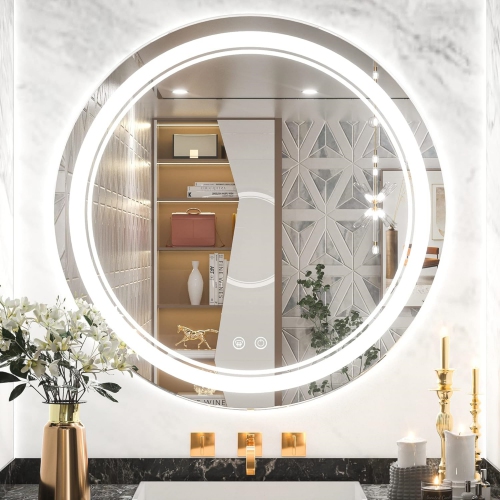
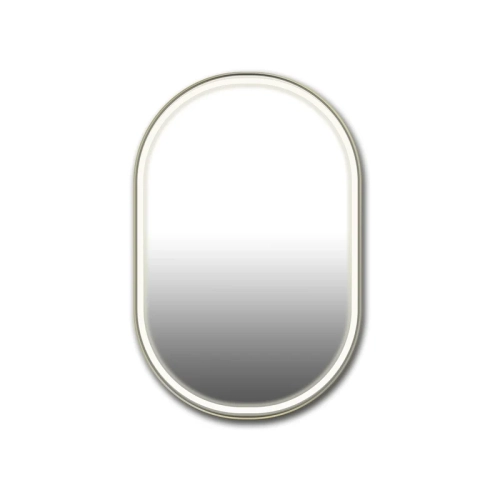
How mirror shape and placement influence your space
Glass mirrors combine an everyday function with a strong visual presence, giving a room a useful reflective surface while bringing nearby colours, textures, and light into the composition. In an entrance, a mirror above a console offers a convenient place to check a collar or straighten a scarf before leaving. In a bedroom, a full-length mirror makes it easier to see how clothing and footwear work together, while a smaller wall mirror can complete a dressing area without taking up floor space. Living rooms and dining areas use mirrors differently: a broad reflection can draw attention to artwork, repeat the lines of a pendant light, or make a compact room feel more open without changing its actual dimensions. Shape has a noticeable effect on that impression. Round and oval mirrors soften the straight edges of cabinetry and furniture, rectangular designs suit clean architectural lines, and arched tops add a gentler outline above a dresser or mantel. An irregular silhouette can act as a decorative focal point, especially against a simple wall. Proportion matters as much as shape. A mirror that relates comfortably to the width of the furniture below it tends to look intentional, whereas an oversized piece needs enough surrounding space for its outline to remain distinct. The reflection deserves the same attention as the frame: a view of a window, a favourite print, or an uncluttered wall usually contributes more to the room than a direct reflection of storage shelves or a busy worktop. Placement can also affect comfort, since reflected lamps or direct sunlight may create glare from certain seats. For shared homes, dressing areas, guest rooms, and compact apartments, glass mirrors offer a practical way to support daily routines while adding depth and visual interest to the space. Even a narrow wall beside a wardrobe can become useful when the mirror’s dimensions leave doors, drawers, and nearby walkways clear.
The character of a glass mirror comes from several elements working together: the glass itself, the reflective layer behind it, the protective backing, and any frame or edge treatment. Clear glass is a familiar choice for dressing and grooming, while tinted glass introduces a colour cast that may be more suited to decorative placement than checking the precise shade of clothing or makeup. A flat reflective surface is especially important for a full-length view, where distortion can make straight lines appear uneven. Glass thickness influences weight and handling, but thickness alone does not establish the quality of the finished mirror; construction, backing, and support also matter. Frameless designs keep the outline light and simple, with polished edges offering a clean finish and bevelled edges adding a narrow border that catches the light. Framed mirrors provide a different kind of definition. Wood can bring visible grain and warmth, painted finishes can tie into cabinetry or trim, and metal frames range from slender outlines to more substantial profiles. For a cool-toned accent that relates to chrome hardware, brushed metal, or pale grey furnishings, Silver Mirrors offer another direction within the broader category. Frame colour does not need to match every fitting in the room, but repeating a finish elsewhere can help the arrangement feel connected. Intended use also shapes the right construction. A bathroom mirror needs materials and backing suited to moisture, particularly near a basin where splashes are common. Decorative mirrors designed for dry rooms may not have the same protection against deterioration around their edges. Where integrated lighting or a demisting feature is included, electrical requirements and installation clearances become part of the fit. Magnification can help with detailed grooming, although a magnifying surface serves a different purpose from a standard mirror used to view an entire outfit. These differences make function just as important as appearance when comparing shapes, finishes, and mounting styles.
A mirror’s fit includes more than the space visible on the wall. Overall dimensions include the frame, while the usable reflective area may be noticeably smaller, especially with a wide border. Depth matters in a narrow hallway, and the height of the people using the mirror affects whether a reflection feels convenient or awkward. Above a bathroom basin, the relationship between the mirror, tap, backsplash, and lighting needs enough clearance to keep the arrangement practical. For a dressing mirror, a little distance between the viewer and the glass helps provide a complete view, so an unobstructed standing area is part of the layout. Wall construction and mirror weight determine the mounting approach; plasterboard, masonry, and other surfaces require suitable fixings rather than a single universal solution. Heavy mirrors may need professional installation, and supplied hanging hardware should be used according to the manufacturer’s directions. A floor-standing or leaning design still needs the specified restraint or support, particularly in homes with children or pets. Glass can chip or break if its edges are struck, so locations beside swinging doors or tight furniture corners deserve care. Routine cleaning is generally straightforward when the finish and backing are treated gently. A soft, lint-free cloth helps lift fingerprints without leaving fibres, and a compatible cleaner applied to the cloth rather than sprayed heavily onto the mirror reduces the chance of liquid collecting along the lower edge. Abrasive pads can scratch surfaces, while some cleaning chemicals can damage frames or backing, making the care instructions worth keeping. Secure mounting, protected edges, and careful handling all contribute to lasting use. As a housewarming or moving gift, a mirror can be both useful and personal when its size, installation needs, and finish suit the recipient’s space. A compact entryway mirror or a simple dressing mirror is most successful when it supports an existing routine rather than requiring a room to be rearranged around it.
Top selling and popular products
-
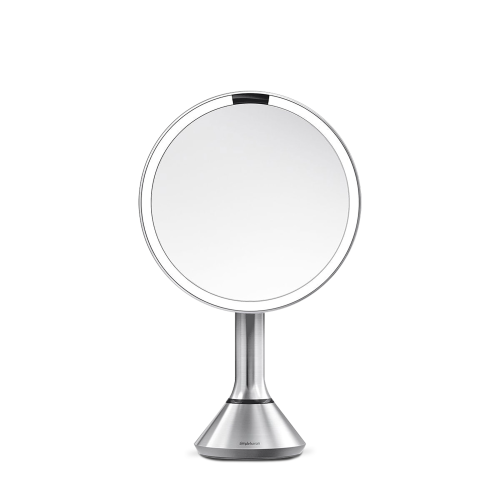 Your price for this item is $270
-
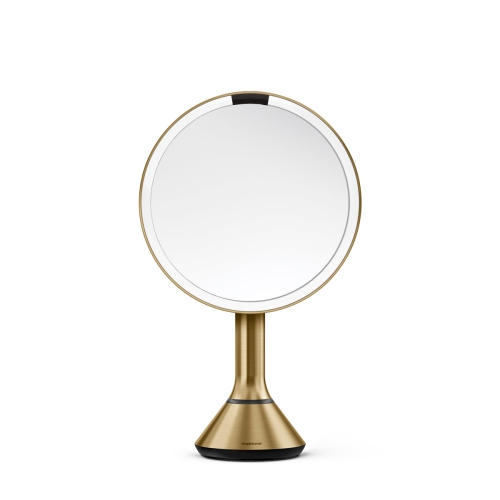 Your price for this item is $270
-
 Your price for this item is $270
-
 Your price for this item is $450
-
 Your price for this item is $154.99
-
 Your price for this item is $184.99
-
 Your price for this item is $149.99
-
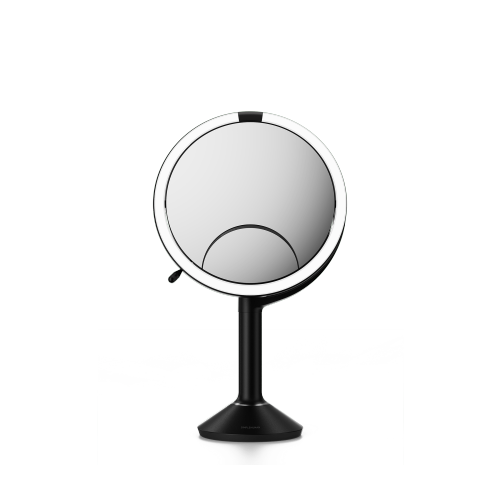 Your price for this item is $400
Discover more categories related to Glass Mirrors
Top Collections:
Best Black Friday Deals This Year, Best Black Friday Deals On Electronics, Kindle Devices, Pokemon Centers, Best Black Friday Deals On Apple Products, Best Cameras for Sports Photography, Dyson Airwrap, Pokémon 30th Celebration Cards, Apple iPhone 17 Pro, Canon G7X Cameras
Some products may be subject to Environmental Handling Fees
(EHF) depending on your province.
Learn more about EHFs.