Glass Shelving Units
Looking to add a touch of elegance and functionality to your space? A glass shelving unit might just be the perfect solution. With its sleek and modern design, a glass shelving unit can effortlessly blend into any room, whether it's your living room, bedroom, or office. Not only does it provide a stylish way to display your favorite items, but it also offers ample storage space for books, decor pieces, or even electronic devices.
Sort

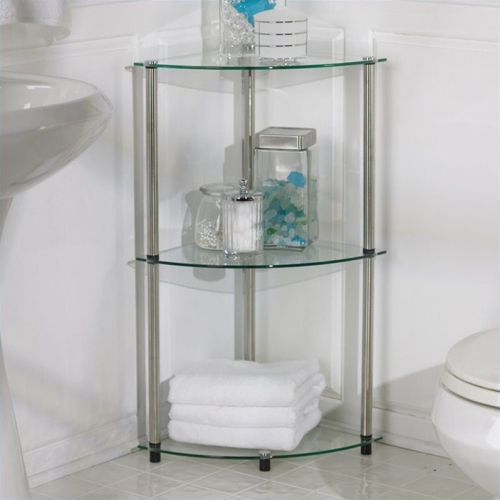

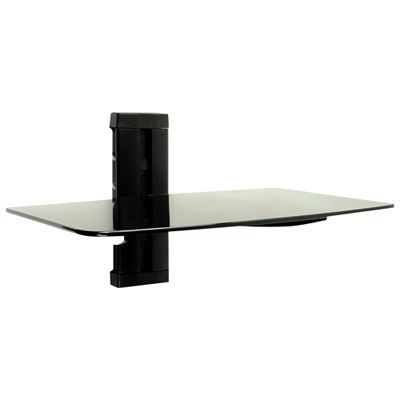
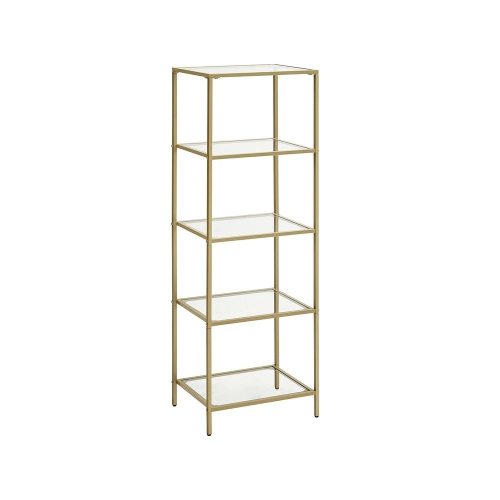
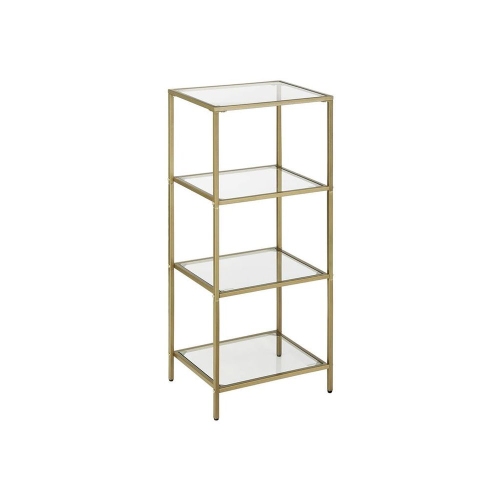
Why glass shelves keep displays open and rooms feeling spacious
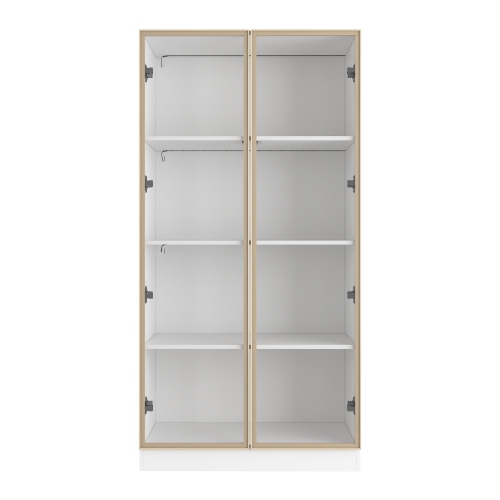
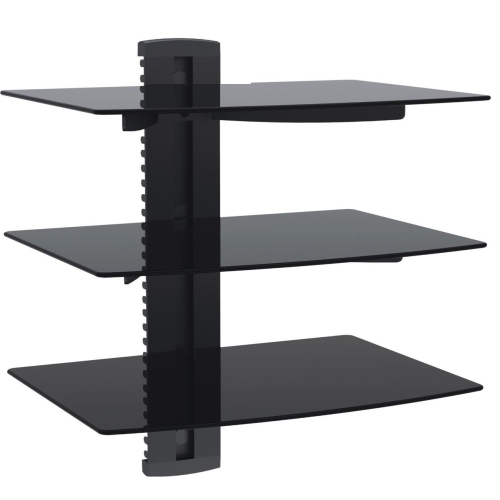
Glass shelving units bring a light, open feel to rooms while giving treasured items a defined place to shine. Unlike solid wood or opaque storage, clear shelves allow wall colour, lighting and surrounding décor to remain visible, which can help a compact room feel less crowded. Their clean lines suit modern, minimalist, industrial and contemporary interiors, while a framed design can add warmth and structure to a more traditional space. Use a glass shelving unit in a living room to arrange books, framed photographs, ceramics, candles and small plants, or place one in an entryway for keys, baskets and decorative accents. In a dining area, glass shelves can display serving pieces, stemware and seasonal décor without visually closing in the room. A home office or bedroom may benefit from a tiered shelf for stationery, awards, accessories and carefully selected keepsakes. For a softer, brighter look, explore White Glass Shelf Units, which pair easily with pale walls, natural textures and light-toned furniture. Open shelving is especially useful when you want frequently used items within reach, while a glass display cabinet or enclosed unit can help keep collectibles, books and decorative objects more protected from dust. These pieces can also make thoughtful gifts for someone moving into a new home, setting up a first apartment, refreshing a home office or creating a display area for a collection. A student might use a compact unit for textbooks and décor, while a host or entertainer could use one to organize barware, serving accessories or dining room accents. During the cooler months, glass shelving can provide an attractive place for layered décor, framed memories and small seasonal touches without taking over valuable floor space.
When choosing a glass shelving unit, start by considering where it will stand and what it needs to hold. Measure the available width, depth and height, allowing enough room for baseboards, doorways, nearby furniture and comfortable movement around the piece. A tall, narrow unit can make use of vertical space in an apartment, hallway or unused corner, while a wider, lower design may work better beneath artwork or beside a sofa. Think about visibility as well: open shelves put every item on display and make it easy to reach, whereas doors or a cabinet-style design offer a more contained appearance. Tempered glass is an important feature for freestanding or wall-mounted shelving because it is stronger than ordinary annealed glass and is designed to break into smaller, less sharp pieces if it is damaged. Check the product specifications for the glass thickness, shelf dimensions and maximum weight capacity rather than assuming every shelf can support the same load. Many units are best suited to lighter décor, framed photos and small accessories, while thicker shelves with sturdy supports may accommodate heavier books, electronics or larger display pieces. Weight should be distributed evenly across each shelf, with heavier objects placed lower to help maintain stability. The frame also affects the overall performance and appearance of the unit. Steel and iron frames can provide firm support for multi-tier designs, while slim metal profiles create a more understated look. Look for secure shelf supports, level feet, cross-bracing where applicable and clear assembly instructions. If the unit is tall or positioned in a busy area, an anti-tip kit or wall anchoring hardware can provide added stability, particularly in homes with children or pets. For a wall-mounted shelf, confirm that the mounting hardware is appropriate for the wall type and that the shelf is installed into a suitable support point. Always follow the manufacturer’s instructions for installation, loading and care.
Glass shelving is easiest to live with when its placement and styling are planned around everyday habits. Leave a little open space between objects so the transparent shelves can do their visual work, and group items by height to create a balanced display rather than a crowded row. A tall vase or sculpture can anchor one level, while smaller framed photos, books or bowls add texture to the shelves below. Repeating a colour from the room, such as black, white, brass or a natural wood tone, helps the arrangement look intentional. If the unit includes integrated lighting or sits near a lamp, position reflective objects carefully to create a warm glow without unwanted glare. Keep electronics, valuable paper items and moisture-sensitive pieces away from areas where condensation or spills are likely, and use coasters or protective pads when placing objects with rough bases on the glass. Regular care usually involves a soft, lint-free cloth and a glass cleaner applied to the cloth rather than directly onto the shelving, especially when the frame includes metal or finished surfaces. Avoid abrasive pads, harsh tools and placing hot cookware directly on a shelf. Lift objects when rearranging them instead of sliding them across the glass, and inspect shelves, brackets and fasteners periodically for signs of movement or damage. A glass shelving unit can serve as a practical storage solution, a focal point for a collection or a simple way to refresh a room as the seasons change. With the right size, construction, weight capacity and placement, it can keep frequently used belongings organized while preserving the airy, uncluttered character that makes glass shelving so appealing.
When choosing a glass shelving unit, start by considering where it will stand and what it needs to hold. Measure the available width, depth and height, allowing enough room for baseboards, doorways, nearby furniture and comfortable movement around the piece. A tall, narrow unit can make use of vertical space in an apartment, hallway or unused corner, while a wider, lower design may work better beneath artwork or beside a sofa. Think about visibility as well: open shelves put every item on display and make it easy to reach, whereas doors or a cabinet-style design offer a more contained appearance. Tempered glass is an important feature for freestanding or wall-mounted shelving because it is stronger than ordinary annealed glass and is designed to break into smaller, less sharp pieces if it is damaged. Check the product specifications for the glass thickness, shelf dimensions and maximum weight capacity rather than assuming every shelf can support the same load. Many units are best suited to lighter décor, framed photos and small accessories, while thicker shelves with sturdy supports may accommodate heavier books, electronics or larger display pieces. Weight should be distributed evenly across each shelf, with heavier objects placed lower to help maintain stability. The frame also affects the overall performance and appearance of the unit. Steel and iron frames can provide firm support for multi-tier designs, while slim metal profiles create a more understated look. Look for secure shelf supports, level feet, cross-bracing where applicable and clear assembly instructions. If the unit is tall or positioned in a busy area, an anti-tip kit or wall anchoring hardware can provide added stability, particularly in homes with children or pets. For a wall-mounted shelf, confirm that the mounting hardware is appropriate for the wall type and that the shelf is installed into a suitable support point. Always follow the manufacturer’s instructions for installation, loading and care.
Glass shelving is easiest to live with when its placement and styling are planned around everyday habits. Leave a little open space between objects so the transparent shelves can do their visual work, and group items by height to create a balanced display rather than a crowded row. A tall vase or sculpture can anchor one level, while smaller framed photos, books or bowls add texture to the shelves below. Repeating a colour from the room, such as black, white, brass or a natural wood tone, helps the arrangement look intentional. If the unit includes integrated lighting or sits near a lamp, position reflective objects carefully to create a warm glow without unwanted glare. Keep electronics, valuable paper items and moisture-sensitive pieces away from areas where condensation or spills are likely, and use coasters or protective pads when placing objects with rough bases on the glass. Regular care usually involves a soft, lint-free cloth and a glass cleaner applied to the cloth rather than directly onto the shelving, especially when the frame includes metal or finished surfaces. Avoid abrasive pads, harsh tools and placing hot cookware directly on a shelf. Lift objects when rearranging them instead of sliding them across the glass, and inspect shelves, brackets and fasteners periodically for signs of movement or damage. A glass shelving unit can serve as a practical storage solution, a focal point for a collection or a simple way to refresh a room as the seasons change. With the right size, construction, weight capacity and placement, it can keep frequently used belongings organized while preserving the airy, uncluttered character that makes glass shelving so appealing.
Top selling and popular products
-
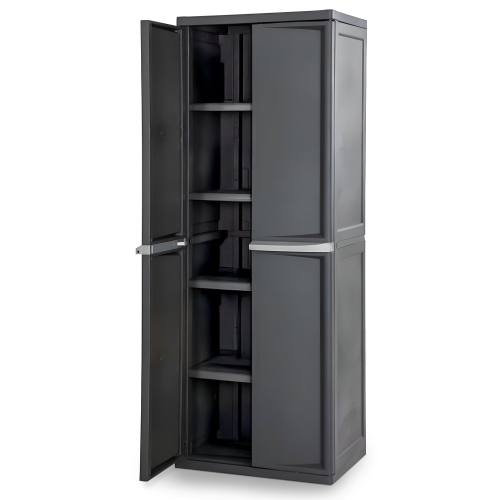 Your price for this item is $772.99
 -
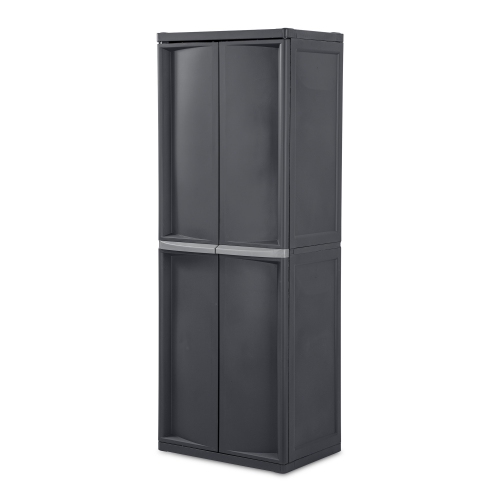 Your price for this item is $1522.99
 -
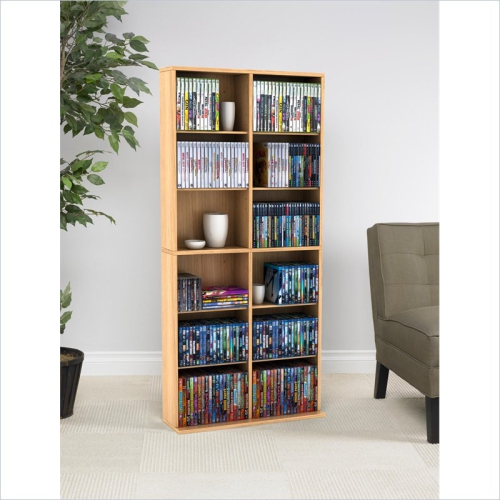 Your price for this item is $234.68
 -
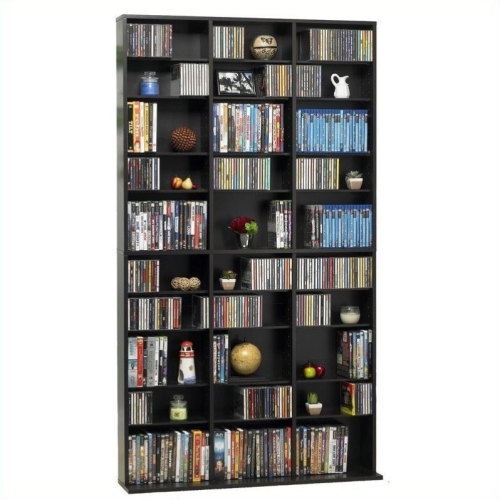 Your price for this item is $365.38
 -
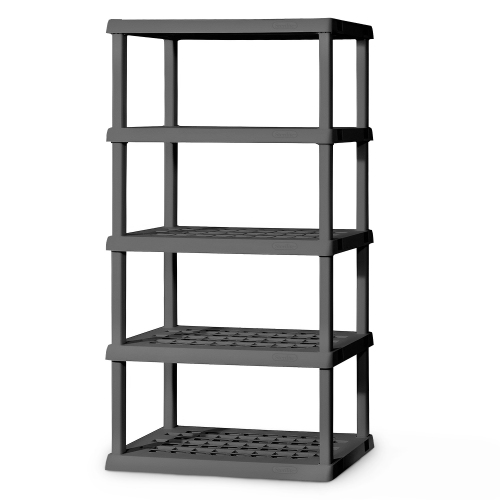 Your price for this item is $468.99
 -
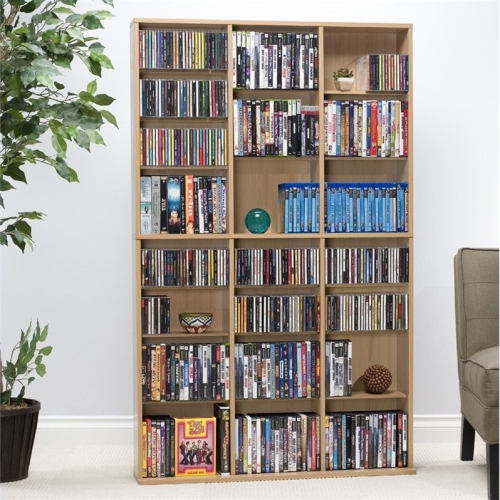 Your price for this item is $295.84
 -
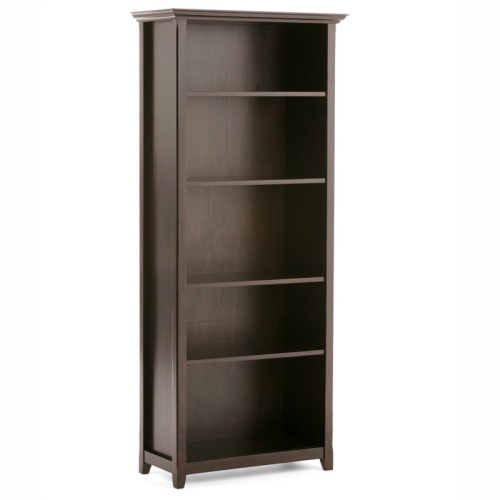 Your price for this item is $999.77
 -
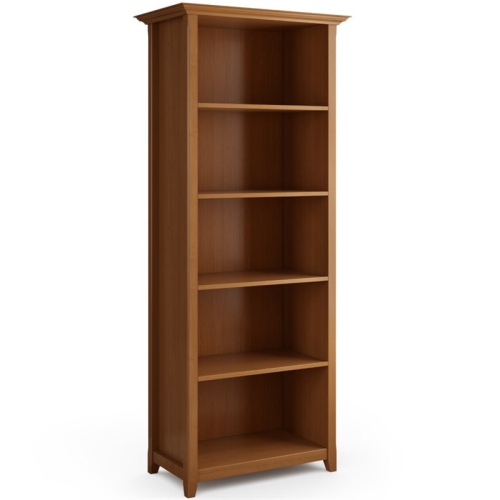 Your price for this item is $998.43
Discover more categories related to Glass Shelving Units

Top Collections:
Pokemon Centers, Kindle Devices, Best Budget Office Chairs, Apple iPhones 16, Best Laptops for Writers, iPhone 15 Apple, Canon G7X Cameras, Refurbished Apple Laptops, Alarm Clock, Motorola Razr Phones
Some products may be subject to Environmental Handling Fees
(EHF) depending on your province.
Learn more about EHFs.