Wall Shelf Units
A wall shelf unit is a great way to add storage space to your home. It's also an easy way to decorate and improve the look of your home. A wall shelf unit can be used in any room of the house, but it's especially useful in the kitchen, bathroom, dining room, living room, and hallways. Here are some great options available.
Sort
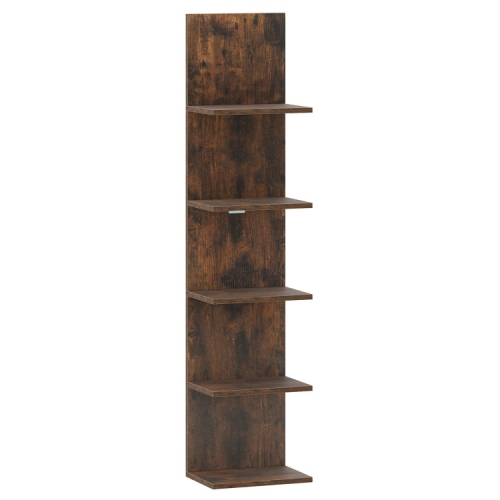
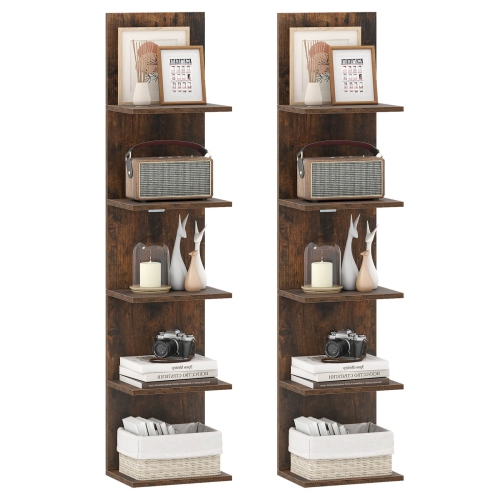
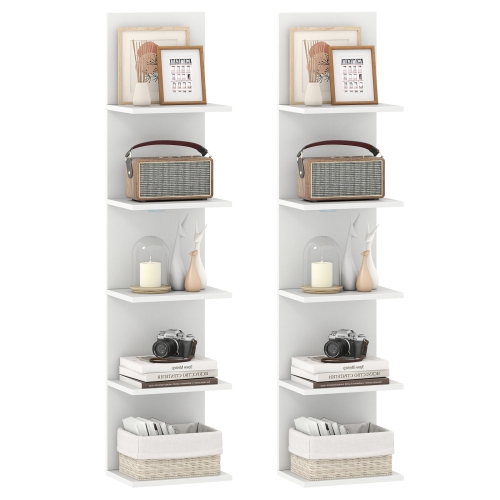
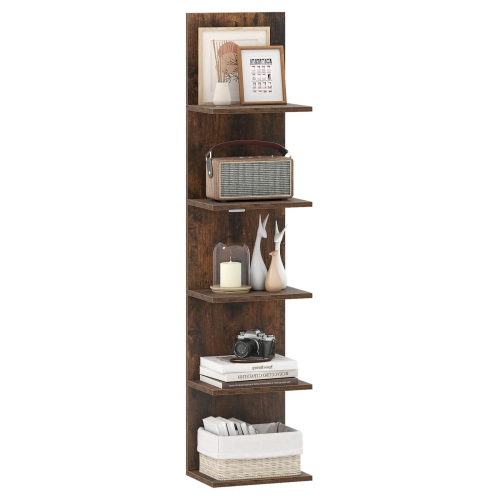
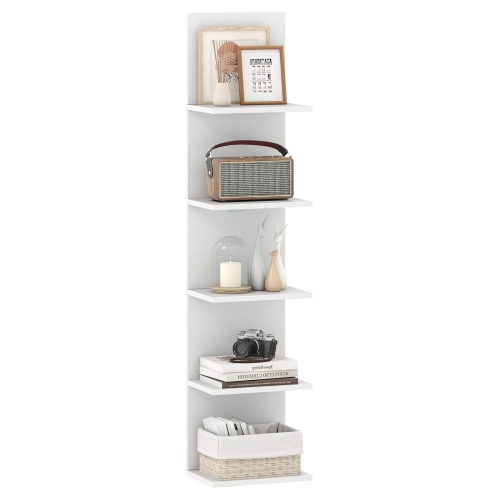
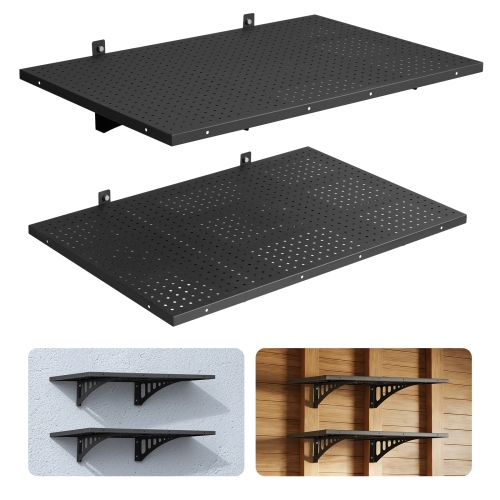
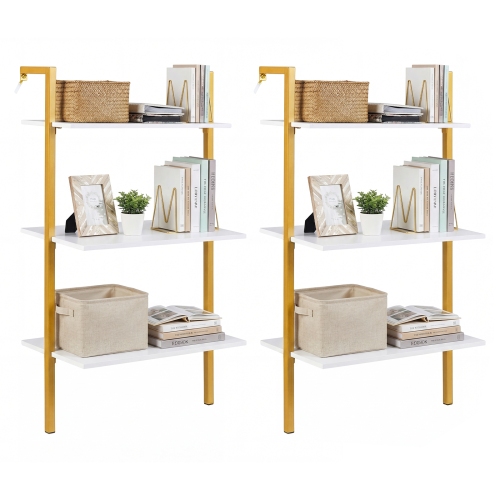
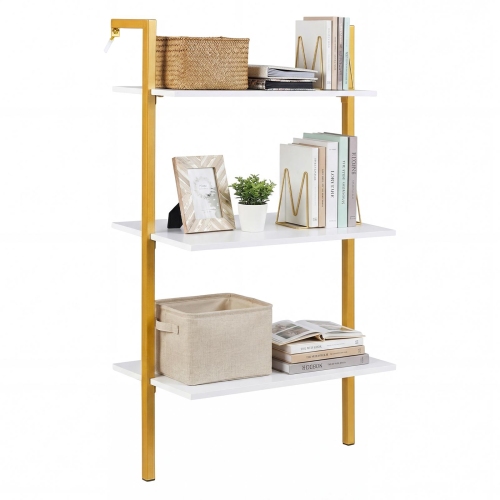
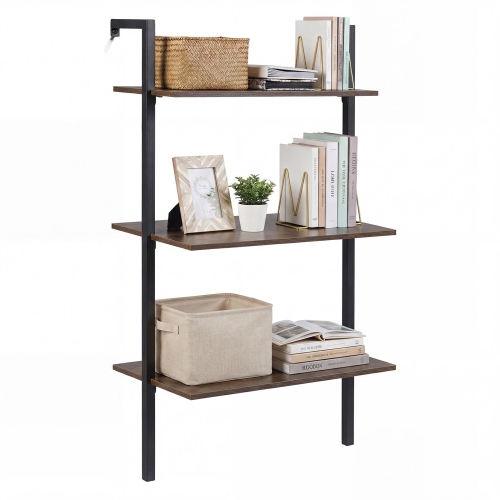
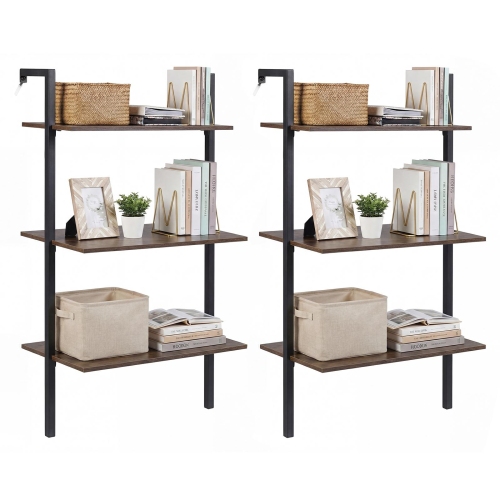
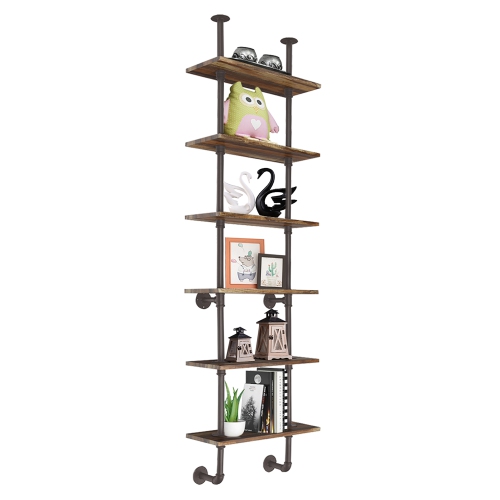
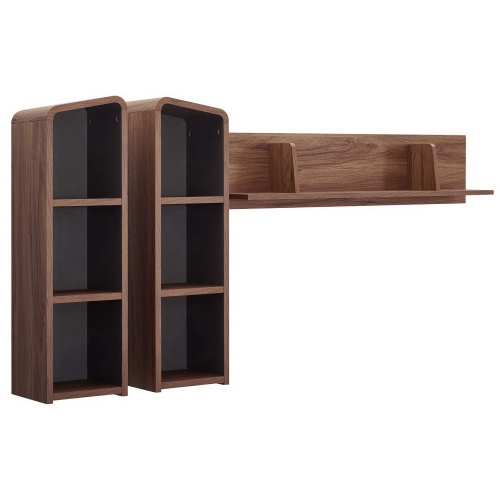
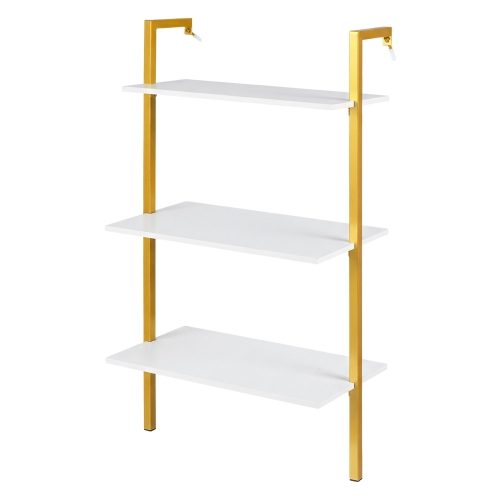
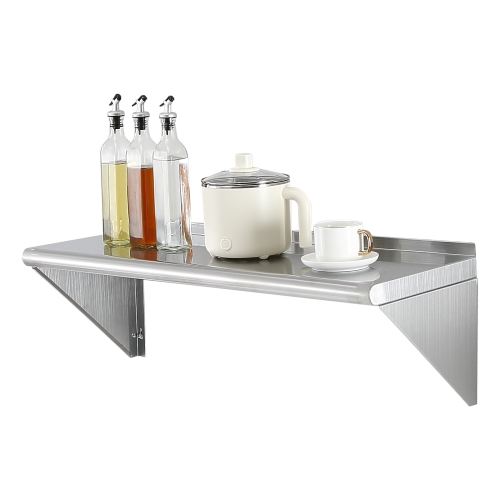
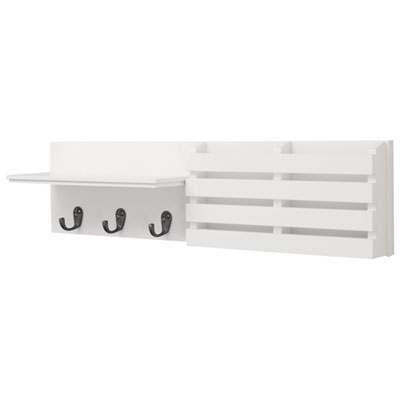
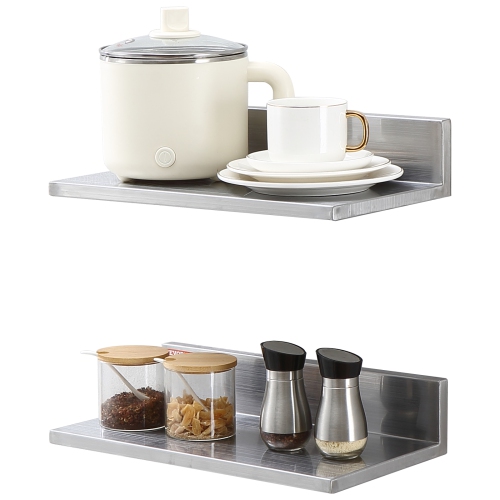
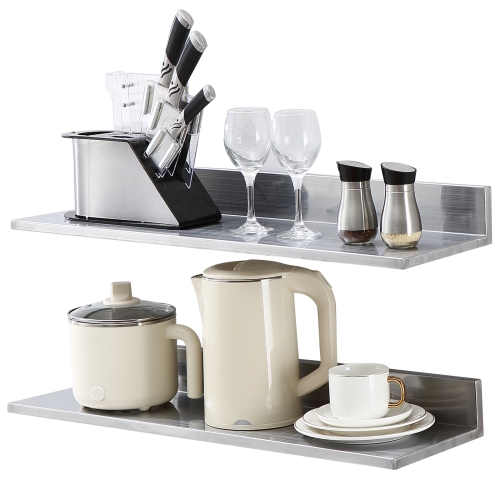
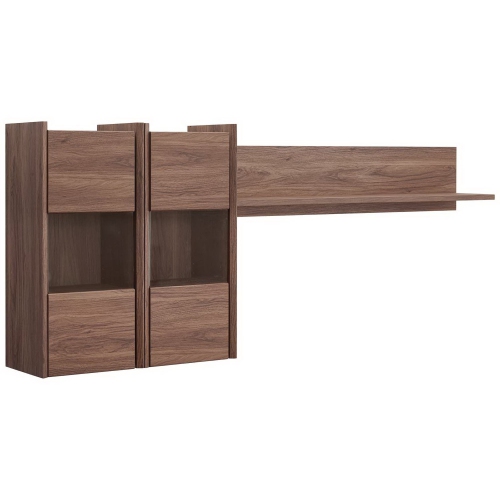

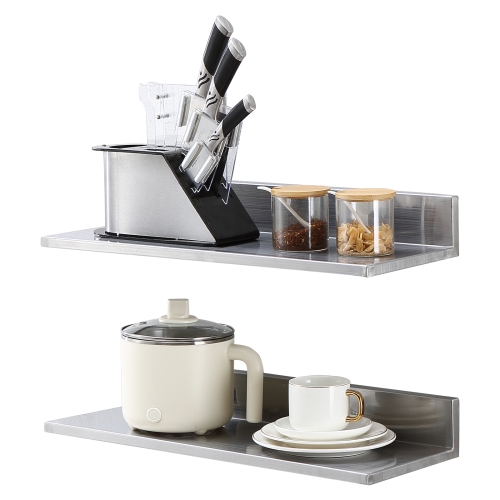
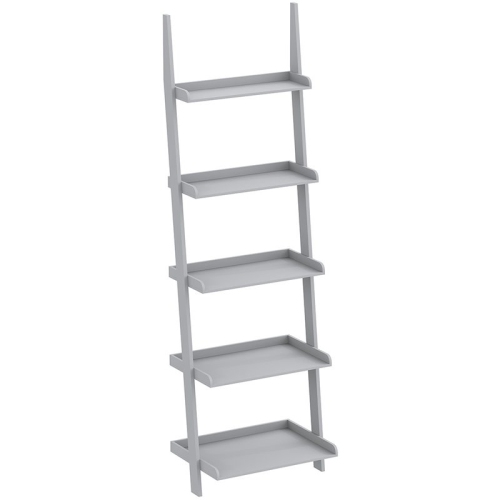
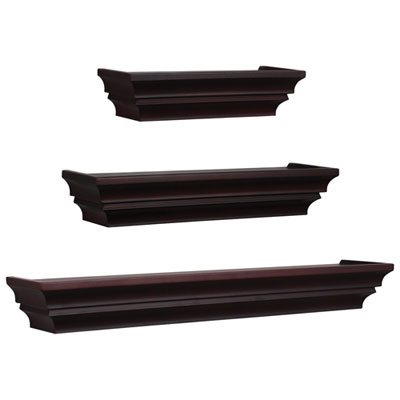
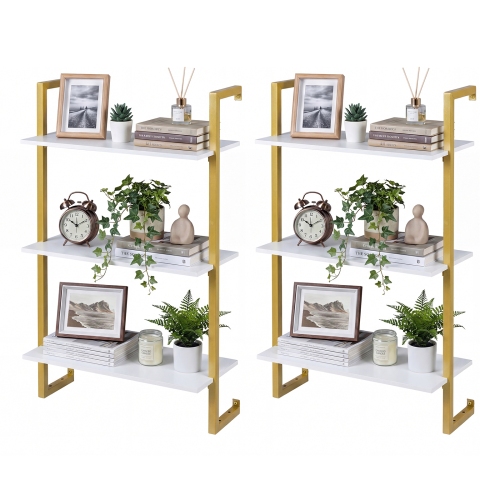
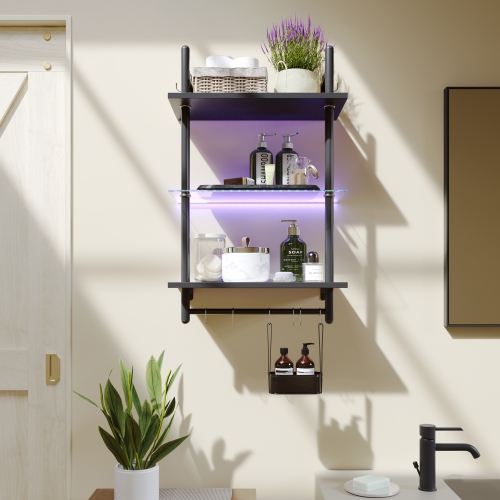
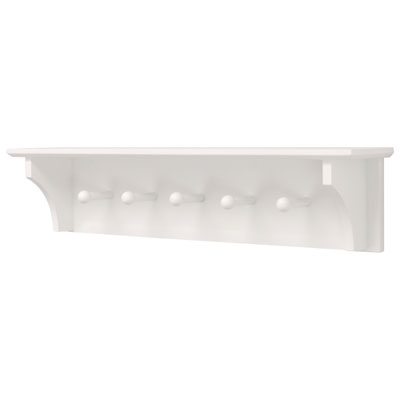
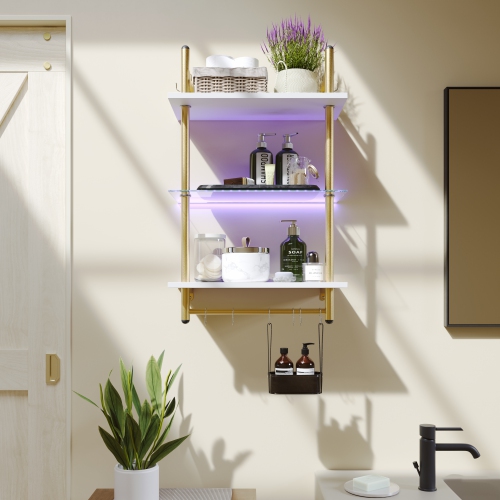
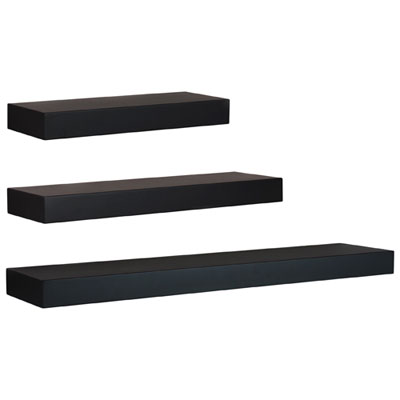
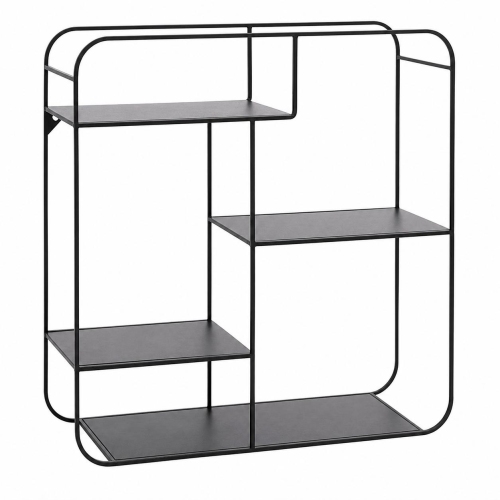
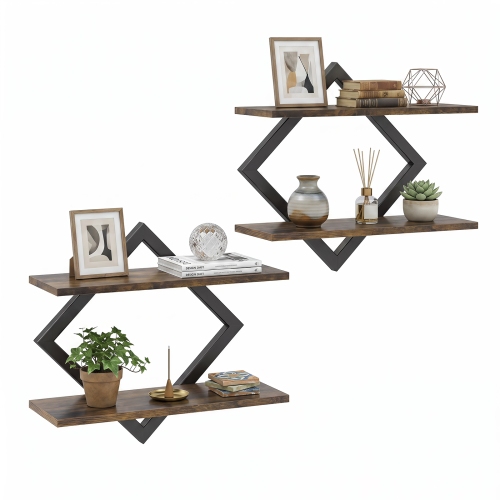
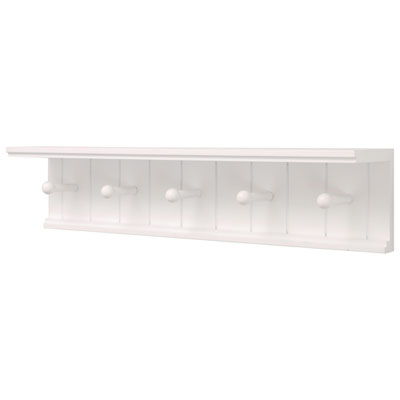
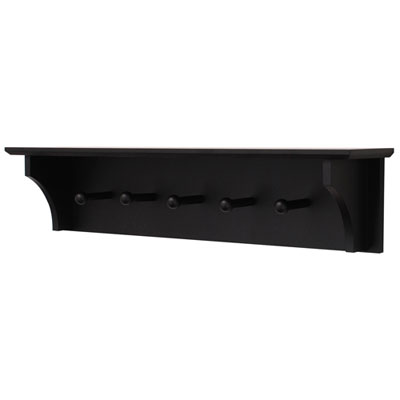
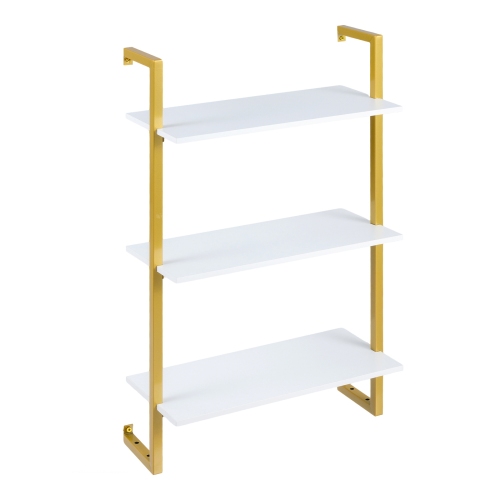
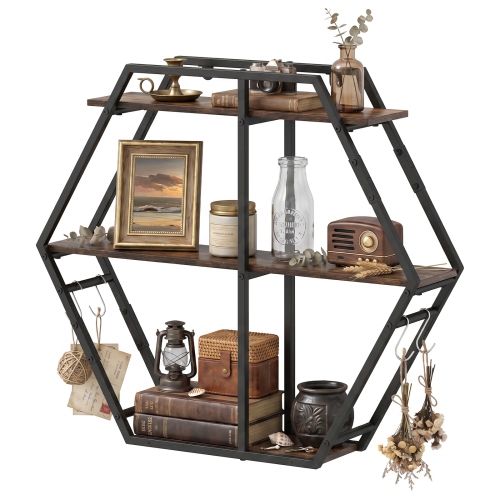
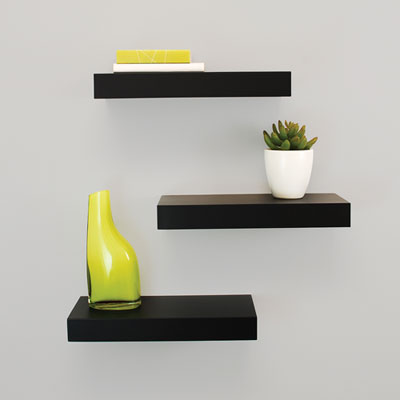

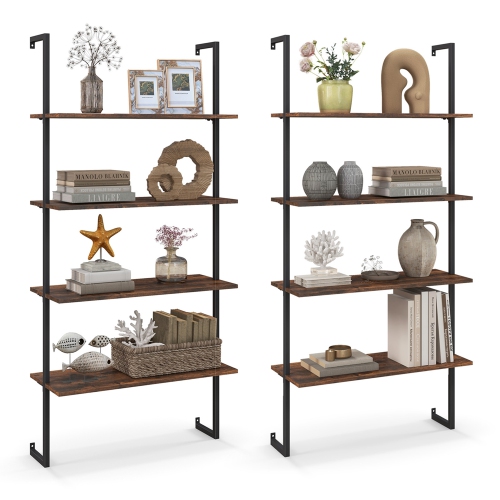
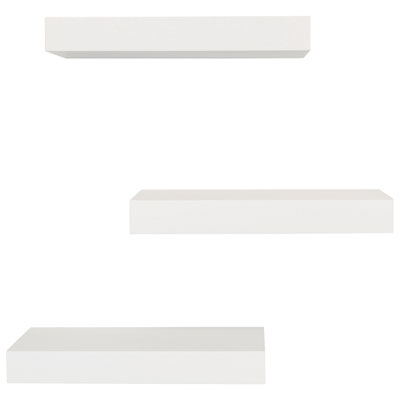
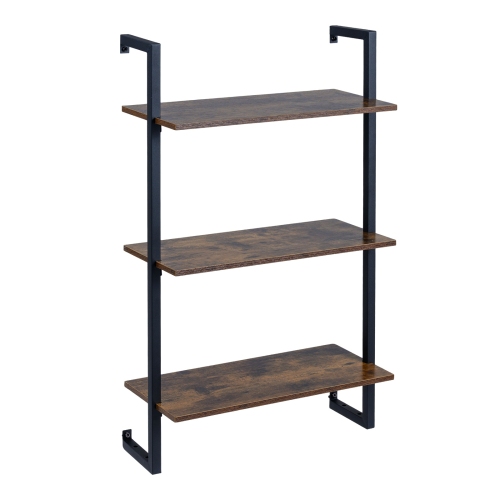
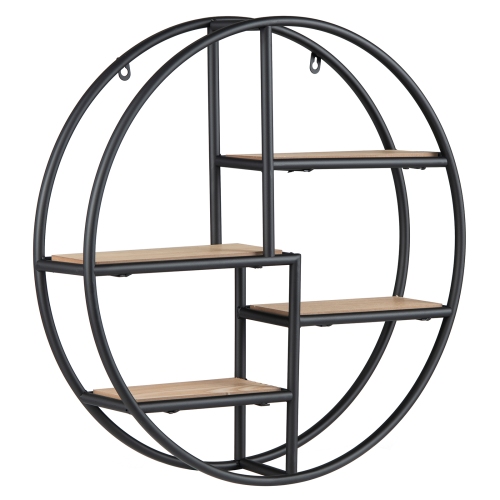
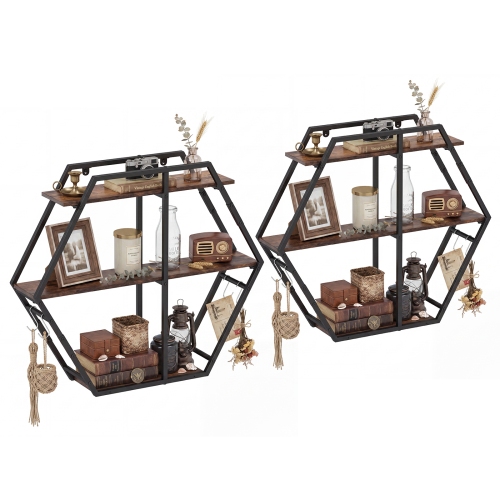
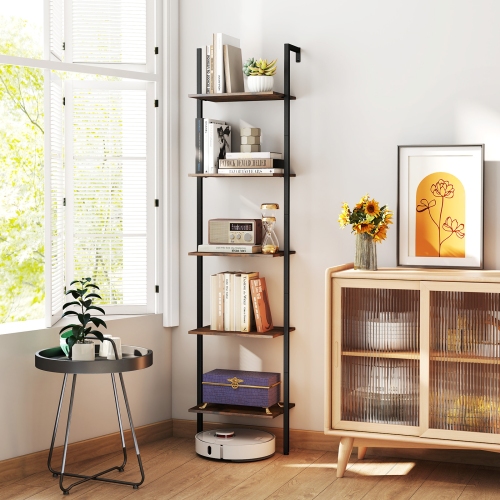
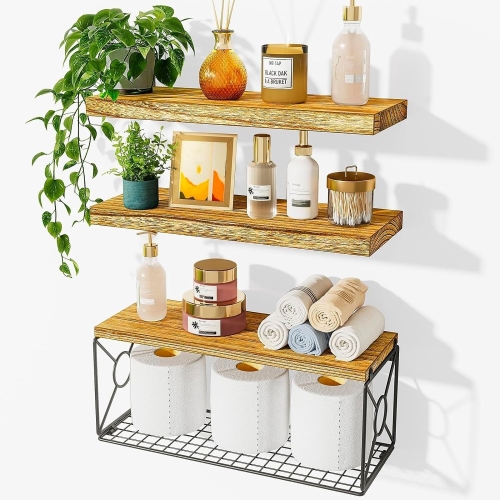
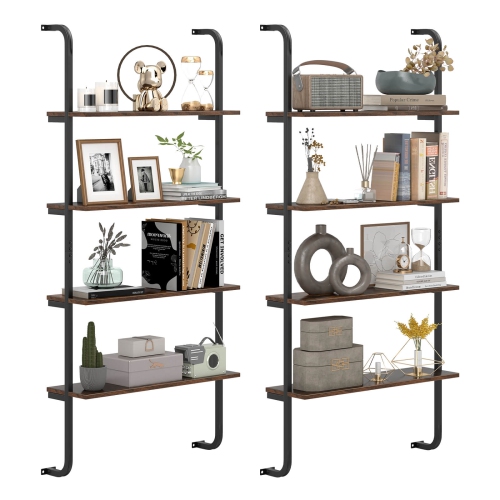
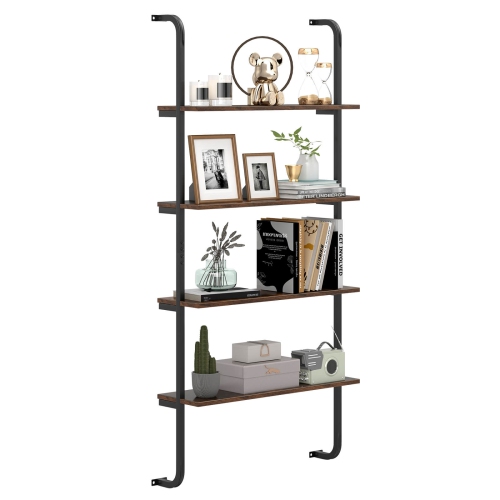
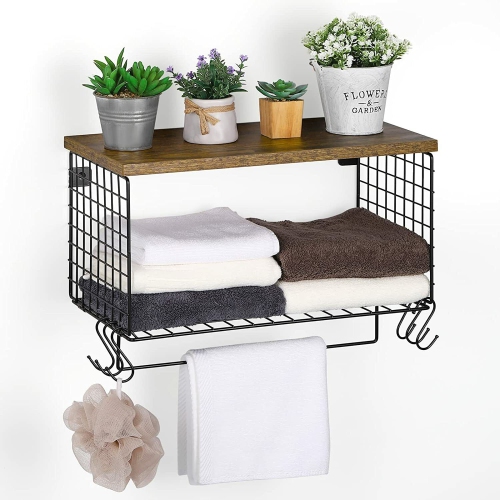
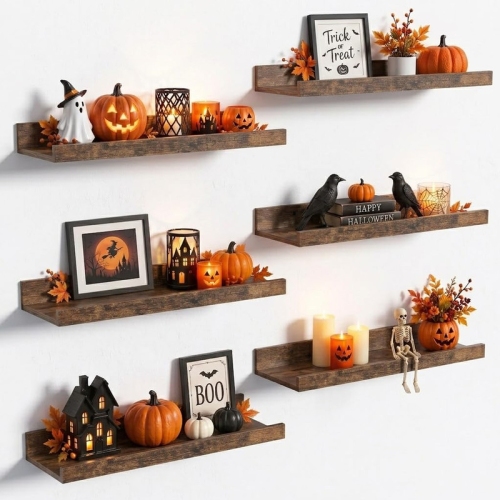
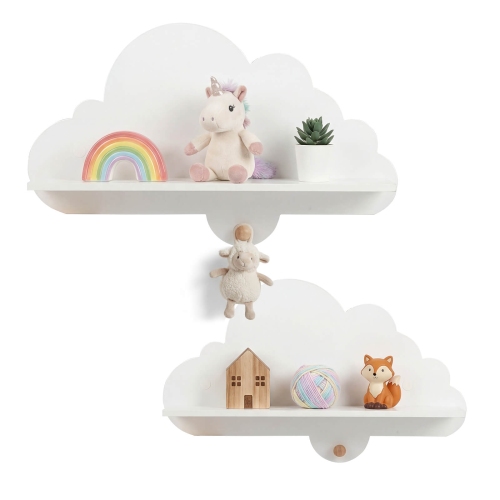

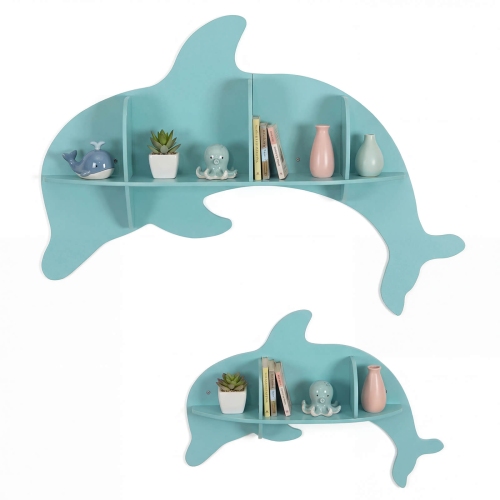
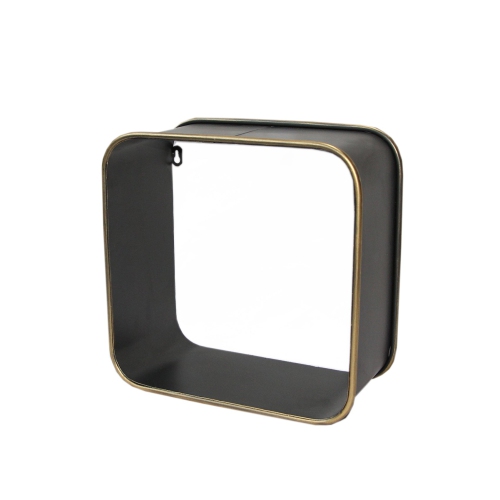
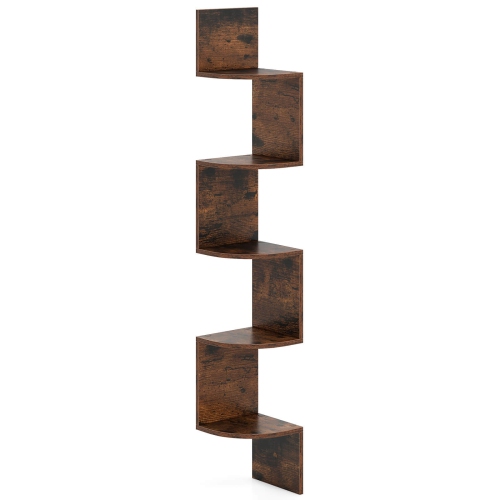
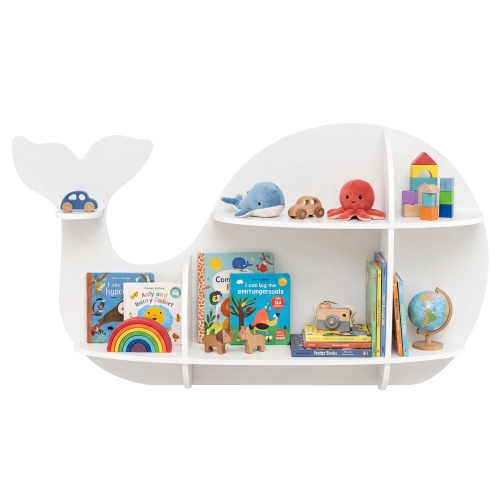
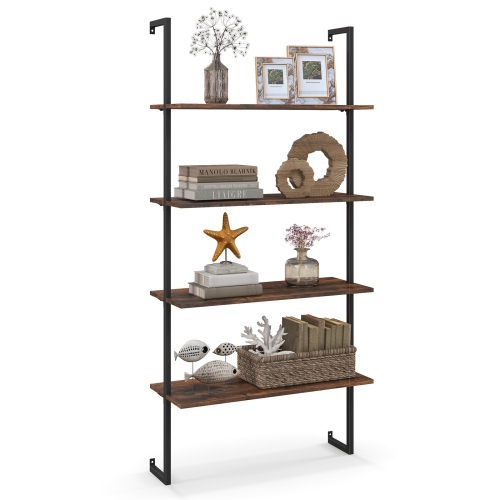
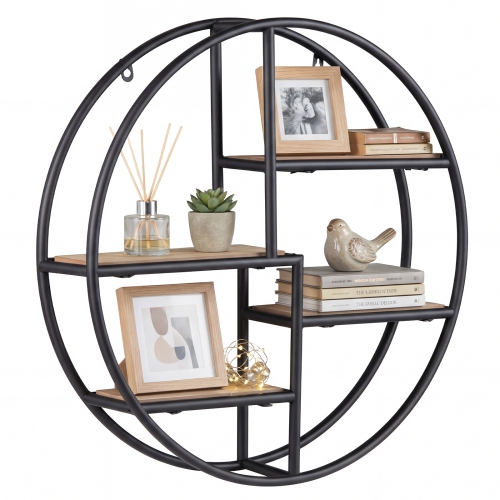
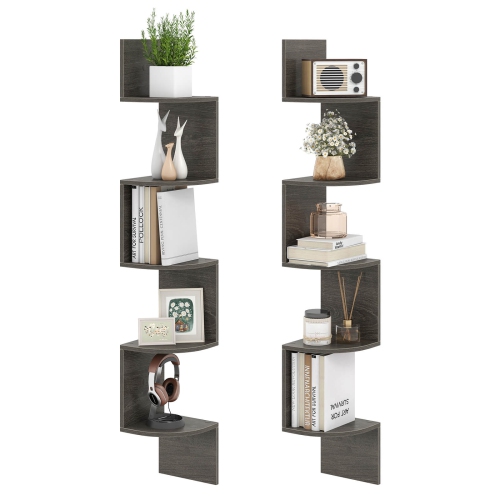
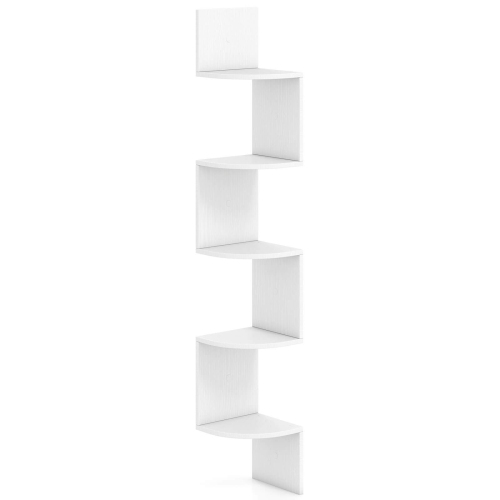
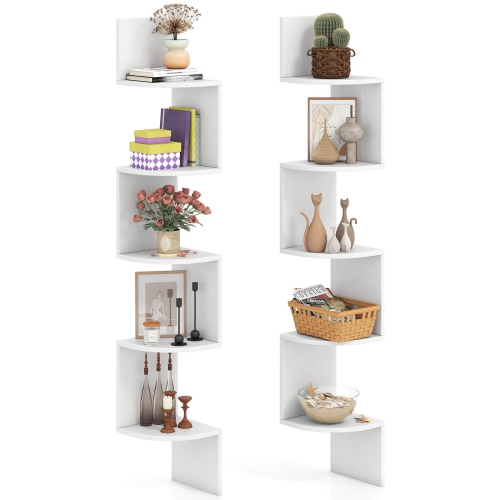
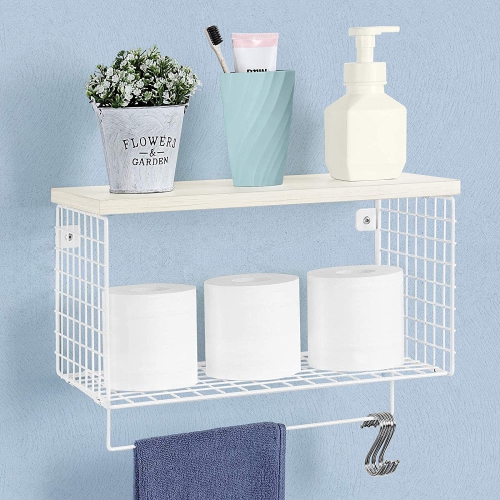
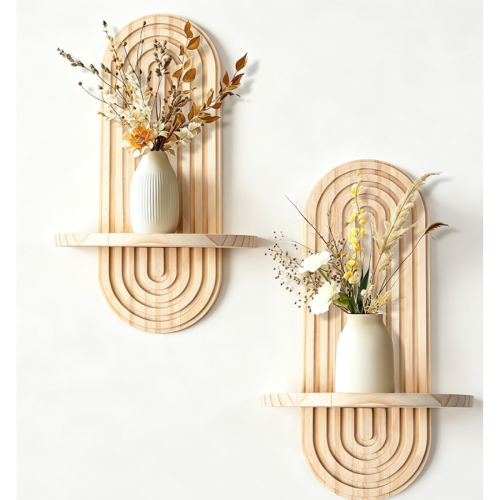
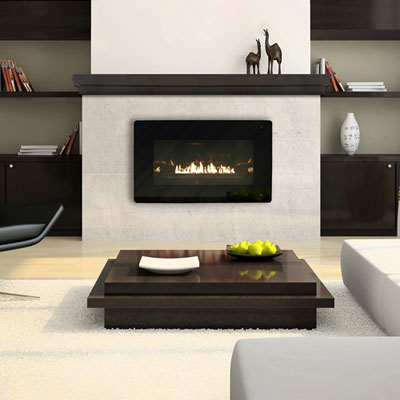
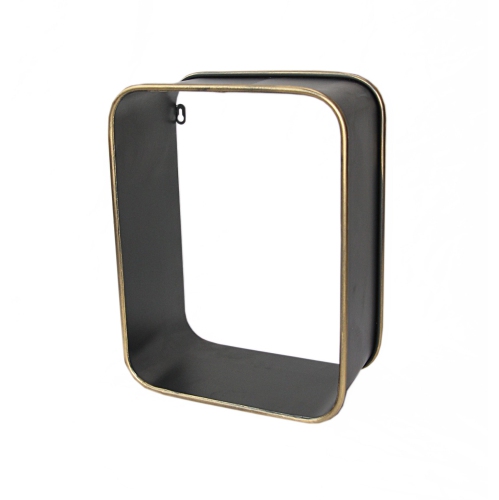
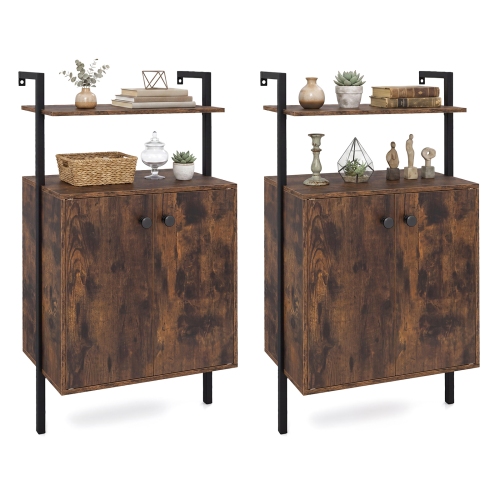
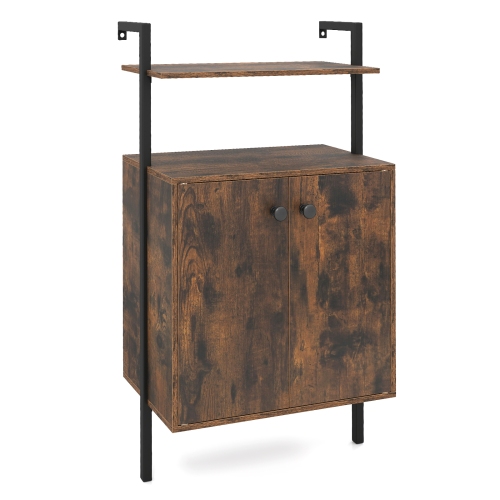
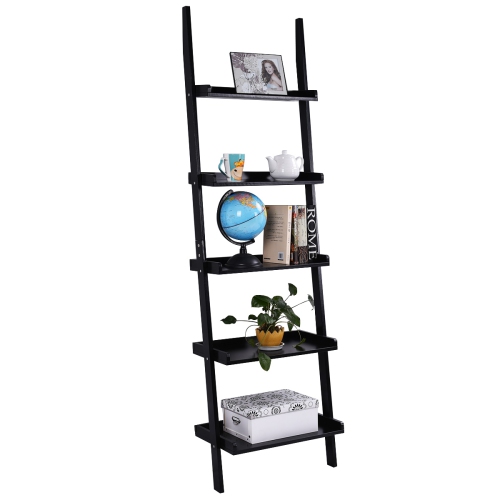
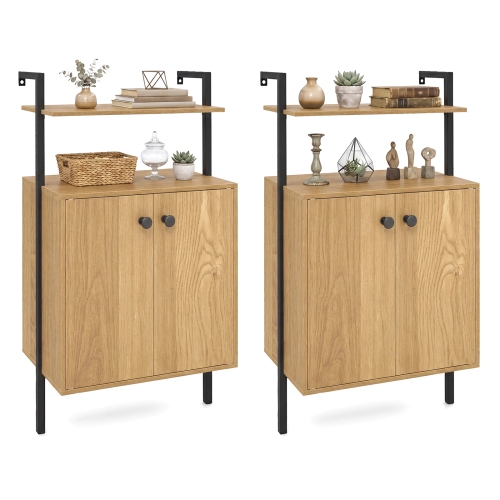
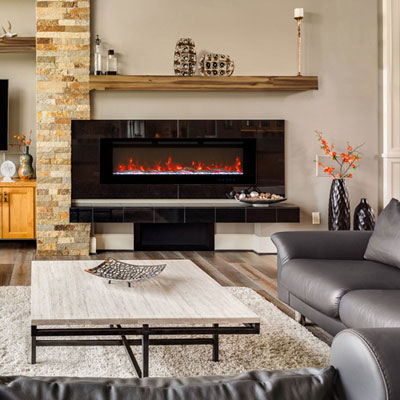
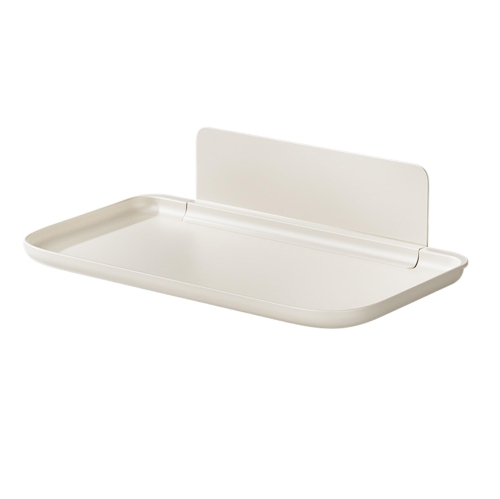


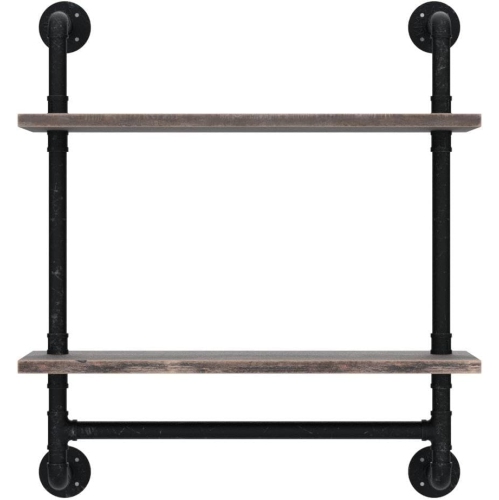
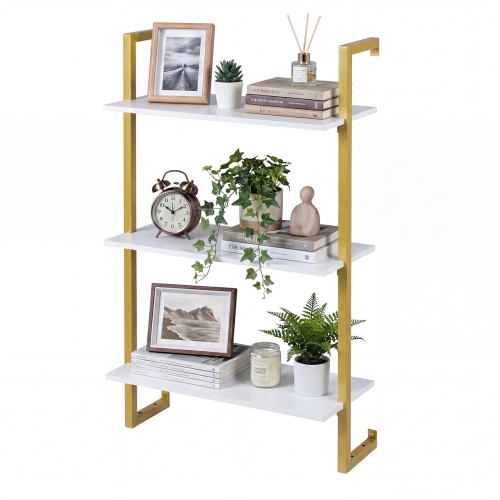
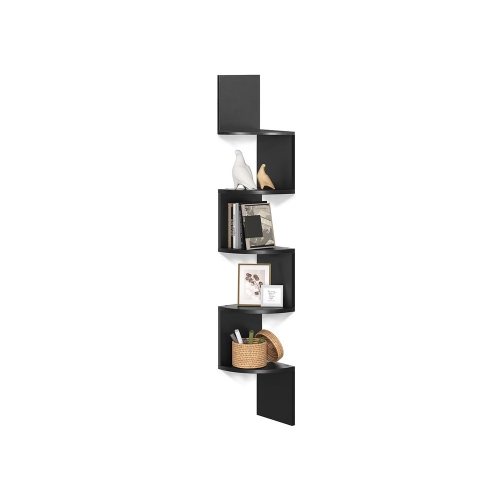
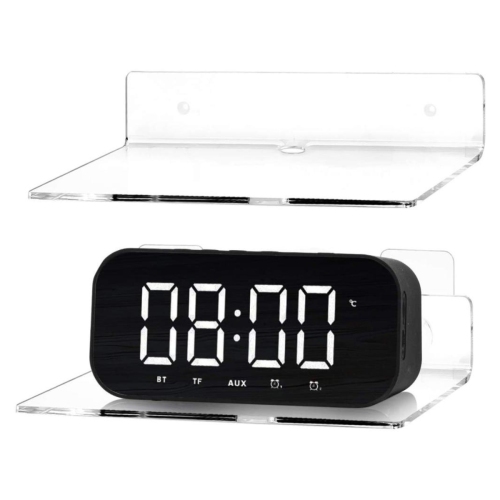
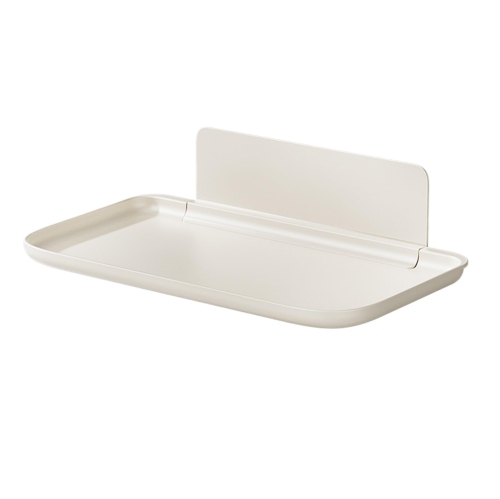
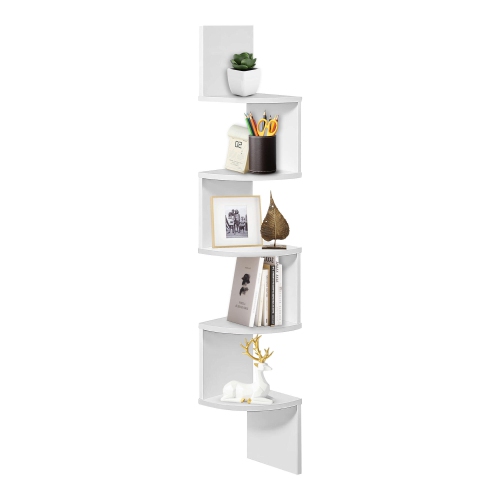
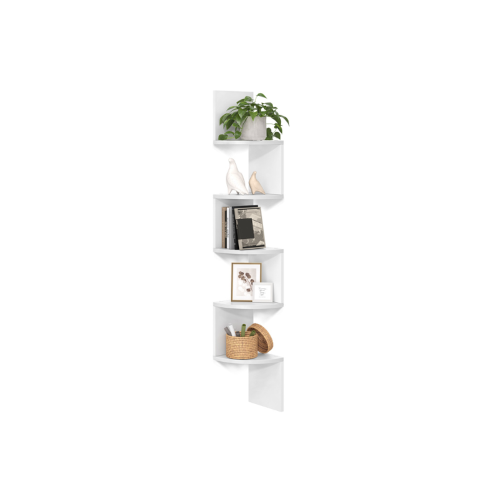
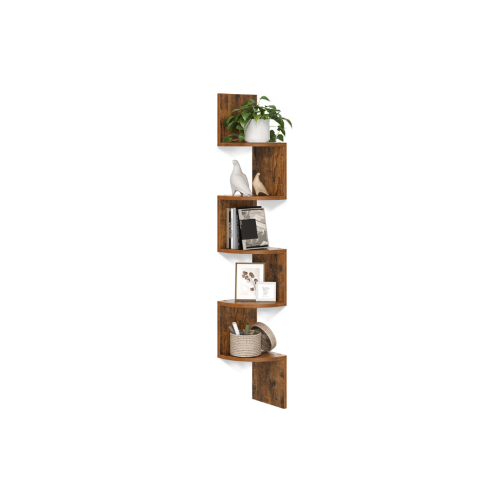
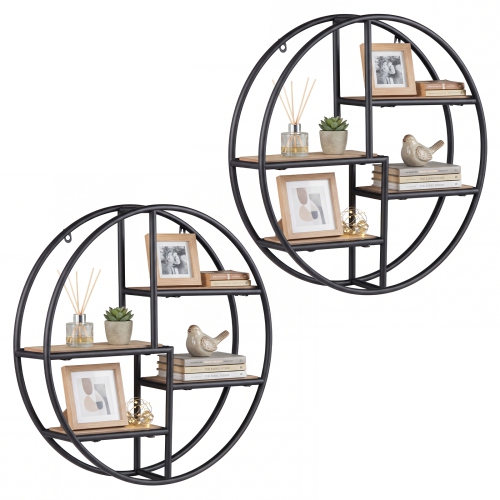
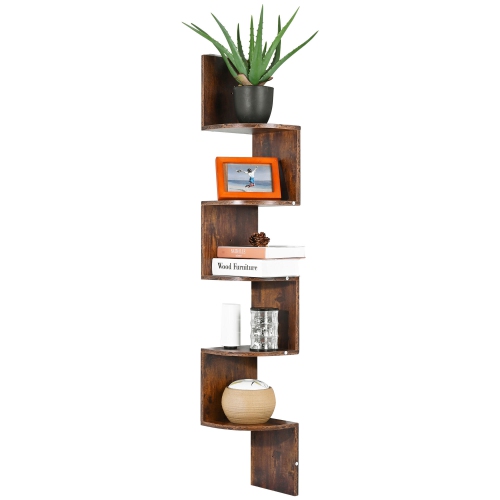
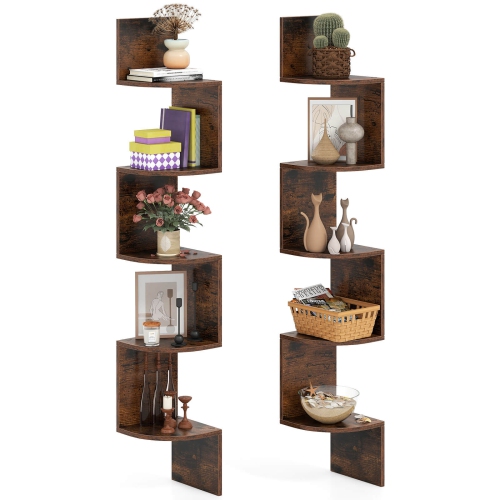
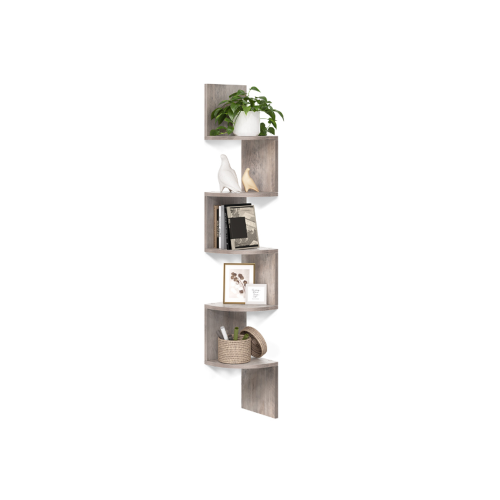
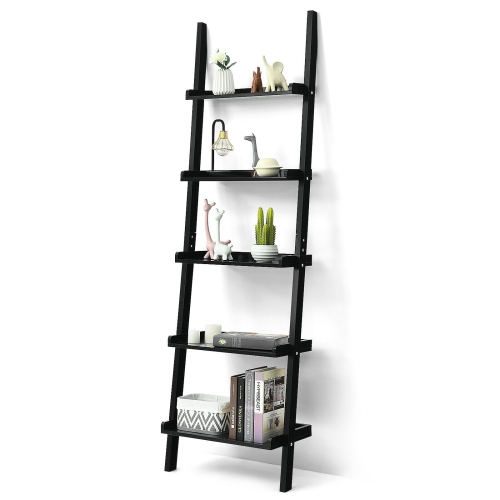
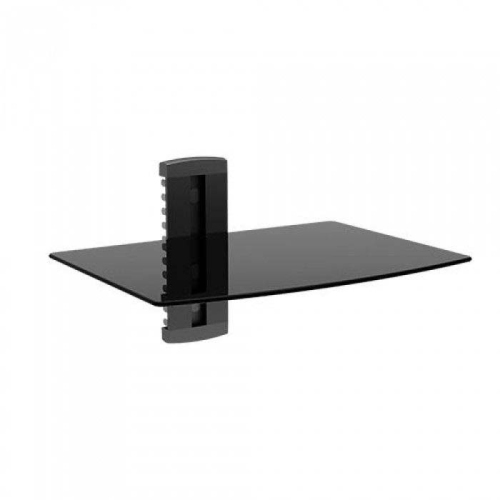
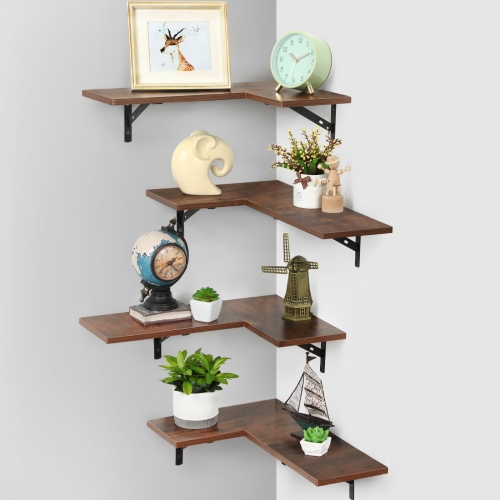
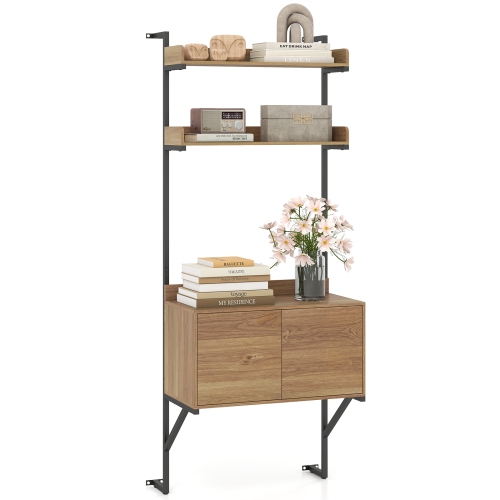
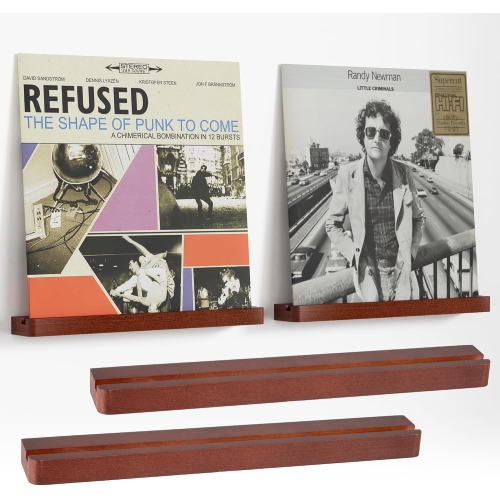
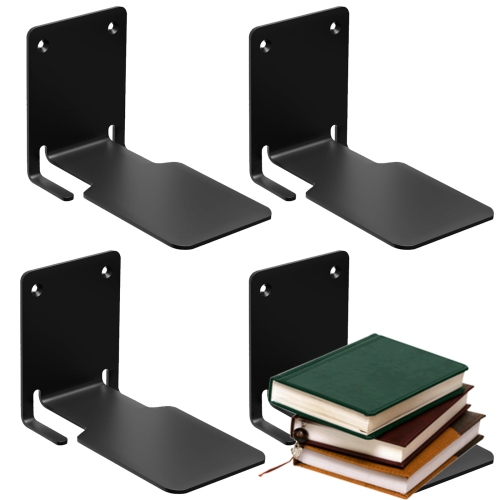
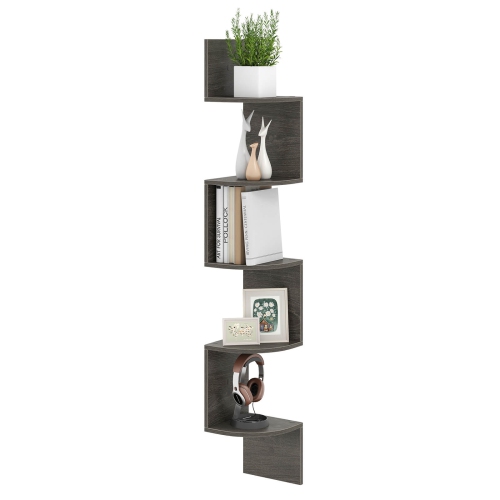
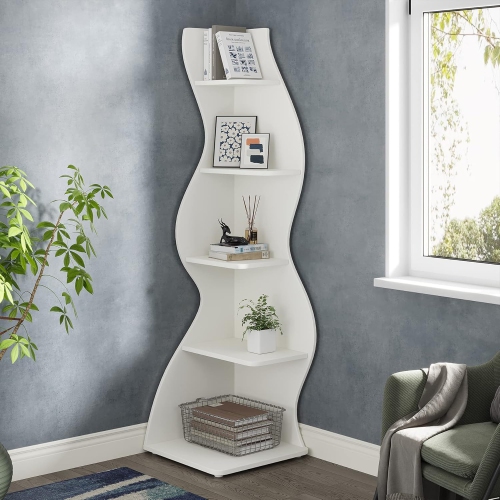
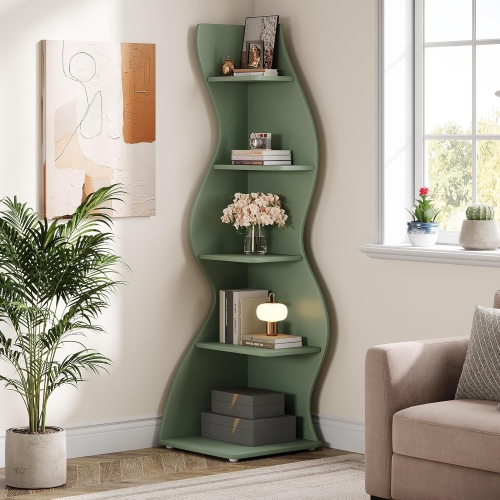
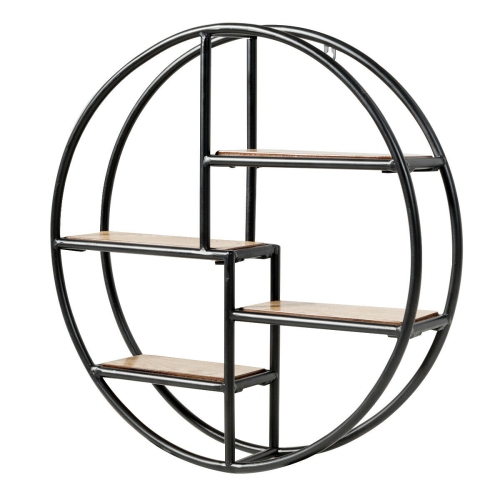
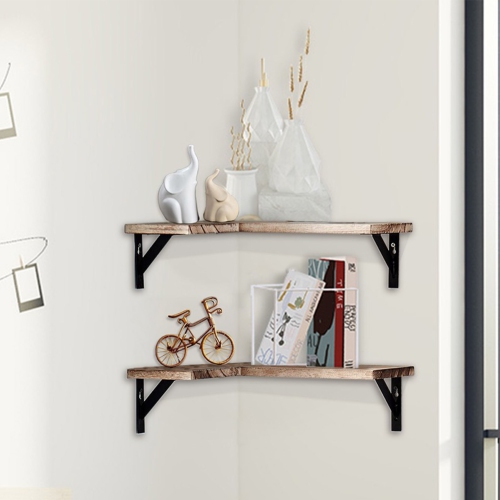
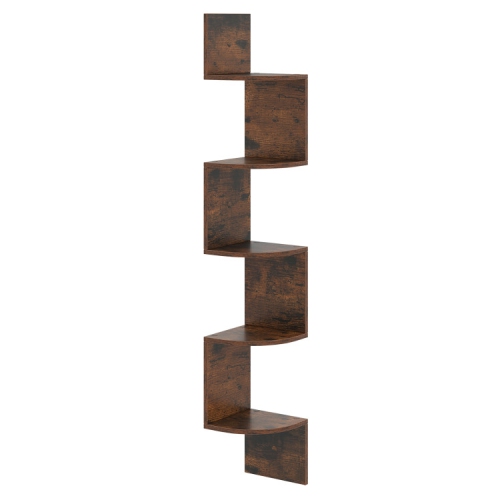
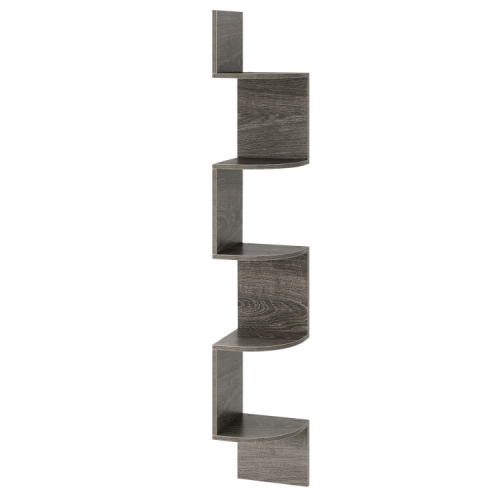
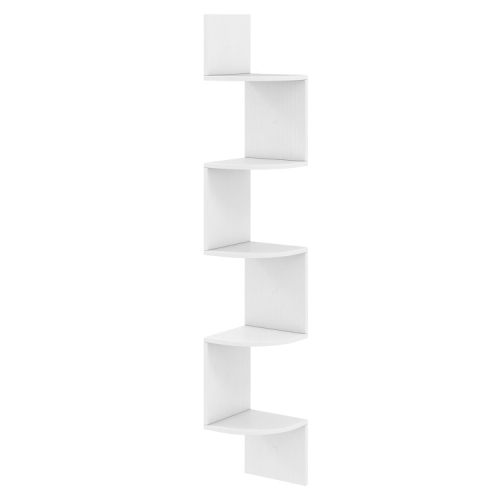
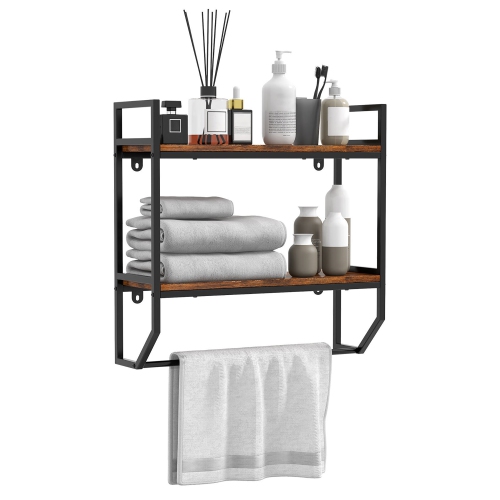
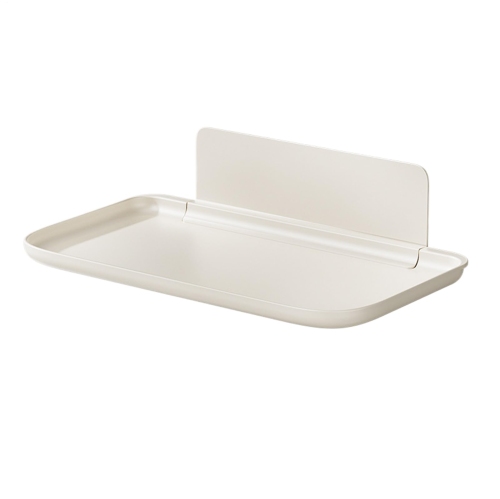
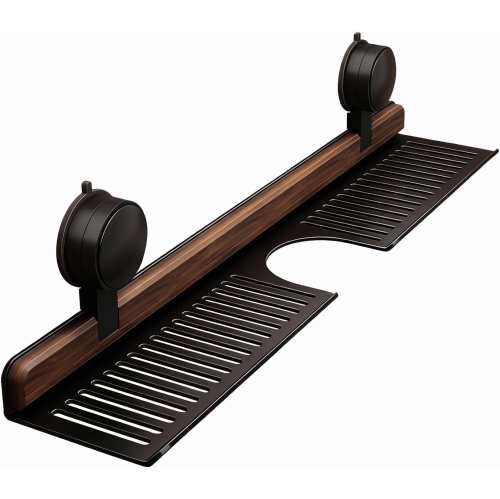

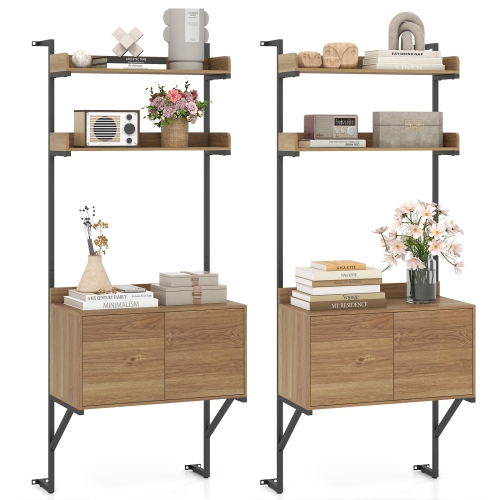
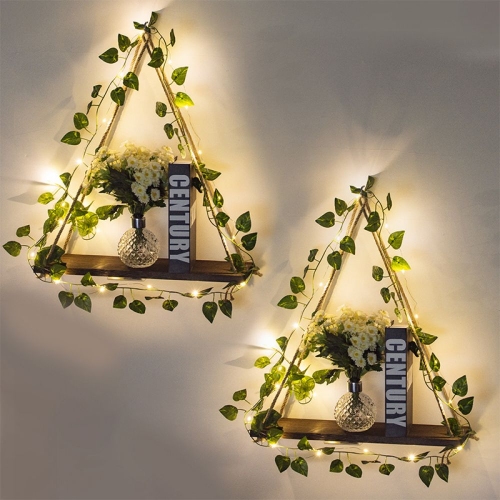
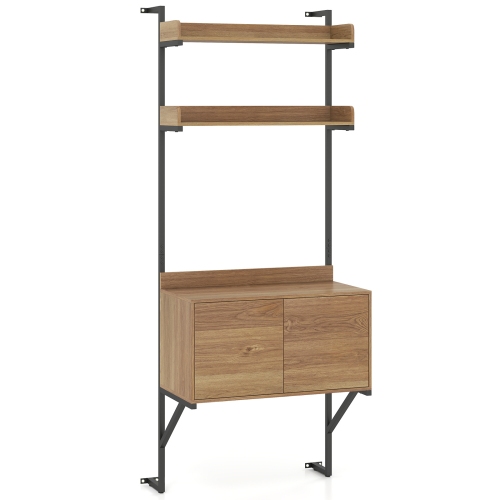
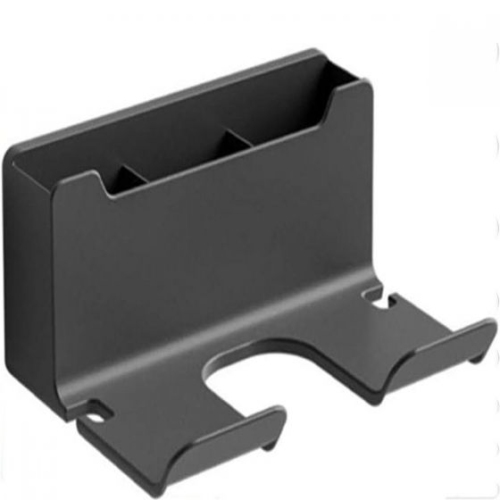
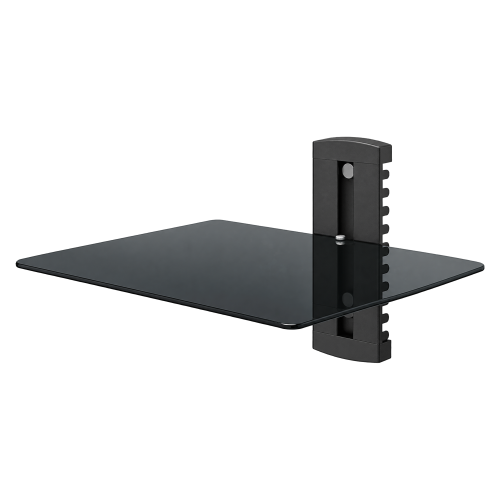

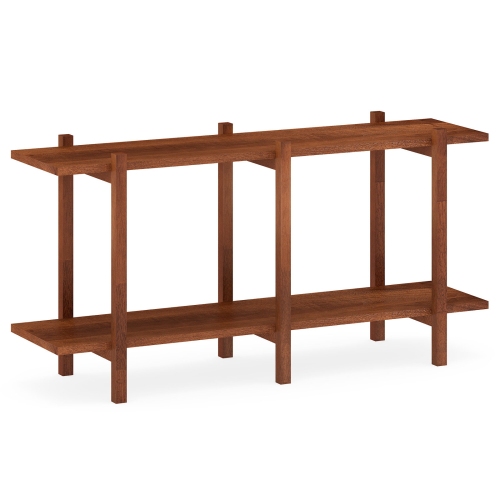
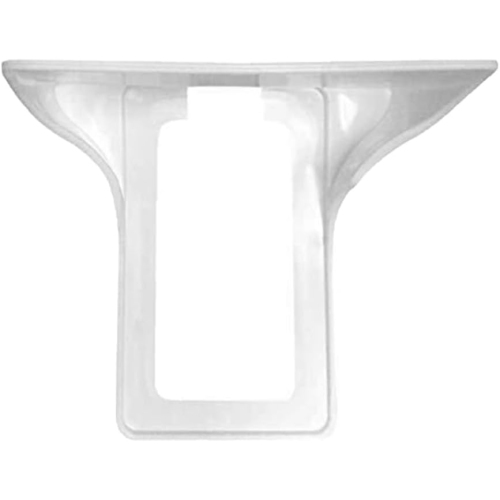
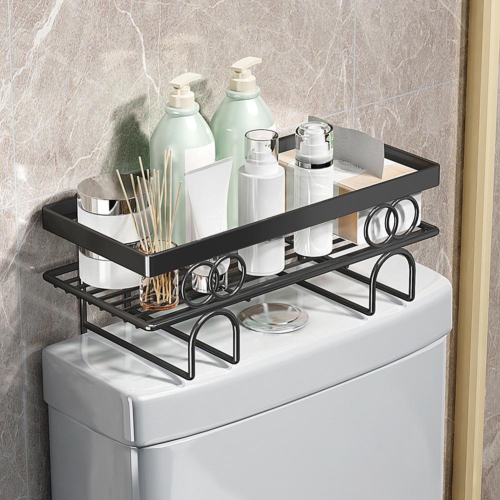
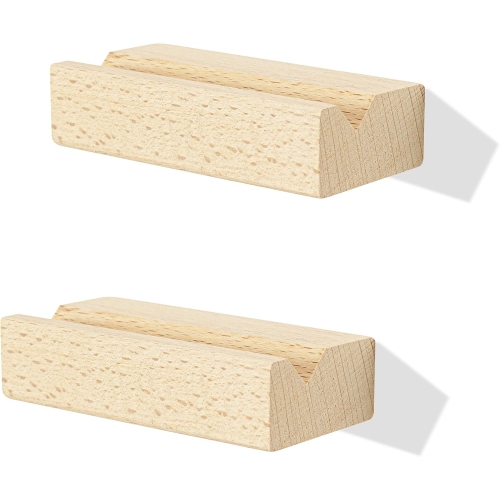
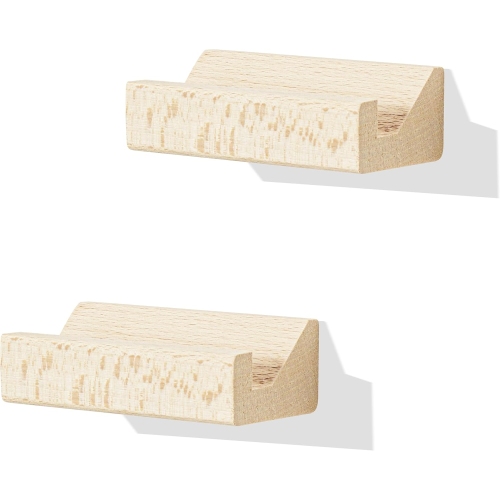
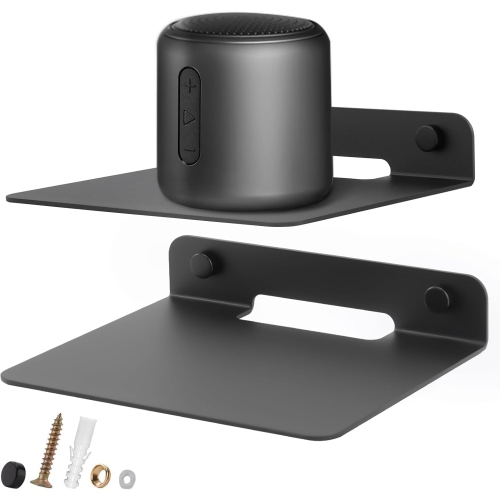
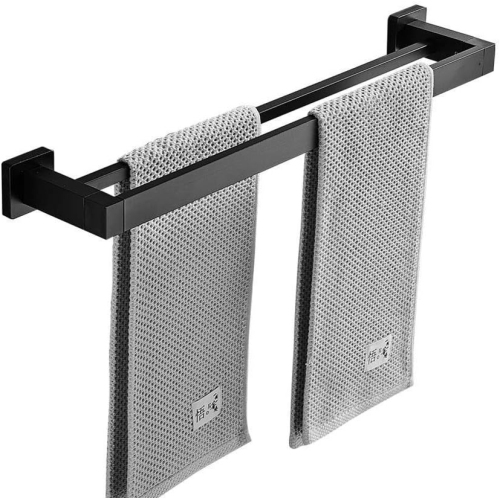
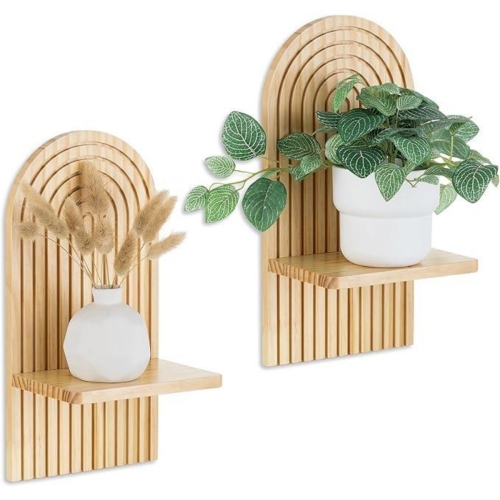

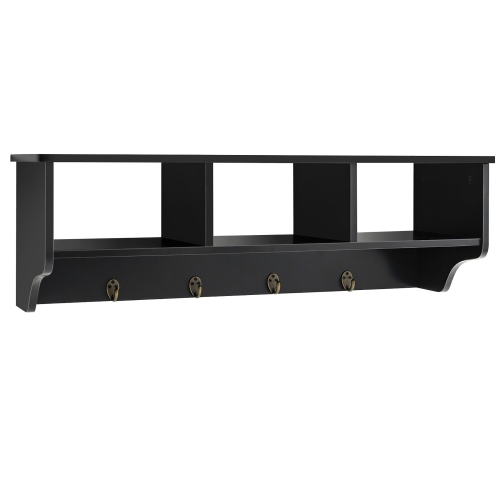
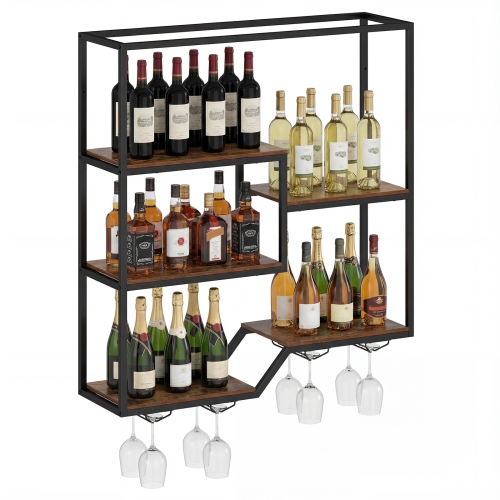
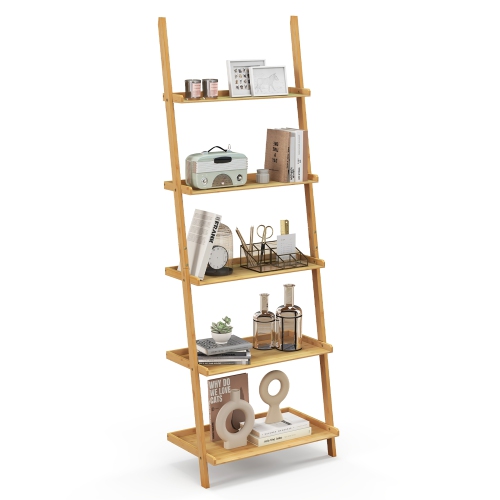
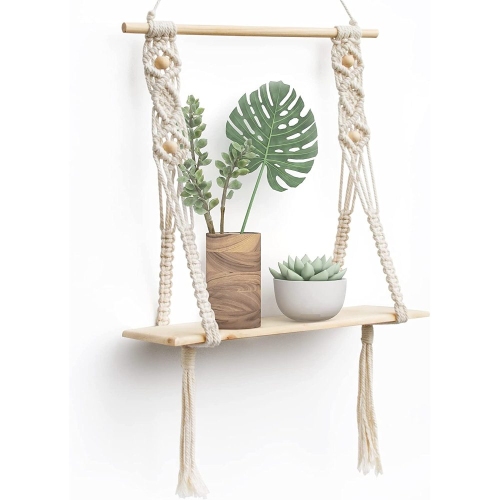
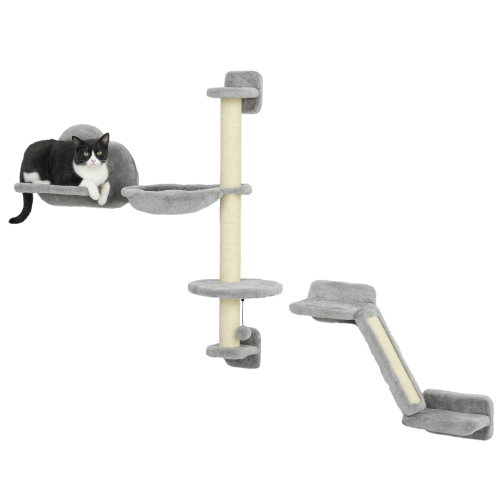

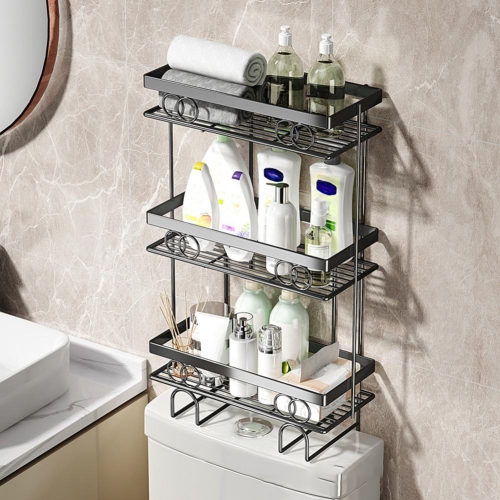
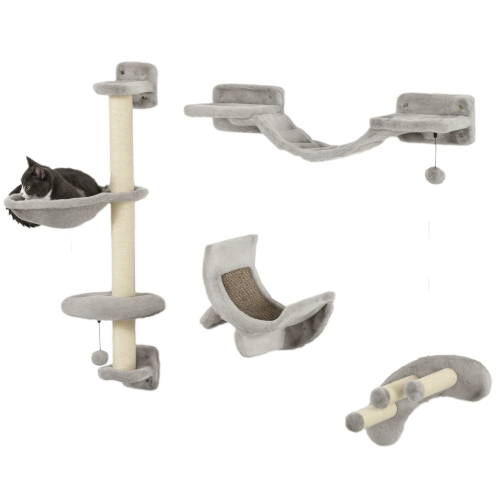
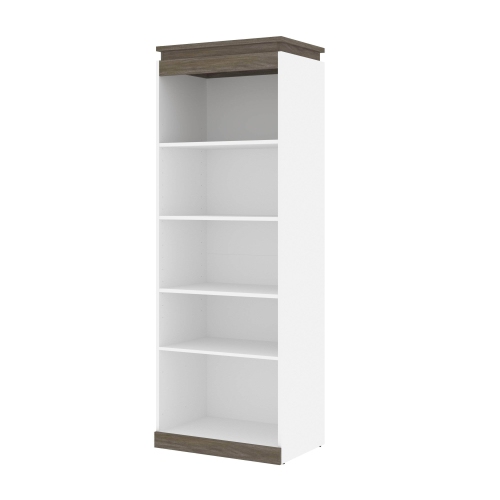
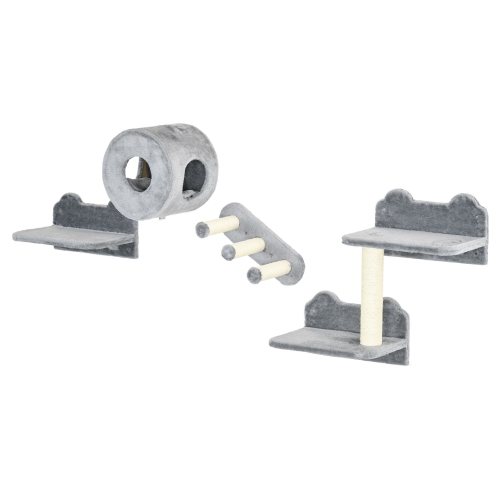
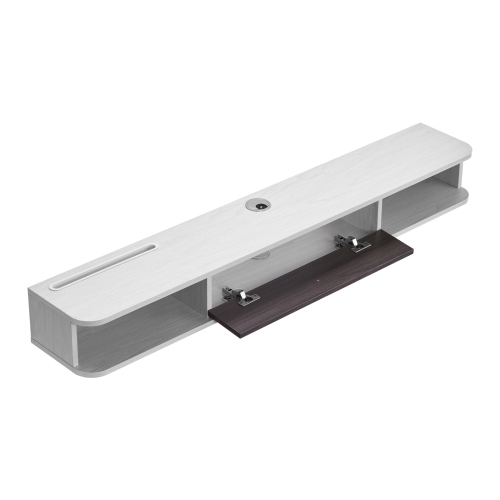
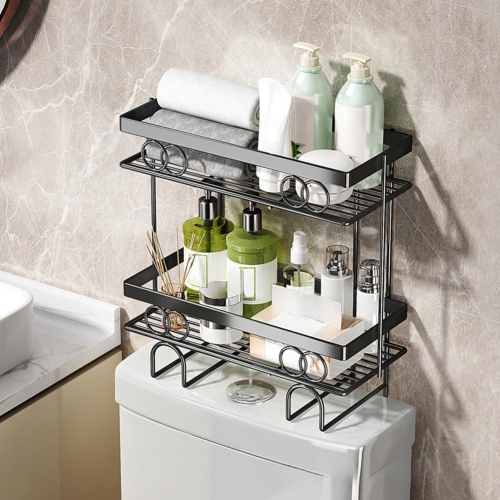
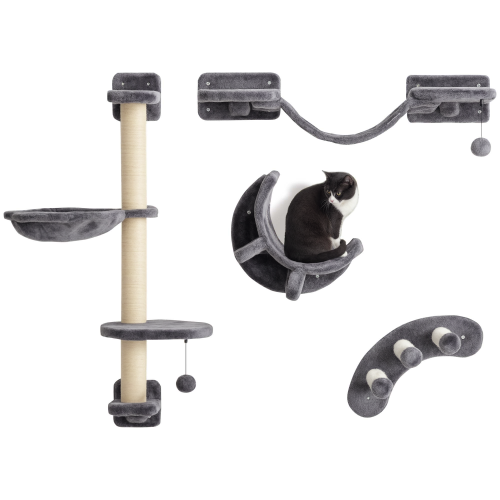
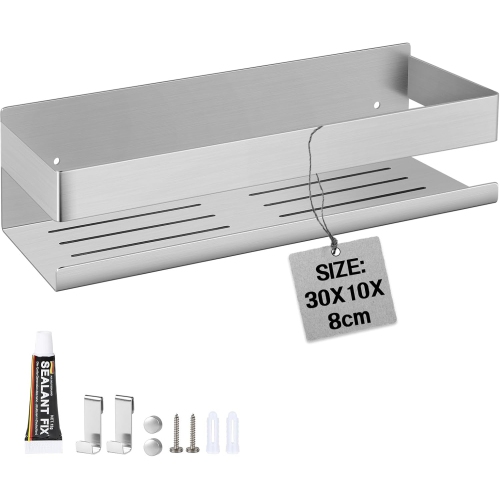
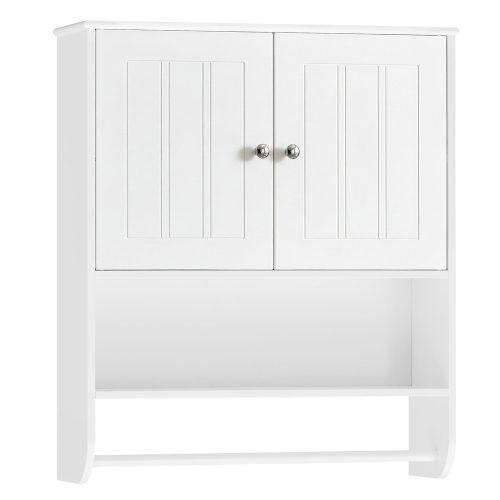
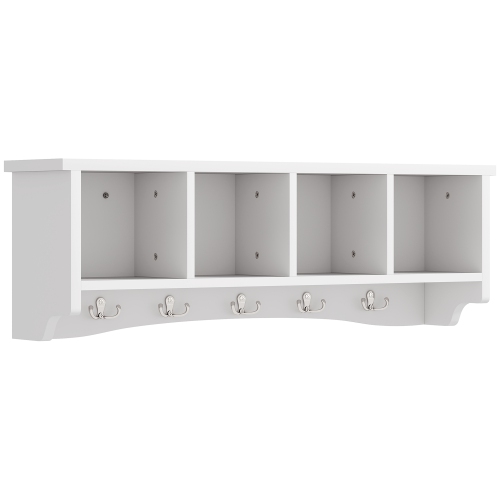
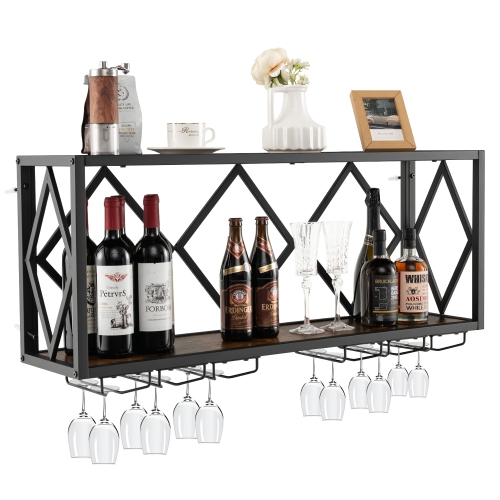
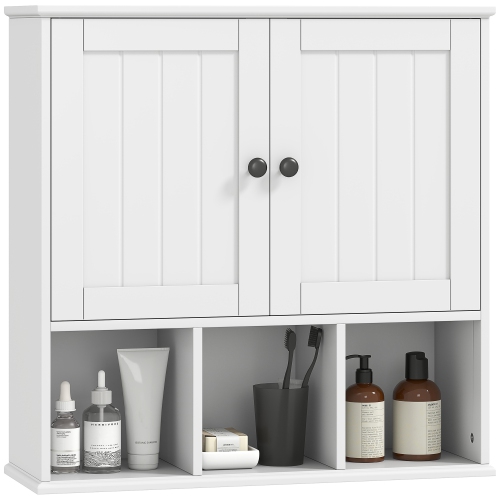
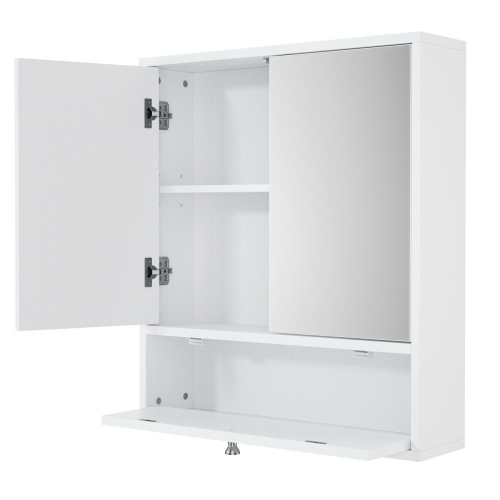
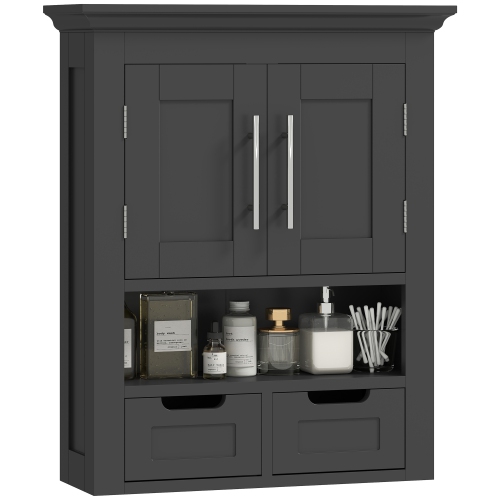
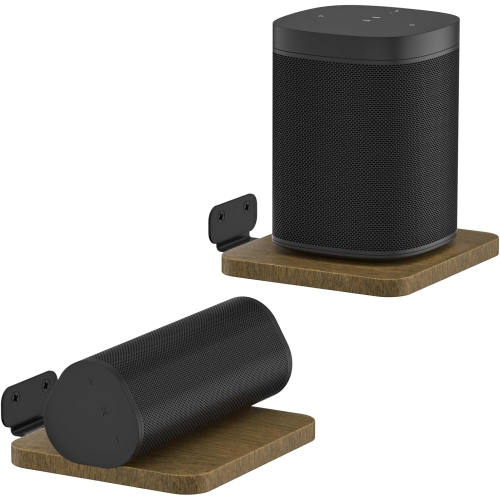
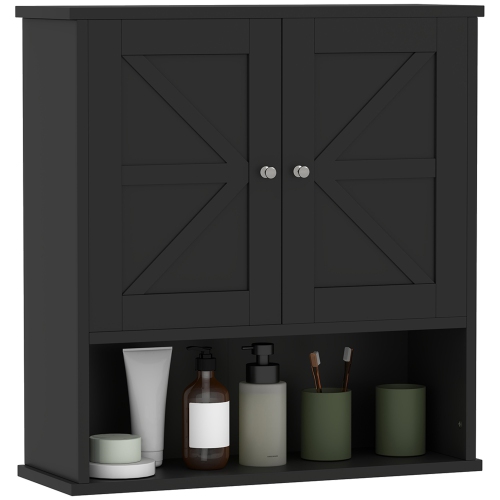
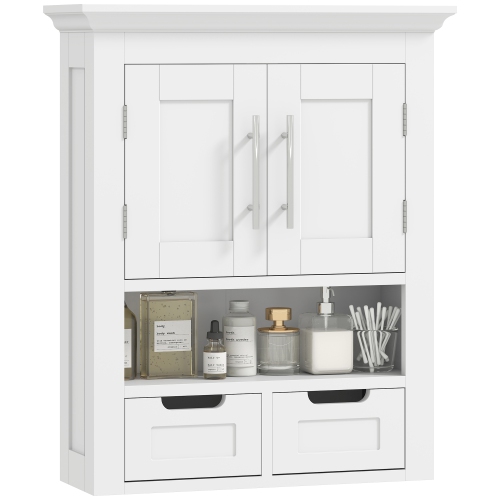
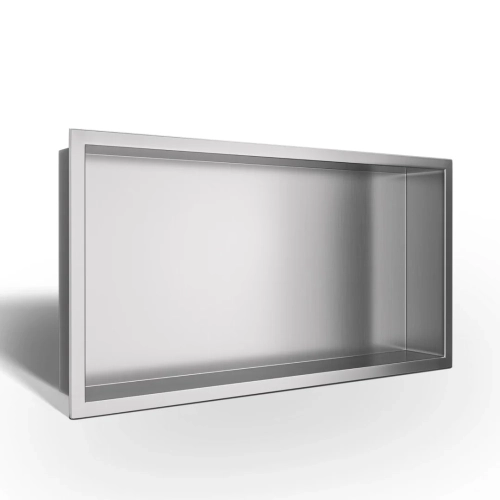
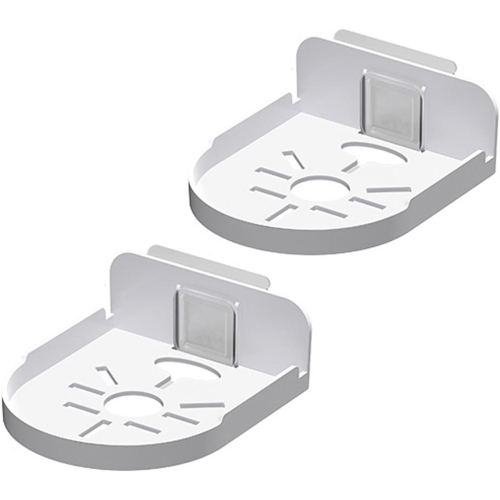
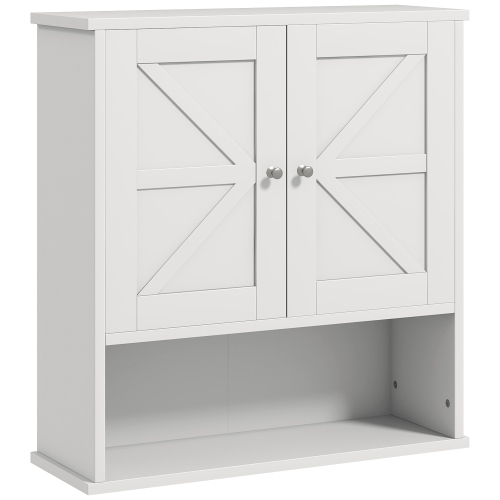
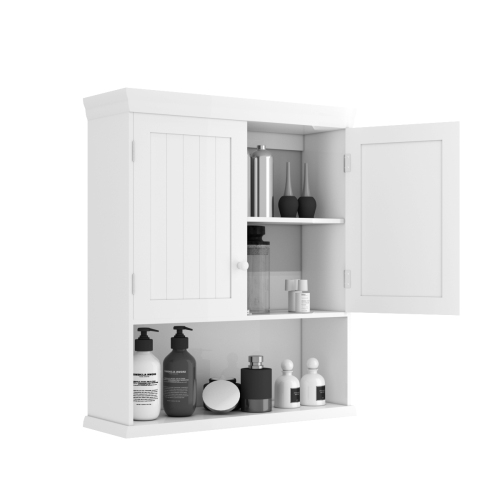
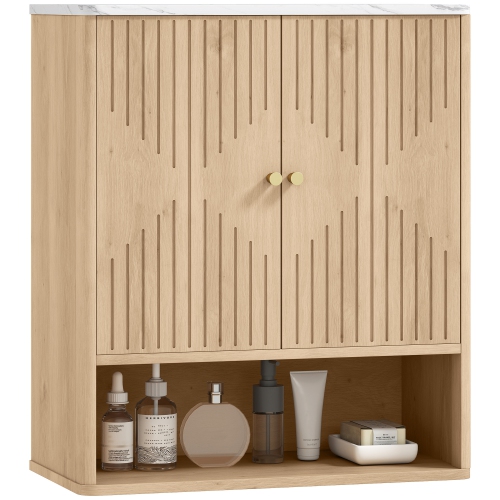
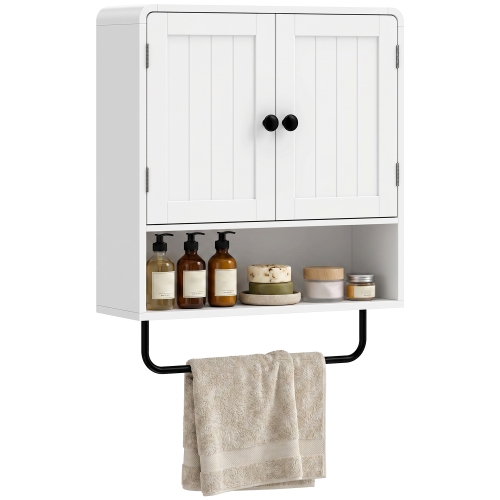
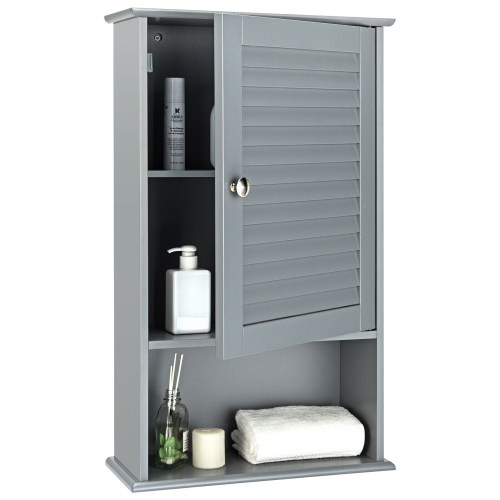
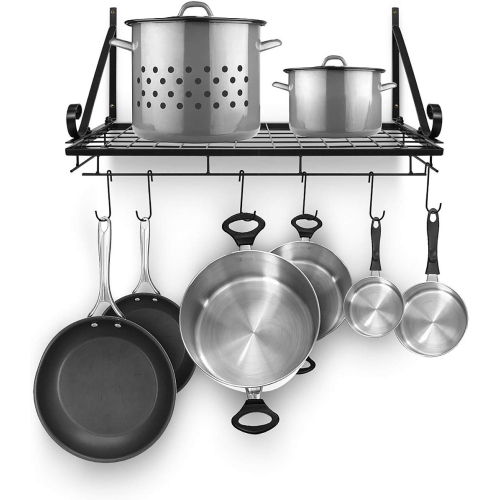
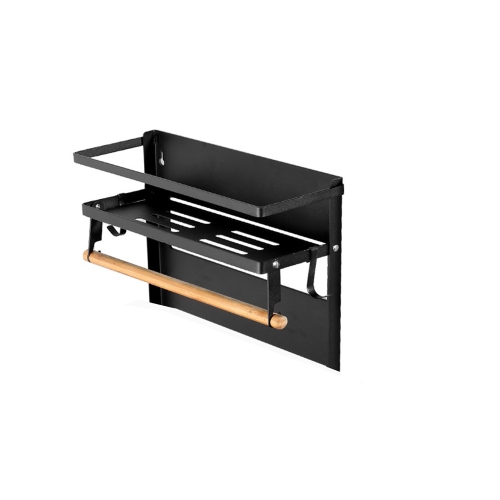
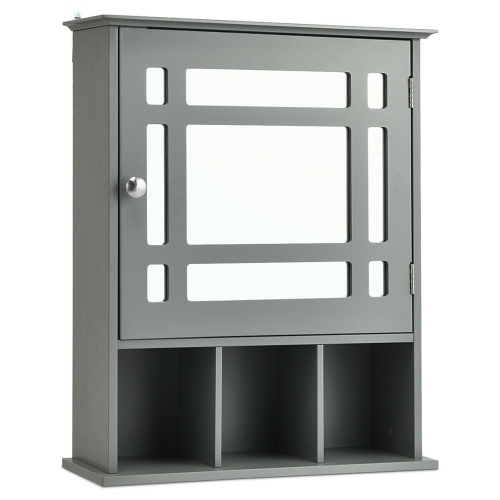
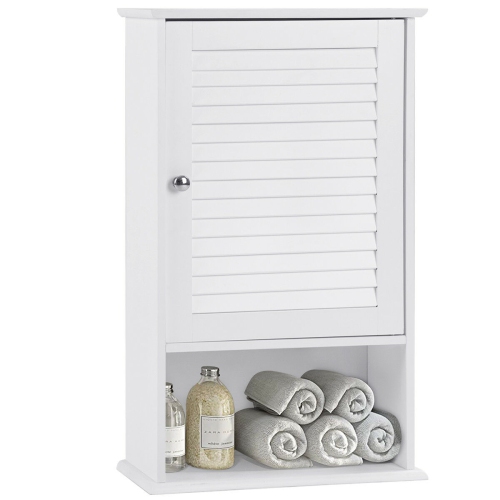
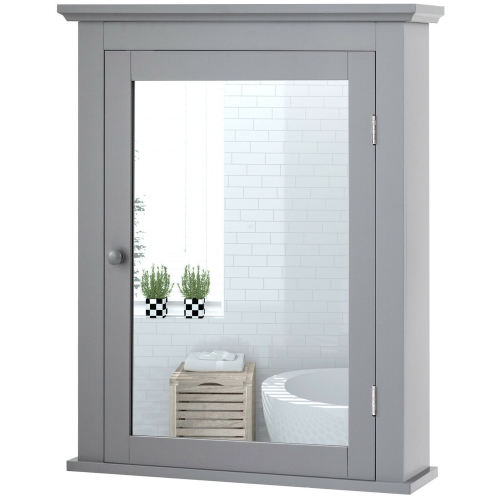
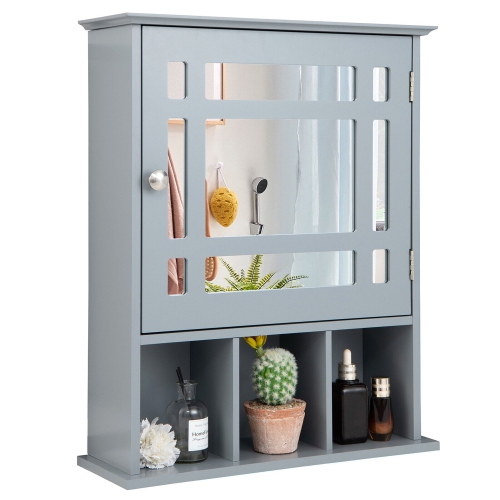
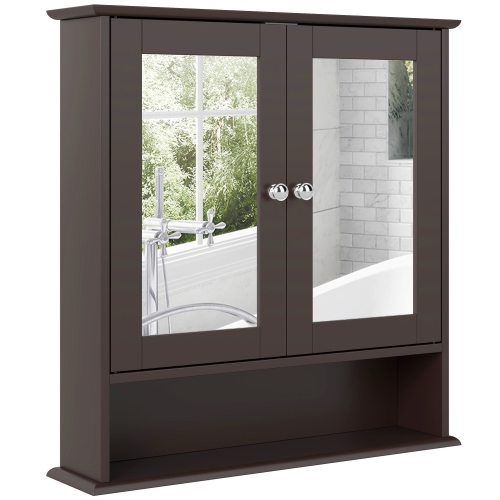
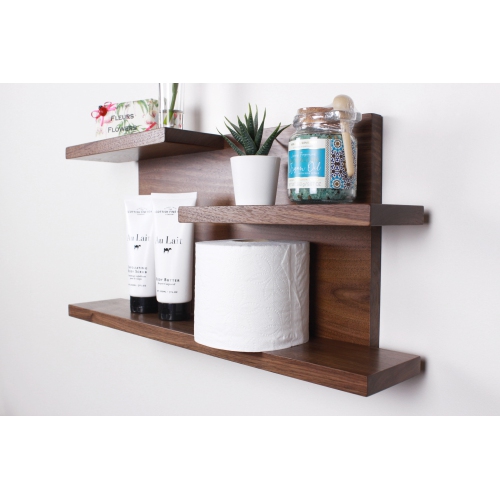
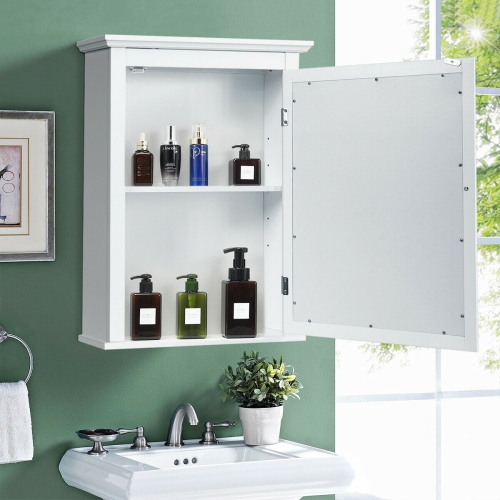
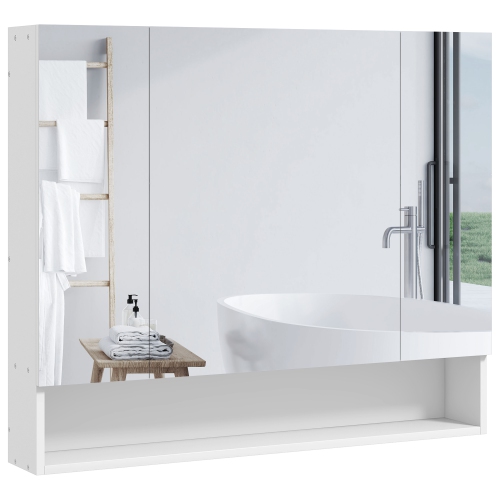
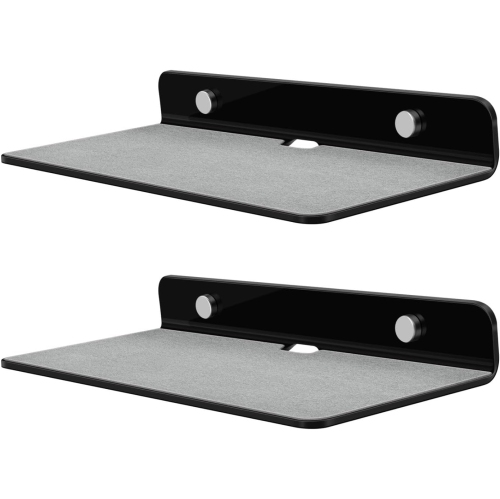
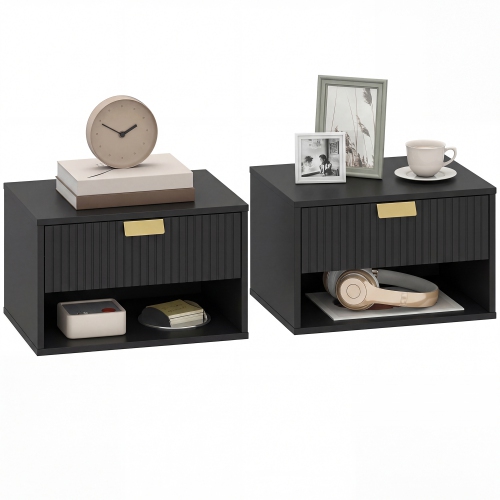
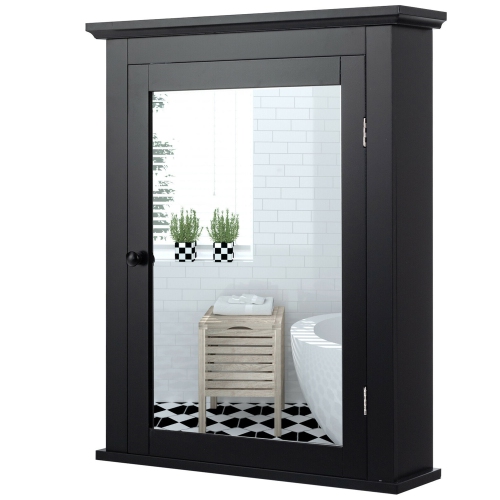
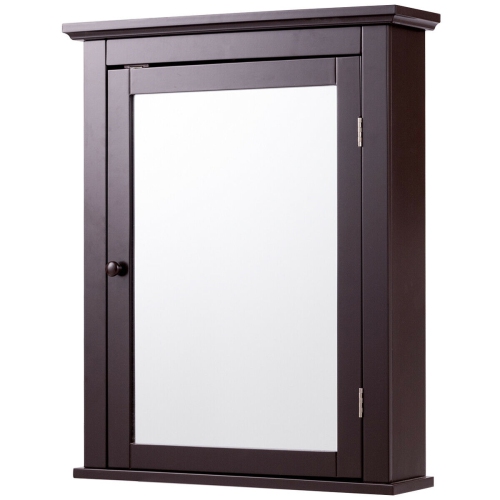
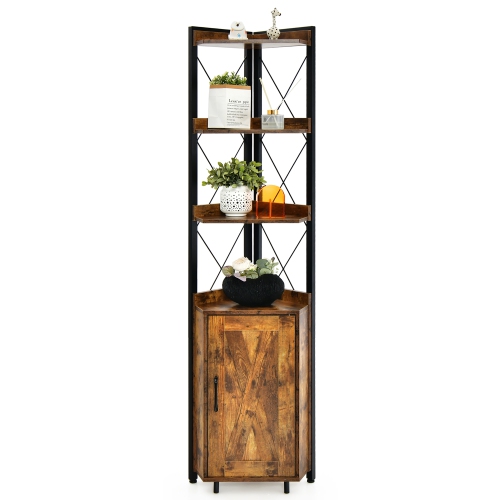
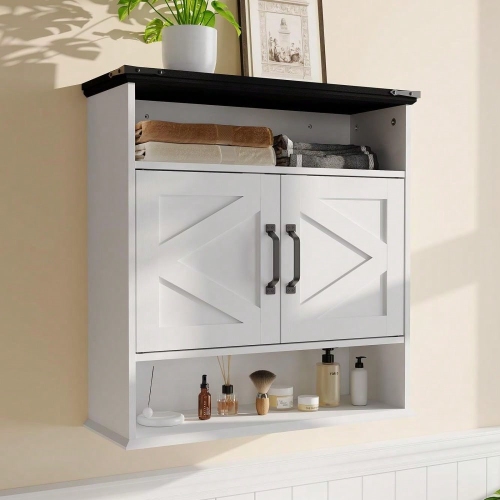
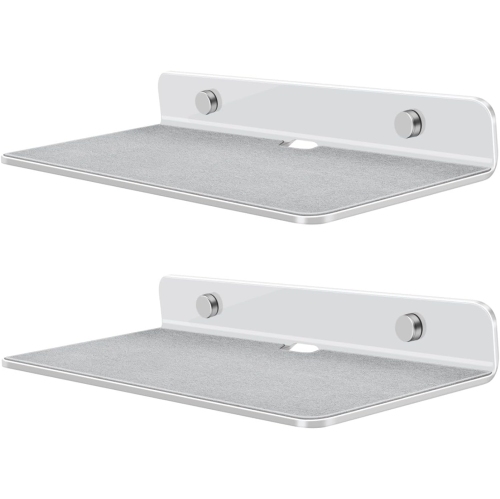
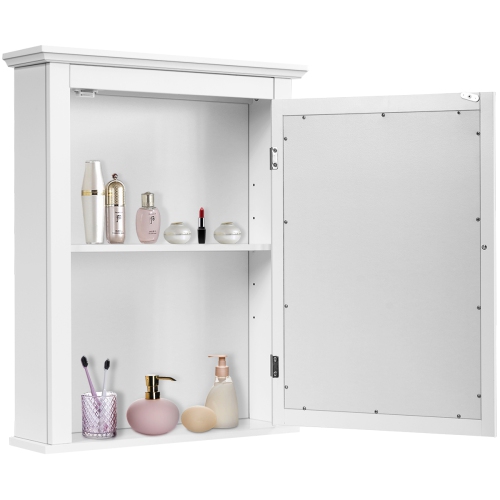
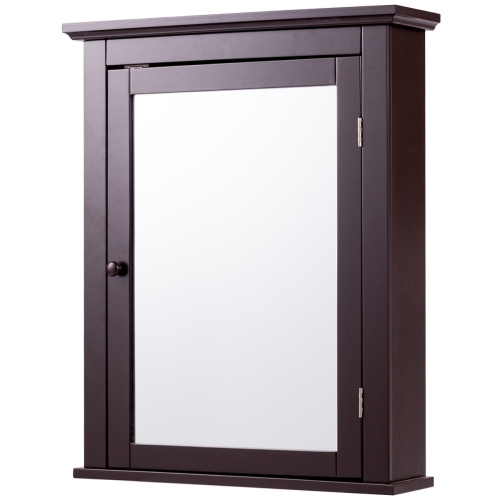
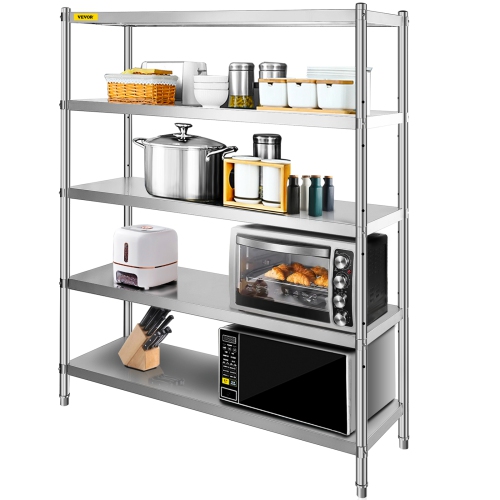
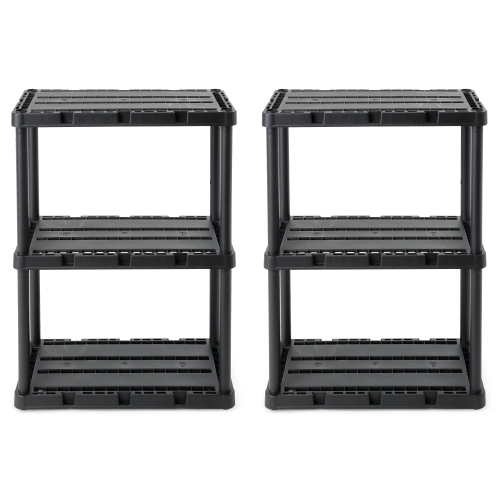
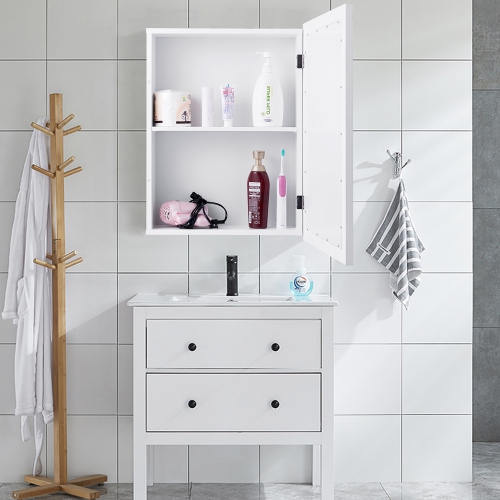
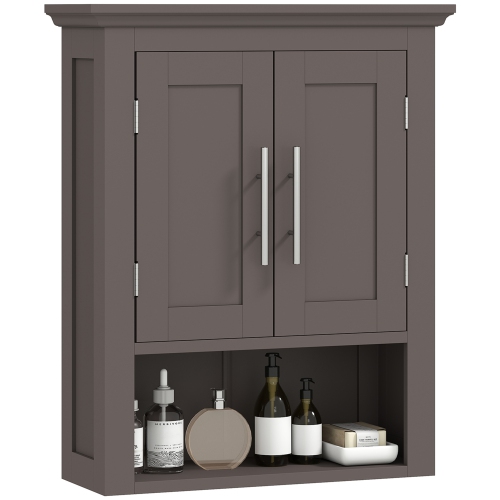
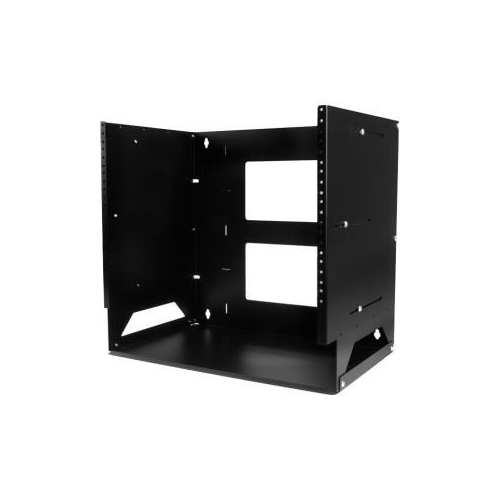
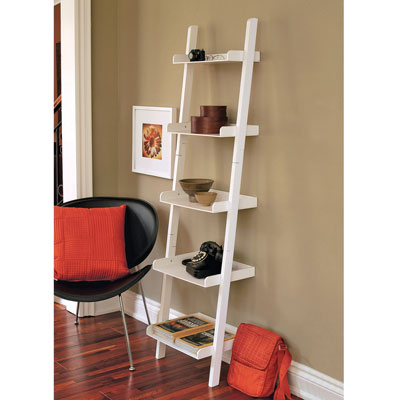
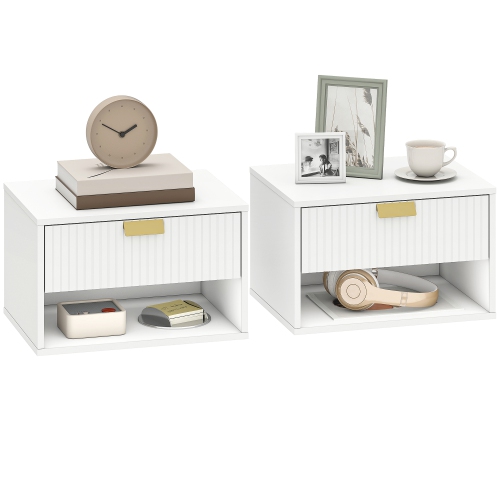
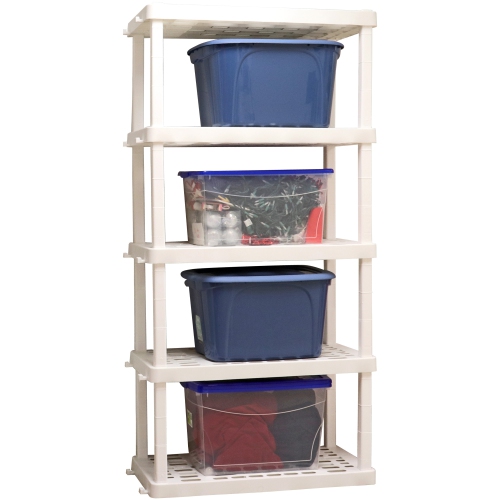
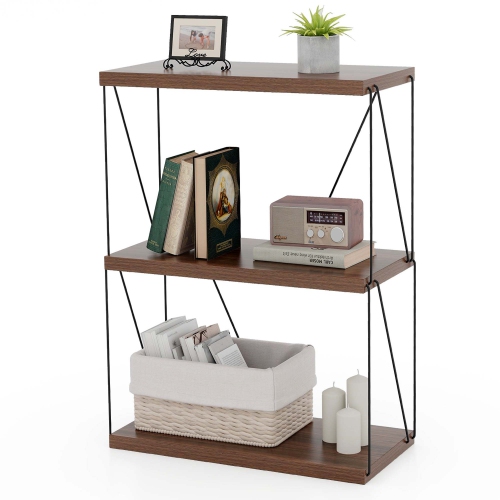
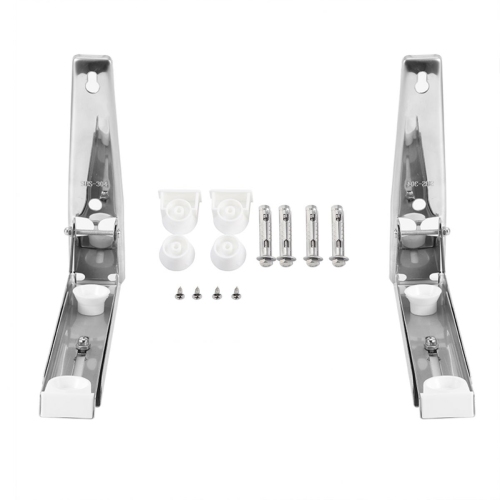
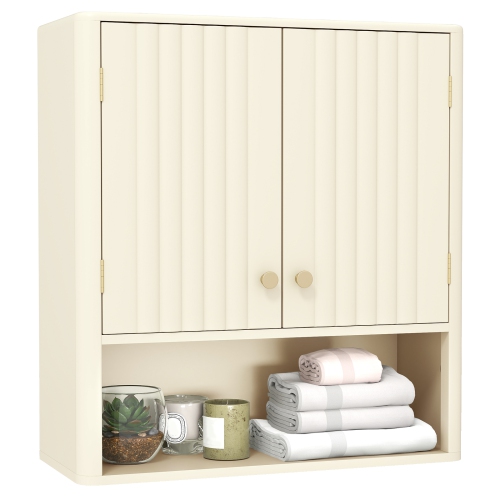
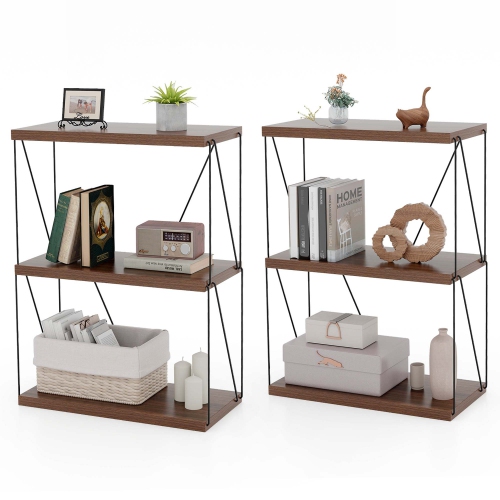
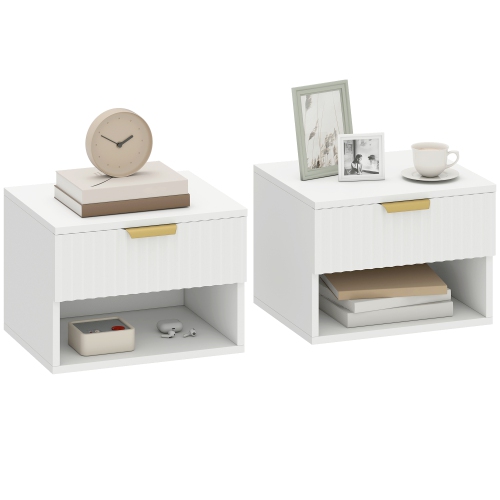
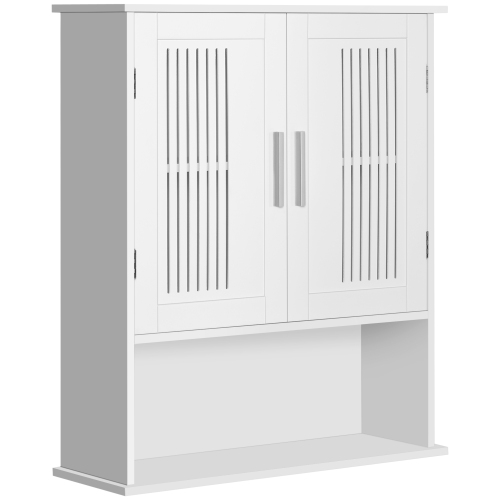
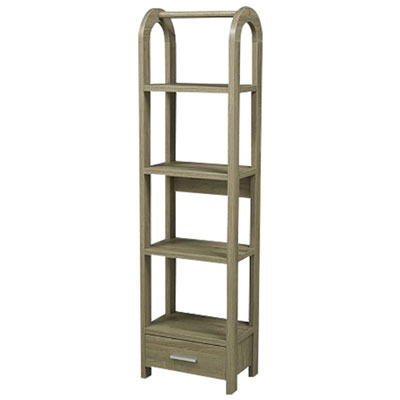
Storage and display that leave floor space open
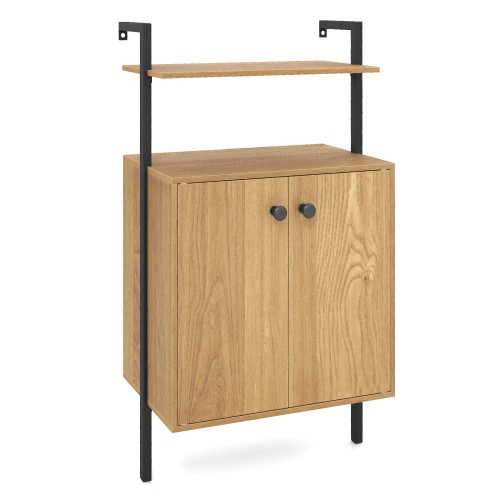
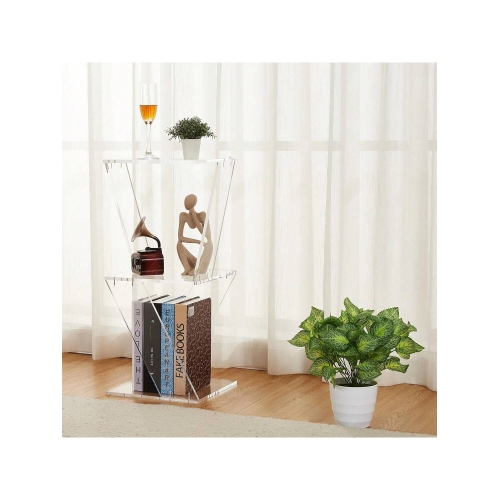
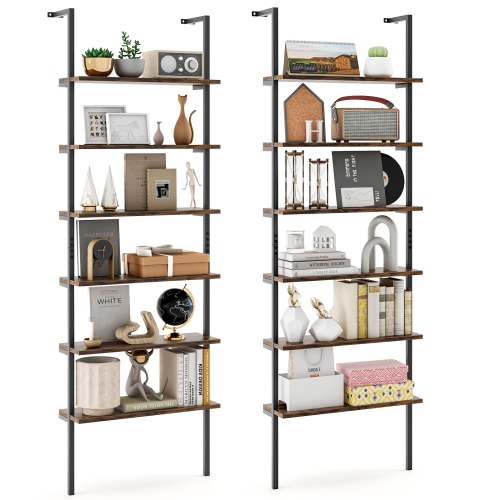
Wall shelf units turn unused wall space into practical storage and a place to display the things that give a room its character. Unlike a single ledge, a multi-level unit can bring several shelves or compartments together in one coordinated arrangement, keeping books, framed photographs, small plants, and everyday essentials within reach. Their wall-mounted design leaves the floor beneath open, which can make a compact living room, condo entryway, or home office feel less crowded. Different layouts suit different purposes: open rectangular shelves accommodate longer rows of books, individual cubbies give collections their own space, and asymmetrical compartments create a more varied display. Tall, narrow units make use of a slim stretch of wall beside a desk, while wider arrangements can visually connect a sofa, sideboard, or workstation with the wall above it. Modular designs offer flexibility where the manufacturer supports additional sections or alternative layouts, although not every unit can be expanded or mounted in more than one orientation. For a clean appearance with concealed supports, Floating Shelf Units provide another way to organize wall space without visible brackets. Bracketed styles make the support structure part of the look, with metal frames adding definition around wood or wood-look shelves. Finish and proportion help tie the shelving into the rest of a room: pale wood tones can sit comfortably alongside light upholstery, darker finishes can anchor a reading corner, and white shelving can blend into a similarly coloured wall. A contrasting frame can also echo nearby furniture legs, cabinet handles, or lighting. The most useful arrangement depends on what the shelves need to hold. A display of small ceramics calls for different spacing than a collection of oversized art books, while baskets for keys, mail, or charging cables need enough depth to sit fully supported. A little open space between objects keeps the arrangement easy to use rather than making every shelf feel packed.
Materials influence a wall shelf unit’s appearance, weight, care requirements, and suitability for different rooms. Solid wood brings natural grain and variation, with finishes that range from smooth and painted to more visibly textured. Its ability to support a load still depends on the shelf’s thickness, span, construction, and mounting system; a wood shelf is not automatically suitable for heavy storage. Engineered wood can provide a consistent surface and a broad choice of finishes, including wood-look veneers and laminated surfaces. These materials differ in construction, so edge sealing, surface protection, and the manufacturer’s care directions matter, particularly where spills or damp objects are likely. Metal frames can create a slim, defined outline and pair well with either wood or glass shelving. A painted or powder-coated finish changes both the appearance and cleaning needs of the metal, and damaged coatings may require attention according to the care instructions. Glass shelves create a lighter visual effect and allow more of the wall behind them to remain visible, though fingerprints, dust, and water marks tend to show readily. Glass intended for shelving should be used only with its specified supports and within its stated load limit. For everyday upkeep, a soft cloth and the recommended cleaning method help protect the finish; abrasive pads and harsh cleaners can scratch or dull some surfaces. Wood-based shelves generally benefit from prompt spill removal rather than prolonged contact with moisture, while plant pots need a watertight tray or protective base to prevent rings and staining. In bathrooms or near kitchen work areas, suitability for humidity, splashes, and cleaning products should be confirmed rather than assumed. Durability also comes from details that are less visible in a photograph: secure joints, well-finished edges, appropriate shelf supports, and a design that carries the intended load without excessive bending. These qualities matter most when shelving is used daily, rather than solely as a backdrop for a few lightweight objects.
Fit involves more than finding a unit with the right overall width. Shelf depth determines whether a book, basket, or storage box rests securely without projecting beyond the front edge, while the clear height between shelves determines which objects can stand upright. Exterior dimensions do not always reveal usable compartment space because frames, dividers, and back panels take up room. A shallow unit can be useful along a circulation route, provided it does not obstruct movement, while deeper shelving needs more clearance from doors, chairs, and nearby furniture. Placement also affects daily convenience: frequently used belongings are easier to retrieve at a comfortable height, and a shelf above a desk needs enough clearance for a monitor and normal movement at the workstation. Installation requirements are equally important. The unit’s own weight and everything placed on it must be supported by a mounting method appropriate to the wall construction. Drywall, wood studs, concrete, and masonry can call for different fixings, and included hardware may not suit every wall. Manufacturer instructions should identify the approved mounting points, orientation, and load limits; the capacity may be stated per shelf, for the complete unit, or both. Concealed brackets still require secure attachment, and nearby wiring or plumbing must be accounted for before drilling. Professional installation can be helpful when wall construction is uncertain or the planned load is substantial. Once installed, weight distribution remains important, especially with dense objects such as books. In family spaces, shelves should not be treated as climbing surfaces, and fragile or heavy objects need thoughtful placement away from areas where they could be knocked down. Within those practical limits, wall shelving can support many routines: keeping reference books beside a work surface, arranging small collections in a living room, or giving an entryway a defined place for everyday accessories. Renters will also need to account for permission and wall-repair obligations before installing fixed shelving. With suitable dimensions, materials, and mounting, a wall shelf unit can provide useful storage while looking like a considered part of the room.
Top selling and popular products
-
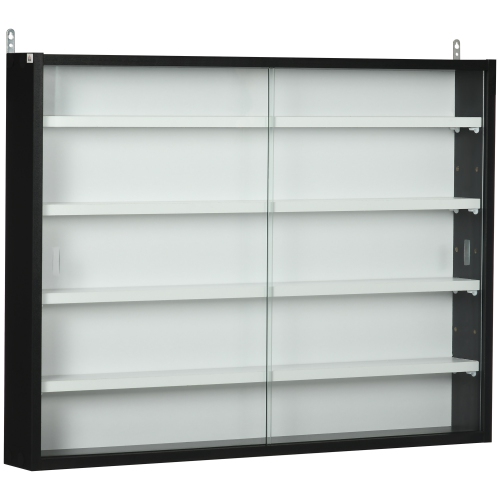 Your price for this item is $86.99
-
 Your price for this item is $438.99
-
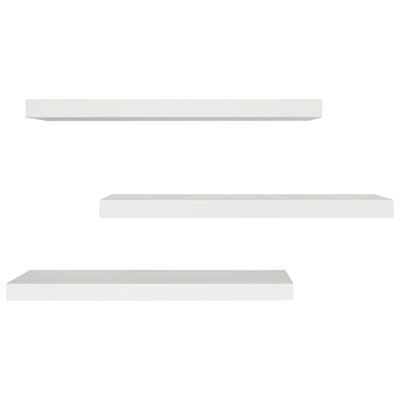 Your price for this item is $59.99
-
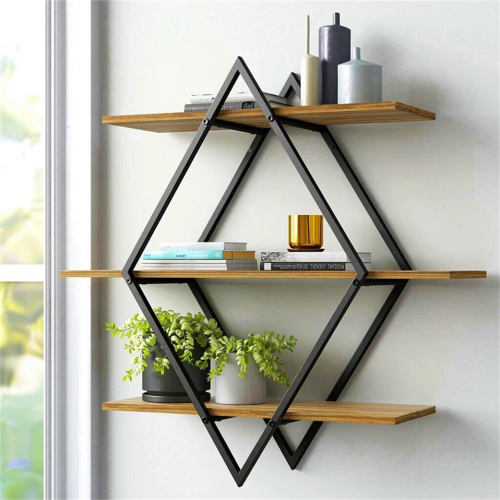 Your price for this item is $27.19
-
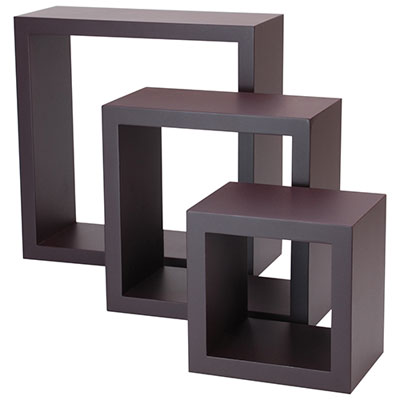 Your price for this item is $30.98
-
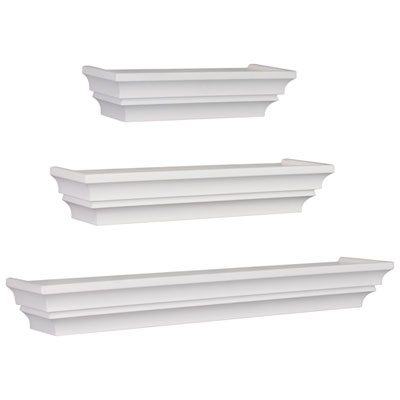 Your price for this item is $49.98
-
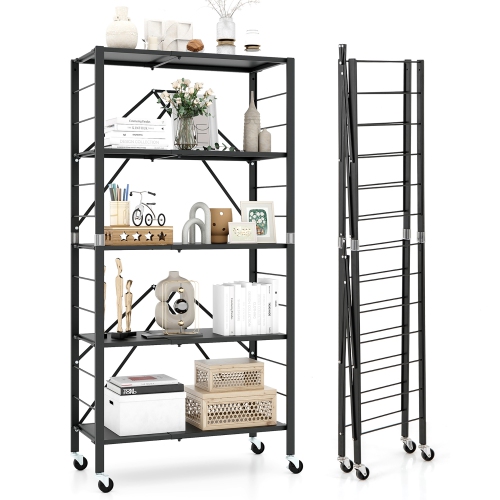 Your price for this item is $129.99
-
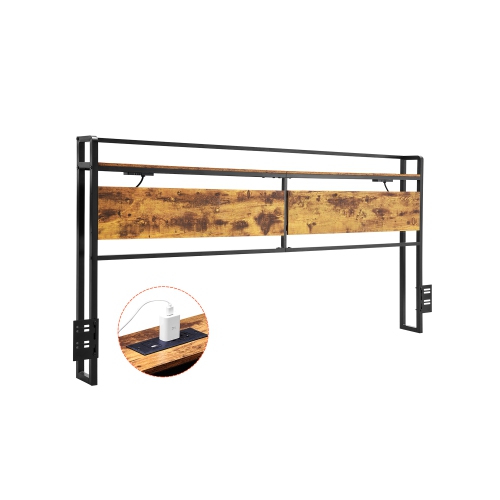 Your price for this item is $81.47
Discover more categories related to Wall Shelf Units
Top Collections:
Best Black Friday Deals This Year, Best Black Friday Deals On Electronics, Kindle Devices, Dyson Airwrap, Best Cameras for Sports Photography, Best Budget Office Chairs, Canon G7X Cameras, PS5 Pro Consoles, Best Black Friday Deals On Apple Products, XBOX One S Consoles
Some products may be subject to Environmental Handling Fees
(EHF) depending on your province.
Learn more about EHFs.