Gray And Black Area Rugs
Gray and black area rugs add a touch of modern style and versatility to any room. These timeless colour combinations complement a wide range of décor themes, making it easy to refresh your living space, bedroom, or office. Whether you’re looking to create a bold focal point or add subtle sophistication, gray and black area rugs offer options to suit every taste and layout. Explore a variety of sizes, patterns, and textures designed to enhance comfort and elevate the look of your home.
Sort


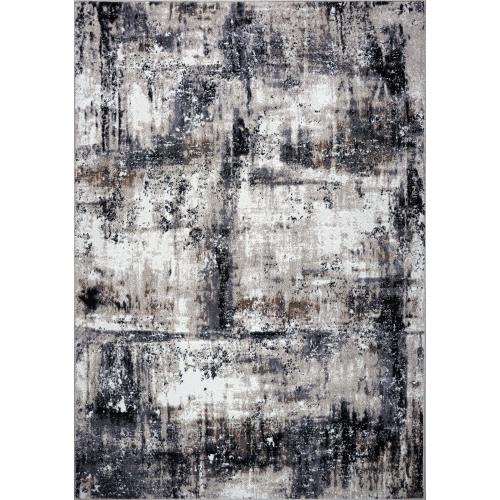
Subtle patterns and bold contrasts anchor your room
Grey and black area rugs give a room a defined foundation, pairing the softness of grey with the depth and contrast of black. The combination works across a wide range of interiors, from a living room with pale oak furniture and cream upholstery to a bedroom with walnut bedside tables and metal light fixtures. Light grey backgrounds with fine black lines tend to feel open and understated, while charcoal fields with bold black shapes create a more dramatic effect. Pattern makes just as much difference as colour: geometric grids and diamonds bring structure, abstract swirls soften straight furniture lines, and faded motifs add visual texture without requiring a room full of accessories. A bordered rug can frame a seating arrangement neatly, especially where the surrounding furnishings are simple. Grey also has undertones, including blue, brown, and violet, which can become more noticeable beside flooring or fabric. A cool silver-grey rug may look crisp against white cabinetry, while a warmer grey can sit comfortably beside beige seating or honey-coloured wood. For spaces that need a quieter pattern or a broader range of grey tones, Gray Modern Area Rugs offer another direction for coordinating contemporary furnishings. Within a grey and black palette, differences in pile height, yarn sheen, and weave can keep a rug from looking flat. Raised lines cast small shadows, closely woven surfaces show sharper pattern edges, and plush textures soften the contrast between dark and light sections. These details matter in everyday settings: a busy abstract pattern can make small bits of lint less noticeable, although solid black sections may show pale pet hair clearly. Rather than needing every furnishing to match, a grey and black rug can connect existing elements, such as a charcoal sofa, black picture frames, and a light grey accent chair. Repeating one or two of those tones elsewhere helps the room feel connected without making it overly coordinated.
Material and construction influence how grey and black area rugs feel, wear, and fit into daily routines. Polypropylene is commonly used for its resistance to moisture absorption and many everyday stains, making it a practical material to consider for family rooms and frequently used seating areas. It is not immune to staining, particularly from oily substances, so prompt care still matters. Polyester often has a soft feel and can carry clear, saturated patterns, although fibres may flatten under concentrated traffic or heavy furniture. Wool offers natural resilience and a substantial feel underfoot; some shedding is normal, particularly when a rug is new, and cleaning methods need to suit the fibre. Blends combine materials in different proportions, so the fibre label is more useful than assuming all blended rugs behave alike. Cotton can provide a lighter, more flexible surface, but washing suitability depends on the complete rug construction, including its backing. Low-pile and flatwoven rugs generally allow dining chairs to move more easily and are less likely than thick shag styles to interfere with a door opening. A deeper pile feels cushioned beside a bed or beneath a reading chair, though crumbs, small toys, and pet hair can settle farther into the surface. For a home office, a firm, low-profile rug may be a better match for chair movement than a loose or plush weave, provided the chair and rug are compatible. In households with pets, tightly constructed surfaces without prominent loops can reduce opportunities for claws to catch, but no rug should be assumed to resist every snag. Backing deserves attention, too: it affects flexibility, grip, and compatibility with the floor beneath. A suitable rug pad can help limit shifting, add cushioning, and reduce abrasion, but it should be approved for the flooring material. Where a pad is needed, its thickness also contributes to the finished height, which matters near doors and along walking routes.
Size and placement determine whether a grey and black area rug feels connected to the furniture or isolated in the middle of the floor. In a living room, a rug large enough to sit beneath the front legs of the main sofa and nearby chairs can draw the seating area together, with a visible border of flooring around it. Common dimensions such as 5 by 7 feet and 8 by 10 feet describe very different footprints, so measuring the intended space is more reliable than judging scale from a room photograph. Marking the corners temporarily with floor-safe tape can reveal whether the rug would reach a side table, cross a doorway, or leave an awkward strip beside a sofa. Dining areas need enough rug beyond the tabletop for chairs to remain supported when pulled out for sitting; the chair dimensions and room layout determine the clearance required. Beneath a bed, extending the rug past the sides creates a comfortable landing spot, while a smaller rug beside the bed can suit a compact room. Round shapes work well with curved furniture and can distinguish a small conversation area, whereas rectangular rugs often follow the proportions of sofas, dining tables, and beds. Care requirements are worth considering alongside those measurements. Regular vacuuming with a setting appropriate to the pile helps remove grit before it works deeper into the fibres; delicate surfaces, loose loops, and fringes may need suction without a rotating brush. Spills are best blotted promptly rather than rubbed, using cleaning products permitted by the care label and tested first in an inconspicuous area. Machine-washable rugs still have limits: the stated washing instructions, rug dimensions, and appliance capacity all matter, especially once the material is wet. Allowing a cleaned rug to dry fully before replacing it helps protect the surface beneath. Occasional rotation can distribute wear from a favourite seat or a well-used walking path. With the right proportions and manageable upkeep, grey and black area rugs can serve busy shared rooms, quiet bedrooms, and compact apartments while bringing pattern, softness, and definition to everyday spaces.
Top selling and popular products
-
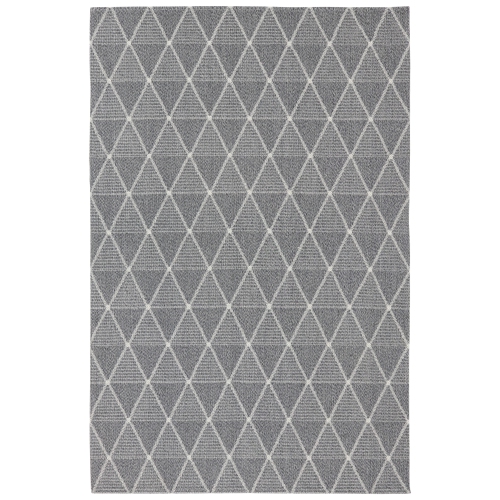 Your price for this item is $130.55
-
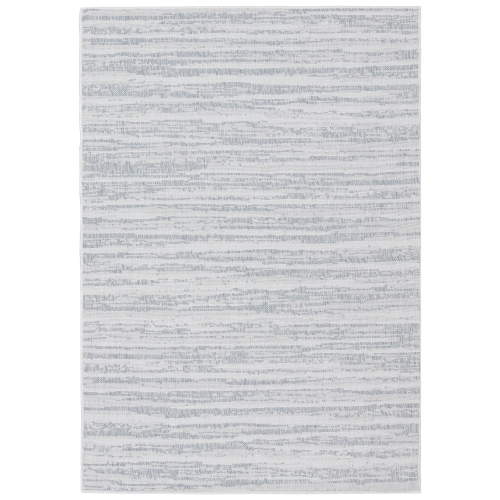 Your price for this item is $129.15
-
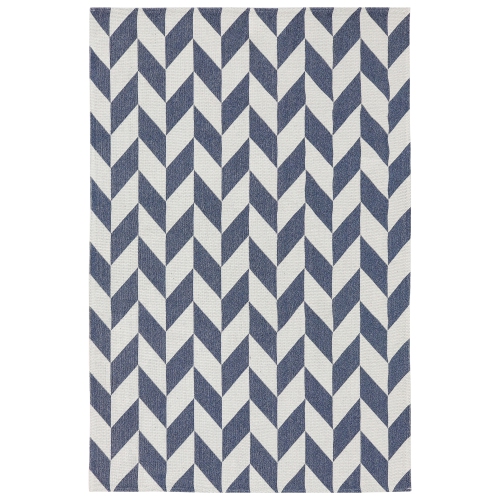 Your price for this item is $130.55
-
 Your price for this item is $129.15
-
 Your price for this item is $129.15
-
 Your price for this item is $130.55
-
 Your price for this item is $111.99
-
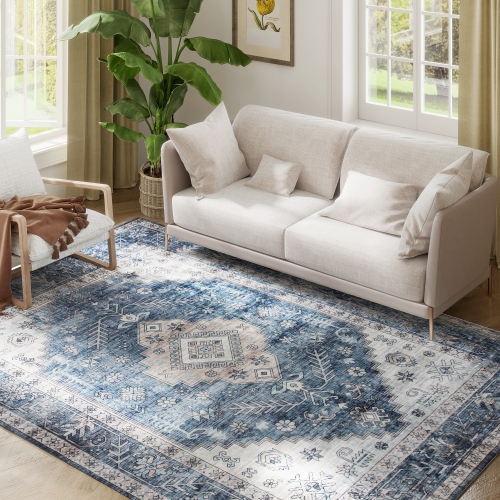 Your price for this item is $88.07
Discover more categories related to Gray And Black Area Rugs


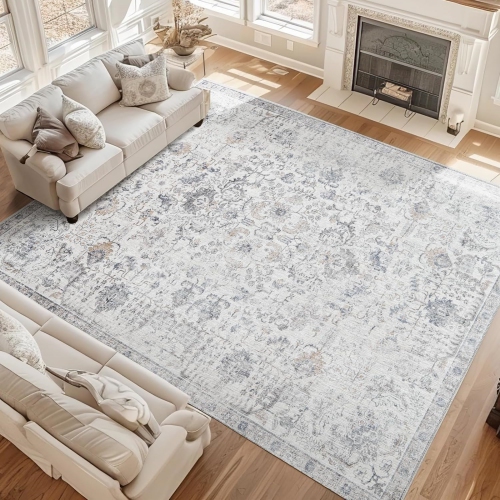
Top Collections:
Pokemon Centers, Best Cameras for Sports Photography, Kindle Devices, Samsung Galaxy Phones, Canon G7X Cameras, Pokémon 30th Celebration Cards, Refurbished Apple Laptops, iPhone 15 Apple, Laptops for Students, Budget Smartphones
Some products may be subject to Environmental Handling Fees
(EHF) depending on your province.
Learn more about EHFs.