Green Cube Ottomans
Enhance the comfort and style of your living space with our green cube ottomans. Their sleek design and vibrant green color effortlessly blend into almost any decor, adding a pop of color and a touch of sophistication. Here are some great options for you.
Sort


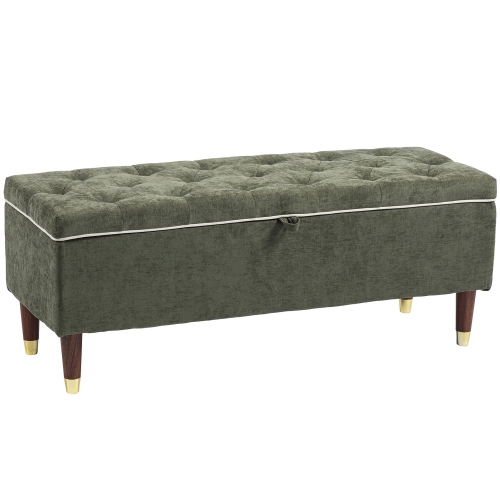

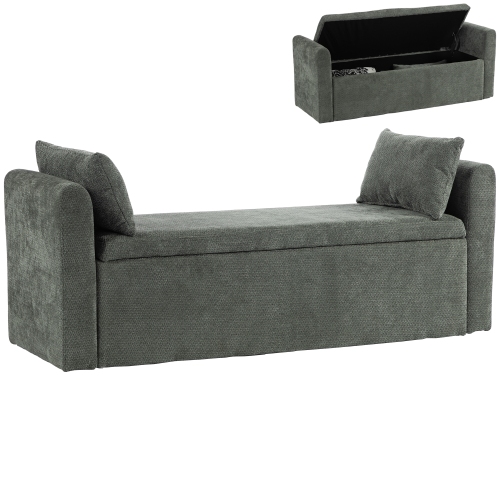
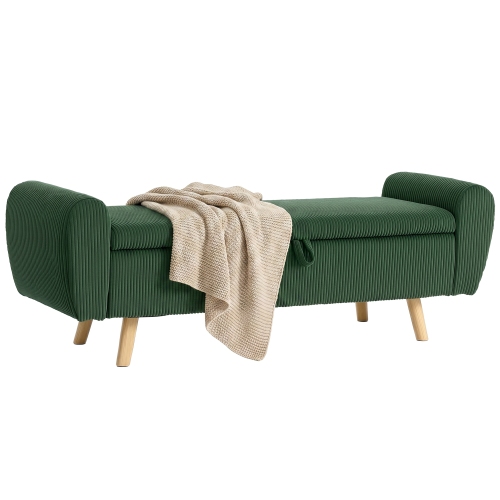
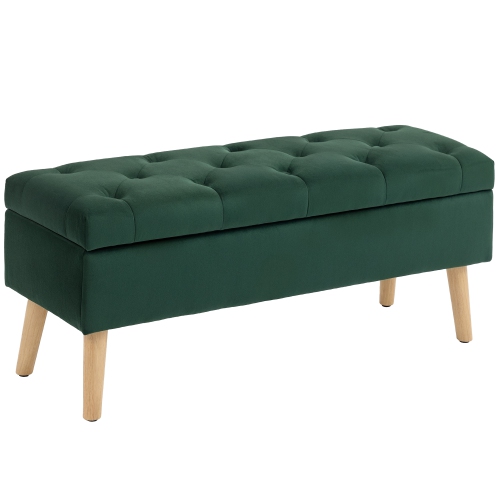
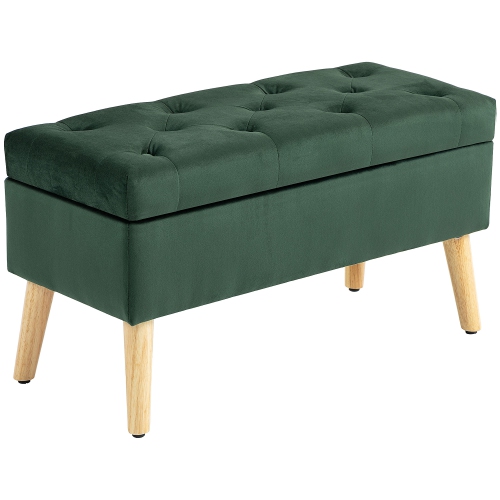
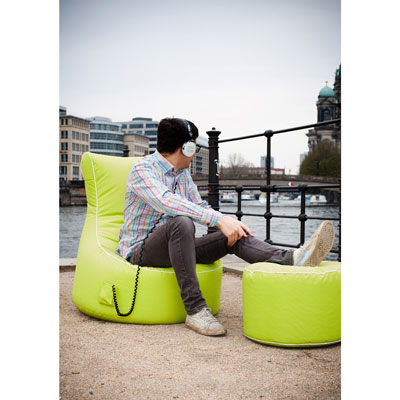
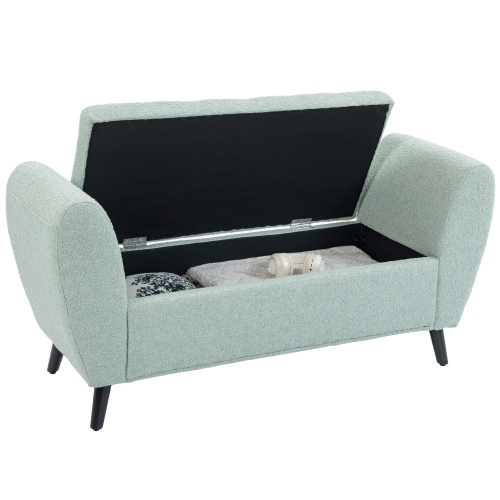
More than a footrest for small living spaces
Green cube ottomans are compact, square-shaped furniture pieces that bring a green accent to a room while providing a footrest, occasional seating, or concealed storage, depending on their construction. Their simple shape works beside a sofa, beneath a console, or opposite an armchair without introducing the visual bulk of another full-sized chair. A structured, upholstered cube generally has a more defined outline than a softly filled pouf, which can settle and change shape with use. That distinction matters when deciding whether the main purpose is to stretch out with a book, offer a guest somewhere to sit, or keep a small living area flexible. A firm, level top may also support a suitable tray for a remote control or reading glasses, although a soft ottoman is not a direct substitute for a stable side table. Green offers plenty of variety within this compact format. Sage can sit quietly alongside pale wood, cream upholstery, and light-coloured rugs, while olive works well with walnut tones, tan leather, and woven textiles. Deeper forest or bottle green creates a stronger accent against neutral furnishings, particularly when the upholstery catches the light. The same shade can appear noticeably different in velvet, corduroy, or a smooth coated fabric, so colour and texture are best considered together. A green cube can echo a small detail in a patterned rug or cushion without requiring every accessory to match. For a more deliberate colour contrast, Orange Cube Ottomans offer another direction, pairing warm colour with the same space-conscious shape. Whether the overall room feels understated or expressive, a cube ottoman works best when its proportions and finish connect with the furniture already around it. A pair can create a balanced arrangement across from a sofa, while a single cube leaves more floor space open.
Upholstery has a practical role as well as a decorative one, especially on furniture that may be touched by shoes, shared with pets, or moved from room to room. Velvet has a soft surface and a directional pile that gives green upholstery depth; brushing against that pile can leave temporary light and dark marks rather than a uniform finish. Corduroy adds visible ridges and a relaxed texture, though crumbs and lint can collect between the channels. Woven upholstery offers a broad range of textures, from relatively smooth surfaces to more pronounced weaves, and its suitability for frequent use depends on the fibre, weave, and backing rather than appearance alone. Faux leather can provide a smooth, wipeable surface, but cleaning methods still need to follow the care label, since harsh cleaners can affect the coating. Genuine leather has its own maintenance requirements and may develop visible character through use. Beyond the outer covering, the frame, seams, padding, and base all influence how an ottoman feels over time. Firm foam over a supportive frame tends to retain a more tailored cube shape, while loose filling feels more yielding and may need redistribution. Reinforced corners and neatly finished seams are useful details to examine where the upholstery receives repeated pressure. A removable cover can simplify care when the washing instructions permit it; removable does not automatically mean machine washable. Regular vacuuming with an appropriate upholstery attachment helps lift surface debris, and spills are best blotted promptly rather than rubbed into the fabric. Any cleaner should be tested on an inconspicuous area first, following the manufacturer’s directions. Strong direct light can affect some fabrics and colours, so placement matters as much as cleaning. Protective feet or a suitable base can also help reduce friction against flooring, particularly when the ottoman is repositioned frequently.
Fit is about more than whether a cube can squeeze into an empty corner. The width and depth determine how much floor space it occupies, while the height affects comfort beside the chair or sofa it will serve. For use as a footrest, a top close to or slightly below the seat height often feels more natural than one that lifts the legs sharply upward. For occasional seating, a firm, supportive top and a stated seating weight limit are more relevant than a plush appearance. Not every pouf or storage cube is designed to hold a seated adult, and an ottoman should not be used as a step stool. Measuring the intended spot, including the space needed to walk past, helps distinguish a genuinely useful addition from an obstacle. Storage versions introduce another set of details: internal dimensions determine whether a folded throw, gaming accessories, or a few small toys will fit, and the lid needs enough clearance to open comfortably. A lift-off lid requires somewhere to rest while the compartment is in use, whereas a hinged lid may need room behind the cube. In a household with children, lid weight, hinge design, and any pinch points deserve particular attention, and small children should not climb inside storage furniture. Lightweight or folding designs can suit a multipurpose room where furniture is moved regularly, while a more substantial frame may be preferable for frequent seating. In a bedroom, a cube can provide a place to sit while putting on slippers; in a living room, it can move between a reading chair and the sofa as needed. For someone furnishing a first apartment or refreshing a small sitting area, a green cube ottoman can also make a thoughtful housewarming gift when the room measurements, preferred shade, and intended use are known. Matching those everyday needs to the construction is what turns a small accent into a useful part of the room.
Top selling and popular products
-
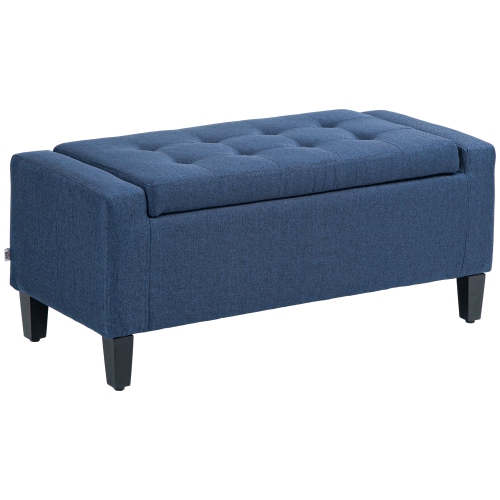 Your price for this item is $139.99
-
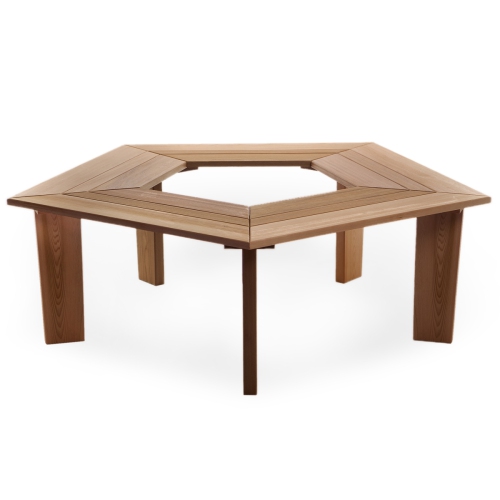 Your price for this item is $516.99
-
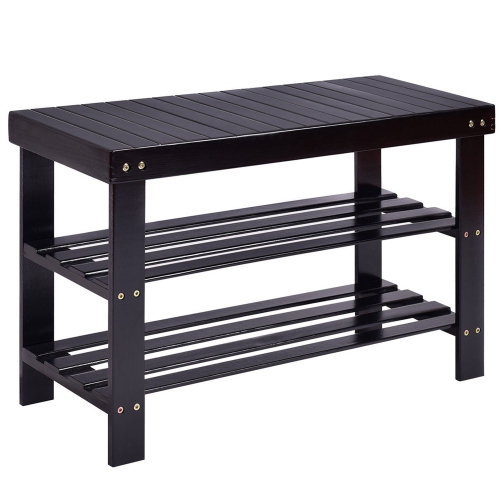 Your price for this item is $73.99
-
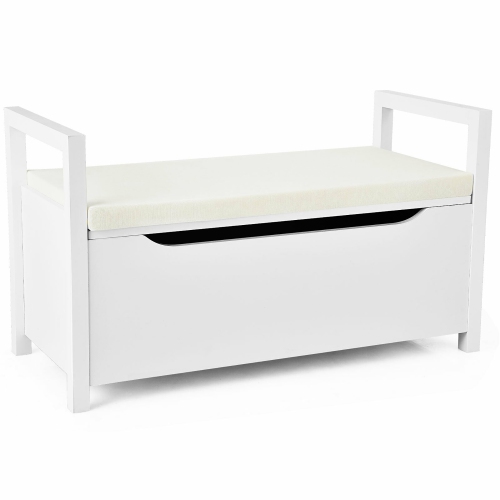 Your price for this item is $275.99
-
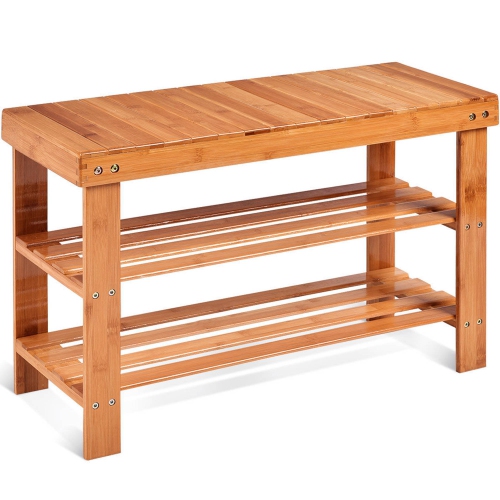 Your price for this item is $73.99
-
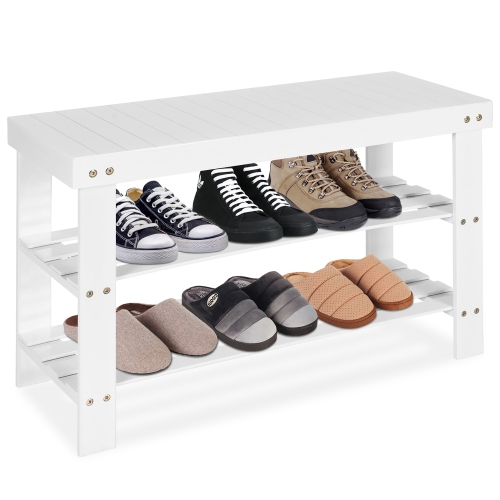 Your price for this item is $73.99
-
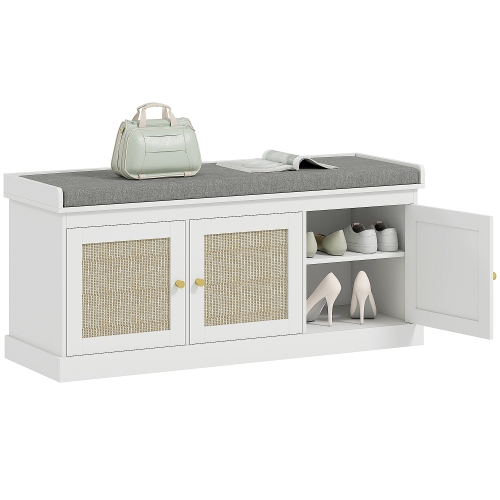 Your price for this item is $134.99
-
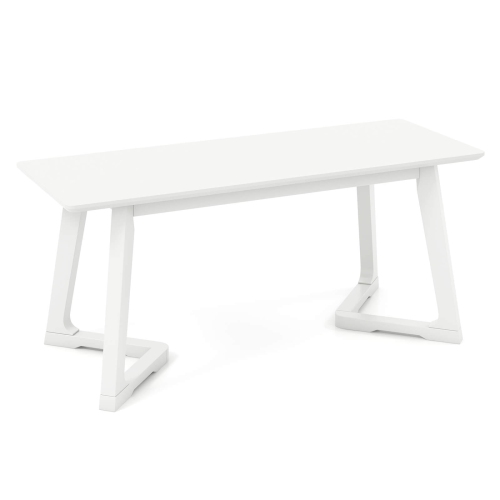 Your price for this item is $108.99
Discover more categories related to Green Cube Ottomans
Top Collections:
Best Black Friday Deals This Year, Best Black Friday Deals On Electronics, Kindle Devices, Best Black Friday Deals On Apple Products, Best Budget Office Chairs, Best Cameras for Sports Photography, Dyson Airwrap, Canon G7X Cameras, Best Laptops for Writers, Samsung Galaxy Phones
Some products may be subject to Environmental Handling Fees
(EHF) depending on your province.
Learn more about EHFs.