Green Fabric Round Ottomans
Add a touch of style and functionality to your living space with our green fabric round ottomans. These versatile pieces of furniture are designed to not only provide comfortable seating but also serve as a convenient storage solution. The soft green fabric upholstery adds a pop of color to almost any room, while the round shape and compact size make them perfect for small spaces. Here are some great options for you.
Sort

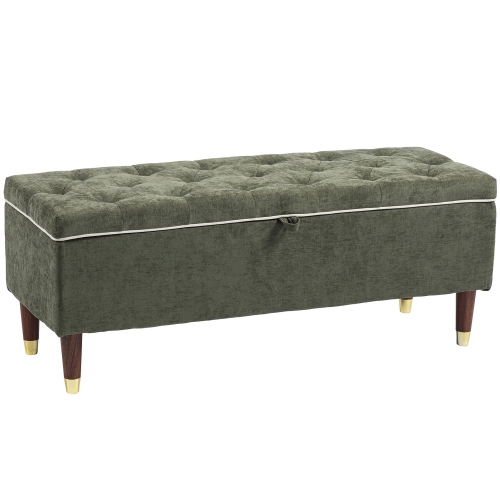

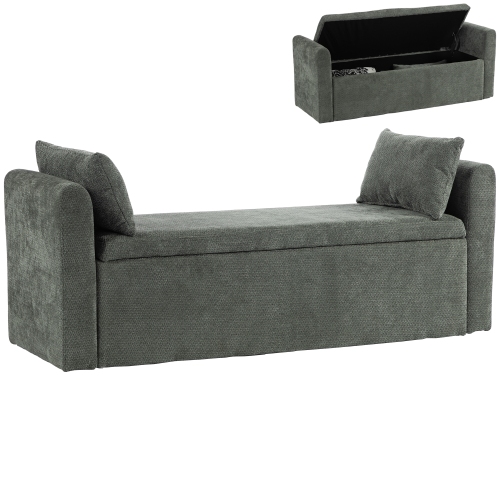

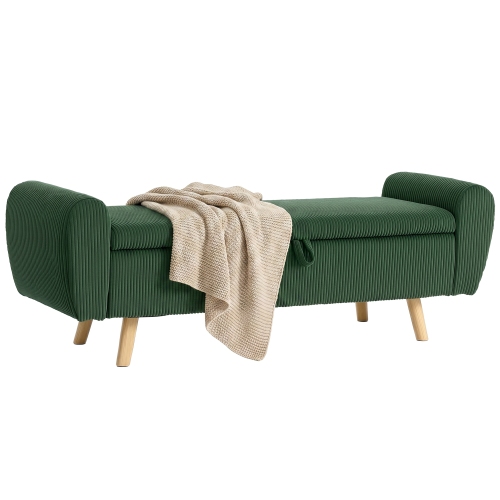
How soft curves and green shades change a room
Green fabric round ottomans combine upholstered comfort with a curved shape that works as a footrest, an accent piece, or, when designed for it, an occasional seat. Their circular outline softens the straight edges of sofas, shelving, and rectangular rugs, while green upholstery introduces colour without needing a large piece of furniture. The shade makes a noticeable difference to the overall effect. Sage can sit quietly beside pale wood and cream upholstery; olive brings depth to rooms with warm neutrals, woven textures, and brass details; forest green creates a stronger contrast against light walls. A brighter green can become a deliberate focal point in an otherwise simple space. Fabric upholstery adds another layer of interest within the broader Green Round Ottomans category, with texture influencing how both the shape and colour appear. A smooth woven surface feels visually different from plush velvet or a nubby, looped fabric, even when the shades are similar. In a living room, a compact round ottoman can tuck beside an armchair and move into position for reading or watching television. A wider design can anchor a seating arrangement, offering a shared place to rest feet without the hard corners of a conventional coffee table. Bedroom placement might call for something smaller beside a reading chair or near a dressing area. Fit depends on more than diameter: overall height, the space around nearby furniture, and the route through the room all matter. For use as a footrest, a top near or slightly below the chair’s seat height generally feels more natural than one that lifts the legs sharply. Measuring the intended spot and marking the circular footprint on the floor can make the proportions easier to picture. Clearance still needs to accommodate walking, opening drawers, and reaching the sofa comfortably. The rounded outline can make a small room feel less crowded visually, but a generous diameter still occupies substantial floor space.
The fabric and internal construction determine much of an ottoman’s feel, appearance, and long-term performance. Polyester upholstery is common and can provide a practical balance of softness and durability, although stain resistance and cleaning requirements depend on the particular fabric and finish. Cotton and cotton blends offer a different hand feel and weave, with care needs that vary by composition. Velvet has a soft pile that catches light, so green can appear deeper from one angle and brighter from another; pressure marks and changes in pile direction may also be visible. Bouclé and sherpa-style upholstery bring a more textured surface, with loops or raised fibres that create a cosy appearance but can hold crumbs and lint. A tightly woven fabric may be a better match for frequent use where an easy-to-maintain surface matters, while a more pronounced texture can suit an accent piece that sees gentler use. Homes with pets benefit from attention to snagging, hair accumulation, and the manufacturer’s care recommendations rather than relying on a broad claim that a fabric is pet-friendly. Beneath the upholstery, a framed ottoman with foam padding typically has a more defined shape than a softly filled pouf. A pouf can feel relaxed and easy to reposition, though its support and shape retention depend on the filling. Firmer padding gives feet a steadier resting surface, while softer cushioning allows more sink-in comfort. If occasional seating is part of the intended use, the stated weight capacity and suitability for sitting are essential; a footrest should not automatically be treated as a stool. Seams, piping, tufting, and the attachment of the base also deserve attention because these details affect how the piece handles repeated use. Exposed legs can create a lighter look and leave room for cleaning underneath, whereas a low upholstered base has a more grounded silhouette. A stable base and floor-protecting feet are particularly useful when an ottoman will be moved between a chair and sofa on wood or laminate flooring.
Different top designs support different routines. A plain upholstered top keeps the look simple and provides an uninterrupted surface for resting feet, while button tufting adds definition and a more tailored appearance. Deep tufting can also create small recesses where dust collects, so its decorative appeal comes with a little more cleaning attention. Storage designs make use of the space beneath the cushion for folded throws, spare cushion covers, or other lightweight household essentials. The useful capacity depends on the interior dimensions, not just the exterior size, and access can differ between a removable lid and a hinged top. A lift-off lid needs somewhere to rest while the compartment is open; a hinged version needs sufficient clearance and hardware that operates as intended. Households with children should pay particular attention to the opening mechanism and any safety information supplied with the ottoman. Some designs incorporate a reversible lid or tray surface, but an ordinary cushioned top is not a reliably level place for drinks. Where a separate tray is suitable, a rigid base and raised rim help contain small objects, although hot drinks still need a stable, appropriate surface. Everyday care starts with the upholstery label. Gentle vacuuming with a suitable attachment can lift loose dust, and prompt blotting can limit the spread of a spill. Rubbing may push liquid further into the fabric or disturb the pile. Cleaning solutions should follow the manufacturer’s instructions and be tested in an inconspicuous area when recommended; removable upholstery should only be machine washed if its care label permits it. Positioning away from prolonged direct sunlight can also help reduce uneven fading. For someone furnishing a first apartment, refreshing a reading corner, or adding useful storage to a compact living room, a green fabric round ottoman can be a thoughtful furnishing gift when the recipient’s preferred shade, available space, and intended use are known. The most comfortable fit brings together the right proportions, suitable support, and a fabric that feels at home alongside the furniture already in the room.
Top selling and popular products
-
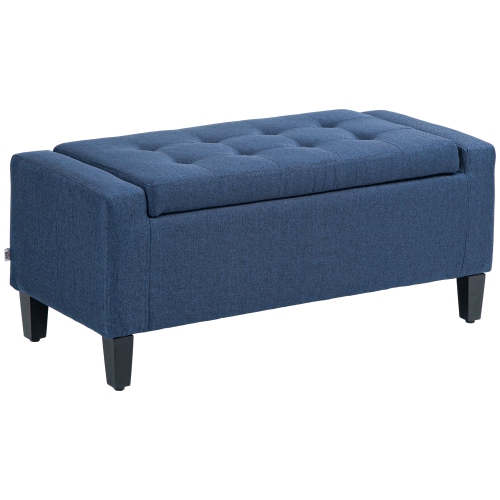 Your price for this item is $139.99
-
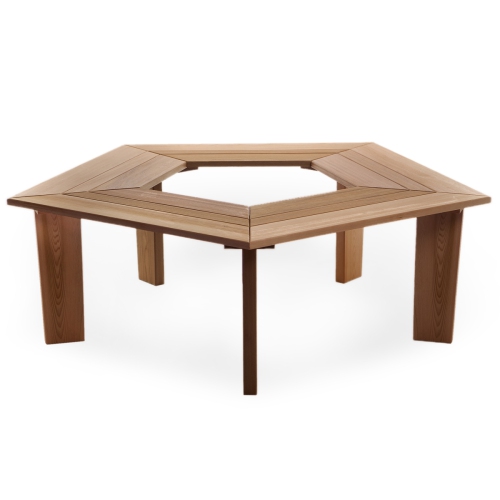 Your price for this item is $516.99
-
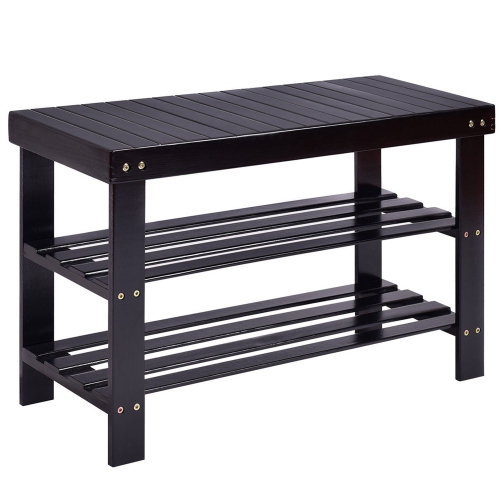 Your price for this item is $73.99
-
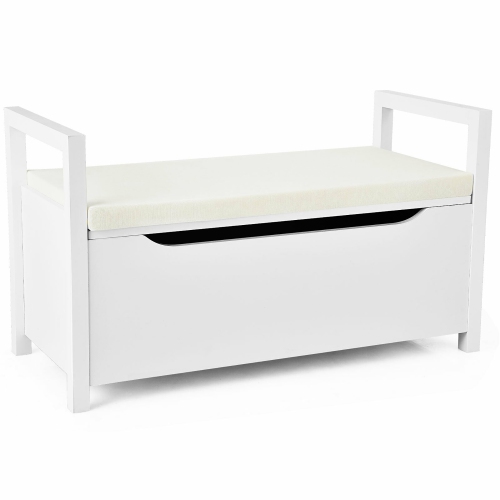 Your price for this item is $275.99
-
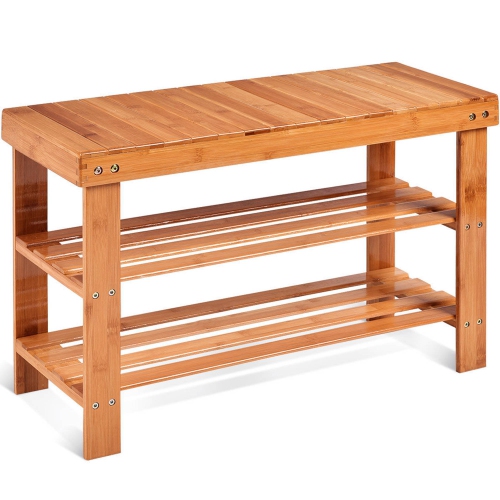 Your price for this item is $73.99
-
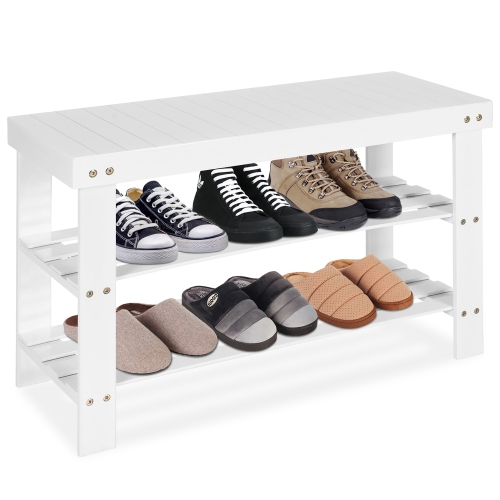 Your price for this item is $73.99
-
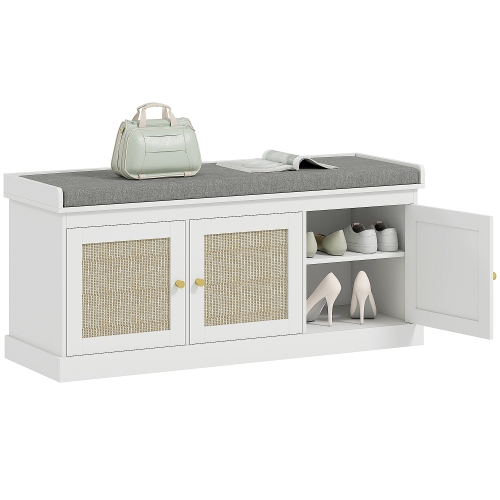 Your price for this item is $134.99
-
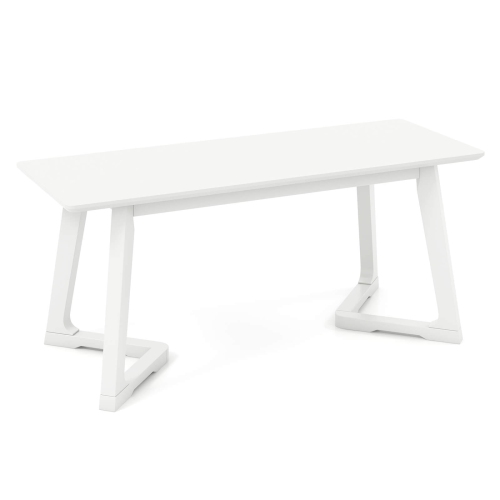 Your price for this item is $108.99
Discover more categories related to Green Fabric Round Ottomans
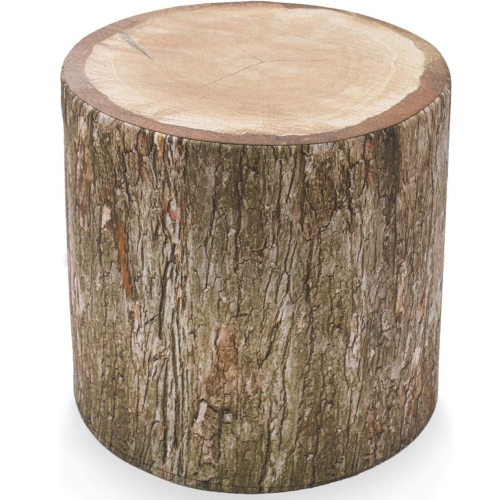
Top Collections:
Best Black Friday Deals This Year, Best Black Friday Deals On Electronics, Kindle Devices, Best Black Friday Deals On Apple Products, Best Budget Office Chairs, Best Cameras for Sports Photography, Dyson Airwrap, Canon G7X Cameras, Best Laptops for Writers, Samsung Galaxy Phones
Some products may be subject to Environmental Handling Fees
(EHF) depending on your province.
Learn more about EHFs.