Green Indoor Plants
Looking to bring a touch of nature into your home or office? Look no further than our selection of green indoor plants. These vibrant and lush plants not only add a pop of color to almost any space but also provide numerous benefits, such as improving air quality and reducing stress. Whether you're a seasoned plant enthusiast or just starting your green journey, our collection offers a variety of options to suit almost every style and space. From low-maintenance options perfect for busy individuals to statement plants that make a bold impression, discover the perfect green indoor plants to elevate your surroundings and create a refreshing atmosphere.
Sort
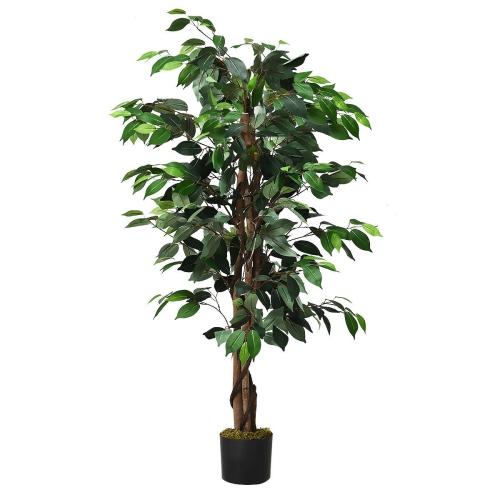
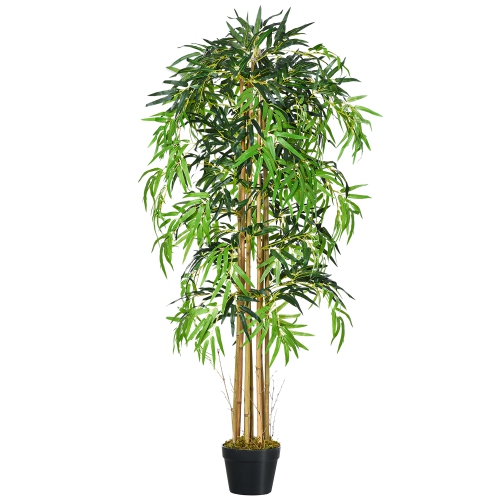
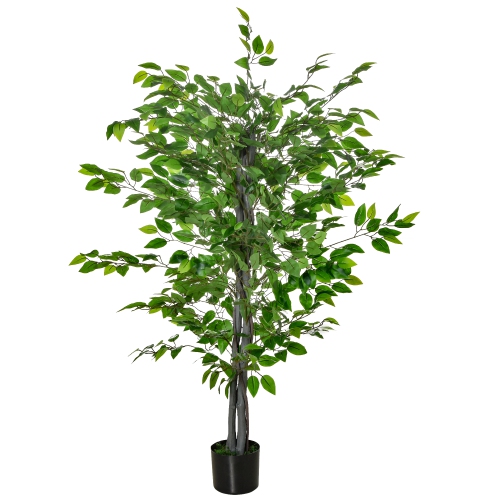
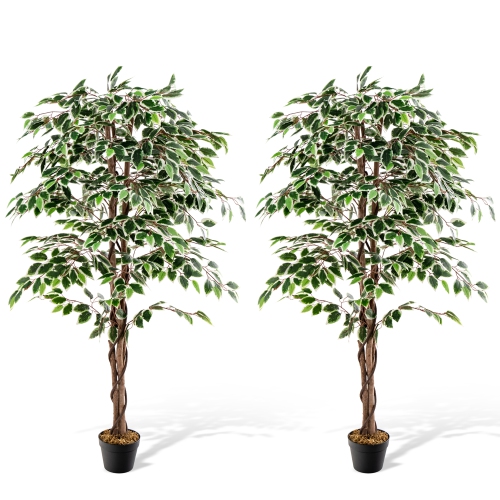
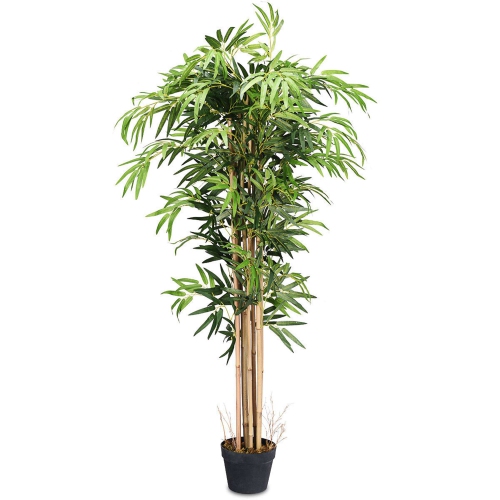
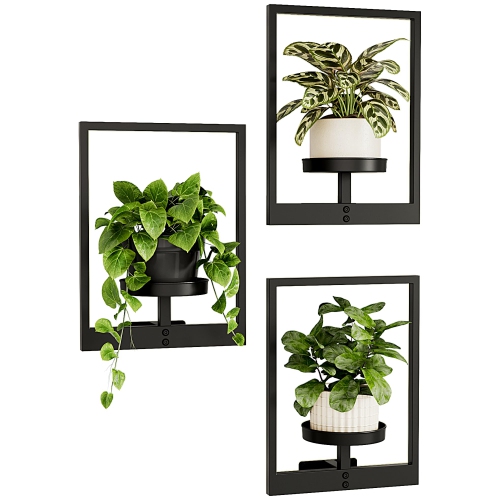
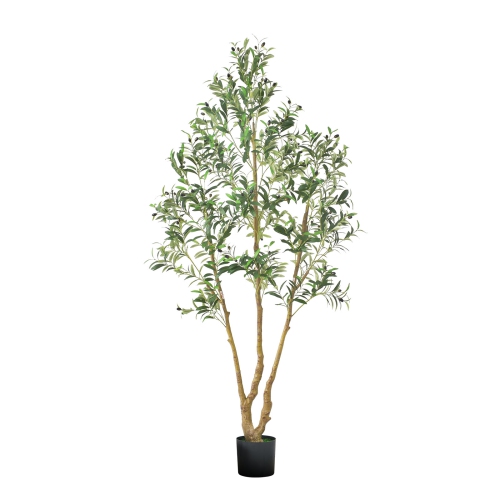
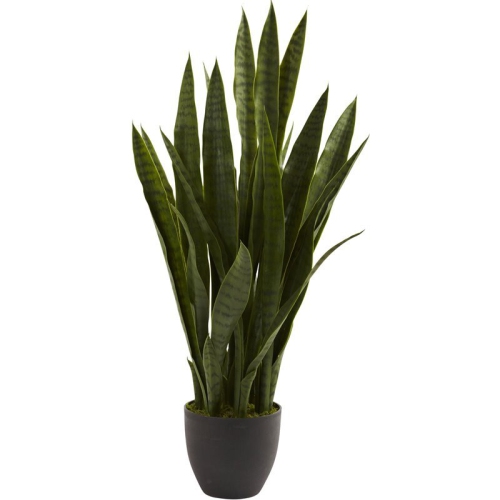
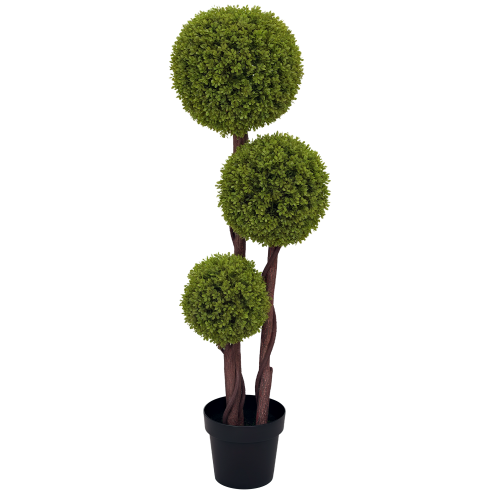
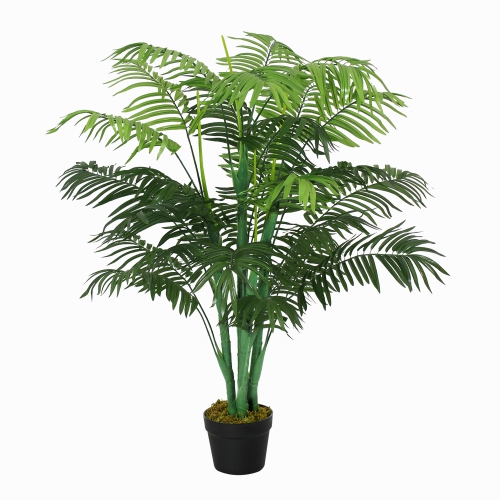
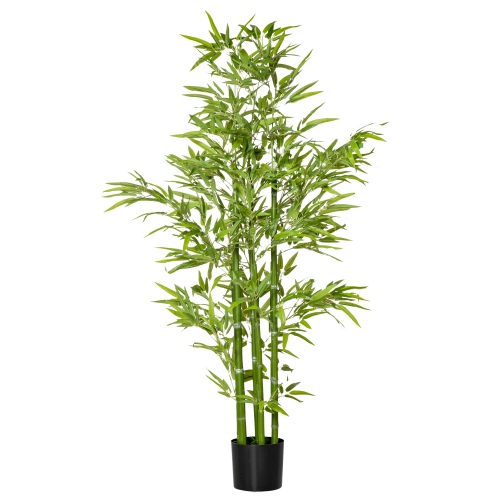
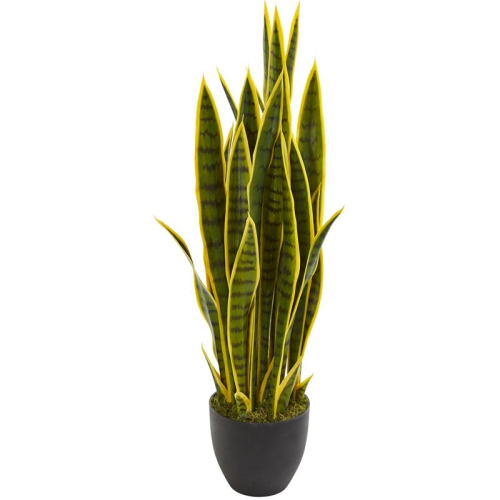
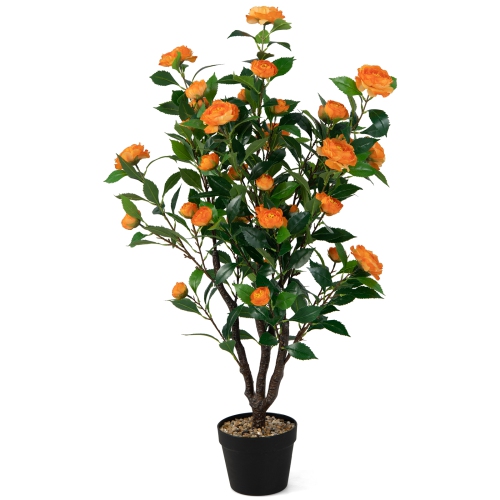

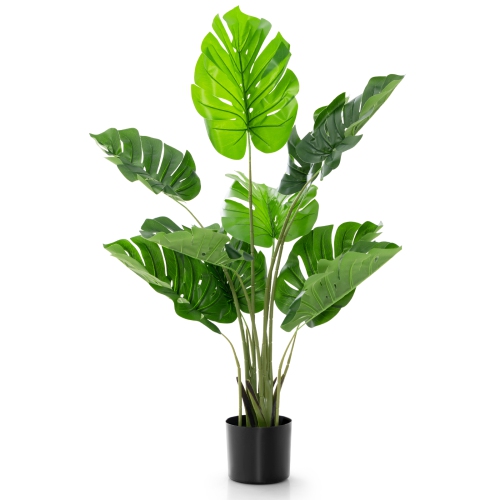
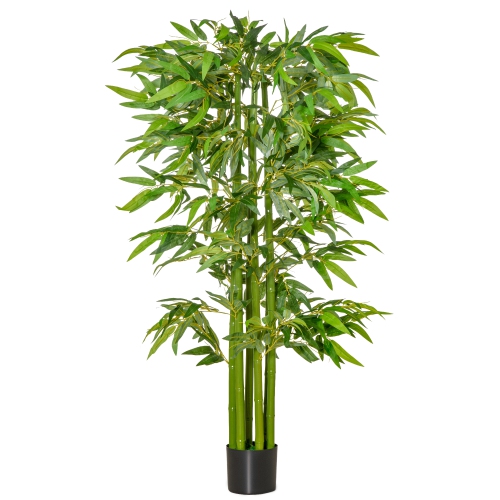
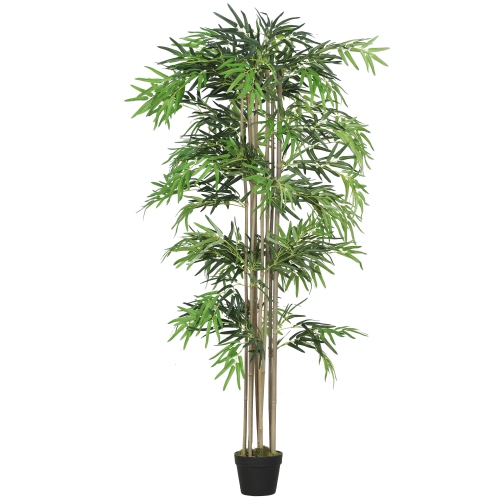
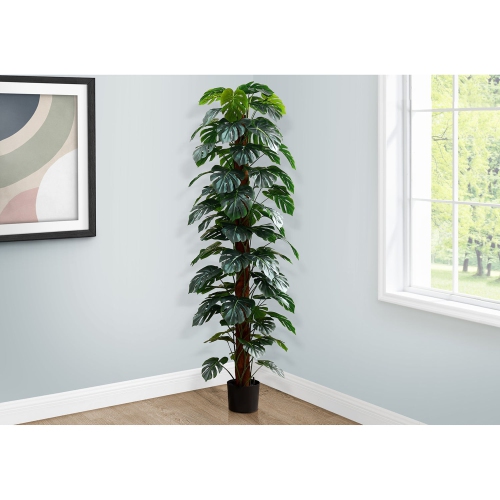
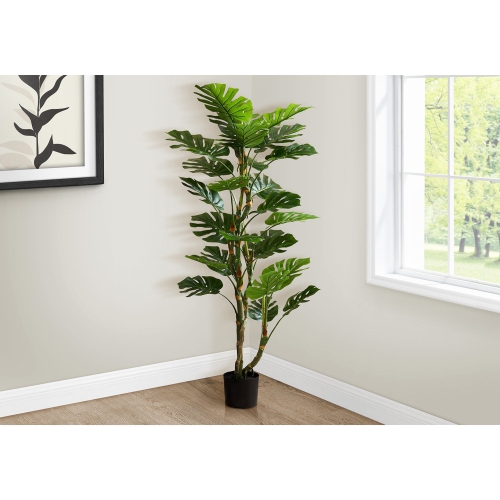

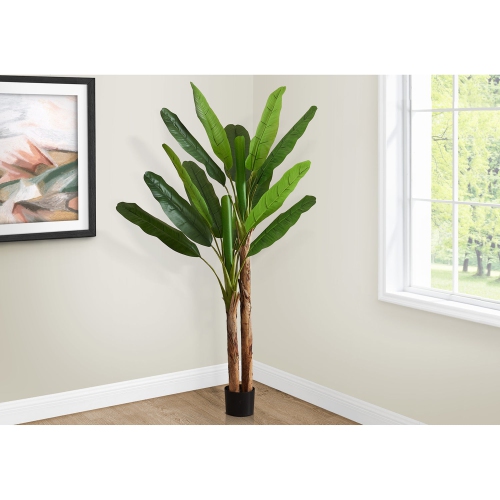
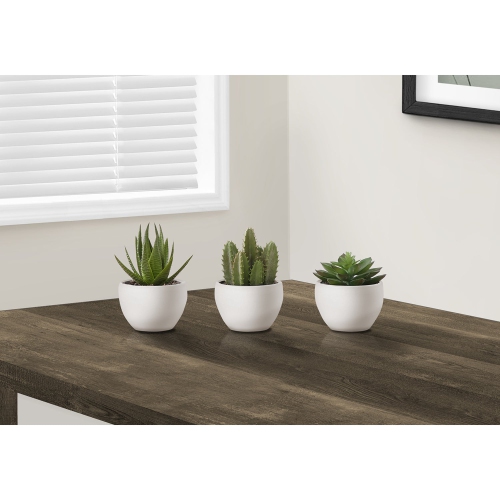
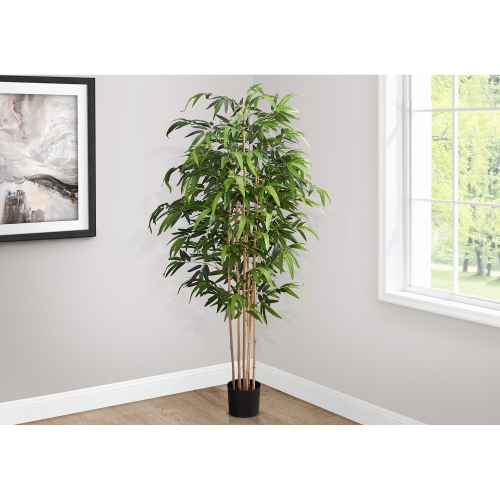
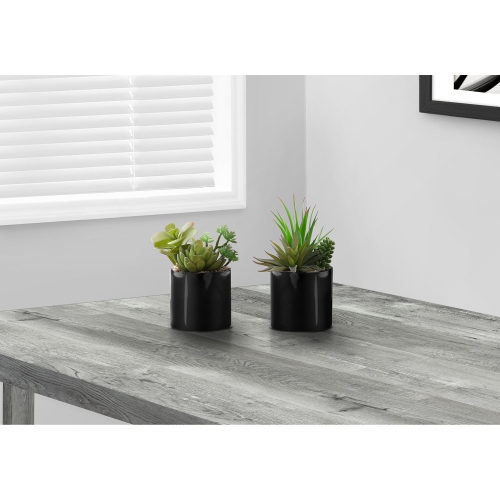

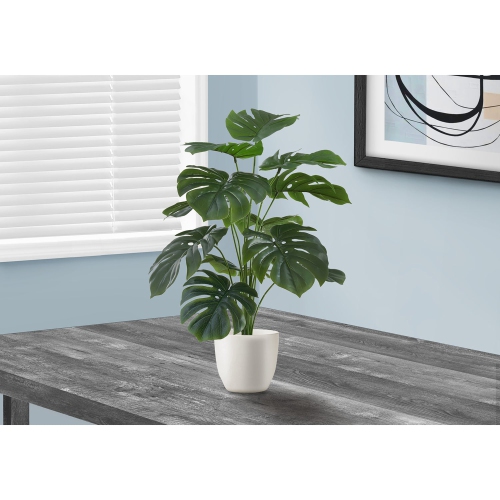

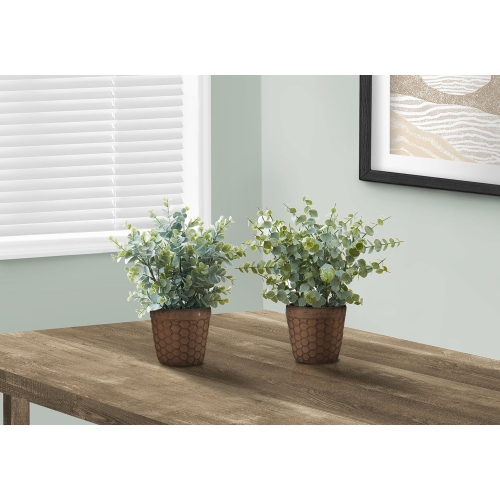
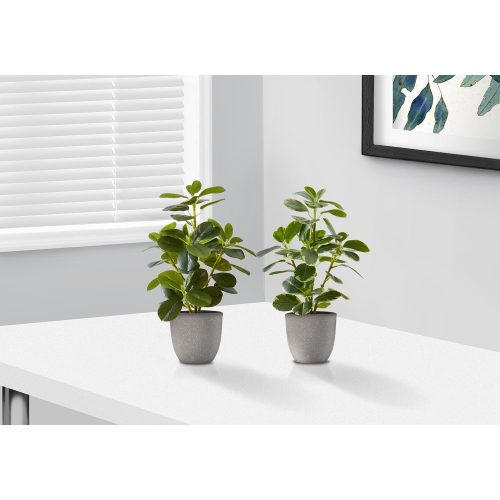
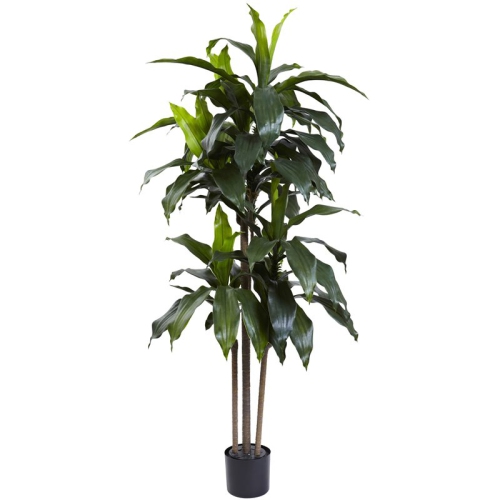
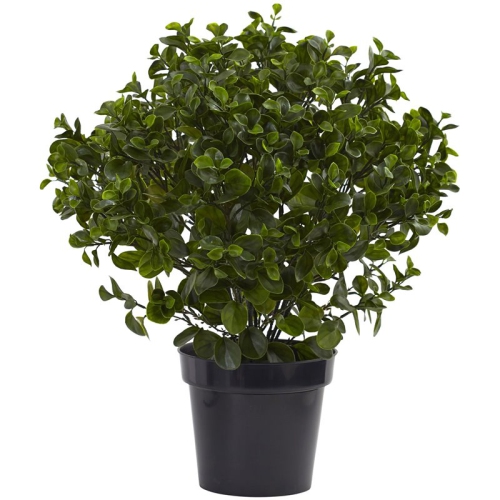
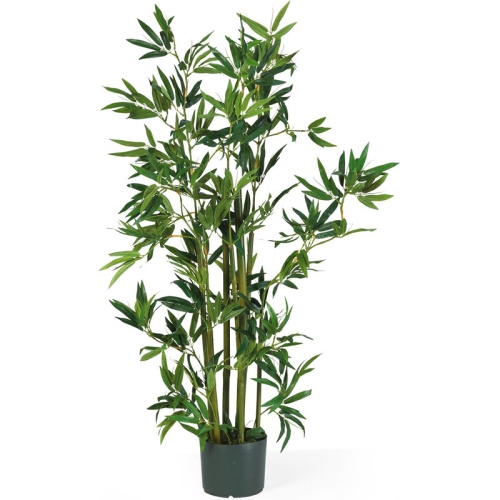
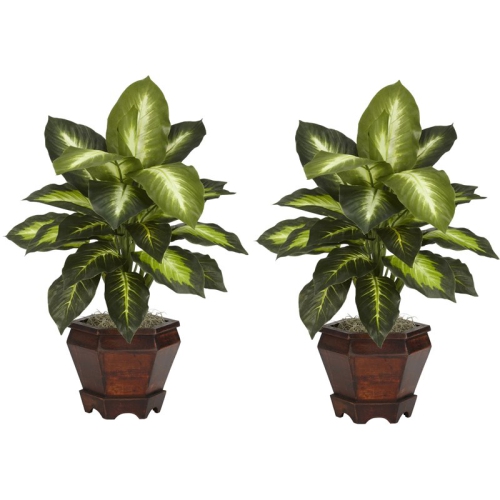
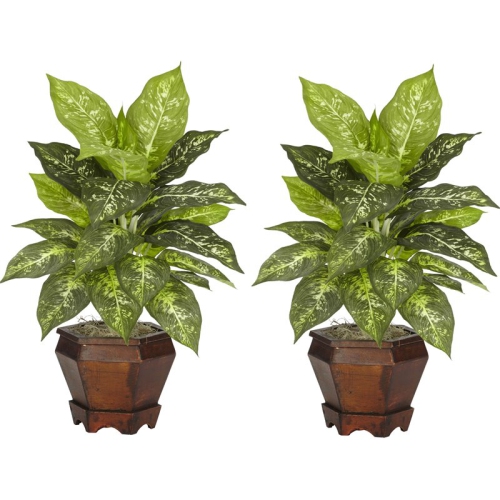
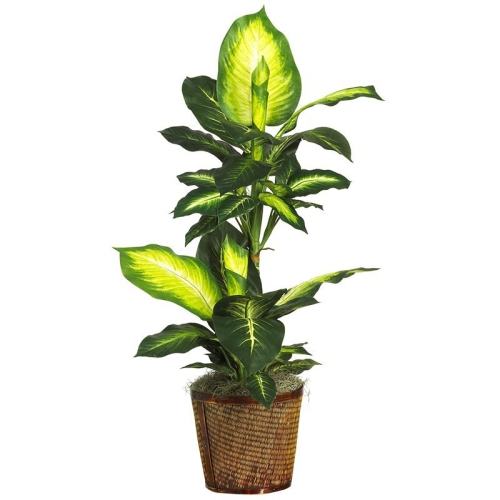
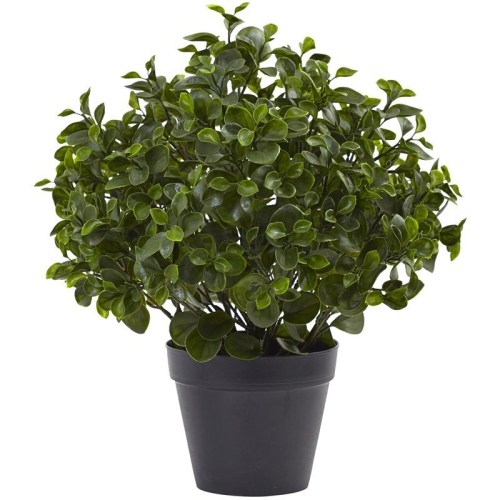
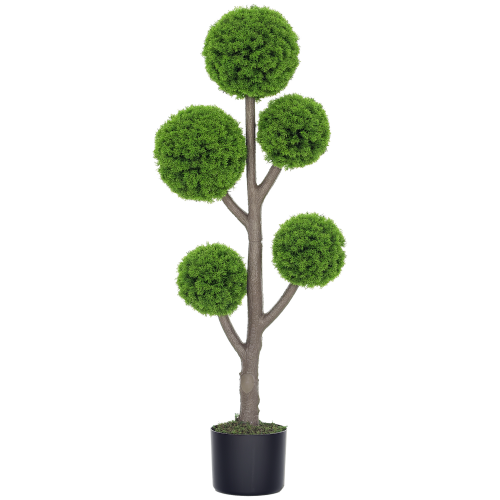
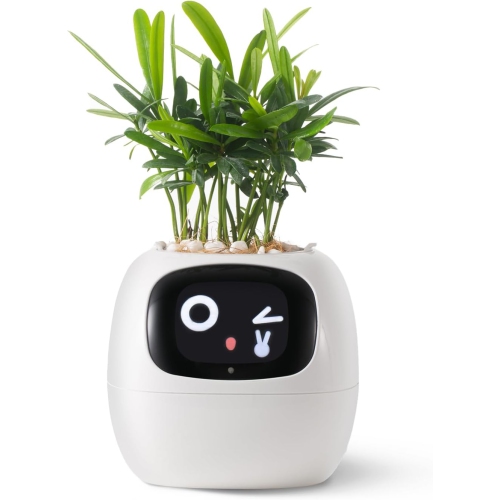
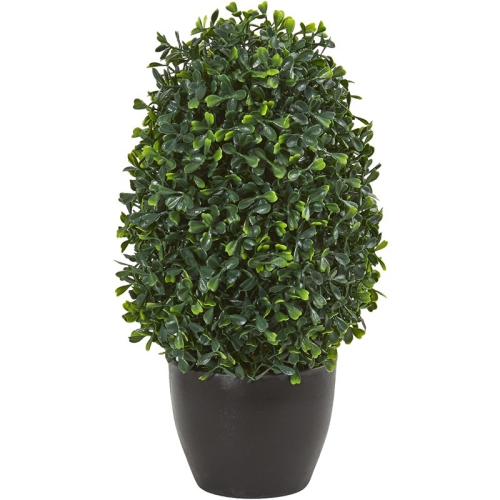
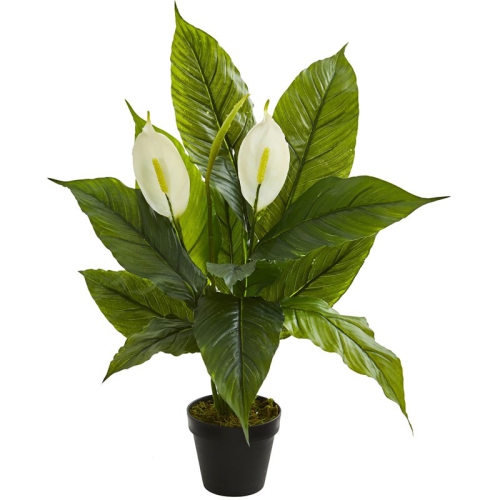
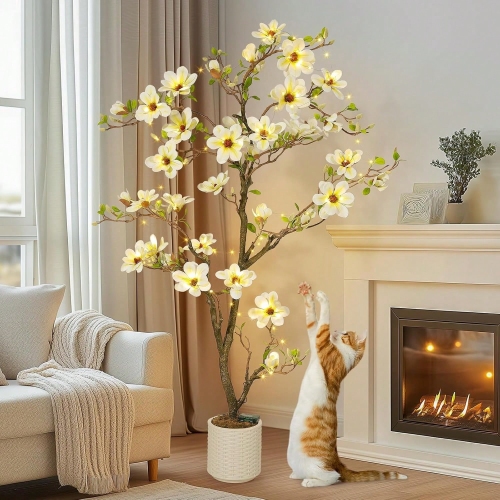
Leafy style starts with the right light and space
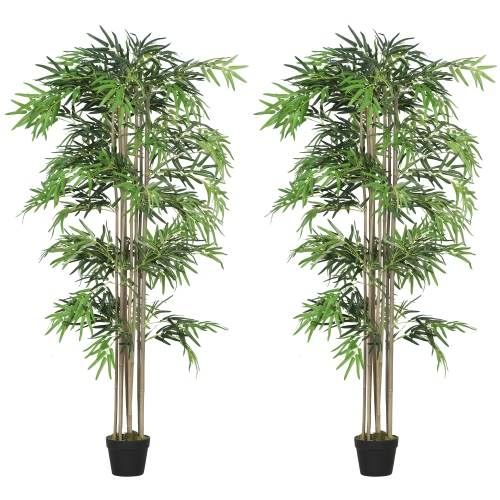
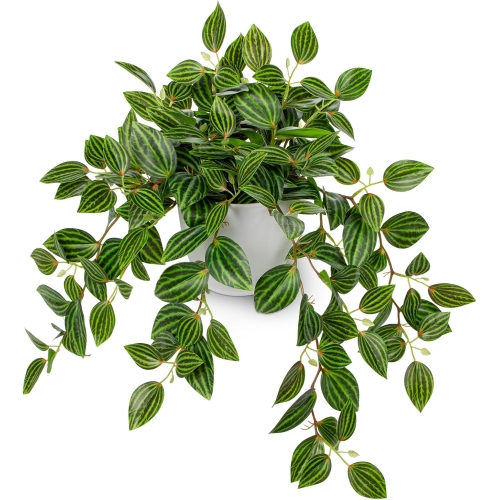
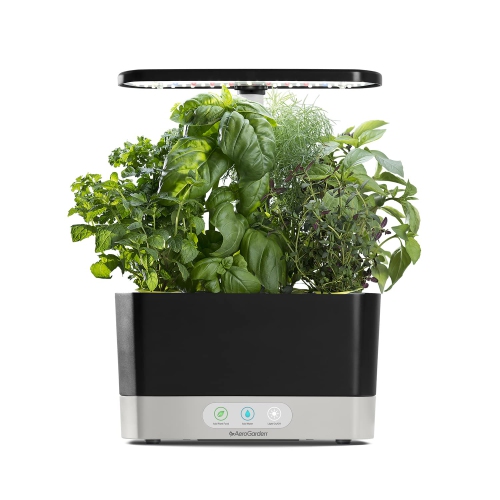
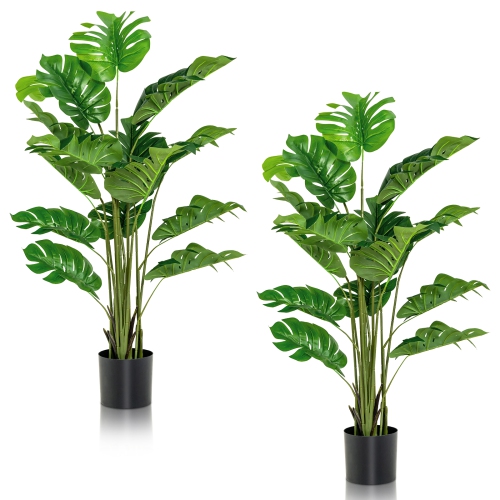
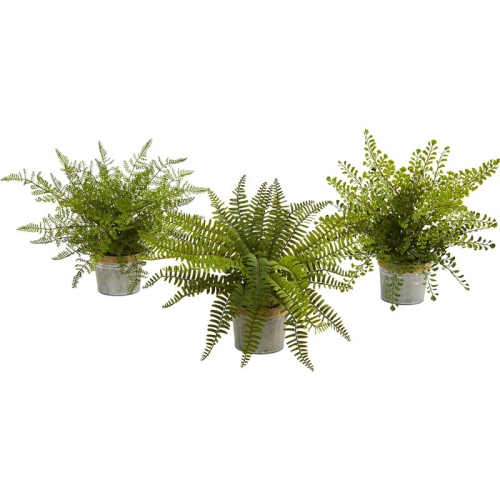
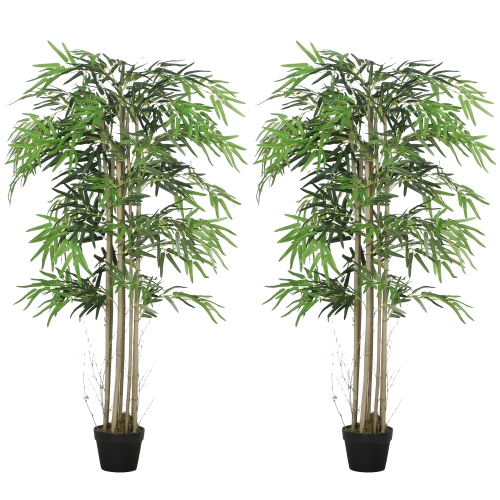
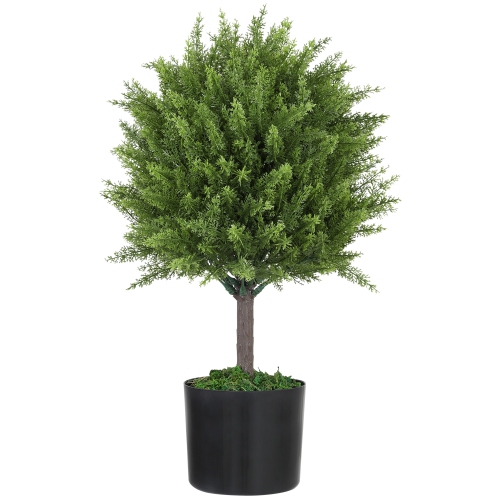
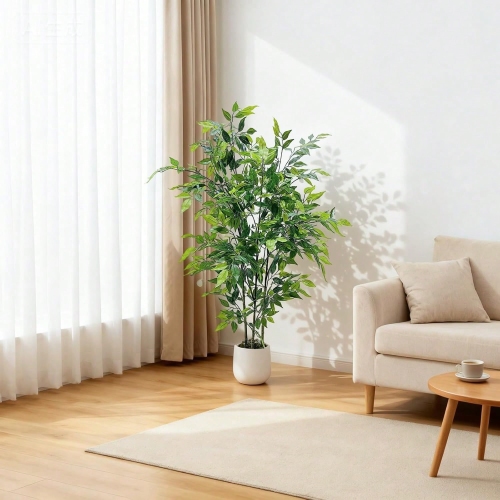
Green indoor plants bring leafy colour, shape, and texture to living rooms, bedrooms, home offices, and other spaces where a touch of greenery feels at home. Their appeal comes as much from their form as their colour: upright leaves create a clean silhouette beside a sofa, broad foliage softens the lines of a bookcase, and trailing stems add movement along an open shelf. The best fit for a room depends on the light, the space available, and how much regular care suits the household. Easy-care indoor plants generally tolerate some variation in watering or light, but low maintenance does not mean no maintenance, and low-light tolerance does not mean a plant can live without light. For living greenery, a position with suitable daylight matters more than whether a pot looks perfect in an empty corner. Bright, indirect light describes a spot that receives plenty of daylight without prolonged direct sun on the leaves; a sheer curtain can help soften strong exposure. A location farther from a window may suit shade-tolerant foliage, although growth can be slower there. Plant size also changes how greenery works within a room. A compact plant can sit comfortably on a desk without crowding a keyboard, while a fuller floor plant needs room for its leaves as well as its container. Mature height and spread are useful considerations because living plants can outgrow the proportions they have when first brought home. In a narrow hallway, a slender shape helps keep the walking path clear; above a reading chair, cascading stems need enough clearance to stay out of the way. Different shades of green can create a layered look without relying on flowers, from deep, glossy leaves to lighter, finely textured foliage. A single generous plant can act as a focal point, while a small grouping offers contrast through leaf shape and height. Either approach can make greenery feel like part of the room rather than an afterthought.
Materials and construction matter alongside the foliage, particularly when green indoor plants are placed on wood furniture, carpet, or shelving. A container with drainage holes allows excess water to escape, while a saucer or watertight outer pot helps protect the surface underneath. An outer pot without drainage works differently from a growing pot: water collected inside it needs to be emptied rather than left around the roots. Unglazed terracotta is porous and tends to let potting mix dry faster, while glazed ceramic and plastic generally hold moisture longer under similar conditions. Ceramic can provide useful weight for a taller plant, but its weight also matters when choosing a stand or shelf. Lightweight containers are easier to move for cleaning or watering, though a top-heavy plant still needs a stable base. Container size should suit the root system rather than simply fill a larger space, since excess potting mix can stay wet longer than the plant needs. Care requirements vary by plant type, so a fixed weekly watering schedule is less useful than checking the potting mix and following the plant’s particular needs. Leaves, stems, and roots all respond to growing conditions; yellowing foliage, for example, can have several causes and does not automatically call for more water. During the cooler months, shorter daylight hours may slow growth, while indoor heating can dry the air. A position away from heating vents, fireplaces, and cold draughts helps avoid abrupt changes around the foliage. Leaves also collect household dust, especially on broad, flat surfaces. Gentle cleaning with a soft, damp cloth can keep them looking fresh, provided the leaf type tolerates wiping. For households that prefer greenery without watering or growth, artificial indoor plants offer a different kind of practicality. Their long-term appearance depends on sturdy stems, secure leaf attachments, and materials suited to their placement. They still need dusting, and prolonged direct sunlight may fade materials that are not designed to resist it.
Intended use helps narrow the choice between a small accent, a substantial floor plant, and a trailing arrangement. In a home office, greenery can add visual interest beside a monitor without taking over the work surface, provided leaves do not block the screen or brush against equipment. In a shared living space, a stable container and a position clear of doorways make a larger plant easier to live with. Bedrooms may suit compact foliage on a dresser, while bathrooms only suit living plants when there is enough light and the temperature and moisture levels match their needs. Humidity alone cannot make up for a windowless room. Homes with children or pets call for particular attention to plant identity and placement. Some indoor foliage plants can be harmful if chewed or swallowed, and a high shelf is not always out of reach for a climbing cat. Confirming the exact plant’s suitability through a reliable source is more useful than assuming that all houseplants are safe. Heavy pots, accessible potting mix, and long trailing stems also deserve consideration in busy households. For someone new to plant care, a manageable size and forgiving care requirements can be more enjoyable than a large arrangement with demanding needs. Green indoor plants can also make thoughtful housewarming or thank-you gifts when matched to the recipient’s space and routine. Someone who travels often may appreciate an option that tolerates longer gaps between watering, while a keen plant keeper may enjoy watching fresh leaves unfold and adjusting care as the plant grows. A gift feels more considered when its light requirements and expected size suit the home it is going into. Where a leafy look extends beyond the interior, Green Outdoor Plants offers a related theme for patios, balconies, and other open-air spaces, where exposure and temperature require different consideration. Indoors, the most comfortable arrangement balances appearance with everyday practicalities: enough room to walk past, a surface protected from moisture, and access that makes routine care straightforward. Those details help greenery settle naturally into a home, whether it fills a sunny corner or adds a modest touch of colour beside a favourite chair.
Materials and construction matter alongside the foliage, particularly when green indoor plants are placed on wood furniture, carpet, or shelving. A container with drainage holes allows excess water to escape, while a saucer or watertight outer pot helps protect the surface underneath. An outer pot without drainage works differently from a growing pot: water collected inside it needs to be emptied rather than left around the roots. Unglazed terracotta is porous and tends to let potting mix dry faster, while glazed ceramic and plastic generally hold moisture longer under similar conditions. Ceramic can provide useful weight for a taller plant, but its weight also matters when choosing a stand or shelf. Lightweight containers are easier to move for cleaning or watering, though a top-heavy plant still needs a stable base. Container size should suit the root system rather than simply fill a larger space, since excess potting mix can stay wet longer than the plant needs. Care requirements vary by plant type, so a fixed weekly watering schedule is less useful than checking the potting mix and following the plant’s particular needs. Leaves, stems, and roots all respond to growing conditions; yellowing foliage, for example, can have several causes and does not automatically call for more water. During the cooler months, shorter daylight hours may slow growth, while indoor heating can dry the air. A position away from heating vents, fireplaces, and cold draughts helps avoid abrupt changes around the foliage. Leaves also collect household dust, especially on broad, flat surfaces. Gentle cleaning with a soft, damp cloth can keep them looking fresh, provided the leaf type tolerates wiping. For households that prefer greenery without watering or growth, artificial indoor plants offer a different kind of practicality. Their long-term appearance depends on sturdy stems, secure leaf attachments, and materials suited to their placement. They still need dusting, and prolonged direct sunlight may fade materials that are not designed to resist it.
Intended use helps narrow the choice between a small accent, a substantial floor plant, and a trailing arrangement. In a home office, greenery can add visual interest beside a monitor without taking over the work surface, provided leaves do not block the screen or brush against equipment. In a shared living space, a stable container and a position clear of doorways make a larger plant easier to live with. Bedrooms may suit compact foliage on a dresser, while bathrooms only suit living plants when there is enough light and the temperature and moisture levels match their needs. Humidity alone cannot make up for a windowless room. Homes with children or pets call for particular attention to plant identity and placement. Some indoor foliage plants can be harmful if chewed or swallowed, and a high shelf is not always out of reach for a climbing cat. Confirming the exact plant’s suitability through a reliable source is more useful than assuming that all houseplants are safe. Heavy pots, accessible potting mix, and long trailing stems also deserve consideration in busy households. For someone new to plant care, a manageable size and forgiving care requirements can be more enjoyable than a large arrangement with demanding needs. Green indoor plants can also make thoughtful housewarming or thank-you gifts when matched to the recipient’s space and routine. Someone who travels often may appreciate an option that tolerates longer gaps between watering, while a keen plant keeper may enjoy watching fresh leaves unfold and adjusting care as the plant grows. A gift feels more considered when its light requirements and expected size suit the home it is going into. Where a leafy look extends beyond the interior, Green Outdoor Plants offers a related theme for patios, balconies, and other open-air spaces, where exposure and temperature require different consideration. Indoors, the most comfortable arrangement balances appearance with everyday practicalities: enough room to walk past, a surface protected from moisture, and access that makes routine care straightforward. Those details help greenery settle naturally into a home, whether it fills a sunny corner or adds a modest touch of colour beside a favourite chair.
Top selling and popular products
-
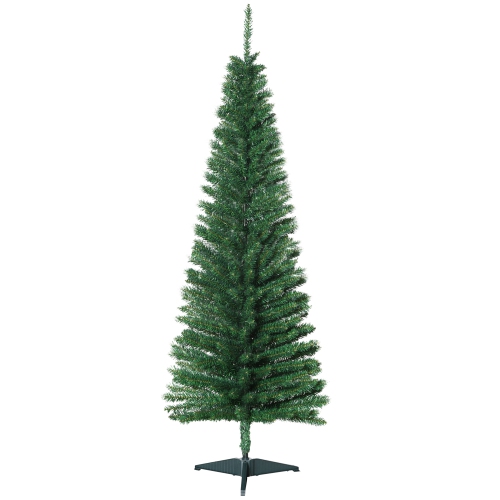 Your price for this item is $49.99
 -
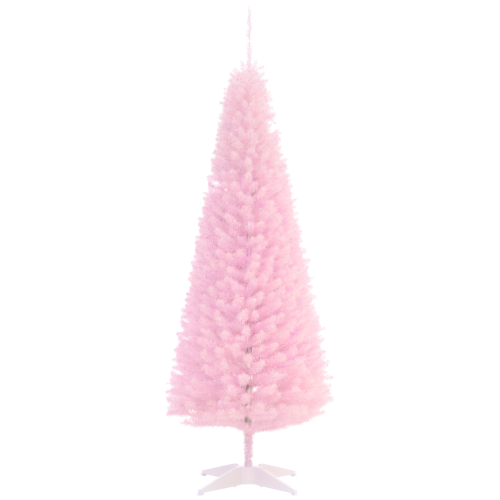 Your price for this item is $44.99
 -
 Your price for this item is $54.99
 -
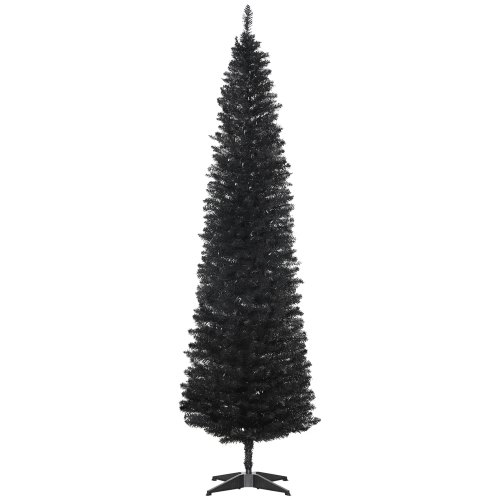 Your price for this item is $79
 -
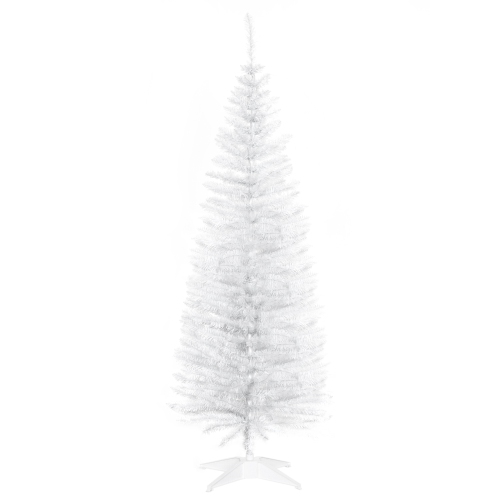 Your price for this item is $49.99
 -
 Your price for this item is $137.99
 -
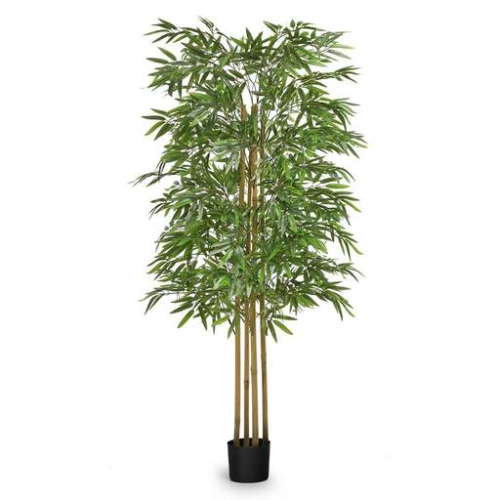 Your price for this item is $135.99
 -
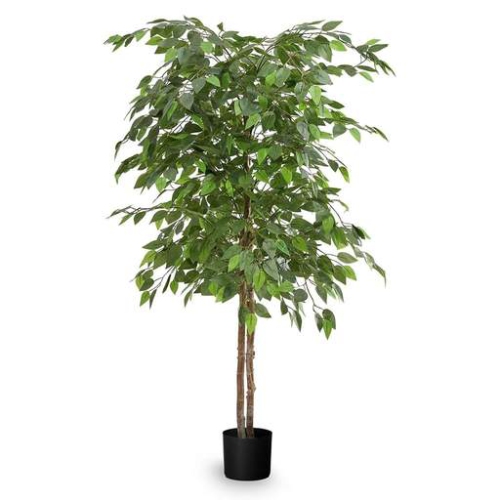 Your price for this item is $114.99
Discover more categories related to Green Indoor Plants
Top Collections:
Pokemon Centers, Kindle Devices, Best Budget Office Chairs, Apple iPhones 16, Best Laptops for Writers, iPhone 15 Apple, Canon G7X Cameras, Refurbished Apple Laptops, Alarm Clock, Motorola Razr Phones
Some products may be subject to Environmental Handling Fees
(EHF) depending on your province.
Learn more about EHFs.