Greenworks Cordless Lawn Mowers
If you're looking for a convenient and eco-friendly way to maintain your lawn, this selection of cordless lawn mowers offers the perfect solution for hassle-free yard work. Say goodbye to tangled cords and noisy gas engines with these efficient and easy-to-use mowers. Enjoy the freedom of movement as you effortlessly maneuver around your yard, cutting grass with precision and without almost any emissions.
Sort
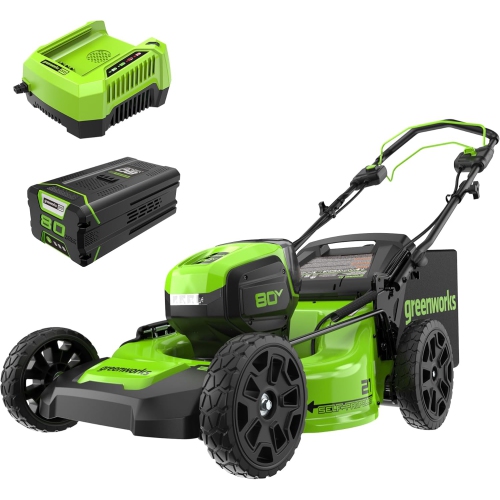
![GREENWORKS 80V 21" Brushless Cordless Push Lawn Mower, (2)2.0 Ah Batteries And Charger Included [75+ Compatible Tools]](https://multimedia.bbycastatic.ca/multimedia/products/500x500/171/17113/17113244.png)
![GREENWORKS 80V 21" Brushless Cordless Self-Propelled Lawn Mower, 4.0Ah Battery And Charger Included [75+ Compatible Tools] Love this mower! It is quiet and very easy to use](https://multimedia.bbycastatic.ca/multimedia/products/500x500/171/17113/17113245.png)
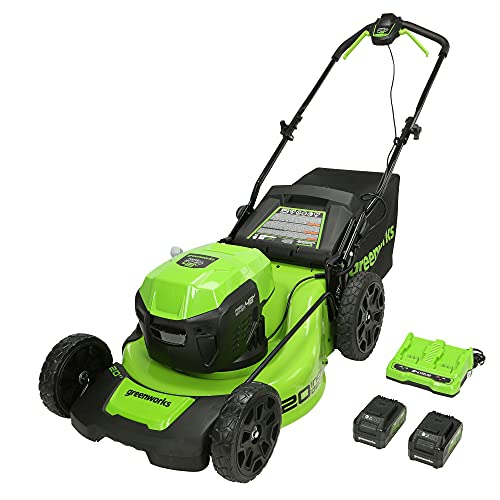
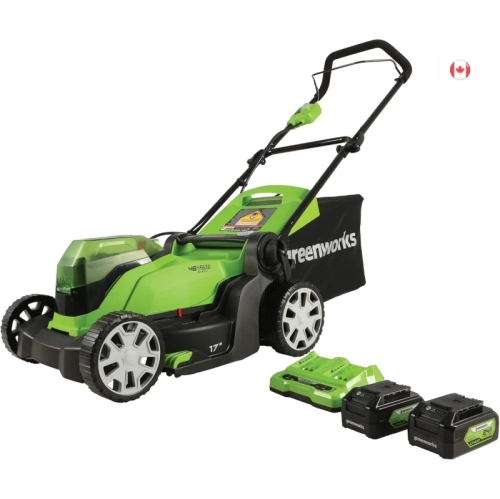
![GREENWORKS 48V (24V X 2) Cordless Push Lawn Mower, (2) 4Ah USB Batteries And Dual Port Charger Included [200+ Compatible Tools] I love it, it's the best investment](https://multimedia.bbycastatic.ca/multimedia/products/500x500/160/16033/16033248.webp)
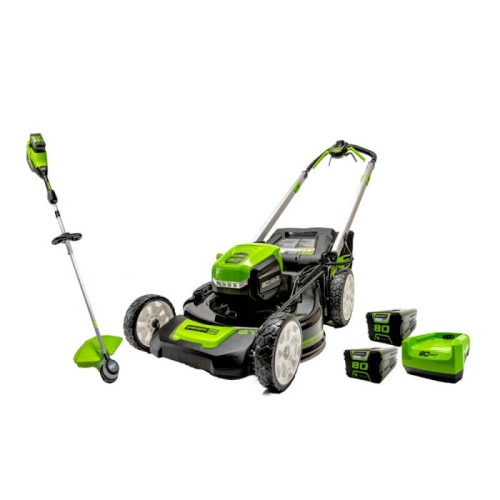
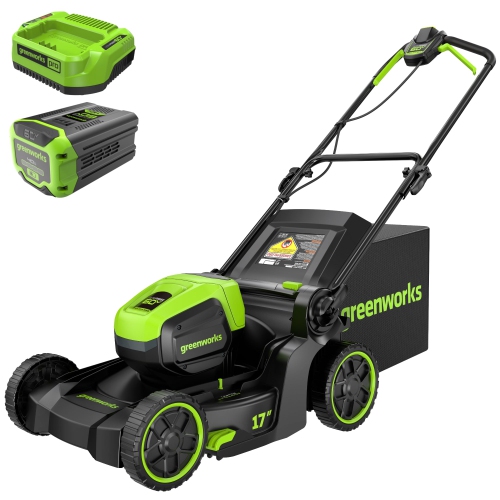
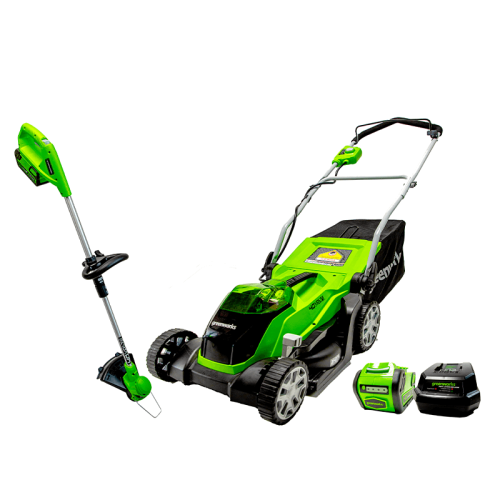
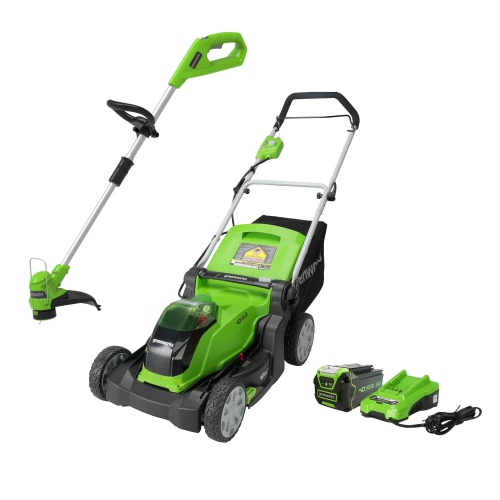
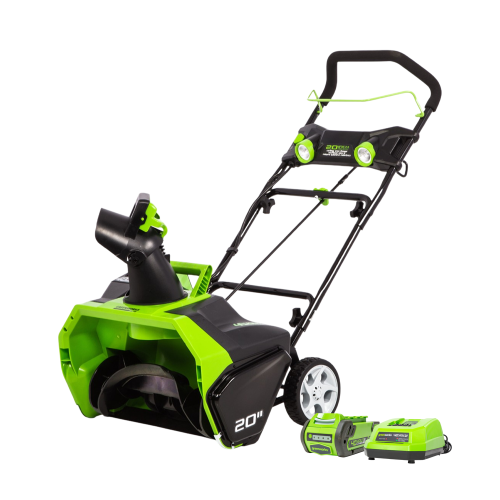
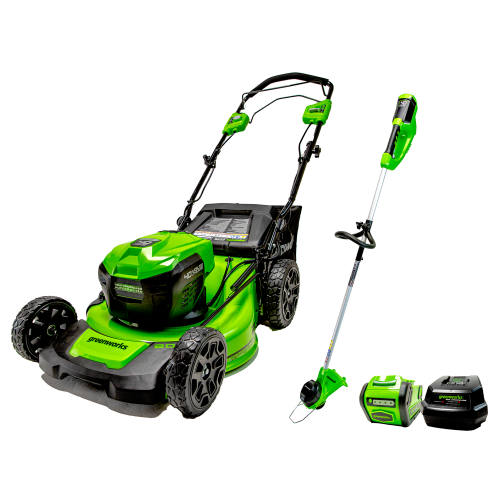
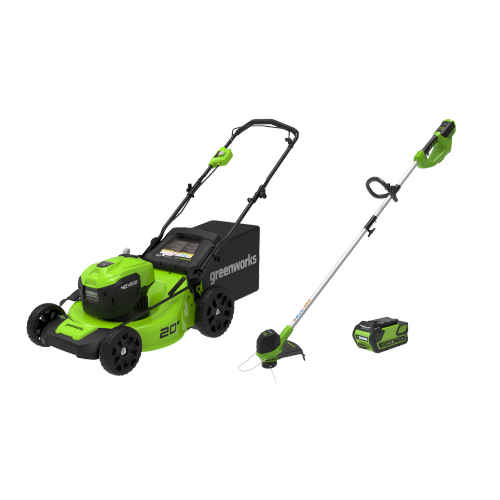
![GREENWORKS 40V 20" Brushless Cordless Push Lawn Mower, 4.0 Ah Battery And Charger Included [75+ Compatible Tools] Love my lawnmower](https://multimedia.bbycastatic.ca/multimedia/products/500x500/192/19277/19277561.jpeg)
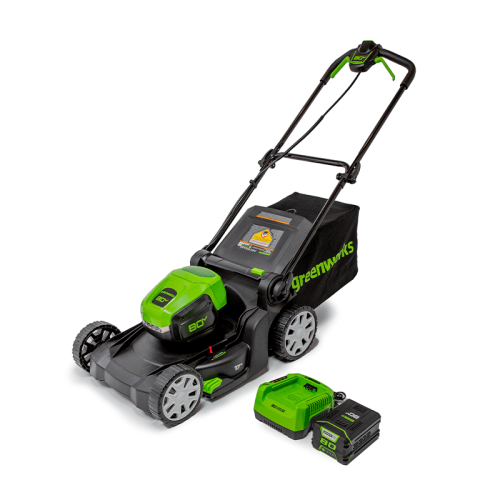
![GREENWORKS 40V 16" Cordless Push Lawn Mower, 4.0 Ah Battery And Charger Included [75+ Compatible Tools] Great](https://multimedia.bbycastatic.ca/multimedia/products/500x500/192/19277/19277565.jpeg)
![GREENWORKS 40V 14" Cordless Push Lawn Mower, 4.0 Ah Battery And Charger Included [75+ Compatible Tools] Great product](https://multimedia.bbycastatic.ca/multimedia/products/500x500/192/19277/19277568.png)
![GREENWORKS 40V 20" Brushless Cordless Self-Propelled Lawn Mower, 5.0 Ah Battery And Charger Included [75+ Compatible Tools]](https://multimedia.bbycastatic.ca/multimedia/products/500x500/192/19277/19277562.png)
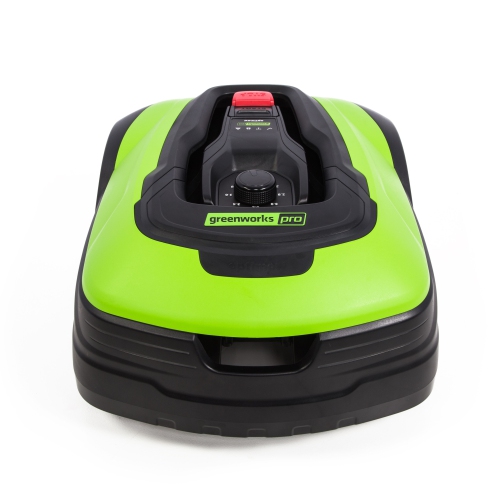
Why battery runtime depends on more than lawn size
Cordless lawn mowers bring rechargeable battery power to routine lawn care, with no trailing extension cord to work around as the mower moves between garden beds, fence lines, and open grass. They suit homeowners who want straightforward starting and a mowing setup that does not require petrol, engine oil changes, or a pull cord. The practical differences within this category come down to cutting width, battery capacity, drive system, and how the mower handles clippings. A compact push mower can be a comfortable fit for a small, level yard with narrow access beside the house, while a wider self-propelled design may better suit a larger lawn or longer stretches of uninterrupted grass. Self-propulsion helps move the mower forward, reducing the effort needed to push it, although slopes still need to stay within the limits specified in the operating manual. Battery voltage identifies the power platform, while amp-hours describe battery capacity; neither figure alone tells the whole story of cutting performance or how much lawn a charge will cover. Runtime also depends on grass height and density, the selected cutting height, terrain, and whether the drive system is engaged. A lawn that needs only a light trim places different demands on a battery than thick grass that has grown well beyond its usual height. Battery watt-hours, where provided, offer another useful measure of stored energy, but stated runtime remains tied to test conditions rather than a guarantee for every yard. Battery compatibility matters just as much as capacity: packs and chargers need to be explicitly approved for the mower’s platform, even when equipment comes from the same manufacturer. Across the wider selection of Cordless Lawn Mowers, differences in battery configuration, charging time, and included accessories can shape how easily a mower fits into an established lawn-care routine. For a property with separate front and back lawns, having enough battery capacity for both areas can be more useful than focusing on a headline runtime alone.
Deck size and construction influence both the feel of a cordless mower and the spaces it can reach comfortably. A narrower cutting path generally means more passes across an open lawn, but it can make manoeuvring through a small gate or around a curved flower bed less awkward. A wider deck covers more grass on each straight run, though its overall dimensions and turning space deserve attention where paths, raised beds, and storage doors are tight. Steel decks offer a sturdy structure but need attention to damaged finishes and trapped moisture that can lead to rust. Polymer decks do not rust and can help keep weight down, although resistance to impact depends on their construction and they still need protection from stones and other debris. Neither material removes the need to clear the lawn before mowing. Handle height, grip shape, wheel design, and the placement of controls also affect comfort, particularly when several people share the task. Adjustable handles can help users maintain a more natural posture, while variable-speed self-propulsion, where fitted, allows the walking pace to be matched more closely to the operator. Cutting-height adjustment supports different grass types and lawn conditions; a single-lever system can simplify changes compared with adjusting each wheel separately. Mulching, rear bagging, and side discharge serve different purposes, and the supported modes vary by mower. Mulching cuts clippings into smaller pieces and returns them to the lawn, working best when the grass is dry and the amount removed is modest. Bagging gathers clippings for a tidier finish, particularly useful beside a patio or walkway where loose grass would otherwise be tracked indoors. The bag’s capacity and how easily it lifts away become noticeable details when it needs emptying several times. Side discharge directs clippings out of the deck rather than collecting them. Cutting no more than roughly one-third of the grass blade at a time generally supports lawn health and reduces the load caused by removing too much growth in a single pass.
Day-to-day convenience depends on more than starting the motor. Push-button starting is common in this category, but the safety controls still need to be operated in the sequence described by the manufacturer. Brushless motors, where fitted, avoid the wear associated with motor brushes and can support efficient power delivery; they do not make the blade, wheels, or deck maintenance-free. Some mowers adjust motor output in response to cutting load, while others offer selectable operating modes. These features can help balance performance and battery use, but dense grass still requires more energy to cut. A sharp, correctly fitted blade helps produce a clean finish instead of leaving ragged grass tips, and blade servicing should follow the mower’s maintenance schedule. Before cleaning, inspecting, or clearing the cutting area, the battery and any removable safety key should be taken out as directed, with all moving parts allowed to stop. Clippings left packed beneath the deck can interfere with cutting and hold moisture against surfaces, so regular clearing with approved tools is part of routine care. Water use requires particular caution around electrical components; a hose or pressure washer is not suitable unless the manufacturer expressly permits that cleaning method. Storage features also make a difference in a busy garage or shed. Folding handles reduce the space needed, and certain designs support upright storage, but that position should only be used when specified for the mower. The folded dimensions are worth considering alongside room for the grass bag, charger, and spare battery. Batteries need a dry storage location within the stated temperature range, away from direct heat and freezing conditions where prohibited. For an extended break from mowing, the manufacturer’s charge-level and inspection instructions take precedence over leaving a pack connected to a charger indefinitely. Access to compatible replacement blades, batteries, and service support contributes to long-term usefulness. A mower that fits the lawn’s layout, the operator’s comfort, and the available storage space is better placed to remain a practical part of regular property care.
Deck size and construction influence both the feel of a cordless mower and the spaces it can reach comfortably. A narrower cutting path generally means more passes across an open lawn, but it can make manoeuvring through a small gate or around a curved flower bed less awkward. A wider deck covers more grass on each straight run, though its overall dimensions and turning space deserve attention where paths, raised beds, and storage doors are tight. Steel decks offer a sturdy structure but need attention to damaged finishes and trapped moisture that can lead to rust. Polymer decks do not rust and can help keep weight down, although resistance to impact depends on their construction and they still need protection from stones and other debris. Neither material removes the need to clear the lawn before mowing. Handle height, grip shape, wheel design, and the placement of controls also affect comfort, particularly when several people share the task. Adjustable handles can help users maintain a more natural posture, while variable-speed self-propulsion, where fitted, allows the walking pace to be matched more closely to the operator. Cutting-height adjustment supports different grass types and lawn conditions; a single-lever system can simplify changes compared with adjusting each wheel separately. Mulching, rear bagging, and side discharge serve different purposes, and the supported modes vary by mower. Mulching cuts clippings into smaller pieces and returns them to the lawn, working best when the grass is dry and the amount removed is modest. Bagging gathers clippings for a tidier finish, particularly useful beside a patio or walkway where loose grass would otherwise be tracked indoors. The bag’s capacity and how easily it lifts away become noticeable details when it needs emptying several times. Side discharge directs clippings out of the deck rather than collecting them. Cutting no more than roughly one-third of the grass blade at a time generally supports lawn health and reduces the load caused by removing too much growth in a single pass.
Day-to-day convenience depends on more than starting the motor. Push-button starting is common in this category, but the safety controls still need to be operated in the sequence described by the manufacturer. Brushless motors, where fitted, avoid the wear associated with motor brushes and can support efficient power delivery; they do not make the blade, wheels, or deck maintenance-free. Some mowers adjust motor output in response to cutting load, while others offer selectable operating modes. These features can help balance performance and battery use, but dense grass still requires more energy to cut. A sharp, correctly fitted blade helps produce a clean finish instead of leaving ragged grass tips, and blade servicing should follow the mower’s maintenance schedule. Before cleaning, inspecting, or clearing the cutting area, the battery and any removable safety key should be taken out as directed, with all moving parts allowed to stop. Clippings left packed beneath the deck can interfere with cutting and hold moisture against surfaces, so regular clearing with approved tools is part of routine care. Water use requires particular caution around electrical components; a hose or pressure washer is not suitable unless the manufacturer expressly permits that cleaning method. Storage features also make a difference in a busy garage or shed. Folding handles reduce the space needed, and certain designs support upright storage, but that position should only be used when specified for the mower. The folded dimensions are worth considering alongside room for the grass bag, charger, and spare battery. Batteries need a dry storage location within the stated temperature range, away from direct heat and freezing conditions where prohibited. For an extended break from mowing, the manufacturer’s charge-level and inspection instructions take precedence over leaving a pack connected to a charger indefinitely. Access to compatible replacement blades, batteries, and service support contributes to long-term usefulness. A mower that fits the lawn’s layout, the operator’s comfort, and the available storage space is better placed to remain a practical part of regular property care.
Top selling and popular products
-
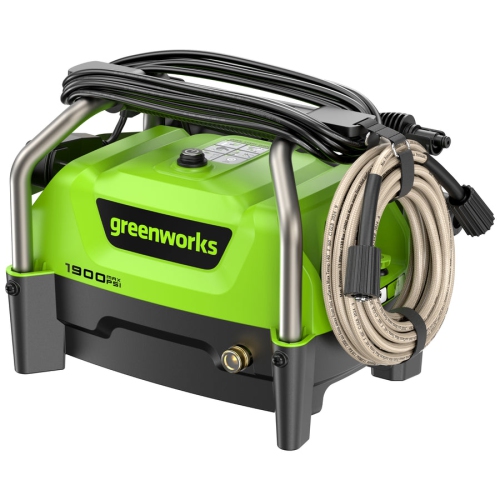 Your price for this item is $169.99
 -
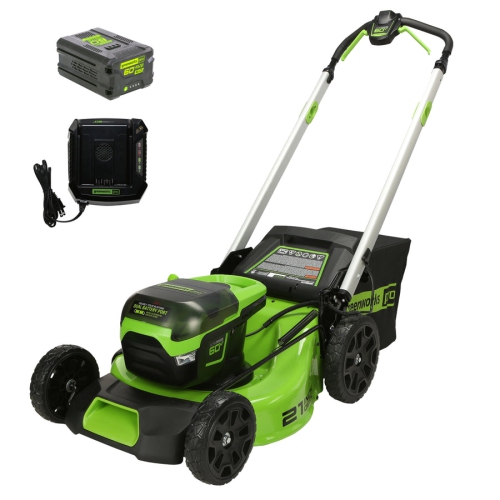 Your price for this item is $554.39
 -
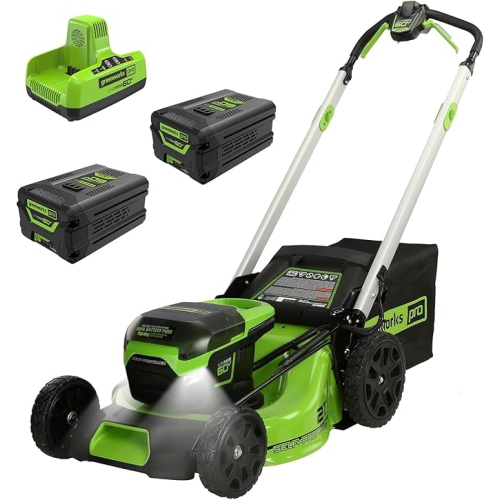 Your price for this item is $879.99
 -
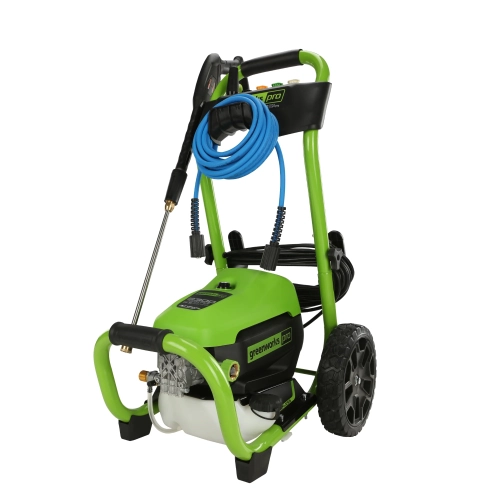 Your price for this item is $439.99
 -
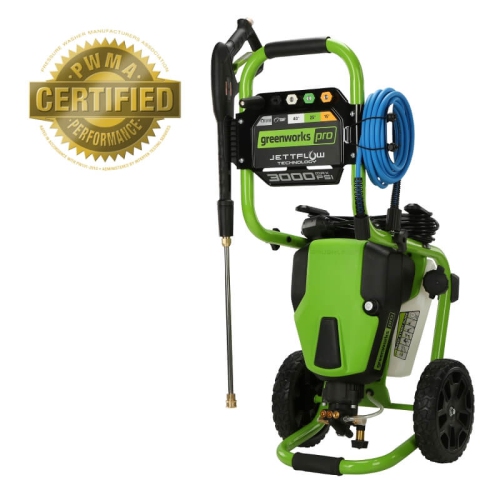 Your price for this item is $499
 -
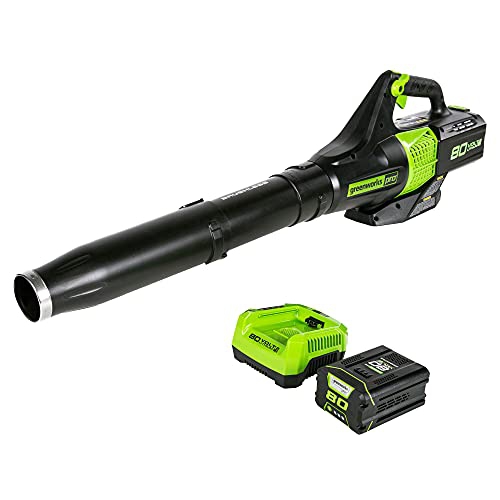 Your price for this item is $255
 -
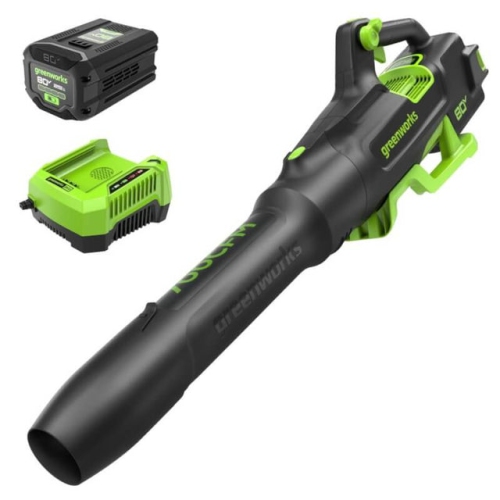 Your price for this item is $272
 -
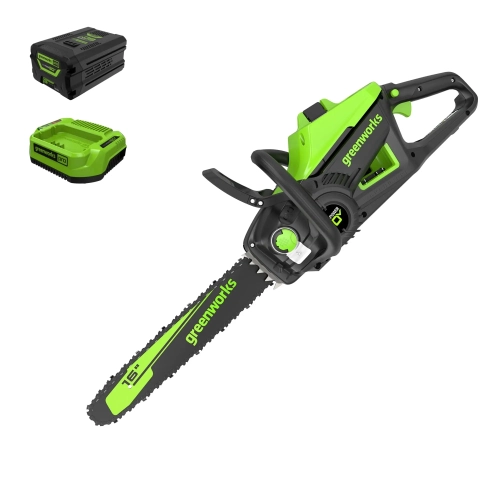 Your price for this item is $329.99
Discover more categories related to Greenworks Cordless Lawn Mowers
Top Collections:
Pokemon Centers, Kindle Devices, Best Budget Office Chairs, Apple iPhones 16, Best Laptops for Writers, iPhone 15 Apple, Canon G7X Cameras, Refurbished Apple Laptops, Alarm Clock, Motorola Razr Phones
Some products may be subject to Environmental Handling Fees
(EHF) depending on your province.
Learn more about EHFs.