Greenworks Leaf Blowers

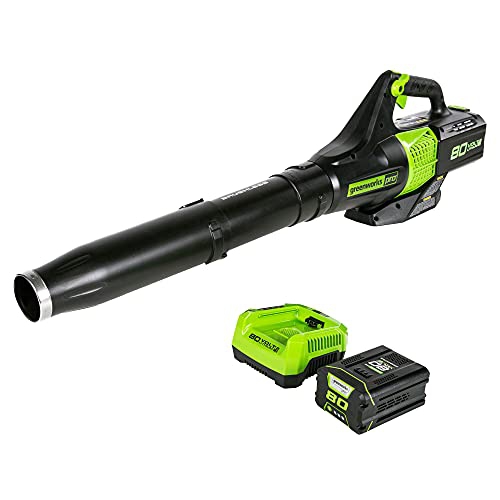
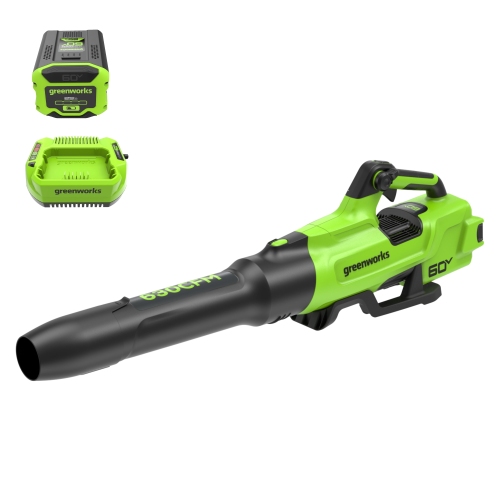
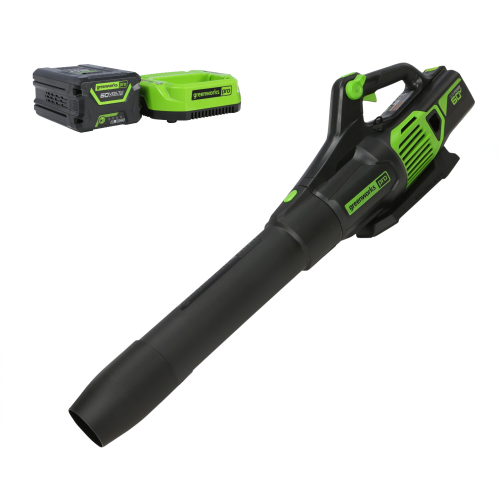
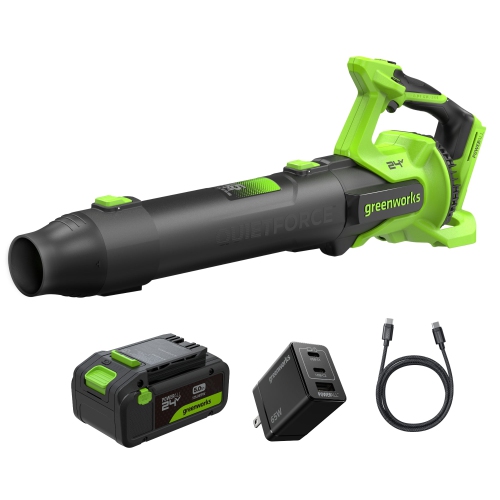
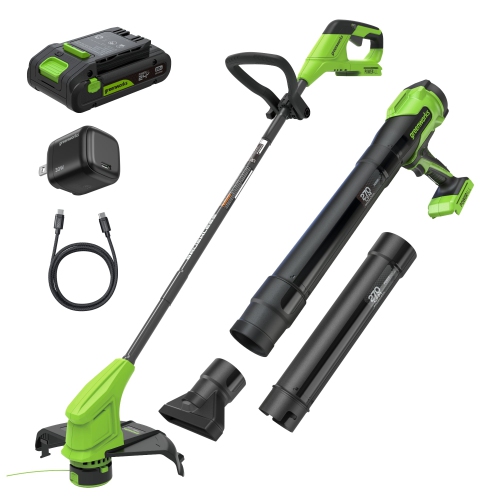
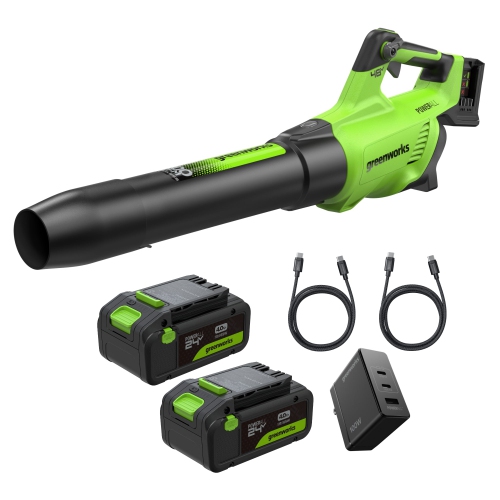
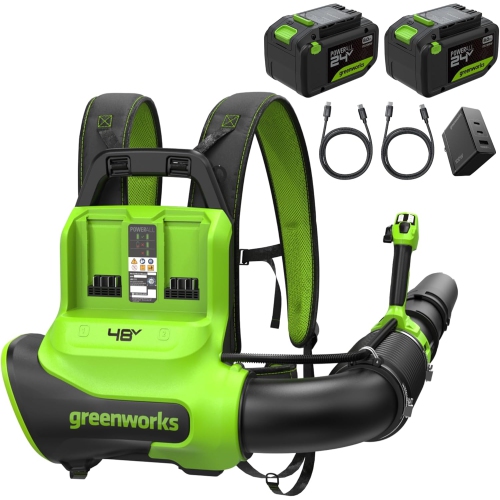
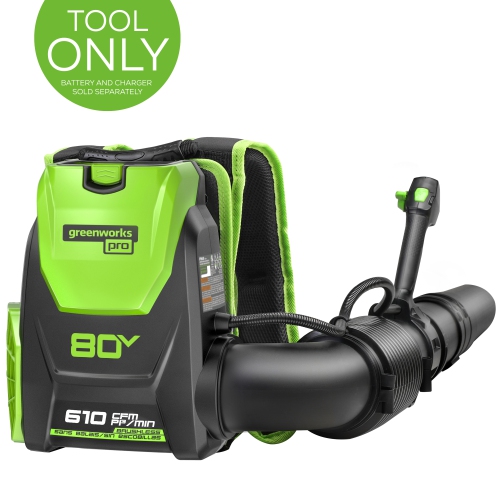
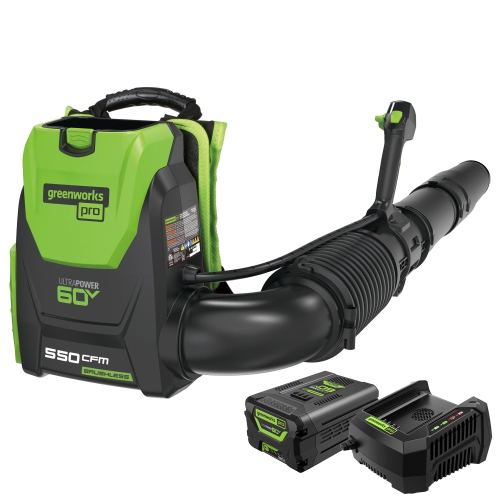
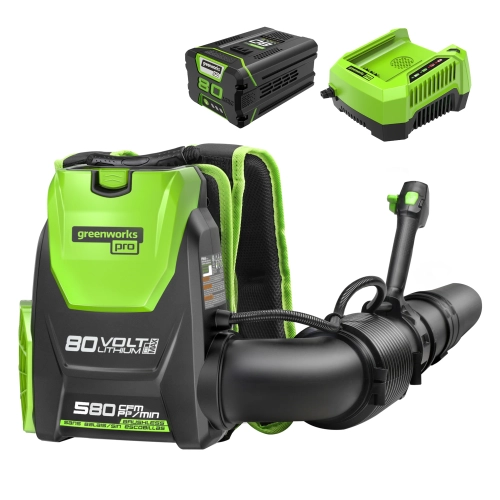
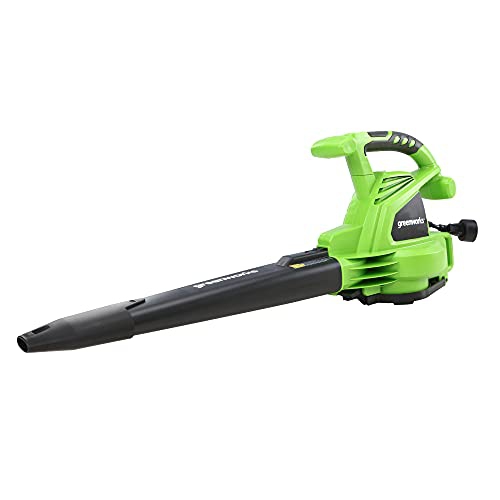
Shop Greenworks leaf blowers to clear leaves and loose debris from your lawn, driveway, and walkways. Compare available models by air speed, airflow, and weight to find a fit for your yard and routine cleanup tasks, and check each listing for power source and included accessories.
Read More

Sort

How airflow and handling shape your yard cleanup

Leaf blowers make it easier to gather scattered leaves, grass clippings, and loose yard debris without raking every stretch of lawn or sweeping each section of a driveway. They are especially useful where debris collects along fence lines, beneath patio furniture, around steps, or in the narrow gap between a garage and a walkway. A controlled stream of air moves dry leaves towards a collection point, helping turn a scattered layer into a manageable pile for bagging or pickup. For smaller properties, a lightweight handheld design can suit quick touch-ups after mowing or clearing a front path. Larger lawns, long driveways, and properties with several mature trees can place greater emphasis on sustained airflow, comfortable handling, and enough operating time to finish a substantial area. Electric designs use either a power cord or a rechargeable battery, with each format offering a different balance of reach and operating convenience. Corded tools draw power from an outlet and can suit work close to the house, provided an appropriately rated outdoor extension cord can reach the area safely. Battery-powered tools allow movement around trees, sheds, and garden beds without trailing a cord, while their operating time depends on the battery, power setting, and workload. The broader selection of Electric Leaf Blowers offers another way to explore these power formats. Air volume and air speed describe different aspects of performance: volume indicates how much air the tool moves, while speed describes how quickly that air travels. A broad flow can help shift a spread of dry leaves across open ground, whereas a more concentrated stream can help loosen debris caught along an edge. Neither figure tells the whole story on its own, since nozzle design, surface conditions, and the weight of the debris also affect results. Damp, flattened leaves generally take more effort to move than a loose layer on a paved path, and heavy or embedded material may still need a rake or broom.

Comfort becomes more noticeable when a cleanup takes longer than a few minutes. The position of the handle, the shape of the grip, and the balance of the tool all influence how naturally the nozzle points towards the ground. Total working weight matters more than the weight of the bare tool alone, particularly with battery-powered designs, since a larger battery can add noticeable weight behind or beneath the handle. A well-balanced setup can reduce the need to hold the wrist at an awkward angle while making repeated passes along a driveway. Grip space is also relevant for people who wear work gloves, as controls should remain easy to reach without constantly changing hand position. Variable-speed control allows gentler airflow near mulch or loose gravel and stronger output across open pavement. A sustained-speed setting, where included, can reduce the need to keep a trigger pressed throughout a longer pass, while a temporary boost function is intended for short bursts rather than necessarily providing the longest operating time. Nozzle shape influences the working pattern too: a wider opening spreads air over a larger area, while a narrower outlet directs it into a more focused stream. Durable moulded housings keep many handheld tools relatively light, but construction details such as secure tube connections, protected controls, and a firm battery latch are important for regular handling and storage. Brushless motors, where fitted, eliminate carbon brushes as a wear component, though overall durability still depends on design, workload, and care. For cordless tools, battery compatibility deserves particular attention. A battery must be explicitly approved for the tool and charger; similar appearance or matching voltage alone does not establish compatibility. Package contents also matter, since a tool-only package differs from one that includes a battery and charger. Higher battery capacity may support longer operation within a compatible system, but it can also affect weight, charging time, and balance. For someone maintaining several separate areas, those practical differences can matter as much as maximum output.

Routine care helps a leaf blower remain ready for repeated use, whether it is clearing autumn leaves or gathering dry clippings after lawn maintenance. Leaves and dust can accumulate around air intakes, so accessible vents and an exterior that is easy to wipe clean are useful features. Cleaning and inspection should take place with the tool switched off and disconnected from its power source, following the manufacturer’s instructions rather than rinsing components that are not designed for water exposure. A loose tube connection, damaged cord, cracked housing, or worn latch deserves attention before the next use. Storage also affects convenience and durability: a dry, secure space protects the tool from unnecessary moisture, while a removable blower tube can make it easier to fit on a shelf or in a suitable storage area. Batteries and chargers need storage and charging conditions within the limits specified by their manufacturer, rather than being left wherever the tool was last used. During operation, eye protection, sturdy footwear, and hearing protection appropriate to the tool help support safer yard work. Keeping the nozzle directed away from people, pets, vehicles, and windows is important because even a small stone can become airborne. On a gravel border, lower airflow and a shallow working angle can offer more control than directing a strong blast straight down; around delicate planting, a rake or hand collection may be the better choice. Working towards a defined collection area, rather than repeatedly pushing leaves from one side of the yard to the other, keeps cleanup more orderly. Nearby residents and local noise rules are worth considering even with electric equipment, since moving air and motors still produce sound. These tools suit homeowners who maintain lawns, patios, and driveways, as well as people responsible for keeping shared outdoor paths tidy where powered equipment is permitted. As a practical gift for someone who enjoys caring for their property, the best fit depends on their grip comfort, storage space, typical cleanup area, and any compatible equipment they already own. Those everyday details help distinguish a tool suited to occasional doorstep clearing from one intended for longer sessions across a larger yard.
Read More

FAQ

Some products may be subject to Environmental Handling Fees (EHF) depending on your province. Learn more about EHFs.