Grey Chaise Lounge
Create the perfect spot for relaxation and style with grey chaise lounge. These versatile pieces of furniture add a touch of elegance to almost any living space while providing the ultimate comfort for lounging, reading, or simply unwinding after a long day. These sleek and sophisticated designs, coupled with the plush cushioning and ergonomic support, make the grey chaise lounge an ideal addition to your home decor. Here are some great options available.
Sort
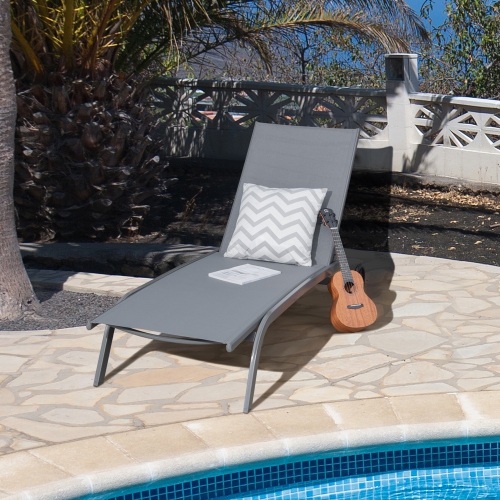

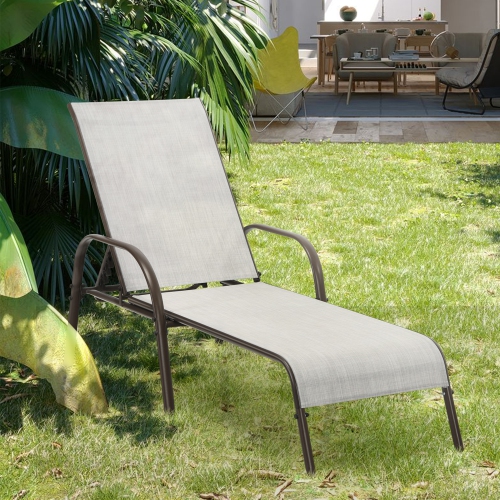

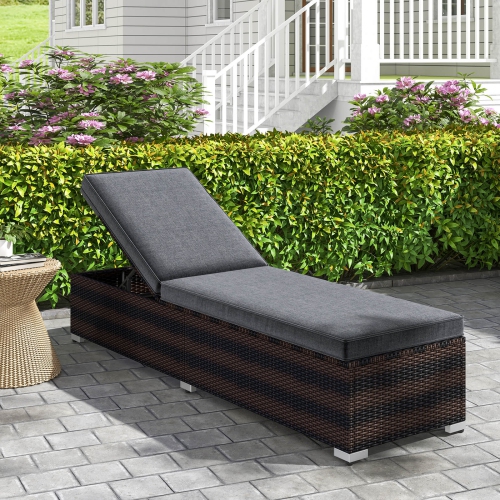
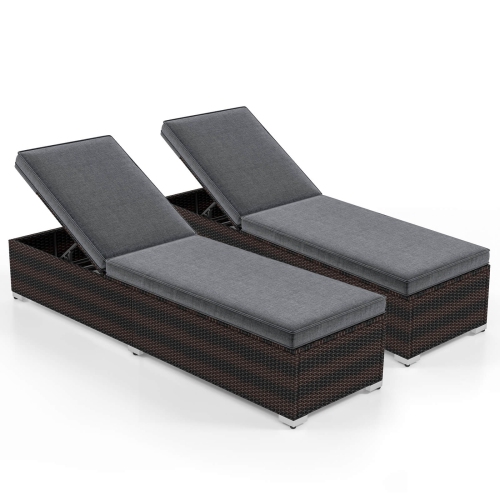
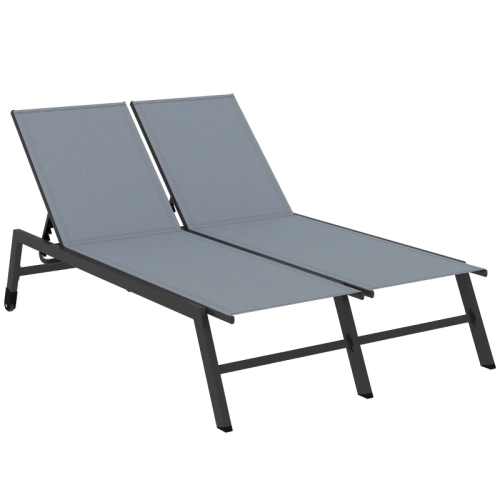
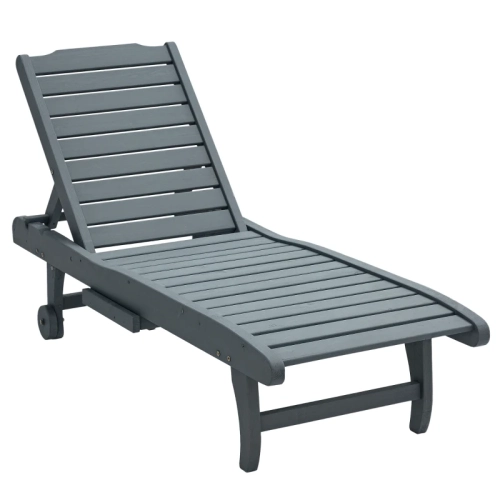
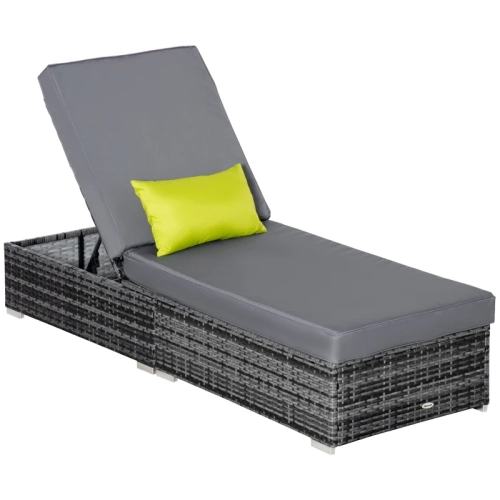
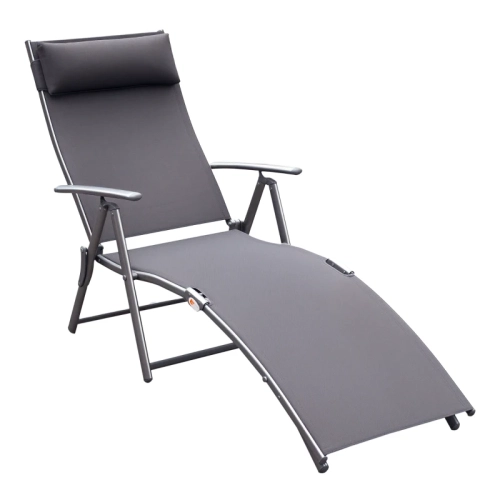
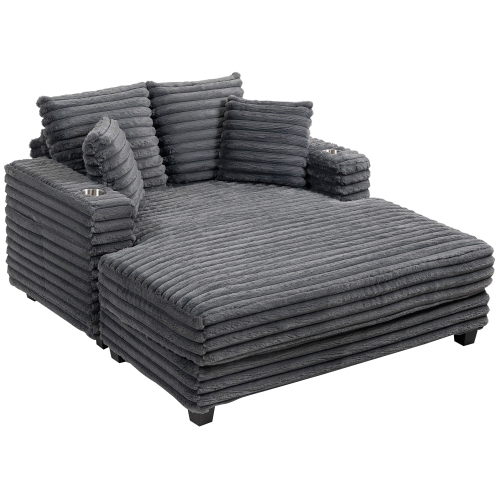
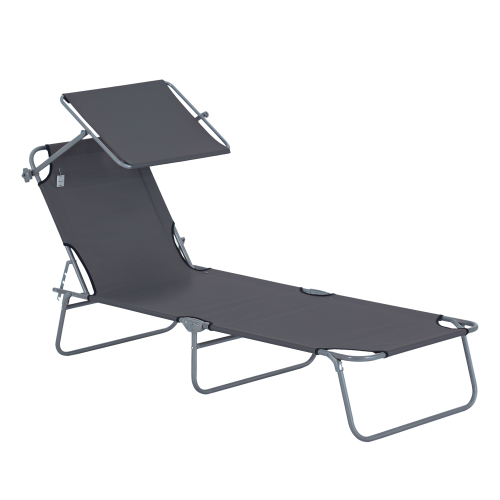
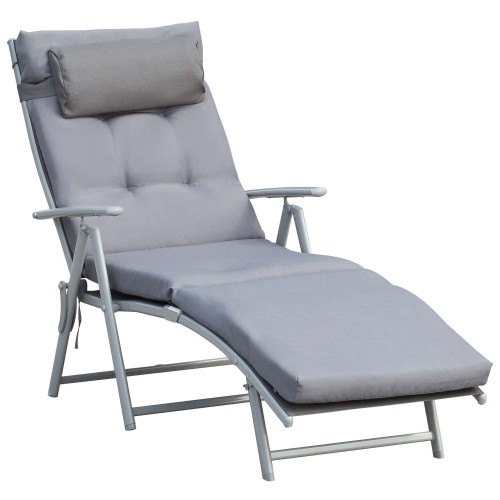
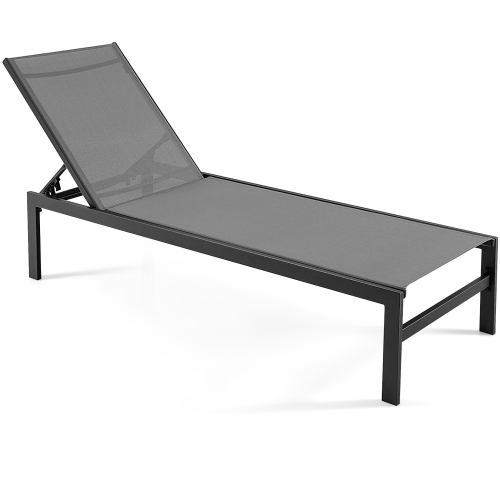
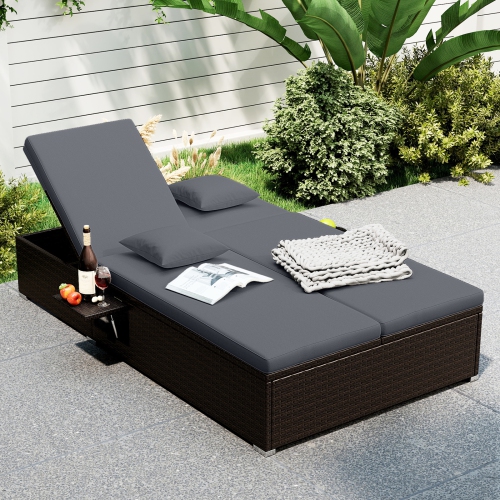
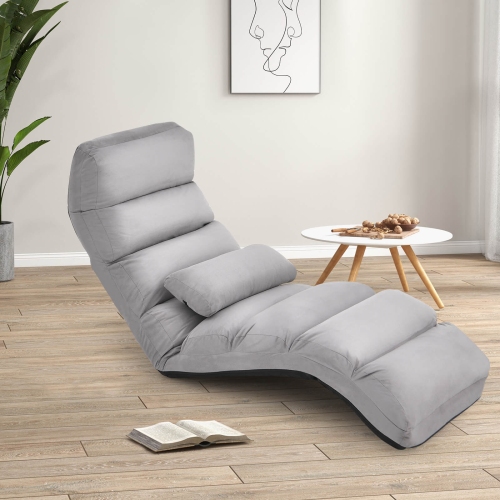

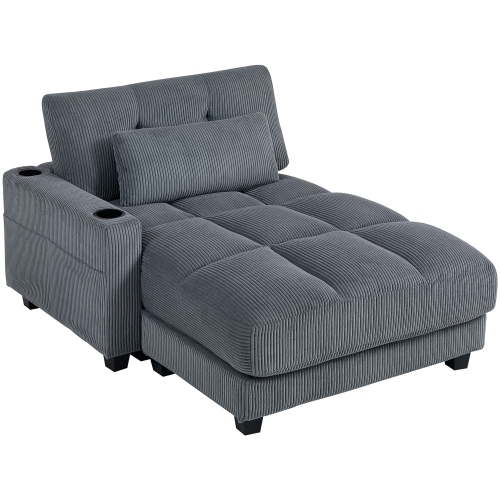
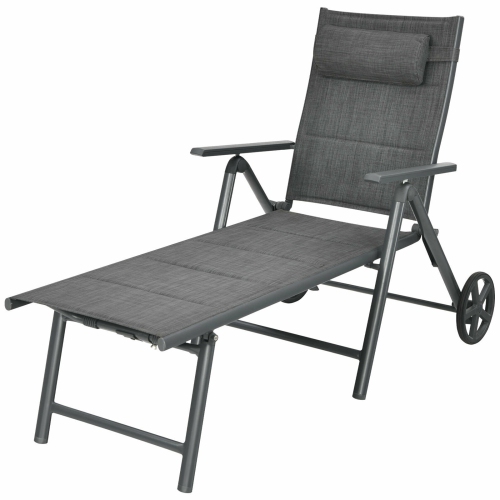
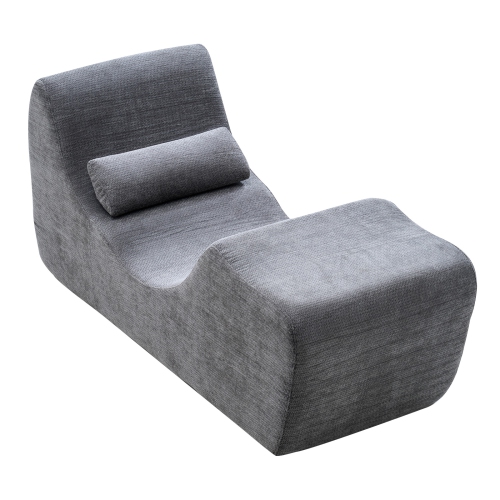
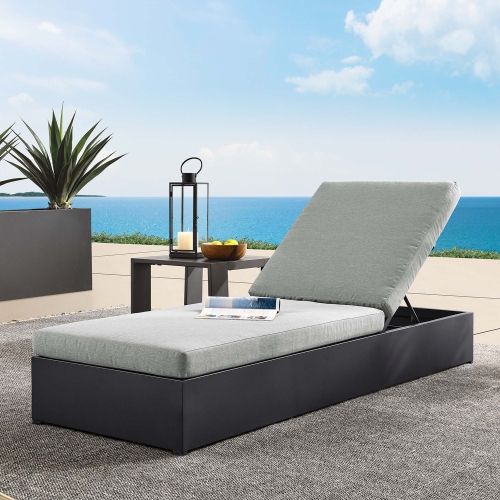
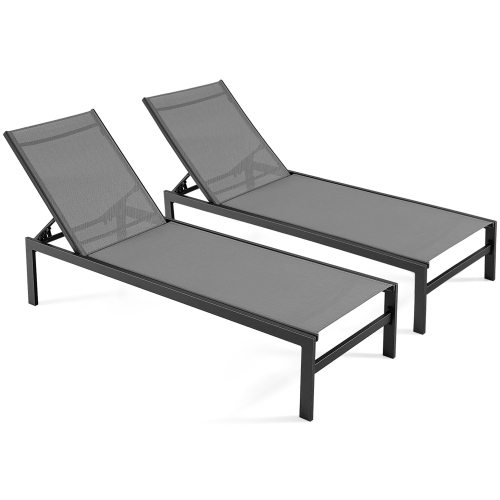
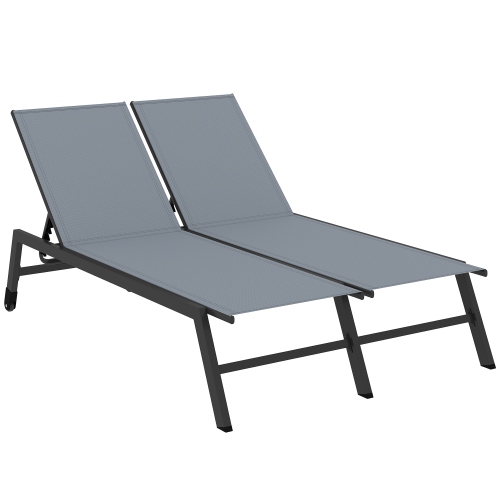
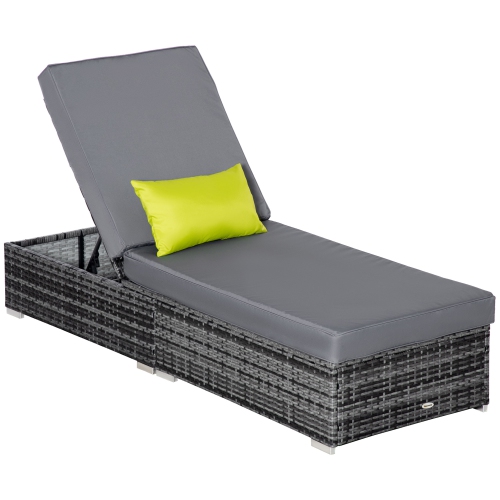

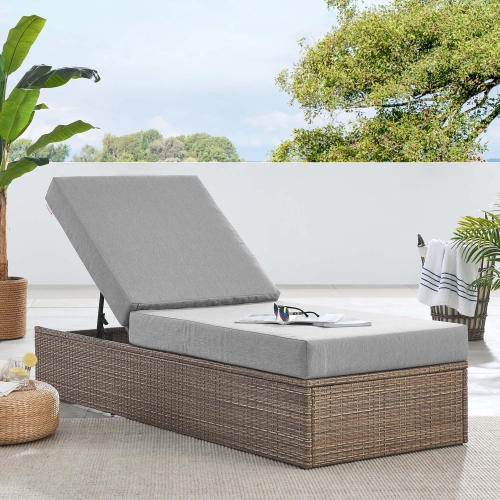
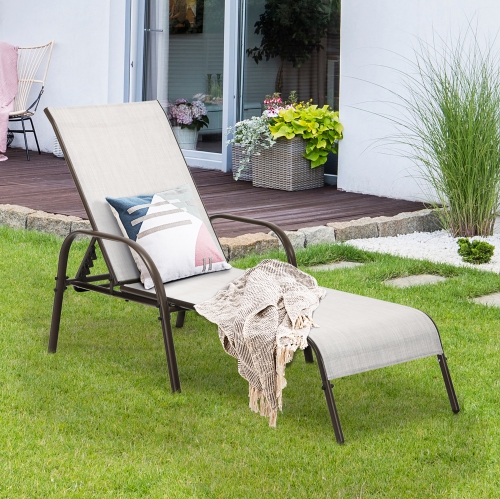
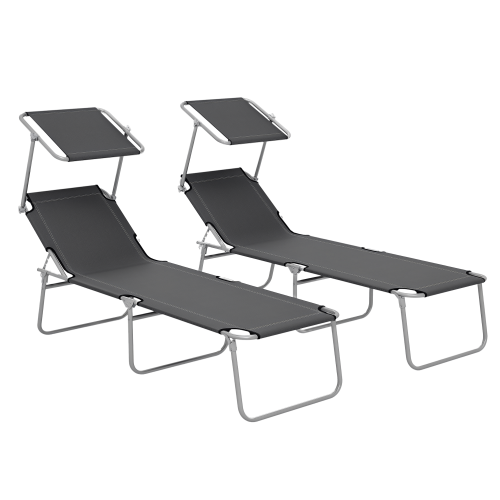
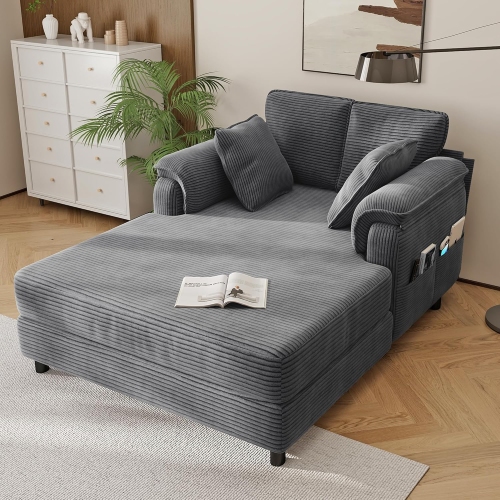
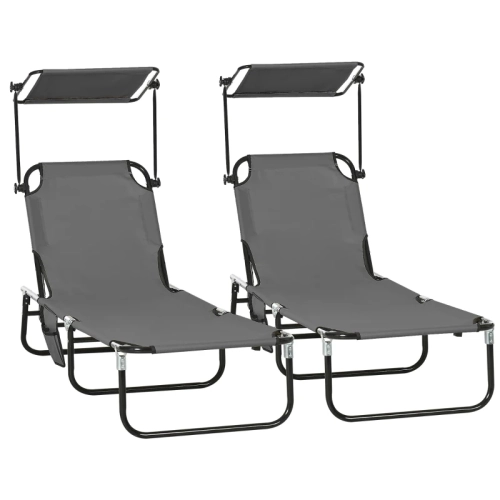
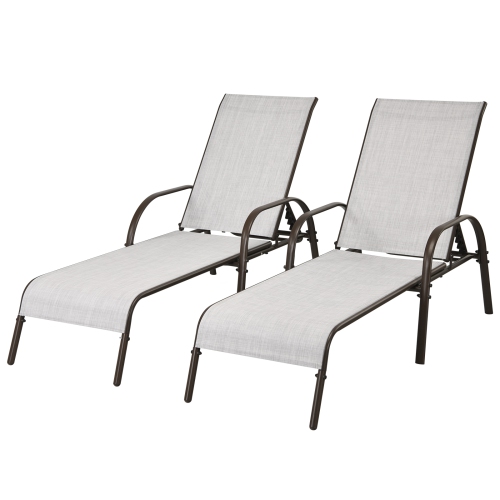
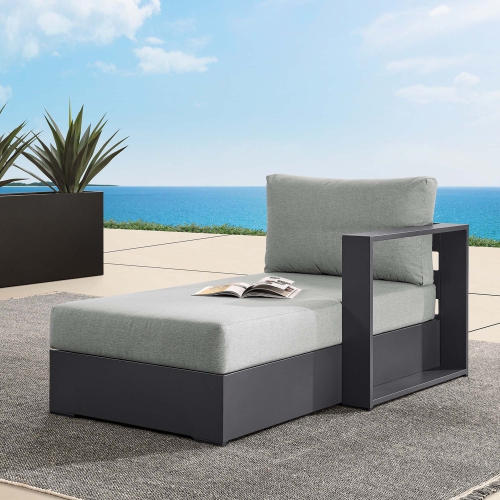
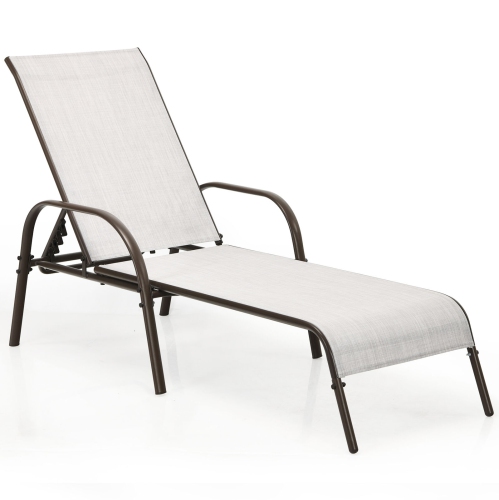
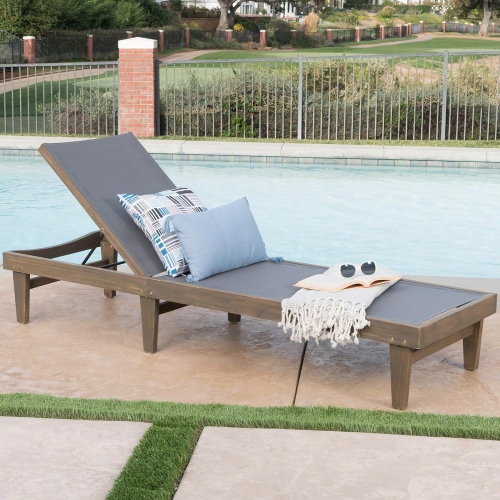
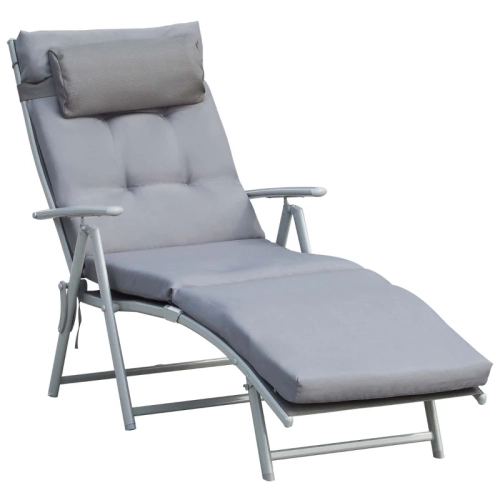
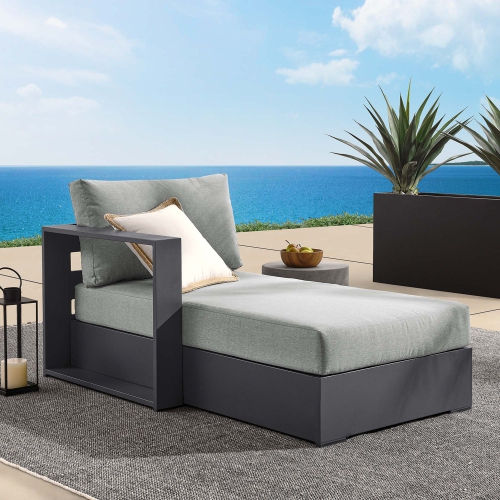
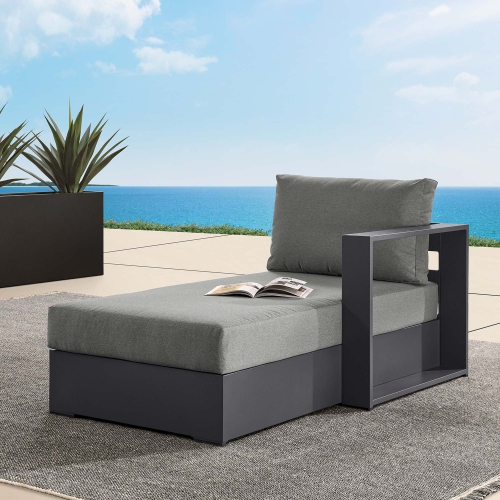
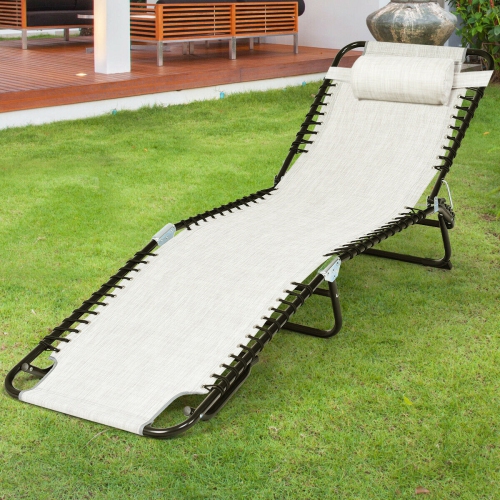
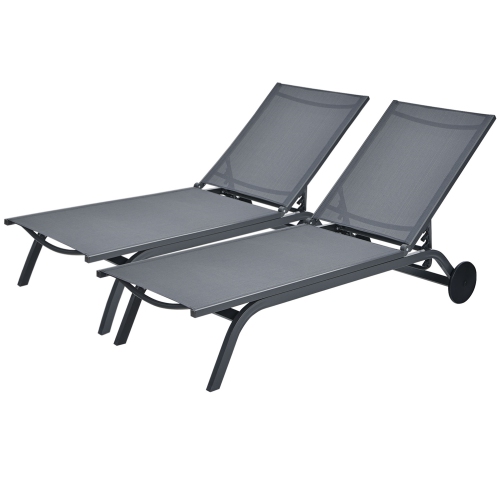
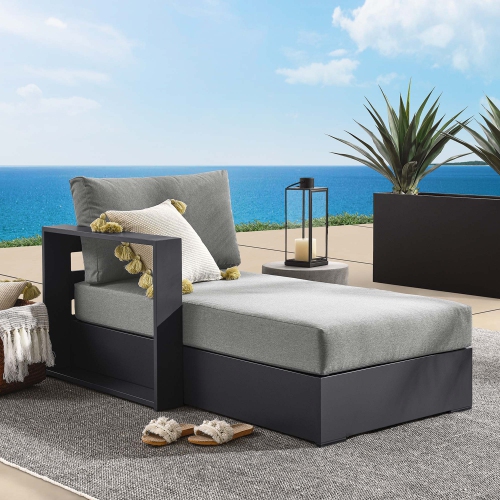
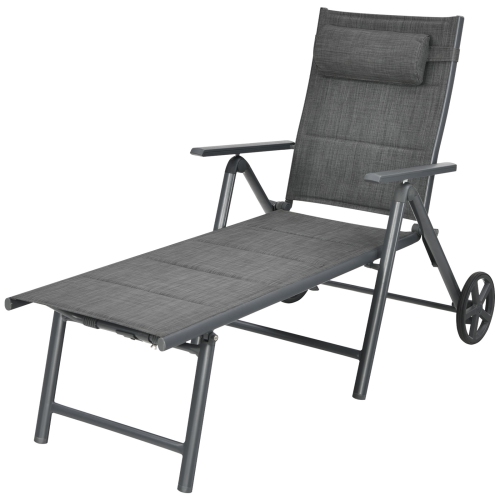

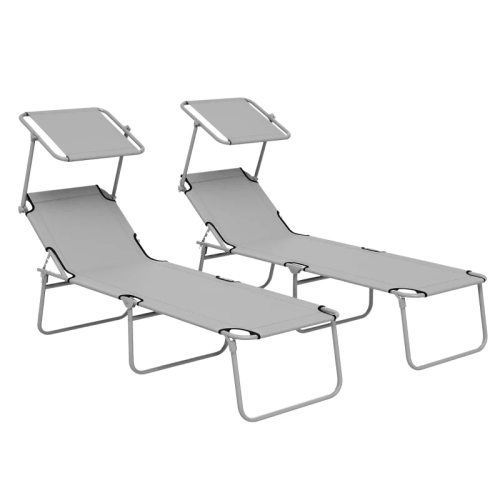
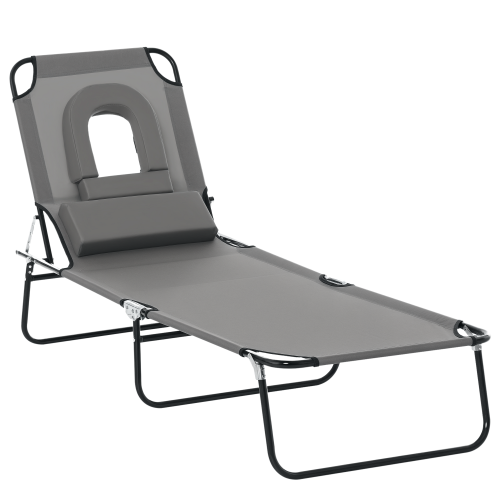
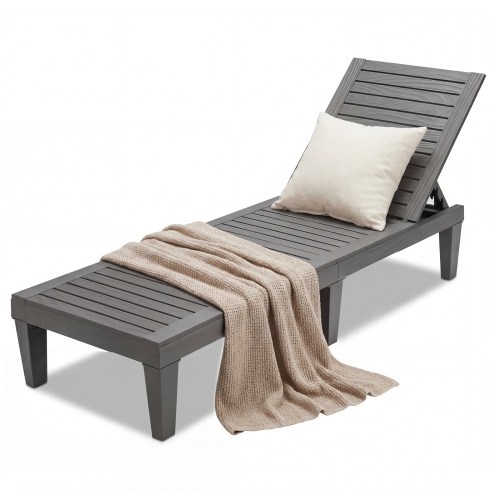
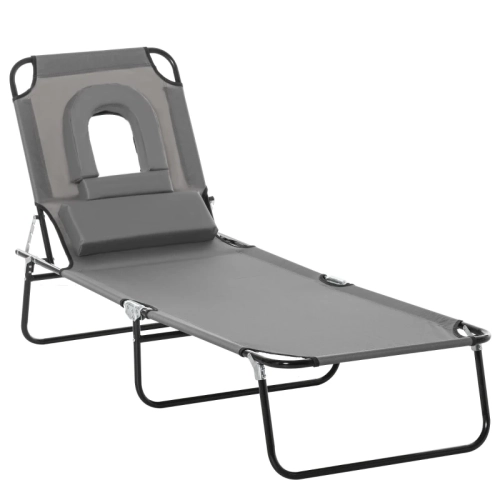
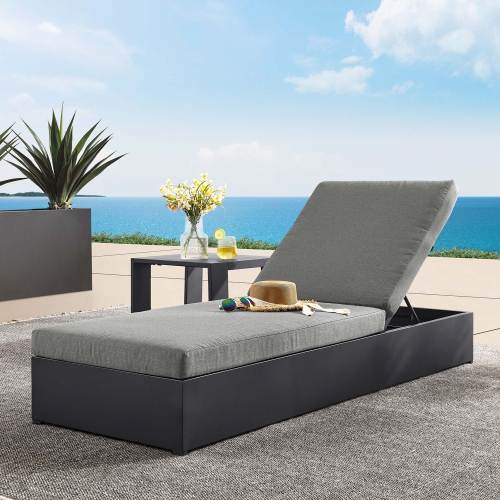
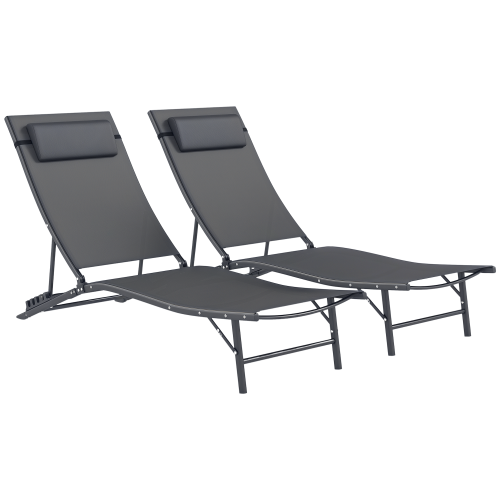
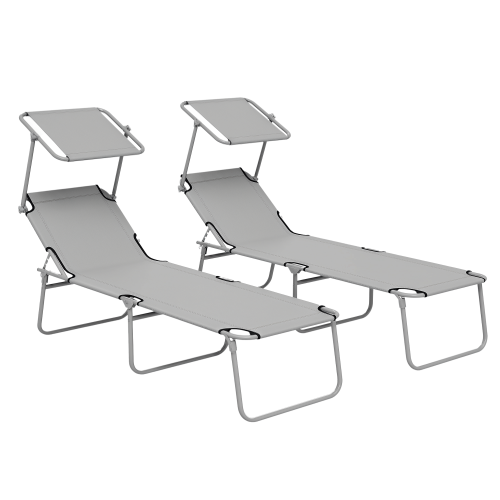

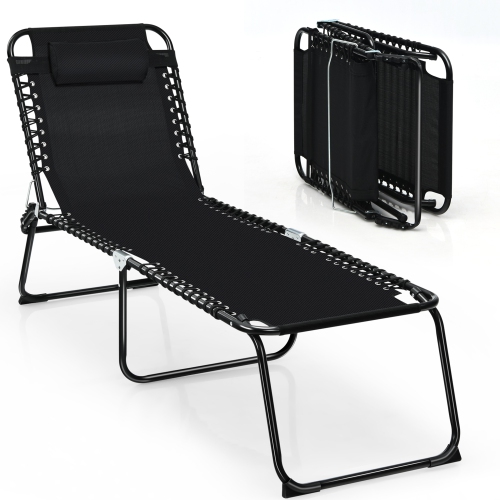
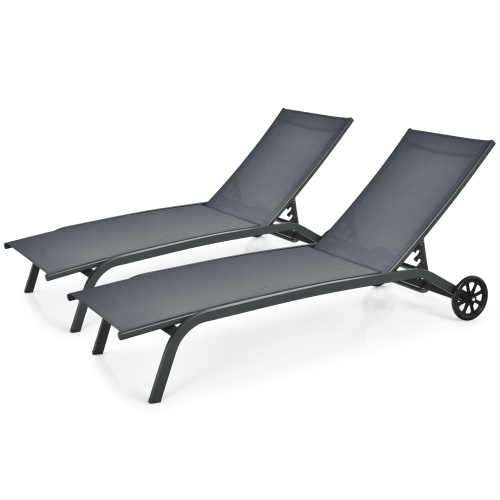
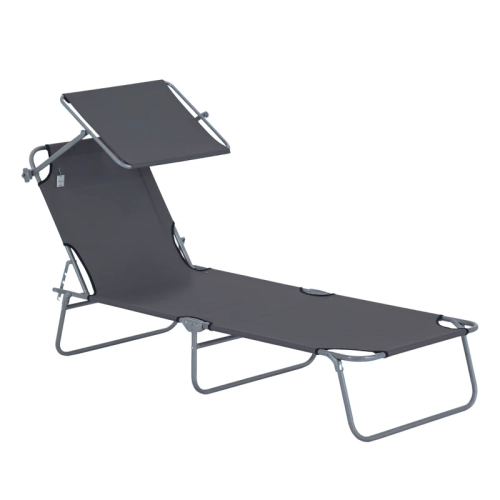
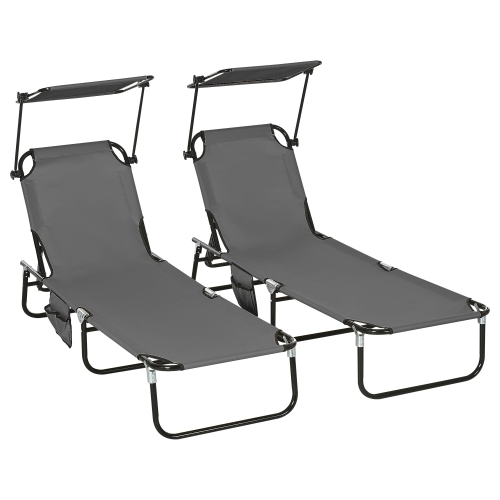
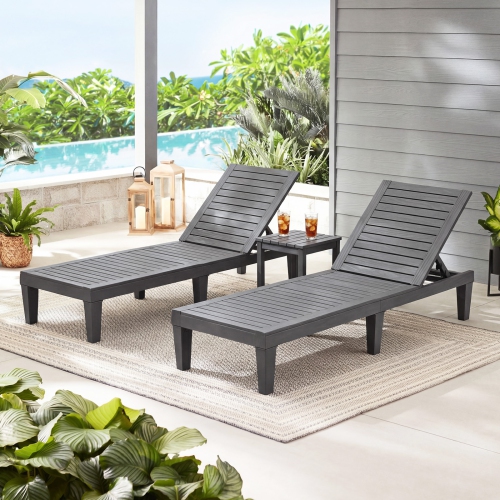
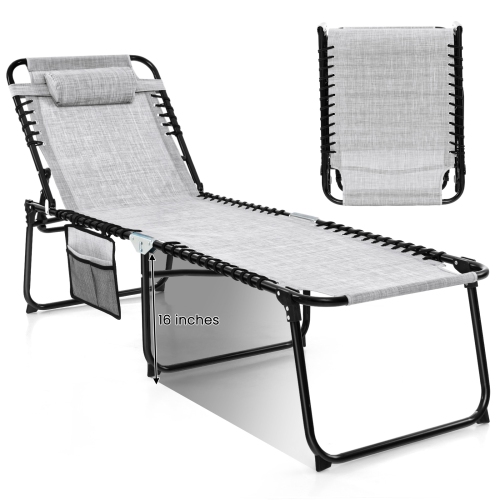
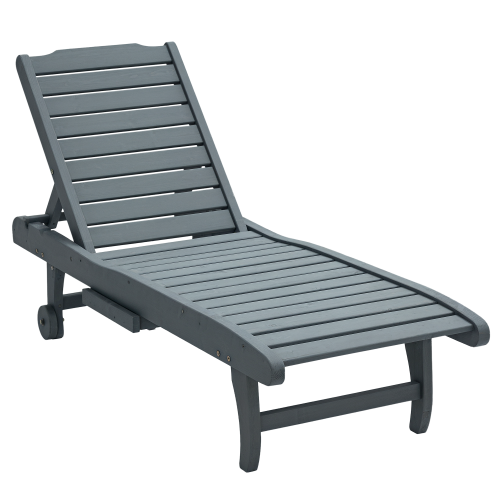
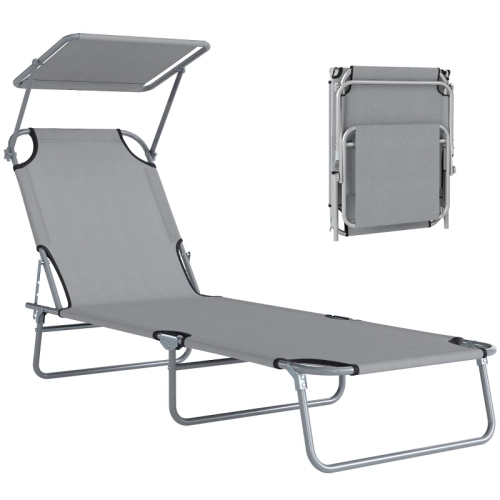
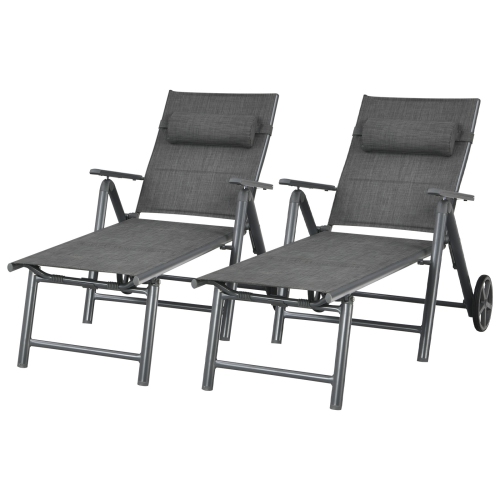
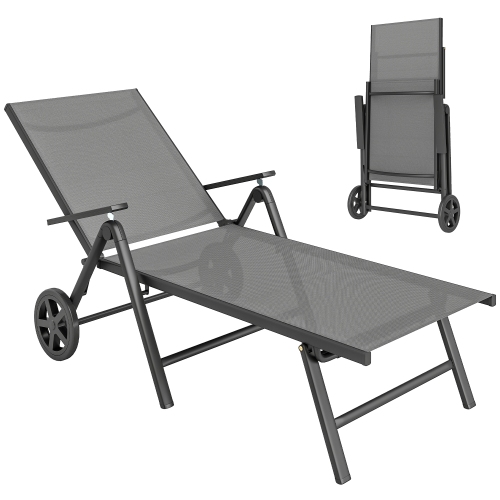
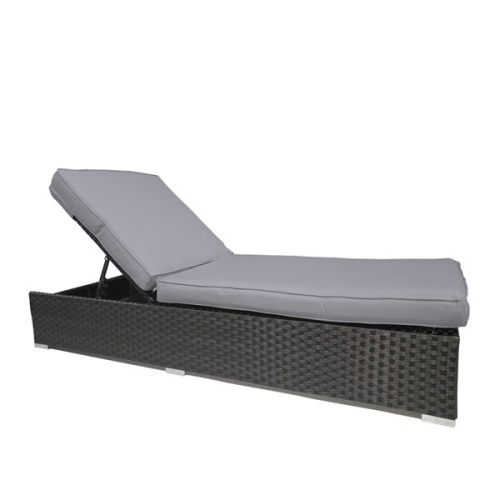

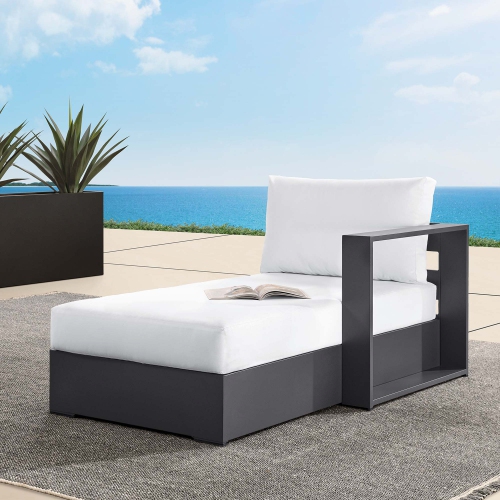
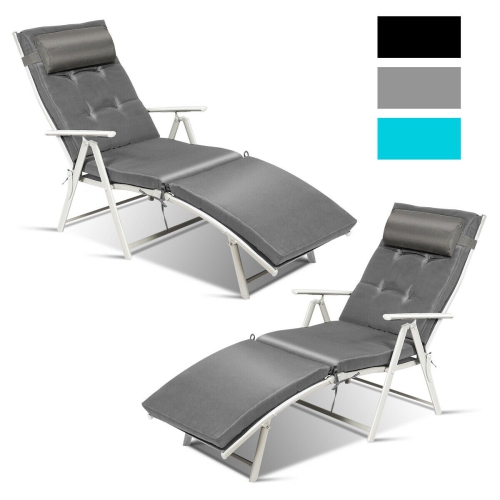

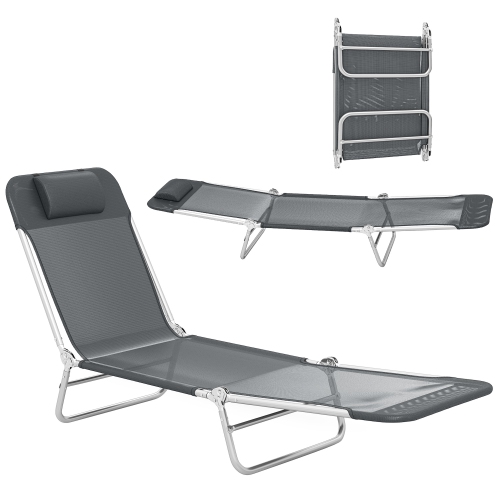
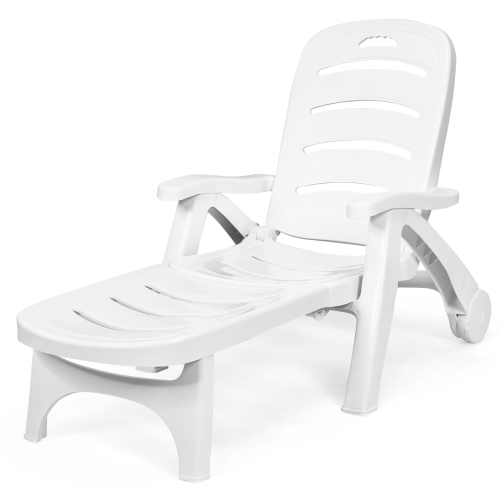
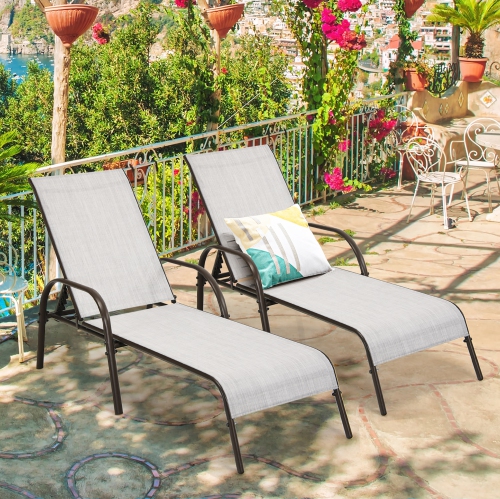
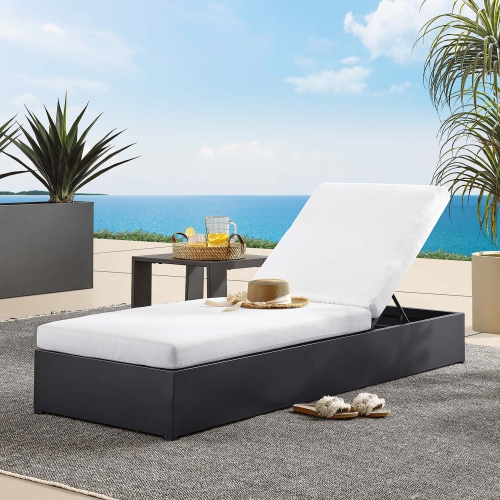
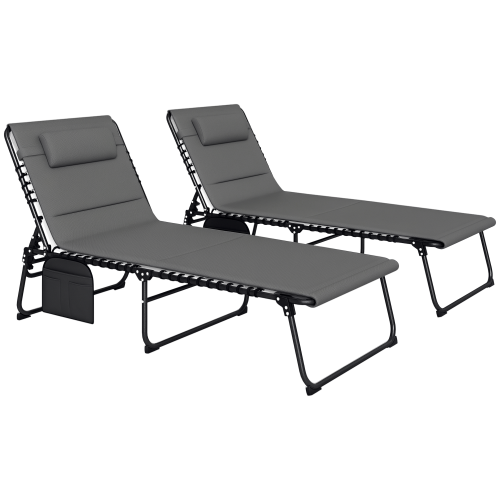
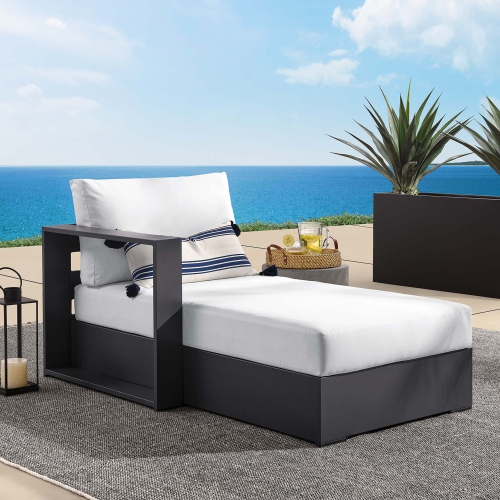
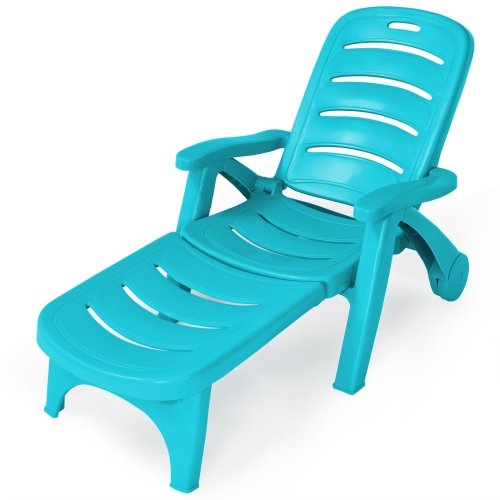
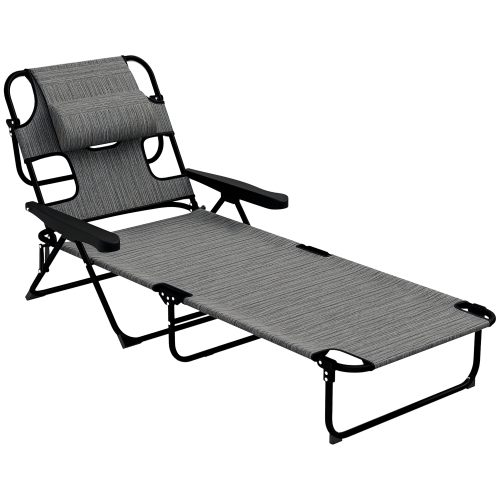
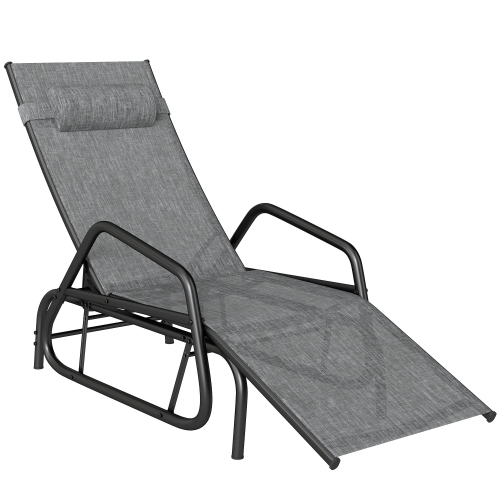
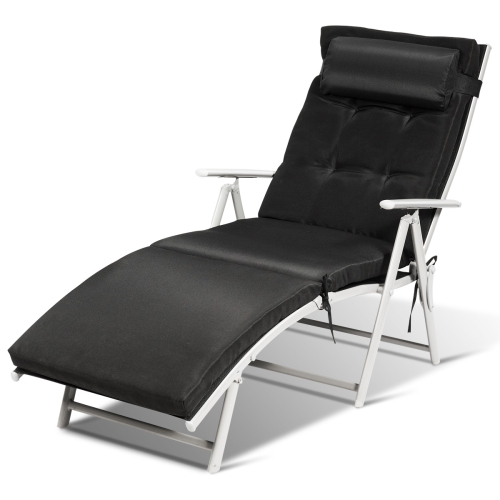
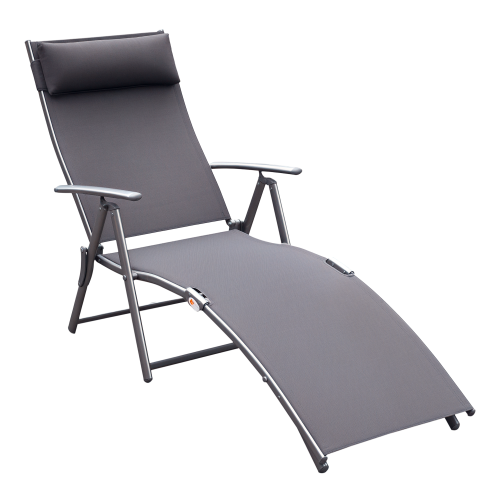
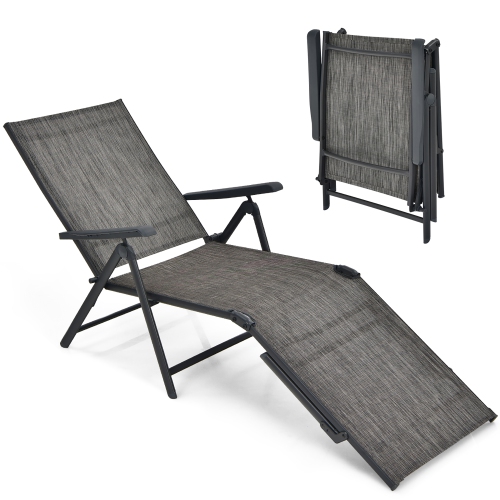
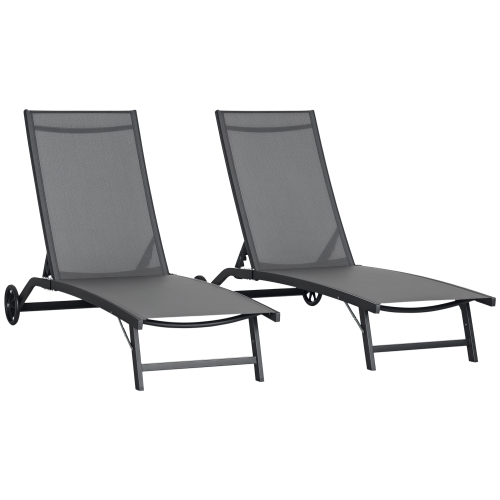
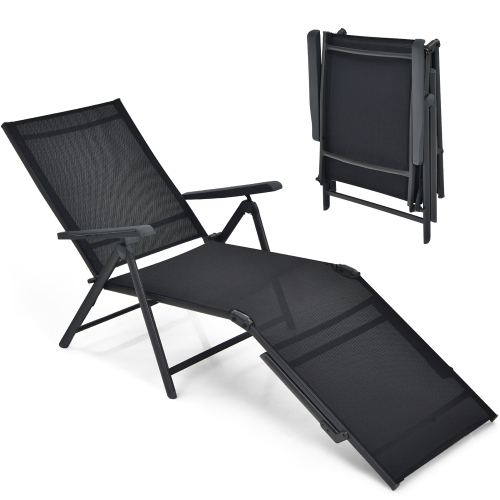
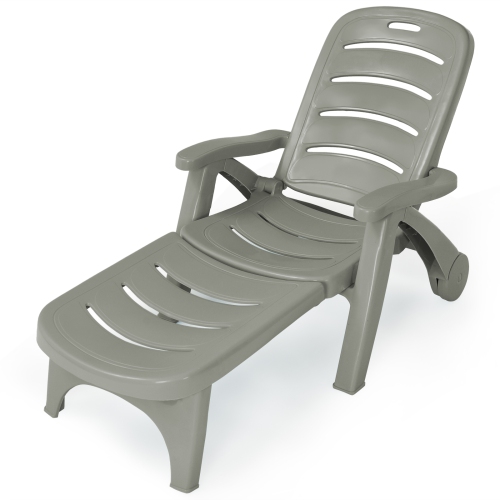

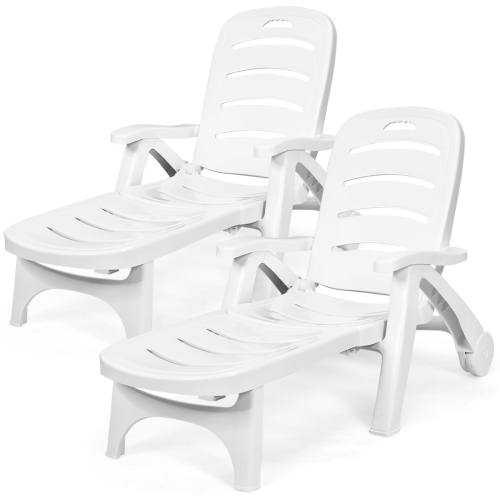
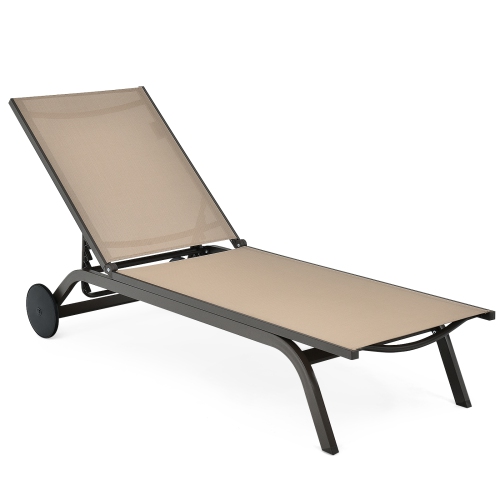
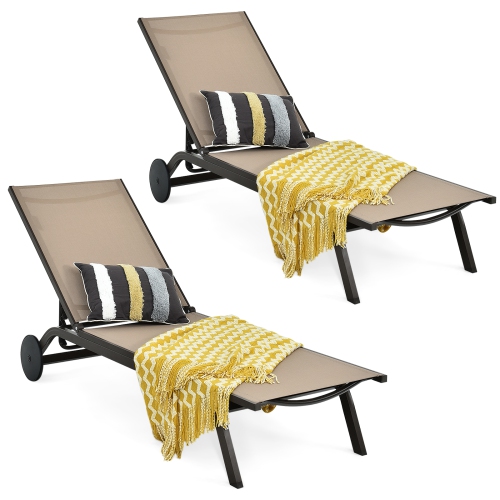

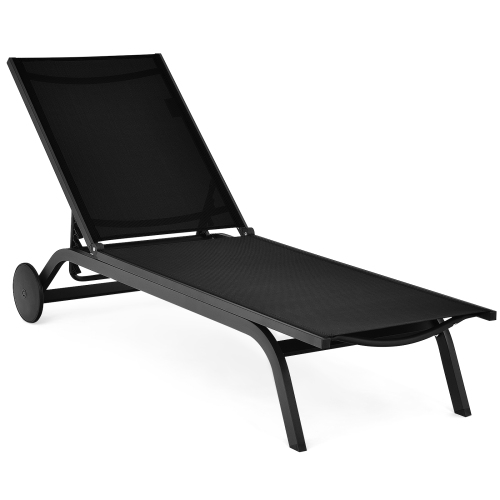
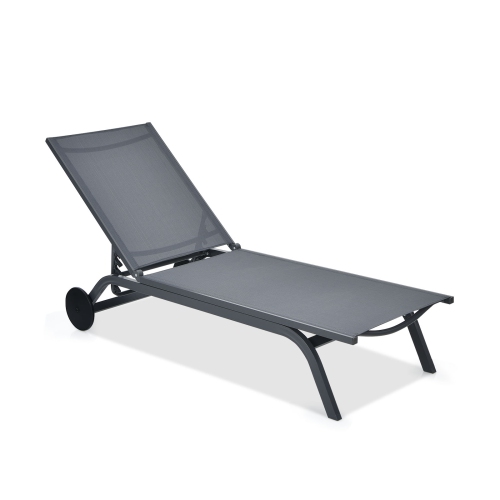
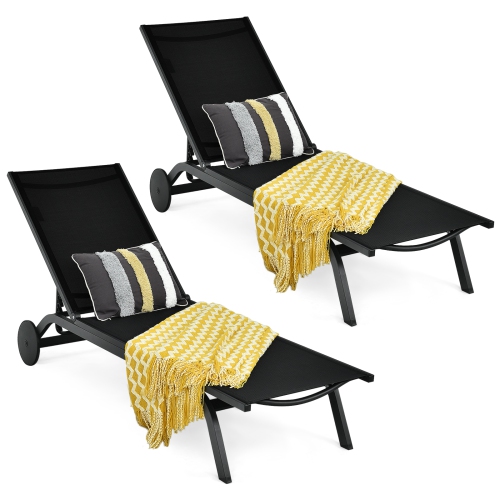
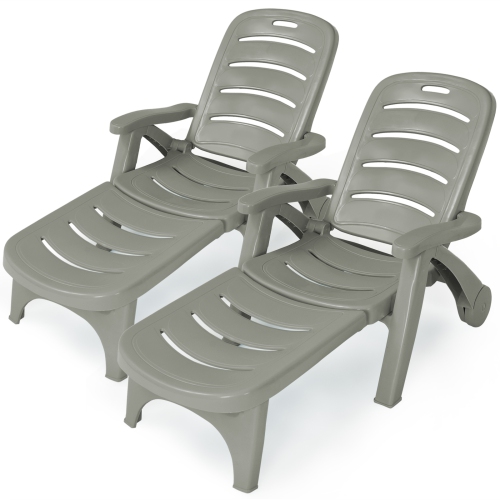
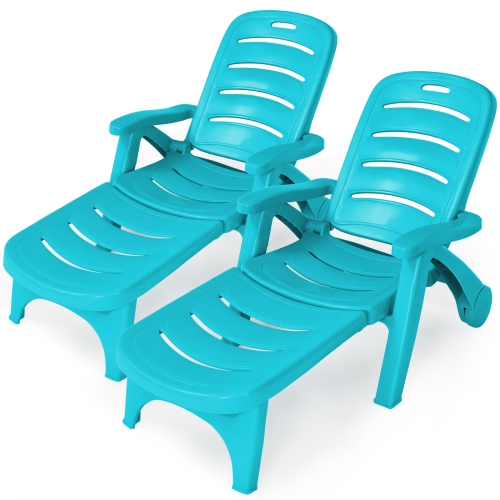
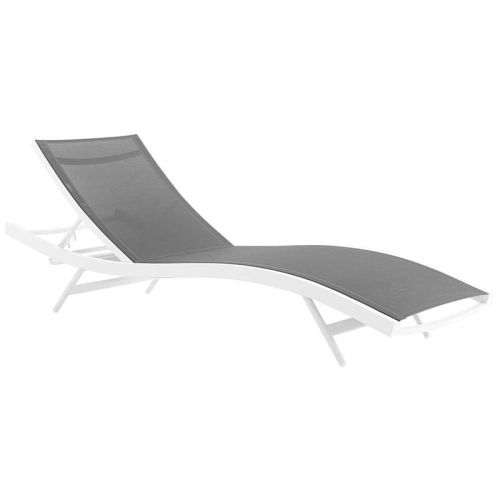
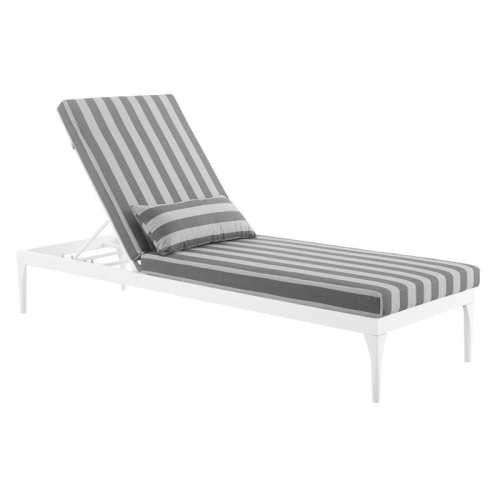
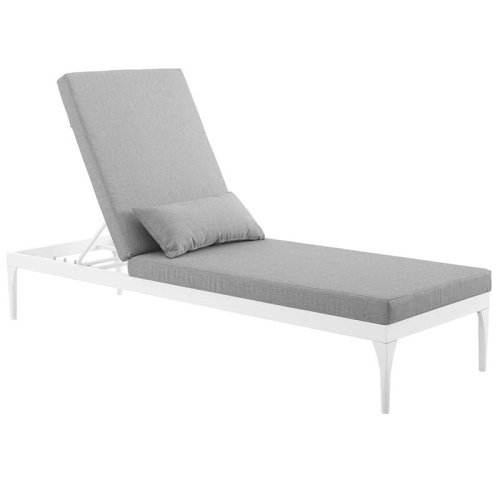
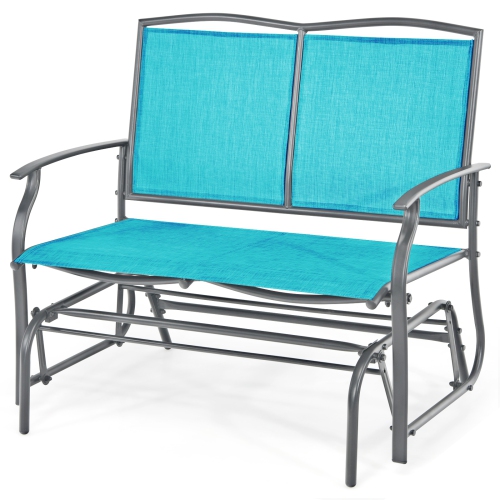


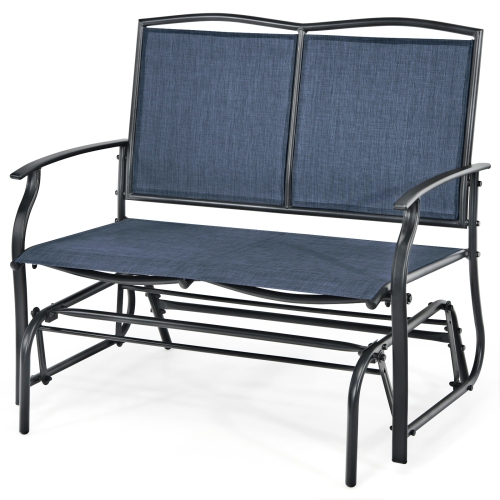
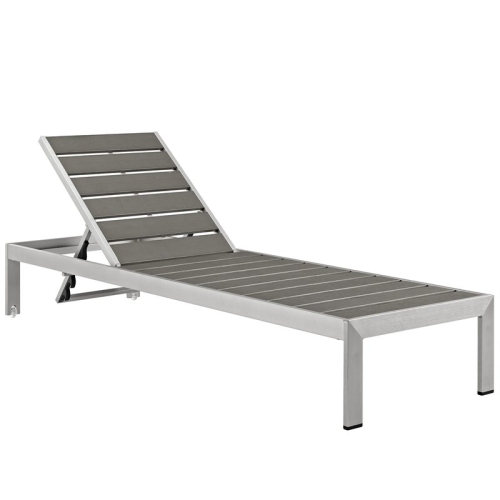
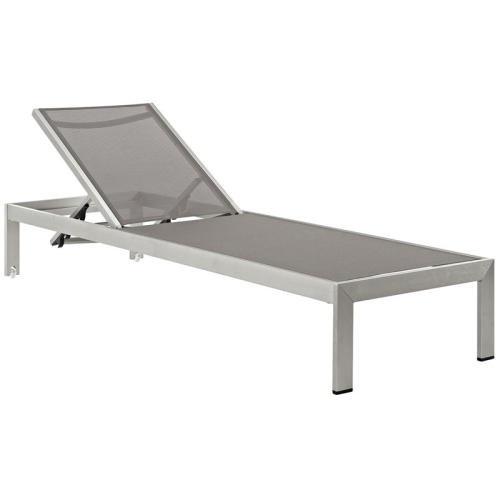
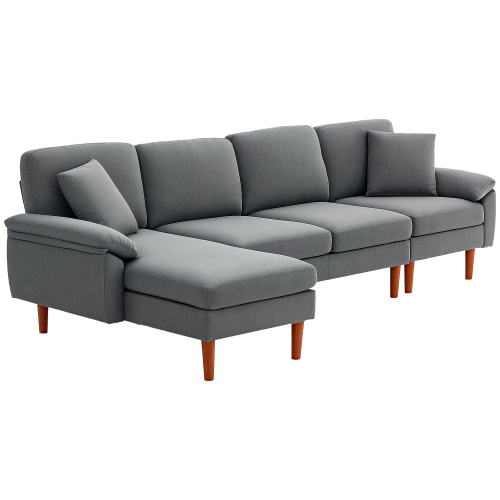
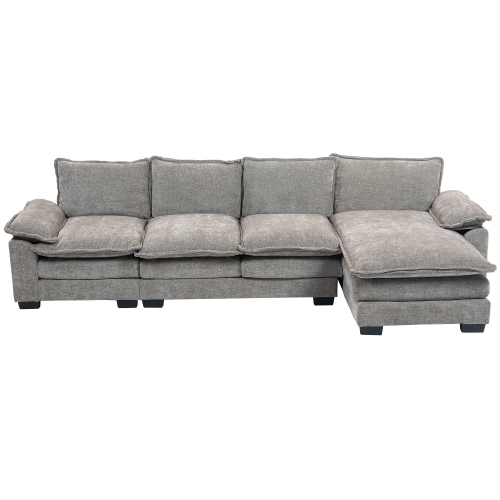
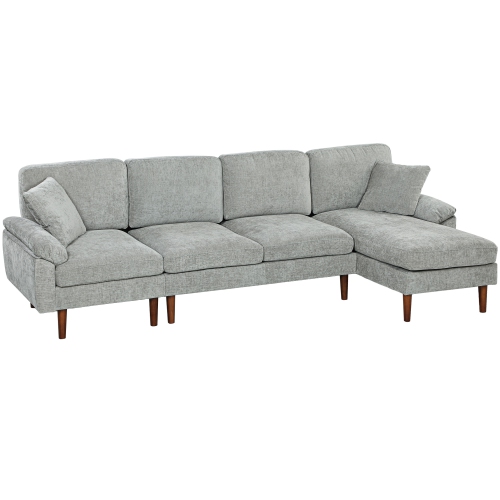
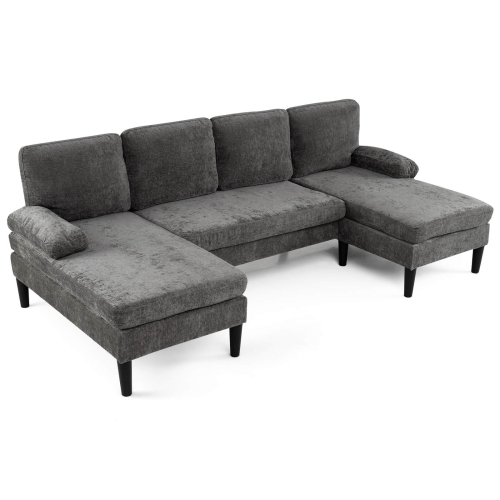
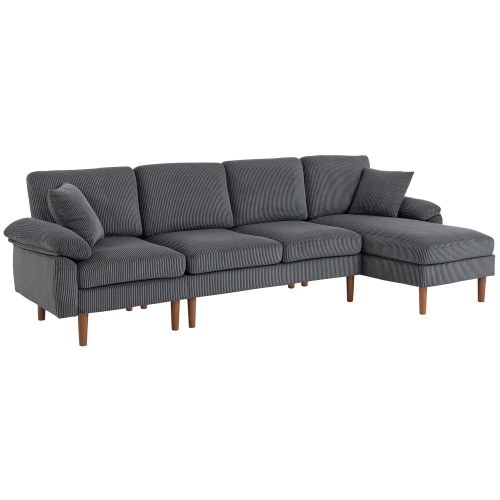
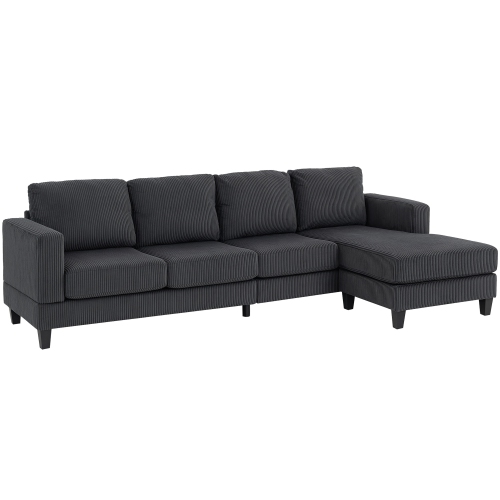
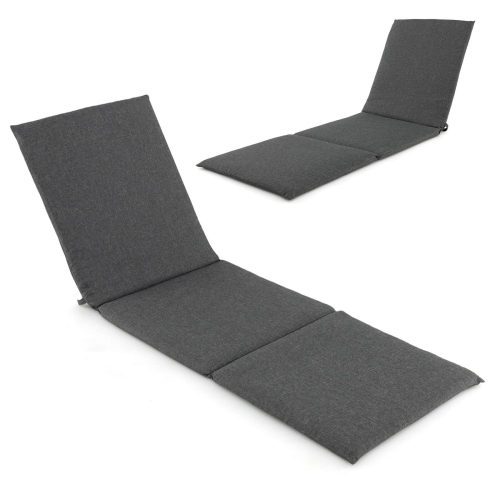
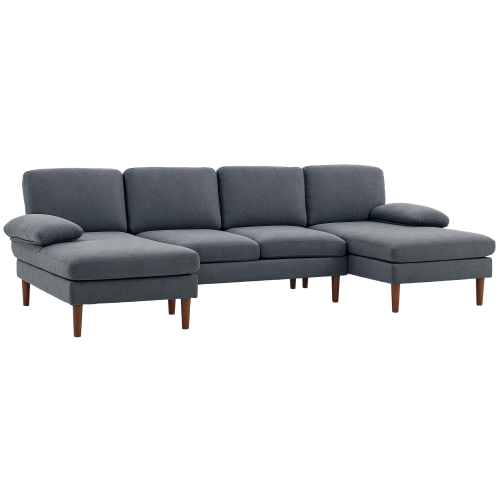
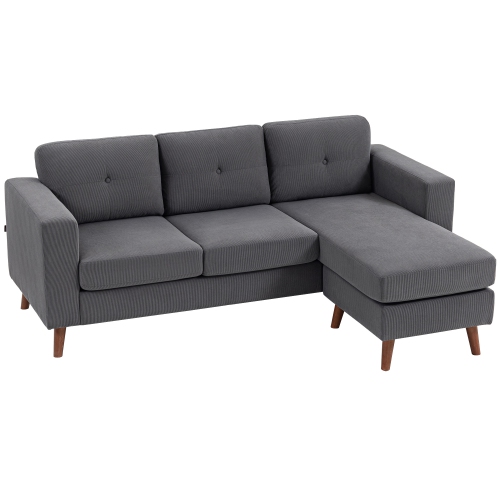
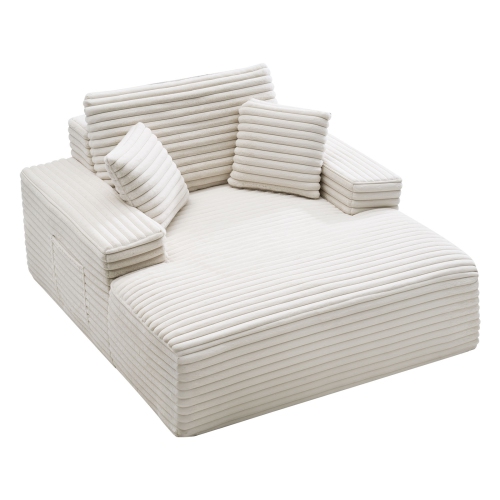
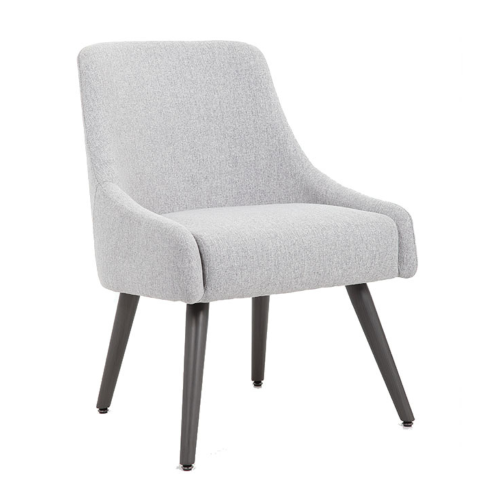

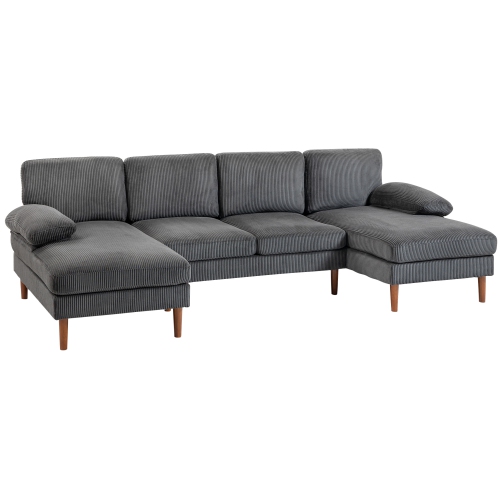
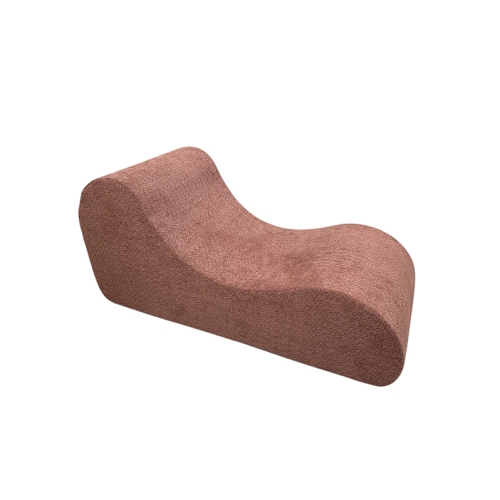
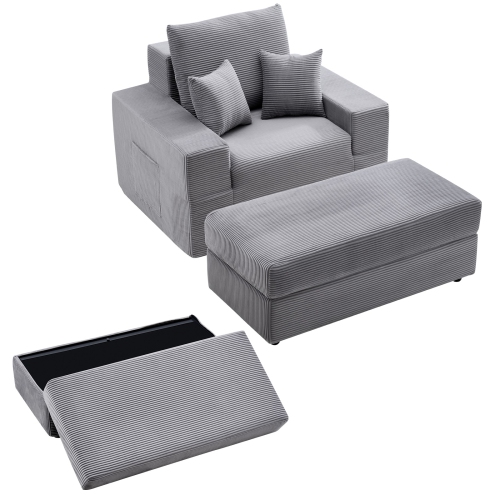
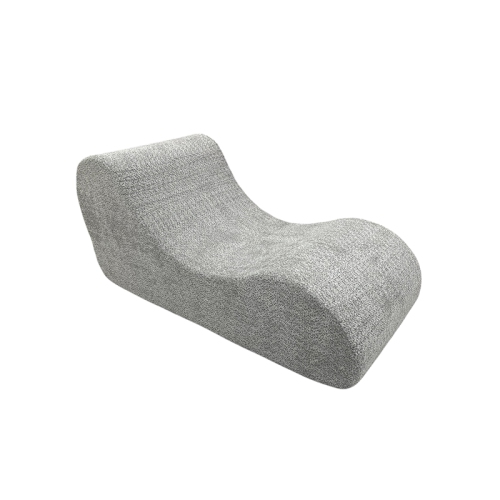
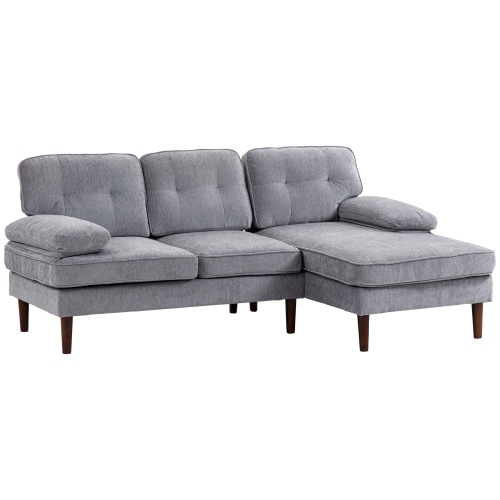
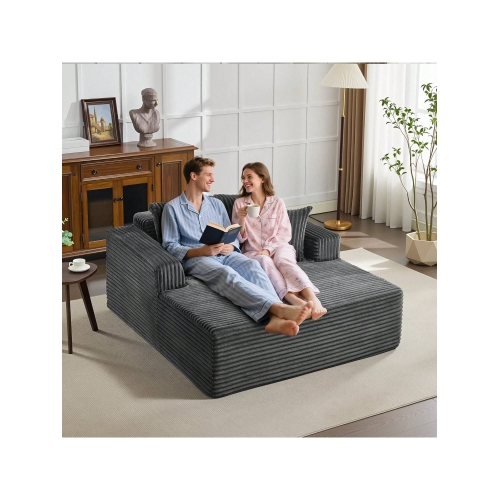
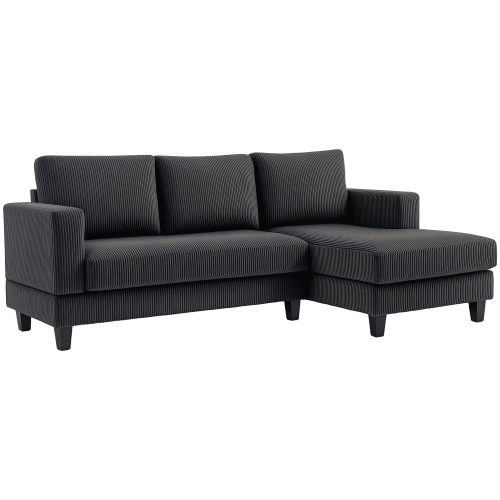
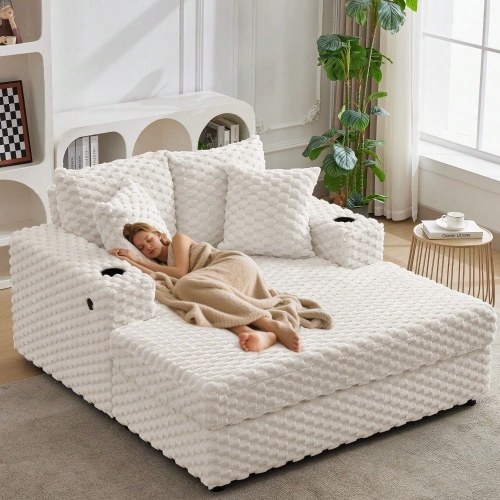
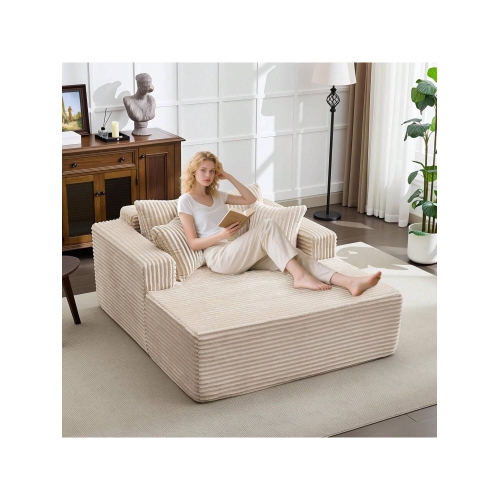
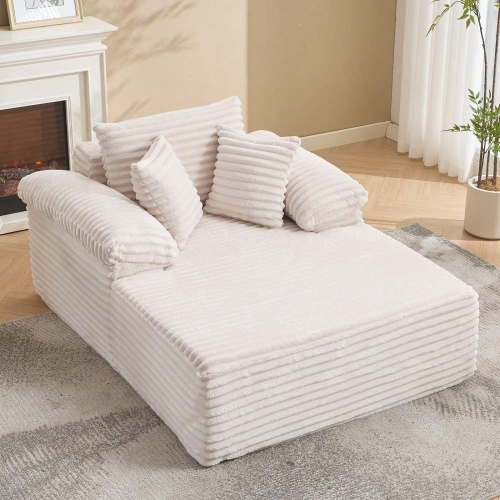
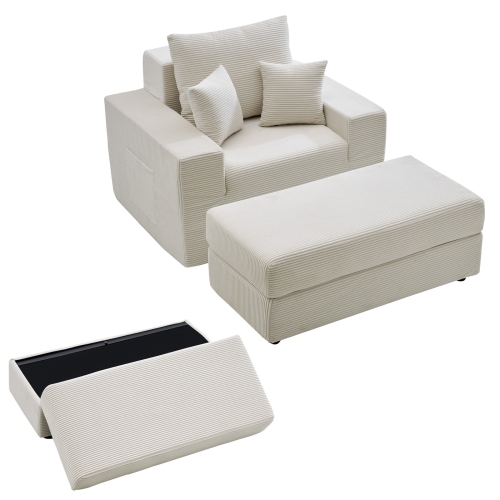
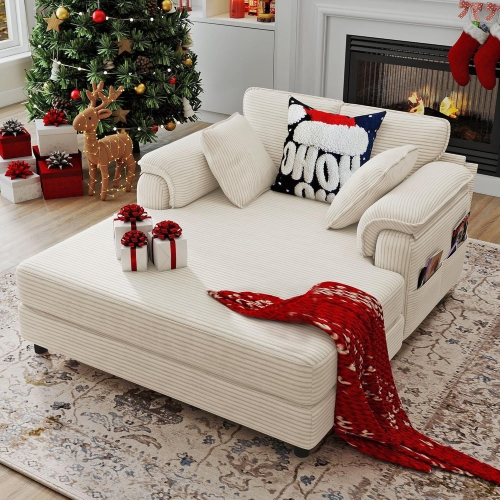
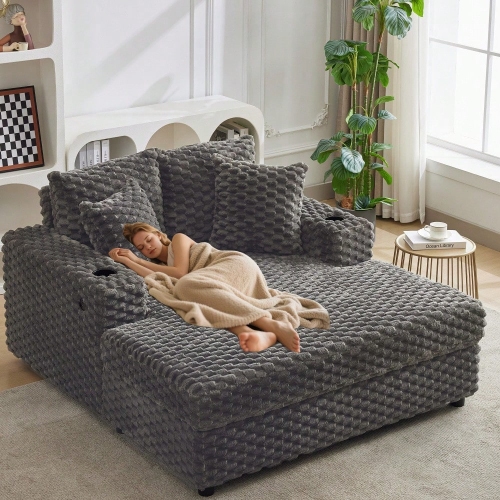
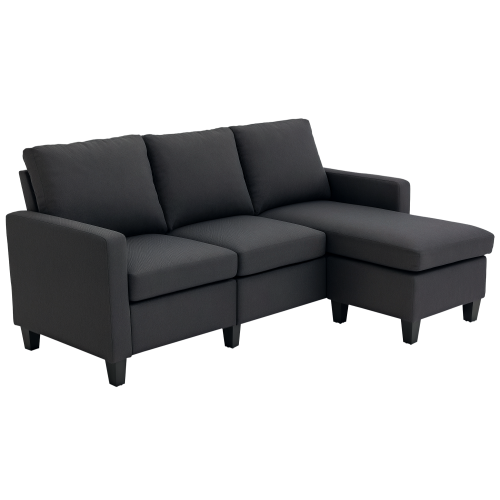
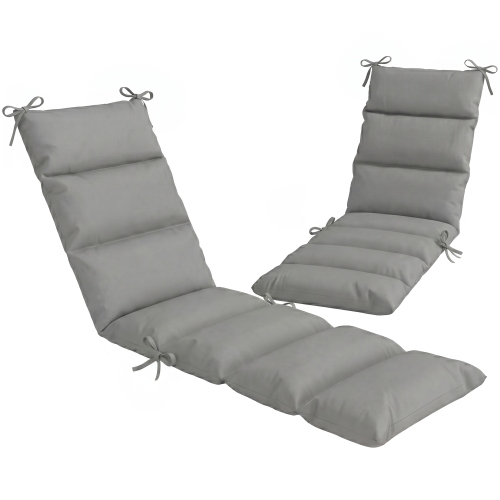
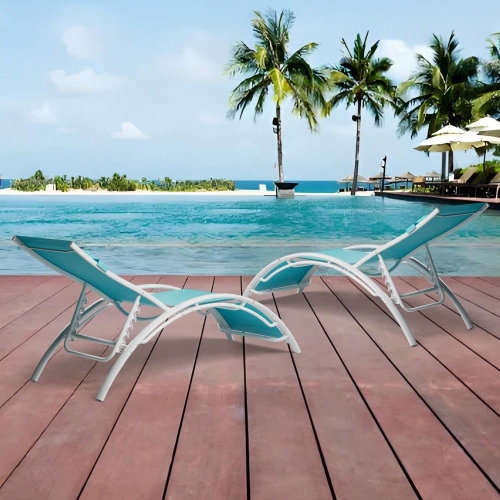
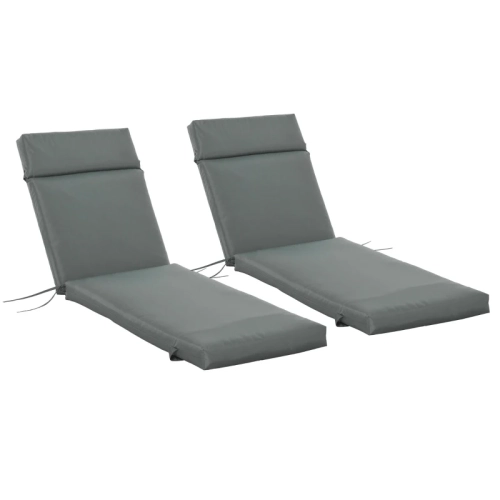
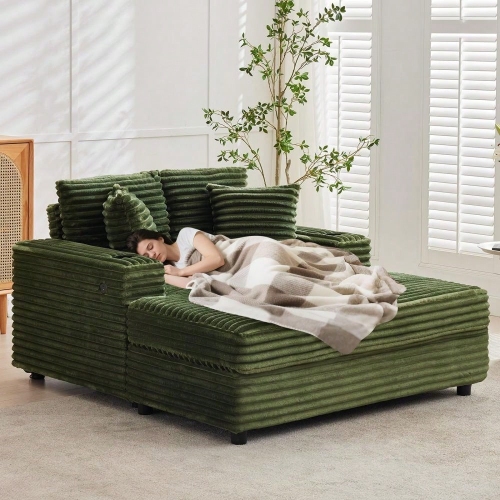
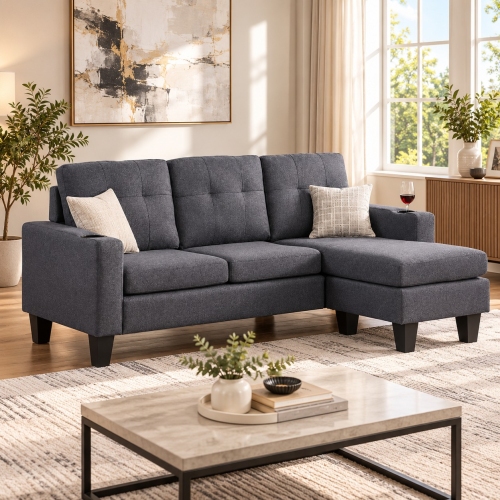

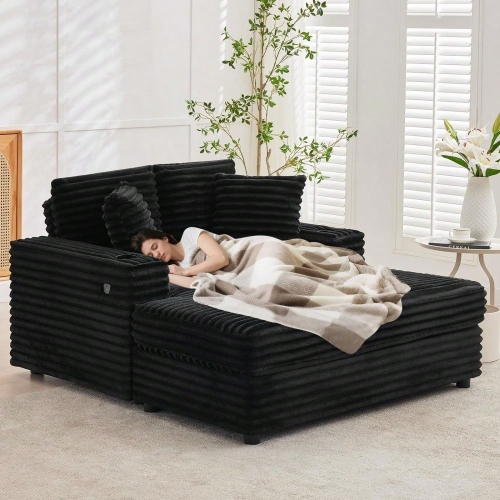
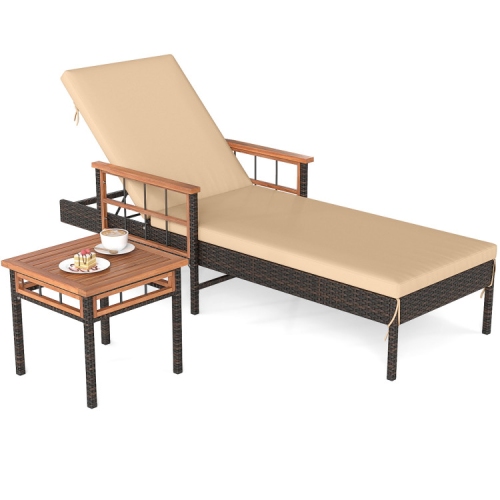
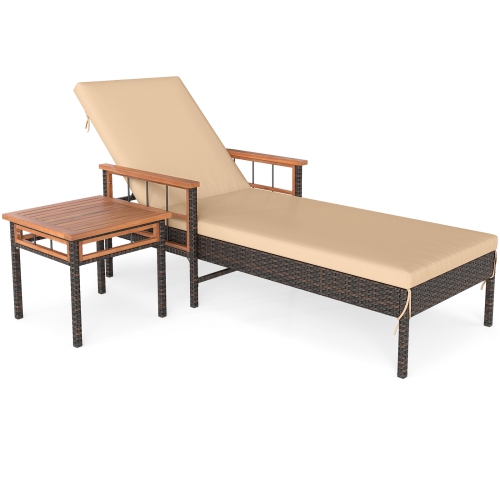
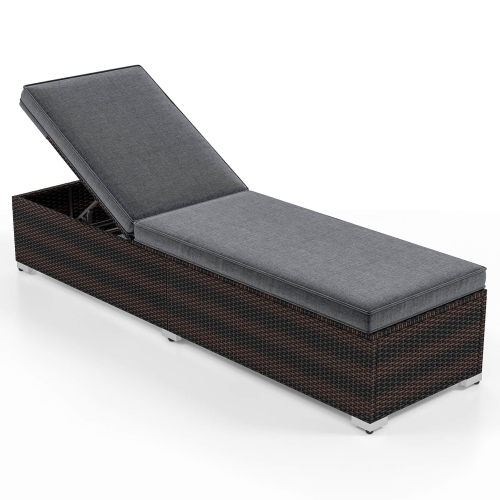
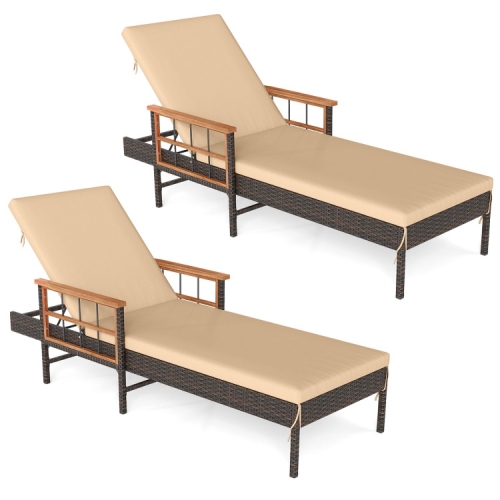
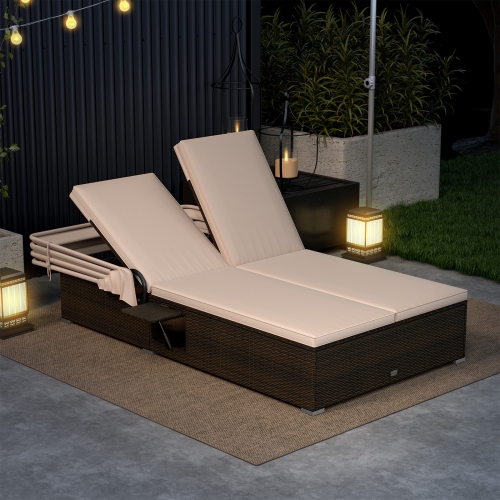
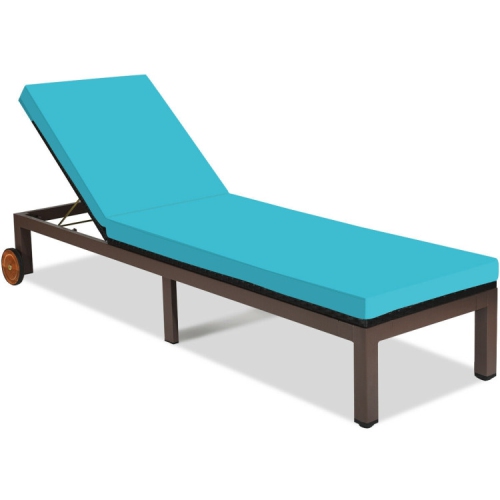
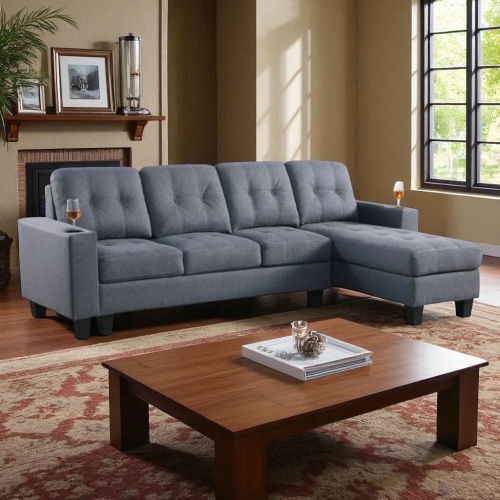
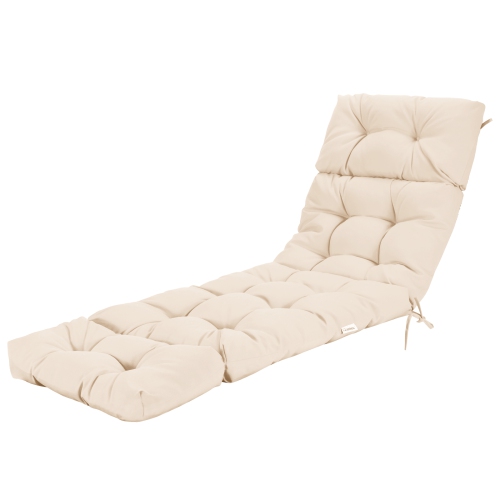
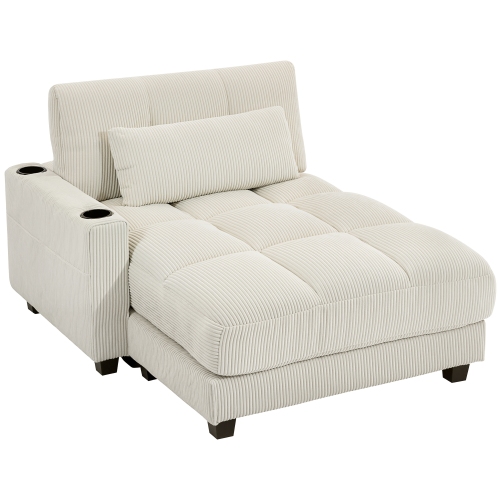
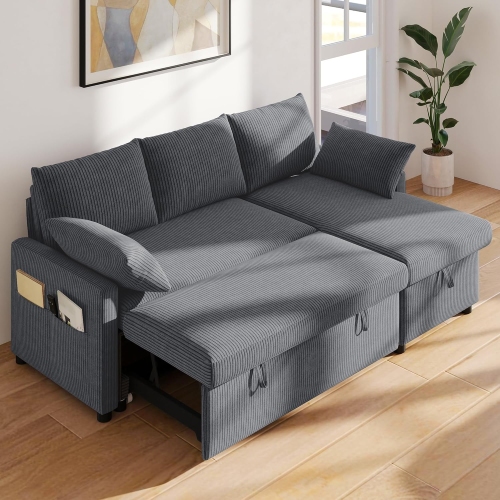
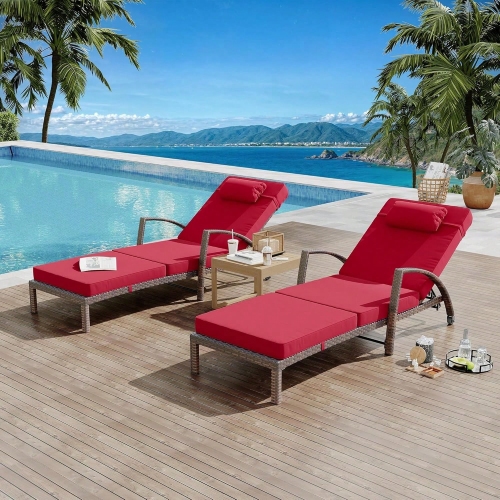
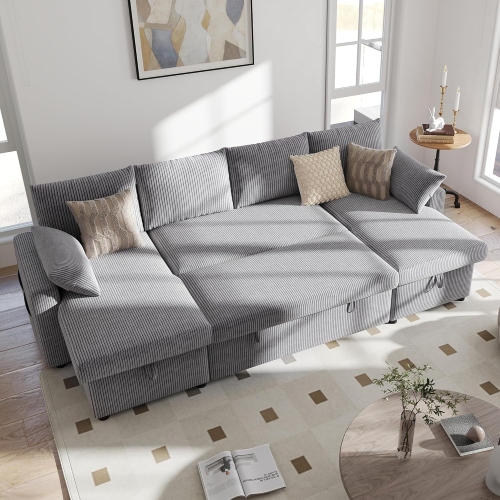
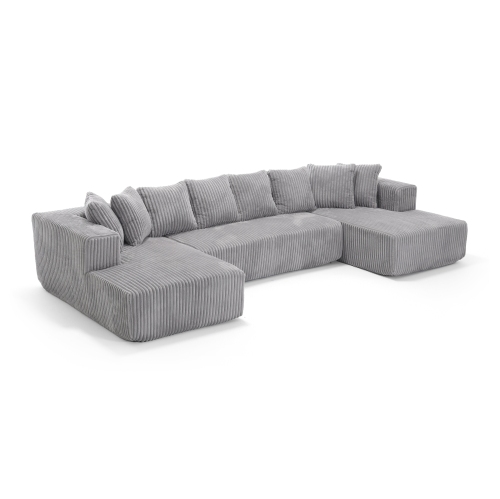

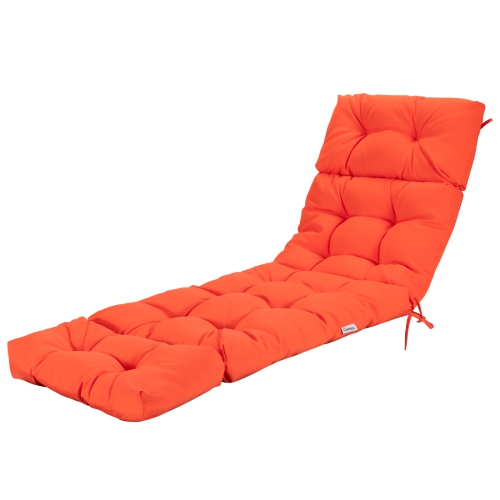
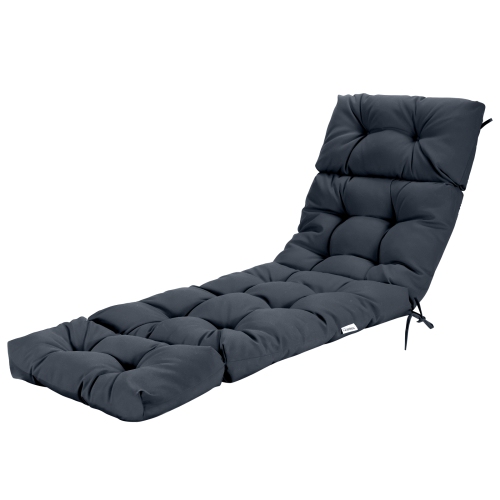
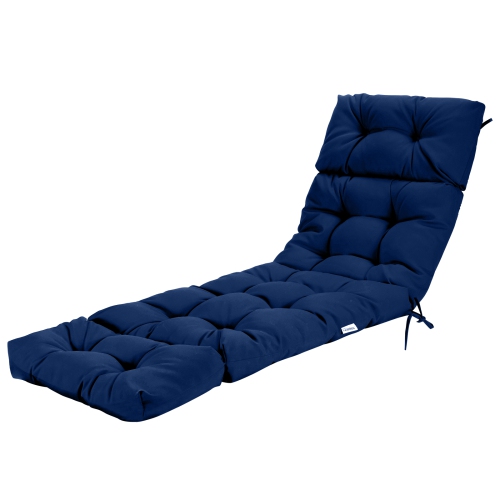
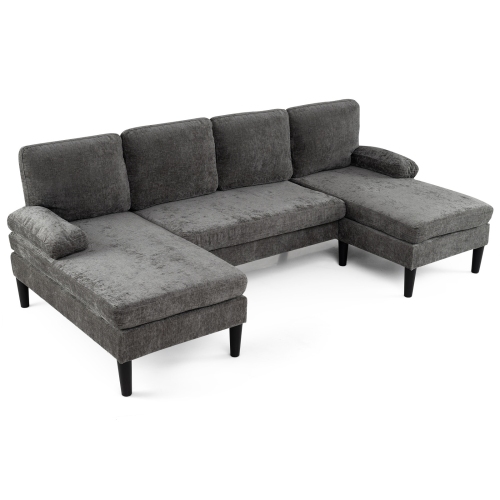
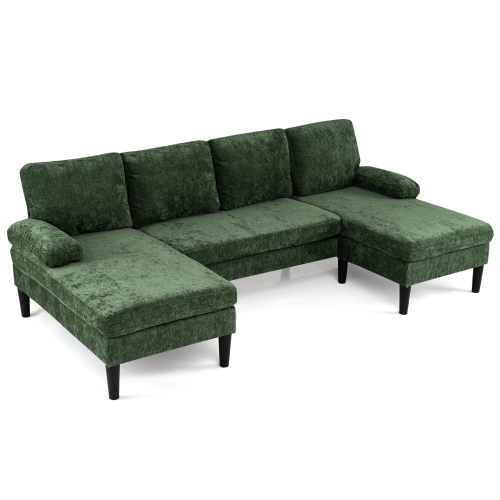
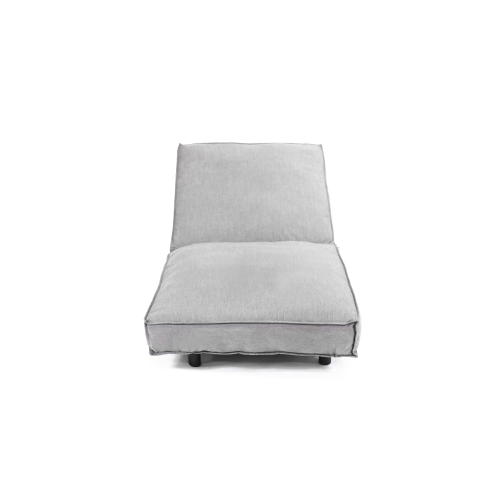
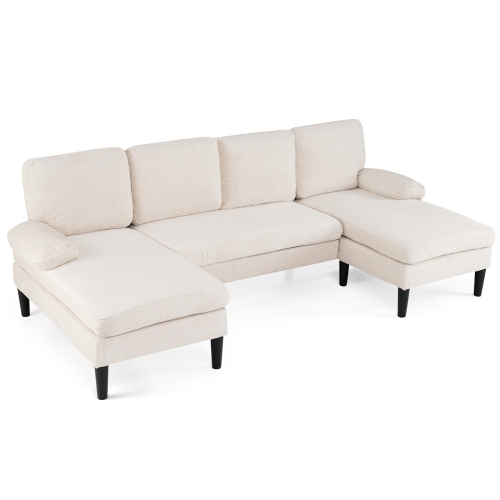
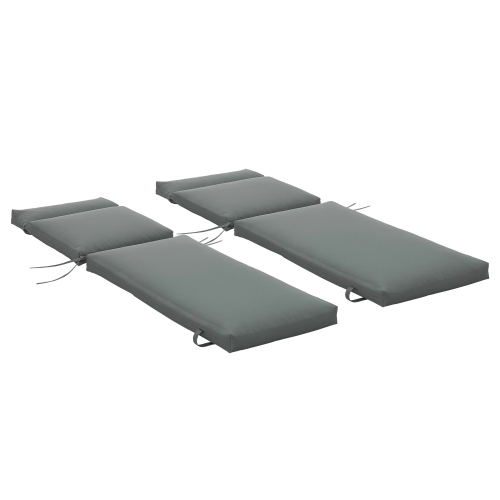
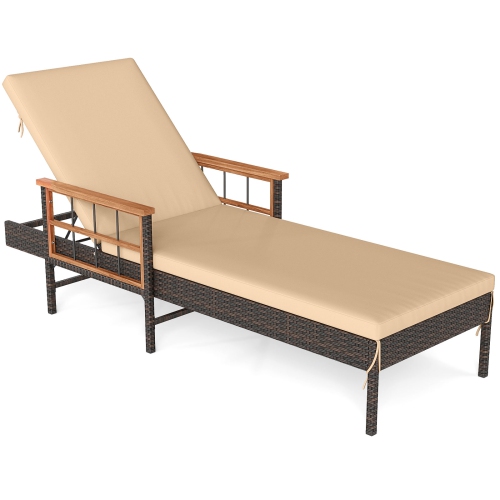
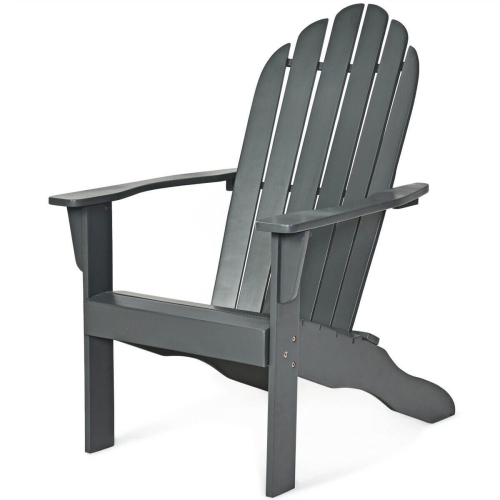
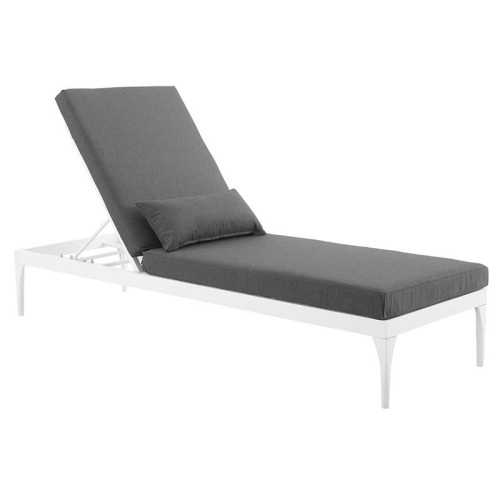
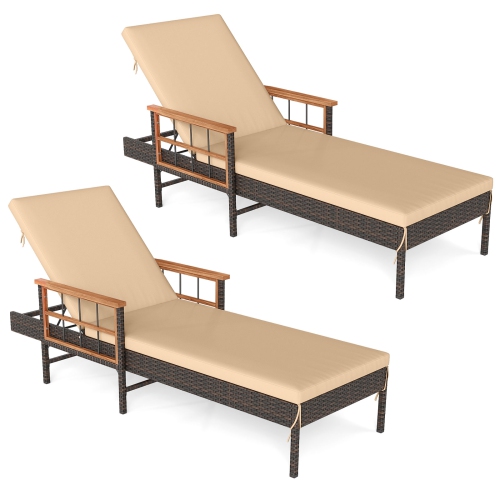
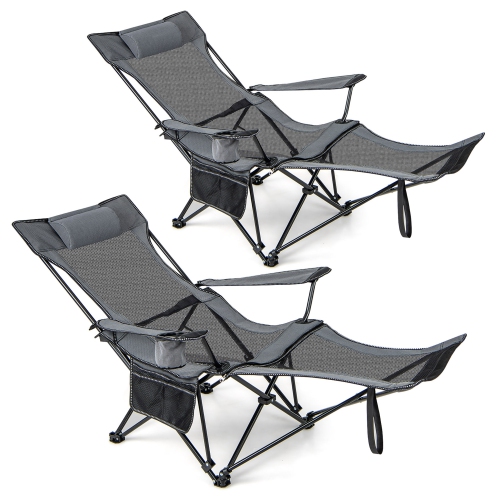
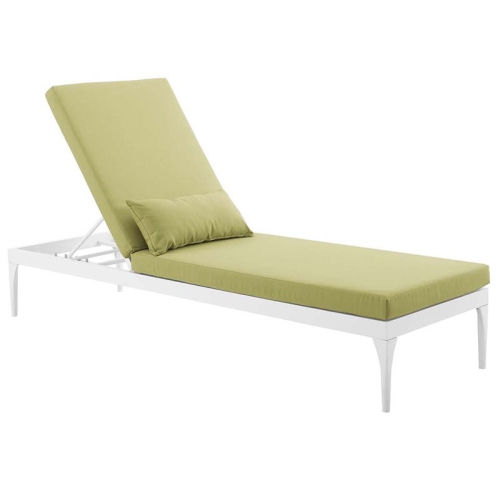

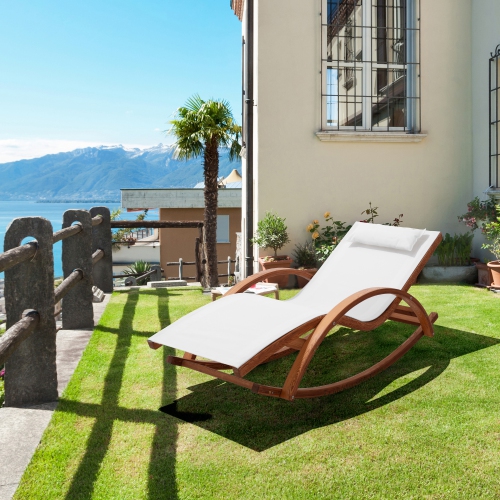
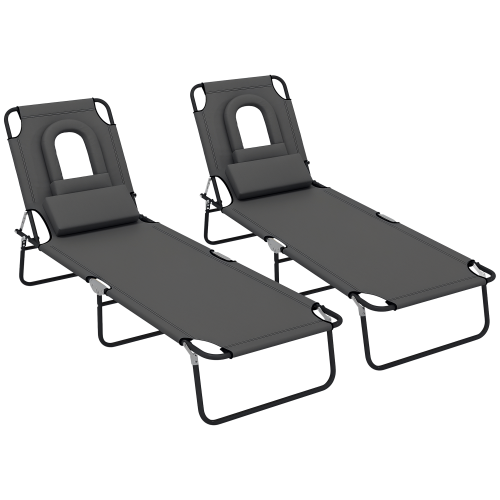
Stretch-out comfort that fits your room and routine
A grey chaise lounge brings the comfort of a long, leg-supporting seat into a living room, bedroom, or reading nook without necessarily taking up the space of a full sofa. Its elongated shape creates a place to stretch out with a book, watch a film, or settle beside someone seated on nearby furniture. Grey is particularly versatile because it can sit quietly among other colours while still giving the room a defined focal point. A pale dove-grey fabric feels different from deep charcoal upholstery, and undertones matter: some greys lean towards blue, while others have a warmer, brownish cast. Comparing upholstery with the flooring, wall colour, and existing seating helps create a cohesive look, especially in a room where several large furniture pieces share the same sightline. Texture adds another layer of character. A softly brushed surface can feel relaxed and inviting, while a tightly woven fabric gives the same colour a more tailored appearance. The silhouette also influences how much visual space the chaise occupies. Slim legs and an open base leave more floor visible; a low, fully upholstered base creates a more substantial presence. Before choosing a size, consider both the furniture’s footprint and the room needed around it. A chaise should leave a comfortable route between doorways, seating, and frequently used storage. Painter’s tape on the floor can make its length and width easier to picture, including whether the extended seat would crowd a coffee table or block a drawer. Delivery access deserves the same attention, particularly where narrow staircases, tight hallway corners, or lift doors are involved. For designs with an arm or a higher back on one side, check the orientation carefully rather than relying on a left- or right-facing description alone. Product diagrams can clarify how the chaise will sit against a wall or open towards the rest of the room. The best placement allows the seat to feel connected to the space while keeping everyday movement straightforward.
Comfort depends on more than a chaise’s overall length. Seat depth, back height, cushion firmness, and the angle between the seat and back all affect how it feels during use. Someone who likes to sit upright with a novel may prefer a supportive back and room for a small lumbar cushion, while someone who mainly stretches out may favour a longer lounging surface and a softer contour. A deep seat can be inviting, but it may require an extra cushion behind the back for a shorter person; a lower seat can also be less convenient for anyone who finds standing up from low furniture difficult. Arm placement matters when resting an elbow, changing position, or getting in and out. Upholstery choices shape both the feel and the amount of care involved. Woven fabrics offer a broad range of textures, from smooth, close weaves to more pronounced surfaces that add depth to a grey finish. Velvet has a distinctive softness and changes appearance as its pile catches the light, so shading and pressure marks may be part of its character rather than a flaw. Microfibre can provide a smooth feel, although cleaning requirements still depend on the particular fabric. Leather and leather-look upholstery bring a different texture and should be assessed according to their stated composition and care requirements, rather than treated as interchangeable materials. In homes with pets, consider how claws, loose hair, and repeated brushing against the seat might affect the surface. Looped or loosely woven fabrics may be more vulnerable to snagging, while visible stitching and piping can collect dust along their edges. Durability also comes from what sits beneath the upholstery. Frame construction, joint quality, cushion filling, and the support system all contribute to how well a chaise maintains its shape. Firmer foam generally gives a more structured sitting experience, while softer or fibre-filled cushions may need regular reshaping. Removable cushions and covers can make upkeep more manageable, but a removable cover is not necessarily machine washable. The care label remains the most useful reference for cleaning methods and routine maintenance.
A grey chaise lounge can serve as a personal retreat or become part of a shared seating arrangement, depending on how the room is used. In a bedroom, it can provide a comfortable spot for reading without turning the bed into the only place to relax. In a living room, placing it at an angle to a sofa can encourage conversation while preserving its stretch-out function. A nearby side table gives a mug, glasses, or a book a stable home, and a reading lamp is easier to use when its switch can be reached without twisting awkwardly. Leave enough space beside the seat to set down and retrieve everyday belongings without squeezing through a narrow gap. If the main need is an upright seat rather than somewhere to extend the legs, comparing the proportions of a chaise with Gray Lounge Chairs can help clarify which style suits the room and the way it will be used. Grey upholstery also makes it easy to vary the surrounding accents: cream cushions soften a charcoal seat, muted blue adds a quieter contrast, and rust or ochre introduces warmth. Keeping decorative cushions modest in size preserves the usable lounging surface. Everyday care helps the chaise retain its appearance. Vacuum fabric upholstery with a suitable attachment, paying attention to seams and the space beneath removable cushions, and blot spills promptly rather than rubbing them deeper into the material. Follow the manufacturer’s directions before applying water, cleaning solutions, steam, or leather treatments, and test permitted cleaners in an inconspicuous area. Strong direct light can alter some upholstery finishes over time, so placement and window coverings are worth considering. Cushions that can be rotated or turned should be handled according to their construction, and loose fillings may benefit from gentle plumping. Protective pads beneath the legs can help limit marks on suitable flooring, while periodic checks of accessible fasteners can catch looseness from regular use. These practical details allow the chaise to remain a comfortable, well-integrated part of the home.
Top selling and popular products
-
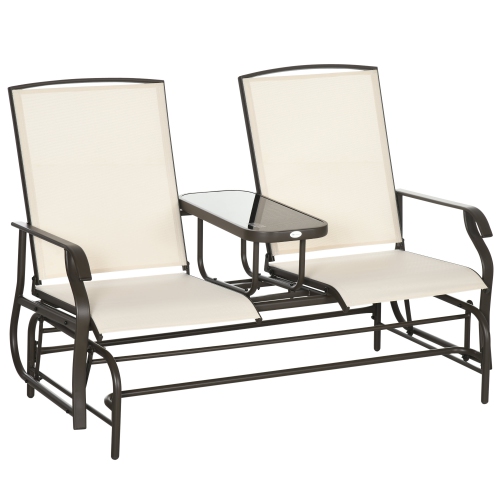 Your price for this item is $209.99
-
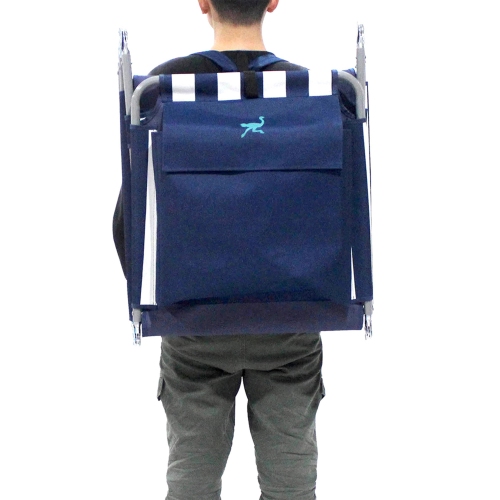 Your price for this item is $223.99
-
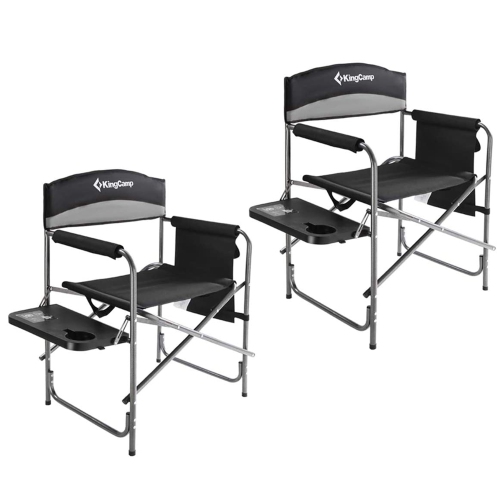 Your price for this item is $196.99
-
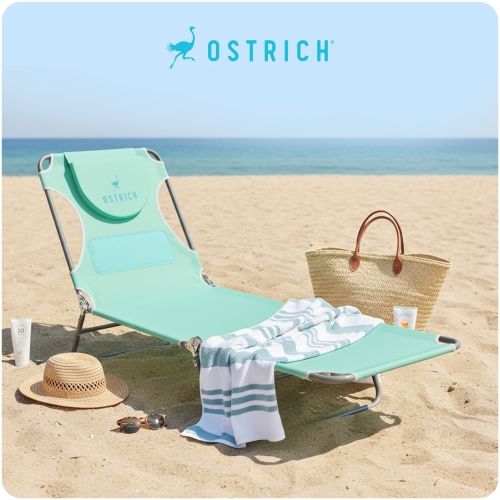 Your price for this item is $150.99
-
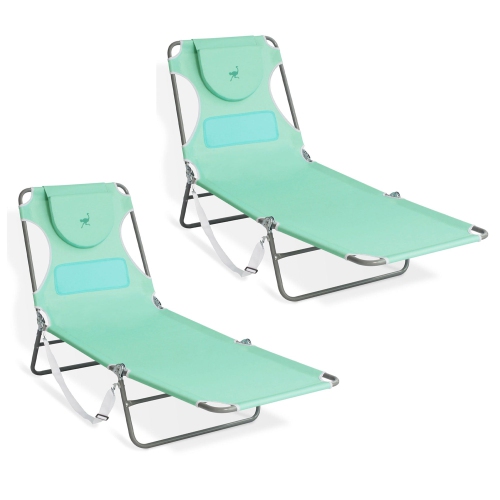 Your price for this item is $326.99
-
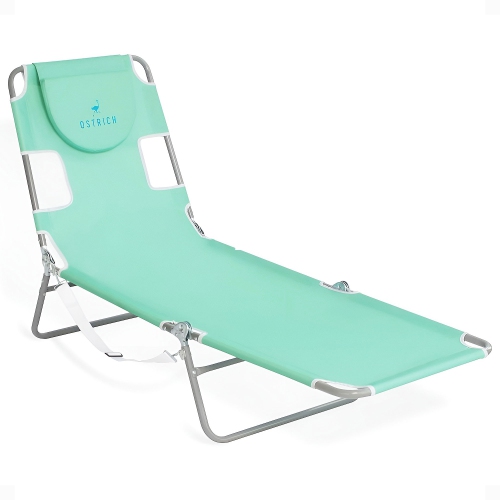 Your price for this item is $178.99
-
 Your price for this item is $571.99
-
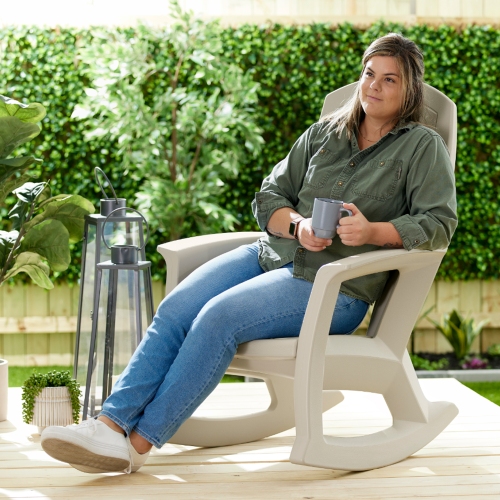 Your price for this item is $367.99
Discover more categories related to Grey Chaise Lounge
Top Collections:
Best Black Friday Deals This Year, Best Black Friday Deals On Electronics, Kindle Devices, Best Black Friday Deals On Apple Products, Best Budget Office Chairs, Best Cameras for Sports Photography, Dyson Airwrap, Canon G7X Cameras, Best Laptops for Writers, Samsung Galaxy Phones
Some products may be subject to Environmental Handling Fees
(EHF) depending on your province.
Learn more about EHFs.