Grey Dining Sets
If you are looking for a classic, timeless dining set, grey is the perfect choice. Grey is a versatile color that can be used to create a variety of styles, from traditional to modern. It is also a neutral color that can be paired with any other colors to create a unique and inviting dining space. Here are some great options available.
Sort
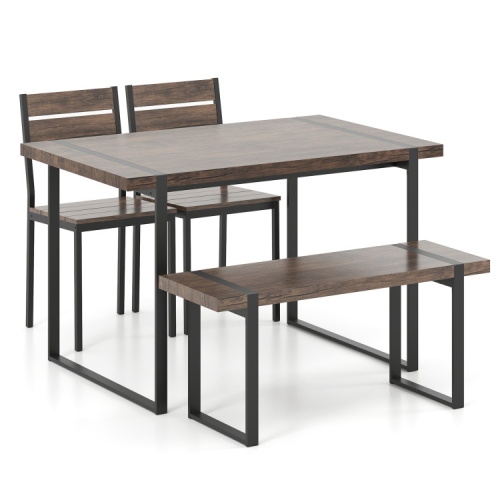

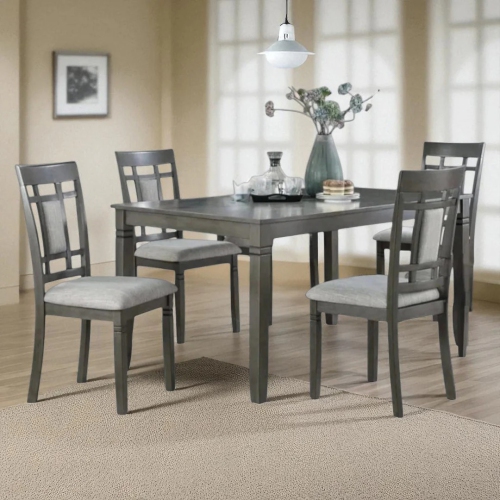


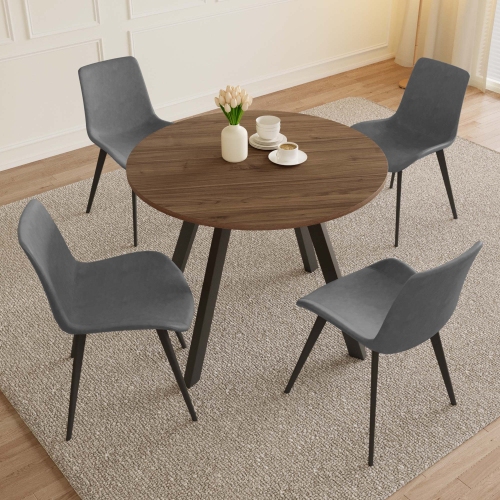


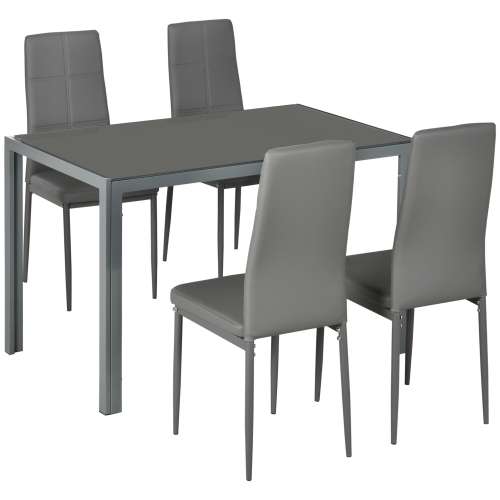
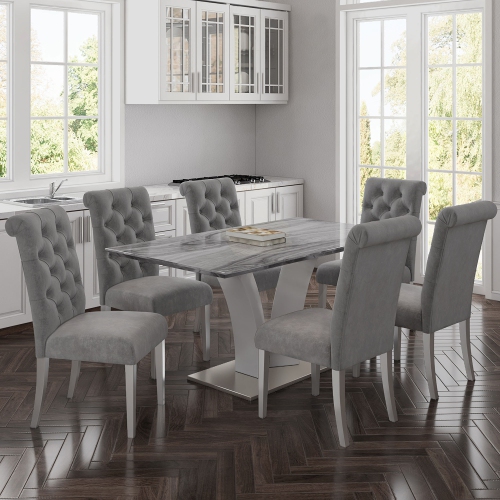
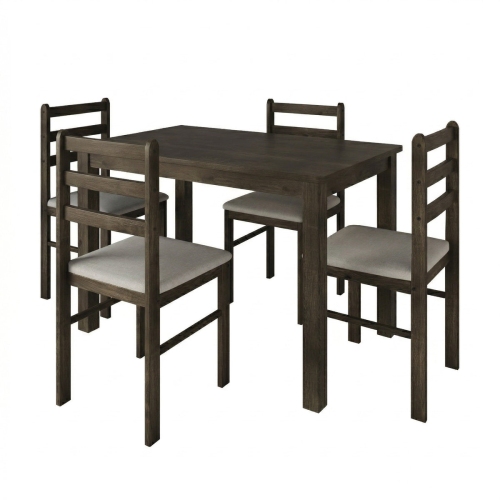
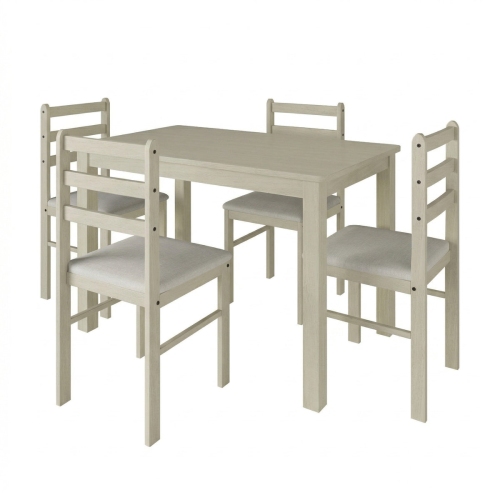
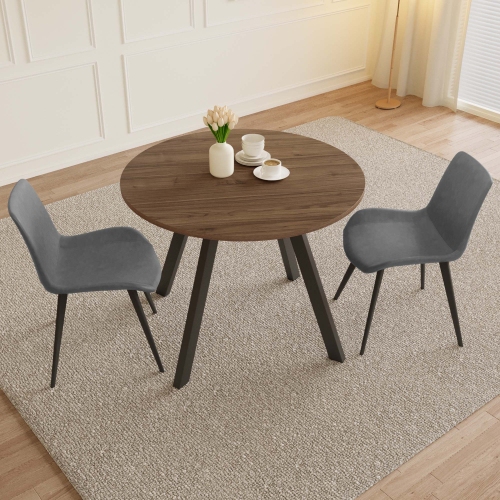
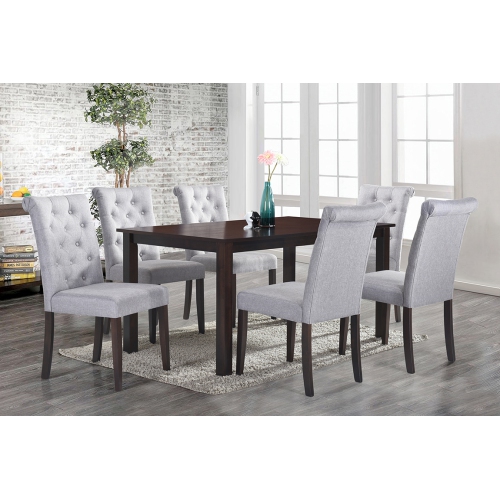


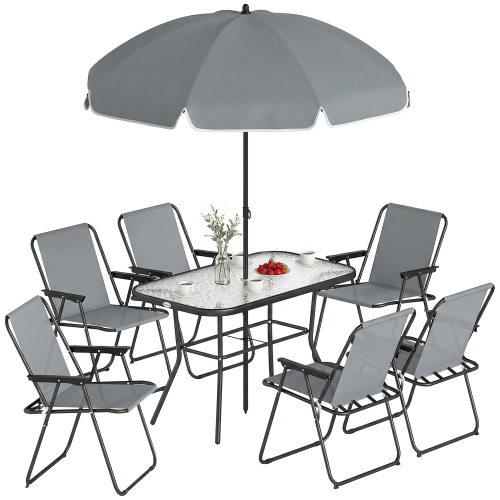
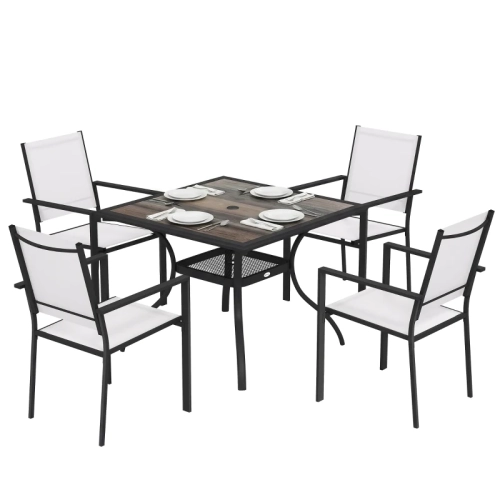
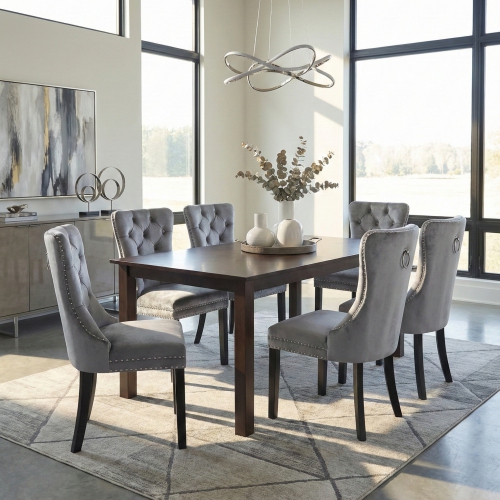
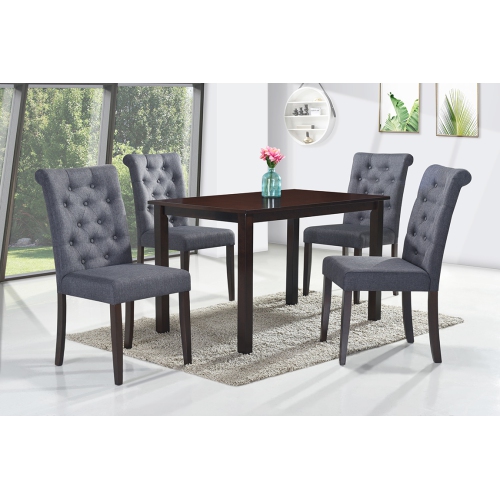
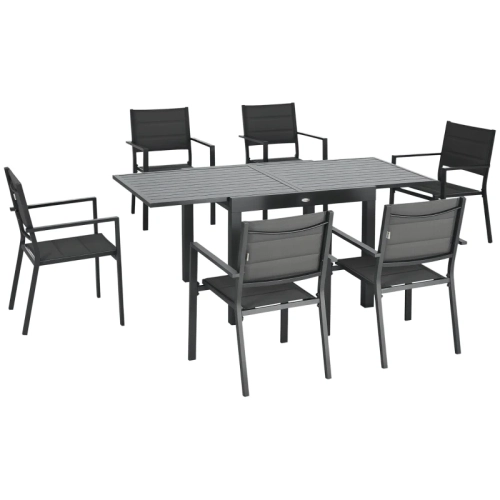
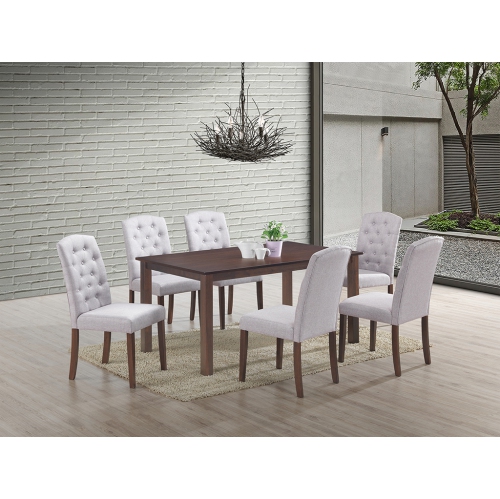
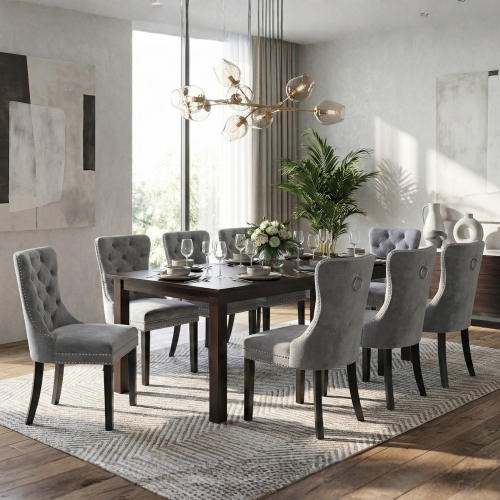

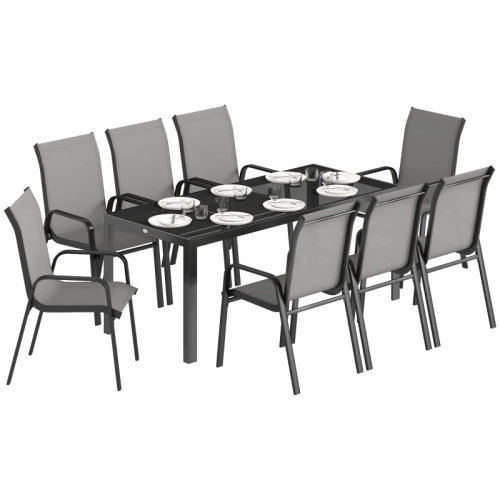
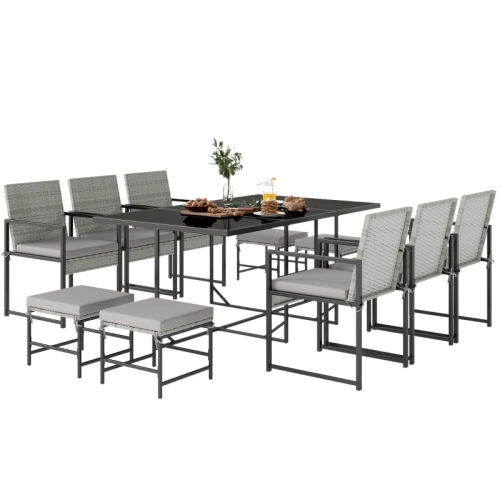

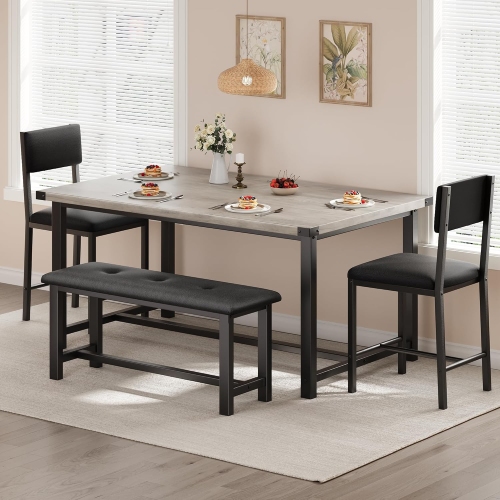
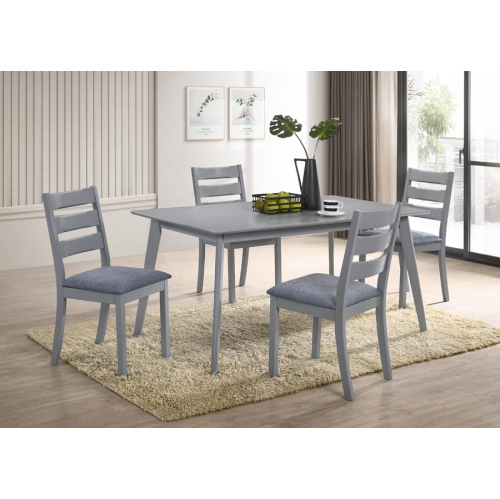



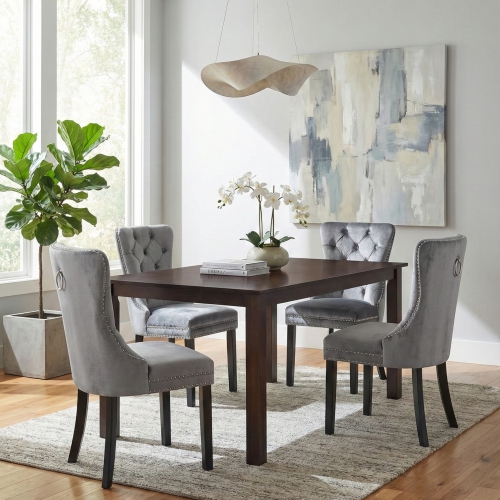


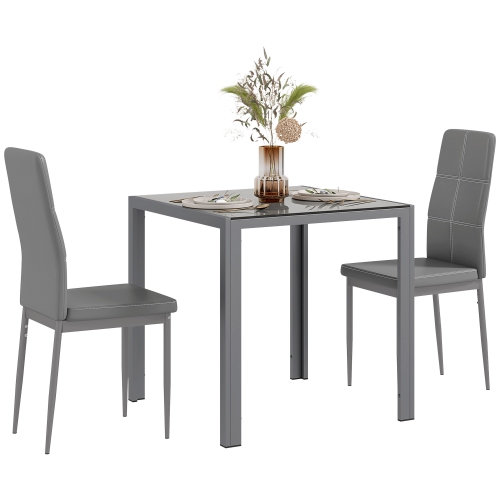
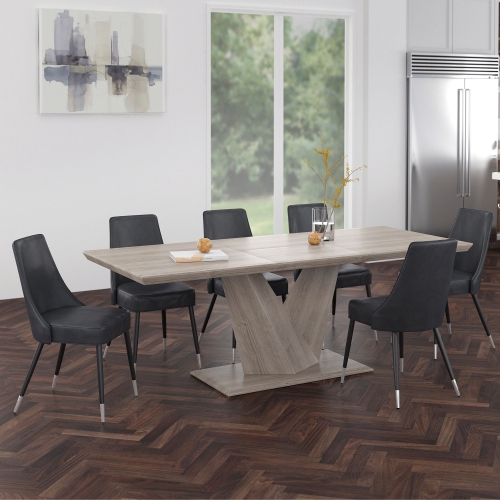
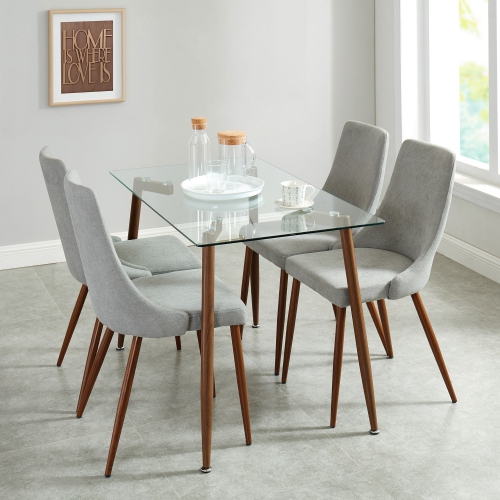

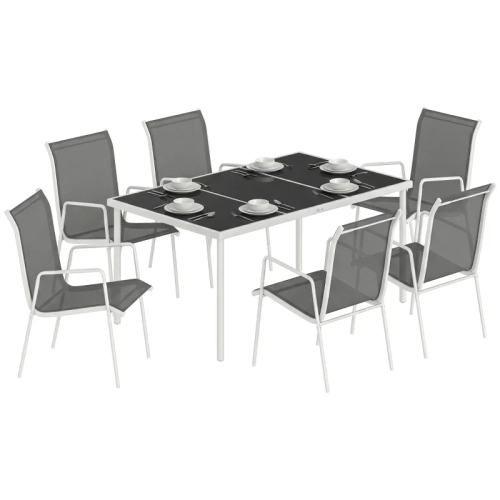
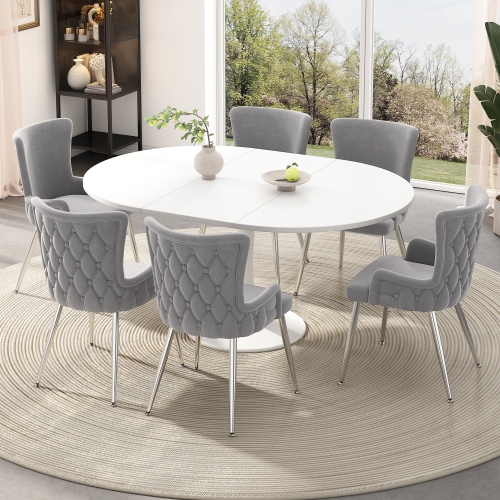
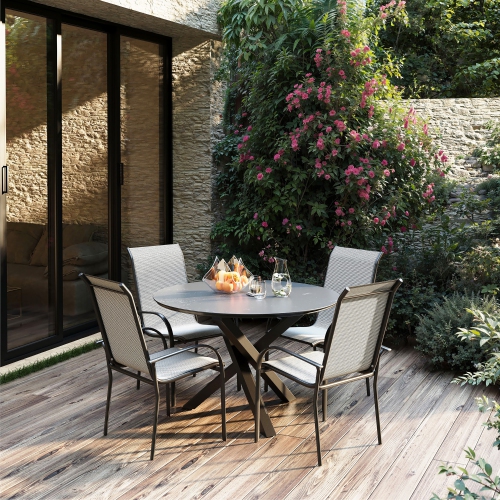
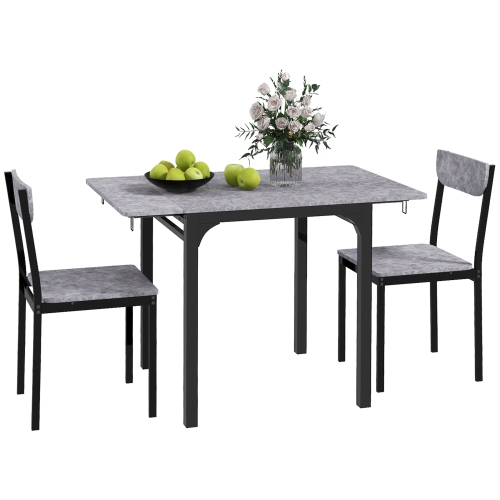
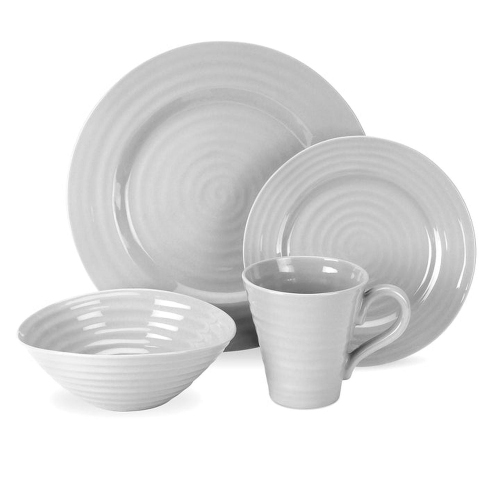

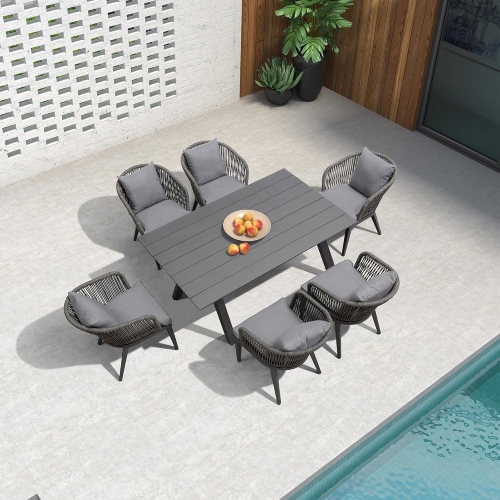
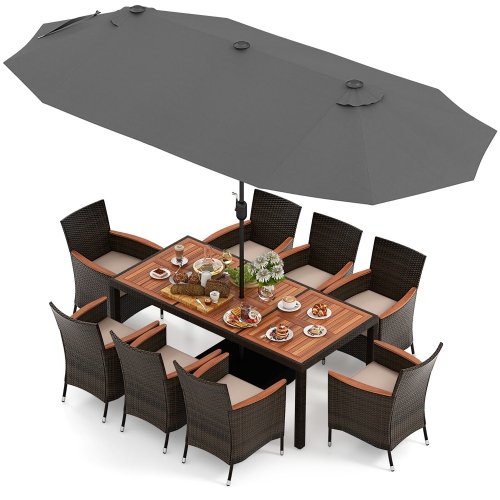
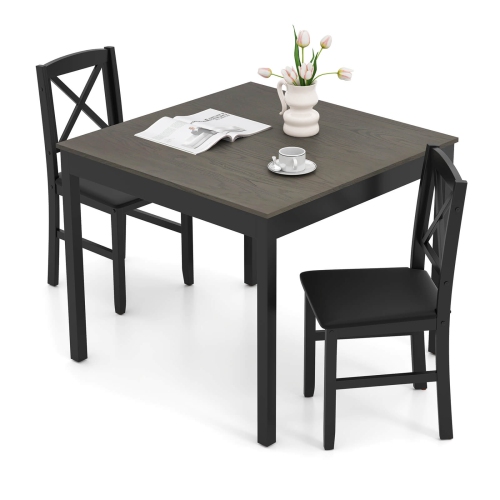
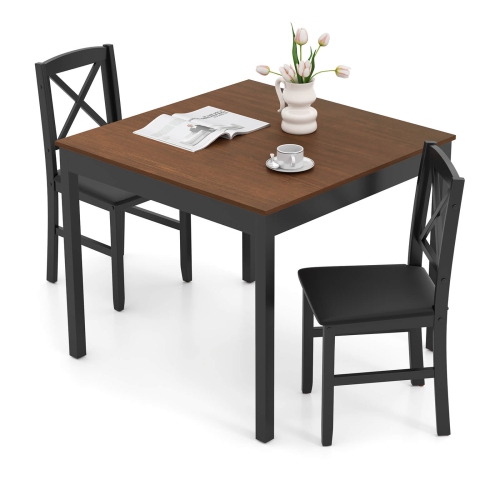
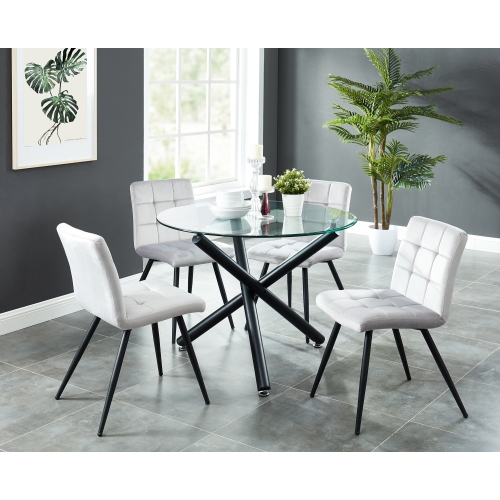
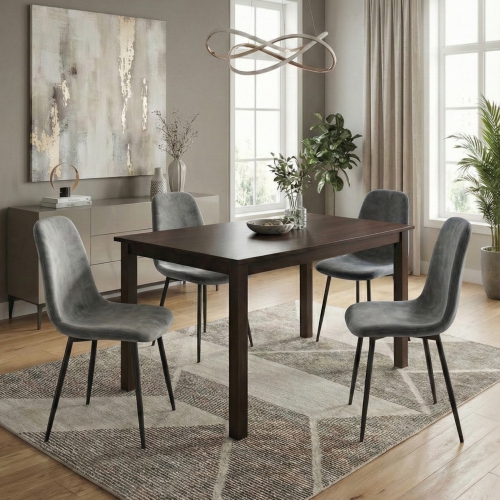
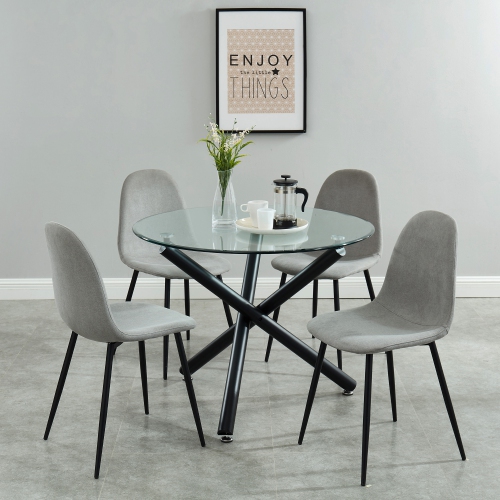
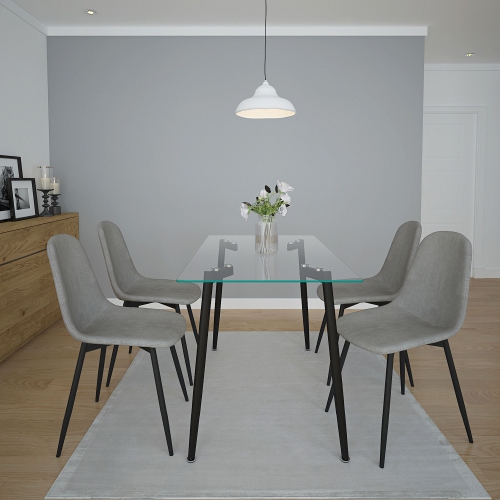
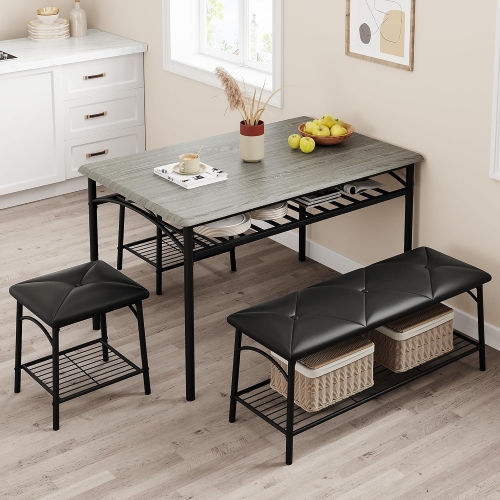
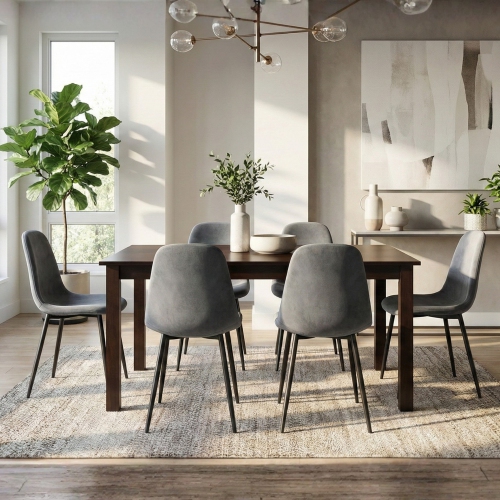
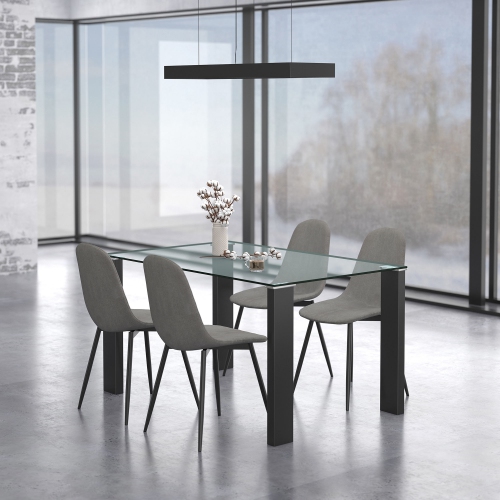
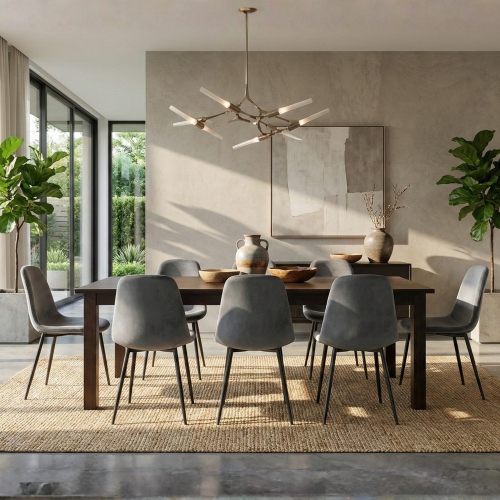

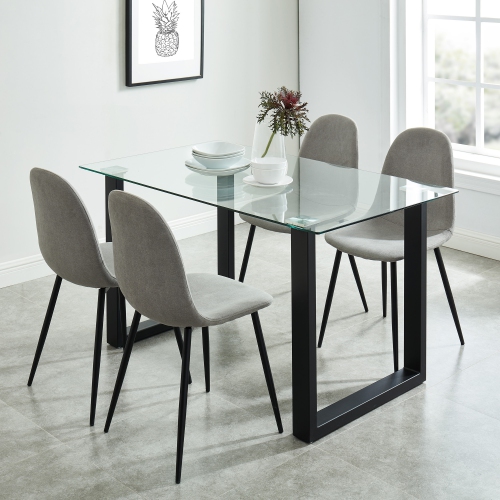
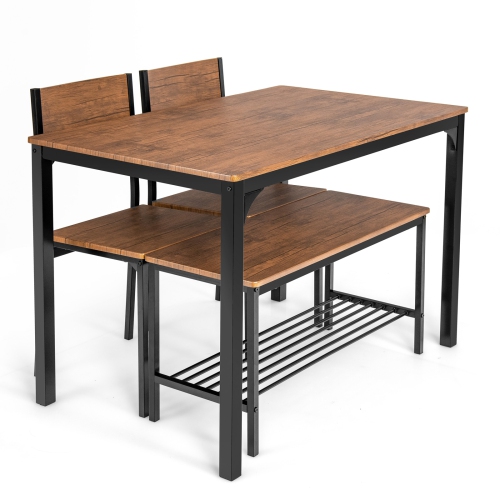
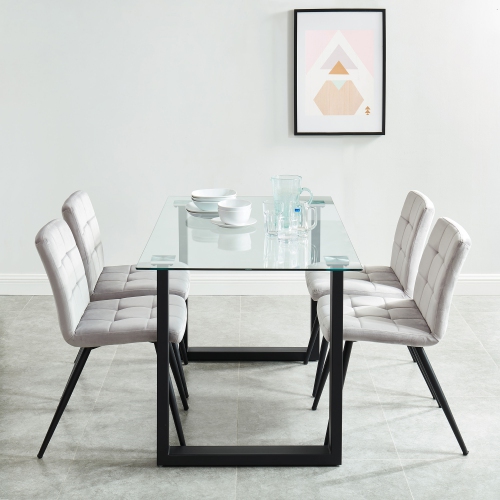

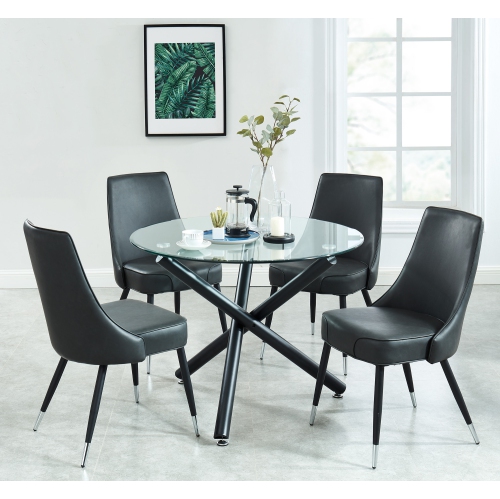
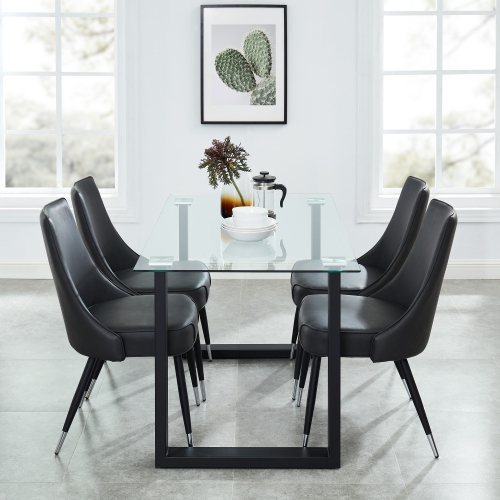
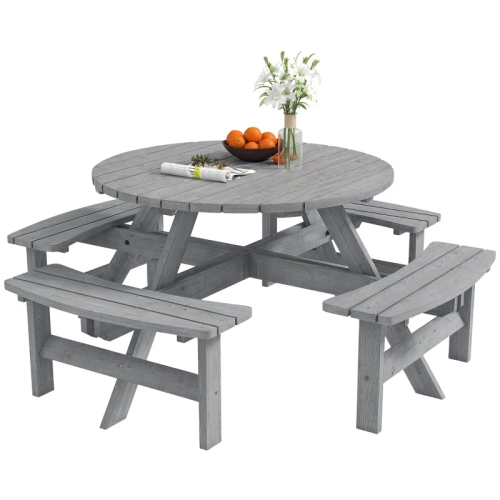
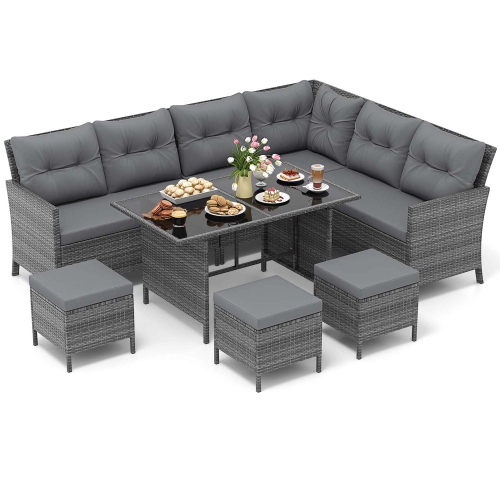

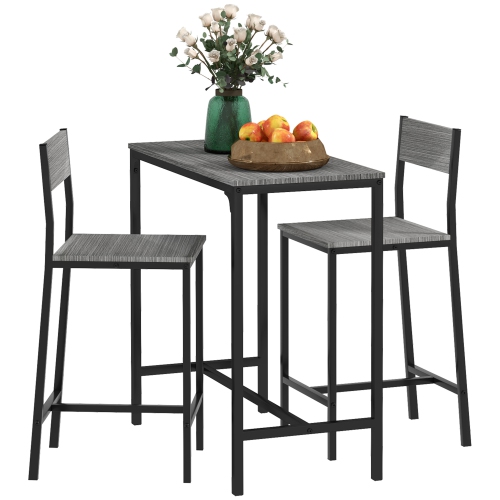
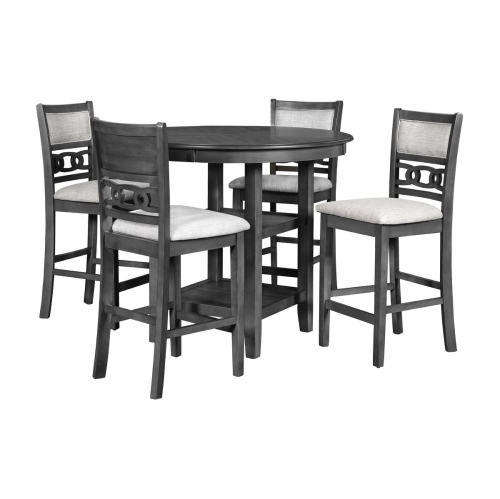
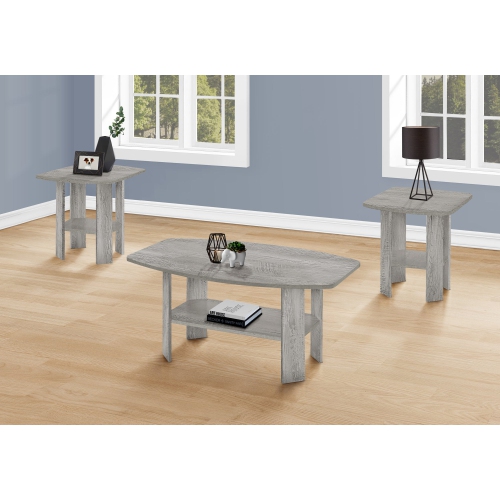

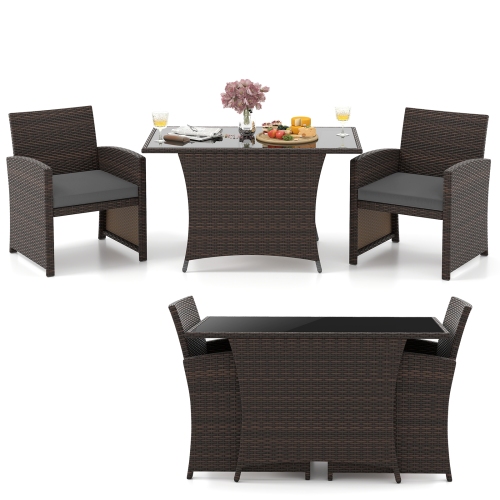
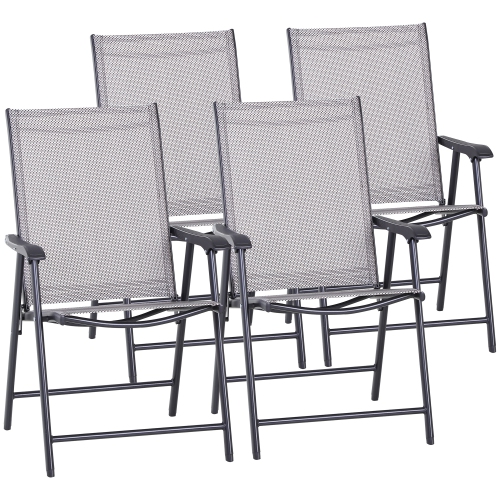
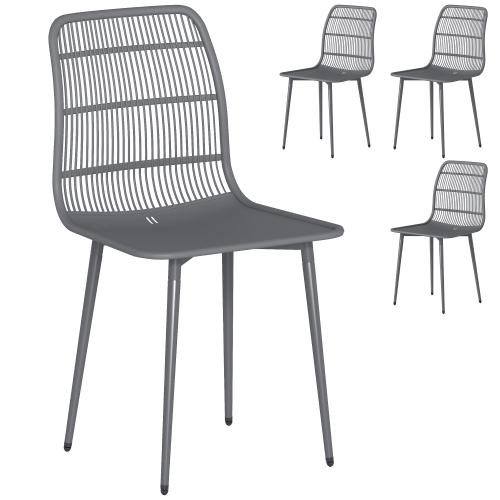
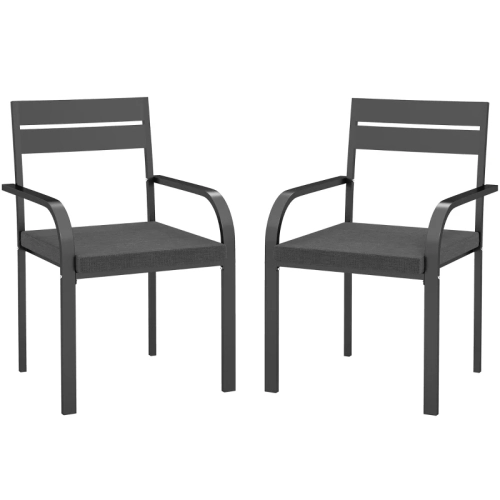
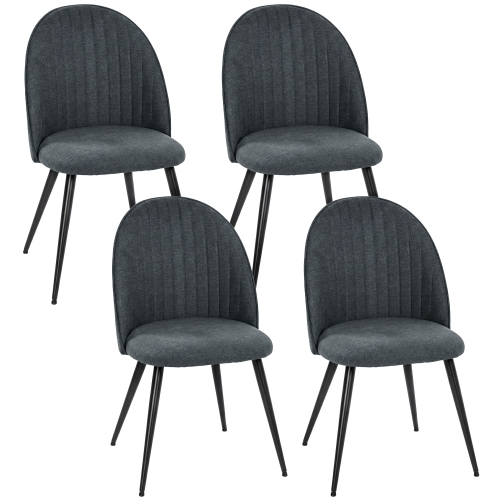
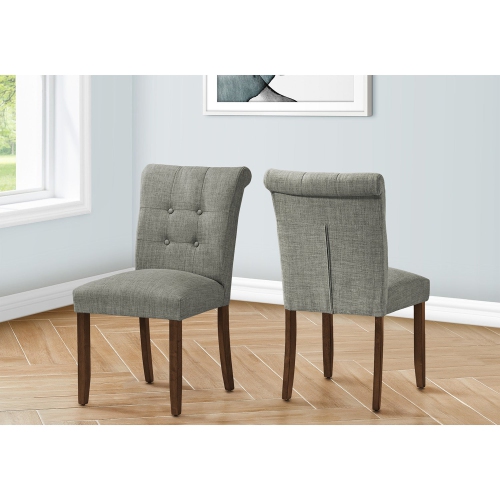
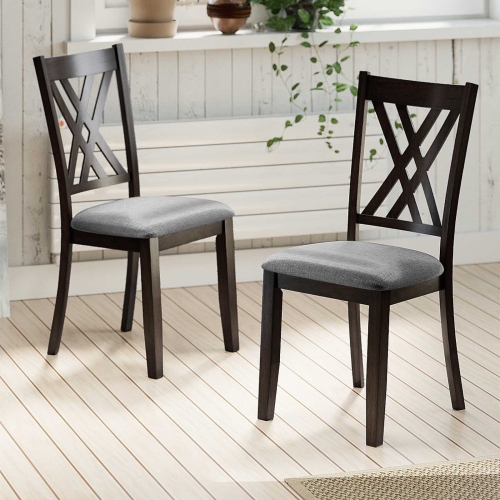

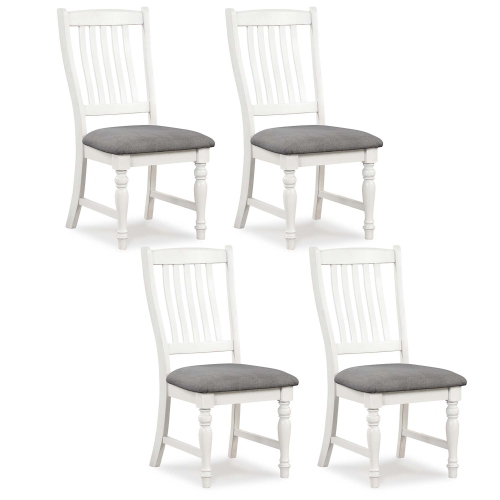

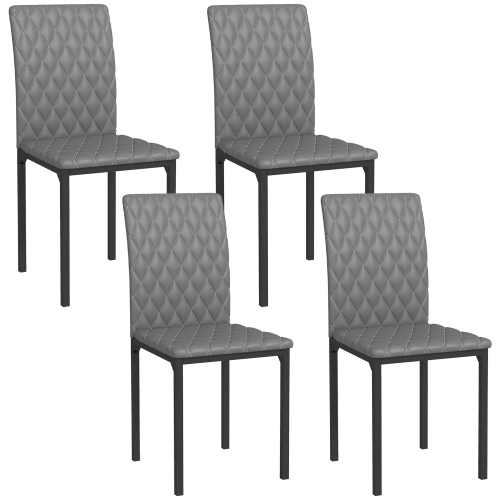
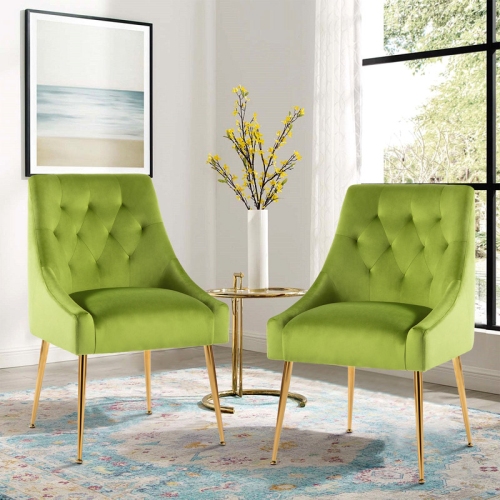
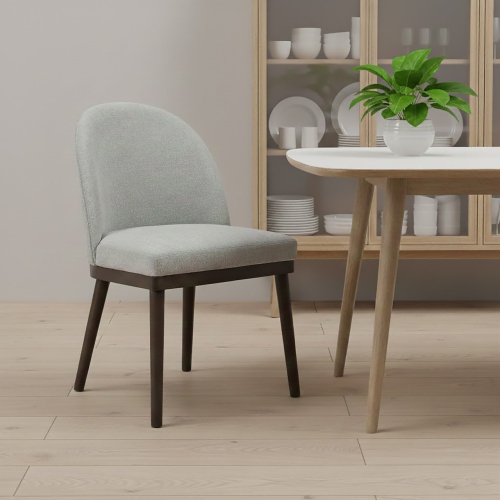
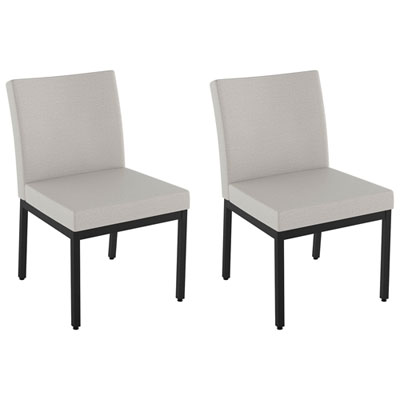
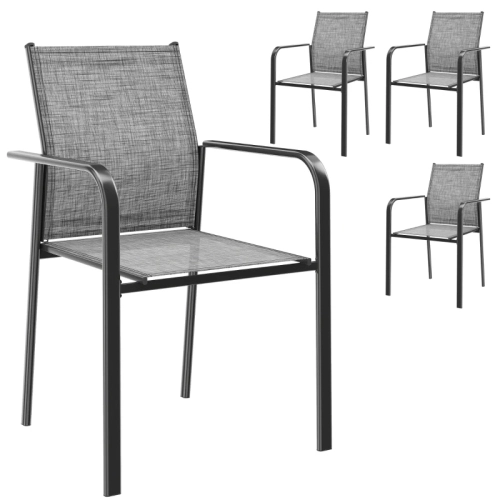
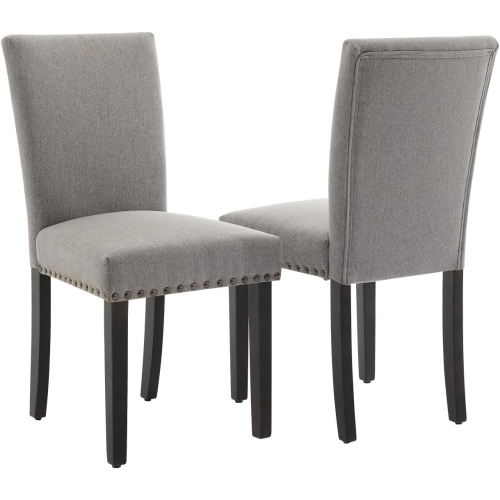
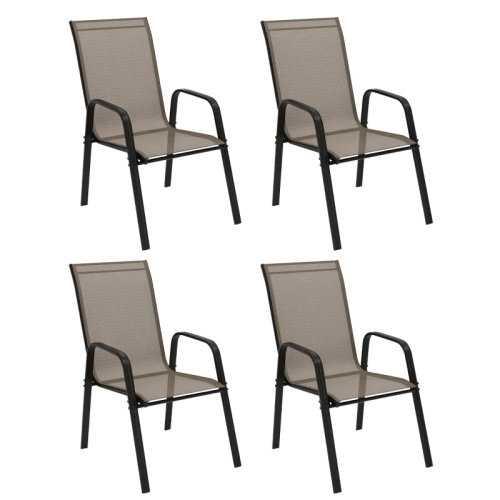
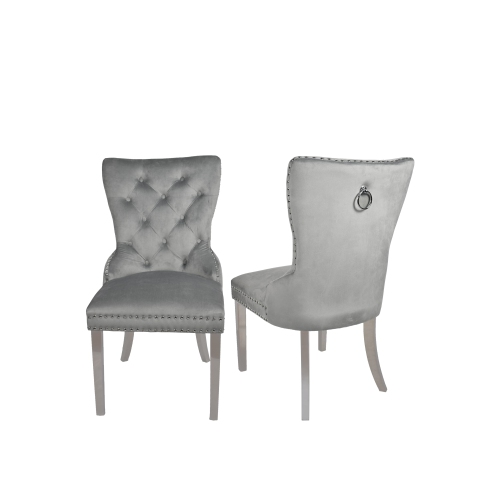

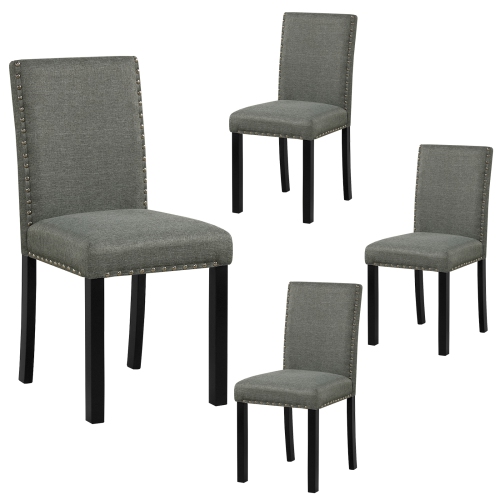
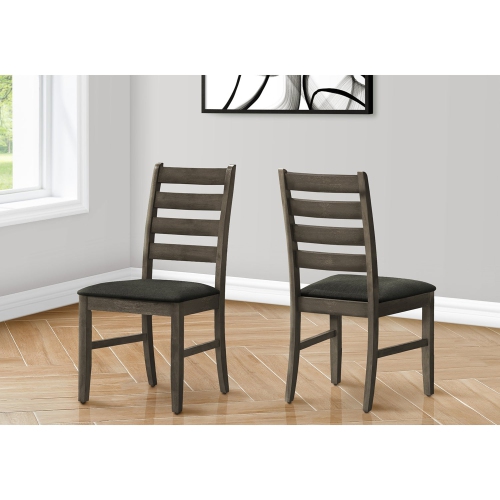

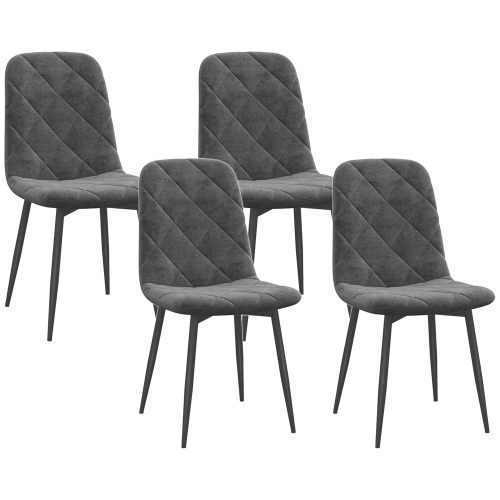
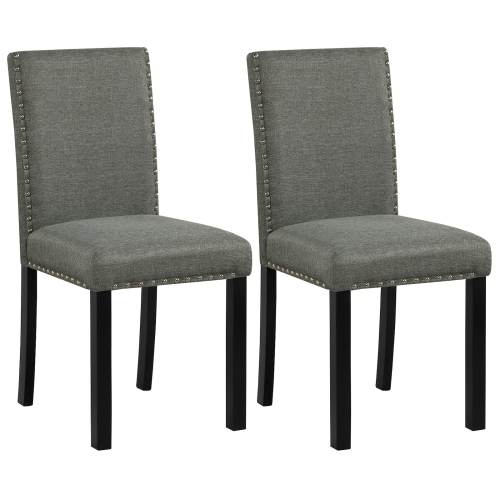
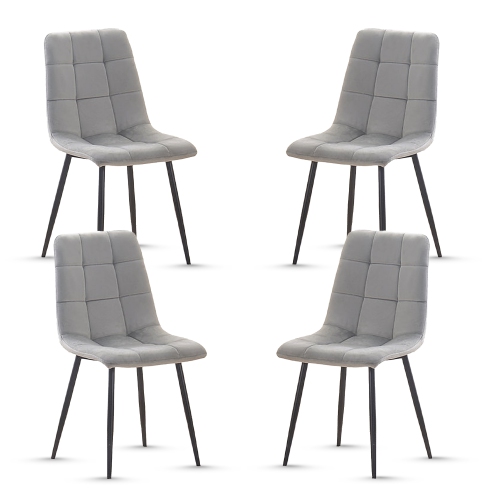
A coordinated dining space for more than shared meals
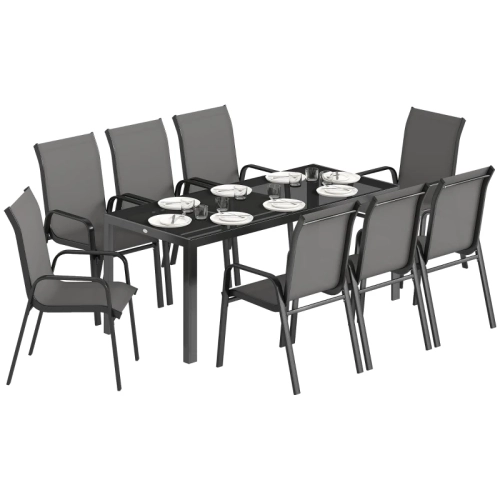
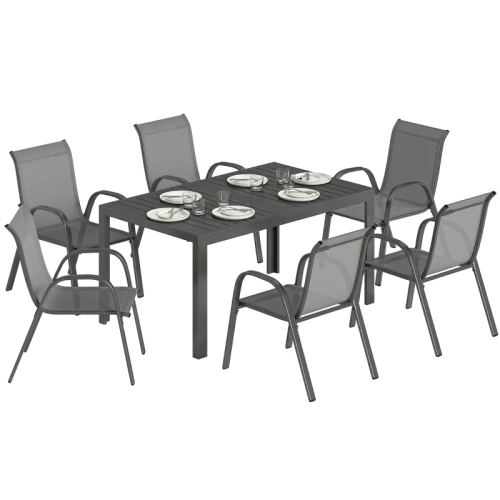
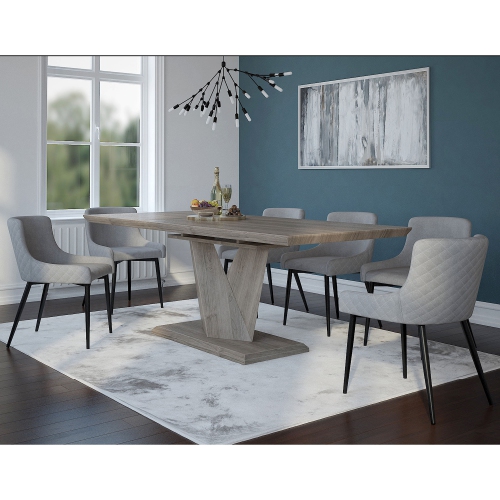
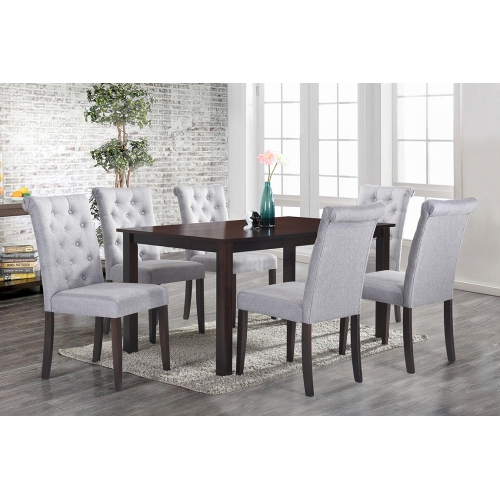
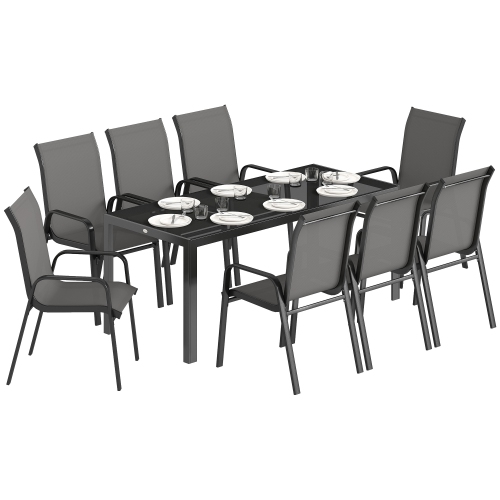
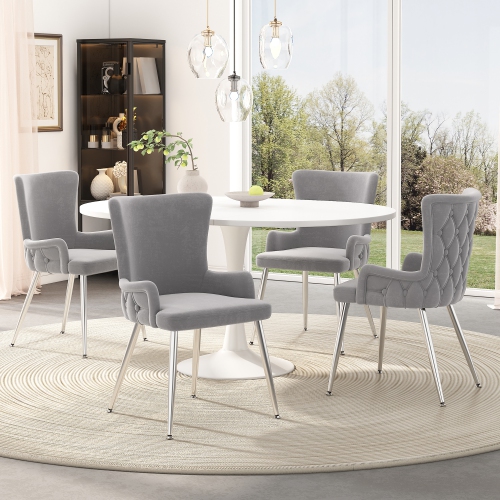
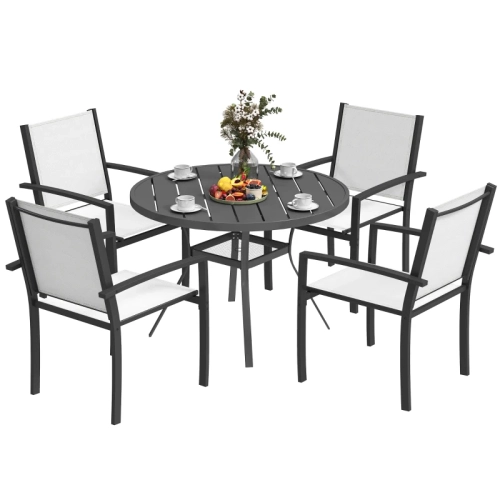
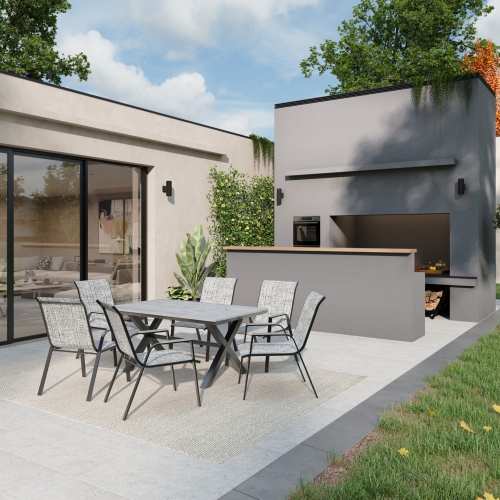
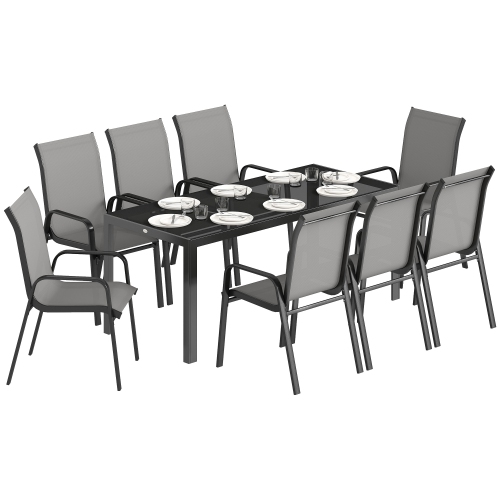
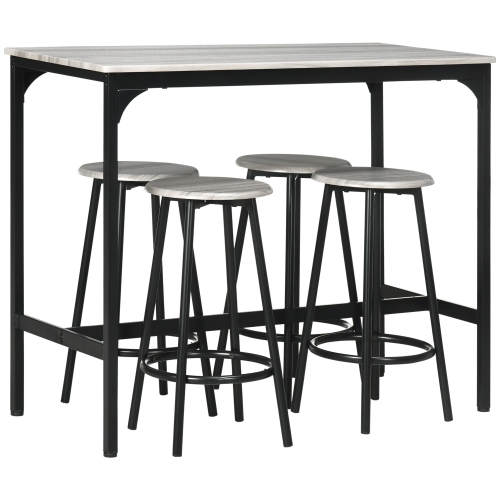
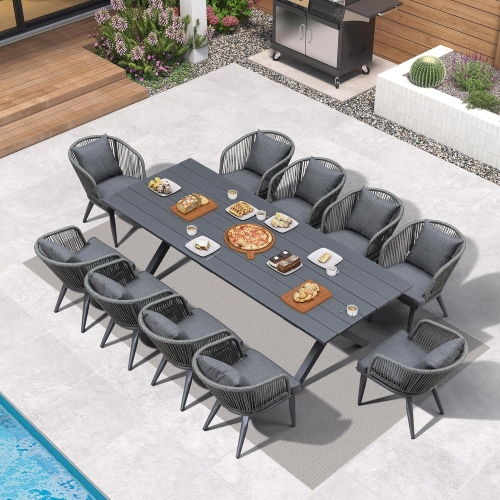
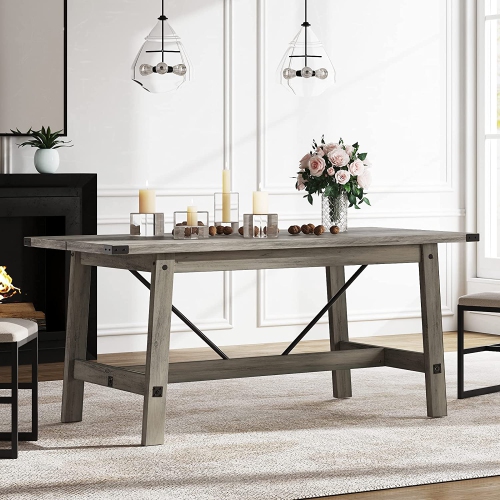
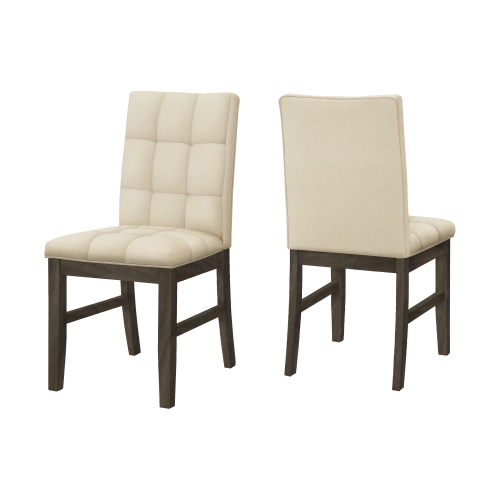
Grey dining sets bring a coordinated look to a space that often has to handle much more than dinner. A table and matching chairs can become the setting for a quick breakfast, a long conversation over tea, a child’s homework or a shared meal with friends. Grey works across these everyday uses because it offers a neutral foundation without limiting the room to one style. Pale grey finishes can sit comfortably beside light wood floors and white cabinetry, while charcoal tones create a stronger contrast against cream walls or natural oak. The undertone matters as much as the depth of colour: a grey with brown notes tends to feel warmer, while one with blue notes can look cooler beside surrounding finishes. Upholstery, wood grain and surface texture add another layer of variation, so a grey tabletop and grey chairs do not have to be identical in shade to feel well matched. A wood-look surface with visible grain brings a different character to the room than a smooth painted finish or a glass top paired with grey seating. Straight legs and simple chair backs suit uncluttered interiors, while curved backs, tapered legs or upholstered seats can soften a more structured room. In an open-concept home, repeating a grey tone from the sofa, kitchen cabinets or flooring can help the dining area feel connected to nearby spaces without making everything match. Colour also changes with lighting, so it helps to consider how the finish will look beside the room’s permanent features rather than judging grey in isolation. For a first apartment, a shared household or a family dining room, a coordinated set takes much of the guesswork out of pairing table and chair styles. The strongest fit is one that feels at home among existing furnishings and supports the way the household actually gathers, from two people eating quietly to a full table passing serving dishes.
The right proportions make that coordinated appearance useful in daily life. A dining set needs room not only for its tabletop, but also for people to pull out chairs, sit comfortably and move behind someone who is already seated. Measuring the usable floor area helps account for nearby cabinet doors, hallway openings, radiators and other features that can interrupt the layout. Around 90 cm between the table edge and a wall or another piece of furniture is a helpful starting point for chair movement, with additional space worth allowing where people regularly walk past. Round tables can make conversation easy and remove sharp corners from compact layouts, although the position of the legs or pedestal still affects where chairs fit. Rectangular tables often work naturally in longer rooms and provide a clear arrangement for several place settings. Square tables can suit smaller dining areas, provided there is enough clearance on every side that will be used. Seating capacity depends on more than the overall table length; broad chair backs, armrests and bulky table supports can reduce comfortable elbow room. Chairs should tuck in far enough to keep walkways clear, and any arms need to pass beneath the tabletop or apron. Seat height also needs to work with the table height, leaving comfortable space for legs without forcing diners to reach upward. For households that host occasionally, an extending table can offer flexibility, but its fully opened footprint and the storage needs of any separate leaves deserve attention. Everyday comfort comes down to smaller details, too. A supportive backrest matters during lingering meals, while the weight of a chair affects how easily it can be moved for cleaning. Upholstered seats may feel more forgiving during longer stretches at the table; smooth, unupholstered seats can simplify wiping away crumbs. A rug beneath the set should extend far enough for chair legs to remain on it when someone pulls back from the table, reducing awkward edges underfoot.
Materials and construction influence how grey dining sets look after months of meals, spills and regular movement. Solid wood can show natural variations in grain and may respond to changes in indoor humidity, while wood veneer provides a real-wood surface over a supporting core and needs care appropriate to its finish. Laminate surfaces are often practical for busy eating areas, though hot cookware, sharp utensils and moisture around seams can still cause damage. Painted grey finishes create a more uniform appearance, but chair backs rubbing against walls and repeated contact at table edges may leave visible marks. Metal frames contribute a slimmer profile in many designs, with stability depending on sound joints and properly tightened fittings rather than appearance alone. Glass tabletops can keep a small room looking visually open, although fingerprints and smears tend to show readily. For seating, tightly woven fabric, textured upholstery and coated materials each have different cleaning needs; the manufacturer’s care directions should determine which cleaners and methods are suitable. Promptly blotting spills, using coasters and placemats, and placing trivets beneath hot dishes help protect surfaces without making everyday meals feel fussy. A soft cloth is generally a sensible starting point for routine dusting, while abrasive pads and harsh cleaners can damage some finishes. Felt pads suited to the flooring can help limit scuffs when chairs move, and checking fasteners periodically can address loosening before it becomes more noticeable. In homes where the dining table also serves as a workspace or craft surface, a protective mat keeps pens, glue and repeated friction away from the finish. If comfortable chairs are already part of the room, Grey Dining Room Tables offer a way to coordinate a new table with existing seating rather than replacing the whole arrangement. For a complete set, the lasting appeal comes from the combination: a finish that suits the room, seating that feels comfortable and construction that stands up to the household’s ordinary routines. Those details matter just as much during a hurried weekday lunch as they do when everyone settles in for a longer meal.
Top selling and popular products
-
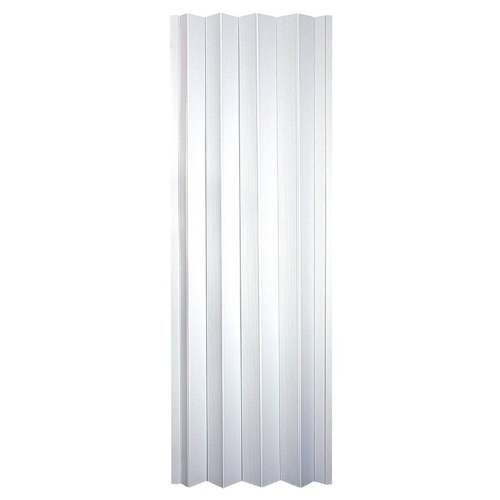 Your price for this item is $174.99
-
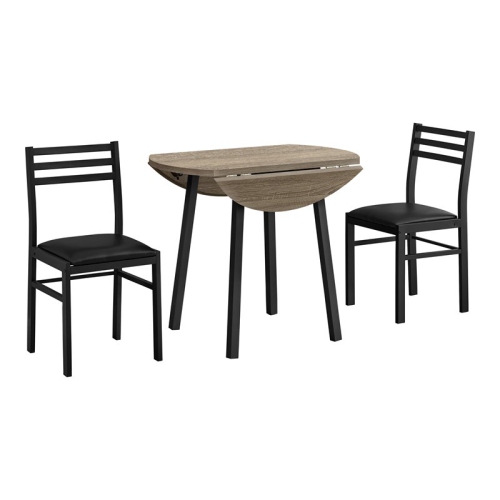 Your price for this item is $219.97
-
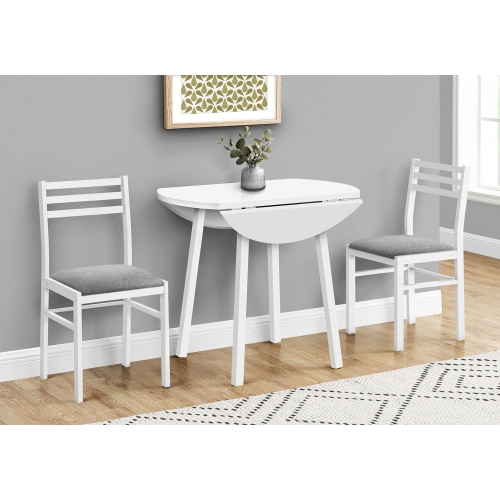 Your price for this item is $219.97
-
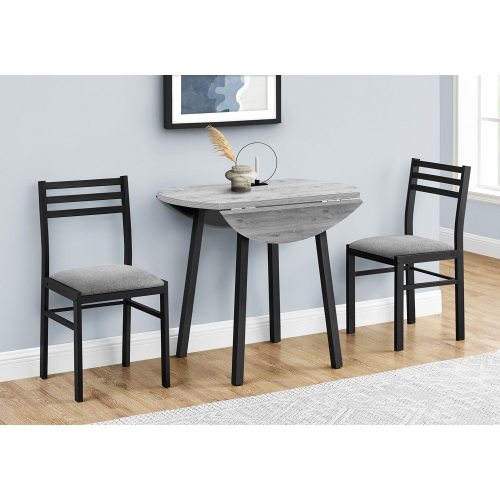 Your price for this item is $219.97
-
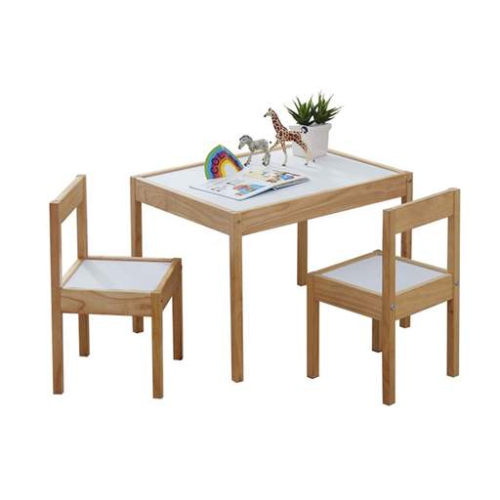 Your price for this item is $168.99
-
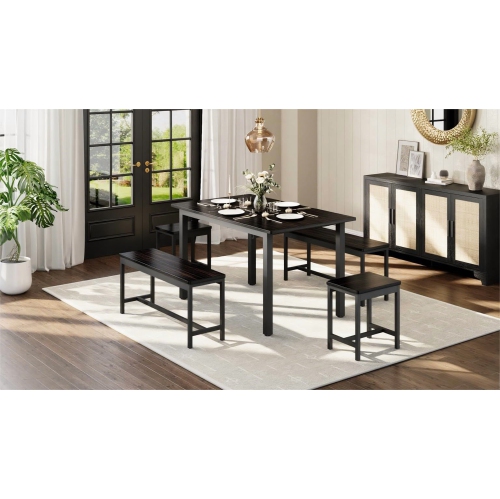 Your price for this item is $243.99
-
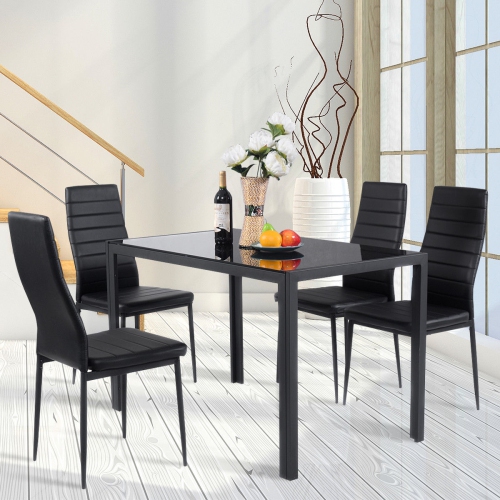 Your price for this item is $325.99
-
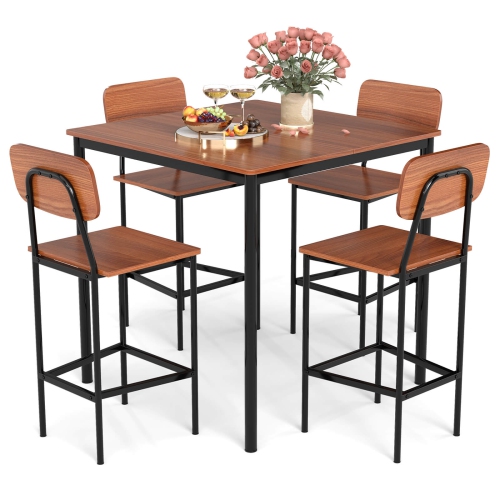 Your price for this item is $265.99
Discover more categories related to Grey Dining Sets
Top Collections:
Best Black Friday Deals This Year, Best Black Friday Deals On Electronics, Kindle Devices, Best Black Friday Deals On Apple Products, Best Budget Office Chairs, Best Cameras for Sports Photography, Dyson Airwrap, Canon G7X Cameras, Best Laptops for Writers, Samsung Galaxy Phones
Some products may be subject to Environmental Handling Fees
(EHF) depending on your province.
Learn more about EHFs.