Grey Living Room Rugs
Enhance the cozy ambiance of your living space with our collection of grey living room rugs. Perfect for adding a touch of sophistication and comfort to any room, these versatile rugs come in various sizes, styles, and textures to suit your decor preferences. Whether you're looking for a plush shag rug for a luxurious feel or a modern geometric-patterned rug to make a statement, we have the perfect option to elevate your home decor. Explore our selection of grey living room rugs and transform your space into a stylish retreat.
Sort
























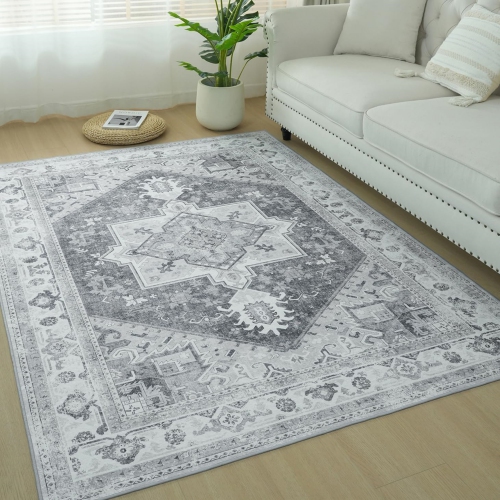

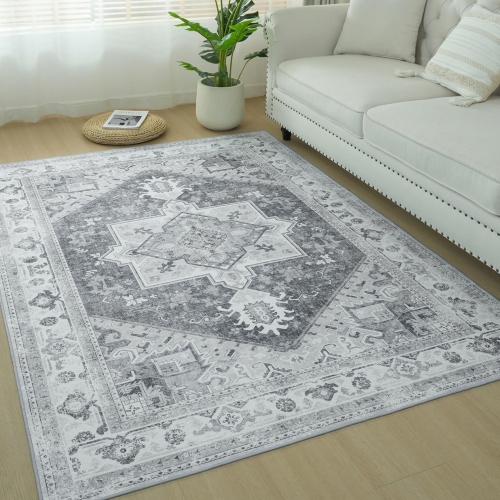


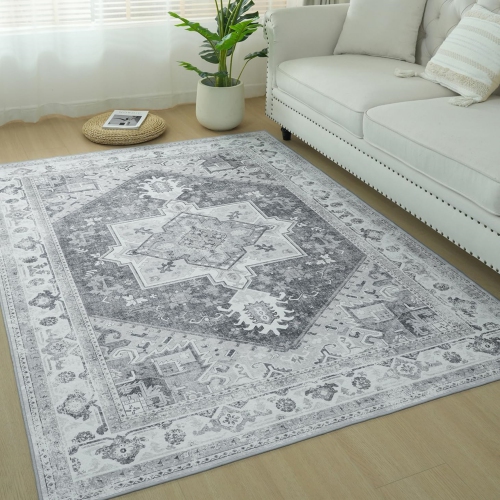


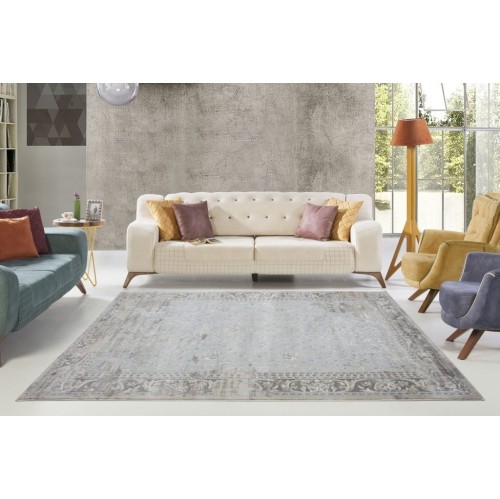





































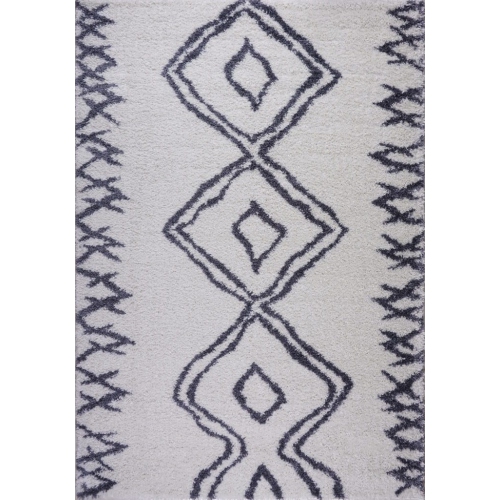


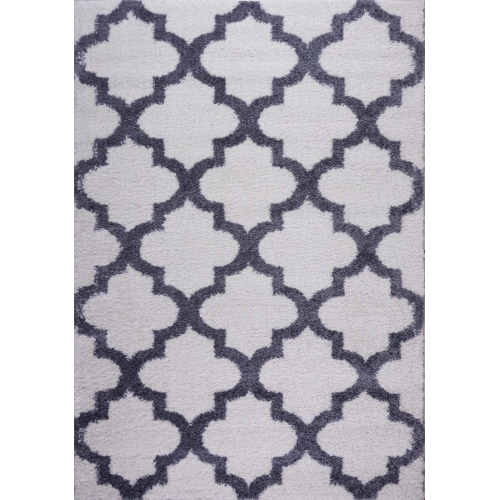

How grey rug undertones work with your furniture
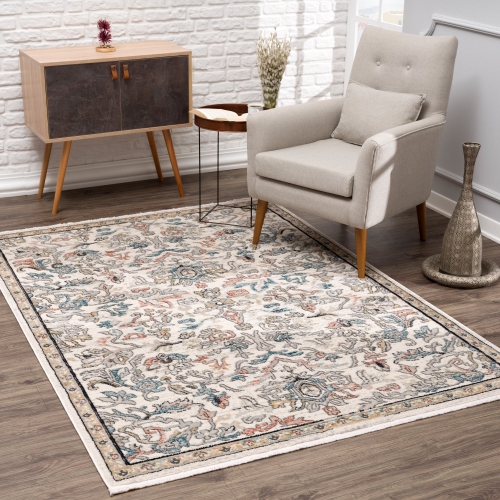
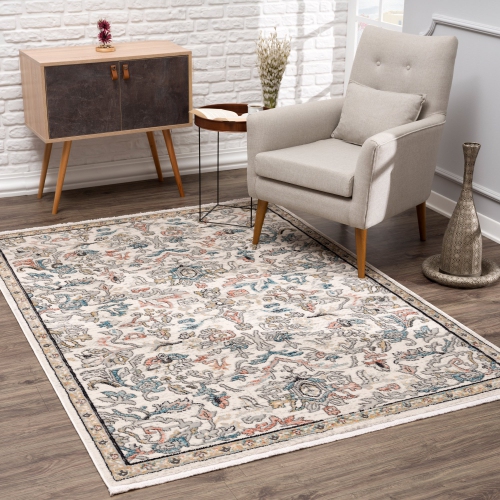
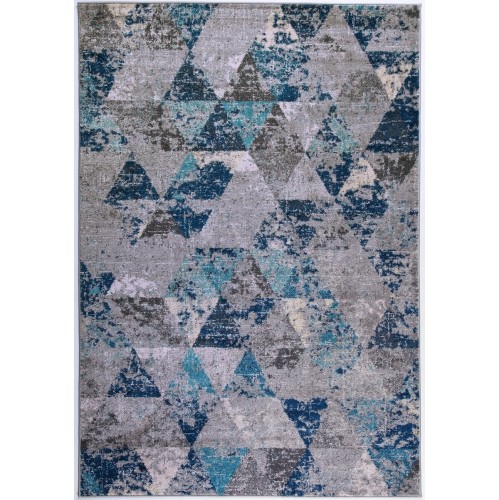
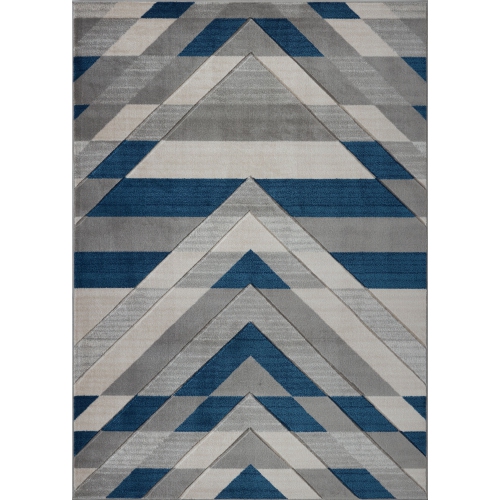
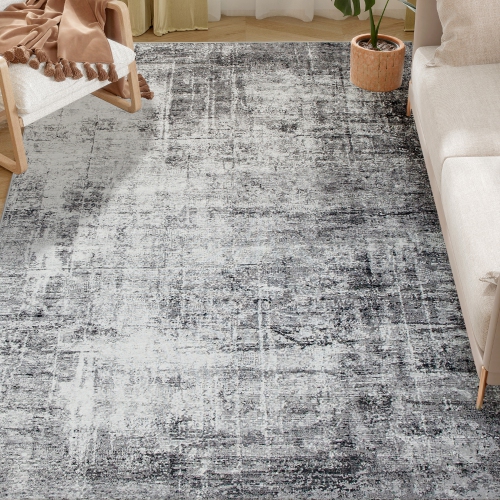
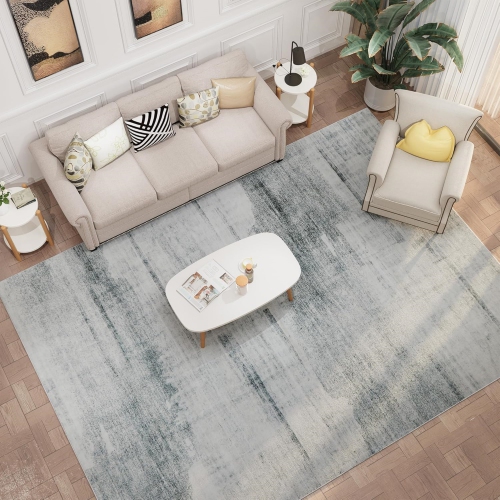
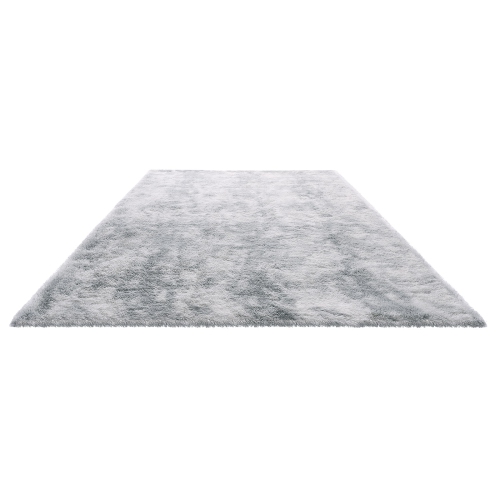
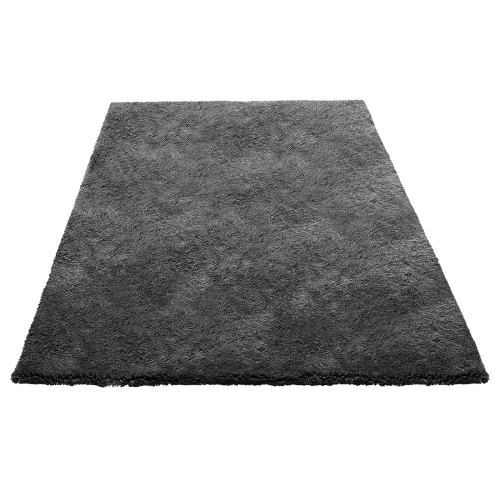
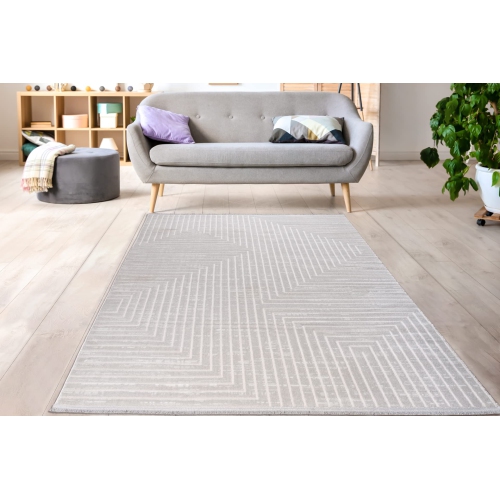
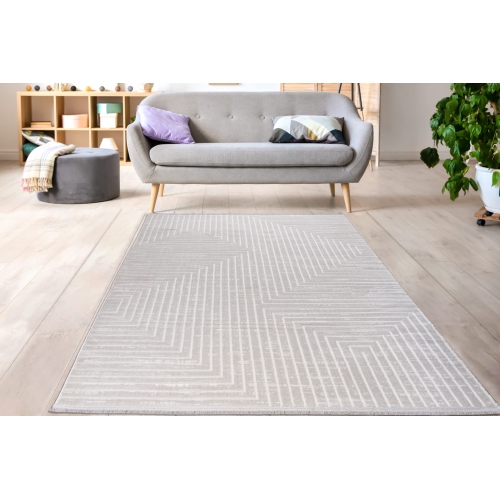
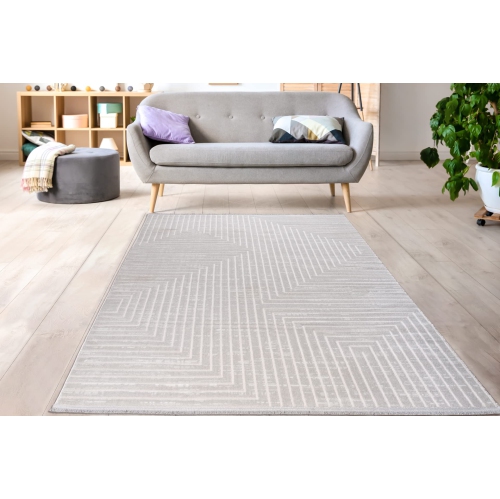
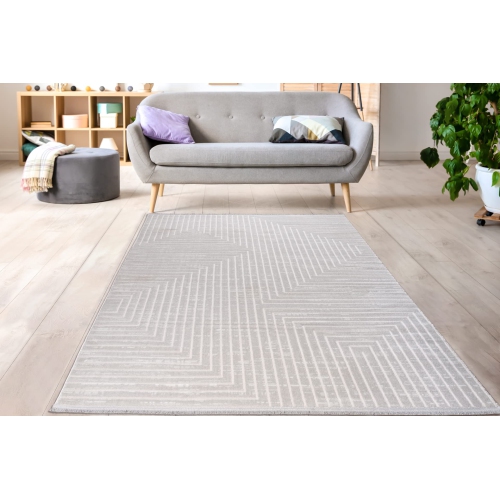
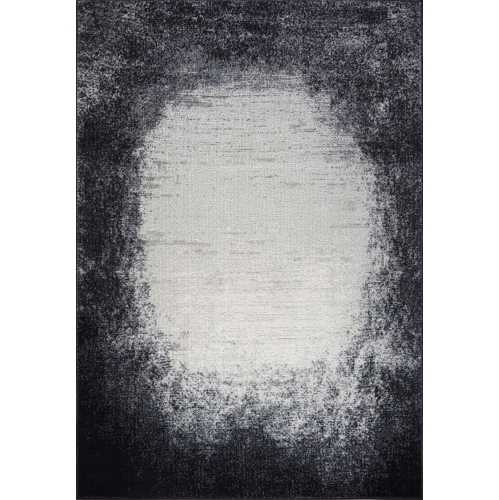
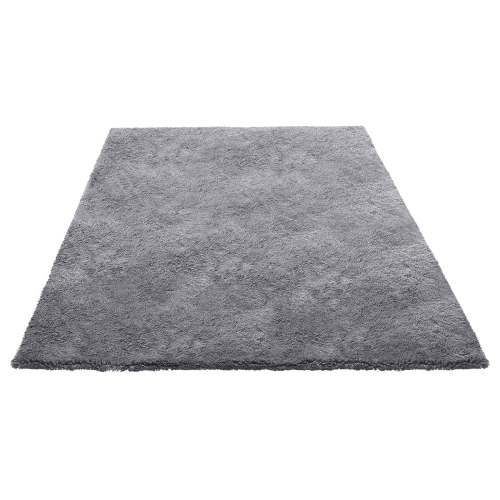
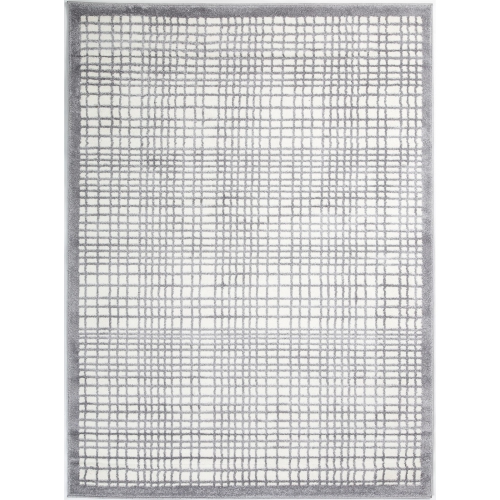
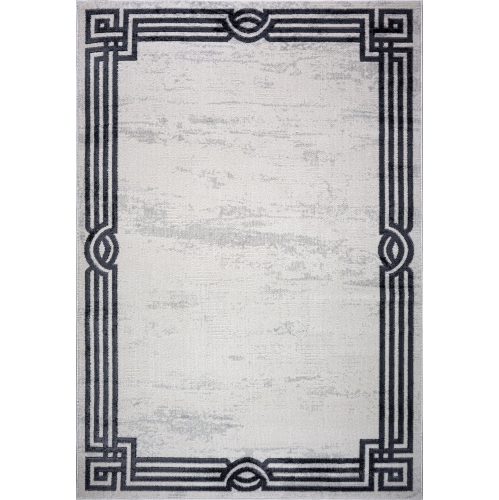
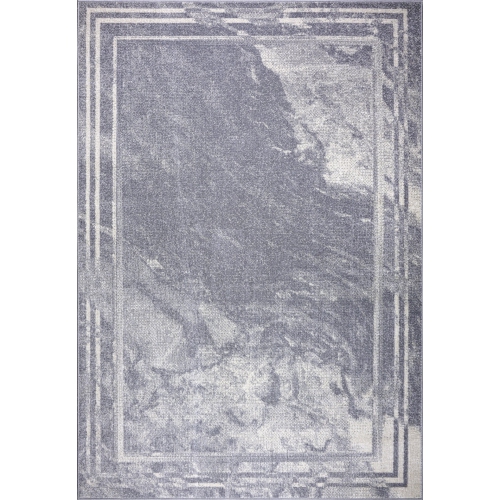
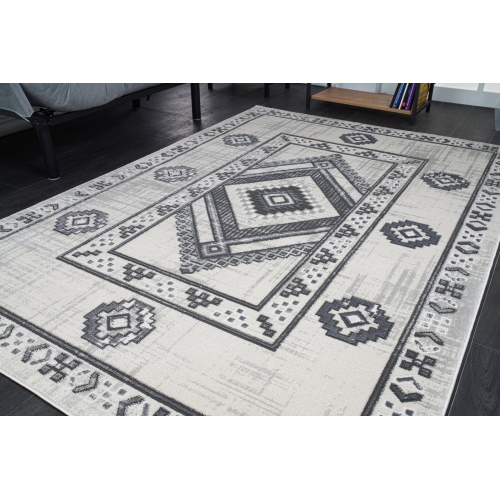
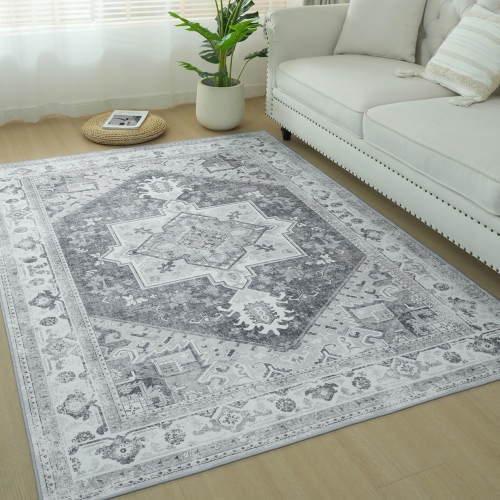
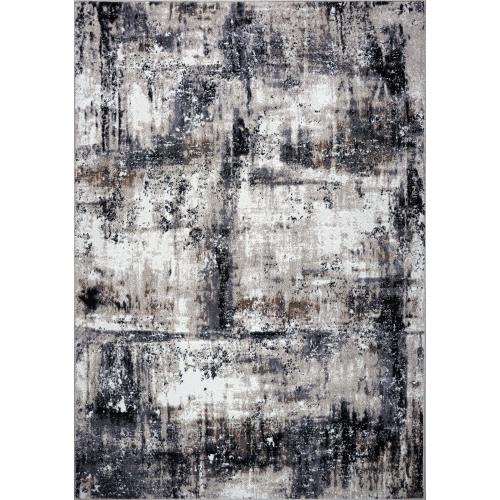
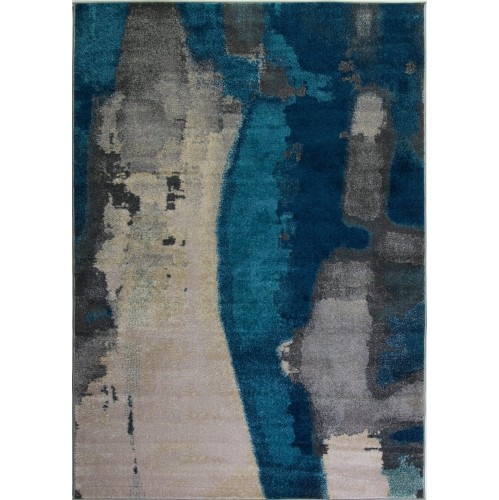
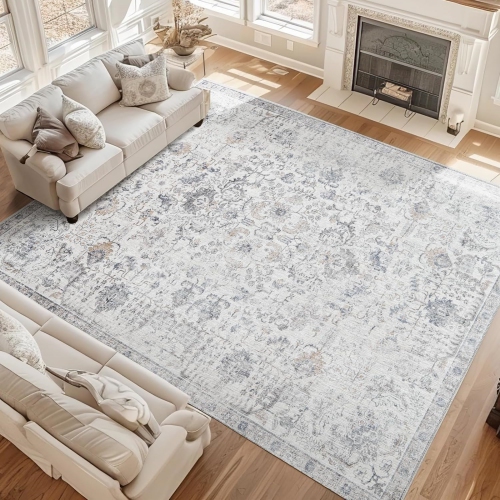
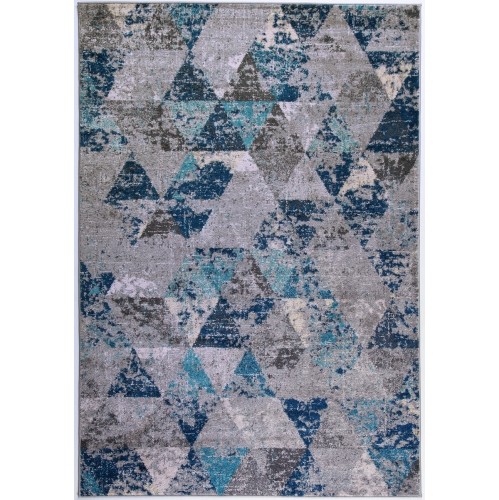
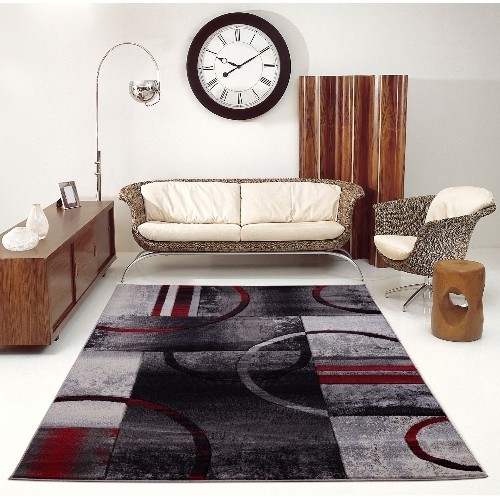
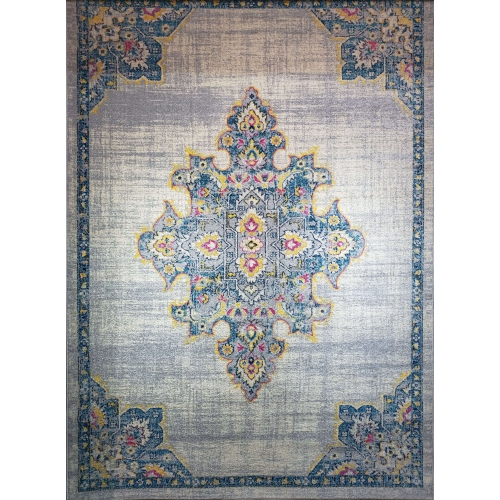
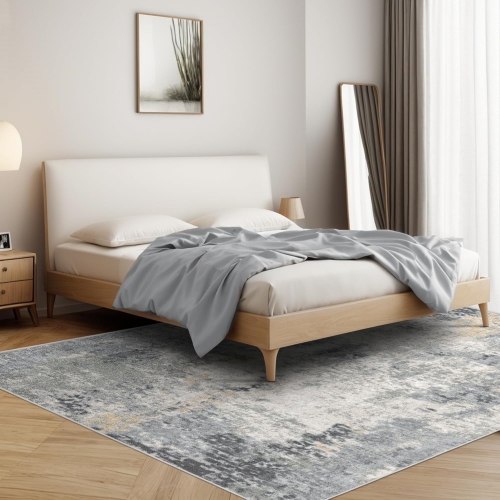
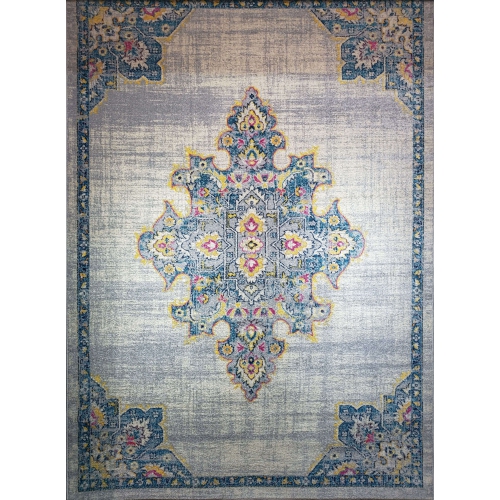
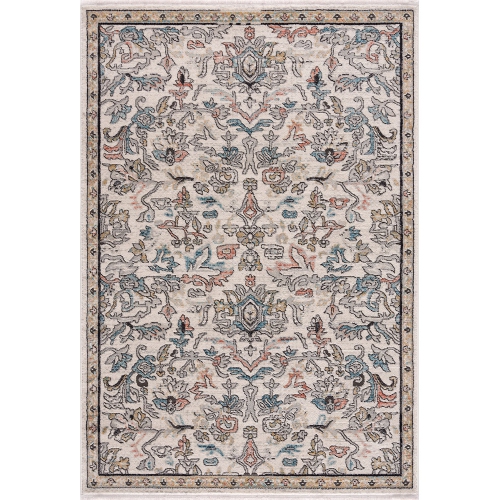
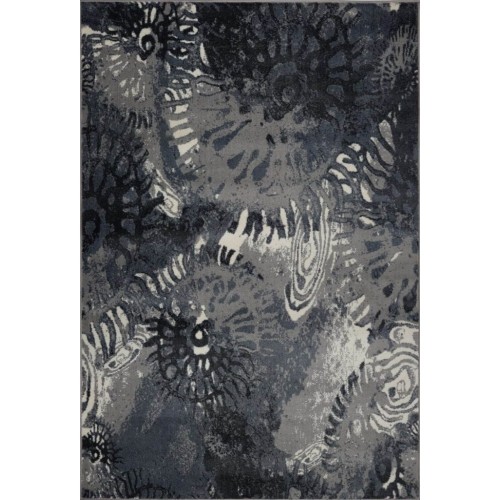
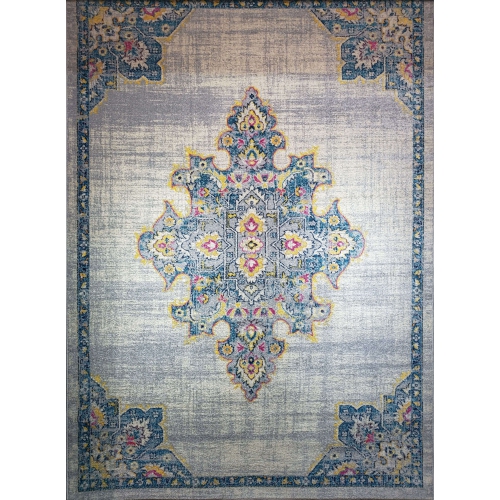
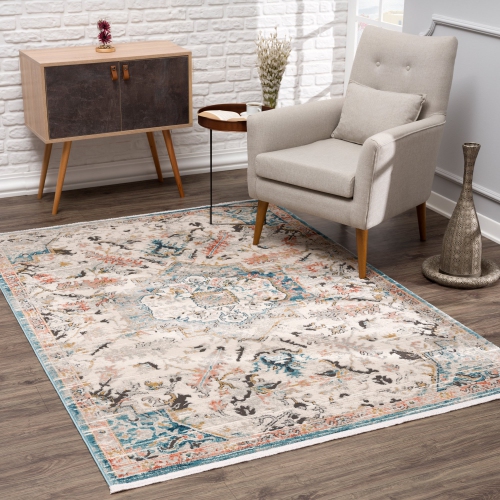
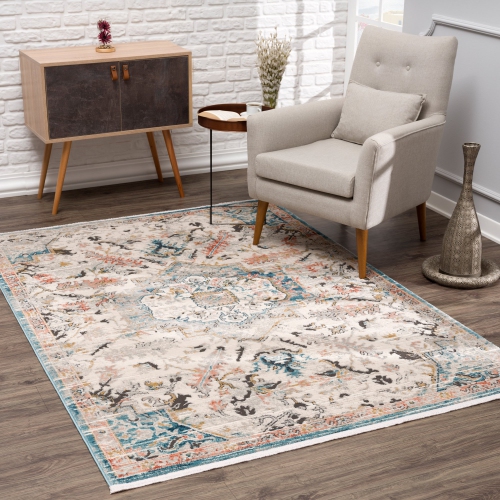
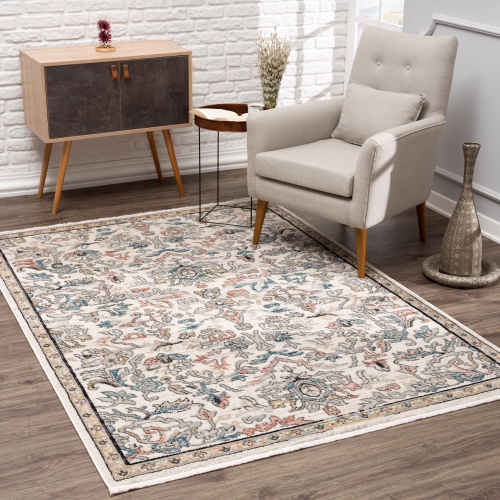
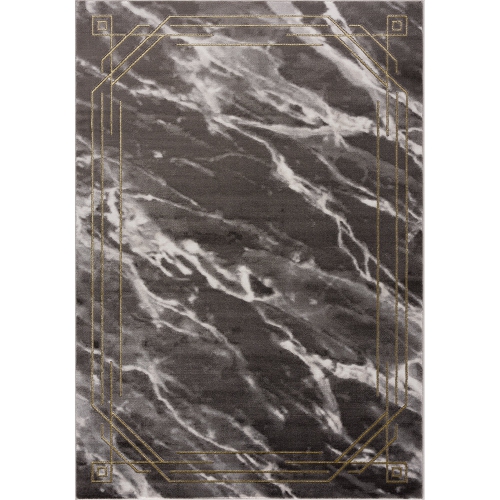
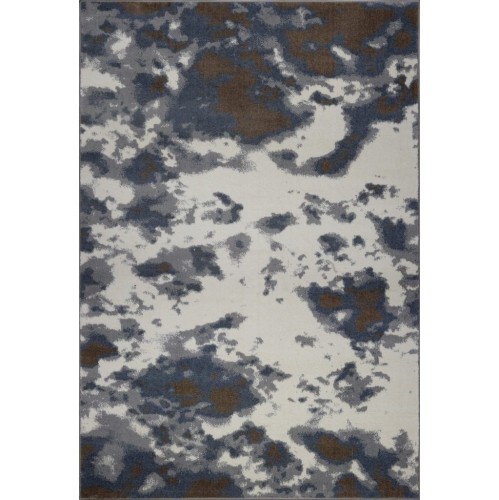
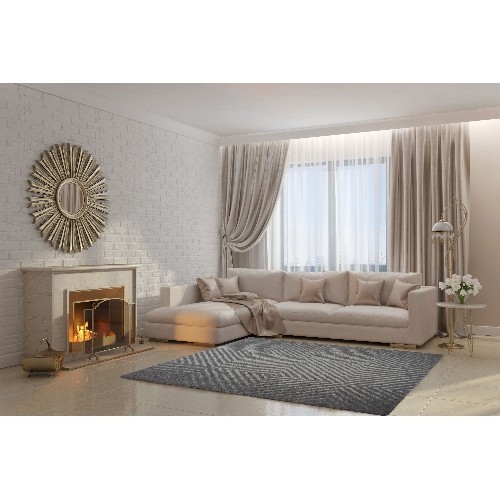
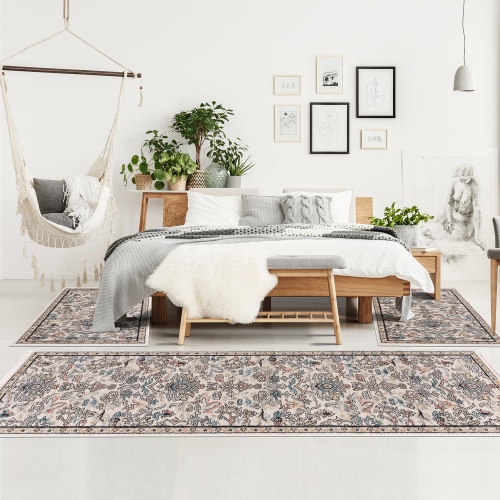
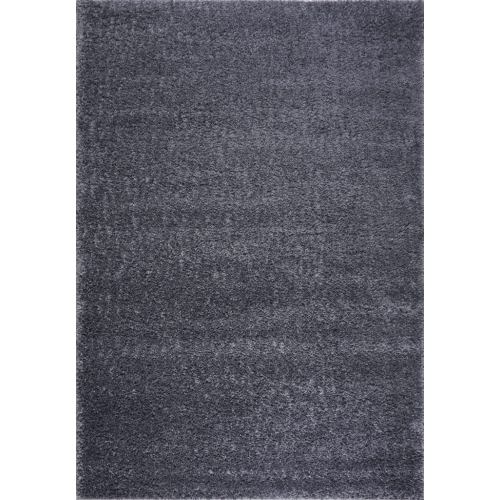
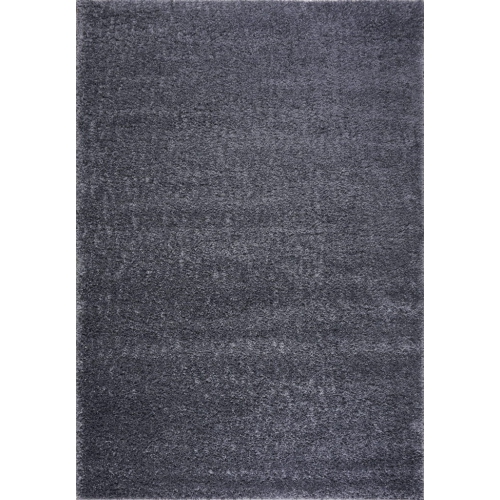
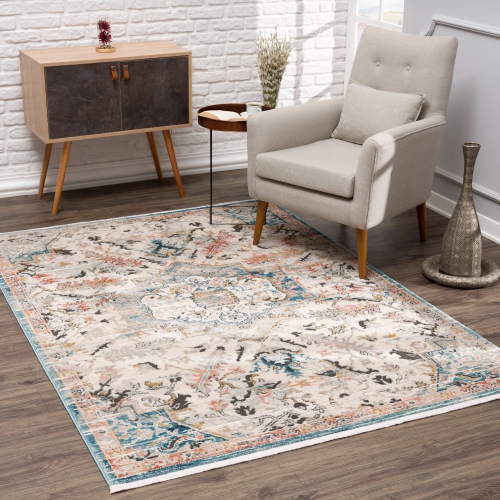
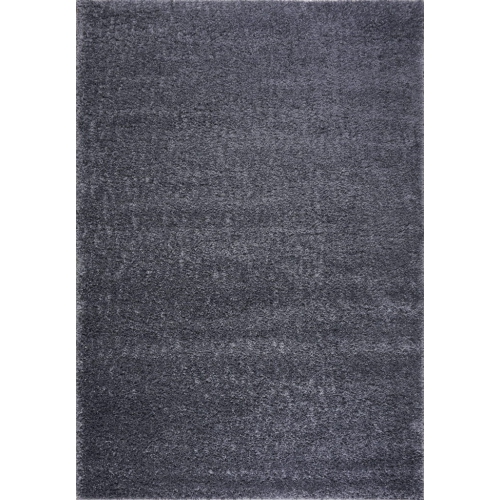
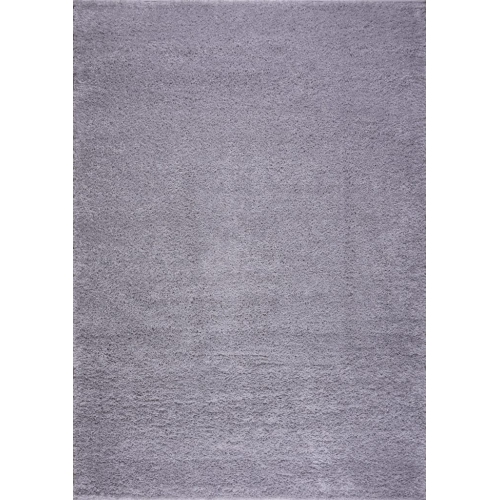
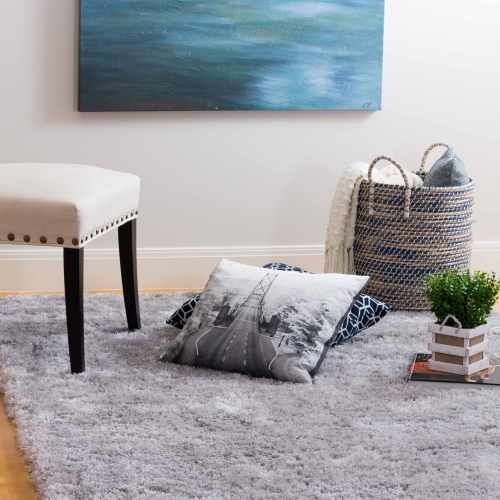
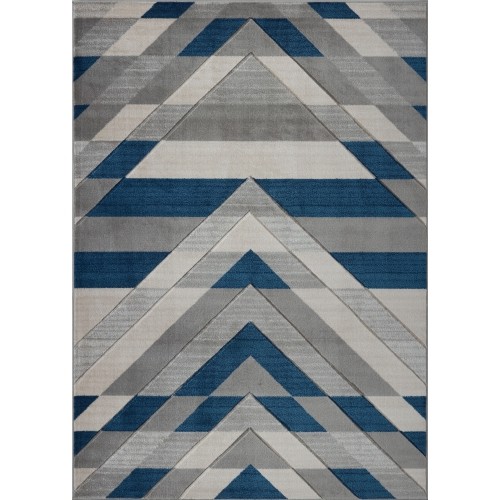
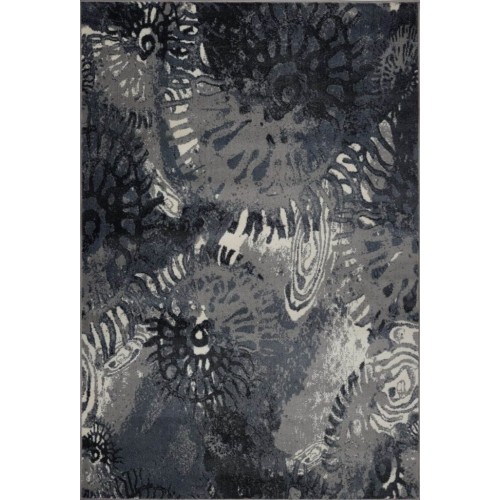
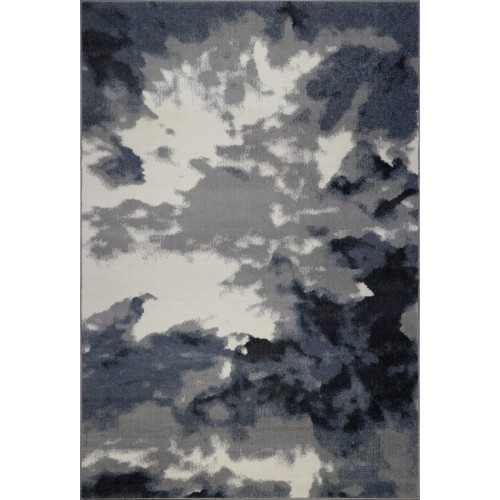
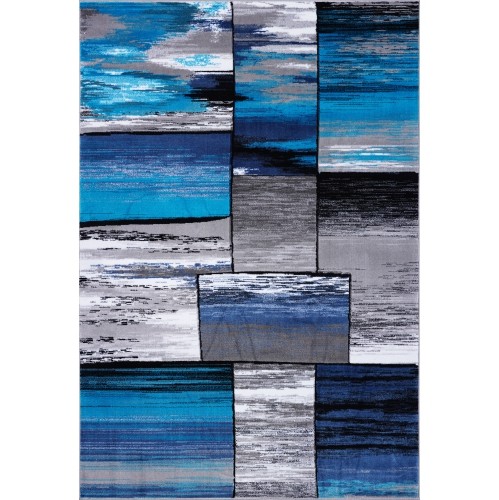
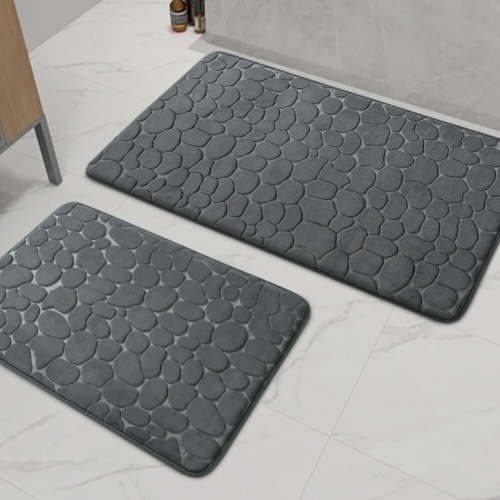
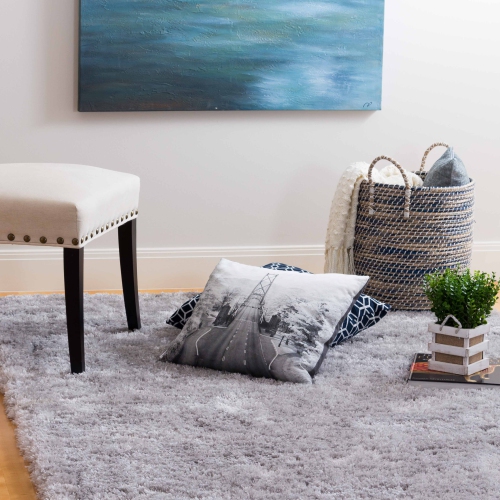
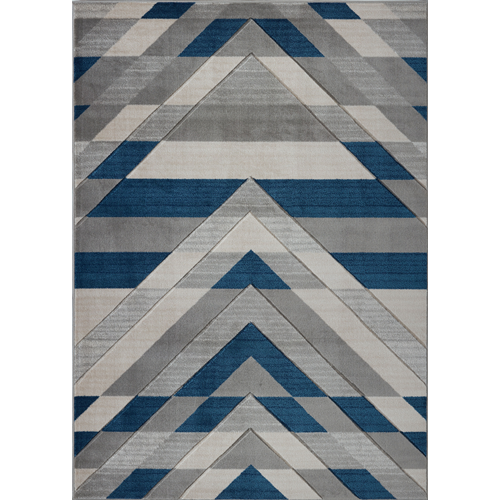
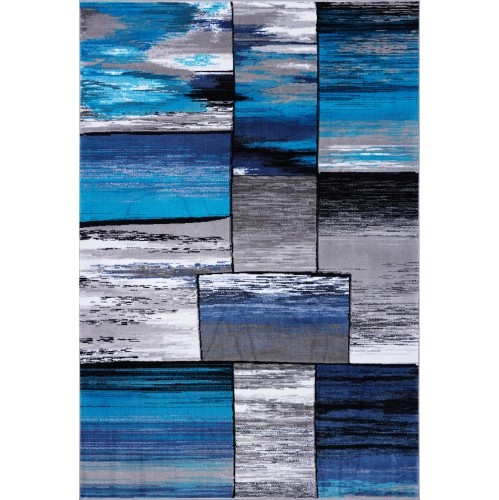
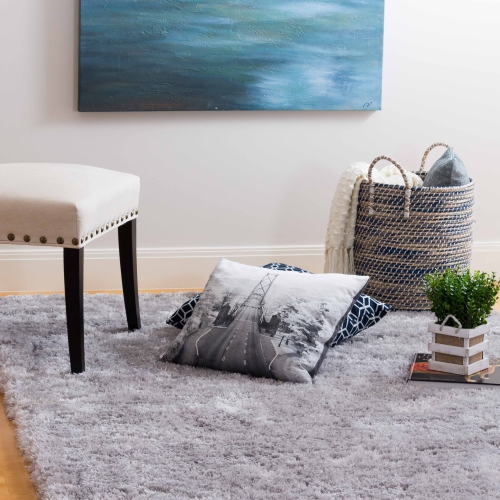
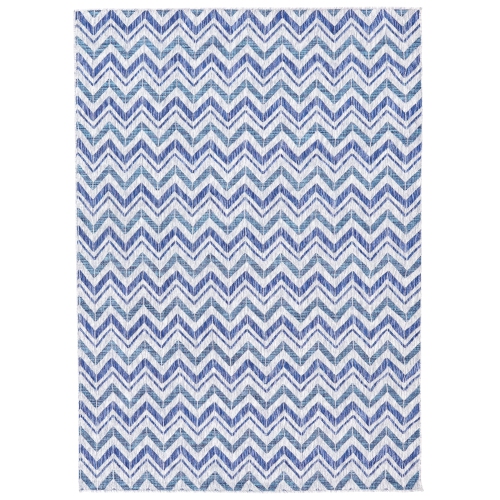
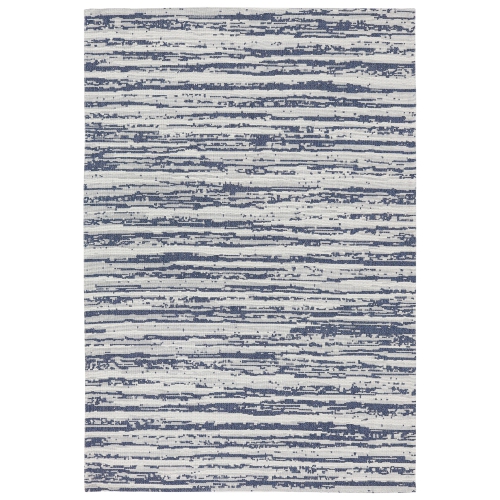
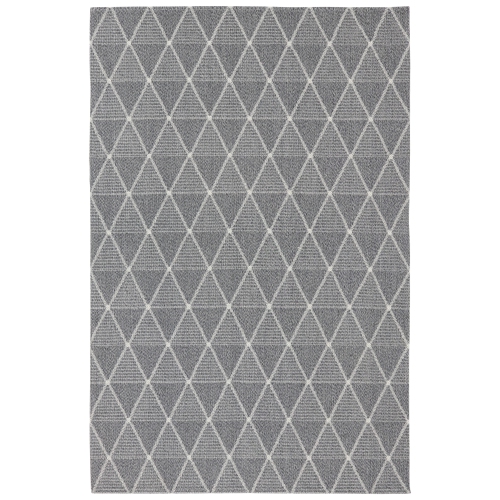
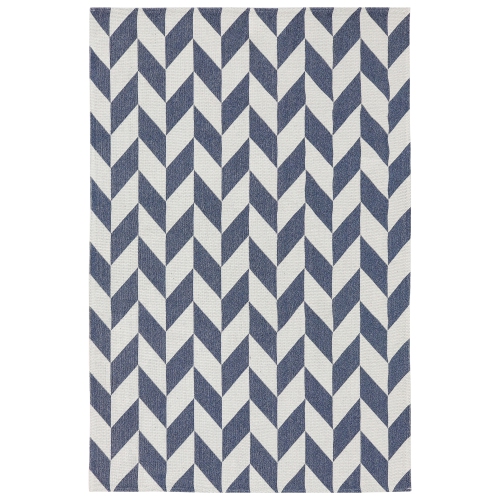
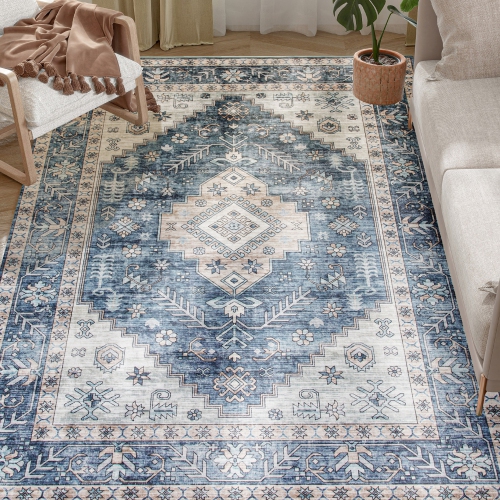
Grey living room rugs bring a versatile foundation to a seating area, combining an adaptable colour palette with texture, comfort, and visual definition. Their appearance can range from pale silver and soft stone to deep charcoal, with warm grey, greige, and blue-grey shades offering distinctly different effects. A grey rug with beige undertones can sit comfortably beside cream upholstery, oak furniture, and natural wood flooring, while a cooler grey can complement navy seating, black metal accents, or crisp white walls. Charcoal provides stronger contrast against a light floor, whereas a light grey rug can make a seating arrangement feel less visually heavy. The undertone matters as much as the depth of colour: a rug that looks neutral in a photograph may reveal a hint of brown, blue, or violet beside a sofa or under different lighting. Patterns add another layer of flexibility. Traditional borders and softened floral motifs can connect classic furniture with contemporary pieces, while geometric designs give a room more structure. Abstract patterns, tonal blends, and subtle gradients introduce movement without necessarily becoming the focal point. A mottled grey surface can also make small traces of everyday use less obvious than a completely uniform colour, although pale lint and dark pet hair may still stand out depending on the shade. Texture changes the effect again. A flatwoven grey rug has a more understated presence, a sculpted pile creates dimension through raised and recessed areas, and a shag rug adds a soft, relaxed finish around a sofa or reading chair. In an open-plan home, a living room rug helps distinguish the lounge from adjacent dining or work areas without adding a physical divider. The result can be a room that feels more connected, with the sofa, armchairs, and coffee table grouped around a shared foundation rather than appearing as separate pieces across the floor.
Material and construction influence how grey area rugs feel and how they hold up to daily life. Wool is valued for its resilient fibres and substantial feel underfoot, making it a comfortable option for spaces used for conversation, reading, and relaxing. Some wool rugs shed loose fibres, particularly early in their use, and their care requirements may call for specialist cleaning rather than machine washing. Polypropylene is commonly used in living room rugs because it can offer practical durability and resistance to many everyday stains, though spills still need prompt attention and care instructions vary. Polyester often has a soft feel and can carry rich colour or a slight sheen; the effect depends on the yarn and finish rather than the material name alone. Cotton can create a lighter, more flexible rug, particularly in flatwoven constructions, but a thin cotton rug may need an appropriate pad to stay comfortably positioned. Viscose and similar silky fibres can produce an attractive light-catching surface, yet they are more sensitive to moisture and may be better suited to lower-traffic seating areas. Natural plant-fibre constructions have a firmer, more textured feel that appeals to some households, though they are generally less forgiving of spills than many synthetic alternatives. Pile height is equally important. Low-pile rugs tend to work well where people regularly walk between the sofa and a doorway, where children spread out toys, or where a coffee table needs a steady base. Plush and high-pile rugs offer a softer surface for bare feet and floor seating, but crumbs, pet hair, and small objects can settle deeper into the fibres. A dense construction may feel supportive even with a relatively short pile, so thickness alone does not establish quality or comfort. Homes with pets, young children, or frequent visitors often benefit from a balance of texture and straightforward care. Washable grey rugs can suit these households, provided their dimensions, backing, and washing requirements are compatible with the available machine and drying space. A washable label does not mean every rug can be treated identically.
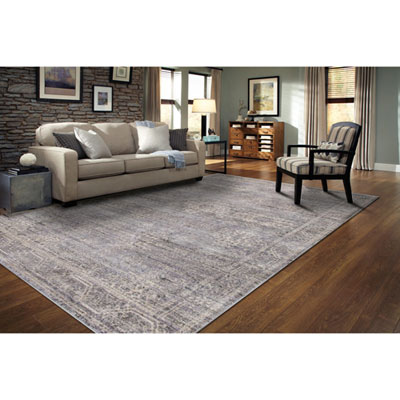
Size and placement determine how well a grey living room rug connects with the furniture around it. Common rectangular dimensions such as 5-by-8-foot, 8-by-10-foot, and 9-by-12-foot suit different seating arrangements, but the useful measurement is the footprint of the seating area rather than the room alone. A smaller rug may fit beneath a coffee table in a compact apartment, while a larger rug can extend beneath the front legs of a sofa and nearby armchairs to bring the arrangement together. With a sectional, the rug usually looks more balanced when it reaches across the main seating span instead of sitting as a small patch inside the corner. Leaving a visible border of flooring helps define the rug’s shape, and clear doorways and walking routes keep the layout practical. Round rugs can soften the lines of a compact conversation area, while square shapes can work with similarly proportioned rooms or furniture groupings. An appropriate rug pad can add cushioning and help reduce shifting, but its material should be compatible with both the rug backing and the floor finish. Clearance also matters around doors and reclining furniture, especially with thicker piles. Regular care supports the rug’s appearance over time: vacuuming according to the care label helps remove grit before it becomes embedded, and suitable suction settings are important for delicate fibres or long pile. Spills are generally best blotted promptly with a clean cloth rather than rubbed across the surface, with any cleaning product tested discreetly and used only as the manufacturer recommends. Rotating a rug periodically can distribute wear from a favourite chair or frequently used walkway, while lifting furniture instead of dragging it helps protect the pile and edges. For a coordinated look beyond the living room, Grey Bedroom Rugs can carry a similar palette into another space without requiring identical patterns or textures. A living room may call for a flatter, more durable surface, while a bedroom can accommodate a softer finish. Across either setting, the most successful grey rug balances colour, scale, tactile comfort, and care needs with the way the space is actually used.
Top selling and popular products
-
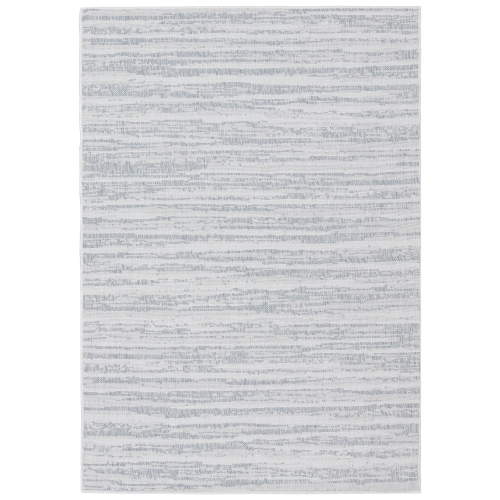 Your price for this item is $129.15
-
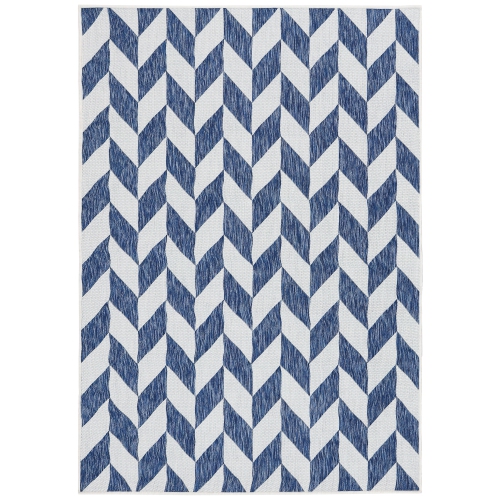 Your price for this item is $129.15
-
 Your price for this item is $129.15
-
 Your price for this item is $130.55
-
 Your price for this item is $130.55
-
 Your price for this item is $130.55
-
 Your price for this item is $116.99
-
 Your price for this item is $119.99
Discover more categories related to Grey Living Room Rugs

Top Collections:
Pokemon Centers, Best Budget Office Chairs, Kindle Devices, Best Cameras for Sports Photography, Pokémon 30th Celebration Cards, Best Laptops for Writers, Canon G7X Cameras, iPhone 15 Apple, Best Cell Phones Under $300, Apple iPhones 16
Some products may be subject to Environmental Handling Fees
(EHF) depending on your province.
Learn more about EHFs.