Grey Traditional Area Rugs
Grey Traditional Area Rugs effortlessly blend timeless design with versatile color, making them a stylish addition to any room. Their classic patterns and neutral tones create a sophisticated foundation for living rooms, bedrooms, dining areas, and more. Whether you’re refreshing your home décor or looking to anchor your space with subtle elegance, Grey Traditional Area Rugs offer endless decorating possibilities to suit every taste and style.
Sort


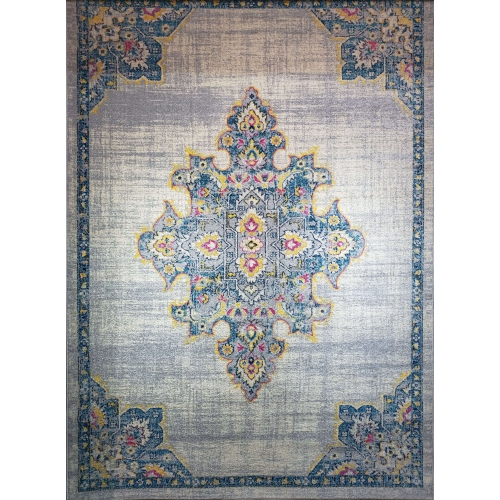
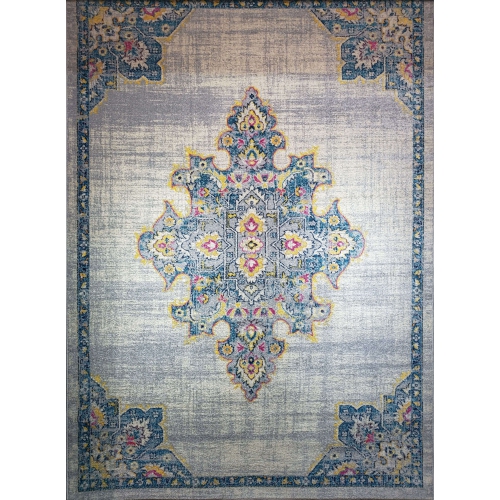
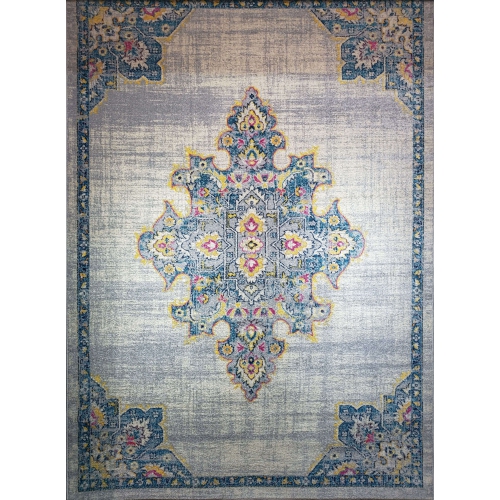

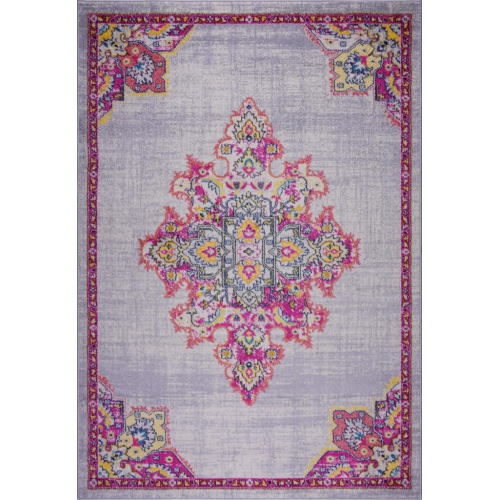
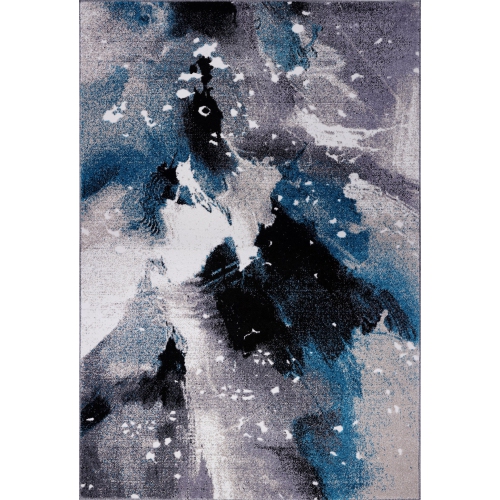
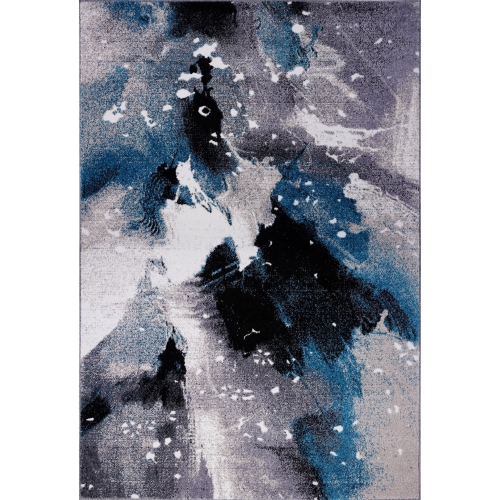
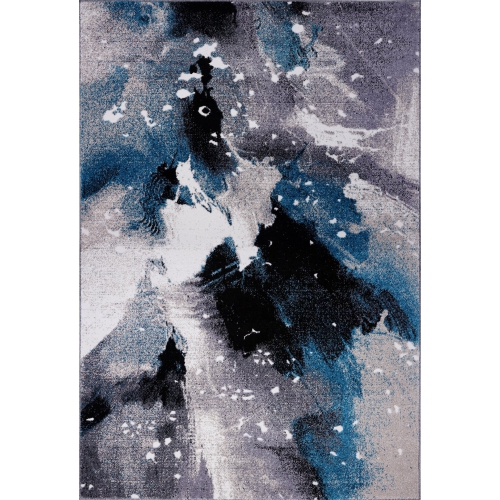
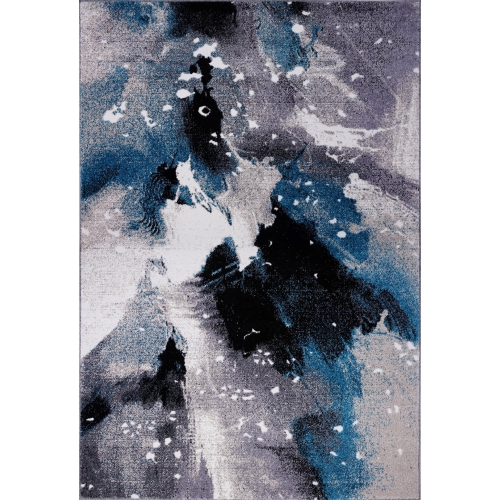


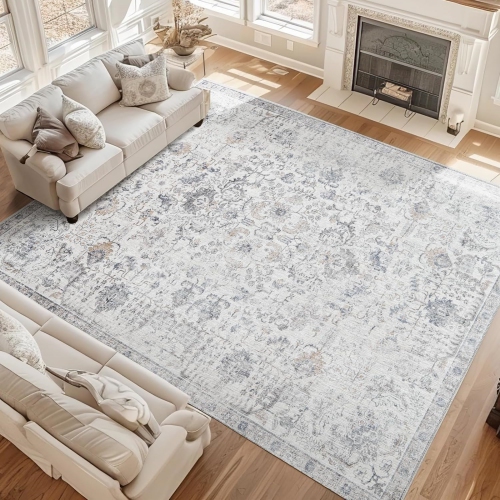


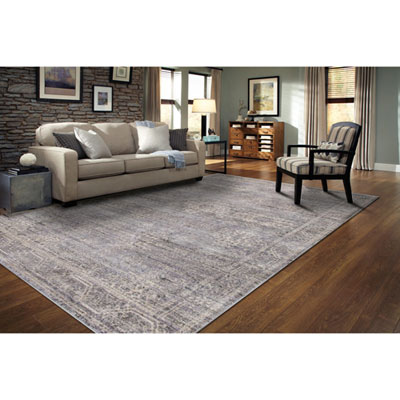


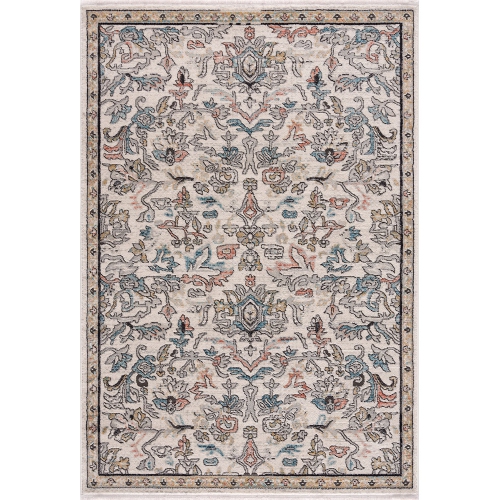
Classic patterns in grey complement furniture you already own
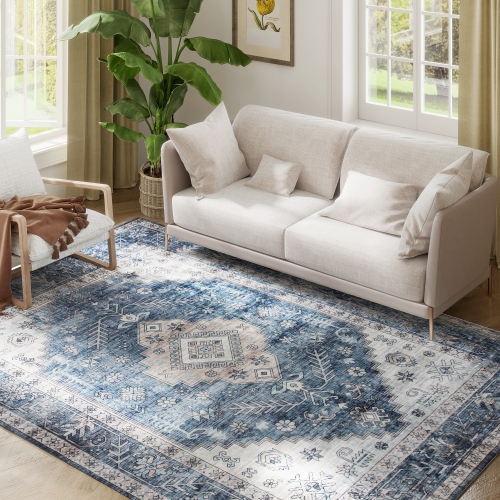
Grey traditional area rugs combine classic medallions, floral motifs, scrolling vines, and framed borders with a neutral palette ranging from soft silver to deep charcoal. Their appeal lies in that balance: the pattern brings detail and a sense of history, while the grey tones make it easier to work with furniture already in the room. A pale grey rug with ivory detailing can soften the contrast between a dark sofa and a wood floor, while a charcoal design can give lighter upholstery a stronger visual anchor. Traditional patterns vary considerably in scale and definition. A large central medallion creates a focal point beneath a coffee table or in an open seating area; a repeating floral pattern distributes interest more evenly across the floor. Bordered designs give furniture groupings a clear frame, making them especially useful in living rooms and dining spaces. Distressed finishes deliberately soften parts of the pattern for a worn-in appearance, whereas crisp outlines and closely defined motifs create a more formal effect. Grey also has undertones worth considering alongside wall colours, flooring, and textiles. Blue-grey shades sit comfortably with navy, white, and brushed metal, while warmer greys with brown or beige undertones pair naturally with oak, walnut, cream, and tan leather. Small touches of teal, mustard, or burgundy in cushions and artwork can draw out accent colours woven into a rug without making the whole room feel busy. In a bedroom, a quieter pattern can add interest beneath plain bedding; in a sitting room, a more intricate design can hold its own beside tufted upholstery and substantial wood furniture. Grey traditional rugs can also bridge older and newer furnishings, bringing an antique chest and a clean-lined sofa into the same arrangement. For spaces that favour abstract patterns or simpler geometry instead, Gray Modern Area Rugs offer a different visual direction within a similar neutral palette.
Materials and construction shape how a traditional area rug feels underfoot, how its pattern appears, and how it handles daily use. Wool is valued for its resilient fibres and naturally springy feel, making it a familiar choice for living spaces where comfort and lasting texture matter. Some wool rugs shed loose fibres, particularly early in their use, and benefit from gentle vacuuming suited to their construction. Polypropylene is commonly used in machine-made rugs and generally resists moisture absorption and many everyday stains, although spills still need prompt attention. Polyester can produce soft surfaces and clear colour variation, with performance depending on fibre quality, density, and construction rather than the material name alone. Cotton appears in some flatwoven rugs and rug backings; it can offer a lighter feel, but washing suitability must be confirmed on the care label. Blends may combine different textures or add a subtle sheen, so the fibre percentages provide useful context. Viscose, for example, can create a silky appearance but is more sensitive to moisture and may be better suited to a lightly used space than a busy family dining area. Construction matters just as much. Hand-knotted rugs are formed by tying individual knots to a foundation, while hand-tufted rugs typically use a backing to secure the yarn. Machine-made rugs can offer finely repeated motifs and a consistent surface. None of these descriptions alone determines quality; edge finishing, density, backing, and appropriate care all contribute to durability. A low-pile rug usually allows dining chairs to move more easily and is simpler to vacuum than a deeply textured surface. A plusher pile can feel inviting beside a bed or in a lounge area, provided doors and furniture have enough clearance. In homes with pets, closely woven surfaces may be more practical than loose loops or long fringe that claws can catch. Patterned grey rugs can make small traces of everyday use less noticeable, but pale fields, dark borders, and textured yarns each show lint, crumbs, and pet hair differently.
Size and placement determine whether a grey traditional rug feels integrated with the room or disconnected from it. In a living room, a rug that reaches beneath the front legs of the sofa and nearby chairs helps connect the seating arrangement. A smaller rug placed only beneath the coffee table creates a more compact focal point, but it may leave the surrounding furniture looking separate. Measuring the full grouping, rather than just the empty floor at its centre, gives a clearer sense of the footprint needed. Leaving about 18 inches of exposed floor around a rug can create a balanced frame in a larger enclosed room, though this is a starting point rather than a fixed rule for every layout. In open-plan spaces, the seating or dining area often provides the more useful boundary. Under a dining table, allowing roughly 24 to 30 inches of rug beyond each table edge helps keep chair legs on the rug when someone sits down or pulls back. The actual clearance should account for chair depth and nearby walkways. In a bedroom, extending the rug beyond the sides and foot of the bed places softness where feet meet the floor, while keeping a visible border of pattern around the furniture. Painter’s tape can mark out a proposed size before choosing, making door swings, floor vents, and narrow passages easier to assess. A rug pad matched to both the rug and the flooring can add cushioning, reduce movement, and limit abrasion; flooring care requirements should be checked before selecting a backing or pad material. Routine care includes vacuuming with a setting suitable for the pile, avoiding fringe with rotating brushes, and rotating the rug periodically to distribute foot traffic and light exposure. Spills are best blotted promptly with a clean, absorbent cloth rather than rubbed into the fibres. Cleaning solutions should follow the care label and be tested in an inconspicuous area, with professional cleaning used where specified. Together, suitable dimensions, practical fibres, and careful upkeep help a traditional grey area rug bring lasting comfort and definition to spaces used for conversation, meals, rest, and everyday family life.
Top selling and popular products
-
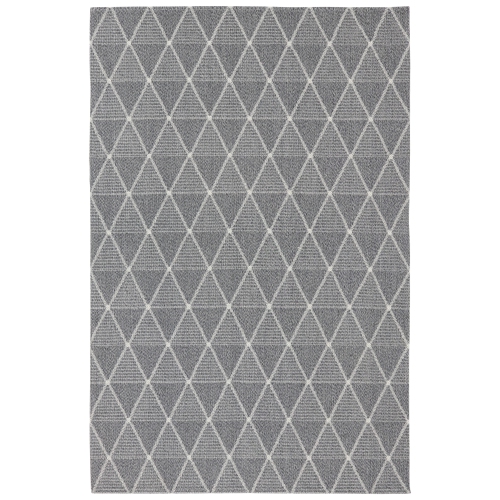 Your price for this item is $130.55
-
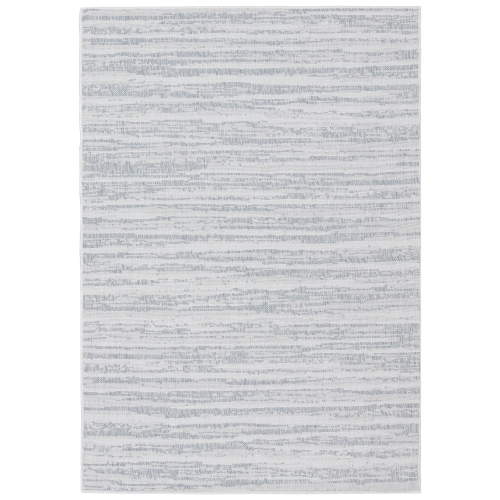 Your price for this item is $129.15
-
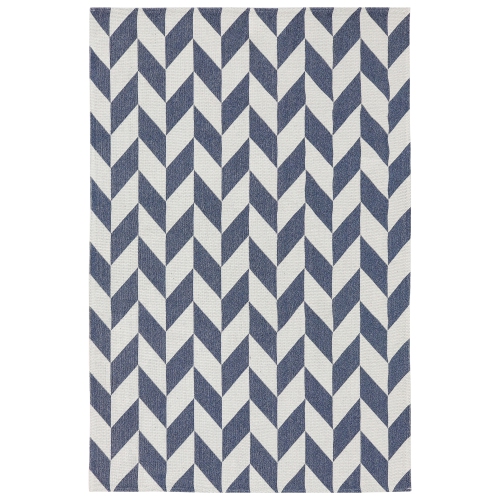 Your price for this item is $130.55
-
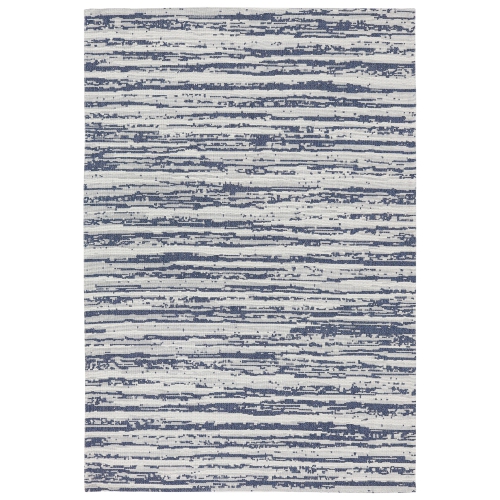 Your price for this item is $130.55
-
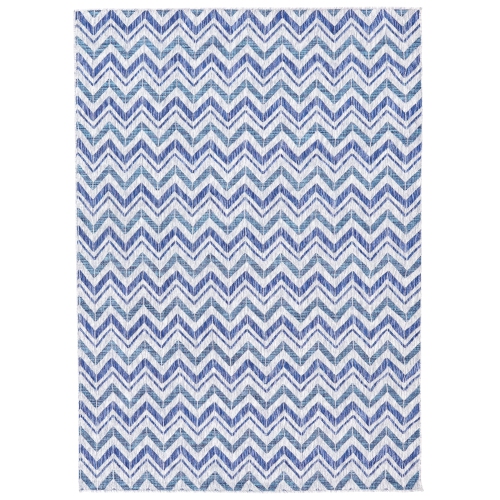 Your price for this item is $129.15
-
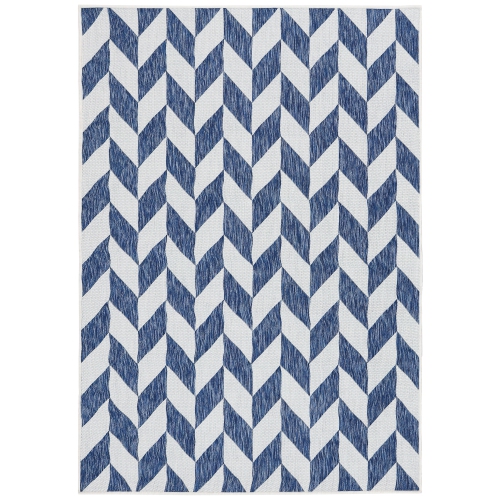 Your price for this item is $129.15
-
 Your price for this item is $111.99
-
 Your price for this item is $88.07
Discover more categories related to Grey Traditional Area Rugs


Top Collections:
Pokemon Centers, Best Cameras for Sports Photography, Kindle Devices, Samsung Galaxy Phones, Canon G7X Cameras, Pokémon 30th Celebration Cards, Refurbished Apple Laptops, iPhone 15 Apple, Laptops for Students, Budget Smartphones
Some products may be subject to Environmental Handling Fees
(EHF) depending on your province.
Learn more about EHFs.