Grey Velvet Ottomans
Add a touch of elegance and functionality to your living space with our grey velvet ottomans. Whether you're looking for extra seating, a footrest, or a stylish accent piece, our grey velvet ottomans are designed to meet your needs. Explore our wide selection of sizes and styles to find the perfect ottoman for your living space.
Sort

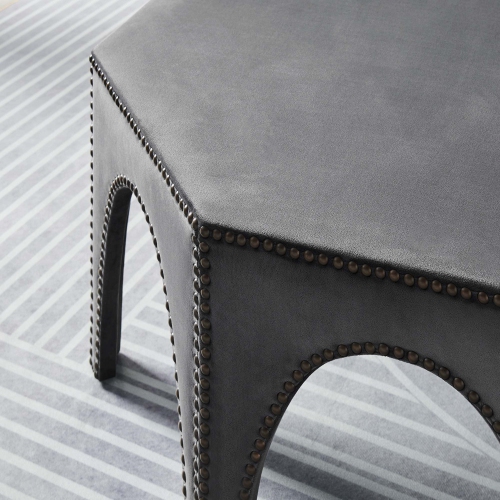
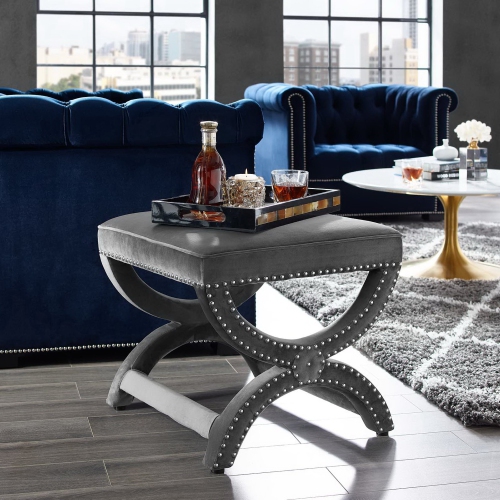
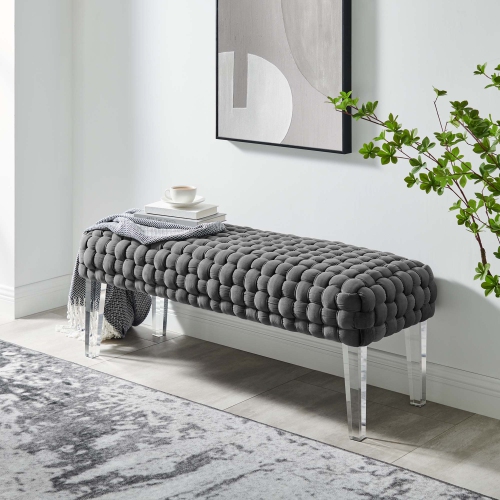
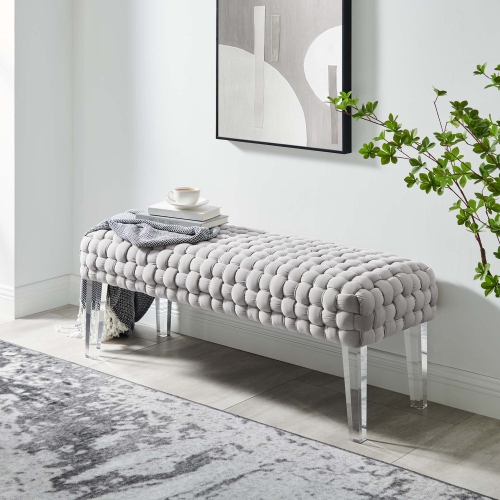
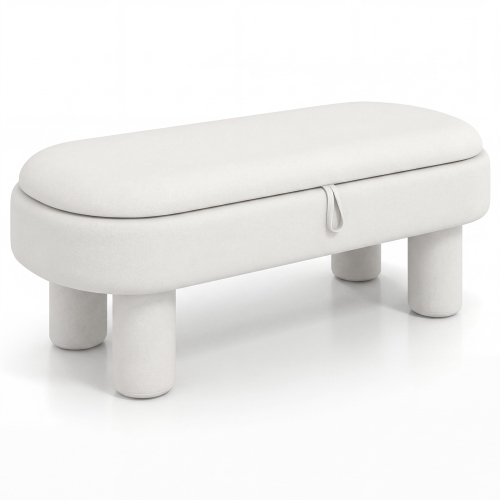
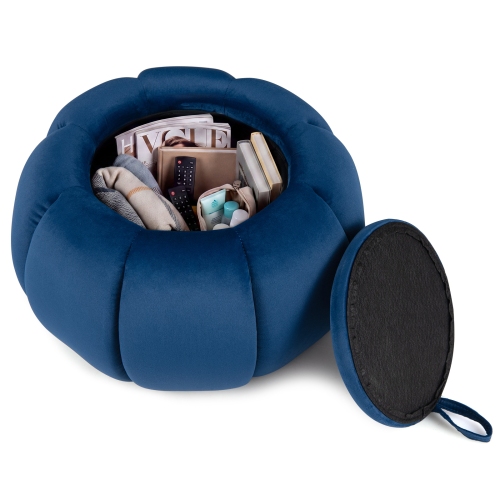
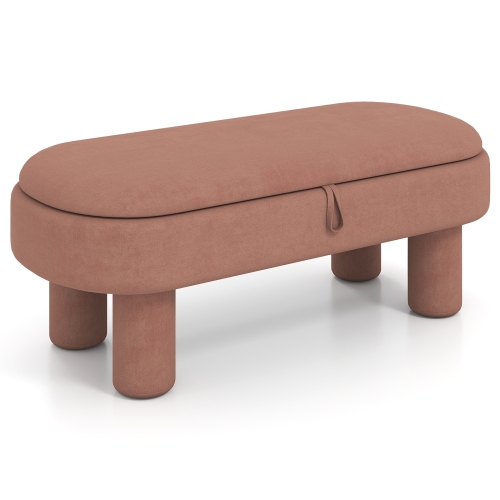
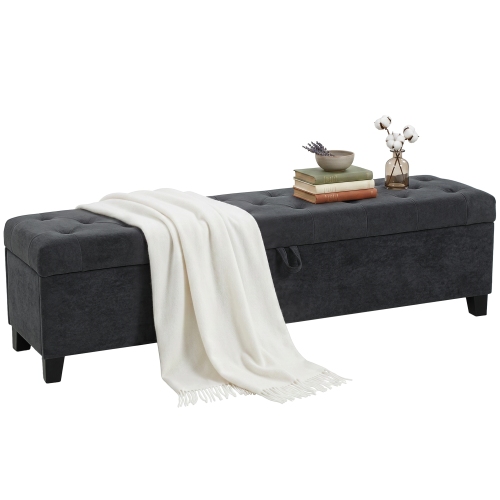
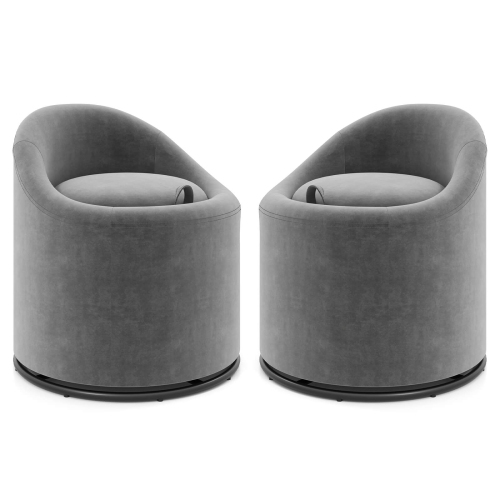
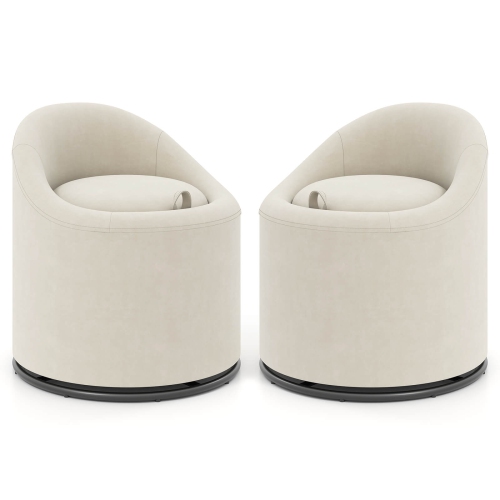
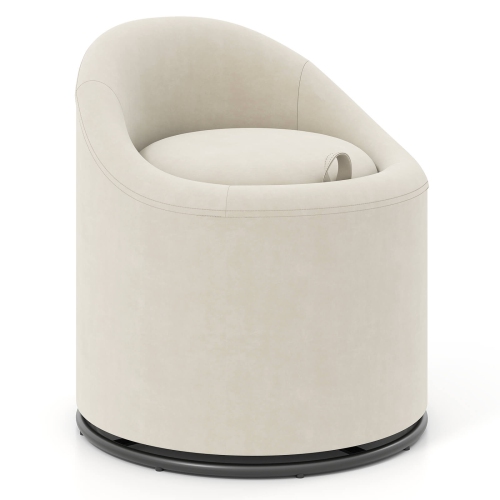
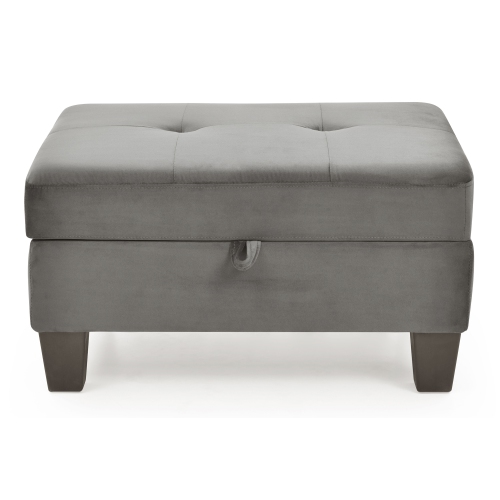

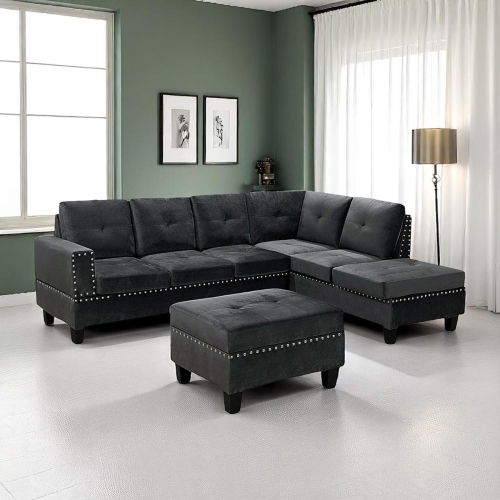
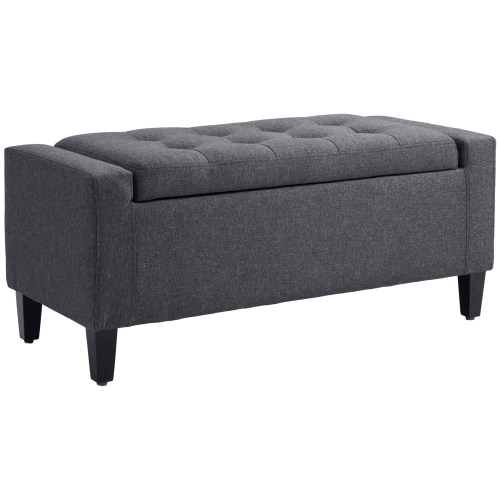
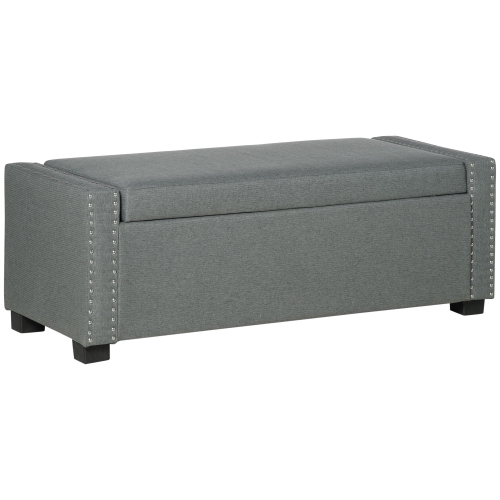
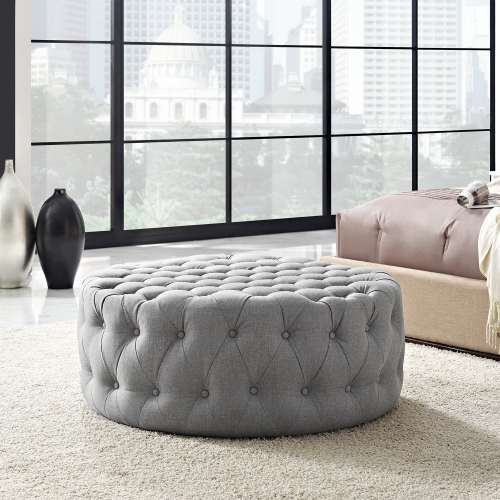
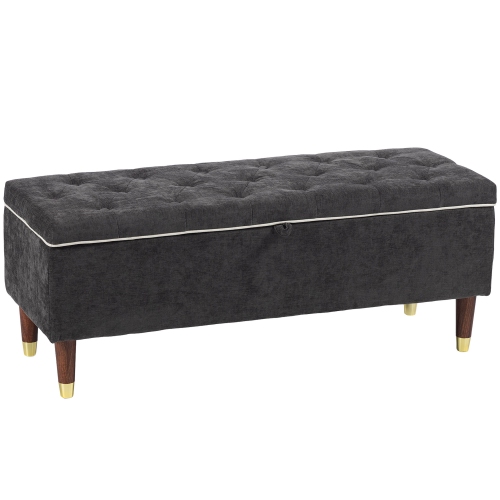
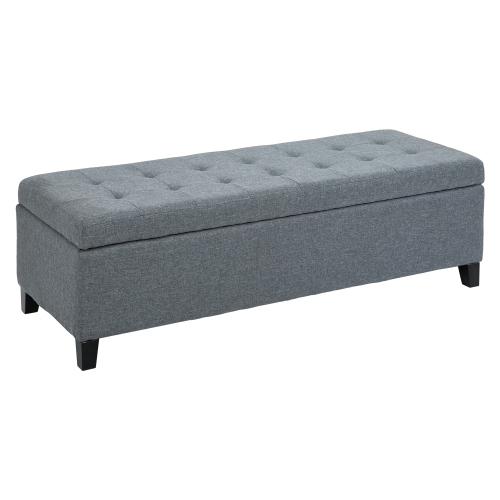
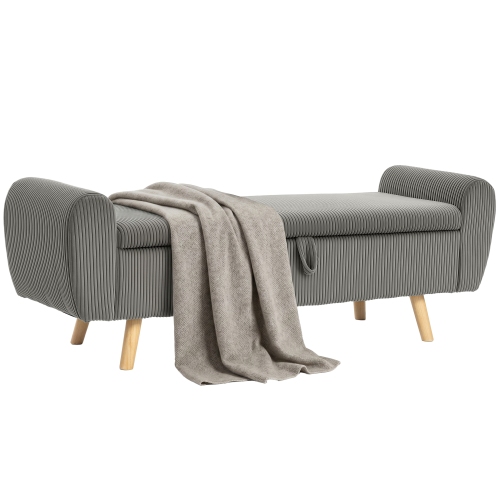
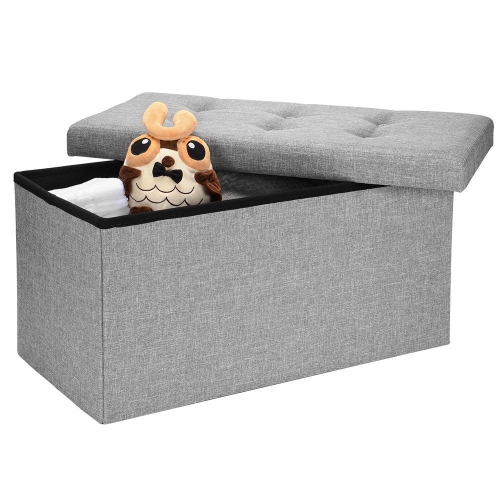
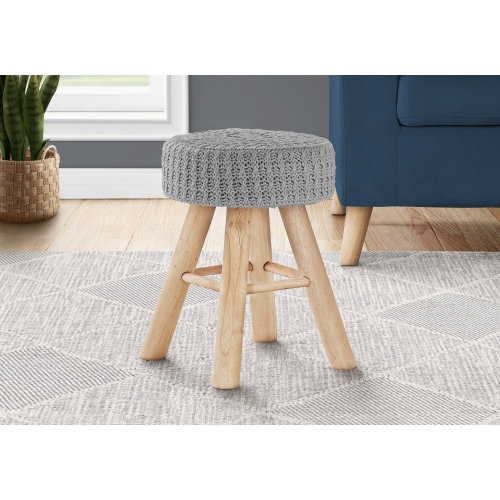
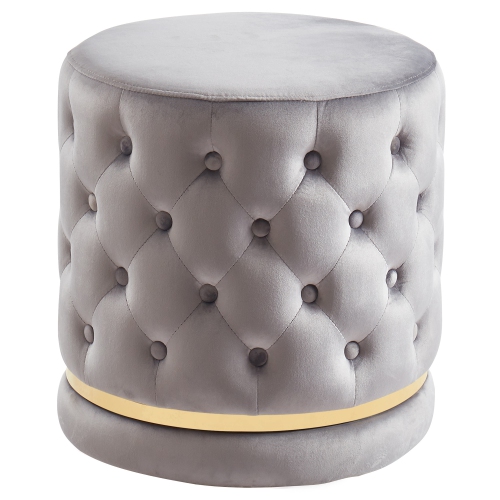
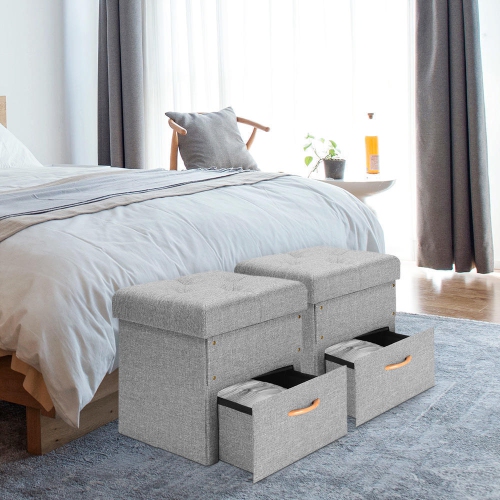
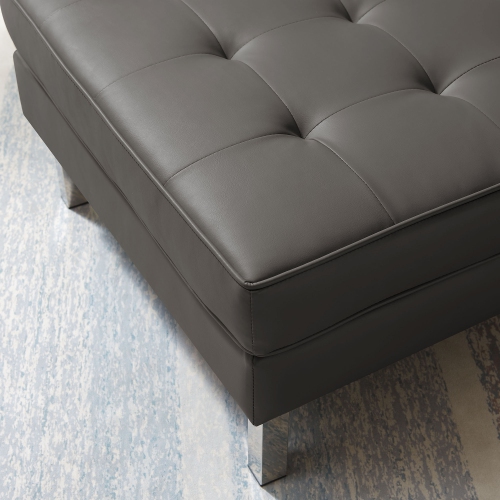


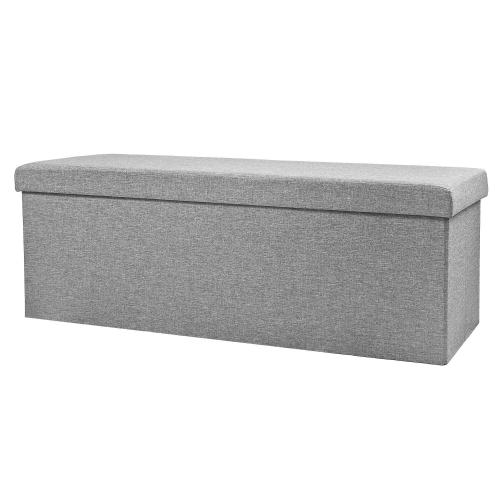
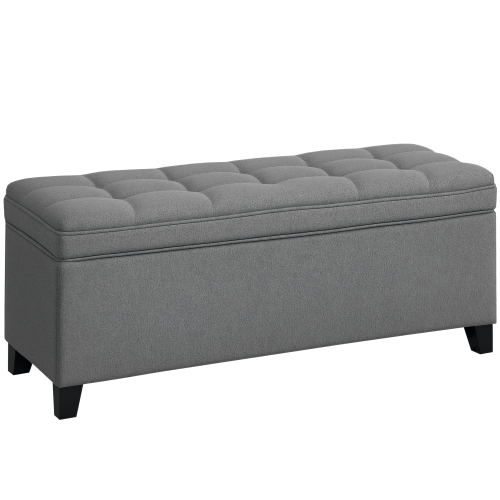
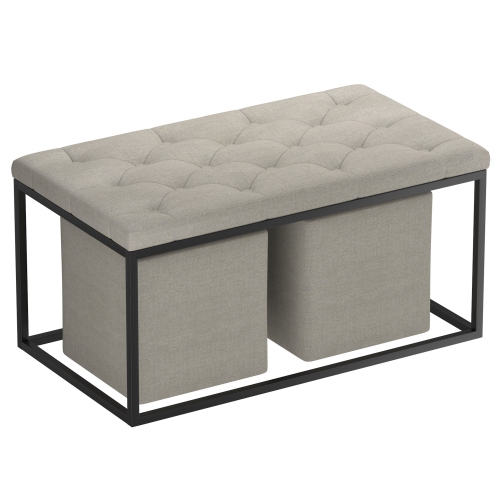
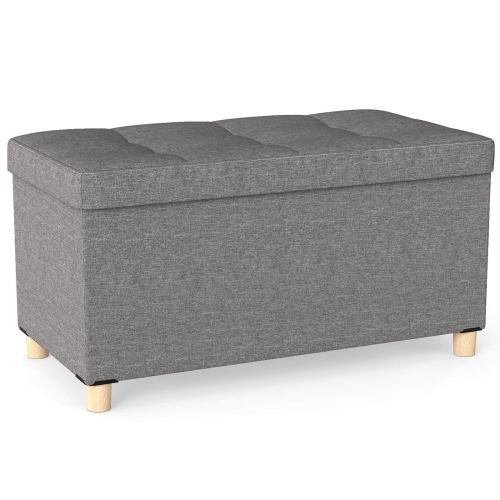
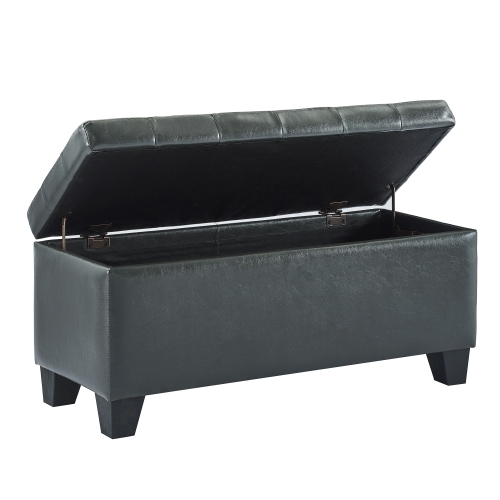
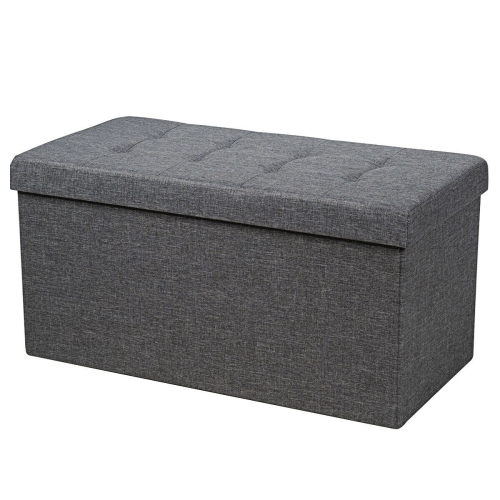
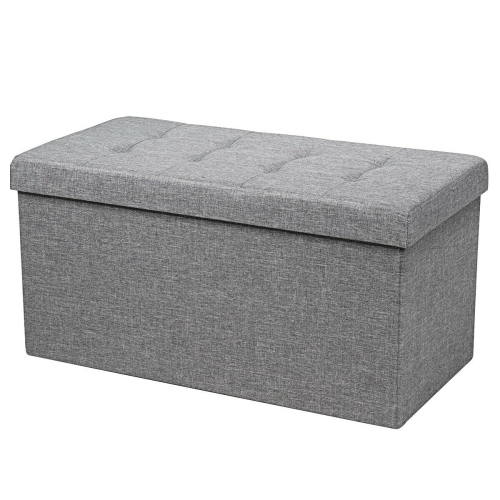
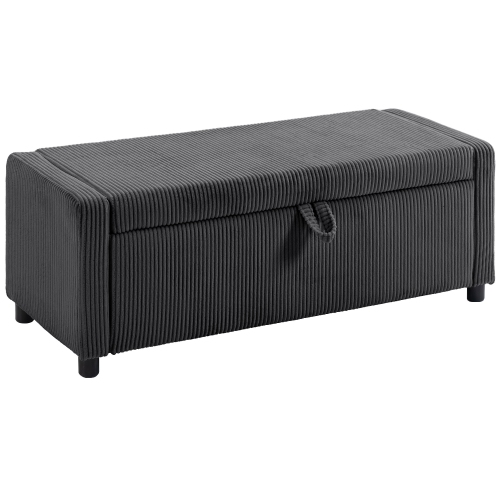


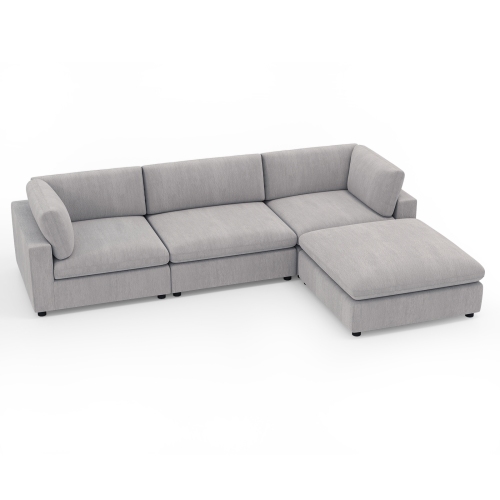
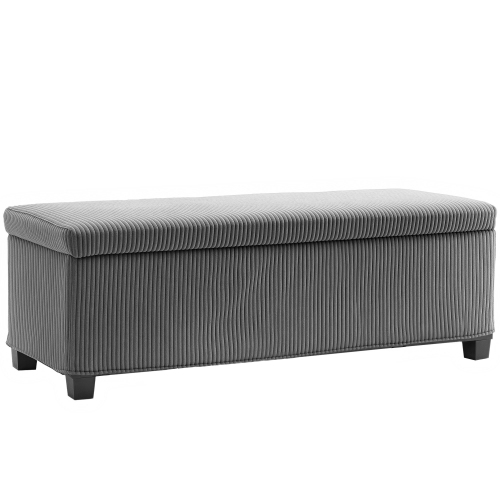
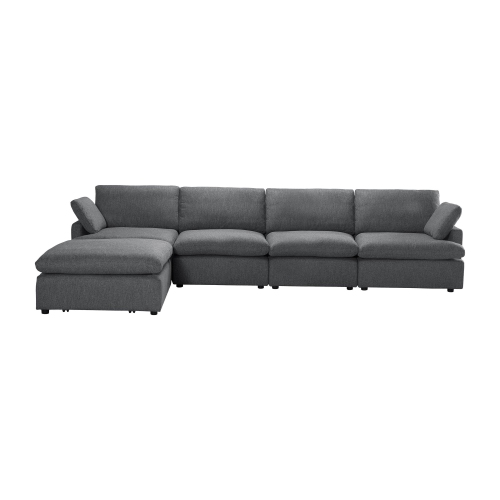
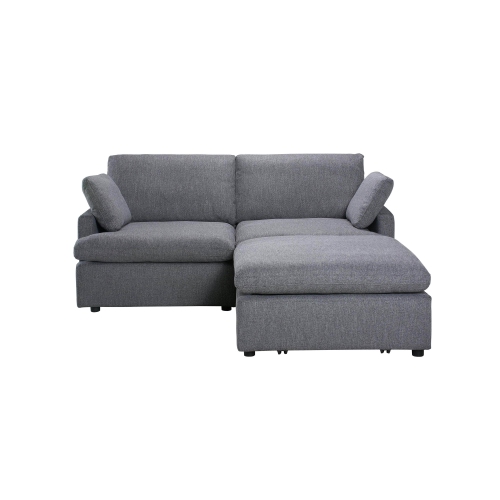
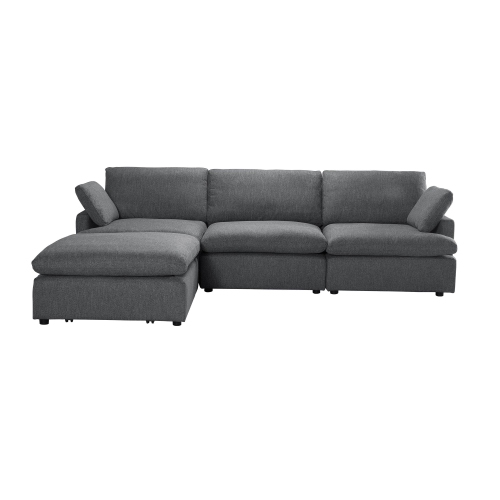
Velvet’s shifting shades are only part of the appeal
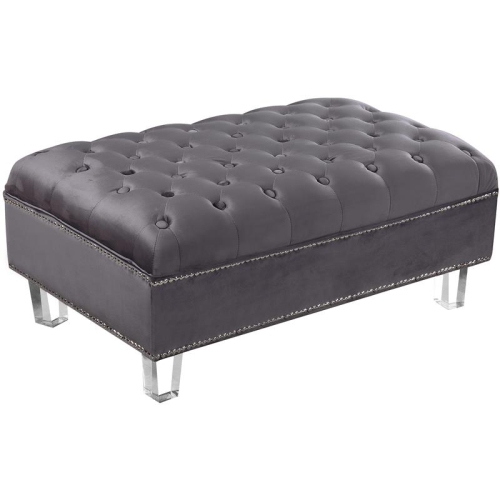
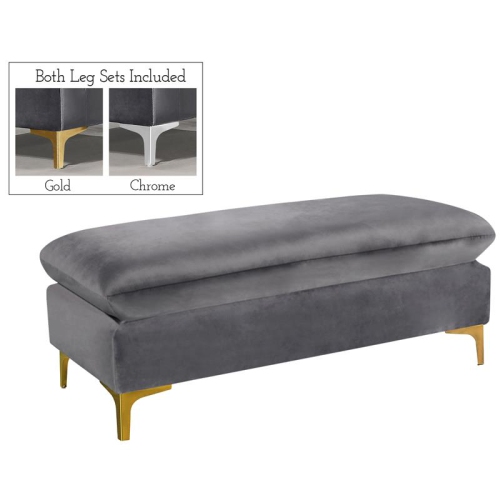
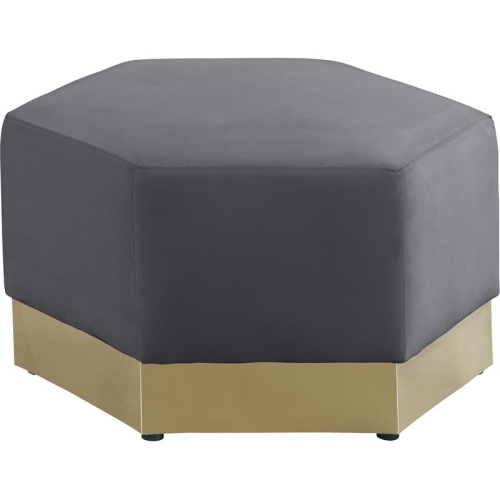
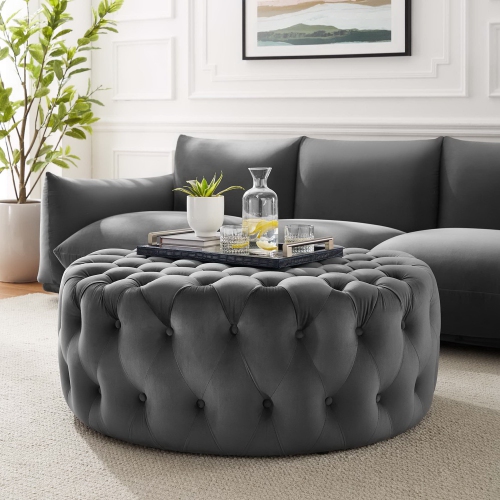
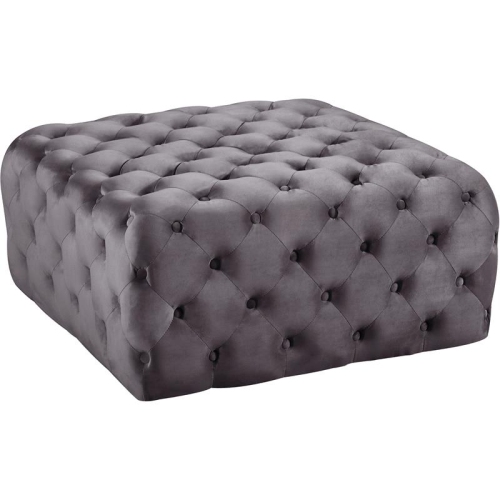
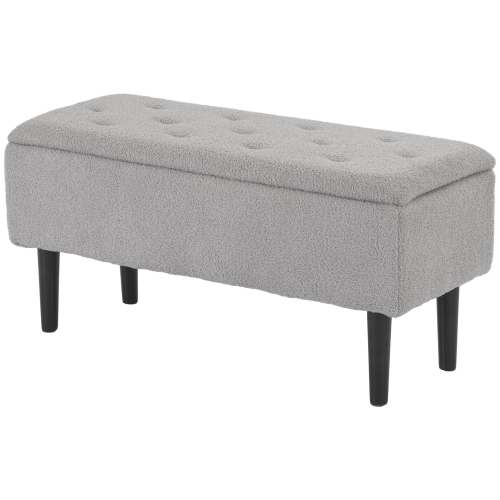
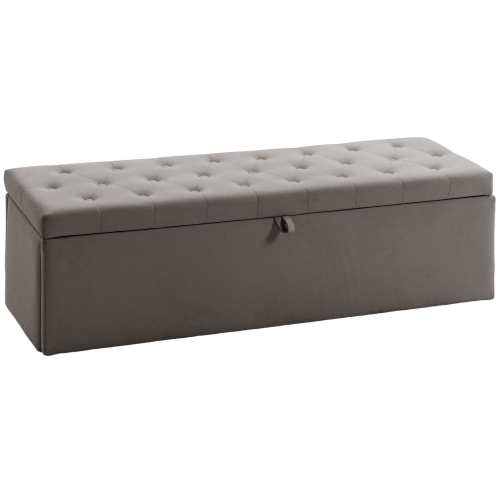
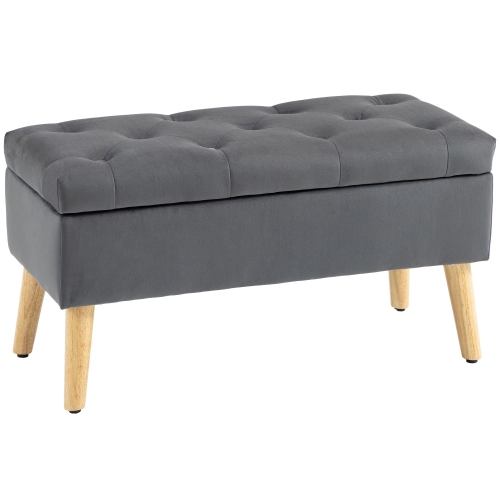
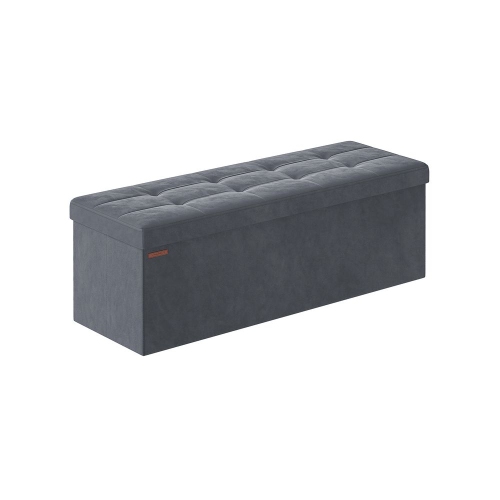
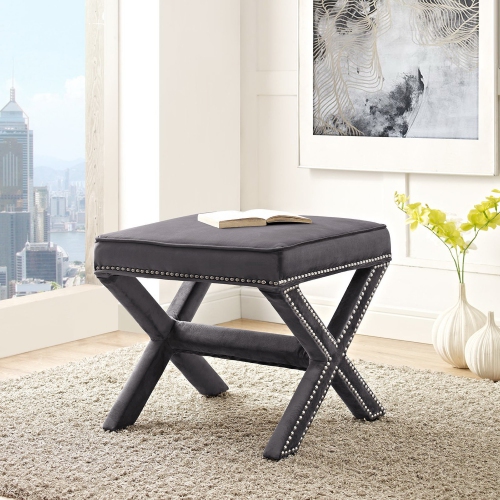
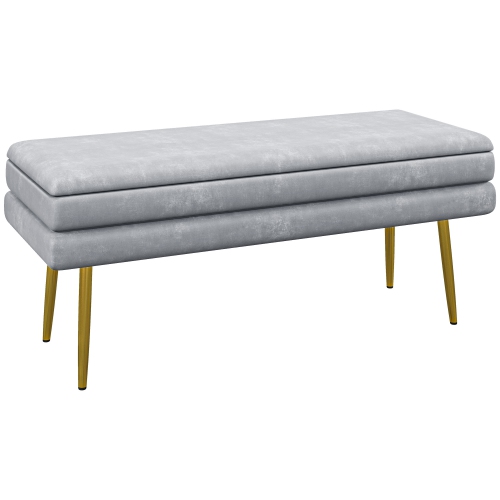
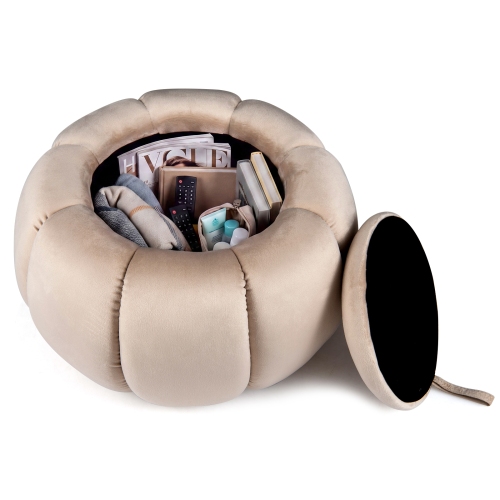
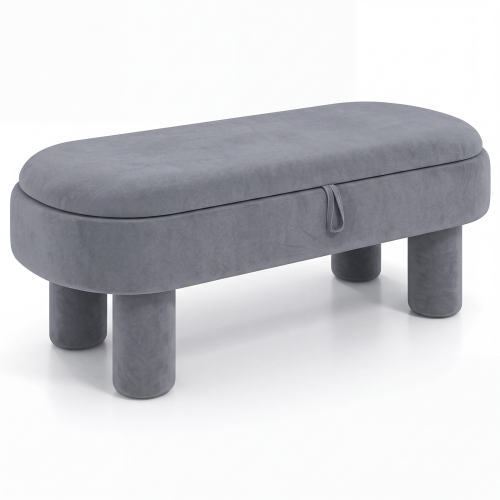
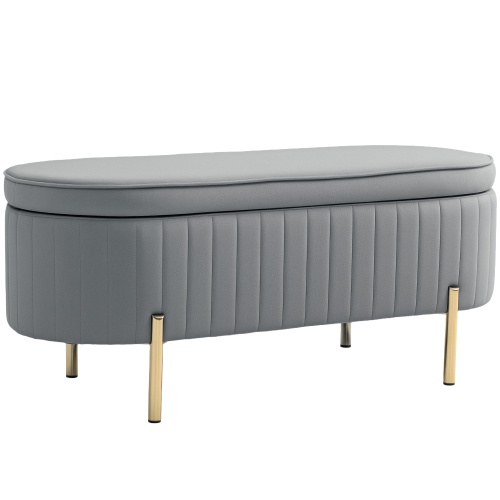
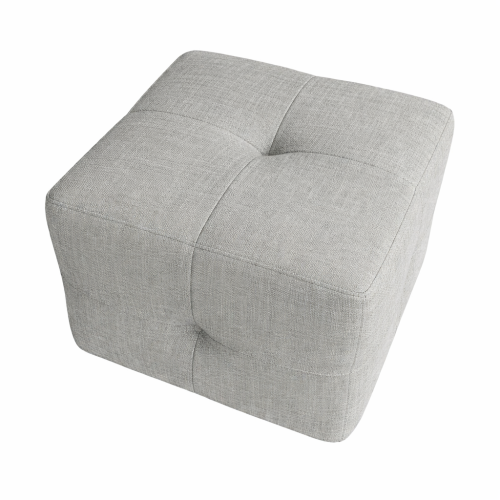
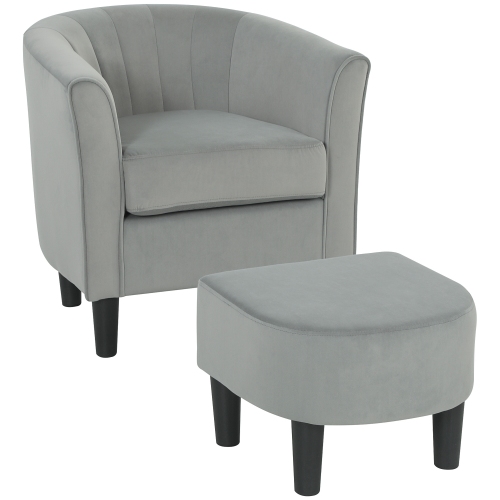
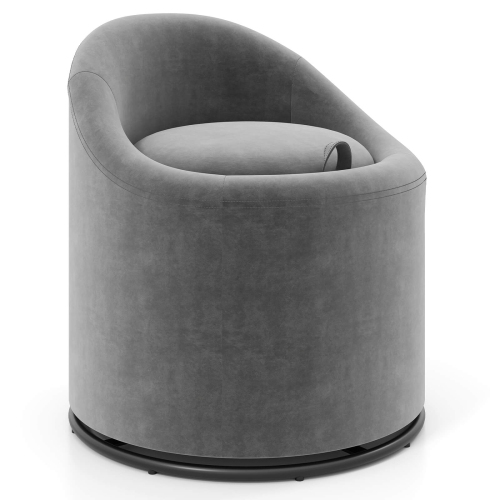
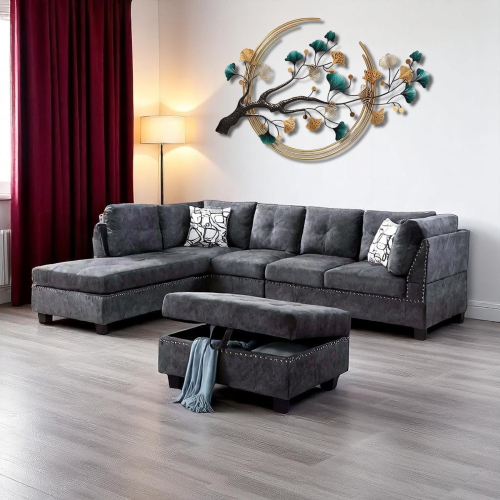
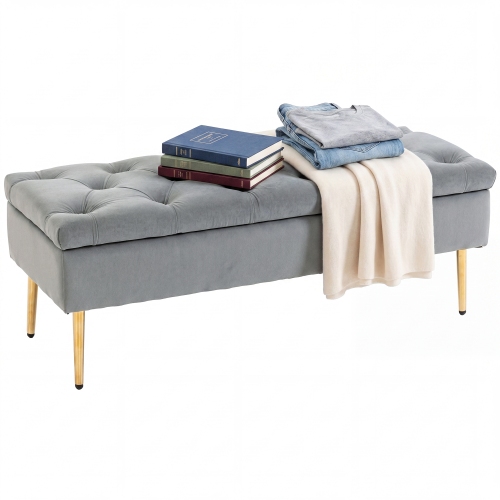
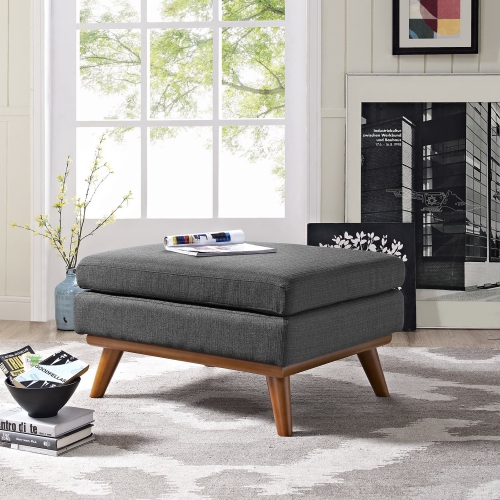
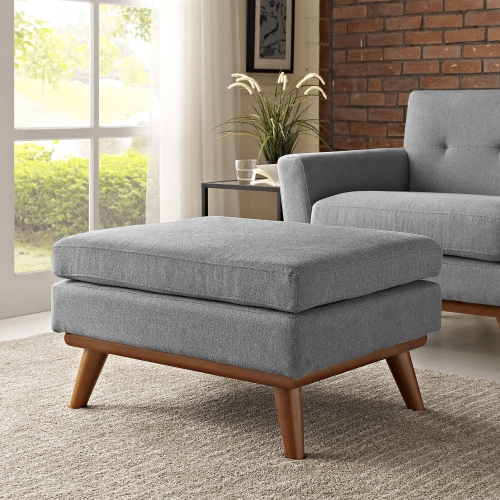
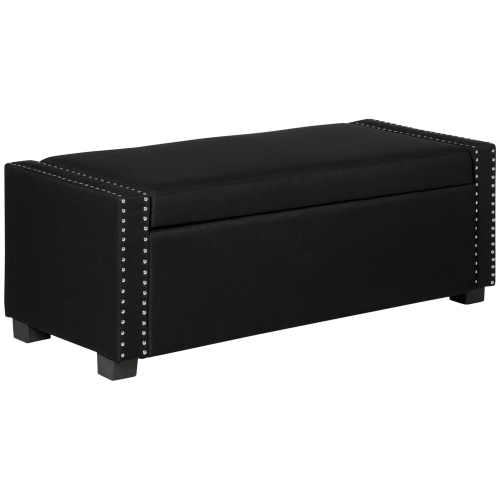
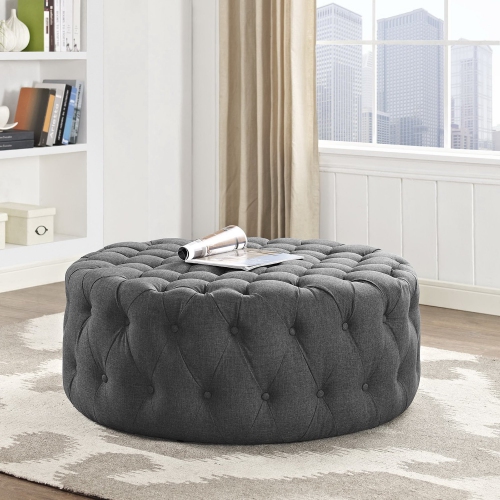
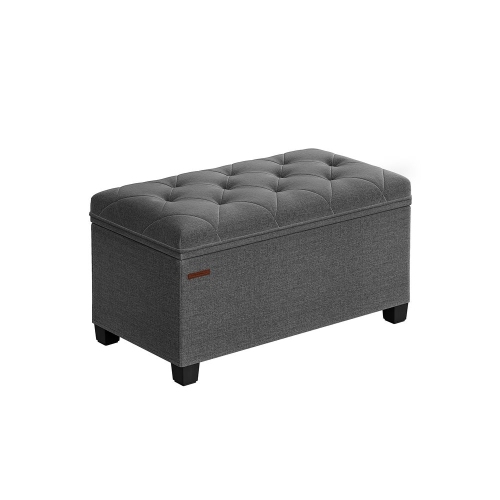
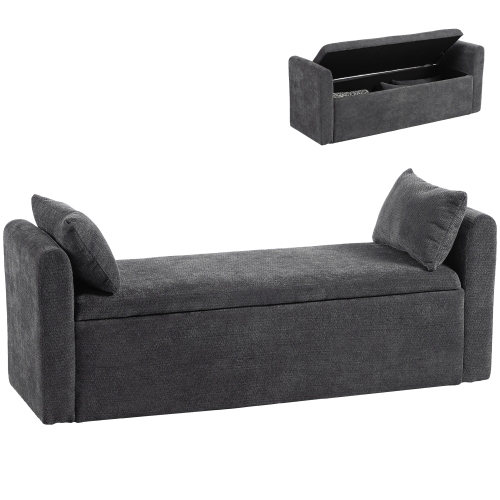
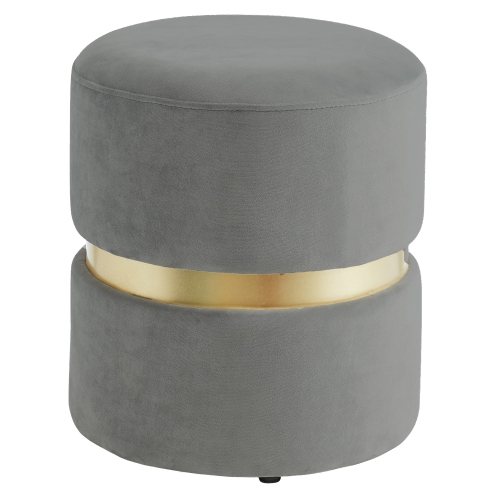
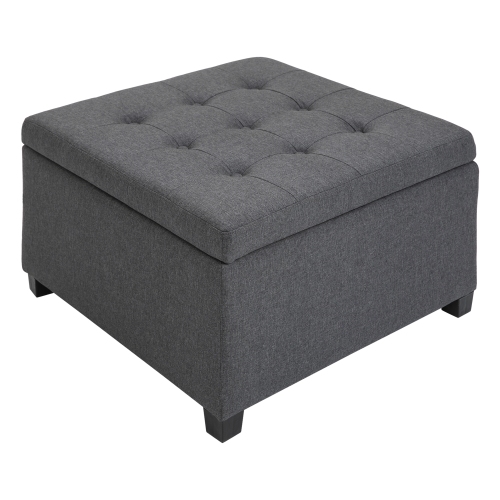
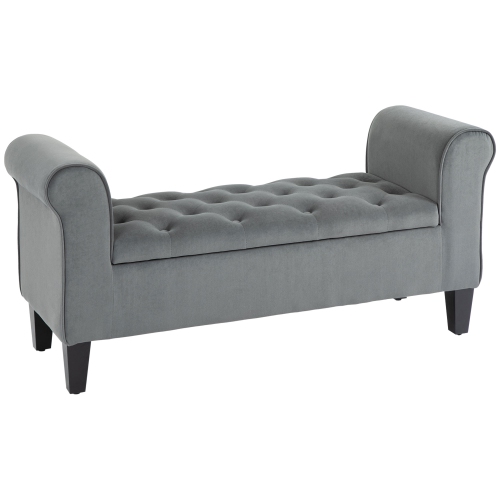
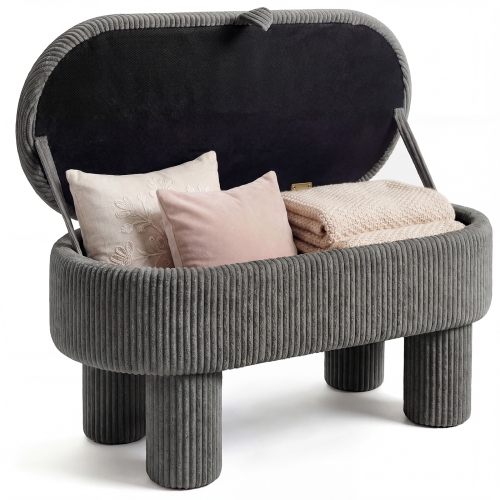
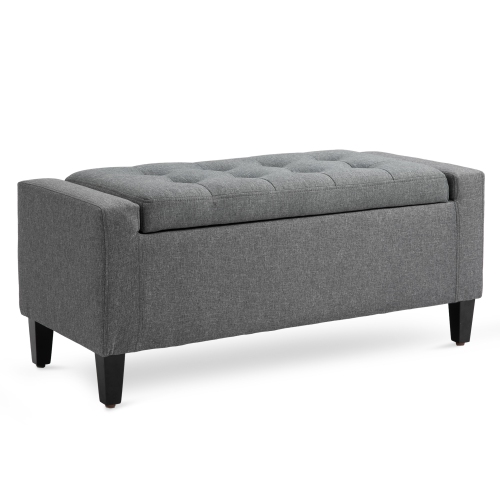
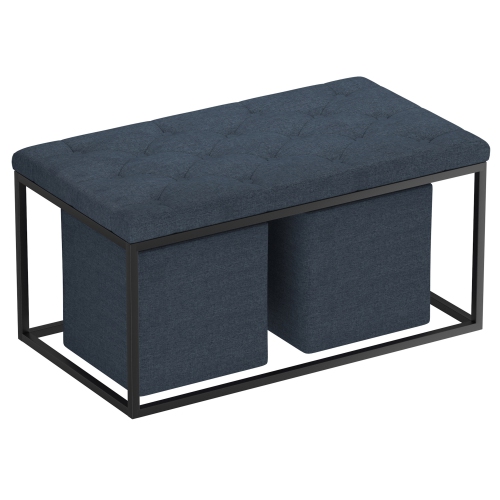
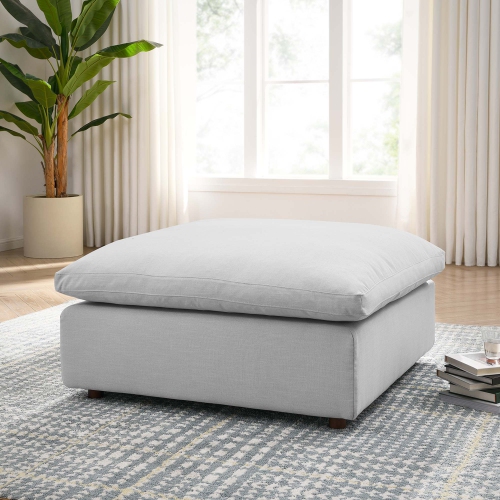
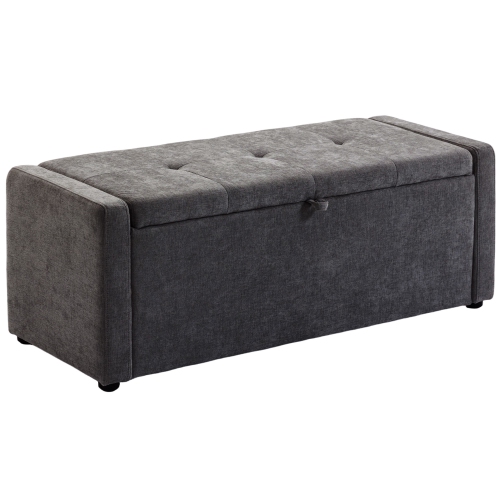
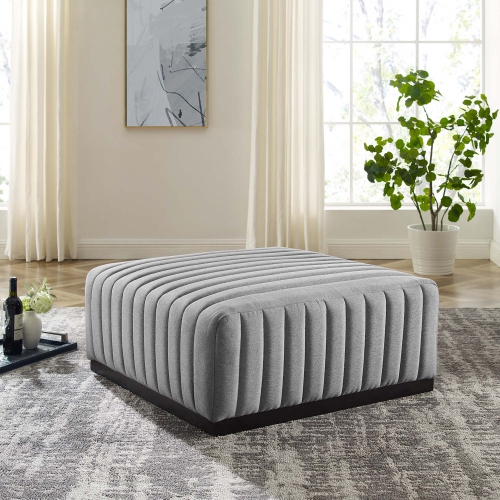
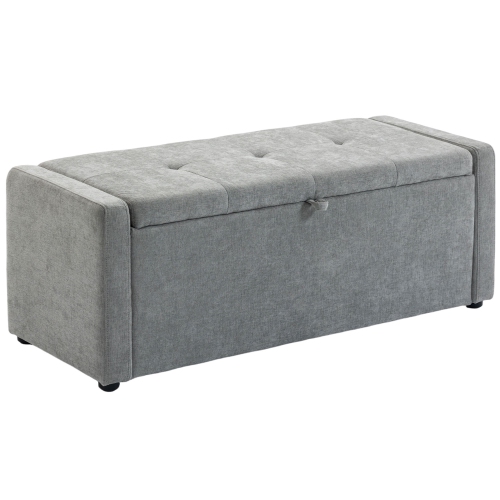
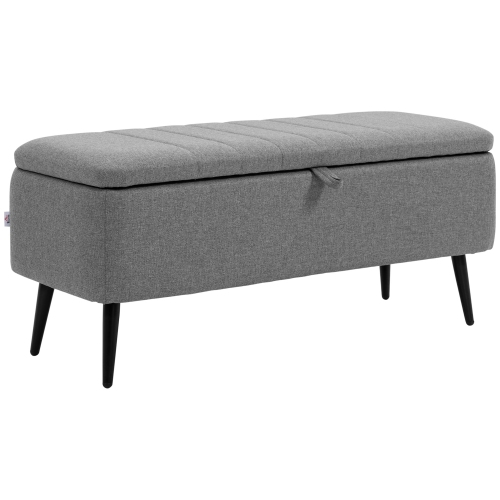
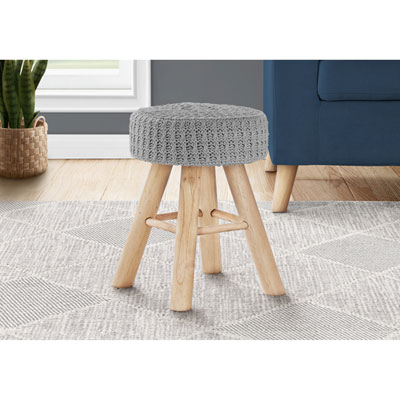
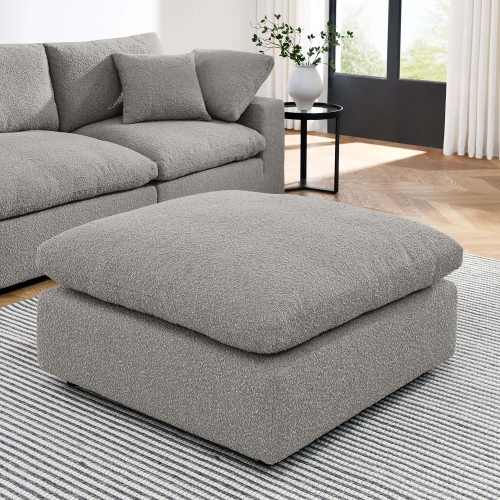
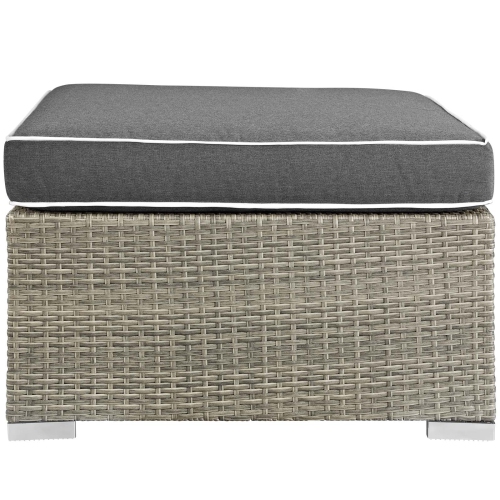
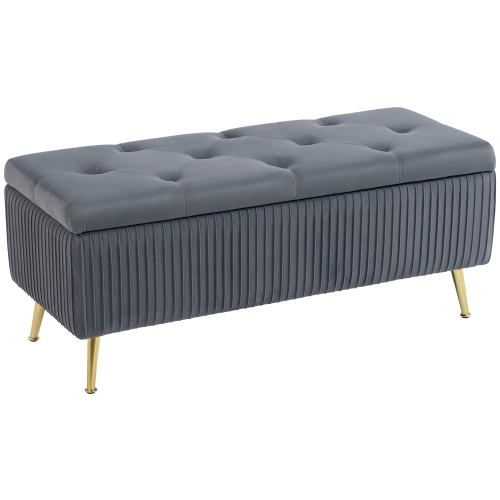
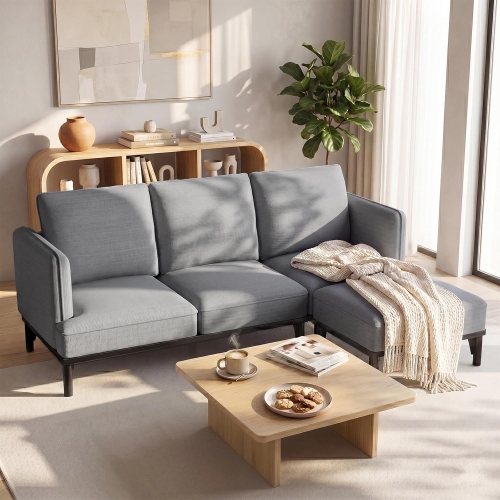
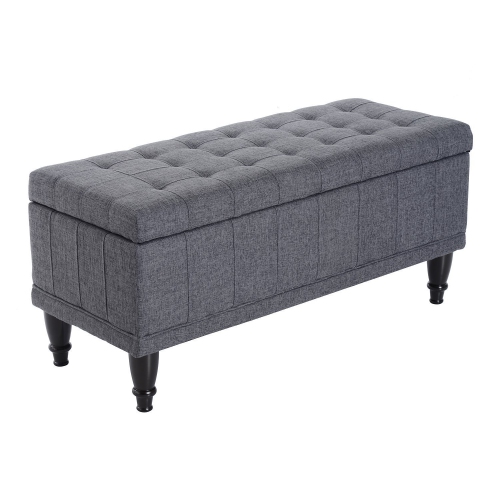
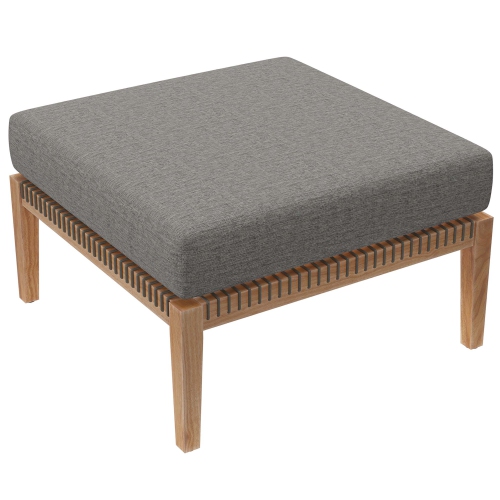
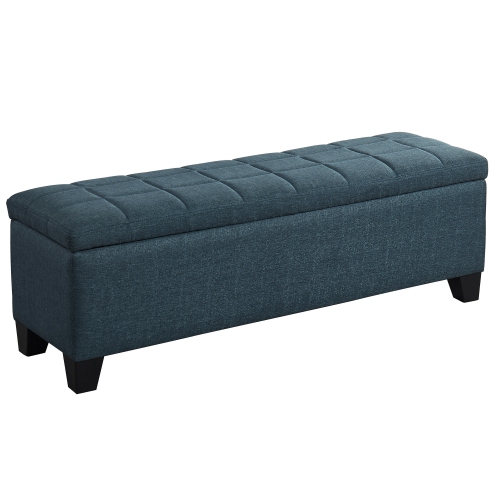
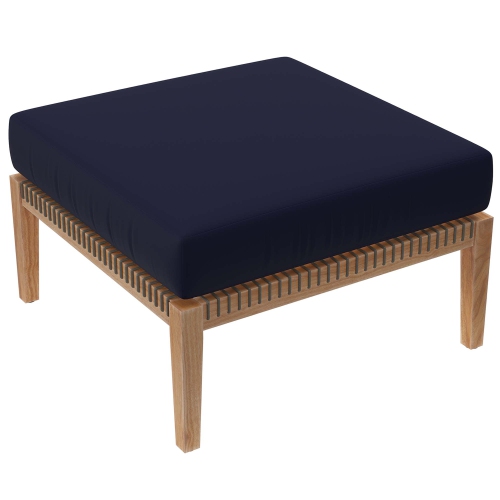
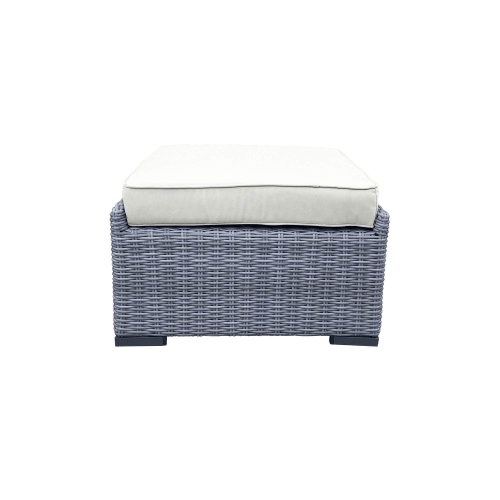
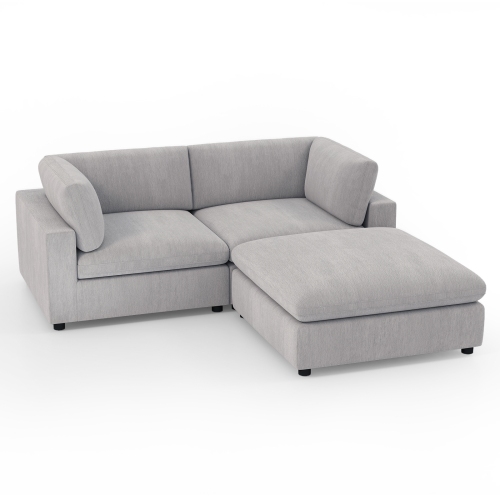
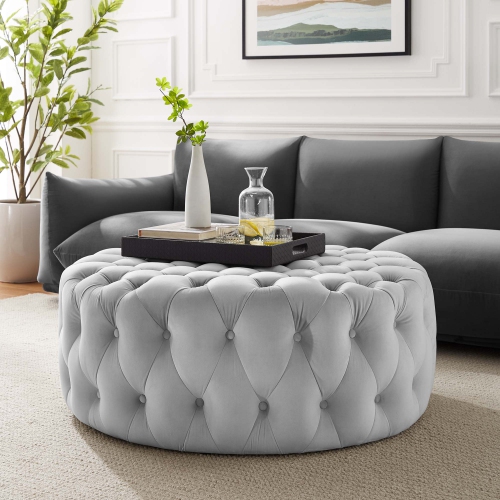
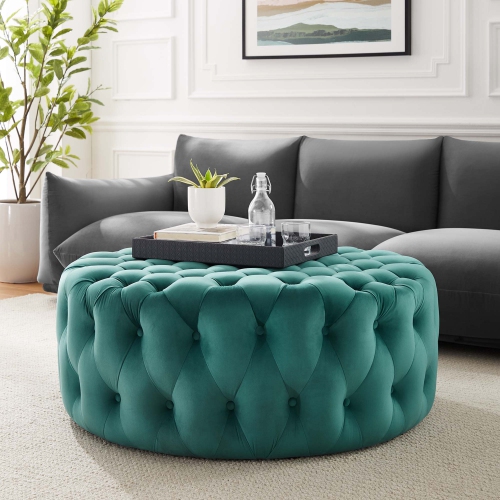
Grey velvet ottomans bring a soft, upholstered surface to a room and can serve as footrests, occasional seating, or alternatives to a coffee table, depending on their construction. Some designs also contain hidden storage, making them useful where a single piece of furniture needs to handle more than one task. Their appeal comes partly from the fabric itself: velvet has a raised pile that catches light, giving even a simple grey shape depth and variation. A pale silver-grey ottoman can sit quietly beside a cream sofa, while charcoal upholstery creates a stronger contrast against light flooring or a neutral rug. Grey can have blue, brown, or violet undertones, so its appearance depends on the surrounding finishes and lighting. The same fabric may look lighter from one side and darker from another as the pile changes direction; that shading is a characteristic of velvet rather than necessarily a difference in colour. Shape also affects how an ottoman fits into a furniture arrangement. Square and rectangular forms follow the lines of sectional sofas and can provide a generous surface for resting feet. Longer bench shapes suit the foot of a bed or a wall where a compact seat is useful. Curved silhouettes soften arrangements with angular tables and cabinetry, and round velvet ottomans can work well beside an armchair or within a seating group. Button tufting adds a tailored, textured appearance, while smooth upholstery keeps the outline simpler and offers a more even surface beneath a tray. Visible wood legs introduce another material into the room; metal bases create a different contrast with the plush fabric. Low, fully upholstered bases have a more grounded appearance. These details let grey velvet work across relaxed, traditional, and contemporary spaces without requiring every piece of furniture to match.
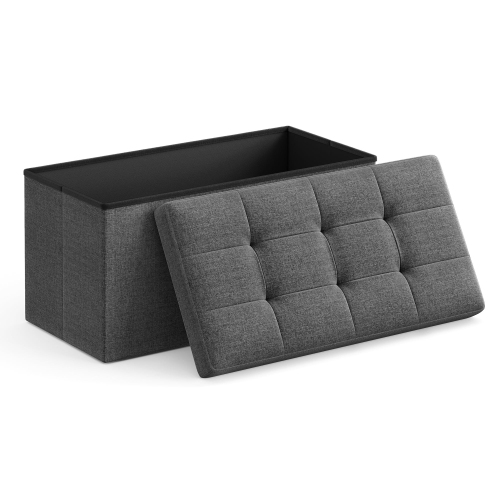
The most useful size depends on how the ottoman will be used and the space around it. Beside a reading chair, a compact footrest can support a comfortable place to sit without occupying the centre of the room. In front of a sofa, a broader ottoman can provide room for more than one person to put their feet up, provided its dimensions suit the seating arrangement. A footrest near the height of the sofa cushion often feels more natural than one that is noticeably taller, although personal comfort and the seat’s depth also matter. Clear walking space remains important, especially between the ottoman and a doorway, media unit, or frequently used chair. A large upholstered surface may look inviting but become awkward if it blocks a cabinet or makes everyone sidestep through the room. For coffee-table use, a firm, level top and a stable tray help contain everyday objects such as a remote control or a book. Drinks still need particular care because cushioning and deep tufting do not provide the same support as a rigid tabletop. Storage designs add another practical layer: a lift-top compartment can hold throws, spare cushion covers, or board games, while a bench at the end of a bed can provide a place for extra bedding. Interior measurements matter as much as the outside footprint, since thick padding and structural supports reduce usable space. Hinged, removable, and folding lids each involve different access and handling, and some require room behind or above the ottoman to open fully. In homes with children, the lid mechanism and any stated safety features deserve attention. Seating use also depends on the design rather than appearance alone. An ottoman intended only as a footrest should not be assumed to support an adult, and the stated weight limit applies even when the piece feels sturdy.
Materials beneath the velvet influence how an ottoman feels and how well it holds its shape with regular use. Frames may use solid wood, plywood, engineered wood, metal, or a combination, with different construction methods suited to different designs. Secure joints, a stable base, and firmly attached legs contribute to a steady feel. Padding can range from a softer cushion to a firmer, more structured seat, and thicker upholstery does not automatically mean greater support. For a living room where the ottoman will be used daily, the frame, cushioning, fabric specifications, and intended use all matter more than appearance alone. Velvet describes a fabric structure rather than one particular fibre; polyester and blended versions are common in furniture, but cleaning requirements and resistance to wear vary. Any stain-resistant or performance finish should be assessed through its stated features rather than assumed from the fabric’s look. Routine care generally centres on removing loose dust with a suitable upholstery attachment, avoiding harsh scrubbing, and following the manufacturer’s cleaning instructions. Spills are best addressed promptly by blotting rather than rubbing, with any permitted cleaner tested first in an inconspicuous area. Too much moisture can affect both the upholstery and the materials underneath, so soaking the surface is not a substitute for the recommended cleaning method. Velvet pile may flatten where feet rest repeatedly, and pet claws can catch or mark some fabrics. Placement away from prolonged direct sunlight can help limit uneven fading, while suitable pads beneath the legs can help protect flooring. Moving the ottoman by its base rather than pulling on upholstery or lifting by a storage lid also helps avoid unnecessary strain. With proportions and care suited to the household, a grey velvet ottoman can be a useful finishing piece: somewhere to rest after reading, keep a throw close to the sofa, or offer a visitor a seat when the design allows.
Top selling and popular products
-
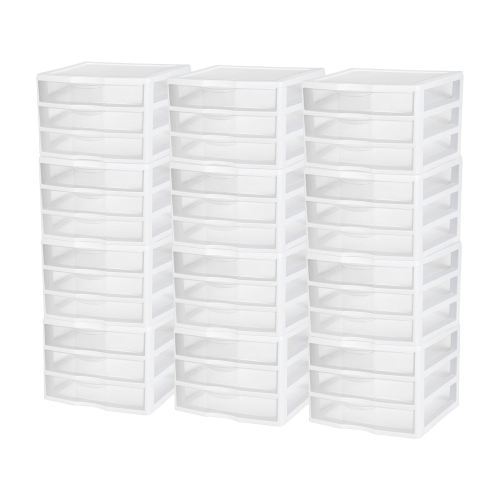 Your price for this item is $644.99
-
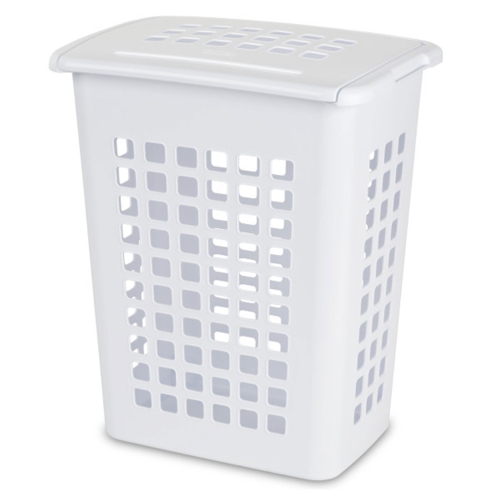 Your price for this item is $978.99
-
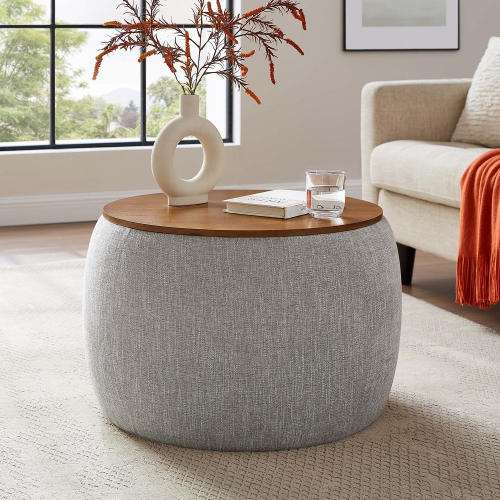 Your price for this item is $286.83
-
 Your price for this item is $765.09
-
 Your price for this item is $765.09
-
 Your price for this item is $765.09
-
 Your price for this item is $765.09
-
 Your price for this item is $765.09
Discover more categories related to Grey Velvet Ottomans
Top Collections:
Best Black Friday Deals This Year, Best Black Friday Deals On Electronics, Kindle Devices, Dyson Airwrap, Best Cameras for Sports Photography, Best Budget Office Chairs, Canon G7X Cameras, PS5 Pro Consoles, Best Black Friday Deals On Apple Products, XBOX One S Consoles
Some products may be subject to Environmental Handling Fees
(EHF) depending on your province.
Learn more about EHFs.