Grey Wood Tables
Looking for a stylish and versatile addition to your home decor? Our collection of grey wood tables offers the perfect combination of elegance and functionality. Whether you're furnishing your dining room, living area, or workspace, these tables are designed to seamlessly blend with almost any interior style. Here are some great options available.
Sort
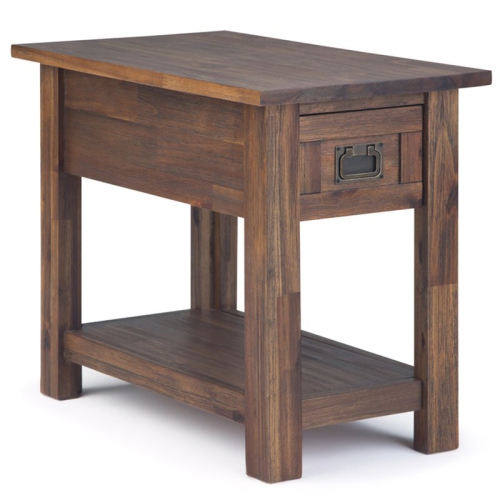
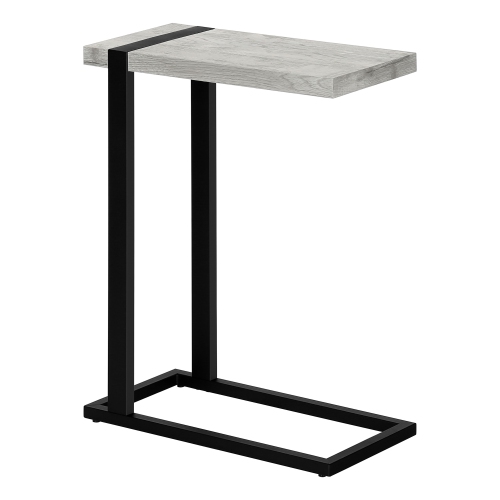
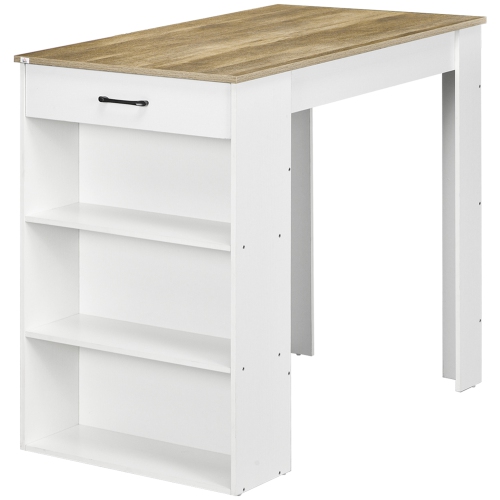
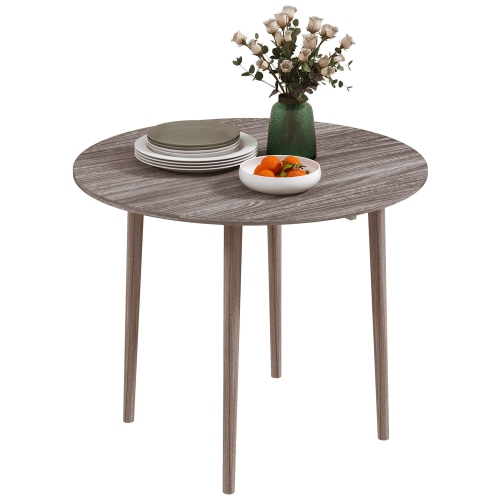
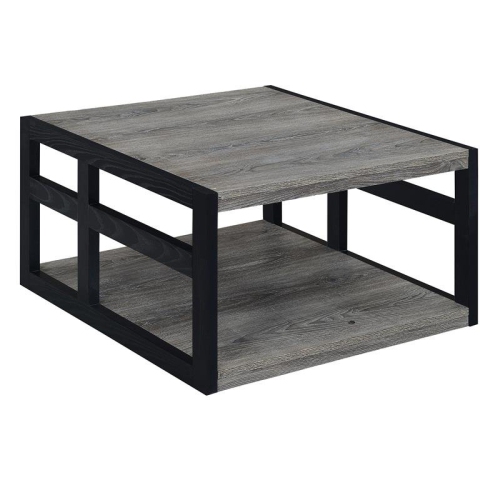
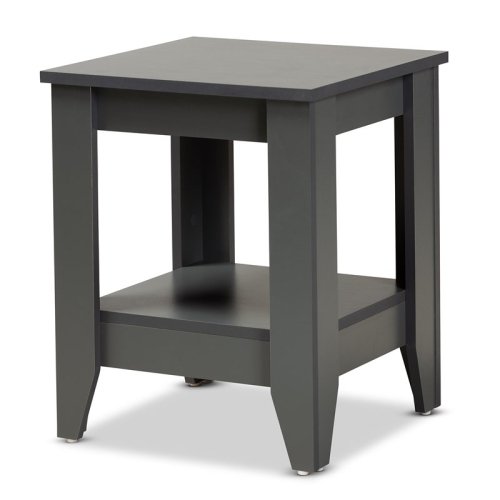
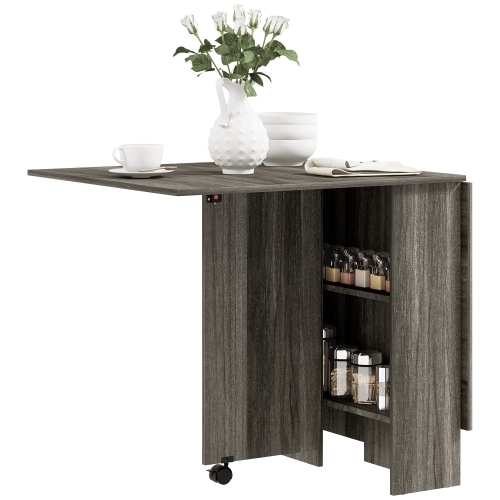
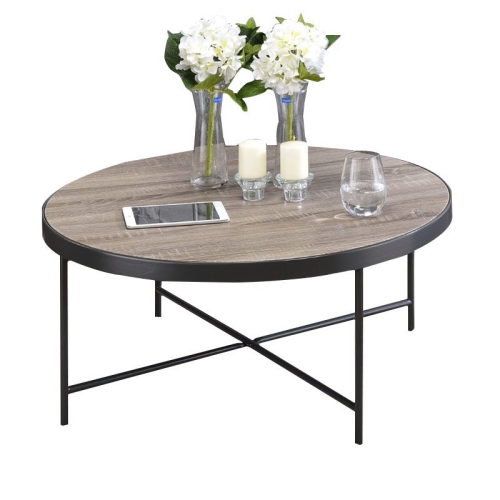
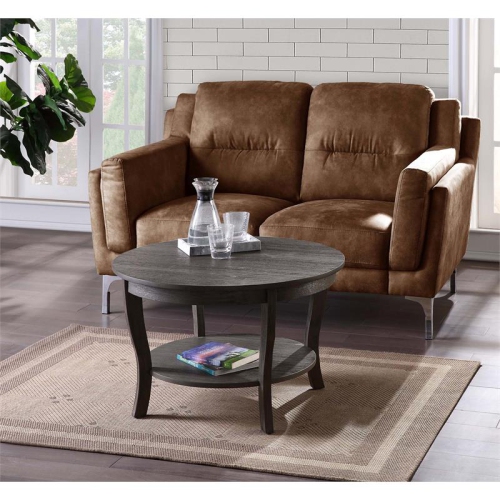
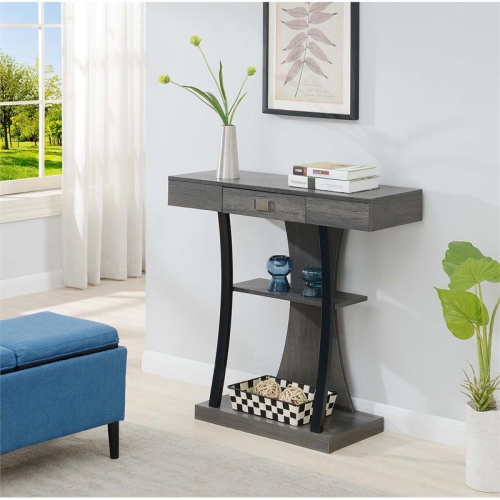
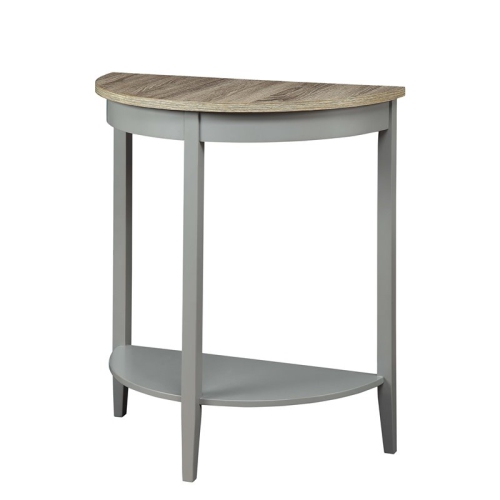
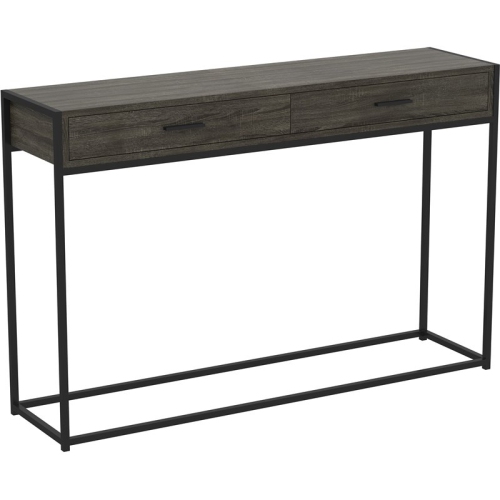
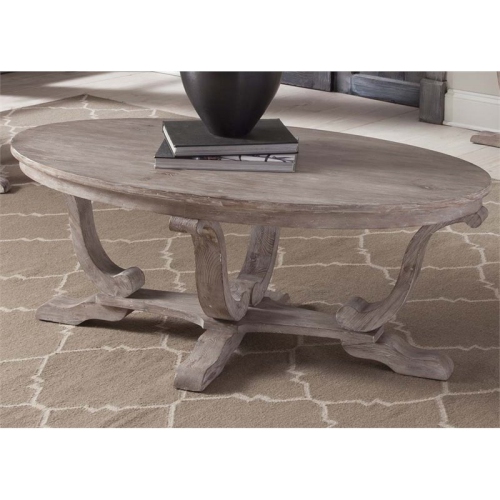
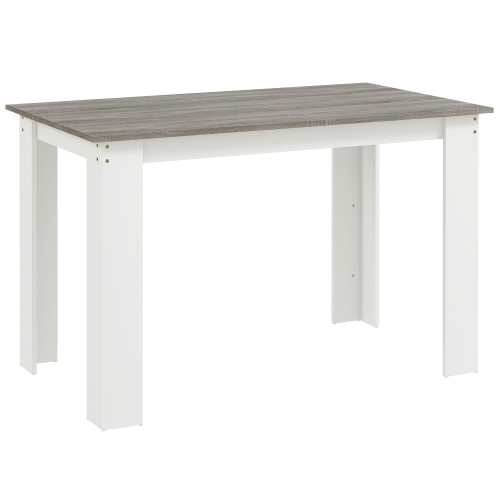
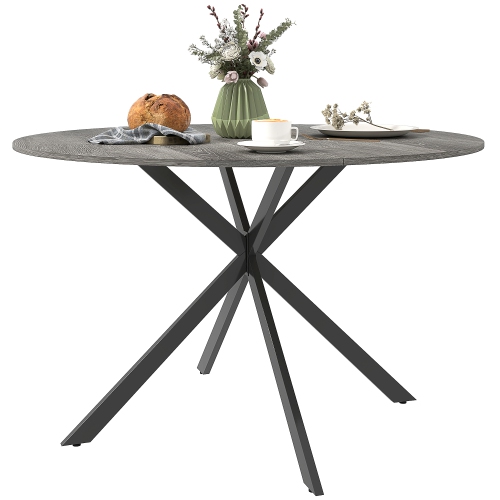
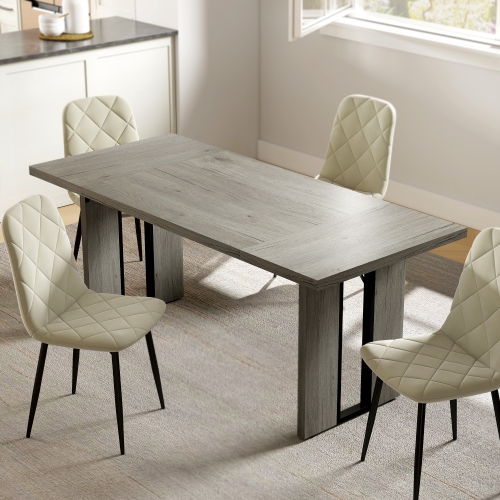
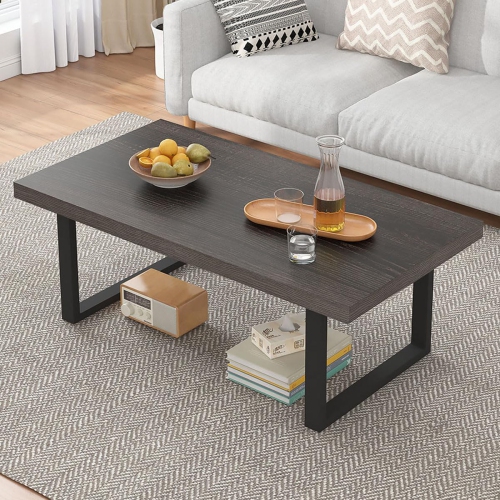
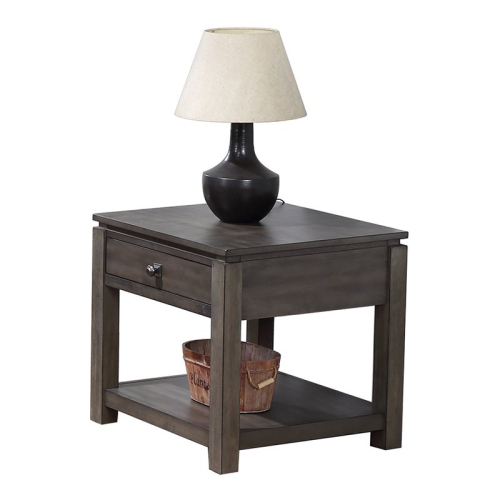
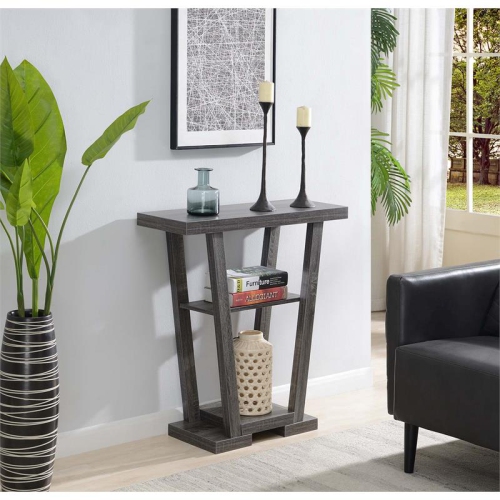
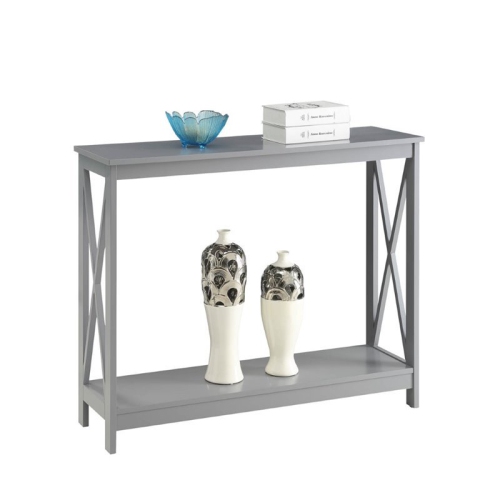
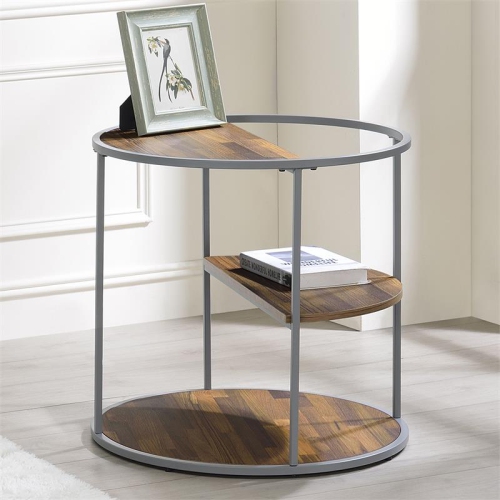
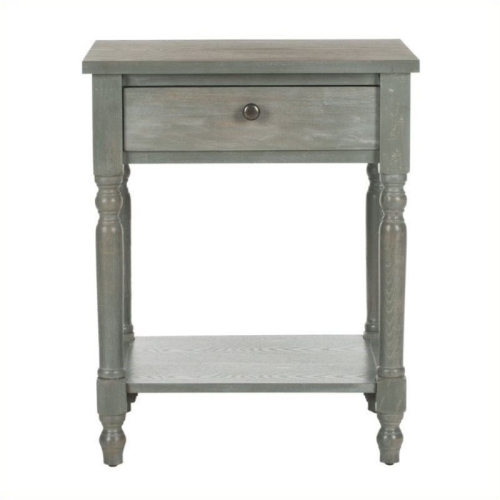
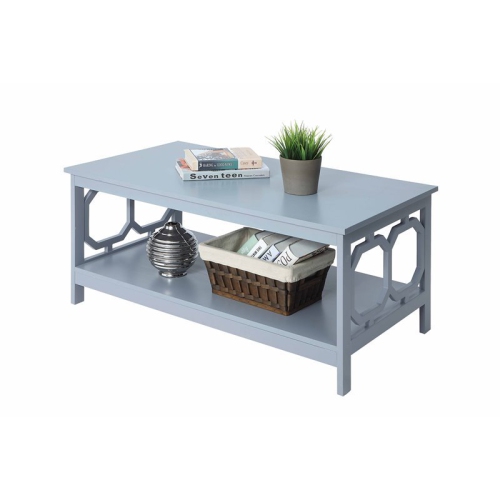
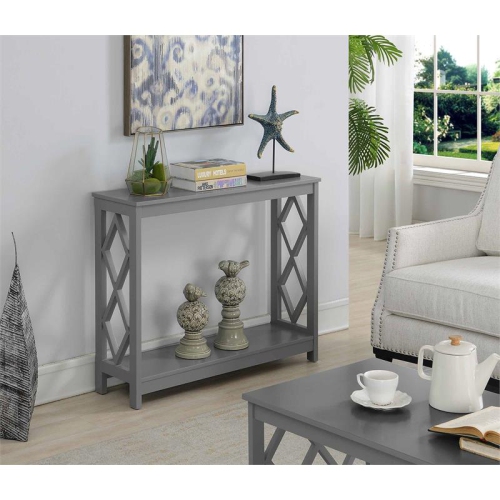
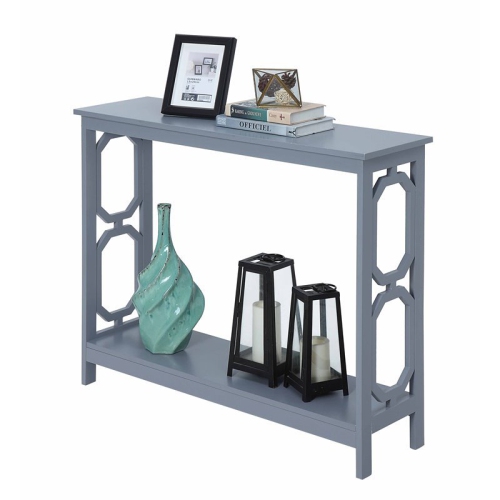
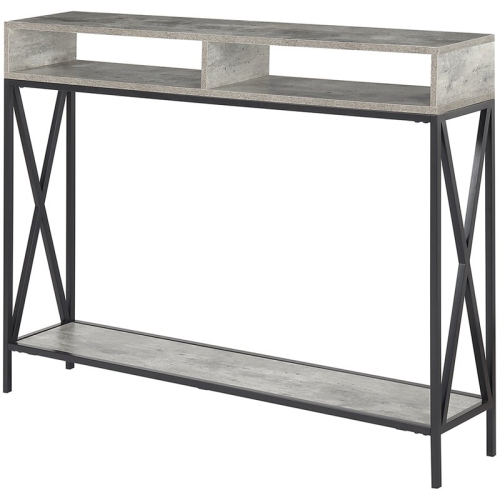
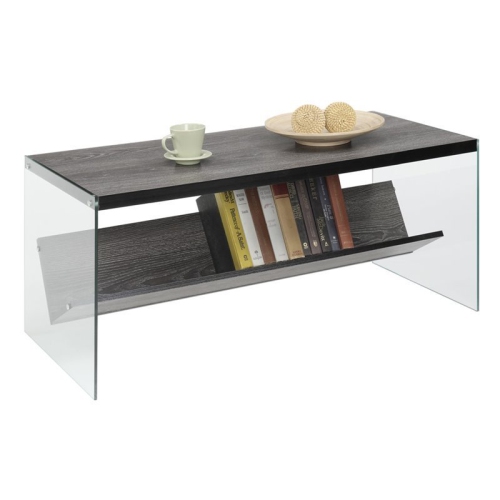
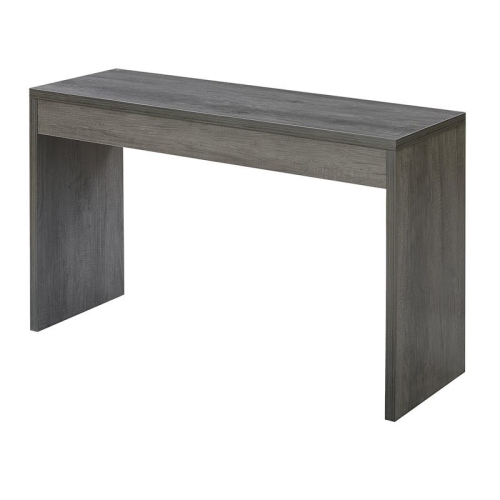
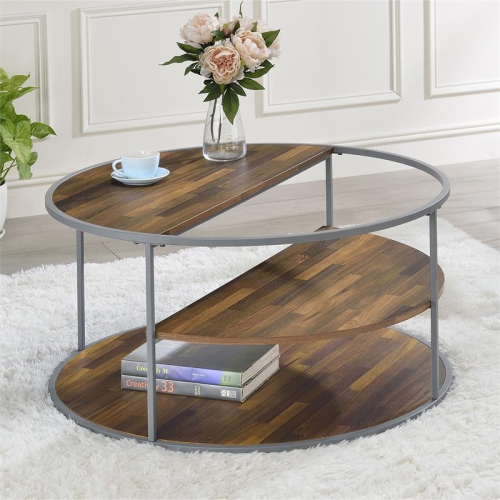
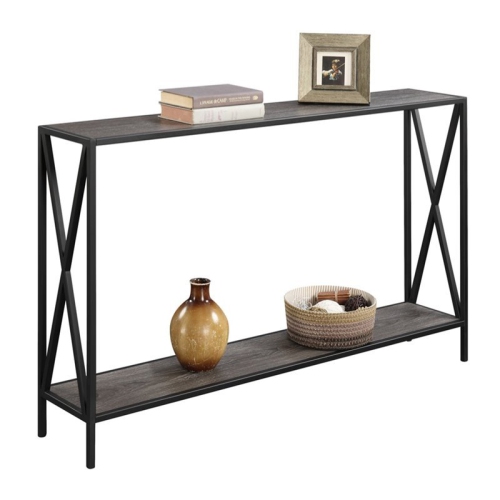
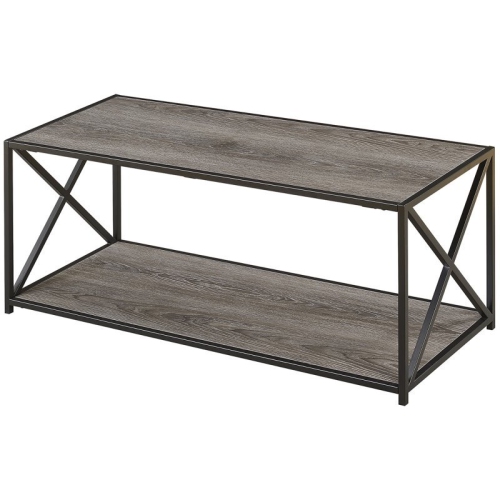
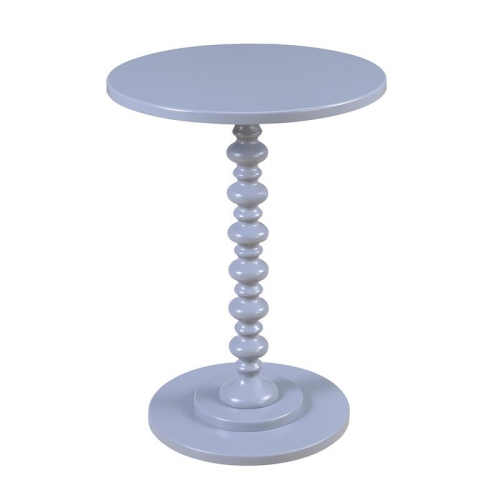
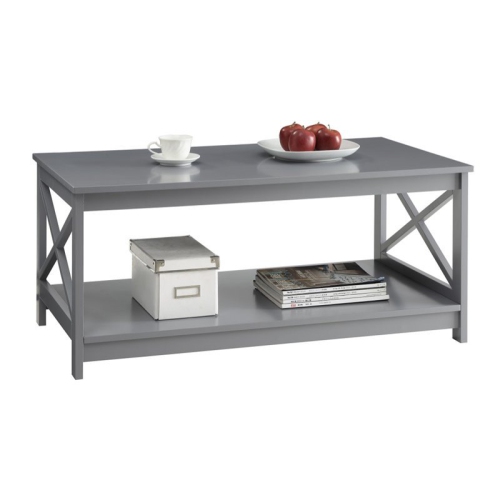
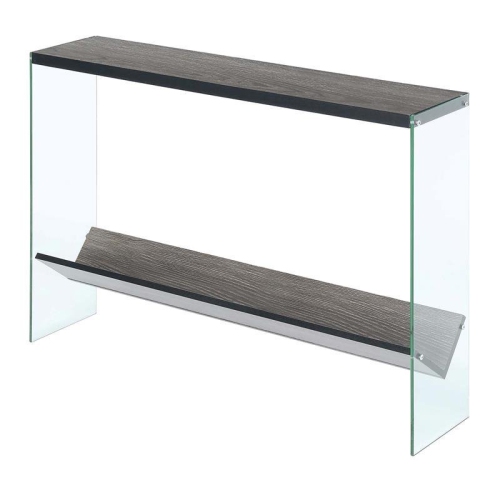
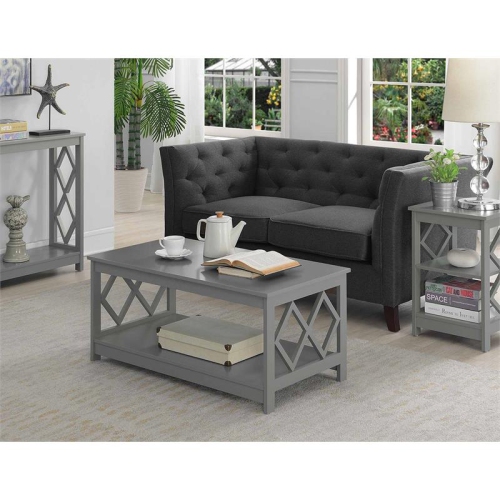
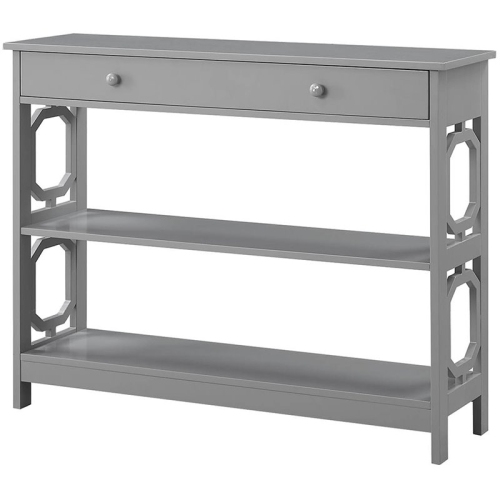
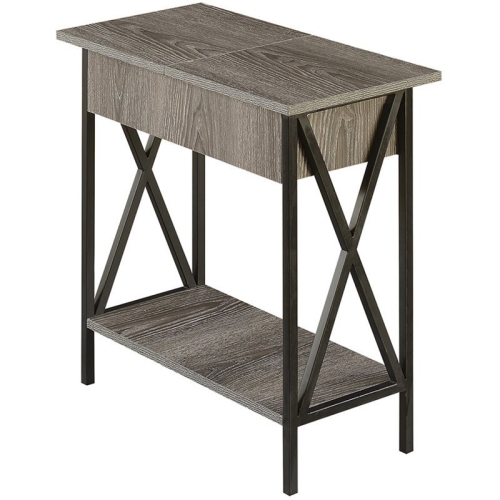
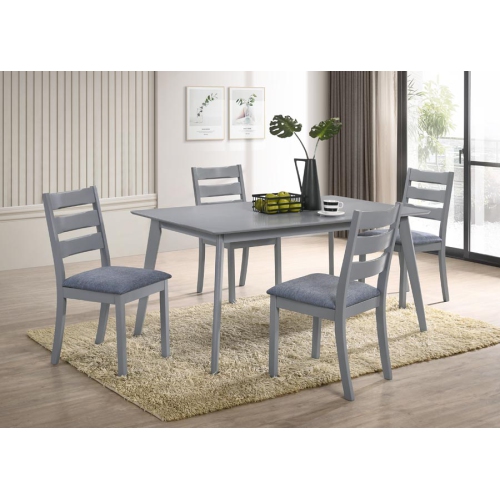
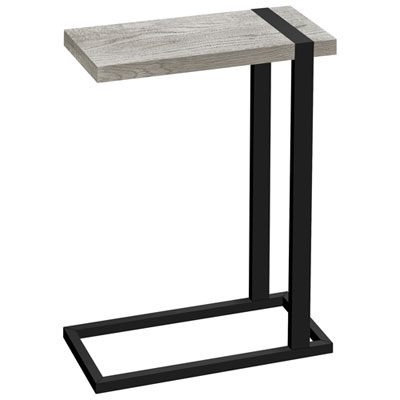
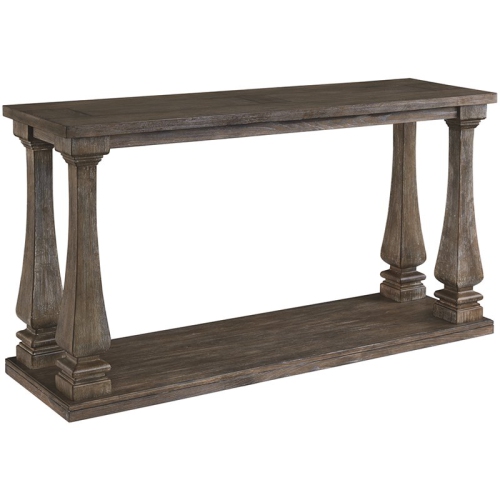
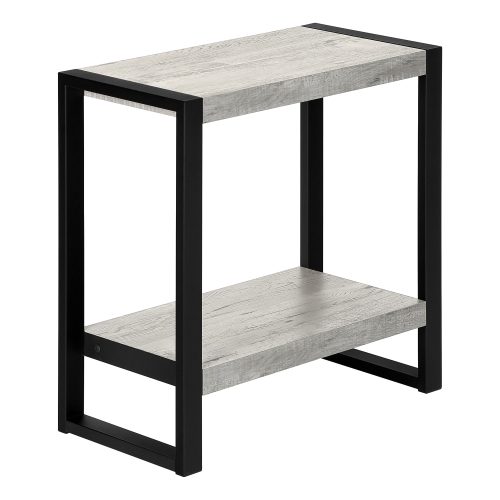
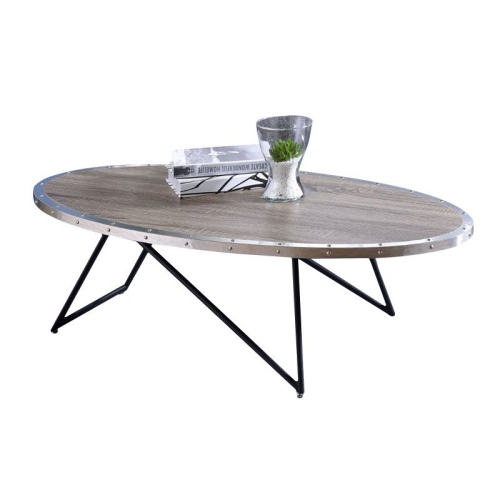
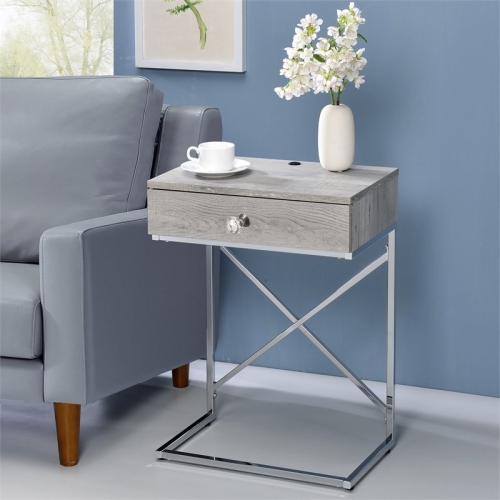

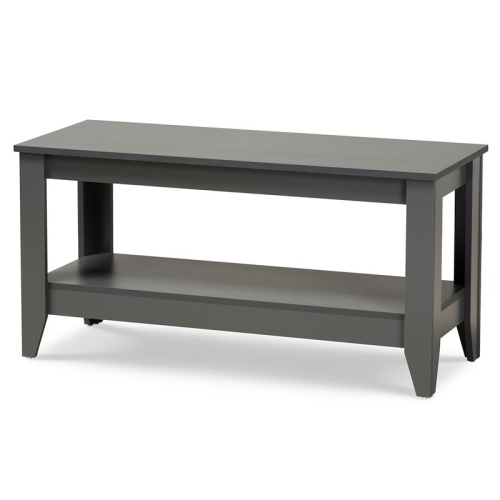
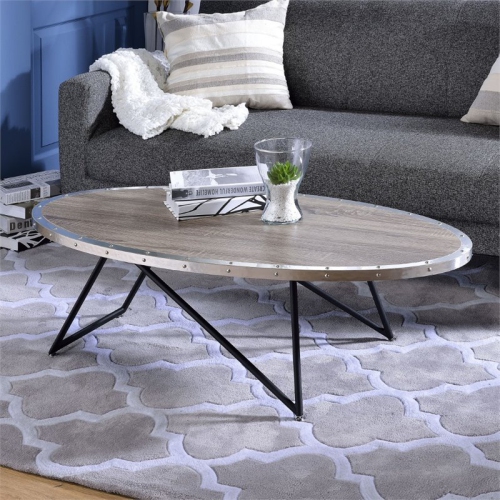
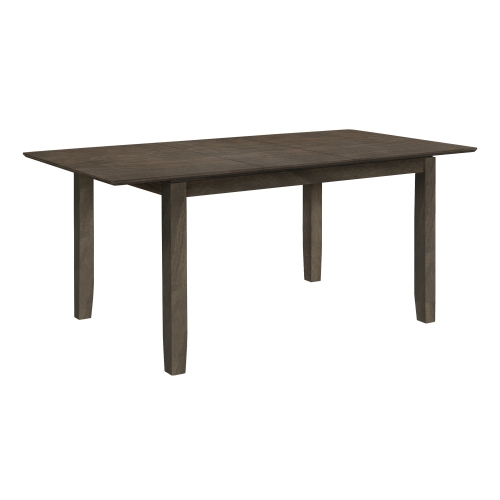
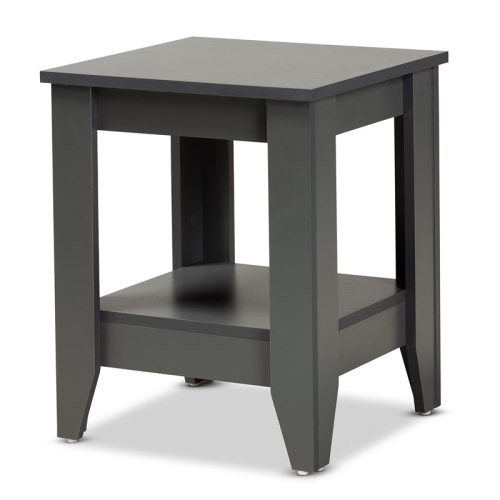
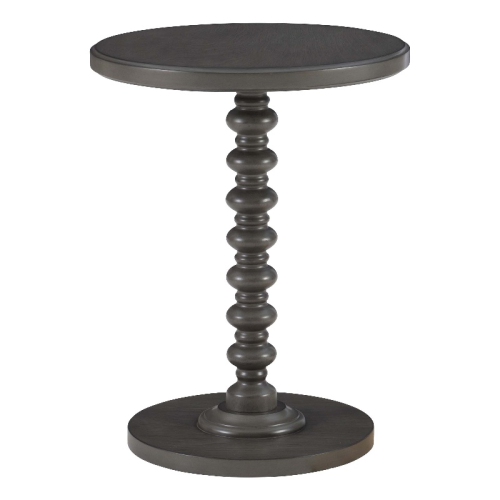
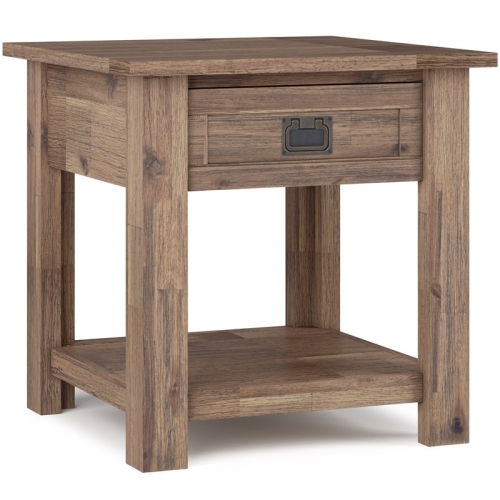
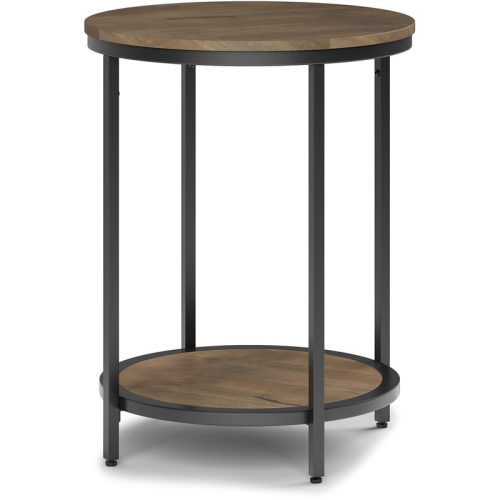
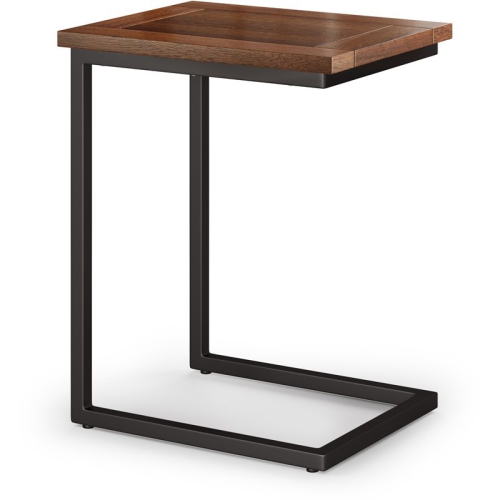
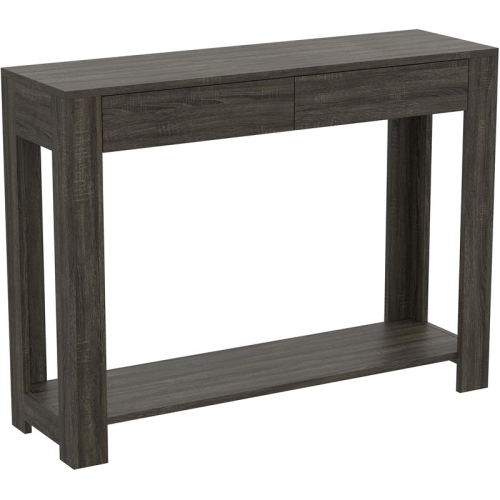
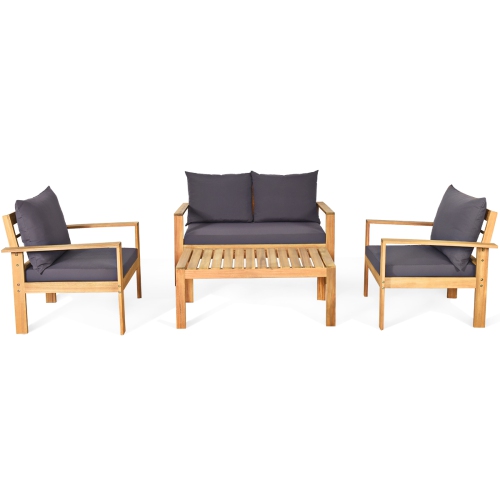
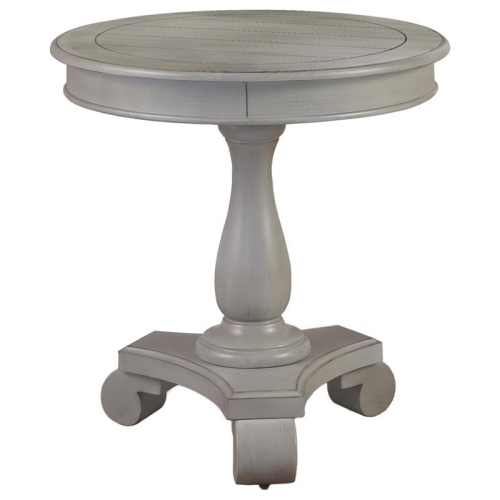
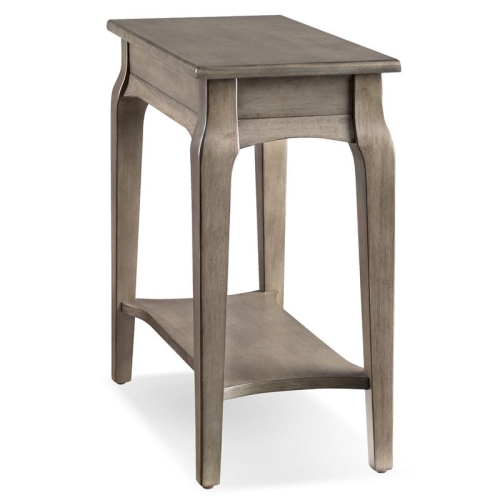
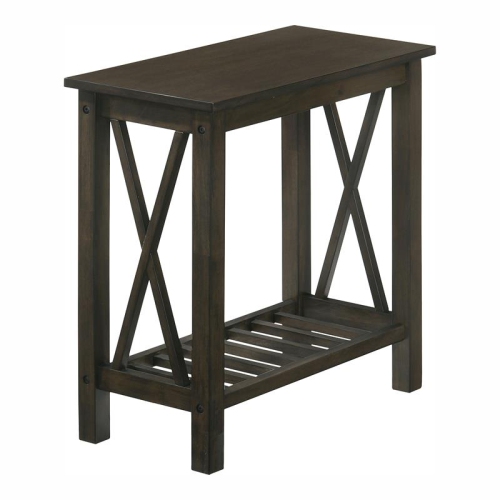
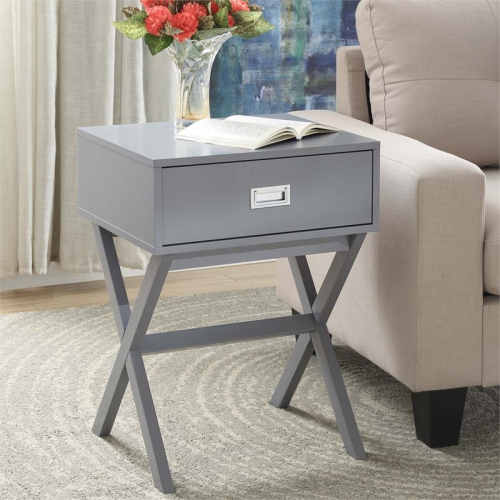
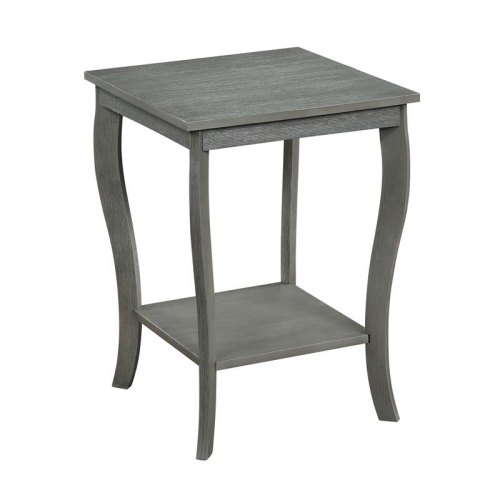
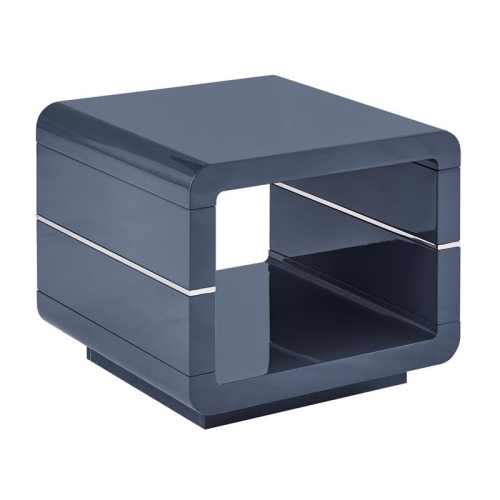
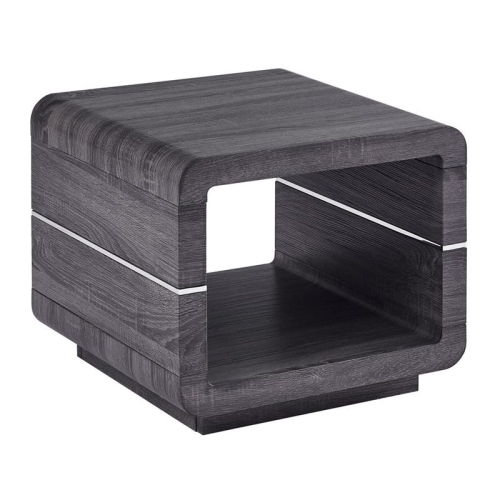
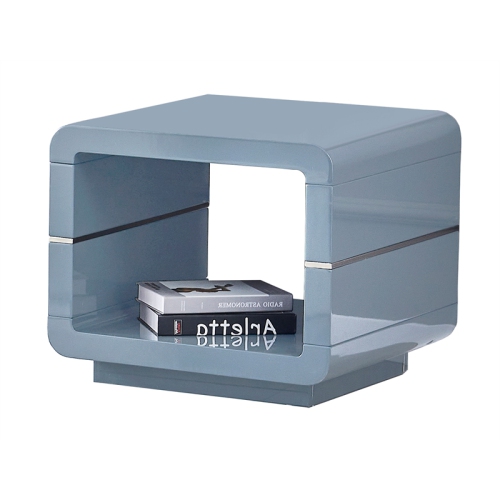
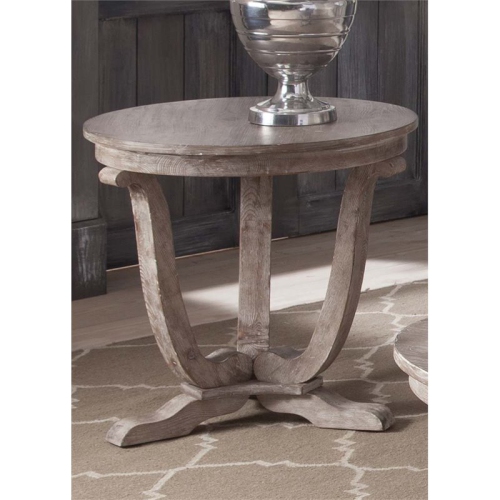
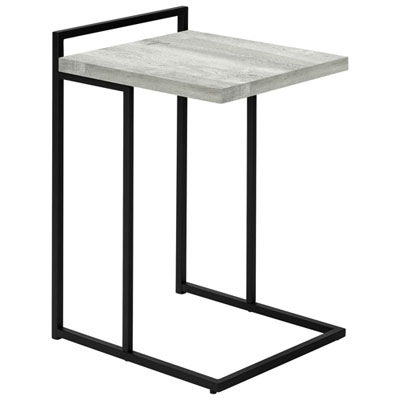
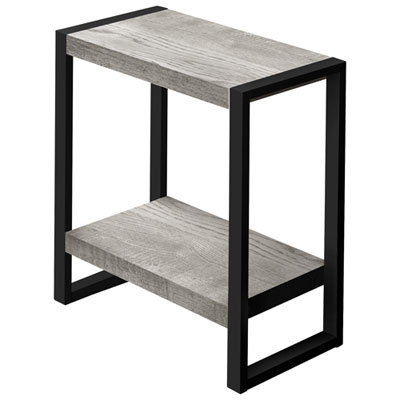
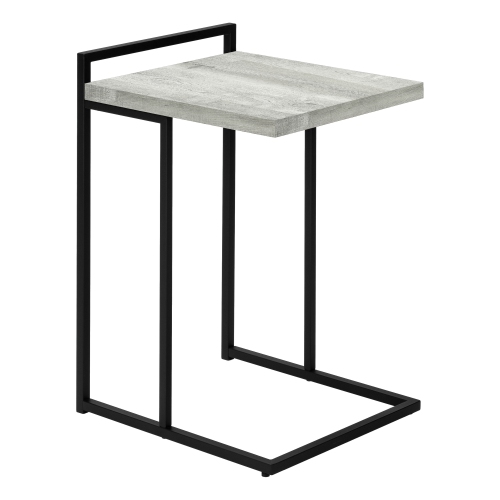
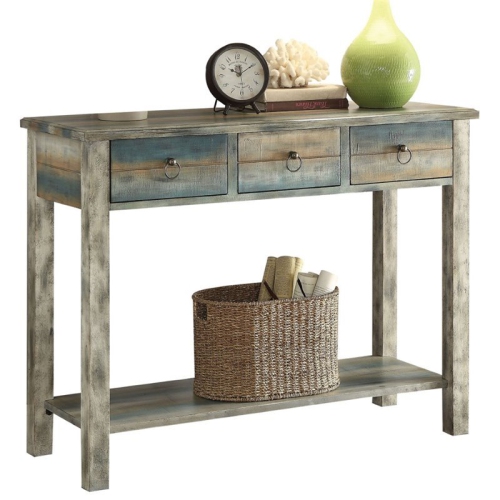
Visible wood grain adds depth to grey finishes
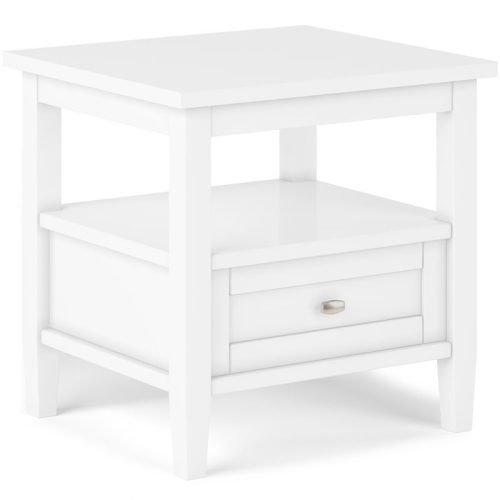
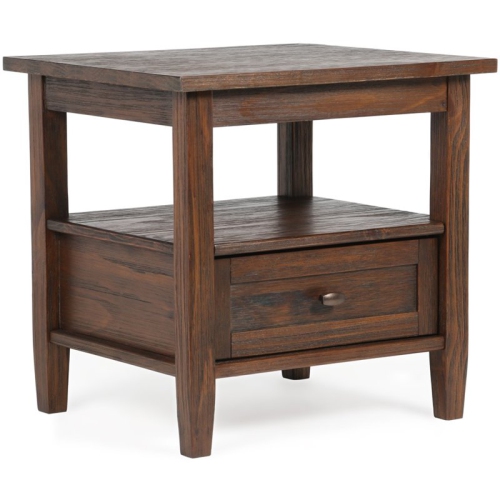
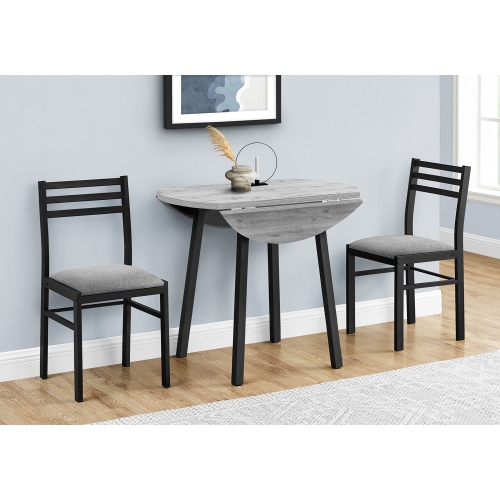
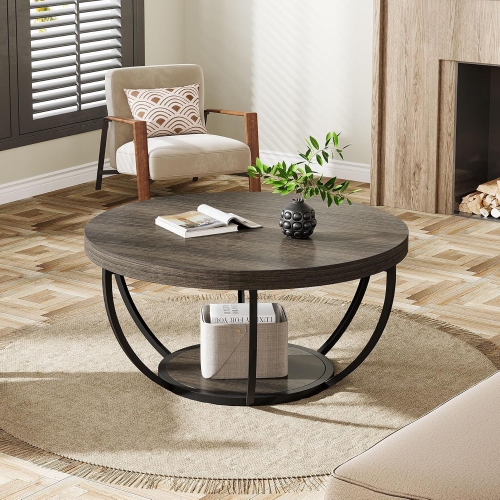
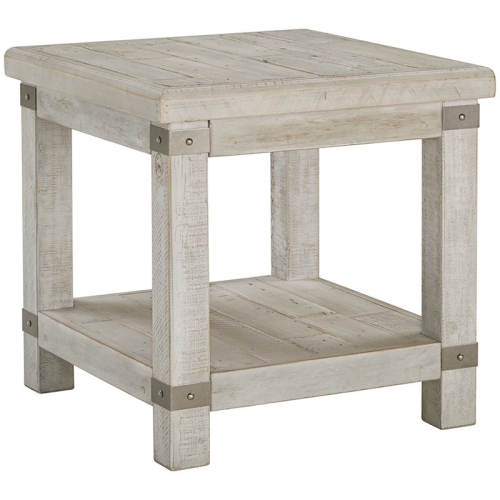
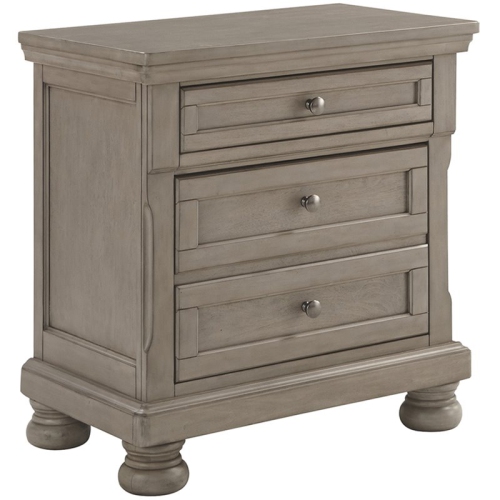
Grey wood tables combine the visible texture of wood with a neutral finish that works across dining rooms, kitchens, living rooms, and entryways. Their appeal comes partly from the range within the colour itself: pale grey can feel light and understated, a warm grey with brown undertones sits comfortably beside beige upholstery, and deep charcoal creates a stronger contrast against white walls. A grey finish does not necessarily conceal the grain. Transparent stains and grey washes can leave knots, growth rings, and other markings visible, while more opaque finishes create a more uniform surface. This gives grey wood tables a place in several decorating styles, from rustic spaces with woven seats and linen textiles to contemporary rooms with slim metal frames and clean-lined furniture. A softly textured tabletop can bring visual depth to a room without adding another bold colour, while a smooth, even finish offers a quieter backdrop for patterned dishes or an expressive rug. Black chairs sharpen the contrast, navy upholstery adds richness, and natural wood accents can keep an all-grey arrangement from feeling flat. Materials also shape the look and feel. Solid wood has natural variation and may be suitable for refinishing, depending on its construction and finish. Wood veneer places a thin layer of real wood over a supporting core, offering genuine grain with care requirements that differ from those of a thick solid-wood surface. Engineered wood with a decorative wood-look layer can provide a consistent appearance, though it should not be treated as solid timber. The tabletop, base, and legs may use different materials, so the overall description matters as much as the colour name. A grey wood top on a metal base has a different character from a table with substantial wooden legs. In either case, the finish, proportions, and visible construction contribute more to the room’s overall impression than the shade alone.
The right proportions help grey wood tables feel useful rather than simply decorative. In a dining area, the tabletop needs to accommodate place settings, serving dishes, and everyday movement, while the surrounding floor space must allow people to pull out chairs and walk past them. Around 90 centimetres between a table edge and a wall or nearby furniture is a useful starting point, with more room helpful along a busy passage. Seating capacity depends on the usable edge space and base design, not just the length of the top. Roughly 60 centimetres of table edge per diner is a common planning allowance, although wider chairs and generous place settings need more. A rectangular table often suits a long room or an open-plan dining zone, while a square table can fit neatly into a compact eating area. Round tables make conversation easy and remove projecting corners, but they still need adequate clearance on every side. An oval top offers some of the length of a rectangle with a softer outline. Pedestal bases may leave more flexibility for chair placement, whereas corner legs or trestle supports can affect where knees and chair frames fit. Extendable designs can support both everyday meals and larger gatherings, provided there is space for the table when fully opened and somewhere suitable to keep any removable leaves. Beyond dining, grey wood tables can provide a landing place beside a sofa, a display surface behind seating, or a narrow spot for keys near an entrance. In a living room, Grey Wood Coffee Tables can connect the seating arrangement while keeping drinks, books, and remote controls within reach. A coffee table close to the sofa’s seat height usually feels comfortable to use, and a gap of approximately 40 to 45 centimetres between the sofa and table offers a practical starting point for legroom. Side tables work best when their tops are easy to reach from the adjacent seat; console tables need enough clearance that drawers, doors, and nearby walkways remain usable.
Everyday durability depends on construction and surface protection as well as the underlying material. Secure joints, a stable base, and a tabletop suited to its intended load are important whether the table holds family meals, a reading lamp, or a laptop during occasional work sessions. A textured grey finish may make small marks less noticeable, but it does not make a surface scratchproof. Likewise, a darker finish may disguise some stains while showing dust or pale scratches more clearly. Households with children may appreciate rounded edges and a sturdy stance, although neither replaces appropriate supervision. For frequent dining or craft use, a surface that can be wiped clean according to the manufacturer’s directions is more practical than one requiring delicate treatment after every spill. Coasters help prevent moisture rings, placemats reduce direct contact with dishes, and heat-resistant trivets protect against hot serving pieces. Spills are best blotted promptly rather than left around seams or edges, where moisture can reach the material beneath the finish. Routine dusting with a soft cloth helps keep grit from being dragged across the top, and any cleaning solution should be suitable for the particular coating. Abrasive pads, harsh cleaners, and excess water can damage finishes or affect engineered components. Solid wood can expand and contract as indoor humidity varies, so placement away from heating vents and prolonged direct sunlight helps limit unnecessary stress and uneven fading. Moving a table by lifting it rather than dragging it also reduces strain on the legs and joints. These practical details matter when a dining table doubles as a homework station, a coffee table becomes the centre of a board game, or an entryway table supports the daily routine of bags and keys. Grey wood tables can suit first apartments, shared homes, and established rooms where a neutral piece needs to work with furniture collected over time. As a housewarming or wedding gift, a smaller accent table can be a thoughtful choice when the recipient’s space, preferred finish, and intended use are known. The most comfortable fit brings together the right dimensions, a pleasing texture, and care needs that match daily life.
The right proportions help grey wood tables feel useful rather than simply decorative. In a dining area, the tabletop needs to accommodate place settings, serving dishes, and everyday movement, while the surrounding floor space must allow people to pull out chairs and walk past them. Around 90 centimetres between a table edge and a wall or nearby furniture is a useful starting point, with more room helpful along a busy passage. Seating capacity depends on the usable edge space and base design, not just the length of the top. Roughly 60 centimetres of table edge per diner is a common planning allowance, although wider chairs and generous place settings need more. A rectangular table often suits a long room or an open-plan dining zone, while a square table can fit neatly into a compact eating area. Round tables make conversation easy and remove projecting corners, but they still need adequate clearance on every side. An oval top offers some of the length of a rectangle with a softer outline. Pedestal bases may leave more flexibility for chair placement, whereas corner legs or trestle supports can affect where knees and chair frames fit. Extendable designs can support both everyday meals and larger gatherings, provided there is space for the table when fully opened and somewhere suitable to keep any removable leaves. Beyond dining, grey wood tables can provide a landing place beside a sofa, a display surface behind seating, or a narrow spot for keys near an entrance. In a living room, Grey Wood Coffee Tables can connect the seating arrangement while keeping drinks, books, and remote controls within reach. A coffee table close to the sofa’s seat height usually feels comfortable to use, and a gap of approximately 40 to 45 centimetres between the sofa and table offers a practical starting point for legroom. Side tables work best when their tops are easy to reach from the adjacent seat; console tables need enough clearance that drawers, doors, and nearby walkways remain usable.
Everyday durability depends on construction and surface protection as well as the underlying material. Secure joints, a stable base, and a tabletop suited to its intended load are important whether the table holds family meals, a reading lamp, or a laptop during occasional work sessions. A textured grey finish may make small marks less noticeable, but it does not make a surface scratchproof. Likewise, a darker finish may disguise some stains while showing dust or pale scratches more clearly. Households with children may appreciate rounded edges and a sturdy stance, although neither replaces appropriate supervision. For frequent dining or craft use, a surface that can be wiped clean according to the manufacturer’s directions is more practical than one requiring delicate treatment after every spill. Coasters help prevent moisture rings, placemats reduce direct contact with dishes, and heat-resistant trivets protect against hot serving pieces. Spills are best blotted promptly rather than left around seams or edges, where moisture can reach the material beneath the finish. Routine dusting with a soft cloth helps keep grit from being dragged across the top, and any cleaning solution should be suitable for the particular coating. Abrasive pads, harsh cleaners, and excess water can damage finishes or affect engineered components. Solid wood can expand and contract as indoor humidity varies, so placement away from heating vents and prolonged direct sunlight helps limit unnecessary stress and uneven fading. Moving a table by lifting it rather than dragging it also reduces strain on the legs and joints. These practical details matter when a dining table doubles as a homework station, a coffee table becomes the centre of a board game, or an entryway table supports the daily routine of bags and keys. Grey wood tables can suit first apartments, shared homes, and established rooms where a neutral piece needs to work with furniture collected over time. As a housewarming or wedding gift, a smaller accent table can be a thoughtful choice when the recipient’s space, preferred finish, and intended use are known. The most comfortable fit brings together the right dimensions, a pleasing texture, and care needs that match daily life.
Top selling and popular products
-
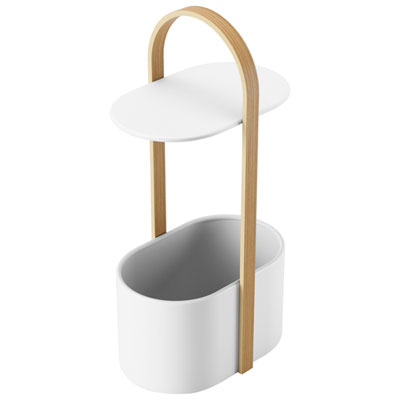 Your price for this item is $69.98
 -
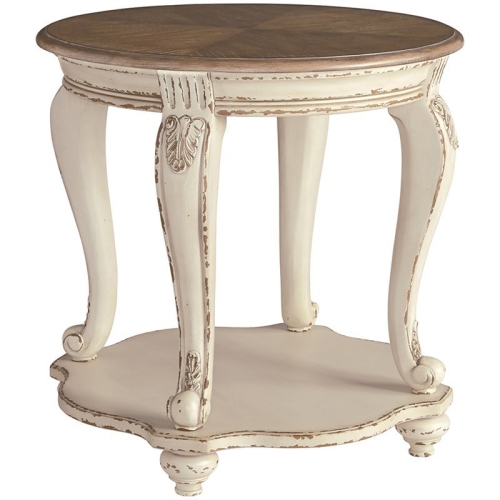 Your price for this item is $369
 -
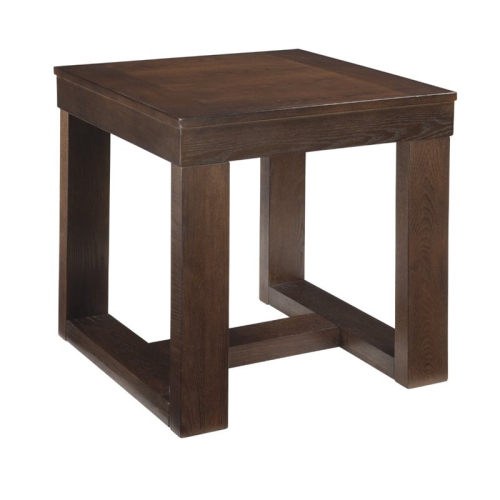 Your price for this item is $199
 -
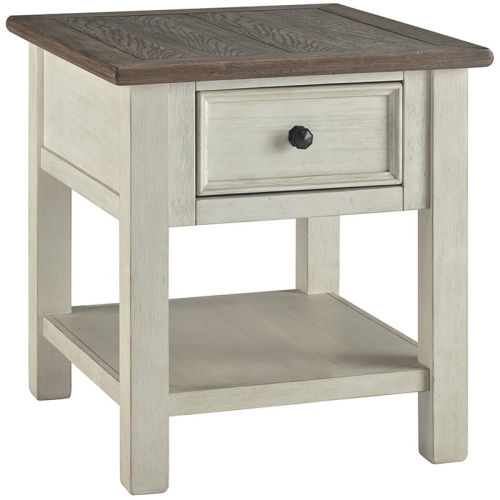 Your price for this item is $399
 -
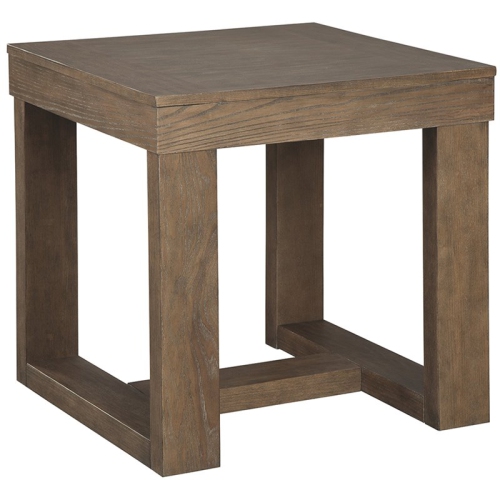 Your price for this item is $416.14
 -
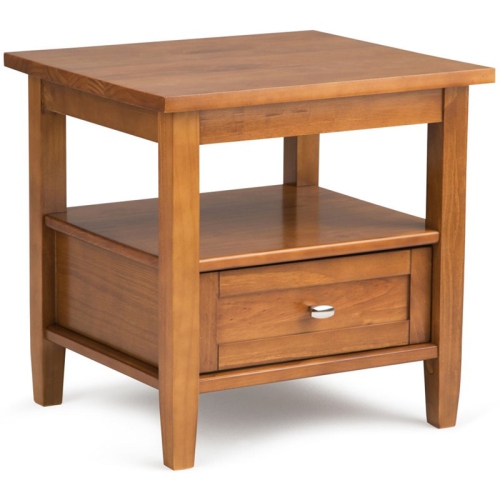 Your price for this item is $379.37
 -
 Your price for this item is $400.69
 -
 Your price for this item is $400.25
Discover more categories related to Grey Wood Tables
Top Collections:
Pokemon Centers, Kindle Devices, Best Budget Office Chairs, Apple iPhones 16, Best Laptops for Writers, iPhone 15 Apple, Canon G7X Cameras, Refurbished Apple Laptops, Alarm Clock, Motorola Razr Phones
Some products may be subject to Environmental Handling Fees
(EHF) depending on your province.
Learn more about EHFs.