Grill Pans With Lids
Upgrade your grilling game with these grill pans with lids. These versatile and stylish pans are perfect for indoor and outdoor cooking, allowing you to achieve that delicious grilled flavor all year round. Whether you're searing steaks, grilling veggies, or cooking up a storm, these grill pans with lids offer even heat distribution and superior heat retention for perfectly cooked meals every time. With their durable construction and convenient lid feature, these grill pans are a must-have addition to any kitchen arsenal.
Sort



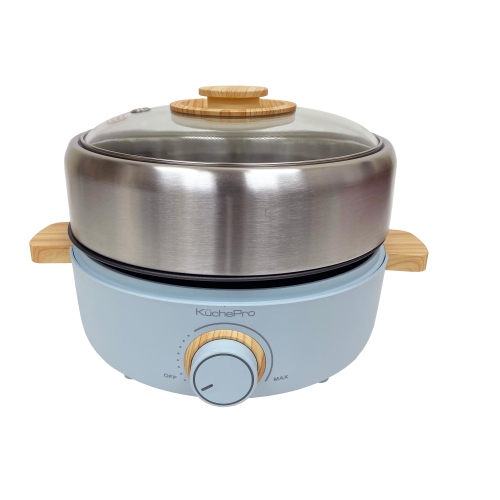
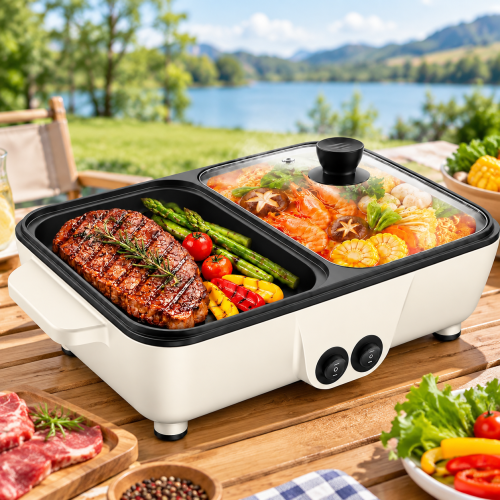
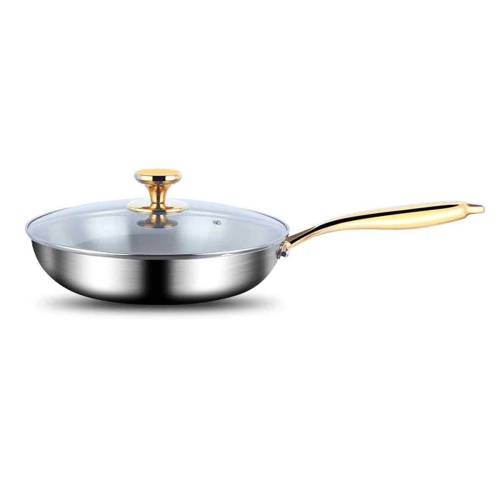
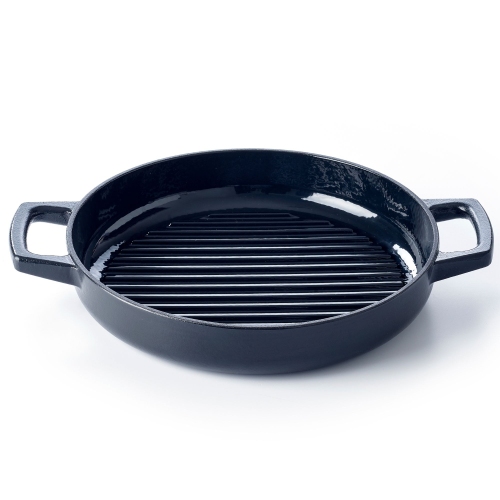



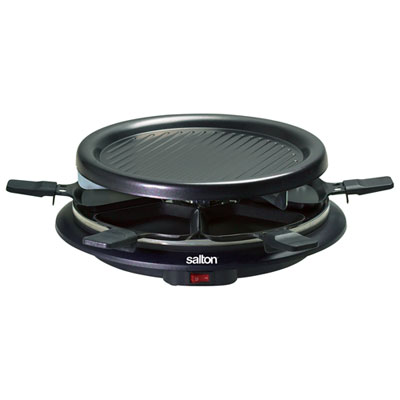

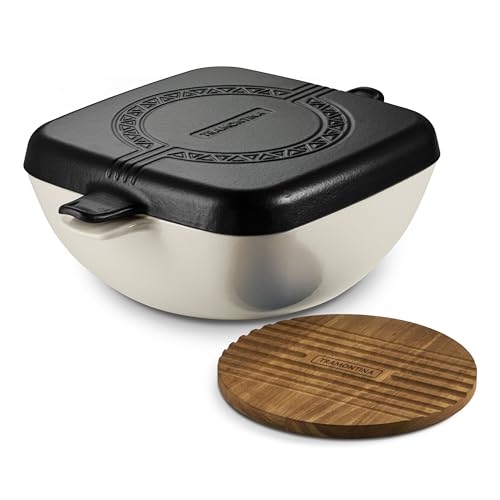
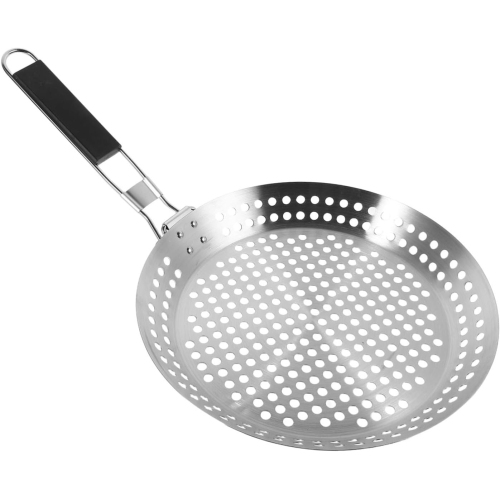
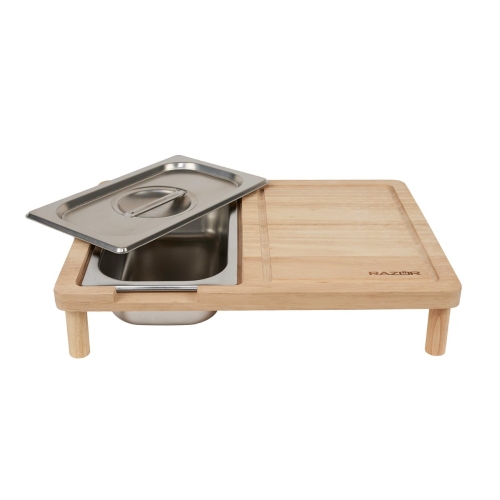
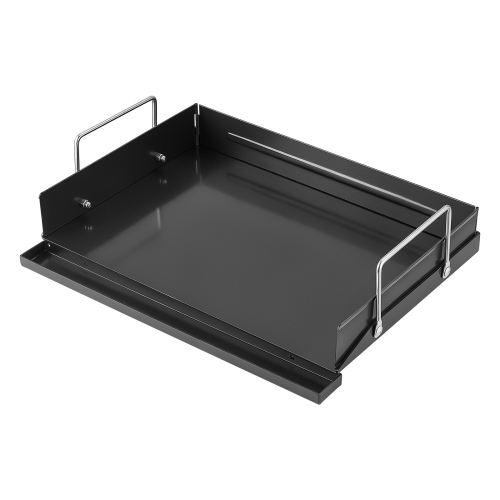

Beyond grill marks: what a lid adds
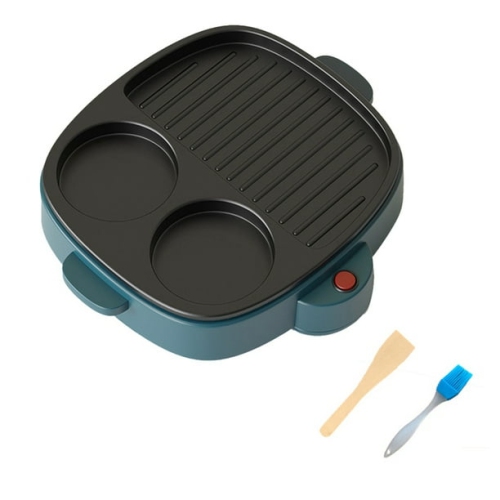
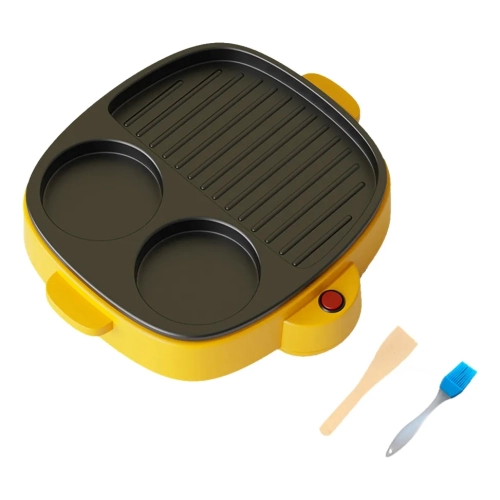
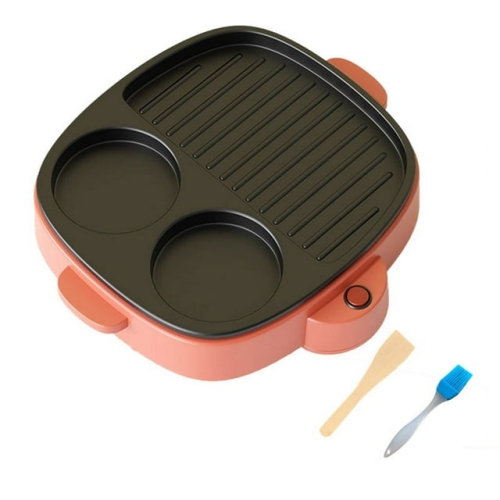
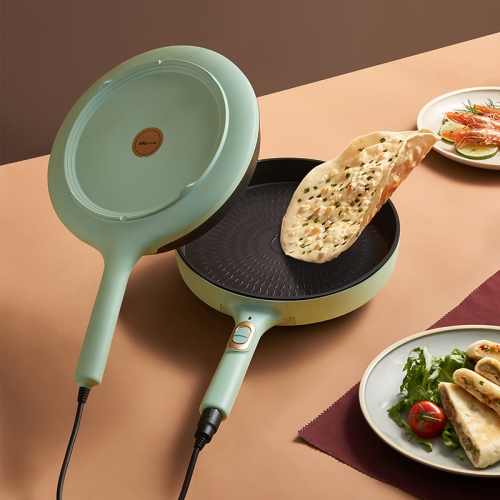
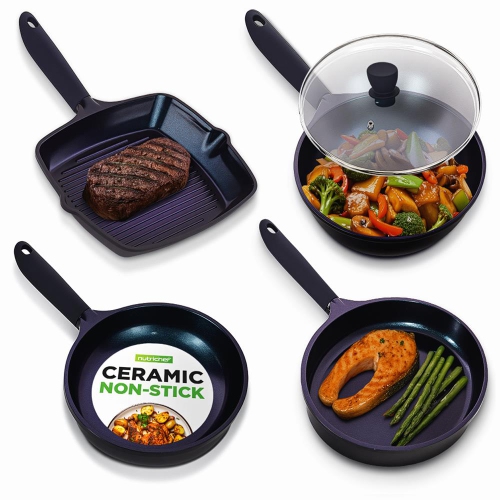
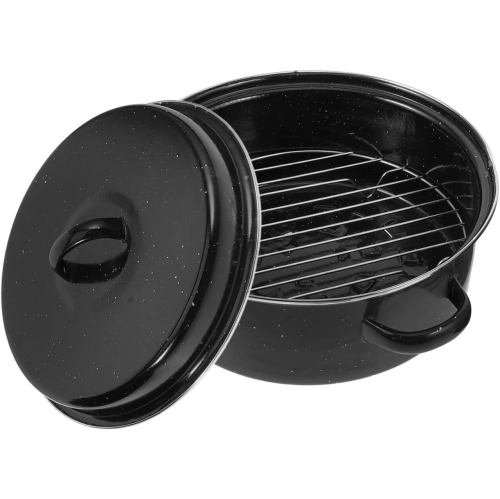
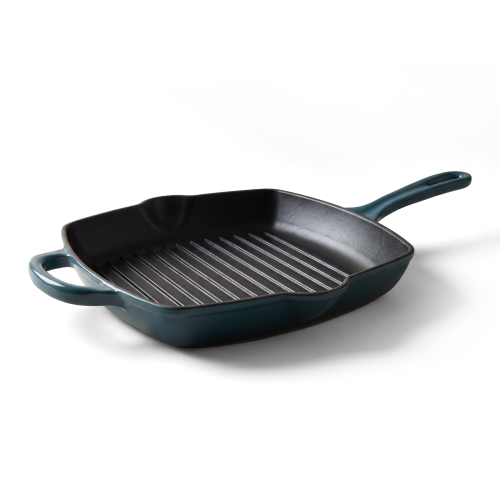
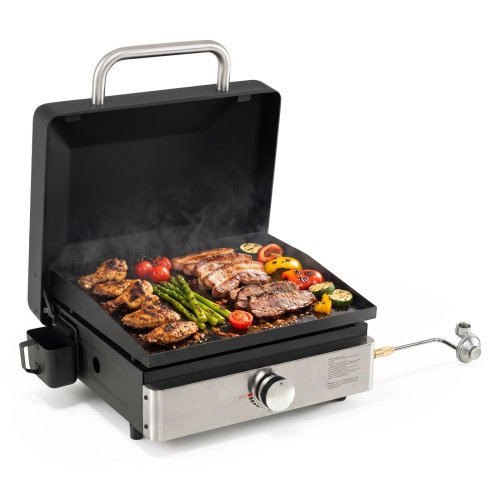
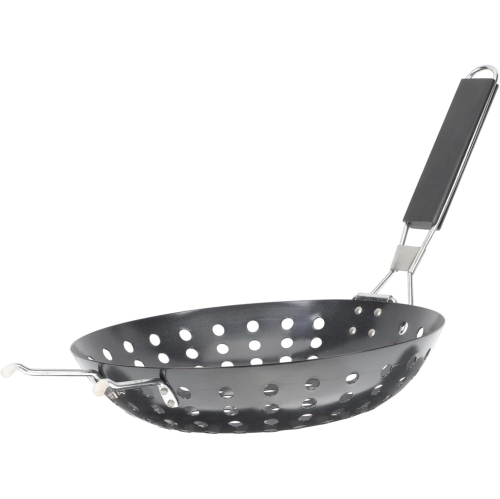
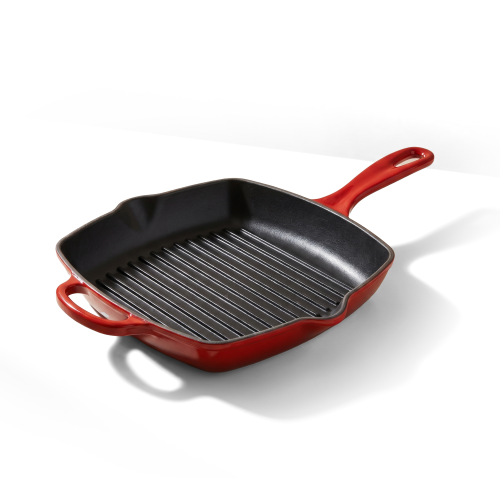
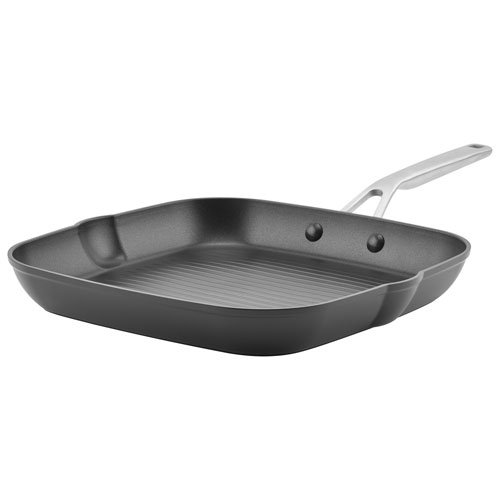
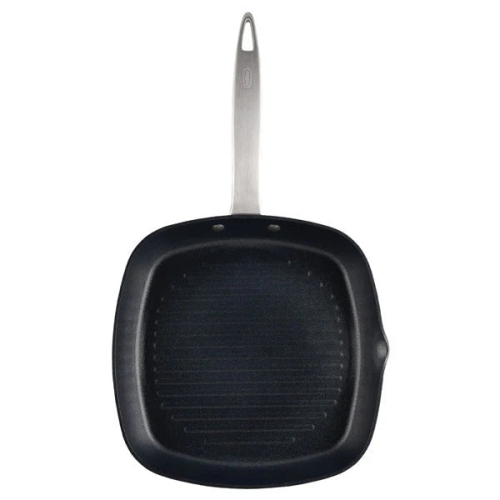
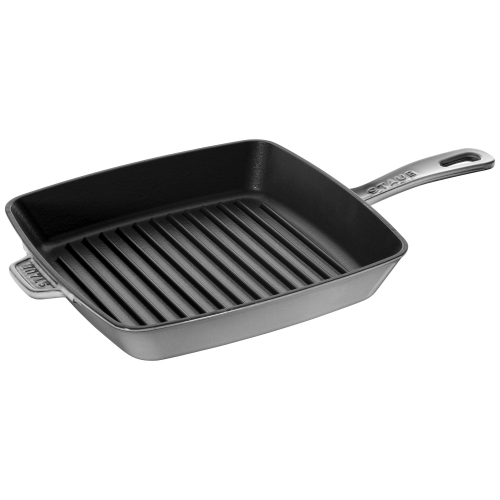
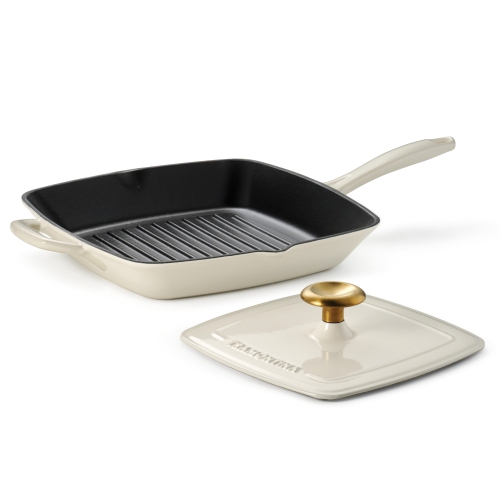
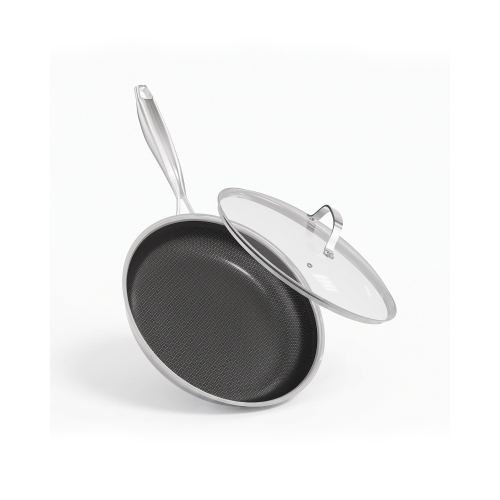
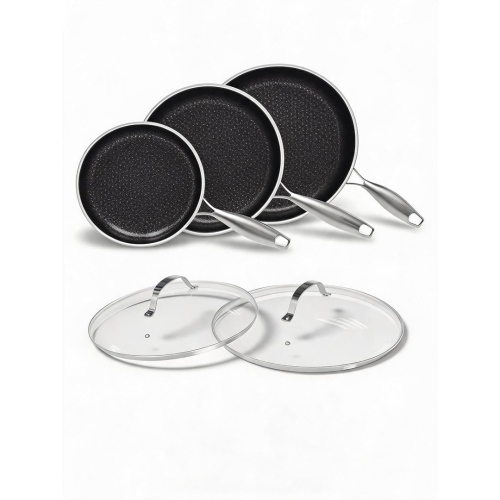
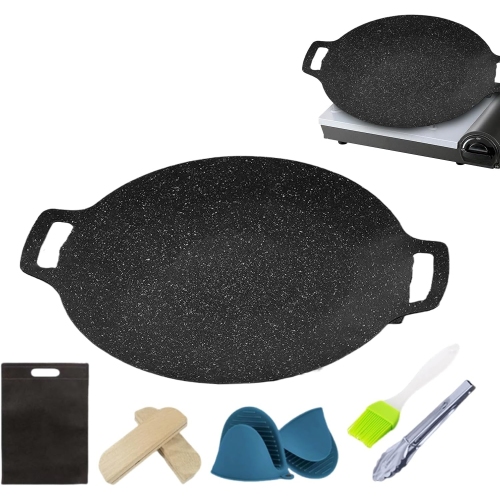
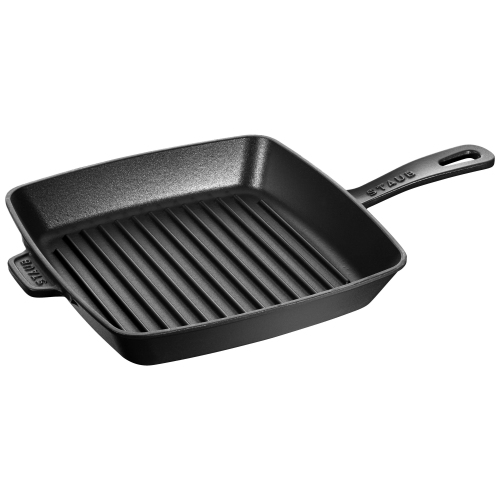
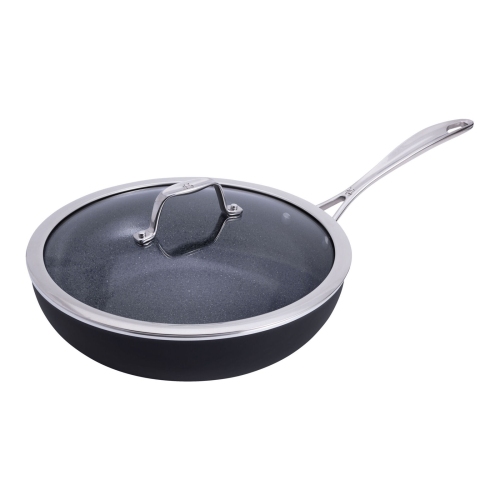
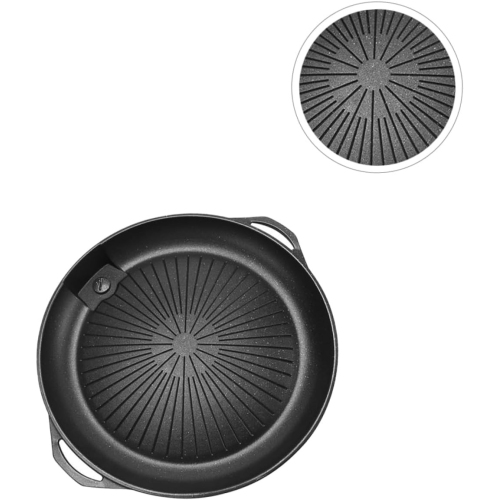
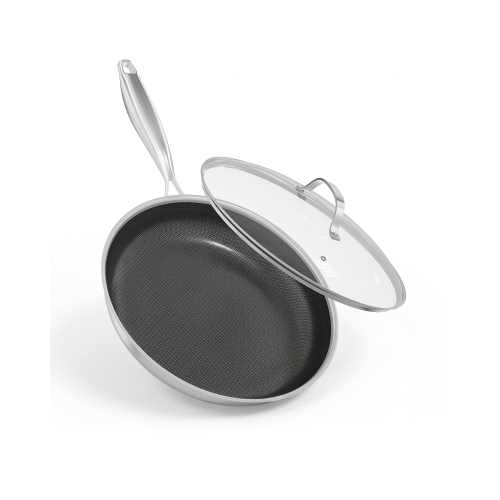
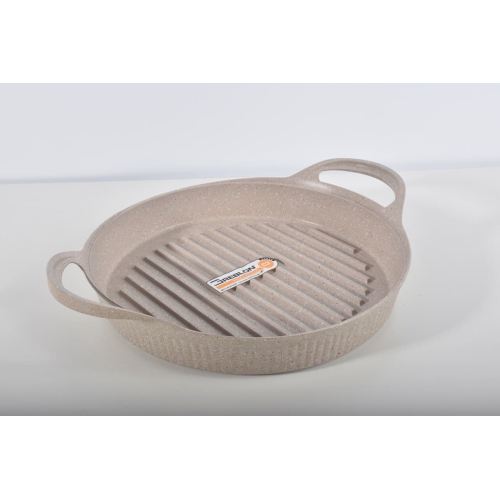
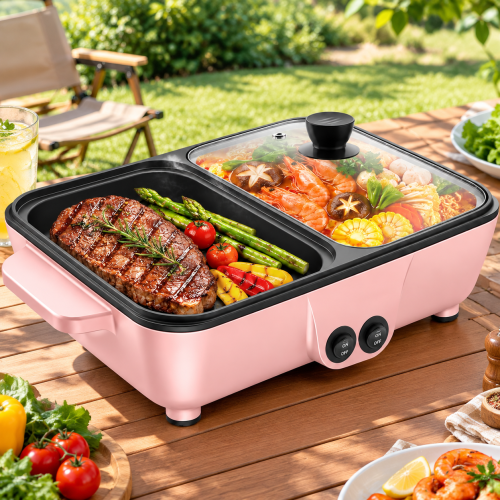
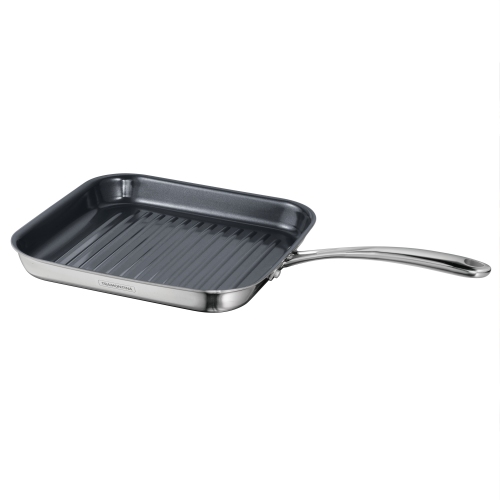
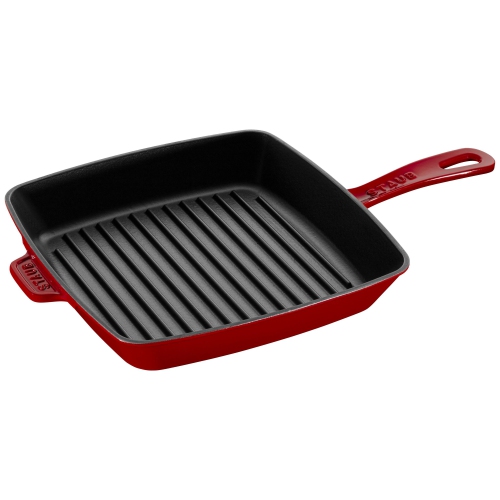
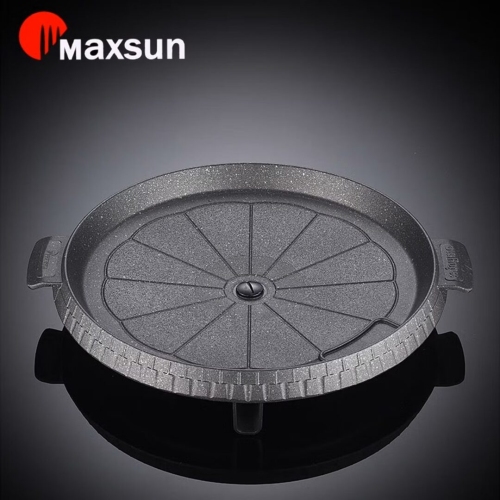
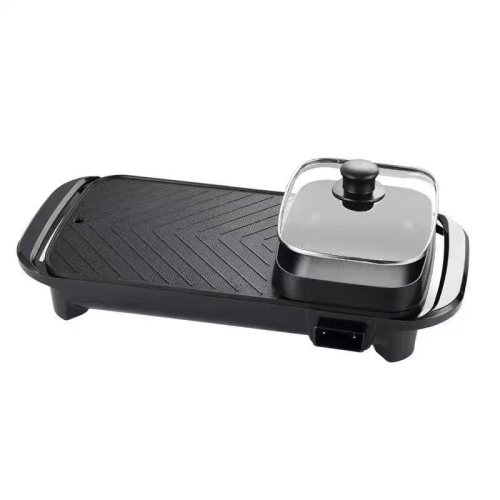
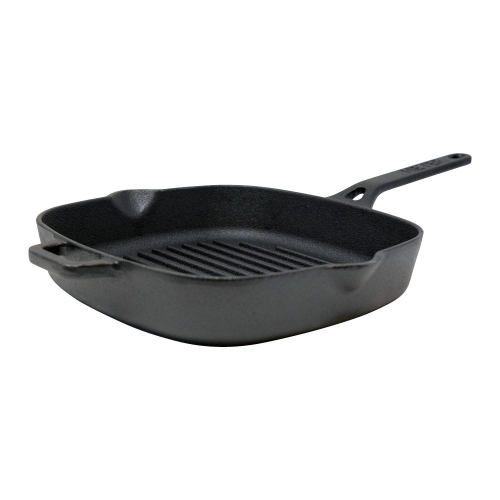
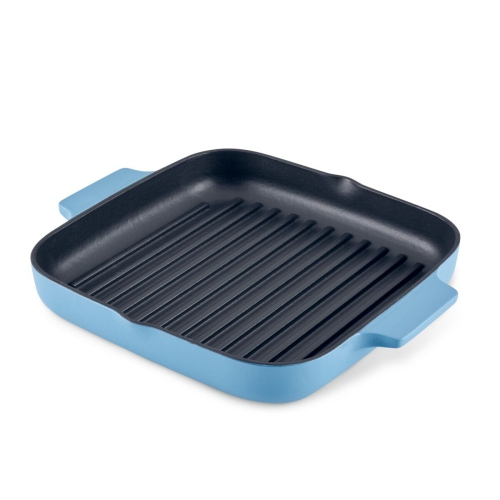
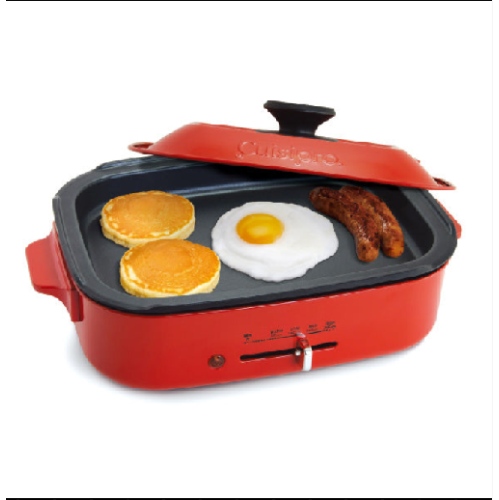
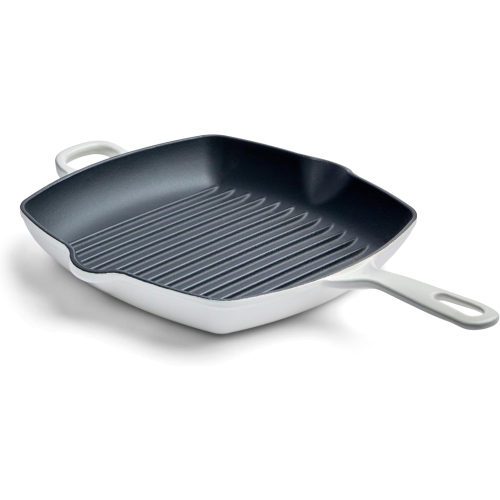
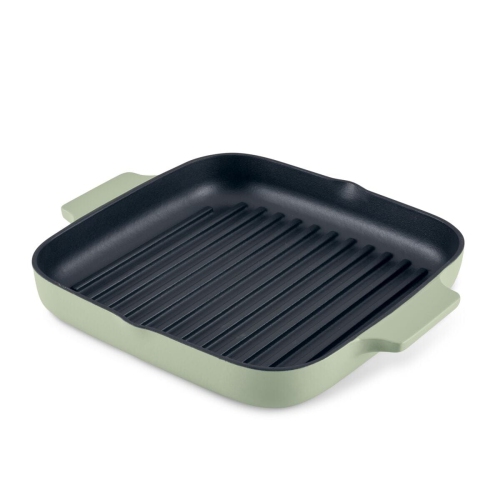
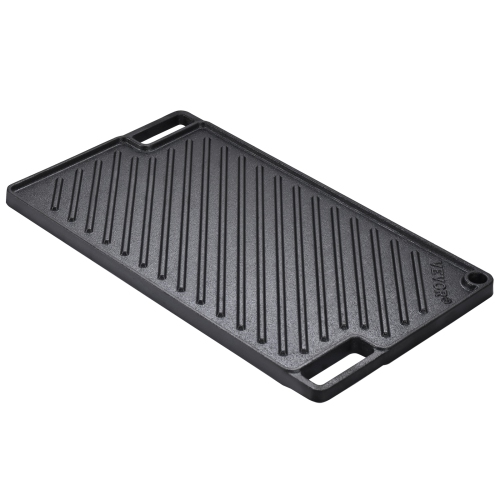
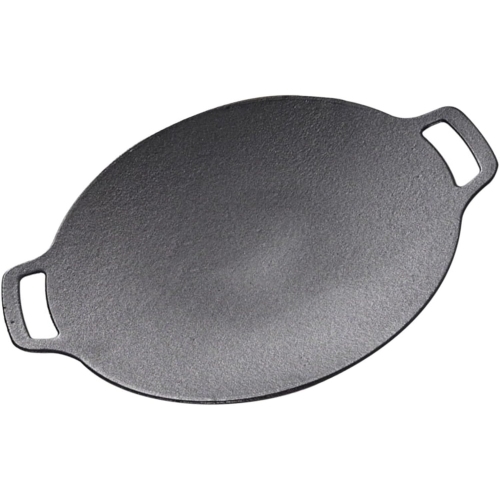
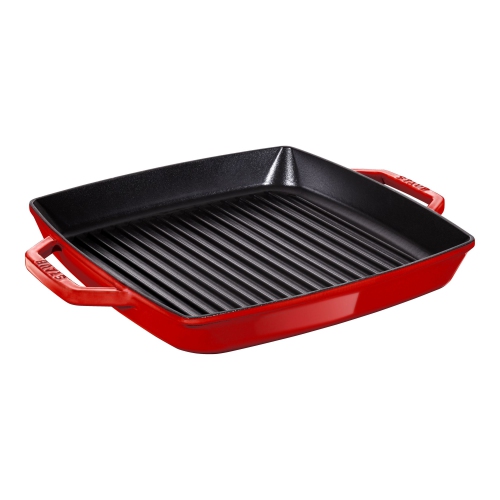
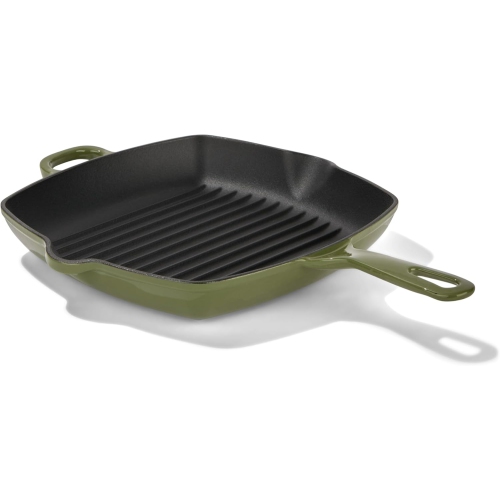
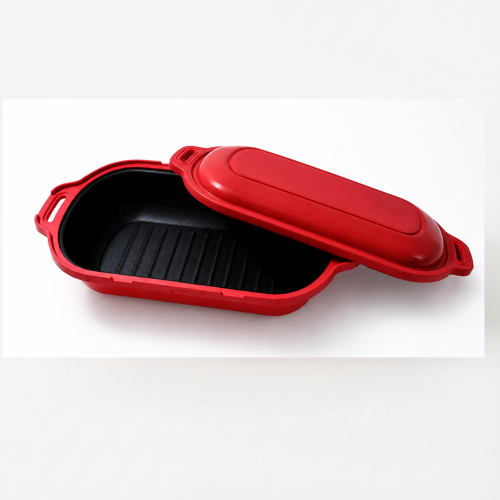
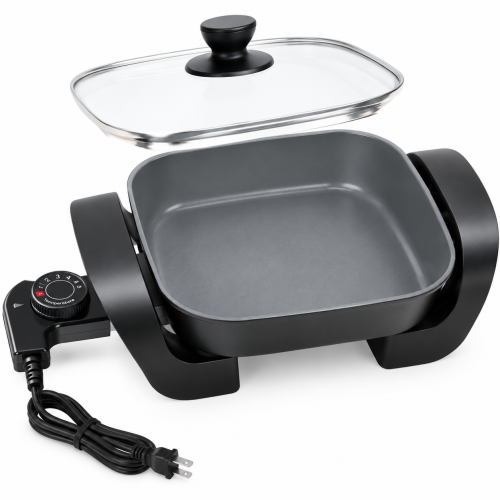
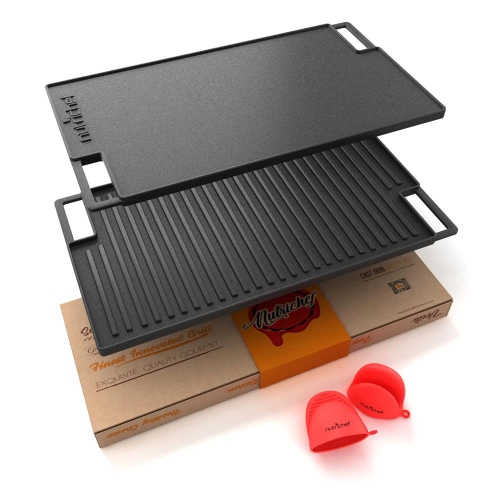
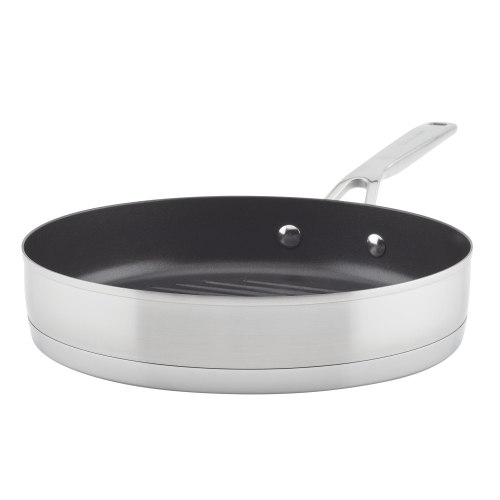
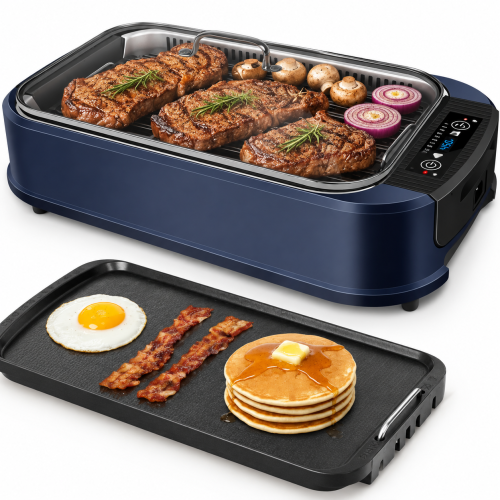
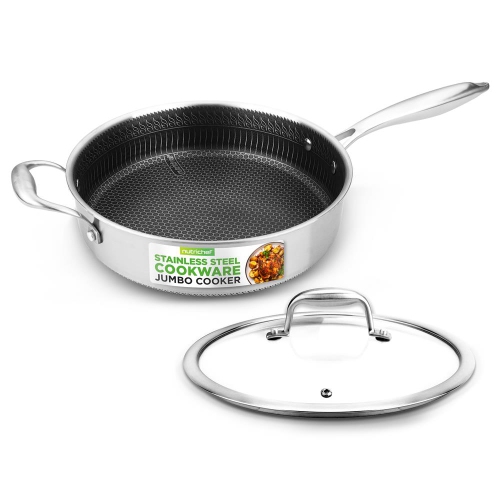
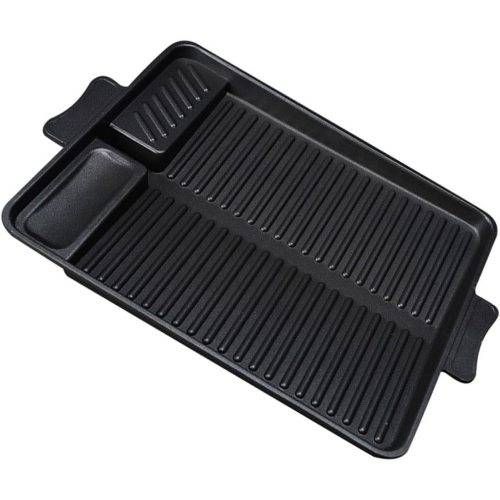
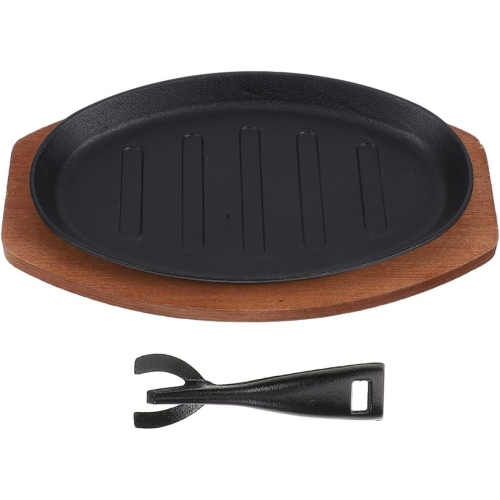
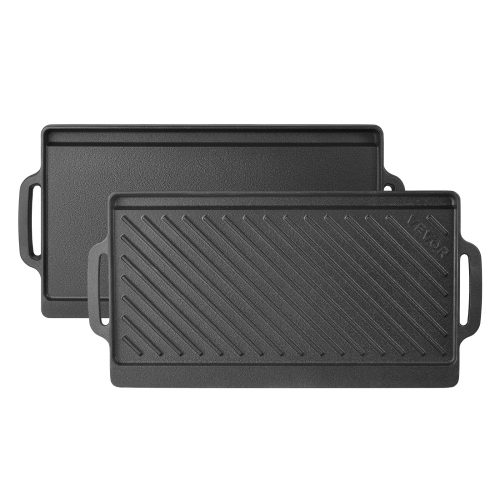
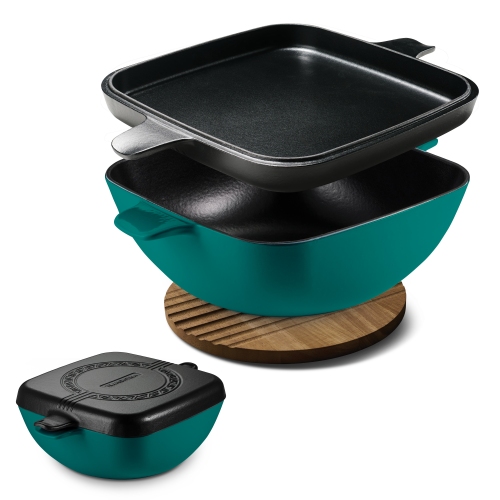
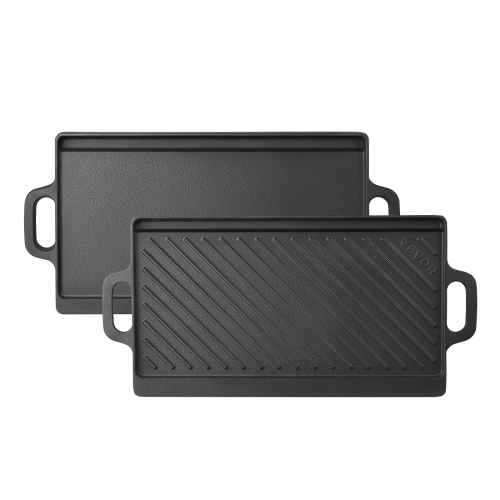
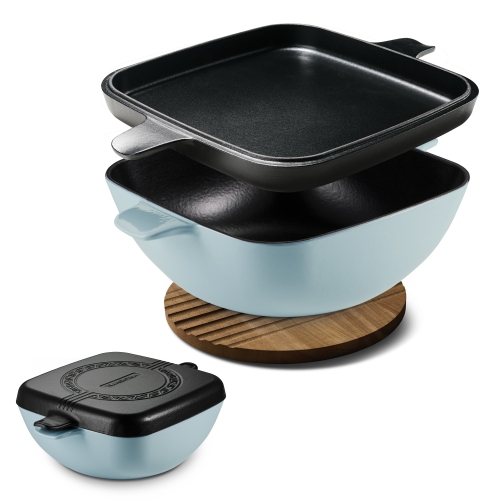
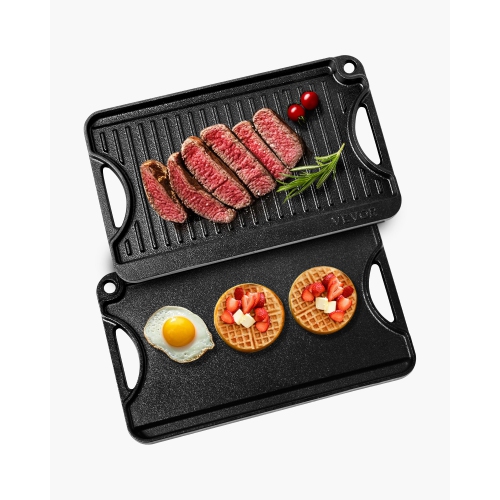
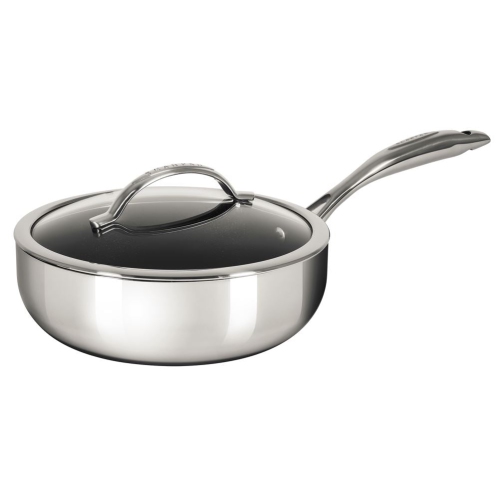
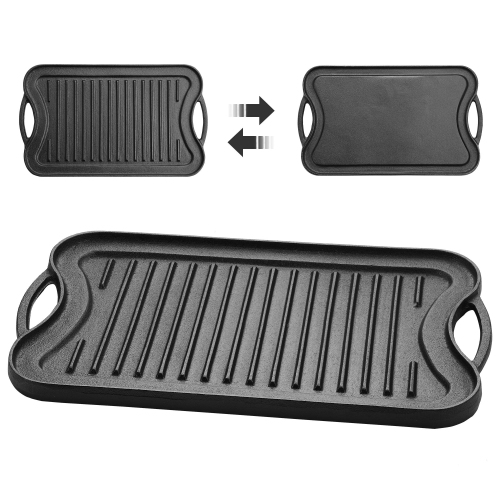
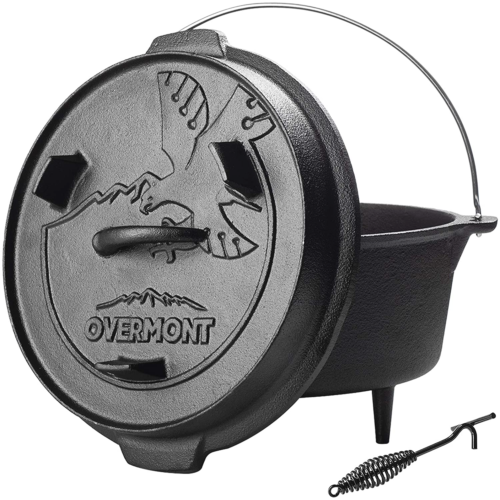
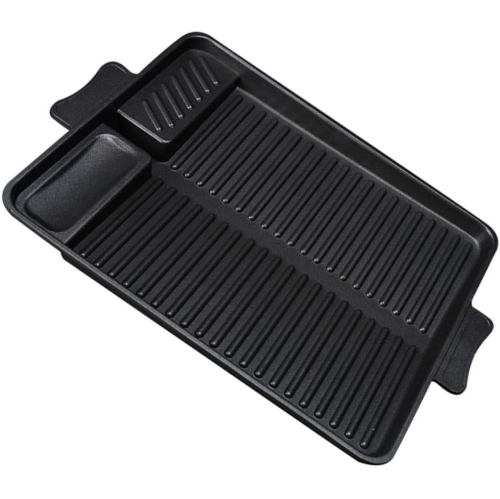
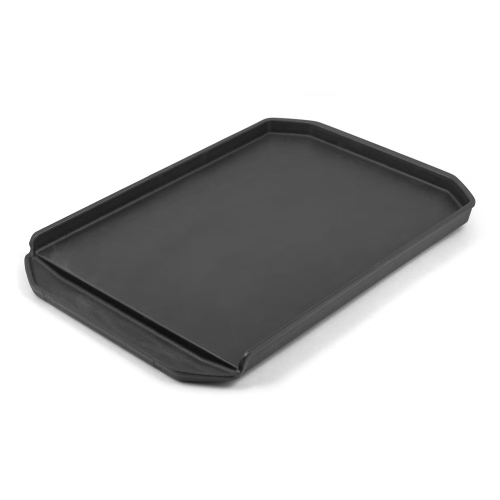
Grill pans with lids combine a ridged cooking surface for stovetop searing with a cover that helps retain heat, contain some grease splashes, and support covered cooking. The raised ridges create distinctive grill marks while allowing released juices and fat to collect in the channels below the food. Adding a lid makes the pan useful beyond searing: cheese can melt over burgers, thick chicken portions can finish cooking more evenly, and vegetables can soften with a little added moisture. Covered cooking does change the results, however. Steam collects beneath the lid, which can soften a crisp exterior, so uncovered searing and covered finishing serve different purposes. A lid also does not make a grill pan smokeless or replace kitchen ventilation. For everyday meals, this combination suits everything from turkey patties and salmon fillets to zucchini slices, firm tofu, and pressed sandwiches, provided the pan is suitable for the intended technique. A deep lid gives taller foods more clearance, while a shallower cover may be easier to store. Clear glass makes it possible to watch food without lifting the lid, although condensation can obscure the view. A metal lid offers another practical option, particularly when its care requirements and oven rating match those of the pan. Neither style should be treated as a pressure-cooking lid. A steam vent provides an escape route for moisture, and the fit around the rim affects how much heat and steam remain inside. For someone preparing a burger alongside thick slices of onion, that balance can mean a browned exterior followed by a brief covered finish. For vegetables intended to retain a little bite, shorter covered cooking may be more suitable. The appeal is flexibility within a single piece of cookware, especially for cooks who want grill-style browning on a stovetop without relying on an outdoor barbecue. The lid adds another cooking option rather than replacing the open-pan contact that produces a good sear.
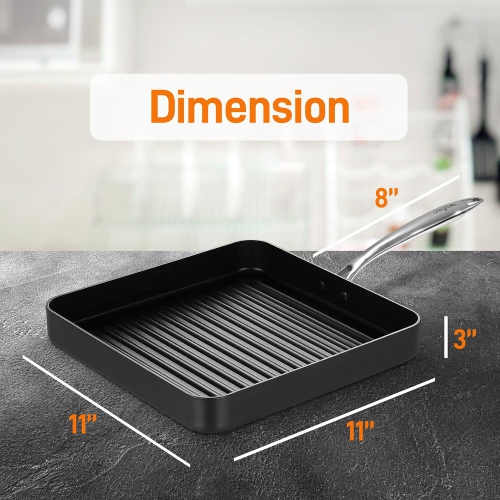
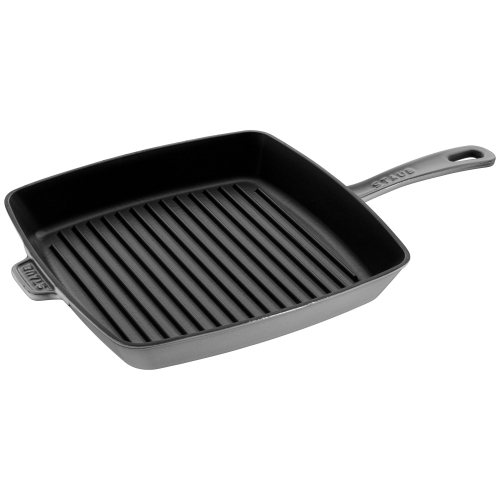
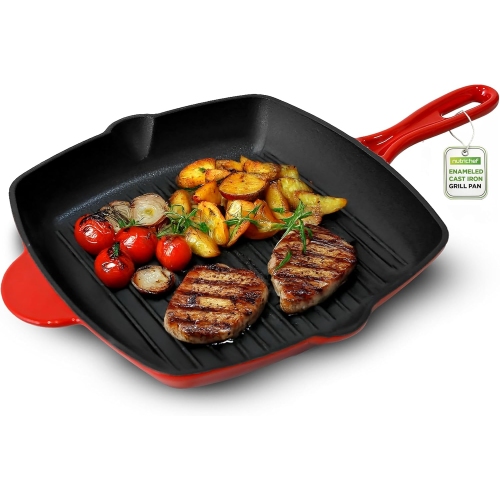
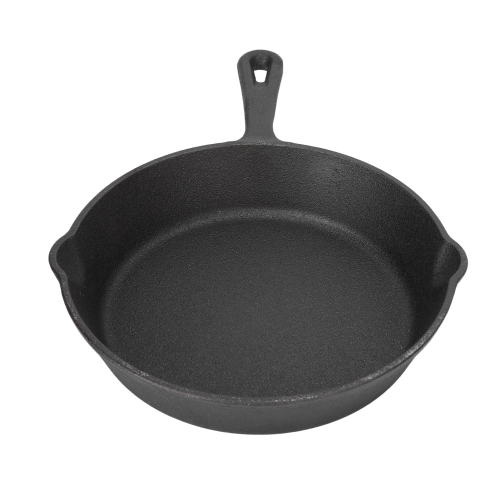
Materials, dimensions, and heat-source compatibility shape how a lidded grill pan feels in daily use. Cast iron retains heat well once preheated, making it useful for browning foods that would otherwise cool a lighter pan quickly. It is also heavy, particularly when the lid and a full meal are added, so a helper handle can make lifting and transferring more manageable. Bare cast iron needs seasoning and thorough drying, while enamelled cast iron has a coated surface with different care requirements. Aluminium pans are generally lighter and respond more quickly to changes in burner heat; many include a non-stick cooking surface that can make delicate foods and cleanup easier. Stainless steel offers a durable cooking surface, though its heat distribution depends on the pan’s construction, and sticking is affected by preheating, oil, and food moisture. Non-stick coatings require particular attention to heat limits and utensil choice, rather than the high-heat treatment sometimes associated with uncoated cookware. Compatibility should cover the whole cooking setup. Induction cooktops require an induction-compatible base, and a flat, stable underside matters on smooth cooking surfaces. A pan that extends far beyond the burner may heat unevenly, even when its overall dimensions seem generous. The usable cooking area can also be smaller than the stated rim measurement, especially where the sides slope inward. Square pans often accommodate rows of vegetable slices or several sandwiches conveniently, while round shapes may fit a burner or storage space more easily. Ridge height and spacing affect food contact and how easily a cleaning brush reaches the grooves. Handles, lid knobs, and rim construction deserve the same attention as the cooking surface. A pan may be oven-safe while its lid has a lower heat limit, and handles that remain comfortable during brief stovetop cooking can still become hot with extended use. For a covered pan that will move from stovetop to oven, the lowest heat rating among its components sets the limit.
Care and storage play a large part in how well grill pans with lids hold up over repeated use. Food residue tends to settle between the ridges and around pouring spouts, so an accessible groove pattern can be just as useful as a generous cooking area. Letting the pan cool before washing helps avoid abrupt temperature changes that can damage cookware, and a hot glass lid should not be placed on a cold or wet surface. Cleaning methods need to suit the material: bare cast iron generally benefits from prompt washing, complete drying, and a light application of oil, while coated surfaces call for tools that will not scratch or chip the finish. Soaking, abrasive pads, dishwasher use, and harsh cleaners are not suitable for every construction, even when the lid and pan look equally robust. The manufacturer’s care directions remain the best reference for both parts. A soft separator can protect the cooking surface when pans are stacked, and lids need enough space to rest securely without pressure on their knobs or edges. Storage dimensions should include long handles and the full height of the cover, not just the pan body. These practical details matter in compact kitchens, shared cupboards, and households where cookware is used daily. A manageable pan can suit someone cooking individual portions, while a wider surface may better accommodate meals for several people without crowding food together. As a gift, a grill pan with a lid is most useful when it matches the recipient’s cooktop, lifting comfort, cooking habits, and available storage. Someone who enjoys seared vegetables or stovetop sandwiches may value a different size and finish from someone who regularly transfers meat dishes into the oven. Outdoor cooking requires a separate compatibility check: Grill Pans for Bbq is a related category to explore, but suitability for direct flame or enclosed barbecue heat must still be confirmed for each pan and lid. A well-matched lidded grill pan brings together comfortable handling, reliable heat performance, and care requirements that fit the way meals are actually prepared.
Top selling and popular products
-
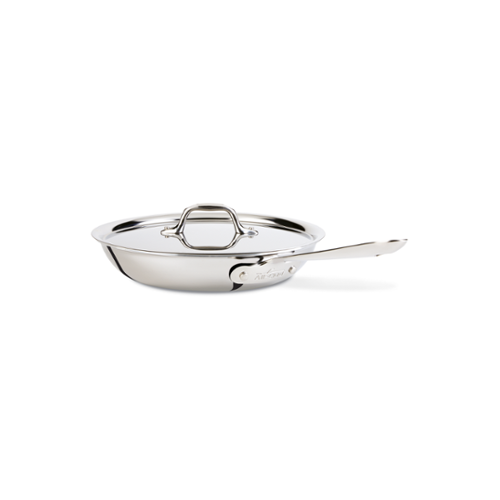 Your price for this item is $137.7
-
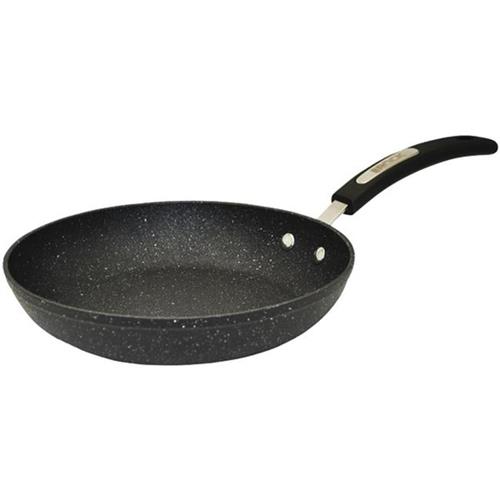 Your price for this item is $33.97
-
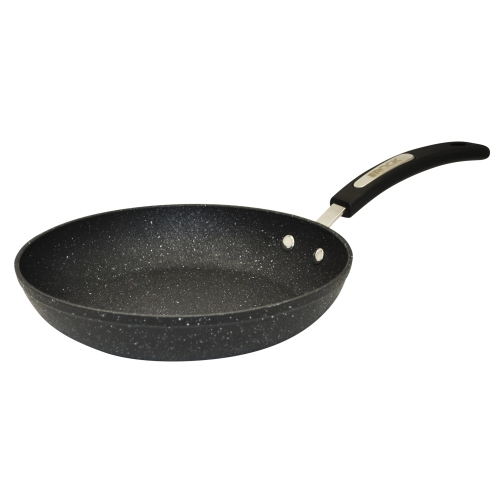 Your price for this item is $29.99
-
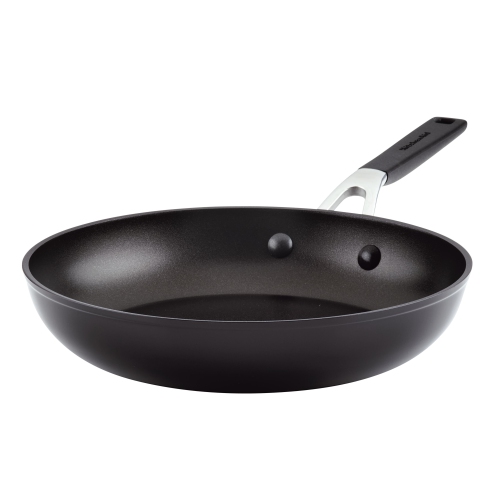 Your price for this item is $49.99
-
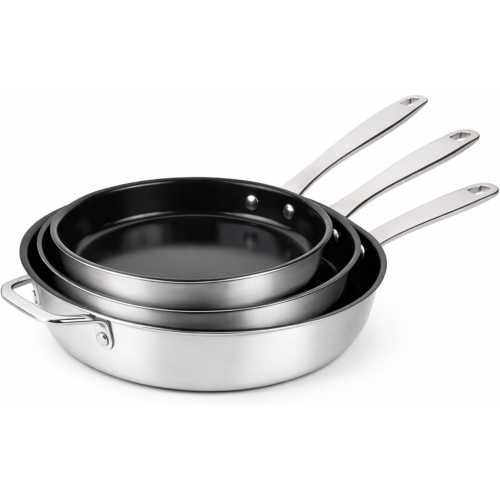 Your price for this item is $399
-
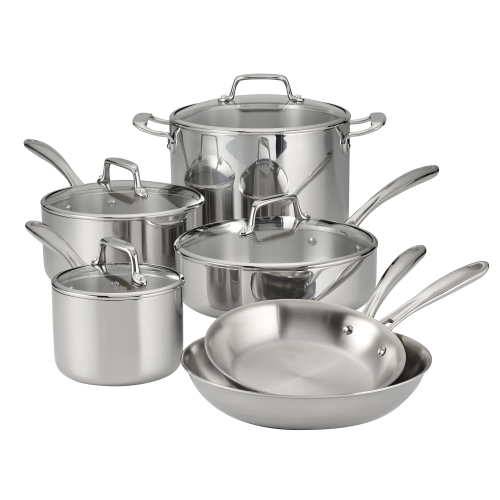 Your price for this item is $423.33
-
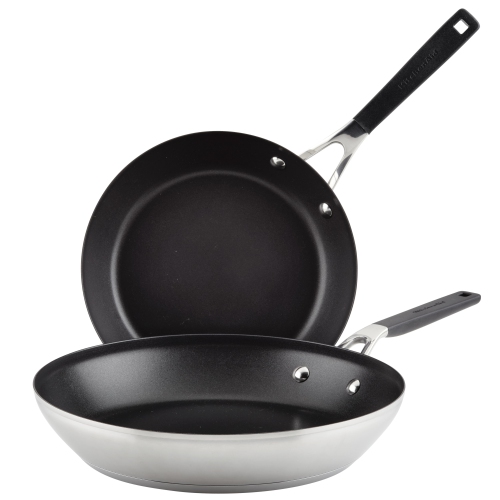 Your price for this item is $99.99
-
 Your price for this item is $39.99
Discover more categories related to Grill Pans With Lids
Top Collections:
Best Black Friday Deals This Year, Best Black Friday Deals On Electronics, Kindle Devices, Pokemon Centers, Best Black Friday Deals On Apple Products, Best Cameras for Sports Photography, Dyson Airwrap, Pokémon 30th Celebration Cards, Apple iPhone 17 Pro, Canon G7X Cameras
Some products may be subject to Environmental Handling Fees
(EHF) depending on your province.
Learn more about EHFs.