Gymnastics Tumbling Mats
Designed with durability and functionality in mind, these gymnastics tumbling mats provide the perfect surface for practicing flips, tumbles, and other dynamic movements. Whether you're a beginner or an experienced gymnast, our range of tumbling mats offers the ideal solution for training at home or in the gym. Here are some great options available.
Sort



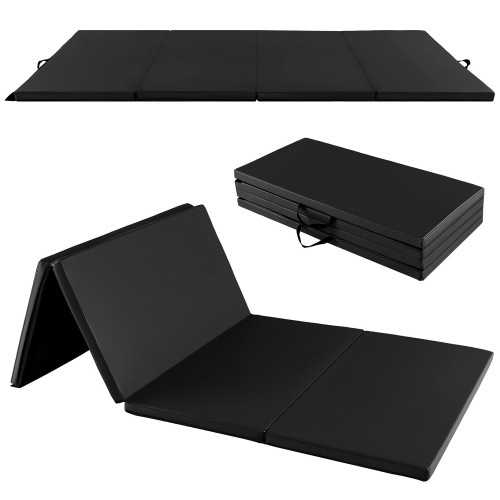
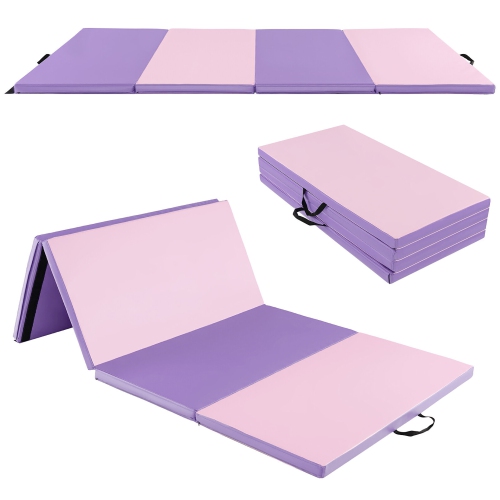
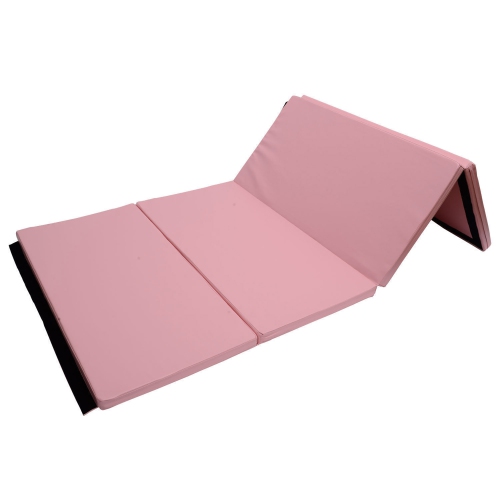
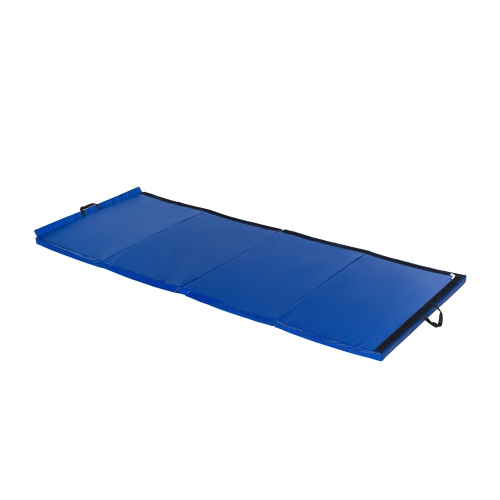
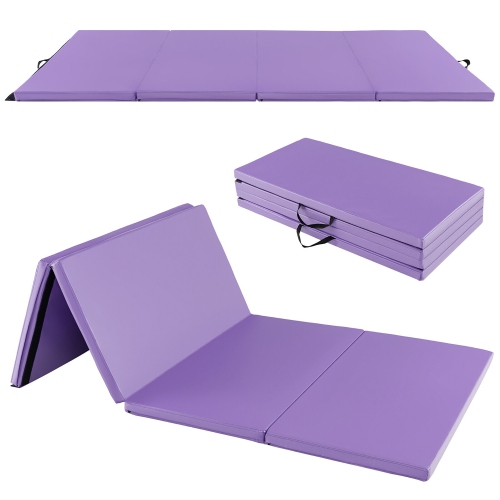
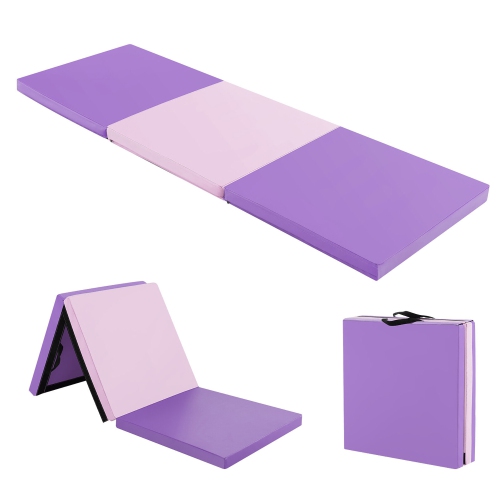
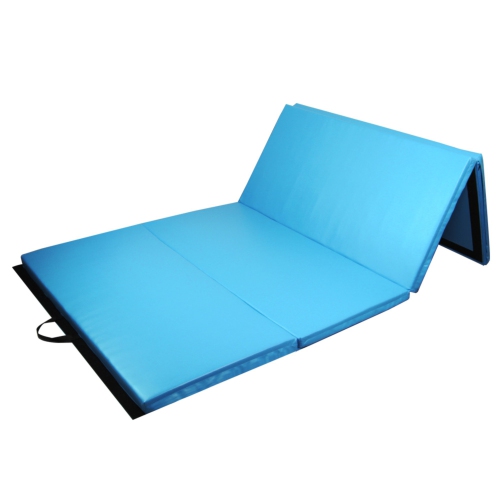
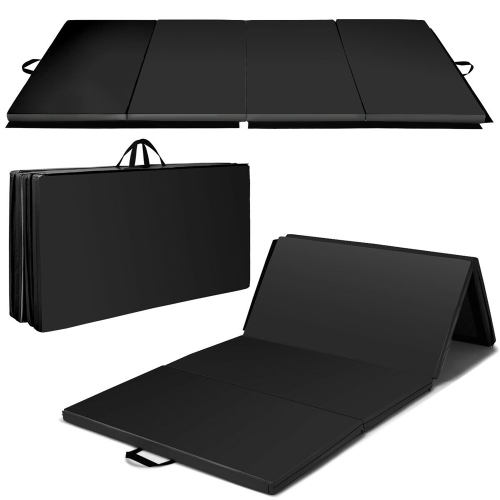


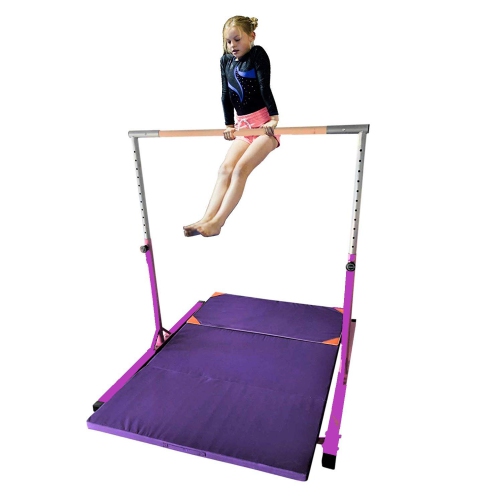
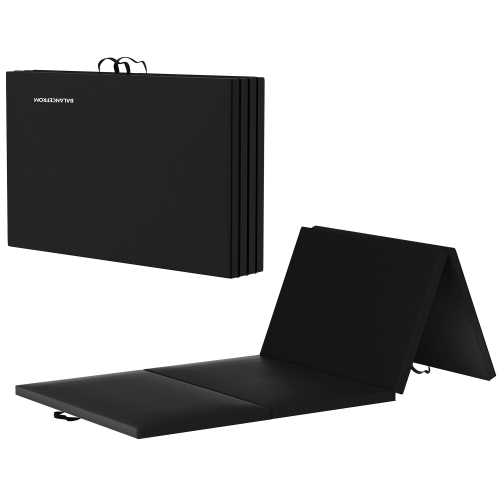
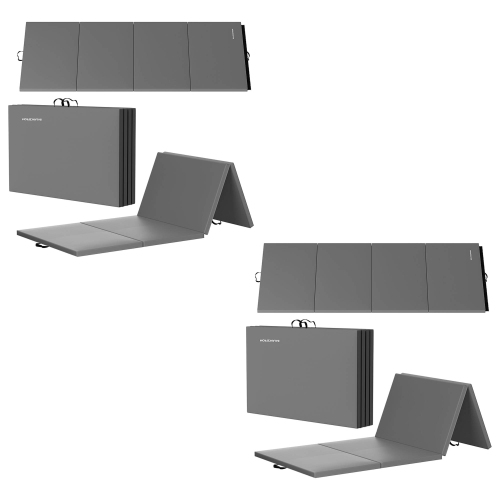
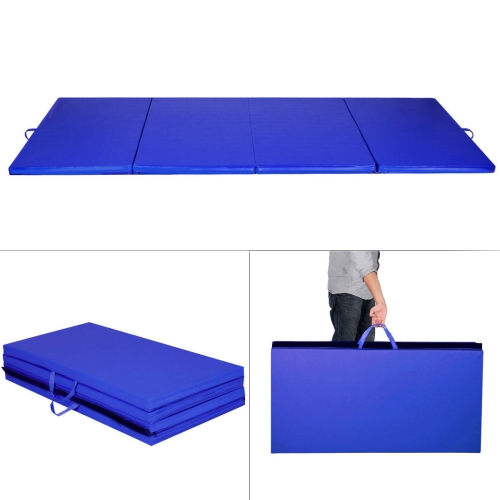
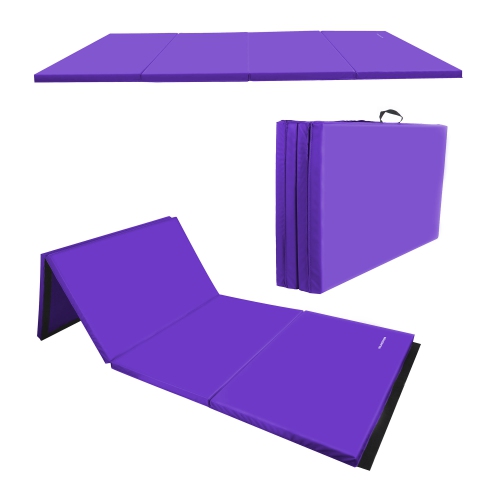
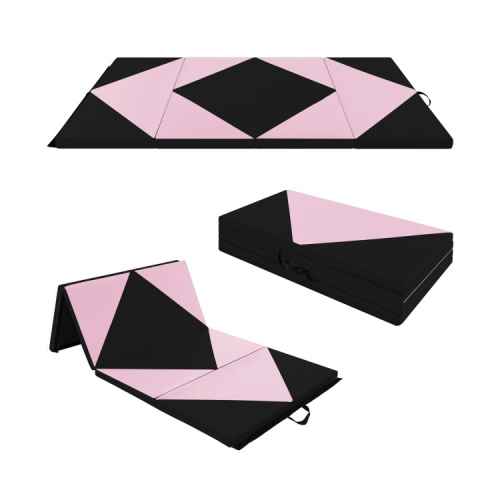
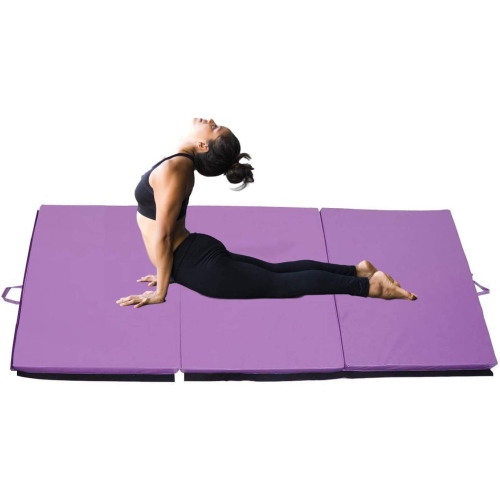
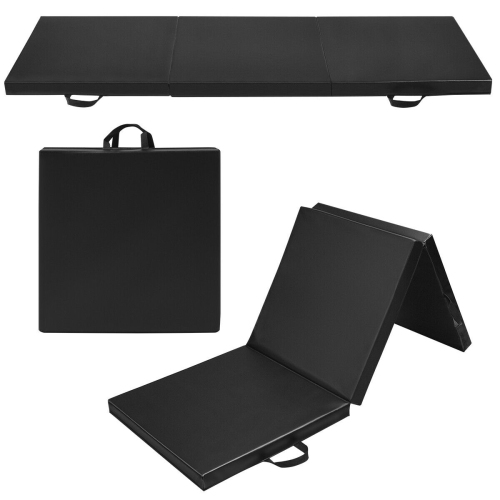
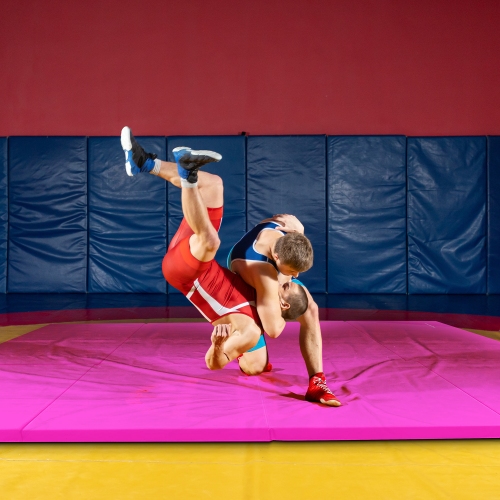
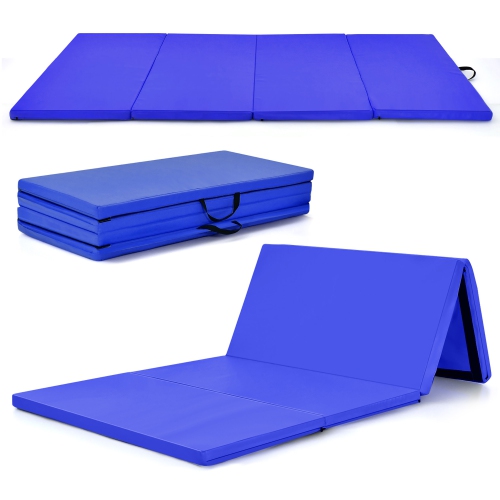
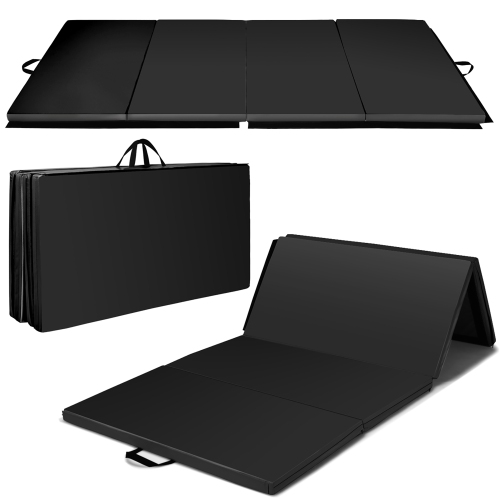
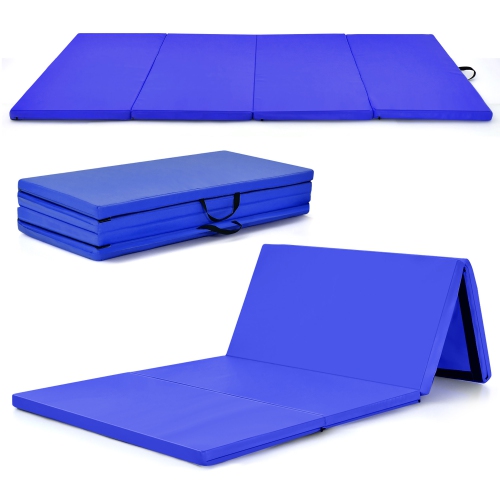
How cushioning, sizing and mat design support practice
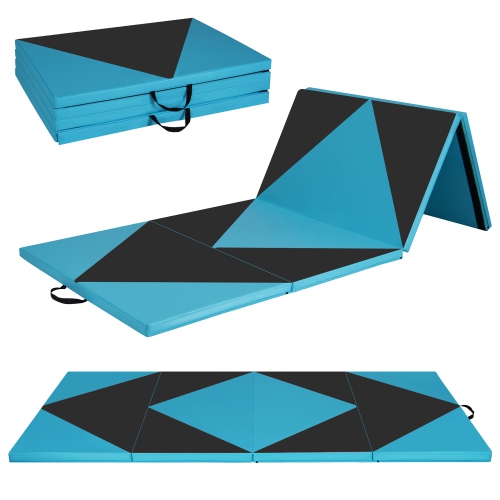
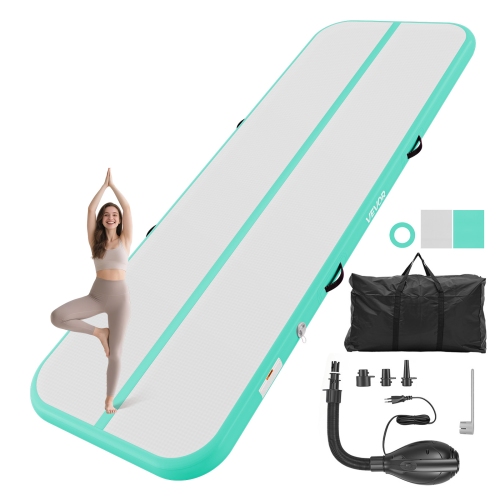
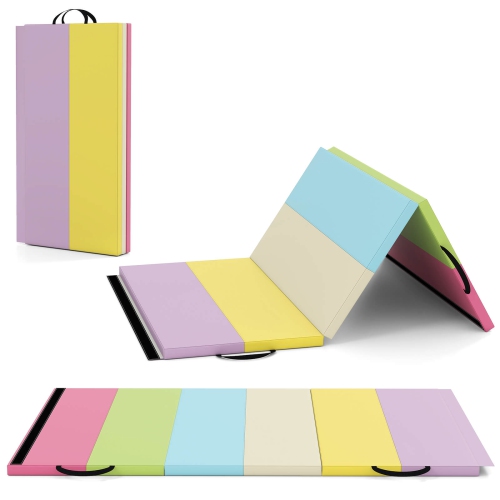
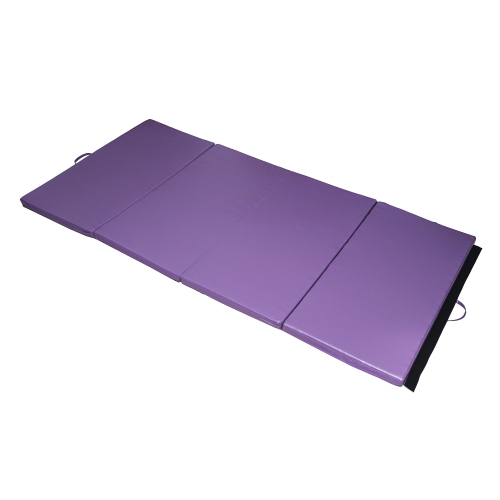
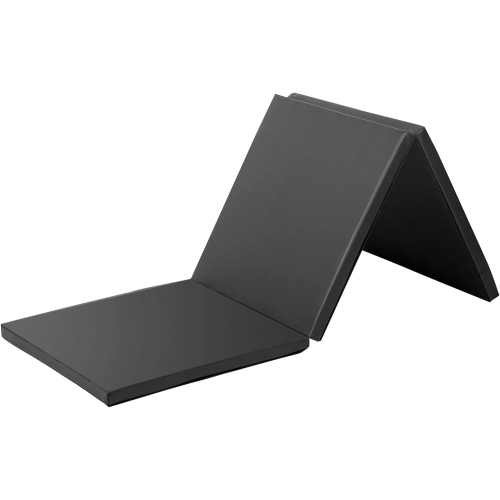
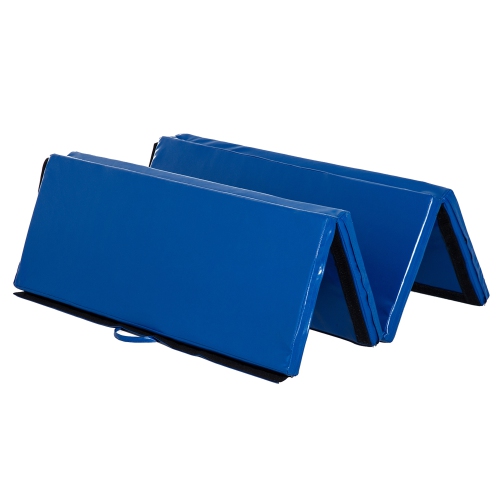
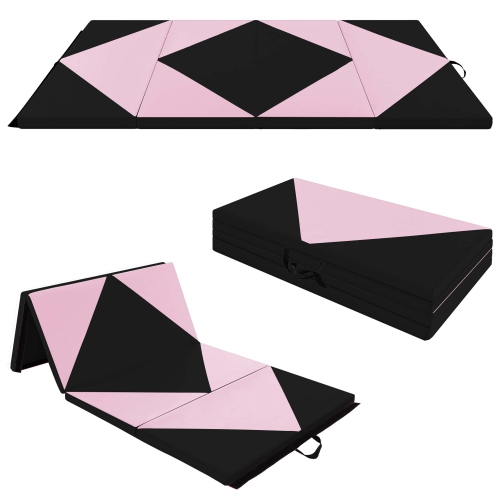
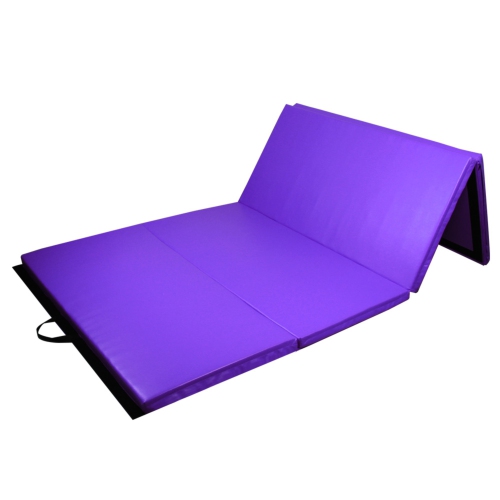
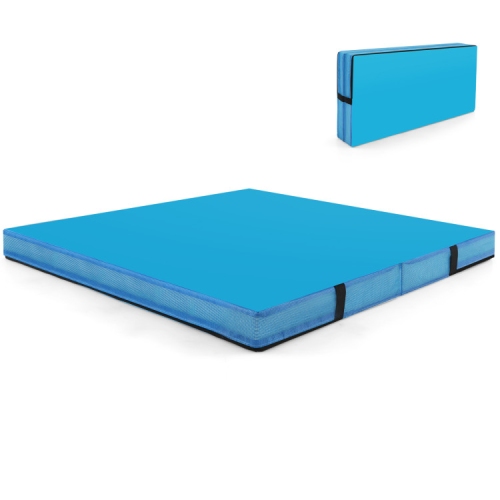
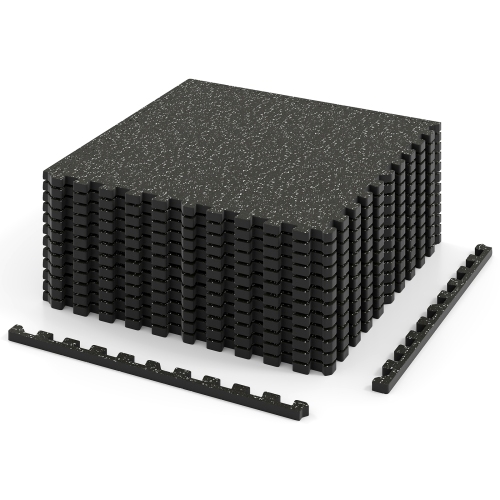
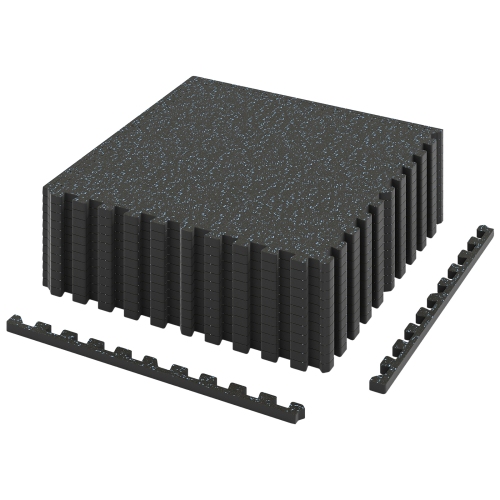
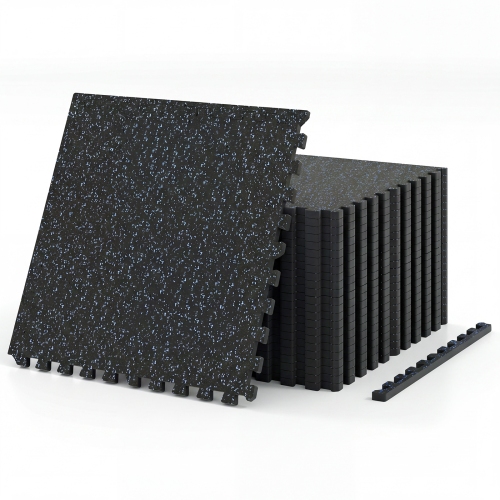
Gymnastics tumbling mats create a more forgiving practice surface for rolls, cartwheels, handstands, walkovers, stretching, conditioning exercises and other floor-based skills. They can be useful in a home playroom, basement, training area, dance studio or multipurpose fitness space, giving children, teens and adults a defined area for movement without practising directly on a hard floor. A mat does not replace qualified instruction or remove the risk of injury, but suitable cushioning can help reduce discomfort from repeated contact with the floor and make practice feel more controlled. When choosing gymnastics tumbling mats, consider the user’s age, height, experience level, available floor space and the skills they plan to practise. A young beginner working on forward rolls may need a different setup from an experienced gymnast practising connected tumbling passes. For active tumbling, a useful starting point is a mat at least twice the user’s height, allowing enough room to complete a movement without running off the edge. Measure the intended practice area before purchasing, including clearance around the mat for safe entry, exits and supervision. The floor beneath it should be flat, dry and free from furniture, toys, cords and other obstacles. Mats should lie fully open and flat, with sections properly aligned, and users should wear comfortable clothing that allows unrestricted movement. Bare feet or secure athletic footwear are generally preferable to slippery socks, depending on the activity and the instructions provided with the mat.
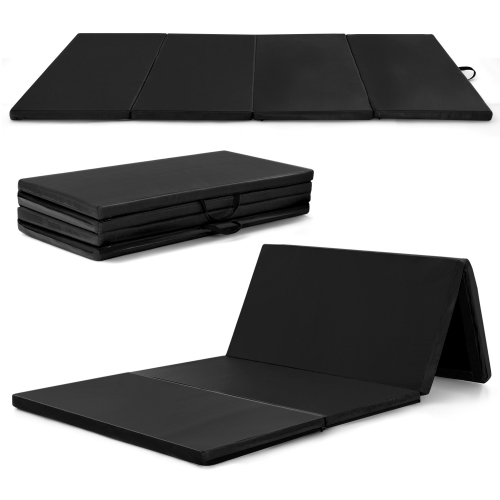
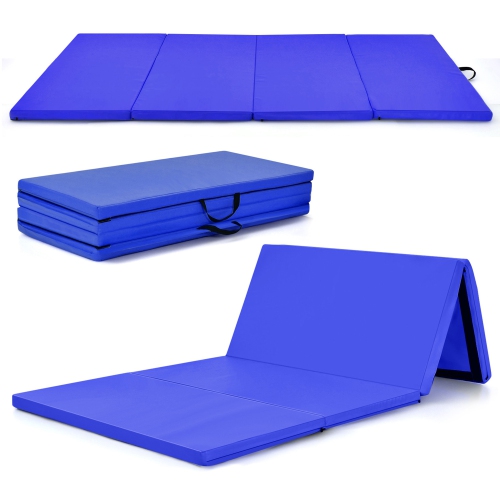
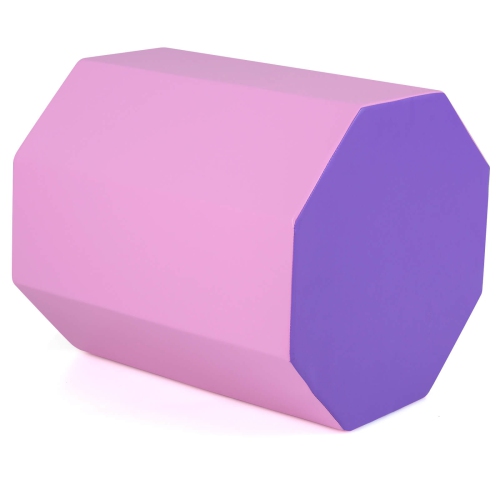
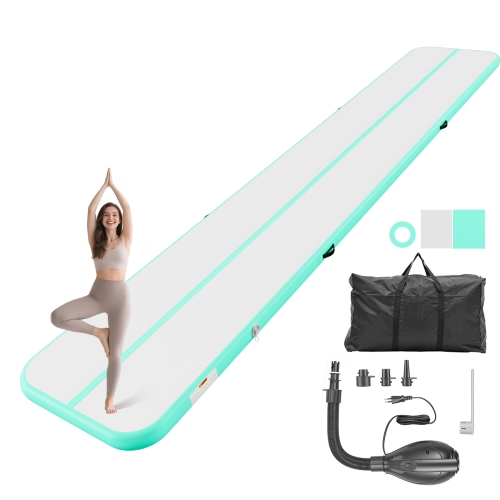
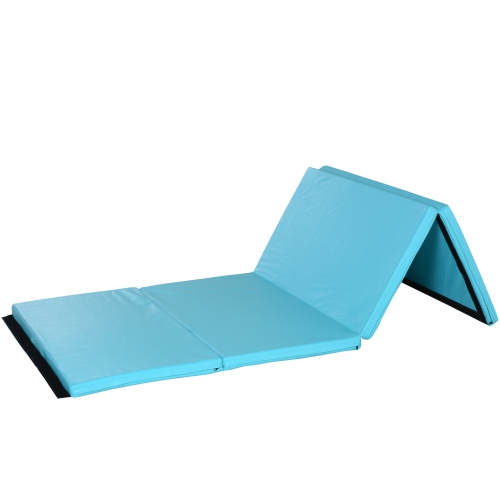
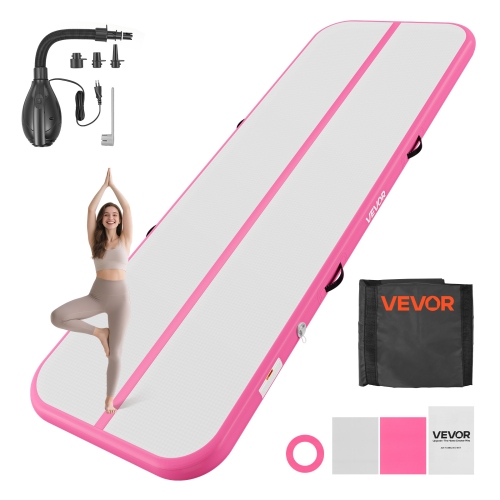
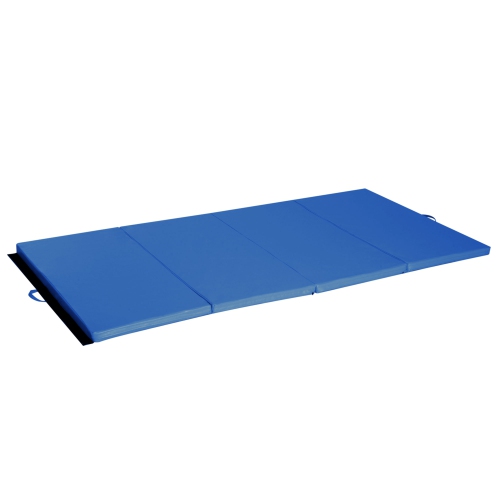
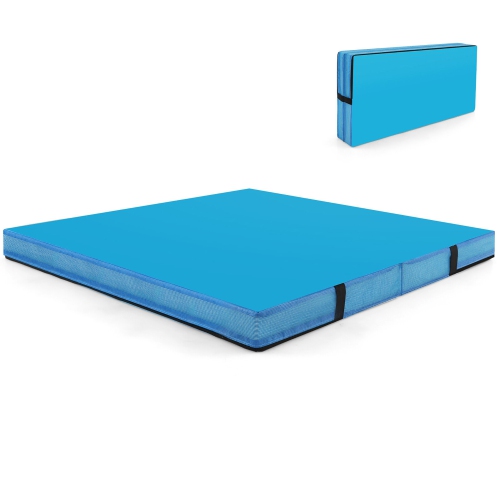
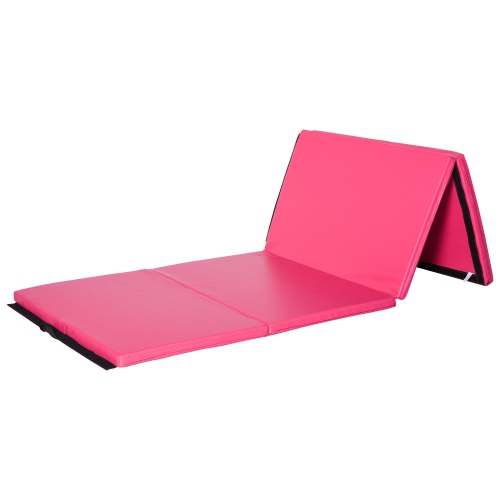
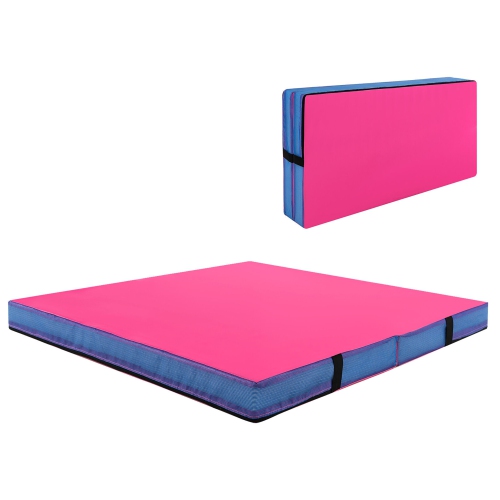
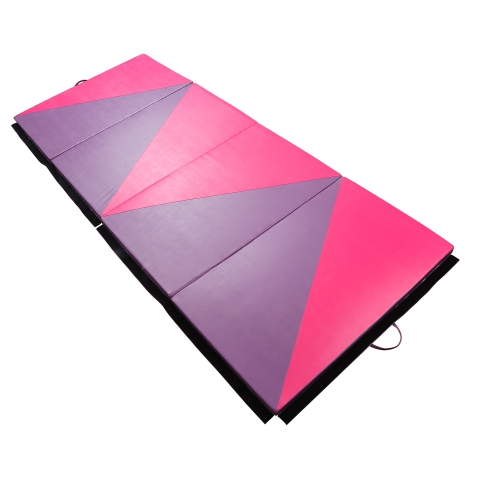
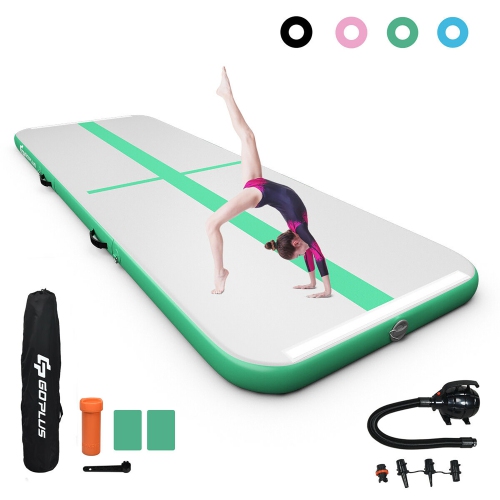
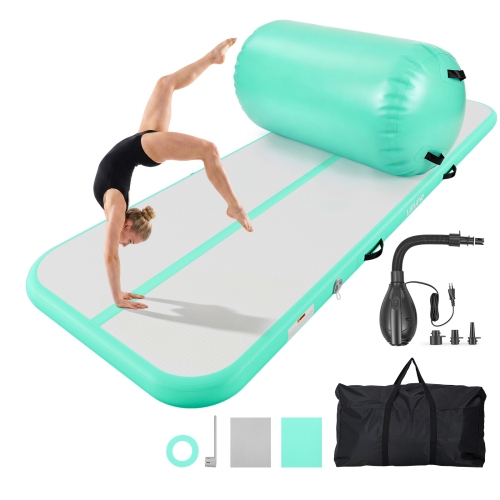
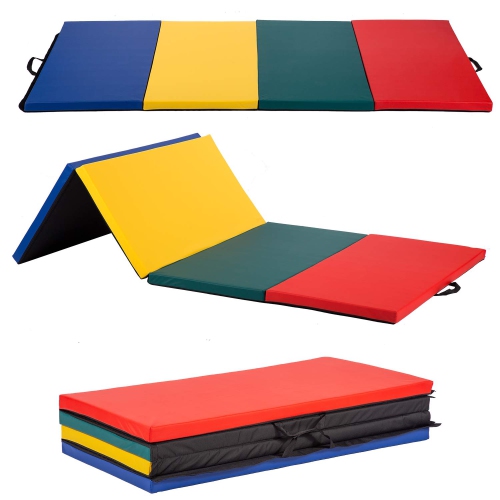
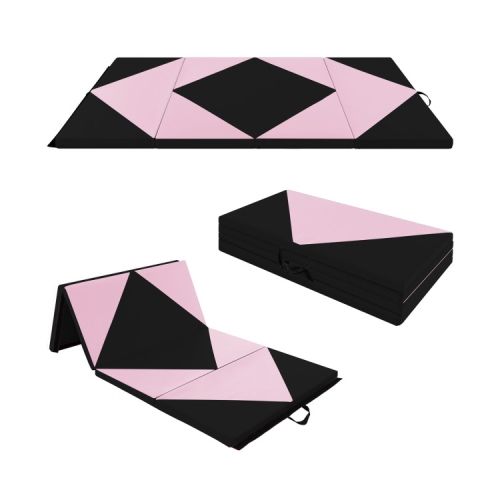
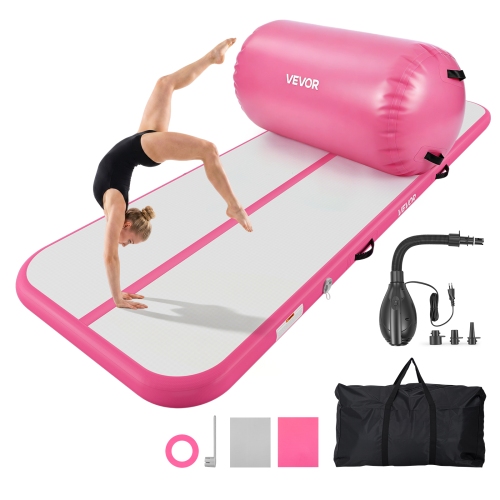
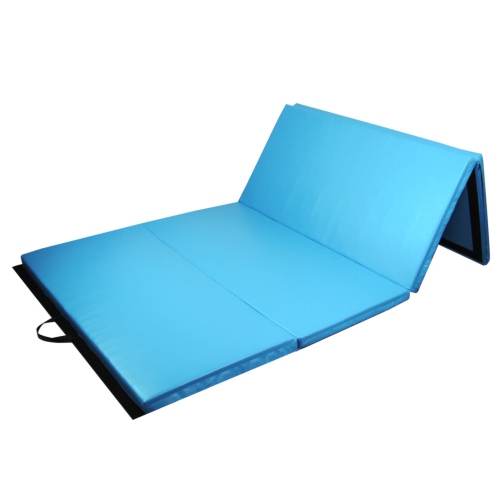
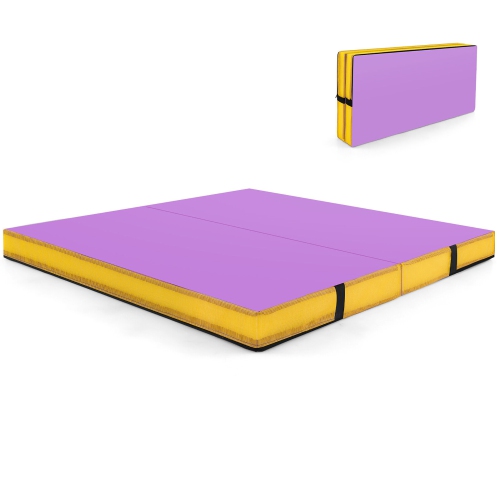
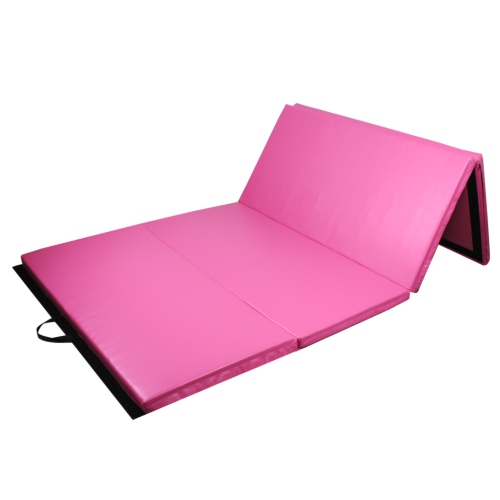
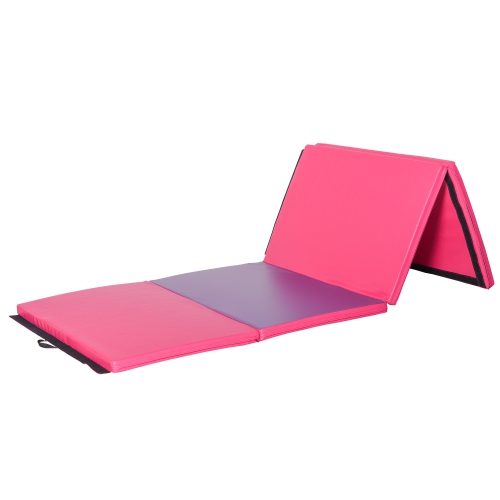
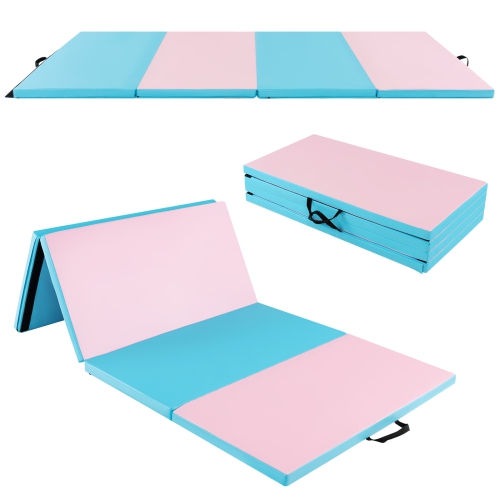
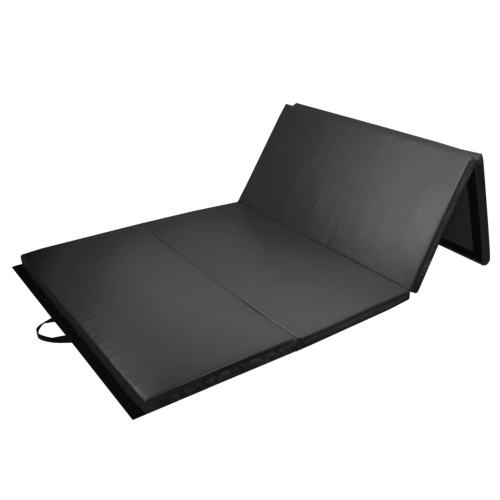
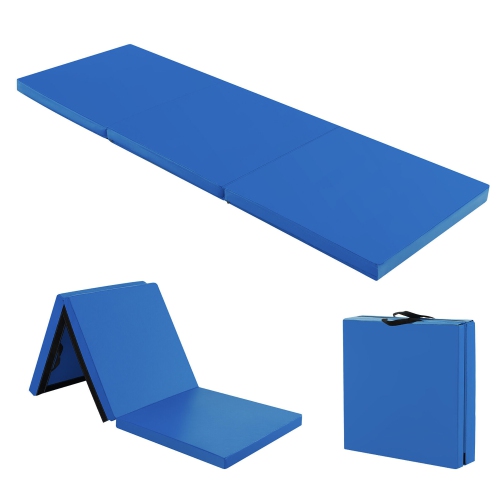
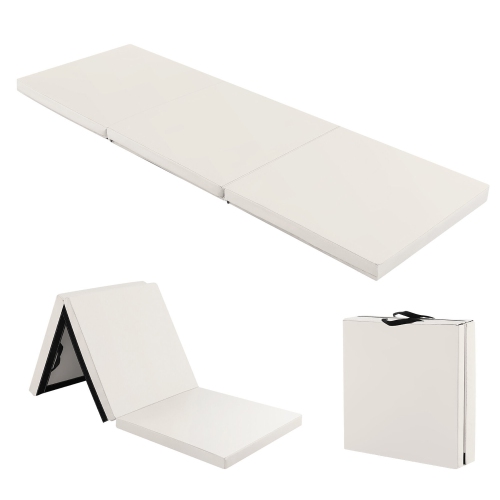
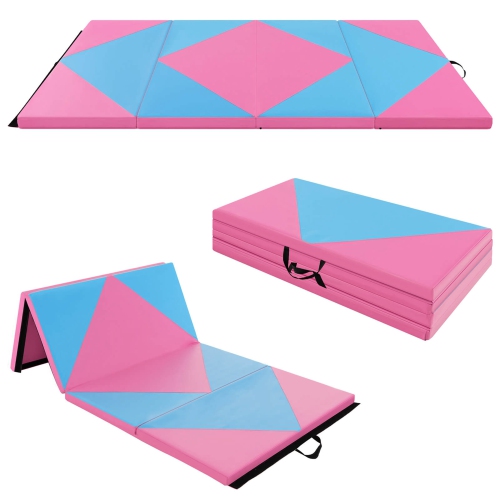
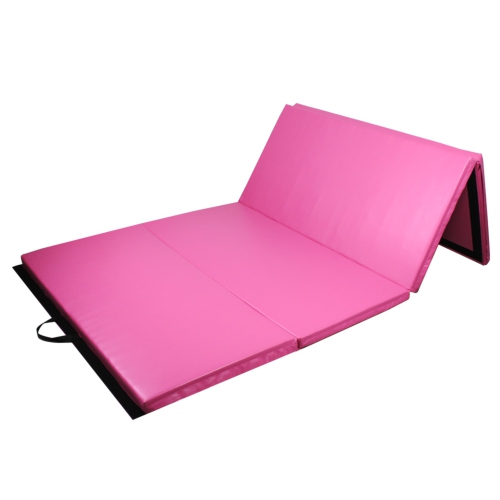
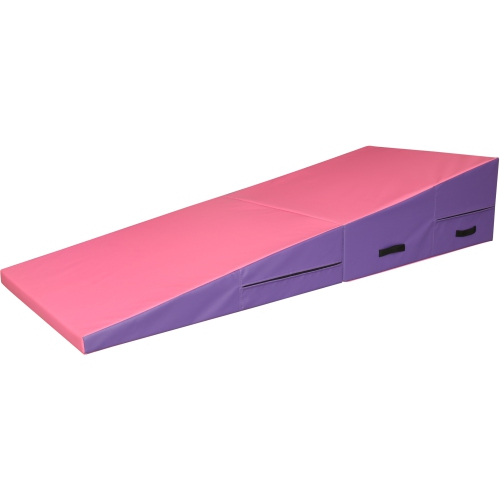
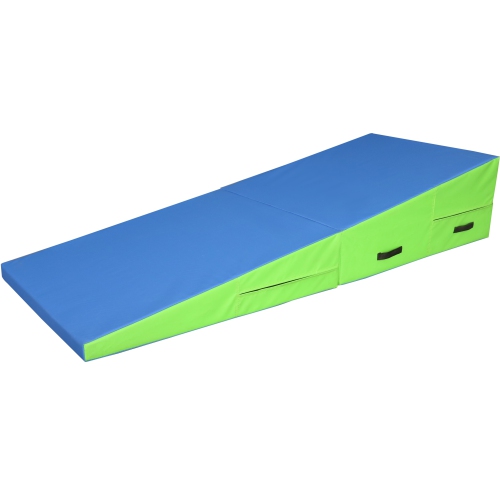
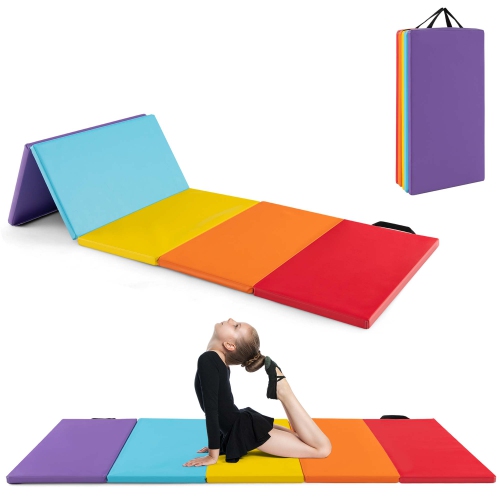
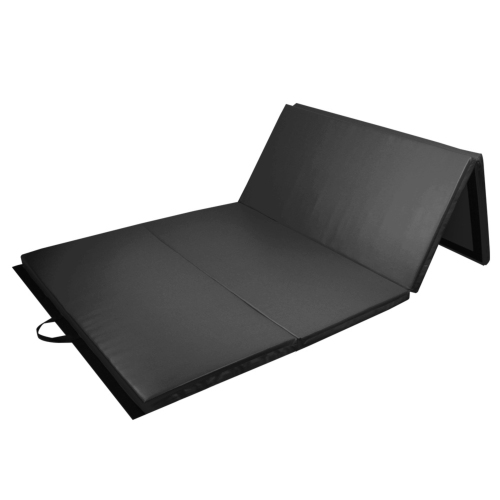
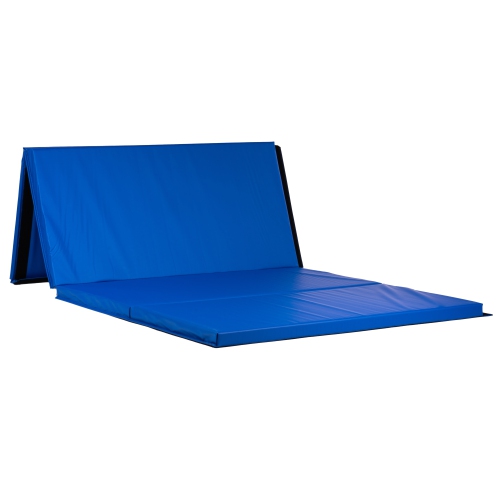
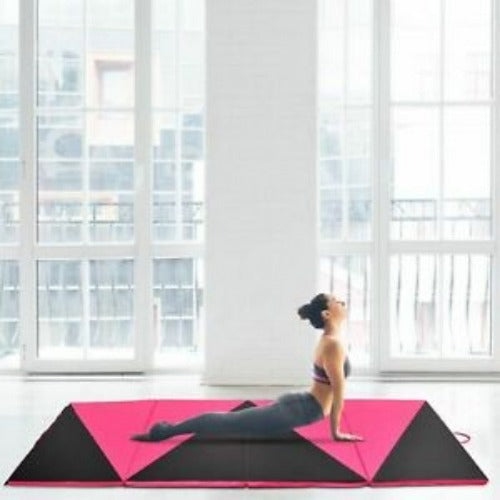
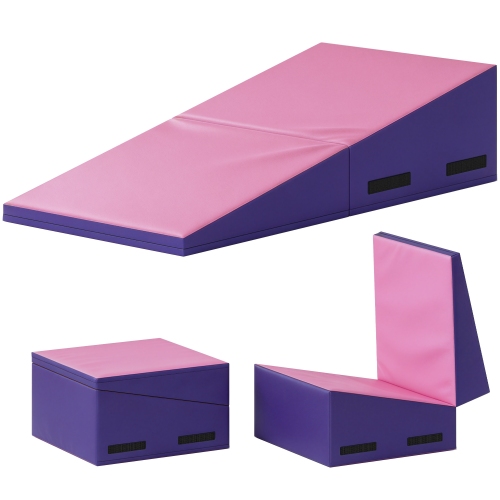
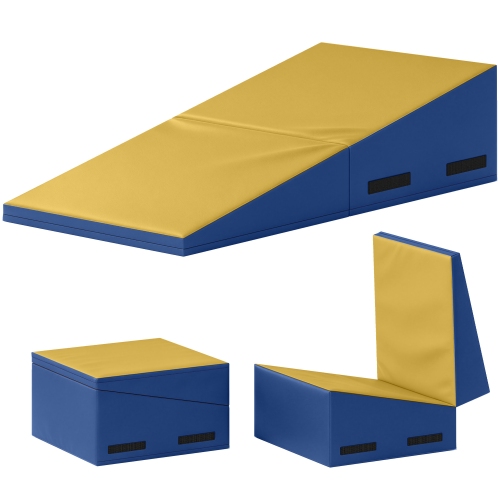
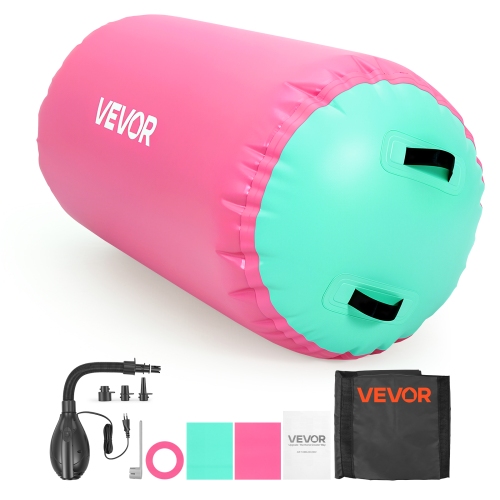
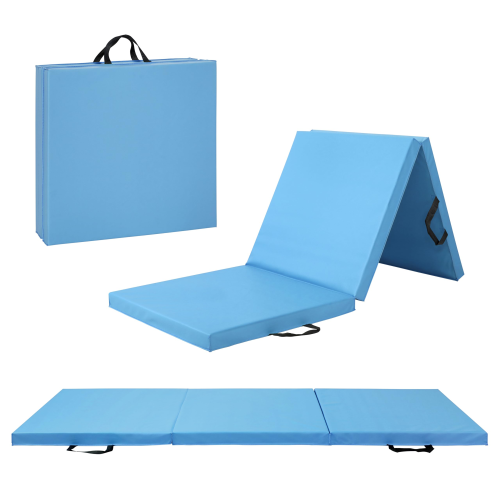
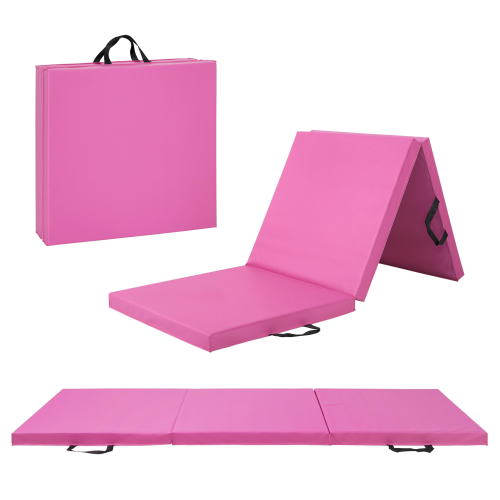
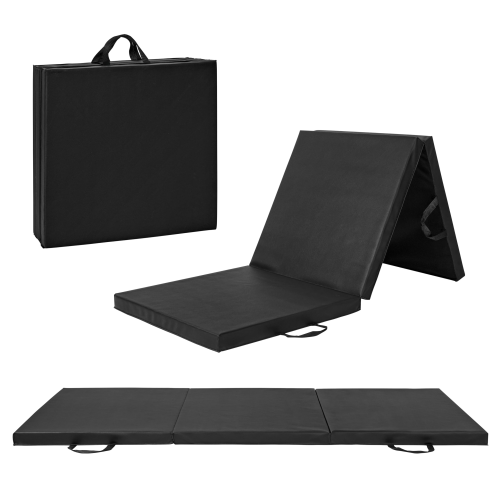
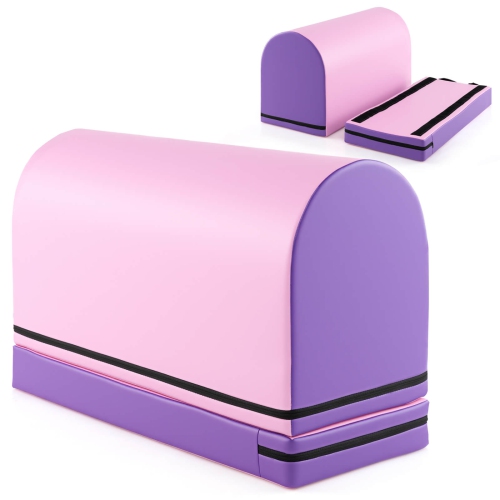
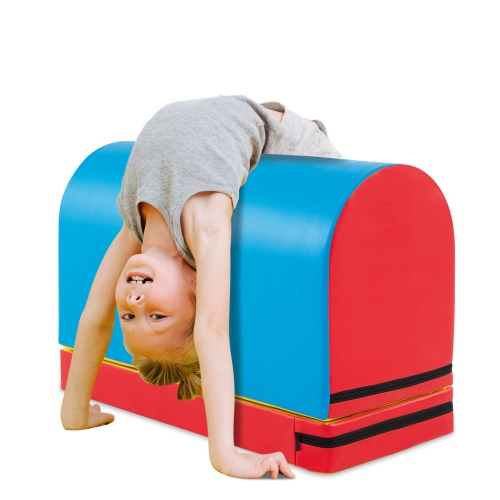
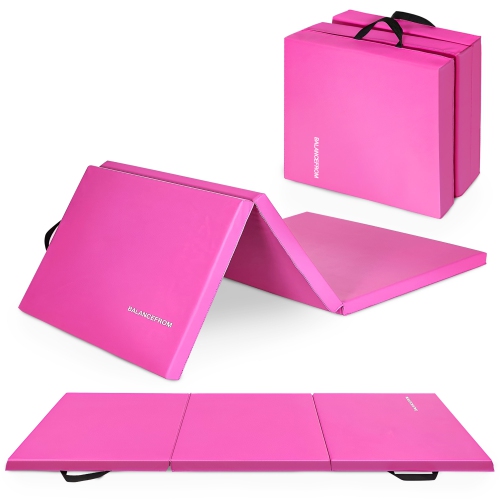
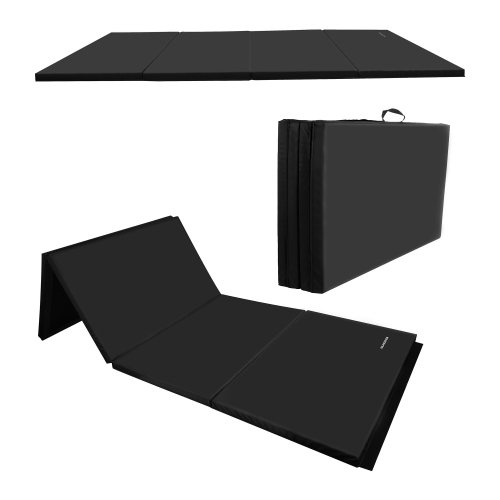
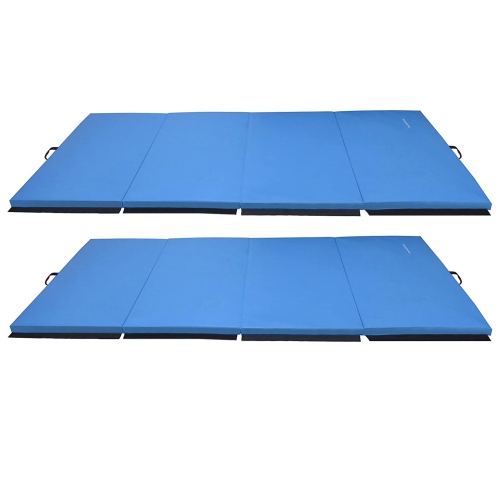
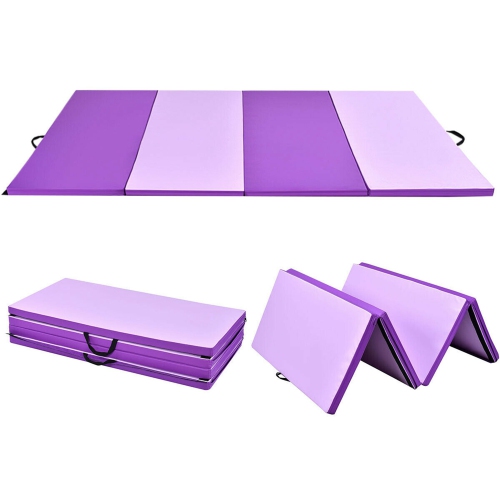
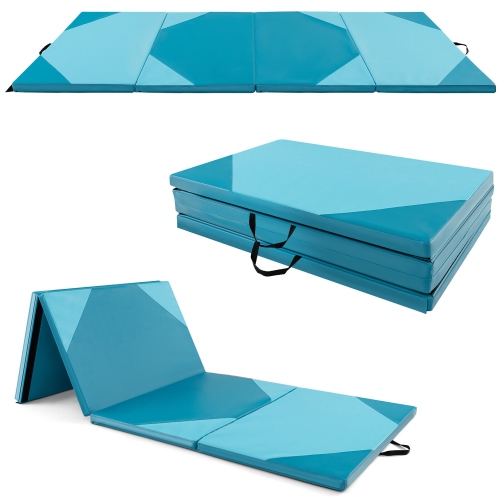
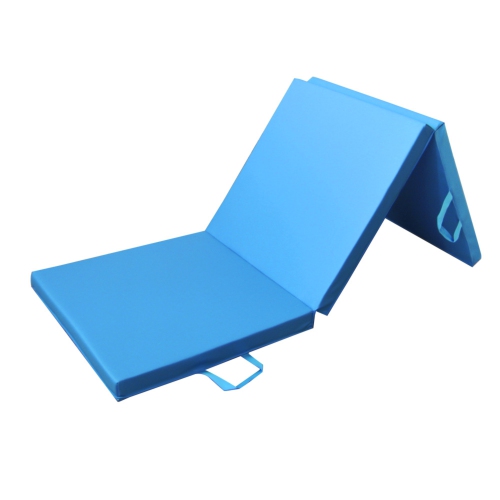
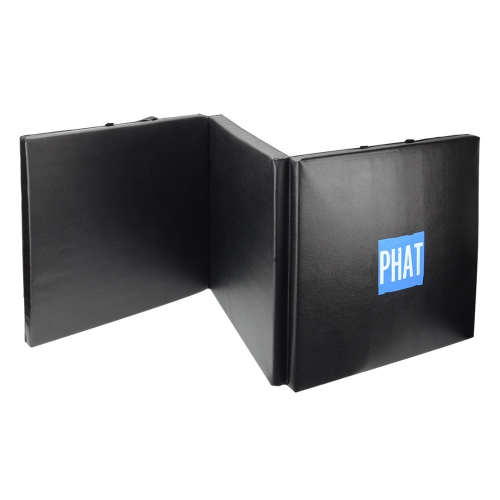
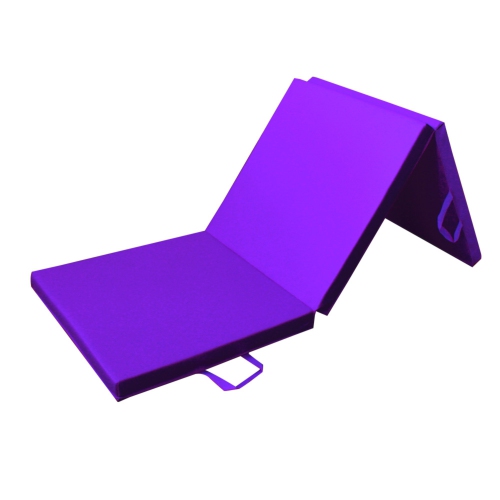
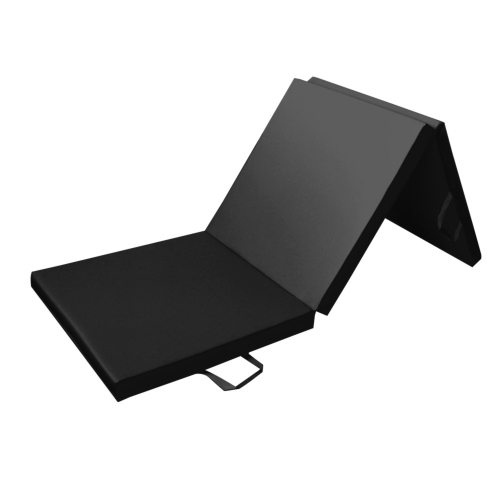
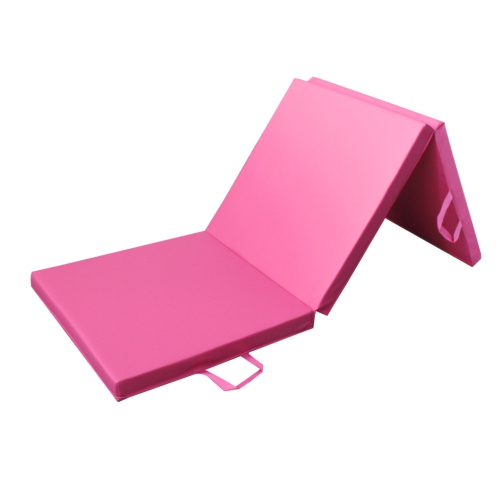
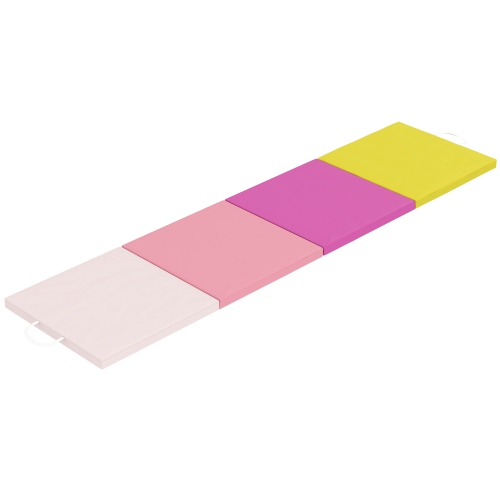
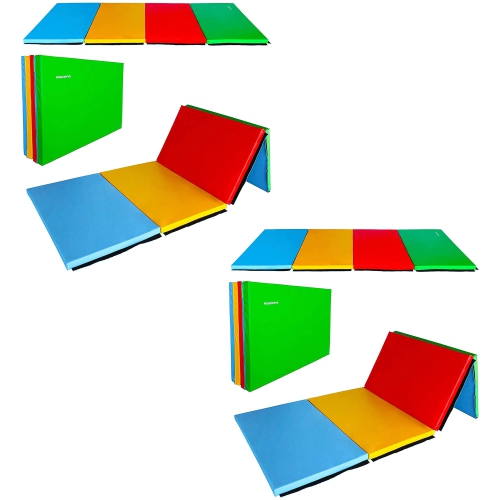
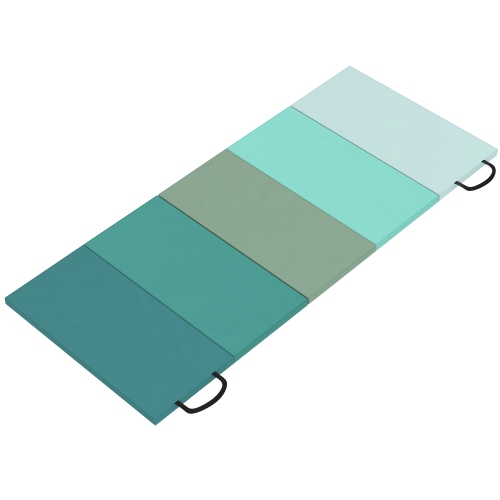
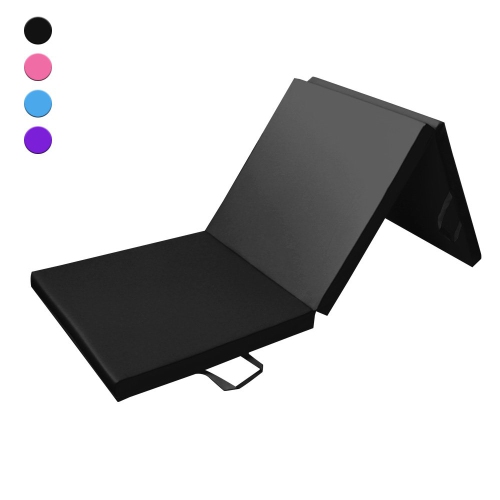
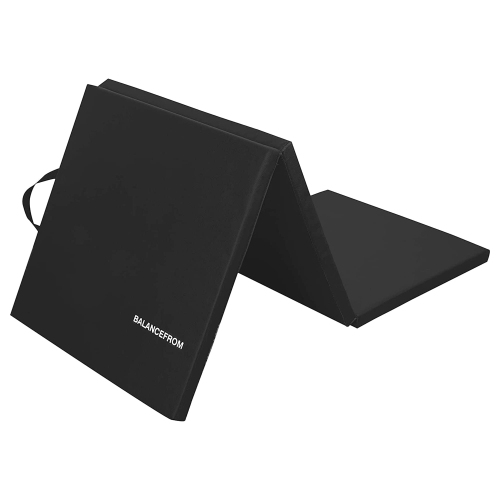
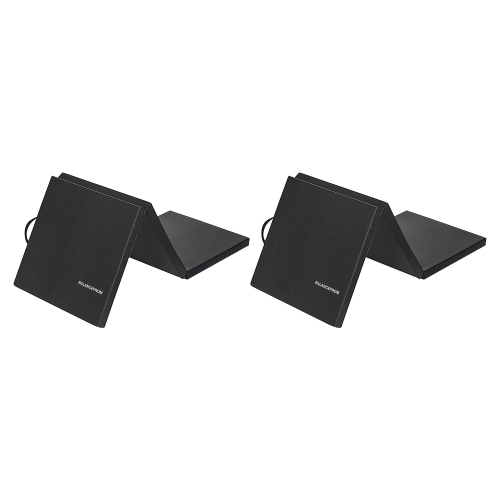
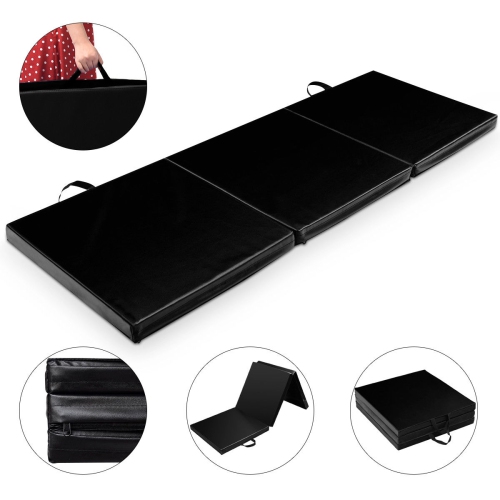
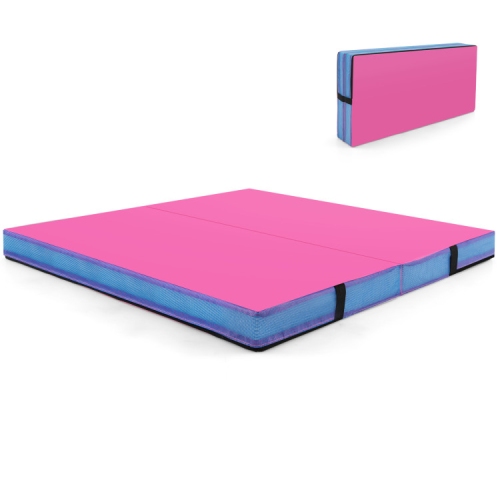
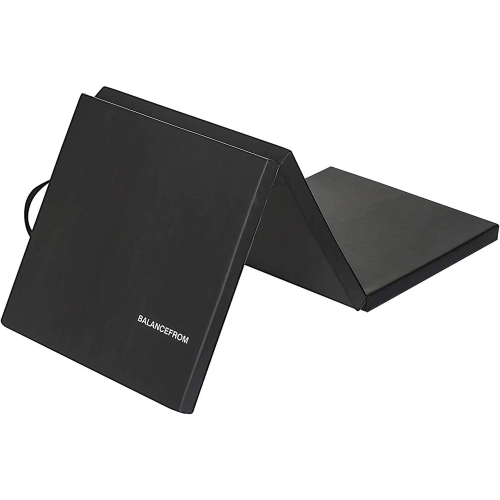
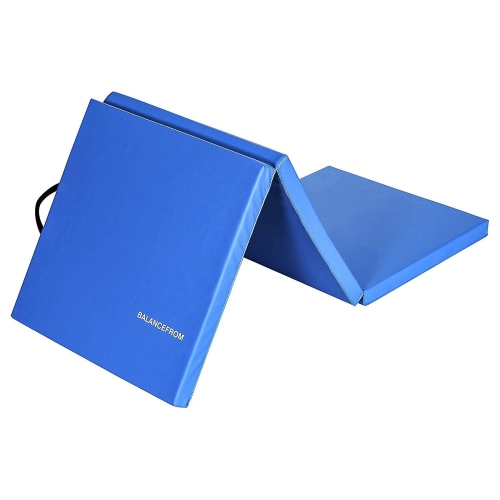
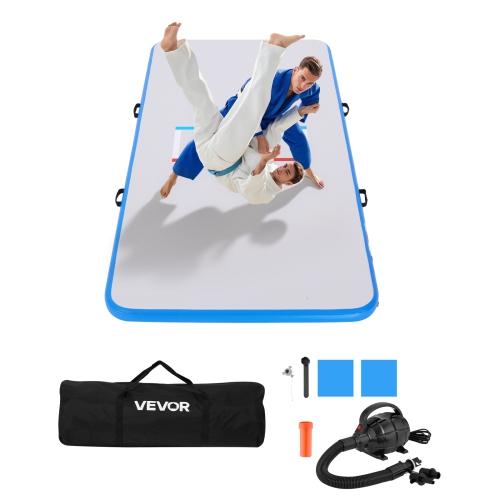
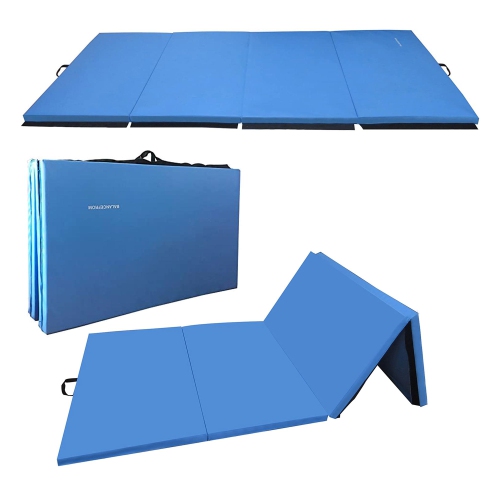
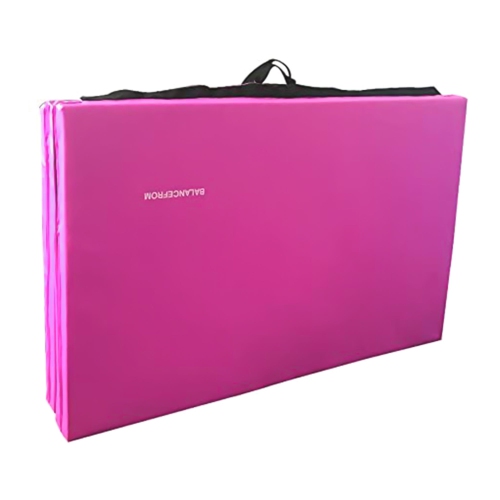
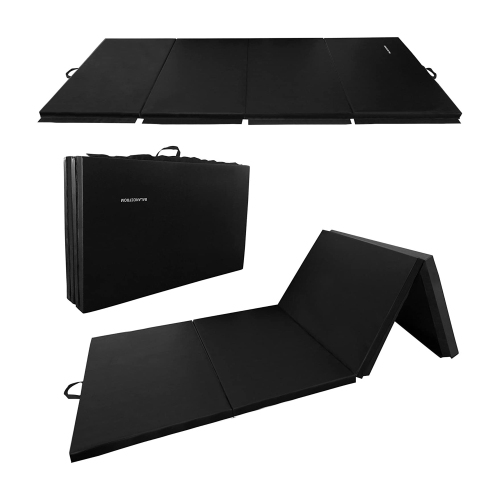
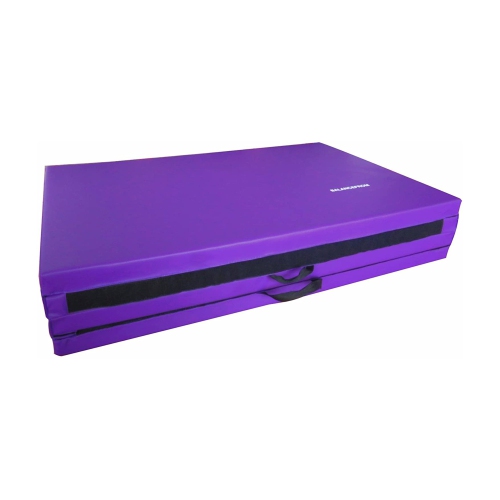
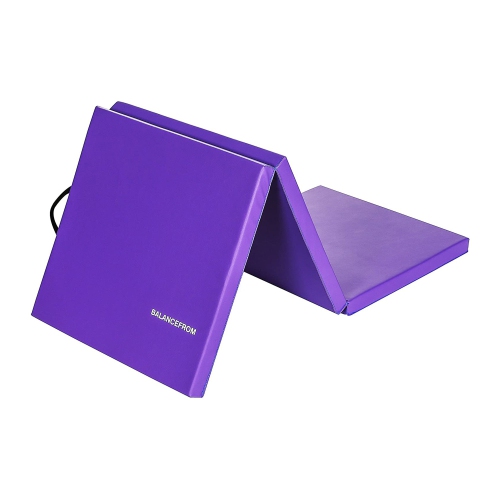
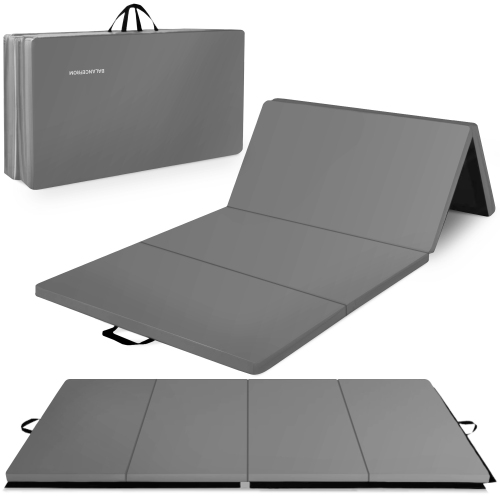
Common designs include folding panel mats, inflatable air tracks and wedge-shaped incline mats, each suited to different kinds of practice. Folding panel mats typically contain firm foam inside a durable vinyl cover and divide into sections for easier carrying and storage. Their broad, stable surface works well for stretching, warmups, basic rolls, bridges, handstands and general floor exercises. If you are comparing Folding Gymnastics Mats, look for a construction that feels supportive without being excessively hard, reinforced seams, a cover that is easy to wipe clean and handles that make moving the mat less awkward. Foam panel mats are often available in thicknesses from about 1 3/8 inch to 2 inches; thicker cushioning may be more comfortable on concrete, hardwood or other firm flooring, while a thinner option can be practical over carpet or a padded surface. Inflatable air tracks are longer, air-filled mats that provide a springier feel and can help cushion landings during a range of tumbling drills. They usually require an electric pump and enough room for inflation, and their firmness can often be adjusted by adding or releasing air. Check that the pump, valves, repair materials and storage bag are included when applicable, and allow time for the mat to inflate fully before use. Air tracks should be checked for gradual air loss, visible damage and secure valve closures. Wedge, or “cheese,” mats have a sloped shape that supports progressive learning by helping users understand body position during rolls, handstands, walkovers and other skills. They can also be paired with a flat mat to provide additional landing coverage. A wedge is not a substitute for a landing mat, and advanced movements such as back handsprings should be attempted only with appropriate coaching, space and spotting.
Portability is especially important when a mat needs to move between rooms, travel to lessons or be stored during the cooler months when indoor practice becomes more appealing. Folding designs can slide beneath a bed, stand in a closet or fit behind a door, while longer air tracks may be easier to store once deflated. Carrying handles, manageable weight and secure fastening straps can make a noticeable difference when an adult is setting up or packing away the equipment. For a children’s play space, consider rounded edges, a stable base and a cover that can be cleaned after regular use. For a shared household, a neutral size and versatile layout may allow the mat to serve as a stretching surface, a spot for mobility drills or a comfortable area for supervised movement games. These mats can be thoughtful gifts for a child attending gymnastics, dance or cheerleading classes, especially when the recipient has a clear indoor practice area and an adult who can help with setup. They may also suit a teen building a home conditioning routine or an adult who wants a dedicated surface for flexibility and bodyweight exercises. Before each session, inspect the foam, seams, handles, fasteners, air valves and surrounding floor. Keep food, drinks and sharp objects away from the mat, and follow the care and weight guidance supplied with it. Young children should be supervised continuously, and users should practise skills appropriate to their training level rather than attempting unfamiliar flips or high-impact movements at home. A well-chosen tumbling mat should provide enough length for the intended movements, cushioning suited to the floor and activity, and storage features that make it easy to use consistently. During the warmer part of the year it can support indoor or covered practice when outdoor space is unsuitable, while during the cooler months it can help create a reliable home training area for steady, supervised skill development.
Common designs include folding panel mats, inflatable air tracks and wedge-shaped incline mats, each suited to different kinds of practice. Folding panel mats typically contain firm foam inside a durable vinyl cover and divide into sections for easier carrying and storage. Their broad, stable surface works well for stretching, warmups, basic rolls, bridges, handstands and general floor exercises. If you are comparing Folding Gymnastics Mats, look for a construction that feels supportive without being excessively hard, reinforced seams, a cover that is easy to wipe clean and handles that make moving the mat less awkward. Foam panel mats are often available in thicknesses from about 1 3/8 inch to 2 inches; thicker cushioning may be more comfortable on concrete, hardwood or other firm flooring, while a thinner option can be practical over carpet or a padded surface. Inflatable air tracks are longer, air-filled mats that provide a springier feel and can help cushion landings during a range of tumbling drills. They usually require an electric pump and enough room for inflation, and their firmness can often be adjusted by adding or releasing air. Check that the pump, valves, repair materials and storage bag are included when applicable, and allow time for the mat to inflate fully before use. Air tracks should be checked for gradual air loss, visible damage and secure valve closures. Wedge, or “cheese,” mats have a sloped shape that supports progressive learning by helping users understand body position during rolls, handstands, walkovers and other skills. They can also be paired with a flat mat to provide additional landing coverage. A wedge is not a substitute for a landing mat, and advanced movements such as back handsprings should be attempted only with appropriate coaching, space and spotting.
Portability is especially important when a mat needs to move between rooms, travel to lessons or be stored during the cooler months when indoor practice becomes more appealing. Folding designs can slide beneath a bed, stand in a closet or fit behind a door, while longer air tracks may be easier to store once deflated. Carrying handles, manageable weight and secure fastening straps can make a noticeable difference when an adult is setting up or packing away the equipment. For a children’s play space, consider rounded edges, a stable base and a cover that can be cleaned after regular use. For a shared household, a neutral size and versatile layout may allow the mat to serve as a stretching surface, a spot for mobility drills or a comfortable area for supervised movement games. These mats can be thoughtful gifts for a child attending gymnastics, dance or cheerleading classes, especially when the recipient has a clear indoor practice area and an adult who can help with setup. They may also suit a teen building a home conditioning routine or an adult who wants a dedicated surface for flexibility and bodyweight exercises. Before each session, inspect the foam, seams, handles, fasteners, air valves and surrounding floor. Keep food, drinks and sharp objects away from the mat, and follow the care and weight guidance supplied with it. Young children should be supervised continuously, and users should practise skills appropriate to their training level rather than attempting unfamiliar flips or high-impact movements at home. A well-chosen tumbling mat should provide enough length for the intended movements, cushioning suited to the floor and activity, and storage features that make it easy to use consistently. During the warmer part of the year it can support indoor or covered practice when outdoor space is unsuitable, while during the cooler months it can help create a reliable home training area for steady, supervised skill development.
Top selling and popular products
-
 Your price for this item is $212.99
 -
 Your price for this item is $225.99
 -
 Your price for this item is $251.99
 -
 Your price for this item is $220.99
 -
 Your price for this item is $229.99
 -
 Your price for this item is $79.99
 -
 Your price for this item is $227.99
 -
 Your price for this item is $84.99
Discover more categories related to Gymnastics Tumbling Mats
Top Collections:
Pokemon Centers, Best Cameras for Sports Photography, Kindle Devices, Samsung Galaxy Phones, Canon G7X Cameras, Pokémon 30th Celebration Cards, Refurbished Apple Laptops, iPhone 15 Apple, Laptops for Students, Budget Smartphones
Some products may be subject to Environmental Handling Fees
(EHF) depending on your province.
Learn more about EHFs.