Hand Towels
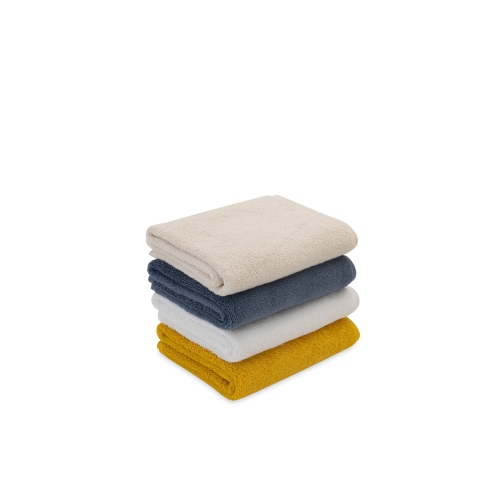
Upgrade your bathroom essentials with our selection of luxurious hand towels. Made from premium materials, these hand towels are designed to be both soft against your skin and highly absorbent. Whether you prefer classic white or bold colors, we have a variety of options to suit your style and elevate your everyday routine. Add a touch of comfort and sophistication to your bathroom with our high-quality hand towels that are perfect for daily use or as a thoughtful gift for a loved one.
Sort

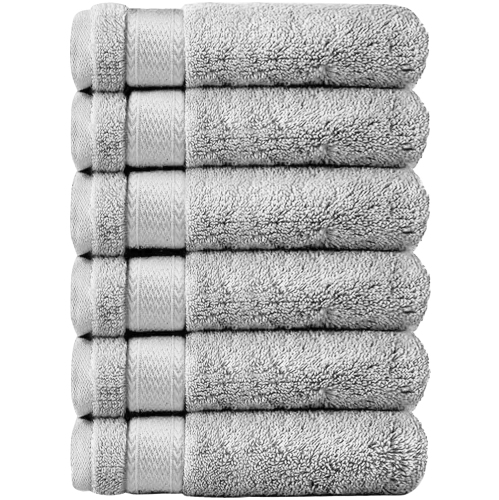

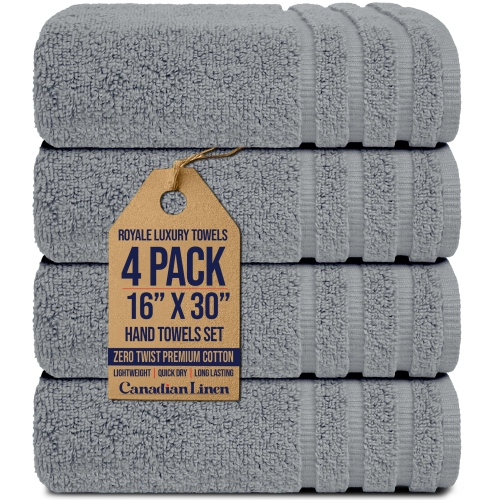
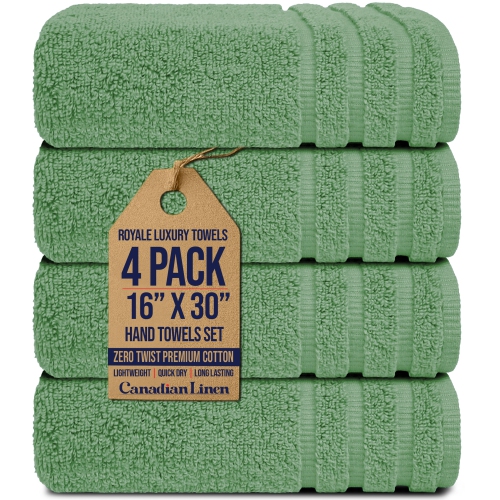
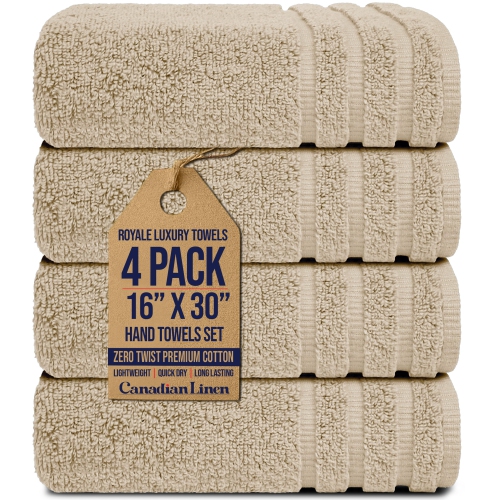
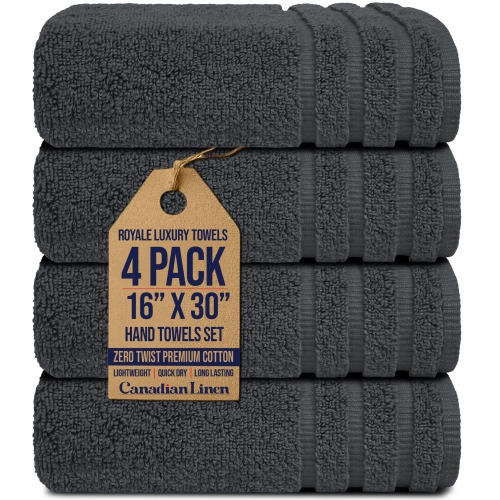
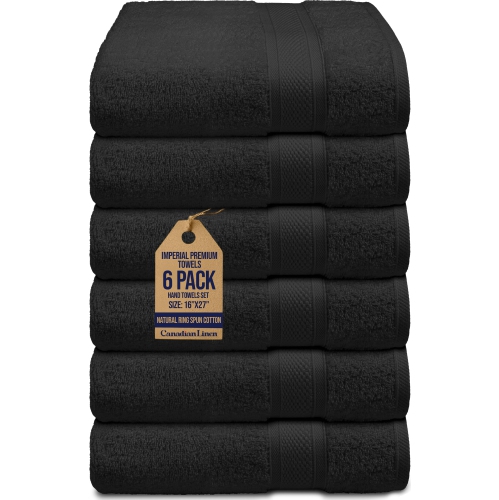
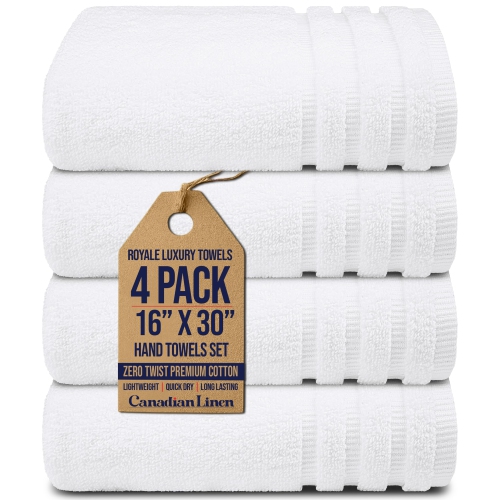
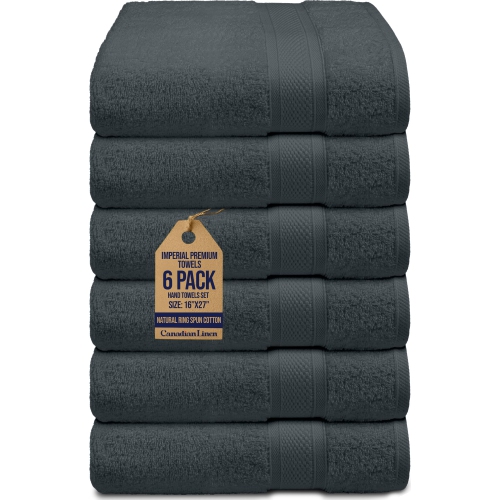
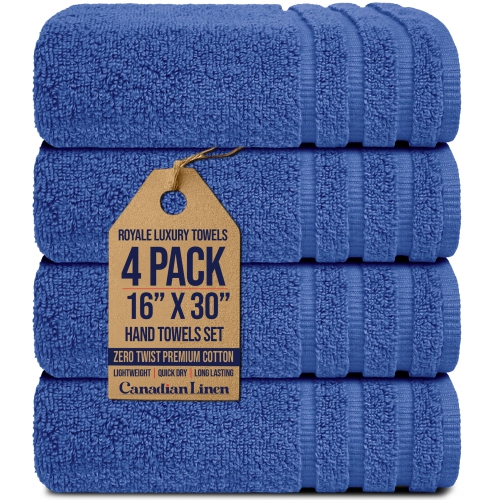
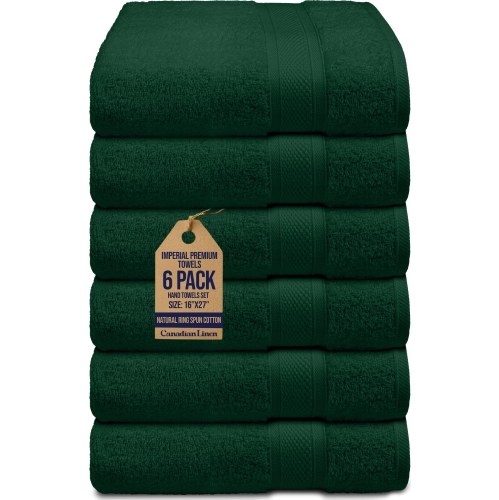
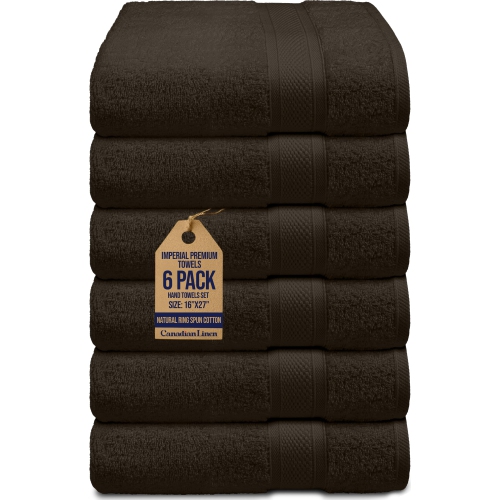
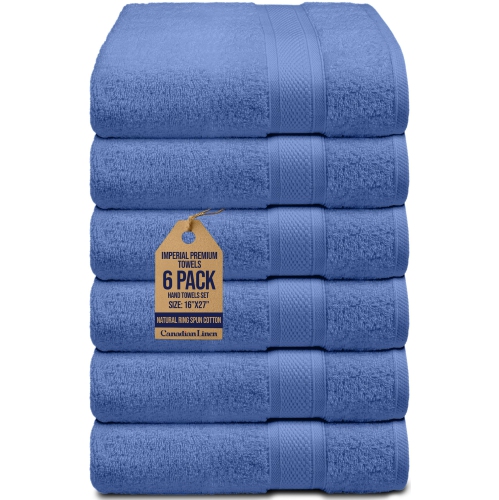
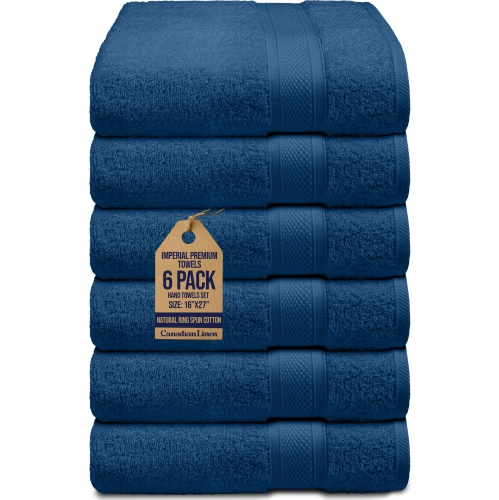
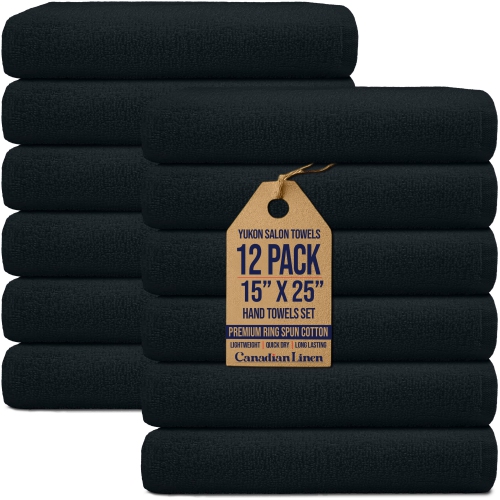

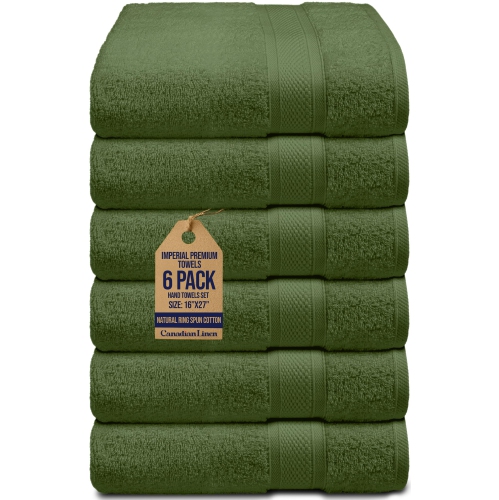
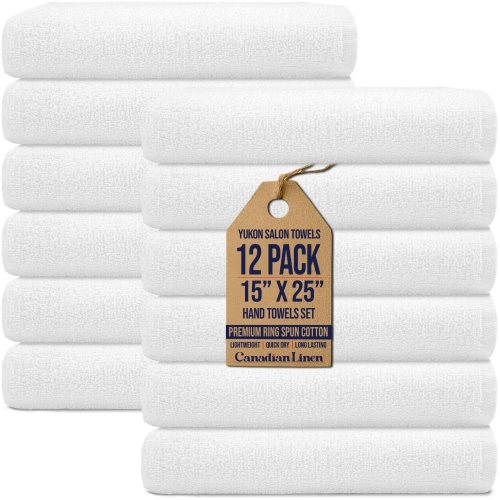
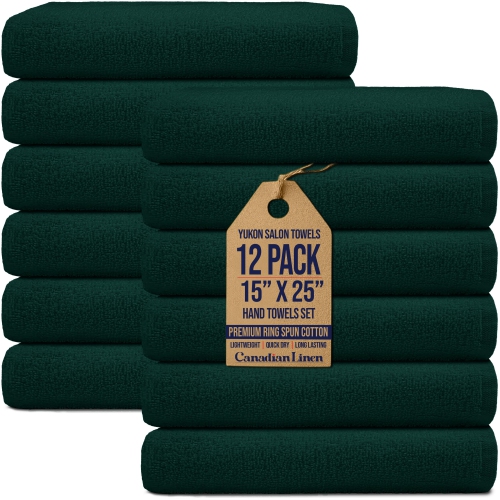
Why fabric and fit matter beside the sink
Hand towels are compact, absorbent textiles made for drying hands beside a bathroom sink, in a powder room, or near a kitchen washing area. They sit between a small facecloth and a full-size bath towel in both size and purpose, offering enough fabric for comfortable drying without taking up much wall or counter space. A common size is approximately 40 x 70 cm, although dimensions vary, so checking the measurements helps when matching a towel to a narrow ring, a short rail, or a countertop basket. Fabric makes a noticeable difference to how a towel feels and performs. Cotton terry has raised loops that absorb moisture and give the surface its familiar cushioned texture. Longer cotton fibres can contribute to a smoother feel and less shedding, while the yarn construction and finishing also affect softness and durability. Towels made with viscose derived from bamboo, often blended with cotton, can have a supple feel, but their absorbency and care requirements depend on the complete fabric blend. Microfibre options are generally lightweight and can dry readily, though their smooth or suede-like texture feels quite different from cotton terry. Waffle weaves offer a textured surface with less bulk, making them practical where hanging space is limited. Fabric weight, commonly expressed in grams per square metre, or GSM, provides another useful point of comparison: a higher number generally indicates a heavier towel, not necessarily a better one. A dense, plush towel may feel especially comfortable in a guest bathroom, while a lighter construction can be easier to rotate through everyday laundry. Absorbency, drying time, and softness need to work together. A towel that feels wonderfully thick when dry still needs enough room to air out between uses. For a busy family sink, a balanced, medium-weight fabric can be more practical than an especially bulky one, particularly when several people use the same washing area throughout the day.
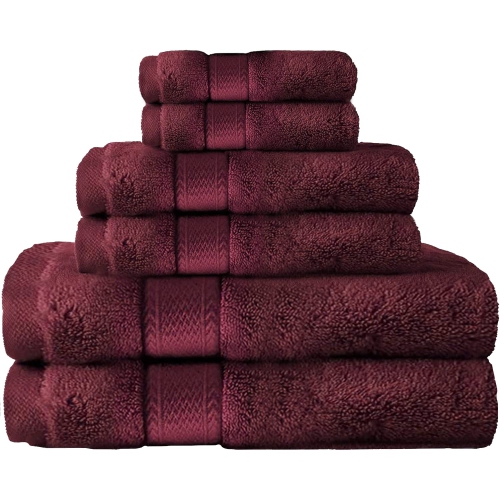
The best fit depends as much on the room and its routines as on the fabric itself. On a towel ring, a hand towel should hang clear of the counter and basin rather than bunching against a wet surface. On a rail, enough width to spread the fabric helps it dry more evenly; folding several thick layers over a very short bar can leave the centre damp. A hanging loop can be useful on a hook, provided the towel’s size allows it to hang freely. In a compact powder room, a slim stack of folded towels gives visitors an easy-to-find option without crowding the sink. In a shared bathroom, assigning different colours to household members can help distinguish personal towels, while matching neutrals create a more uniform look. White and cream offer a crisp appearance, deep blue and charcoal bring contrast, and warmer shades can soften a room with stone or wood finishes. Patterned borders, subtle ribbing, and woven textures add detail without requiring every bathroom textile to match exactly. Coordinating hand towels with Bath Towels can create a consistent look, whether through the same colour or a complementary palette. Function still matters more than decoration: elaborate trims and embroidery may occupy part of the drying surface or need gentler care. In kitchens, keep a towel intended for clean hands separate from cloths used for dishes, counters, or food preparation. A dedicated place beside the sink makes that distinction easier to maintain. Hand towel sets can also make thoughtful housewarming gifts or useful additions to a first apartment, especially in easy-to-coordinate colours and washable fabrics. For someone furnishing a guest bathroom, a small matching set offers both a finished appearance and a practical spare. Neatly finished hems, secure seams, and evenly formed loops are worth examining, since these construction details help towels withstand repeated use and laundering without losing their shape.
Regular care helps hand towels stay absorbent, comfortable, and pleasant to use. Washing new towels before their first use can remove loose fibres and finishing residues; follow the care label for the appropriate cycle and water temperature. Sorting by colour reduces the chance of dye transfer, and laundering towels separately from lint-sensitive clothing helps keep fibres off other fabrics. Avoid washing them with exposed hooks, rough fastenings, or other components that might snag the loops. Use the recommended amount of detergent rather than adding extra, since residue can leave fabric feeling stiff or make rinsing less effective. Fabric softener can coat fibres and reduce absorbency, so it is generally best left out unless the manufacturer’s instructions say otherwise. Bleach suitability varies with colour, fibre content, and decorative details; a white towel is not automatically suitable for every whitening treatment. After washing, give each towel a shake to loosen the pile, then dry it according to its label. Excessive dryer heat can be hard on fibres and trims, while putting a towel away before it is completely dry can lead to a musty smell. Between uses, spread hand towels over a rail or hang them where air can reach the fabric rather than leaving them crumpled beside the sink. Washing frequency depends on how many people use a towel and how thoroughly it dries. Replace it with a clean one after several uses, and sooner if it remains damp, becomes visibly dirty, develops an odour, or has been used by someone who is unwell. Shared towels at a frequently used sink need more frequent changes than those in a lightly used guest bathroom. Keeping clean spares close by makes the rotation simple and avoids stretching one towel through too many uses. Store those spares in a dry cupboard or on a shelf away from splashes. Over time, thinning patches, frayed hems, persistent odours, or a noticeable loss of absorbency can indicate that a towel is no longer serving its purpose well. With suitable fabric, sound construction, and straightforward care, hand towels remain dependable everyday essentials.
Top selling and popular products
-
 Your price for this item is $239
-
 Your price for this item is $269
-
 Your price for this item is $439
-
 Your price for this item is $351.2
-
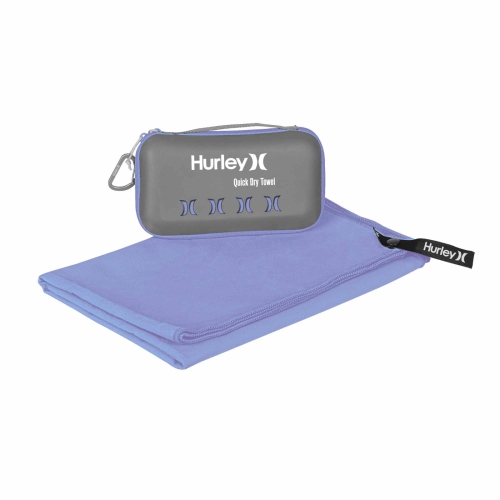 Your price for this item is $17.99
-
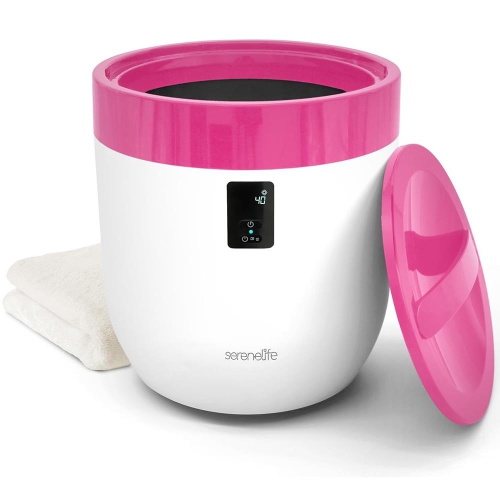 Your price for this item is $123.29
-
 Your price for this item is $69.99
-
 Your price for this item is $158.39
Discover more categories related to Hand Towels

Top Collections:
Best Black Friday Deals This Year, Best Black Friday Deals On Electronics, Kindle Devices, Best Black Friday Deals On Apple Products, Best Budget Office Chairs, Best Cameras for Sports Photography, Dyson Airwrap, Canon G7X Cameras, Best Laptops for Writers, Samsung Galaxy Phones
Some products may be subject to Environmental Handling Fees
(EHF) depending on your province.
Learn more about EHFs.