Handcrafted Dining Tables
If you're looking to add a touch of elegance and charm to your dining space, look no further than these handcrafted dining tables. Crafted with precision and care, these exquisite pieces are designed to elevate your dining experience. Whether you prefer a rustic farmhouse style or a sleek modern aesthetic, these handcrafted dining tables offer a wide range of options to suit your unique taste and decor. From solid wood designs to stunning glass tops, each table is meticulously crafted to bring beauty and functionality to your home.
Sort
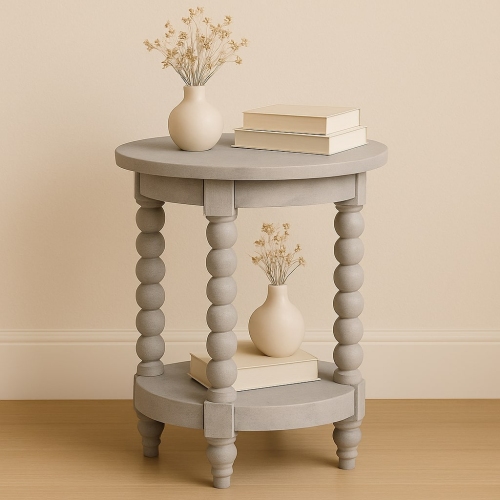


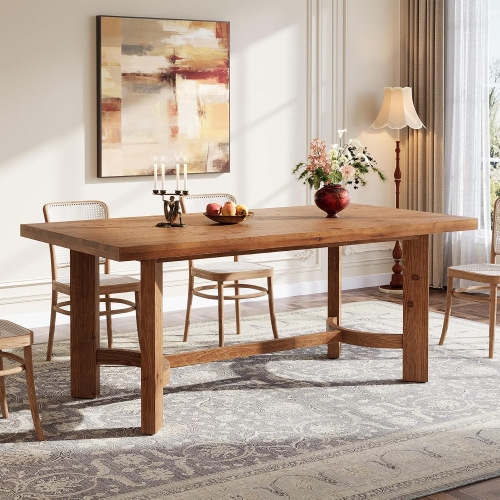

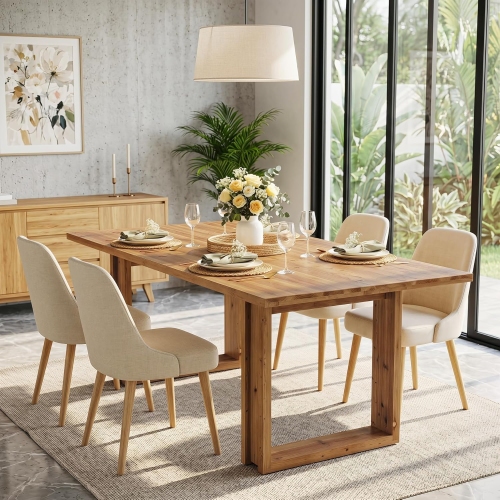
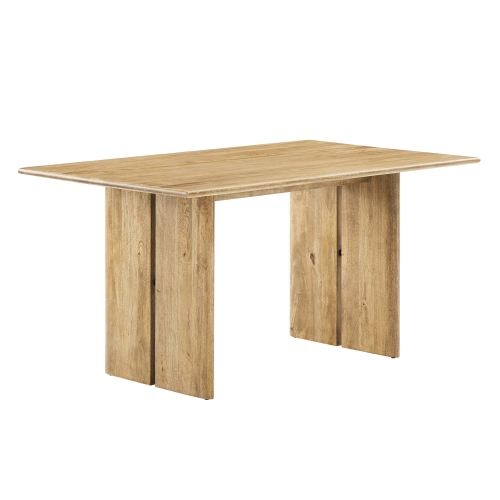






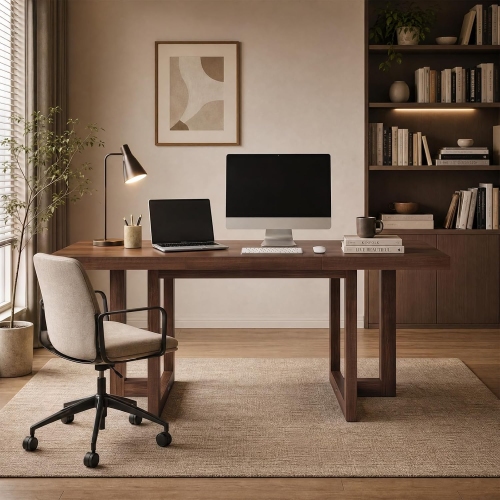


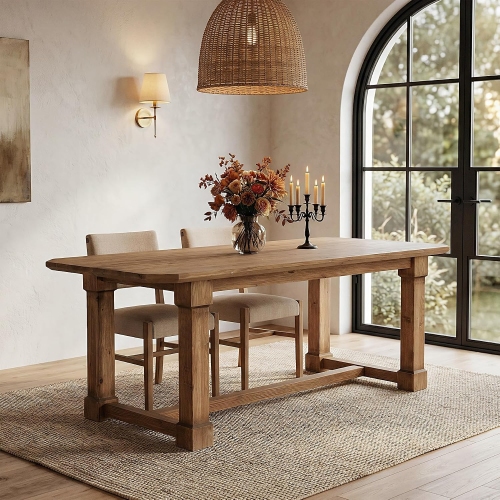
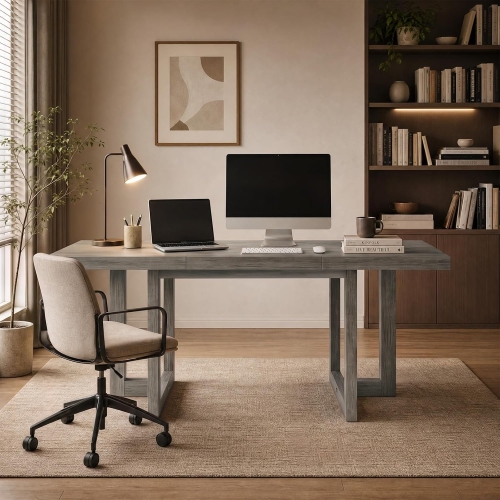

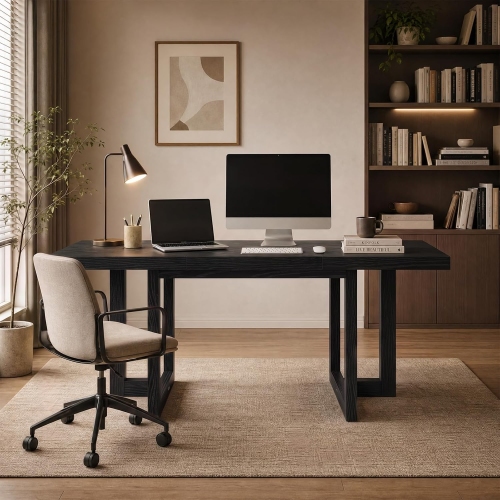
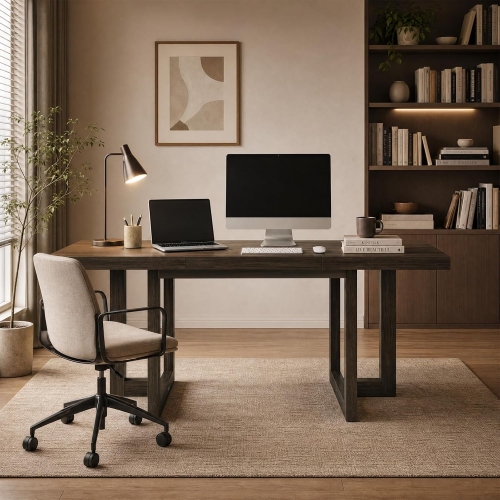
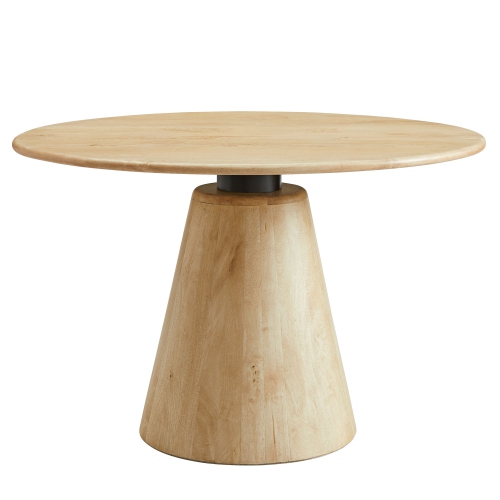

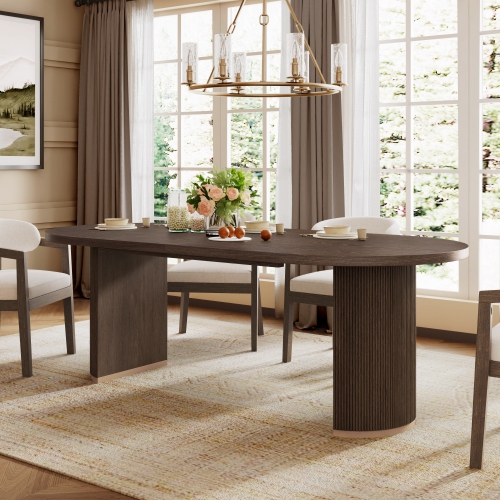
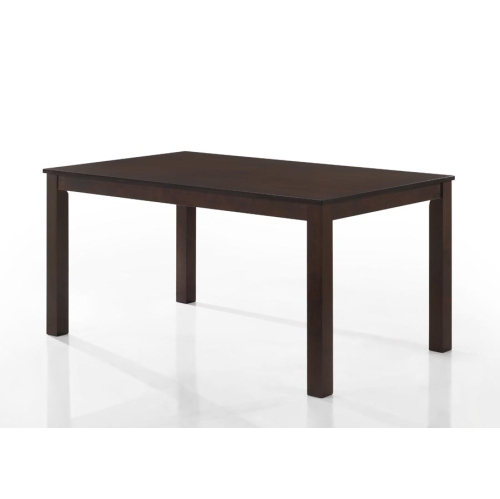
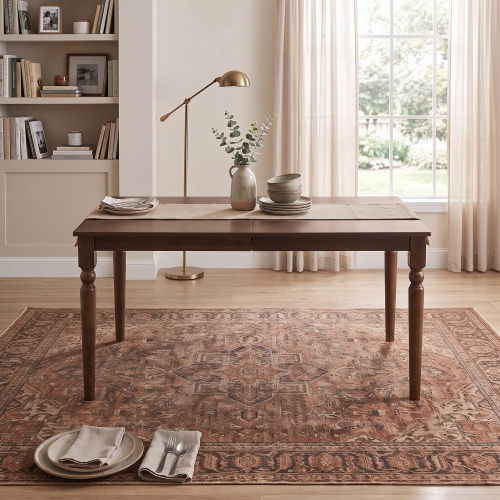

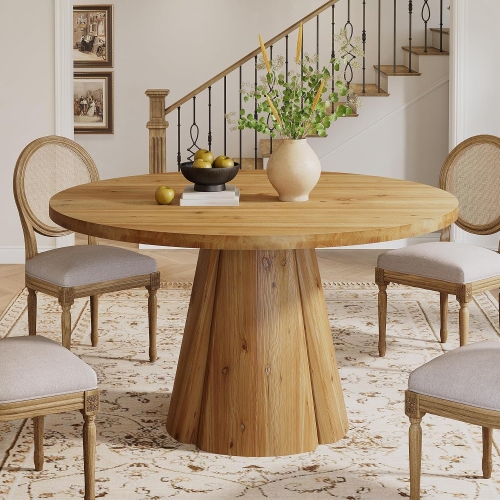
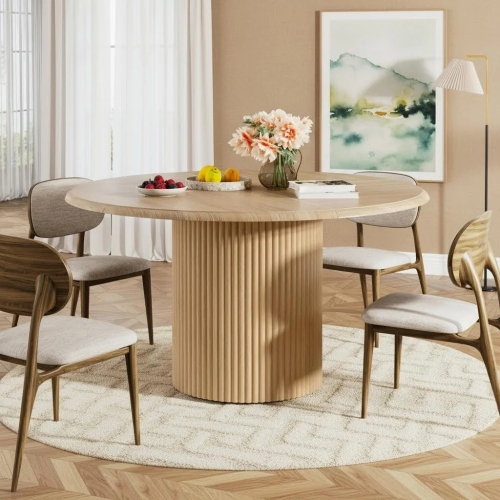

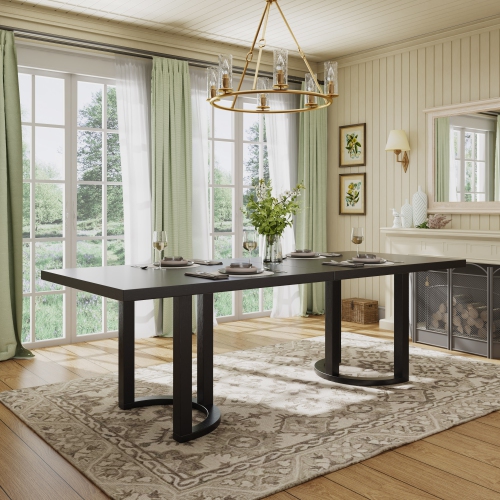
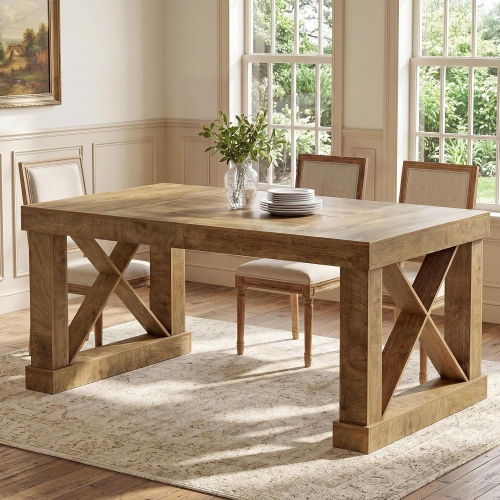
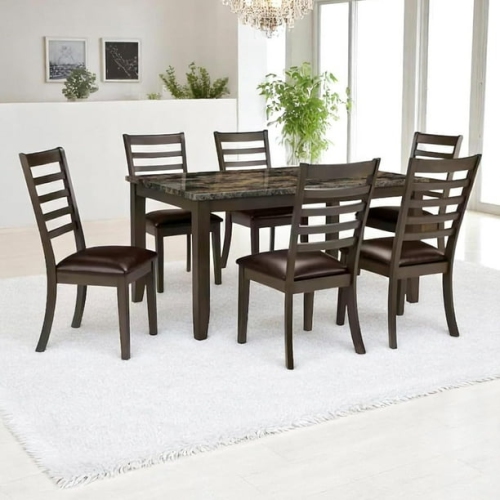
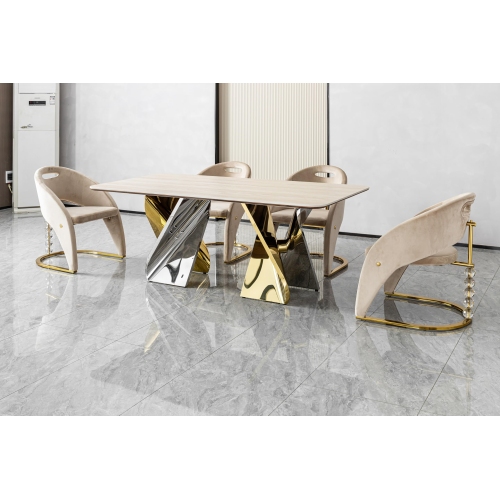
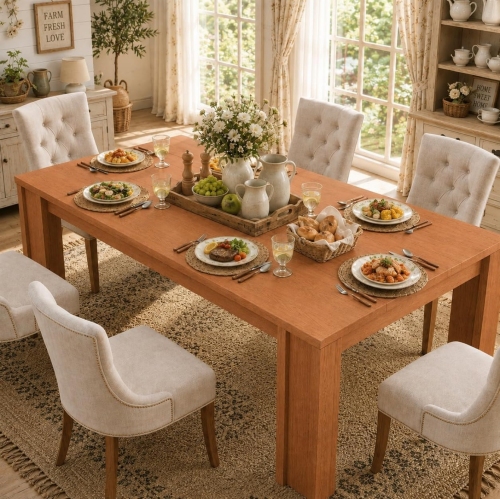
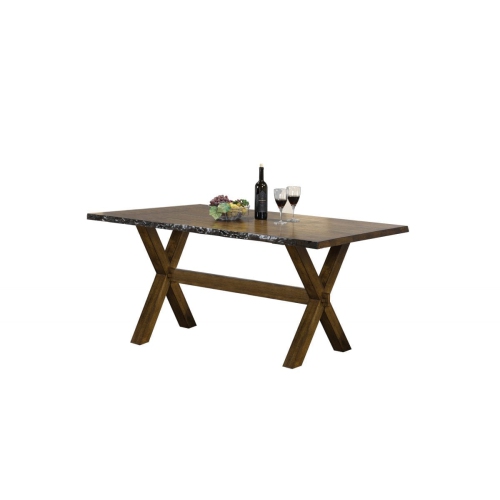
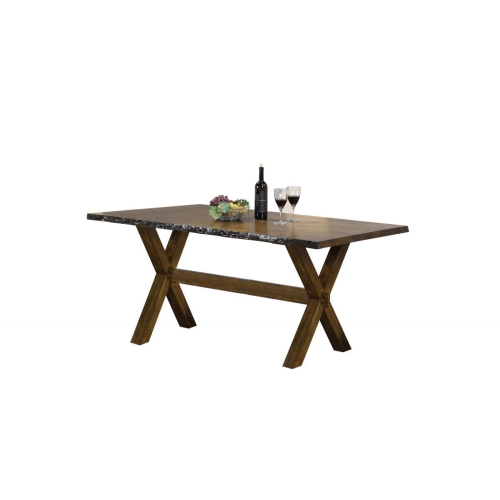
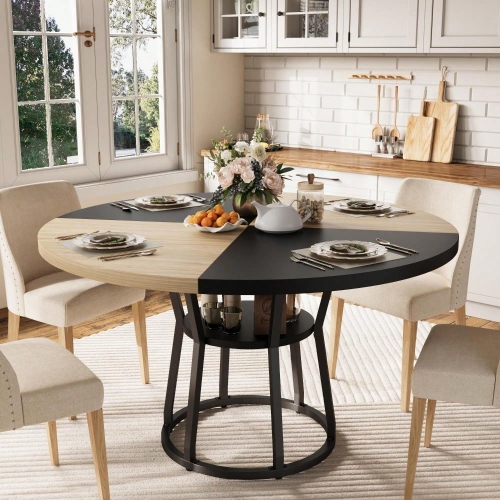

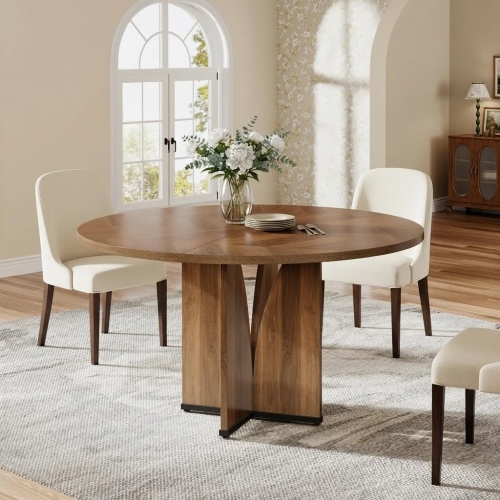
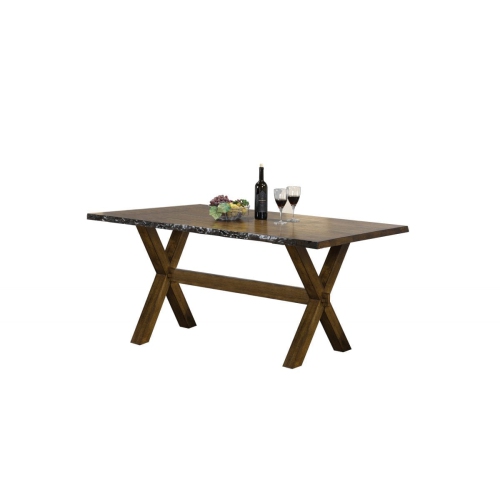

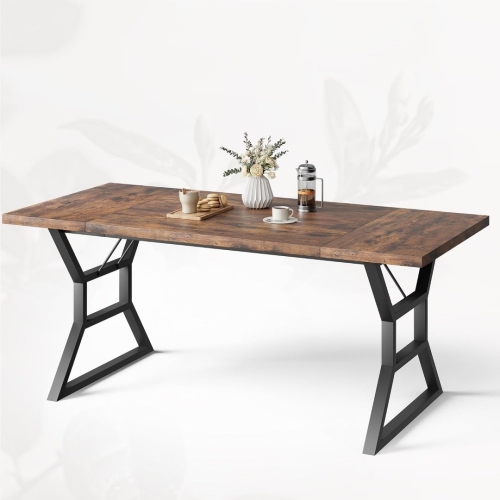
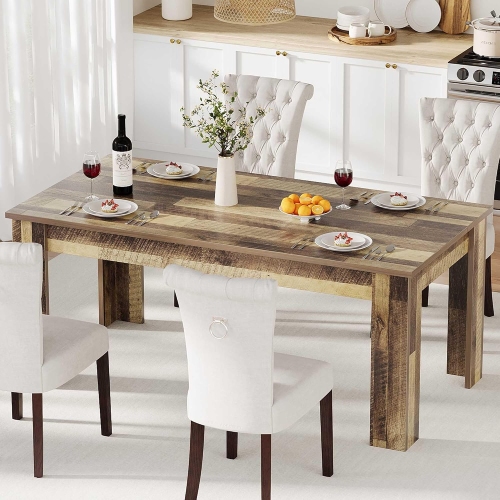


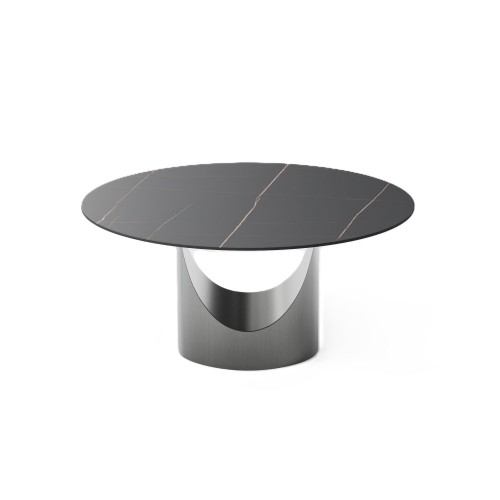

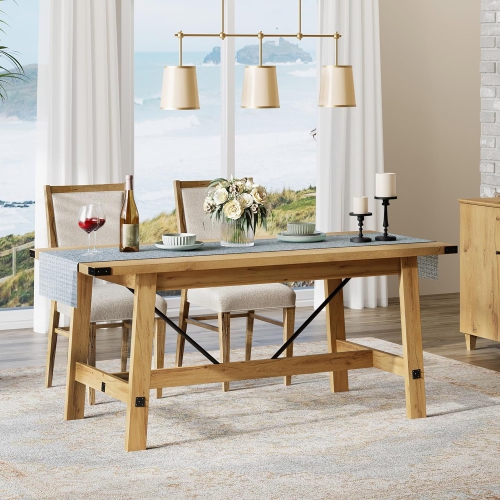


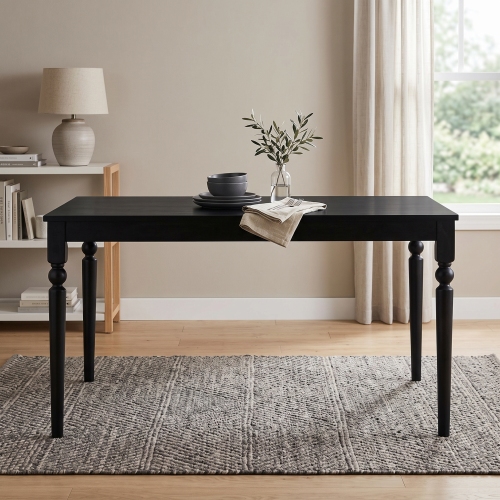


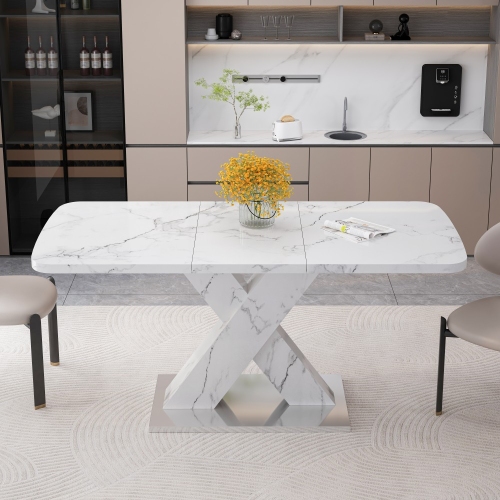


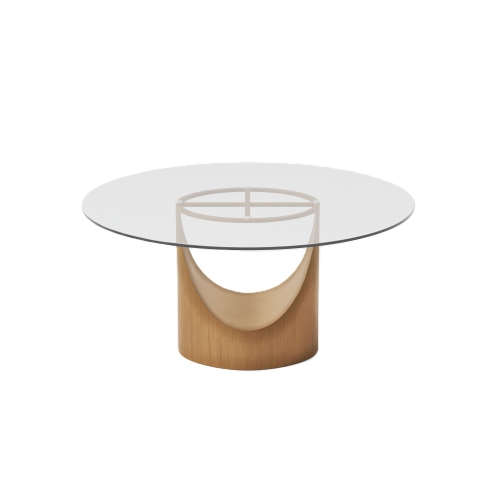



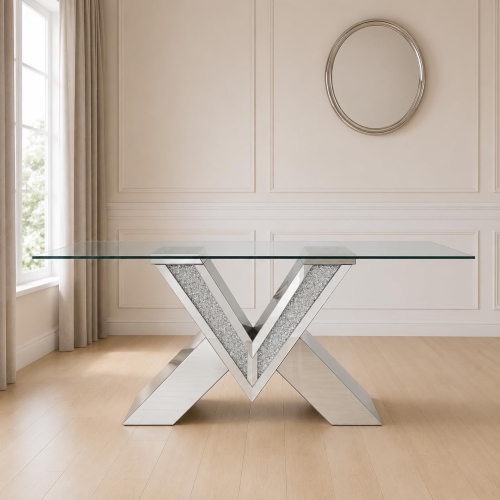

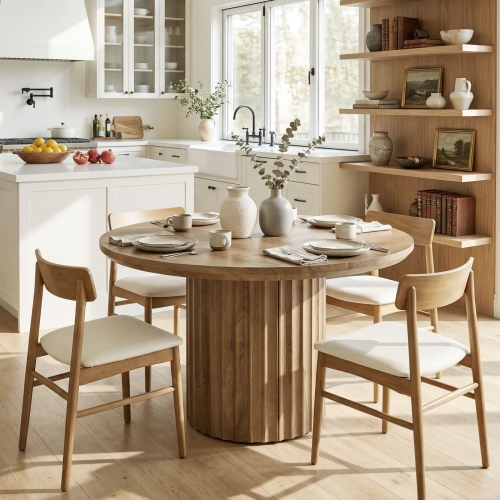
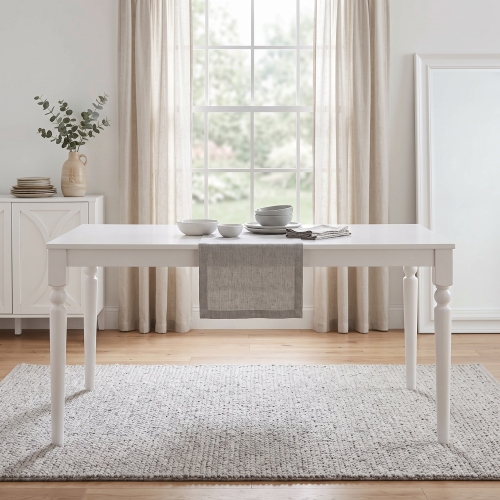
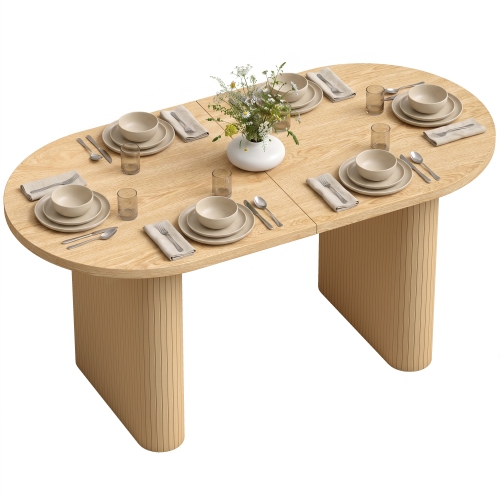


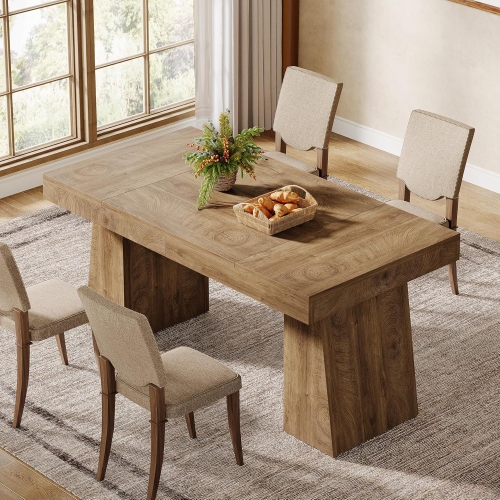

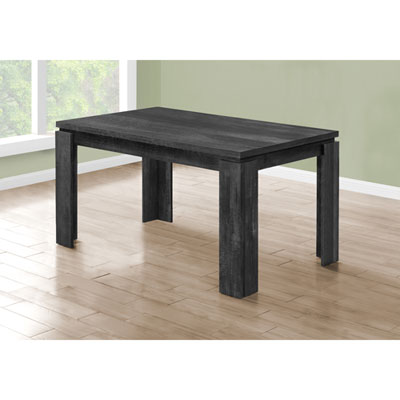


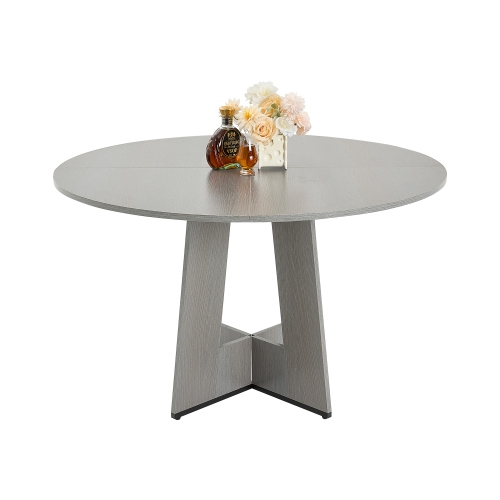


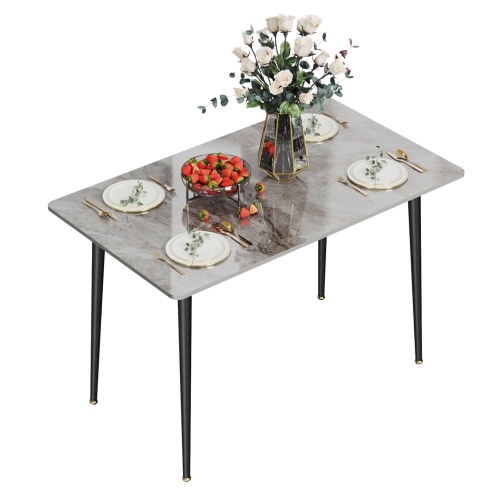


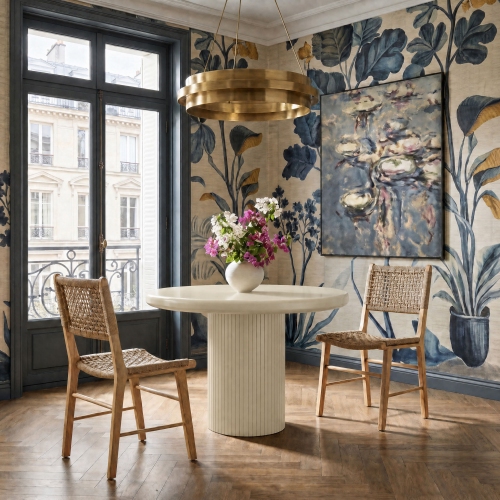

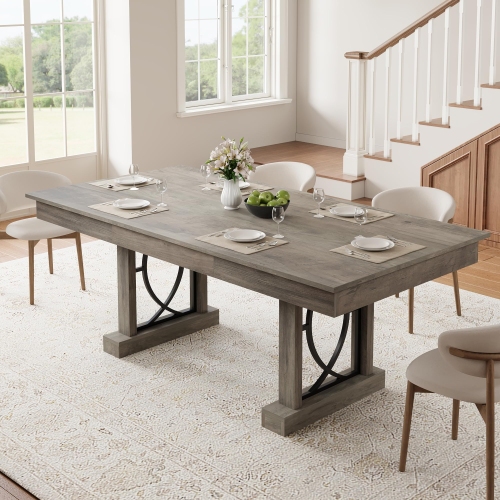


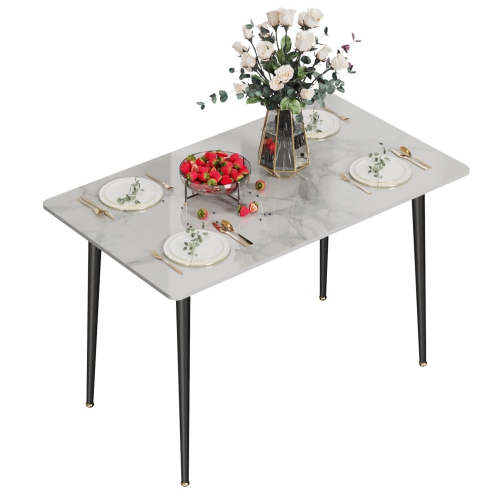
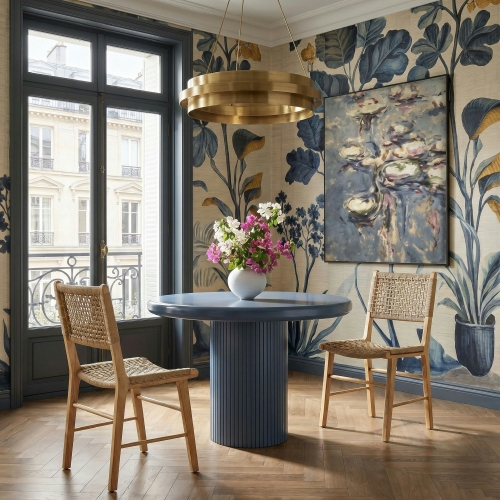
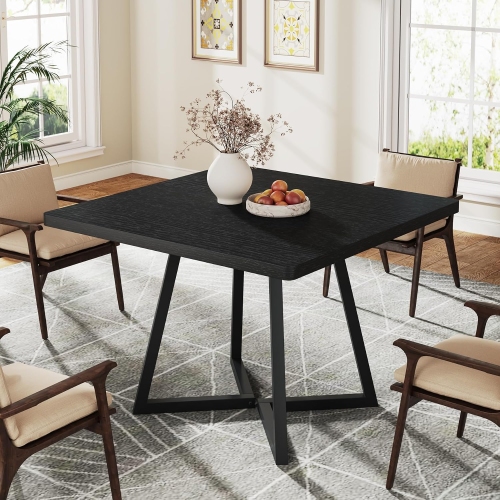
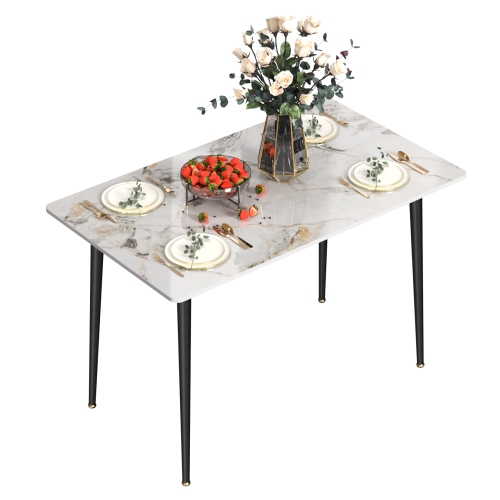
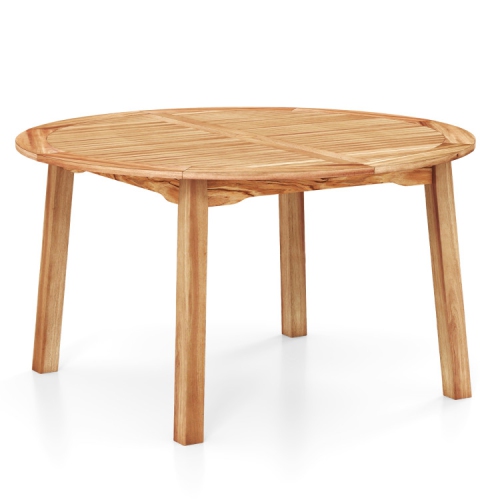


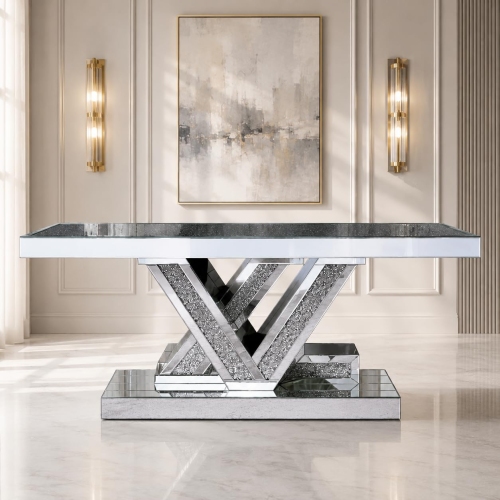
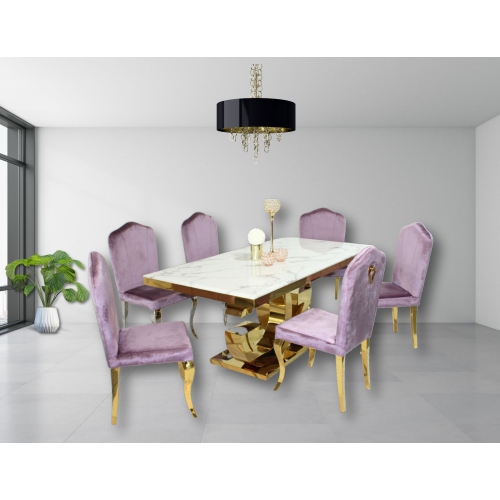


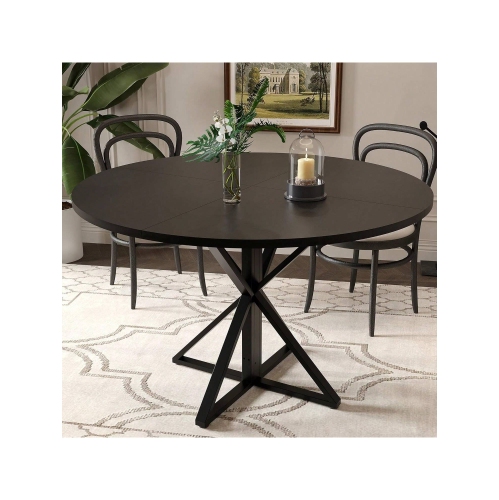
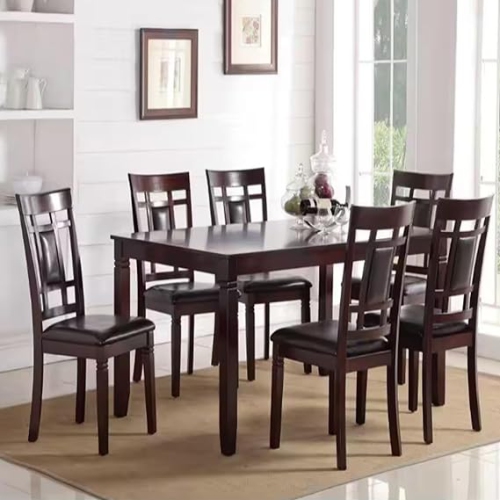
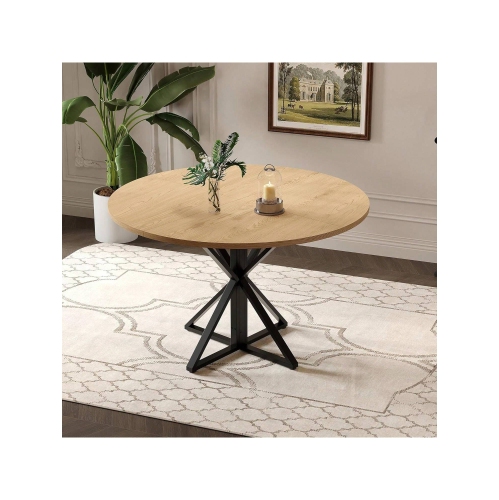




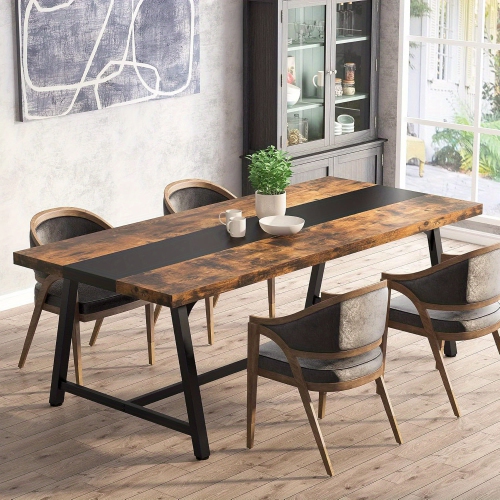

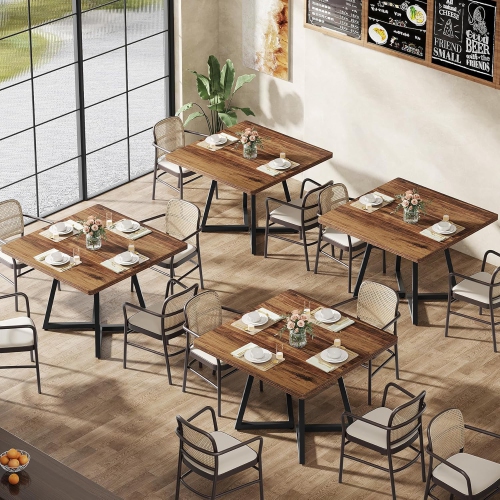
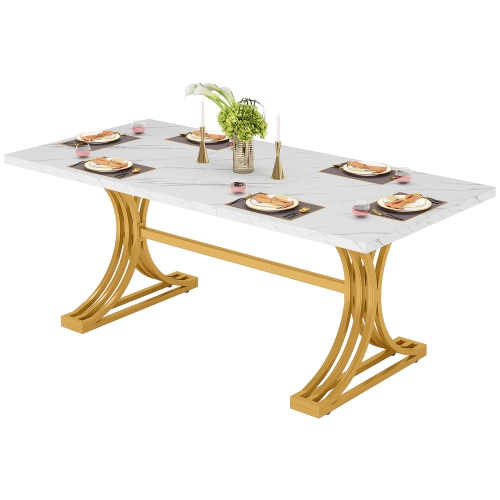

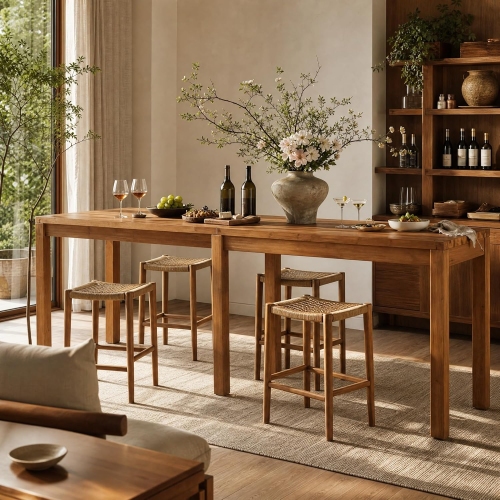


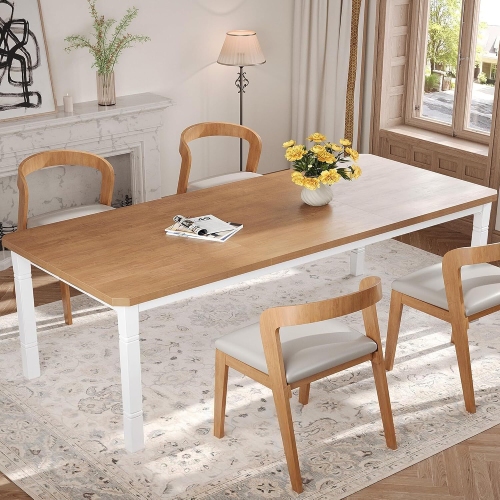


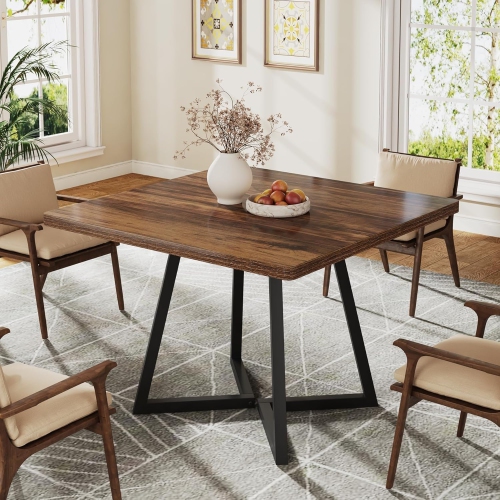

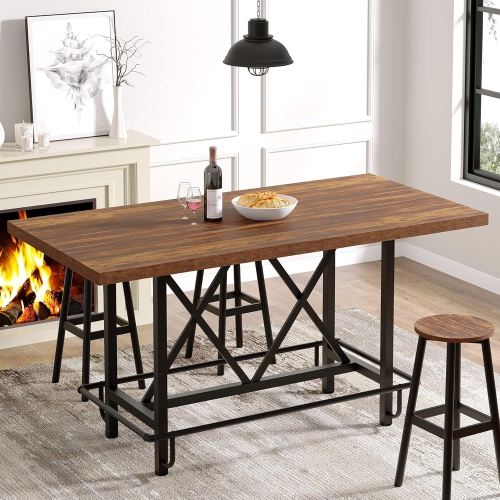
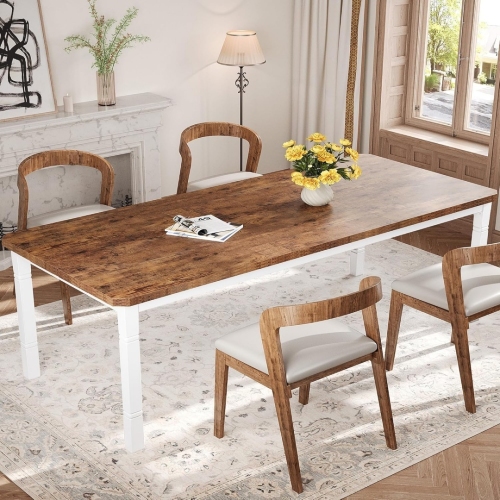
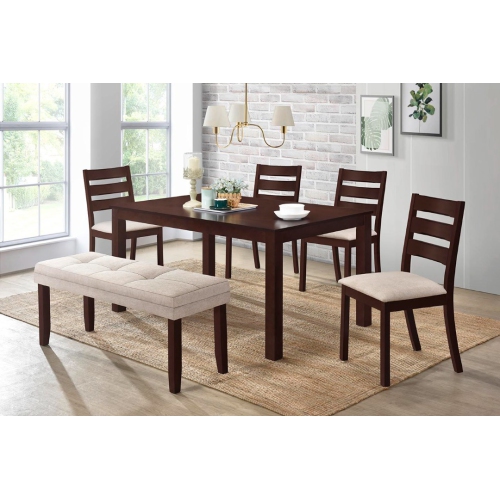
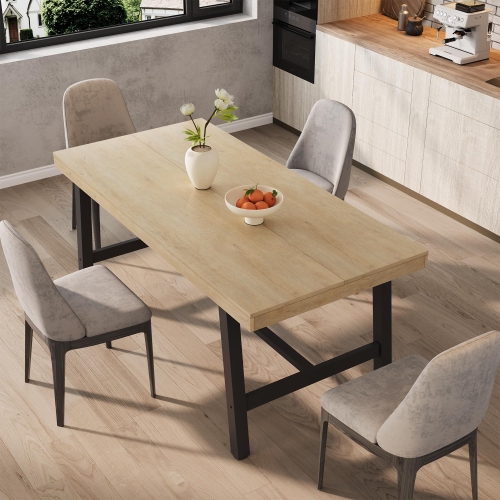

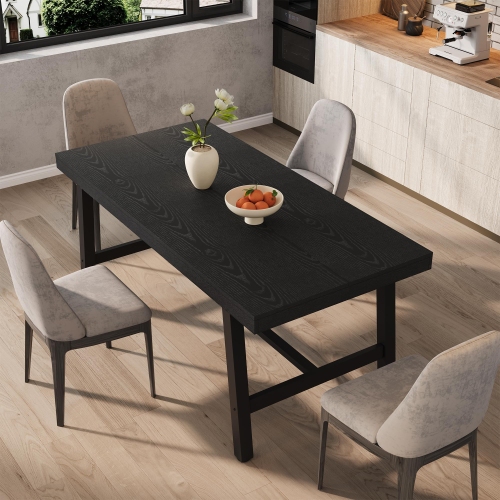

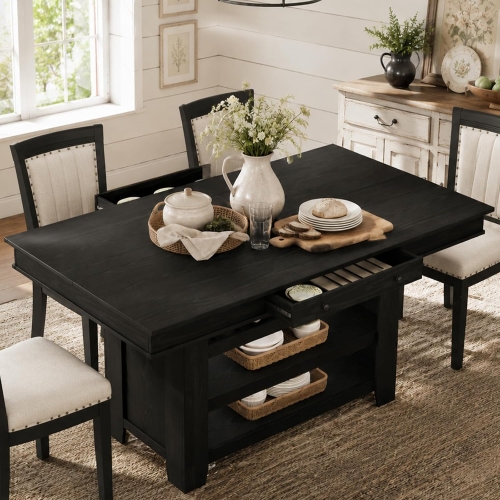

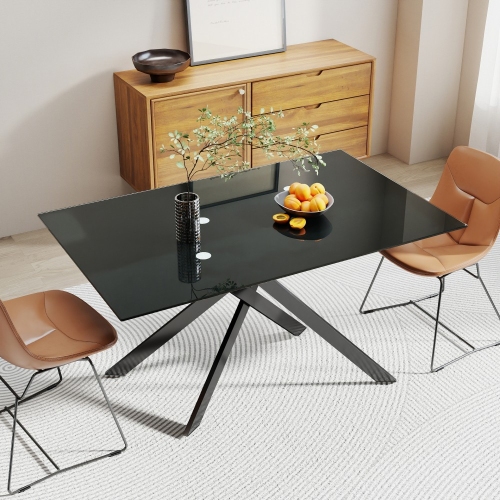
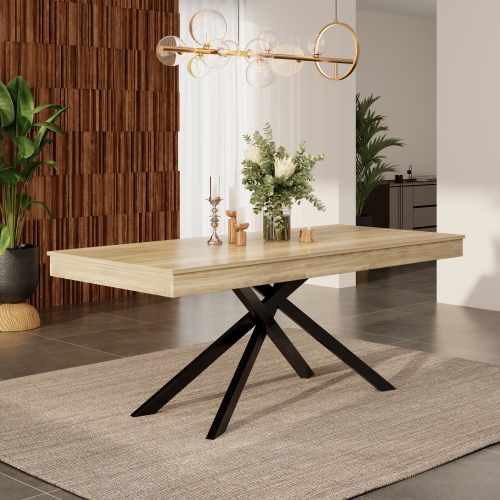
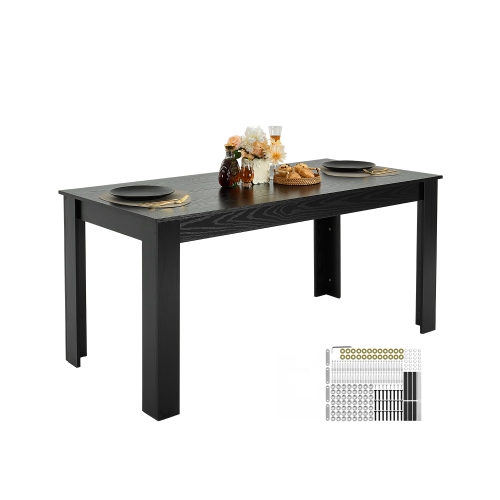
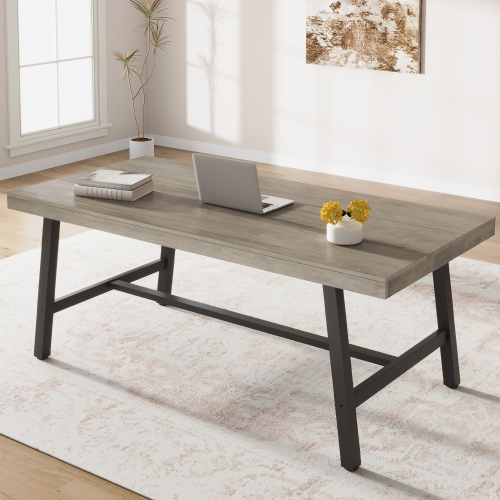
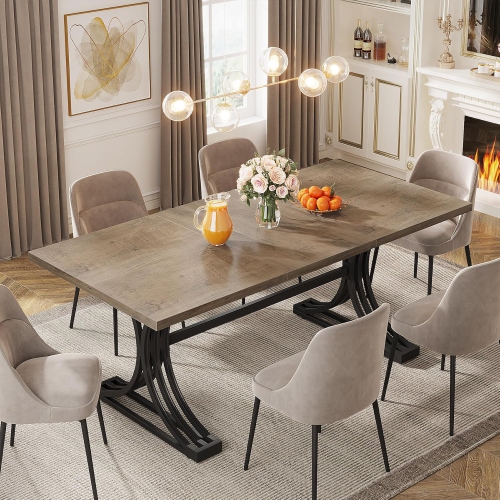
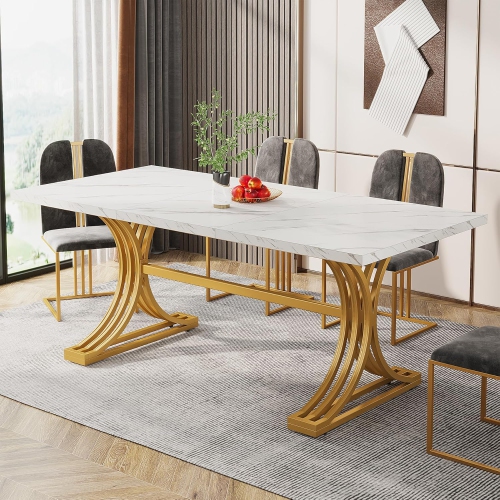
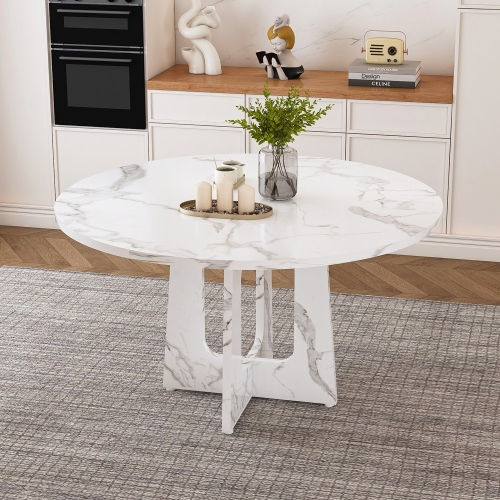

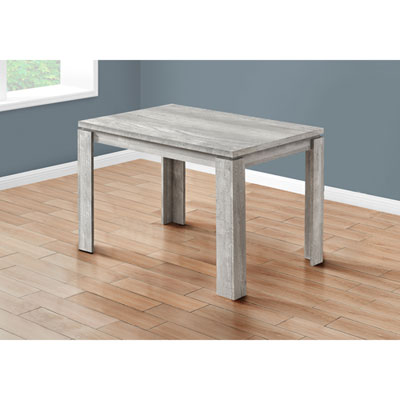

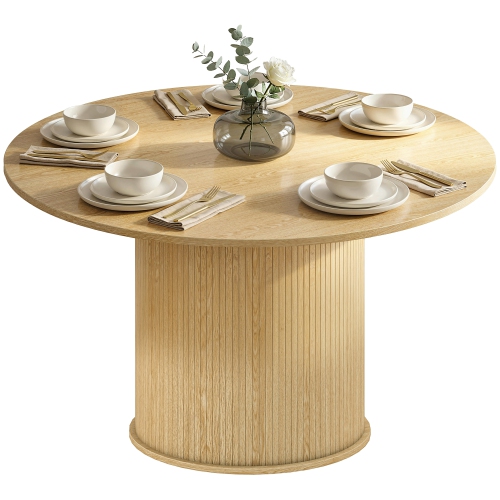

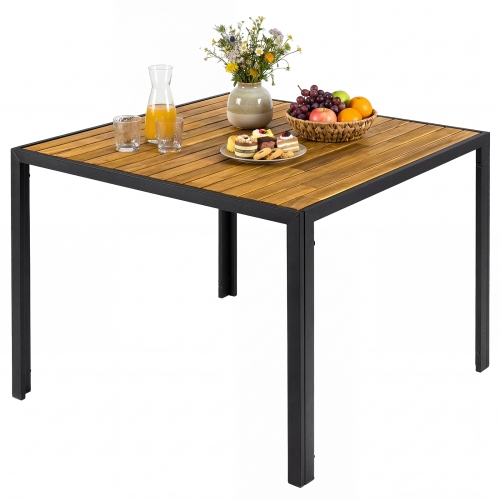
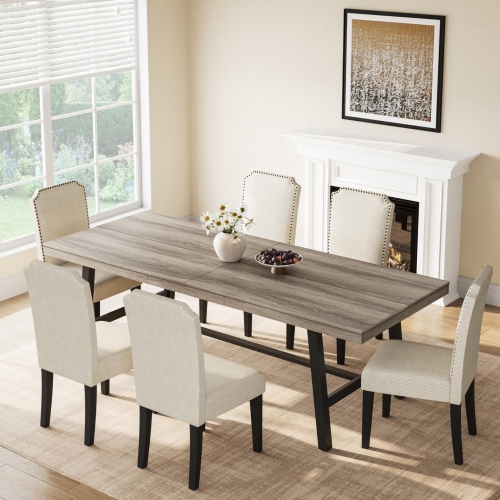
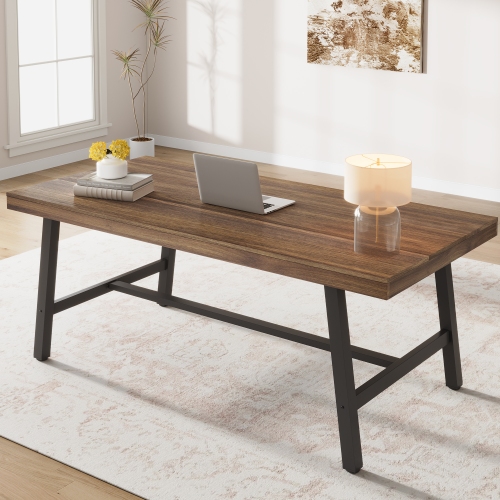




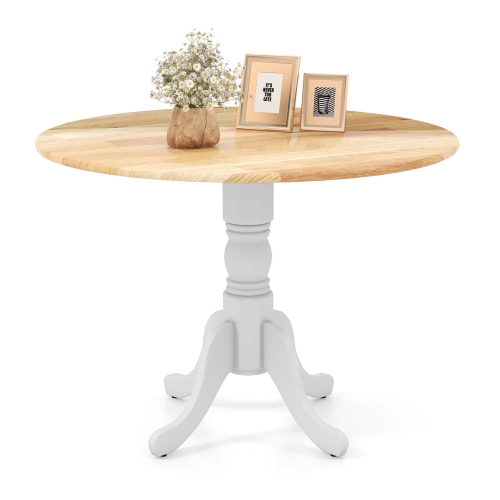

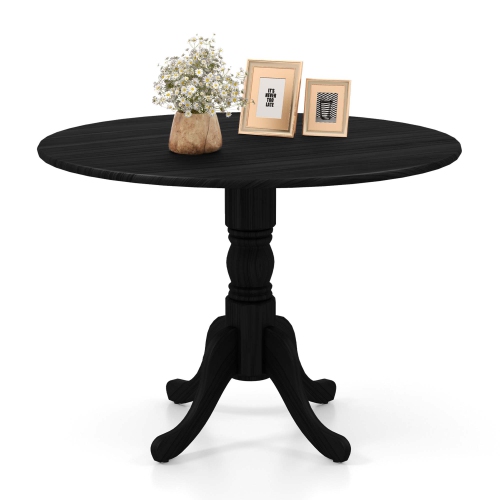

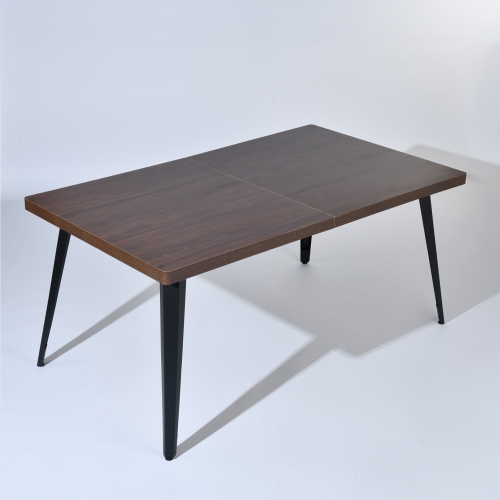
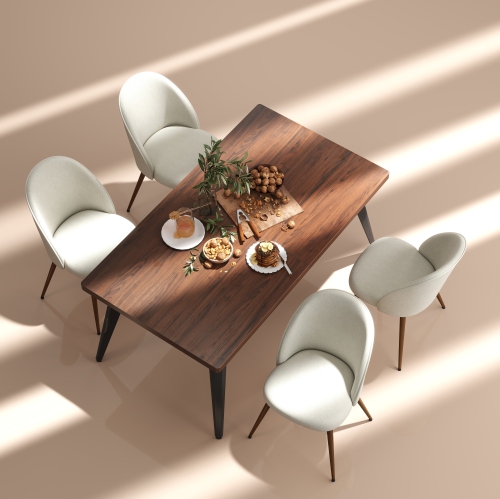

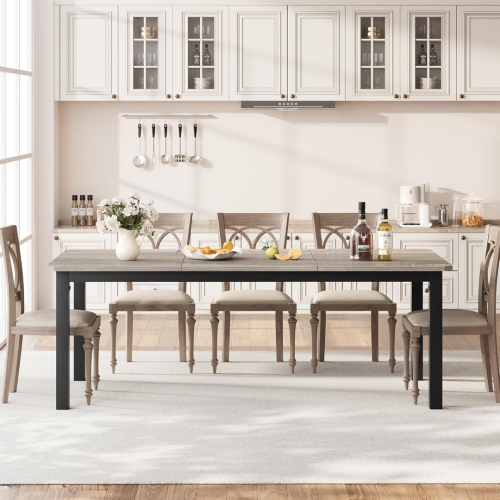


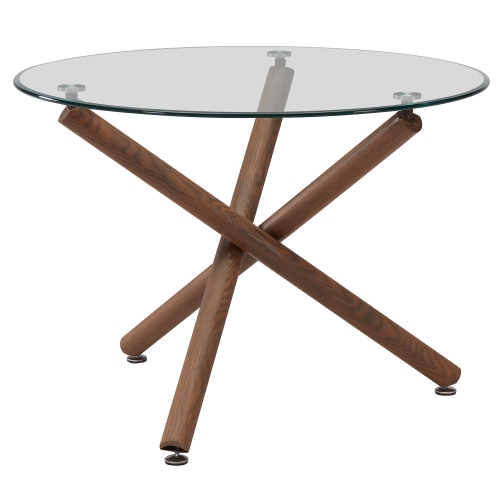
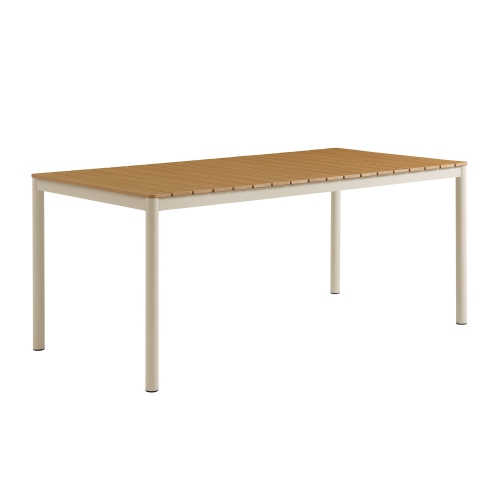
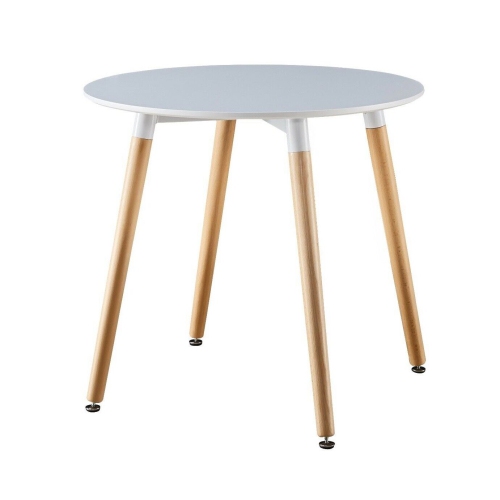

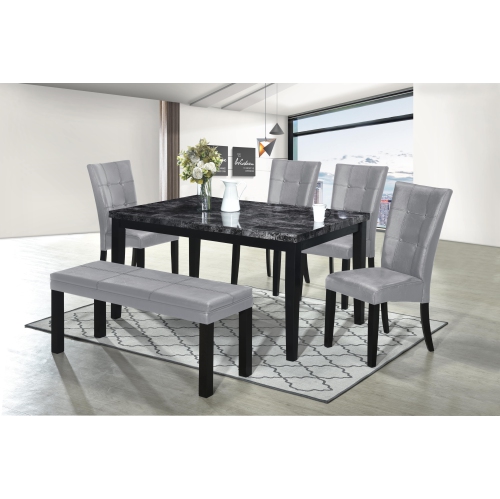


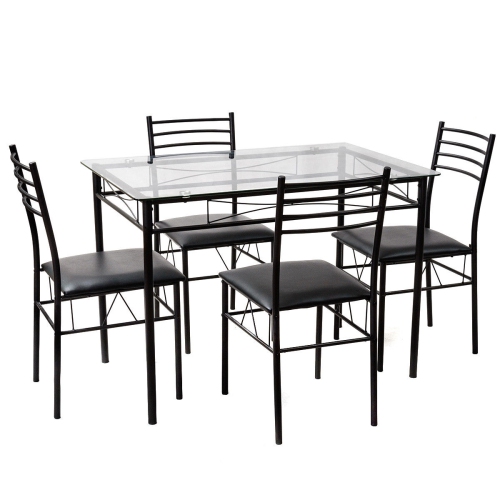
The details behind a table’s character and comfort
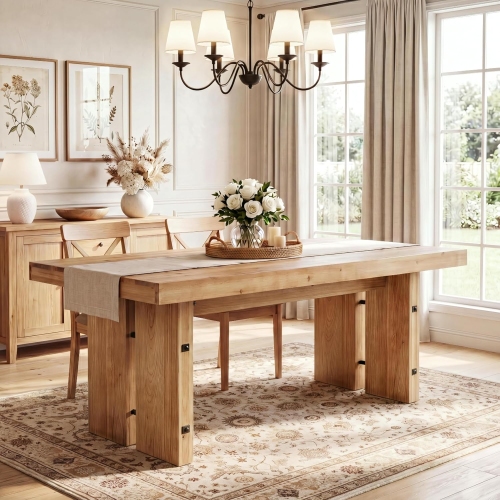
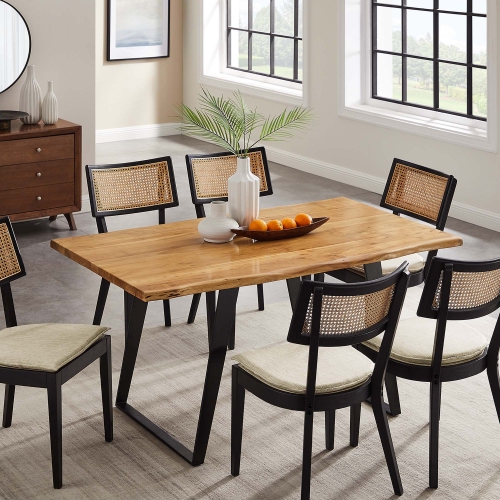
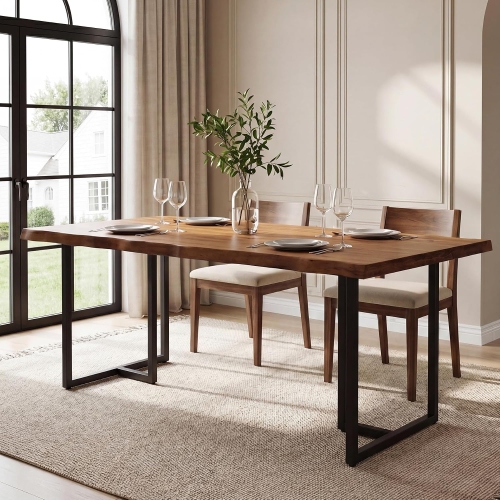
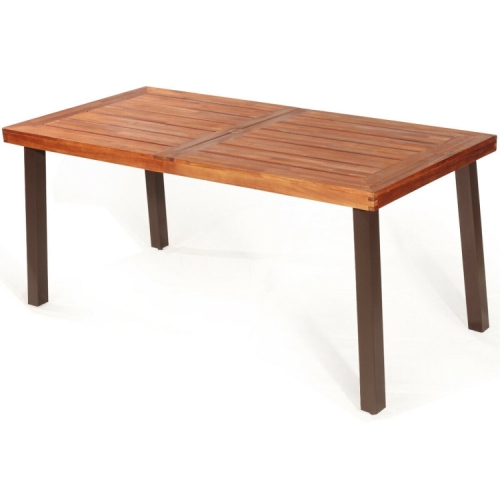
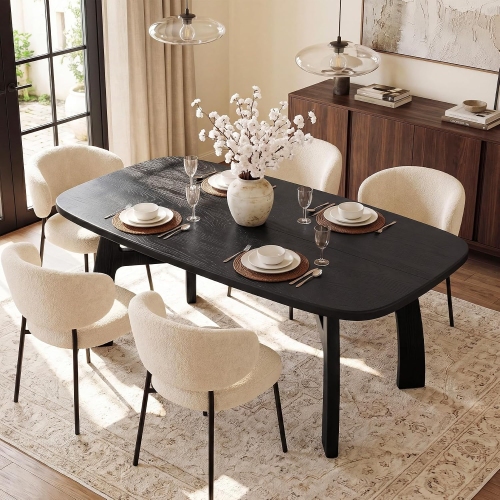
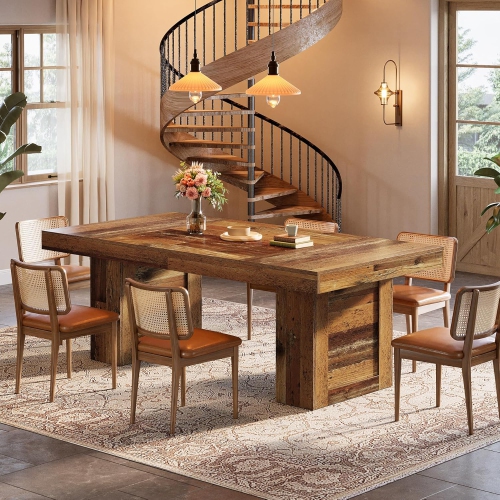
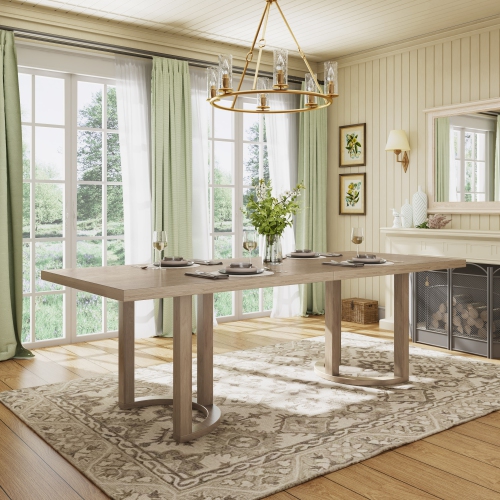
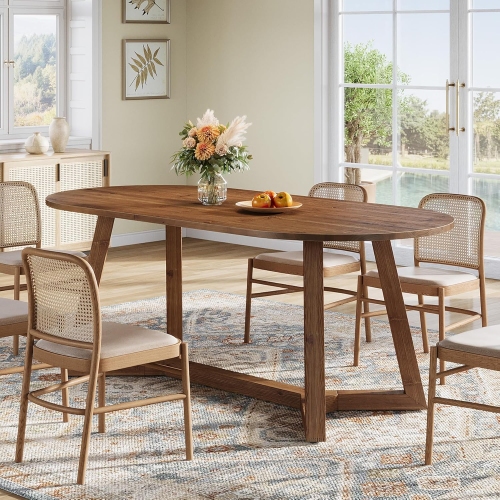
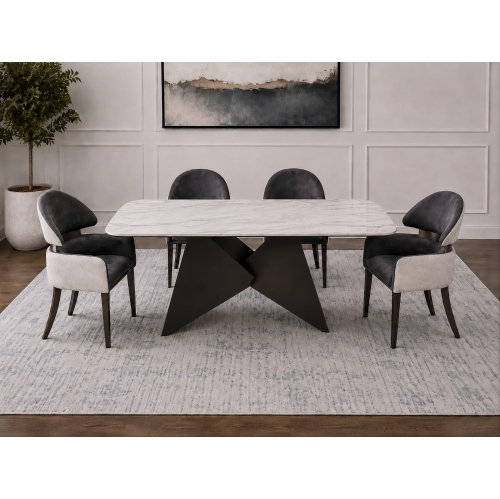
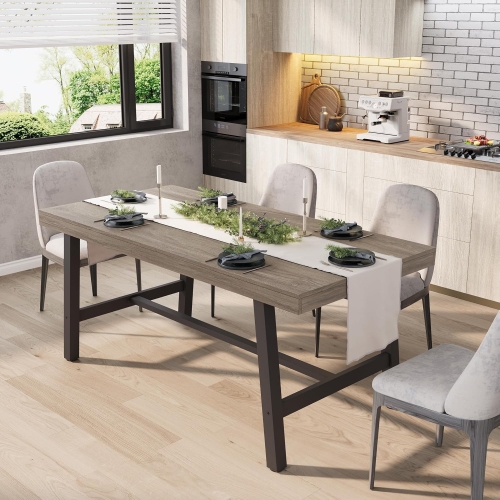
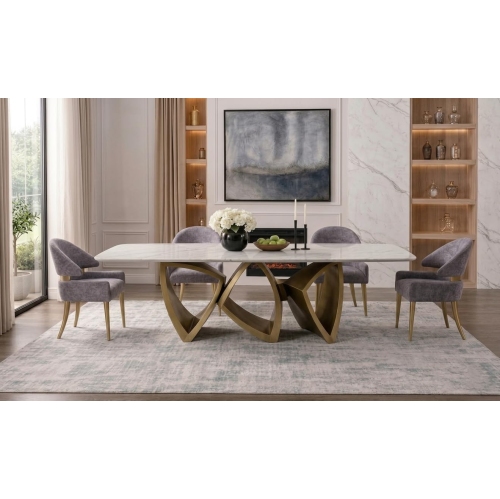
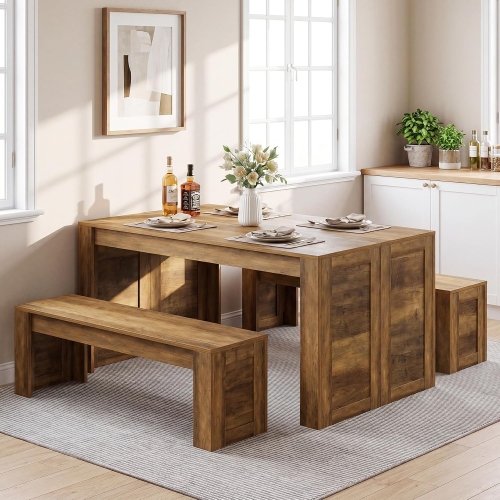
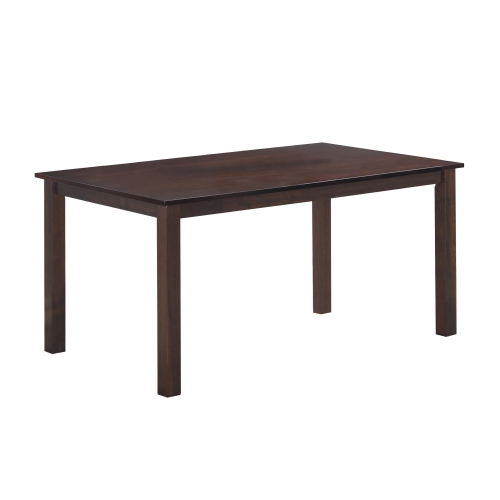
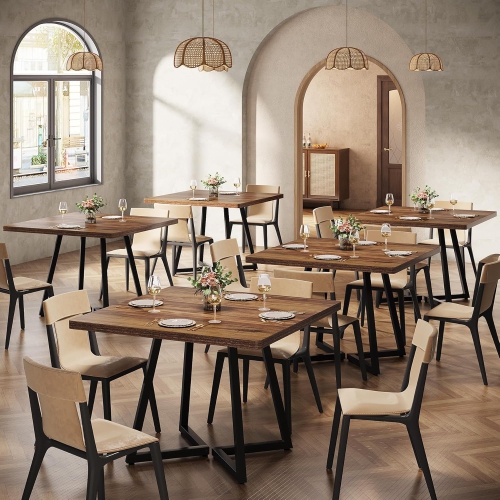
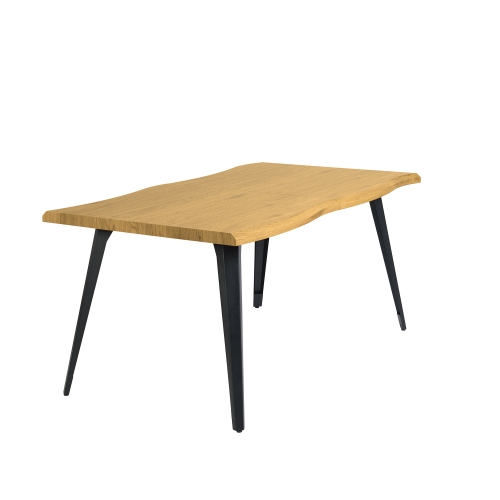
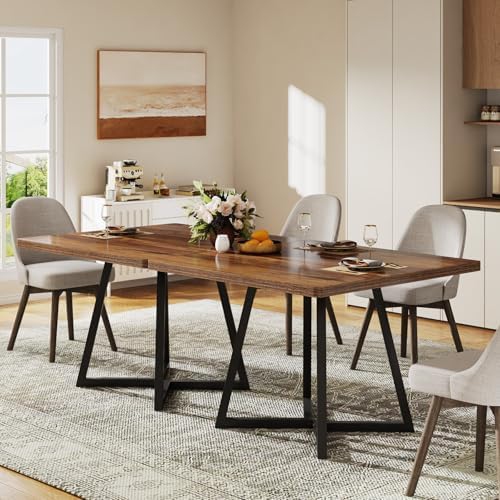
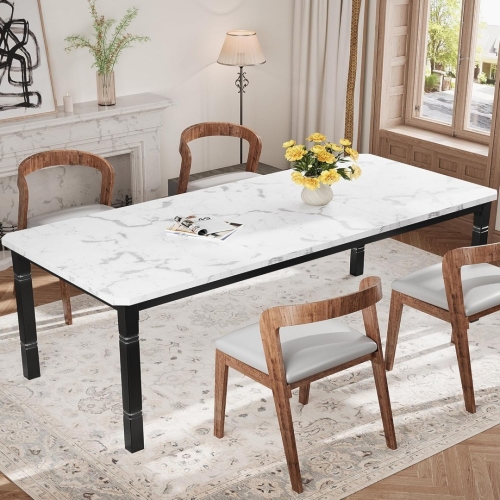
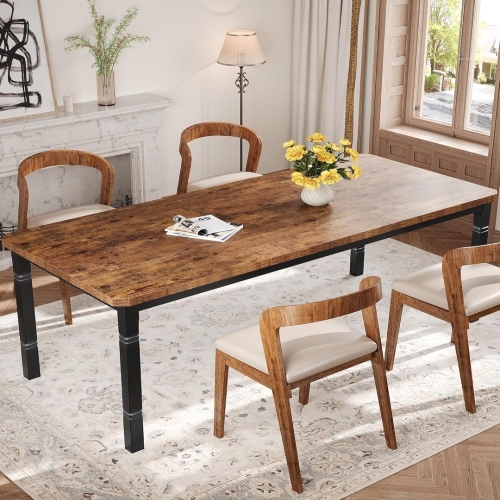
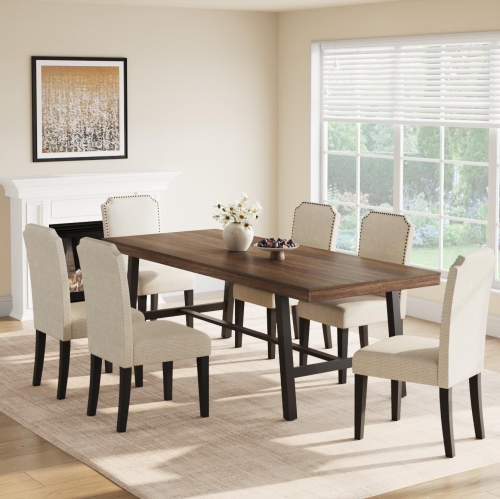
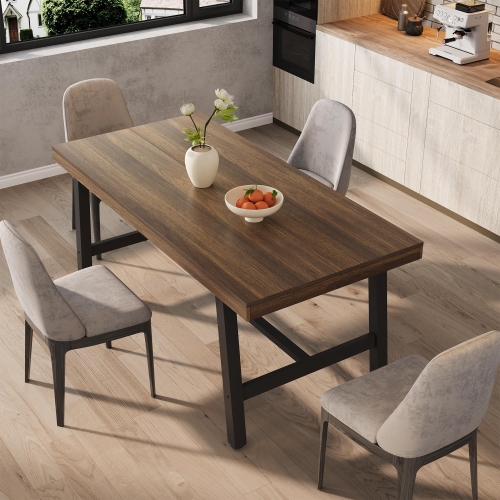
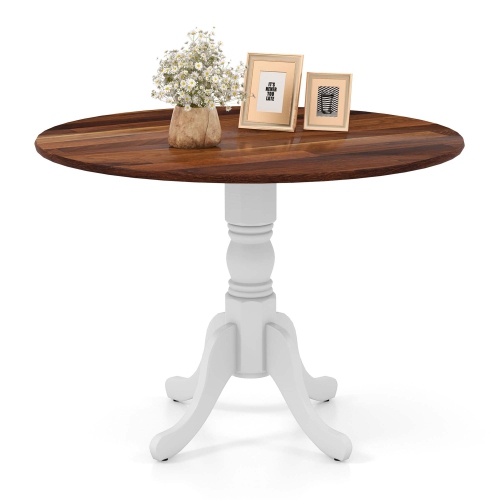
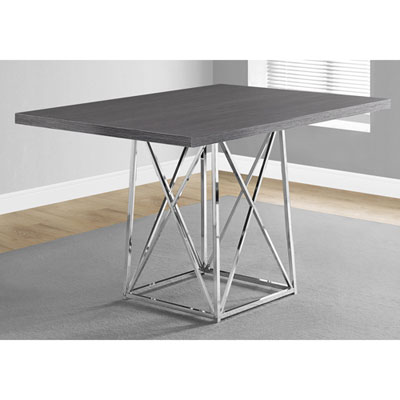
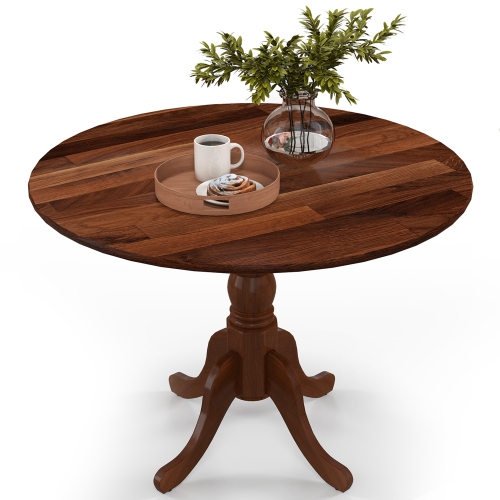
Handcrafted dining tables bring the character of their materials into a piece of furniture used every day. Grain that sweeps across a tabletop, a softly rounded edge, or the meeting point between a leg and an apron can give a table its individual appearance without making it feel overly decorative. The amount and type of handwork vary, from shaping and joinery to surface preparation and finishing, so the appeal lies in the construction details as much as the overall style. Solid wood is a familiar choice, with oak often showing pronounced grain, maple offering a finer, more even texture, and walnut lending rich brown tones. Knots, colour variation, and grain patterns may be part of the intended look, particularly on rustic designs or tops made from wide boards. A more uniform surface can suit a tailored dining room, while visible joinery and textured wood bring a relaxed quality to an open kitchen. Veneered construction can also offer distinctive grain patterns, though its thinner wood surface calls for different refinishing expectations than solid wood. Mixed-material designs introduce other possibilities: a wood top with metal legs can feel visually lighter than a substantial trestle base, while stone or glass surfaces create a different balance of texture and weight. The finish changes the experience, too. A matte surface tends to keep attention on the material, while a more polished finish catches light and makes the tabletop a stronger focal point. Live edges, straight edges, turned legs, and sculpted bases each influence how formal or casual the table feels. Coordinating a dining table with Handcrafted Furniture elsewhere in the home does not require every wood tone to match; repeating a curved profile, a metal detail, or a similar finish can create a connection. The result can be a dining space with a consistent feel that still leaves room for individual pieces to stand out.
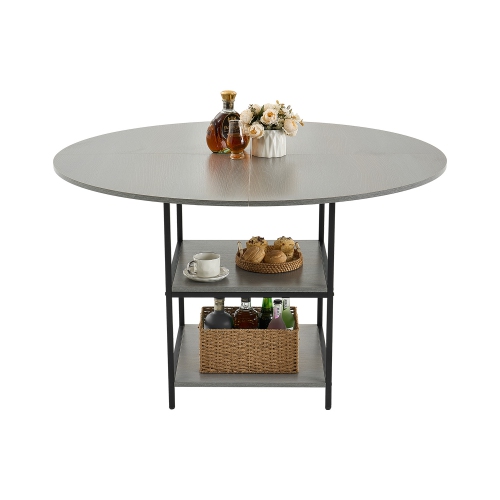
The right proportions help a handcrafted dining table feel comfortable long after its first impression. A rectangular top often makes good use of a long room and provides a clear arrangement for larger gatherings, while a round table encourages conversation across the whole surface. Oval designs offer some of the length of a rectangular table with fewer corners along busy walking routes, and square tables can work well in compact, evenly proportioned dining areas. Seating capacity depends on more than tabletop length: leg placement, chair width, and the depth of the apron all affect how much usable space each person has. Roughly 24 inches of width per diner is a useful starting point, with more room allowing for wider chairs or generous place settings. Around 36 inches between the table edge and a wall or nearby furniture can make pulling out a chair more comfortable, while a route used regularly may need additional clearance. A pedestal base can free up space around the perimeter, although the base itself still needs to leave room for feet. Trestle supports and corner legs create different seating arrangements, especially when an extra guest joins at the end. Chairs with arms need enough clearance beneath the tabletop and apron, and a bench needs space to slide in without catching on the supports. Extendable designs suit households that move between everyday meals and larger gatherings, provided the room can accommodate the table at its full length and any separate leaves have suitable storage. Tabletop depth matters when shared serving dishes sit between place settings, or when the same surface hosts homework, puzzles, and meals. In an open-plan home, a table also helps define the dining area without a physical divider. A substantial base can anchor a large space, whereas a slimmer profile may sit more easily within a smaller room. Delivery access deserves the same attention as floor space, since a wide top or a fixed base must pass through doorways, stairwells, and tight turns before reaching its place.
Durability comes from the relationship between materials, construction, finish, and daily use rather than from appearance alone. Well-fitted joints and a stable base matter when a table is used for family meals, school projects, or evenings spent around a board game. A thick tabletop may look substantial, but thickness by itself does not establish how well the whole piece is built. Wood hardness can influence resistance to dents, while the surface finish plays an important role in protection against spills and everyday marks. Even a durable finish benefits from placemats, coasters, and trivets, particularly beneath hot cookware or dishes with rough undersides. A soft cloth and cleaning method suited to the finish help preserve the surface; standing water, abrasive pads, and harsh cleaners can cause damage. Oil, wax, lacquer, and other finishes have different maintenance needs, so the maker’s care directions are more useful than a single routine applied to every table. Some surfaces may be suitable for periodic refinishing, while others need a more limited approach to repairs. Wood can also respond to moisture changes, and small shifts in grain or subtle surface movement do not necessarily indicate a fault. For households with young children, rounded edges and an easy-to-maintain finish may carry more weight than intricate detailing. For frequent hosts, dependable extension hardware and a base that remains steady at full length can make a meaningful difference. Felt pads help protect floors when furniture is moved, and checking assembly fasteners as directed can help maintain stability. A dining table chosen for a first home, a shared household, or a long-planned dining room refresh needs to suit the routines around it. The most satisfying handcrafted tables offer more than a distinctive silhouette: they provide enough space for elbows and serving bowls, a comfortable place to linger, and materials whose character remains appealing through regular use.
Top selling and popular products
-
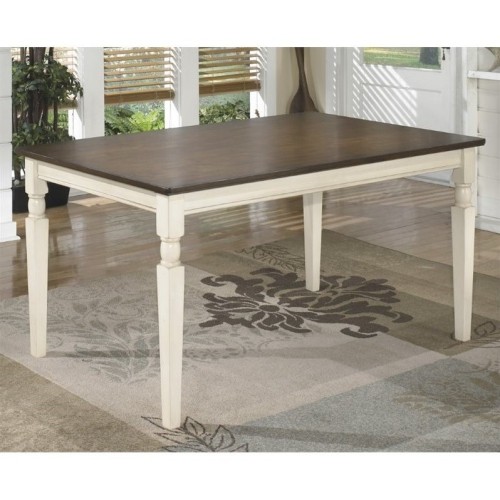 Your price for this item is $399
-
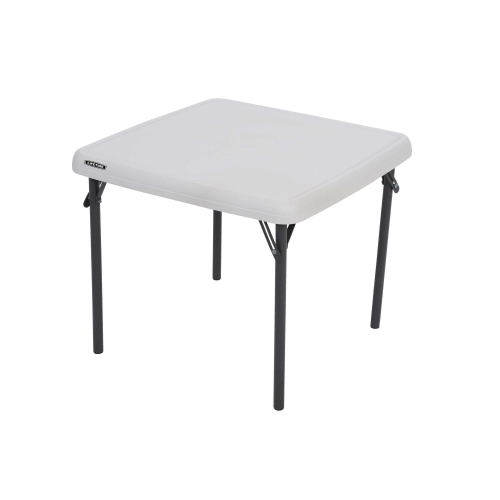 Your price for this item is $71.99
-
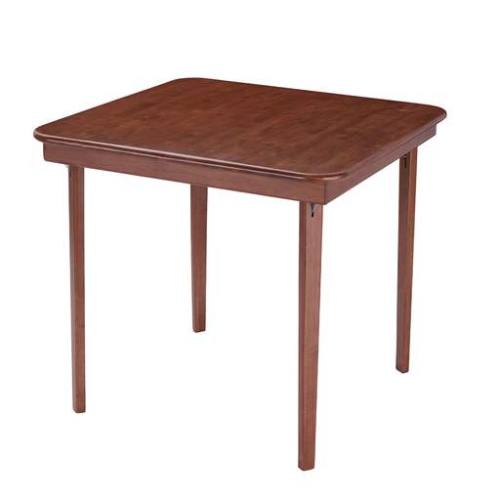 Your price for this item is $323.99
-
 Your price for this item is $763.99
-
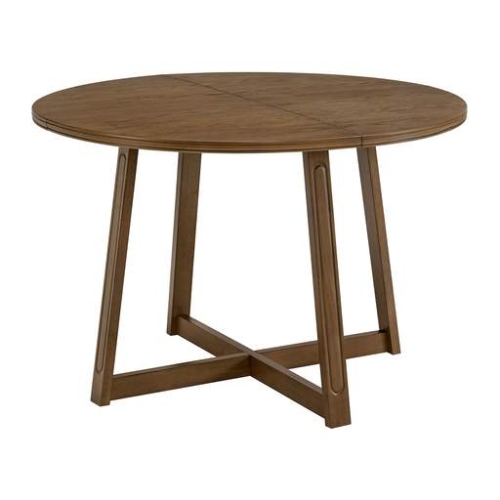 Your price for this item is $627.99
-
 Your price for this item is $304.99
-
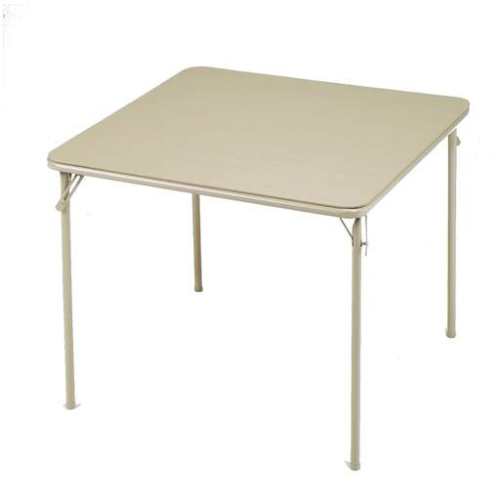 Your price for this item is $190.99
-
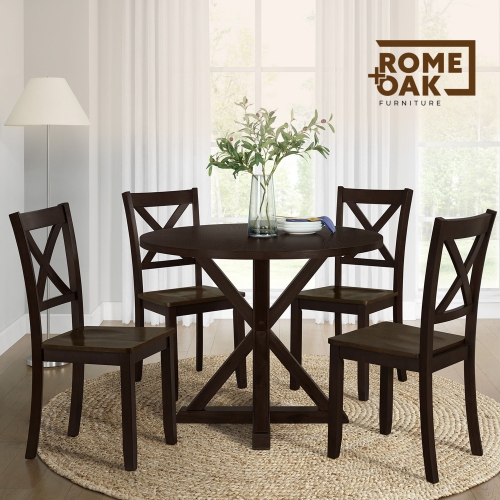 Your price for this item is $651.99
Discover more categories related to Handcrafted Dining Tables

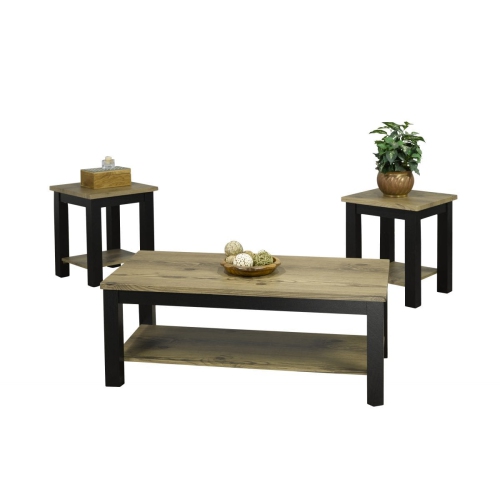
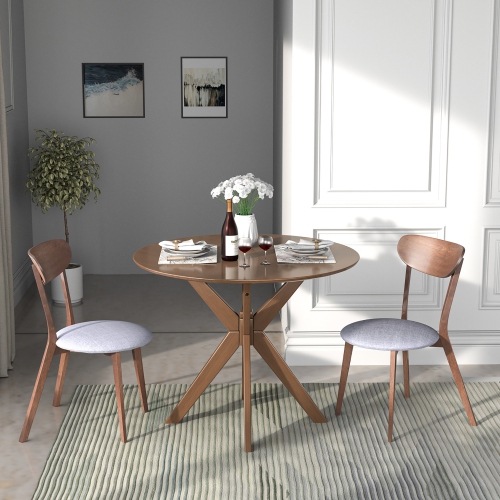
Top Collections:
Pokemon Centers, Kindle Devices, Best Cameras for Sports Photography, Pokémon 30th Celebration Cards, Apple iPhones 16, Canon G7X Cameras, iPhone 15 Apple, Flip Phones, Samsung Galaxy Phones, Alarm Clock
Some products may be subject to Environmental Handling Fees
(EHF) depending on your province.
Learn more about EHFs.