Hanging Balcony Tables
Transform your balcony into a stylish and functional oasis with our selection of hanging balcony tables. Perfect for maximizing your outdoor space, these versatile tables provide a convenient surface for enjoying your morning coffee, working on your laptop, or simply relaxing in the fresh air. Crafted with durable materials and space-saving designs, our range of hanging balcony tables offers a blend of practicality and elegance to elevate your outdoor living experience. Explore our collection today and discover the perfect addition to your urban retreat.
Sort


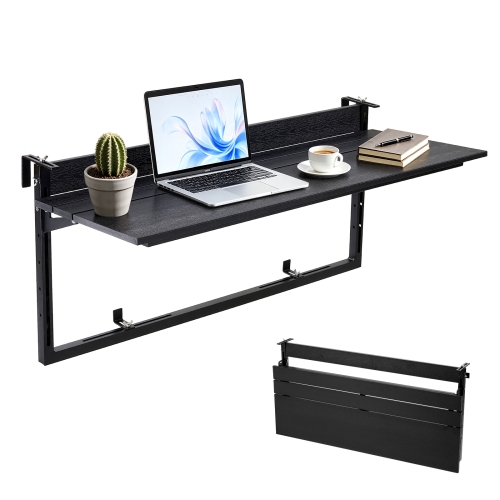

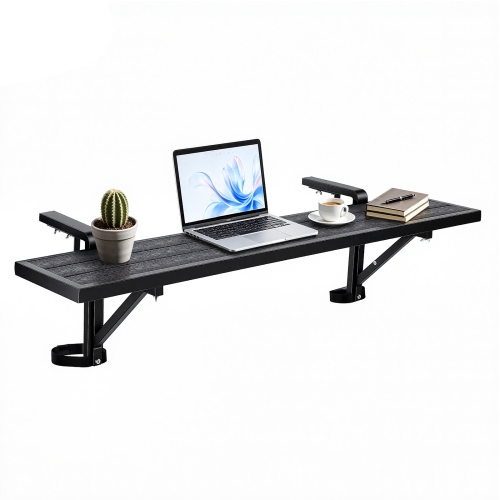


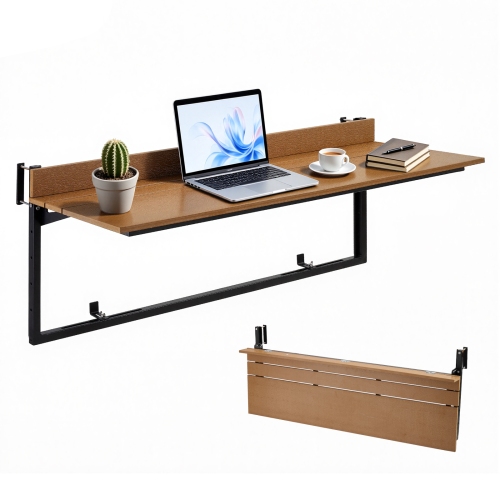
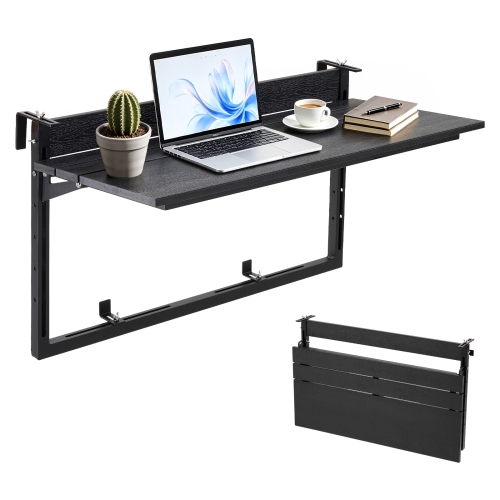


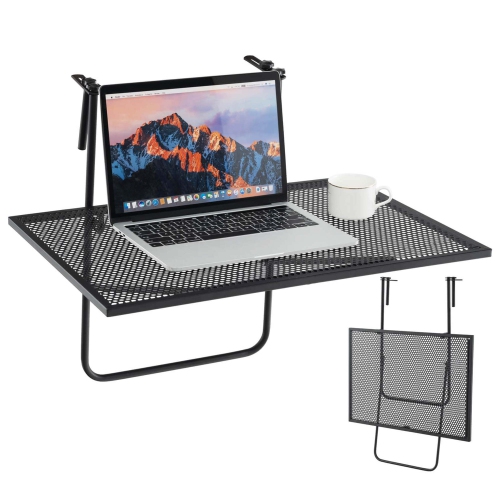



Room for breakfast without a bulky table base
Hanging balcony tables attach to a suitable balcony railing to create a useful surface without taking up the floor space required by a conventional table base. Their compact design makes them a practical choice for apartment balconies, condo outdoor spaces, and narrow terraces where every step of clearance matters. A tabletop supported by railing brackets can provide room for breakfast, a book and a cup of tea, or a small meal for two, depending on its dimensions and rated capacity. Many designs use adjustable hooks or clamps rather than a permanent installation, although attachment methods and requirements vary. Foldable hanging balcony tables offer another space-saving feature: the surface lowers against the railing when it is not needed, leaving more room to move around chairs or reach the balcony door. Fixed-top designs keep a surface ready for everyday use, while adjustable-height designs can help position the tabletop to suit compatible seating. The difference is noticeable in a small space: a table that suits a low lounge chair may sit too low for comfortable dining, while a high railing-mounted surface may require a taller seat. For layouts centred on raised seating or a counter-style dining area, Balcony Bar Tables offer a related furniture category to explore. Hanging tables are particularly useful for people who want a dedicated place to set a plate without rearranging their entire balcony. They can also suit renters when the mounting method is permitted by the property owner and does not damage the railing. As a housewarming gift, this type of furniture makes the most sense when the recipient’s railing dimensions, building rules, and seating arrangement are known. A compact tabletop can make a modest balcony feel more usable, but its value comes from matching the way the space is actually used, whether that means quiet solo breakfasts or an extra surface beside a favourite chair.
Railing compatibility is the most important fit consideration for a hanging balcony table. An adjustable bracket does not necessarily fit every railing, and the width of the top rail is only one part of the measurement. Its thickness, profile, and the structure beneath it can all affect how securely the mounting hardware sits. Round metal rails, rectangular wood rails, broad capped rails, and glass-panel systems present different attachment conditions; compatibility with one should not be taken as approval for another. The table manufacturer’s stated fit range and mounting instructions should match the actual railing, and the railing itself must be suitable for the added load. A decorative cap or glass panel should never be assumed to be a safe attachment point. Brackets may need room below the top rail for a support arm or levelling mechanism, so closely spaced details, wide ledges, and projecting trim can interfere even when the top measurement appears correct. Tabletop depth matters just as much in daily use. A shallow surface may comfortably hold a cup and a small plate, while a deeper top offers more dining room but extends farther into the balcony. Measuring the space with chairs pulled out and the door fully open gives a more realistic sense of clearance than measuring an empty balcony. Foldable designs also need unobstructed room to open, close, and lock into their intended position. Rounded corners can be helpful along a narrow walking route, and a level surface helps keep dishes from sliding. Weight capacity varies by design and should come from the manufacturer rather than assumptions based on appearance. That limit includes everything placed on the table, with weight distributed as directed; a heavy planter can use much of the allowance before anything else is added. These tables are not seats, steps, or supports for leaning. Installation should keep the tabletop on the inside of the balcony where specified, without obstructing exits or creating a climbing aid for children.
Materials influence both the appearance of hanging balcony tables and the attention they need over time. Powder-coated steel can provide a firm, substantial feel, but the finish needs to remain intact to help protect the metal underneath. Scratches, worn edges, and exposed hardware deserve attention according to the care instructions, particularly where moisture can collect. Aluminium is generally lighter to handle and resists rust, though its finish and fasteners still require appropriate care. Wood brings visible grain and a warmer furniture-like character to a balcony setting, with maintenance depending on the wood species and protective finish. Some wood surfaces need periodic treatment, while others are intended to develop a changed appearance with outdoor exposure. Resin and plastic tabletops are often straightforward to wipe clean, but their resistance to fading, staining, and surface wear depends on their construction. A slatted top allows water to drain through, whereas a smooth, continuous surface can be more convenient for a drinking glass, handwriting, or a computer mouse. Gaps between slats may call for a tray beneath smaller objects, provided it sits securely and does not overload the table. For occasional laptop use, a level top with enough depth for the device and comfortable arm positioning is more useful than a narrow ledge; electronics should stay protected from moisture and direct exposure. Routine care is usually easiest when spills are wiped promptly and dirt is removed with a soft cloth and a cleaner approved for the material. Harsh abrasives can damage finishes, while water left around hinges or bracket joints can contribute to wear. Moving parts and attachment points should be checked as directed, including after the table has been folded, removed, or reinstalled. If a table needs to be taken down for storage or unsuitable outdoor conditions, its weight and folded size affect how easy that task will be. Beyond material and maintenance, colour and shape help connect the table with existing chairs, flooring, and railings. A simple rectangular top can follow the railing’s straight lines, while a curved edge can soften the look of a compact seating area. The most useful hanging balcony table balances that visual fit with secure mounting, comfortable reach, and enough clear space to enjoy the balcony without feeling crowded.
Top selling and popular products
-
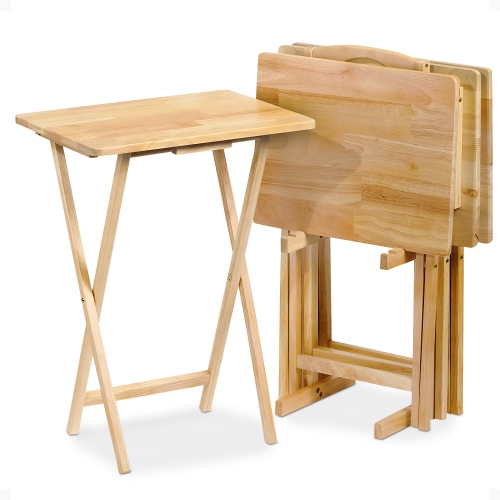 Your price for this item is $162.99
-
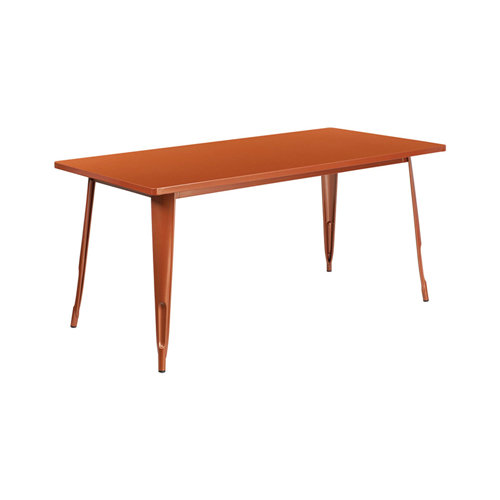 Your price for this item is $515.33
-
 Your price for this item is $115.99
-
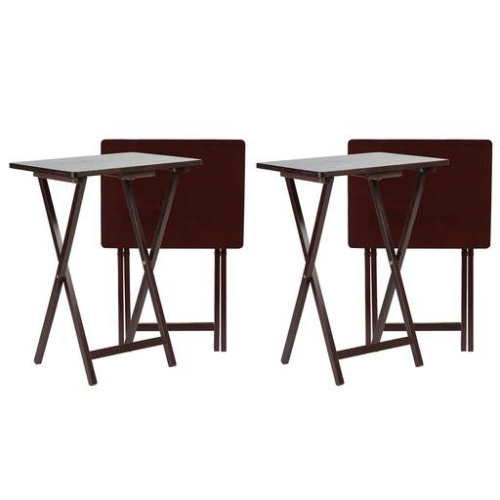 Your price for this item is $180.99
-
 Your price for this item is $149
-
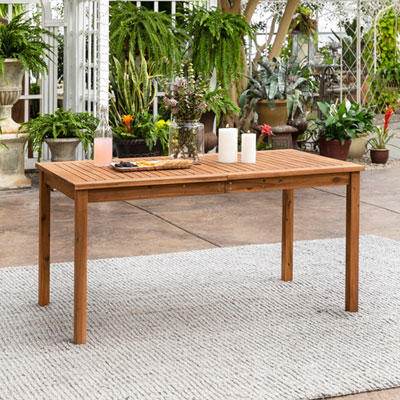 Your price for this item is $550.99
-
 Your price for this item is $259.99
-
 Your price for this item is $399.95
Discover more categories related to Hanging Balcony Tables
Top Collections:
Pokemon Centers, Kindle Devices, Best Cameras for Sports Photography, Pokémon 30th Celebration Cards, Apple iPhones 16, Canon G7X Cameras, iPhone 15 Apple, Flip Phones, Samsung Galaxy Phones, Alarm Clock
Some products may be subject to Environmental Handling Fees
(EHF) depending on your province.
Learn more about EHFs.