Hanging Fairy Lights
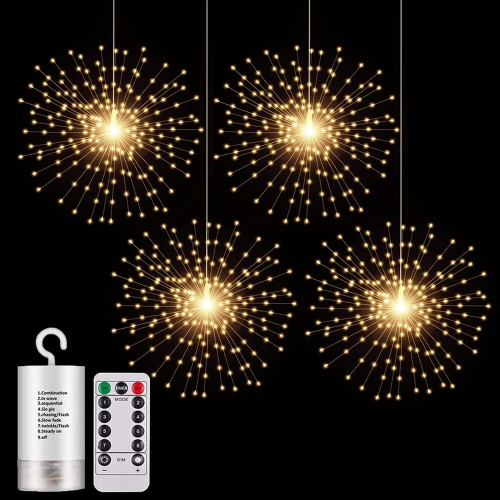
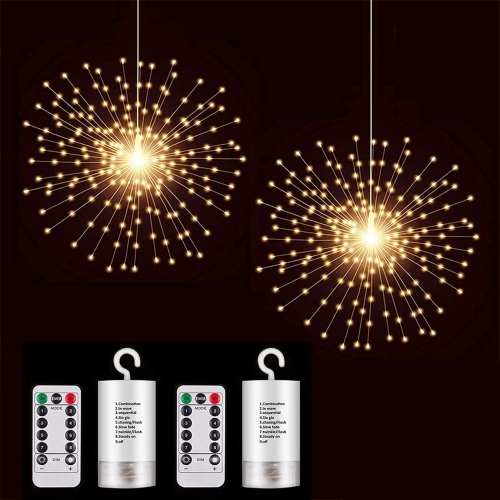
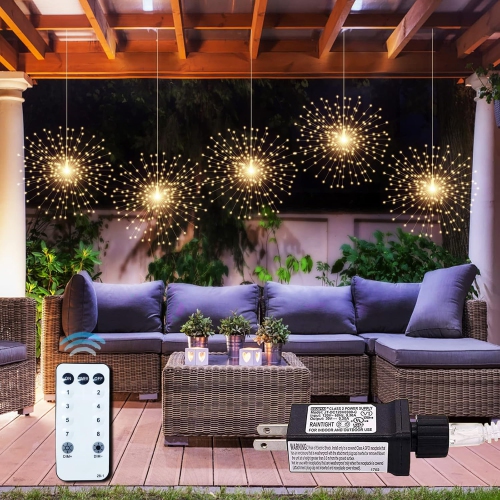
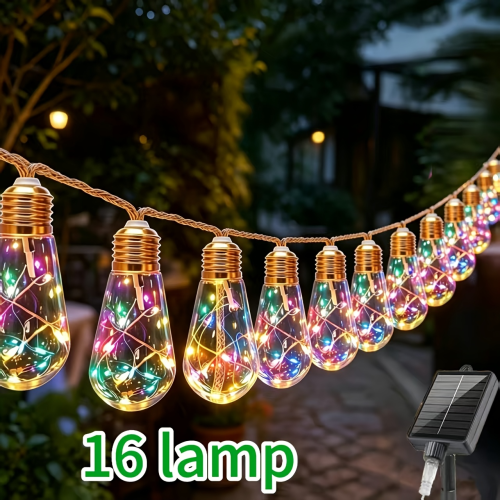
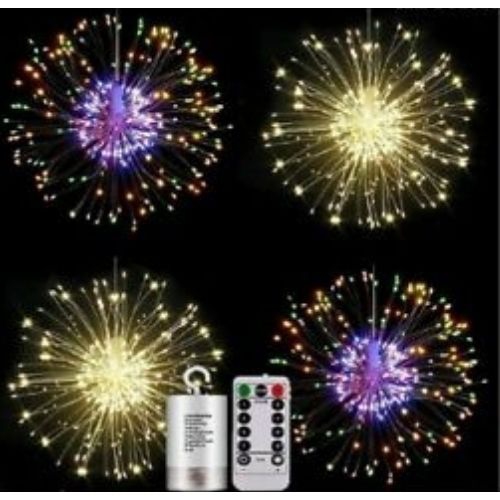
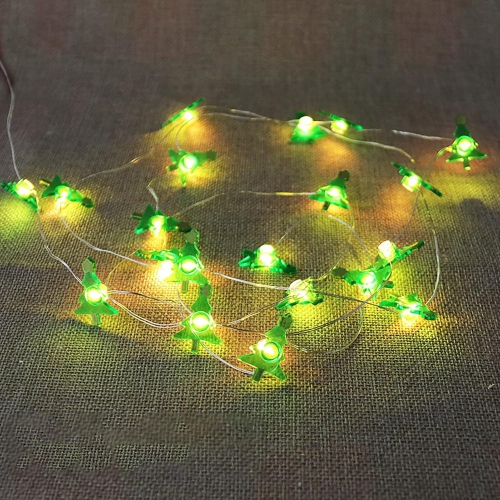
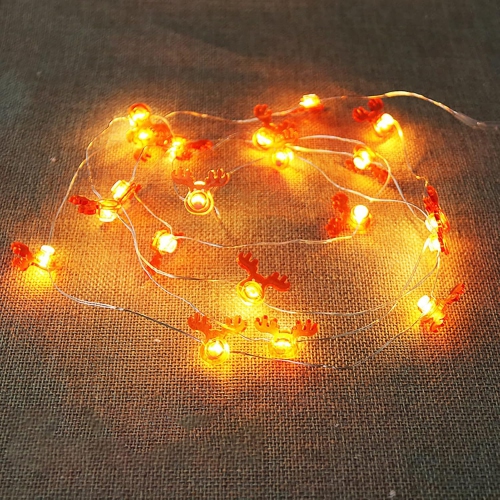
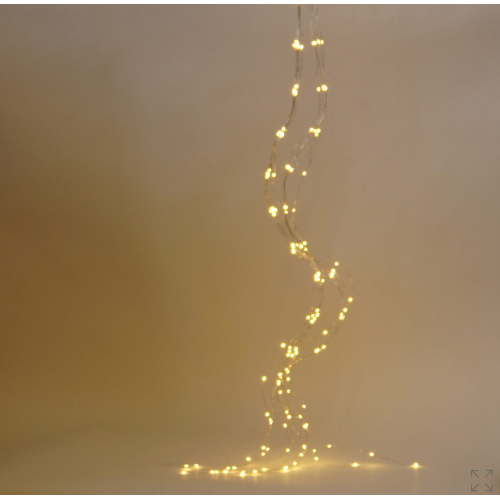
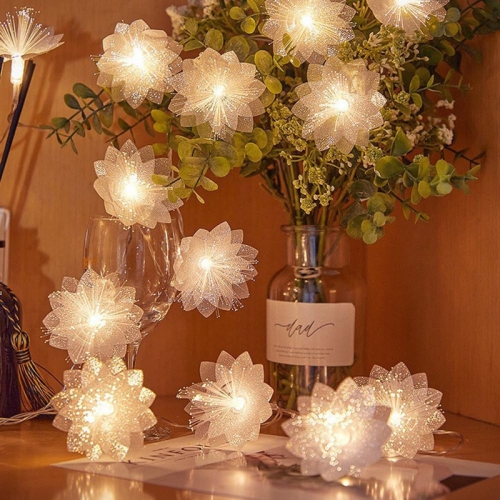
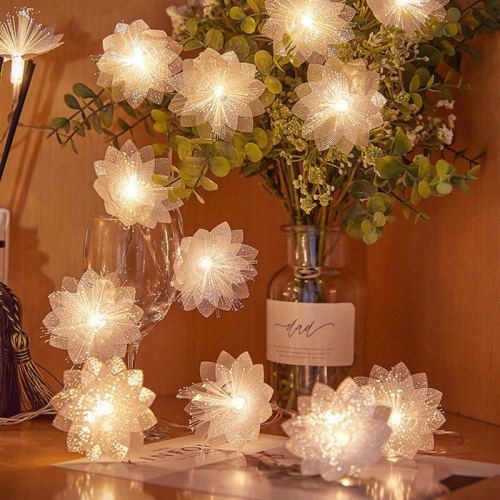
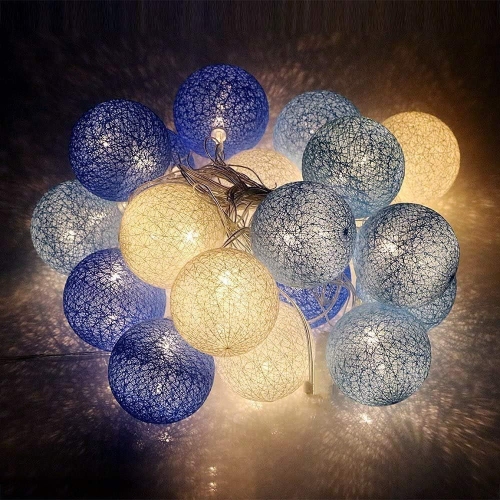
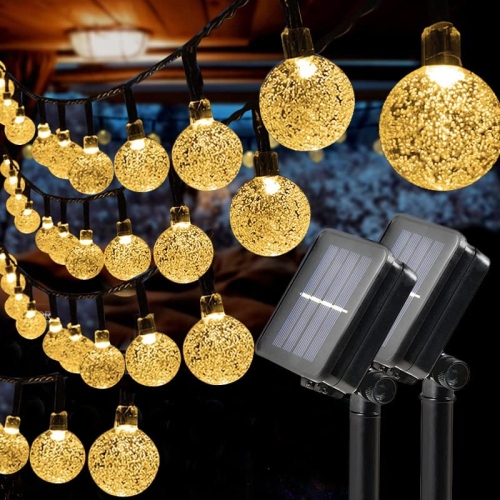
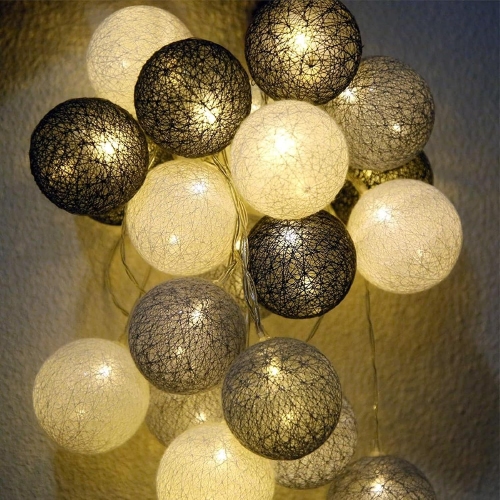
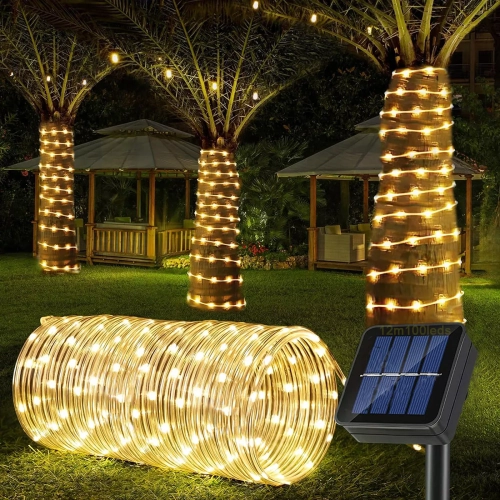
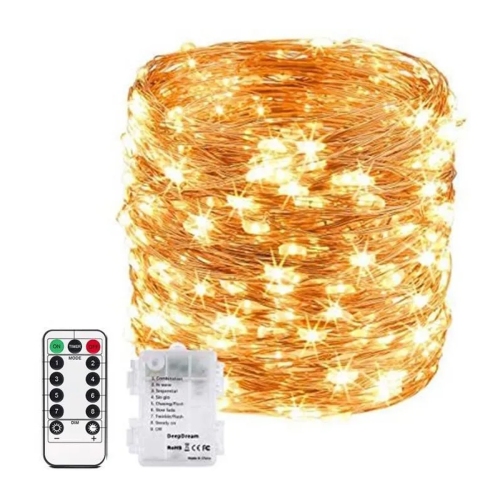
Transform any space into a magical wonderland with the enchanting glow of hanging fairy lights. Perfect for creating an inviting ambiance indoors or out, these versatile lights add a touch of whimsy to any setting. Whether you're looking to enhance your home décor, illuminate a garden party, or create a cozy nook for relaxation, fairy lights offer endless possibilities for creativity and style. Discover the charm and warmth that these delicate strands bring to your environment, making every moment feel special and memorable.
Sort
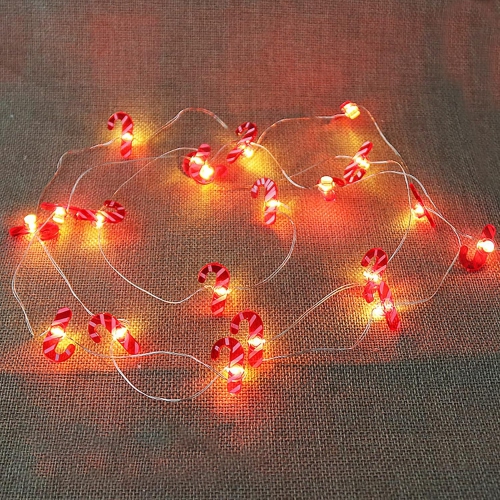
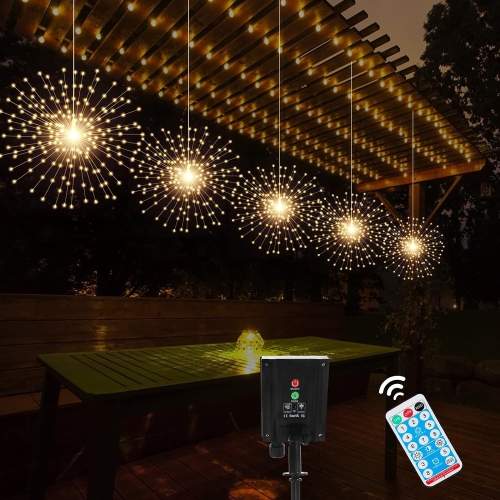
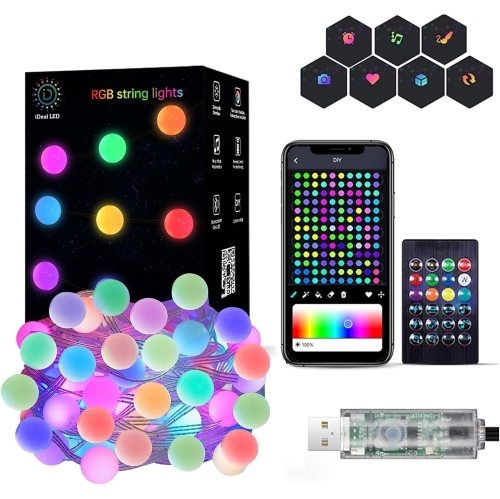

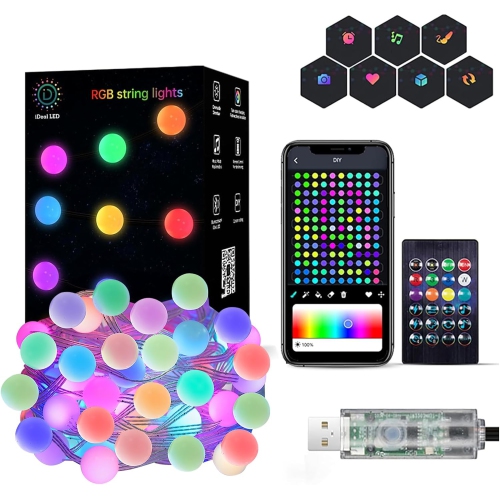
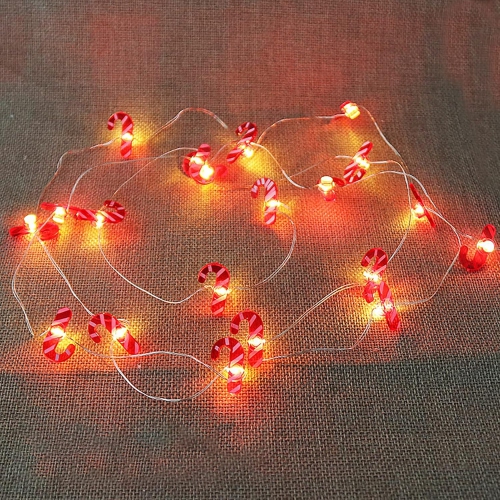

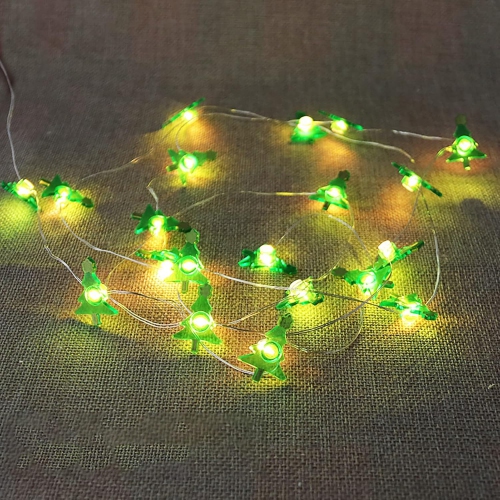
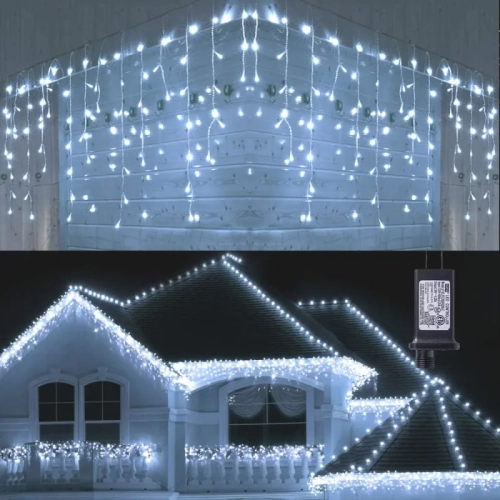
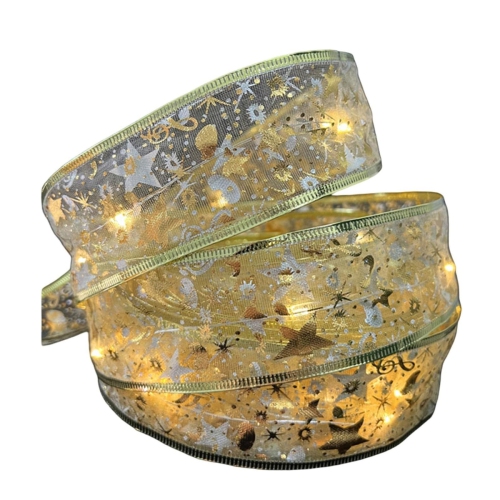
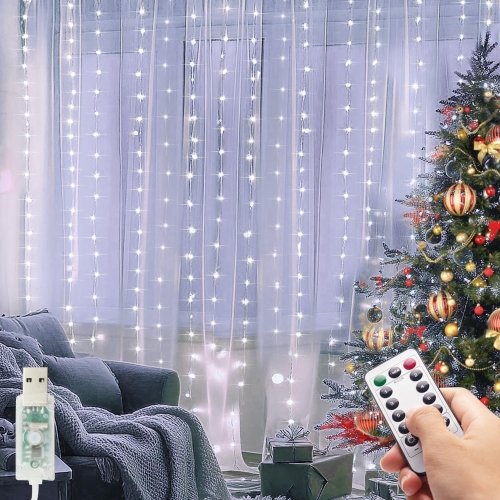
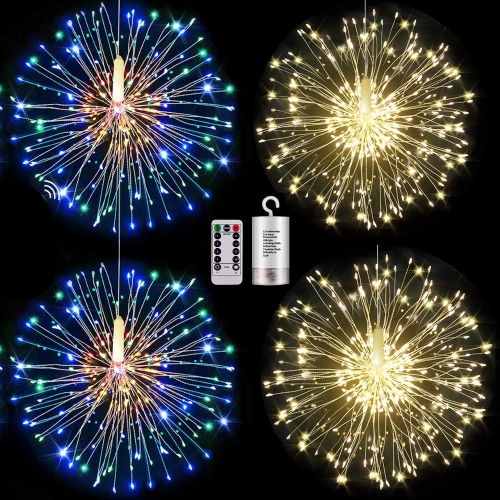
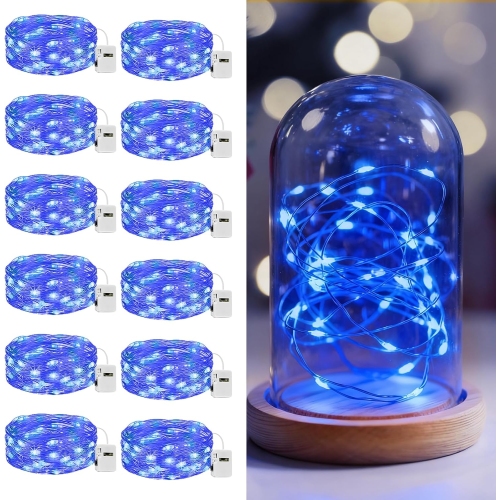
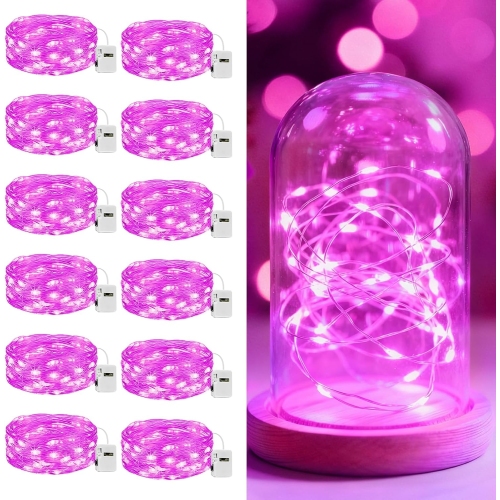
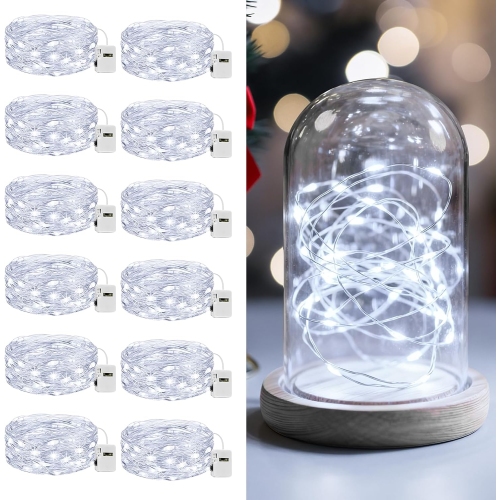
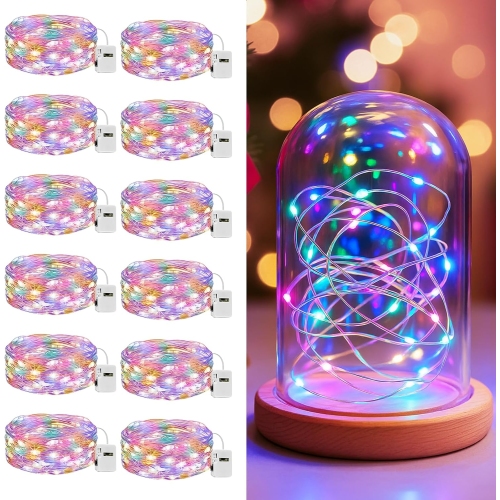
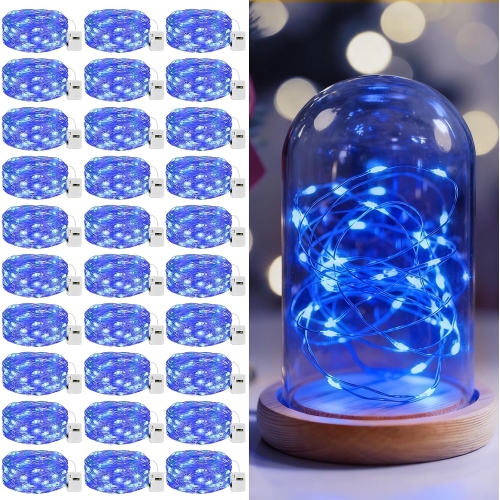
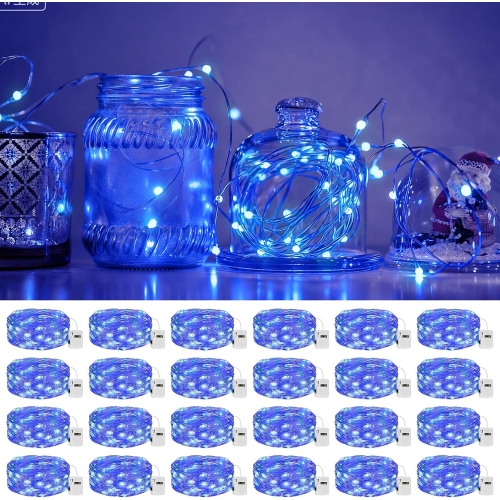

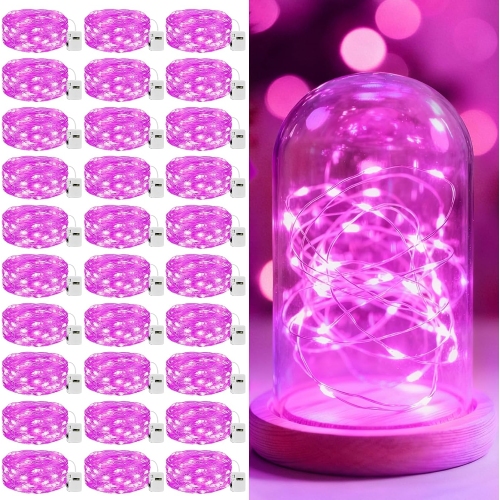
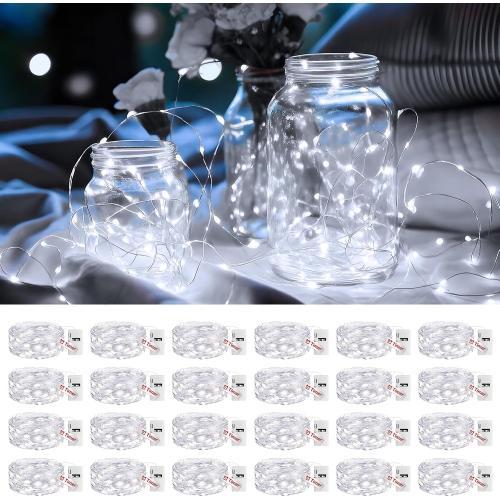
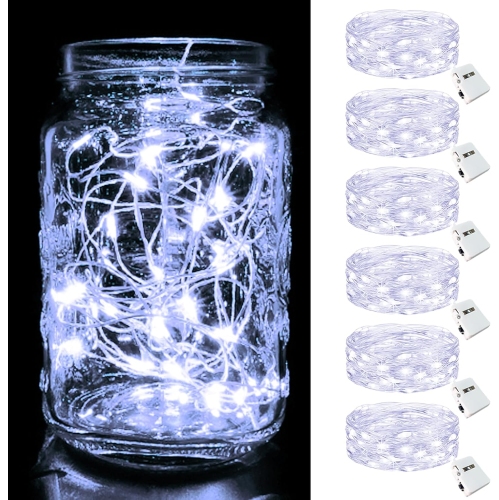
![TECHGO Timer Fairy Lights Battery Powered Halloween Outdoor [6 Packs], Battery Operated String Lights w 8 Modes Remote, Waterproof Twinkle Lights](https://multimedia.bbycastatic.ca/multimedia/products/500x500/202/20200/20200278.jpeg)
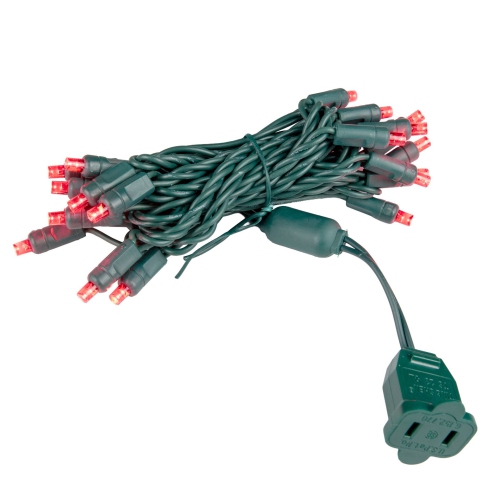
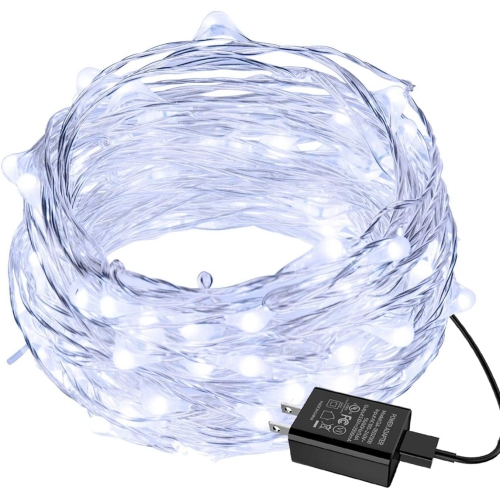
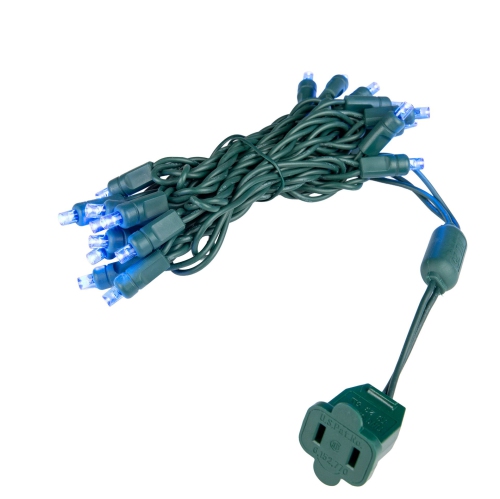
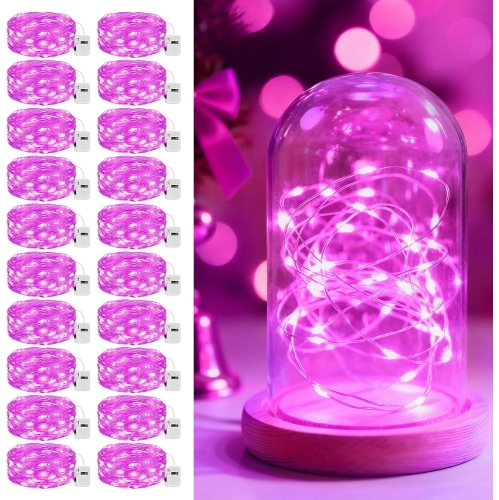
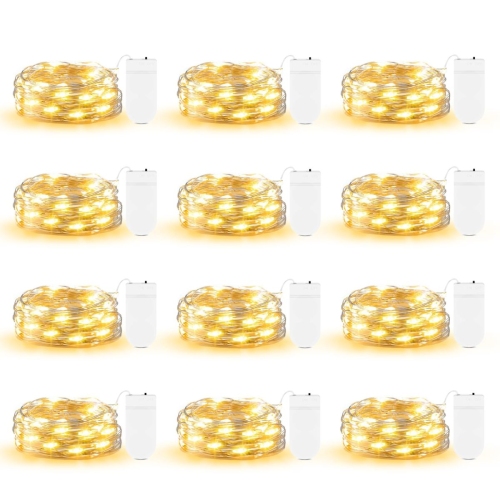
![TECHGO [20 Packs] Fairy Lights Battery Powered Outdoor, 40Ft/12M 120 Led Battery Operated String Lights 8 Mode Remote, Waterproof Copper Wire](https://multimedia.bbycastatic.ca/multimedia/products/500x500/202/20200/20200229.jpeg)
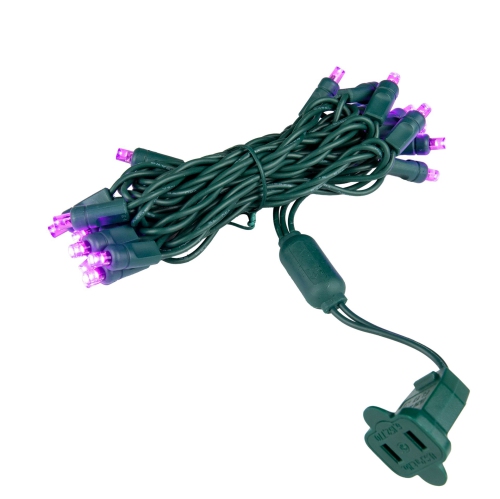
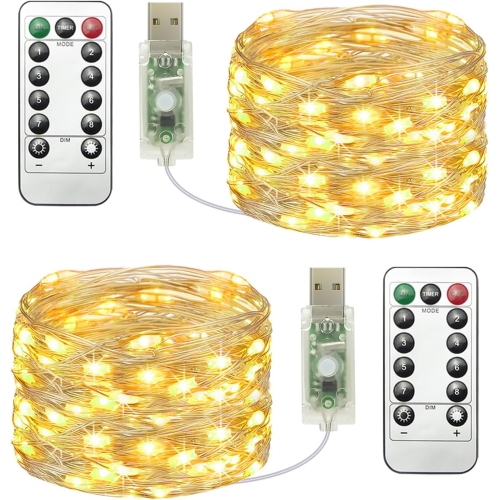
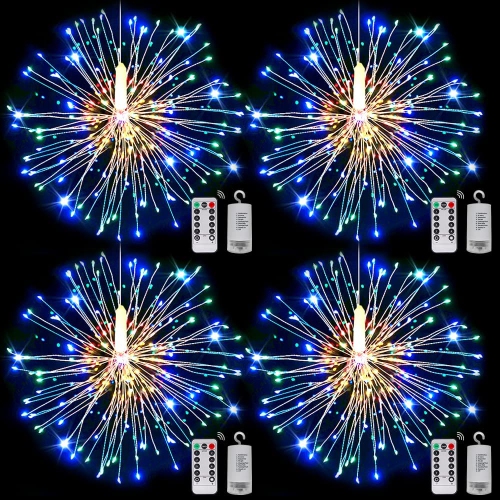
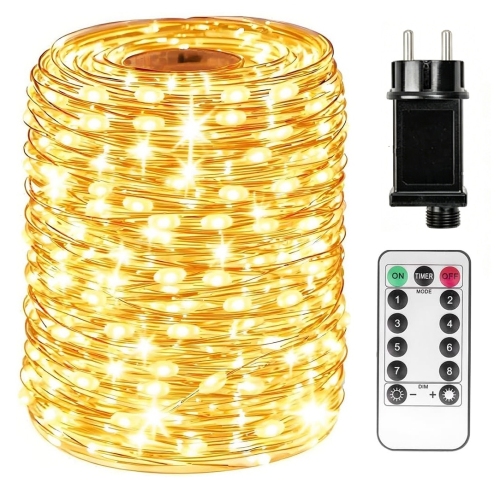
![TECHGO Fairy Lights Battery Powered Outdoor [4 Packs], 40Ft 120 Led Battery Operated String Lights w 8 Mode Remote, Waterproof Twinkle Lights For](https://multimedia.bbycastatic.ca/multimedia/products/500x500/202/20200/20200227.jpeg)
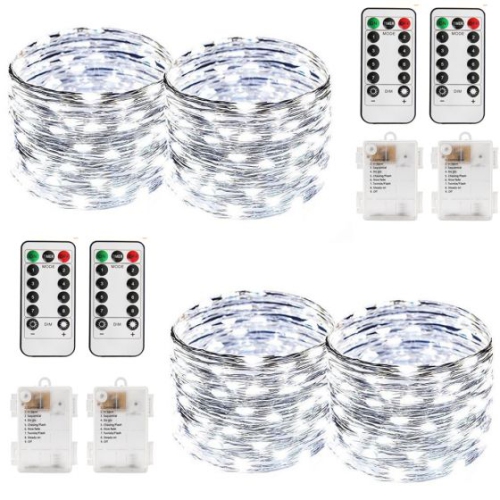
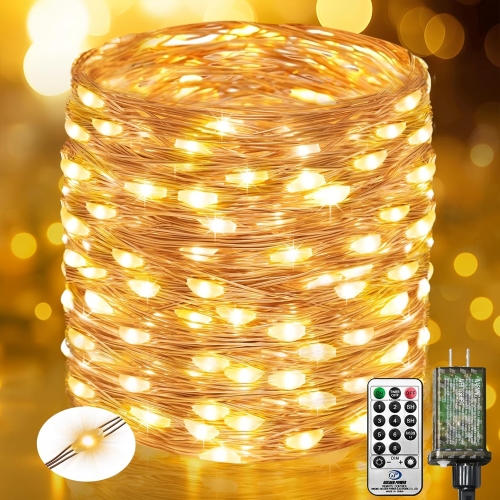
![TECHGO Fairy Lights Battery Powered Outdoor Multicolor[6 Packs], Timer Battery Operated String Lights w 8 Modes Remote, Waterproof Twinkle Lights](https://multimedia.bbycastatic.ca/multimedia/products/500x500/202/20200/20200279.jpeg)
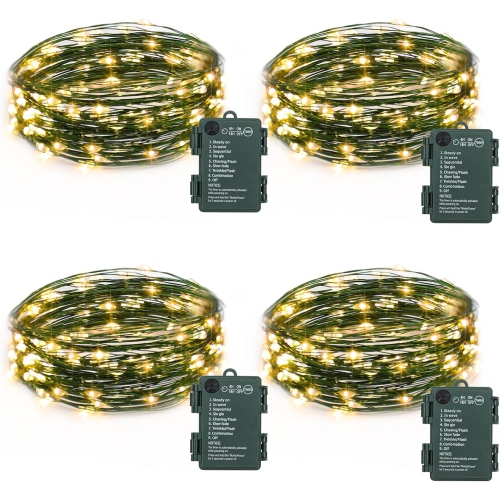
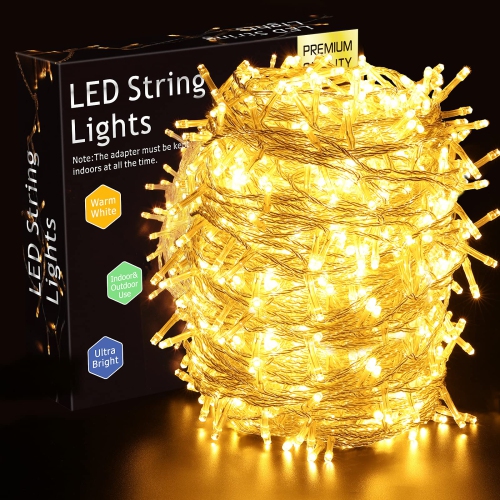
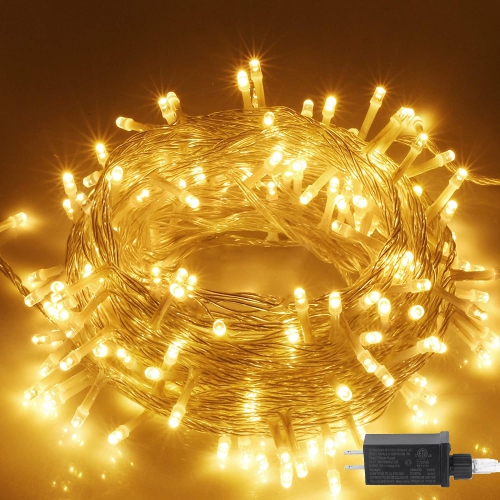

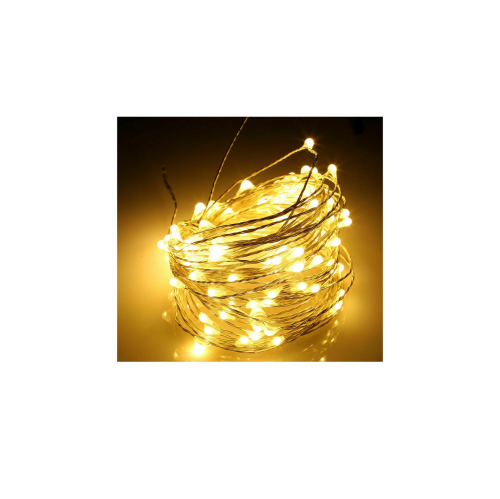

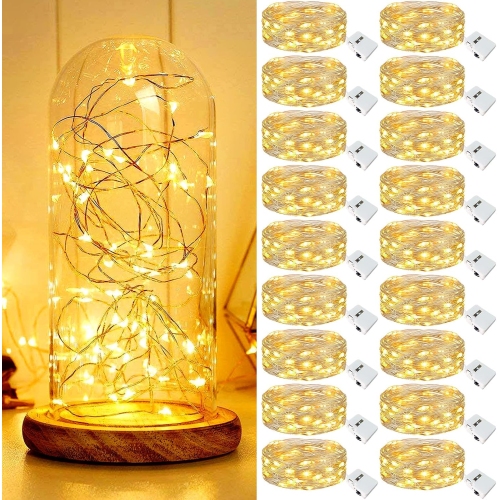
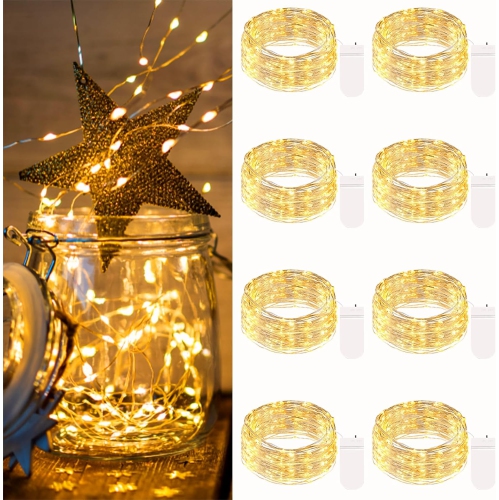
![TECHGO [4 Packs] Fairy Lights Battery Powered Outdoor, 40Ft/12M 120 Led Battery Operated String Lights 8 Mode Remote, Waterproof Copper Wire Twinkle](https://multimedia.bbycastatic.ca/multimedia/products/500x500/202/20200/20200171.jpeg)
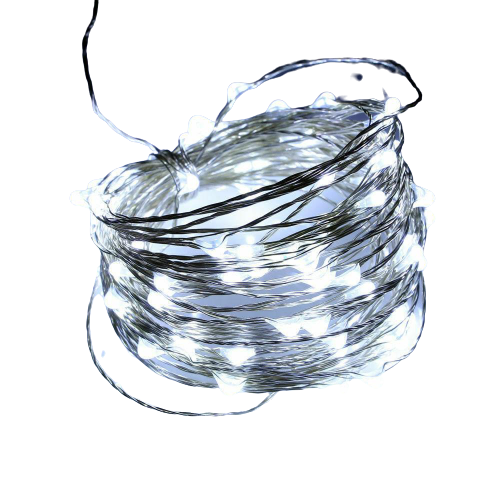
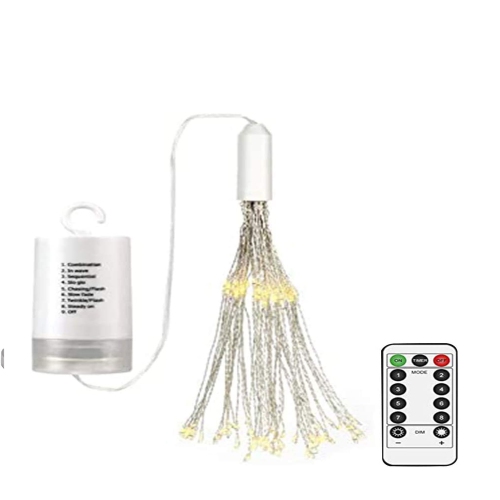
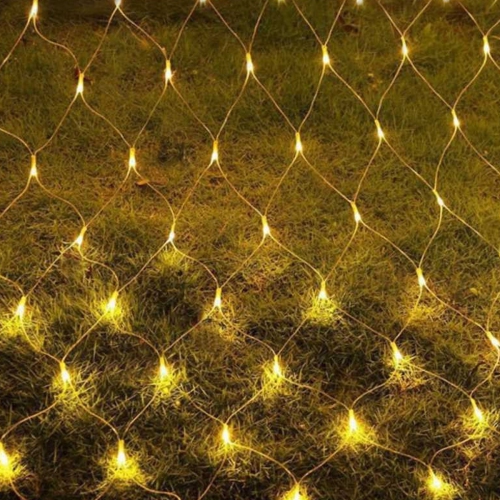
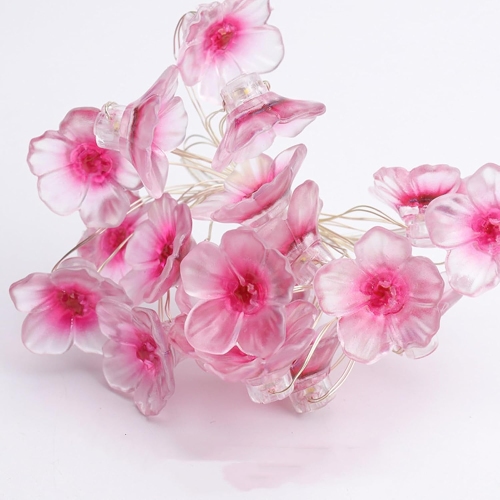
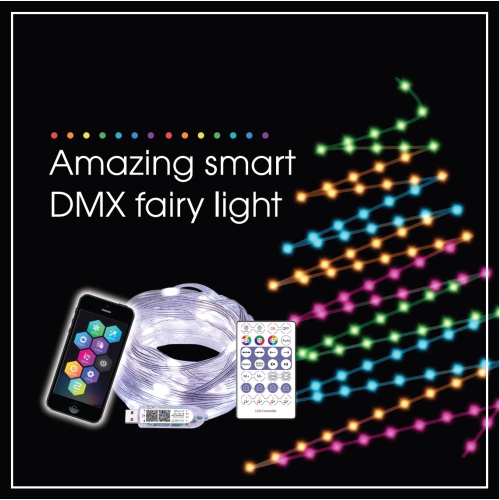
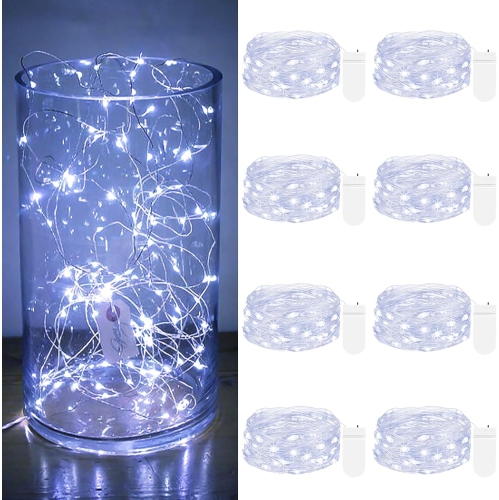
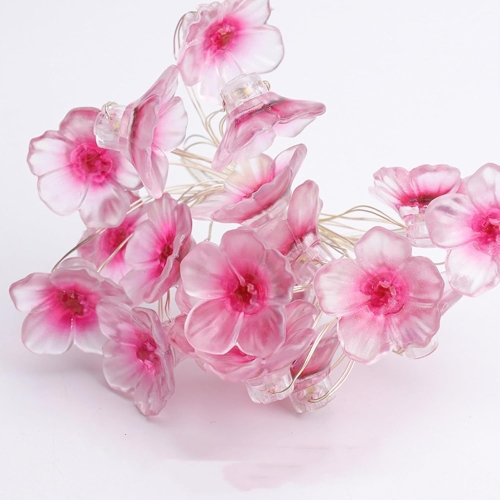
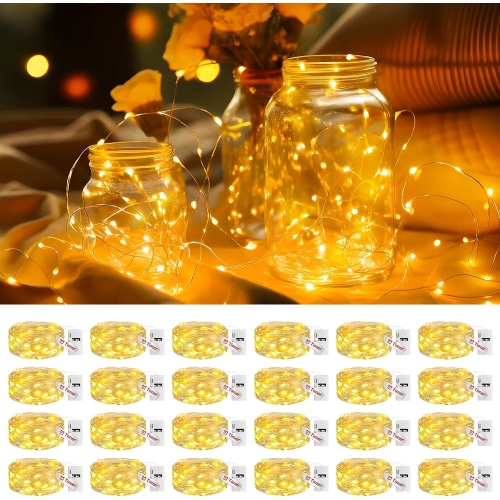
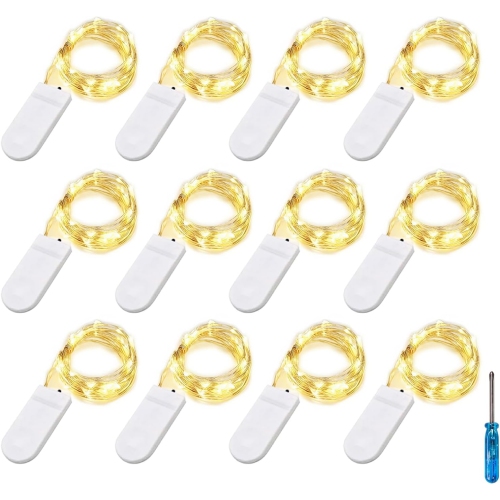
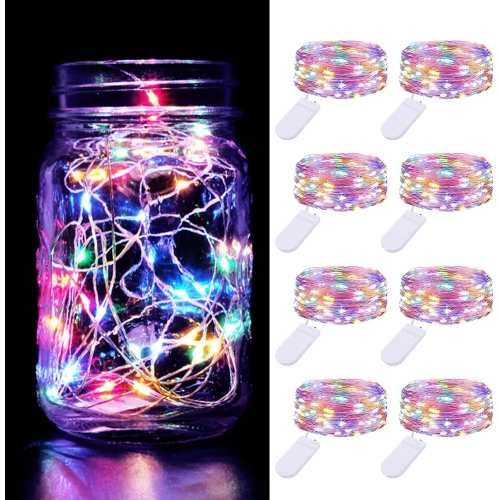
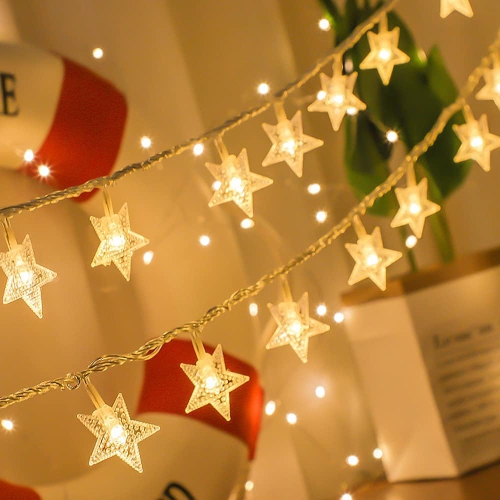
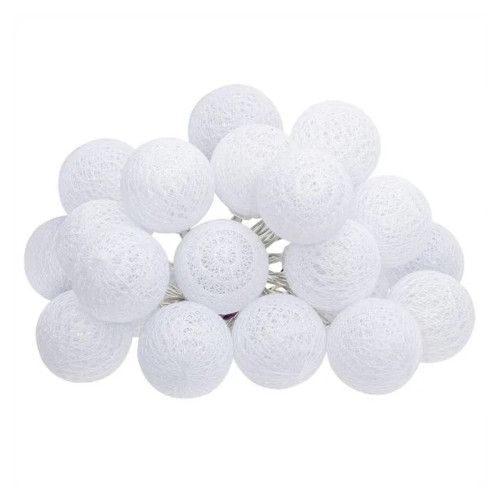
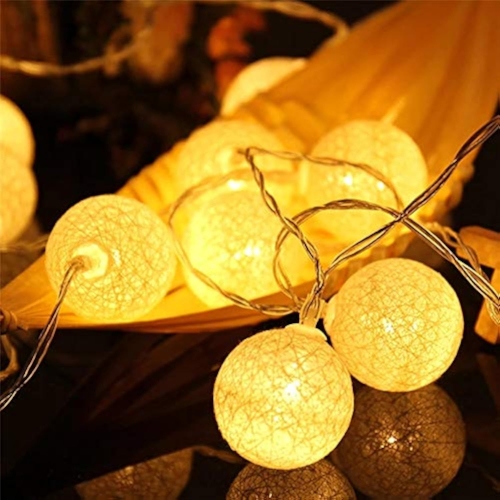
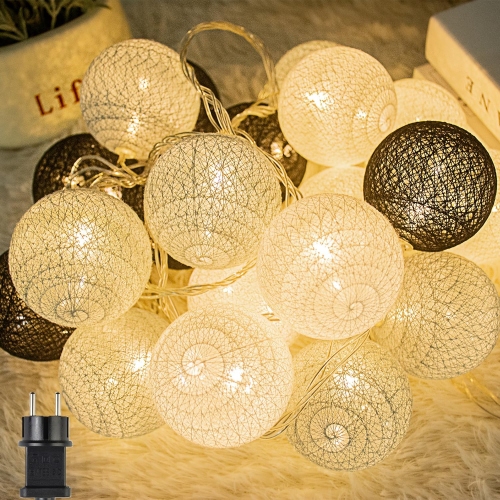
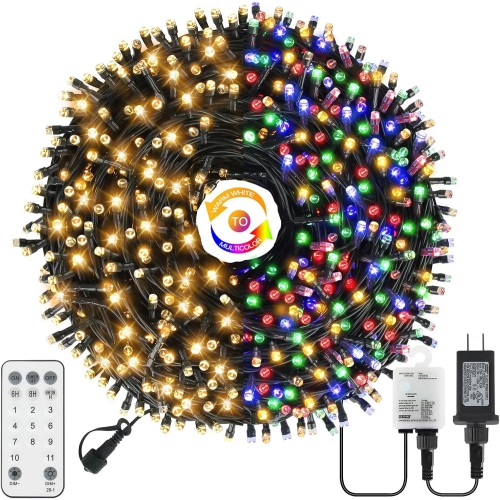
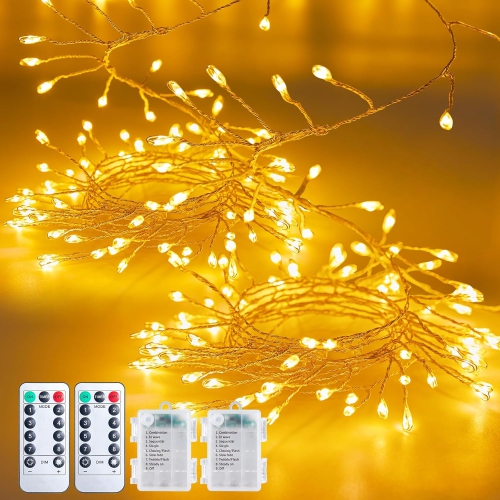
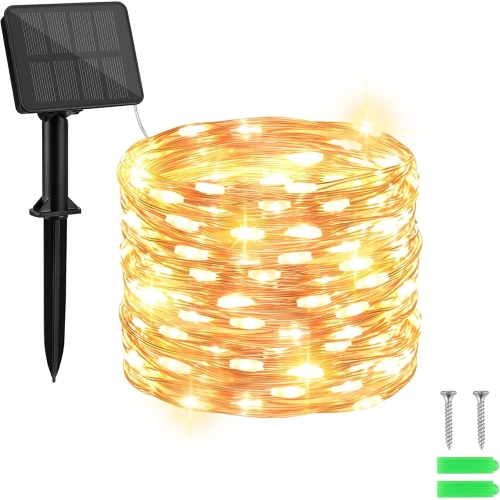

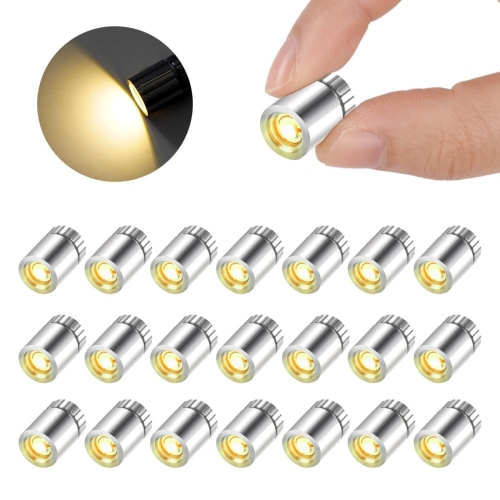
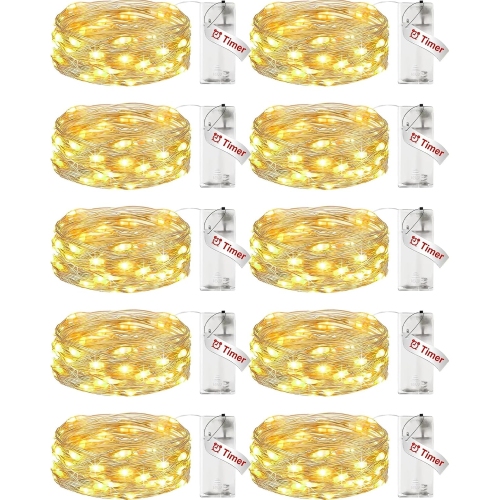
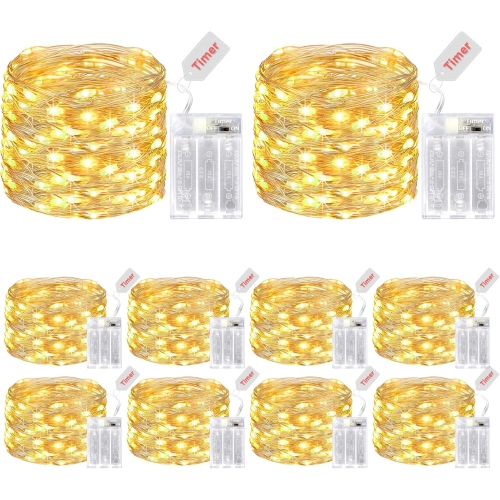
![TECHGO Timer Fairy Lights Battery Powered Outdoor [10 Packs], Battery Operated String Lights w 8 Modes Remote, Waterproof Twinkle Lights for Garden](https://multimedia.bbycastatic.ca/multimedia/products/500x500/202/20200/20200209.jpeg)
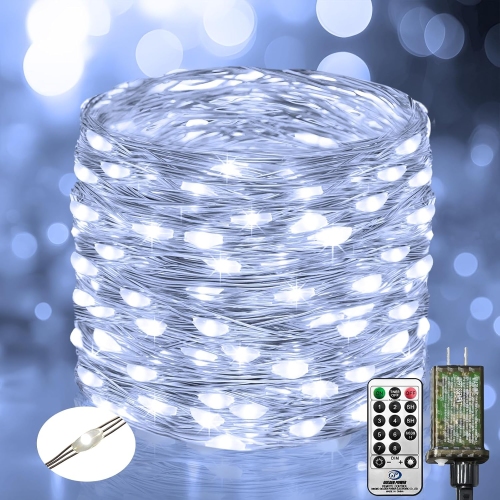
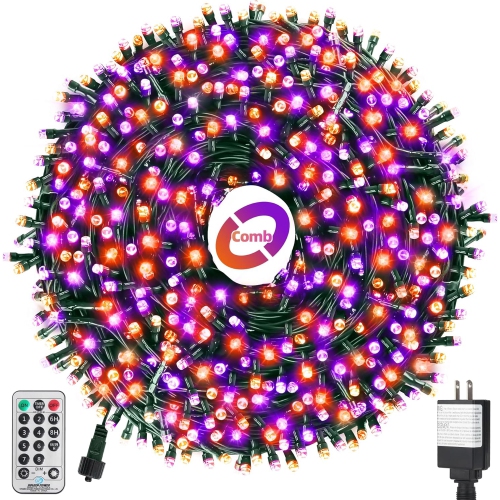
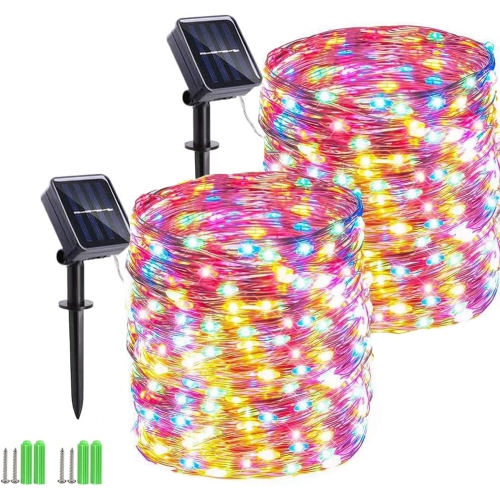
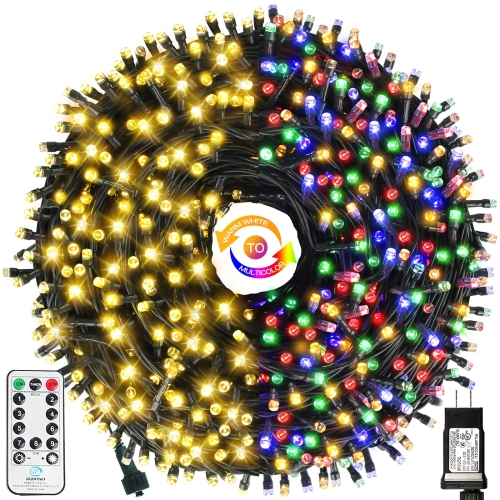
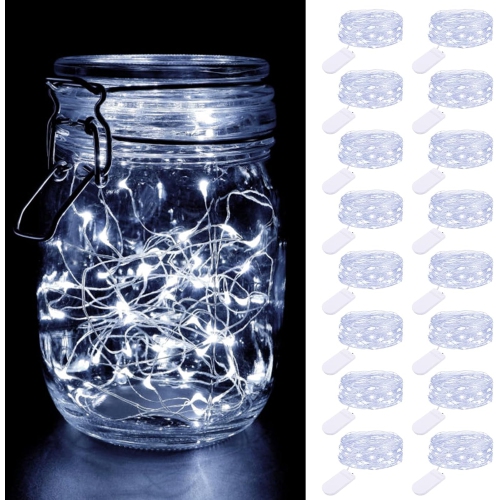
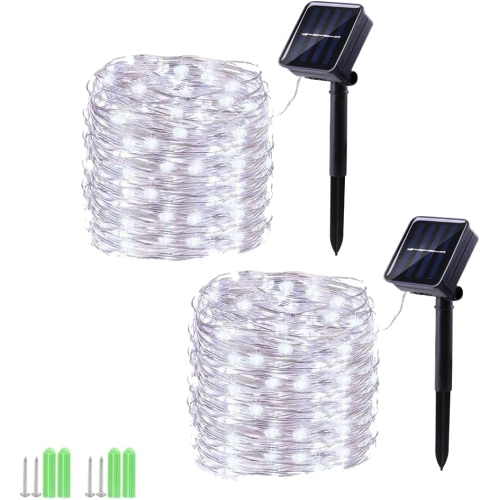
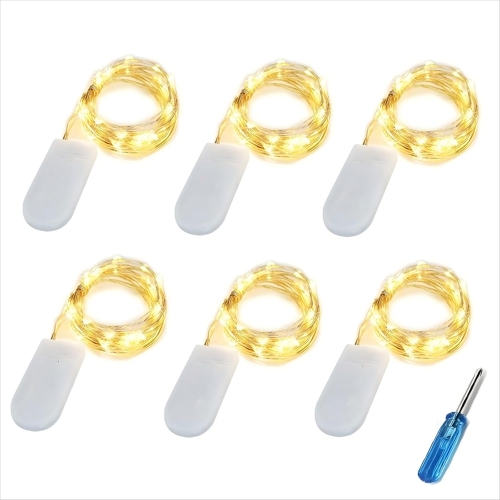
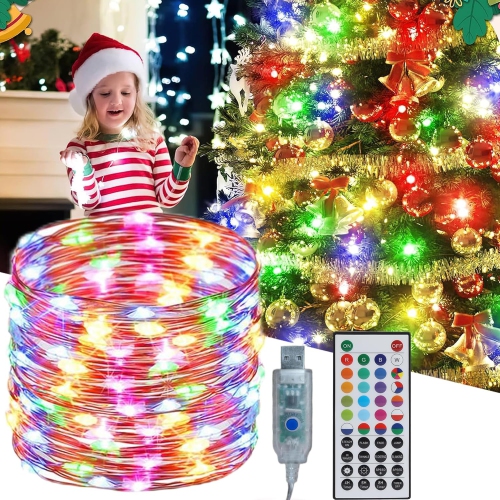
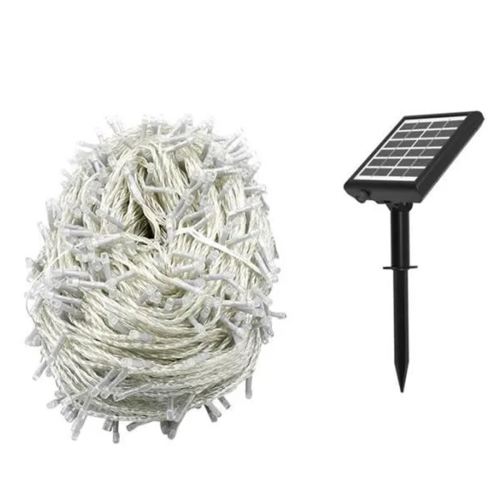
![TECHGO [Timer] 3 Packs Outdoor Fairy Lights Battery Powered, 33Ft 100Led Christmas String Light w Remote, 8 Modes, Waterproof Copper Wire Twinkle](https://multimedia.bbycastatic.ca/multimedia/products/500x500/202/20200/20200342.jpeg)
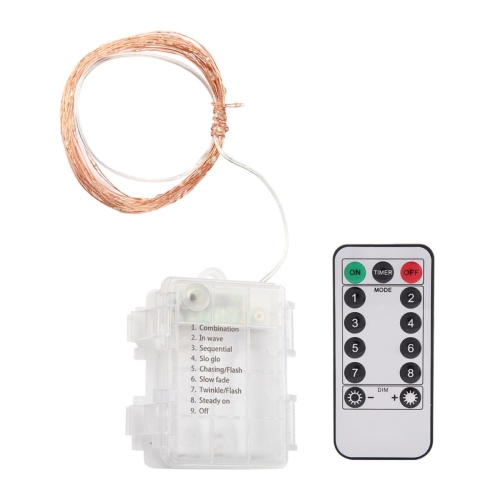
![TECHGO Timer Fairy Lights Battery Powered Outdoor [3 Packs], Battery Operated String Lights w 8 Modes Remote, Waterproof Twinkle Lights for Garden](https://multimedia.bbycastatic.ca/multimedia/products/500x500/202/20200/20200210.jpeg)
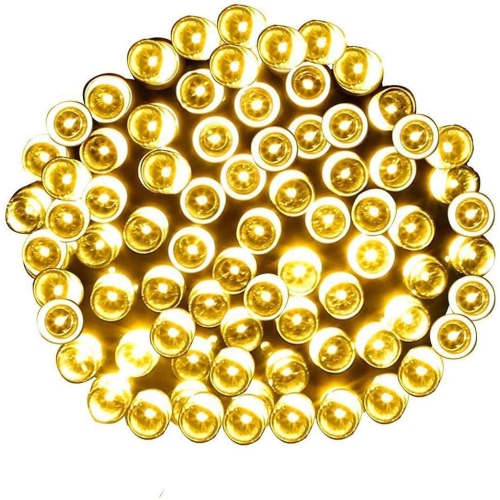
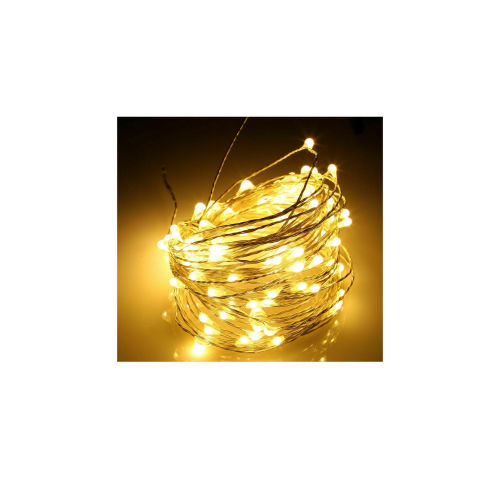
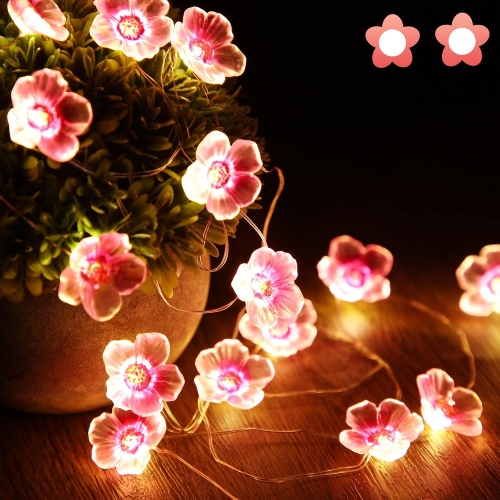
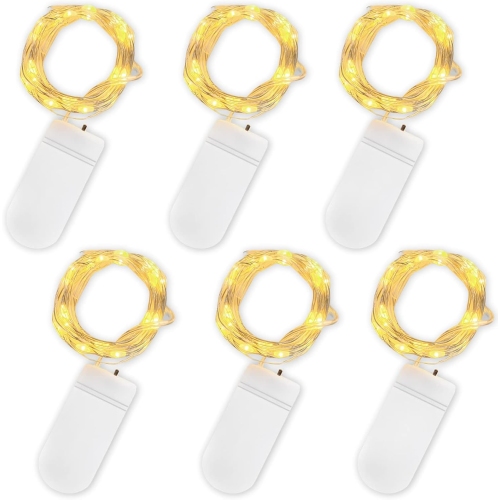
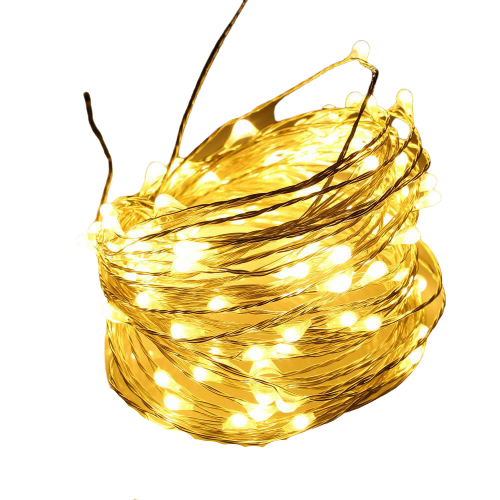
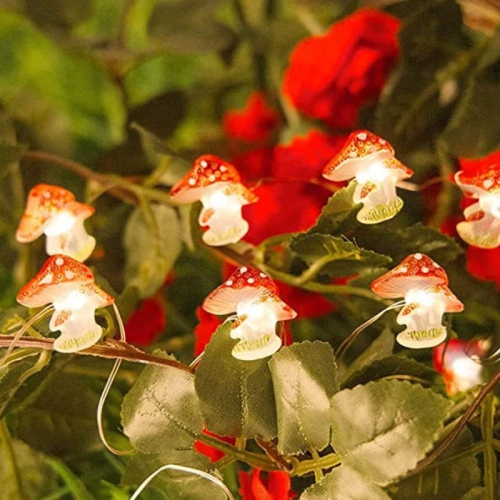
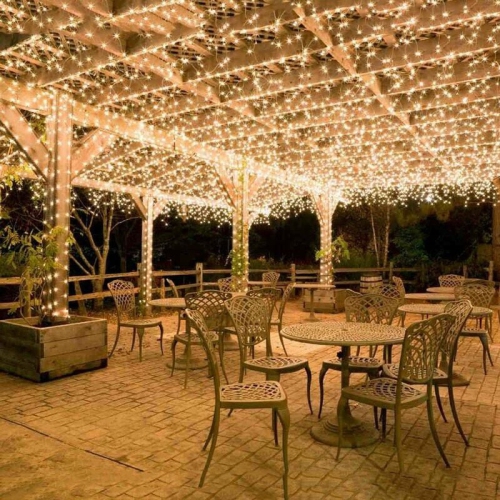
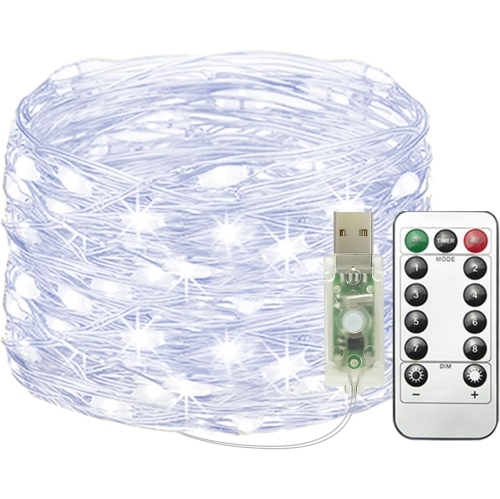
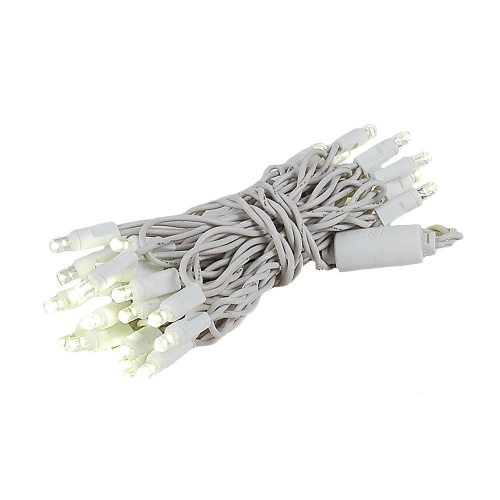
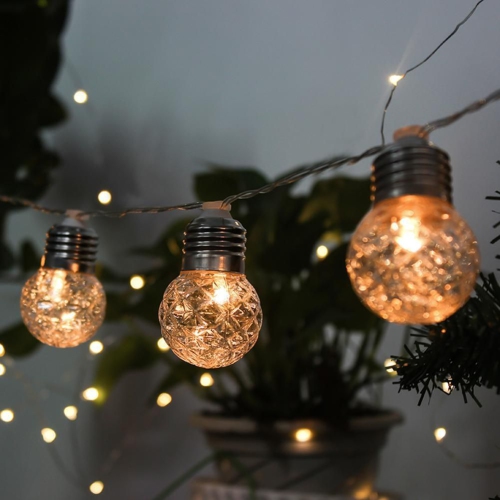
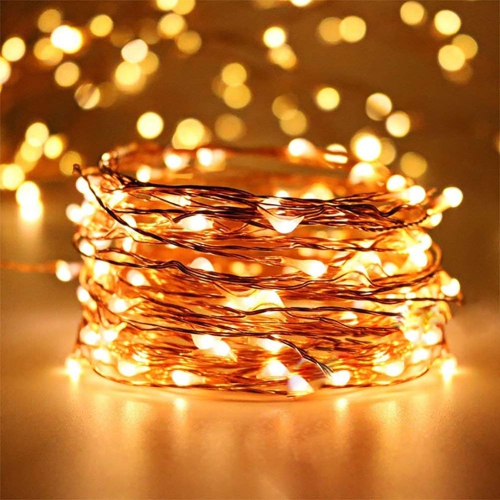
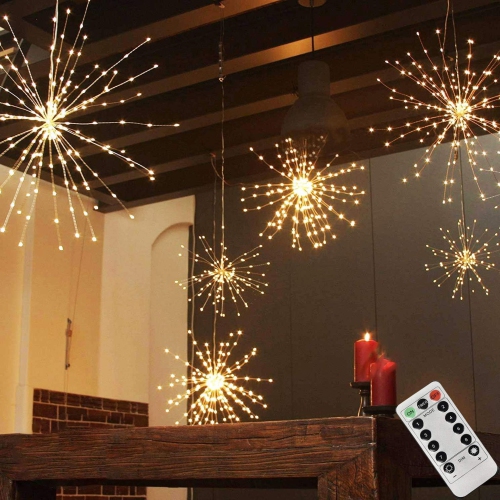
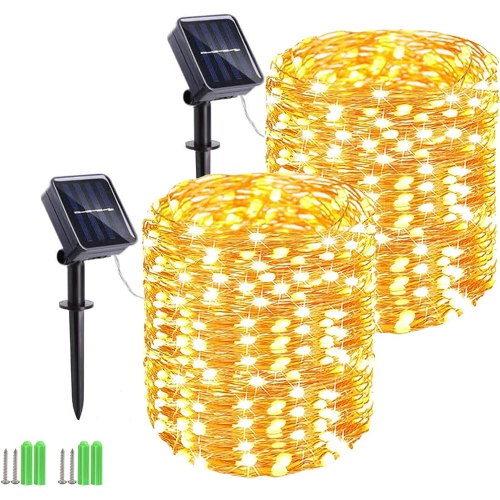
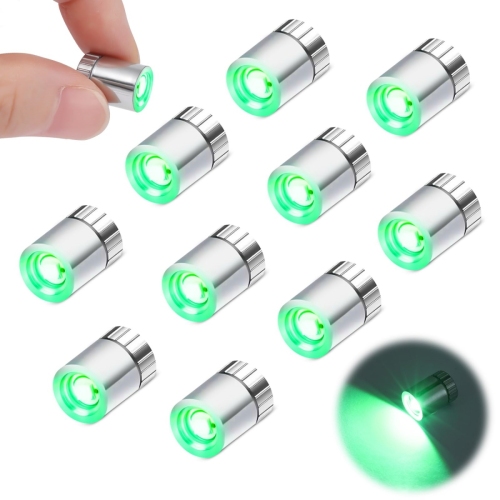
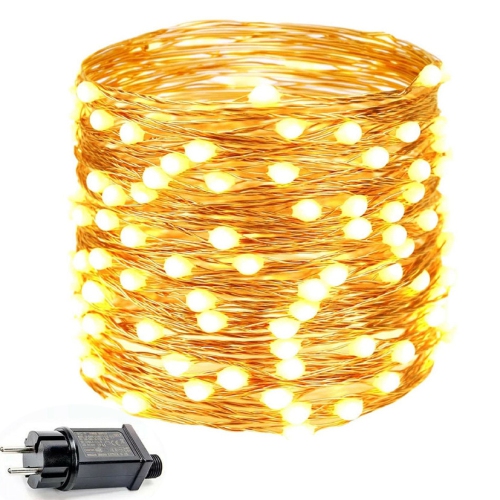
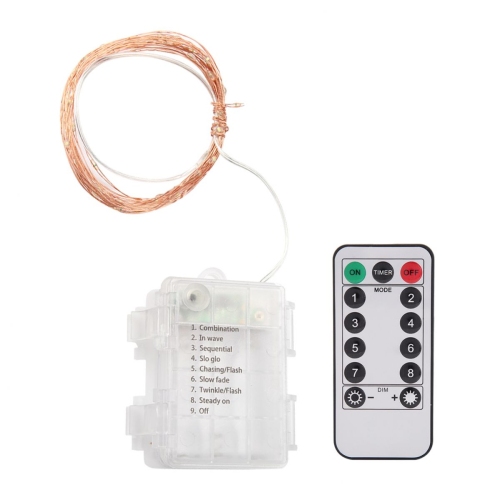
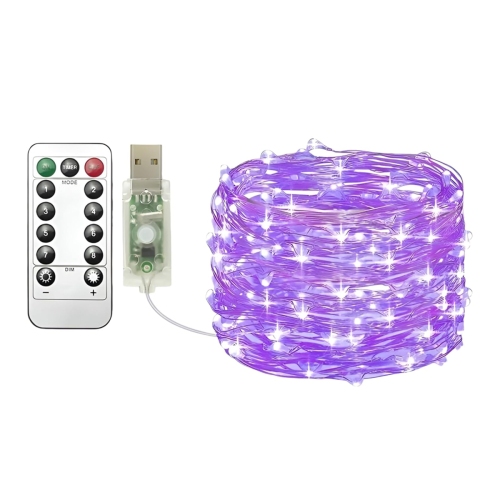
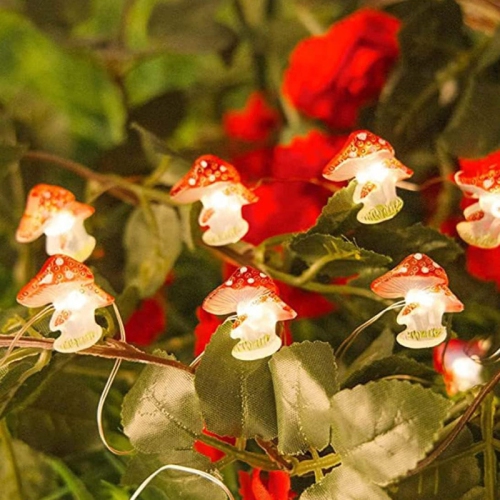
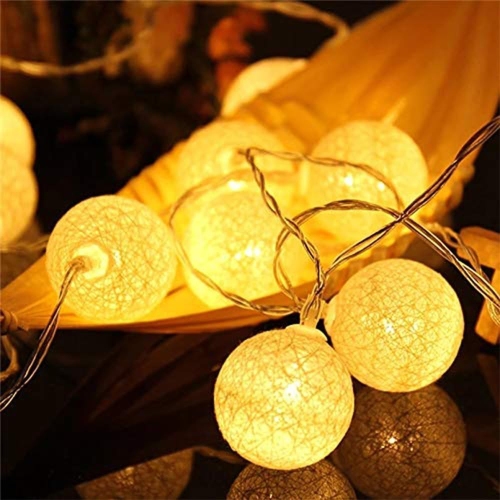
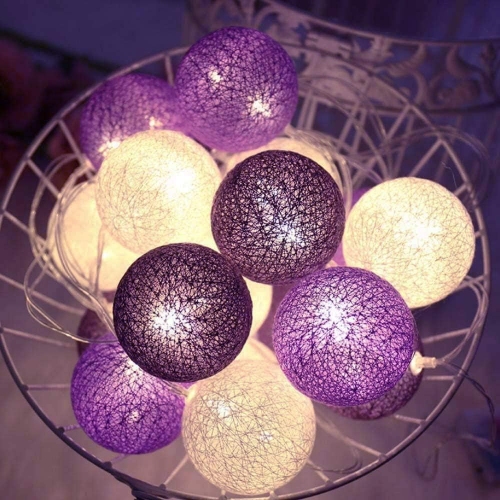
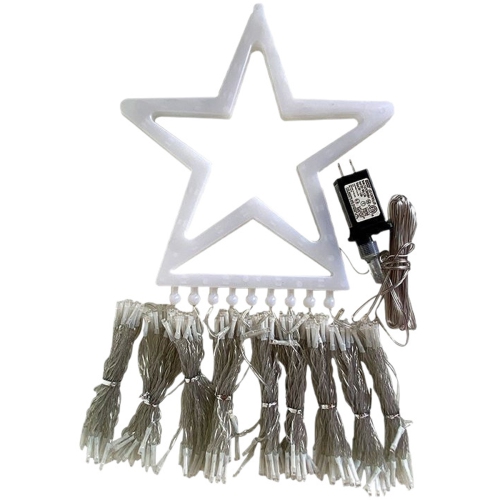
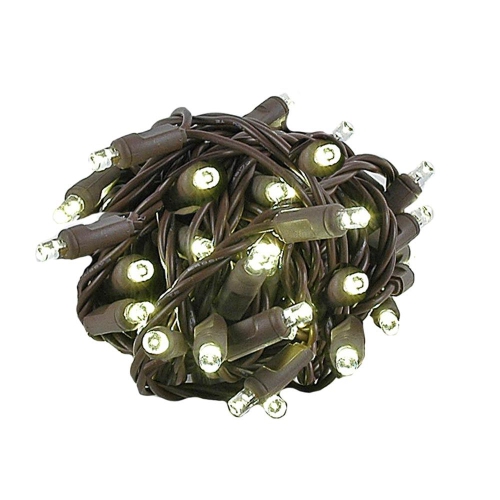
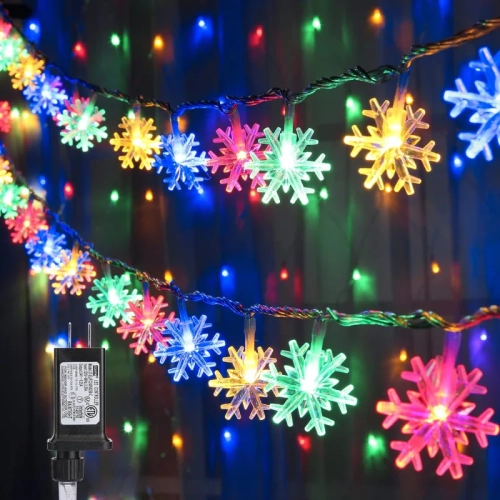
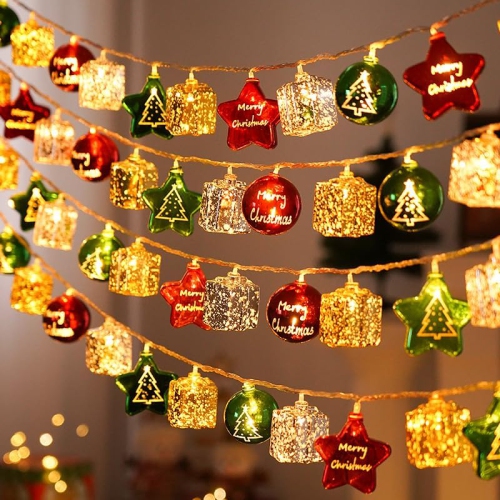
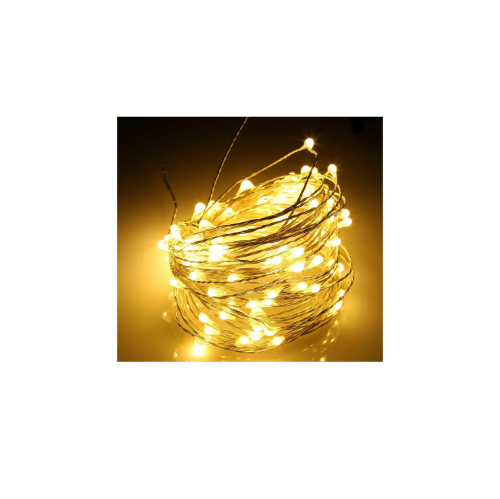

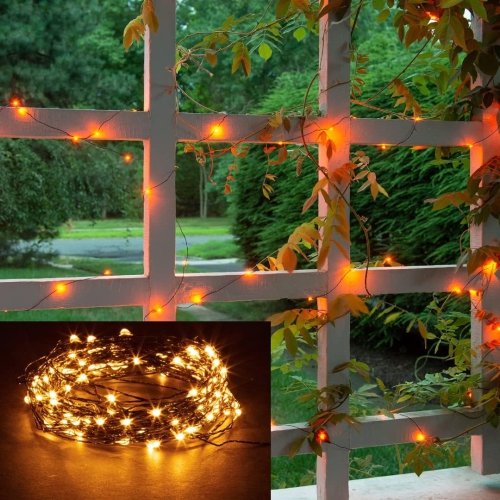
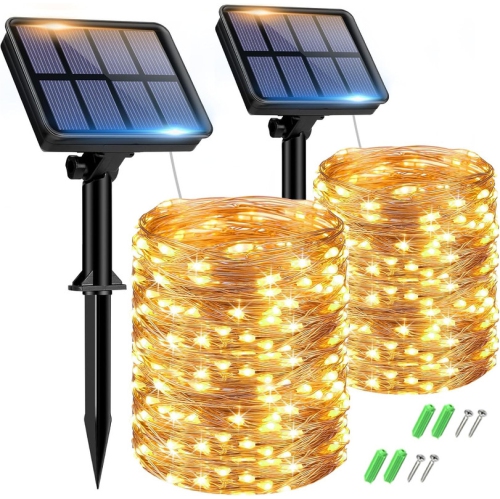
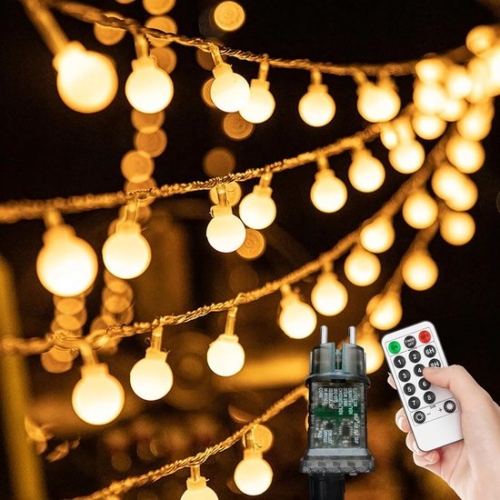
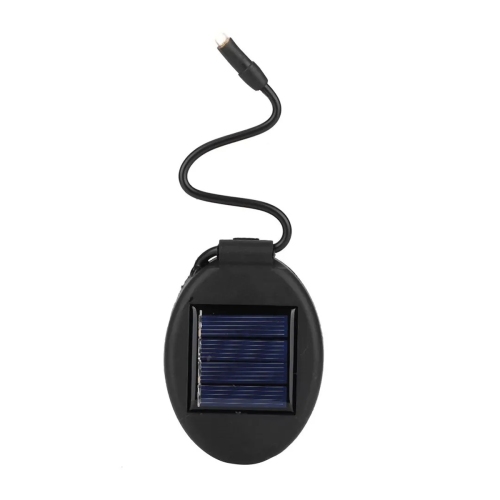
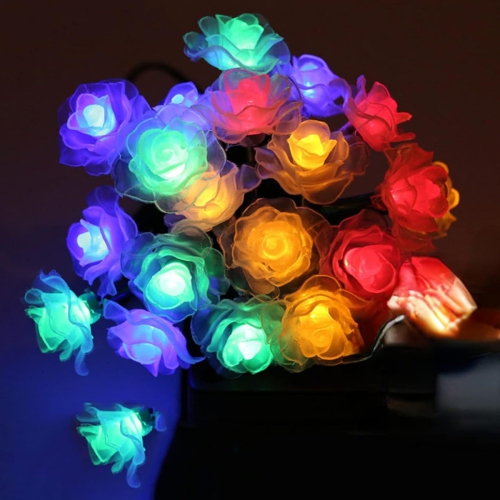
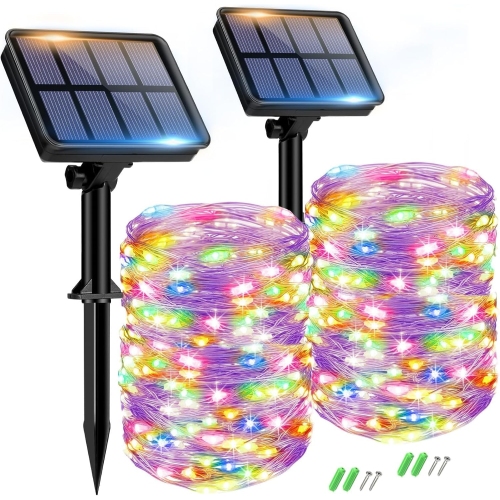
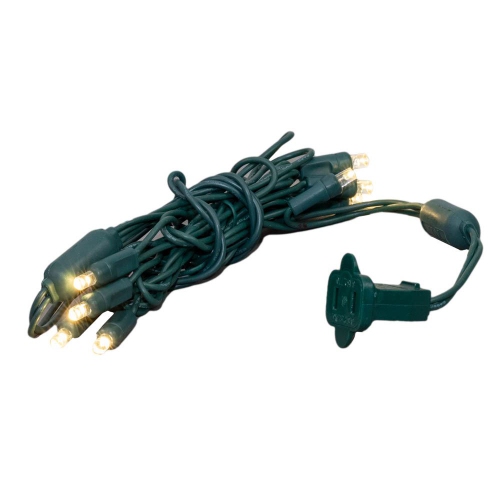
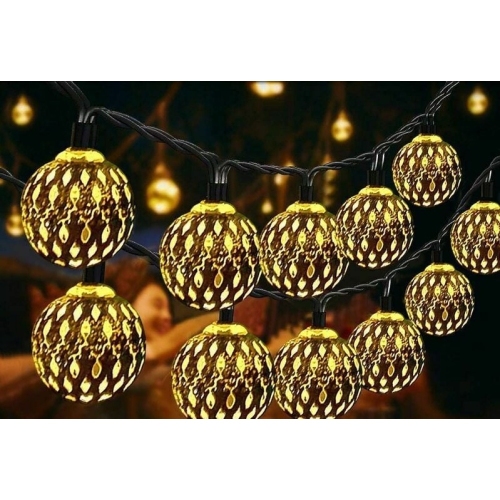
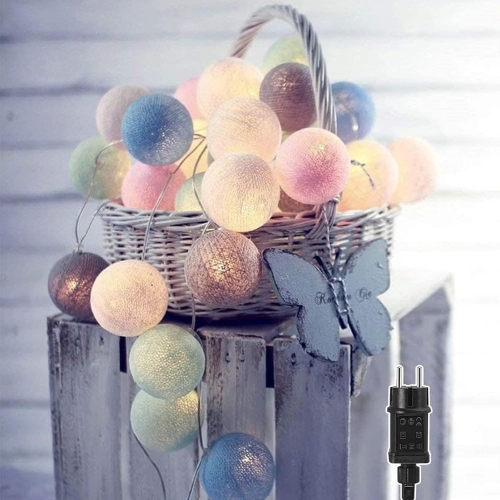
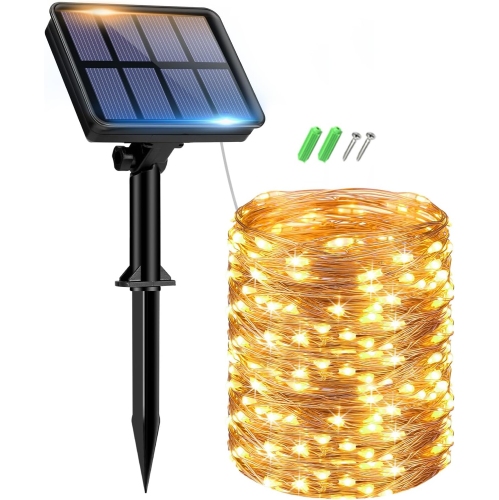
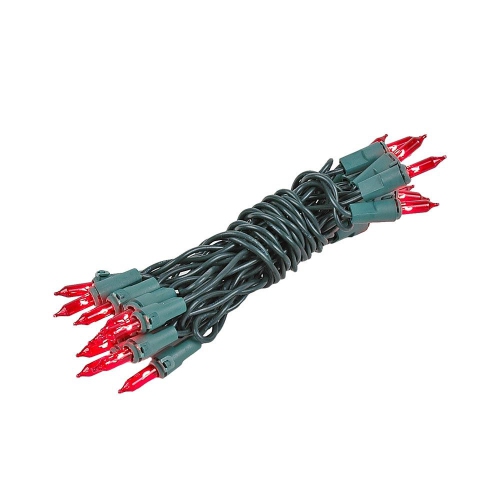
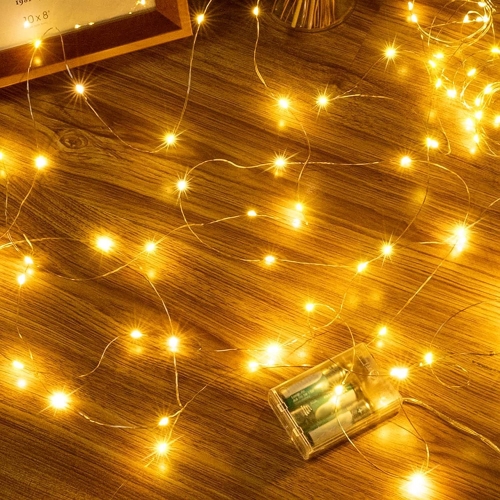
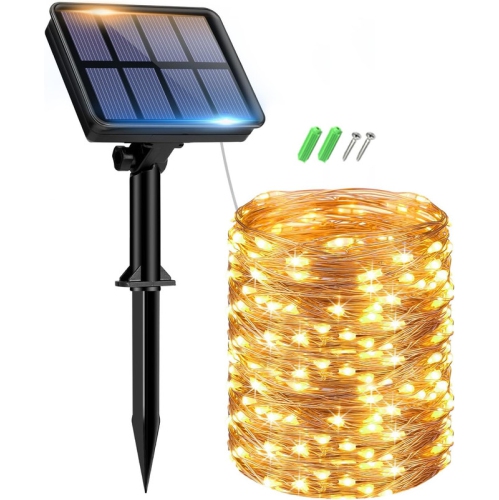
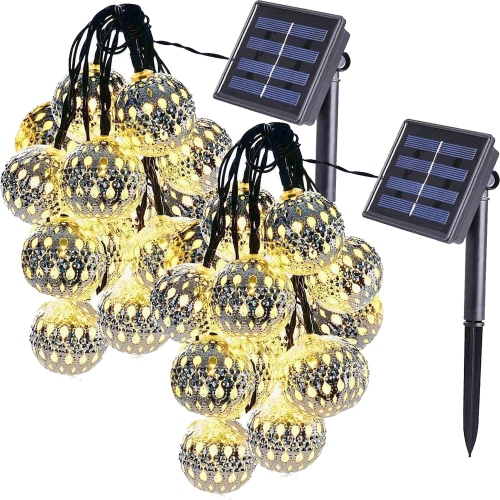
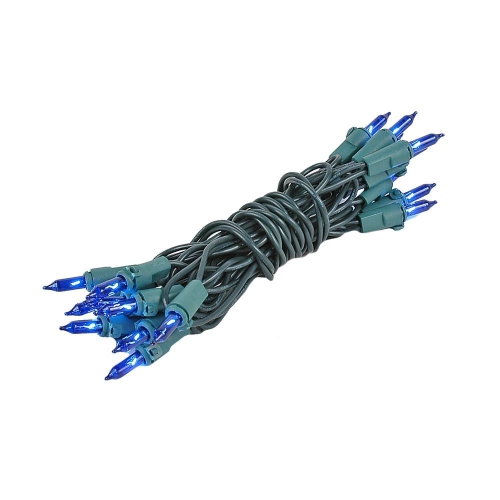
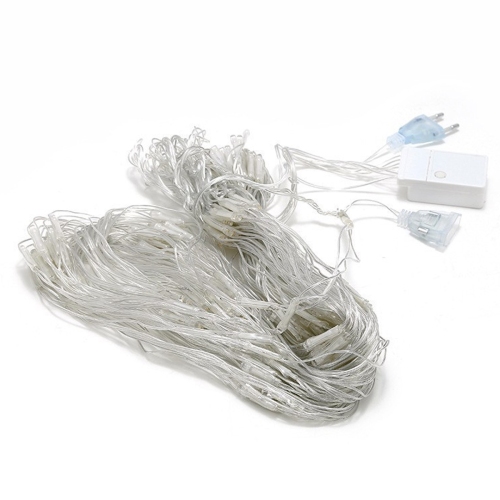
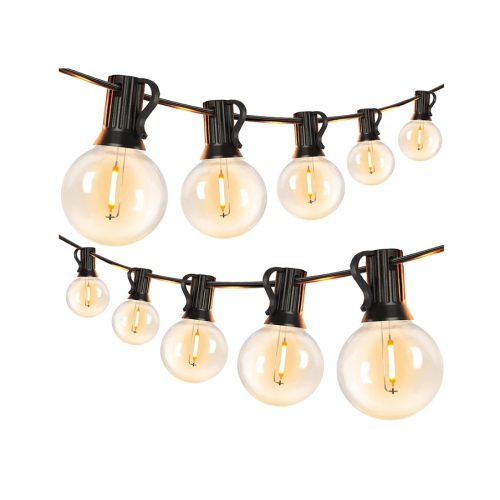
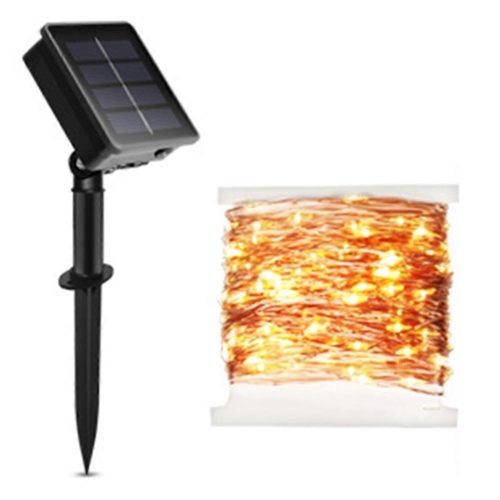
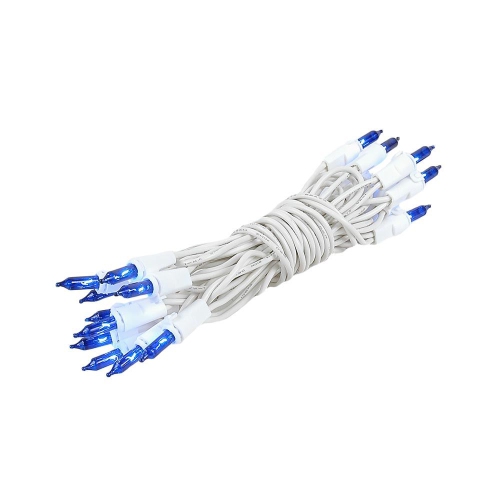

Placement and safety tips for a welcoming glow
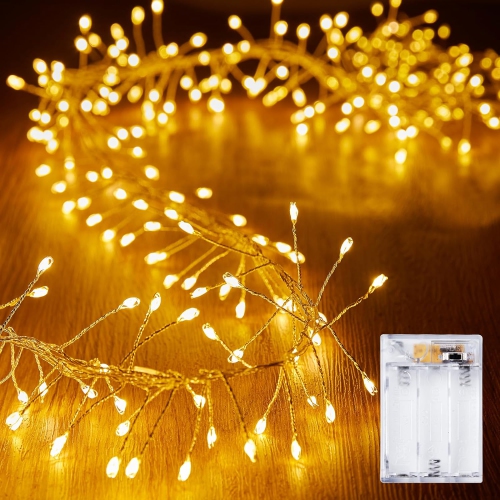
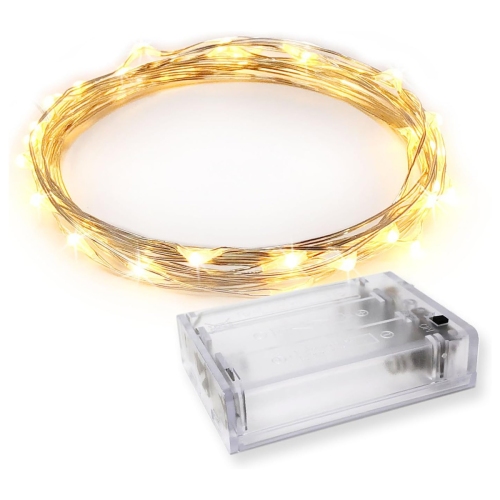
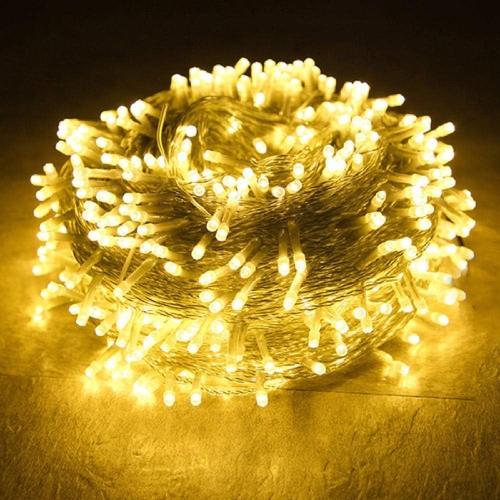
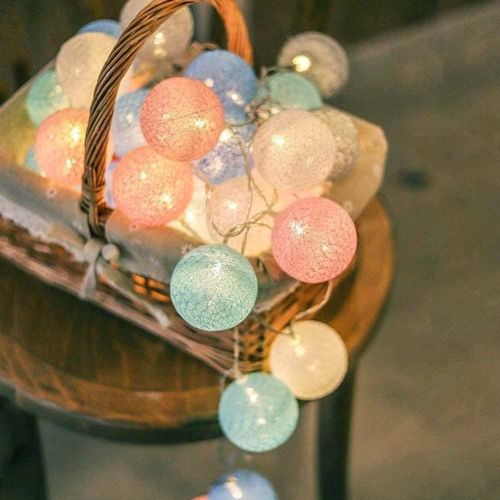
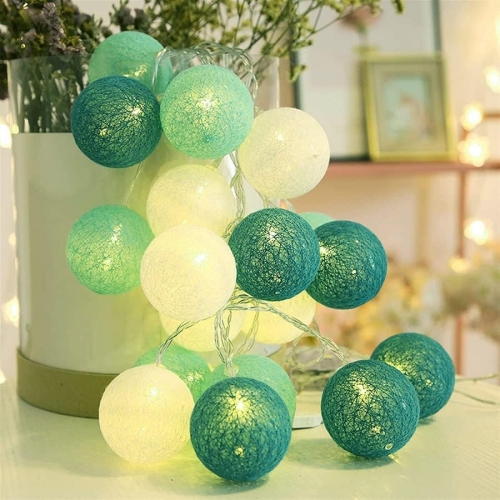
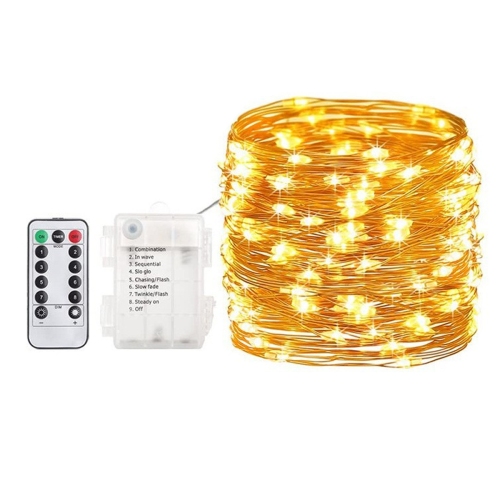
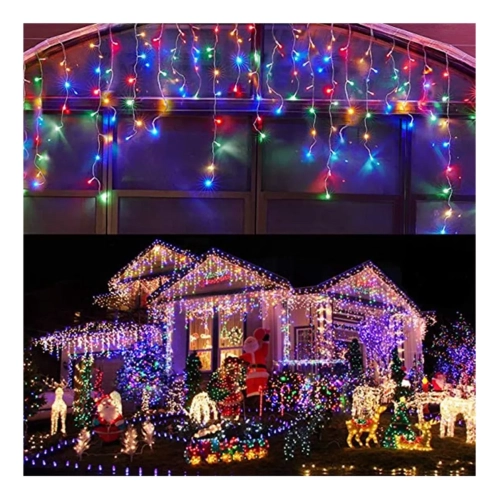
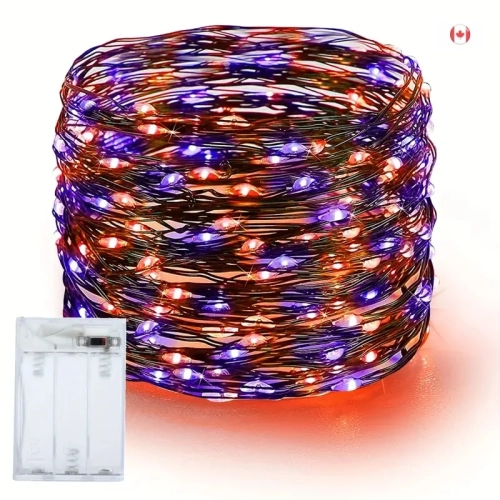
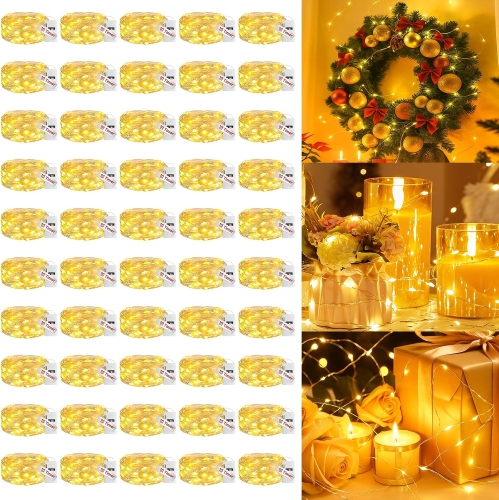
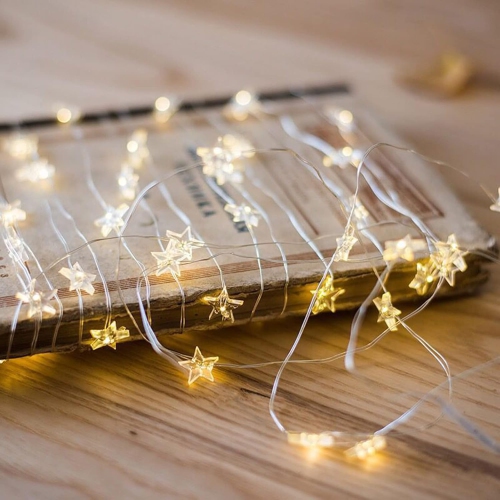
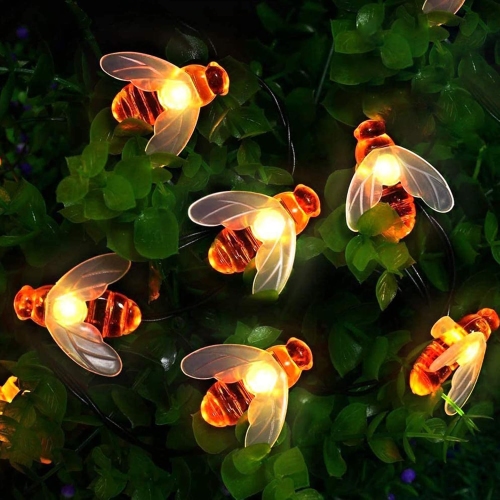
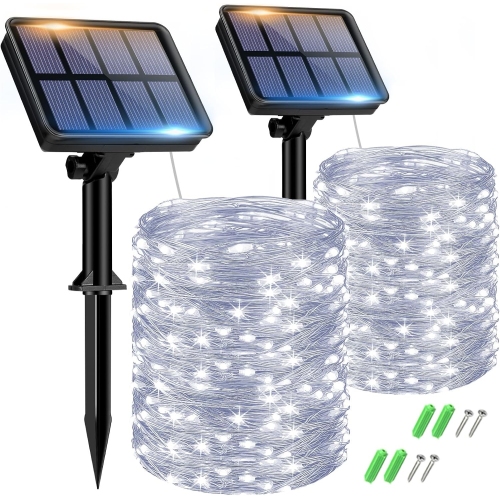
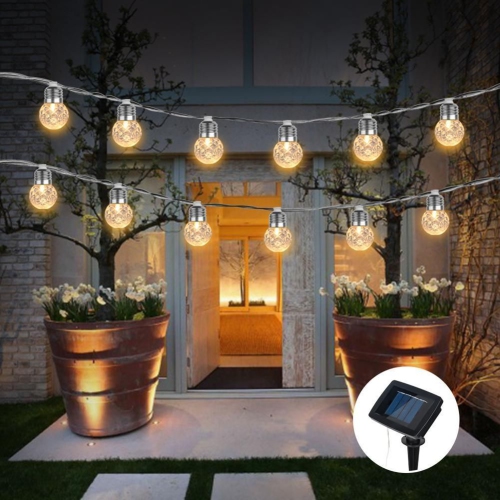
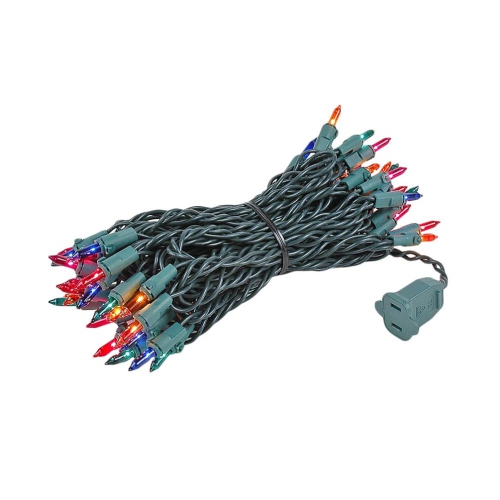
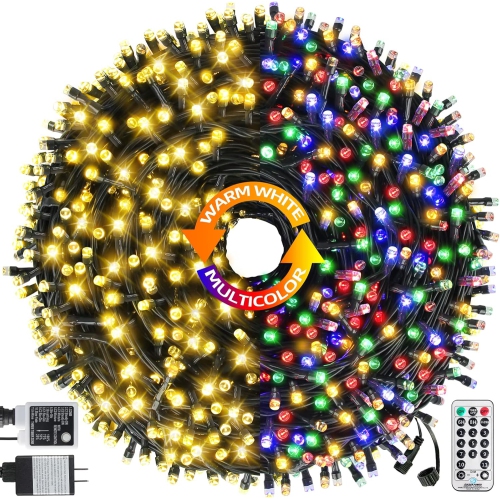
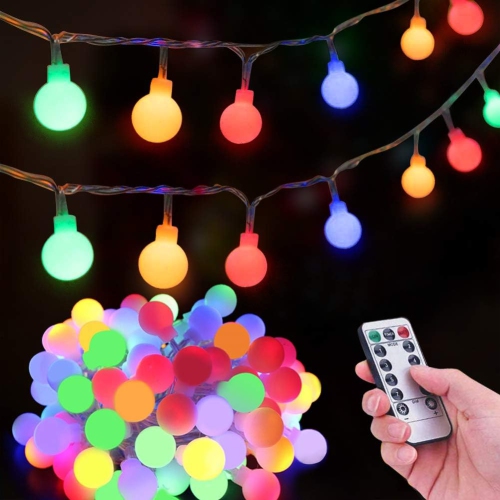
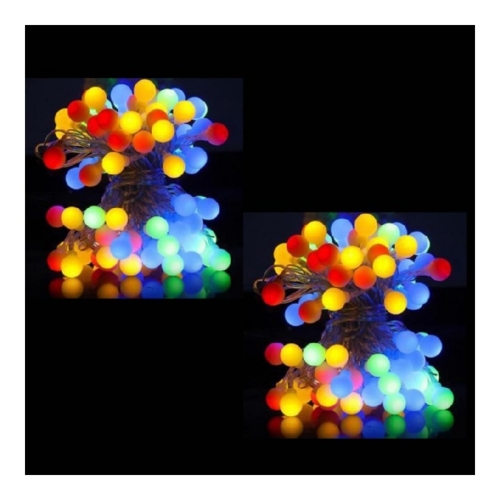
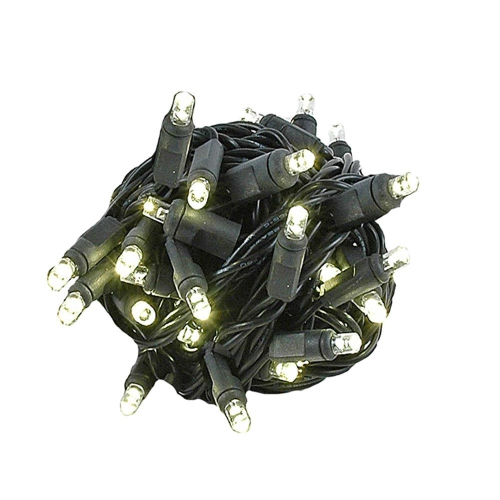
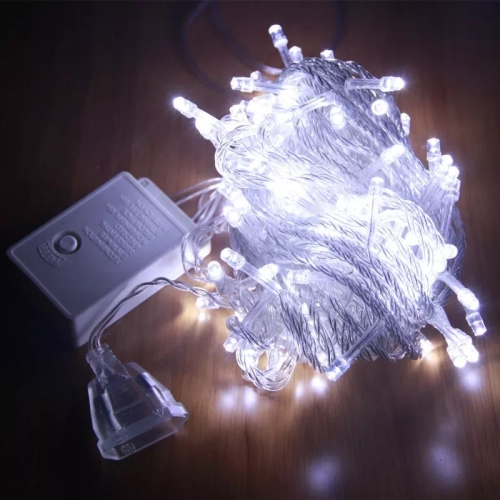
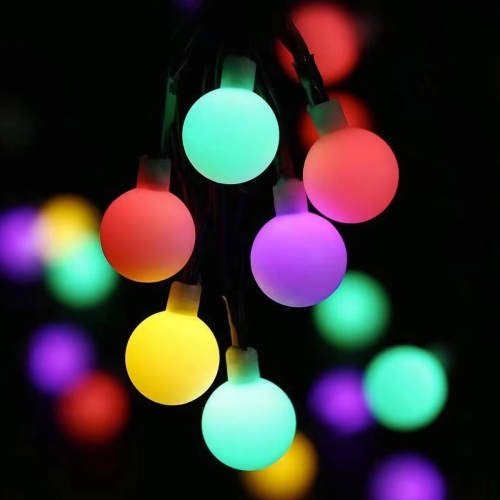
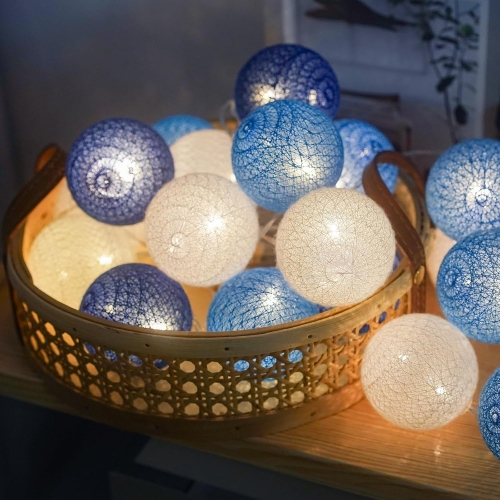
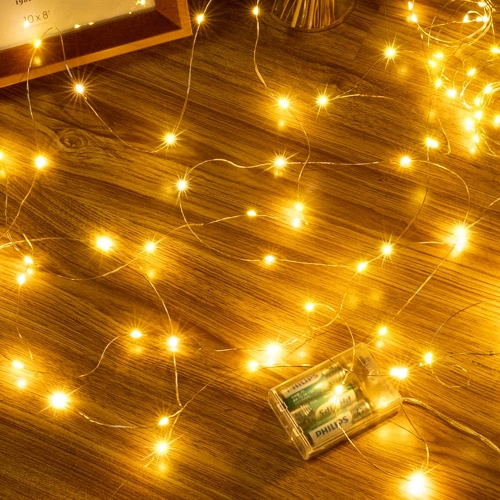
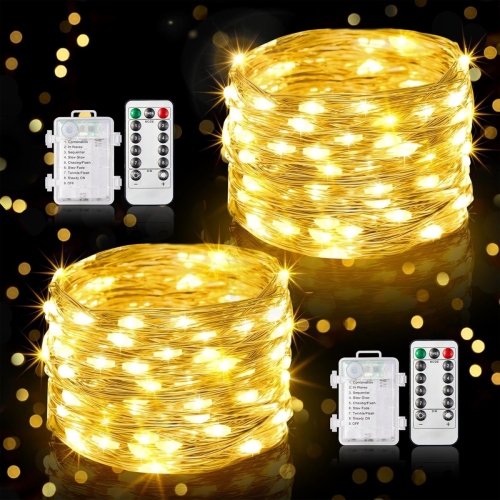
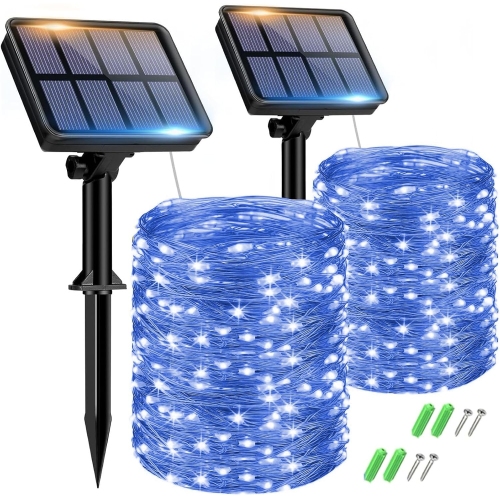
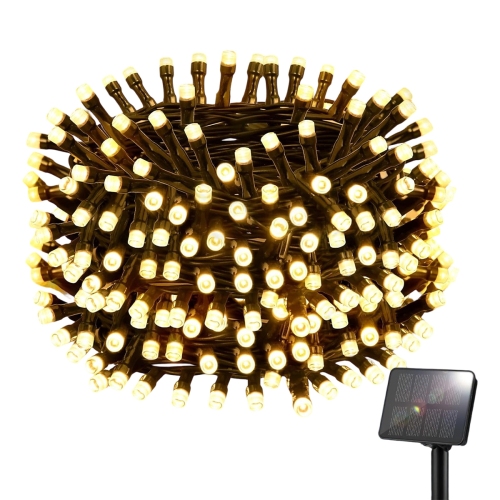
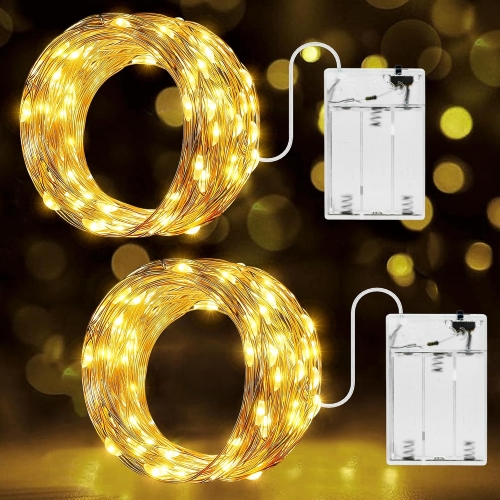
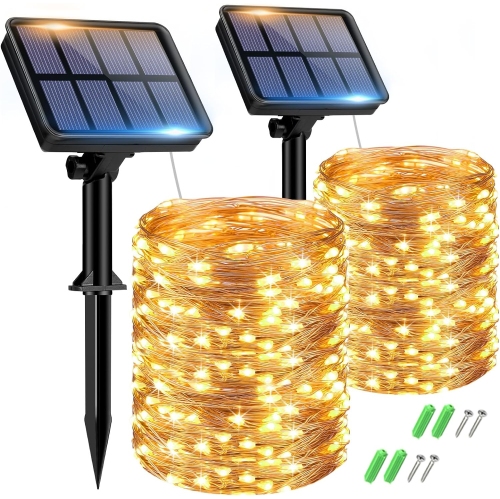
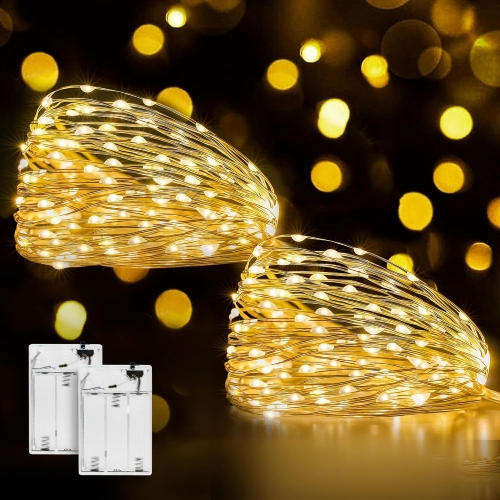
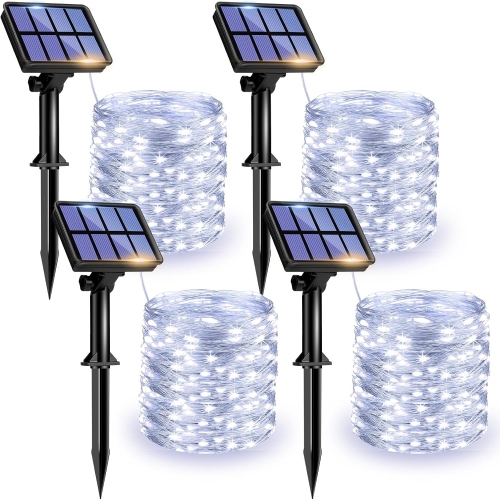
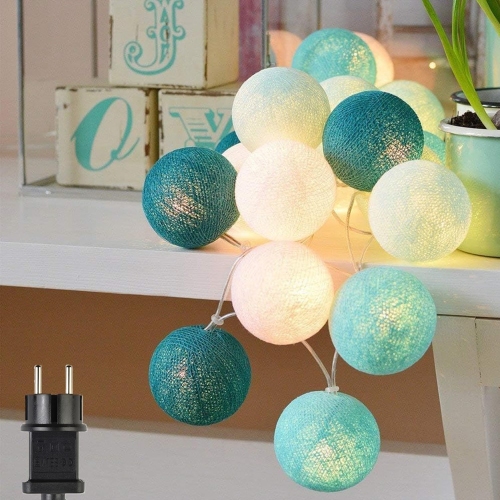
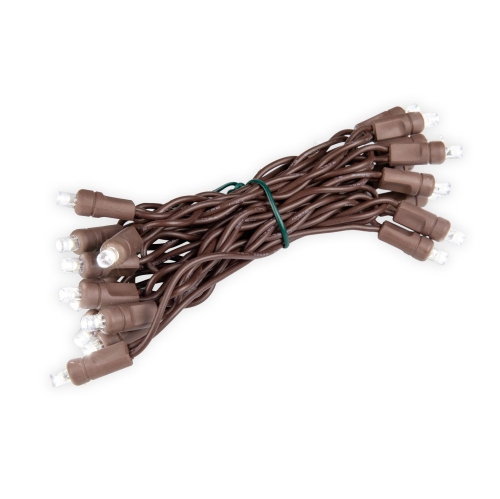
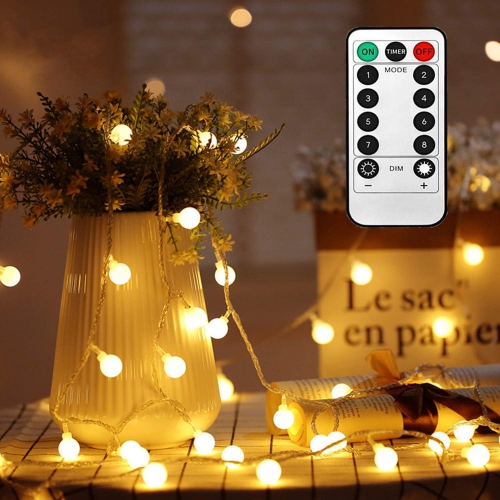
Hanging fairy lights can add a soft, welcoming glow to a room, porch, balcony, bedroom, reading corner or entertaining area without taking up valuable floor or table space. Their fine wires and small bulbs make it easy to create a gentle border, a curtain-like backdrop or a relaxed draped effect around a window, headboard, mantel or shelving unit. When choosing a strand, start by considering where it will be used and how much coverage you need. Indoor-only lights are intended for dry spaces, while outdoor-rated lights are designed to withstand the conditions specified by the manufacturer, including moisture or changing temperatures. Check the product details for the recommended location, length, bulb spacing, power source and operating controls before buying. Plug-in styles are useful when you want longer run time and a consistent glow near an outlet, while battery-powered designs can be placed on shelves, in alcoves or along walls where a power cord would be difficult to conceal. Timer and remote-control functions can make everyday use more convenient, particularly when the lights are mounted in a hard-to-reach spot. Warm white bulbs usually create a mellow, candle-like atmosphere that suits bedrooms, living rooms and dining areas, while multicolour or cool white options can bring a more playful look to a party space, children’s room or seasonal display. For a gift, hanging fairy lights are an easy choice for someone moving into a new home, decorating a dorm room, preparing a nursery or refreshing a guest room. They can also be a thoughtful addition to a student’s care package or a housewarming gift because they offer plenty of ways to personalize a space. For a broader selection intended for interior decorating, explore Indoor Fairy Lights.
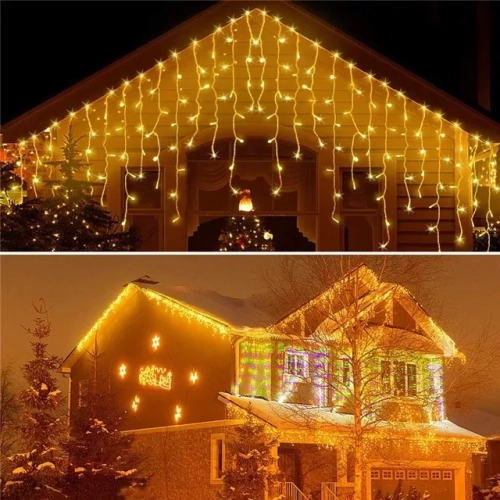
Before hanging the lights, test the full strand while it is still easy to reach. Confirm that every bulb illuminates, the control functions respond as expected and the power cord or battery compartment is positioned where you plan to place it. Measuring the wall, window frame or railing first helps prevent an awkward shortage at one end or a bundle of excess wire at the other. A straight line along the ceiling can make a room feel neatly finished, while a zig-zag arrangement adds movement across a wall or behind a desk. For a curtain effect, hang the main wire horizontally and allow the lighted drops to fall at even intervals. You can also loosely drape a strand over a mirror, weave it through an open bookcase or outline a feature wall, provided the wire is not pinched, sharply bent or placed where it could be pulled. The best hanging method depends on the surface. On a clean, smooth painted wall, damage-free adhesive hooks or clips can hold the wire with minimal visible hardware; follow the manufacturer’s instructions, press each adhesive piece firmly and allow the recommended setting time before adding weight. Clear push pins may work for thin wire on suitable surfaces, while small nails or hooks can be appropriate for wood or other materials when a permanent attachment is acceptable. Brick, concrete and textured walls often require hardware specifically made for masonry rather than ordinary adhesive strips. Do not attach lights to a damp, crumbling or unstable surface, and avoid fastening them to anything that could become hot. Keep the wire gently supported at several points instead of allowing the entire strand to hang from one end. When routing the power cord, guide it along an existing edge and secure it with compatible cable clips so it stays neat without being tightly compressed. Keep battery packs, plugs and adapters accessible, and never position a cord where it could become a tripping hazard or be caught in a closing door.
A little planning also helps hanging fairy lights remain attractive and comfortable to use throughout the cooler months. Place the bulbs where their glow can be seen, but avoid directing bright light straight toward a seating position or sleeping area. In a bedroom, a line behind the headboard or along a shelf can provide a calm accent without dominating the room; in a living area, outlining a window or bookcase can draw attention to architectural details and make a corner feel more inviting. Outdoors, use only lights and extension cords rated for the intended location, keep connections protected as directed and make sure the installation is secure against wind. Even low-heat LED bulbs should not be covered with fabric, paper or other materials that could restrict airflow, and lights should be kept away from curtains, bedding and other easily moved textiles unless the product instructions specifically permit that arrangement. Inspect the strand periodically for frayed wires, loose sockets, cracked insulation or damaged plugs, and discontinue use if anything appears worn or overheated. Turn lights off when leaving home or going to sleep unless they are specifically designed and rated for the selected automatic setting. For battery-powered strands, use the correct battery type and remove batteries if the lights will be stored for an extended period. To take the display down, support the wire as you release each clip rather than pulling from the centre, then coil it loosely to reduce tangles and sharp bends. Stored in a dry place away from direct heat, a well-cared-for strand can be ready for future room updates, celebrations, quiet evenings at home and welcoming guests. The result should feel intentional but not fussy: a few evenly spaced points of light along a wall can make a reading chair feel tucked away, while a fuller drape can turn an otherwise plain backdrop into a warm setting for photos, conversation or a relaxed meal.
Before hanging the lights, test the full strand while it is still easy to reach. Confirm that every bulb illuminates, the control functions respond as expected and the power cord or battery compartment is positioned where you plan to place it. Measuring the wall, window frame or railing first helps prevent an awkward shortage at one end or a bundle of excess wire at the other. A straight line along the ceiling can make a room feel neatly finished, while a zig-zag arrangement adds movement across a wall or behind a desk. For a curtain effect, hang the main wire horizontally and allow the lighted drops to fall at even intervals. You can also loosely drape a strand over a mirror, weave it through an open bookcase or outline a feature wall, provided the wire is not pinched, sharply bent or placed where it could be pulled. The best hanging method depends on the surface. On a clean, smooth painted wall, damage-free adhesive hooks or clips can hold the wire with minimal visible hardware; follow the manufacturer’s instructions, press each adhesive piece firmly and allow the recommended setting time before adding weight. Clear push pins may work for thin wire on suitable surfaces, while small nails or hooks can be appropriate for wood or other materials when a permanent attachment is acceptable. Brick, concrete and textured walls often require hardware specifically made for masonry rather than ordinary adhesive strips. Do not attach lights to a damp, crumbling or unstable surface, and avoid fastening them to anything that could become hot. Keep the wire gently supported at several points instead of allowing the entire strand to hang from one end. When routing the power cord, guide it along an existing edge and secure it with compatible cable clips so it stays neat without being tightly compressed. Keep battery packs, plugs and adapters accessible, and never position a cord where it could become a tripping hazard or be caught in a closing door.
A little planning also helps hanging fairy lights remain attractive and comfortable to use throughout the cooler months. Place the bulbs where their glow can be seen, but avoid directing bright light straight toward a seating position or sleeping area. In a bedroom, a line behind the headboard or along a shelf can provide a calm accent without dominating the room; in a living area, outlining a window or bookcase can draw attention to architectural details and make a corner feel more inviting. Outdoors, use only lights and extension cords rated for the intended location, keep connections protected as directed and make sure the installation is secure against wind. Even low-heat LED bulbs should not be covered with fabric, paper or other materials that could restrict airflow, and lights should be kept away from curtains, bedding and other easily moved textiles unless the product instructions specifically permit that arrangement. Inspect the strand periodically for frayed wires, loose sockets, cracked insulation or damaged plugs, and discontinue use if anything appears worn or overheated. Turn lights off when leaving home or going to sleep unless they are specifically designed and rated for the selected automatic setting. For battery-powered strands, use the correct battery type and remove batteries if the lights will be stored for an extended period. To take the display down, support the wire as you release each clip rather than pulling from the centre, then coil it loosely to reduce tangles and sharp bends. Stored in a dry place away from direct heat, a well-cared-for strand can be ready for future room updates, celebrations, quiet evenings at home and welcoming guests. The result should feel intentional but not fussy: a few evenly spaced points of light along a wall can make a reading chair feel tucked away, while a fuller drape can turn an otherwise plain backdrop into a warm setting for photos, conversation or a relaxed meal.
Top selling and popular products
-
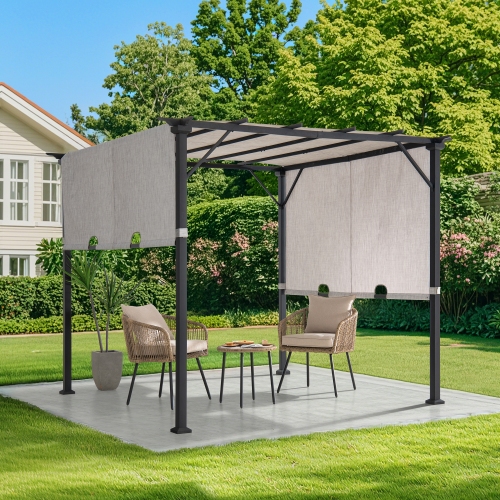 Your price for this item is $274.99
 -
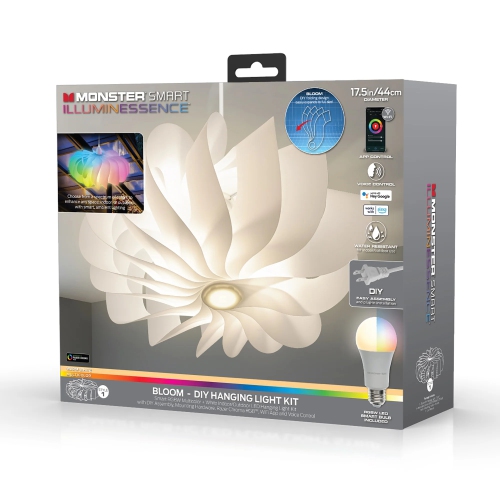 Your price for this item is $49.99
 -
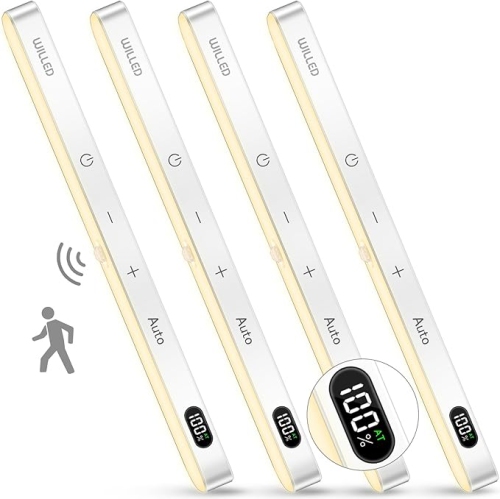 Your price for this item is $48.2
 -
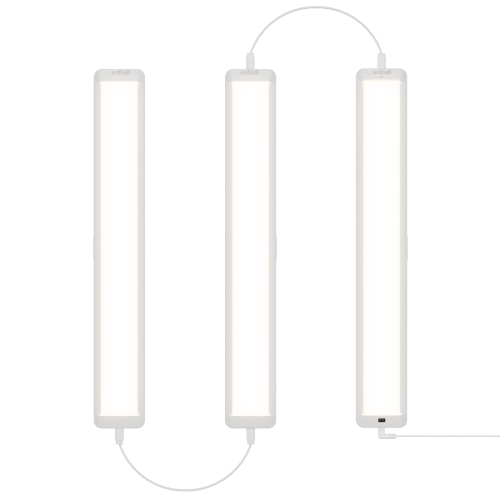 Your price for this item is $89.99
 -
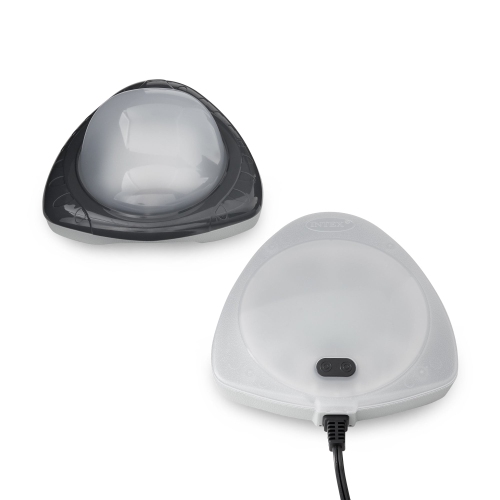 Your price for this item is $89.99
 -
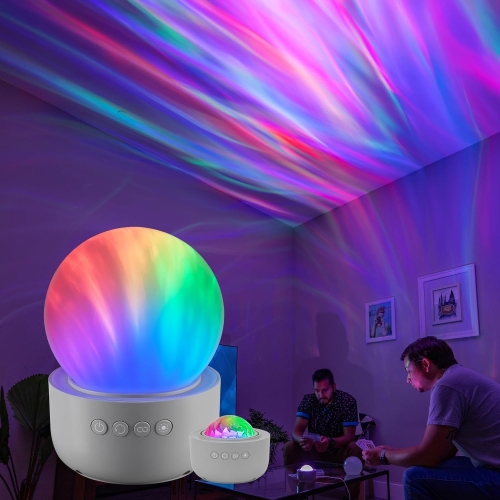 Your price for this item is $29.99
 -
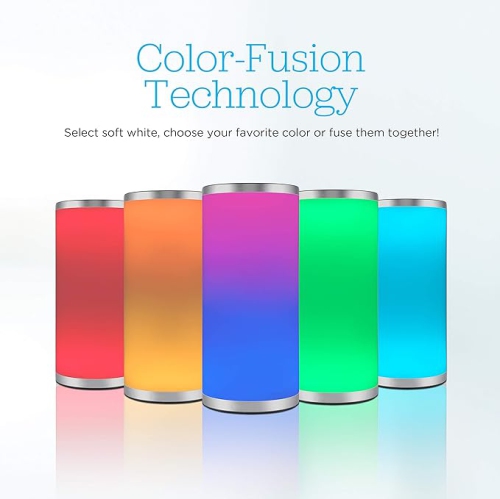 Your price for this item is $26.99
 -
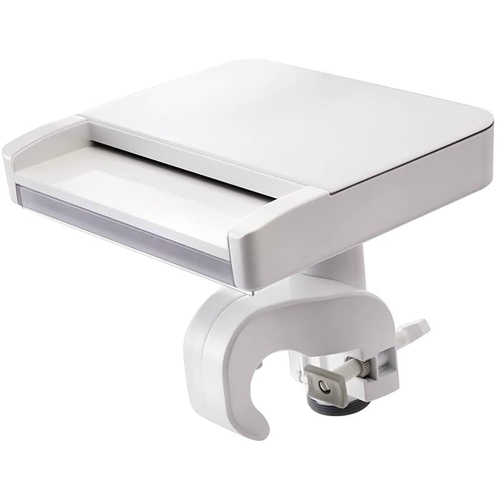 Your price for this item is $99.99
Discover more categories related to Hanging Fairy Lights
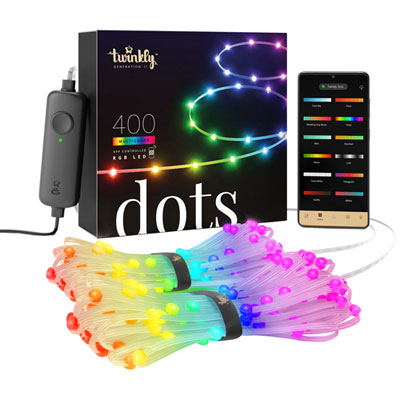
Top Collections:
Pokemon Centers, Best Cameras for Sports Photography, Kindle Devices, Samsung Galaxy Phones, Canon G7X Cameras, Pokémon 30th Celebration Cards, Refurbished Apple Laptops, iPhone 15 Apple, Laptops for Students, Budget Smartphones
Some products may be subject to Environmental Handling Fees
(EHF) depending on your province.
Learn more about EHFs.