Hardware Cloth for Raised Beds
Hardware Cloth for Raised Beds is an essential addition for anyone looking to protect and maintain their garden spaces. Designed to offer reliable support and security, these versatile materials help keep your raised beds organized and functional throughout the growing season. Whether you’re a seasoned gardener or just starting out, choosing the right hardware cloth can make all the difference in creating a thriving outdoor environment. Explore a range of options to find the perfect fit for your raised bed needs.
Sort

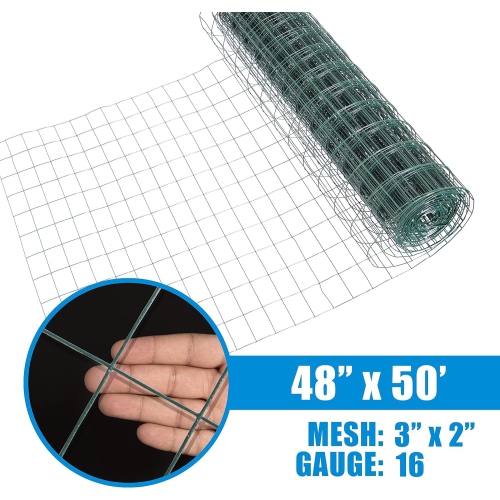
Protection from burrowing pests starts beneath the soil
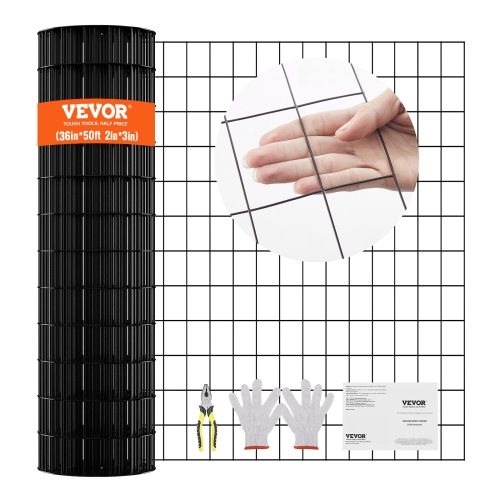
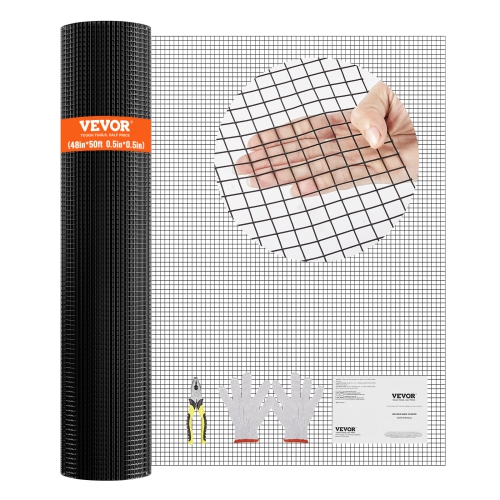
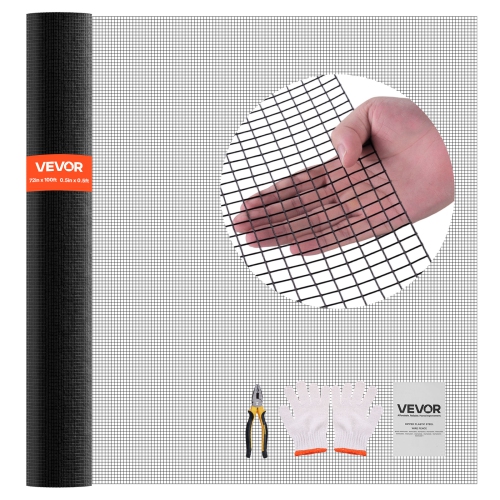
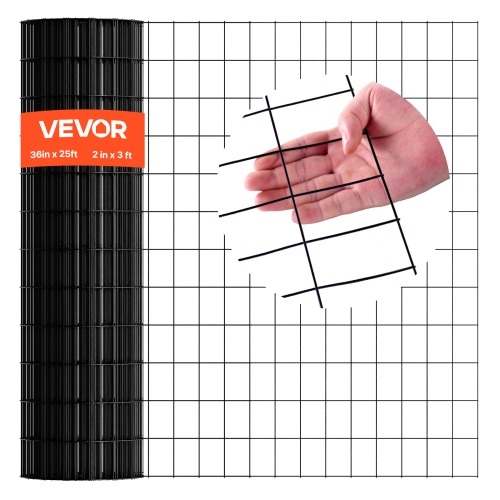
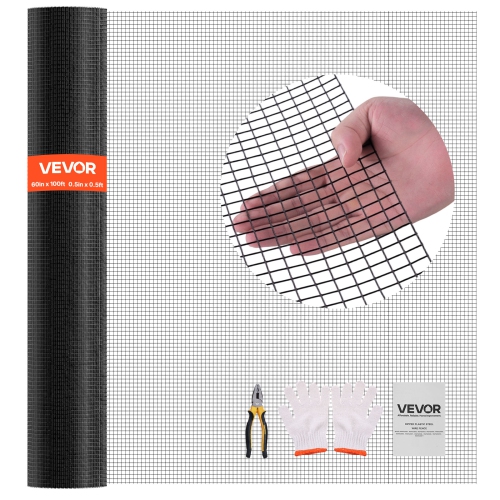
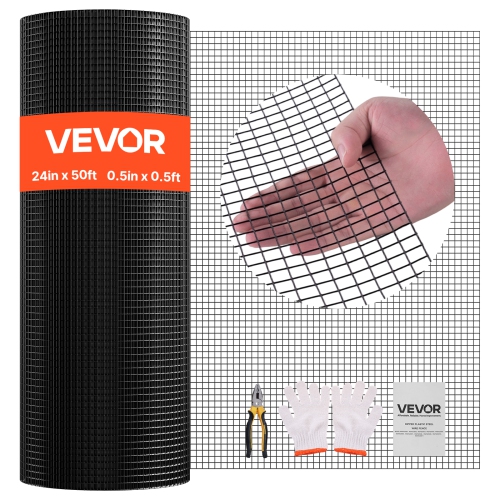
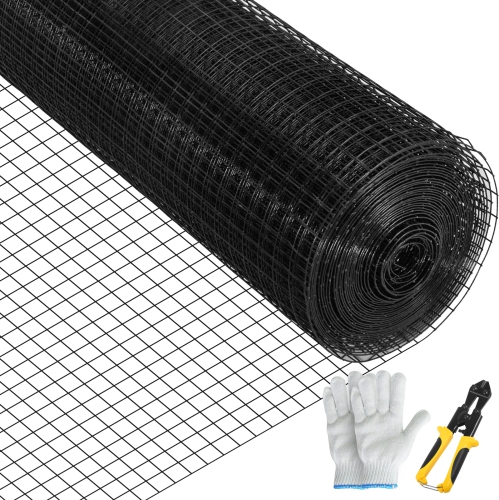
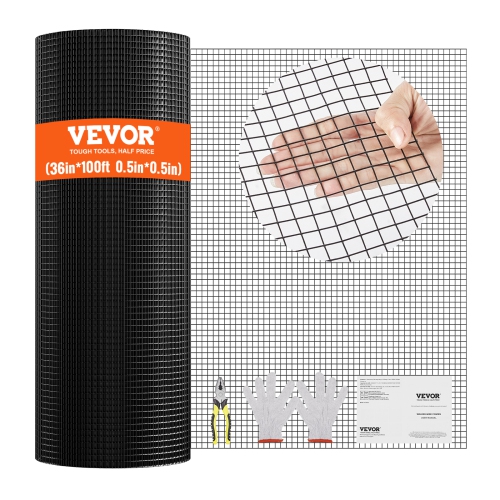
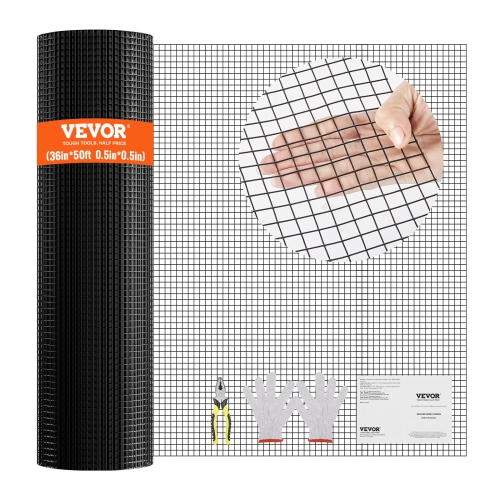
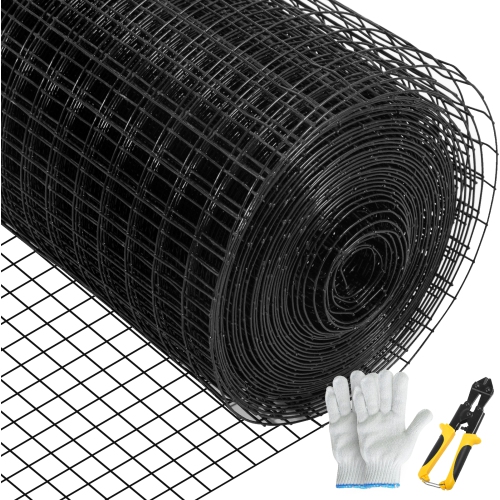
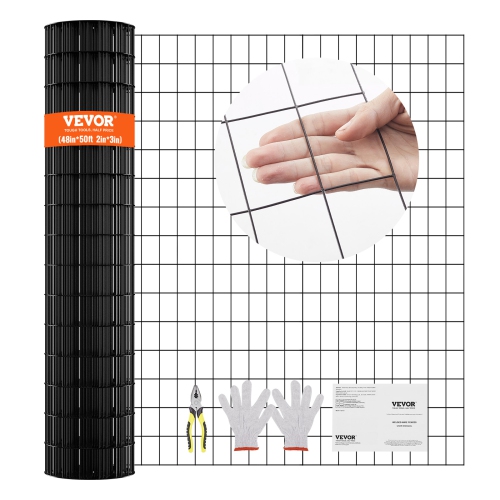
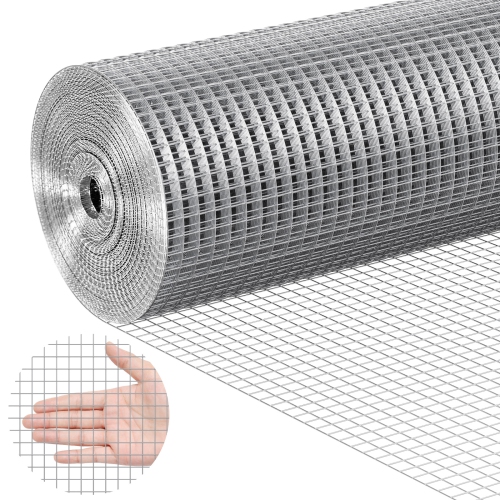
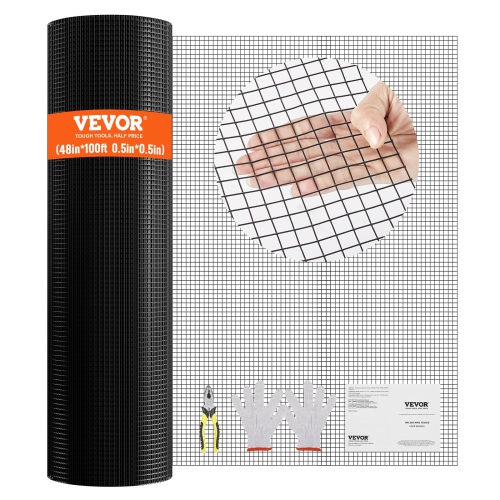
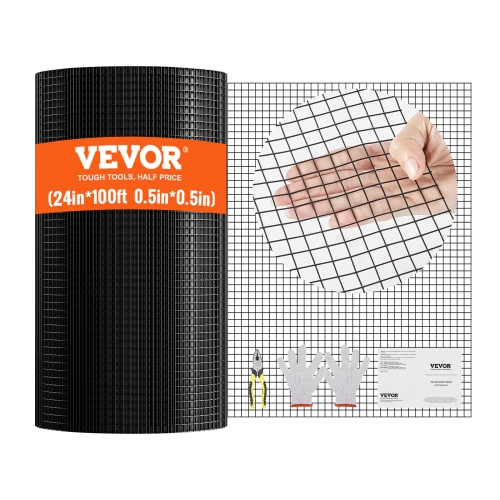
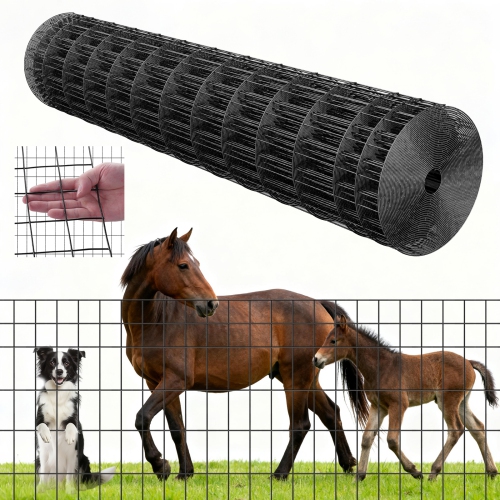
Hardware cloth for raised beds is a rigid wire mesh used to create a barrier between garden soil and animals that burrow beneath it. Despite its name, hardware cloth is metal rather than fabric, with closely spaced openings that allow water to pass through while restricting access to the planting area. It is commonly fitted across the bottom of an open-bottom raised bed before soil is added, making it especially useful for vegetable gardens, herb beds, and flower boxes placed directly on the ground. For gardeners who have found tunnels beneath their carrots or disturbed roots around established plants, a continuous mesh base adds protection where a fence above ground cannot reach. The size of the openings is an important distinction: 1/4-inch mesh offers a smaller opening for excluding small rodents, while 1/2-inch mesh is commonly used where larger burrowing pests, such as gophers, are the main concern. Neither size guarantees protection against every animal, and the effectiveness of the barrier depends on the animal’s size, the condition of the mesh, and how securely its edges and seams are closed. Voles and mice can also enter a bed from above, so a bottom liner addresses only one possible route. Hardware cloth differs from chicken wire, which typically has larger hexagonal openings and is less suited to blocking small animals beneath a planting bed. It also serves a different purpose from landscape fabric: wire mesh is a physical animal barrier, not a weed suppressant or a liner designed to retain fine soil. In a ground-level bed, the earth beneath the mesh supports the planting mix, while the openings preserve contact with the ground below. This makes hardware cloth relevant to home gardeners building their first timber bed, experienced growers replacing a damaged liner, and community garden organizers looking for a practical way to protect shared planting spaces. Its value lies in forming a well-fitted boundary without turning the bed into a sealed container.
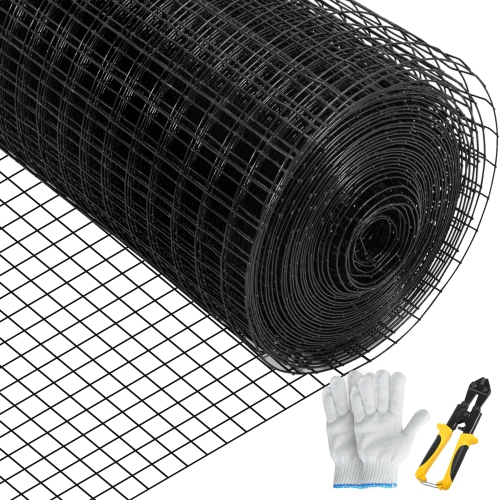
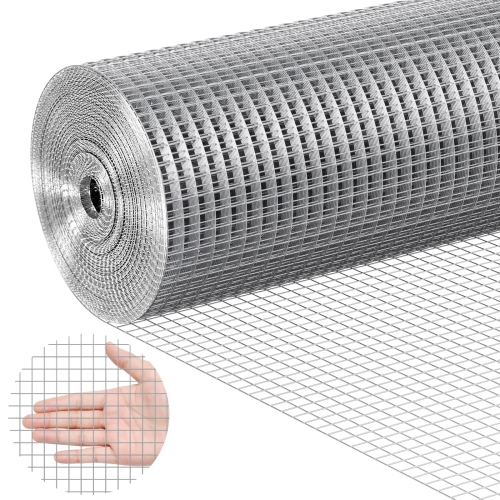
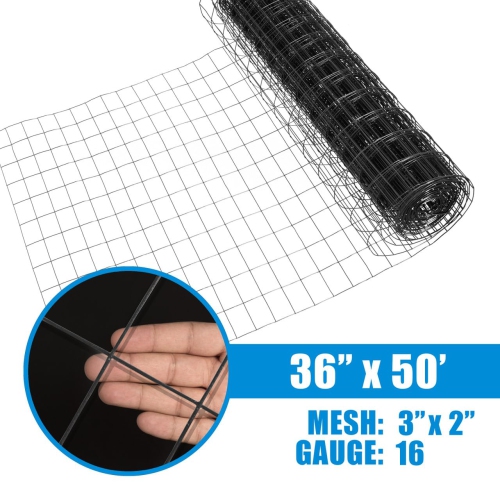
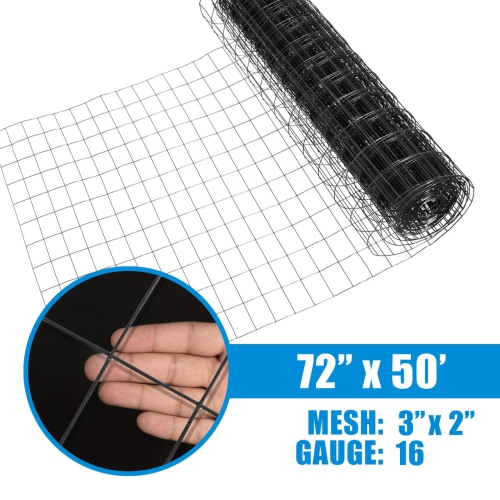
Material, wire thickness, and construction influence how hardware cloth performs once it is tucked beneath a raised bed. Galvanized steel is a common choice because its zinc coating helps protect the steel against corrosion during contact with damp soil. The coating method matters as well as the material name: mesh galvanized after welding receives its protective treatment after the wire intersections are joined, helping cover areas that might otherwise be more vulnerable. Stainless steel offers another option where corrosion resistance is a priority, although performance still depends on the alloy and conditions of use. Coated mesh may have an additional outer layer, but a surface coating should not be mistaken for a guarantee that the underlying wire will remain intact indefinitely. Cut edges, worn patches, and damaged welds deserve attention because they can become weak points over time. Soil chemistry, persistent moisture, and contact with other materials can all affect service life, so no single lifespan applies to every garden. Wire gauge describes thickness rather than opening size; within the same gauge system, a lower number generally indicates thicker wire. Common hardware cloth gauges include 19 through 23, but gauge and opening size need to be considered together. Thicker wire tends to hold its shape better, while finer wire can be easier to trim and fold around a frame. A wide, stiff sheet may suit a broad rectangular bed, whereas more flexible mesh can be easier to handle around a compact planter with several corners. Welded intersections help maintain a consistent grid, and an even pattern without broken joins is important for a dependable barrier. Intended use is equally important: mesh suitable for a garden enclosure is not automatically rated to carry the weight of soil. An elevated planter with legs needs a properly designed supporting base; hardware cloth alone should not be treated as a structural floor. For edible gardens, material specifications and suitability for the intended application deserve attention rather than relying on appearance or a general-purpose label.
Fit is often what separates a useful raised-bed liner from a barrier with an easy route around it. Roll width and length should accommodate the bed’s footprint as well as any allowance needed for fastening, overlapping seams, or turning the mesh up along the inside edges. A bed described by its outside dimensions may have a smaller interior opening, and corner posts or cross-braces can change the shape the liner needs to follow. A single continuous piece reduces the number of joins, while larger beds may need multiple sections with securely connected overlaps. Simply placing two cut edges beside each other can leave a seam that separates as the bed is filled. The connection between the mesh and frame matters just as much: gaps at corners, loose sections beneath a side board, and openings around posts can undermine otherwise suitable mesh. Timber frames may accommodate corrosion-resistant staples or screws with washers, while metal and composite beds need fastening methods compatible with their construction. A narrow wooden retaining strip can help distribute pressure along a mesh edge rather than concentrating it at individual fastening points. These details are particularly relevant when replacing a liner in an existing bed, where access beneath the soil is limited and the work may involve emptying the planting area. Cut wire ends are sharp, making sturdy gloves, eye protection, and suitable wire-cutting tools important handling considerations; exposed edges should also be kept away from hands, pets, and paths beside the bed. Once installed, hardware cloth generally needs little routine attention, but accessible edges and fastening points are worth checking whenever the bed is emptied or repaired. Broken wires, widening gaps, or substantial rust indicate that the barrier may no longer provide the same protection. A bottom liner does not stop insects, climbing animals, or rabbits reaching plants from above, so it works best when matched to the actual source of damage. For related mesh applications around garden boundaries and other vulnerable openings, Hardware Cloth for Pest Control provides a broader selection context. Within a raised bed, the central considerations remain straightforward: appropriate openings, durable wire, and a continuous fit that protects the planting area from below.
Material, wire thickness, and construction influence how hardware cloth performs once it is tucked beneath a raised bed. Galvanized steel is a common choice because its zinc coating helps protect the steel against corrosion during contact with damp soil. The coating method matters as well as the material name: mesh galvanized after welding receives its protective treatment after the wire intersections are joined, helping cover areas that might otherwise be more vulnerable. Stainless steel offers another option where corrosion resistance is a priority, although performance still depends on the alloy and conditions of use. Coated mesh may have an additional outer layer, but a surface coating should not be mistaken for a guarantee that the underlying wire will remain intact indefinitely. Cut edges, worn patches, and damaged welds deserve attention because they can become weak points over time. Soil chemistry, persistent moisture, and contact with other materials can all affect service life, so no single lifespan applies to every garden. Wire gauge describes thickness rather than opening size; within the same gauge system, a lower number generally indicates thicker wire. Common hardware cloth gauges include 19 through 23, but gauge and opening size need to be considered together. Thicker wire tends to hold its shape better, while finer wire can be easier to trim and fold around a frame. A wide, stiff sheet may suit a broad rectangular bed, whereas more flexible mesh can be easier to handle around a compact planter with several corners. Welded intersections help maintain a consistent grid, and an even pattern without broken joins is important for a dependable barrier. Intended use is equally important: mesh suitable for a garden enclosure is not automatically rated to carry the weight of soil. An elevated planter with legs needs a properly designed supporting base; hardware cloth alone should not be treated as a structural floor. For edible gardens, material specifications and suitability for the intended application deserve attention rather than relying on appearance or a general-purpose label.
Fit is often what separates a useful raised-bed liner from a barrier with an easy route around it. Roll width and length should accommodate the bed’s footprint as well as any allowance needed for fastening, overlapping seams, or turning the mesh up along the inside edges. A bed described by its outside dimensions may have a smaller interior opening, and corner posts or cross-braces can change the shape the liner needs to follow. A single continuous piece reduces the number of joins, while larger beds may need multiple sections with securely connected overlaps. Simply placing two cut edges beside each other can leave a seam that separates as the bed is filled. The connection between the mesh and frame matters just as much: gaps at corners, loose sections beneath a side board, and openings around posts can undermine otherwise suitable mesh. Timber frames may accommodate corrosion-resistant staples or screws with washers, while metal and composite beds need fastening methods compatible with their construction. A narrow wooden retaining strip can help distribute pressure along a mesh edge rather than concentrating it at individual fastening points. These details are particularly relevant when replacing a liner in an existing bed, where access beneath the soil is limited and the work may involve emptying the planting area. Cut wire ends are sharp, making sturdy gloves, eye protection, and suitable wire-cutting tools important handling considerations; exposed edges should also be kept away from hands, pets, and paths beside the bed. Once installed, hardware cloth generally needs little routine attention, but accessible edges and fastening points are worth checking whenever the bed is emptied or repaired. Broken wires, widening gaps, or substantial rust indicate that the barrier may no longer provide the same protection. A bottom liner does not stop insects, climbing animals, or rabbits reaching plants from above, so it works best when matched to the actual source of damage. For related mesh applications around garden boundaries and other vulnerable openings, Hardware Cloth for Pest Control provides a broader selection context. Within a raised bed, the central considerations remain straightforward: appropriate openings, durable wire, and a continuous fit that protects the planting area from below.
Top selling and popular products
-
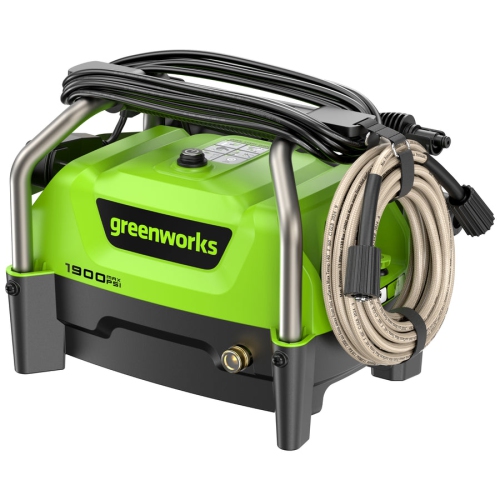 Your price for this item is $169.99
 -
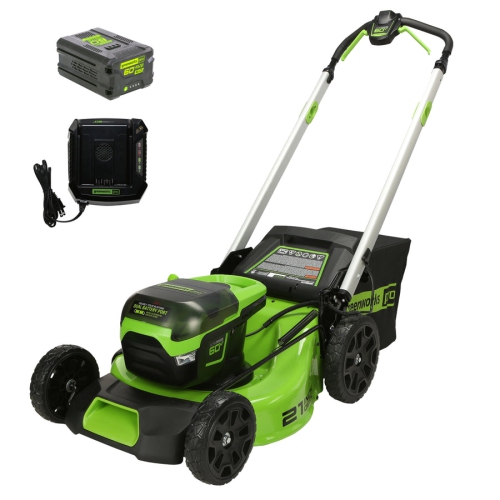 Your price for this item is $554.39
 -
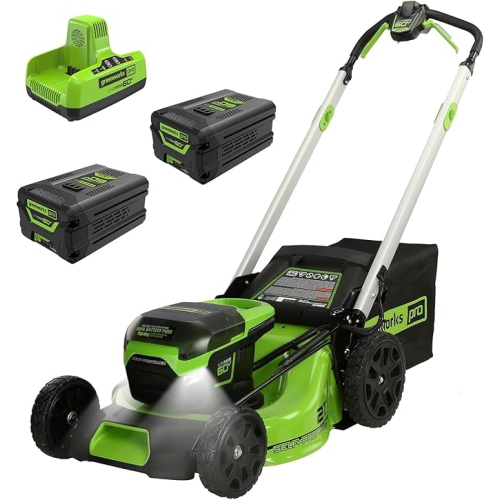 Your price for this item is $879.99
 -
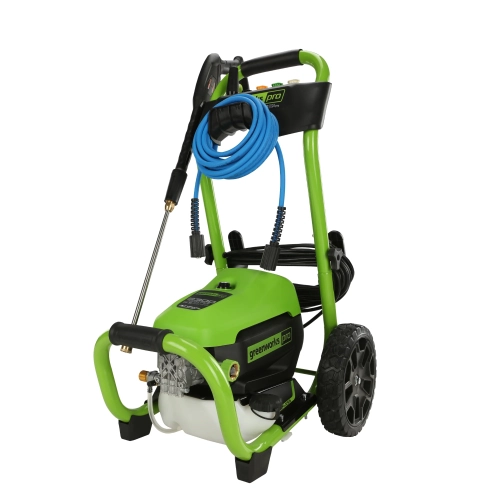 Your price for this item is $439.99
 -
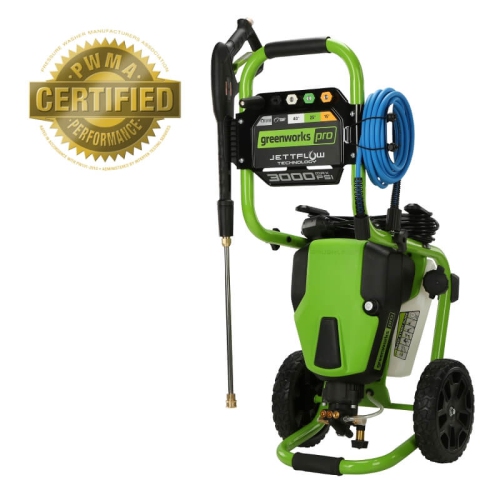 Your price for this item is $499
 -
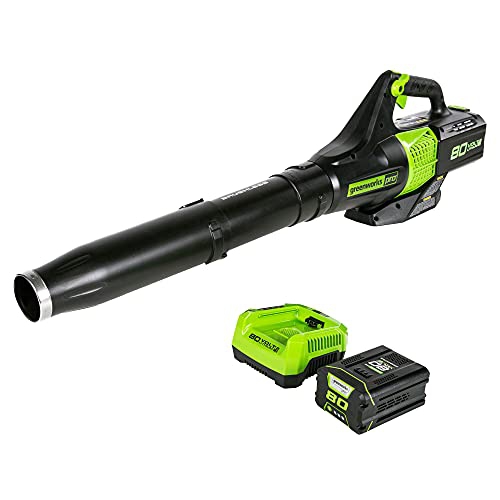 Your price for this item is $255
 -
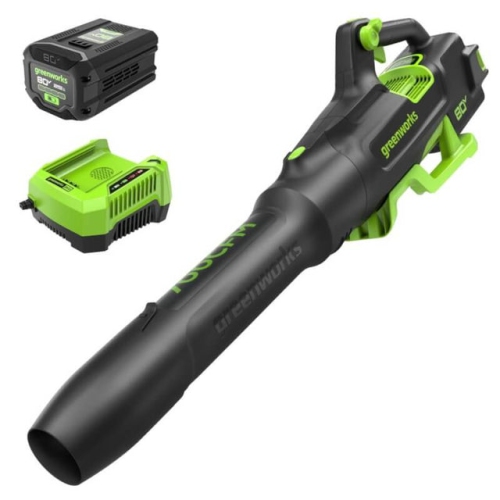 Your price for this item is $272
 -
 Your price for this item is $329.99
Discover more categories related to Hardware Cloth for Raised Beds
Top Collections:
Pokemon Centers, Kindle Devices, Best Budget Office Chairs, Apple iPhones 16, Canon G7X Cameras, iPhone 15 Apple, Alarm Clock, Refurbished Apple Laptops, Flip Phones, Best Laptops for Writers
Some products may be subject to Environmental Handling Fees
(EHF) depending on your province.
Learn more about EHFs.