Hardware Cloth for Tree Protection
Hardware Cloth for Tree Protection offers a reliable solution for safeguarding young trees and shrubs from potential damage. Designed to meet the needs of gardeners, landscapers, and property owners, these versatile materials help maintain healthy growth and keep outdoor spaces looking their best. Explore a range of options to find the right fit for your tree protection projects and enjoy greater peace of mind throughout every season.
Sort

Why mesh size matters for guarding tree bark
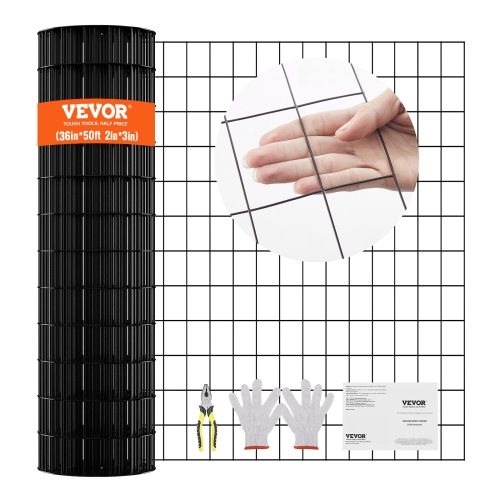
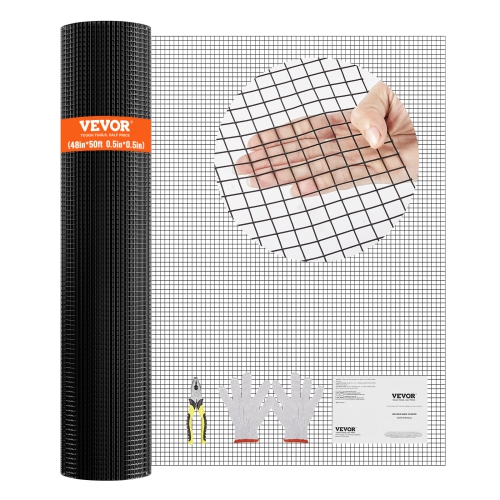
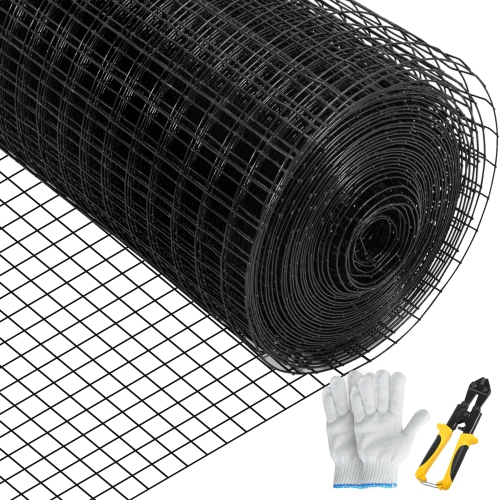
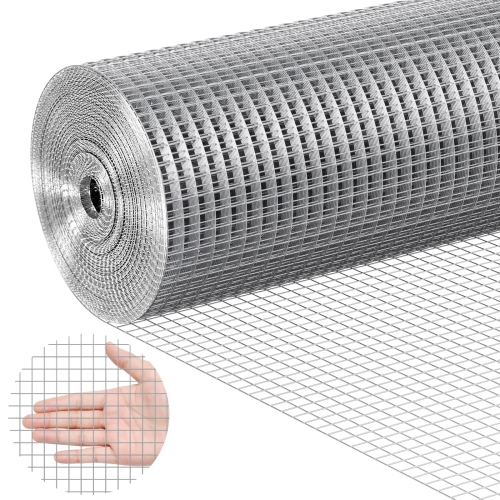
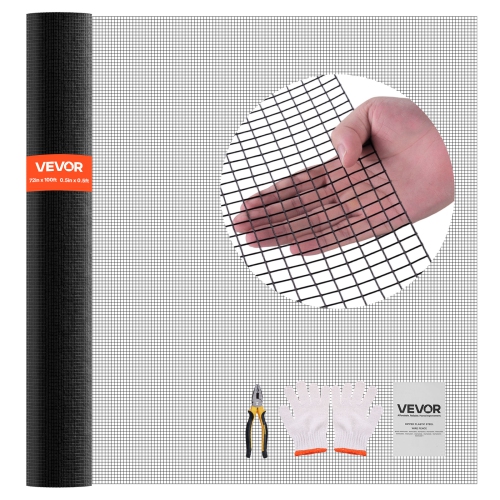
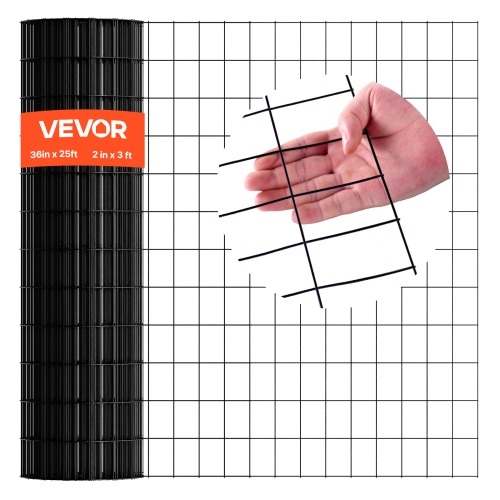
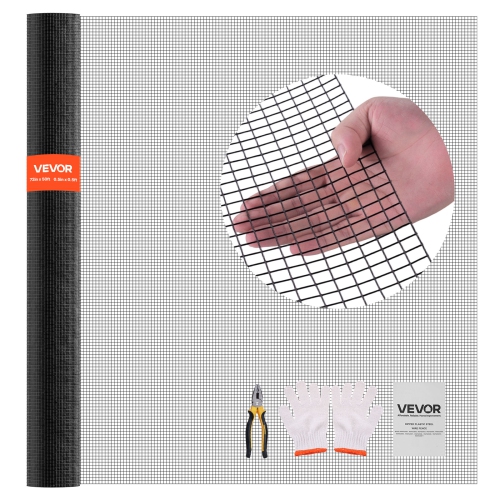
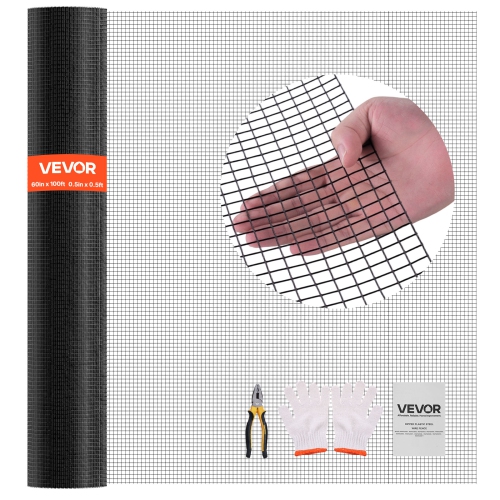
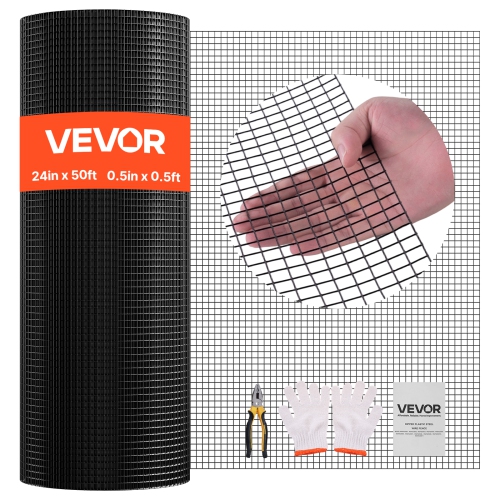
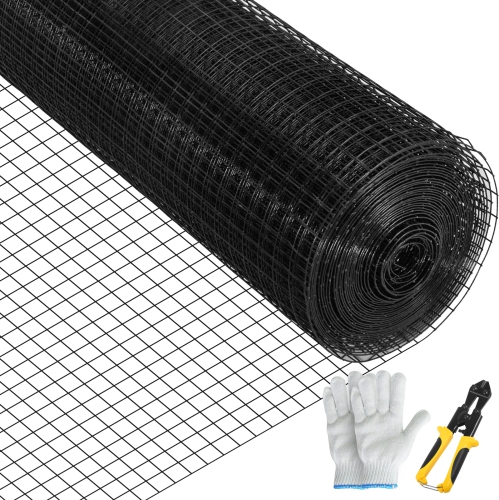
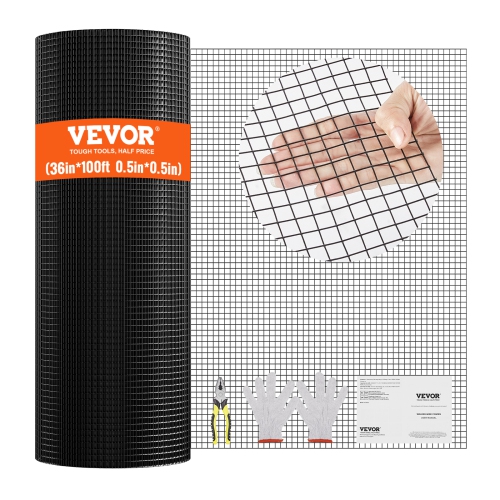
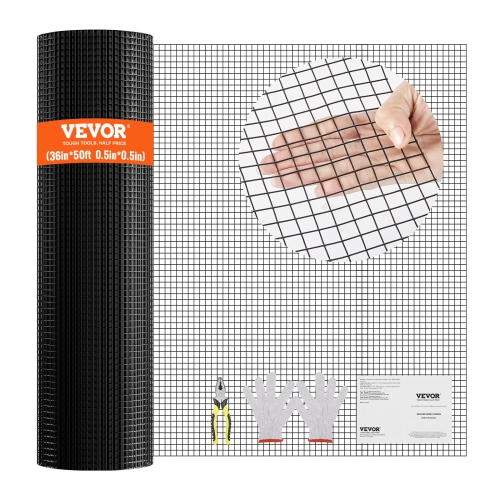
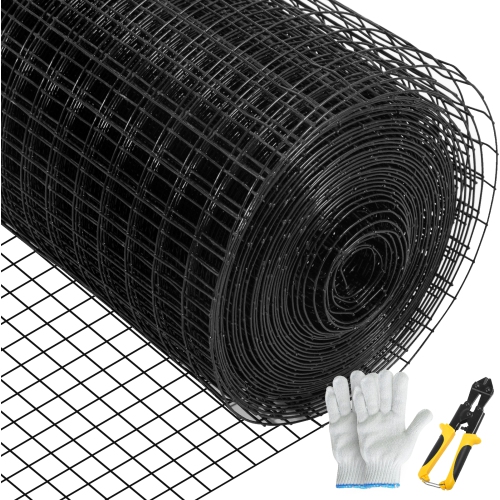
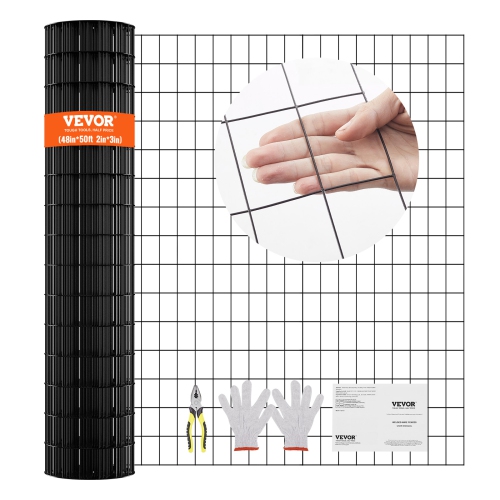
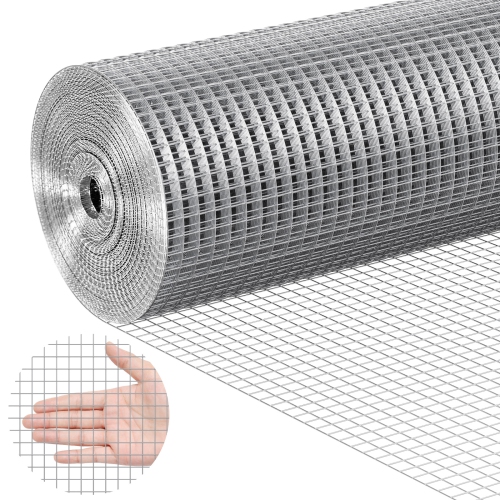
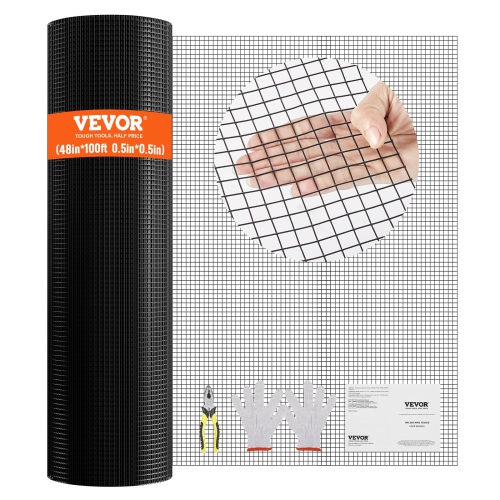
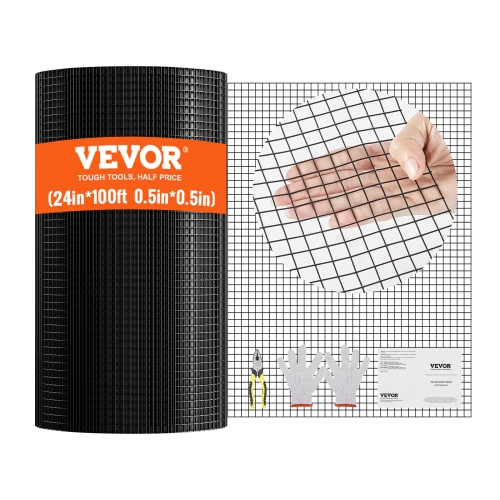
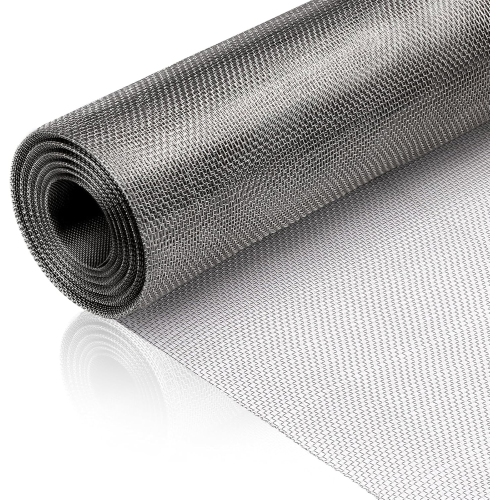
Hardware cloth for tree protection is a rigid wire mesh used to form a protective barrier around a tree’s lower trunk. Despite its name, it is metal rather than fabric, with closely spaced openings that help keep gnawing animals away from vulnerable bark. Young fruit trees, newly planted shade trees, and ornamental saplings are common candidates for this type of guard because damage around the trunk can interfere with the movement of water and nutrients. Galvanized steel hardware cloth is a practical choice for this purpose: its zinc coating helps resist rust, while the welded grid holds a cylindrical shape without needing to wrap tightly against the tree. Mesh opening size is an important distinction. A 1/4-inch mesh is generally preferable where mice and voles are the concern, while a 1/2-inch mesh can suit barriers intended for rabbits but should not be assumed to exclude smaller rodents. The size refers to the openings, not the thickness of the wire or the overall dimensions of the roll. For a small apple tree beside a lawn or a sapling near a planted border, a close-fitting barrier at ground level matters just as much as the mesh itself; an opening beneath the guard can leave a route to the bark. Hardware cloth provides a physical obstacle rather than a treatment for existing damage, and it does not replace a larger fence where deer browsing or antler rubbing is the main issue. Its open structure allows air and light to reach the trunk and makes the bark easier to inspect than it would be beneath an opaque wrap. Home gardeners, property caretakers, and people tending small orchards may find that balance useful when protecting several trees of different sizes. The main considerations are the animal being excluded, the coverage needed, and enough clearance for the trunk to grow without touching the wire.
Material, wire thickness, roll dimensions, and finished guard size all affect how well hardware cloth suits a planting area. Galvanized mesh combines shape retention with resistance to corrosion, although cut ends, damaged coatings, and prolonged contact with damp soil can become points of deterioration. Stainless steel mesh offers another option where greater corrosion resistance is important, while coated wire requires attention to both the underlying metal and the condition of its outer layer. A coating does not make a tight guard safe against bark, nor does it eliminate sharp ends after cutting. Wire gauge describes thickness, with lower gauge numbers generally indicating thicker wire within the same gauge system. Thicker wire tends to resist bending better but can take more effort to cut and shape; lighter wire is easier to handle but may need additional support to keep it from leaning into the trunk. Roll width determines the possible height of a guard when the mesh is used in its usual orientation, and roll length affects how many cylinders can be formed. Allowance for overlapping edges and growth clearance is part of that calculation. A guard should stand away from the trunk rather than act like a sleeve, with several centimetres of space on every side and enough room to accommodate movement and thickening. That distinction is especially important around an irregular trunk, where one protruding section of bark may sit much closer to the wire than the rest. Guards roughly 18 to 30 inches tall are commonly used for lower-trunk protection, but suitable height depends on the animal’s reach and the part of the tree that needs coverage. Low branches, graft unions, and multiple stems can also affect fit. A short cylinder protects only the bark it surrounds; it cannot prevent feeding above its top edge. For trees planted on a slope or beside exposed roots, an even bottom edge may be harder to achieve, making the shape of the planting site another useful consideration alongside the measurements on the roll.
Long-term usefulness depends on a guard remaining secure, separated from the bark, and accessible for inspection. Overlapping seams held with suitable outdoor fasteners can help a cylinder retain its shape, while a separate support may be useful where the mesh would otherwise tip or shift. Fasteners belong on the mesh rather than around the trunk, and projecting wire ends should face away from the tree and passing hands. Cut hardware cloth has sharp edges, so heavy-duty gloves, eye protection, and cutters rated for the wire thickness are sensible handling essentials. A neatly finished edge also makes a difference beside a path, where someone may brush against the guard while watering or tending nearby plants. At the base, close contact with the ground helps limit access, but mulch alone is not a reliable seal against burrowing animals. Any shallow placement into the soil needs to account for nearby roots and avoid damaging them. Mulch should remain clear of the trunk rather than being piled inside the cylinder, where it can conceal bark and make inspection difficult. Leaves, grass clippings, and other debris can collect against fine mesh, so an open, accessible seam is useful for clearing material and checking the tree beneath it. As the trunk expands, the guard may need widening or replacement; a cylinder that once had generous clearance can eventually rub or restrict growth if left unattended. Broken welds, loose ties, rusted sections, and lifted bottom edges are worth checking during routine garden care. Hardware cloth can also serve other household screening purposes, but the specifications that suit one job do not automatically suit another. For a separate application around roof drainage, Hardware Cloth for Gutter Guards covers a related use with different fit and support considerations. Around trees, the strongest match remains mesh sized for the intended pest, formed into a stable barrier with room for growth. That combination supports a tidy planting area while keeping the trunk visible and leaving everyday watering, inspection, and maintenance manageable.
Material, wire thickness, roll dimensions, and finished guard size all affect how well hardware cloth suits a planting area. Galvanized mesh combines shape retention with resistance to corrosion, although cut ends, damaged coatings, and prolonged contact with damp soil can become points of deterioration. Stainless steel mesh offers another option where greater corrosion resistance is important, while coated wire requires attention to both the underlying metal and the condition of its outer layer. A coating does not make a tight guard safe against bark, nor does it eliminate sharp ends after cutting. Wire gauge describes thickness, with lower gauge numbers generally indicating thicker wire within the same gauge system. Thicker wire tends to resist bending better but can take more effort to cut and shape; lighter wire is easier to handle but may need additional support to keep it from leaning into the trunk. Roll width determines the possible height of a guard when the mesh is used in its usual orientation, and roll length affects how many cylinders can be formed. Allowance for overlapping edges and growth clearance is part of that calculation. A guard should stand away from the trunk rather than act like a sleeve, with several centimetres of space on every side and enough room to accommodate movement and thickening. That distinction is especially important around an irregular trunk, where one protruding section of bark may sit much closer to the wire than the rest. Guards roughly 18 to 30 inches tall are commonly used for lower-trunk protection, but suitable height depends on the animal’s reach and the part of the tree that needs coverage. Low branches, graft unions, and multiple stems can also affect fit. A short cylinder protects only the bark it surrounds; it cannot prevent feeding above its top edge. For trees planted on a slope or beside exposed roots, an even bottom edge may be harder to achieve, making the shape of the planting site another useful consideration alongside the measurements on the roll.
Long-term usefulness depends on a guard remaining secure, separated from the bark, and accessible for inspection. Overlapping seams held with suitable outdoor fasteners can help a cylinder retain its shape, while a separate support may be useful where the mesh would otherwise tip or shift. Fasteners belong on the mesh rather than around the trunk, and projecting wire ends should face away from the tree and passing hands. Cut hardware cloth has sharp edges, so heavy-duty gloves, eye protection, and cutters rated for the wire thickness are sensible handling essentials. A neatly finished edge also makes a difference beside a path, where someone may brush against the guard while watering or tending nearby plants. At the base, close contact with the ground helps limit access, but mulch alone is not a reliable seal against burrowing animals. Any shallow placement into the soil needs to account for nearby roots and avoid damaging them. Mulch should remain clear of the trunk rather than being piled inside the cylinder, where it can conceal bark and make inspection difficult. Leaves, grass clippings, and other debris can collect against fine mesh, so an open, accessible seam is useful for clearing material and checking the tree beneath it. As the trunk expands, the guard may need widening or replacement; a cylinder that once had generous clearance can eventually rub or restrict growth if left unattended. Broken welds, loose ties, rusted sections, and lifted bottom edges are worth checking during routine garden care. Hardware cloth can also serve other household screening purposes, but the specifications that suit one job do not automatically suit another. For a separate application around roof drainage, Hardware Cloth for Gutter Guards covers a related use with different fit and support considerations. Around trees, the strongest match remains mesh sized for the intended pest, formed into a stable barrier with room for growth. That combination supports a tidy planting area while keeping the trunk visible and leaving everyday watering, inspection, and maintenance manageable.
Top selling and popular products
-
 Your price for this item is $169.99
 -
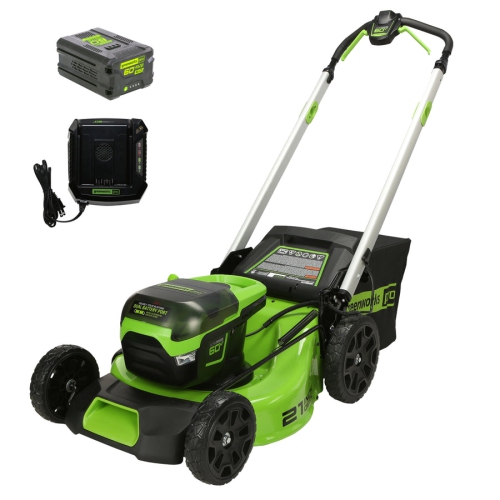 Your price for this item is $554.39
 -
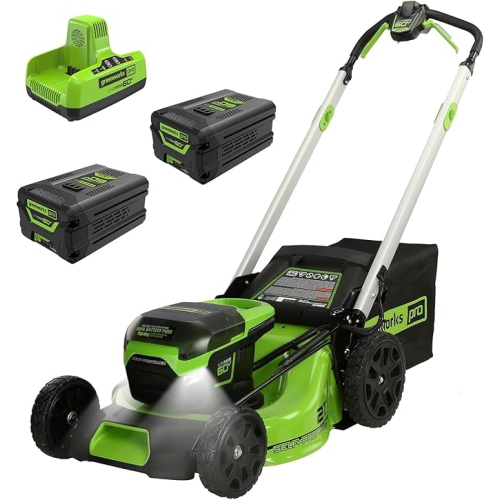 Your price for this item is $879.99
 -
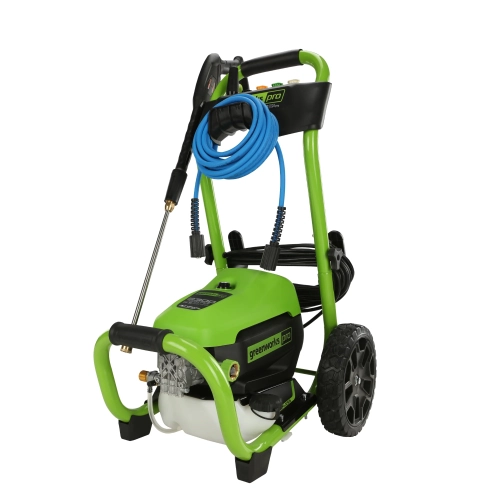 Your price for this item is $439.99
 -
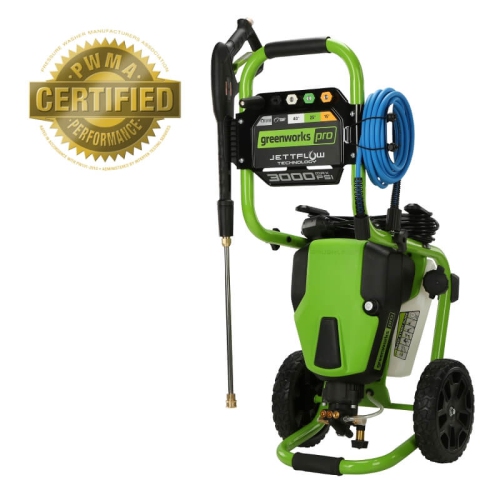 Your price for this item is $499
 -
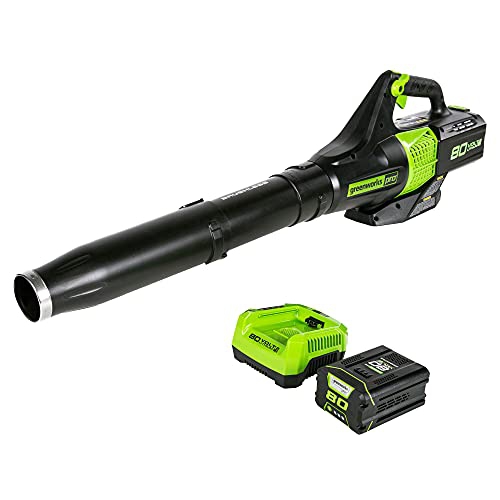 Your price for this item is $255
 -
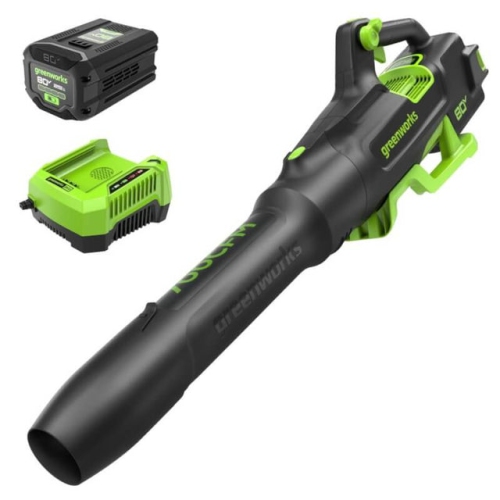 Your price for this item is $272
 -
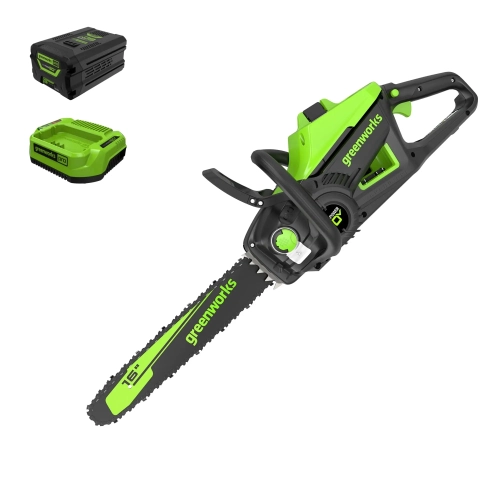 Your price for this item is $329.99
Discover more categories related to Hardware Cloth for Tree Protection
Top Collections:
Pokemon Centers, Kindle Devices, Best Budget Office Chairs, Apple iPhones 16, Canon G7X Cameras, iPhone 15 Apple, Alarm Clock, Refurbished Apple Laptops, Flip Phones, Best Laptops for Writers
Some products may be subject to Environmental Handling Fees
(EHF) depending on your province.
Learn more about EHFs.