Headboards for Metal Frames
Enhance the look and feel of your bedroom with our collection of headboards designed specifically for metal frames. Whether you're looking to add a touch of elegance, create a cozy atmosphere, or make a bold statement, we have a wide range of headboards to suit your style and preferences. From sleek and modern designs to classic and timeless options, our selection offers something for every taste.
Sort

A fresh look starts with the right headboard fit
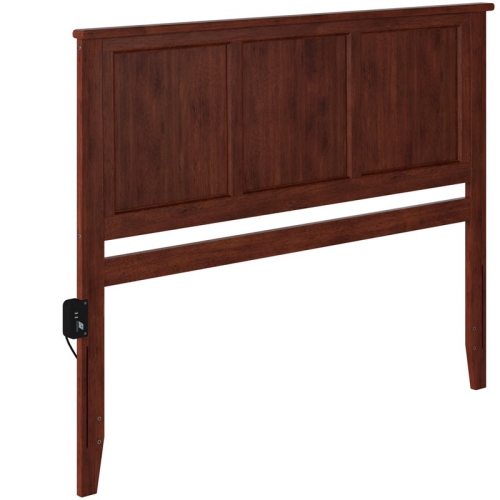
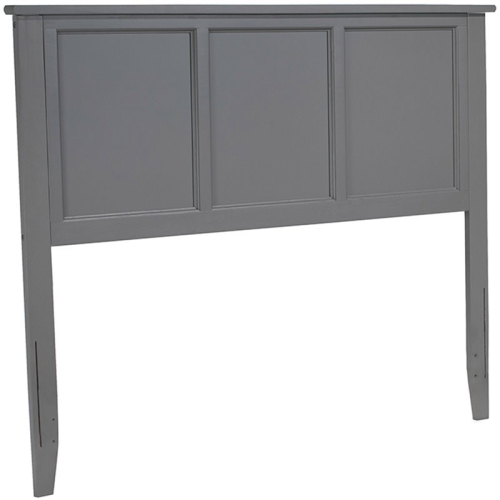
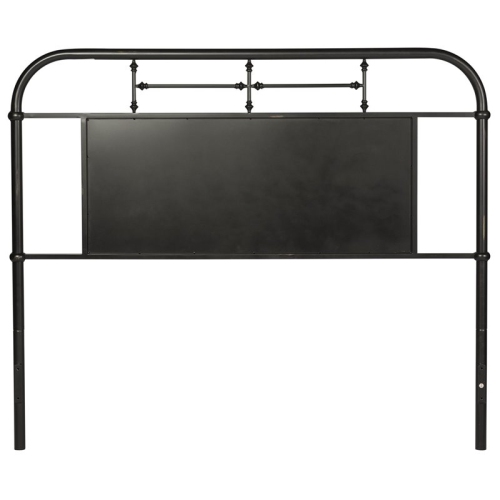
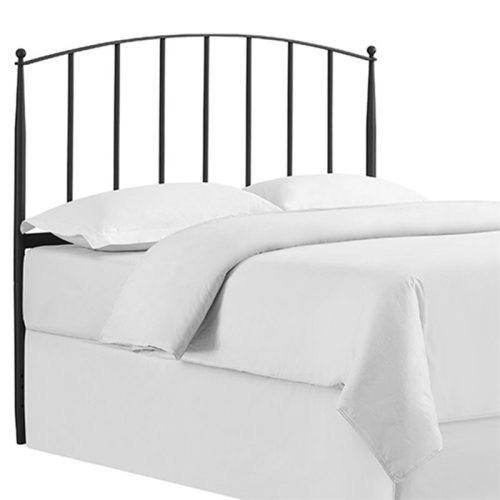
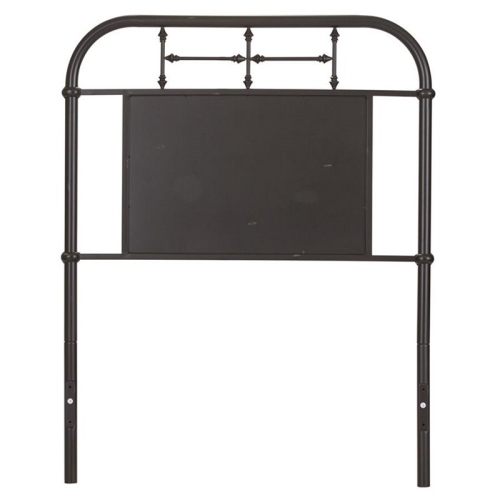
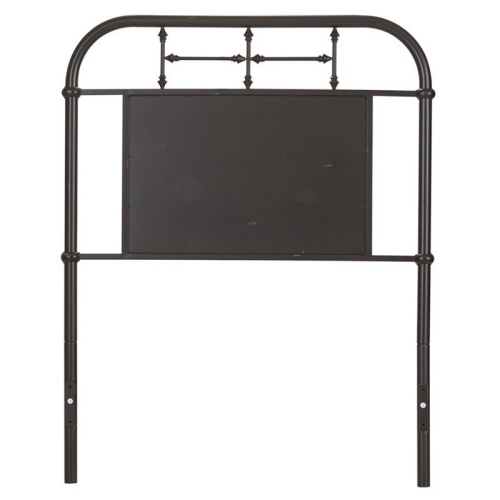
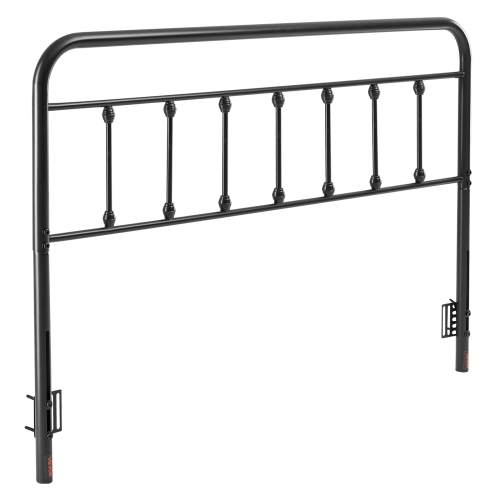
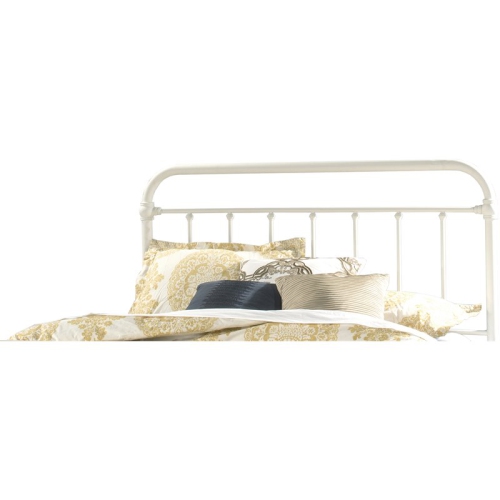
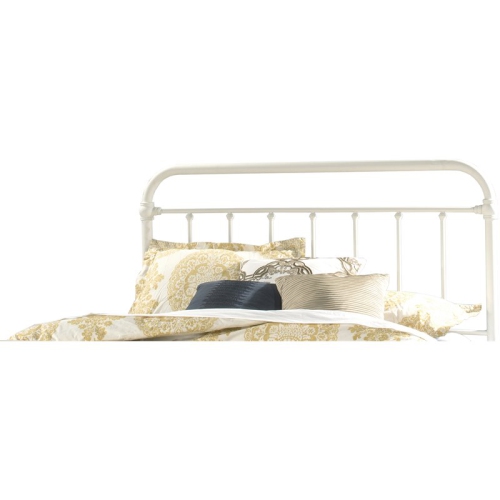
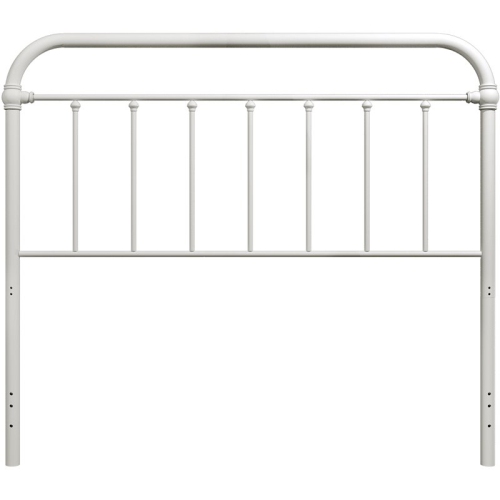
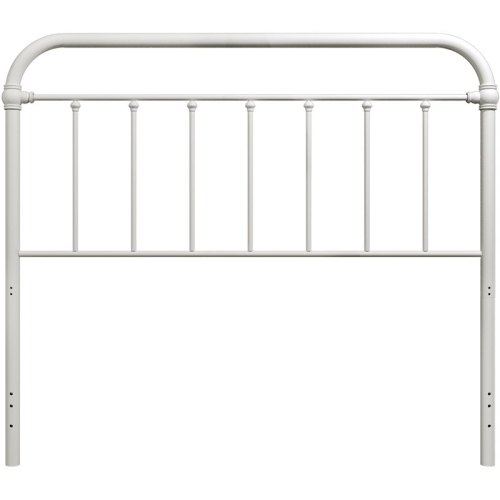
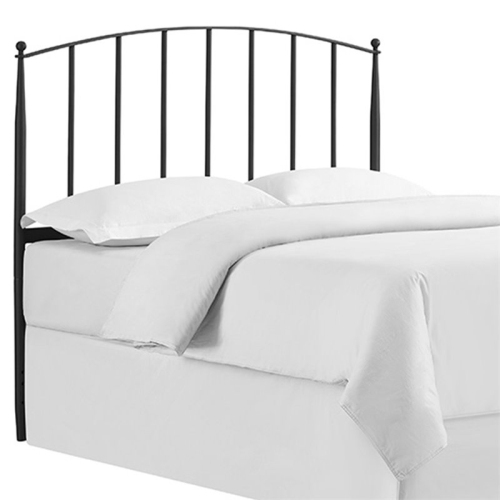
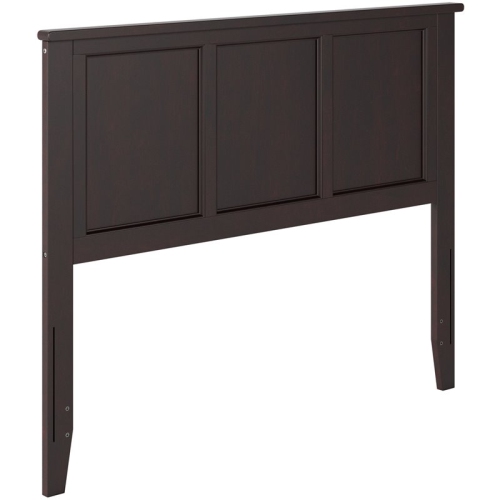
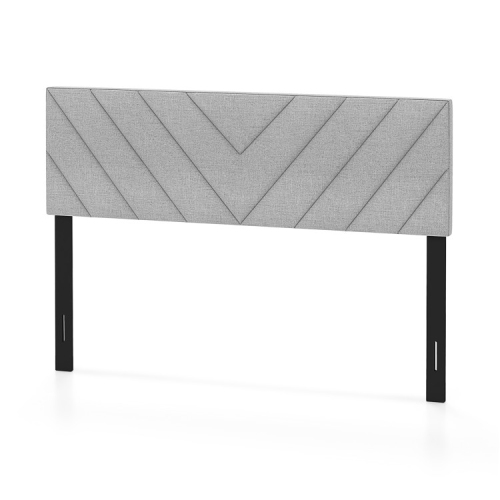
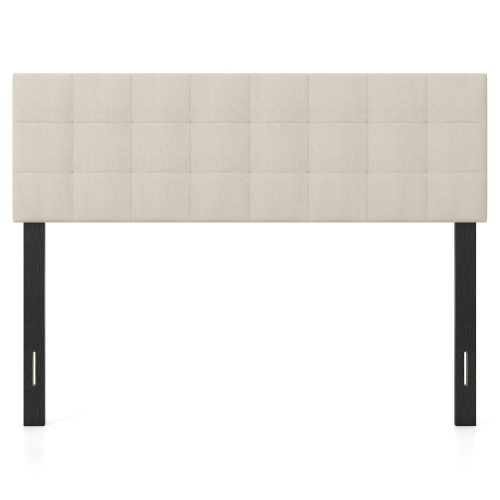
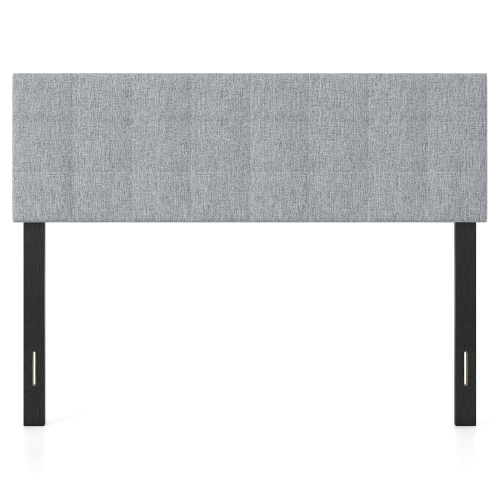
Headboards for metal frames give an existing bed a finished look without requiring a complete replacement of its supporting structure. A standalone headboard sits at the head of the bed and may attach to compatible frame brackets, mount to the wall, or stand behind the bed when designed for that arrangement. The important distinction is that a metal bed frame does not necessarily need a metal headboard: upholstered, wood, and mixed-material designs can all be suitable when their mounting requirements match the frame. Many frame-mounted headboards use bolts that pass through mounting holes or slots in the headboard legs and the brackets at the head of the frame. However, “universal” sizing does not guarantee a match, and some combinations require separately specified adapter brackets or hardware. Bed size is a starting point rather than the only measurement that matters. A queen headboard, for example, still needs the correct spacing between its mounting points to connect securely to a queen frame. Overall width, leg spacing, bracket height, and the position of the bolt holes all affect the fit. Adjustable mounting slots can offer flexibility, but their adjustment range needs to suit the particular frame. Mattress height matters just as much visually: a deep mattress and a box spring can hide much of a short headboard, while a thinner mattress may leave a noticeable space below its main panel. The relationship between the mattress and headboard should follow the manufacturer’s specifications, without unintended gaps that could create an entrapment risk. A separate headboard is especially useful when a dependable metal frame already supports the bed and only the appearance of the sleeping area needs updating. For a coordinated structure rather than a separate attachment, metal bed frames with headboard combine the supporting frame and headboard in one design. Whether a bed also requires a box spring depends on its mattress-support system, not on the presence of a headboard.
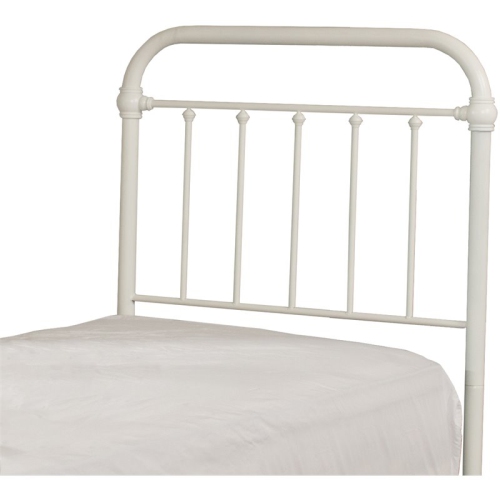
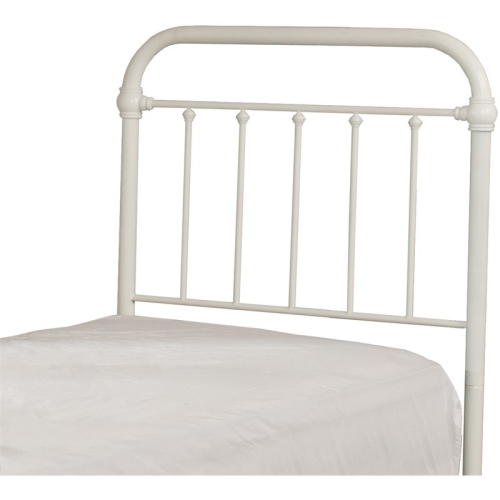
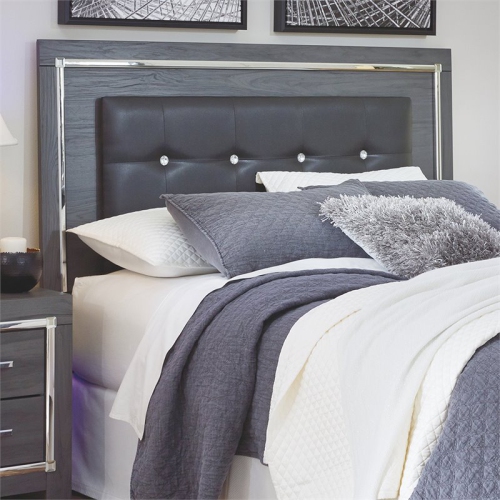
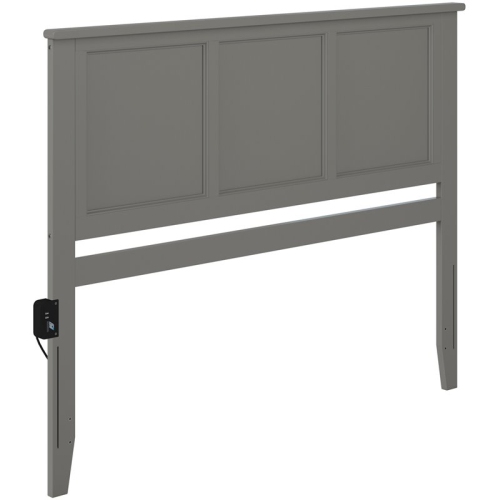
Material and shape influence how a headboard feels in daily use as well as how it looks beside bedding and bedroom furniture. Upholstered headboards bring a softer surface to the space behind the pillows, making them a natural choice for people who enjoy reading before sleep or sitting up with a morning coffee. Padding thickness and fabric texture vary, so a tailored, lightly padded panel feels different from a deeply cushioned design. Woven fabric can add subtle texture without a strong pattern, while velvet offers a more pronounced change in appearance as its pile catches the light. In a home with pets, tightly woven upholstery may be more practical than a loose weave that can catch claws, although no fabric should be assumed to resist scratching. Smooth faux leather surfaces can often be wiped clean according to their care instructions, but may show scratches or wear at frequently touched edges. Wood headboards offer a firmer backdrop, with grain, finish, and panel construction contributing to their character. Solid wood and engineered wood have different construction and care requirements; neither description alone establishes how sturdy the finished headboard will be. Metal designs range from slim vertical bars to broad geometric patterns, often leaving more of the wall visible than a solid panel. That open appearance can suit a compact bedroom where a large upholstered rectangle would feel visually heavy. Rounded corners, exposed fasteners, weld quality, and the smoothness of finished edges are useful details to consider, particularly beside a narrow walkway. Colour also changes the effect: a dark frame and dark headboard can create a unified outline, while a wood or fabric headboard can soften the contrast against metal legs. A tall headboard draws attention upward and provides a backdrop for stacked pillows; a lower profile leaves more wall space for artwork or a window. In either case, the headboard’s full width, including any projecting wings, needs to work with bedside tables, nearby doors, and access around the bed.
The most comfortable arrangement is one that suits both the room and the way the bed is used. In a primary bedroom, a padded headboard can provide a pleasant surface behind pillows, though it is not a substitute for proper back support. In a guest room, an uncomplicated design with an easy-to-clean finish can help keep routine upkeep manageable. For a student’s room or a first apartment, a standalone headboard can personalize an existing metal frame, provided the attachment is compatible and any wall mounting is permitted. Storage headboards serve a different purpose, adding space for a book, glasses, or other small bedside essentials, but their extra depth can move the mattress farther into the room. Shelves also need adequate clearance above the mattress and should be used within their stated weight limits. Designs with integrated lighting or charging features require attention to outlet placement, cord routing, and the manufacturer’s electrical instructions; cables should not be pinched between the frame and the wall. Installation has a direct effect on durability and noise. Correctly sized fasteners, the specified washers or spacers, and secure connections help limit movement, while mismatched hardware can leave a headboard loose even when the parts appear to line up. Wall-mounted styles need fixings appropriate to the wall construction and the headboard’s weight. A freestanding design should only be used in the arrangement intended by its manufacturer, rather than relying on the mattress to hold an unsuitable panel upright. Ongoing care is usually straightforward: upholstery benefits from gentle vacuuming with a suitable attachment, while finished wood and metal generally need dusting and cleaning with products approved for their surfaces. Excess moisture and abrasive cleaners can damage finishes, and spills on fabric are best addressed promptly using the specified method. Connections may also need checking after moving the bed or whenever new movement or rattling appears. With compatible mounting, suitable proportions, and a finish that fits everyday routines, a headboard can make a familiar metal bed frame feel like a deliberate part of the bedroom rather than simply the structure beneath the mattress.
Material and shape influence how a headboard feels in daily use as well as how it looks beside bedding and bedroom furniture. Upholstered headboards bring a softer surface to the space behind the pillows, making them a natural choice for people who enjoy reading before sleep or sitting up with a morning coffee. Padding thickness and fabric texture vary, so a tailored, lightly padded panel feels different from a deeply cushioned design. Woven fabric can add subtle texture without a strong pattern, while velvet offers a more pronounced change in appearance as its pile catches the light. In a home with pets, tightly woven upholstery may be more practical than a loose weave that can catch claws, although no fabric should be assumed to resist scratching. Smooth faux leather surfaces can often be wiped clean according to their care instructions, but may show scratches or wear at frequently touched edges. Wood headboards offer a firmer backdrop, with grain, finish, and panel construction contributing to their character. Solid wood and engineered wood have different construction and care requirements; neither description alone establishes how sturdy the finished headboard will be. Metal designs range from slim vertical bars to broad geometric patterns, often leaving more of the wall visible than a solid panel. That open appearance can suit a compact bedroom where a large upholstered rectangle would feel visually heavy. Rounded corners, exposed fasteners, weld quality, and the smoothness of finished edges are useful details to consider, particularly beside a narrow walkway. Colour also changes the effect: a dark frame and dark headboard can create a unified outline, while a wood or fabric headboard can soften the contrast against metal legs. A tall headboard draws attention upward and provides a backdrop for stacked pillows; a lower profile leaves more wall space for artwork or a window. In either case, the headboard’s full width, including any projecting wings, needs to work with bedside tables, nearby doors, and access around the bed.
The most comfortable arrangement is one that suits both the room and the way the bed is used. In a primary bedroom, a padded headboard can provide a pleasant surface behind pillows, though it is not a substitute for proper back support. In a guest room, an uncomplicated design with an easy-to-clean finish can help keep routine upkeep manageable. For a student’s room or a first apartment, a standalone headboard can personalize an existing metal frame, provided the attachment is compatible and any wall mounting is permitted. Storage headboards serve a different purpose, adding space for a book, glasses, or other small bedside essentials, but their extra depth can move the mattress farther into the room. Shelves also need adequate clearance above the mattress and should be used within their stated weight limits. Designs with integrated lighting or charging features require attention to outlet placement, cord routing, and the manufacturer’s electrical instructions; cables should not be pinched between the frame and the wall. Installation has a direct effect on durability and noise. Correctly sized fasteners, the specified washers or spacers, and secure connections help limit movement, while mismatched hardware can leave a headboard loose even when the parts appear to line up. Wall-mounted styles need fixings appropriate to the wall construction and the headboard’s weight. A freestanding design should only be used in the arrangement intended by its manufacturer, rather than relying on the mattress to hold an unsuitable panel upright. Ongoing care is usually straightforward: upholstery benefits from gentle vacuuming with a suitable attachment, while finished wood and metal generally need dusting and cleaning with products approved for their surfaces. Excess moisture and abrasive cleaners can damage finishes, and spills on fabric are best addressed promptly using the specified method. Connections may also need checking after moving the bed or whenever new movement or rattling appears. With compatible mounting, suitable proportions, and a finish that fits everyday routines, a headboard can make a familiar metal bed frame feel like a deliberate part of the bedroom rather than simply the structure beneath the mattress.
Top selling and popular products
-
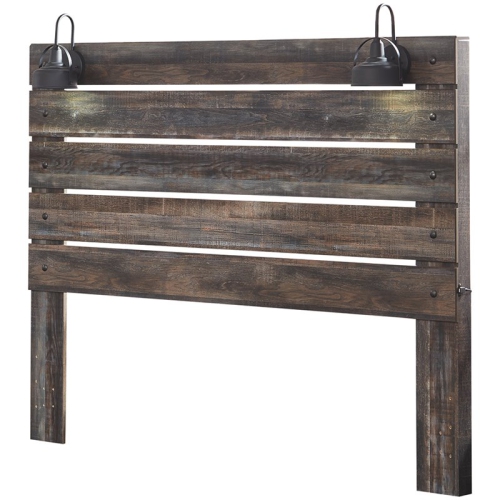 Your price for this item is $890.59
 -
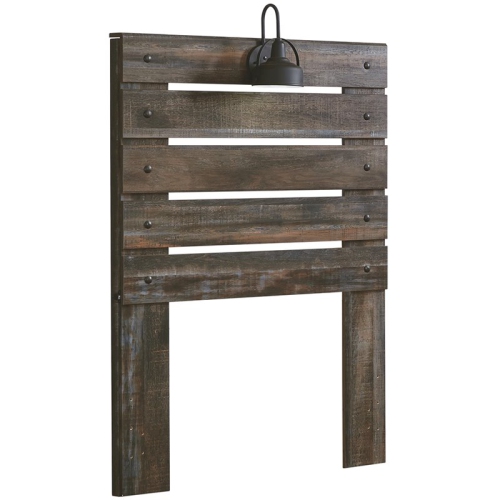 Your price for this item is $463.12
 -
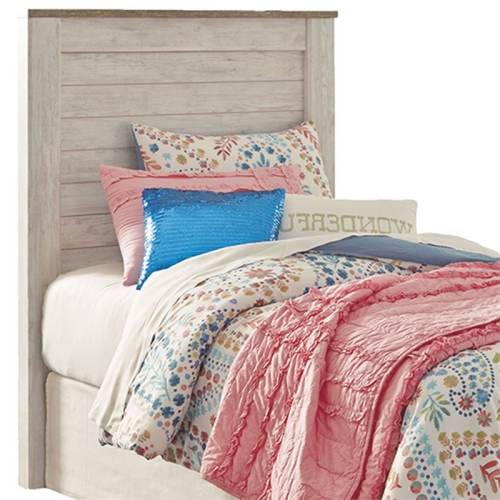 Your price for this item is $629.22
 -
 Your price for this item is $782.71
 -
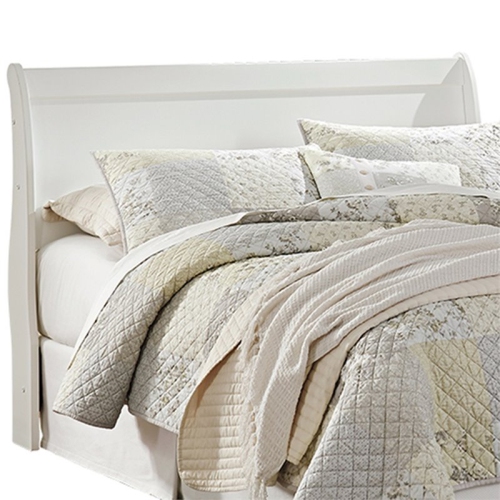 Your price for this item is $409.76
 -
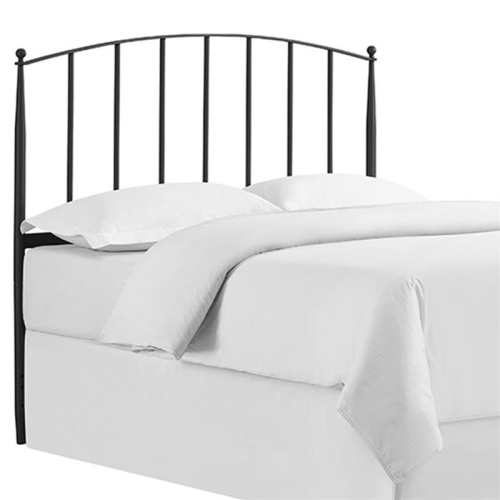 Your price for this item is $837.35
 -
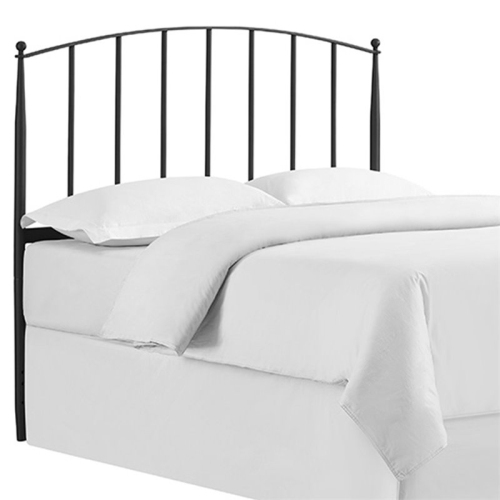 Your price for this item is $614.79
 -
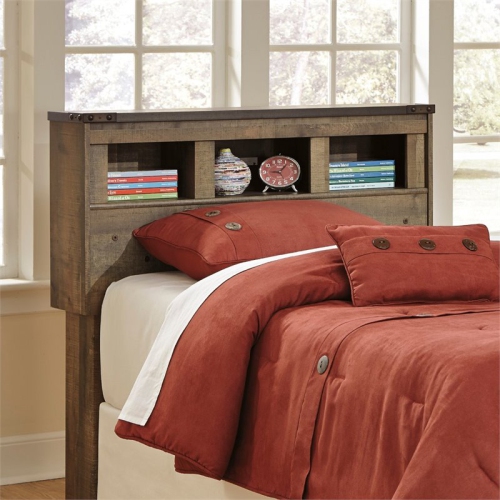 Your price for this item is $994.13
Discover more categories related to Headboards for Metal Frames
Top Collections:
Pokemon Centers, Kindle Devices, Best Budget Office Chairs, Apple iPhones 16, Best Laptops for Writers, iPhone 15 Apple, Canon G7X Cameras, Refurbished Apple Laptops, Alarm Clock, Motorola Razr Phones
Some products may be subject to Environmental Handling Fees
(EHF) depending on your province.
Learn more about EHFs.