Headboards for Beds
Enhance the style and functionality of your bedroom with our diverse collection of headboards for beds. Whether you're seeking a sleek and modern design, a cozy and upholstered look, or a rustic and timeless appeal, we have the perfect headboard to complement your personal style and elevate the ambiance of your sleeping space. From classic wooden headboards to luxurious tufted options, browse through our selection to find the ideal piece that will transform your bed into a stylish focal point in your room.
Sort







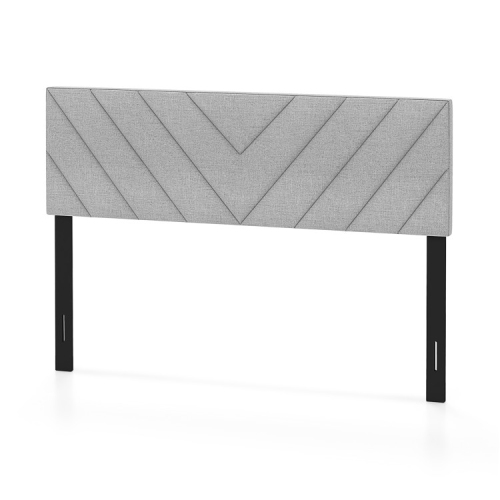
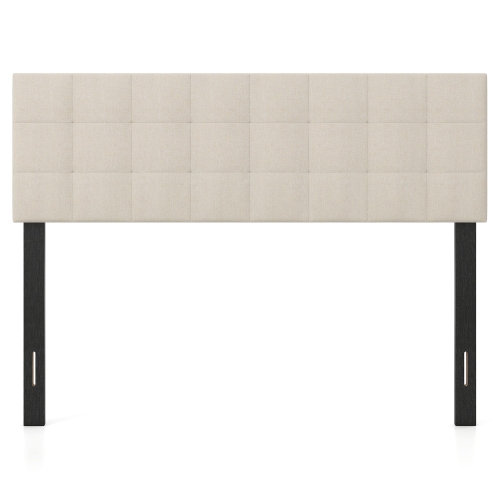
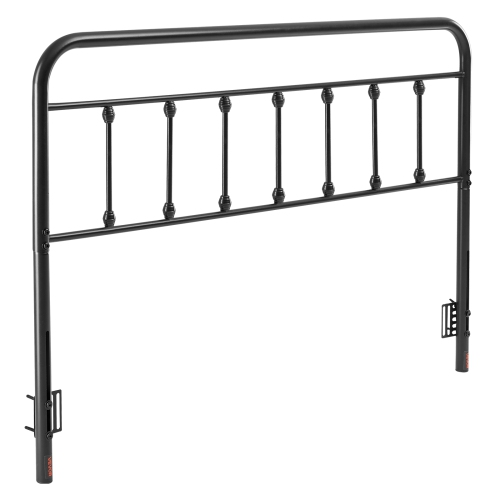
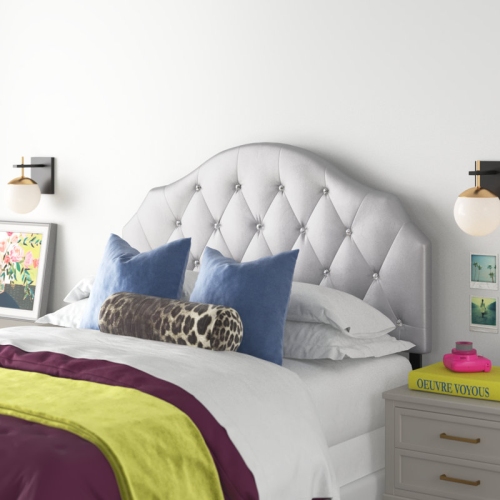

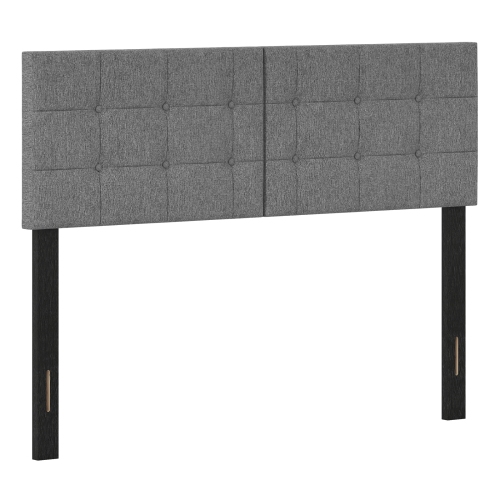


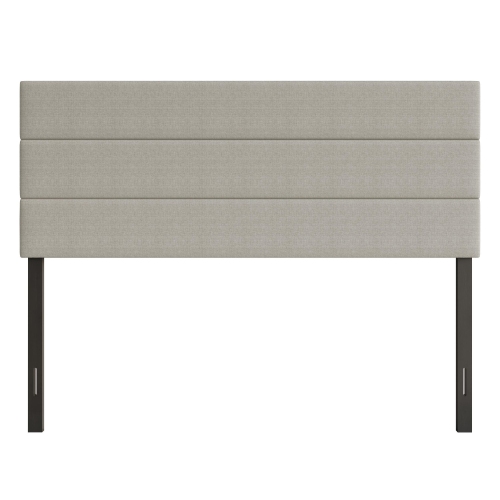
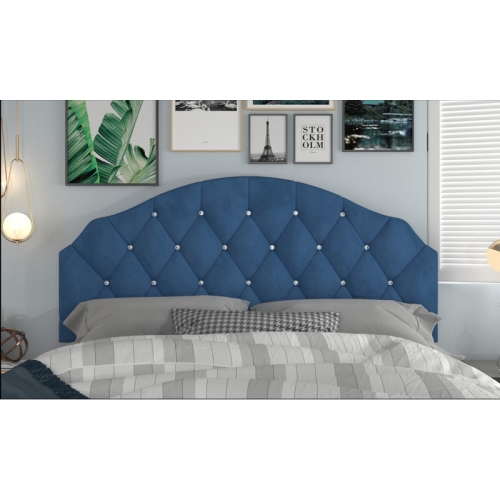
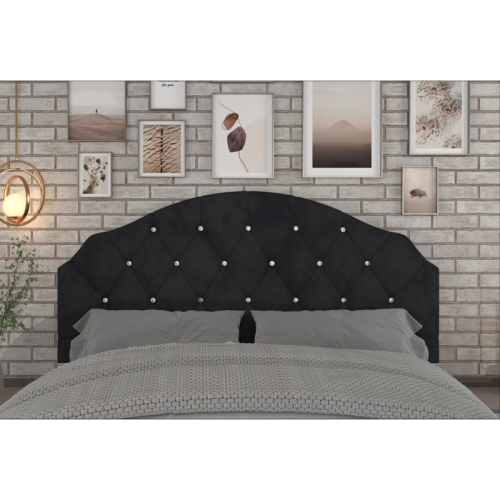
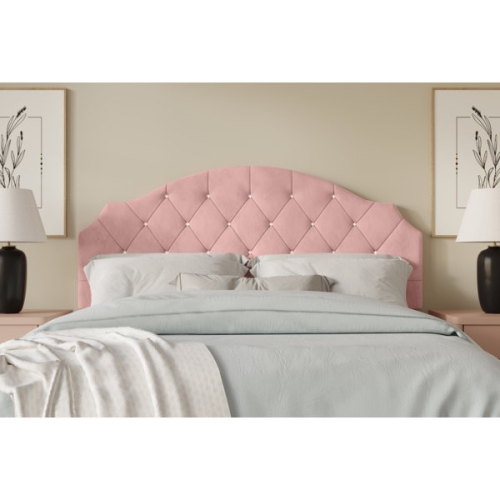
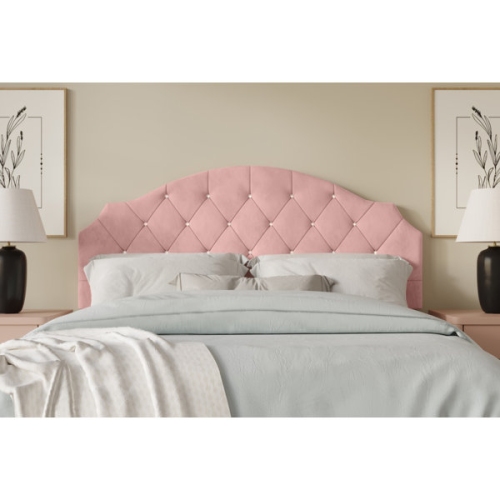

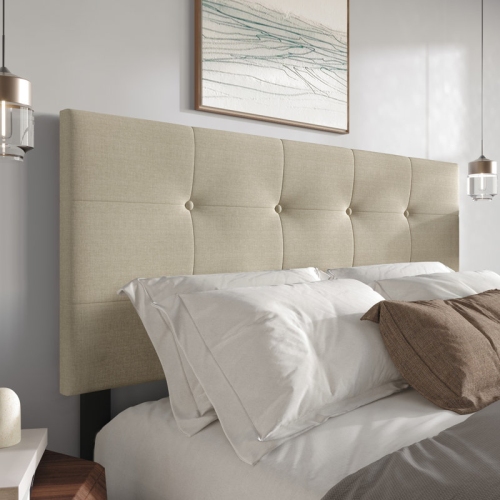
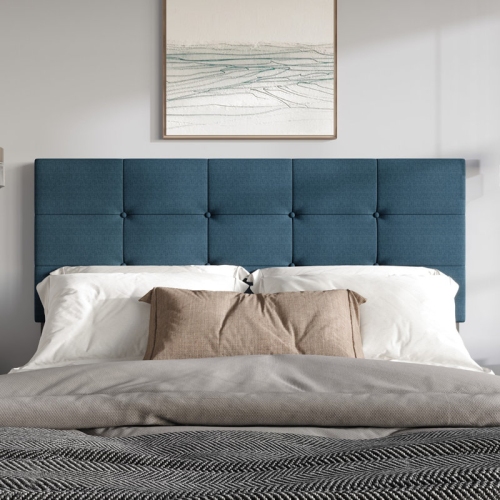
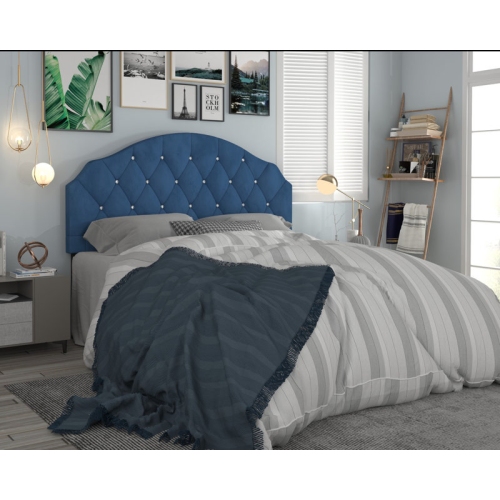
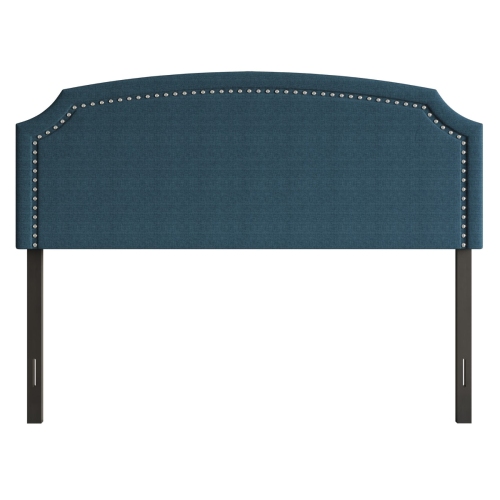


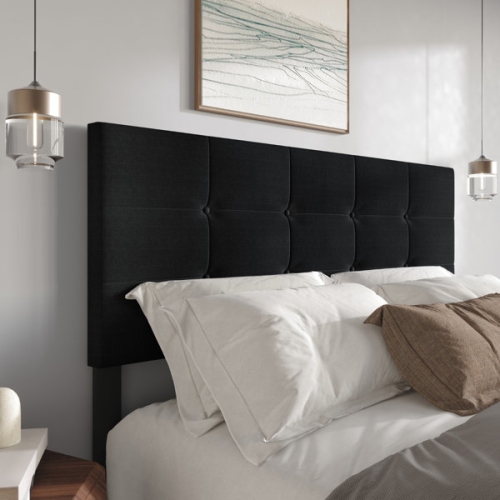
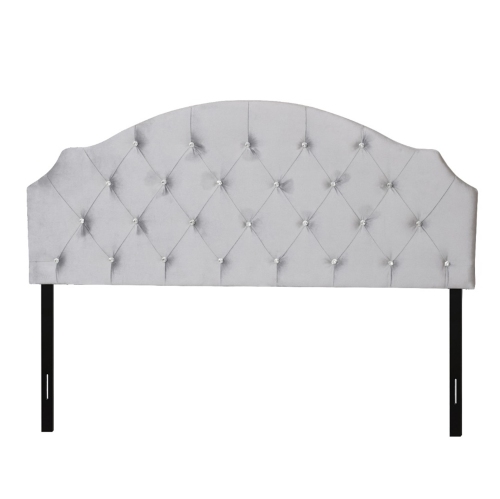


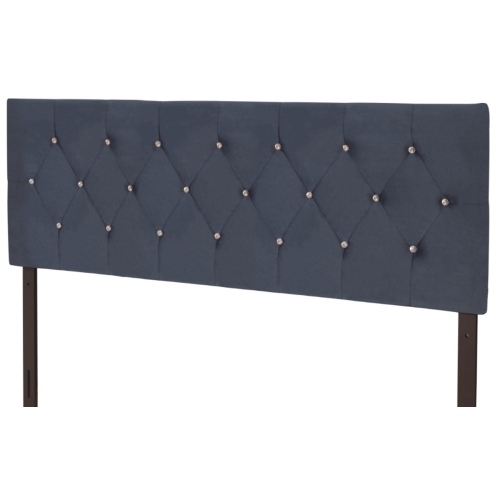

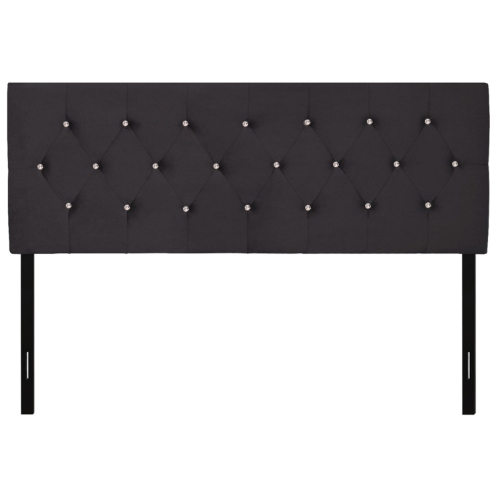
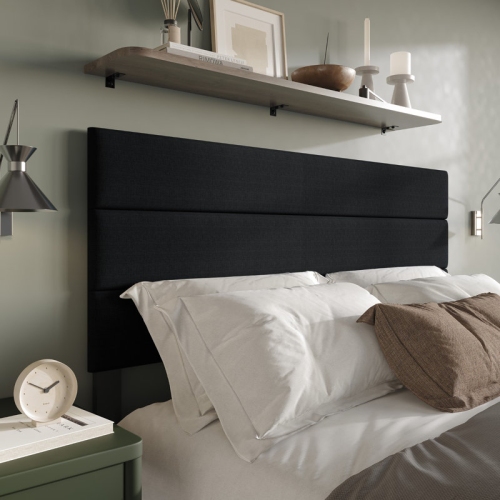
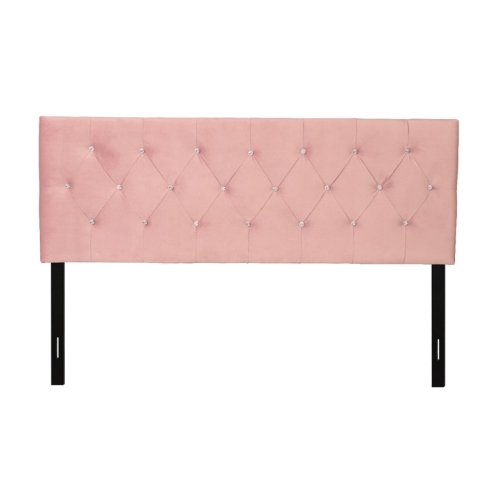
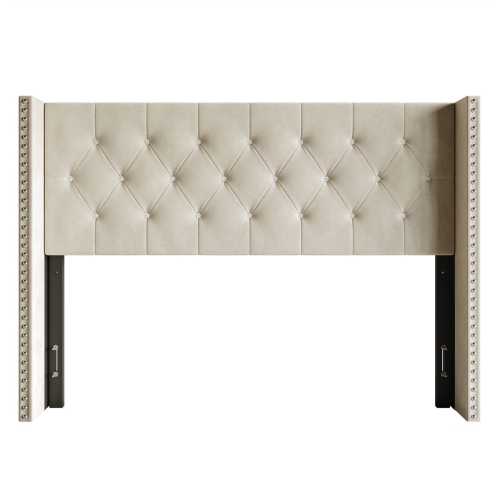
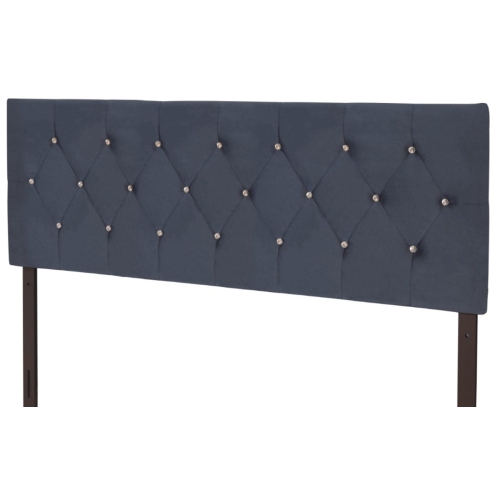
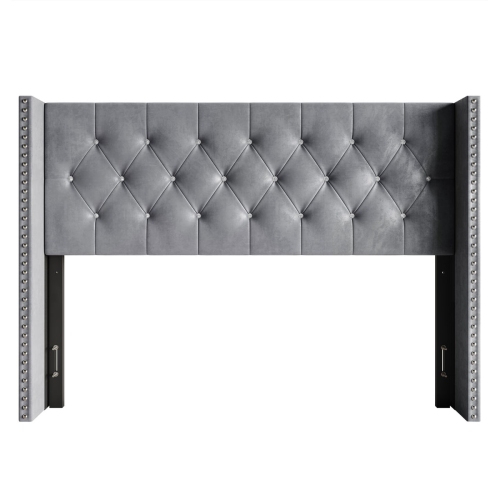
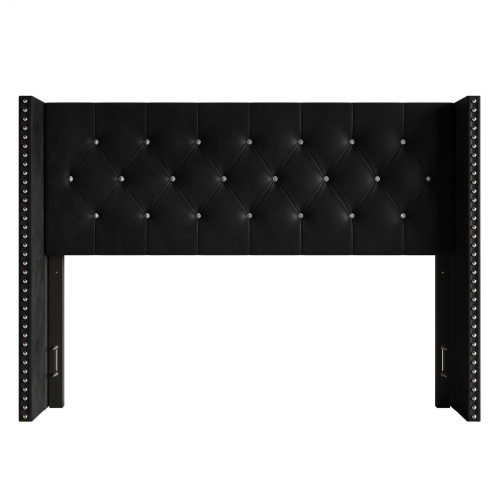
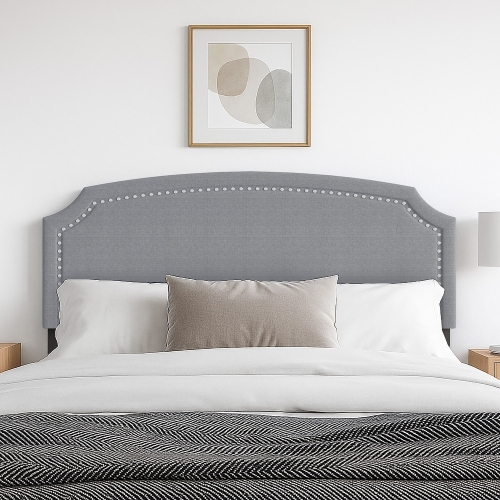
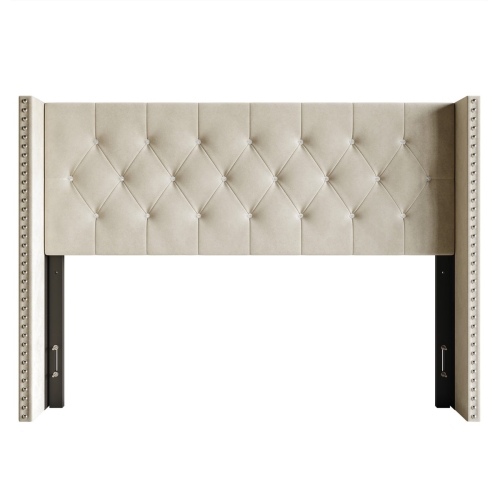
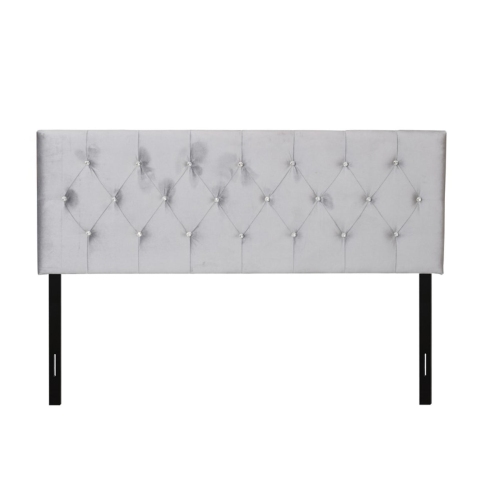
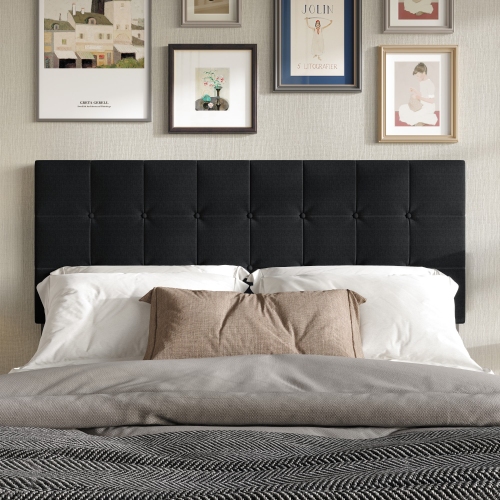
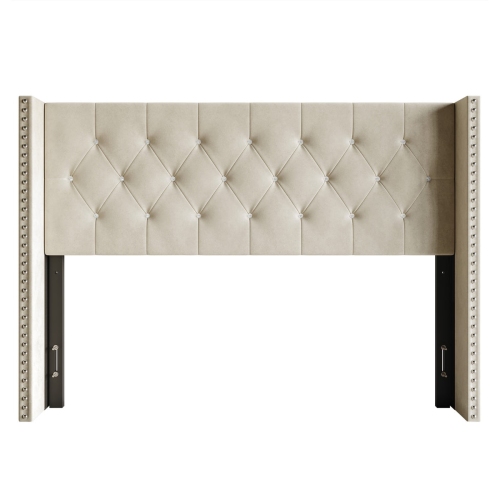
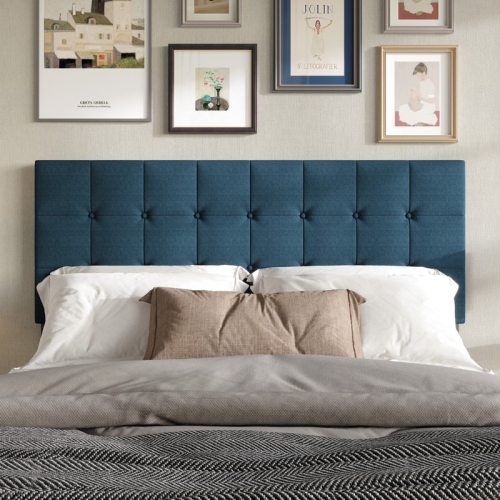
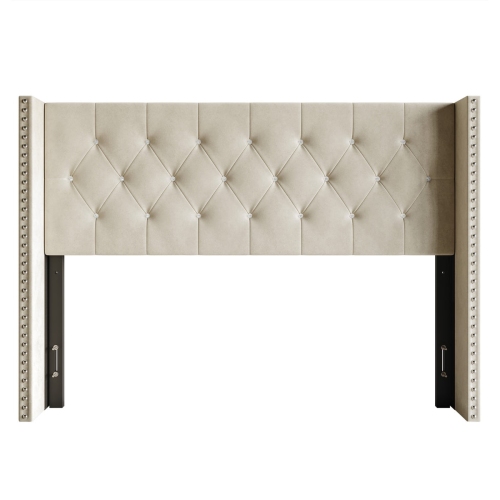
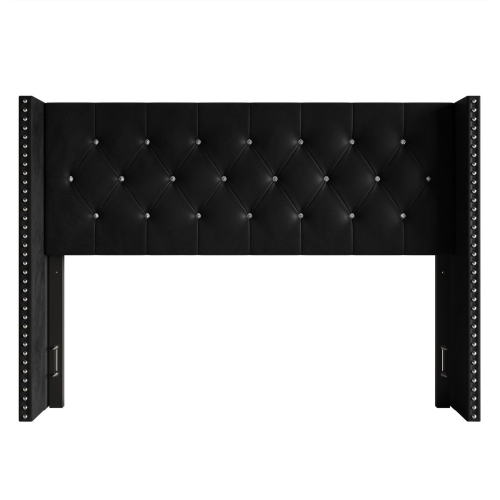
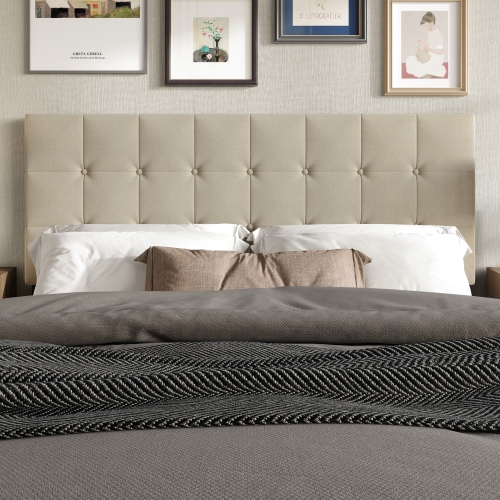
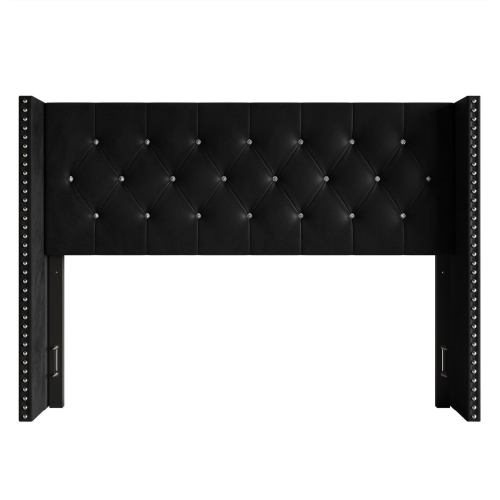

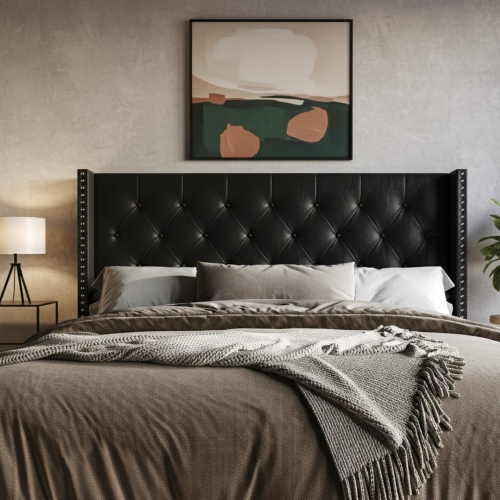
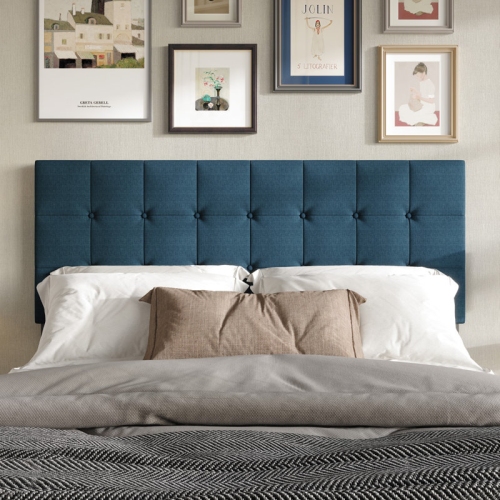
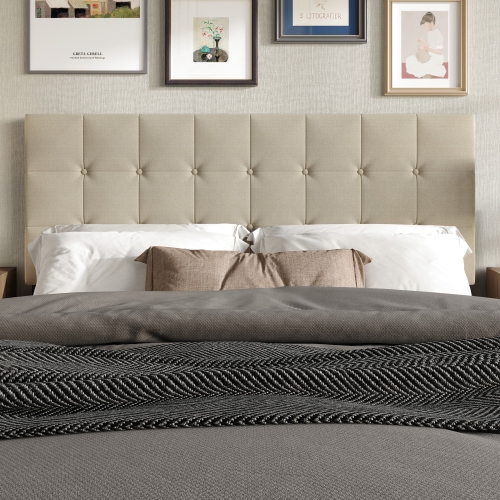

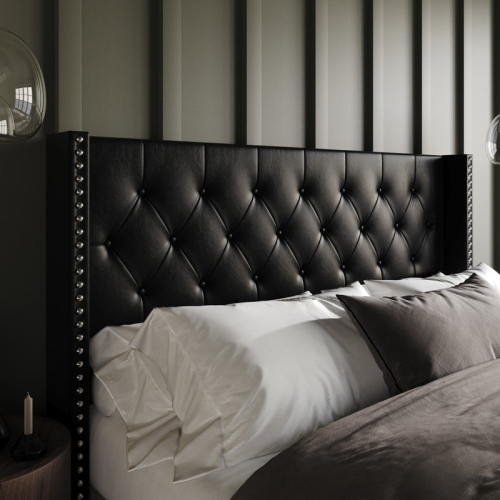

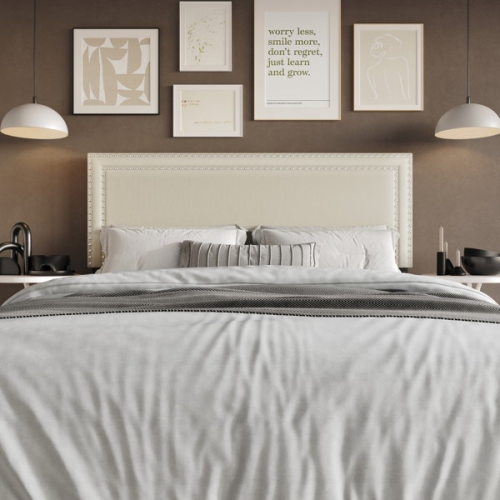
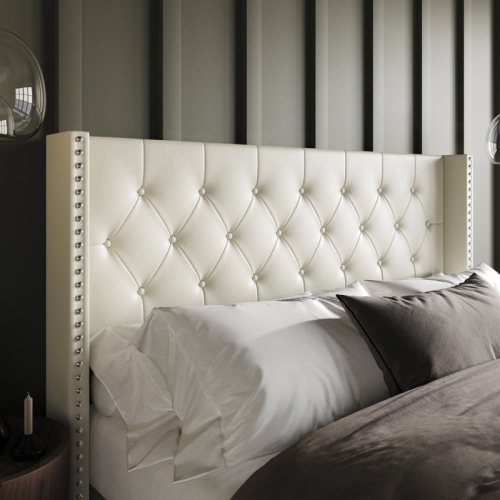







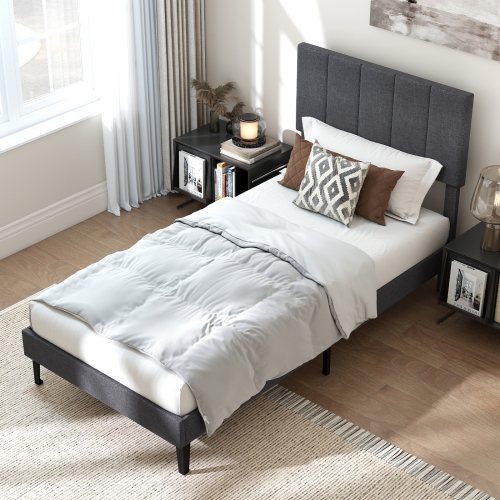




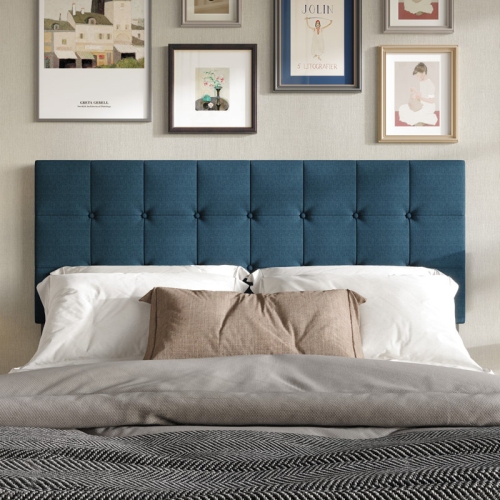
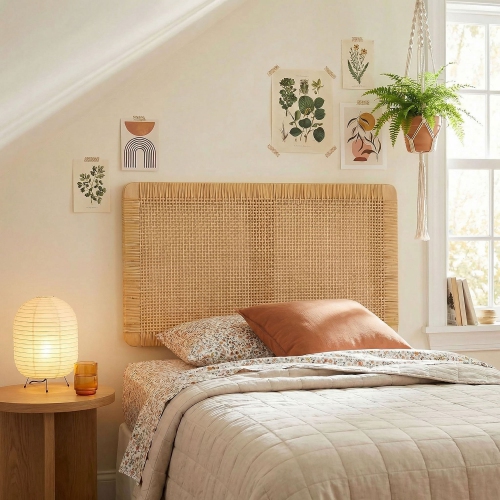
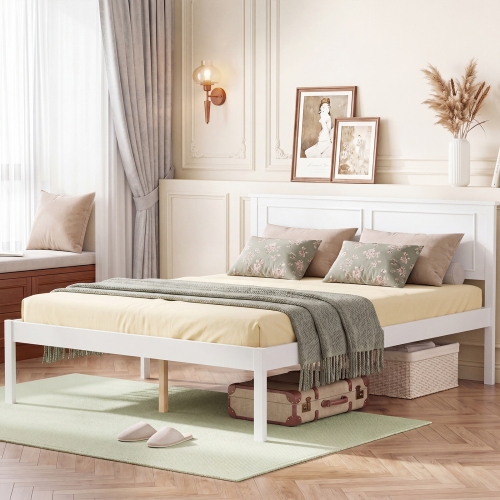

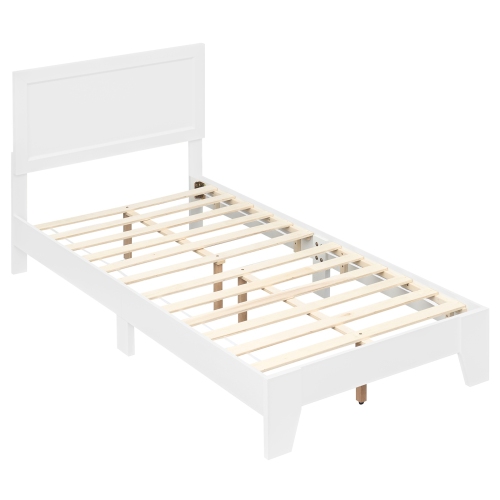


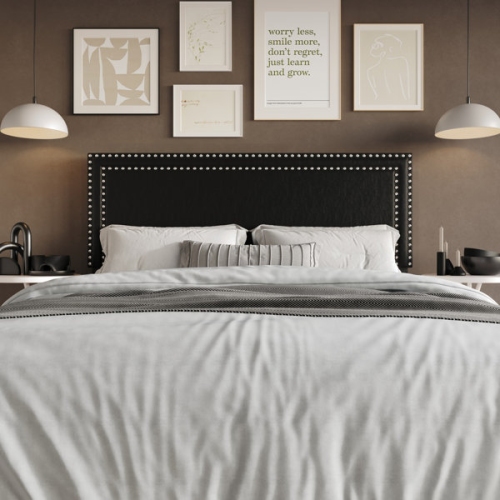

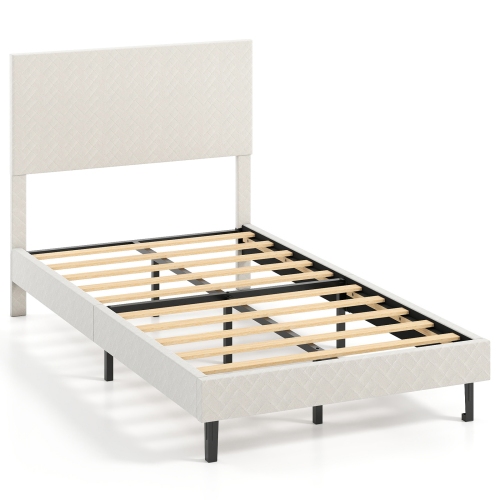
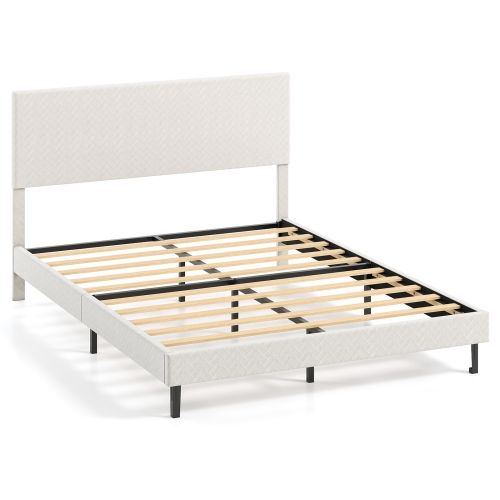




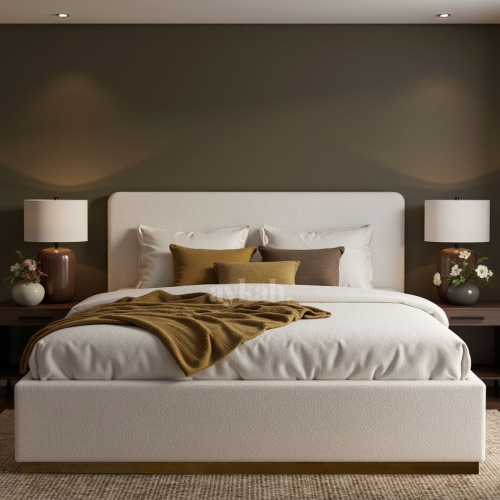
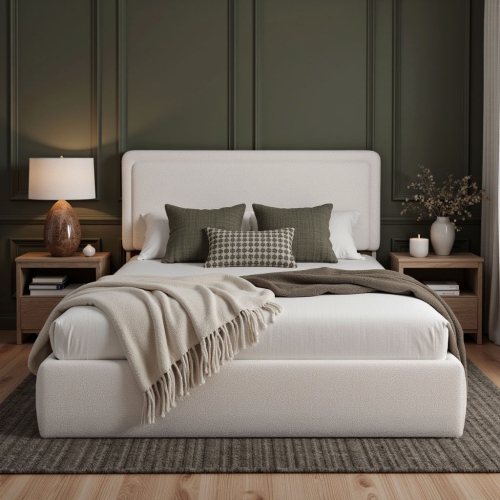
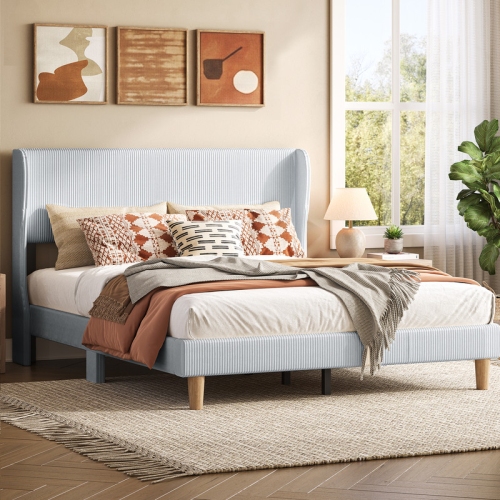


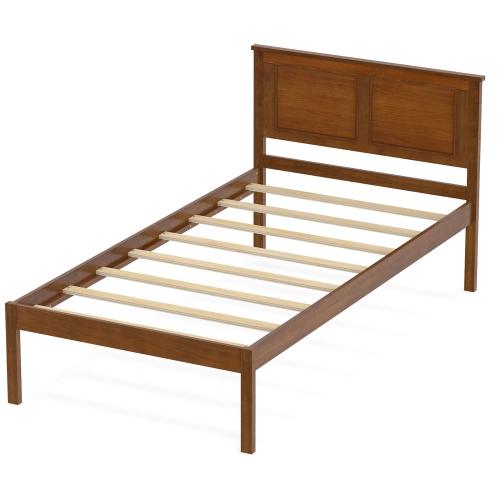
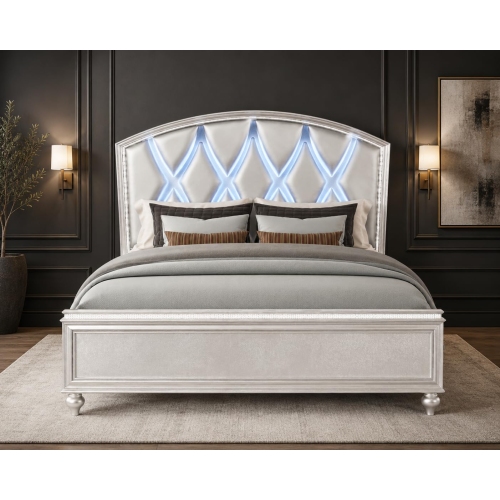
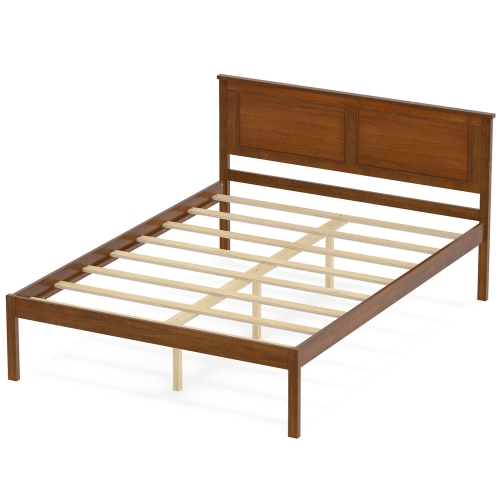

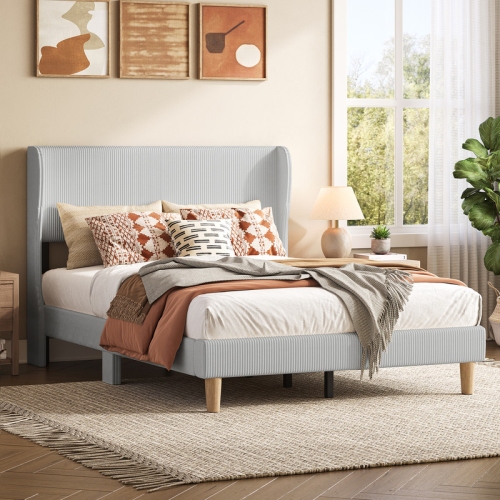


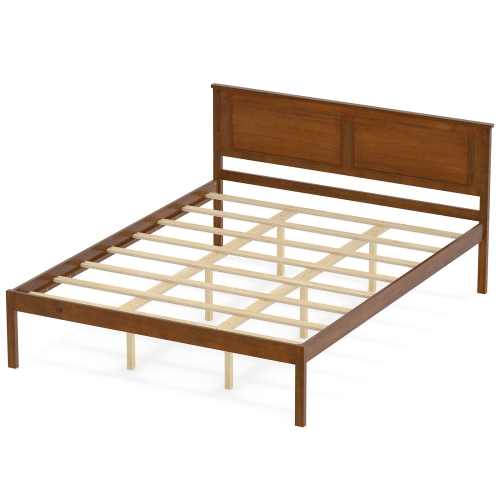
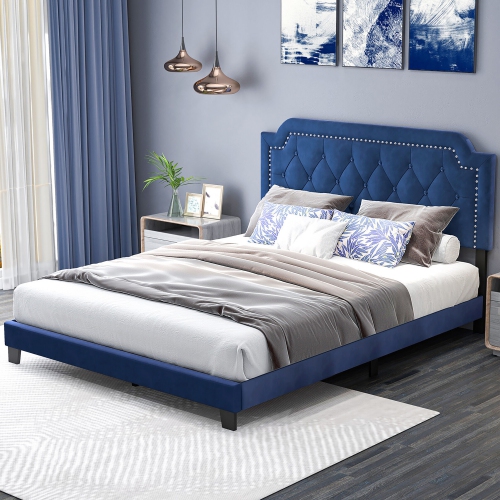


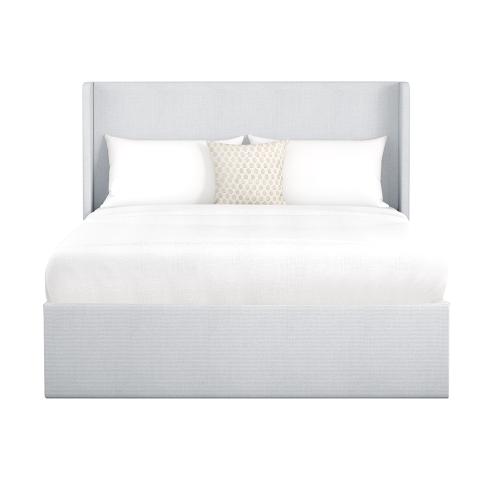

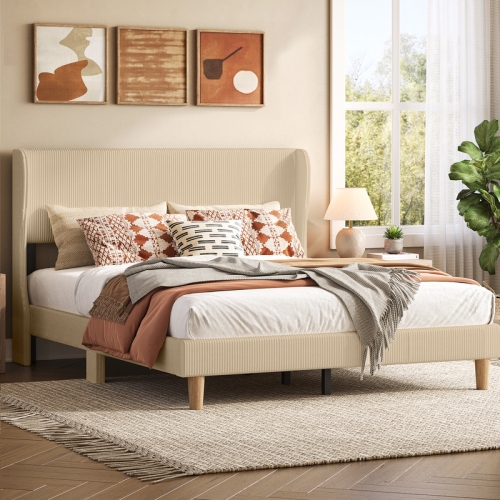


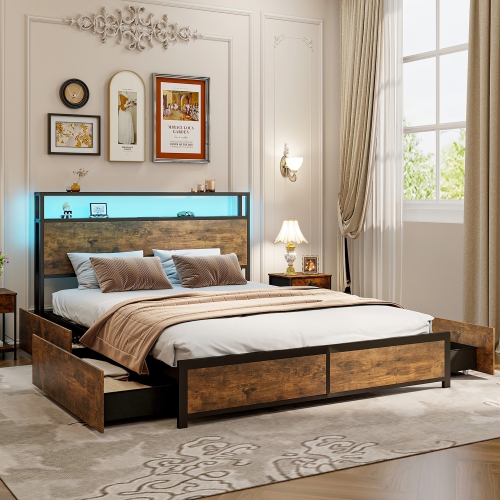
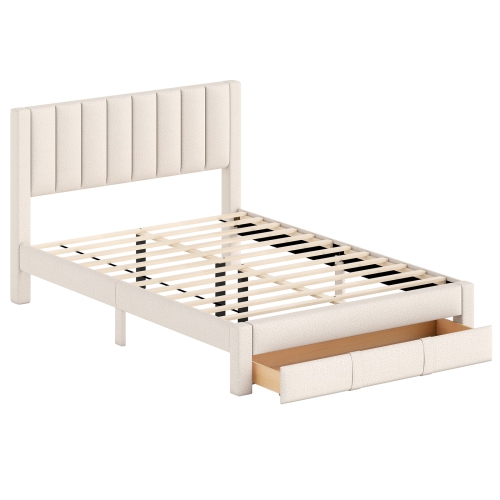

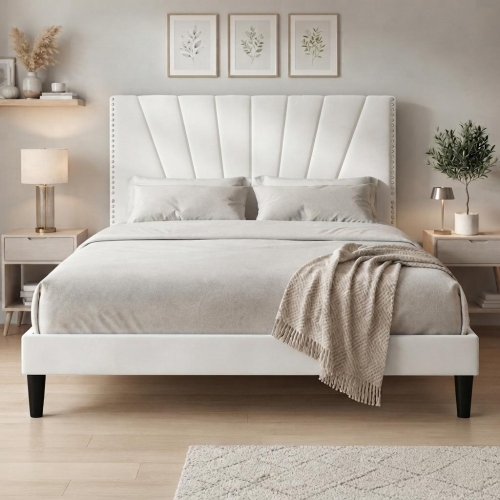
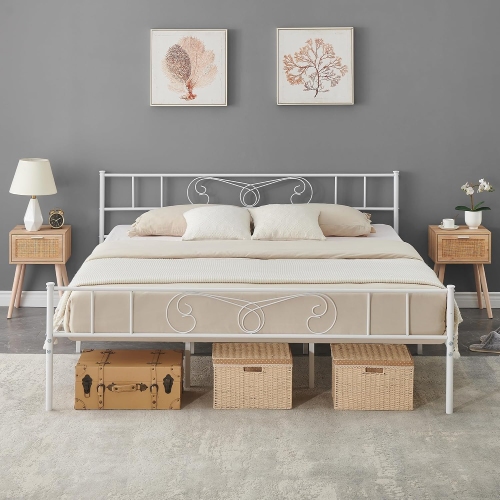
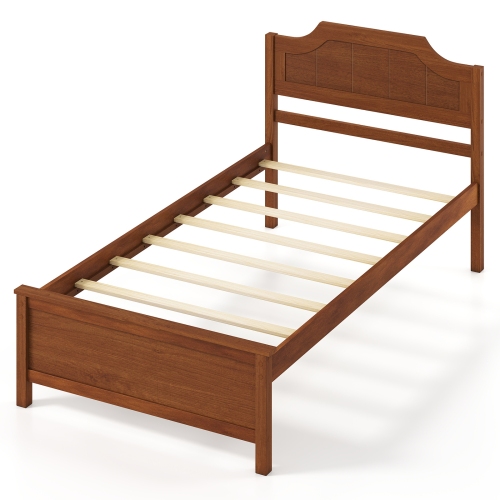





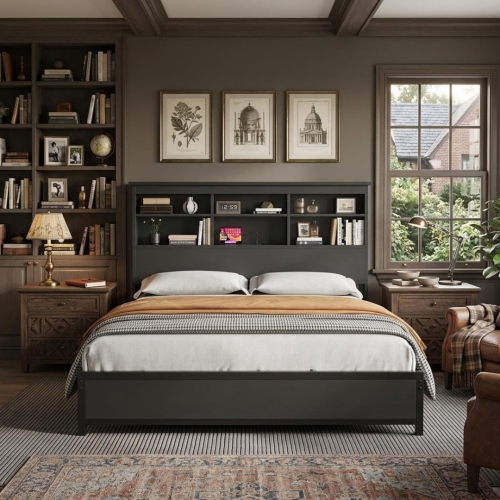

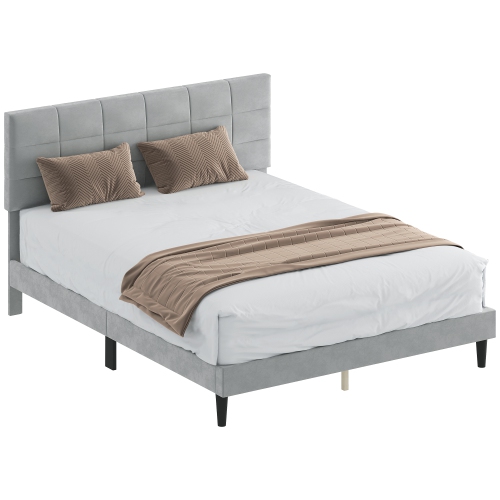

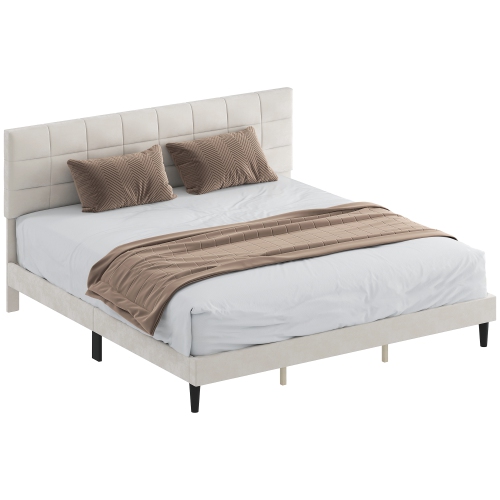

A new backdrop without a full bedroom refresh
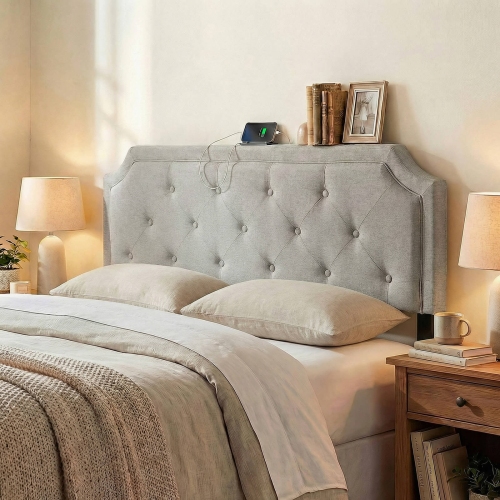
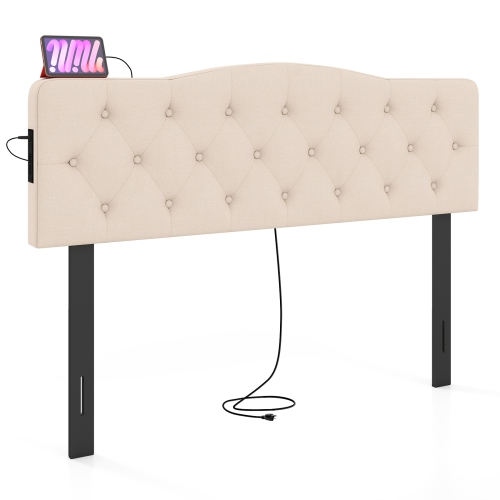
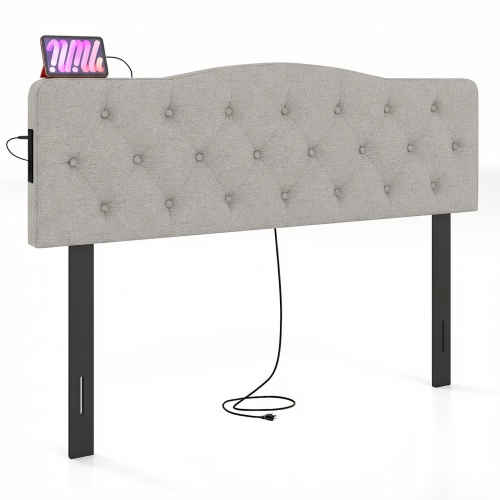
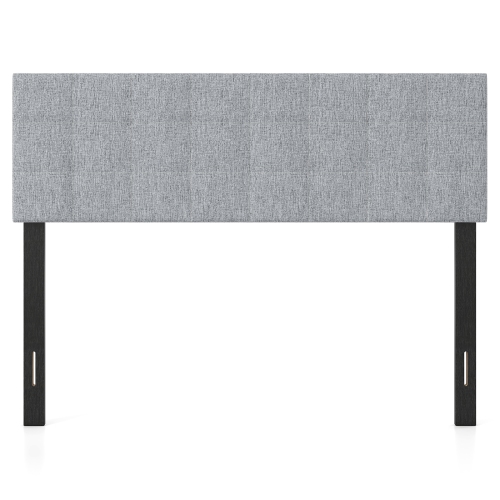
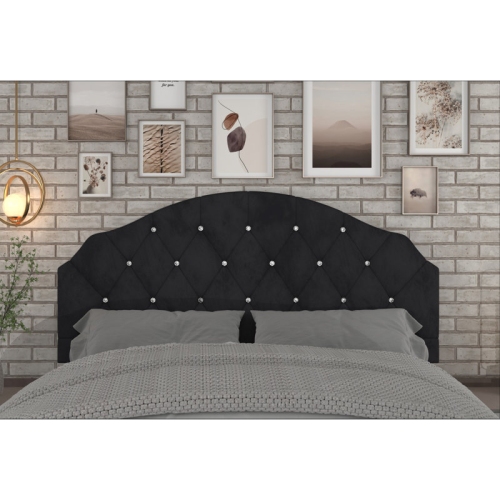
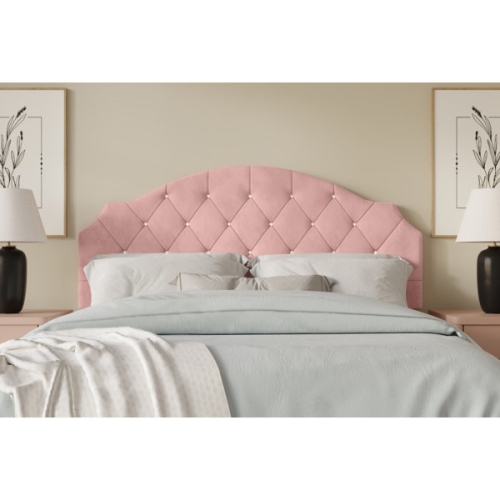
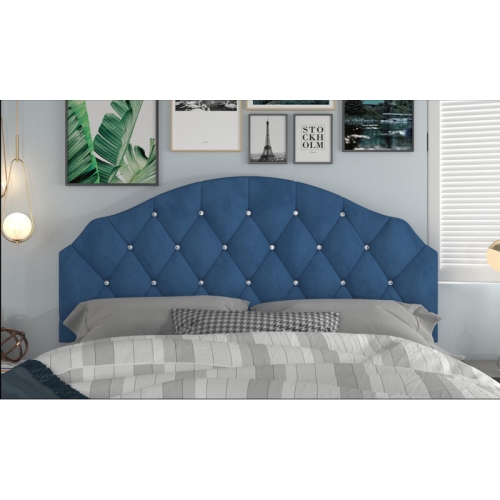
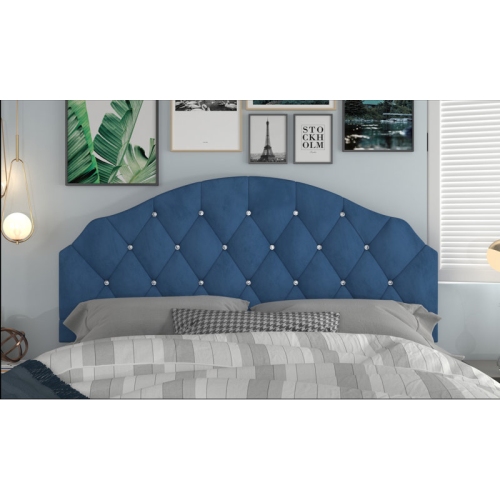
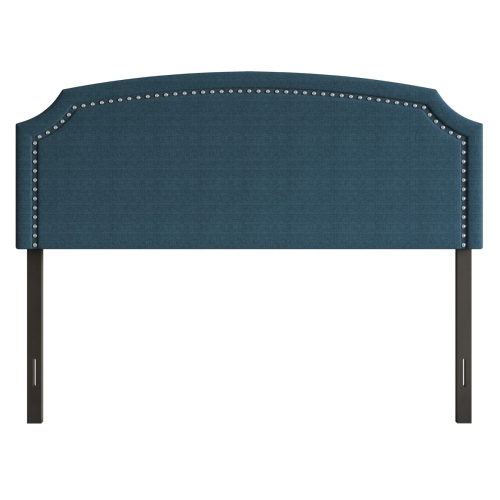
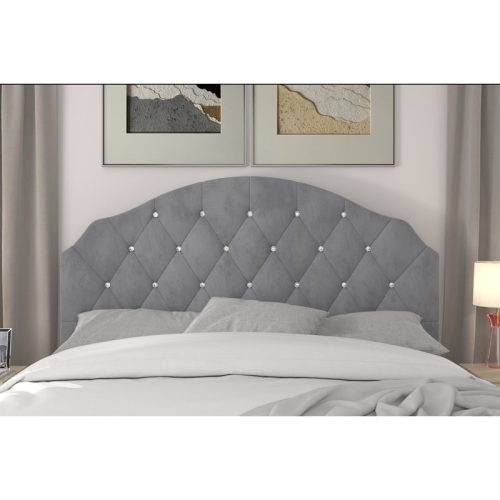
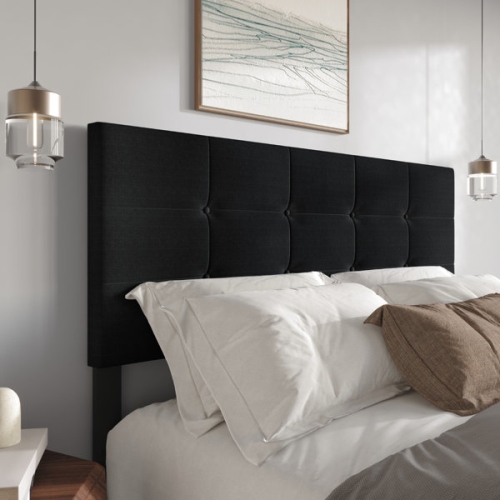
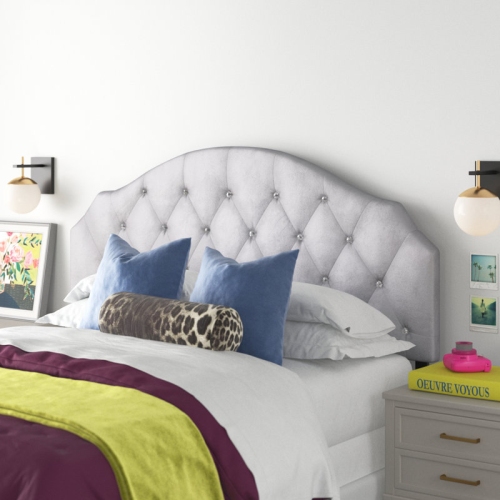
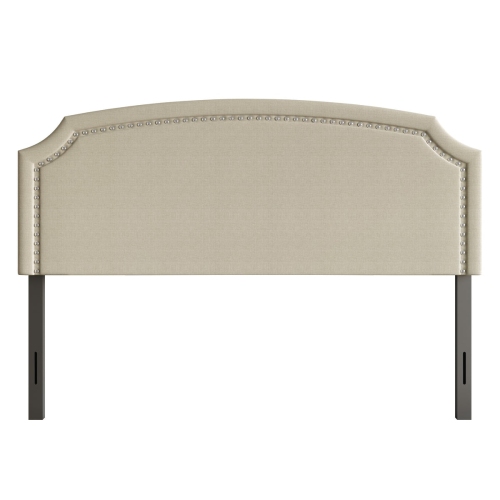
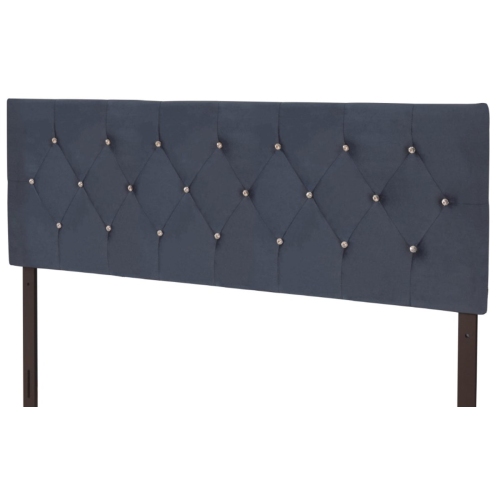
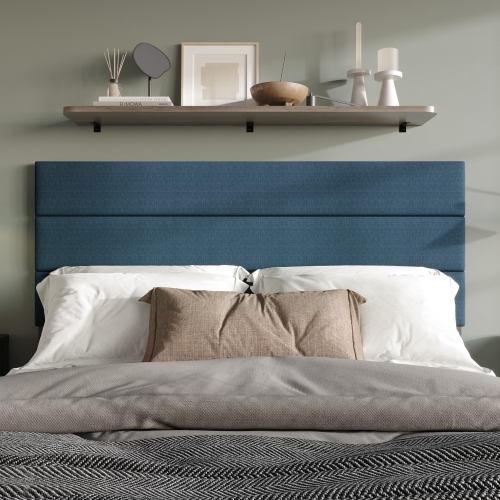
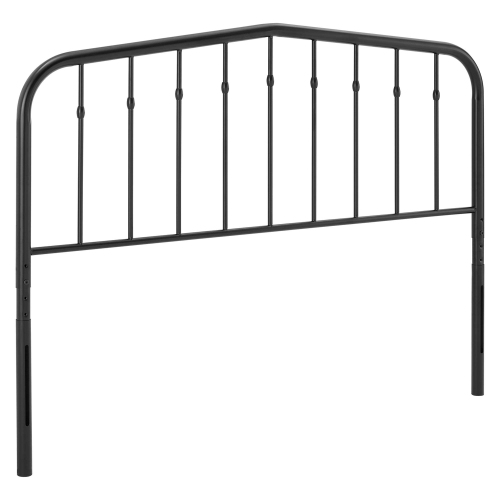
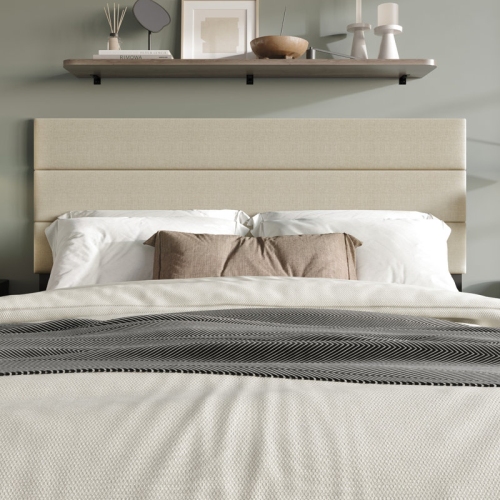
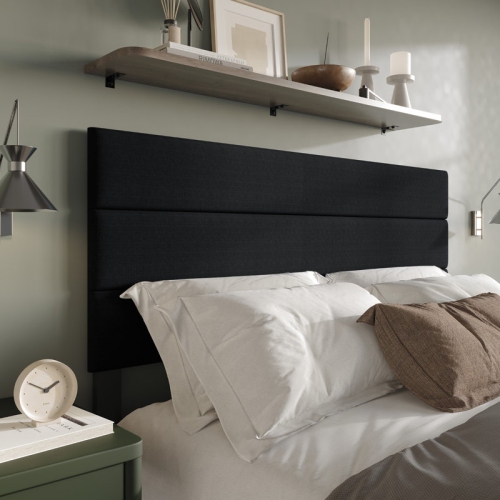
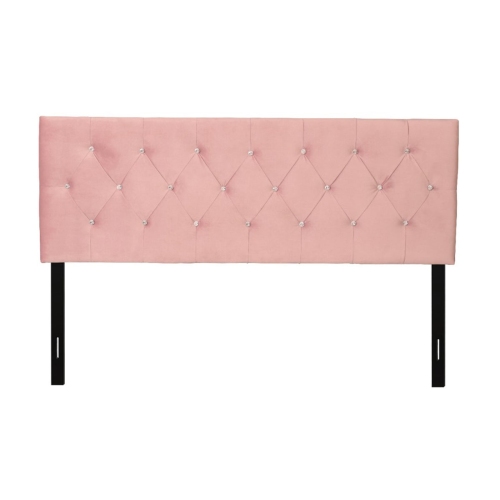
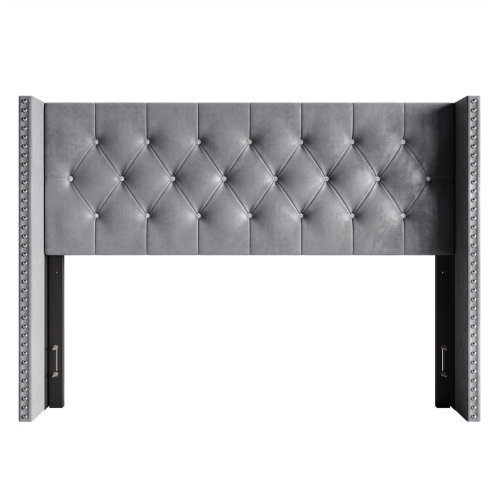
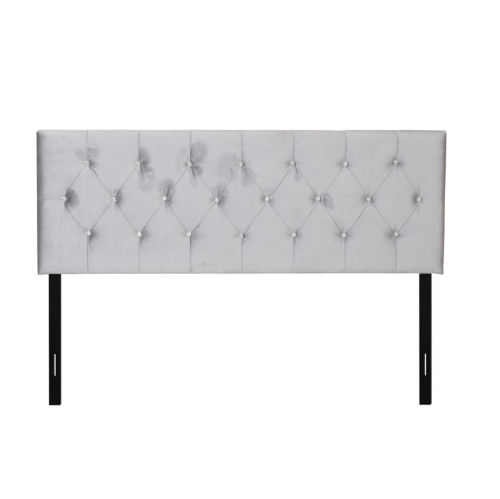
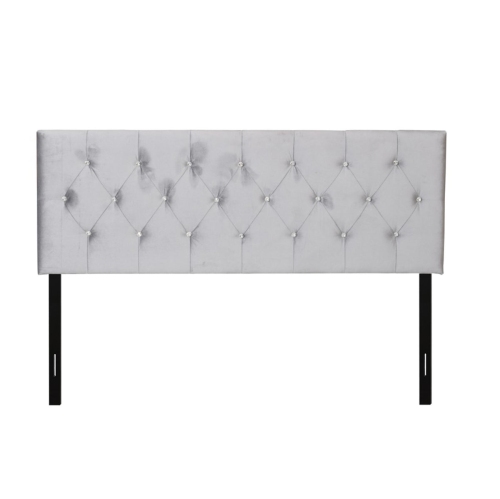
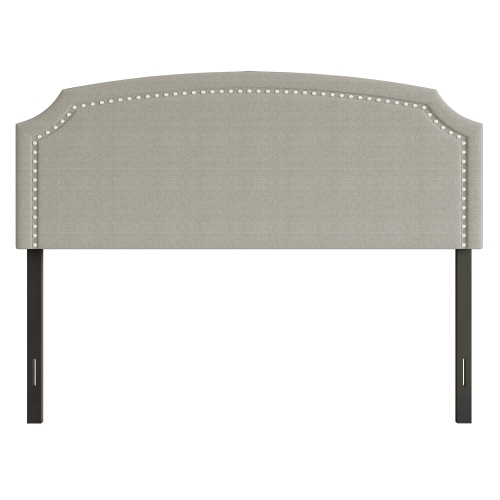
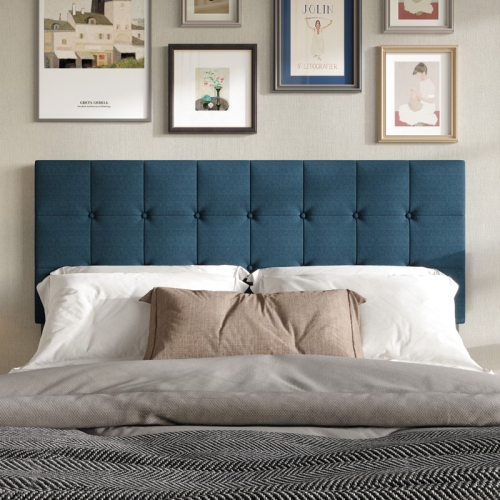
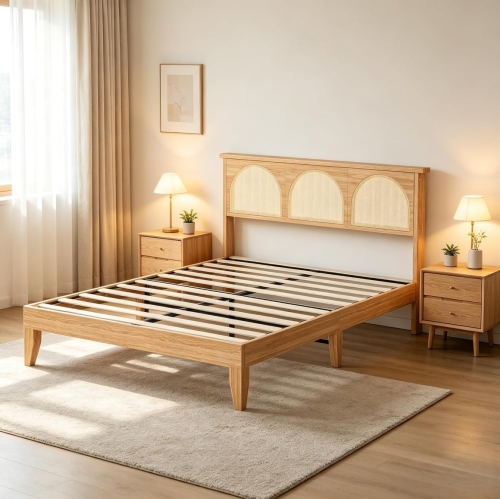
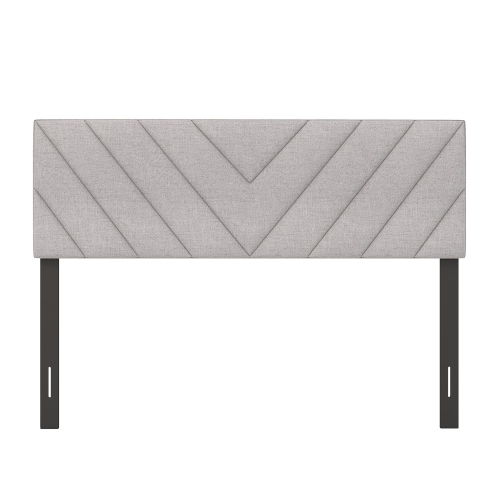
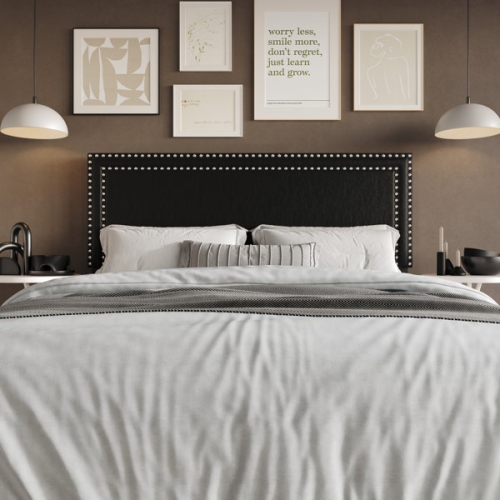
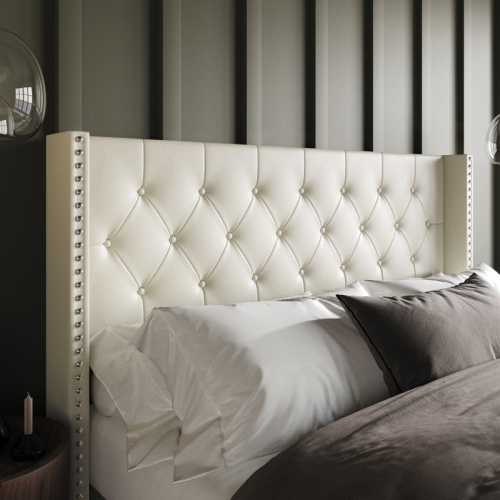
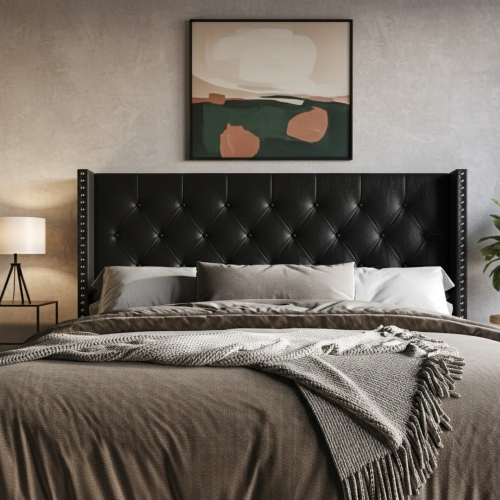
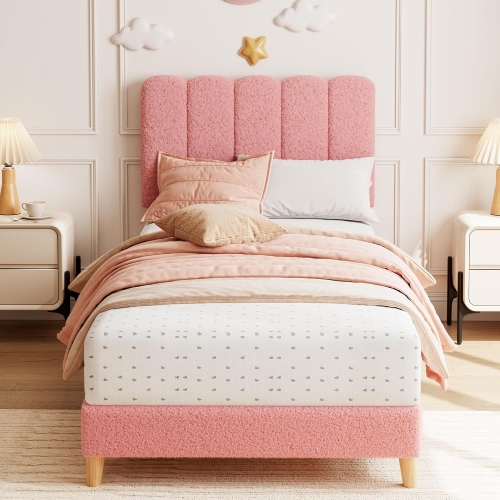
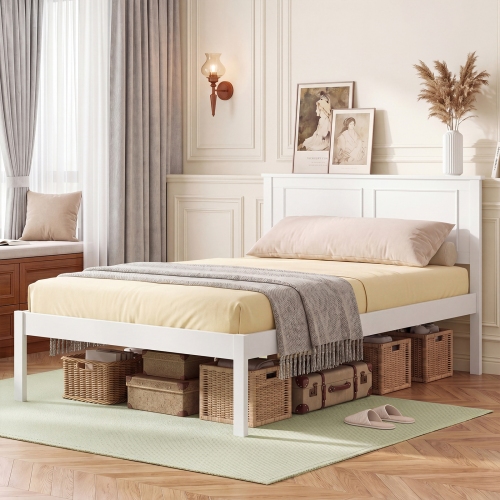
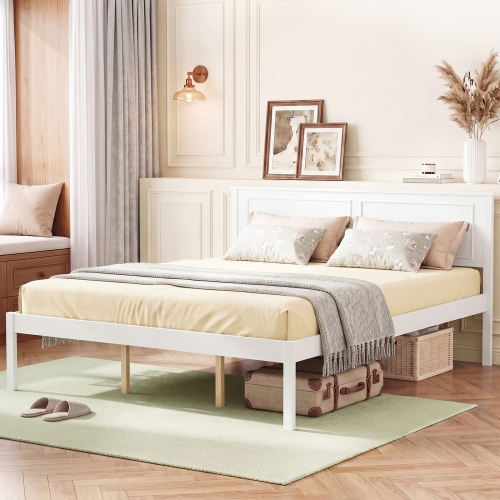
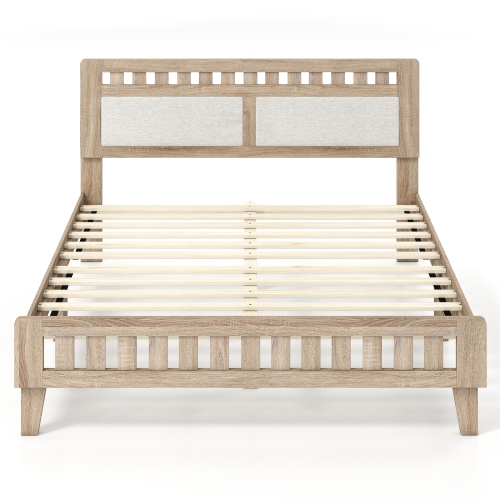
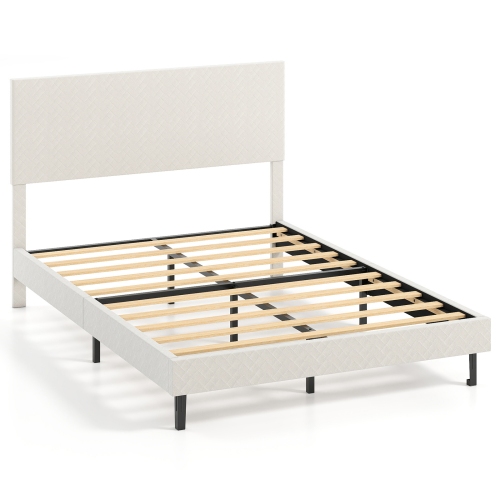
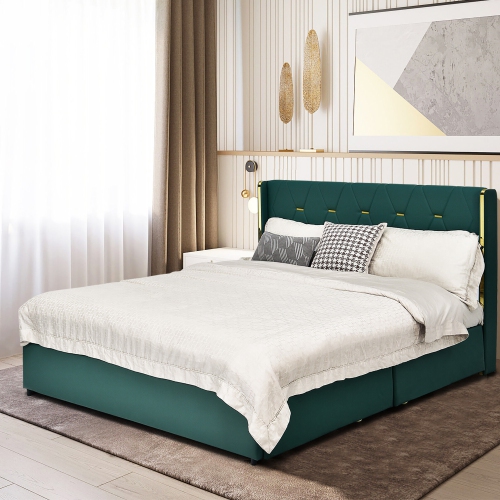
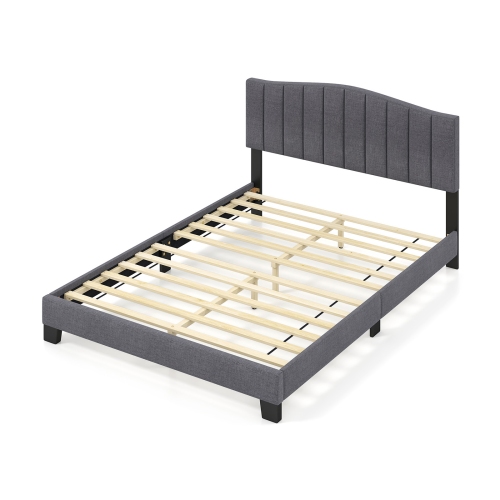
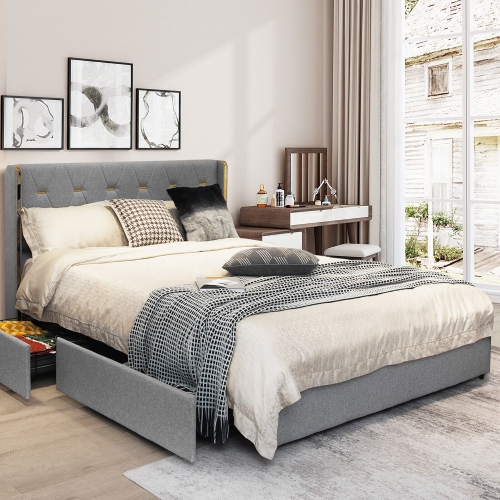
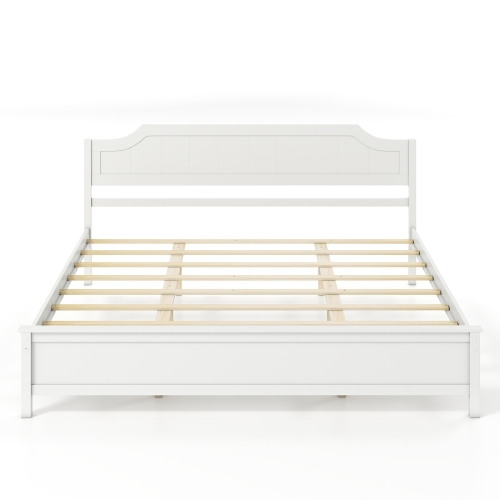
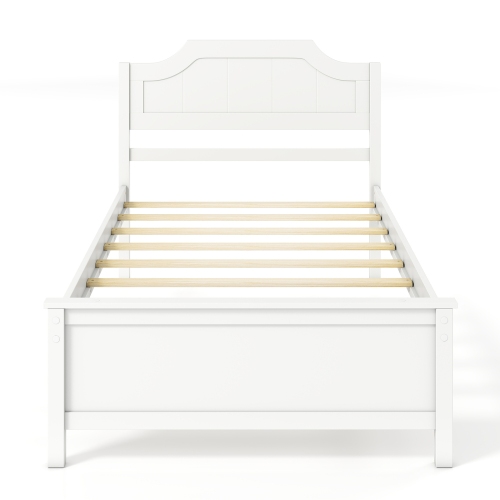
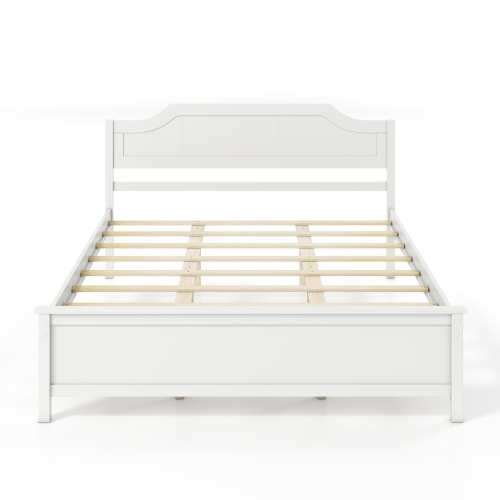
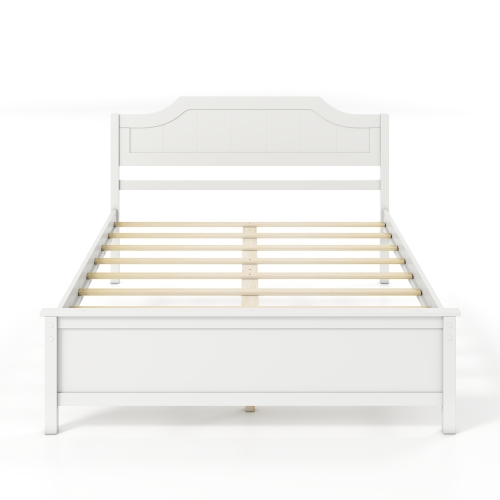
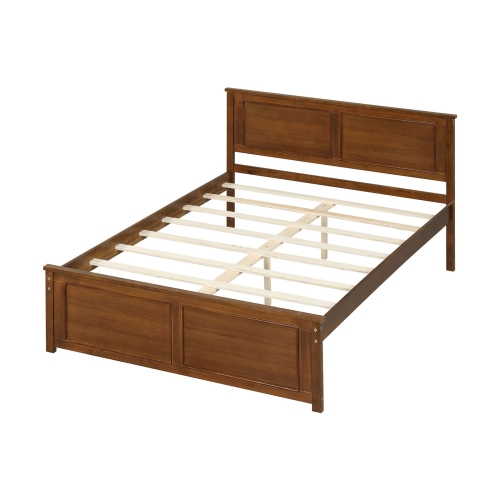
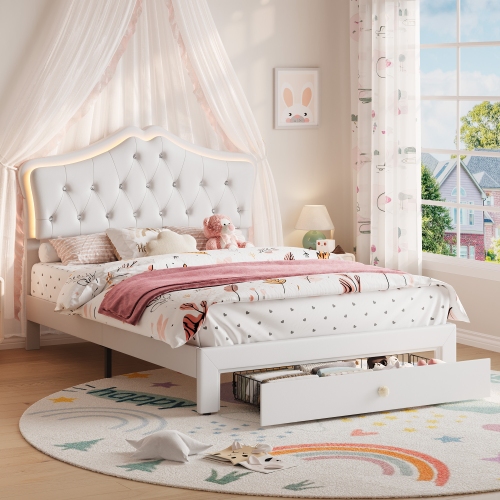
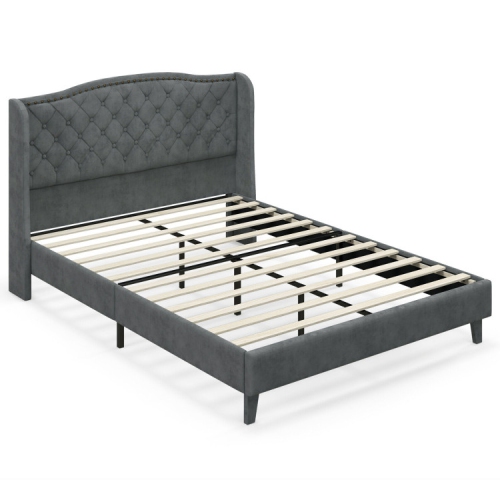
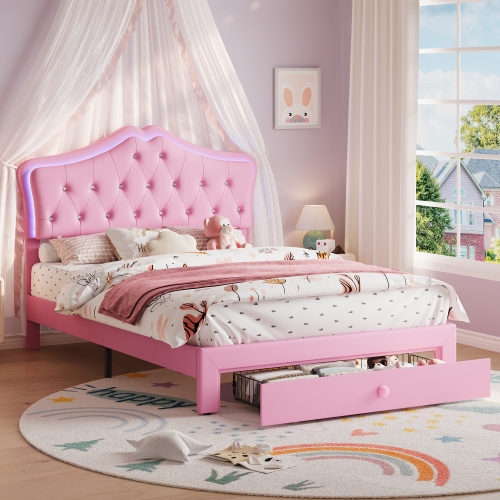
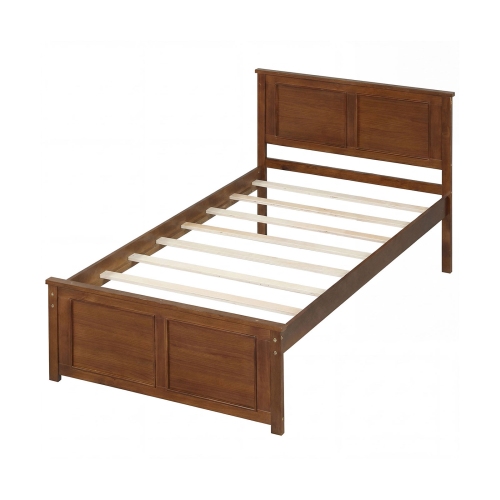
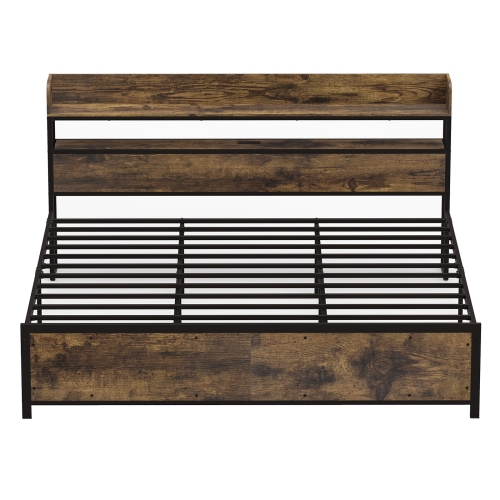
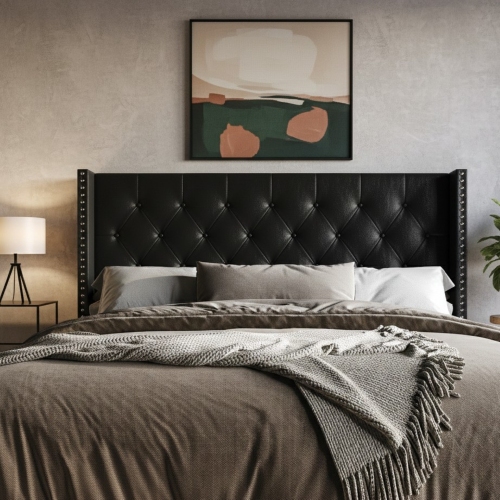
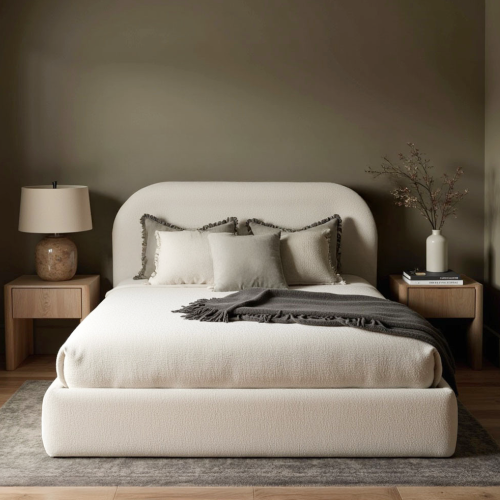
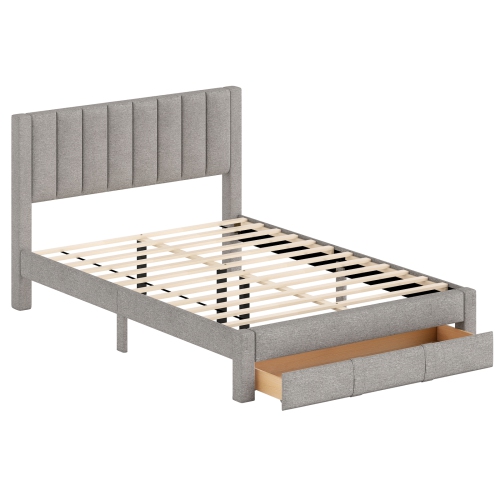
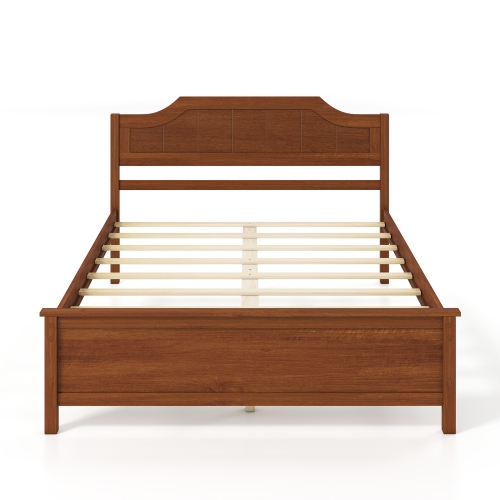
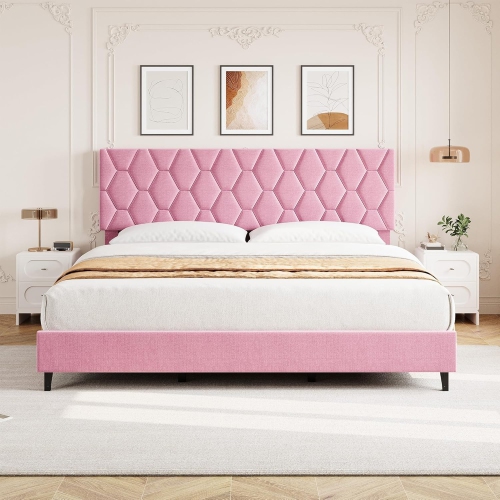
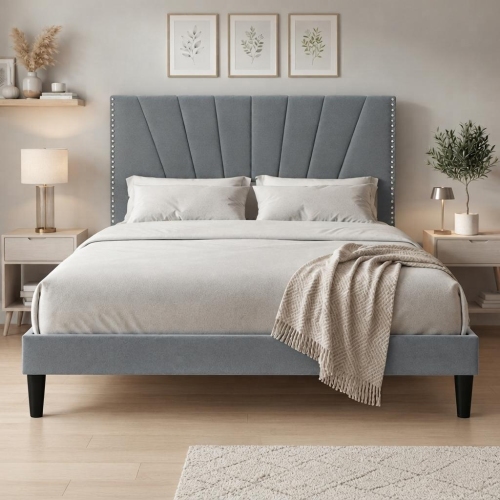
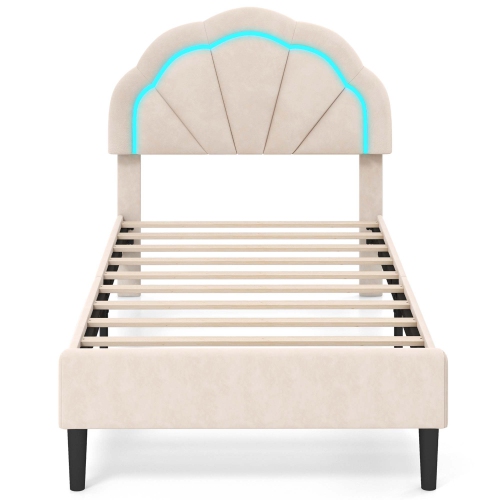
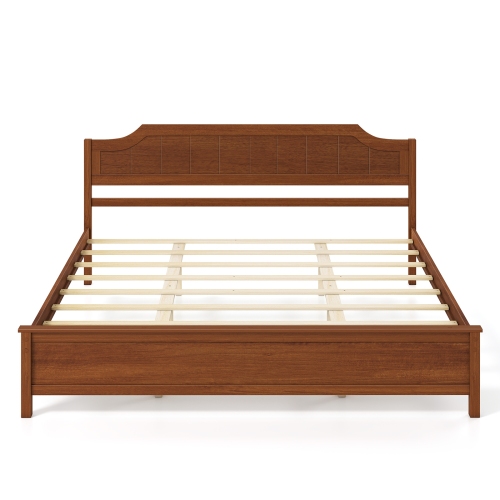
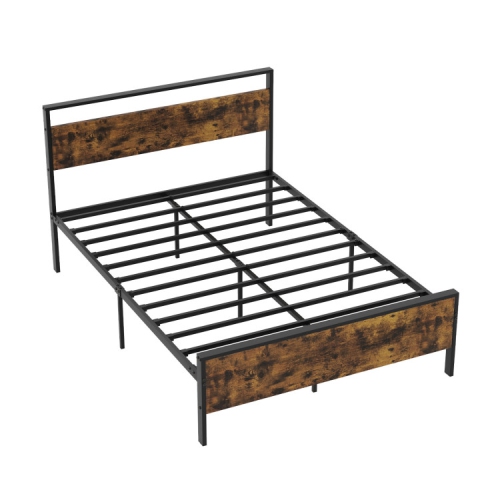
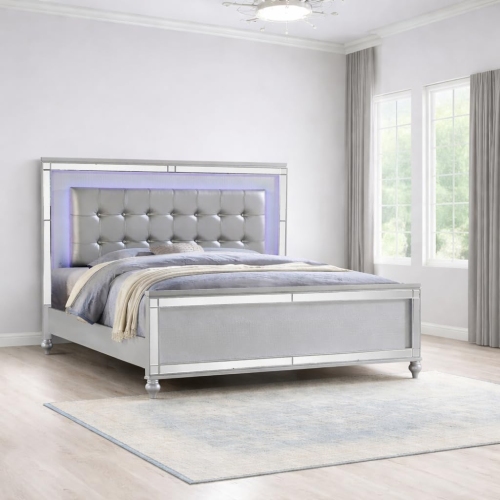
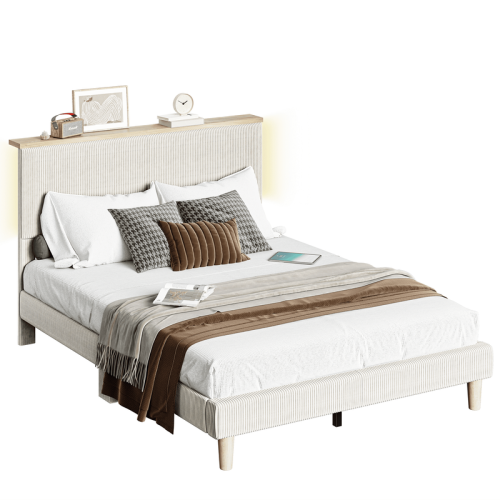
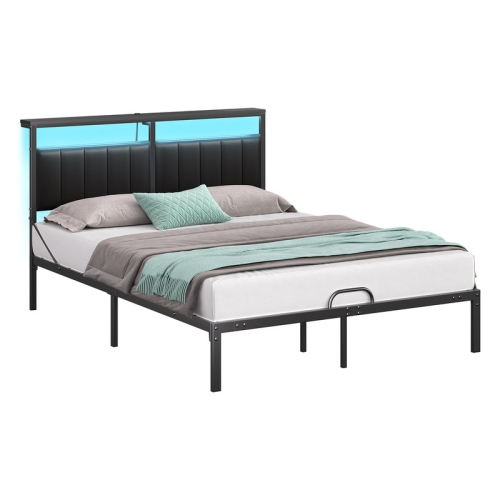
Headboards for beds give the sleeping area a defined backdrop, bringing together the bed frame, bedding, and nearby furniture without requiring a complete bedroom refresh. They can also provide a surface behind pillows for sitting up with a book or watching a show, although the amount of support and cushioning depends on their construction and installation. Common choices include upholstered, wood, and metal headboards, each with a different feel and approach to everyday care. Upholstered headboards have a softer appearance, with padding beneath fabric or another covering. A flat, tightly tailored panel suits a simple bedroom, while tufting, stitched channels, and gently curved edges add texture and shape. Linen-look fabrics offer a woven finish, velvet brings a plush surface with a noticeable change in appearance as the pile catches the light, and leather or leather-look coverings create a smoother backdrop. Fabric composition matters as much as appearance: two similar-looking coverings can have different cleaning requirements and resistance to wear. Wood headboards range from clean-lined panels to slatted designs, with visible grain, painted finishes, or veneers contributing to their character. Solid wood can be substantial, while engineered wood and veneer construction offer other combinations of weight, finish, and detailing. Durability depends on the quality of the joints, surface finish, and supporting structure rather than the material name alone. Metal headboards can feel light and open with slender rails or more substantial with broad posts and decorative details. Their exposed surfaces are generally straightforward to dust, though corners and ornate joints take more attention. For someone who regularly sits upright in bed, a padded panel may feel more comfortable behind a pillow than open rails or a hard wood surface. For a guest bedroom used mainly for sleeping, an easy-care finish and a shape that works with different bedding may matter more. Across these materials, headboard colour can blend into the wall for a quiet look or contrast with it to make the bed the room’s focal point.
Fit involves more than choosing the same size name as the mattress. Twin, double or full, queen, and king headboards are generally designed around their corresponding bed sizes, but their overall widths, mounting positions, and heights can vary. A headboard may extend beyond the mattress on purpose, particularly when it has wings, thick posts, or an oversized panel. The mattress size establishes the starting point; the headboard’s listed dimensions and the bed frame’s attachment details determine whether the pieces work together. In a compact room, extra width can crowd a bedside table or bring a winged edge close to a wardrobe door. Height has a similar effect on both appearance and usefulness. A tall panel creates a strong backdrop, while a lower profile leaves more wall visible above the bed. The combined height of the frame, foundation, and mattress determines how much of that panel remains exposed. A thick mattress and a stack of pillows can conceal decorative details on a short headboard, while a lower mattress may reveal a gap beneath the upholstered section. Adjustable-height designs can offer flexibility, but their adjustment range still needs to suit the bed. Mounting methods also differ. Frame-mounted headboards connect to compatible brackets or attachment points, and matching mattress sizes do not guarantee that bolt spacing or hardware will align. Headboards for Metal Frames are particularly relevant when coordinating a separate headboard with an existing metal bed base. Wall-mounted designs attach independently of the frame and need fasteners appropriate to the wall construction and the manufacturer’s requirements. Freestanding styles have their own supports, though some still require anchoring for stability. For adjustable beds, compatibility includes clearance as the mattress platform moves, not simply the width of the headboard. Assembly requirements, supplied hardware, and any additional brackets are useful details to confirm before pairing separate pieces. A secure, correctly fitted headboard should not depend on being wedged loosely between the mattress and the wall.
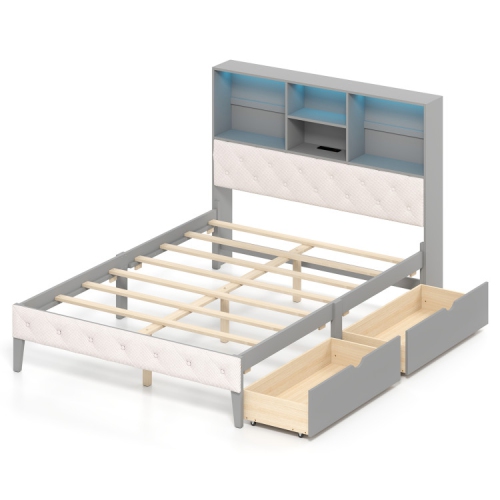
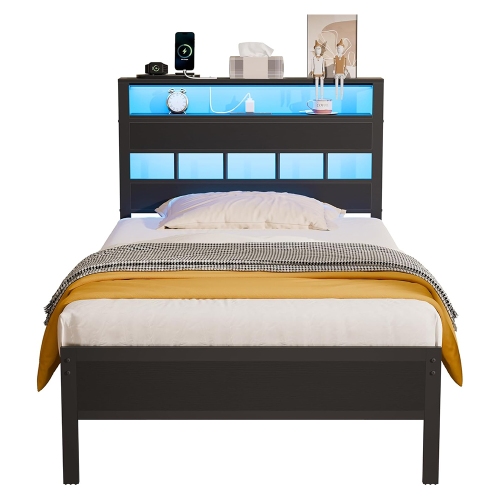
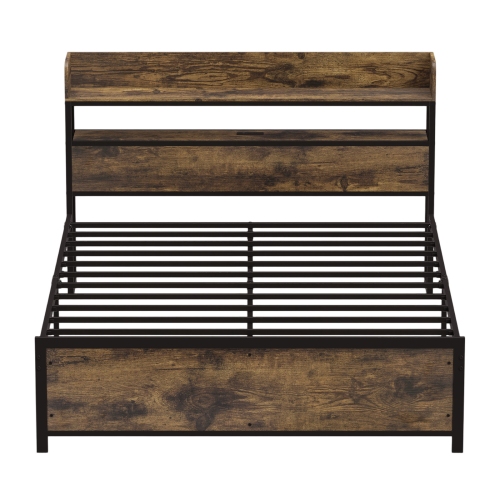
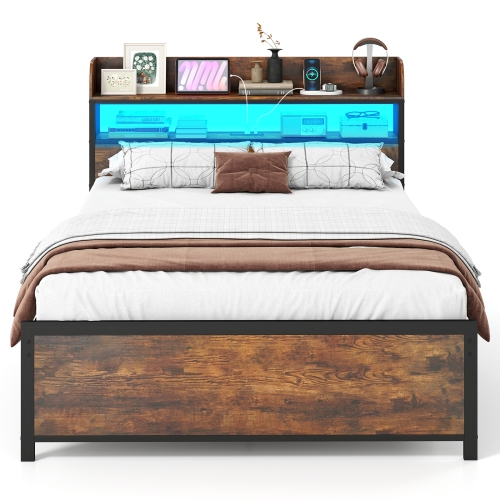
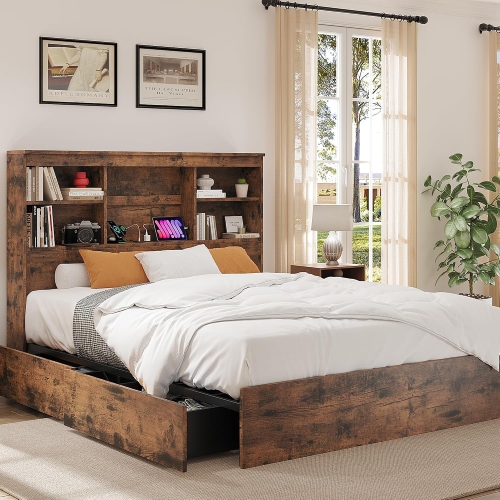
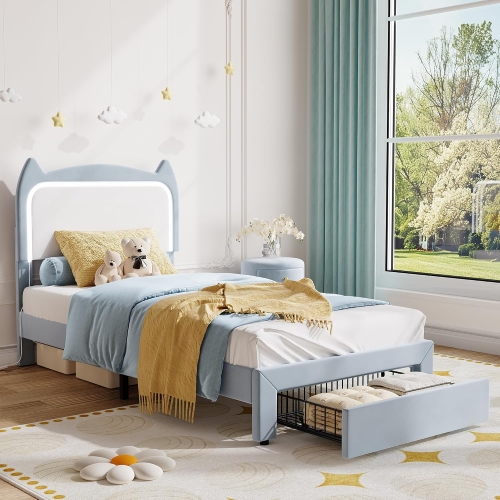
The most useful headboard features reflect how the bedroom is actually used. Storage headboards can place a book, glasses, or a small bedside essential within reach, making them appealing where there is little room for separate nightstands. Their shelves and compartments add depth, however, so the full footprint matters in a narrow bedroom. Open cubbies keep belongings visible, while enclosed compartments create a less busy appearance; either needs enough access to remain useful once pillows and bedding are in place. A broad upholstered headboard can make a primary bedroom feel more finished, while a simple wood or metal design can work well in a spare room that also serves other purposes. In a child’s or teenager’s room, secure installation, an easy-to-clean surface, and a design that continues to suit changing tastes are practical priorities. Deep button tufting and textured weaves bring visual detail but also give dust and lint more places to settle. Smooth panels and uncomplicated rails are easier to reach during routine cleaning. Upholstery care depends on the covering and its care label: gentle vacuuming may be suitable for removing surface dust, while spills need prompt attention using an approved method rather than a general household cleaner. Wood finishes typically benefit from a soft cloth and minimal moisture, with abrasive pads avoided unless the manufacturer specifically permits them. Metal surfaces also need cleaning products suited to their finish, particularly where painted or plated details could be scratched. Over time, loose fasteners, worn attachment points, and movement at the frame can affect stability, so periodic checks help keep the assembly secure. When repositioning the bed, lifting and moving it according to its assembly instructions helps avoid placing unnecessary strain on the headboard connections. Everyday details such as washable bedding, pillows that cushion contact with a hard panel, and clear access around the bed also influence how comfortably the whole setup works. A well-matched headboard balances those practical needs with the proportions and character of the room, whether the intended effect is a softly upholstered backdrop, the warmth of visible wood grain, or the clean outline of metal rails.
Top selling and popular products
-
 Your price for this item is $220.66
-
 Your price for this item is $438.48
-
 Your price for this item is $222.07
-
 Your price for this item is $222.07
-
 Your price for this item is $254.21
-
 Your price for this item is $493.19
-
 Your price for this item is $441.36
-
 Your price for this item is $217.61
Discover more categories related to Headboards for Beds


Top Collections:
Pokemon Centers, Best Cameras for Sports Photography, Kindle Devices, Samsung Galaxy Phones, Canon G7X Cameras, Pokémon 30th Celebration Cards, Refurbished Apple Laptops, iPhone 15 Apple, Laptops for Students, Budget Smartphones
Some products may be subject to Environmental Handling Fees
(EHF) depending on your province.
Learn more about EHFs.