Healthy Cooking Pans
Looking to upgrade your kitchen essentials for a healthier cooking experience? Look no further! Our collection of healthy cooking pans is designed to make your meals both delicious and nutritious. From non-stick surfaces to eco-friendly materials, these pans are crafted with your well-being in mind. Whether you're a seasoned chef or just starting out, our range of options ensures that you can find the perfect pan to suit your needs. Say goodbye to excessive oil and hello to guilt-free cooking with our selection of healthy cooking pans.
Sort
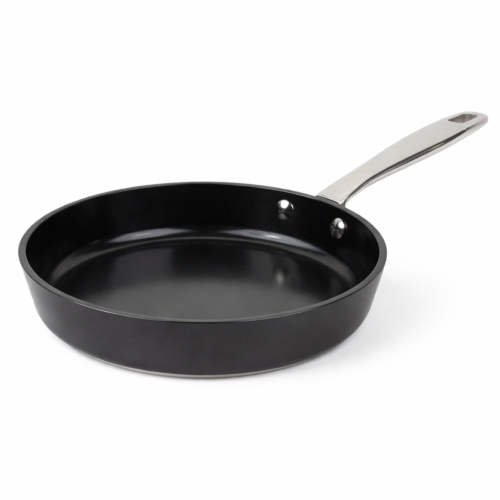
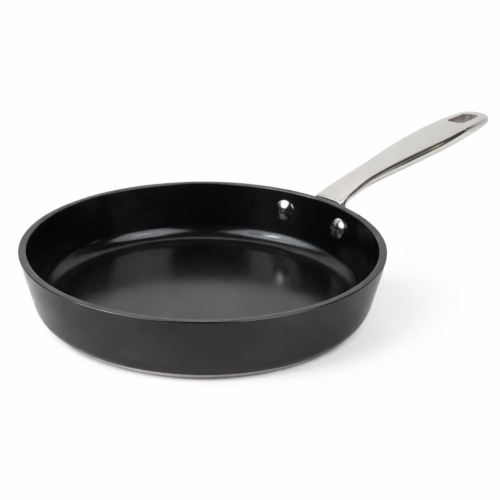
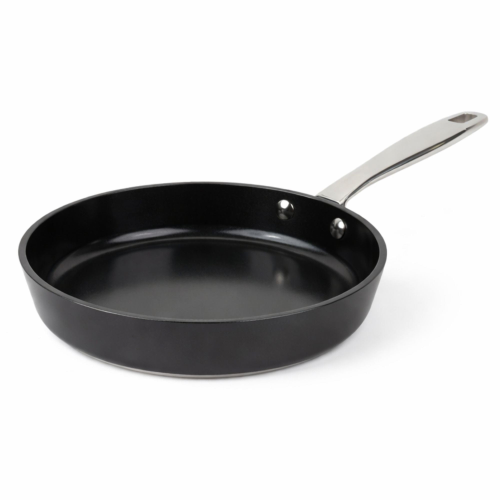
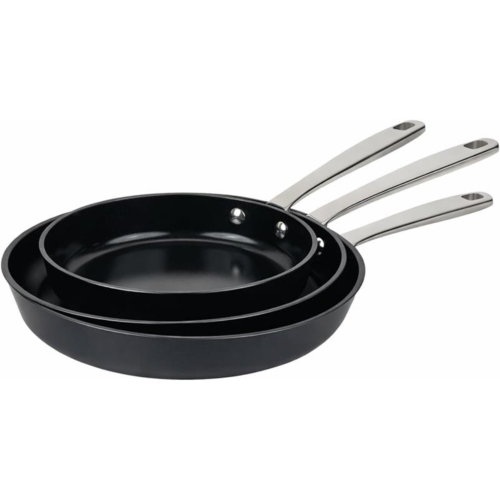

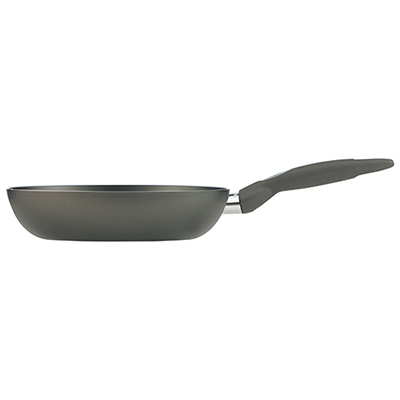
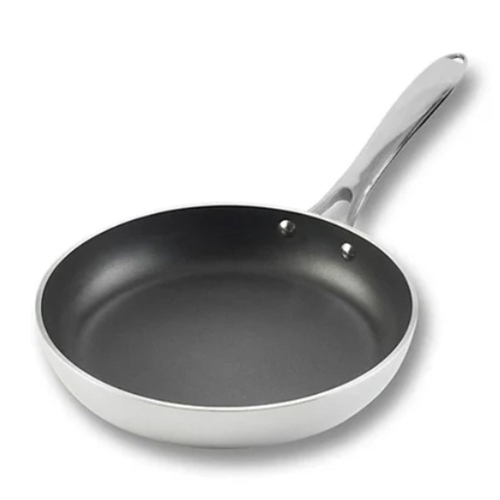
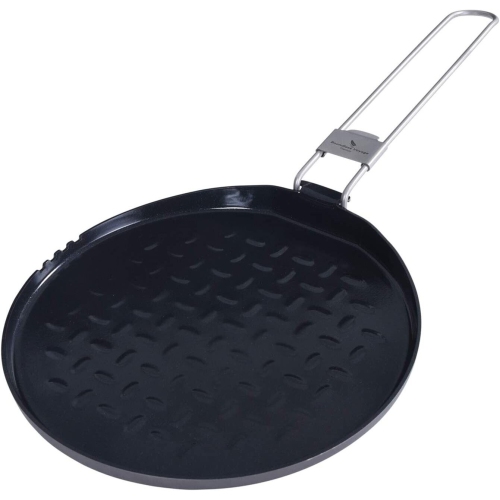
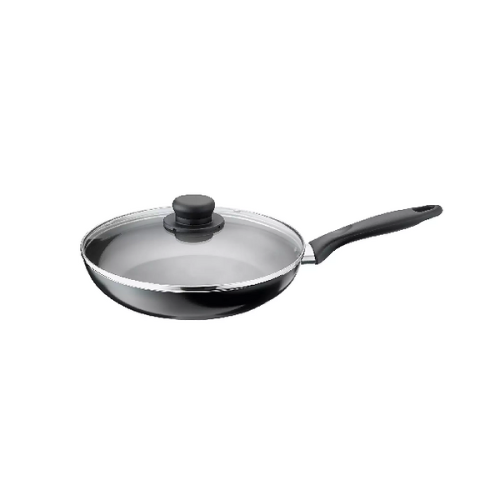
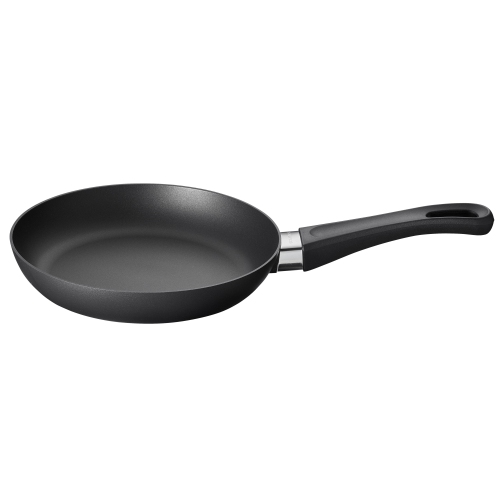
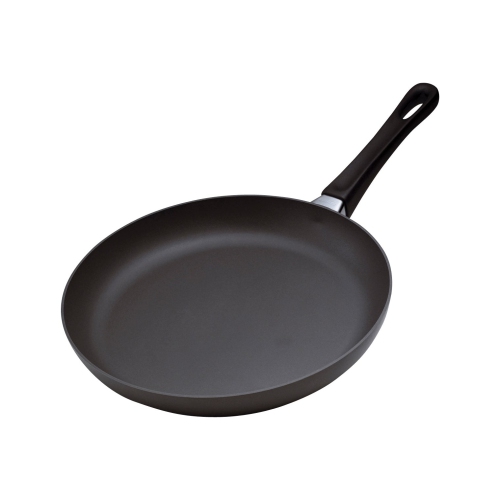
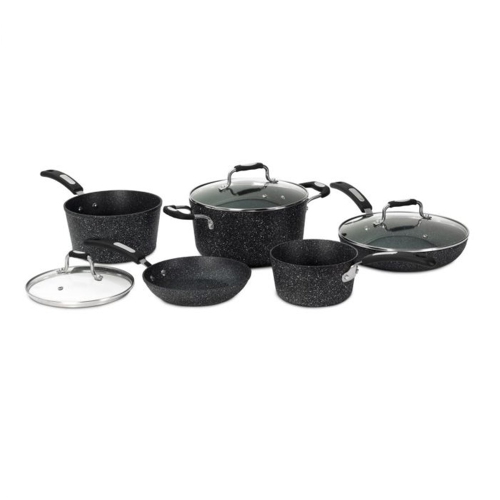
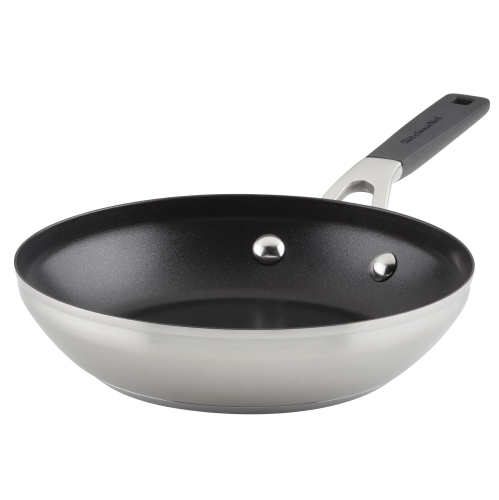
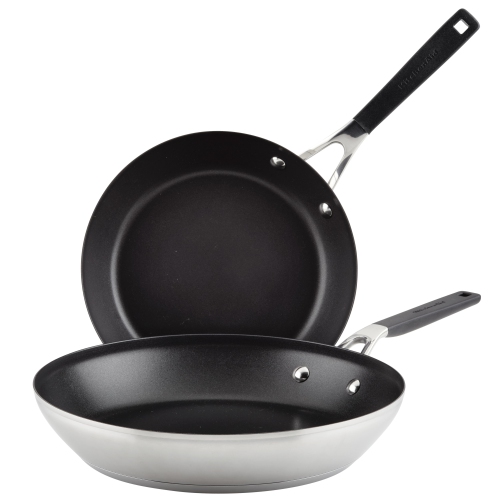
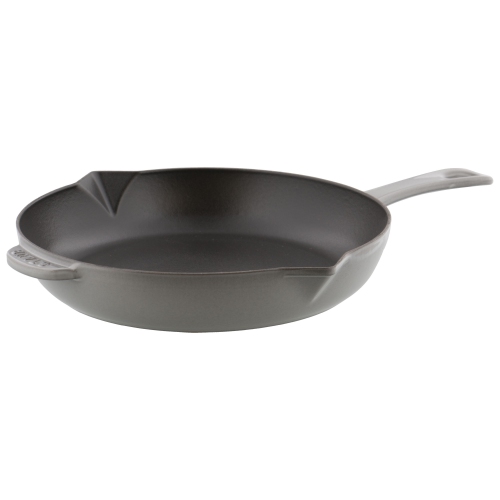
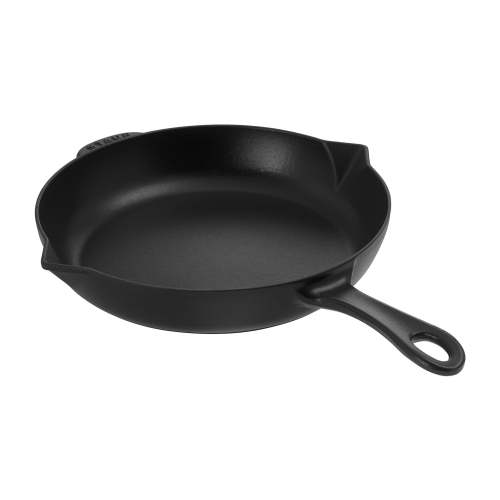

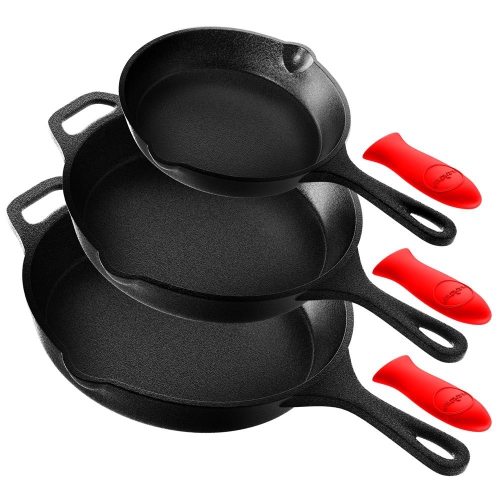
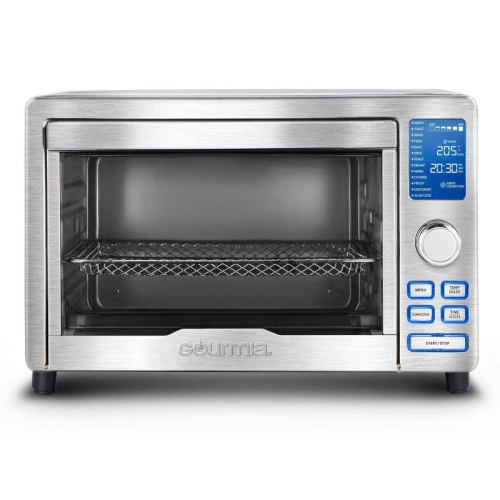
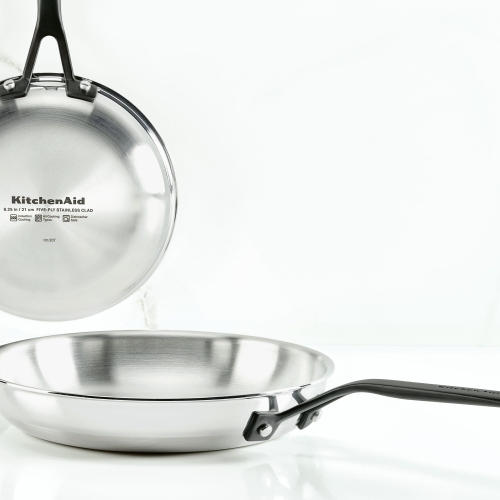
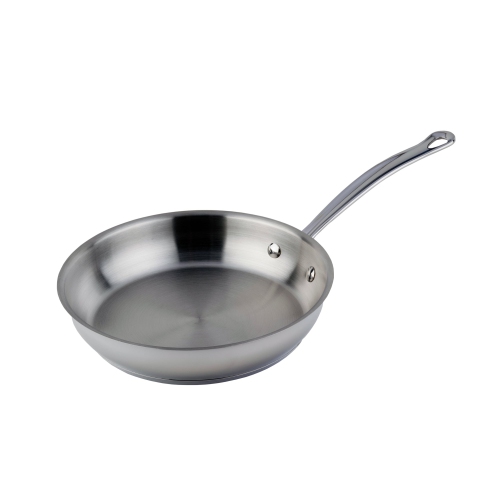

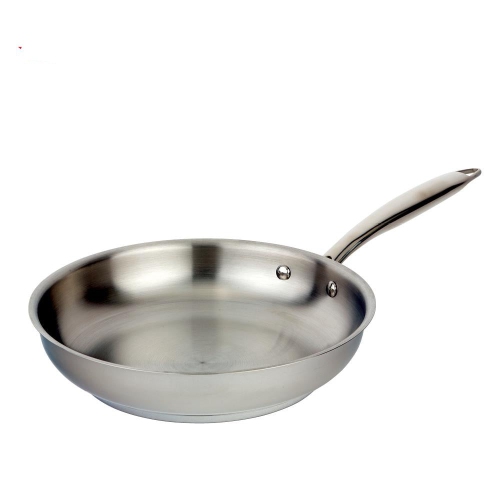
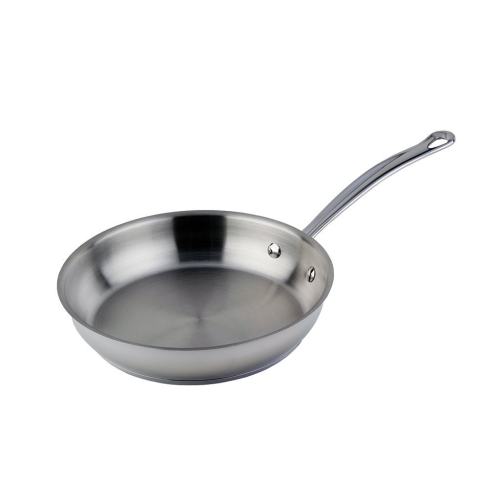
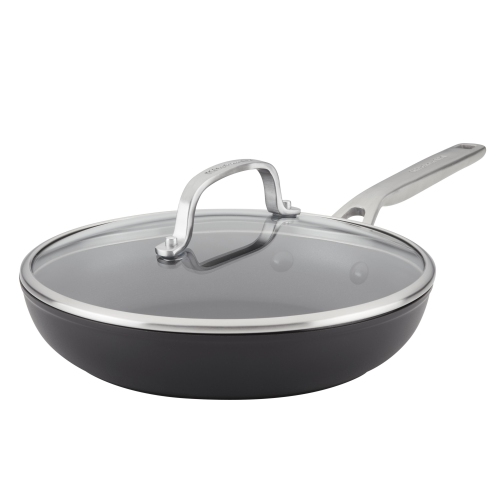
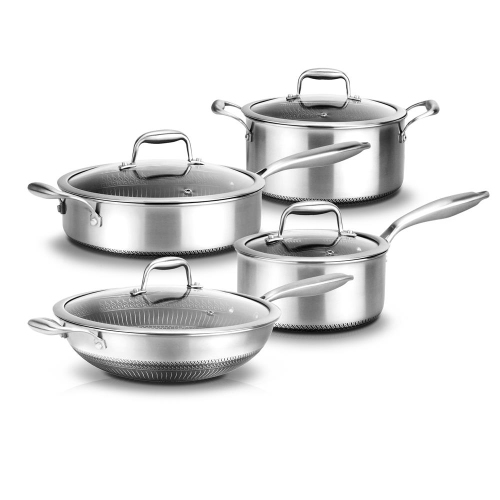
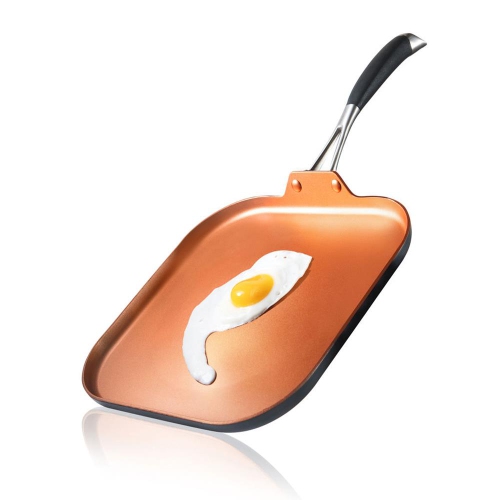
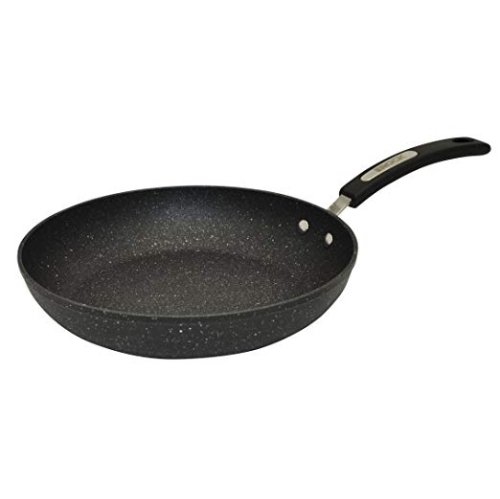
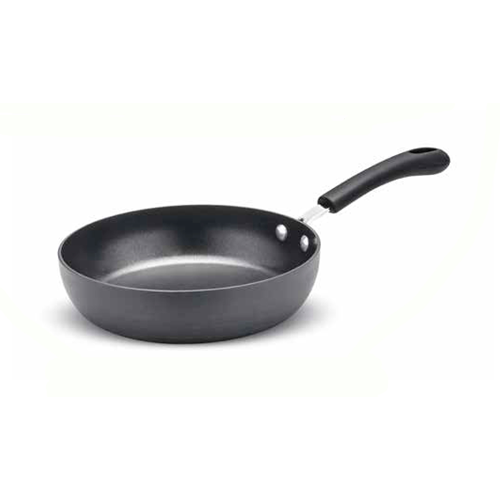

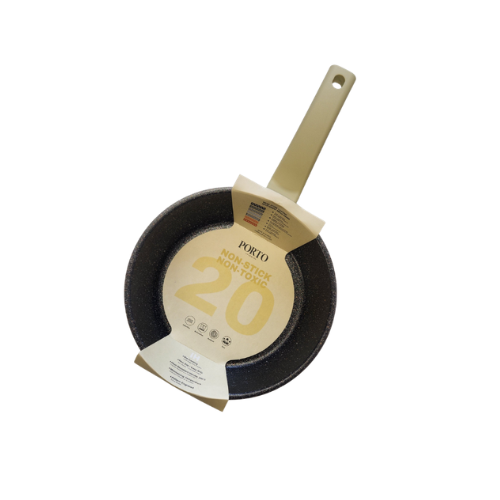
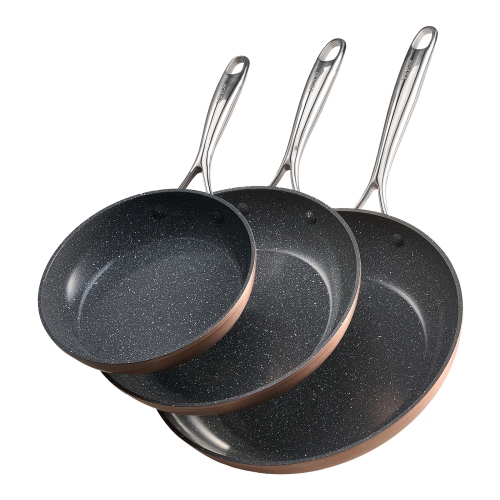

From searing to simmering, pan choice shapes everyday cooking
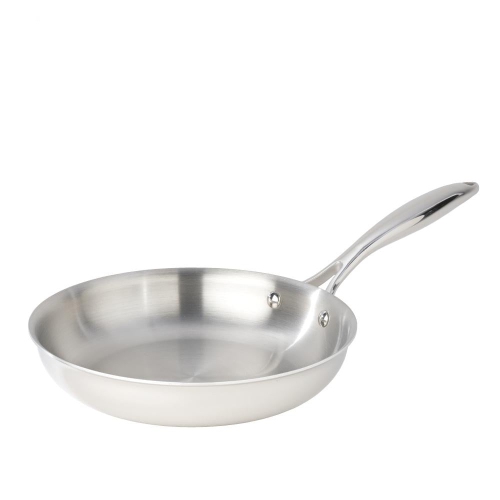
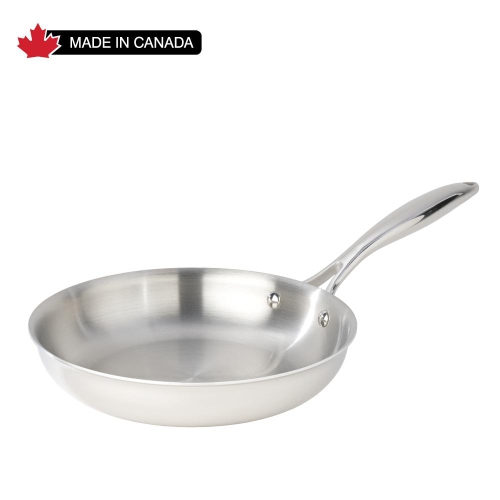
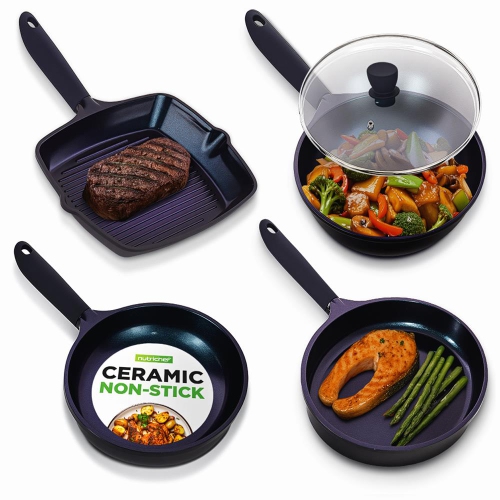
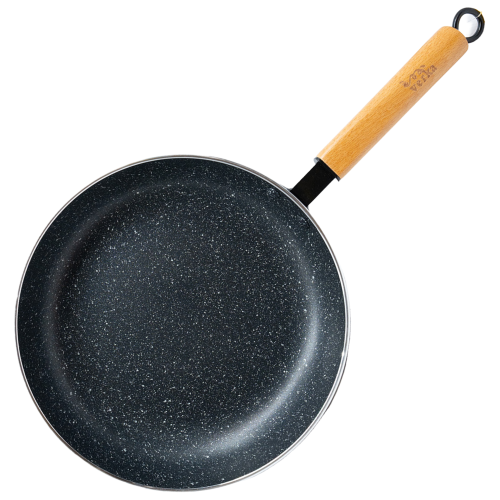
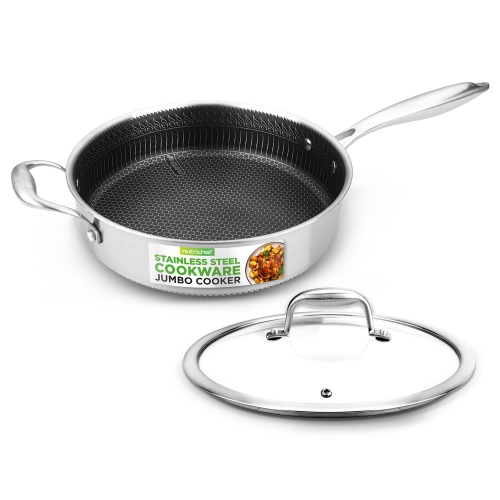
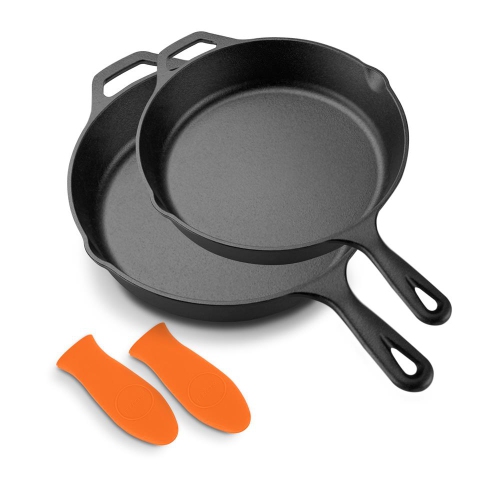
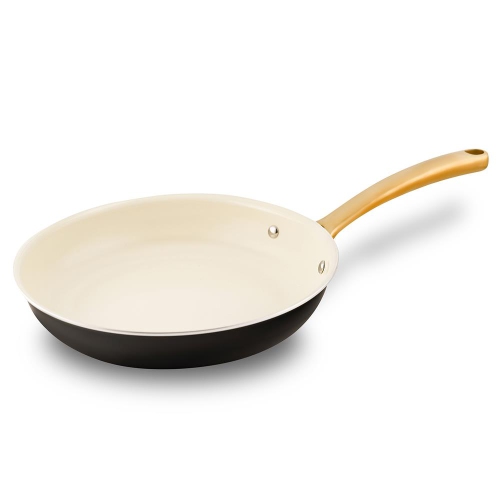
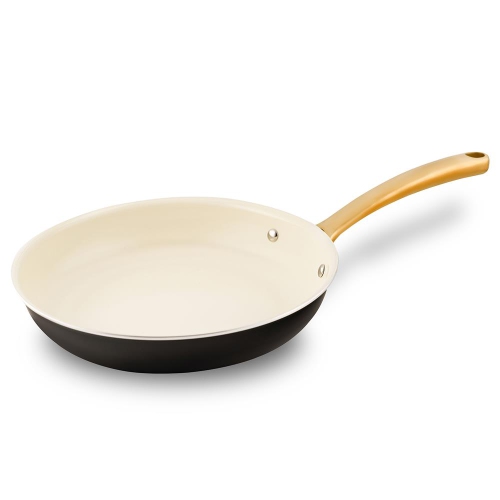
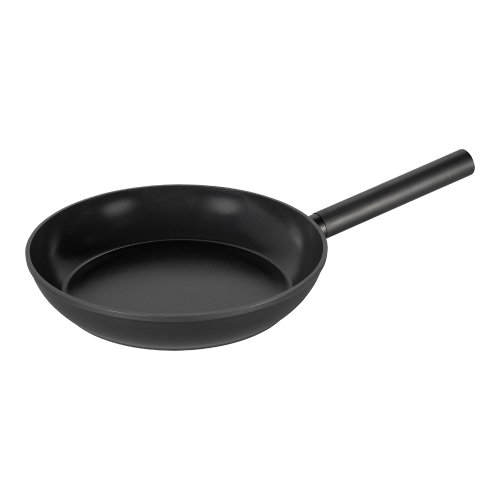
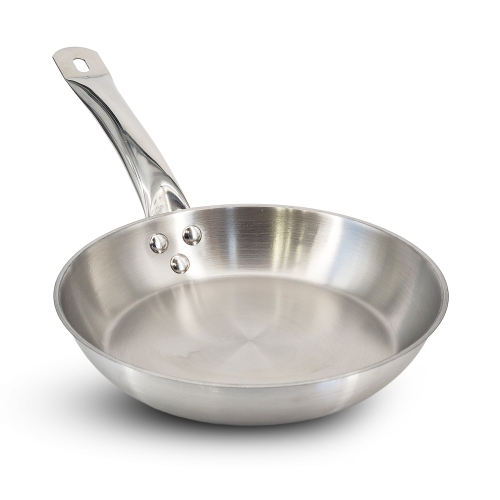
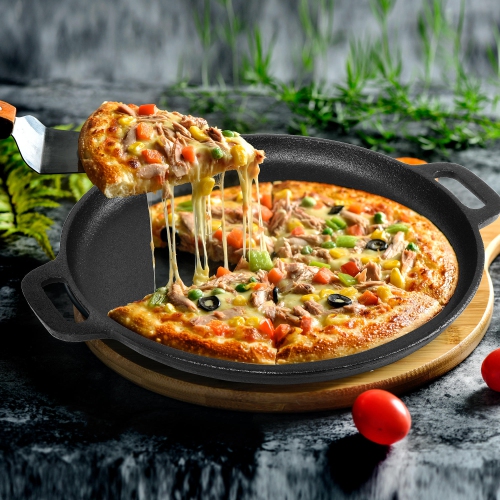
Healthy cooking pans can support simple, satisfying meals by making it easier to prepare food with the ingredients and techniques you prefer. When choosing a pan, start with the material, construction, size, and cooking surface. Stainless steel is a versatile choice for everyday kitchens because it is durable, non-reactive, and free from a synthetic non-stick coating. It works well for sautéing vegetables, browning chicken, boiling ingredients, reducing pan sauces, and finishing dishes in the oven, depending on the pan’s specifications. A heavier base or multi-layer construction can help distribute heat more evenly, reducing hot spots that may cause food to brown too quickly in one area while remaining pale in another. Stainless steel may require a little more attention than a coated pan: preheating the surface, adding the right amount of oil, and allowing food to form a seared crust before turning can make release much easier. Cast iron and carbon steel offer another durable option for cooks who enjoy high-heat searing, roasted vegetables, skillet breads, or meals that move from stovetop to oven. Both materials can develop a seasoned surface through regular use and light applications of cooking oil, creating a naturally slick finish over time. Cast iron is especially valued for heat retention, making it useful for serving dishes that benefit from staying warm at the table, while carbon steel tends to be lighter and more responsive for frequent stovetop cooking. Care matters with both: dry them promptly, follow the manufacturer’s cleaning instructions, and apply a thin layer of oil when recommended. For a more convenient release, ceramic-coated non-stick pans provide a smooth cooking surface that can be useful for eggs, pancakes, delicate fish, and foods prepared with less added fat. Shoppers who prefer this style may wish to look for clearly stated PFAS-free construction and follow the care guidance closely, since coated surfaces can lose performance when exposed to very high heat, metal utensils, abrasive cleaners, or sudden temperature changes.
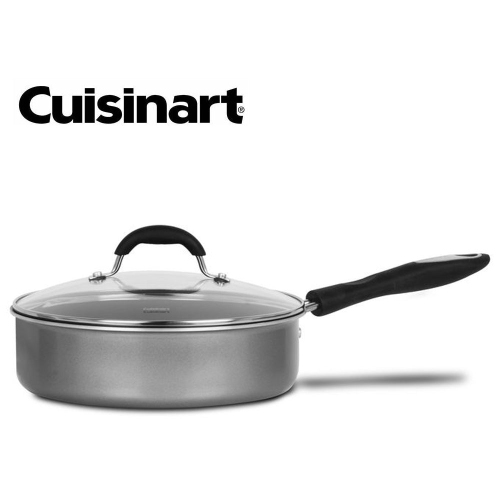
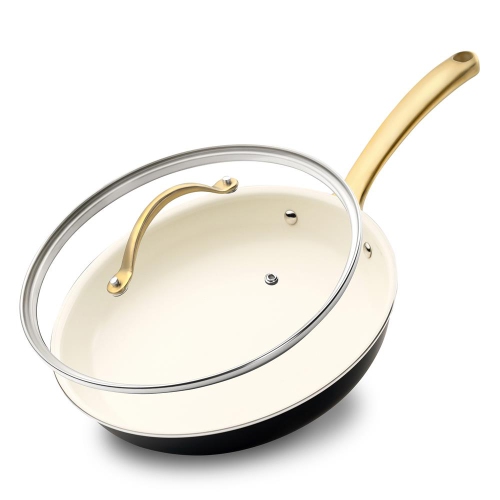
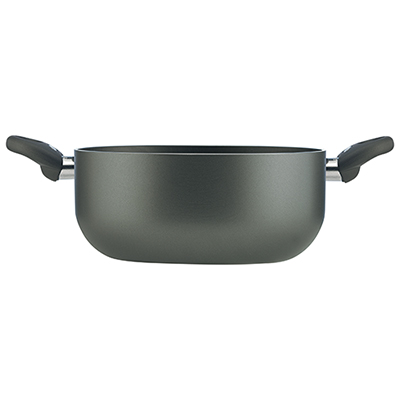
The right healthy cooking pan depends on the meals you make most often and the equipment in your kitchen. A small skillet can be handy for a single omelette, toasted spices, reheating leftovers, or preparing a quick sauce, while a medium pan is a practical size for weeknight portions and side dishes. Larger skillets offer room for browning ingredients without crowding, which can help mushrooms, vegetables, tofu, and meat develop better colour and texture. A sauté pan with taller sides is useful when a recipe includes a generous amount of greens, grains, beans, or sauce, while a griddle-style surface can make breakfast foods and grilled sandwiches easier to prepare. Check whether the pan is compatible with your cooktop, especially if you use induction, and confirm whether it can go in the oven, under the broiler, or in the dishwasher. Handles should feel secure and balanced, with enough room for a comfortable grip even when using a mitt. A lid can be valuable for simmering, steaming, and keeping food warm, while a helper handle can make a larger pan easier to lift. Weight is another personal consideration: a substantial pan may feel reassuring and stable, but a lighter option can be more comfortable for cooks who frequently transfer food from the stovetop to the counter. If you are comparing materials, think about how much maintenance fits your routine. Stainless steel is a dependable all-purpose workhorse, cast iron and carbon steel reward regular seasoning and careful drying, and ceramic-coated pans offer straightforward release with a surface that benefits from gentler handling. Selecting several complementary sizes can create a flexible collection for everything from a quick breakfast to a bubbling supper served during the cooler months. Those looking to explore the heat retention and seasoning qualities of iron cookware can browse Iron Cooking Pans.
Healthy cooking pans can also be a thoughtful gift for someone setting up a first kitchen, moving into a new home, learning to cook, or replacing worn cookware. A useful pan is the kind of gift that becomes part of a person’s daily rhythm: the skillet used for morning eggs, the sauté pan that turns a handful of vegetables into dinner, or the sturdy pan brought to the table with a golden-brown roast or bubbling baked dish. For a new cook, an easy-to-handle non-stick pan may provide confidence while learning heat control and timing. For someone who enjoys experimenting, stainless steel, cast iron, or carbon steel can open the door to techniques such as fond-based sauces, high-heat searing, oven finishing, and gradual seasoning. Consider the recipient’s cooktop, kitchen storage, preferred foods, and comfort with care before choosing a pan. Someone with limited cupboard space may appreciate a versatile mid-sized option, while a frequent host may value a broader cooking surface or a lidded design. During the cooler months, pans that move smoothly from stovetop to oven can make hearty cooking more convenient, from gently simmered beans to roasted root vegetables and crisp-topped casseroles. Regardless of material, good results come from matching the pan to the task, using suitable utensils, avoiding overheating, and following the manufacturer’s instructions for cleaning and storage. With the right size and surface, preparing wholesome home-cooked meals can feel less like a chore and more like a familiar, enjoyable part of the day.
The right healthy cooking pan depends on the meals you make most often and the equipment in your kitchen. A small skillet can be handy for a single omelette, toasted spices, reheating leftovers, or preparing a quick sauce, while a medium pan is a practical size for weeknight portions and side dishes. Larger skillets offer room for browning ingredients without crowding, which can help mushrooms, vegetables, tofu, and meat develop better colour and texture. A sauté pan with taller sides is useful when a recipe includes a generous amount of greens, grains, beans, or sauce, while a griddle-style surface can make breakfast foods and grilled sandwiches easier to prepare. Check whether the pan is compatible with your cooktop, especially if you use induction, and confirm whether it can go in the oven, under the broiler, or in the dishwasher. Handles should feel secure and balanced, with enough room for a comfortable grip even when using a mitt. A lid can be valuable for simmering, steaming, and keeping food warm, while a helper handle can make a larger pan easier to lift. Weight is another personal consideration: a substantial pan may feel reassuring and stable, but a lighter option can be more comfortable for cooks who frequently transfer food from the stovetop to the counter. If you are comparing materials, think about how much maintenance fits your routine. Stainless steel is a dependable all-purpose workhorse, cast iron and carbon steel reward regular seasoning and careful drying, and ceramic-coated pans offer straightforward release with a surface that benefits from gentler handling. Selecting several complementary sizes can create a flexible collection for everything from a quick breakfast to a bubbling supper served during the cooler months. Those looking to explore the heat retention and seasoning qualities of iron cookware can browse Iron Cooking Pans.
Healthy cooking pans can also be a thoughtful gift for someone setting up a first kitchen, moving into a new home, learning to cook, or replacing worn cookware. A useful pan is the kind of gift that becomes part of a person’s daily rhythm: the skillet used for morning eggs, the sauté pan that turns a handful of vegetables into dinner, or the sturdy pan brought to the table with a golden-brown roast or bubbling baked dish. For a new cook, an easy-to-handle non-stick pan may provide confidence while learning heat control and timing. For someone who enjoys experimenting, stainless steel, cast iron, or carbon steel can open the door to techniques such as fond-based sauces, high-heat searing, oven finishing, and gradual seasoning. Consider the recipient’s cooktop, kitchen storage, preferred foods, and comfort with care before choosing a pan. Someone with limited cupboard space may appreciate a versatile mid-sized option, while a frequent host may value a broader cooking surface or a lidded design. During the cooler months, pans that move smoothly from stovetop to oven can make hearty cooking more convenient, from gently simmered beans to roasted root vegetables and crisp-topped casseroles. Regardless of material, good results come from matching the pan to the task, using suitable utensils, avoiding overheating, and following the manufacturer’s instructions for cleaning and storage. With the right size and surface, preparing wholesome home-cooked meals can feel less like a chore and more like a familiar, enjoyable part of the day.
Top selling and popular products
-
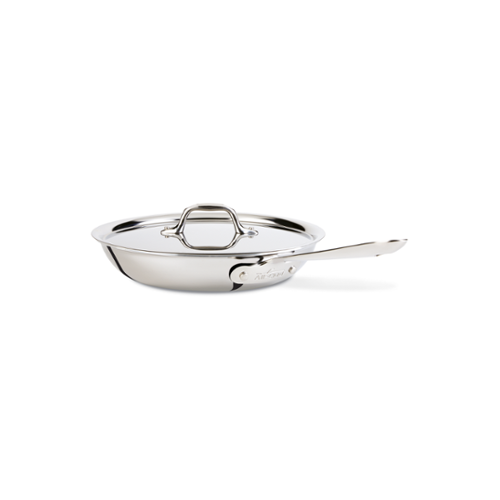 Your price for this item is $137.7
 -
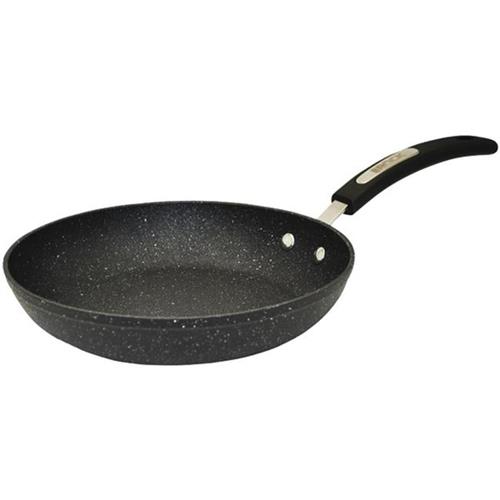 Your price for this item is $33.97
 -
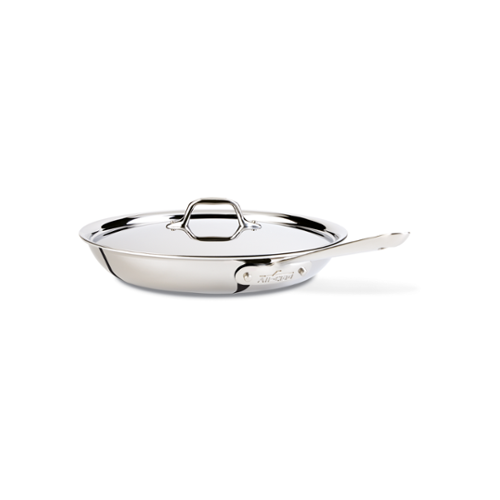 Your price for this item is $289.04
 -
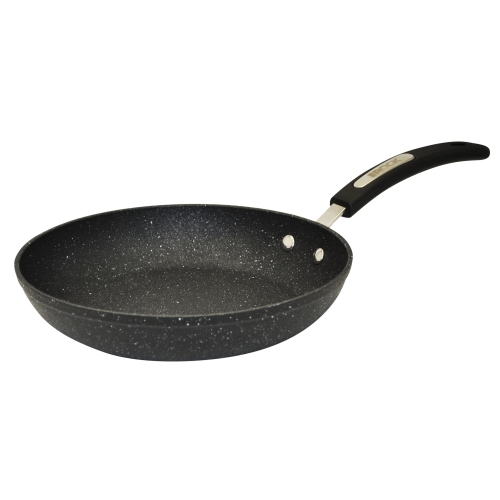 Your price for this item is $29.99
 -
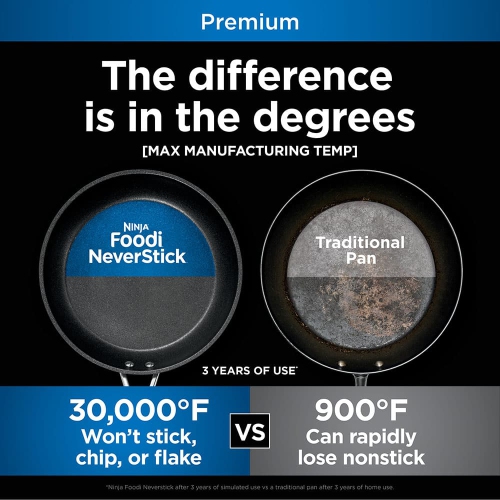 Your price for this item is $139.53
 -
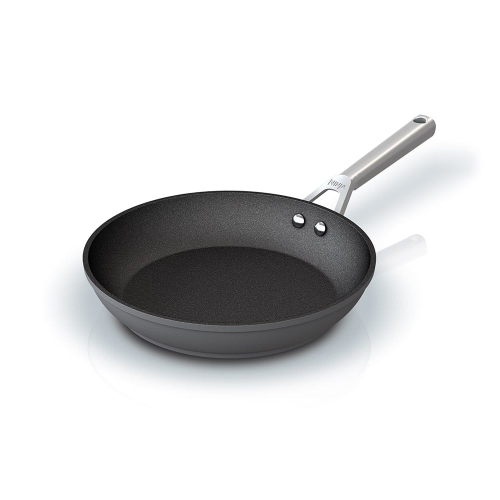 Your price for this item is $100.73
 -
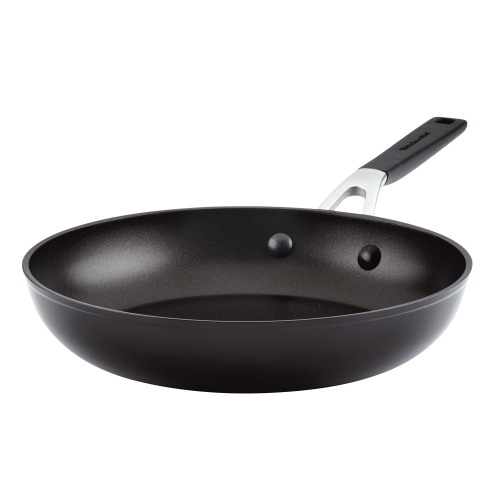 Your price for this item is $49.99
 -
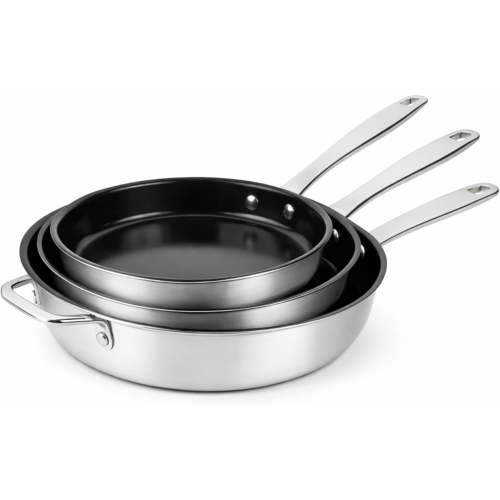 Your price for this item is $399
Discover more categories related to Healthy Cooking Pans

Top Collections:
Pokemon Centers, Kindle Devices, Best Budget Office Chairs, Apple iPhones 16, Best Laptops for Writers, iPhone 15 Apple, Canon G7X Cameras, Refurbished Apple Laptops, Alarm Clock, Motorola Razr Phones
Some products may be subject to Environmental Handling Fees
(EHF) depending on your province.
Learn more about EHFs.