Cooking Skillets
Enhance your culinary skills with our collection of cooking skillets, designed to elevate your cooking experience to new heights. Whether you're a seasoned chef or just starting out in the kitchen, these versatile and durable skillets are essential for creating delicious meals with ease. From searing steaks to sautéing vegetables, our range of skillets offers exceptional heat distribution and precise control for perfect results every time. Explore our selection of cooking skillets and discover the perfect addition to your kitchen arsenal.
Sort

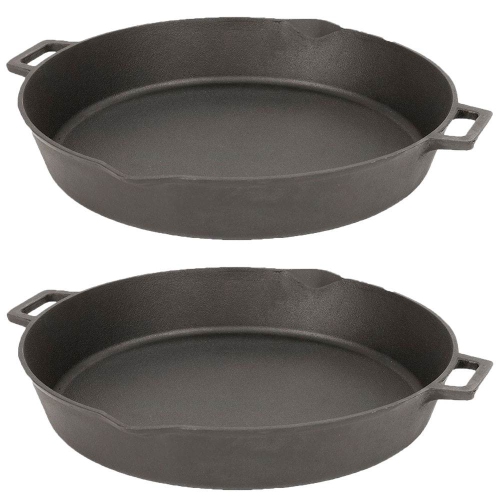
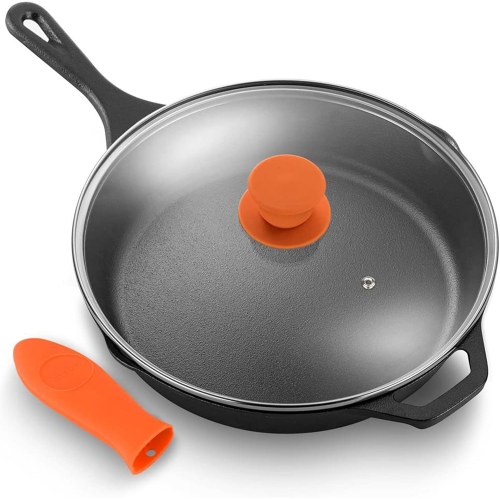
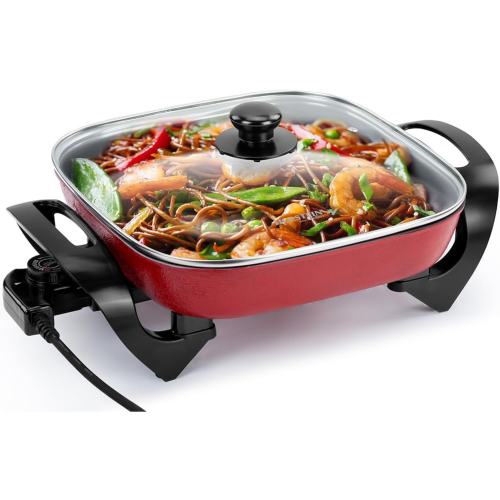

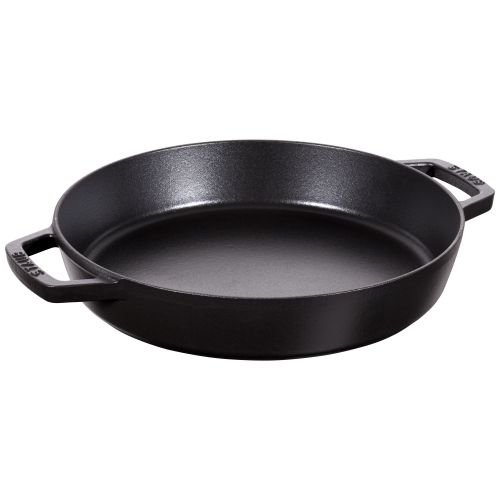
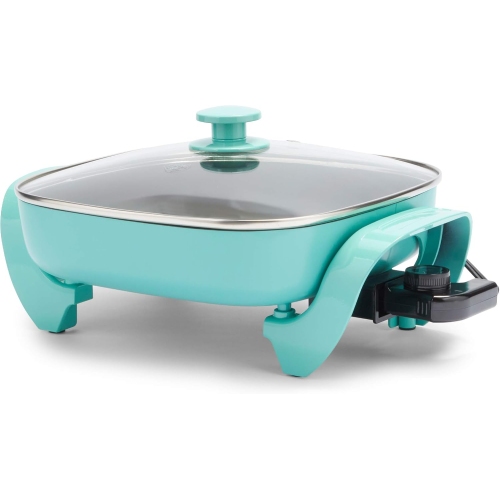

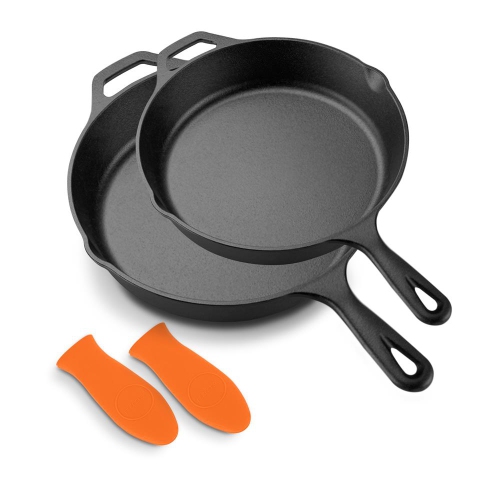
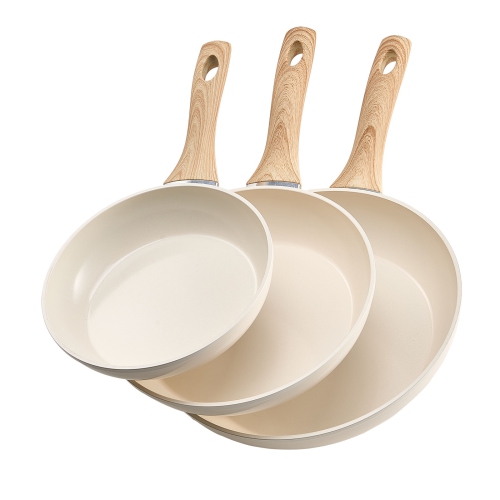

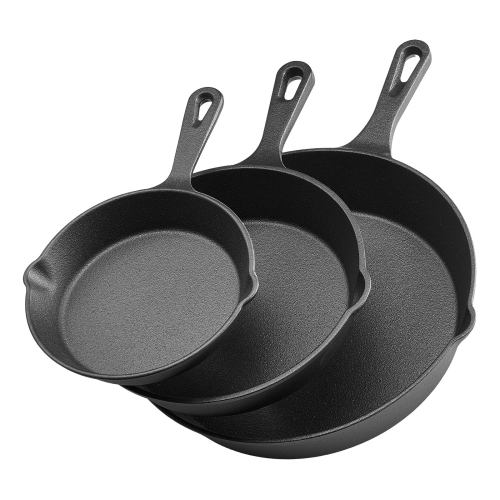
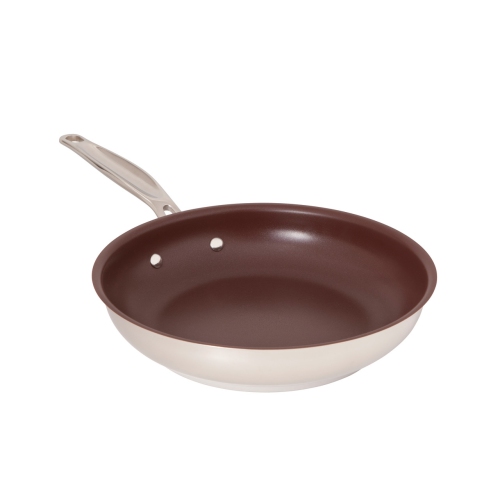

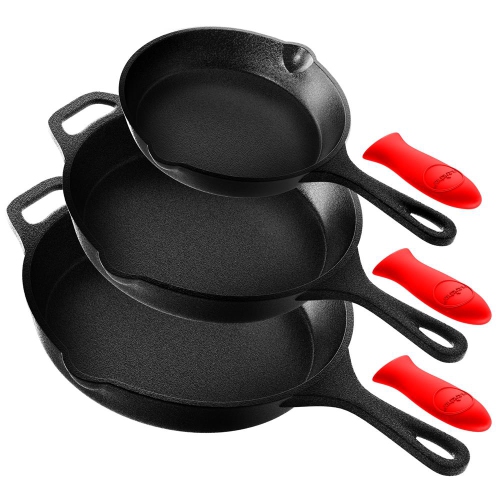
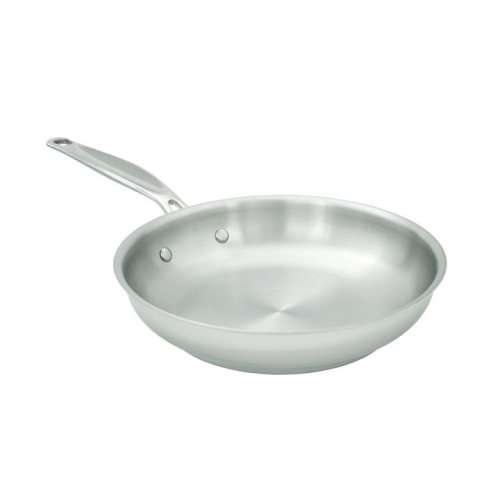
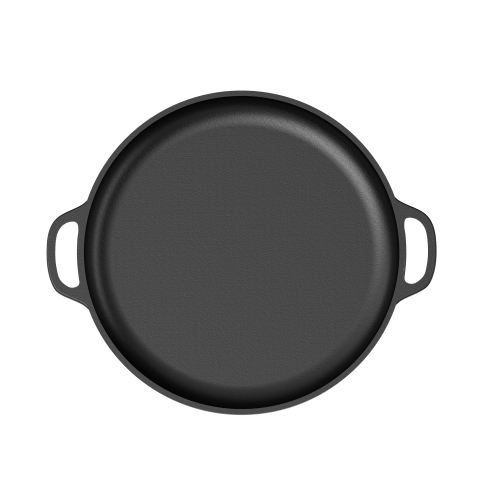
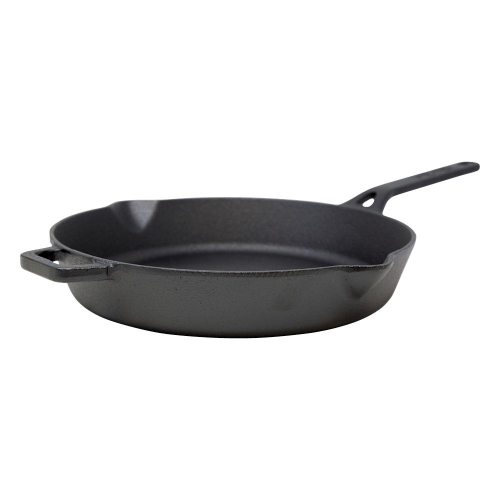

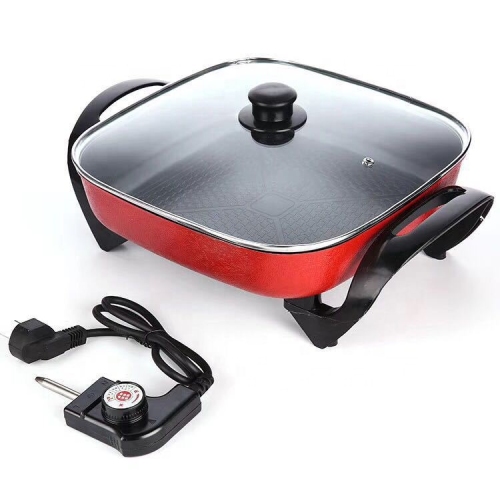
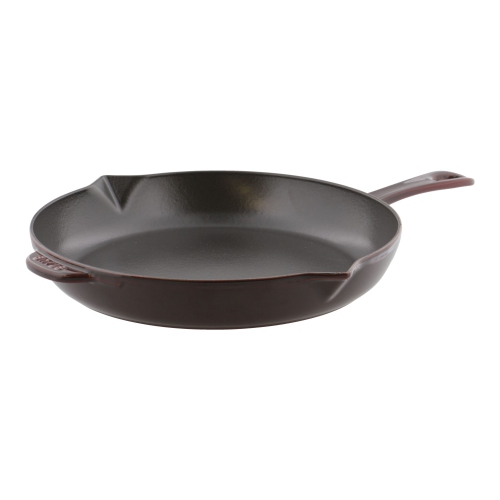


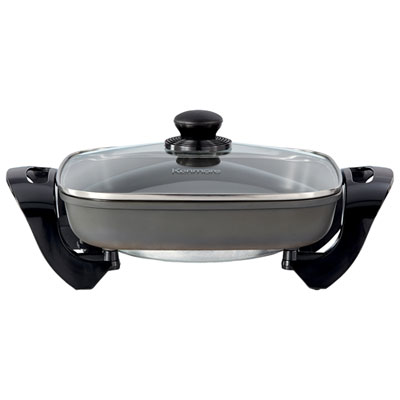






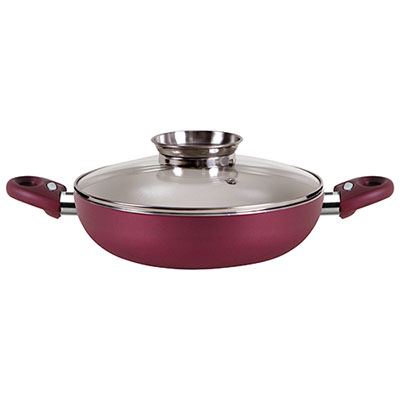
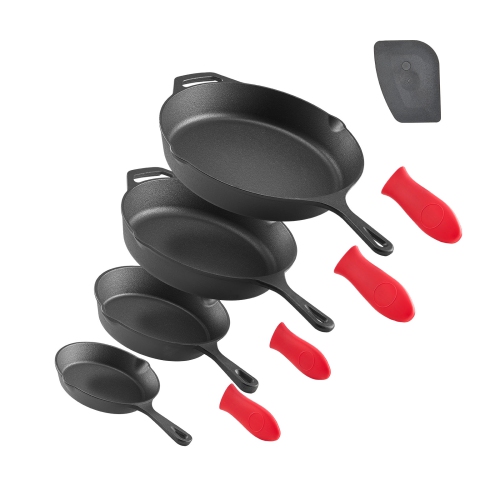
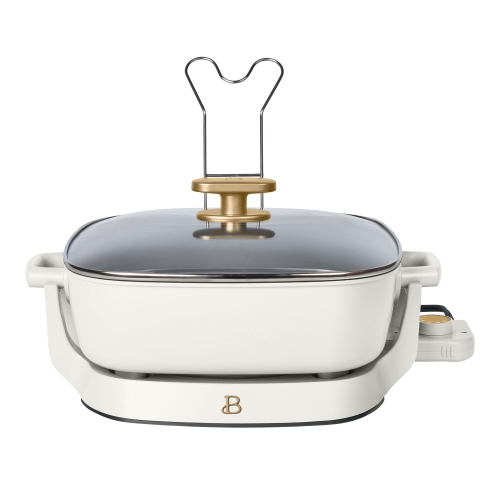
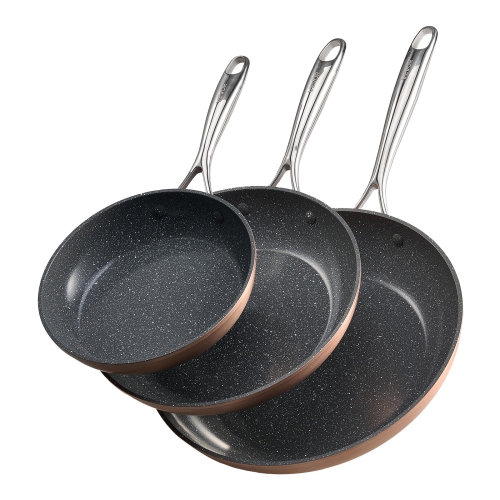






























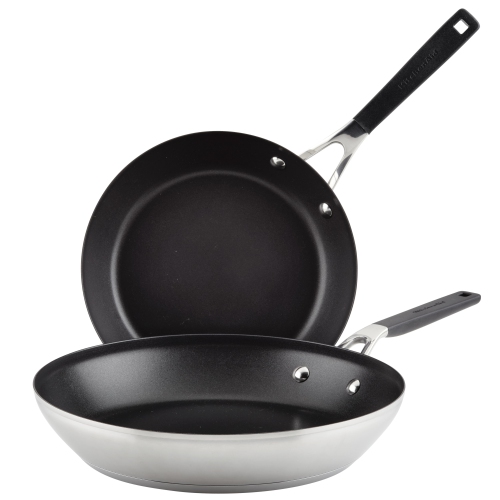
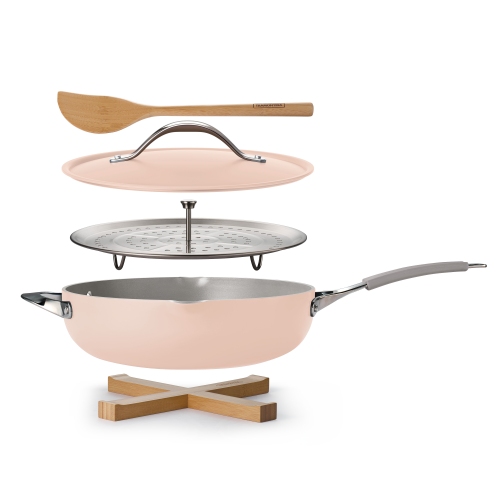
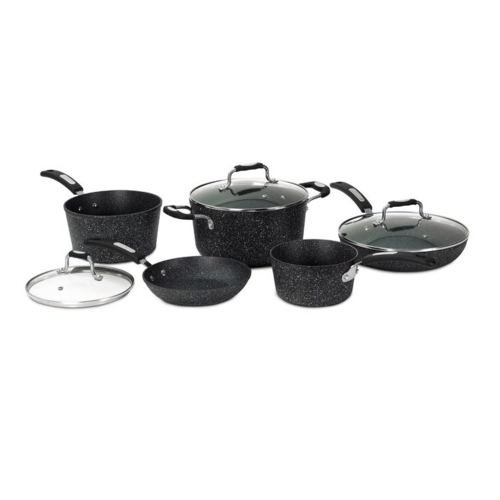
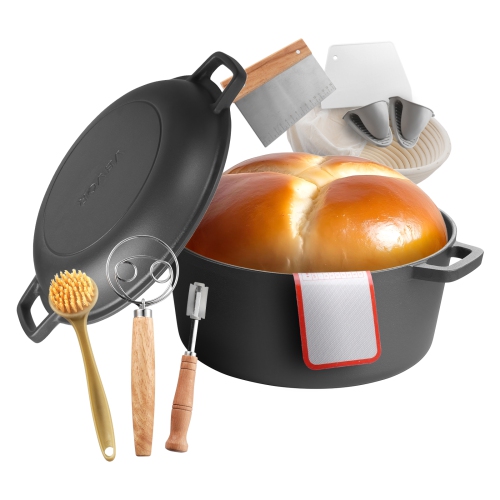

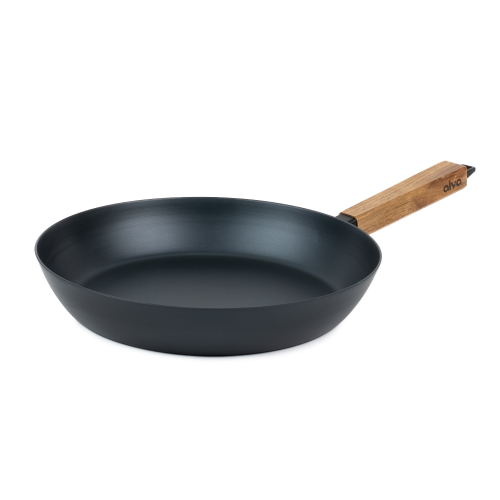

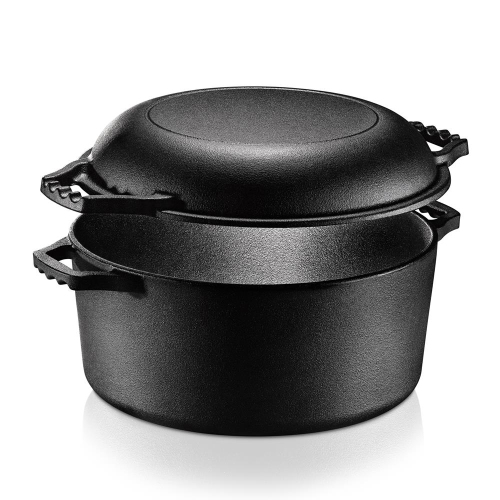
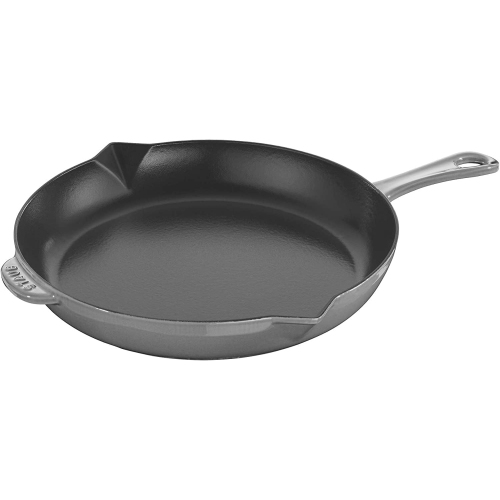
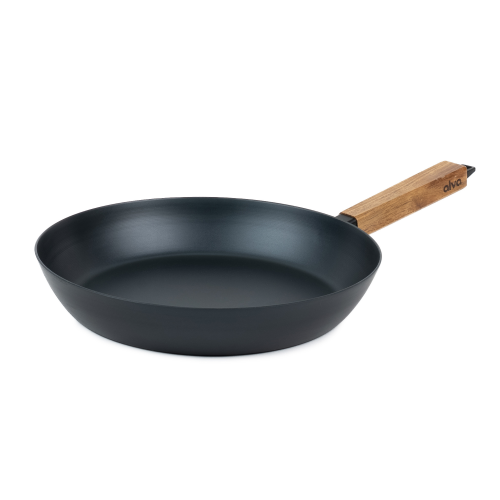











How pan materials affect browning and easy release
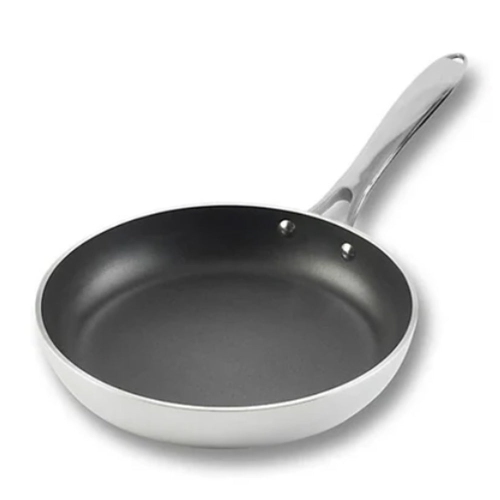
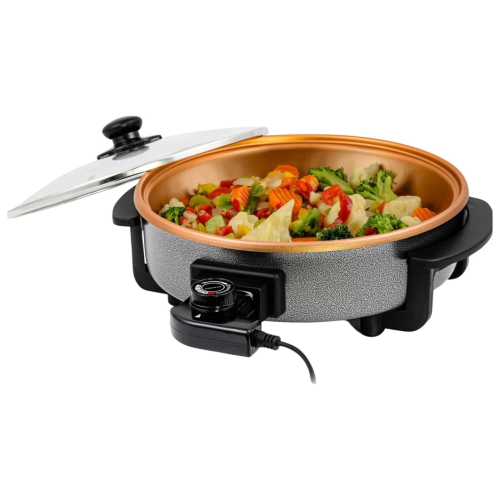
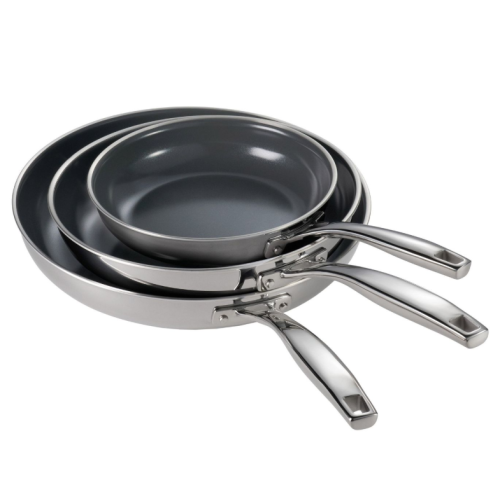
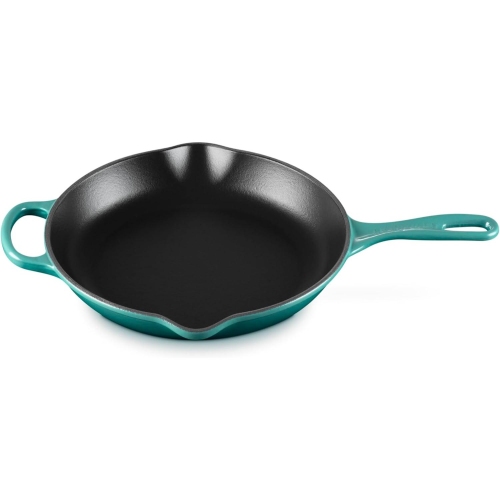
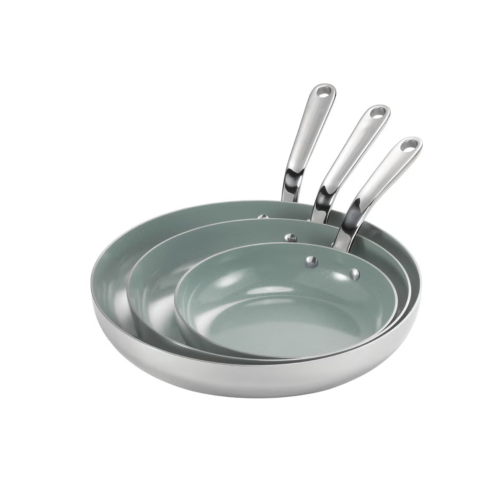
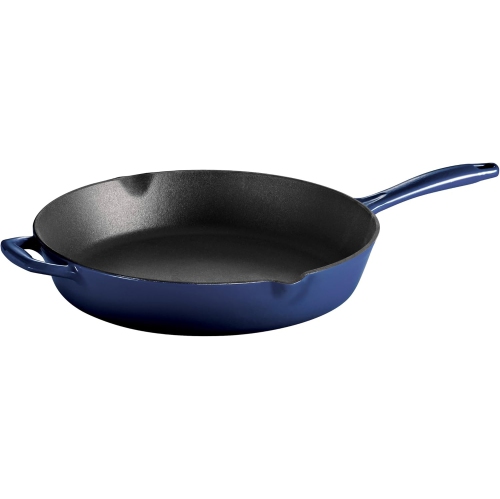
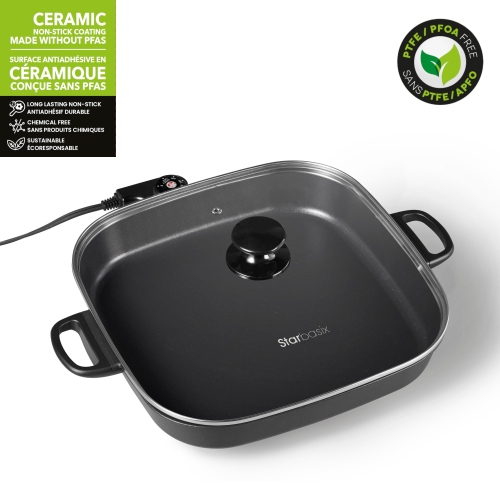
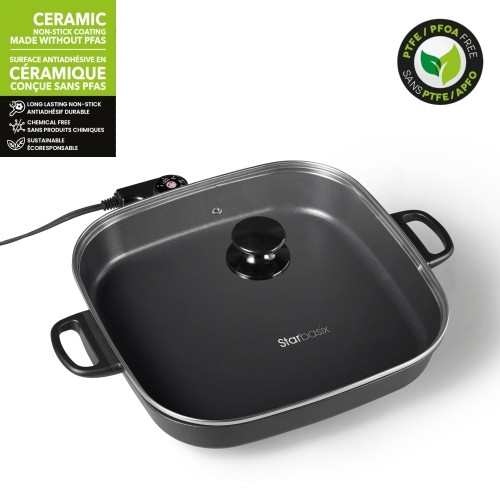
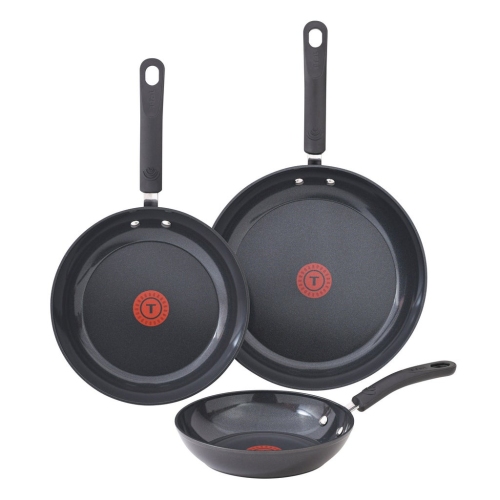
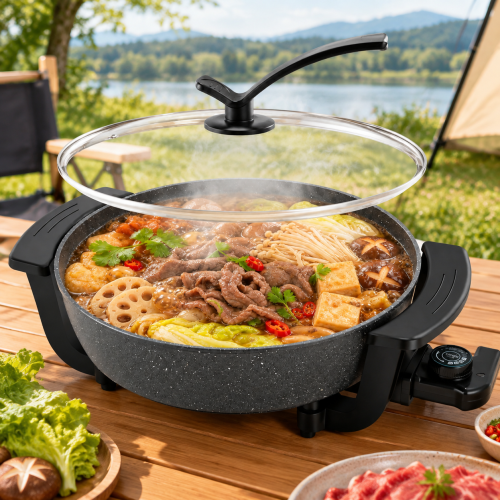
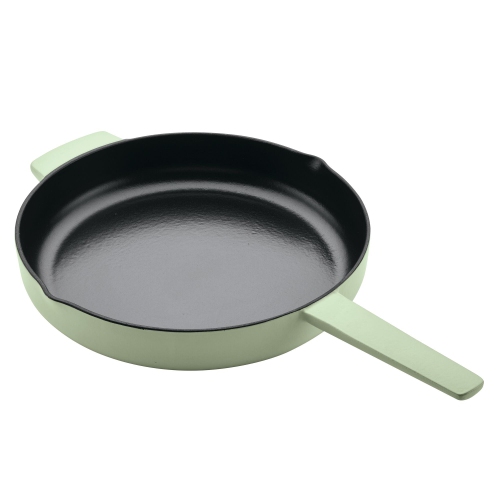
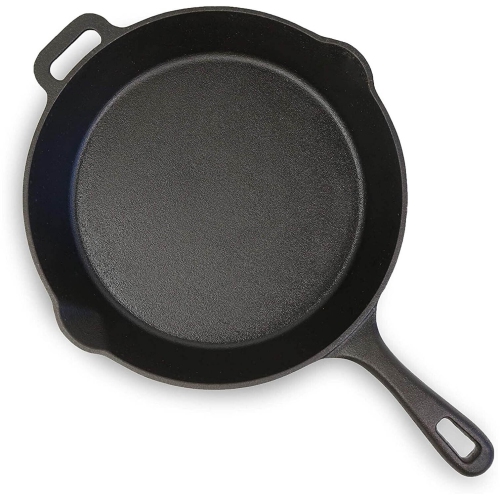
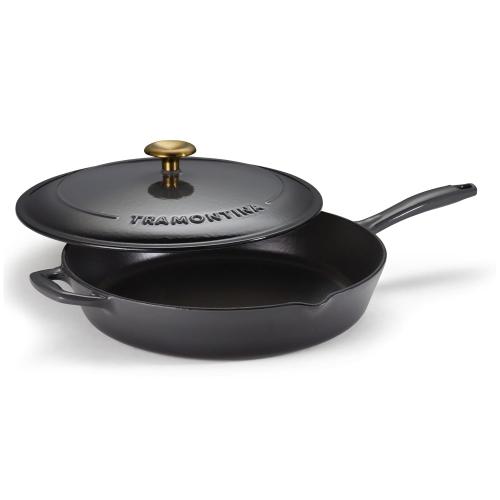
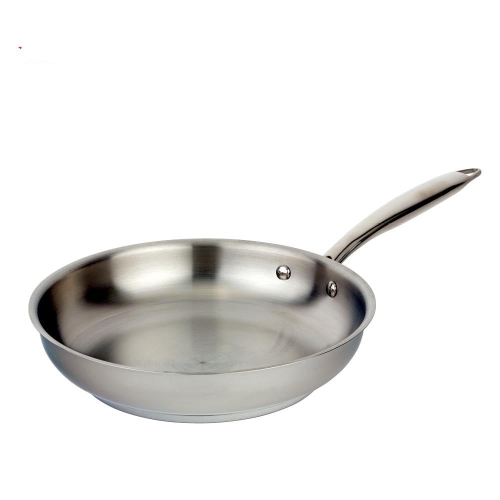
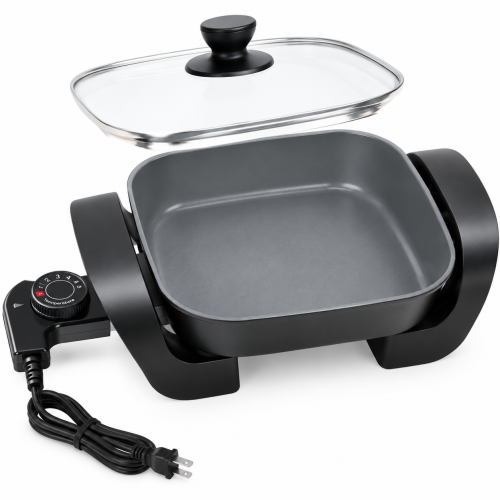
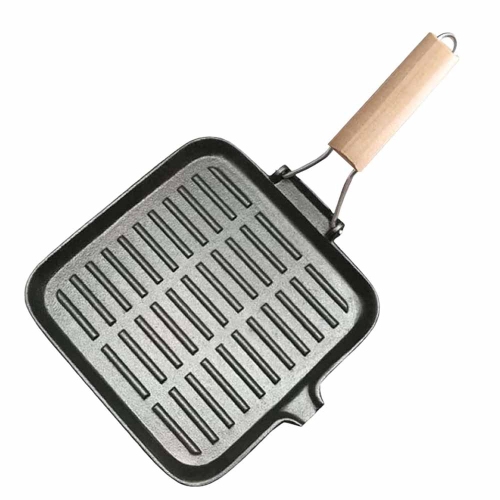
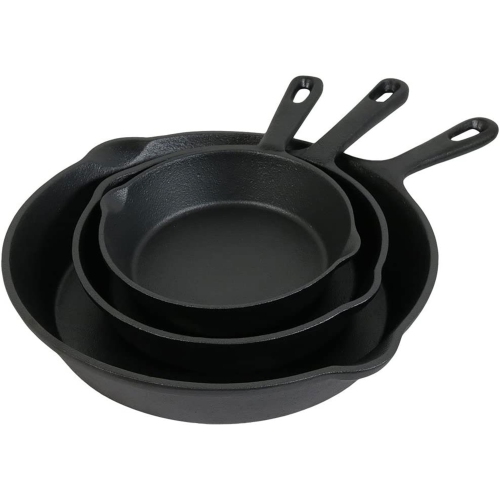
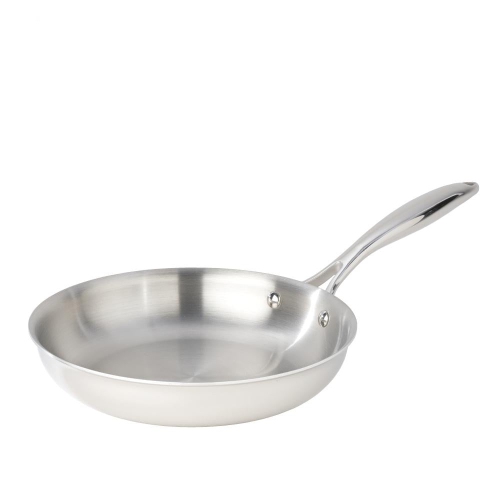
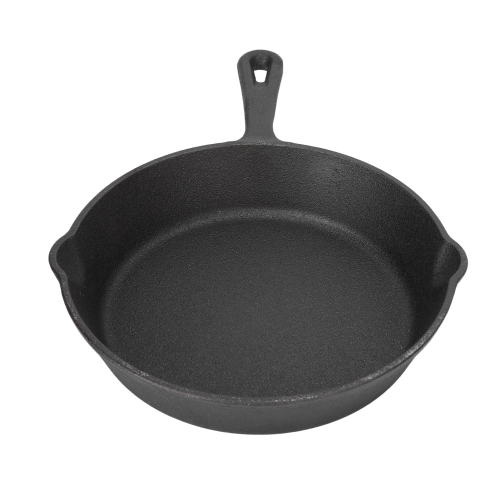
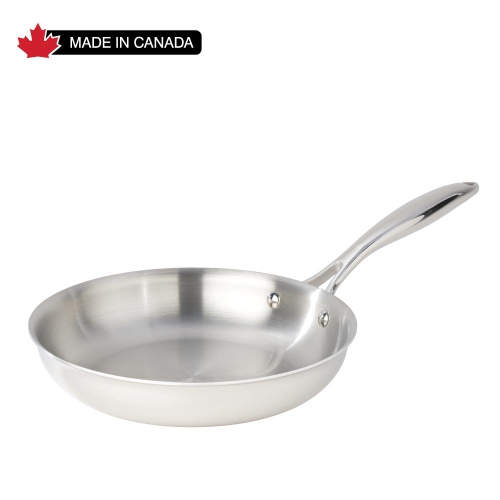
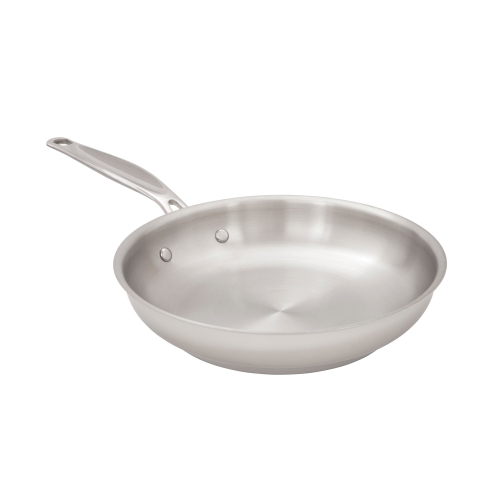
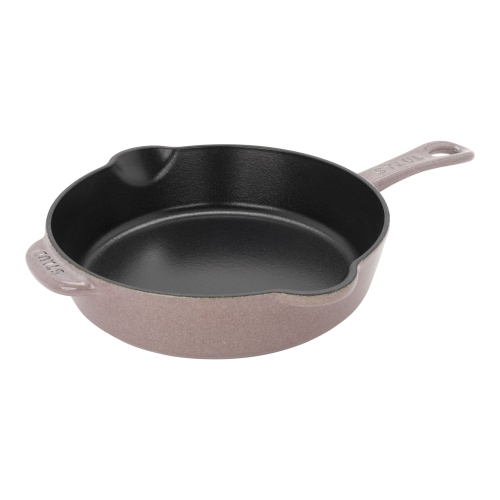
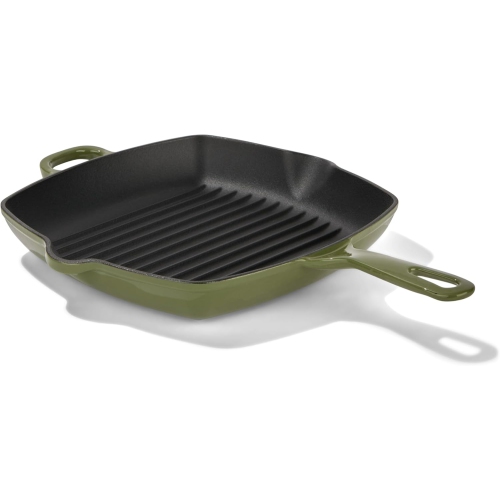
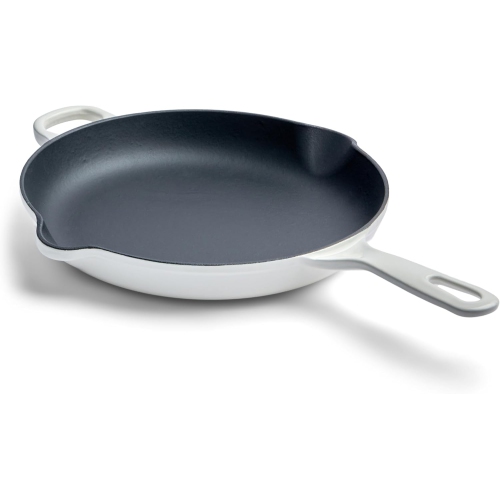
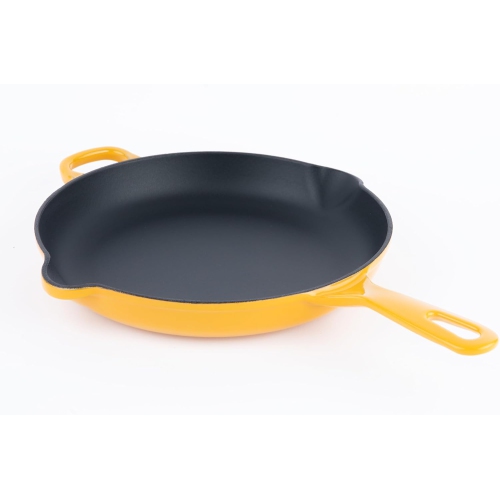
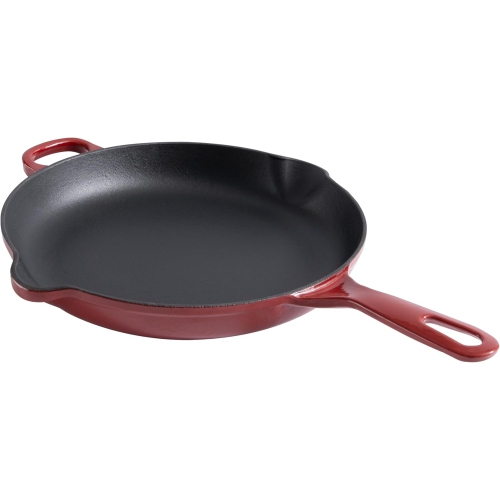
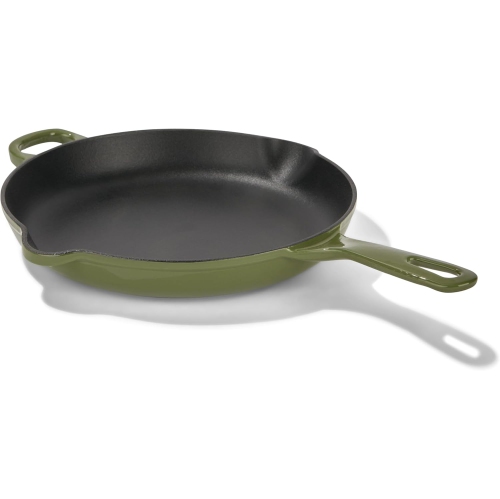
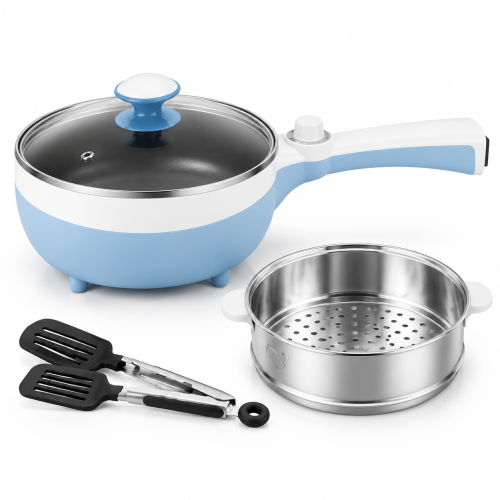
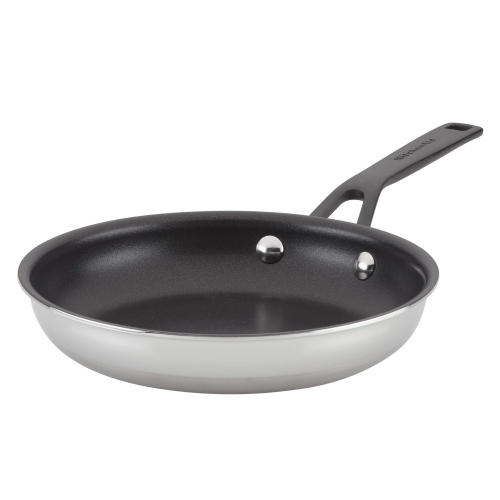
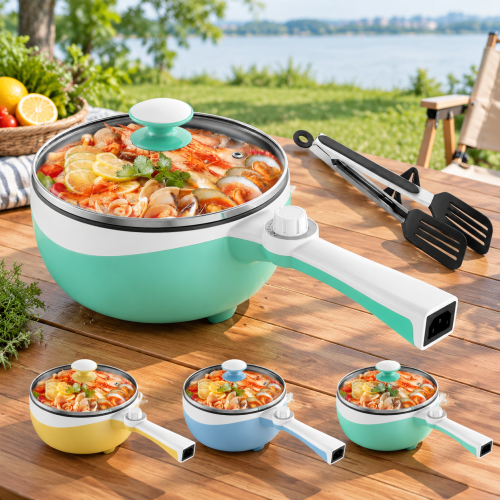
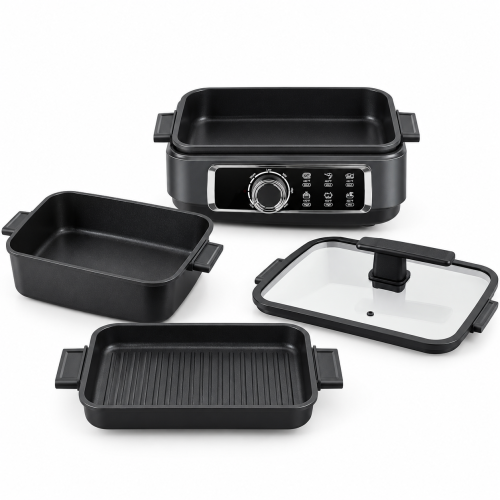
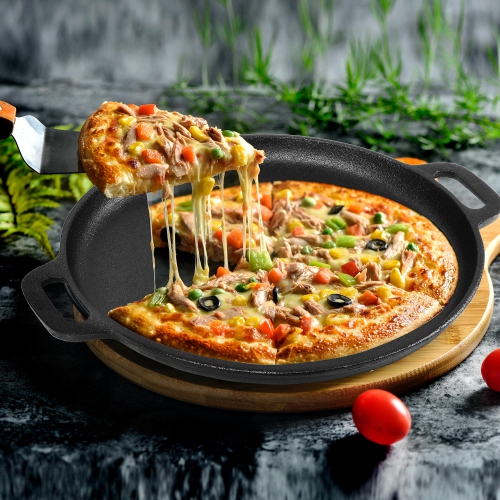
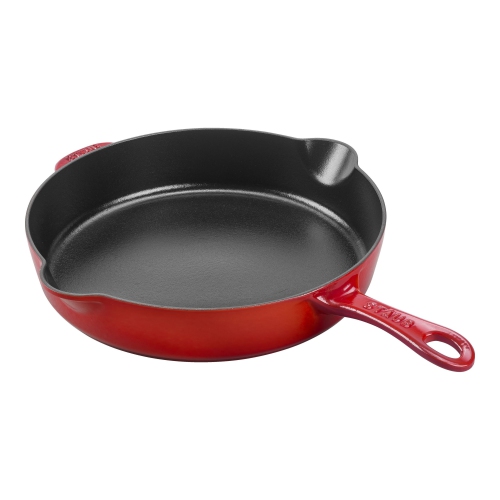
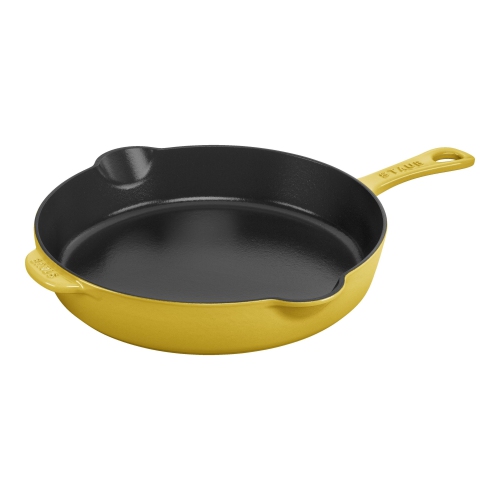
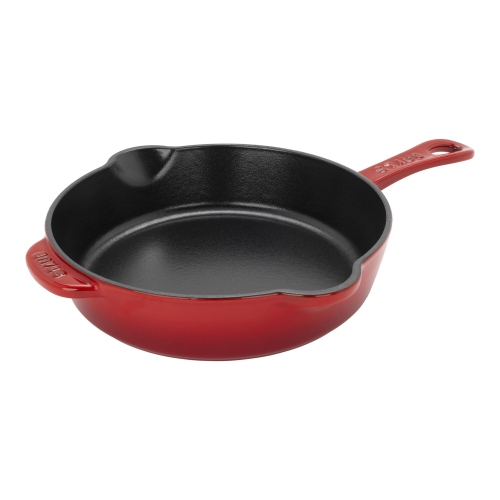
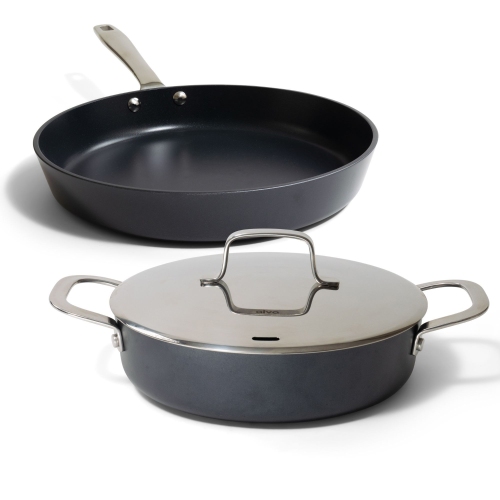
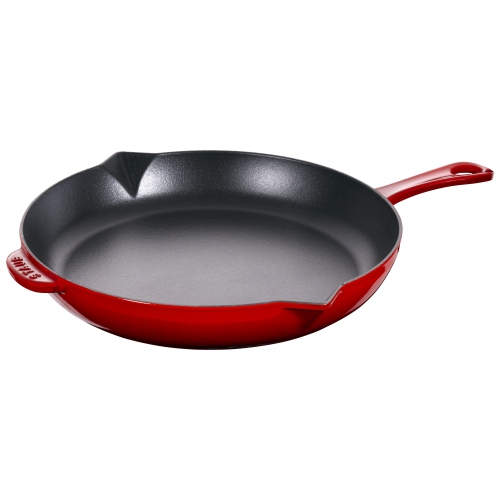
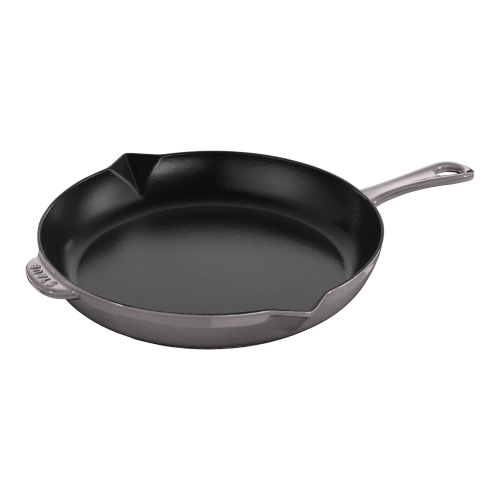
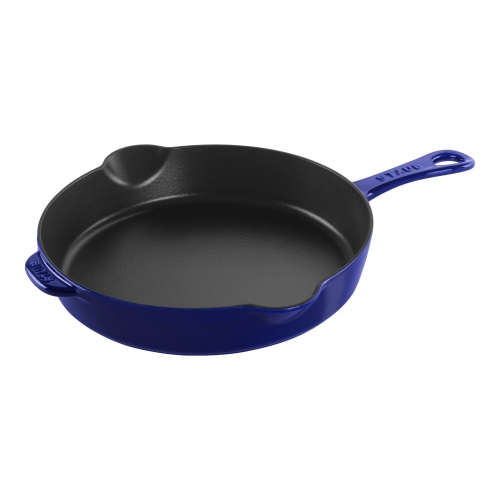
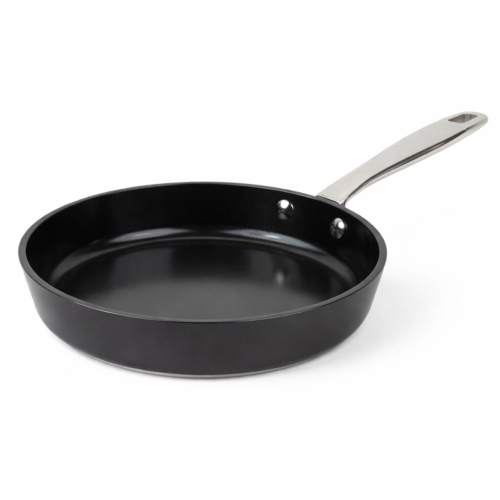
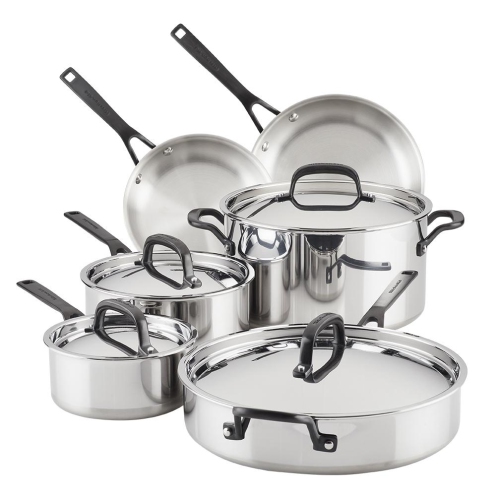
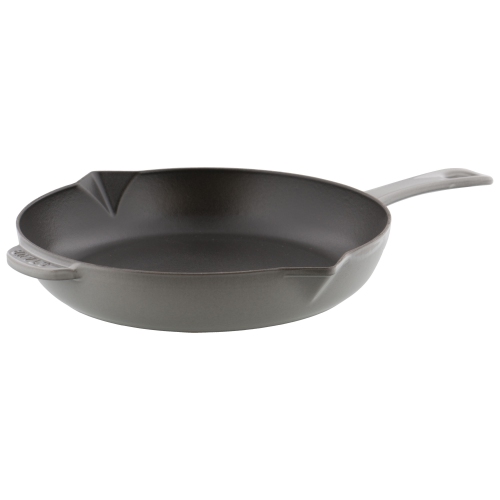
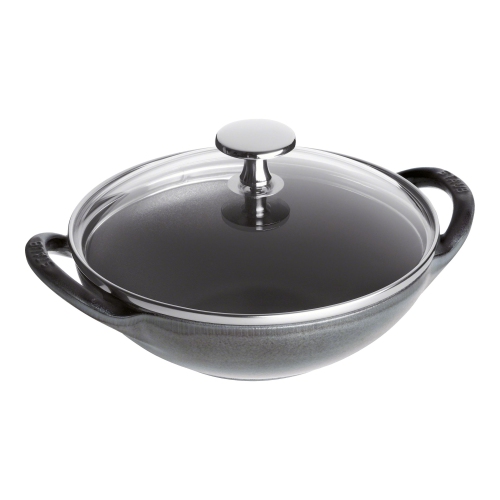
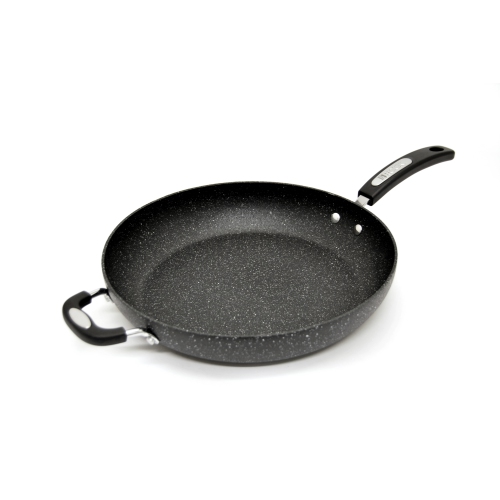
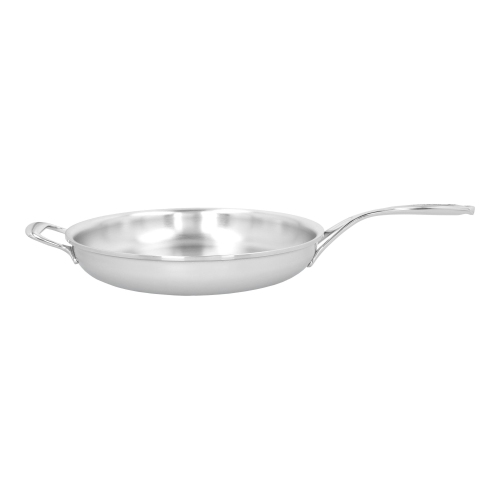
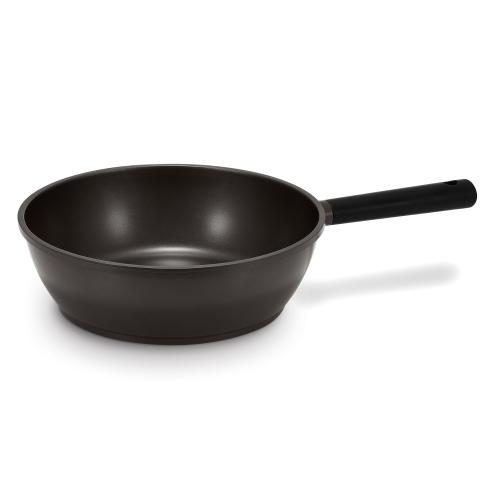
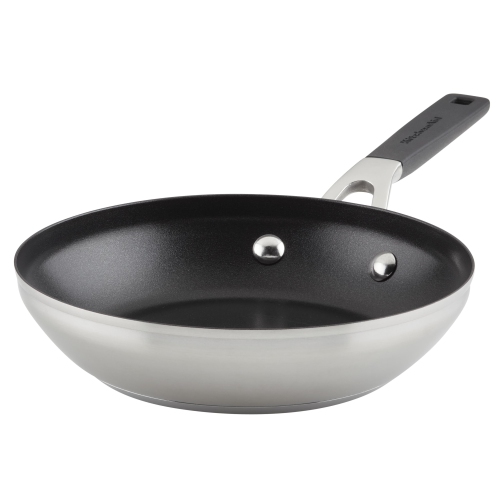
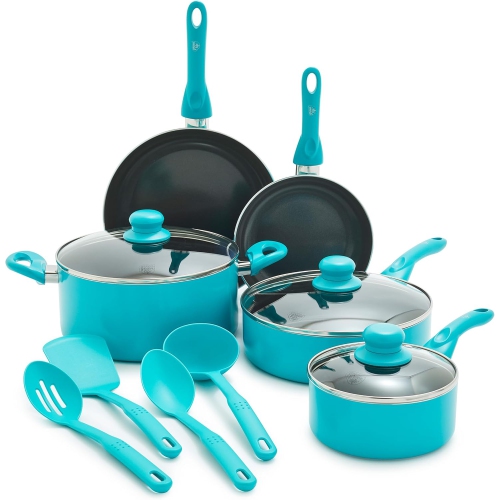
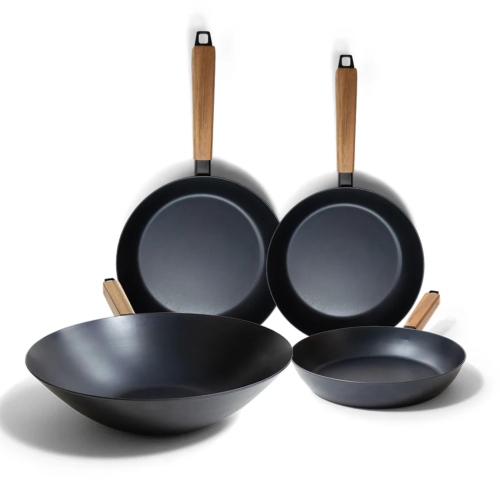
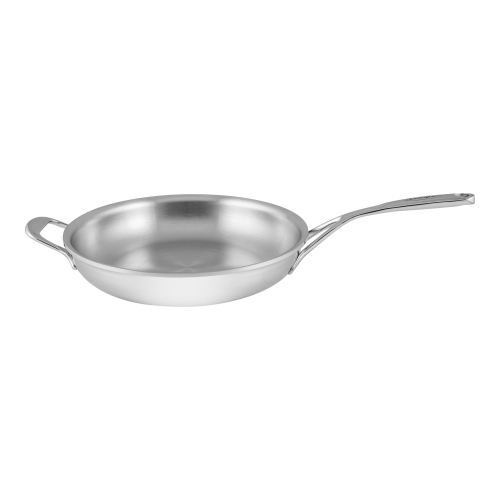
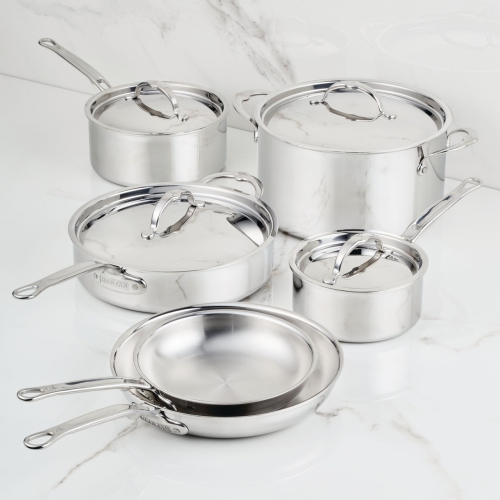
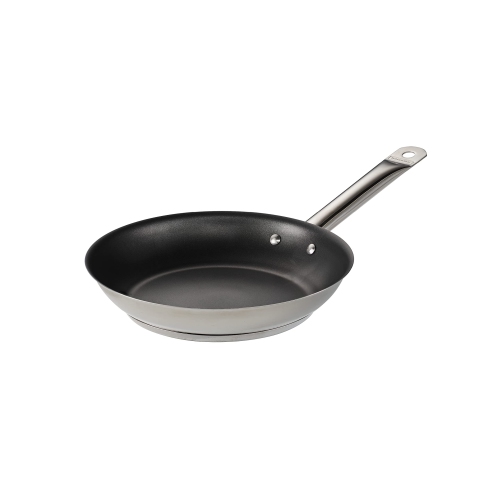
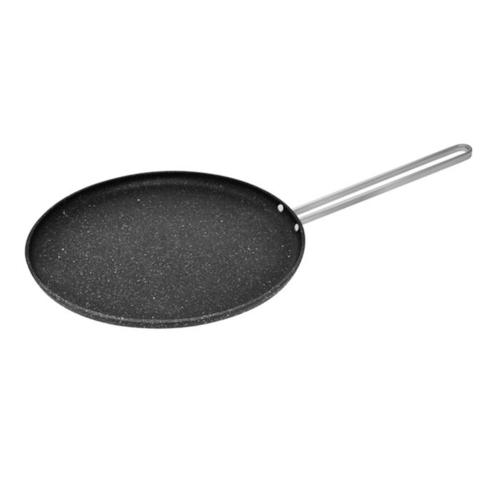
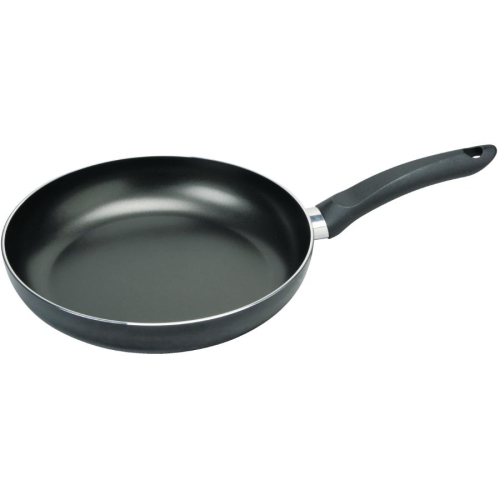
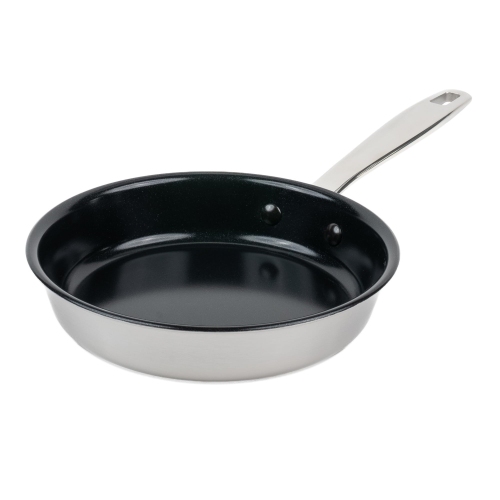
Cooking skilts are wide, shallow pans designed for everyday tasks such as frying eggs, searing chicken, sautéing vegetables, and browning ingredients before a sauce comes together. Their relatively low sides make it easier to turn food with a spatula and allow moisture to escape, helping mushrooms brown rather than sit in their own juices. The right fit for a kitchen depends on the skillet’s material, cooking surface, size, and care requirements. Stainless steel skillets offer an uncoated surface that stands up well to frequent use and works particularly well for browning meat and building pan sauces. The browned bits left behind after searing can be loosened with stock or another suitable liquid, adding depth to the finished dish. Many stainless steel pans incorporate aluminum or copper within their construction to help distribute heat, since stainless steel alone is not an especially effective heat conductor. Cast iron skillets take longer to heat but retain heat well, making them useful for deeply browned potatoes, crisp-edged cornbread, and foods that benefit from steady contact with a hot surface. Their weight is worth considering, especially when lifting a full pan or moving it between the stovetop and oven. Carbon steel offers another seasoned cooking surface, generally in a lighter construction than comparable cast iron, though thickness and overall weight vary. Both materials develop seasoning through use and proper care, and neither should be treated exactly like a coated nonstick pan. Nonstick skillets are especially practical for delicate foods such as eggs, fish fillets, and thin pancakes, where easy release makes turning and serving simpler. Aluminum is often used beneath a nonstick coating because it heats readily and keeps the pan manageable. Ceramic-coated and other nonstick surfaces have their own care requirements, and their useful life depends partly on heat levels, utensils, cleaning, and storage. No single material handles every cooking task equally well; a skillet suited to gentle scrambled eggs may serve a different purpose from one intended for repeated high-heat searing.
Size and shape influence how comfortably cooking skillets fit into daily meal preparation. An 8-inch skillet can be convenient for a small omelette or a single serving, while 10-inch and 12-inch skillets offer more room for larger portions. Listed diameter commonly refers to the measurement across the top rim, so the flat cooking area can be noticeably smaller, especially on pans with widely sloped sides. That distinction matters when arranging several pieces of chicken or keeping pancakes separate. Food needs room around it for moisture to evaporate; a crowded pan can leave vegetables soft and meat pale rather than browned. A broad base provides more direct contact with the heat, while gently sloped walls make it easier to slide an omelette onto a plate. Deeper sides offer extra space for tossing vegetables or preparing a dish with sauce, although a skillet is still different from a tall-sided saucepan. The pan’s base should suit the burner size and cooktop type. Induction cooking requires a compatible magnetic base, and stainless steel compatibility varies with construction. Plain aluminum needs an induction-compatible base to work on an induction cooktop. On glass cooking surfaces, a clean, flat base helps maintain contact, and lifting a heavy pan rather than dragging it helps protect the surface. Handles deserve as much attention as the cooking area: a secure grip, comfortable angle, and suitable clearance can make a full skillet easier to control. A helper handle is useful on larger, heavier pans, particularly when transferring food to a serving dish. Handles can become hot during cooking, including those designed to stay cooler on the stovetop. For dishes that finish in the oven, oven suitability applies to the entire pan, including its handle, lid, and knob. Temperature limits vary, and broiler use requires separate confirmation. A compatible lid adds flexibility for gently finishing thicker foods, containing splatter, or briefly trapping steam, while a glass lid allows the contents to remain visible.
Care habits have a direct effect on how cooking skillets perform over time. Allowing a hot pan to cool before washing helps avoid sudden temperature changes that can damage some constructions. Stainless steel usually benefits from a short soak to loosen stuck-on food, followed by cleaning with tools suitable for its finish. Seasoned cast iron and carbon steel need prompt drying after washing and may benefit from a light application of oil before storage. Prolonged soaking can encourage rust, and long cooking times with acidic ingredients can affect the seasoning, making another pan more suitable for a slowly simmered tomato sauce. Nonstick skillets generally perform best with controlled heat rather than an empty pan left heating on a burner. Wood, silicone, or other utensils approved for the coating help reduce scratches, and gentle handwashing often helps preserve the surface even when dishwasher use is permitted. Stacking pans with a soft separator protects cooking surfaces from contact with another pan’s base. A skillet with a peeling or badly damaged coating should be replaced rather than kept in regular use. For meals centred on easy release, Inexpensive Nonstick Skillets suit familiar tasks such as making omelettes, warming crêpes, and cooking tender fish portions. A small kitchen may get more practical use from one versatile pan that fits its burner and storage space than from several overlapping sizes. Frequent cooks may prefer separate skillets for delicate foods and robust browning, keeping each surface suited to its usual role. Cooking skillets can also make thoughtful housewarming or wedding gifts when the recipient’s cooktop, household size, and comfort with maintenance are known. A manageable weight and comfortable handle may matter more to an everyday cook than a larger diameter, while someone who enjoys caring for seasoned cookware may appreciate the hands-on character of cast iron or carbon steel. The most useful skillet is one that fits naturally into the meals, movements, and cleanup routine of the kitchen where it will be used.
Top selling and popular products
-
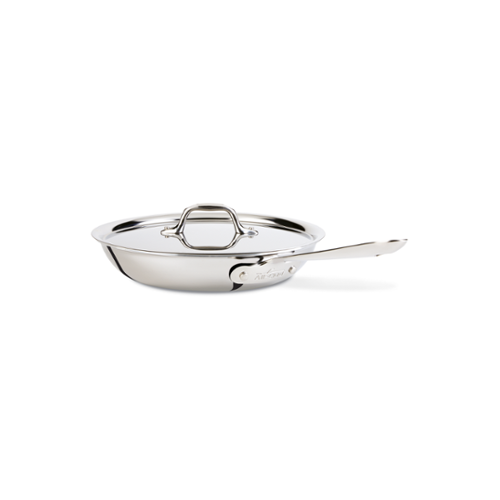 Your price for this item is $137.7
-
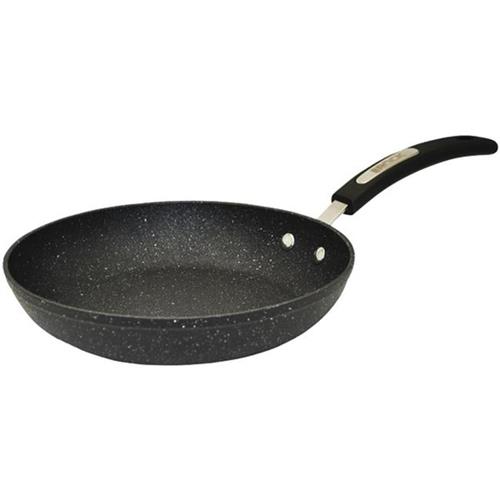 Your price for this item is $33.97
-
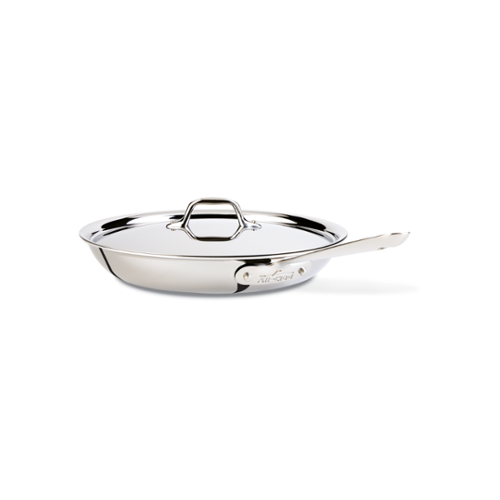 Your price for this item is $289.04
-
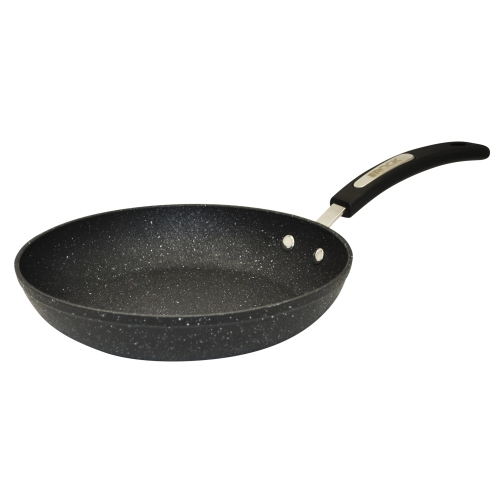 Your price for this item is $29.99
-
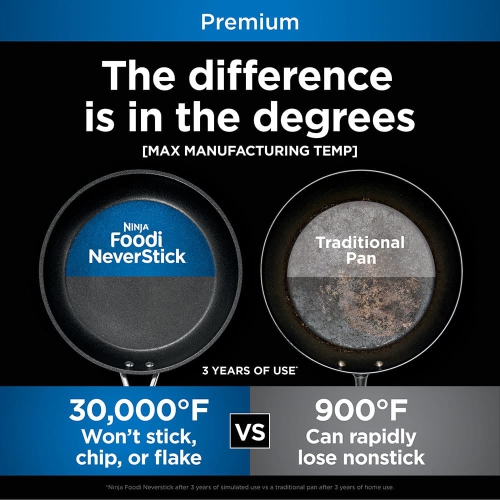 Your price for this item is $139.53
-
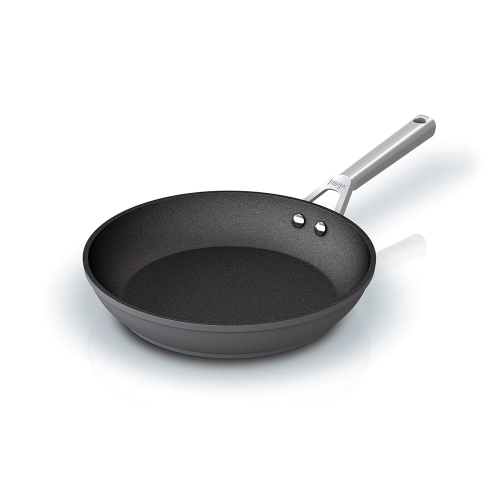 Your price for this item is $100.73
-
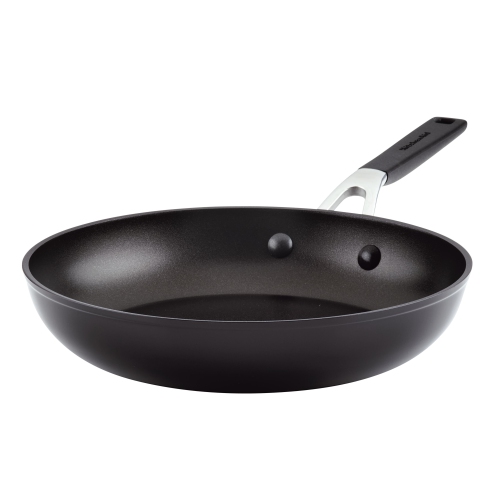 Your price for this item is $49.99
-
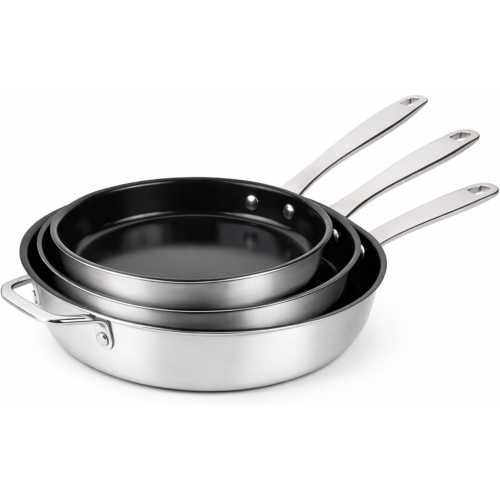 Your price for this item is $399
Discover more categories related to Cooking Skillets
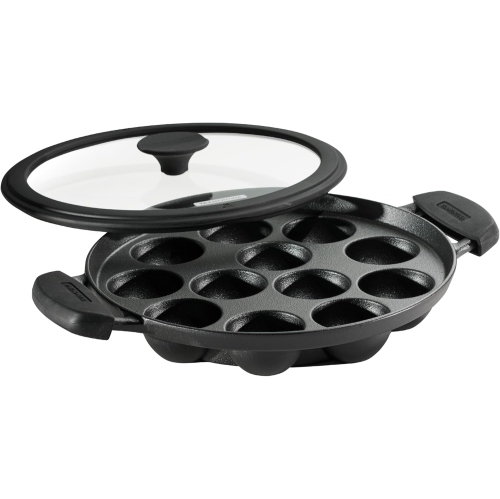
Top Collections:
Pokemon Centers, Best Cameras for Sports Photography, Kindle Devices, Samsung Galaxy Phones, Canon G7X Cameras, Pokémon 30th Celebration Cards, Refurbished Apple Laptops, iPhone 15 Apple, Laptops for Students, Budget Smartphones
Some products may be subject to Environmental Handling Fees
(EHF) depending on your province.
Learn more about EHFs.