Heat Resistant Silicone Tongs
Heat resistant silicone tongs are essential tools for any kitchen, offering convenience and versatility for a variety of cooking tasks. Perfect for flipping, serving, or plating food, these tongs provide a reliable grip while handling hot dishes. Whether you’re preparing a family meal or entertaining guests, heat resistant silicone tongs help make cooking and serving easier and more efficient. Explore a wide selection to find the ideal pair that fits your kitchen needs and style.
Sort

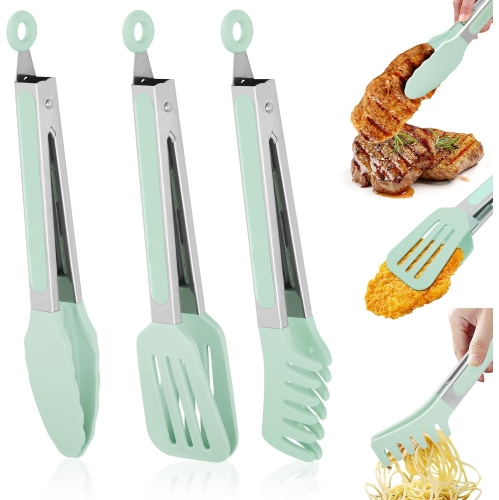
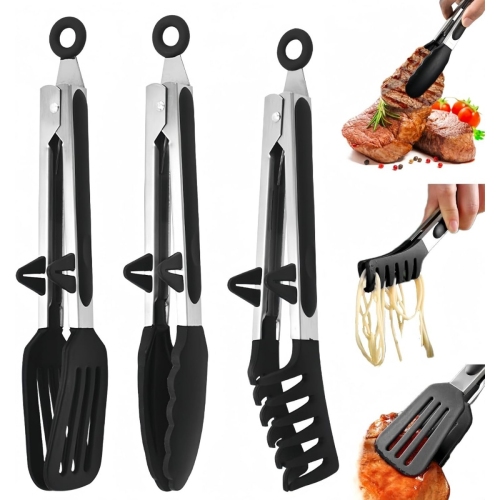



A softer touch without sacrificing a steady grip
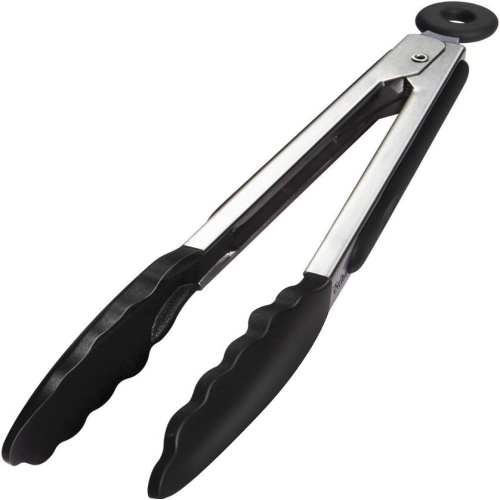
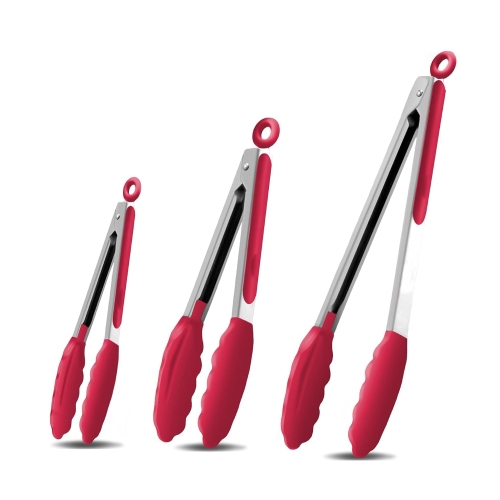
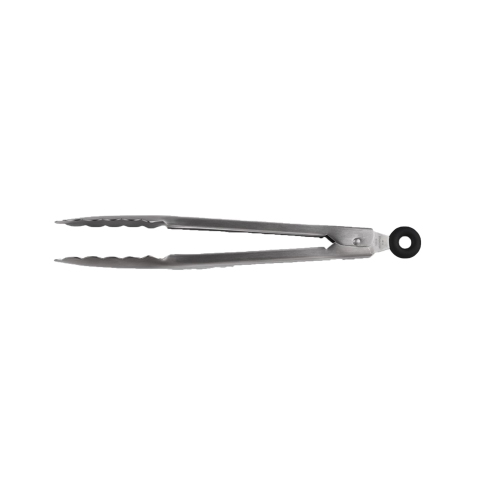
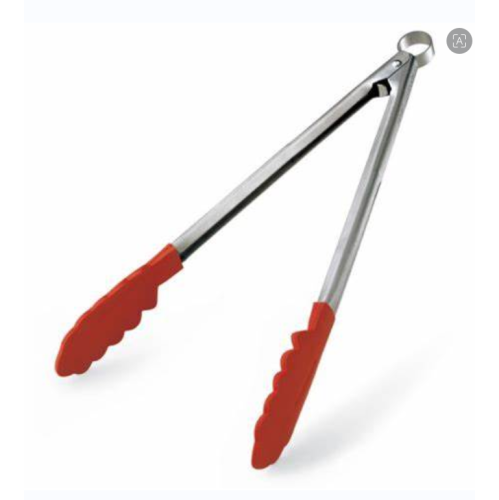
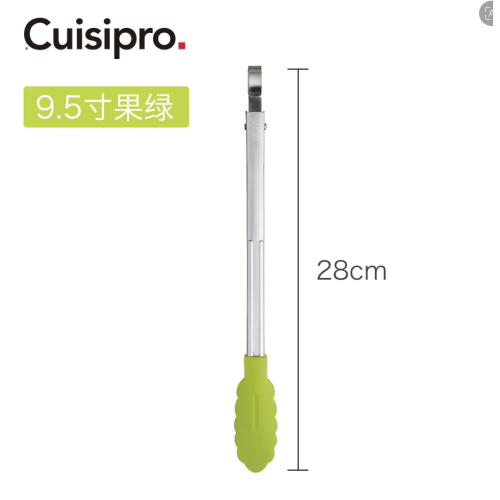
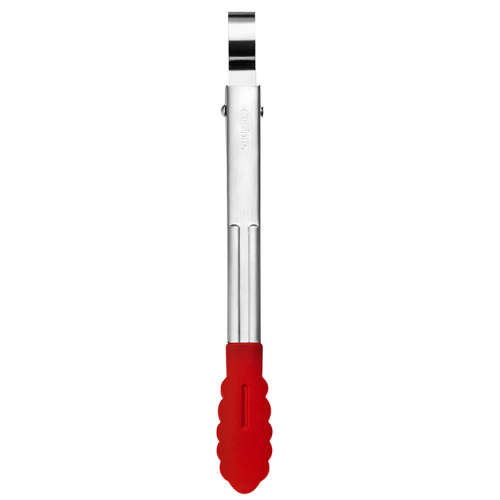
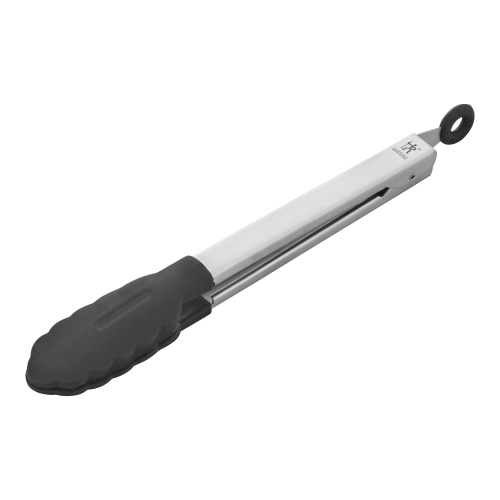
Heat-resistant silicone tongs are kitchen utensils designed to grip, turn, lift, and serve food while helping protect cookware from scratches. They typically combine silicone gripping heads with a rigid frame, often made from stainless steel, so the tips have some flexibility without making the whole utensil feel flimsy. Their heat resistance depends on the materials and construction of the particular pair. Stated maximum temperatures may include 220°C (428°F), 250°C (482°F), or approximately 316°C (600°F), but there is no single temperature rating that applies to all silicone tongs. The manufacturer’s stated limit matters more than the appearance, colour, or thickness of the silicone. That limit may also apply specifically to the heads rather than the handles, locking mechanism, or entire utensil. Heat resistance does not mean that tongs can remain against a hot pan indefinitely, sit beneath a broiler, or touch an open flame. Brief contact while turning food is different from prolonged exposure to a heating element or the side of a skillet. For everyday cooking, silicone-tipped tongs are particularly useful with non-stick frying pans, coated baking trays, and enamelled cookware, where bare metal edges may leave marks. The softer contact surface can help lift a piece of fish, turn browned mushrooms, or move roasted vegetables without scraping the cooking surface. Good control still matters: pressing hard, dragging food across a damaged coating, or allowing an exposed metal edge to touch the pan can defeat that protection. Silicone heads also vary in firmness. A softer tip can conform around delicate food, while a firmer, well-supported head can feel more secure around a heavier portion. Smooth joins between the silicone and supporting frame are worth attention because they affect both handling and cleaning. The most useful construction balances a gentle contact surface with enough rigidity to hold food steadily, rather than relying on softness alone.
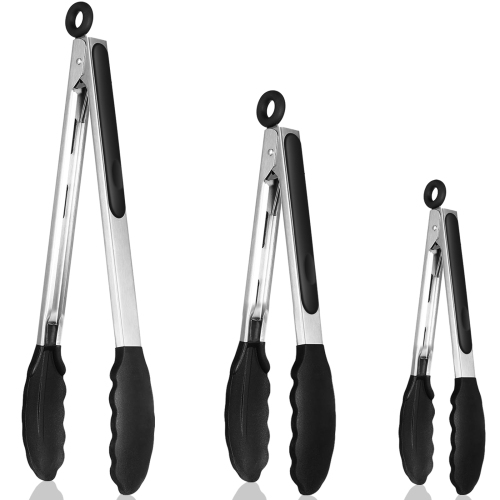
Length, head shape, and handle tension make a noticeable difference once cooking begins. Shorter tongs can offer close control when arranging food on a plate, turning small pieces in a frying pan, or serving from a bowl. Longer handles provide more reach across a roasting tray or into a deep pot, although extra length can make a utensil feel less precise in a compact pan. A comfortable fit depends on hand size, grip strength, and how often the tongs will be opened and closed. A spring that feels manageable for one quick squeeze may become tiring when turning a whole batch of dumplings or tossing several portions of pasta. Handles should sit securely in the hand without sharp edges or pressure points, and the heads should meet evenly when closed. Wide, scalloped heads can cradle vegetables and larger pieces of food, while narrower tips may offer better access between crowded ingredients. Deep ridges are not automatically better: the shape needs to grip without crushing a ripe tomato wedge or tearing a tender fillet. Silicone can become slippery when coated with oil or sauce, so a secure hold comes from the combination of tip shape, closing pressure, and adequate support behind the heads. Tongs are well suited to turning sausages, lifting corn, portioning salad, and transferring cooked pasta, but they are not a replacement for every utensil. A broad turner supports a fragile pancake more evenly, and a substantial roast may need dedicated lifting tools rather than a stronger squeeze. On a barbecue, longer tongs can provide useful reach, but silicone heads still need to stay clear of flames and direct contact with hot grates. A heat-resistant tip does not protect the hand holding the handle; oven mitts may still be needed around hot cookware. For someone who cooks regularly, a pair that feels balanced and opens smoothly can be more useful than extra features that add weight or make storage awkward.
Everyday care helps Silicone Kitchen Tongs remain comfortable to handle and easy to keep clean. Food can collect around the hinge, beneath overlapping sections of the handles, and along the edges where silicone meets its support, particularly after handling sticky glazes or starchy foods. Washing with warm water, dish soap, and a soft brush or sponge generally removes residue without roughening the silicone surface. Dishwasher suitability varies, so the care information should confirm whether the complete utensil can go in the machine and whether a particular rack position is required. Removable heads should only be detached when the design allows it; pulling at a fixed silicone covering can loosen the bond or expose the frame. Thorough drying around the hinge and locking mechanism helps prevent trapped moisture and keeps storage tidier. A locking ring or pull tab can hold the arms together in a drawer, while a hanging loop offers another option when drawer space is limited. Either arrangement works best when the heads are not wedged against sharp blades or bent under heavier tools. Over time, cuts, splitting, loose silicone, exposed metal, or a hinge that no longer closes predictably can affect both grip and cookware protection. Strong food odours or staining may occur with some ingredients, but visible damage and persistent residue deserve closer attention than a cosmetic colour change alone. Separate utensils for raw and cooked food help reduce cross-contamination, and tongs used with raw meat need thorough cleaning before they touch ready-to-eat food. For a first kitchen, a shared household, or a gift for someone who enjoys cooking, practical details such as a comfortable grip, clear heat rating, and straightforward cleaning tend to matter most. A well-chosen pair should feel just as useful lifting a single piece from a pan as serving vegetables at the table, with a shape and size that suit the cooking it will actually do.
Top selling and popular products
-
 Your price for this item is $24.99
-
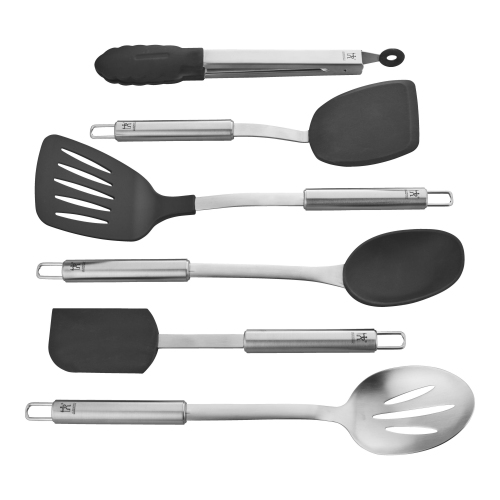 Your price for this item is $159.99
-
 Your price for this item is $29.97
-
 Your price for this item is $14.7
-
 Your price for this item is $34.99
-
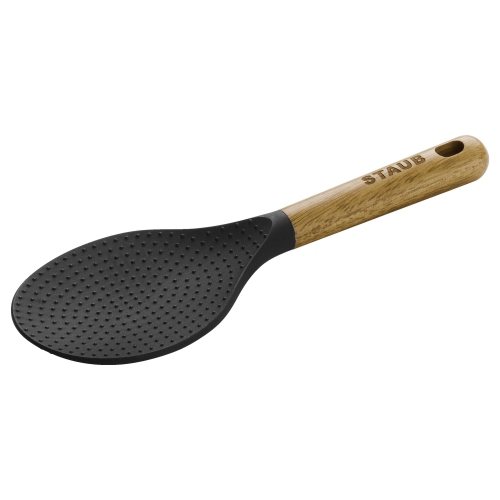 Your price for this item is $24.99
-
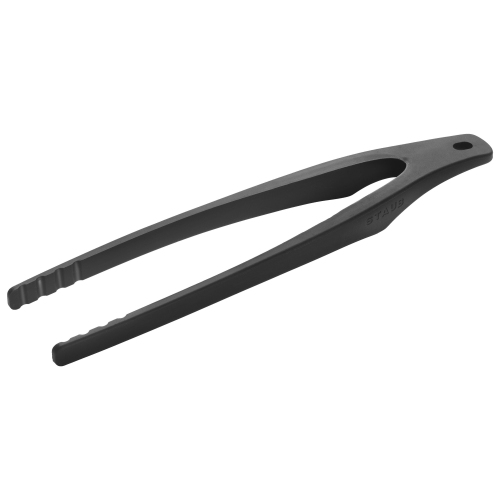 Your price for this item is $24.99
-
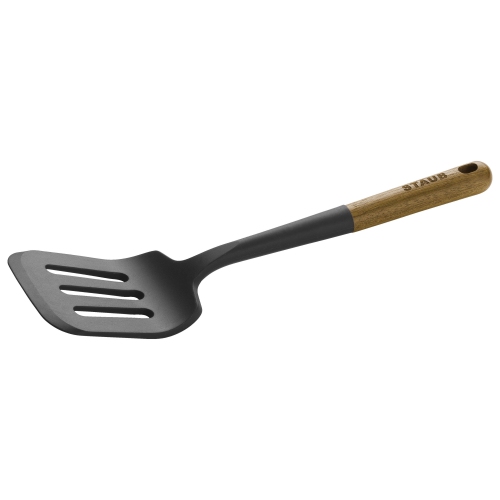 Your price for this item is $24.99
Discover more categories related to Heat Resistant Silicone Tongs

Top Collections:
Best Black Friday Deals This Year, Best Black Friday Deals On Electronics, Kindle Devices, Pokemon Centers, Best Black Friday Deals On Apple Products, Best Cameras for Sports Photography, Dyson Airwrap, Pokémon 30th Celebration Cards, Apple iPhone 17 Pro, Canon G7X Cameras
Some products may be subject to Environmental Handling Fees
(EHF) depending on your province.
Learn more about EHFs.