Heavy Duty Clothes Racks
Looking for a sturdy and reliable solution to keep your clothing organized and easily accessible? Look no further than our collection of heavy-duty clothes racks. Designed to withstand the weight of your garments, these racks are perfect for both residential and commercial use. Whether you need extra storage space in your closet, a convenient display for your boutique, or a portable solution for trade shows, heavy-duty clothes racks offer durability and functionality to meet all your needs.
Sort
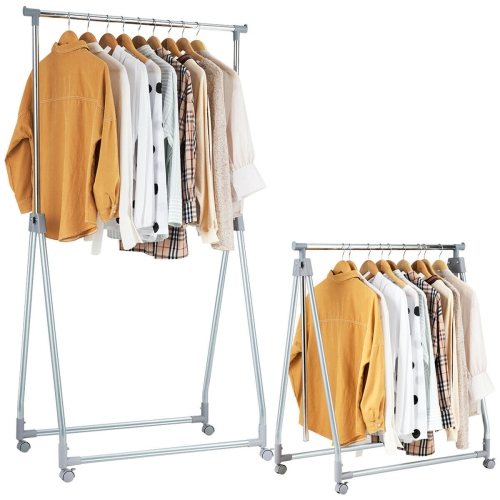

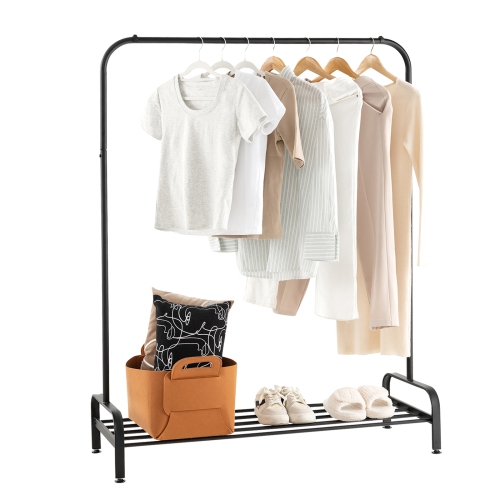
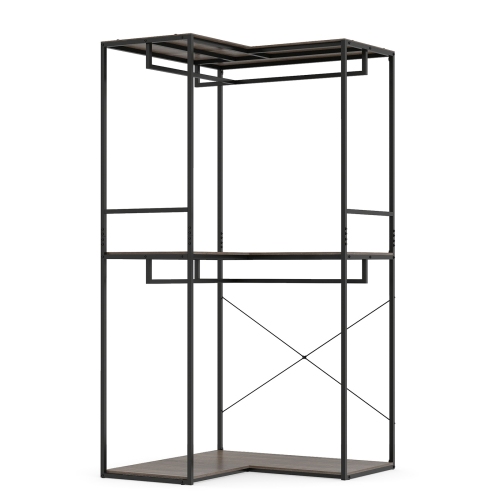
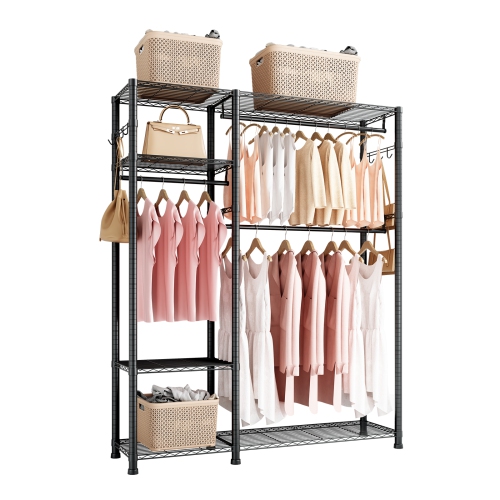
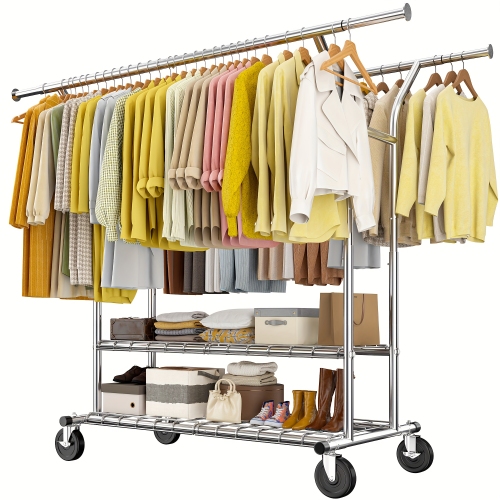
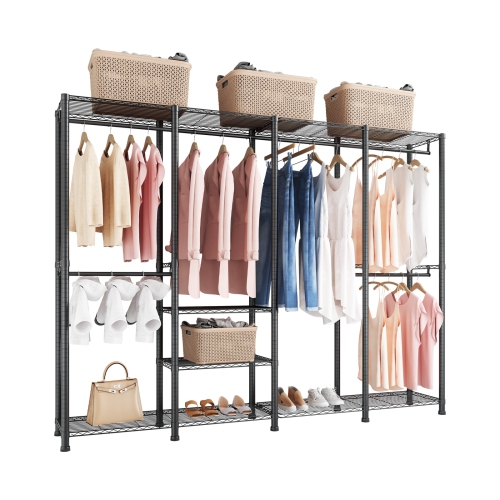
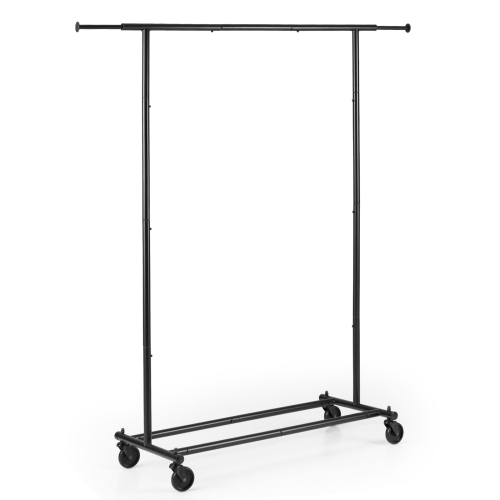
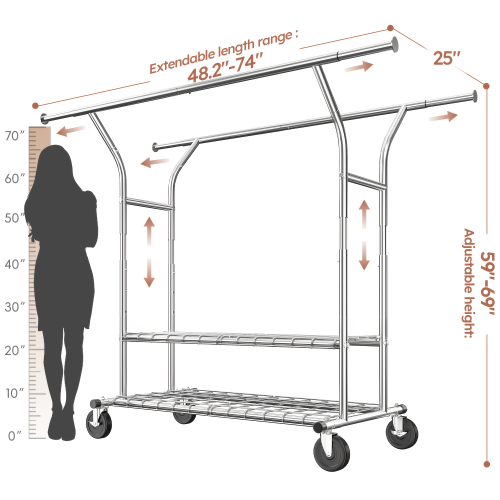
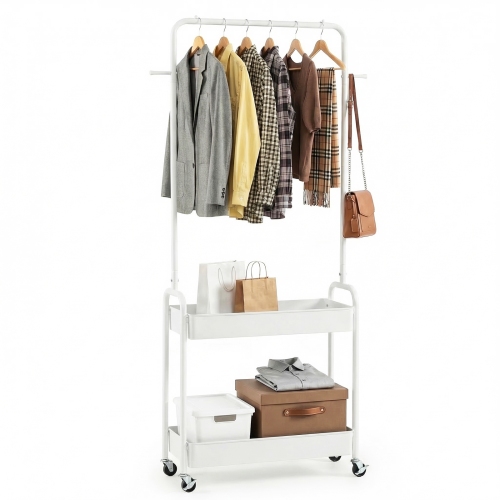
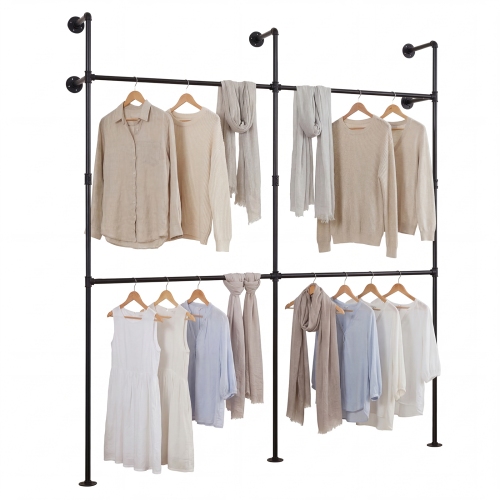
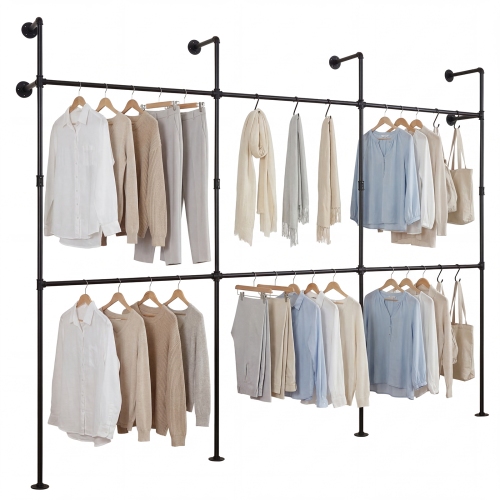

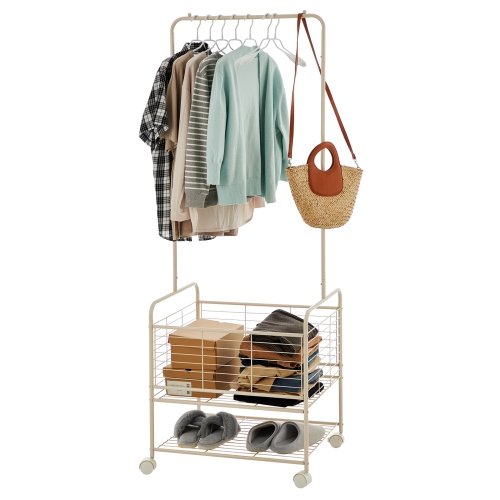
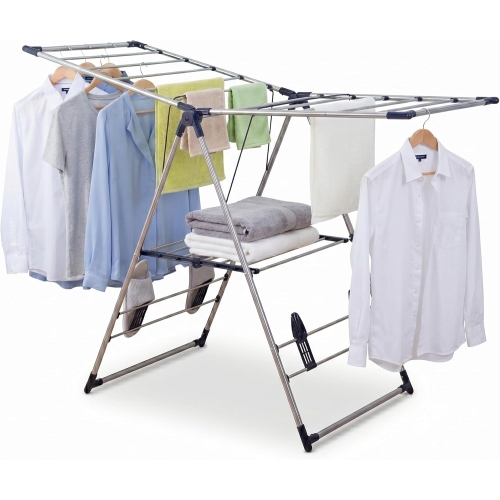
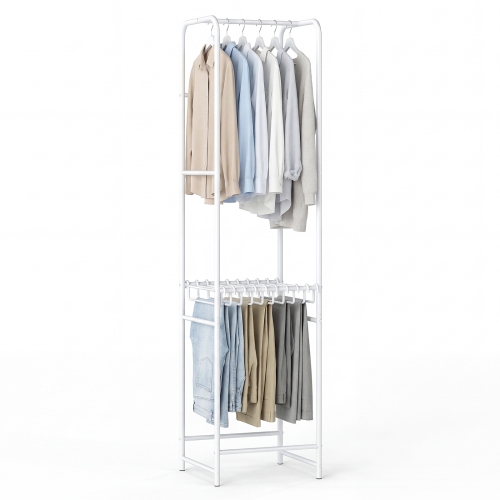

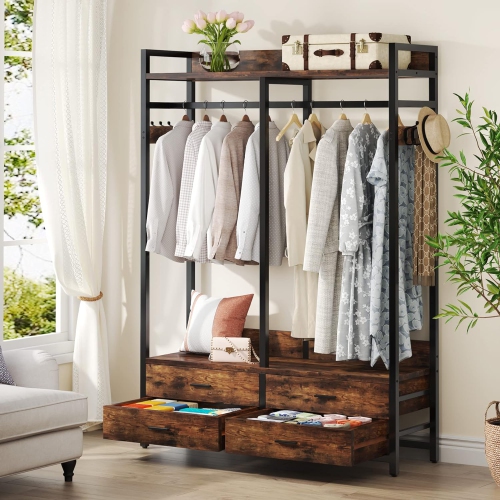
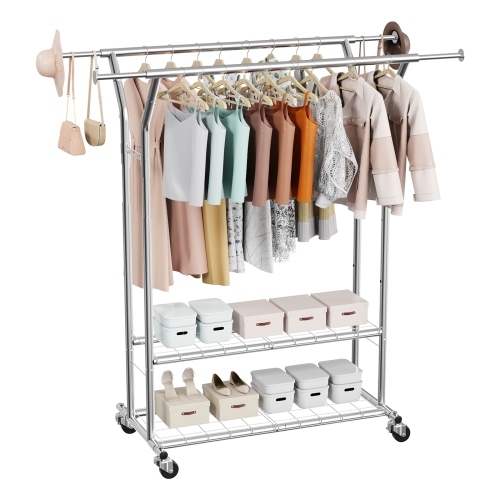
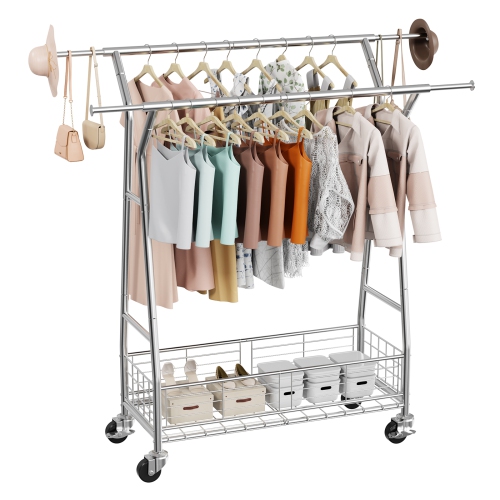
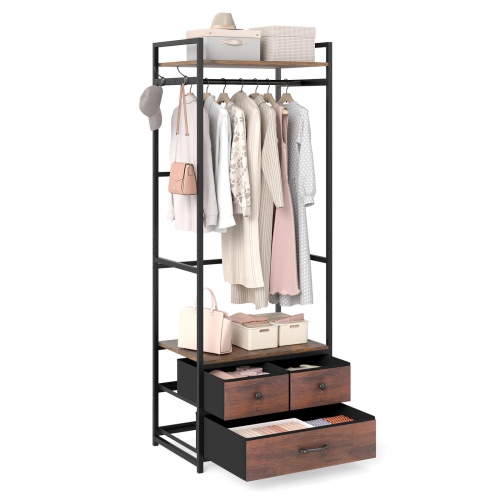
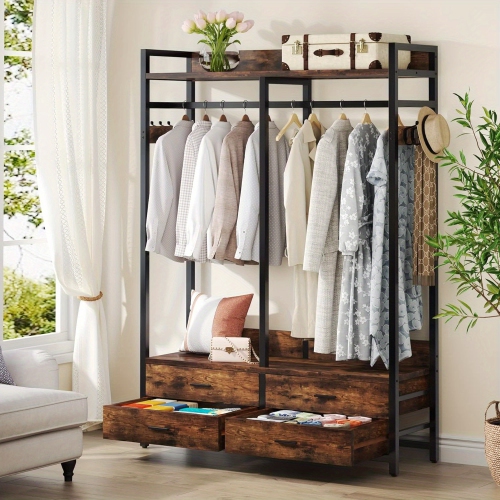
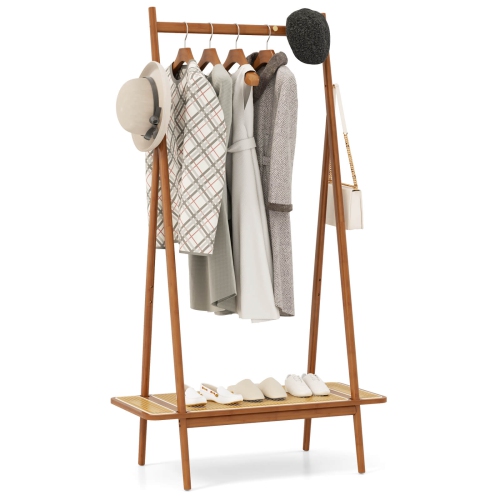
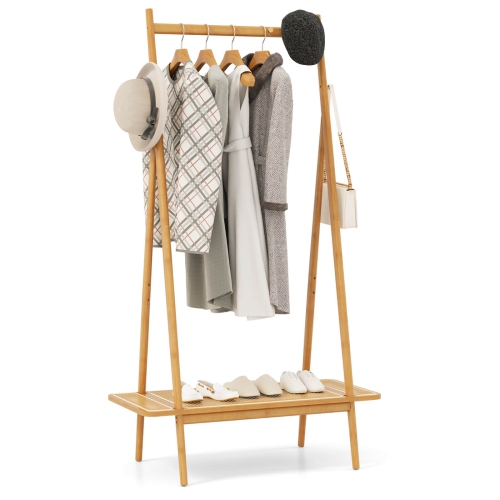
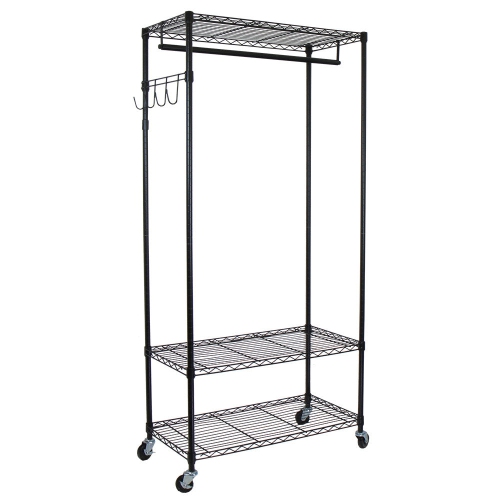
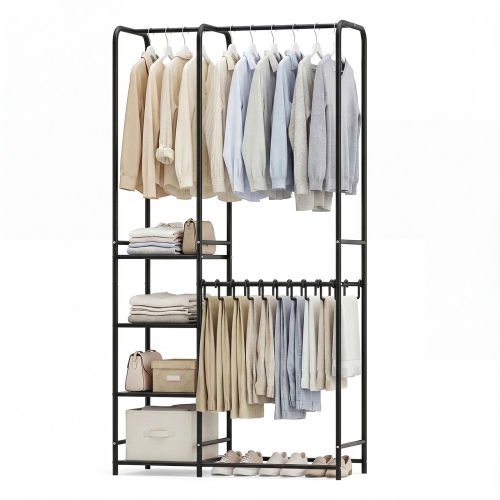
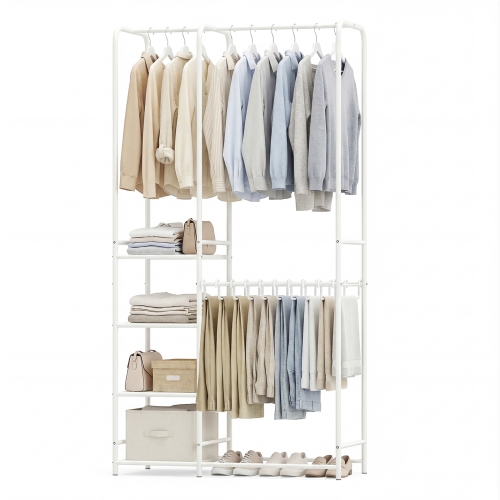

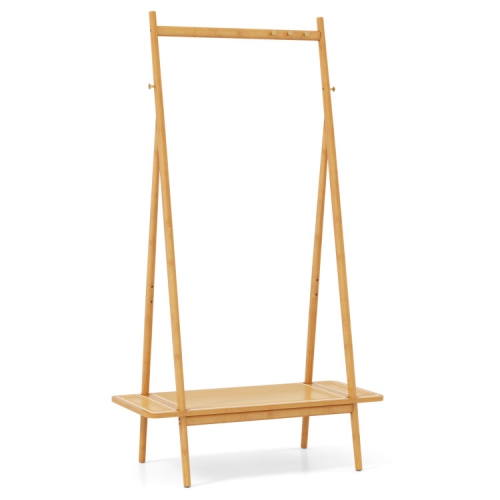
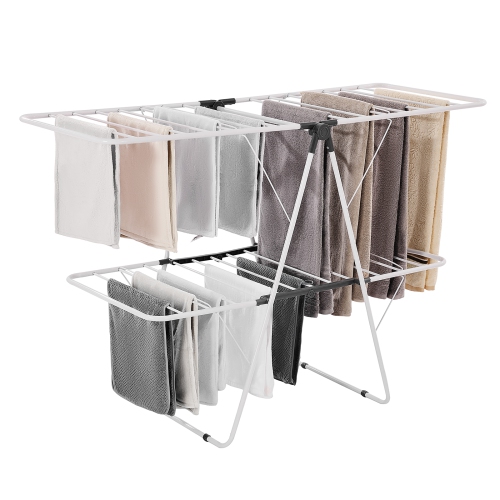
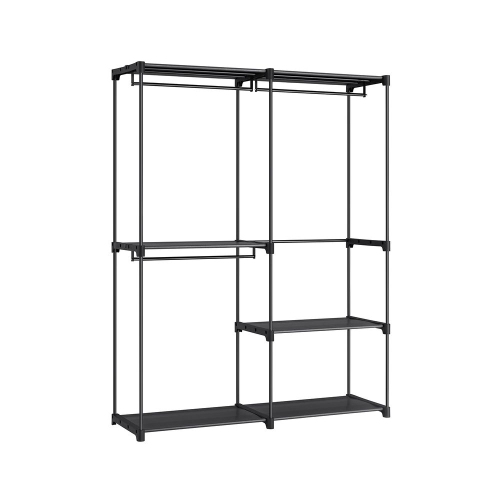
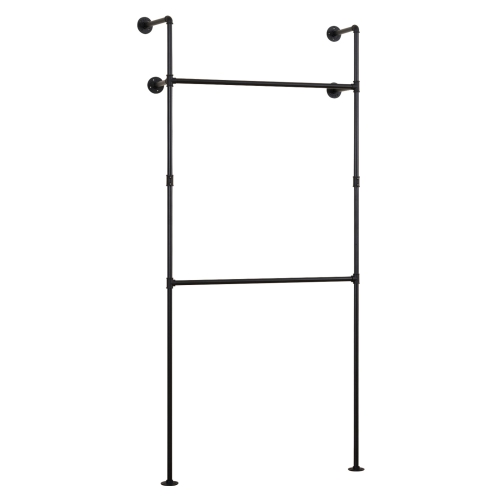

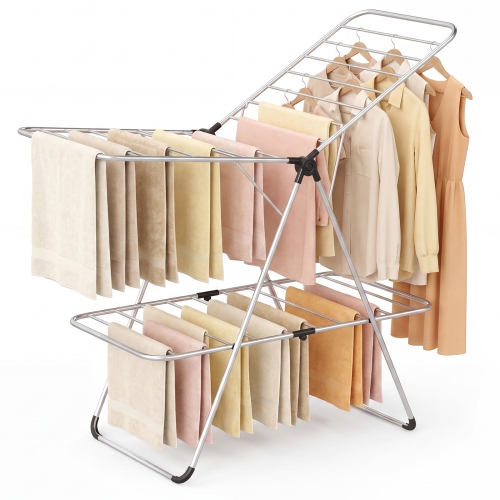
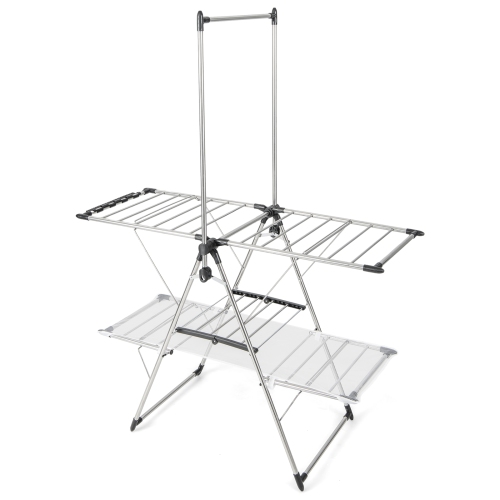
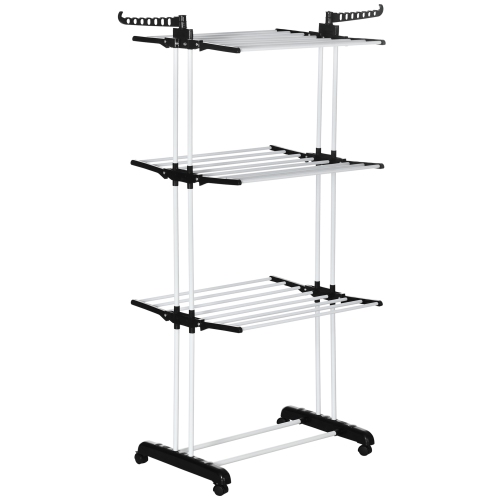
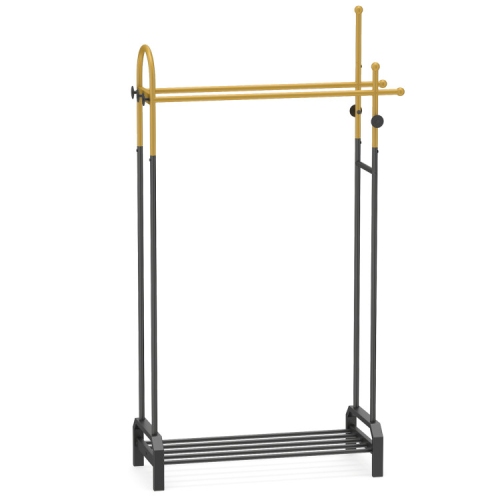
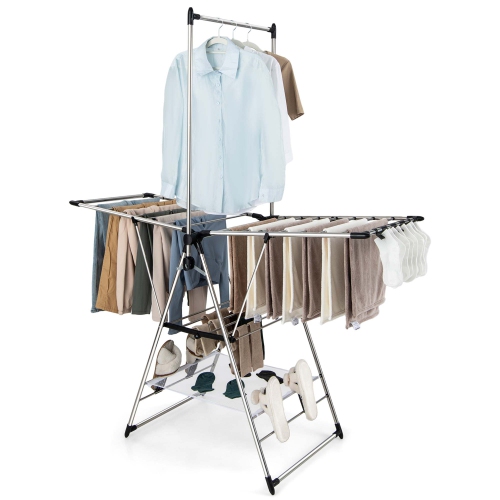
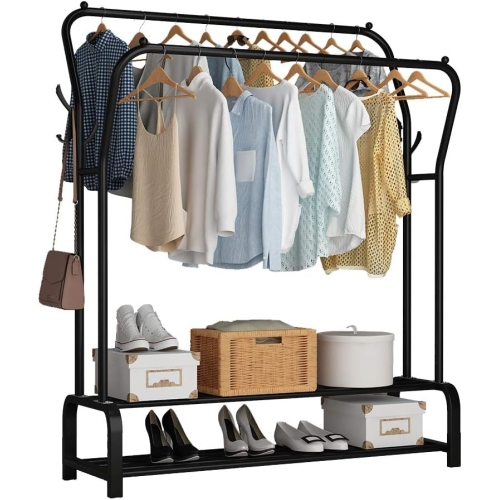
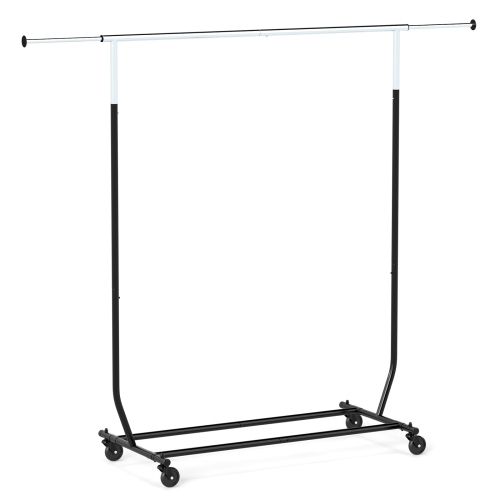
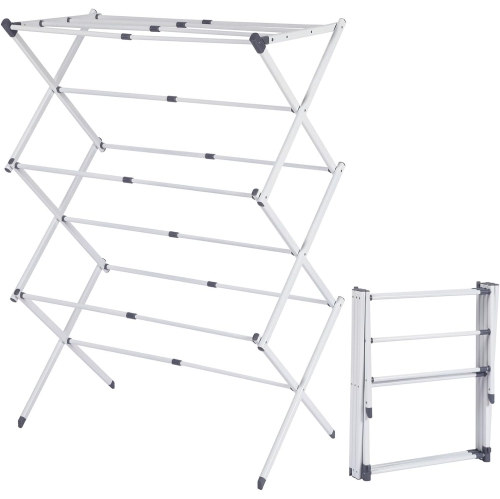
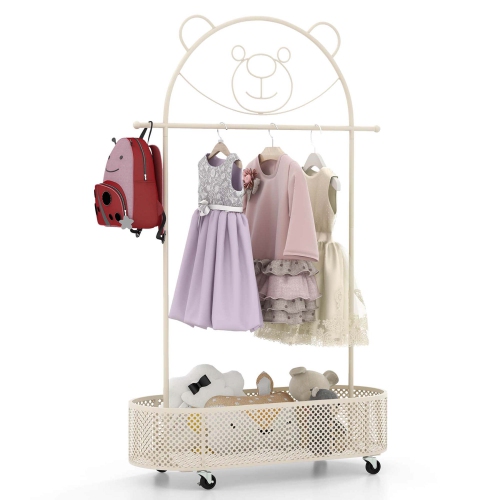
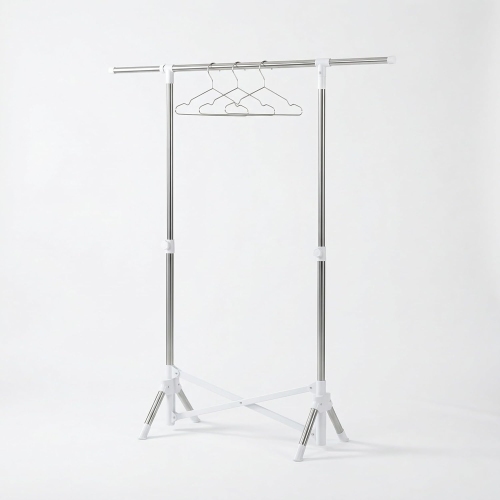
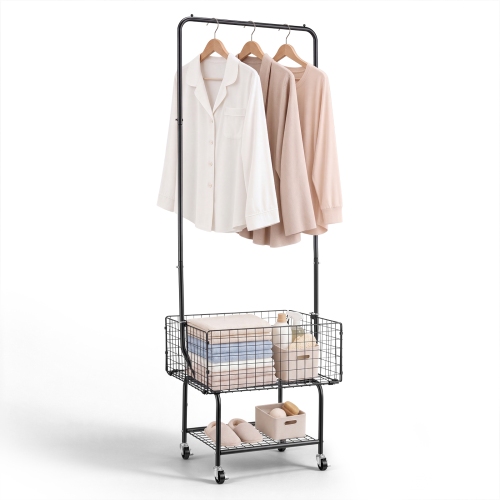
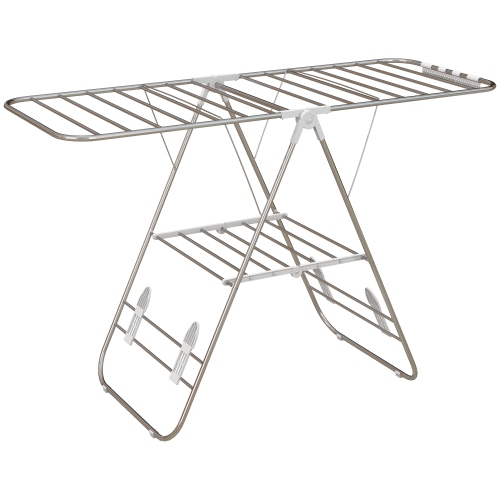










Reliable clothing storage takes more than a sturdy frame
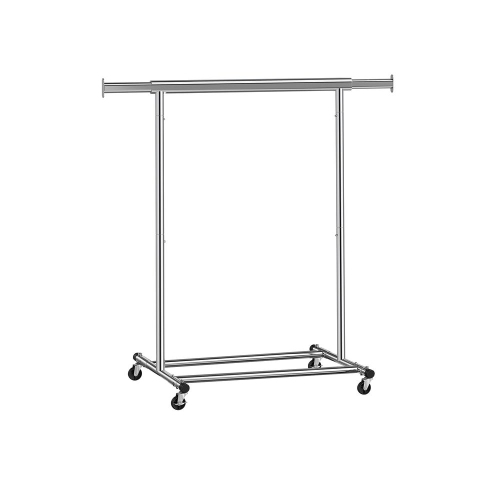
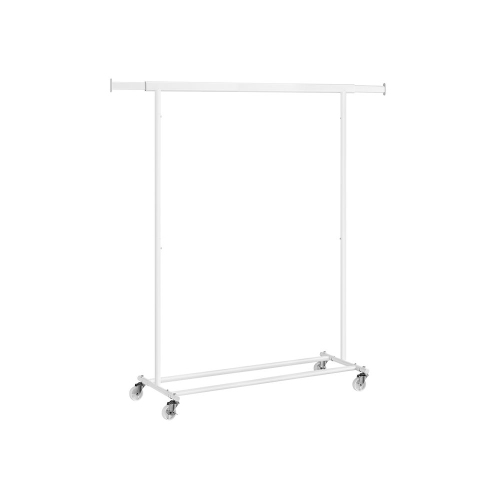
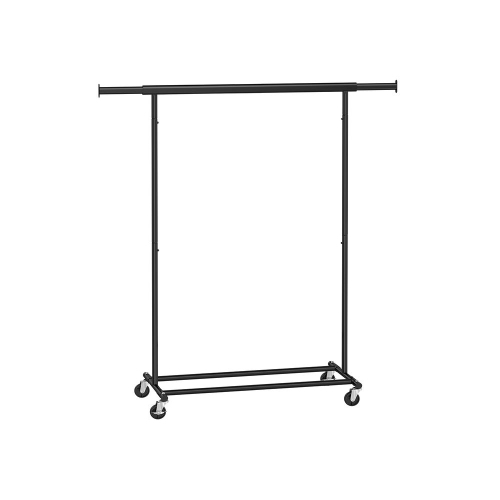
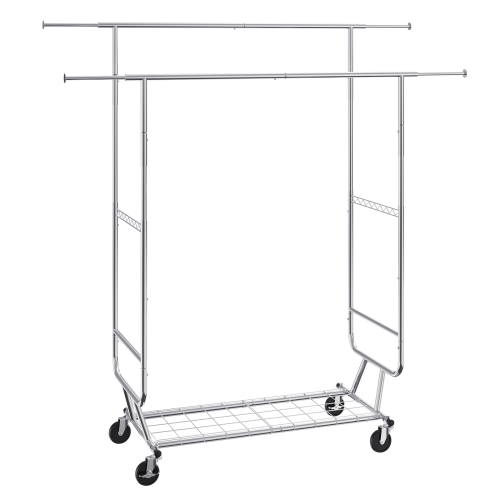
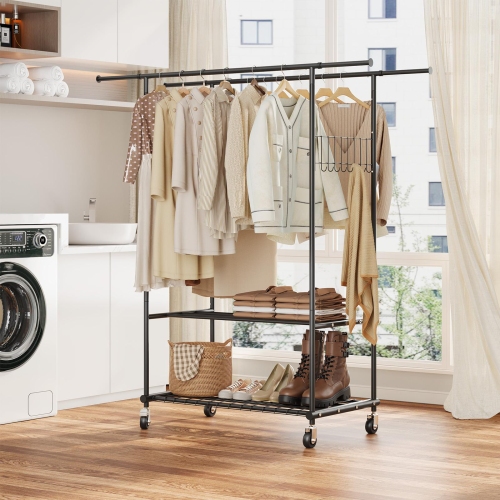
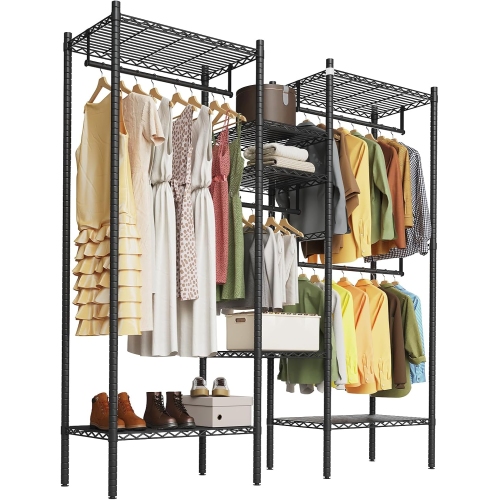
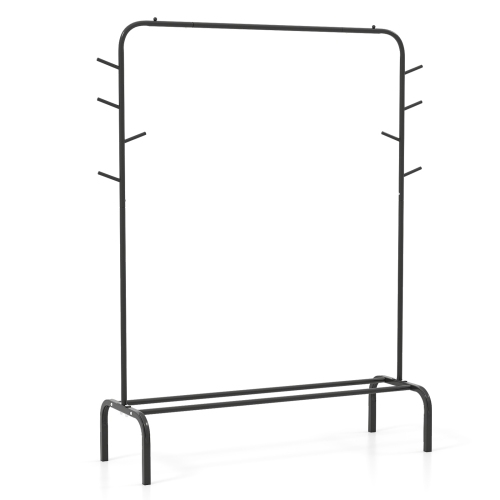
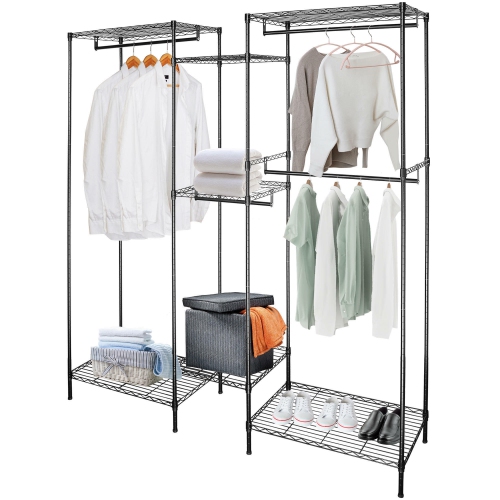
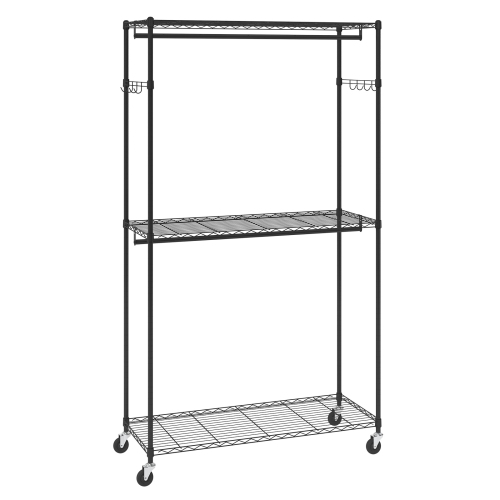
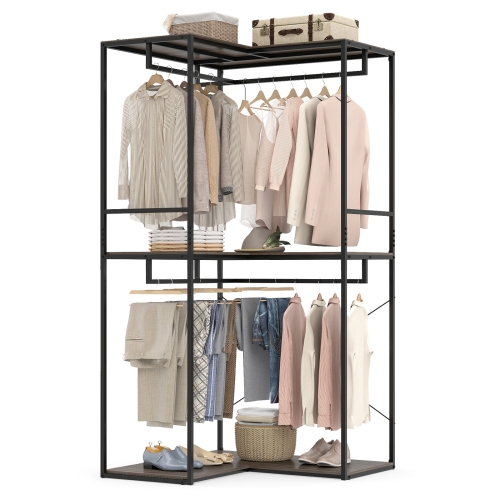
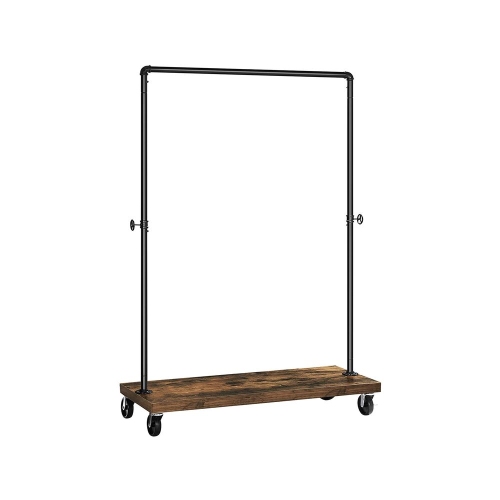
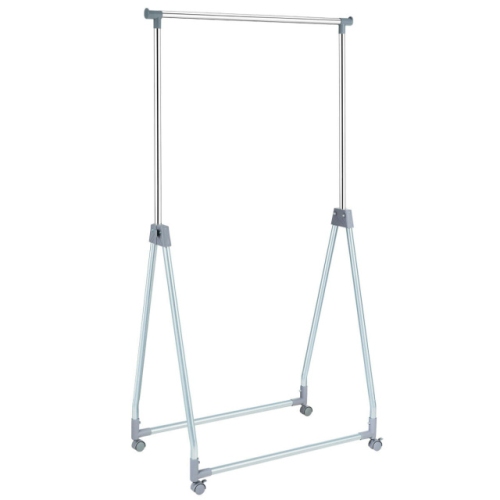
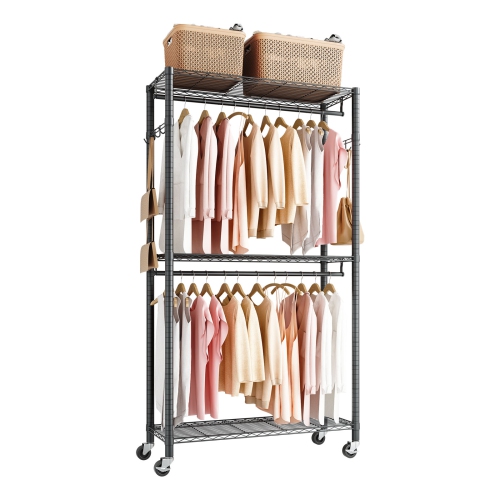
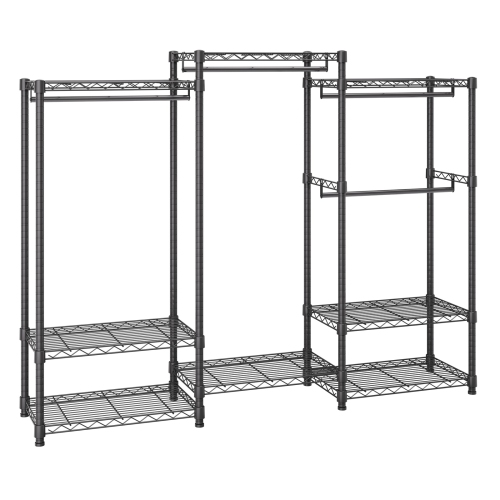
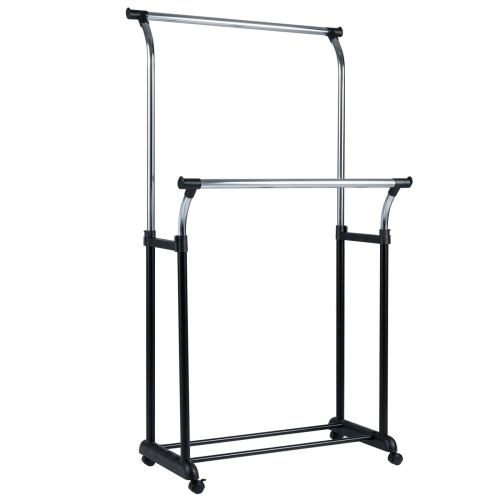
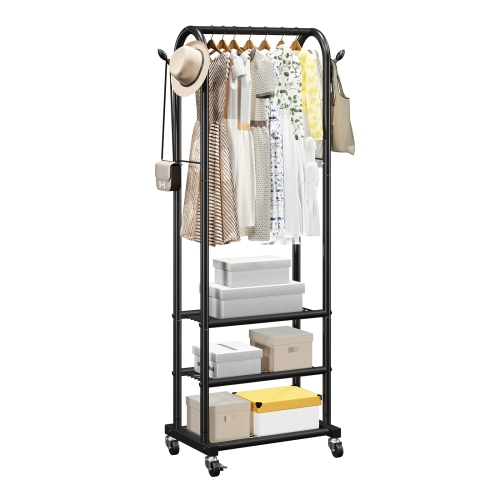
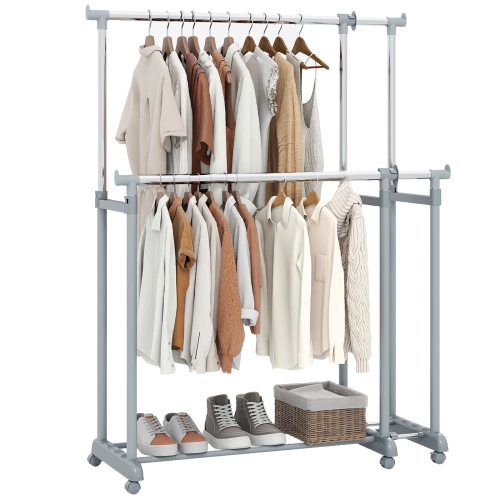
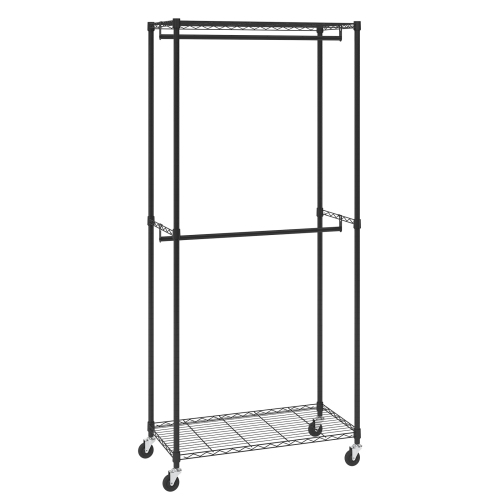
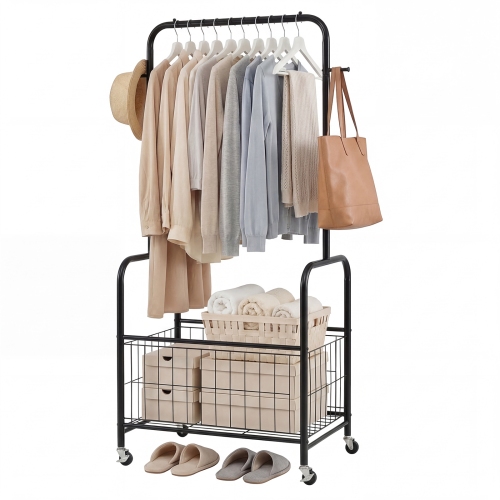
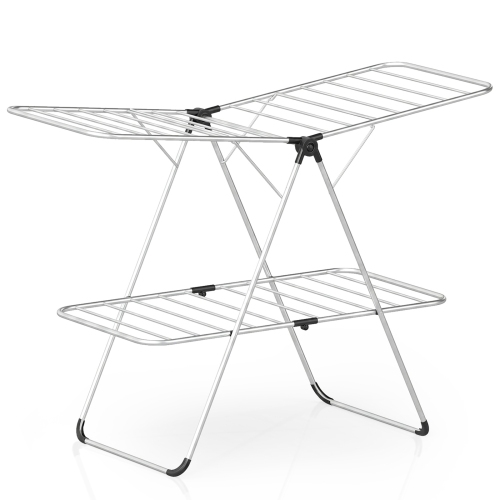
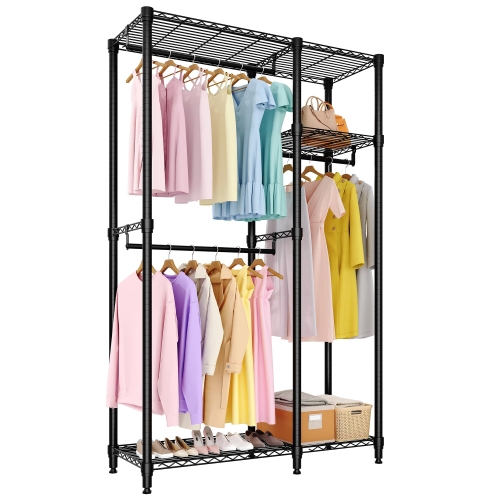
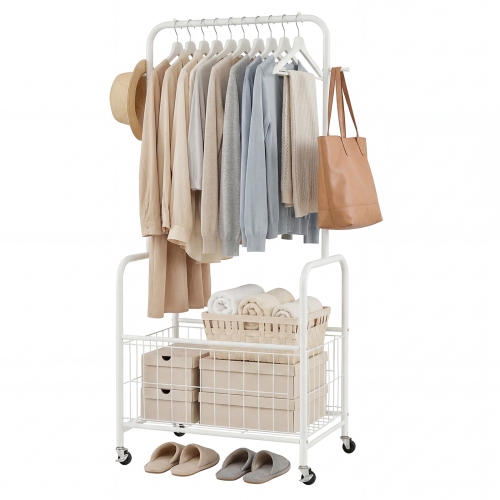
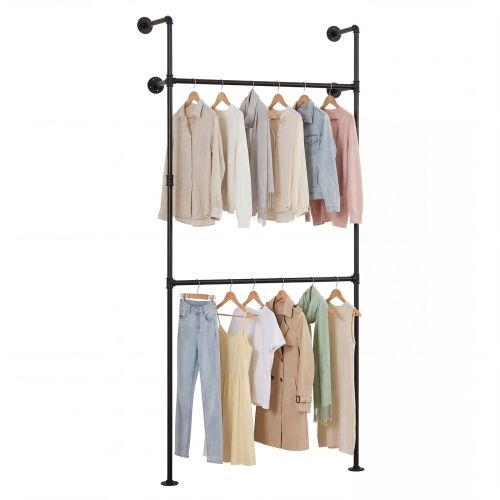
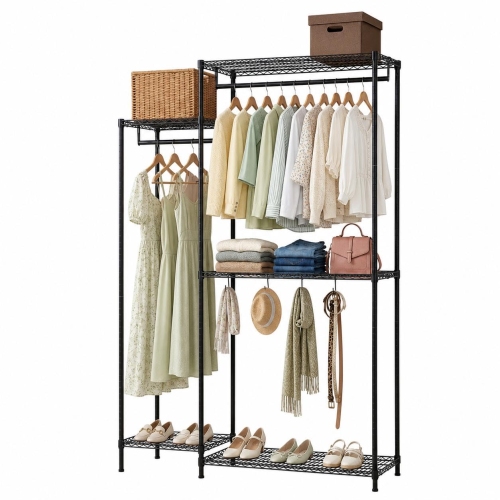
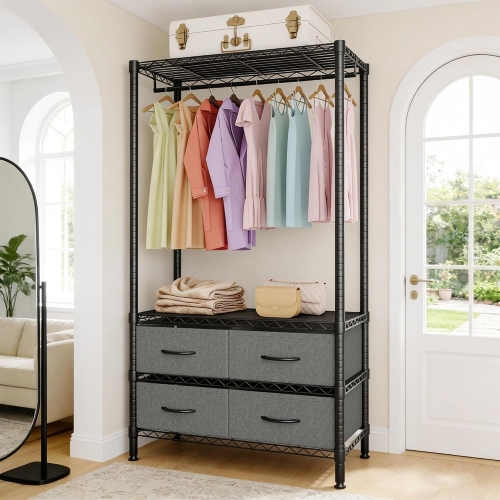
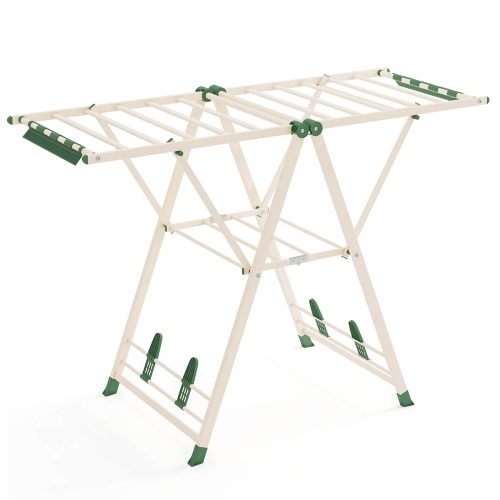
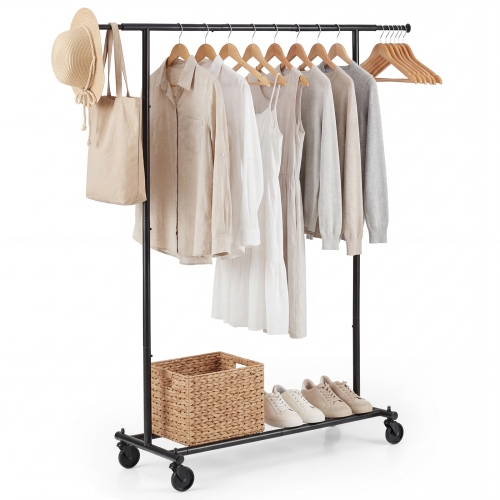
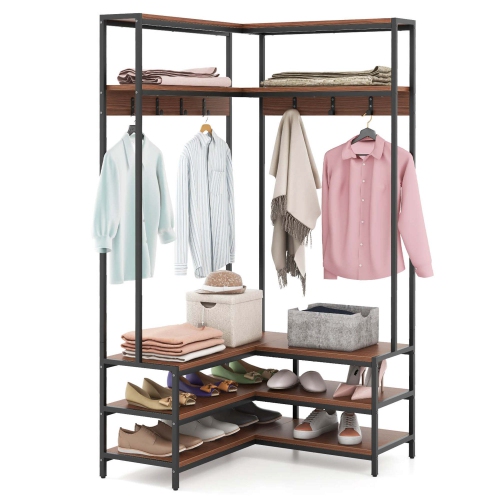
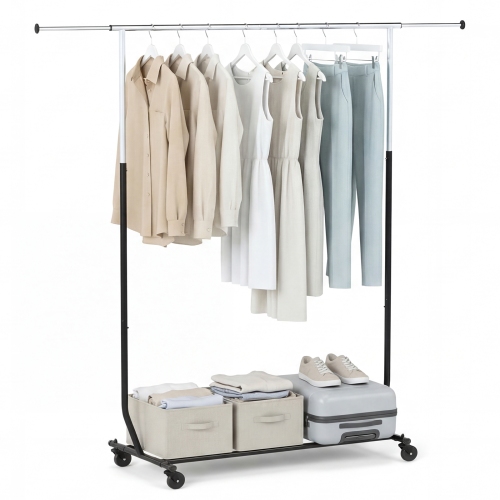
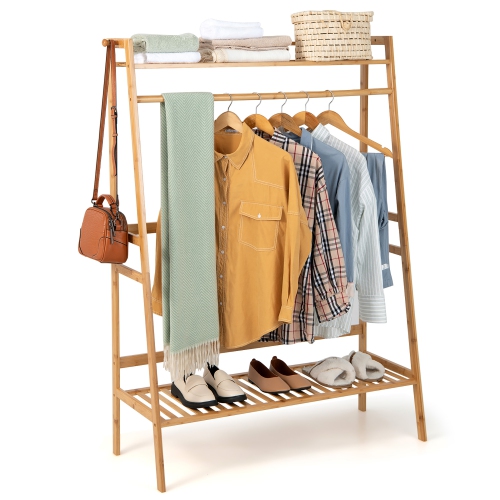
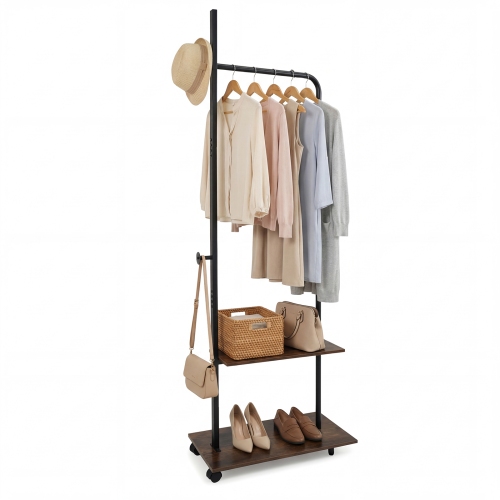
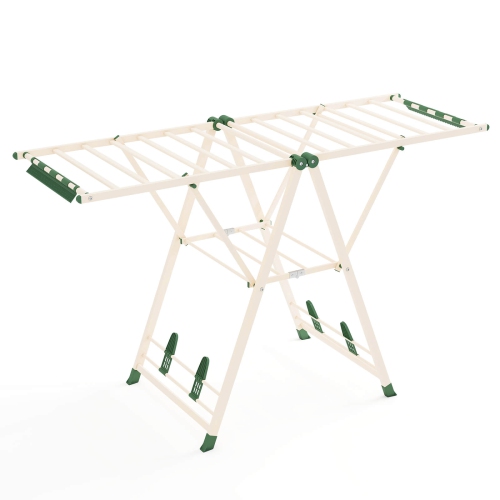
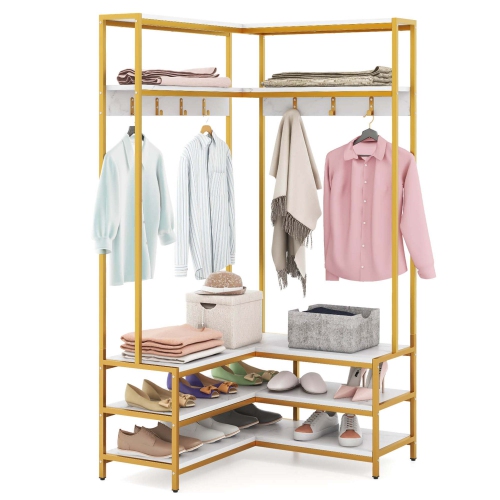
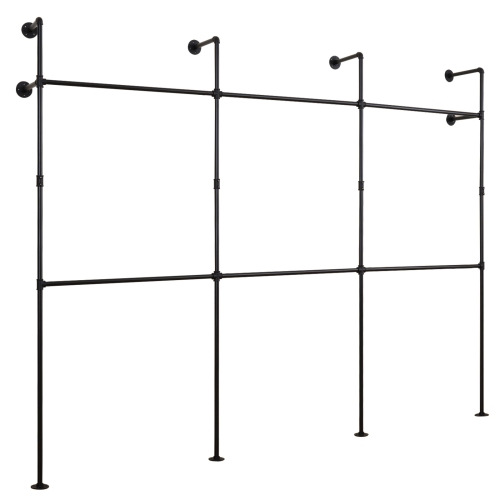
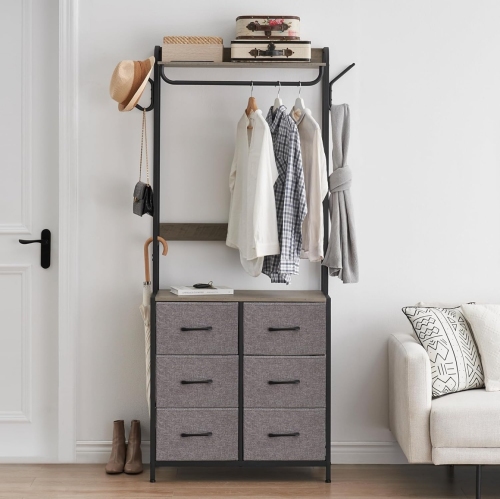
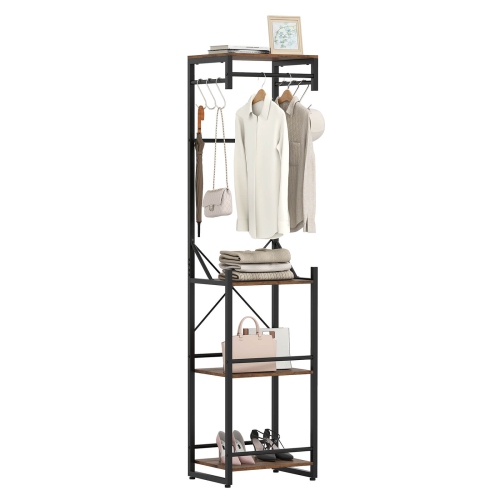
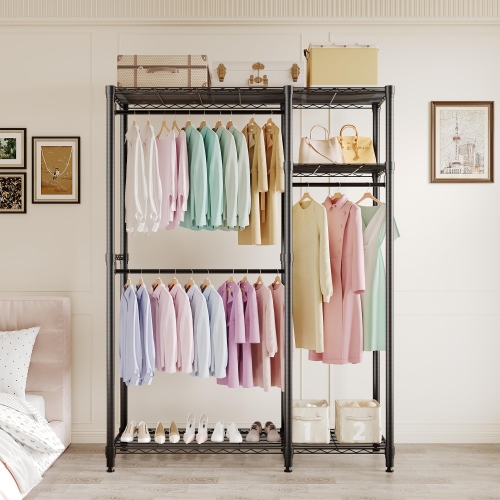
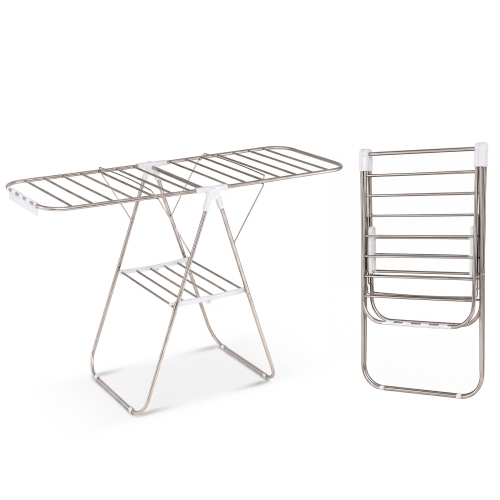
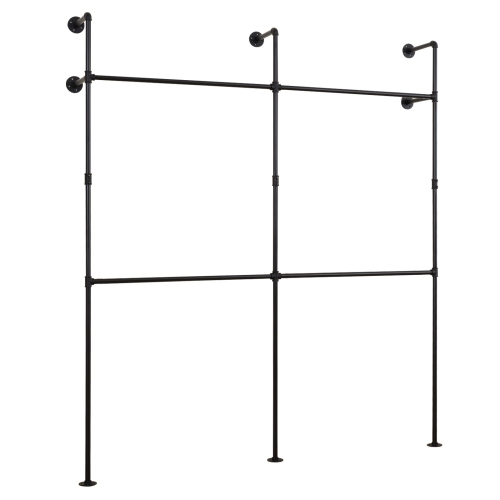
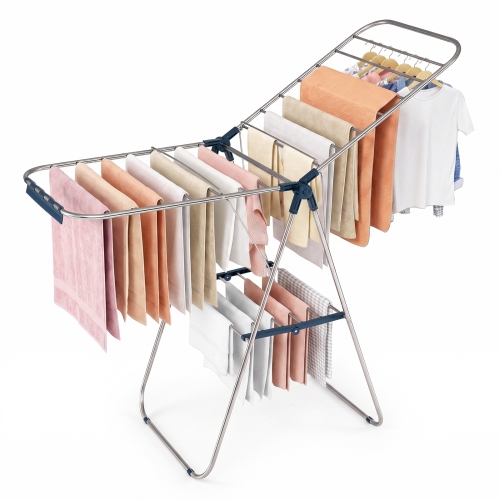
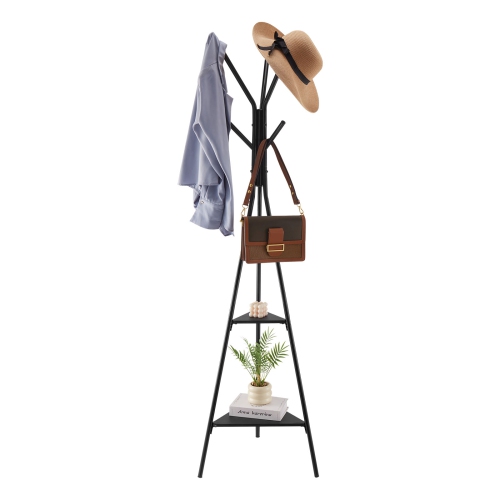
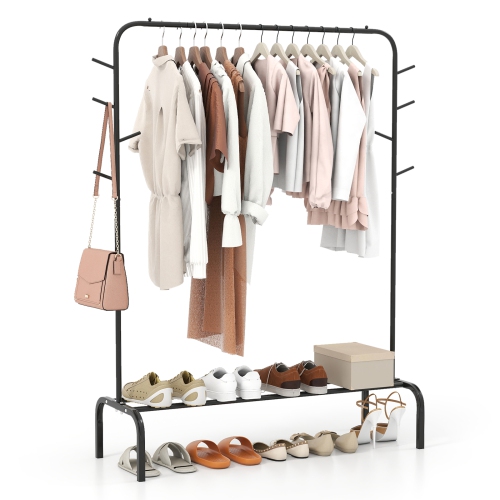
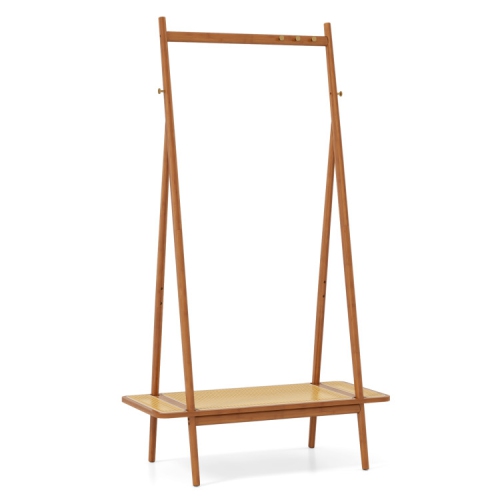
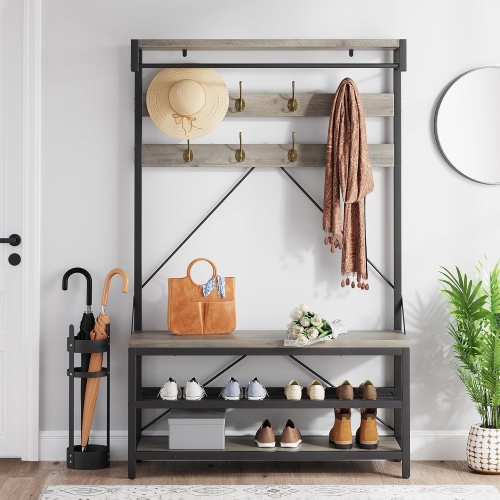
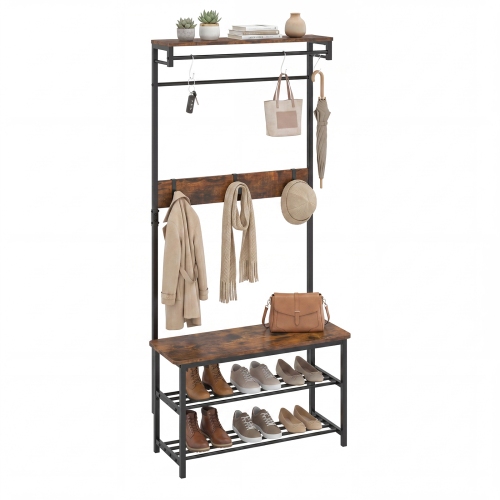
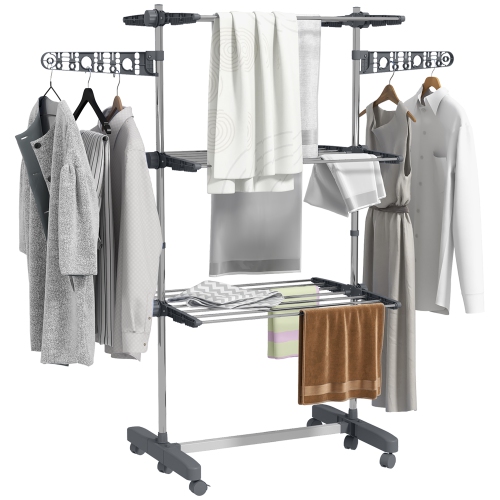
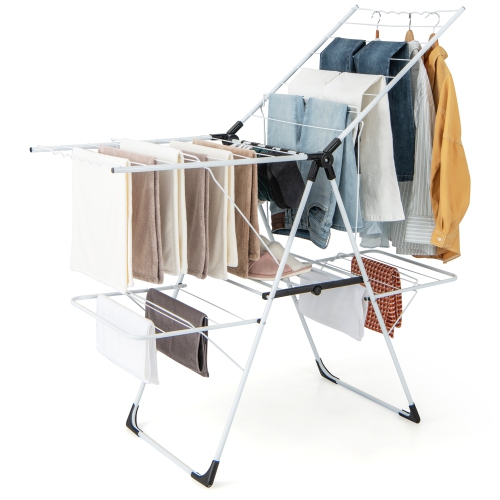
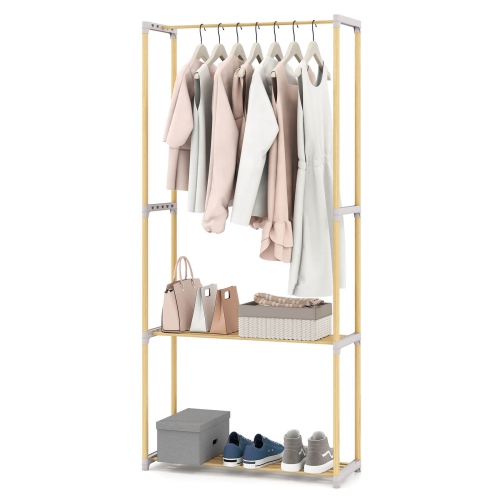
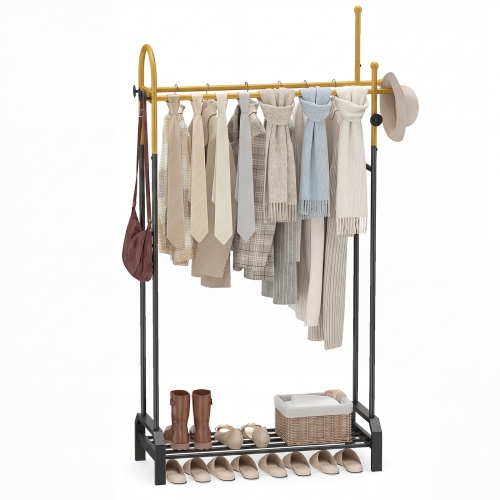
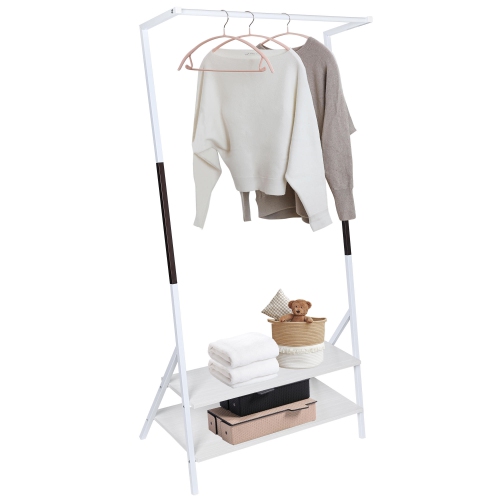
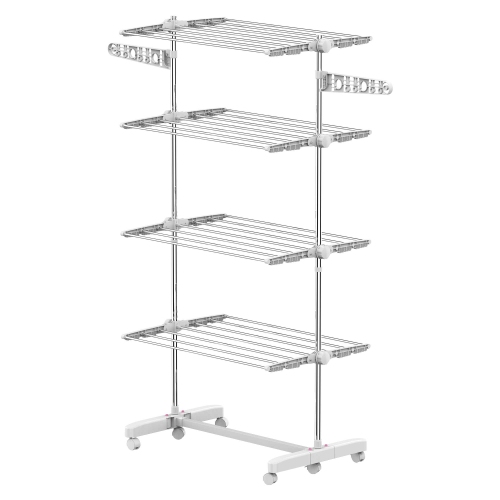
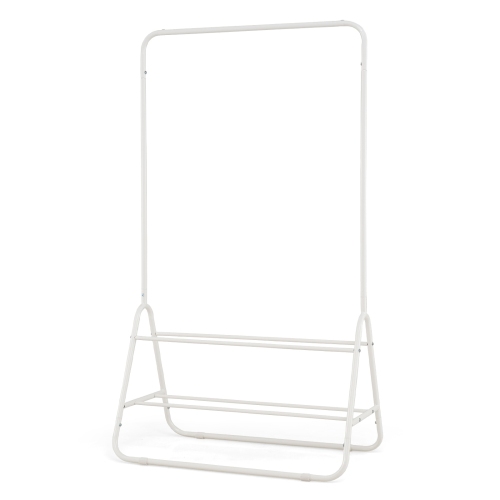
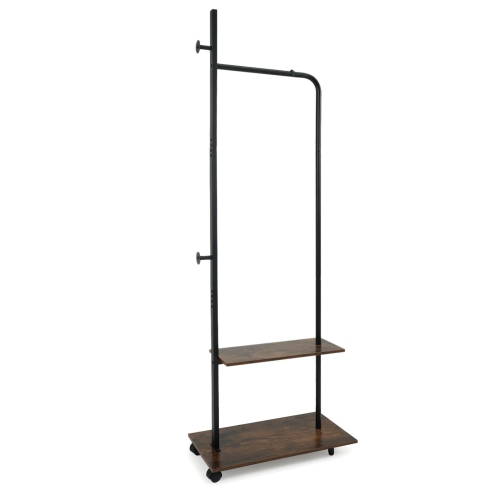
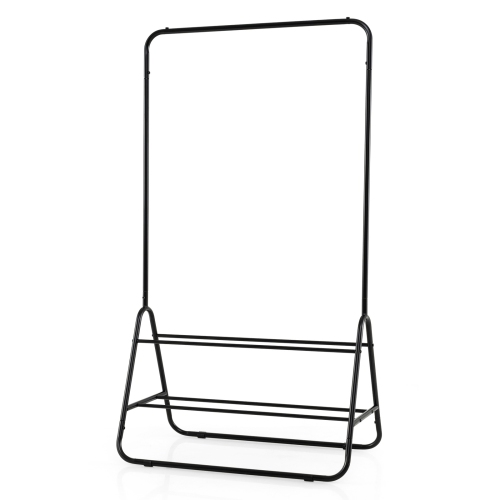
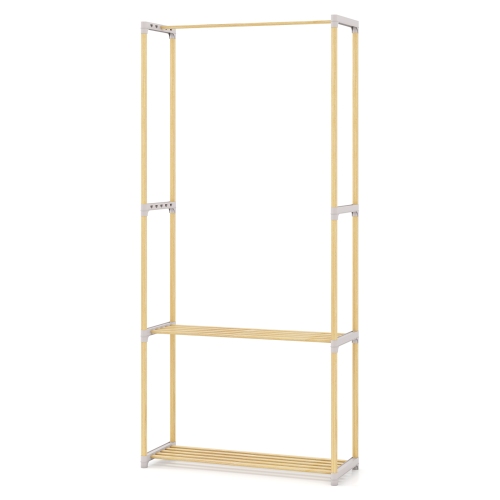
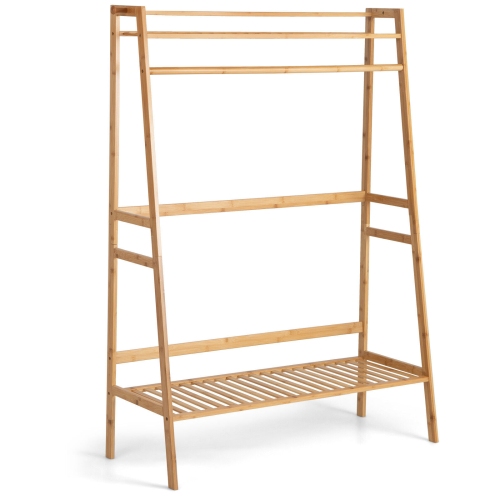
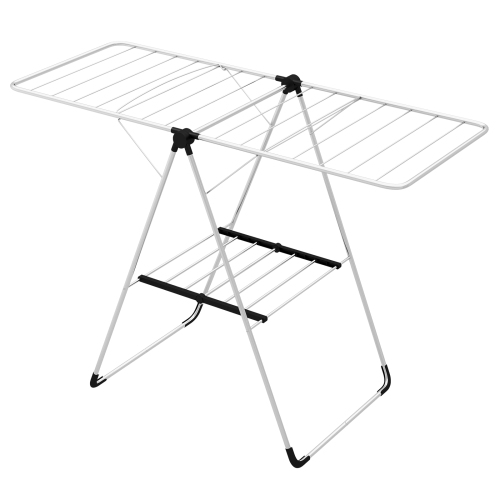
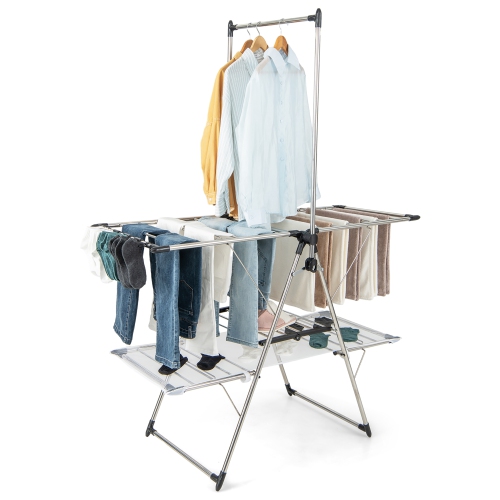
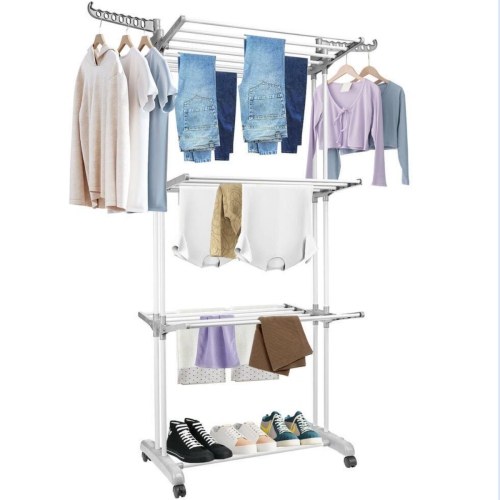
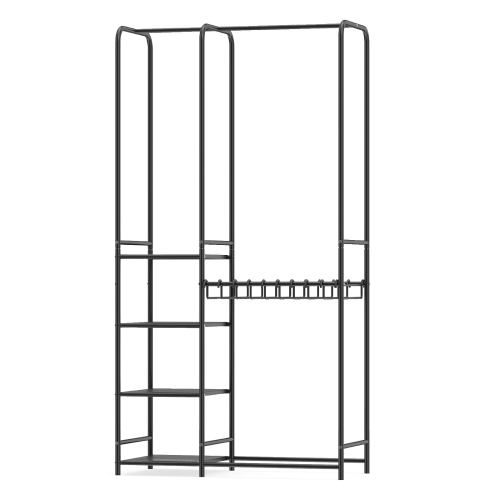
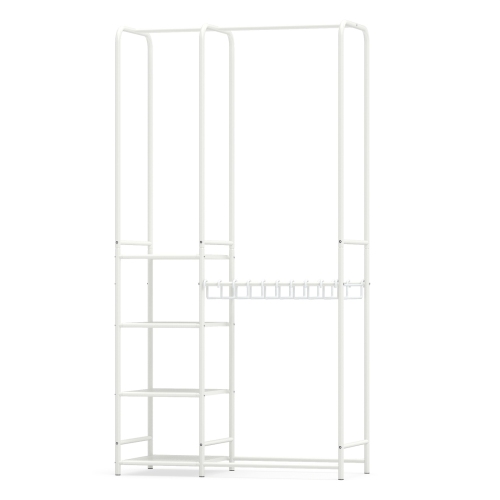
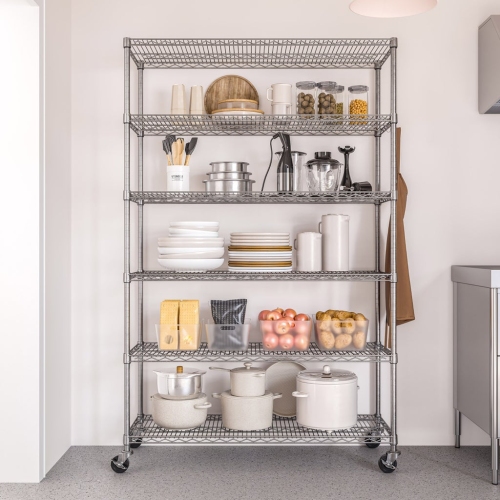
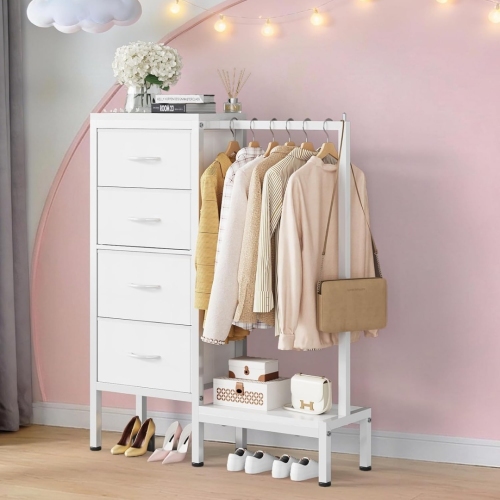
Heavy-duty clothes racks provide open garment storage for larger wardrobes, heavier clothing and spaces without enough built-in hanging room. They can serve as an everyday wardrobe in a bedroom, add hanging space beside a laundry area or keep costumes and uniforms organized in a shared dressing room. Their main distinction is a frame designed to support substantial loads, although the term “heavy duty” does not indicate one universal weight capacity. The manufacturer’s stated limits for the complete rack, individual hanging rods and shelves provide a more useful comparison than appearance alone. A total capacity may assume that weight is distributed across several storage areas rather than concentrated on a single rail. A row of denim jackets, for example, places a different demand on a hanging rod than a few shirts above shelves filled with shoes. Steel frames are common in this category, with construction details such as tube thickness, reinforced joints, cross-bracing and the width of the base contributing to stability. Secure connections matter as much as a substantial-looking frame, particularly on taller racks or designs with extending rails. Powder-coated finishes can provide a smooth surface, while plated metal offers a different appearance; either benefits from protection against scratches and prolonged moisture. Shelves may use metal wire, solid panels or other materials, each with its own load limit and care requirements. Wire shelving keeps stored contents visible, while a solid shelf provides an even surface for small accessories and folded clothing. The right construction depends on how the rack will be used: a compact unit holding everyday outfits has different demands from a dressing-area rack carrying long garments, bags and footwear. Durability comes from the combination of suitable materials, sound assembly and use within the stated capacity, not simply from choosing the largest frame.
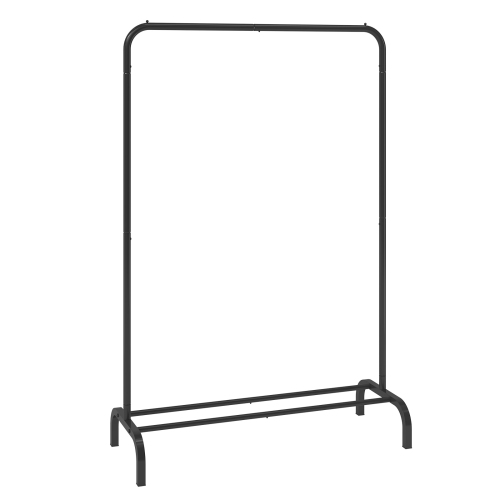
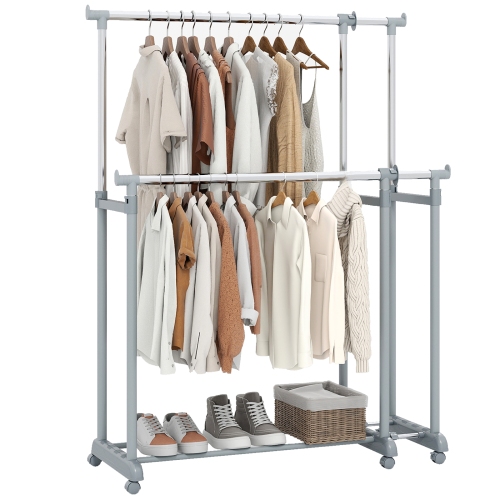
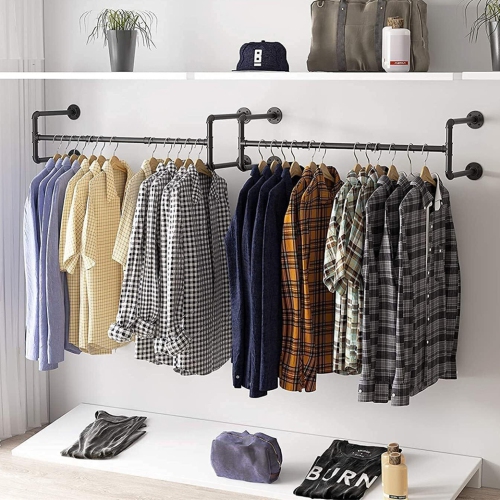
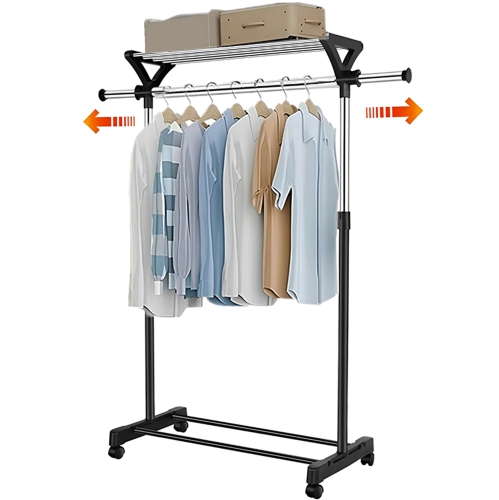
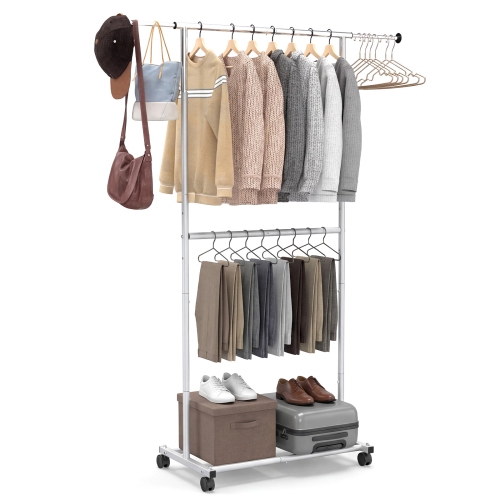
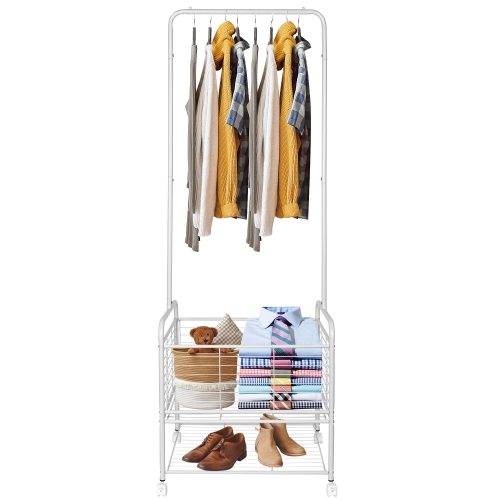
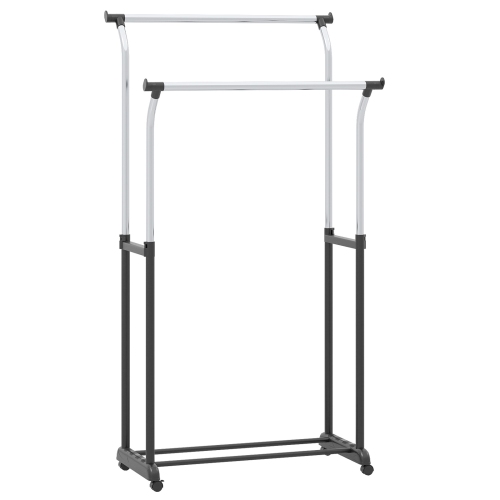
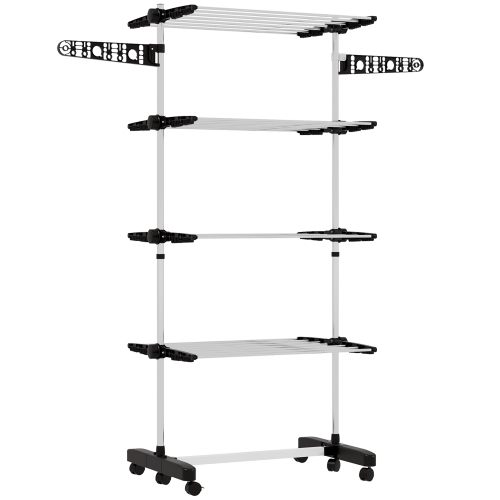
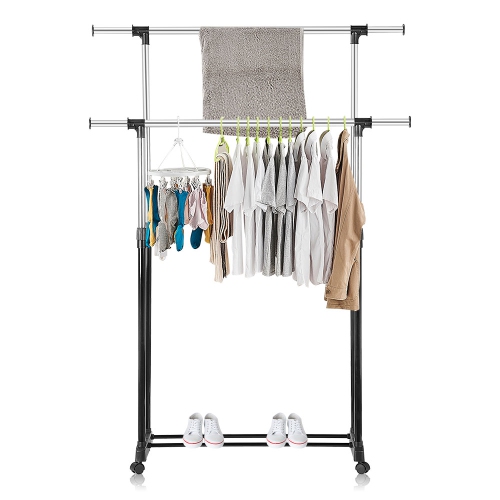
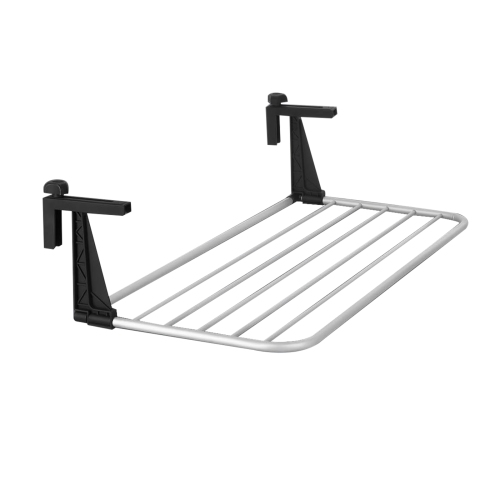
Size and layout determine how comfortably a heavy-duty clothing rack fits into a room and how useful its storage will be. Overall width, depth and height tell only part of the story, because hanging garments extend beyond the rail. Broad coat hangers and bulky sleeves need clearance from walls, while long dresses and trousers hung at full length need enough unobstructed space below. A rack that fits neatly into an empty corner may feel crowded once clothing is in place, especially beside a doorway, drawer or frequently used walkway. Single-rail designs offer a straightforward arrangement for longer garments and make individual pieces easy to see. Double-rail designs can create separate sections for shirts and trousers, although closely spaced rails may leave less room for thicker clothing. Vertically stacked rods make better use of height when most garments are short enough to hang without touching the rail beneath them. Adjustable rods and shelves allow the layout to suit different garment lengths, provided each component is positioned and secured as directed. Extending rails offer extra hanging width on some designs, but their supported load may differ from that of the main rail. Lower shelves can keep footwear and storage bins together, while upper shelves can hold lighter belongings that are needed less often. In a bedroom, leaving some space between hangers makes sleeves easier to separate and outfits easier to find. In a laundry area, a rack can hold garments after ironing or steaming, subject to the clothing’s care instructions and suitable clearance around the appliance. For a home sewing space or shared dressing area, separate hanging sections can distinguish finished outfits from clothing awaiting alterations. These layouts make a rack useful beyond simply adding another place to hang a shirt: they give clothing a defined place without requiring a built-in closet.
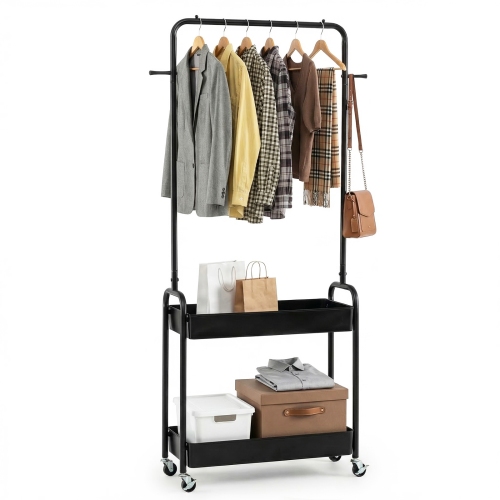
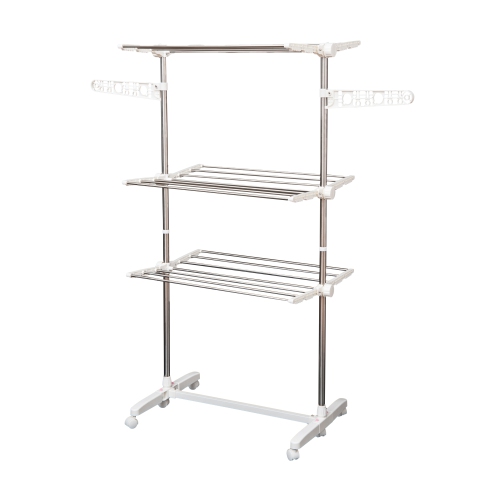
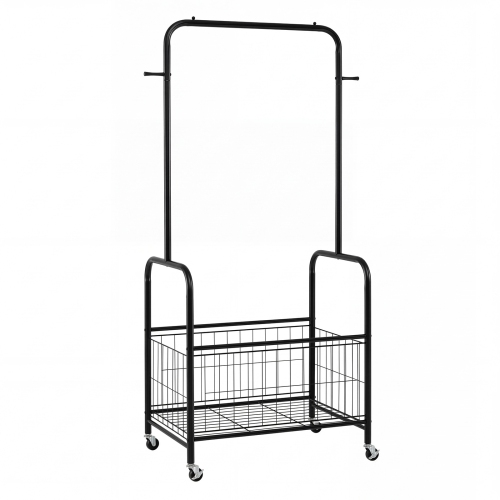
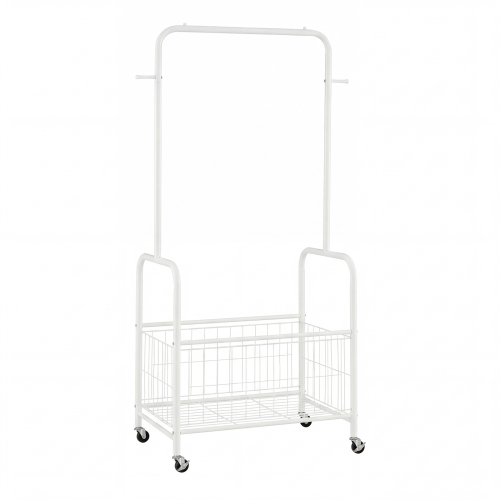
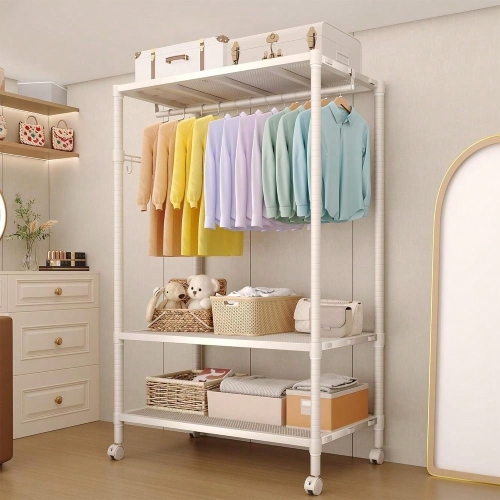
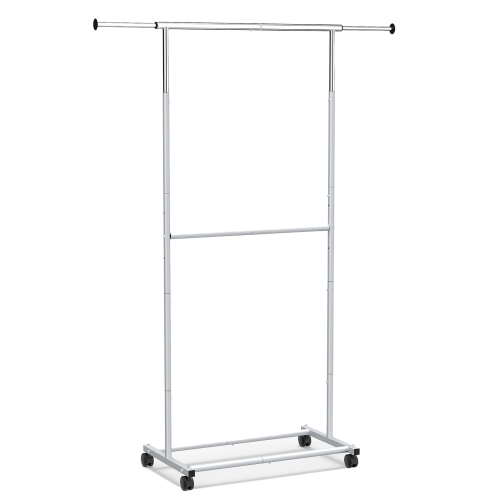
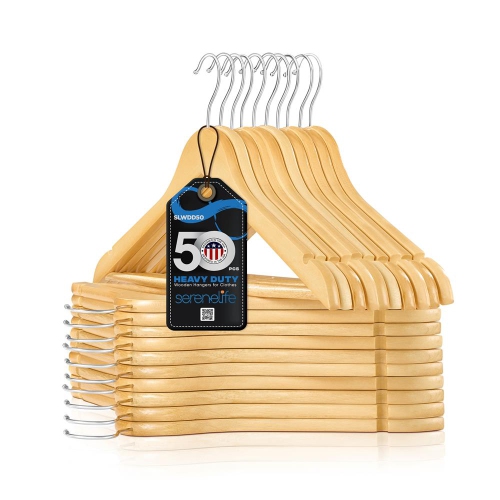
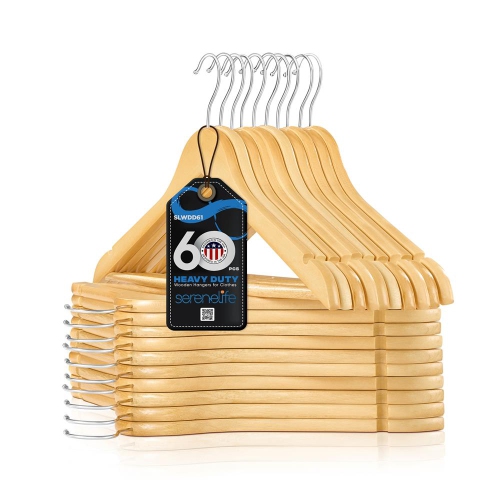
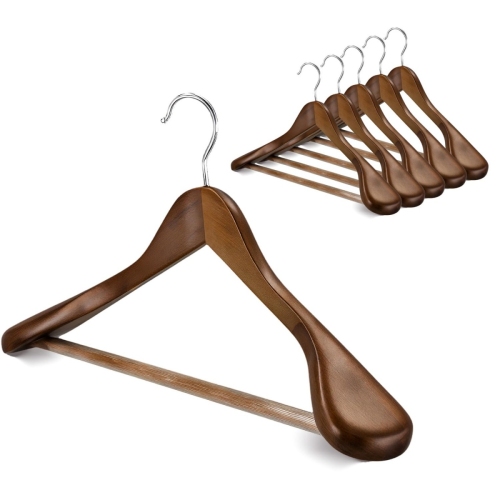
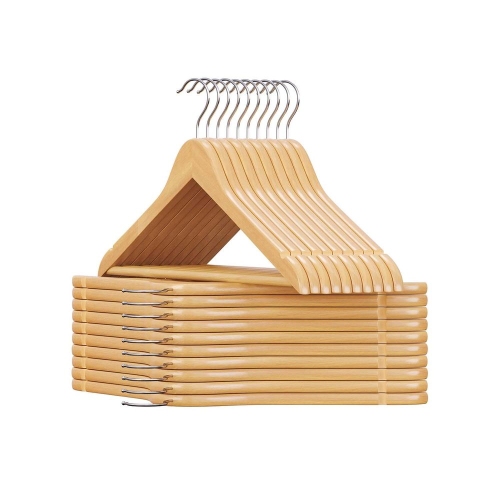
Mobility is another important difference between heavy-duty clothes racks. Stationary designs with levelling feet can accommodate minor floor unevenness, while racks with casters make it easier to reposition hanging storage when the design and load allow. Locking casters help keep a rack in place during use, but they do not replace a stable frame or correct weight distribution. Wheel size, floor surface and thresholds all affect how easily a loaded rack moves; a route across a smooth floor is different from one over a rug edge. Some manufacturers specify separate stationary and rolling capacities, so a rack that supports a substantial load while parked may need to carry less when moved. Keeping heavier belongings low and distributing clothing evenly helps maintain balance, and any supplied safety fittings should be installed according to the assembly instructions. Hangers also affect how well the storage works. Heavy Duty Clothes Hangers can complement a sturdy rack when their shape and strength suit the garments being stored. Broad, shaped shoulders support structured jackets, while suitable clips or trouser bars help organize other clothing without crowding everything onto one hanger. The weight of the hangers counts towards the rack’s load, along with garments, footwear and anything stored on shelves. Routine care is generally straightforward: dust exposed surfaces, clean with a method suitable for the finish and dry any damp areas promptly. Abrasive cleaners can damage some coatings, and removable fabric covers may have separate washing instructions. Connections, shelf clips and caster fittings benefit from occasional checks, particularly after the rack has been moved or rearranged. A cover can reduce dust settling on less frequently worn clothing, though garments should be clean and fully dry before storage. For renters, households sharing limited closet space or anyone setting up a dedicated wardrobe area, a well-proportioned rack offers practical, accessible storage when its capacity, layout and care needs match everyday use.
Top selling and popular products
-
 Your price for this item is $95.99
-
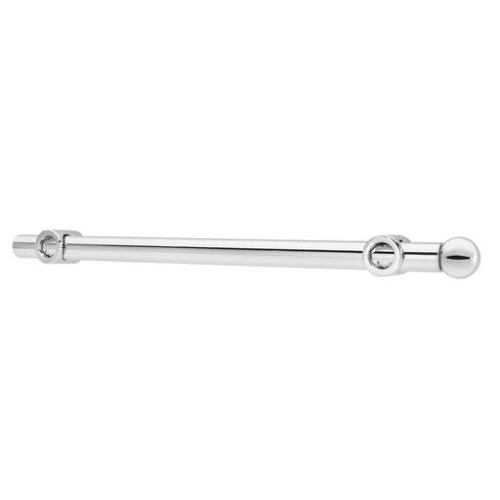 Your price for this item is $84.99
-
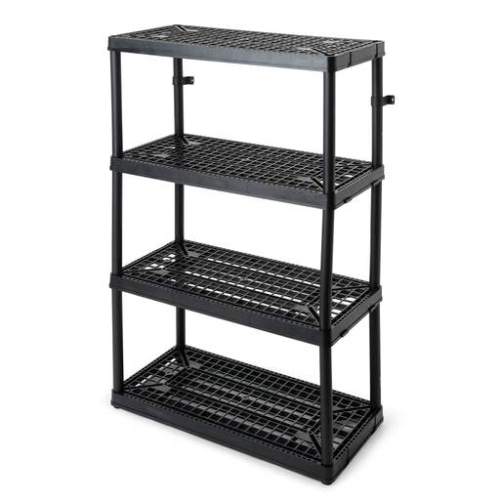 Your price for this item is $164.99
-
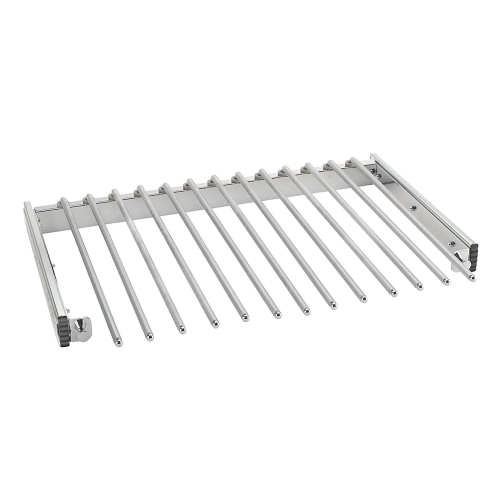 Your price for this item is $271.99
-
 Your price for this item is $144.99
-
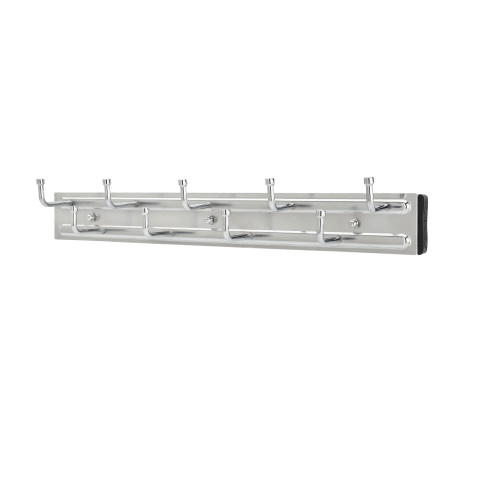 Your price for this item is $82.99
-
 Your price for this item is $88.99
-
 Your price for this item is $689.99
Discover more categories related to Heavy Duty Clothes Racks
Top Collections:
Best Black Friday Deals This Year, Best Black Friday Deals On Electronics, Kindle Devices, Dyson Airwrap, Best Cameras for Sports Photography, Best Budget Office Chairs, Canon G7X Cameras, PS5 Pro Consoles, Best Black Friday Deals On Apple Products, XBOX One S Consoles
Some products may be subject to Environmental Handling Fees
(EHF) depending on your province.
Learn more about EHFs.