Heavy Duty Desks
Looking for sturdy and reliable desks that can withstand the demands of your busy workday? Look no further than our collection of heavy-duty desks. Whether you're setting up a home office, outfitting a commercial space, or simply needing a durable workspace, these desks are designed to handle it all. With their robust construction and high weight capacity, our heavy-duty desks offer the perfect blend of durability and functionality. Shop our range of options and find the ideal desk that meets your needs, allowing you to work with confidence and comfort.
Sort
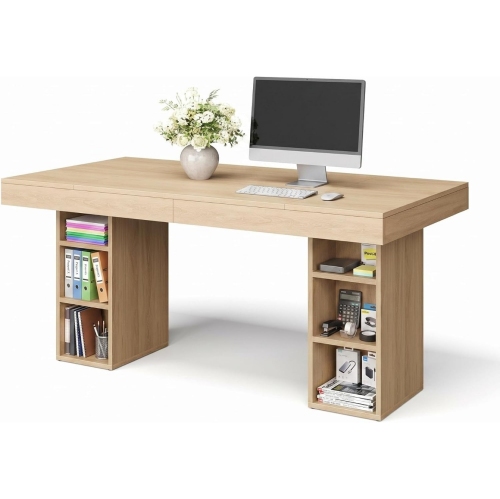
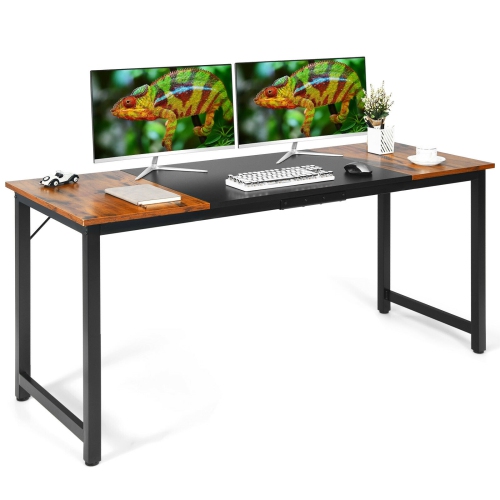
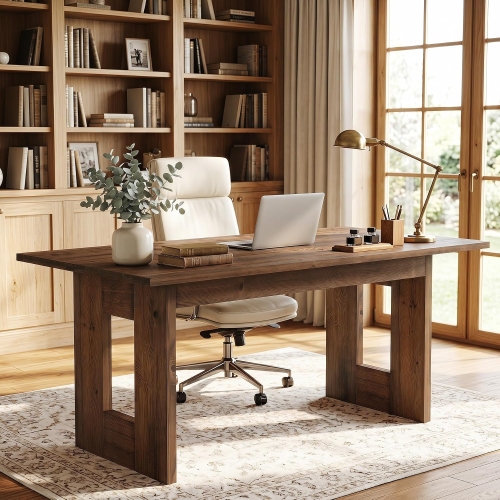
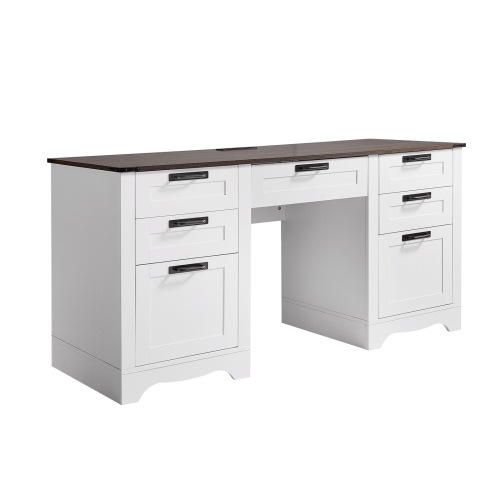

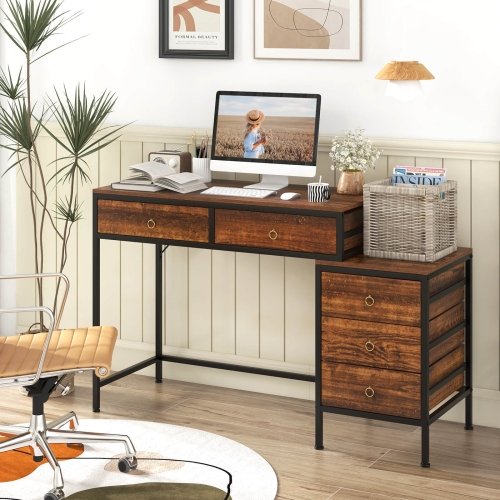
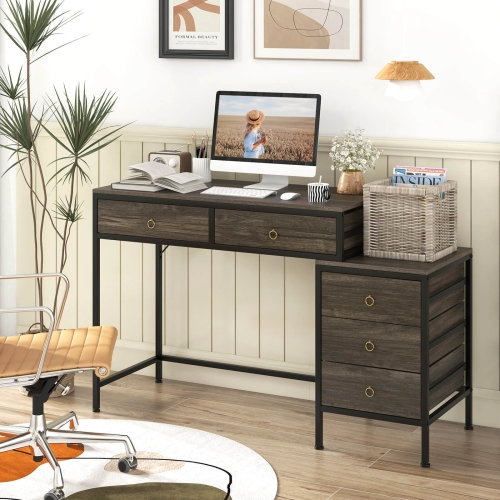
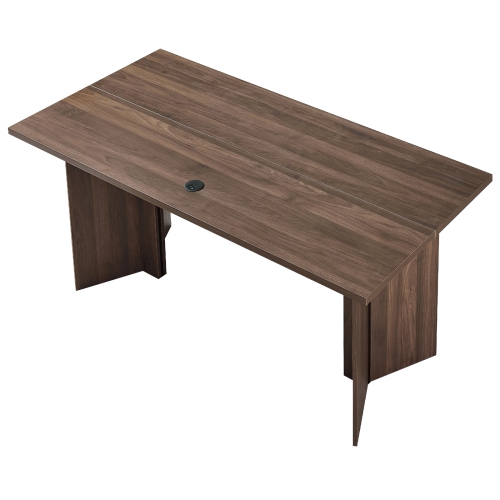
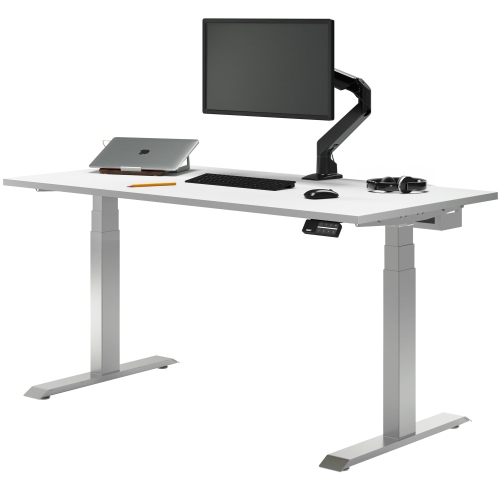
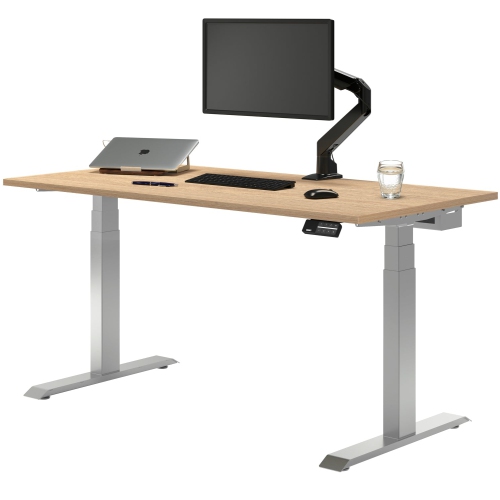

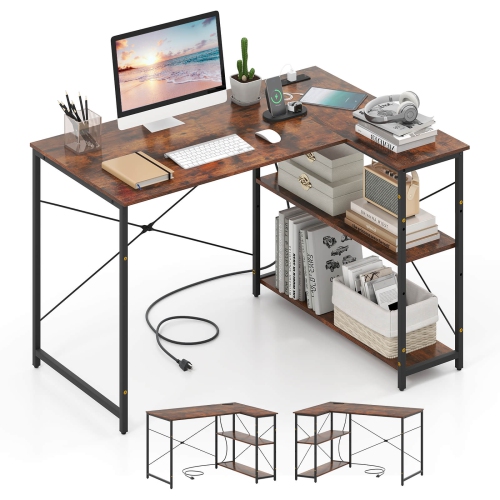
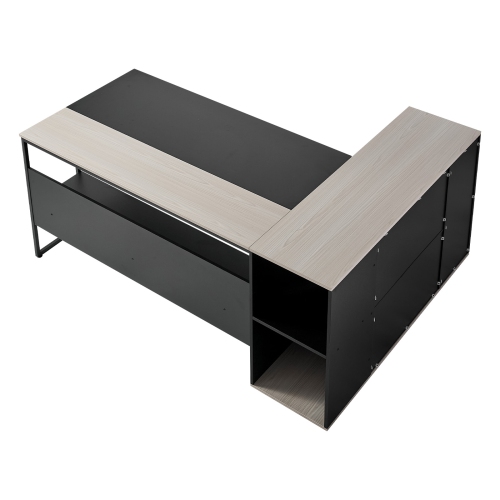
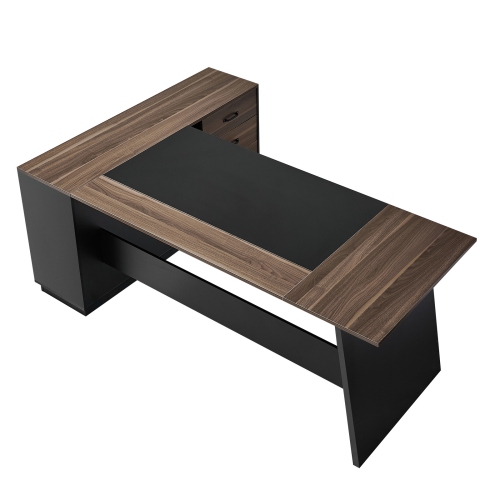

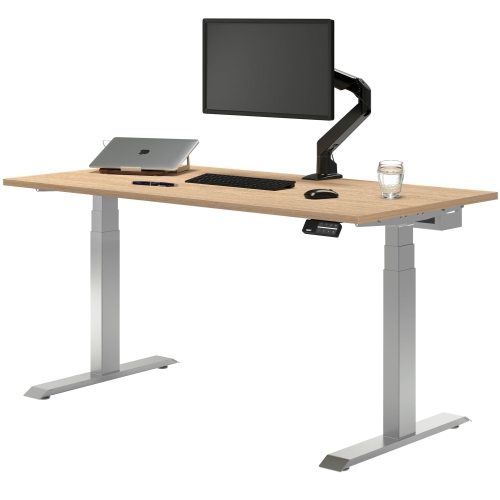
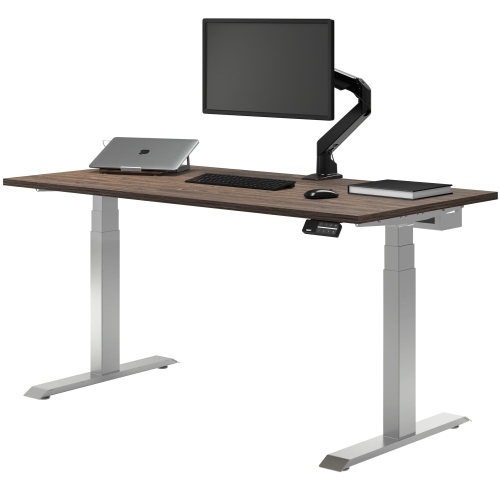
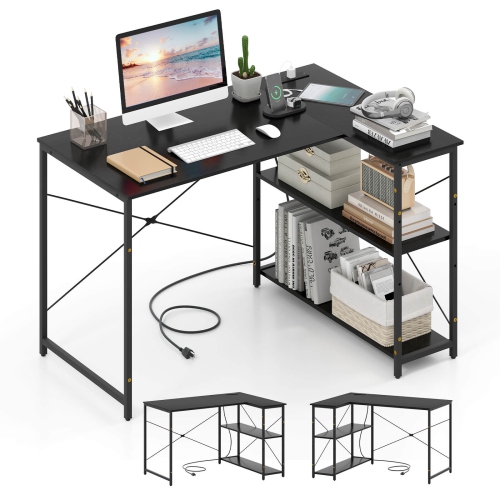
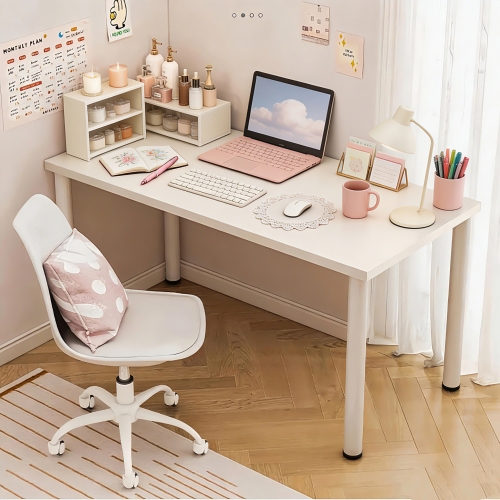
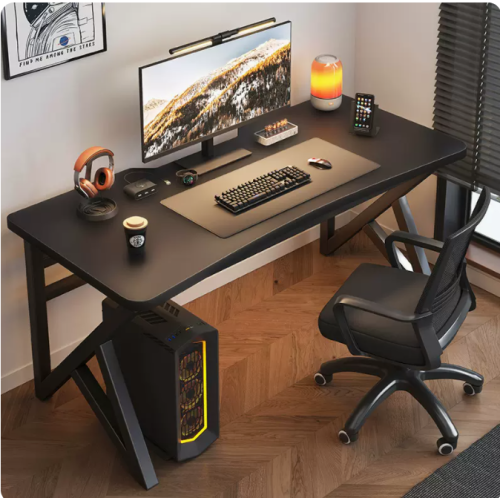
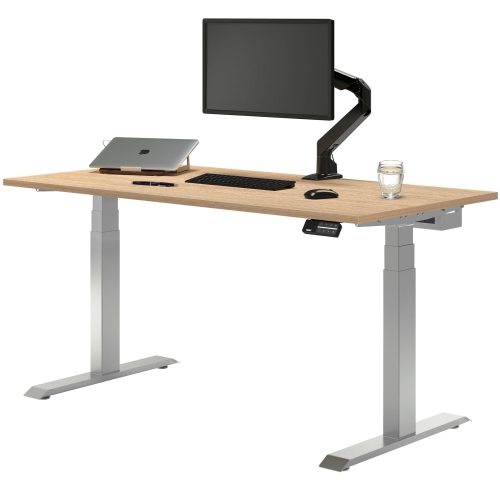
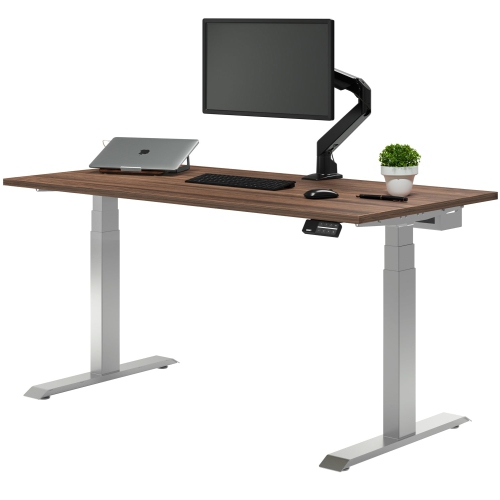
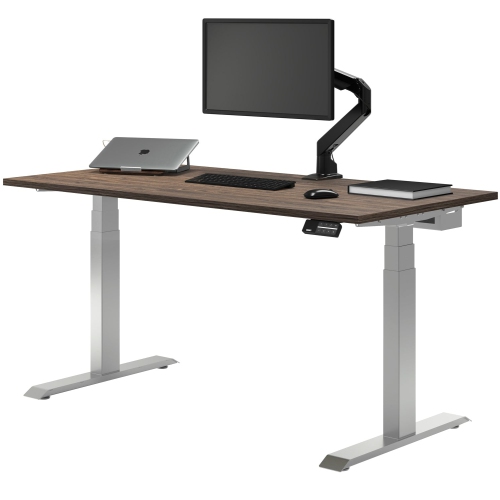
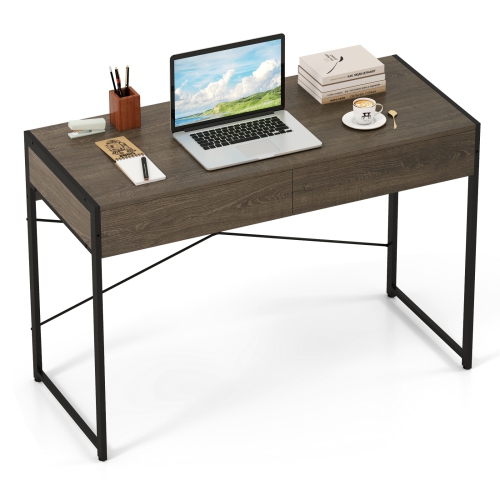
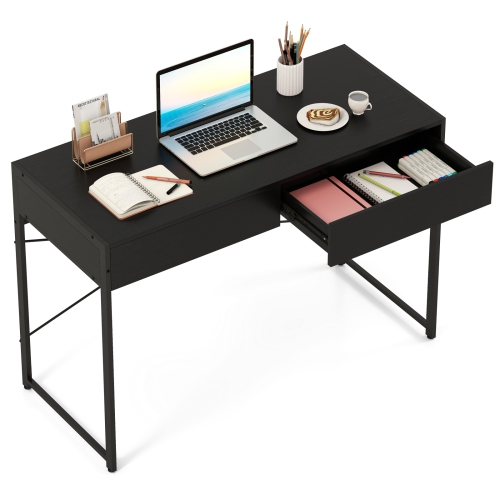
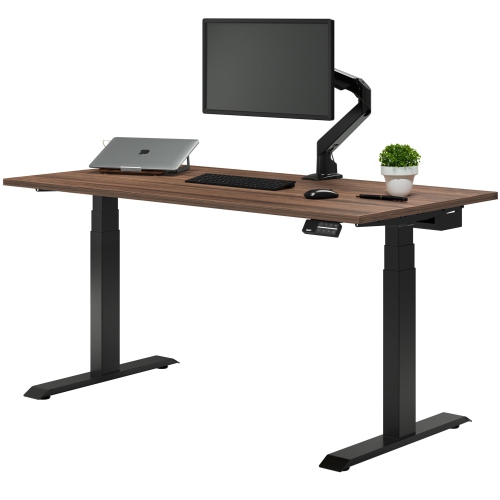
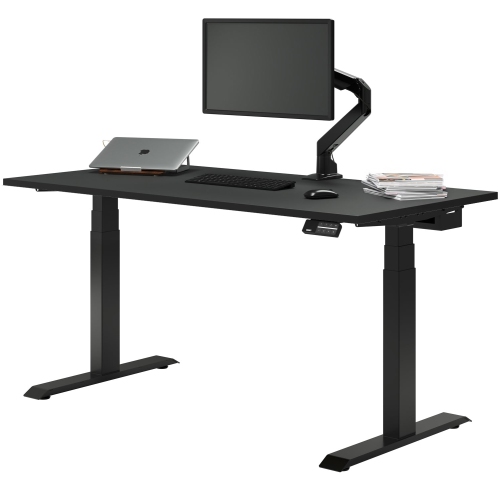

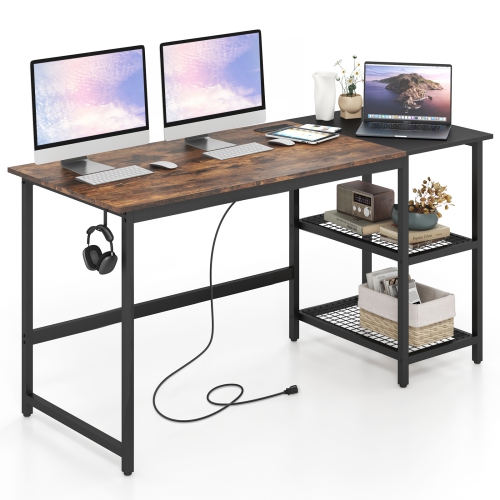
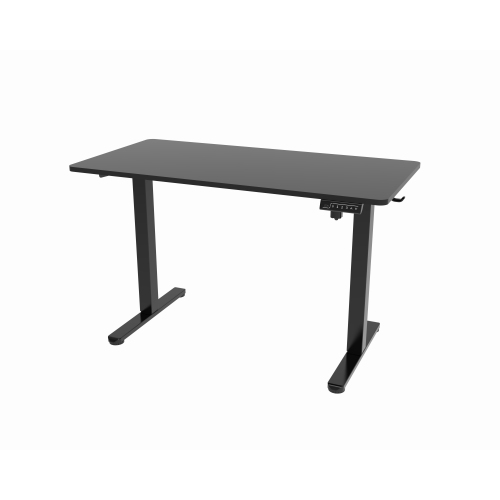
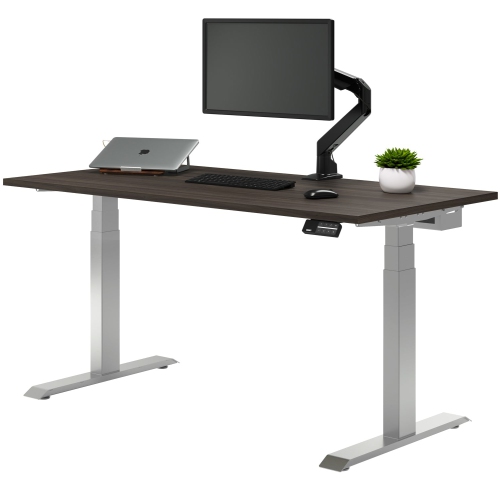
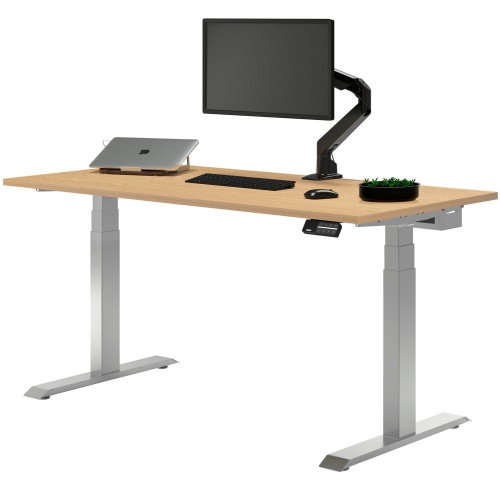
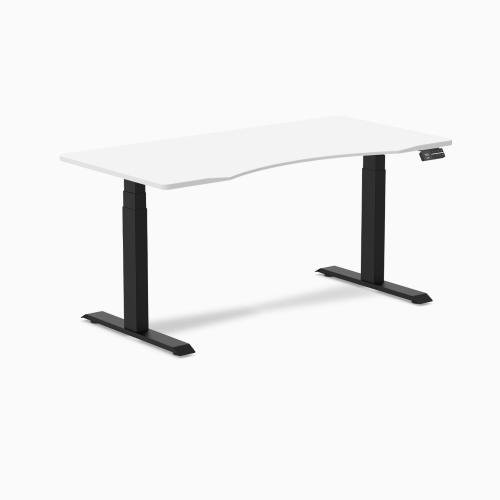
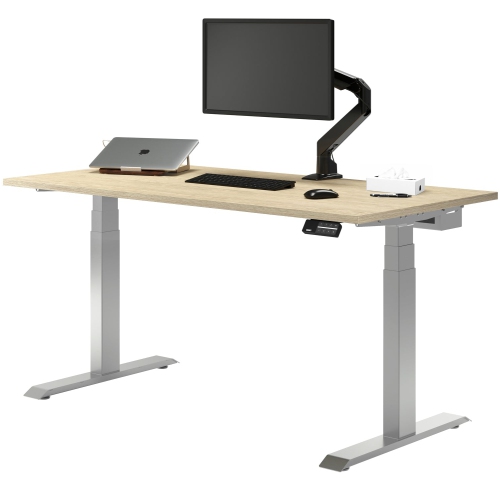
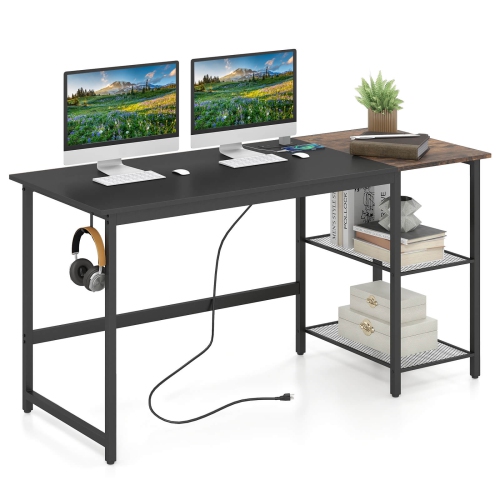
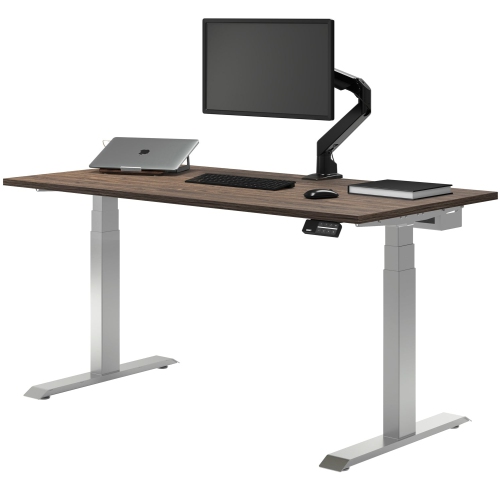
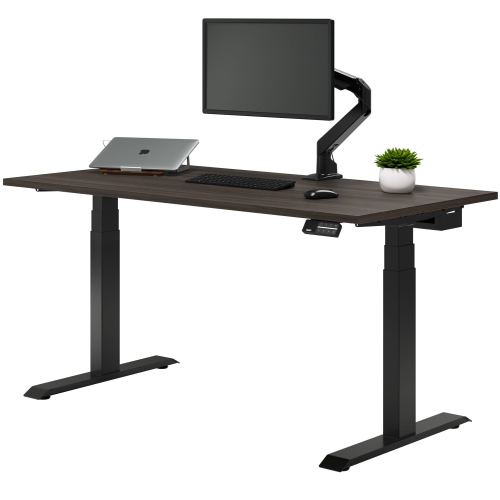
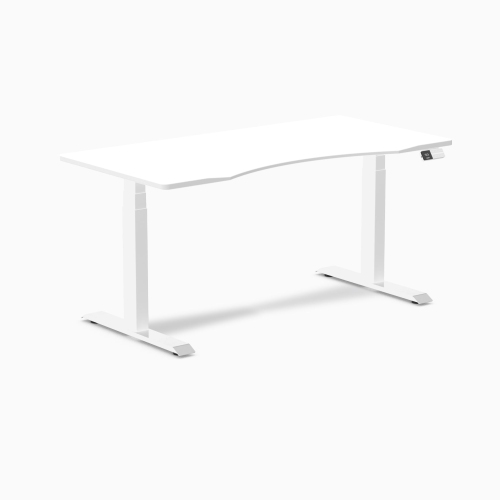
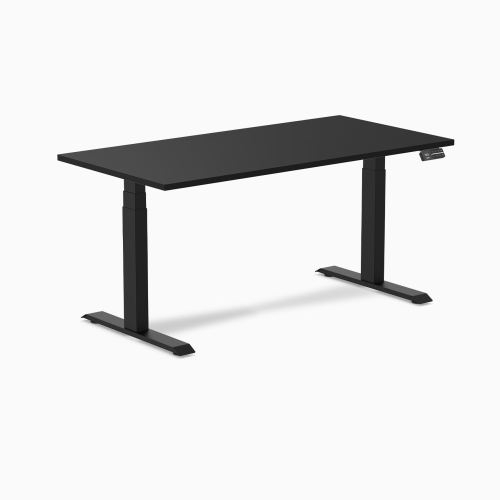

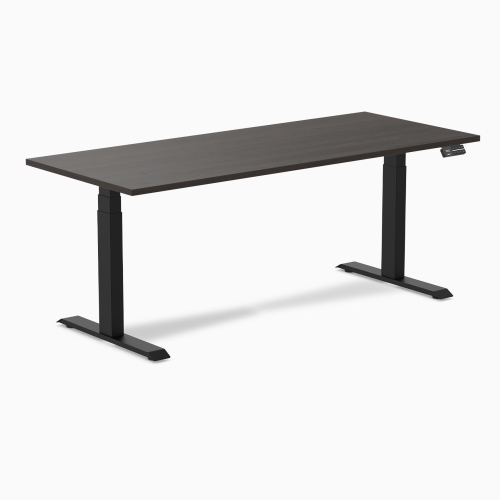
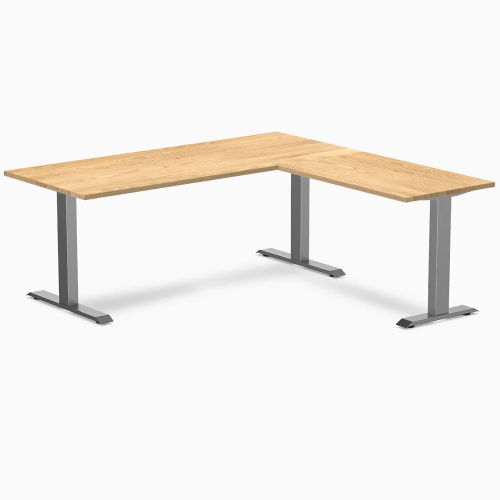
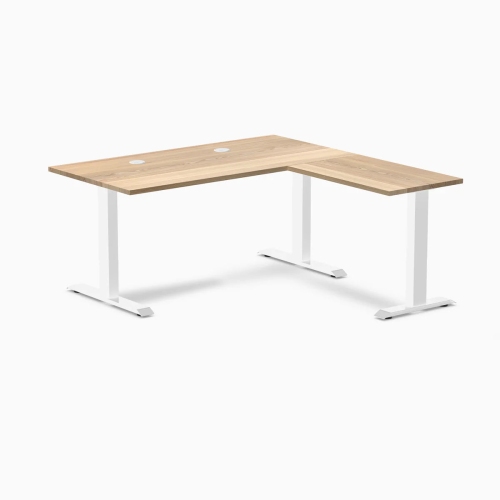
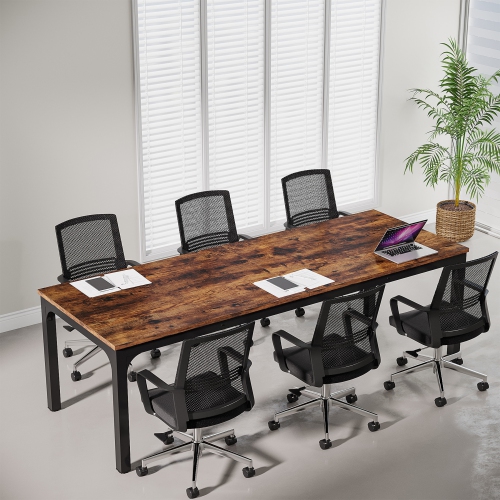
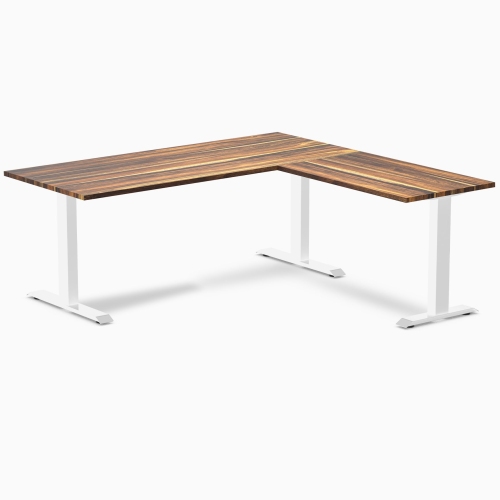
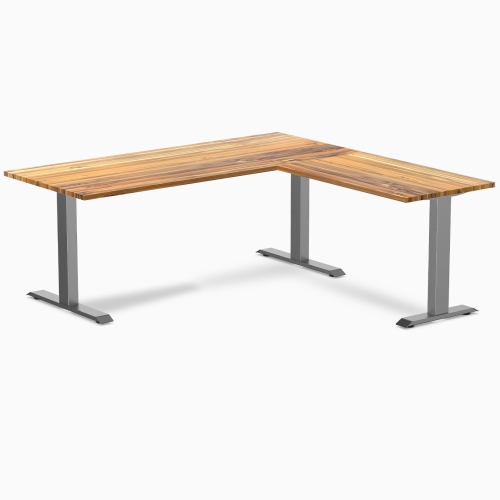
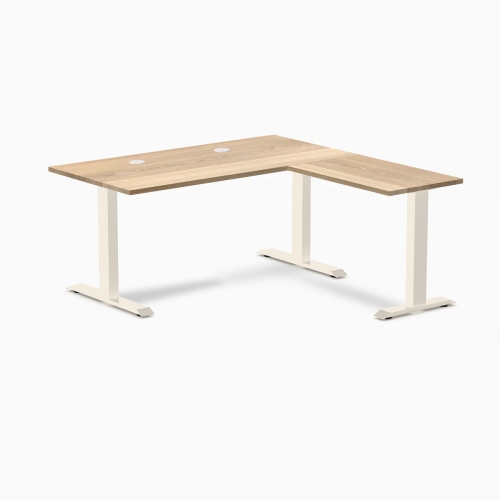
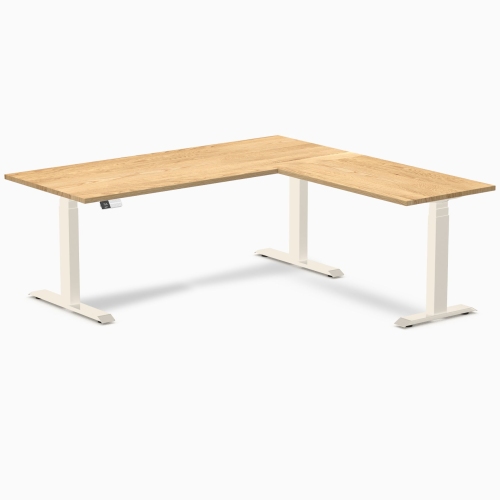
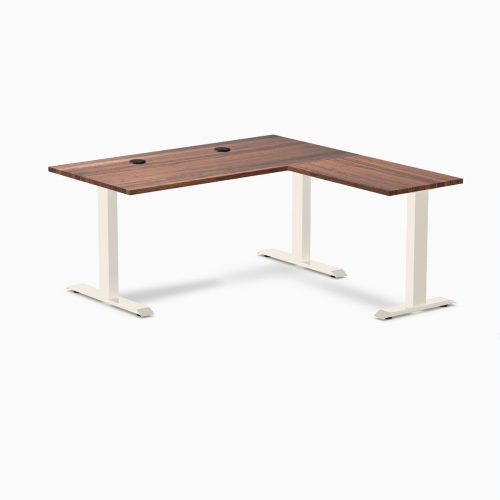
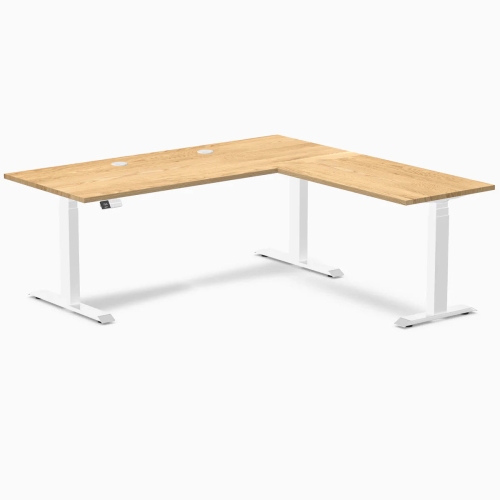
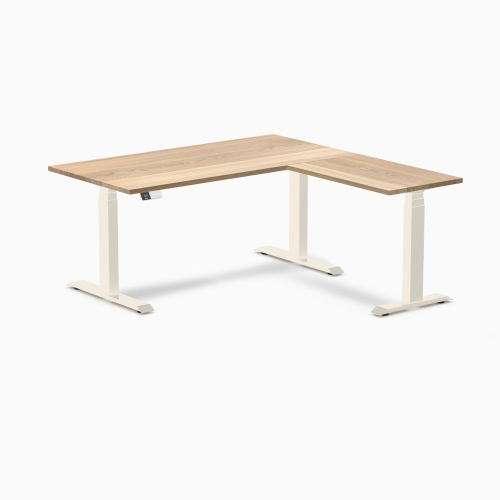
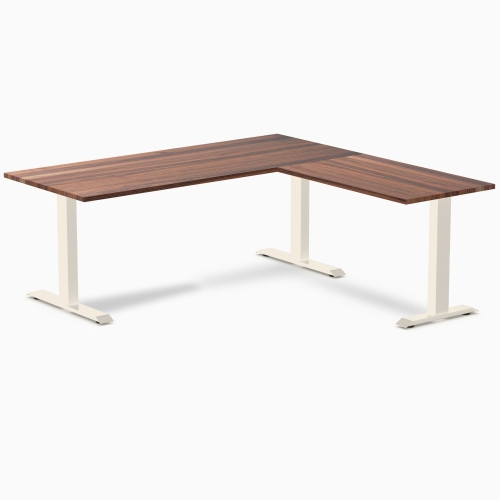
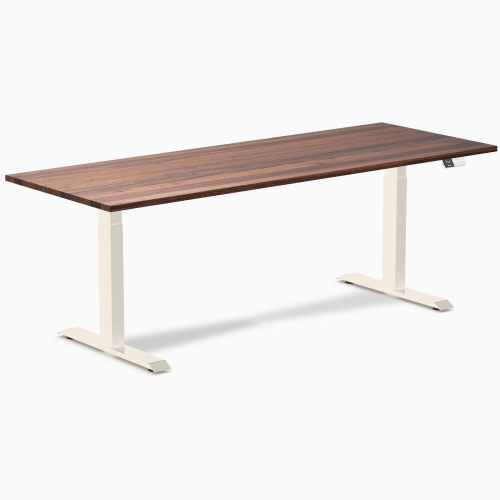
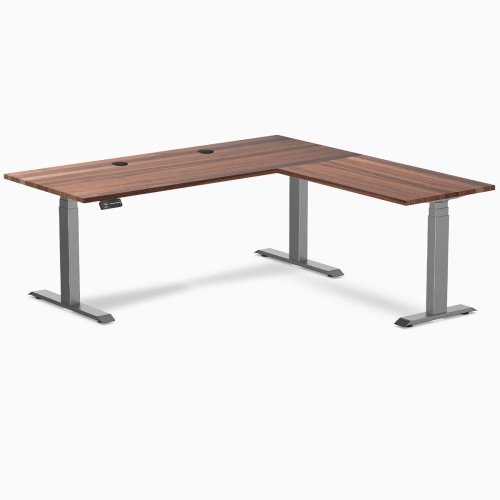
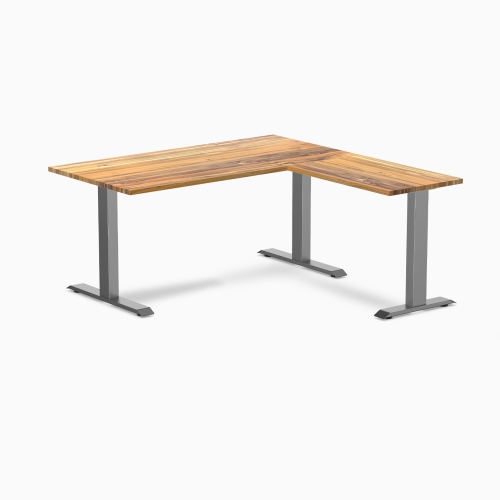
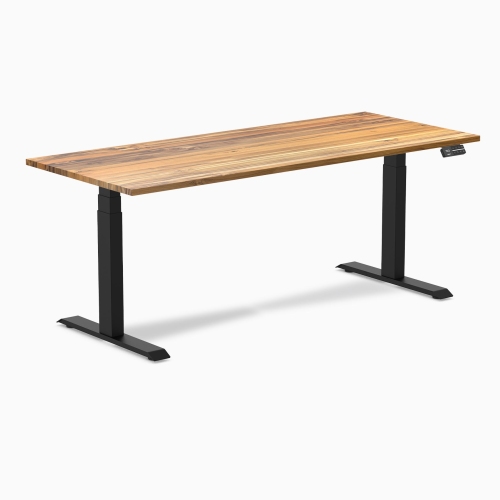
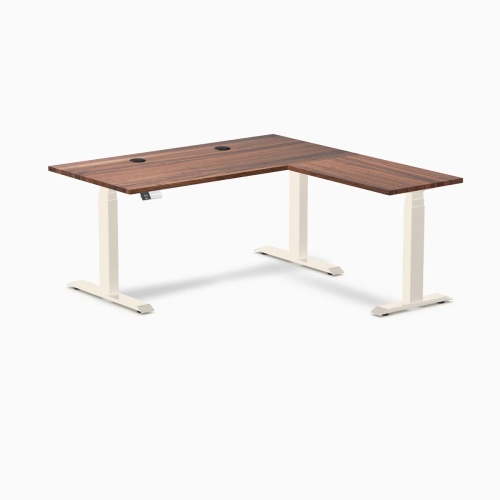
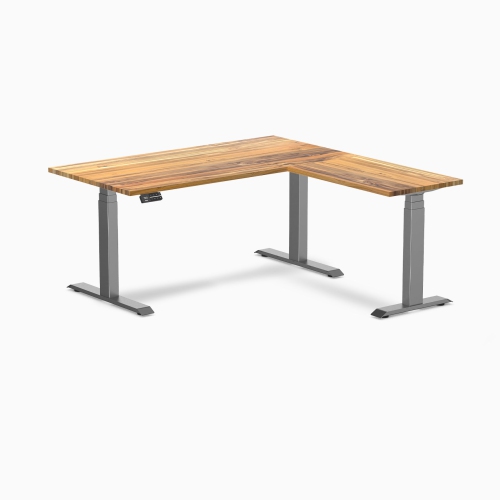
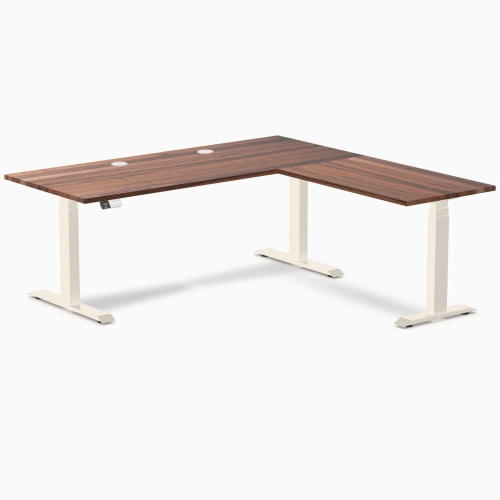
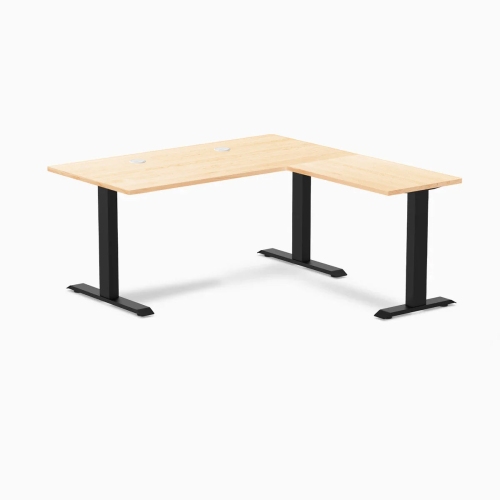
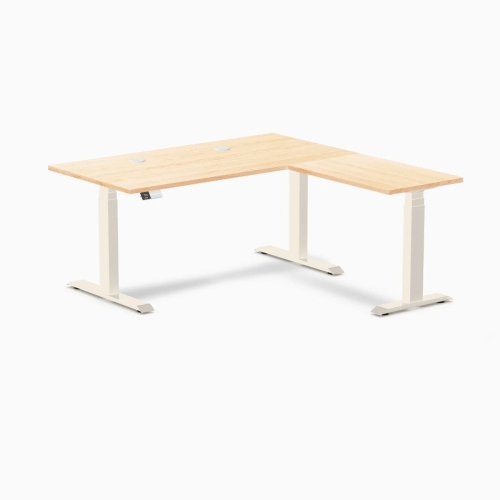
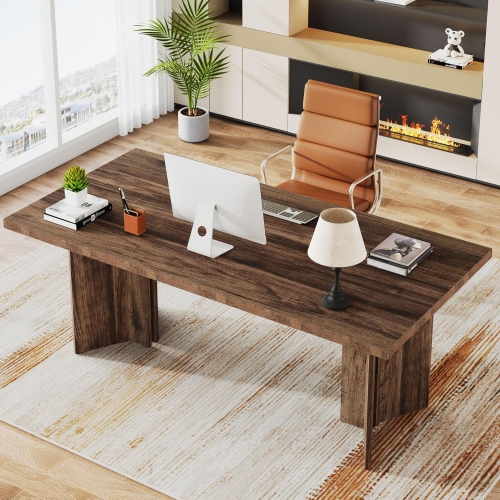
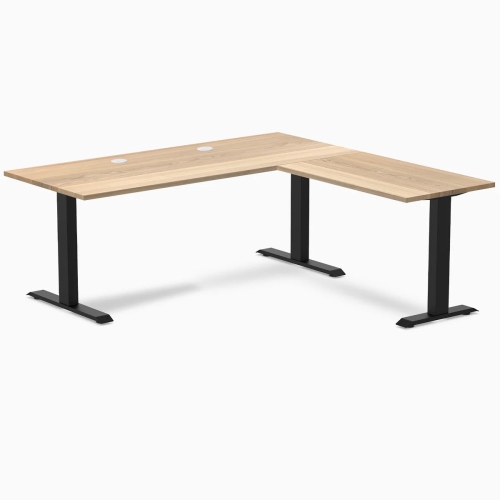
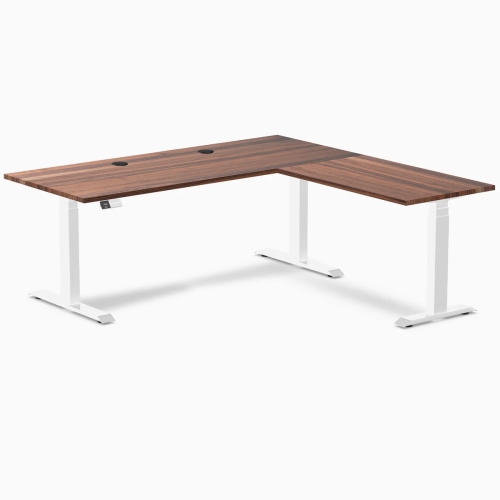
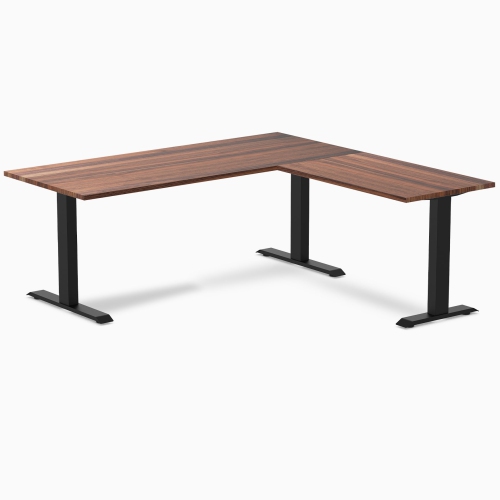
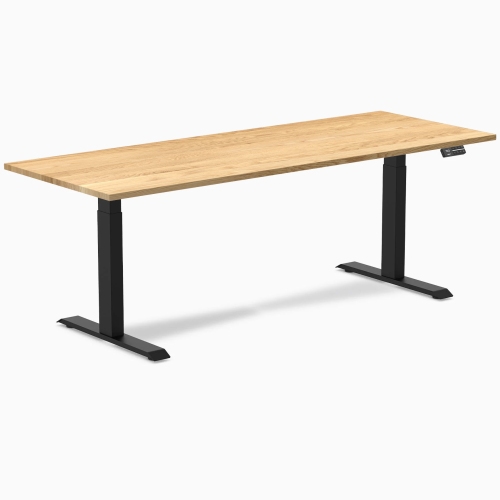
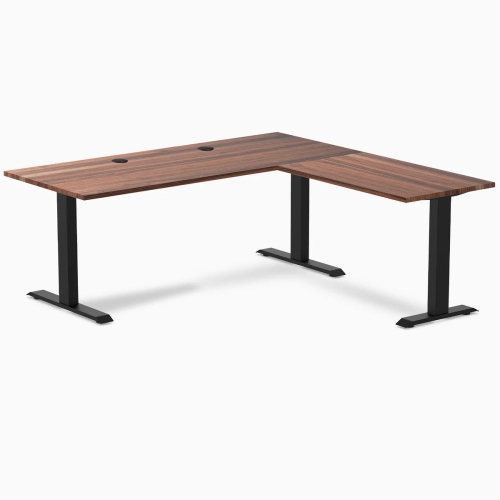
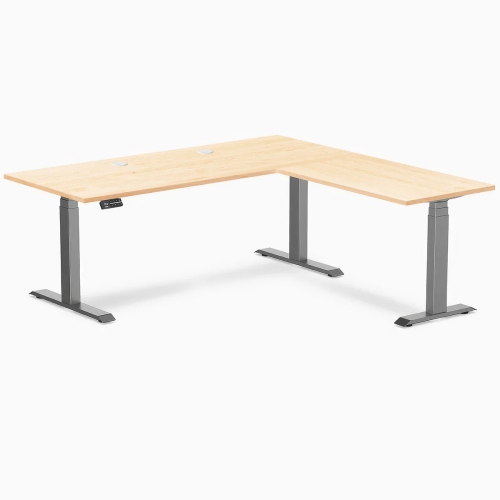
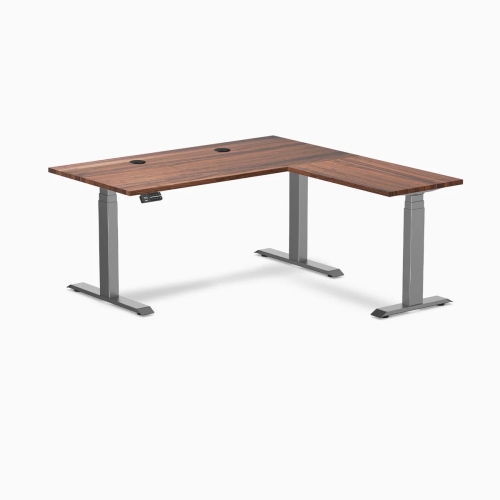
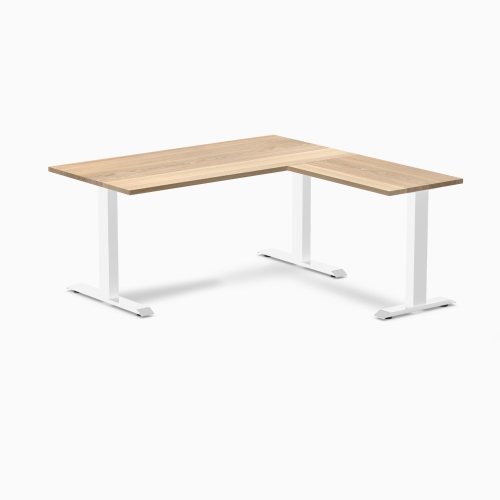
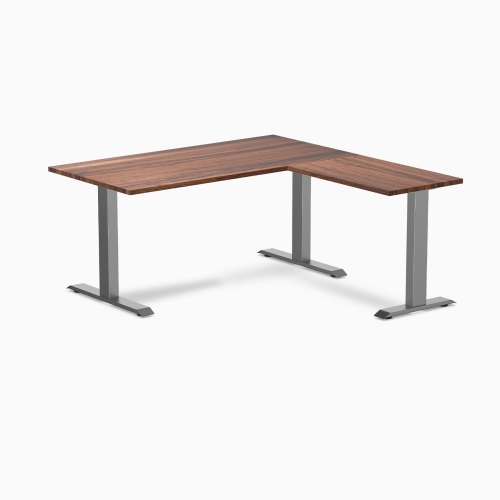
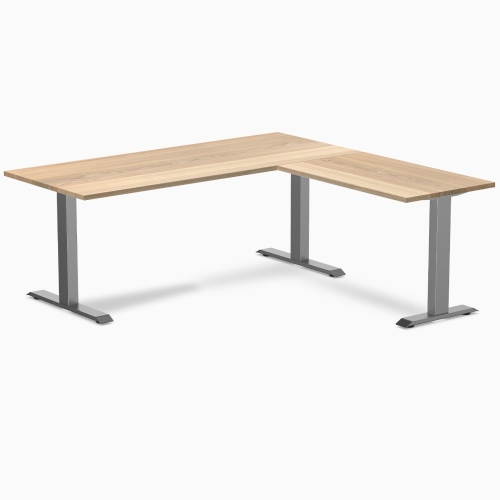
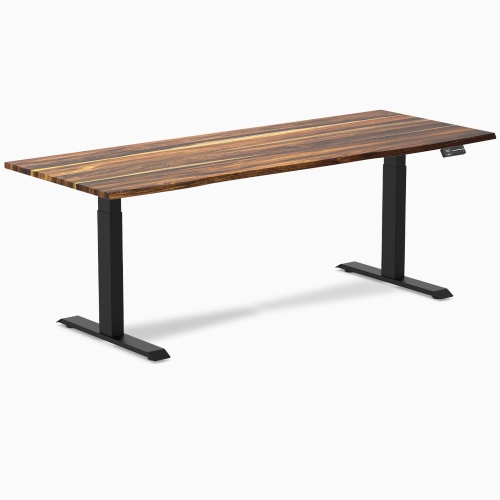
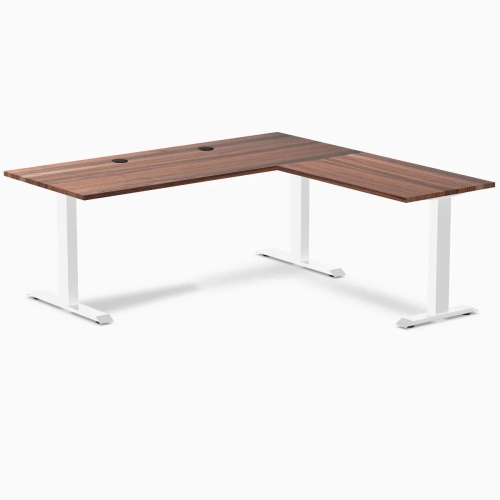
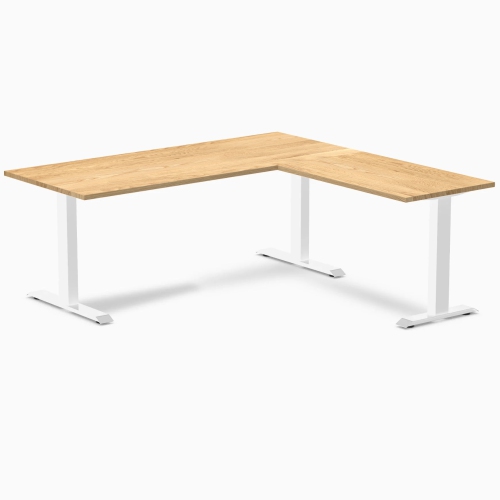
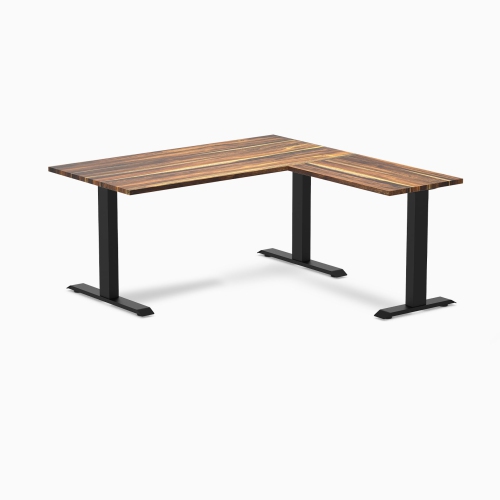
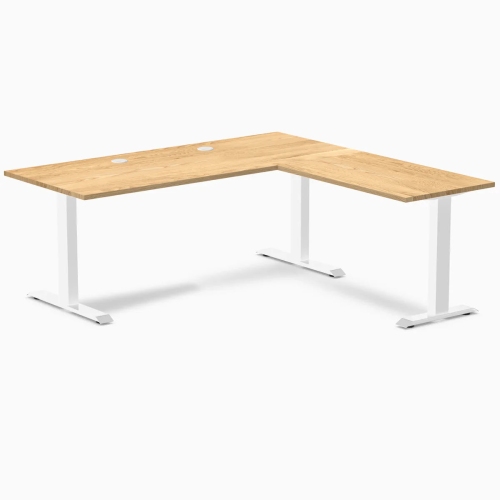
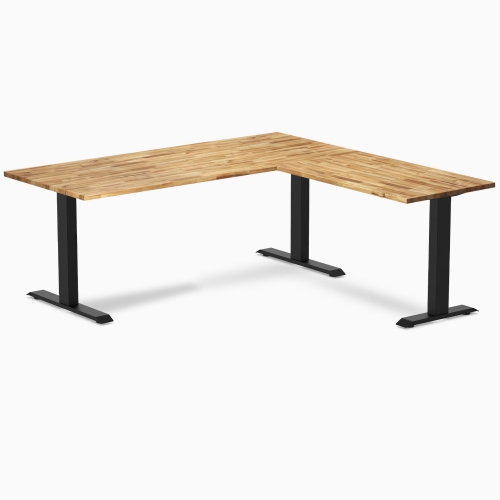
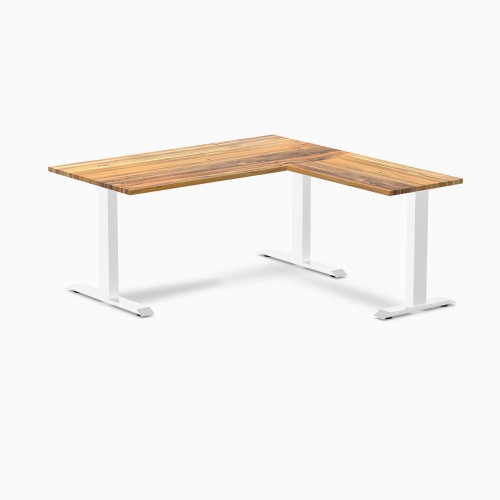
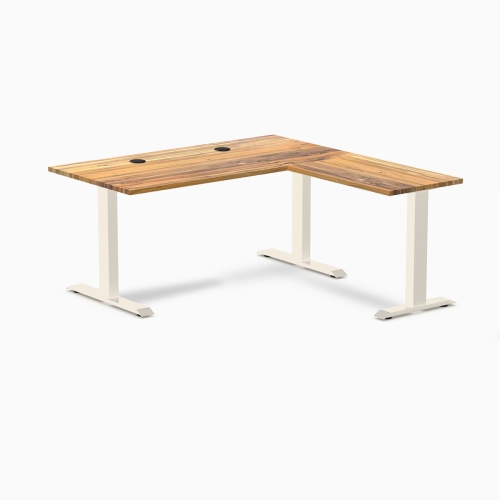
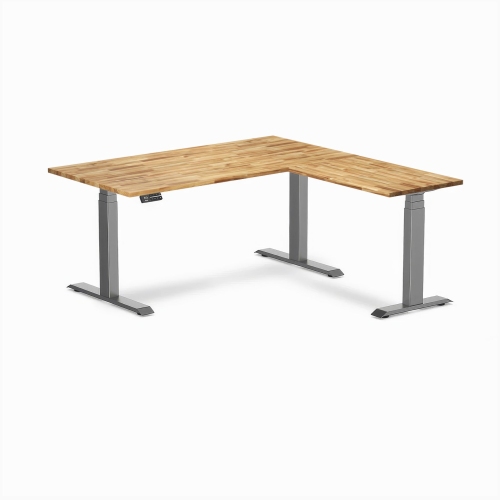
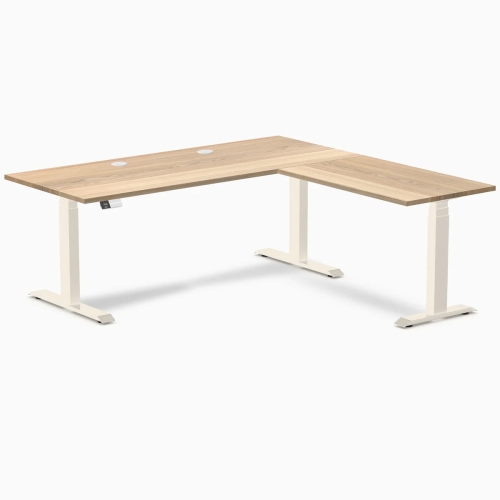
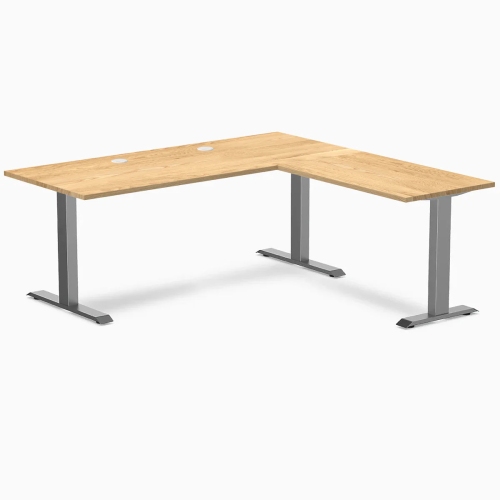
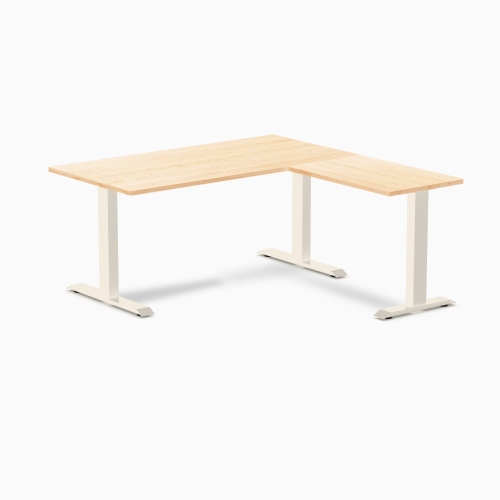
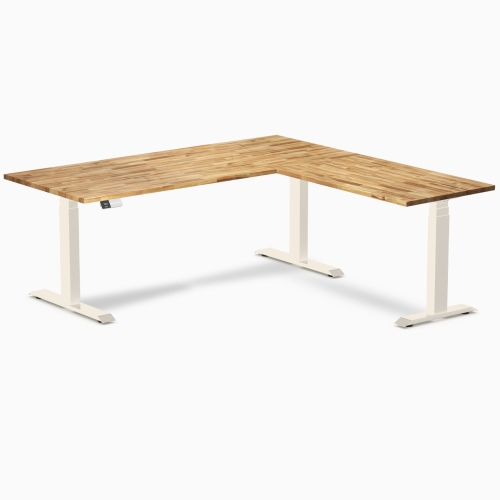
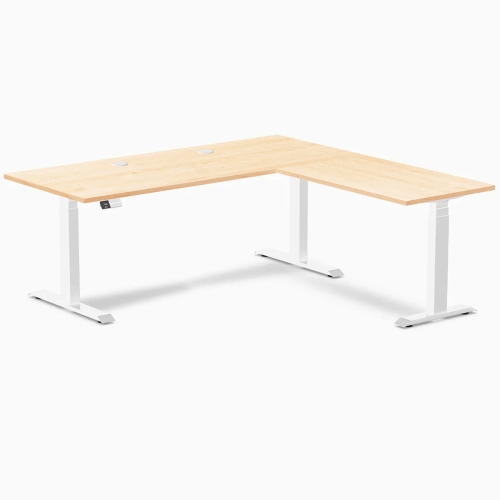
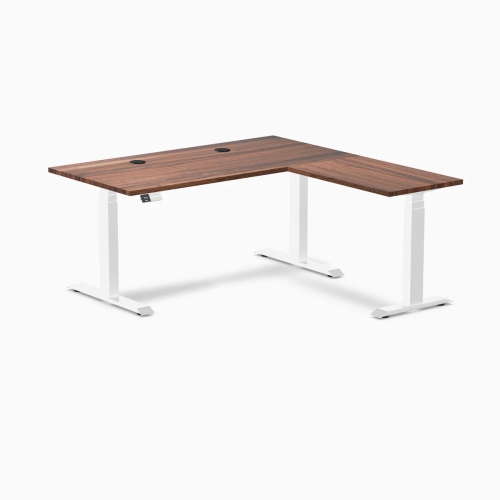
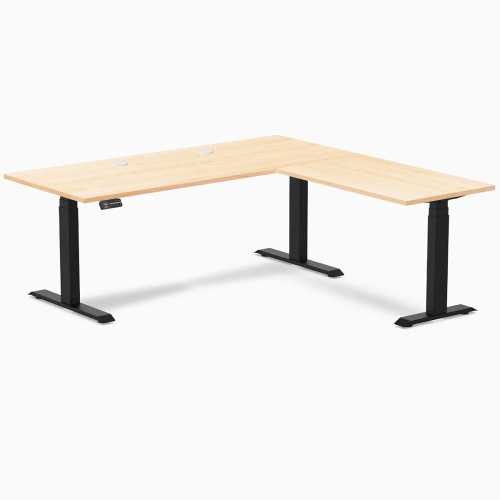
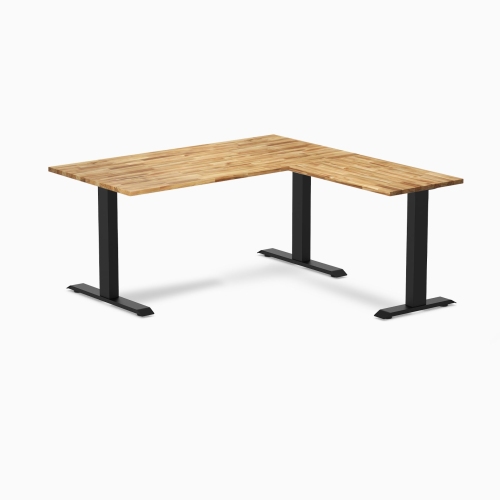
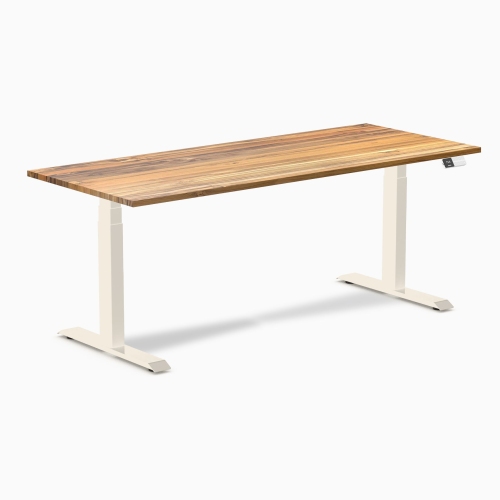
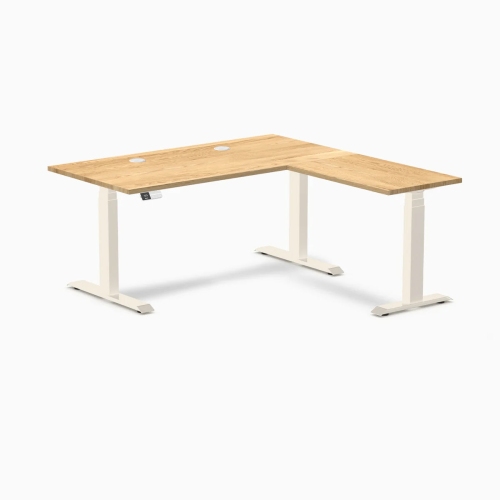
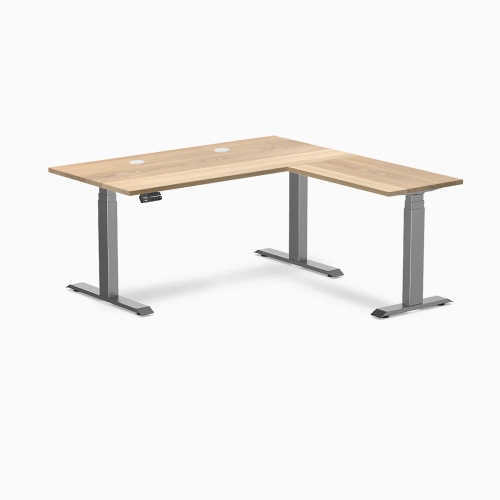
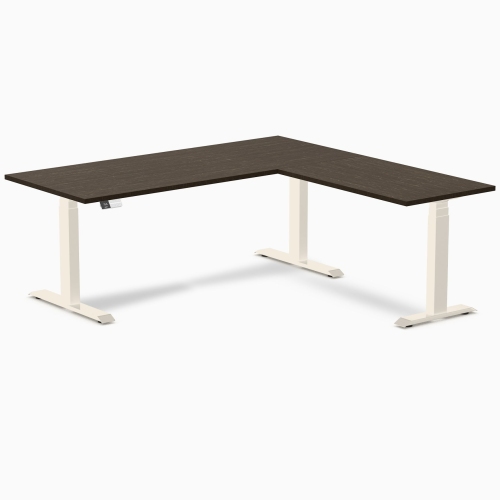
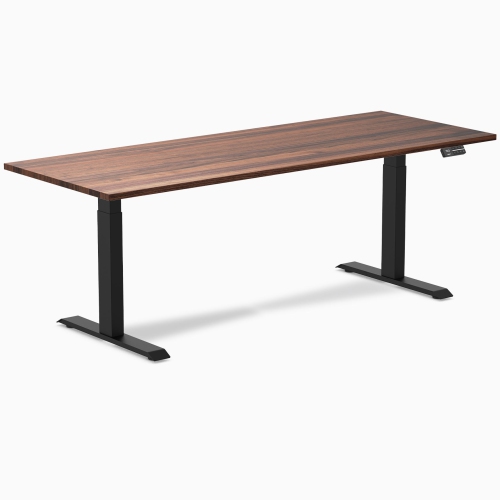
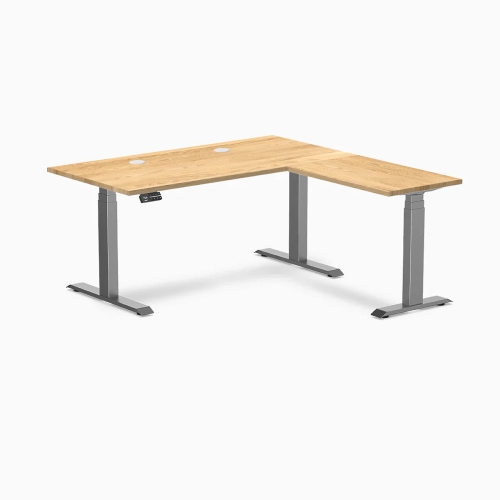
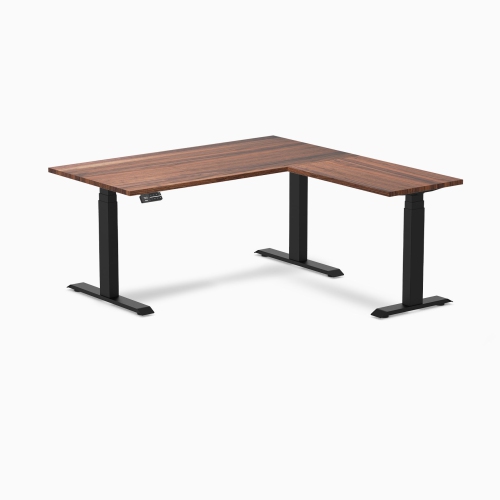
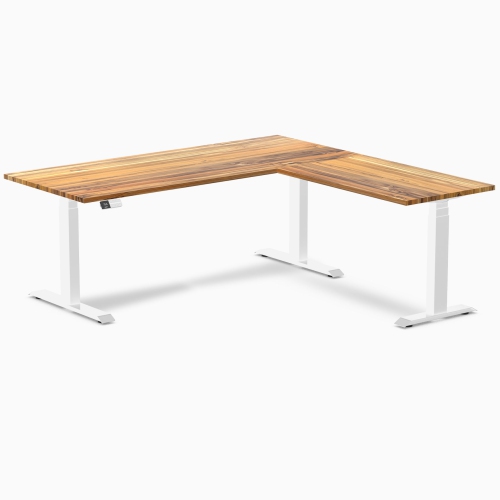
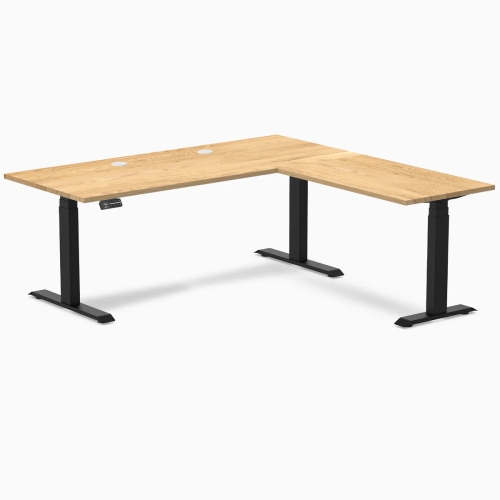
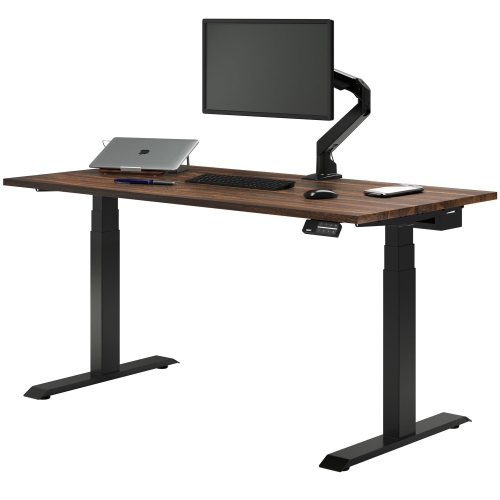
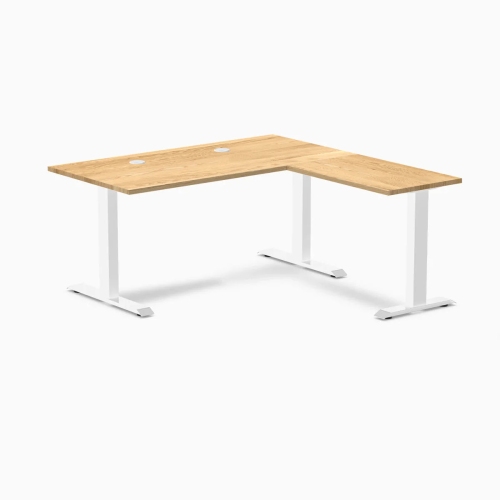
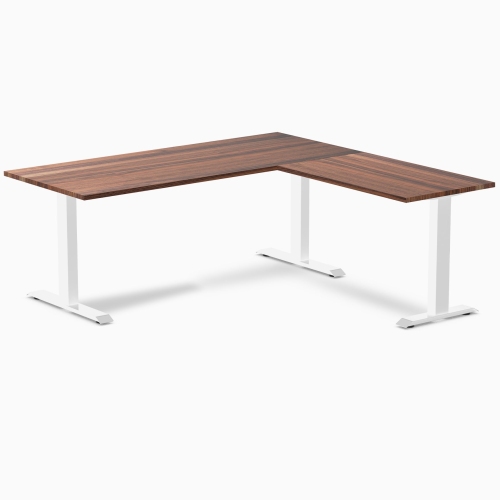
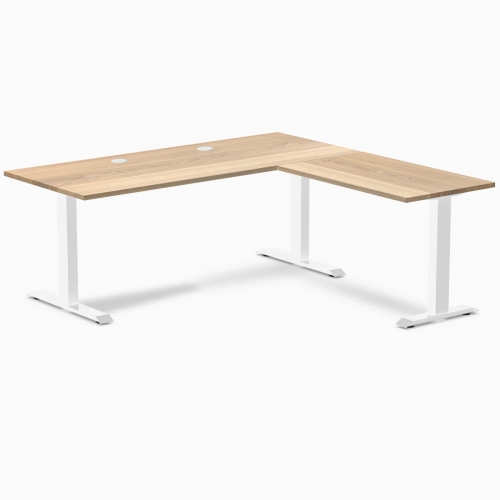
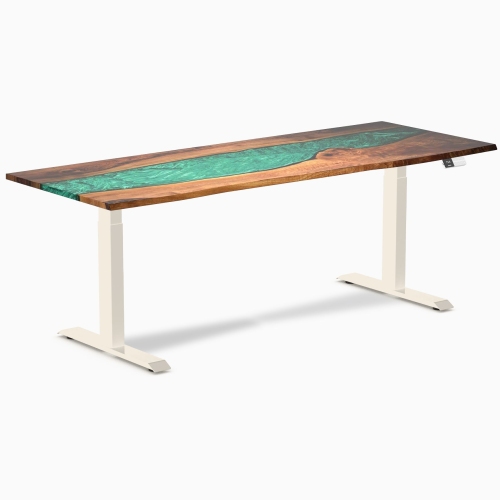
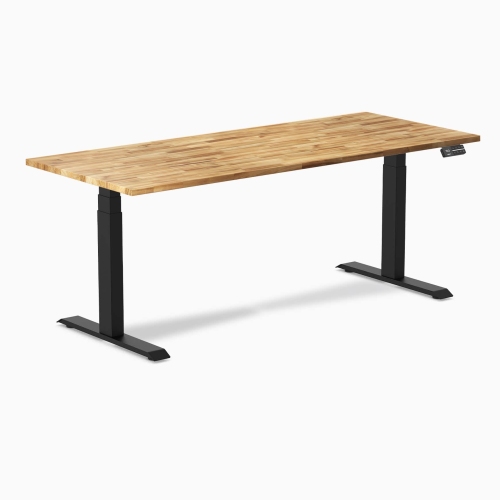
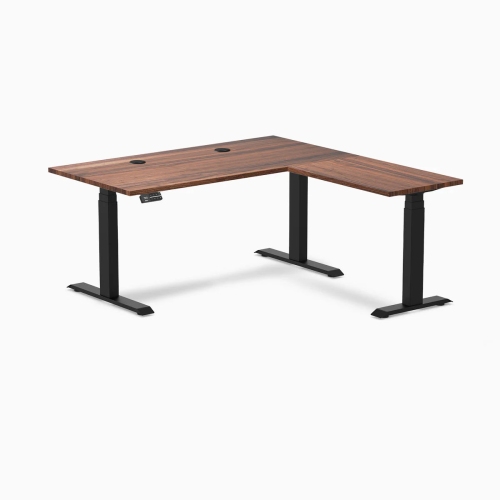
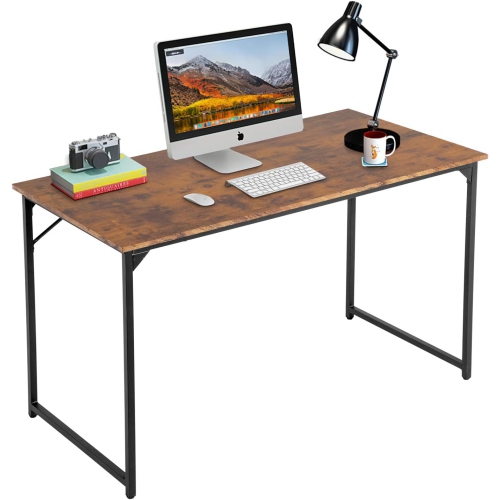
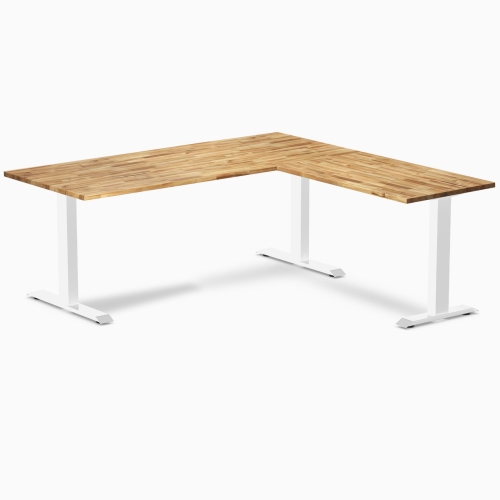
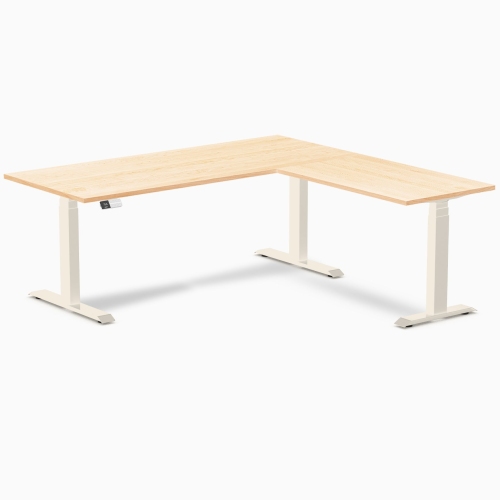
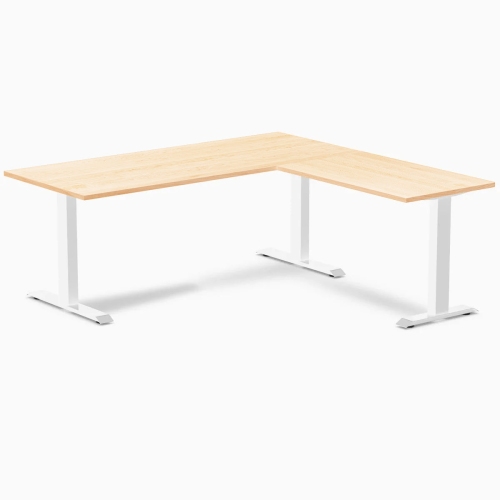
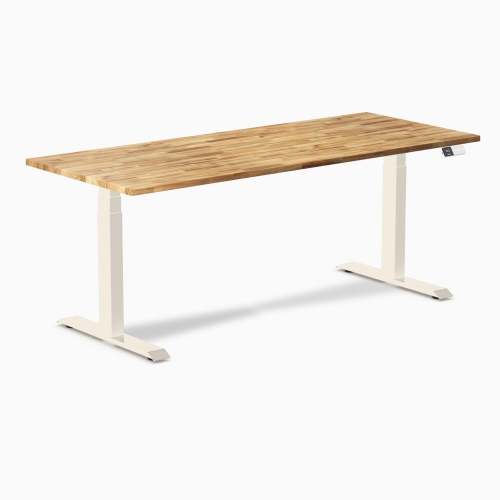
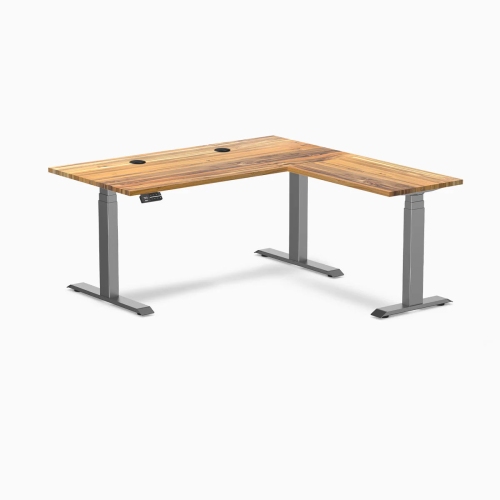
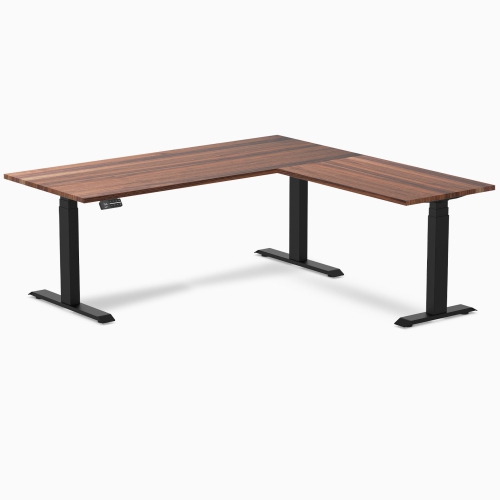
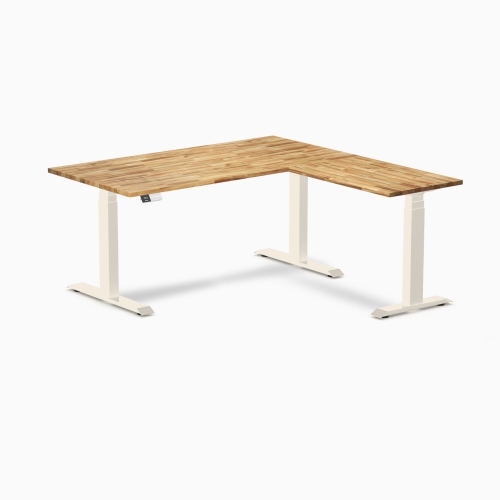
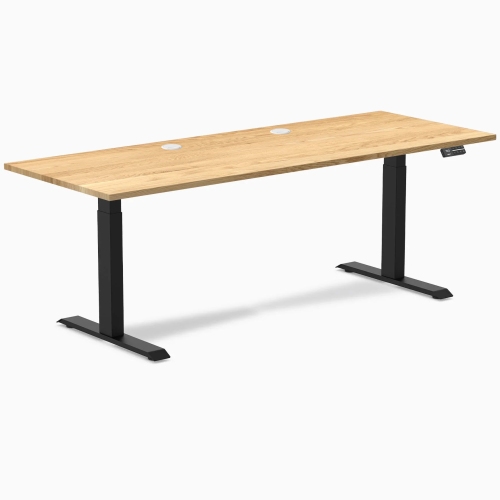
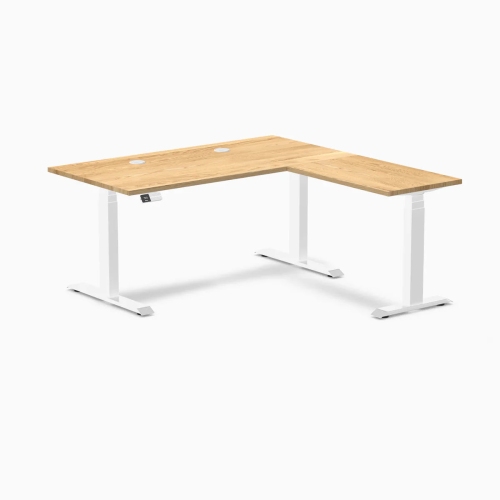
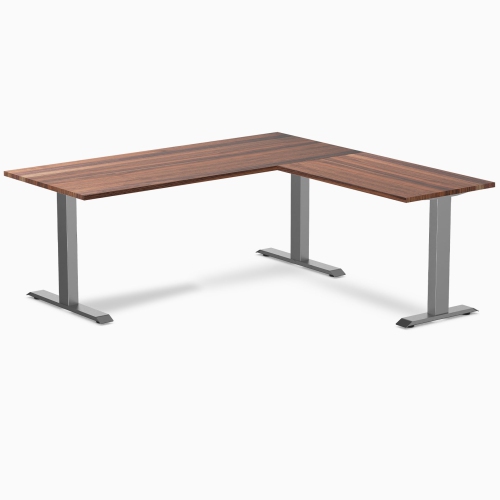
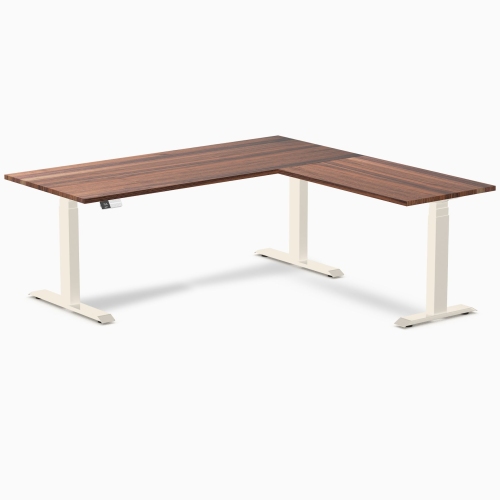
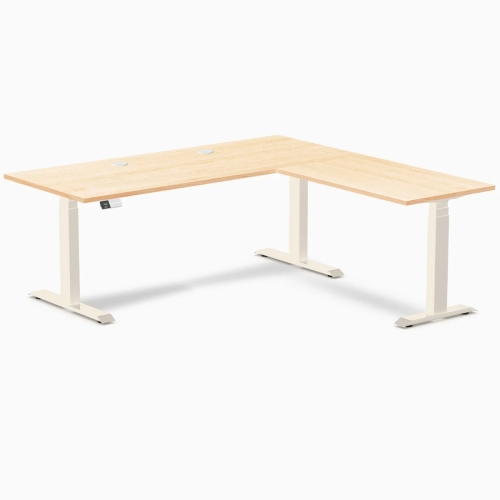
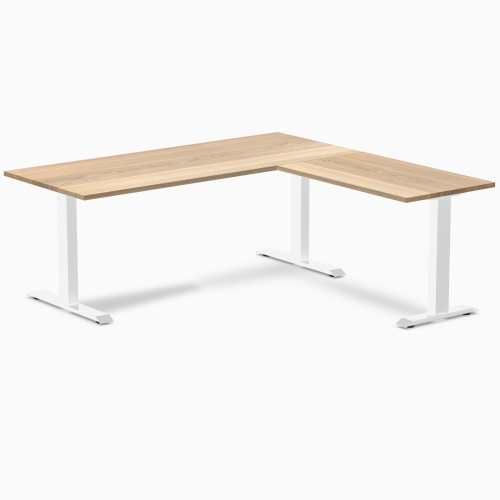
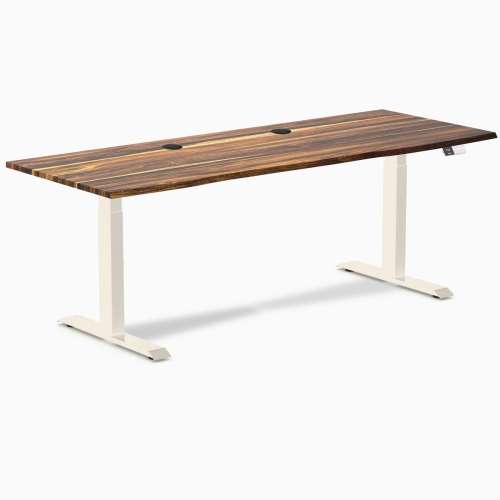
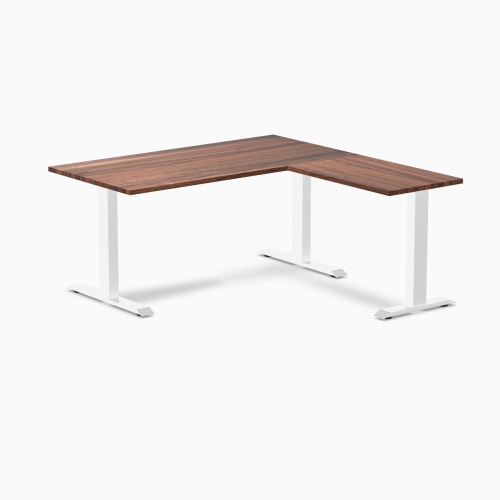
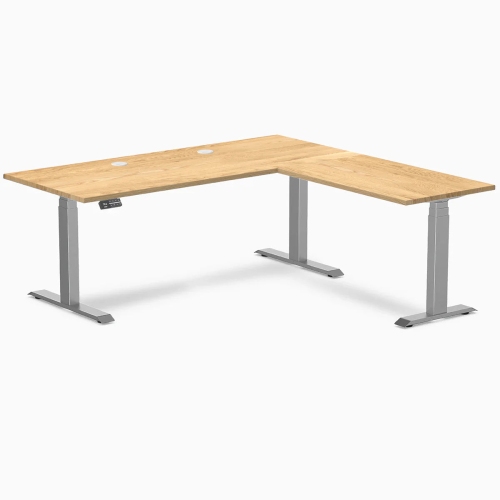
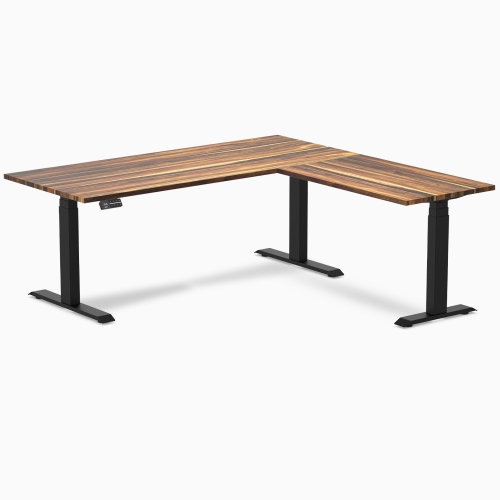
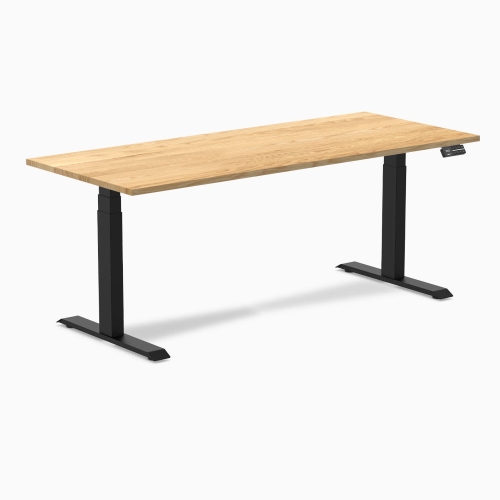
Desk strength goes beyond a thick desktop
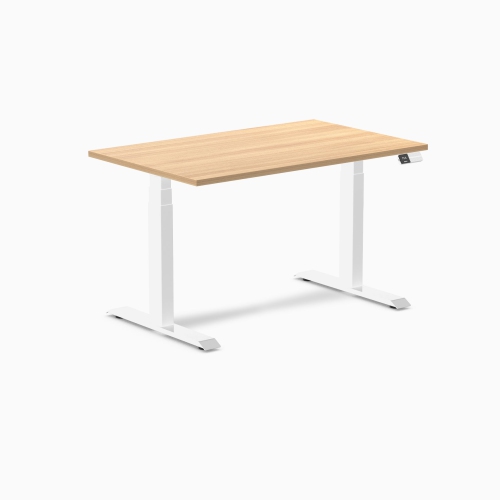
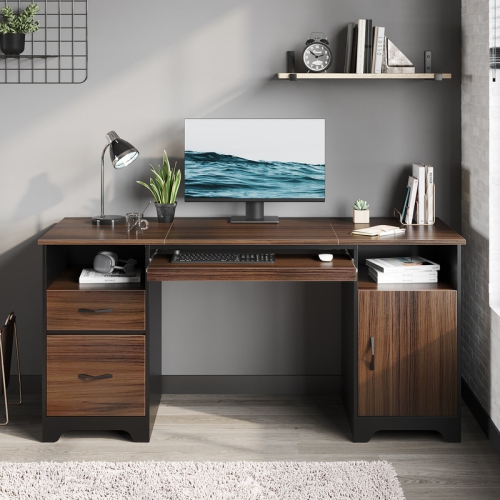
Heavy-duty desks are designed to support demanding work setups, with an emphasis on frame strength, surface durability, and stability during everyday use. They can include reinforced office desks, substantial gaming workstations, height-adjustable desks with higher load ratings, and workbench-style designs suited to practical tasks. The term “heavy-duty” does not indicate a single standardized weight capacity, so the desk’s stated load limit and intended use matter more than its appearance alone. A broad desktop may look substantial without having the same support as a smaller surface mounted on a braced steel frame. Steel legs, well-fitted joints, crossbars, and support rails can all contribute to a solid feel, especially when typing, drawing, or working with several screens. Desktop materials bring different advantages. Solid wood offers natural grain and a surface that may be repairable or refinishable, depending on its construction and finish. Engineered wood with a laminate or melamine surface can provide a smooth, consistent work area that is straightforward to wipe clean. Metal tops are more closely associated with workshop tasks, although their suitability depends on the finish and the work being done. Surface thickness is worth considering alongside the underlying support structure, particularly across a wide span. Edge construction also makes a difference: a neatly finished front edge is more comfortable against forearms, while secure edging helps protect vulnerable corners from everyday knocks. For someone using a desktop computer, several monitors, speakers, and reference books, strength means more than holding everything at rest. It also means maintaining a dependable working surface when a keyboard is in use or equipment is being repositioned. Workshop-style use has different demands, and a desk intended for computer work should not be assumed suitable for hammering, mounting a vice, or supporting machinery unless the manufacturer expressly permits those tasks.
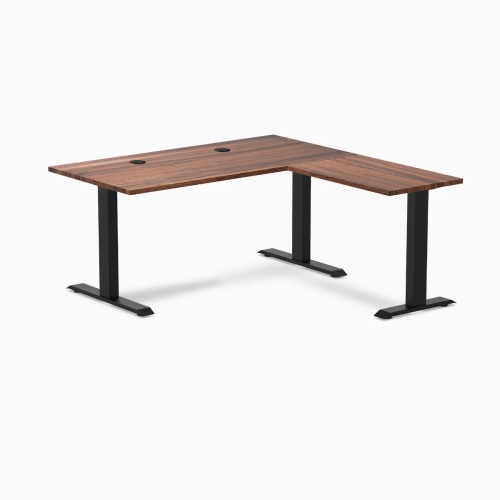
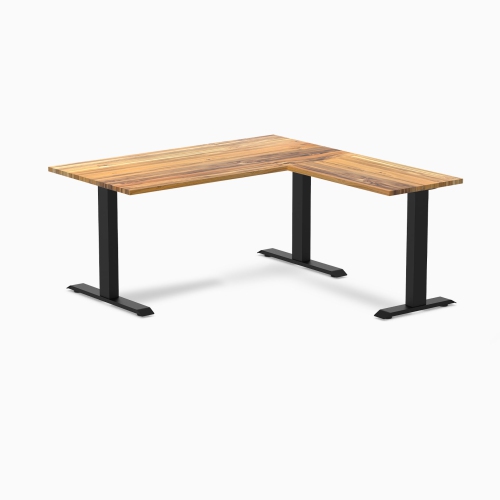
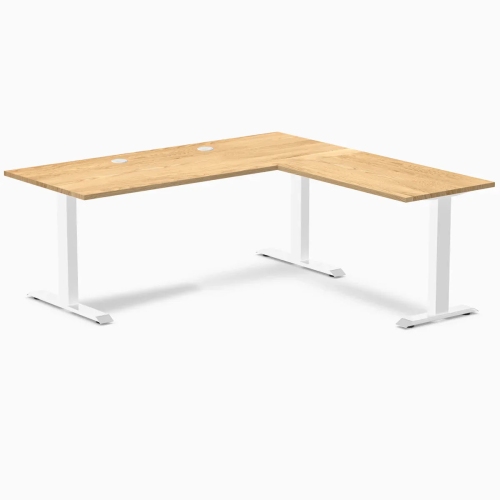
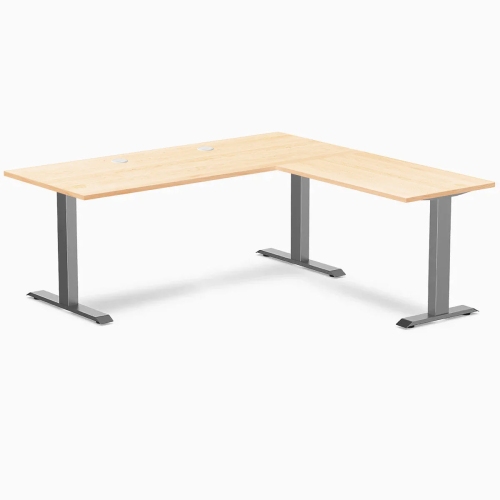
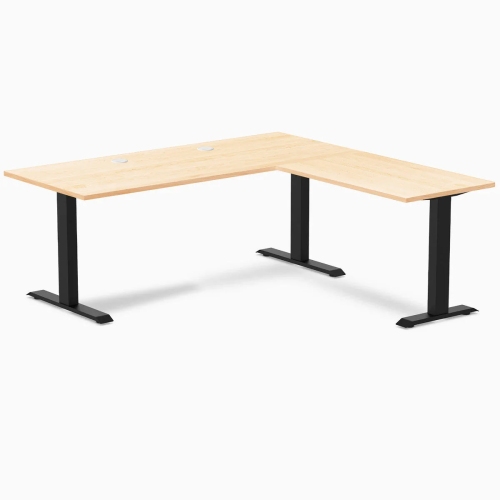
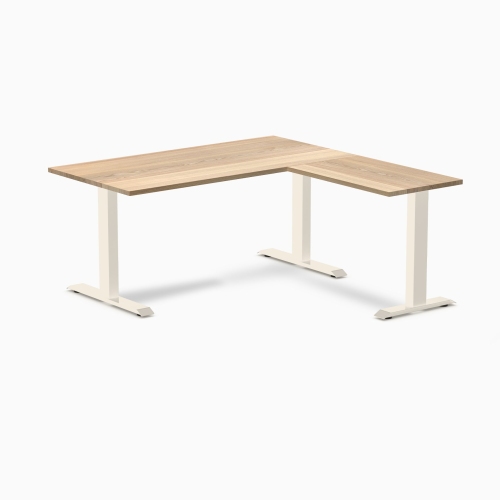
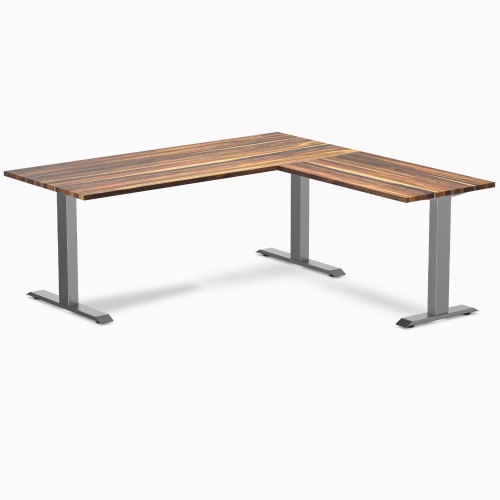
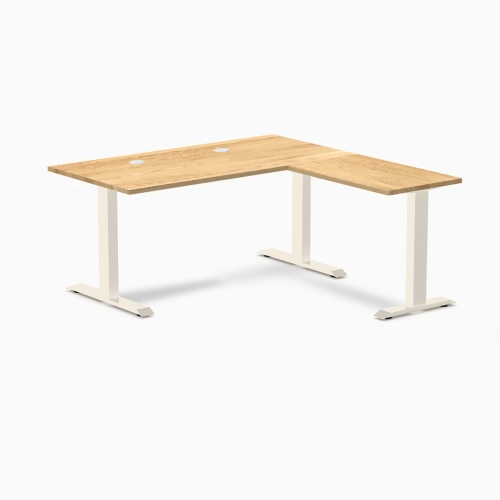
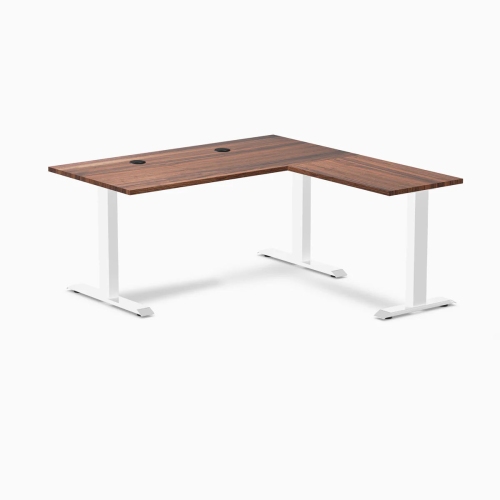
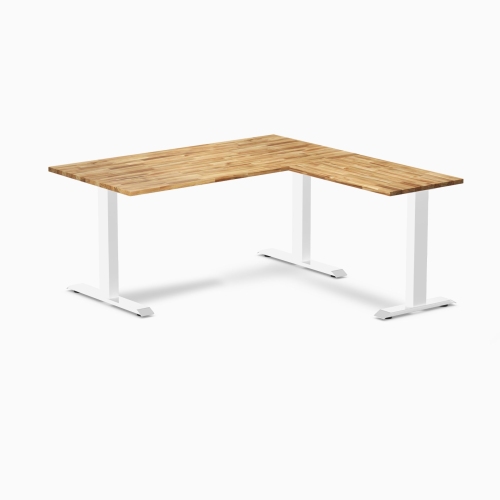
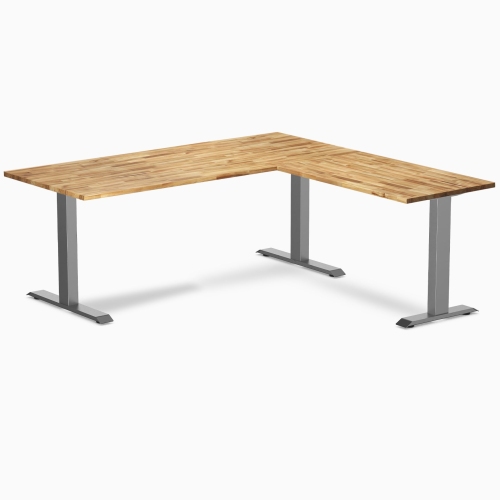
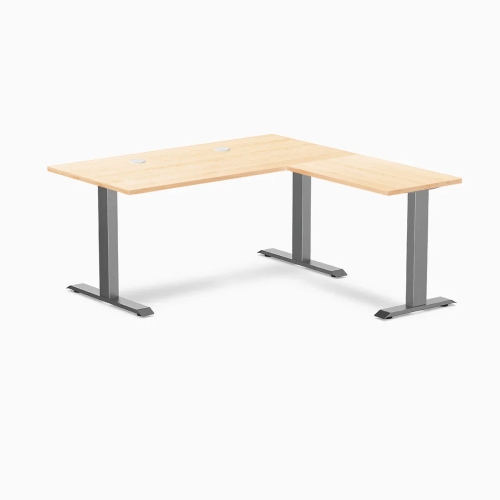
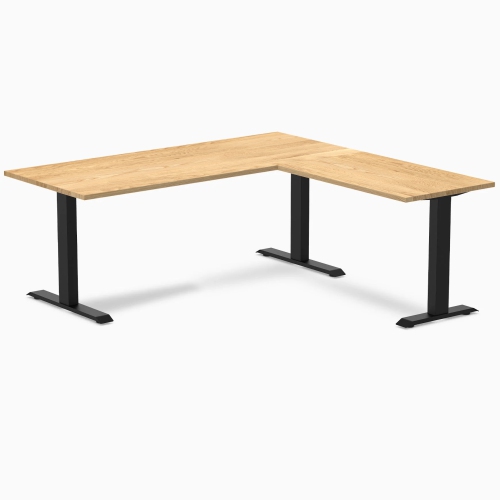
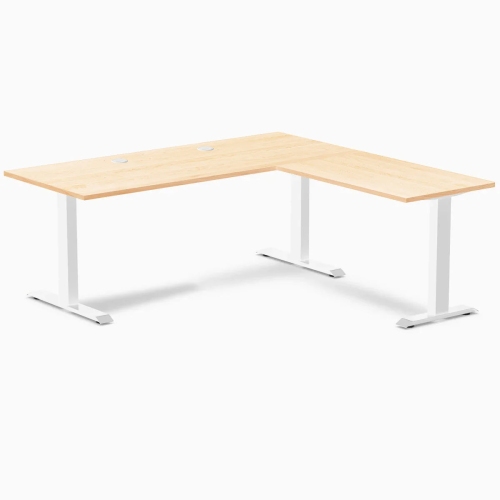
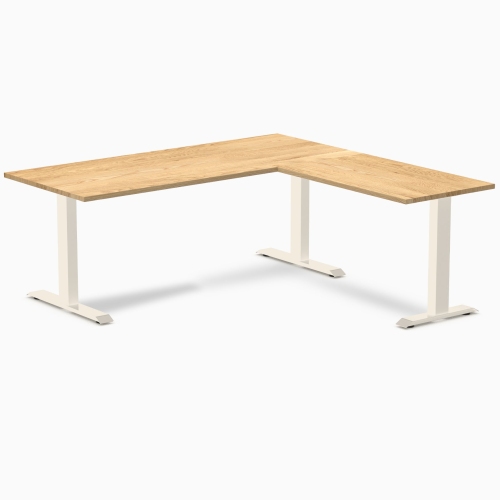
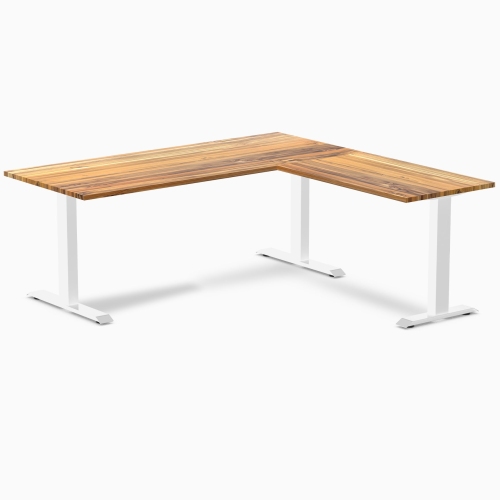
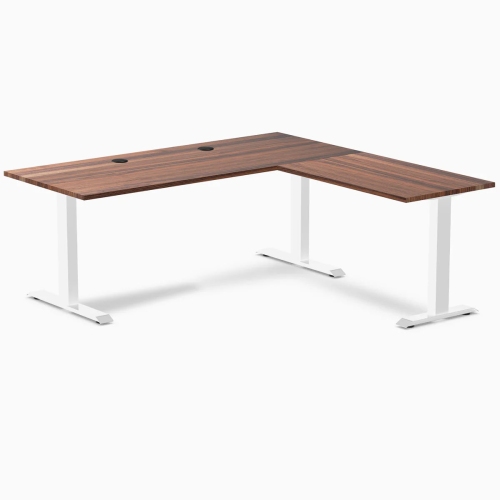
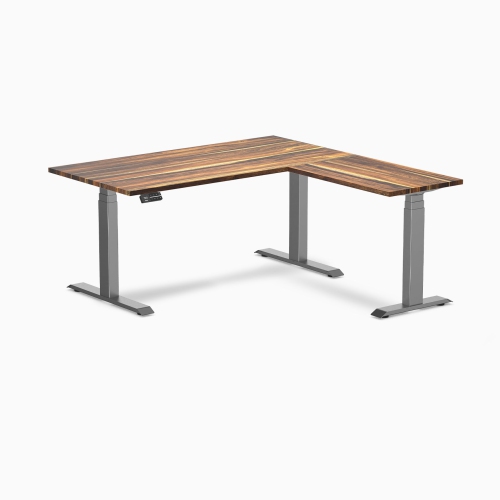
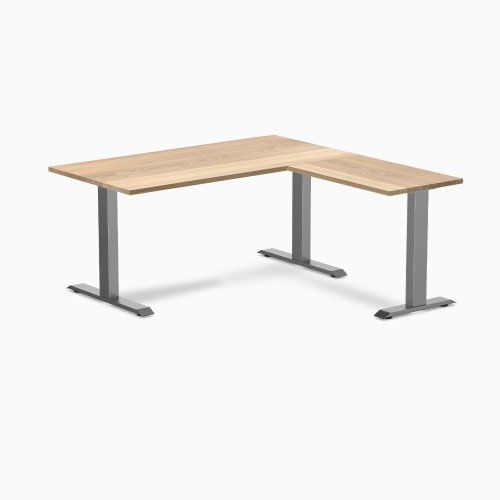
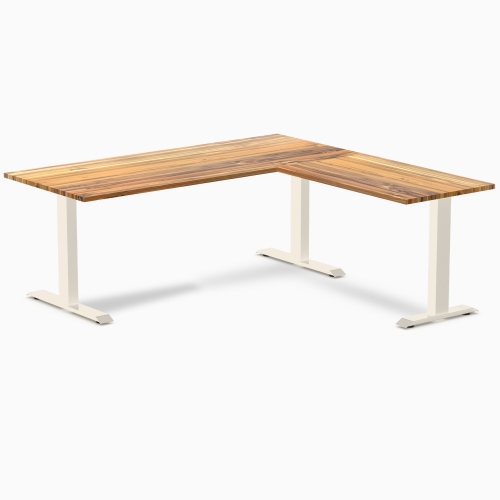
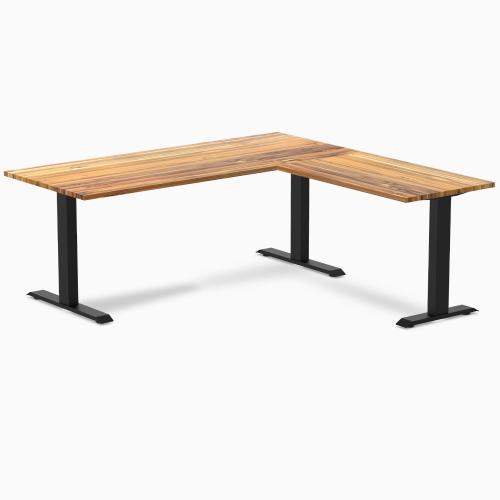
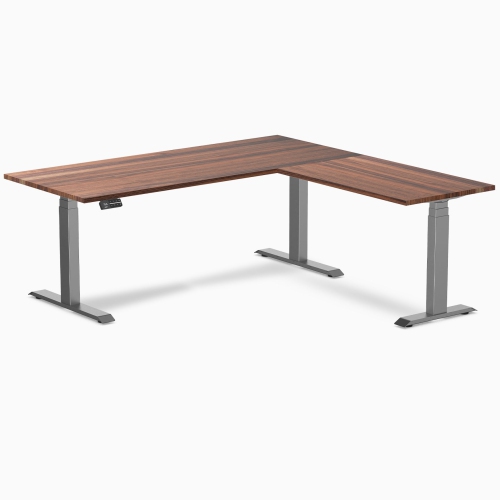
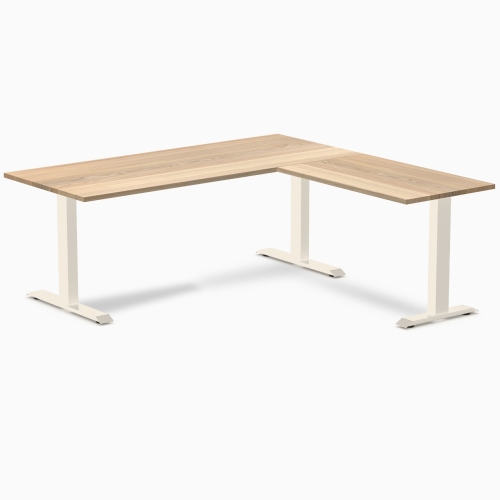
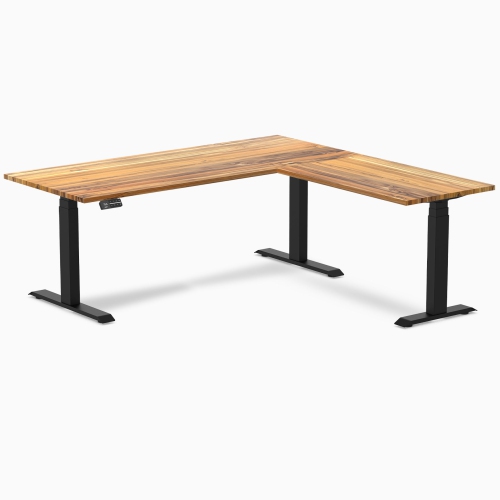
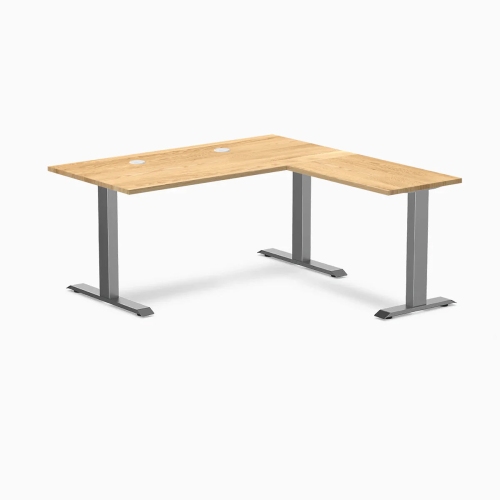
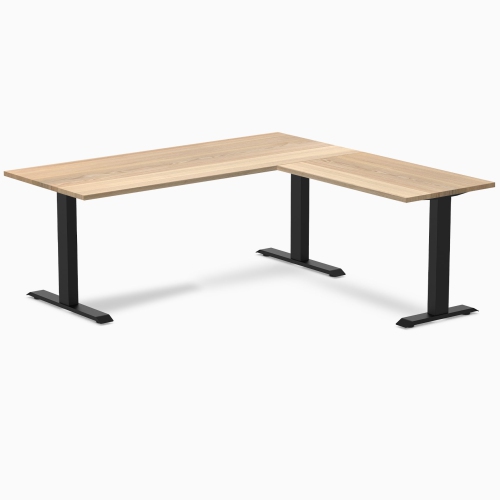
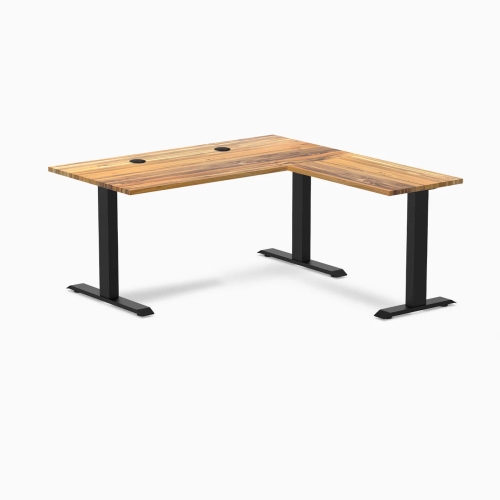
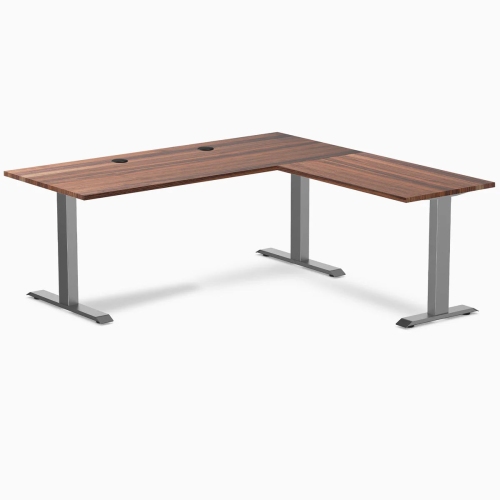
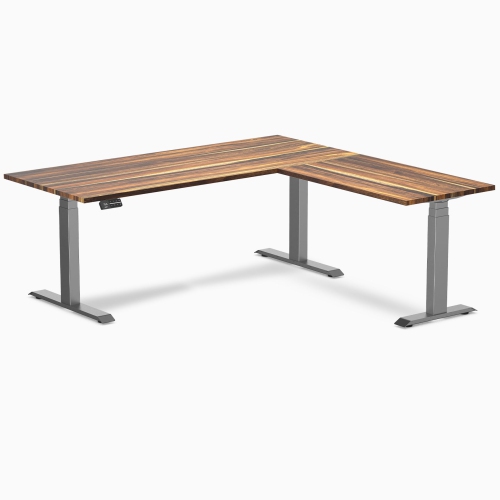
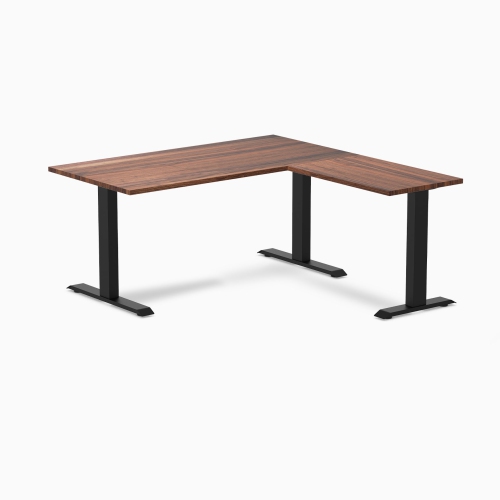
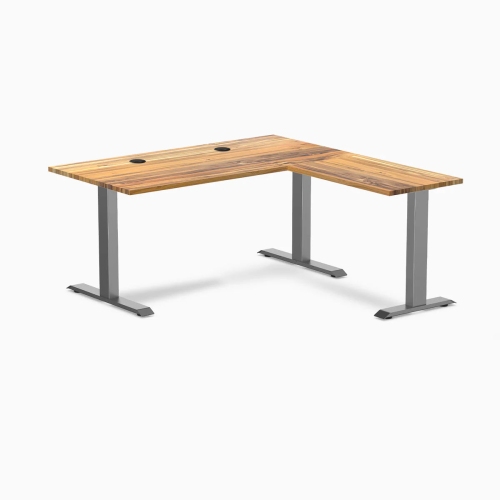
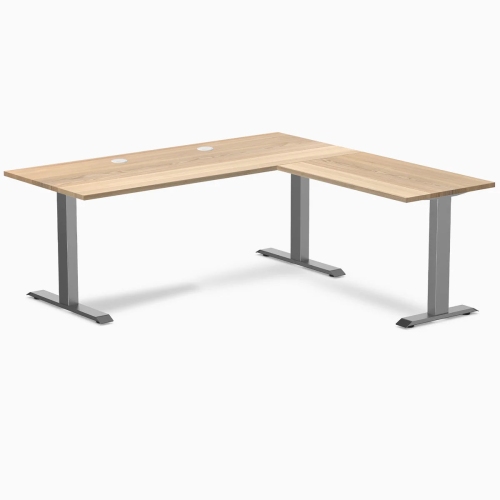
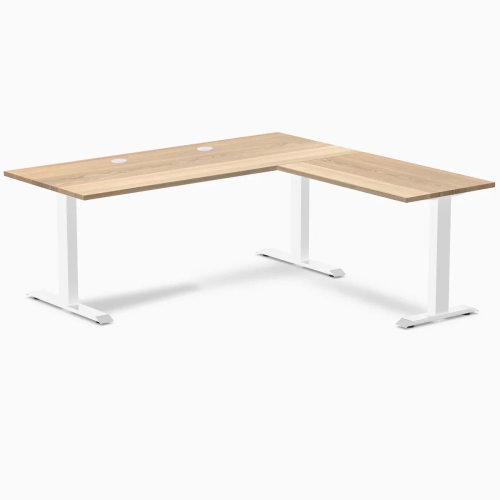
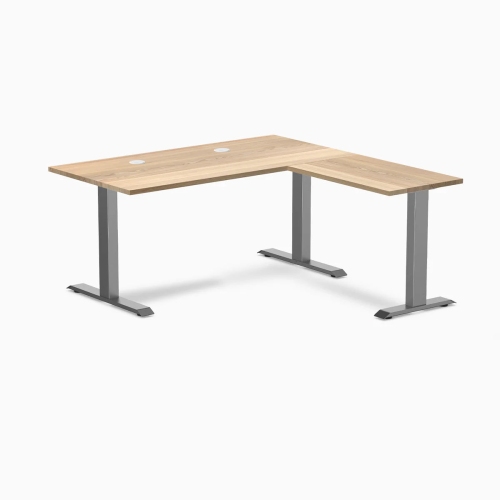
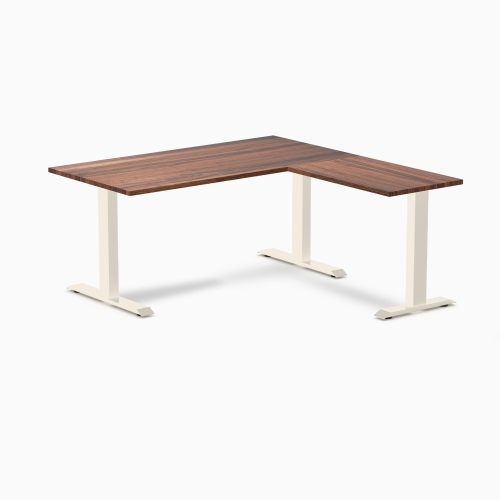
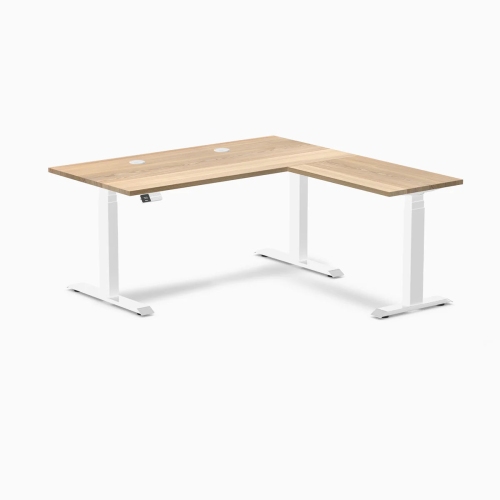
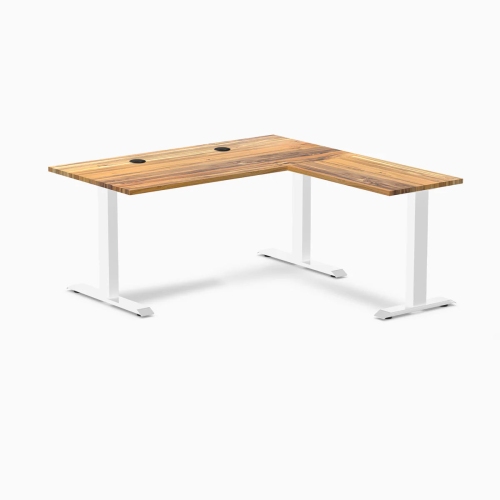
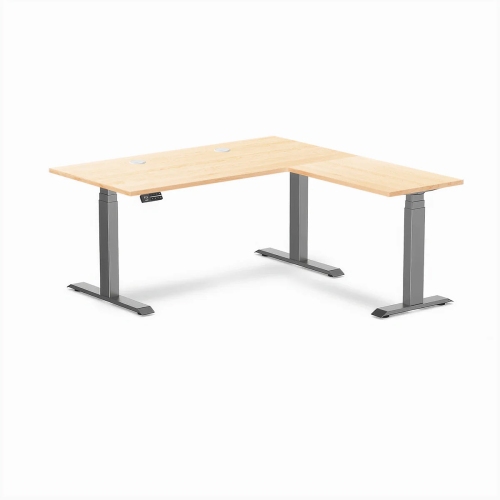
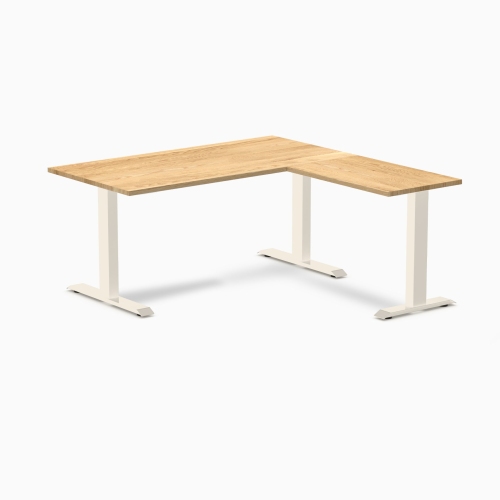
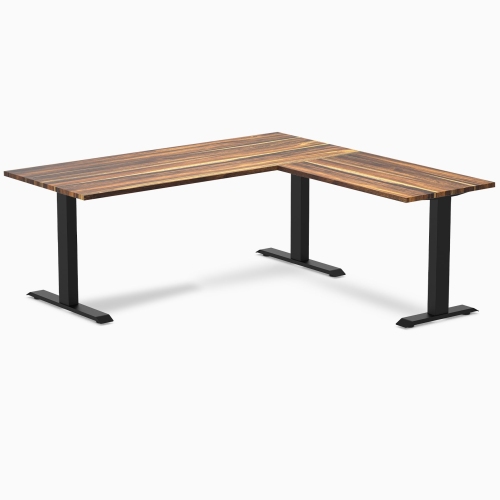
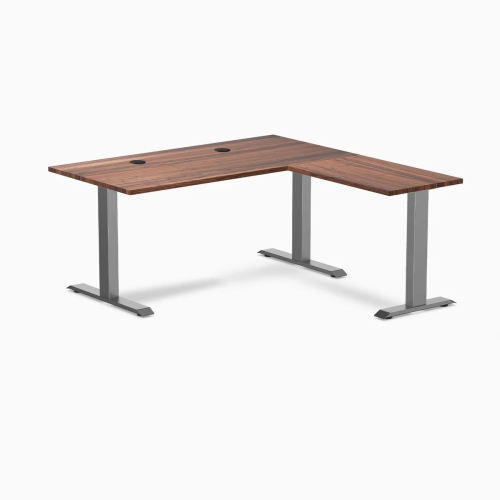
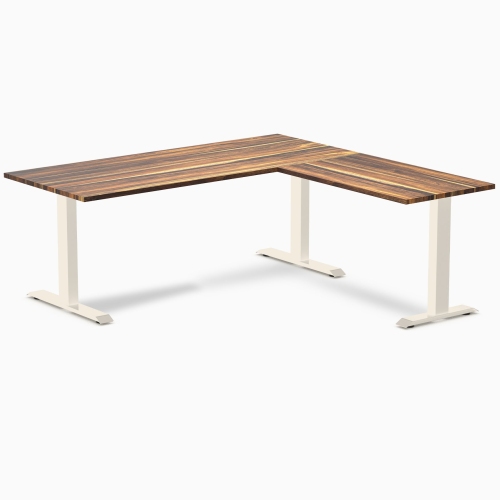
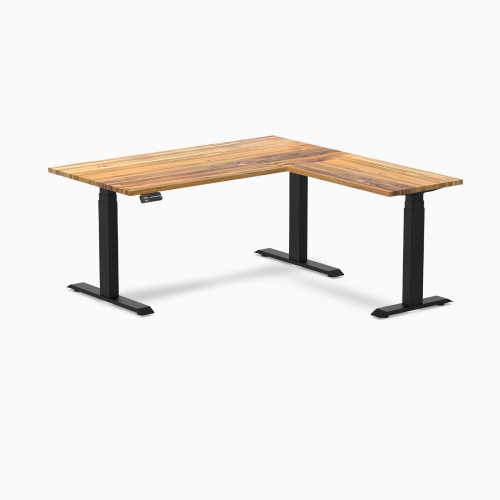
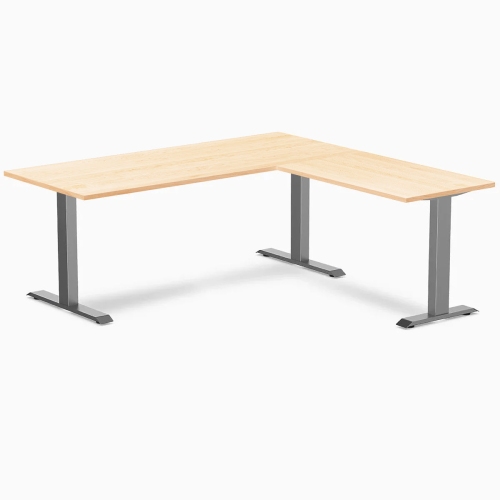
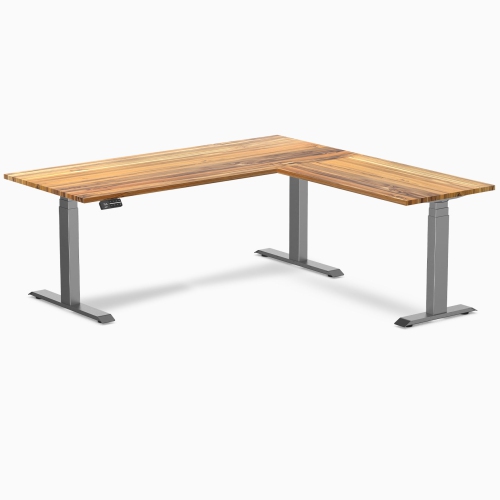
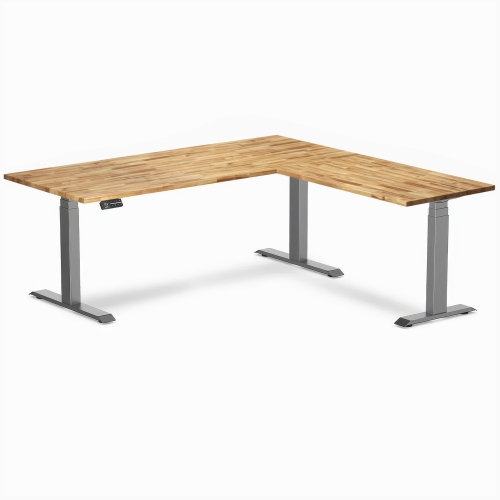
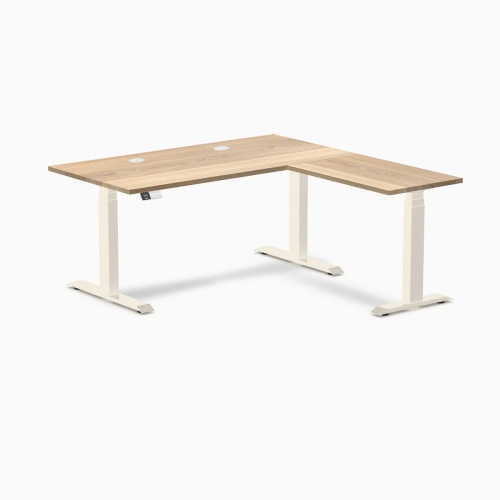
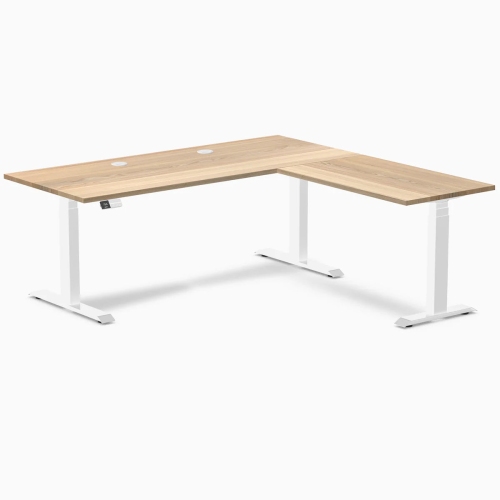
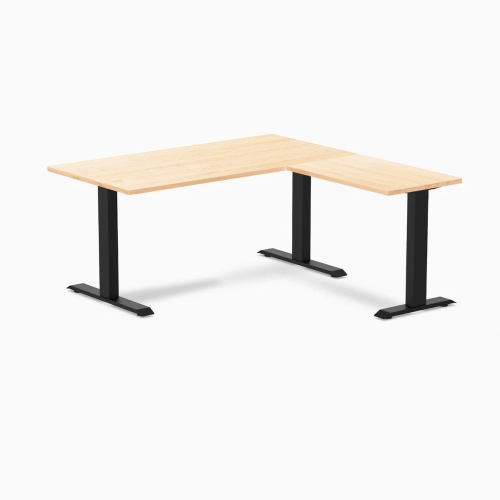
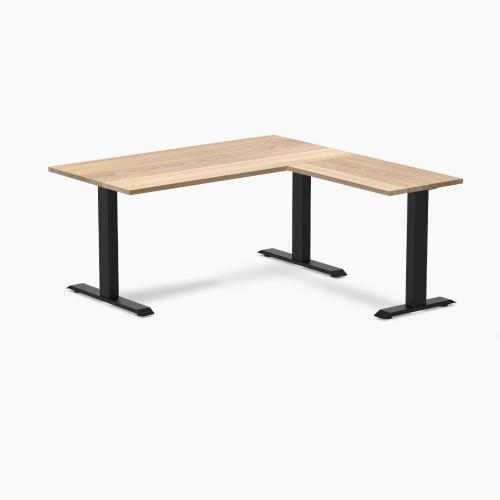
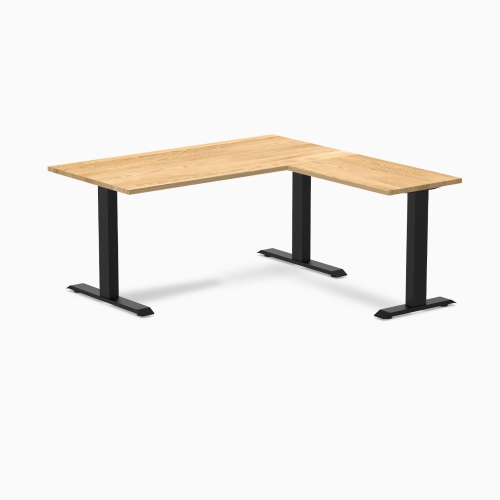
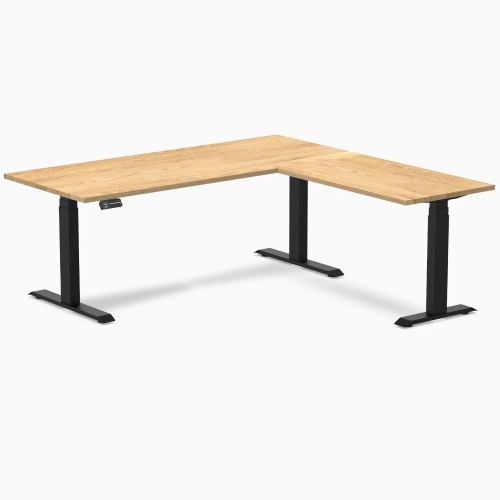
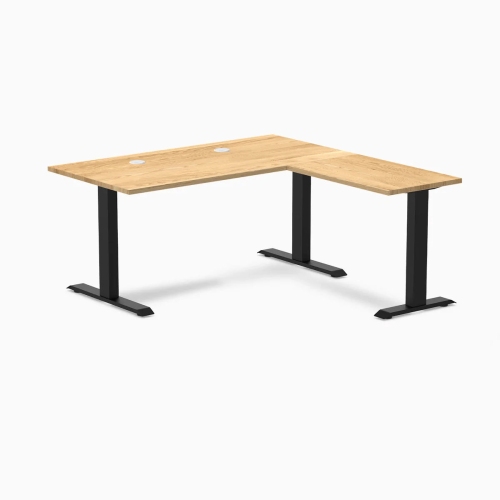
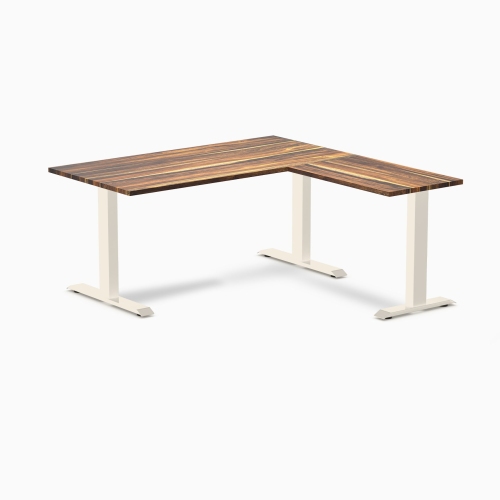
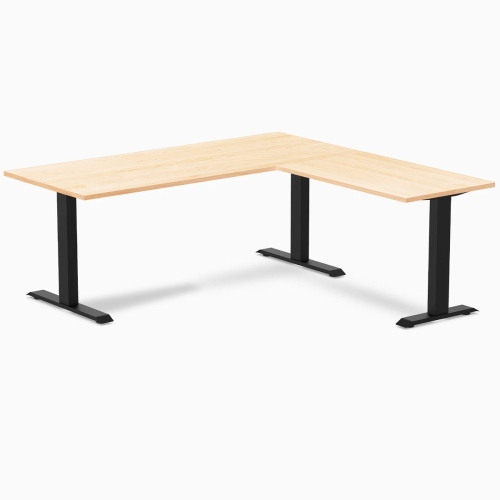
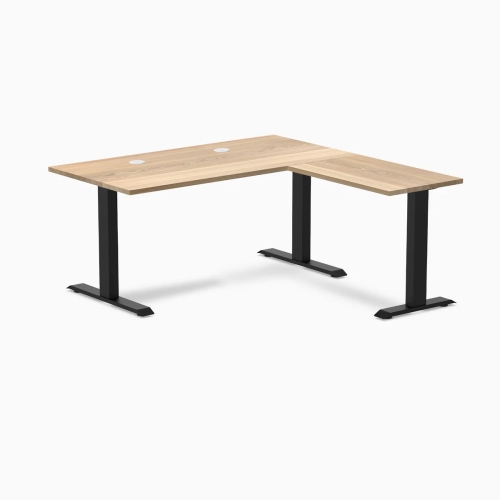
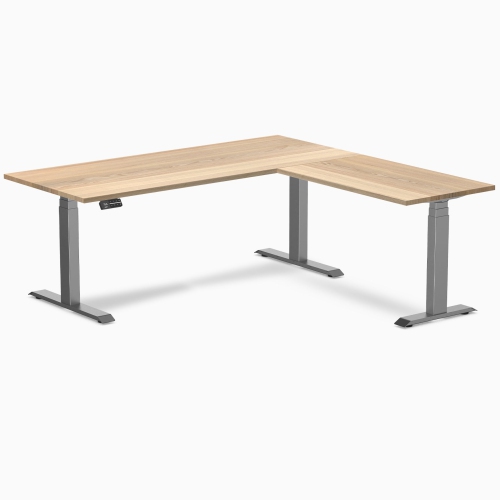
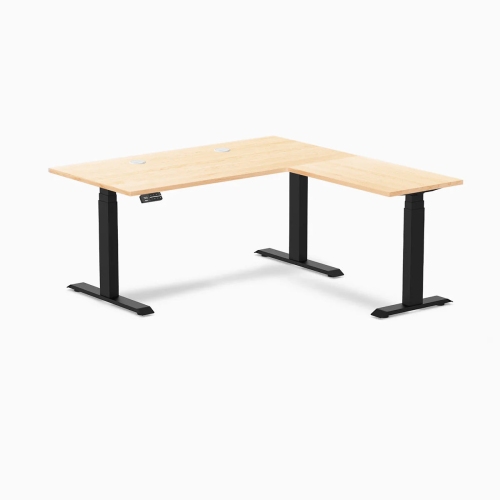
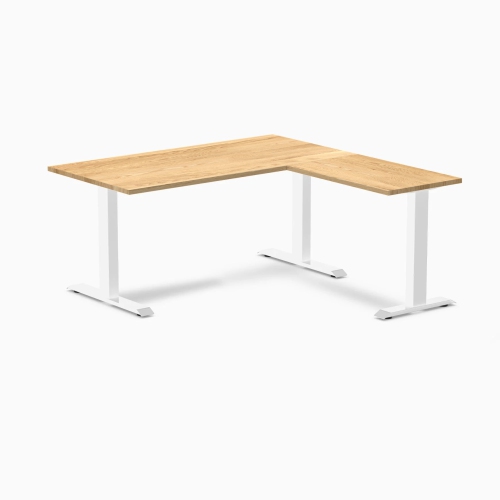
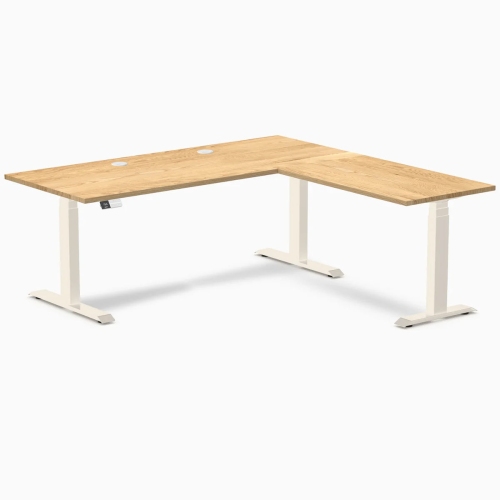
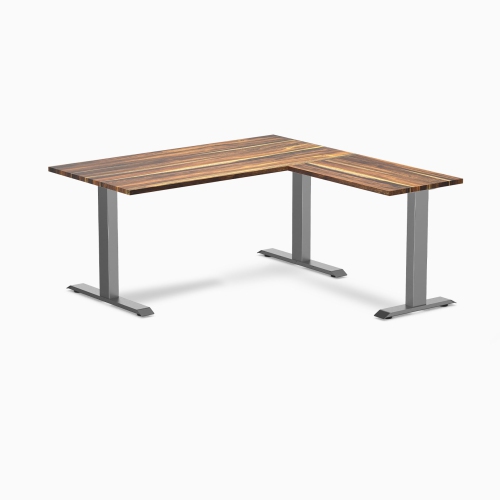
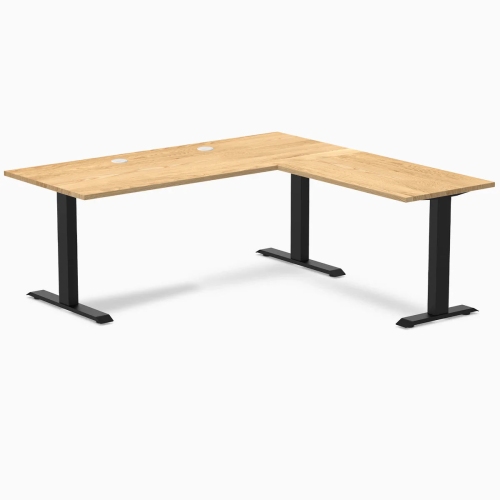
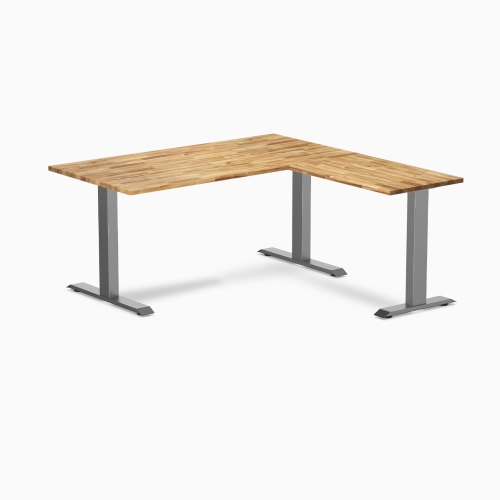
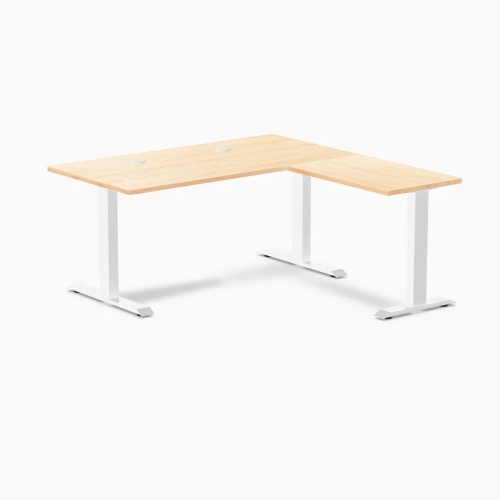
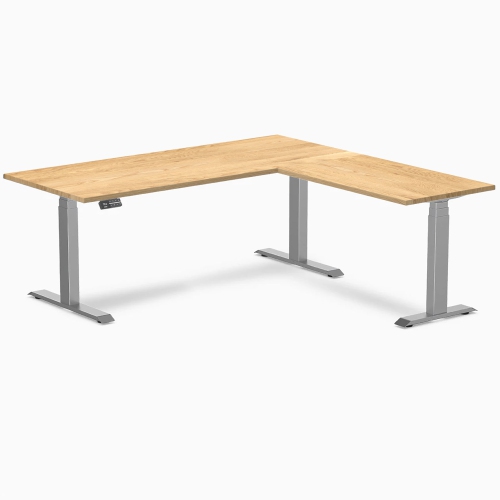
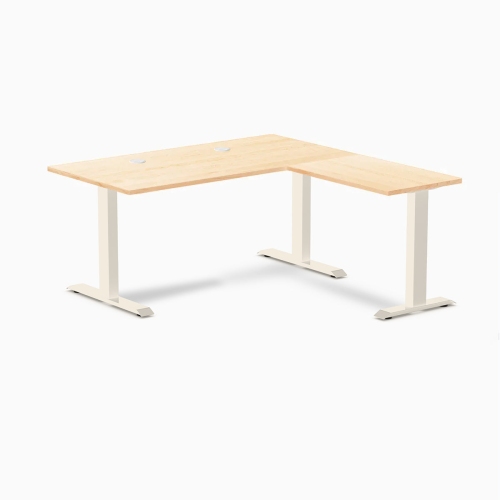
The right fit depends as much on the room and the person using the desk as it does on the equipment placed on top. Width determines how comfortably monitors, paperwork, and accessories can sit side by side, while depth affects viewing distance and the space left for a keyboard and mouse. A shallow desk can feel crowded once a large monitor stand is added, even when its total weight capacity is generous. A deeper surface gives more flexibility for arranging screens, but it still needs to fit without obstructing a doorway, cabinet, or walkway. Underneath, clear knee space matters, especially on desks with storage pedestals, centre supports, or low crossbars. Chair arms should fit where needed, and drawers should open without catching the seat or nearby furniture. Corner and L-shaped desks can separate computer work from writing, drawing, or paperwork, although their overall footprint includes the return section and the space needed to move around it. For height-adjustable heavy-duty desks, the usable height range should suit both seated and standing work. The lifting capacity may differ from a stationary load rating, and the total supported load includes everything the manufacturer specifies, including the desktop where applicable. Monitors, mounting arms, computers, and accessories can add up quickly. Even weight distribution is important, and a concentrated load at one edge may not be covered by a rating based on an evenly distributed load. Monitor-arm compatibility deserves attention too: the desktop needs suitable thickness, accessible mounting space, and construction approved for the clamp or grommet mount. Cable trays, modesty panels, and drawers can interfere with mounting hardware. A multi-monitor workstation also benefits from cable routing that keeps leads clear of chair wheels and leaves sufficient slack throughout a sit-stand desk’s travel. These details make a meaningful difference for remote workers, students with substantial study setups, designers using larger displays, and gamers arranging several peripherals around a central screen.
Day-to-day durability comes from the combination of suitable construction, correct assembly, and care that matches the materials. A strong frame still relies on properly seated hardware and a level position on the floor. Adjustable levelling feet can help compensate for small variations in the floor, but they are not a substitute for correct assembly or a sound surface underneath. Fasteners may need periodic checks according to the manufacturer’s instructions, particularly after a move. When relocating a substantial desk, removing equipment first and lifting it with appropriate help is generally safer than dragging it across the room, which can strain joints and damage flooring. Cleaning should follow the finish requirements: a soft cloth and an approved mild cleaner are often more appropriate than abrasive pads or harsh chemicals. Spills deserve prompt attention, especially around seams, cable openings, and exposed edges where moisture can reach the desktop core. Desk mats can reduce scuffs from frequently moved accessories, while coasters help protect wood finishes from drink rings. For writing or detailed mouse work, a smooth, uninterrupted area can be as valuable as sheer surface size. Storage also affects how useful the desk feels over time. Drawers keep small supplies within reach, while open space beneath the desk allows more freedom for chair movement or a separate storage unit. Equipment placed underneath still needs ventilation and clearance from feet. Appearance need not be secondary to strength: woodgrain finishes, simple metal frames, and restrained colours can suit a shared living area as well as a dedicated office. Related Sturdy Desks offer another way to explore work surfaces with stability in mind. A well-matched heavy-duty desk provides room for the actual workload, supports equipment within its stated limits, and remains comfortable through routine tasks, whether that means drafting plans, reviewing documents, studying with open textbooks, or managing a full computer setup.
Top selling and popular products
-
 Your price for this item is $97.99
-
 Your price for this item is $89.99
-
 Your price for this item is $84.99
-
 Your price for this item is $97.99
-
 Your price for this item is $649
-
 Your price for this item is $749
-
 Your price for this item is $649
-
 Your price for this item is $649
Discover more categories related to Heavy Duty Desks
Top Collections:
Best Black Friday Deals This Year, Best Black Friday Deals On Electronics, Kindle Devices, Pokemon Centers, Best Black Friday Deals On Apple Products, Best Cameras for Sports Photography, Dyson Airwrap, Pokémon 30th Celebration Cards, Apple iPhone 17 Pro, Canon G7X Cameras
Some products may be subject to Environmental Handling Fees
(EHF) depending on your province.
Learn more about EHFs.