High Low Pile Area Rugs
High Low Pile Area Rugs bring dimension and texture to any space, creating a stylish foundation for your home décor. Designed to enhance living rooms, bedrooms, or offices, these rugs offer visual interest and a cozy feel underfoot. With a variety of colors, patterns, and sizes available, High Low Pile Area Rugs make it easy to find the perfect match for your unique style. Update your floors and elevate your interior with options that blend comfort and design seamlessly.
Sort
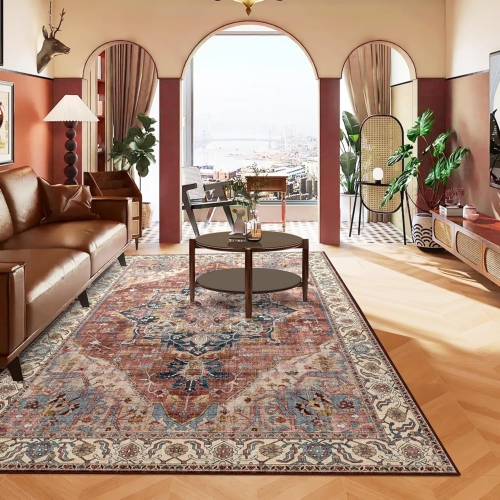
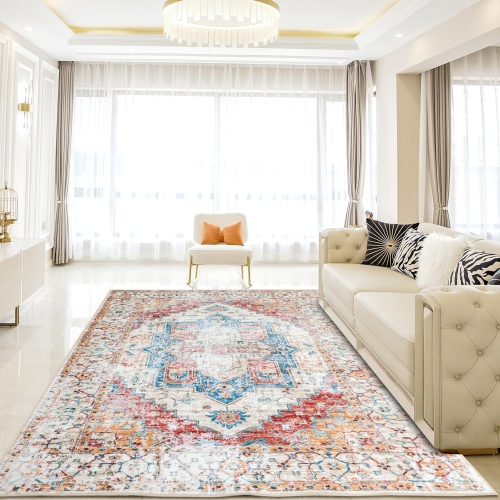
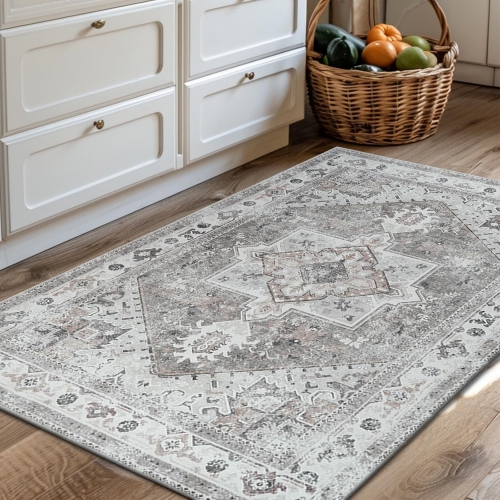
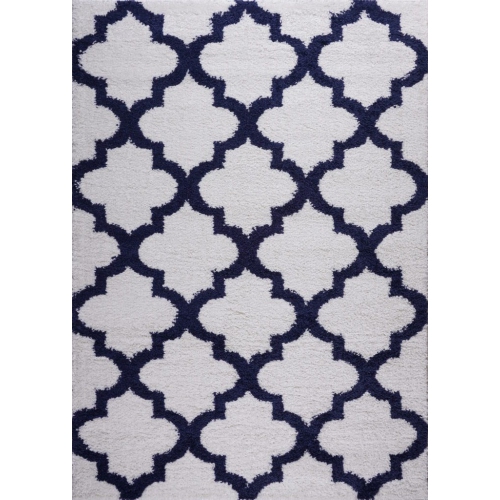
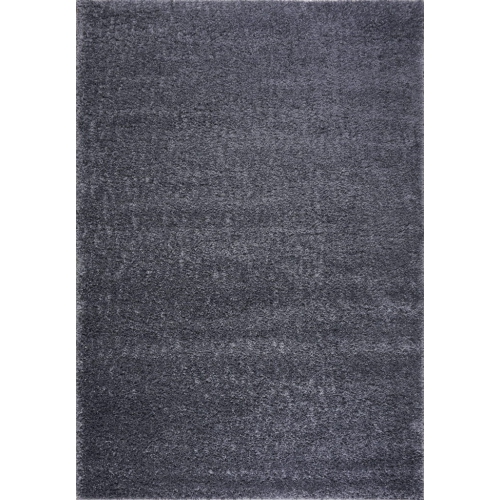

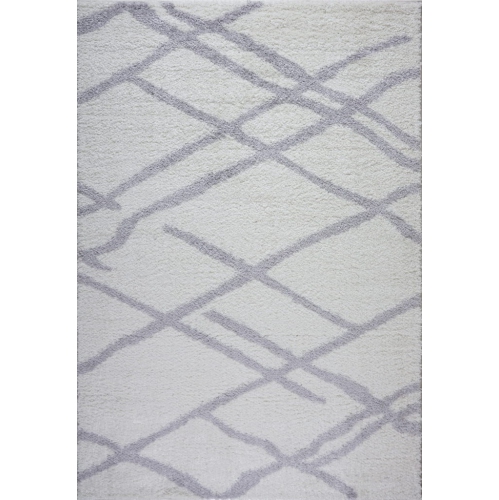
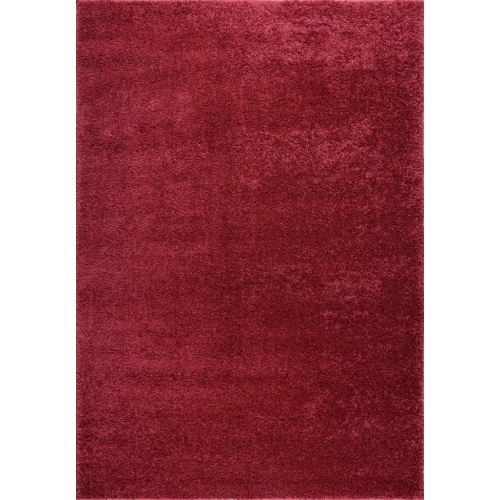
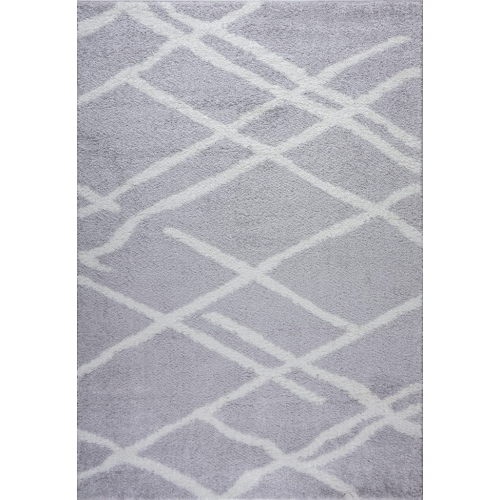
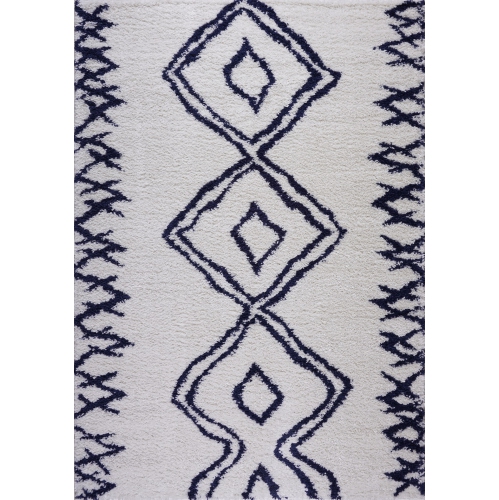
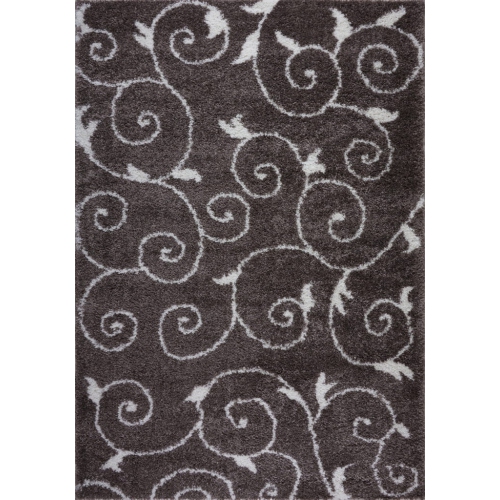
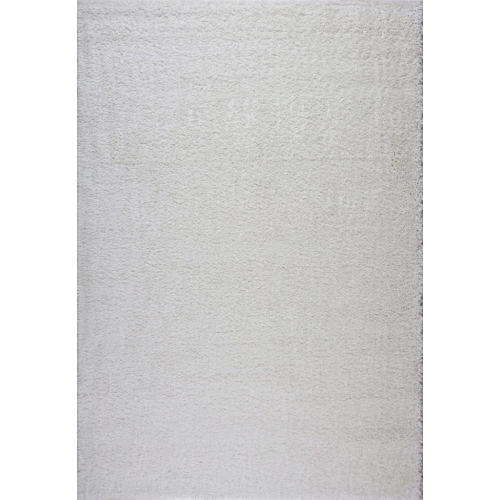
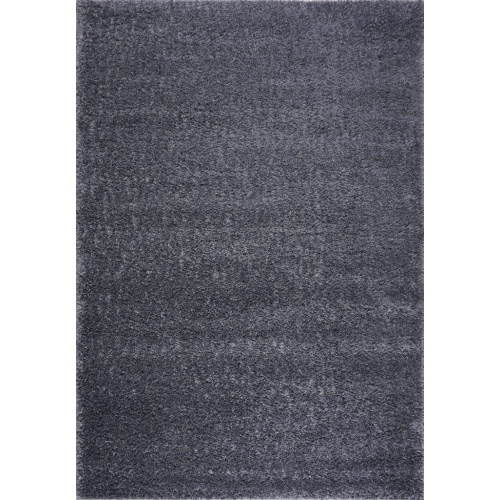
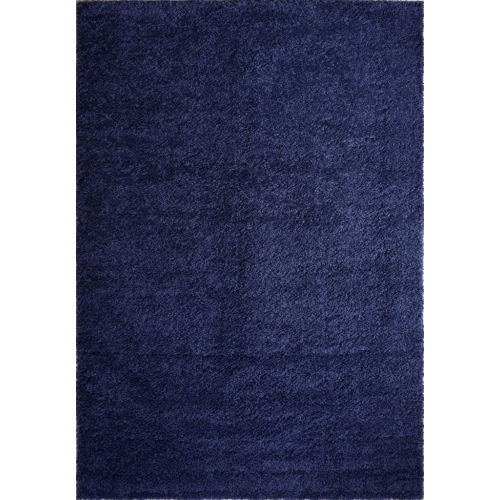

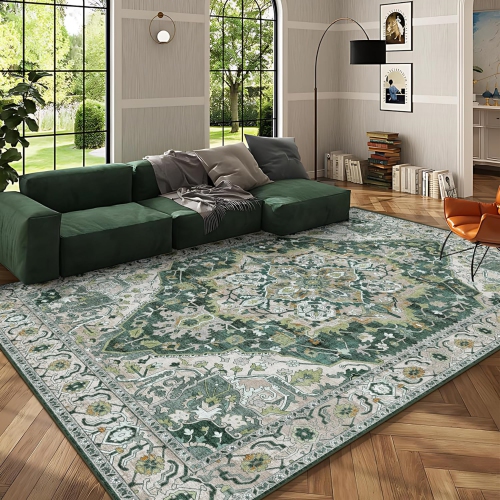
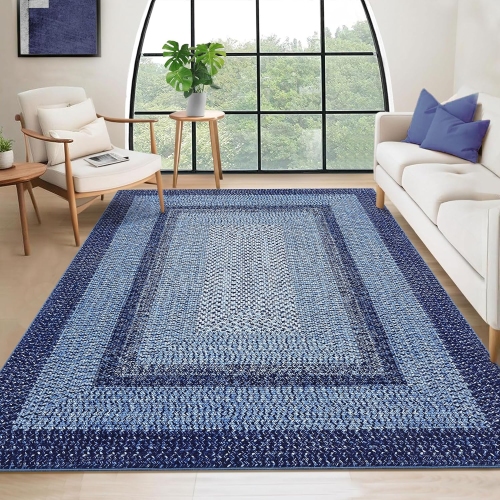
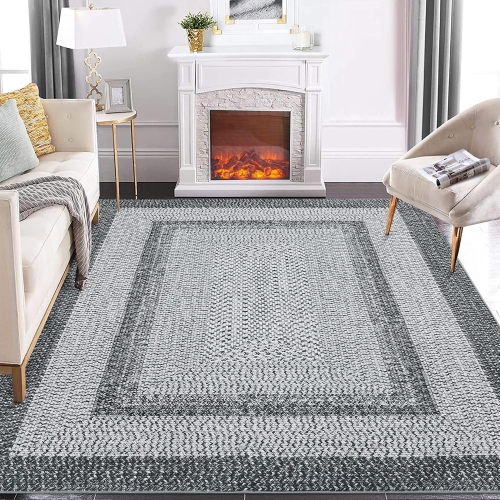
Raised patterns add texture without a bold print
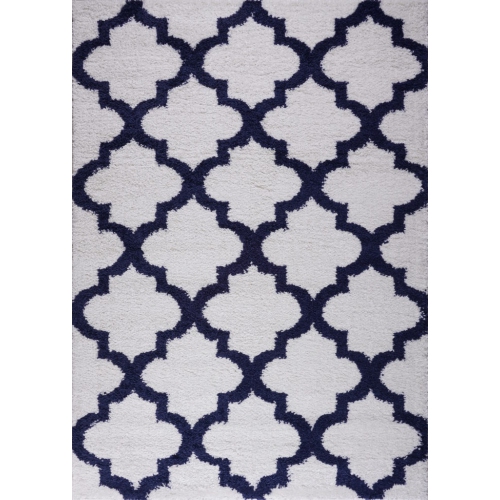
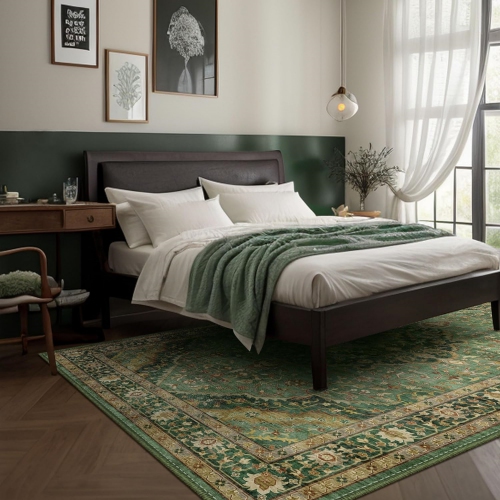
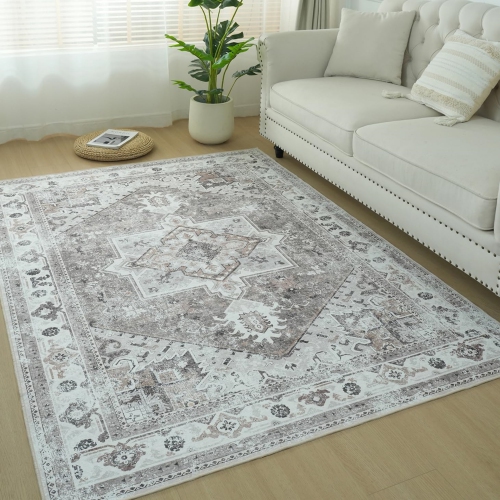
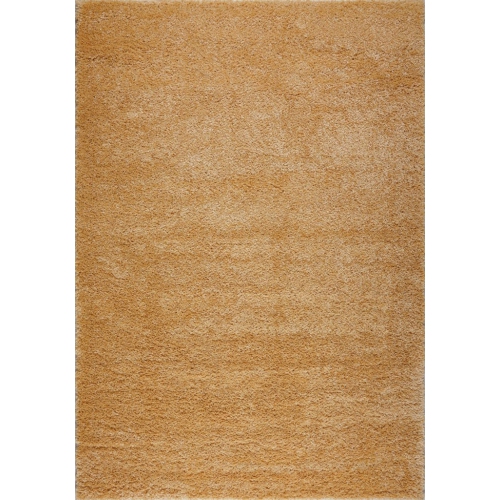
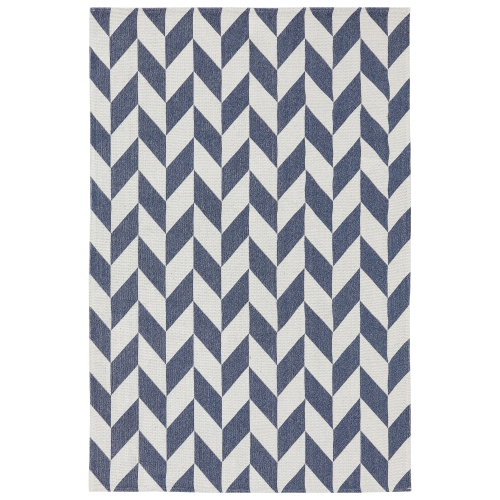
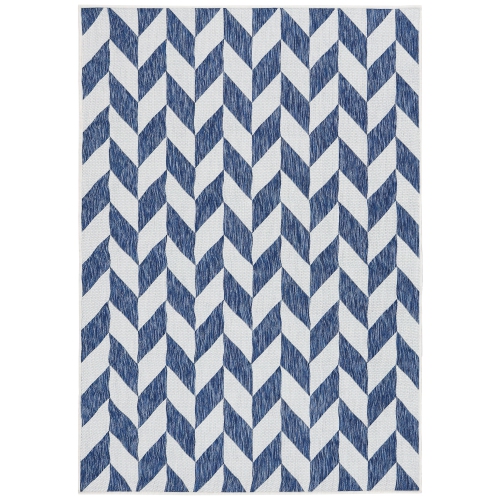
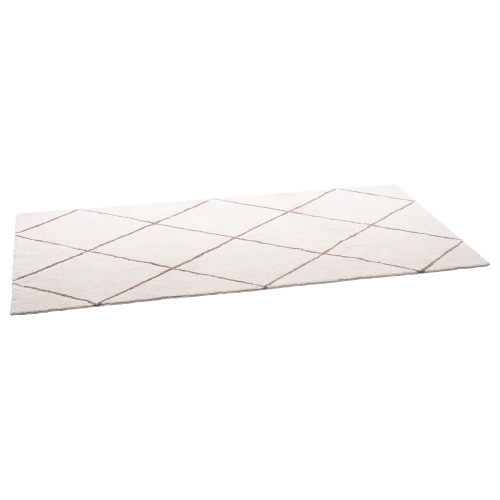
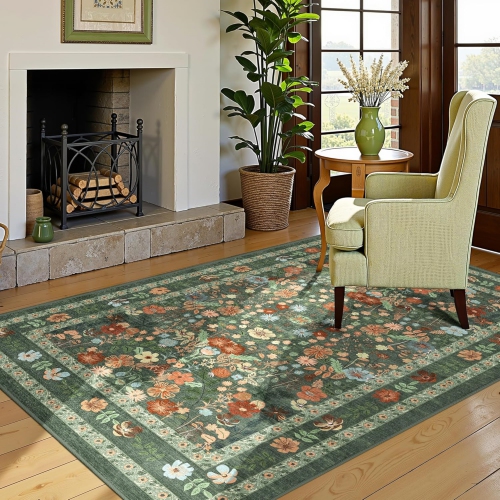
High-low pile area rugs combine taller and shorter fibres to create a textured surface with raised patterns and recessed details. Rather than relying on colour alone, these rugs use differences in pile height to define shapes, giving geometric lines, curved motifs, and abstract designs a three-dimensional appearance. Some combine plush cut pile with tightly looped sections, while others use carved or sculpted fibres to make the pattern stand out. The effect can be subtle, such as ivory arches against a cream background, or more pronounced, with contrasting colours outlining each raised shape. Light falling across the surface brings out the relief, allowing even a single-colour rug to add visual interest beneath a simple sofa or beside a bed. This makes high-low rugs a useful choice for rooms that need texture without another bold print. In a living room with smooth upholstery, glass tables, or straight-lined furniture, the uneven surface introduces a softer-looking contrast. In a bedroom, raised sections provide a plush feel underfoot, although the overall softness depends on the fibre, density, and construction. These rugs can also help define a seating area within an open-plan space, separating a conversation corner from an adjacent dining area without adding a physical divider. Patterns range from orderly grids and diamonds to flowing lines and irregular shapes, offering different ways to complement existing furniture. A large, widely spaced design can feel calm beneath a generous sectional, while a smaller repeating motif adds detail to a compact reading nook. Neutral shades keep the emphasis on the sculpted surface; deeper tones and multicolour designs make the rug a stronger focal point. The textured pattern may make minor footprints or bits of lint less noticeable, but it does not prevent dirt from settling between raised sections. For households that enjoy a tactile finish, the appeal lies in that combination of pattern, softness, and dimension rather than a uniformly flat surface.
Materials and construction influence how a high-low area rug feels, wears, and fits into daily routines. Wool often offers a dense, resilient feel, with fibres that can recover from ordinary compression, although heavy furniture may still leave impressions. New wool rugs can shed loose fibres, and gentle, regular vacuuming may be needed as they settle into use. Polyester can provide softness and clear colour definition, while polypropylene generally resists moisture absorption and many everyday stains. Neither material is stain-proof, and spills still need prompt attention according to the care label. Blended fibres can balance different characteristics, so the full material description is more useful than judging a rug by its appearance alone. Cotton may appear in the backing or foundation, while some designs include viscose for sheen; viscose usually requires more cautious handling because moisture and rubbing can damage its finish. Construction matters just as much as fibre content. Hand-tufted rugs commonly use a backing to hold the yarns in place, while woven constructions interlace the fibres into the rug structure. Neither method alone determines quality or longevity: pile density, edge finishing, backing materials, and appropriate care all contribute. The height difference between the raised and recessed areas also affects everyday use. A deeply sculpted rug may feel inviting in a quiet bedroom, but a more restrained texture can be easier to manage in a frequently used family room. Dining chairs, wheeled desk chairs, and doors need particular consideration because taller sections can catch, compress, or obstruct movement. Homes with pets may benefit from checking whether the surface has exposed loops that claws could snag. For children who play on the floor, softness is helpful, but a stable rug pad and a surface that accommodates building blocks or toy cars matter too. Someone furnishing a first apartment or refreshing a familiar room may appreciate the added texture, provided the rug suits the space and its cleaning needs.
Size and placement help a high-low pile rug look intentional rather than disconnected from the furniture around it. In a living room, a rug large enough to sit beneath the front legs of the main seating pieces often creates a more connected arrangement than one floating beneath the coffee table alone. The raised pattern should remain visible around the furniture, particularly when the texture is the main decorative feature. Beneath a bed, enough rug extending along the sides gives feet a comfortable landing spot and keeps the design from disappearing under the frame. A dining-room rug needs sufficient coverage for chairs to remain on it when pulled back, although pronounced pile changes may make chair movement less convenient. Where easy movement or door clearance takes priority over sculpted texture, Low Pile Rugs offer a flatter surface to consider. Measuring the usable floor area, door swing, and furniture placement helps establish a suitable fit; the rug’s highest pile point and the thickness of any pad both count towards clearance. A compatible rug pad can reduce shifting and add cushioning, but its material should be suitable for the flooring beneath it. Care is usually most straightforward when dust and grit are removed before they work deeply into the pile. Vacuum settings should follow the manufacturer’s recommendations, since rotating brush bars can pull at loops or disturb delicate raised fibres. Suction-only cleaning may be appropriate for some constructions, and fringes or bound edges need gentle handling. Spills are best blotted with a clean, absorbent cloth rather than scrubbed across the texture, with any cleaning solution tested as directed on an inconspicuous area. Machine washing, steam cleaning, and carpet-cleaning equipment are not suitable for every rug, even when the fibres themselves seem hard-wearing. Occasional rotation helps distribute foot traffic and light exposure, while furniture cups can reduce concentrated pressure where appropriate. With a size, texture, and care routine matched to the room, a high-low area rug adds a distinctive layer that remains practical for everyday living.
Materials and construction influence how a high-low area rug feels, wears, and fits into daily routines. Wool often offers a dense, resilient feel, with fibres that can recover from ordinary compression, although heavy furniture may still leave impressions. New wool rugs can shed loose fibres, and gentle, regular vacuuming may be needed as they settle into use. Polyester can provide softness and clear colour definition, while polypropylene generally resists moisture absorption and many everyday stains. Neither material is stain-proof, and spills still need prompt attention according to the care label. Blended fibres can balance different characteristics, so the full material description is more useful than judging a rug by its appearance alone. Cotton may appear in the backing or foundation, while some designs include viscose for sheen; viscose usually requires more cautious handling because moisture and rubbing can damage its finish. Construction matters just as much as fibre content. Hand-tufted rugs commonly use a backing to hold the yarns in place, while woven constructions interlace the fibres into the rug structure. Neither method alone determines quality or longevity: pile density, edge finishing, backing materials, and appropriate care all contribute. The height difference between the raised and recessed areas also affects everyday use. A deeply sculpted rug may feel inviting in a quiet bedroom, but a more restrained texture can be easier to manage in a frequently used family room. Dining chairs, wheeled desk chairs, and doors need particular consideration because taller sections can catch, compress, or obstruct movement. Homes with pets may benefit from checking whether the surface has exposed loops that claws could snag. For children who play on the floor, softness is helpful, but a stable rug pad and a surface that accommodates building blocks or toy cars matter too. Someone furnishing a first apartment or refreshing a familiar room may appreciate the added texture, provided the rug suits the space and its cleaning needs.
Size and placement help a high-low pile rug look intentional rather than disconnected from the furniture around it. In a living room, a rug large enough to sit beneath the front legs of the main seating pieces often creates a more connected arrangement than one floating beneath the coffee table alone. The raised pattern should remain visible around the furniture, particularly when the texture is the main decorative feature. Beneath a bed, enough rug extending along the sides gives feet a comfortable landing spot and keeps the design from disappearing under the frame. A dining-room rug needs sufficient coverage for chairs to remain on it when pulled back, although pronounced pile changes may make chair movement less convenient. Where easy movement or door clearance takes priority over sculpted texture, Low Pile Rugs offer a flatter surface to consider. Measuring the usable floor area, door swing, and furniture placement helps establish a suitable fit; the rug’s highest pile point and the thickness of any pad both count towards clearance. A compatible rug pad can reduce shifting and add cushioning, but its material should be suitable for the flooring beneath it. Care is usually most straightforward when dust and grit are removed before they work deeply into the pile. Vacuum settings should follow the manufacturer’s recommendations, since rotating brush bars can pull at loops or disturb delicate raised fibres. Suction-only cleaning may be appropriate for some constructions, and fringes or bound edges need gentle handling. Spills are best blotted with a clean, absorbent cloth rather than scrubbed across the texture, with any cleaning solution tested as directed on an inconspicuous area. Machine washing, steam cleaning, and carpet-cleaning equipment are not suitable for every rug, even when the fibres themselves seem hard-wearing. Occasional rotation helps distribute foot traffic and light exposure, while furniture cups can reduce concentrated pressure where appropriate. With a size, texture, and care routine matched to the room, a high-low area rug adds a distinctive layer that remains practical for everyday living.
Top selling and popular products
-
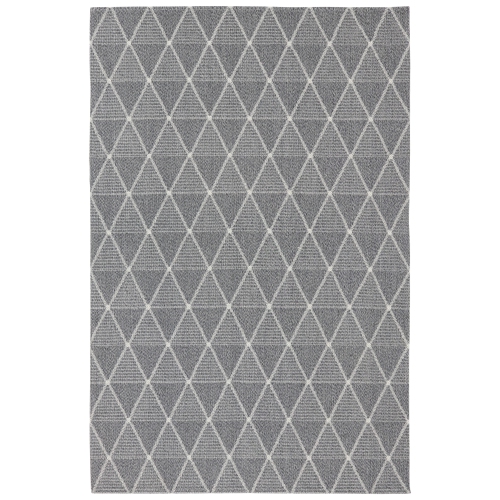 Your price for this item is $130.55
 -
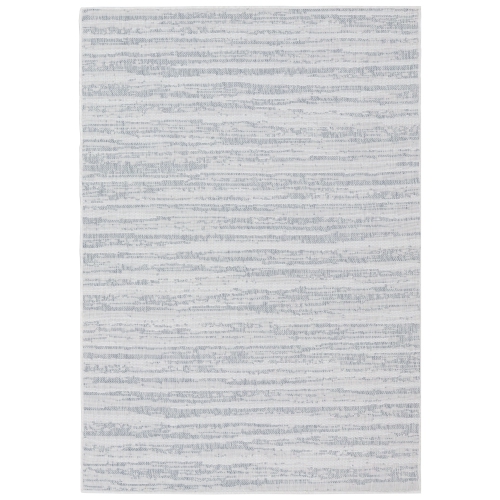 Your price for this item is $129.15
 -
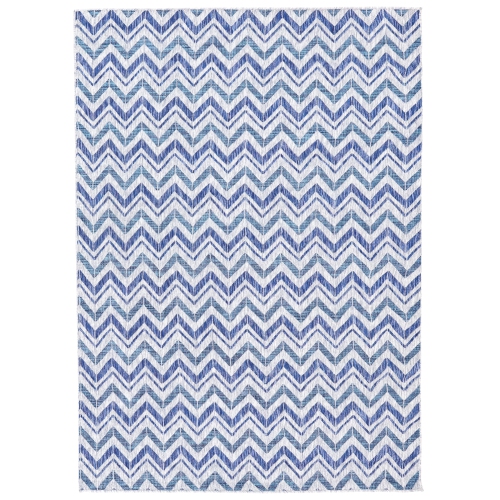 Your price for this item is $129.15
 -
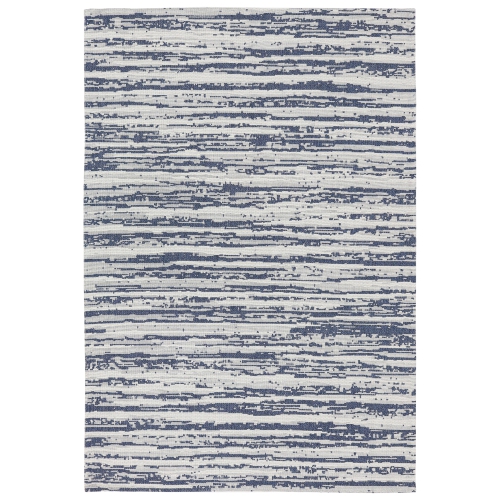 Your price for this item is $130.55
 -
 Your price for this item is $130.55
 -
 Your price for this item is $129.15
 -
 Your price for this item is $269.46
 -
 Your price for this item is $219.8
Discover more categories related to High Low Pile Area Rugs
Top Collections:
Pokemon Centers, Kindle Devices, Best Budget Office Chairs, Apple iPhones 16, Best Laptops for Writers, iPhone 15 Apple, Canon G7X Cameras, Refurbished Apple Laptops, Alarm Clock, Motorola Razr Phones
Some products may be subject to Environmental Handling Fees
(EHF) depending on your province.
Learn more about EHFs.