Low Pile Outdoor Rugs
Low Pile Outdoor Rugs are a stylish and practical addition to any patio, deck, or backyard space. Designed to complement a variety of outdoor settings, these rugs offer a sleek profile that fits easily under furniture and high-traffic areas. With a range of colors, patterns, and sizes available, it’s easy to find the perfect Low Pile Outdoor Rug to enhance your outdoor décor and create a comfortable, inviting atmosphere for gatherings or relaxation. Discover options that blend seamlessly with your exterior design while adding comfort underfoot.
Sort
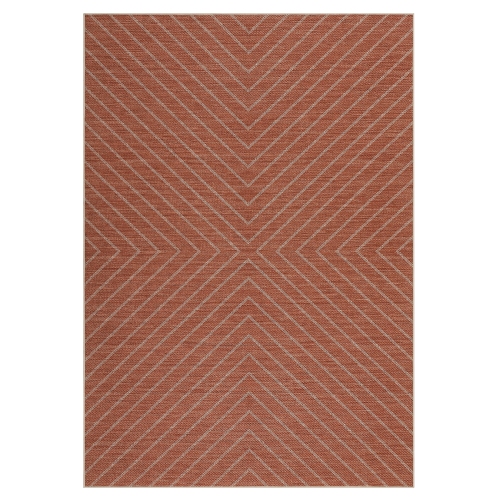
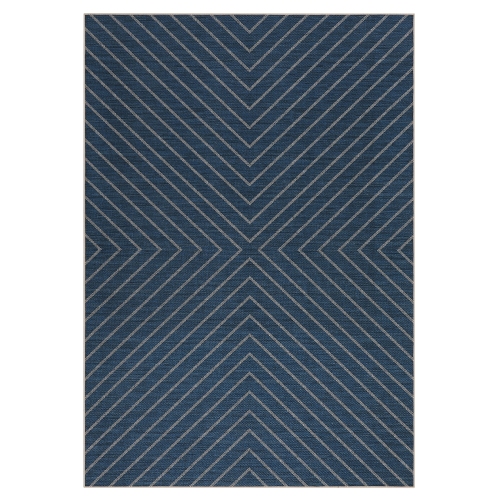
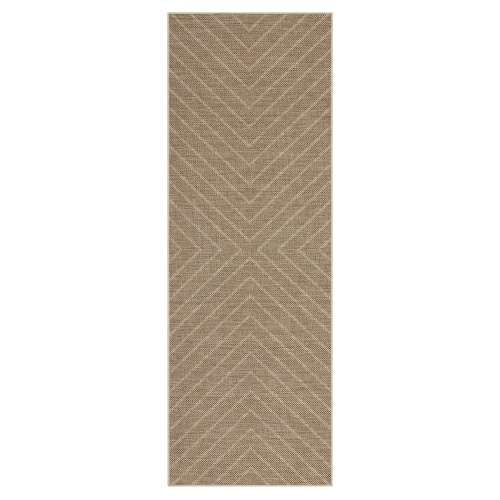
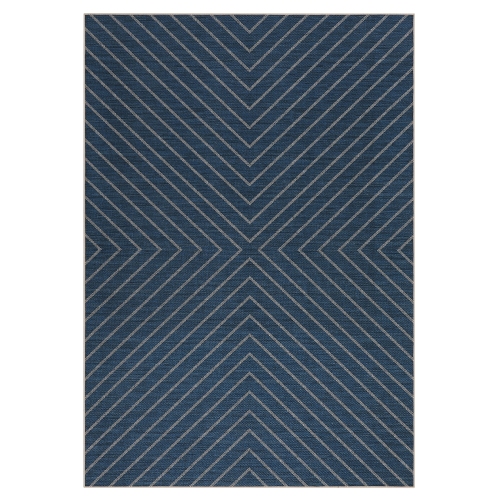
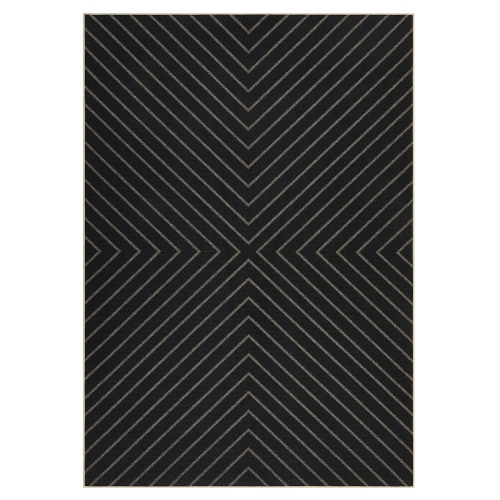
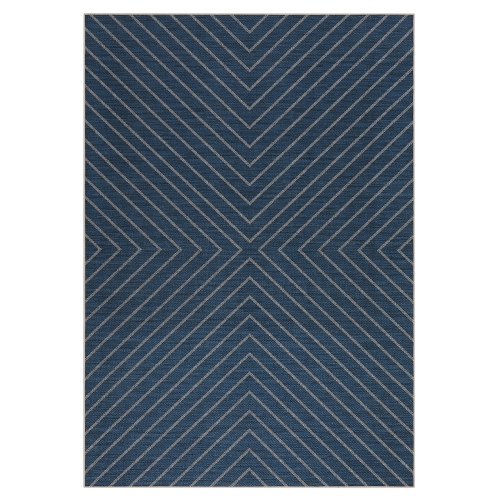
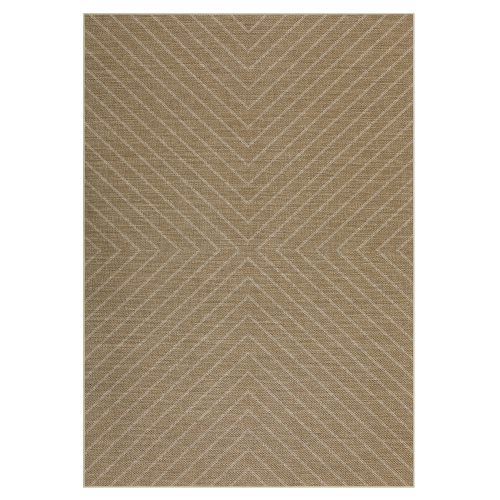
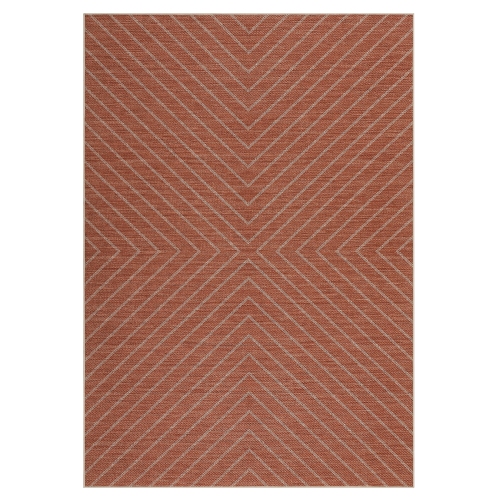
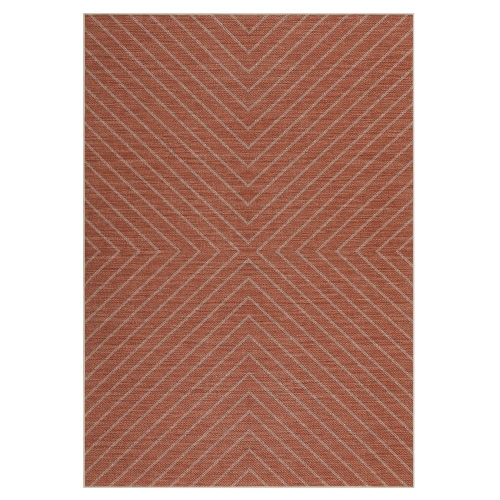
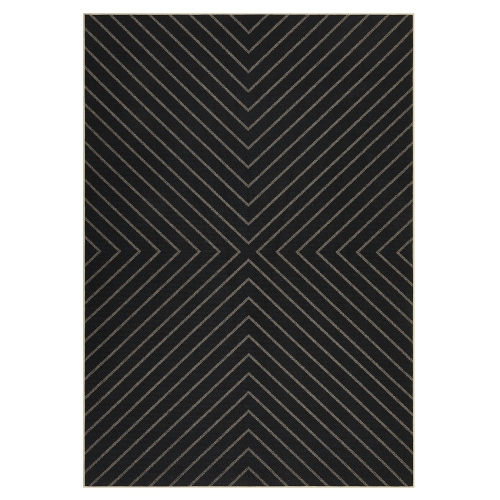
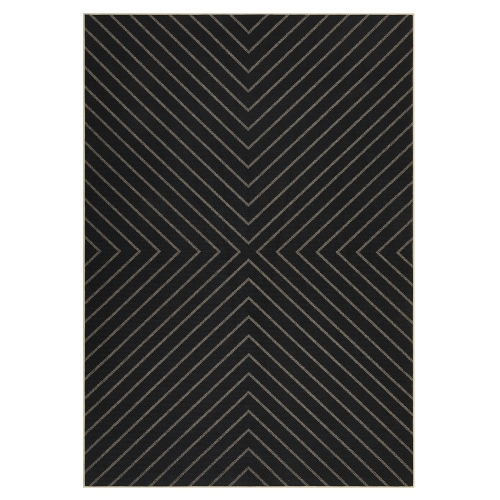
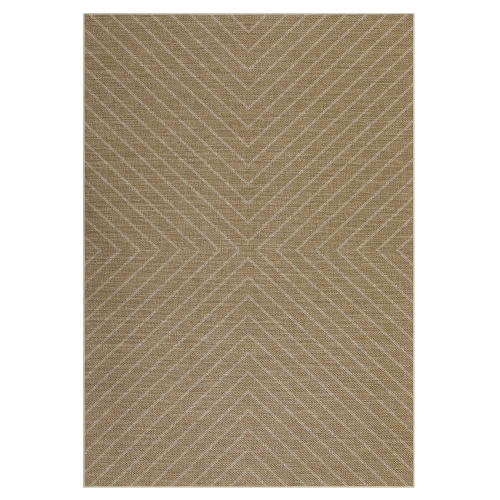
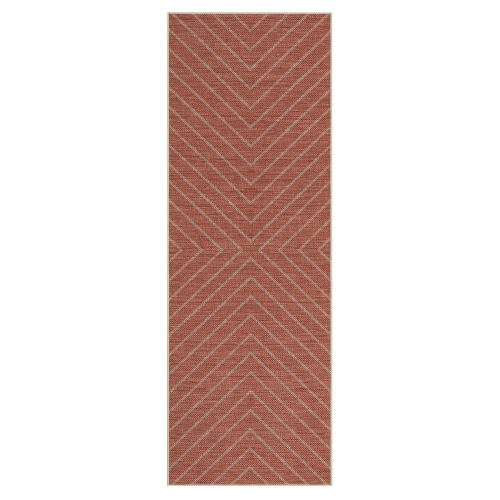
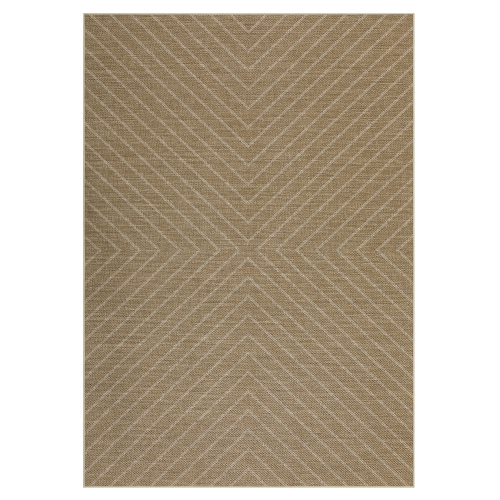
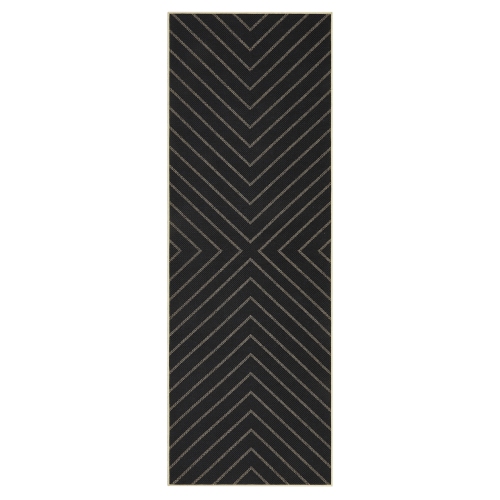
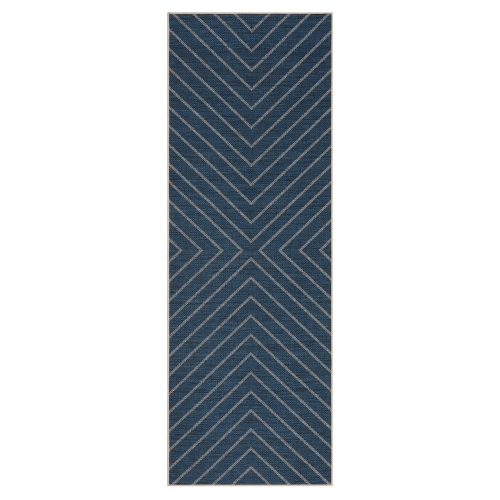
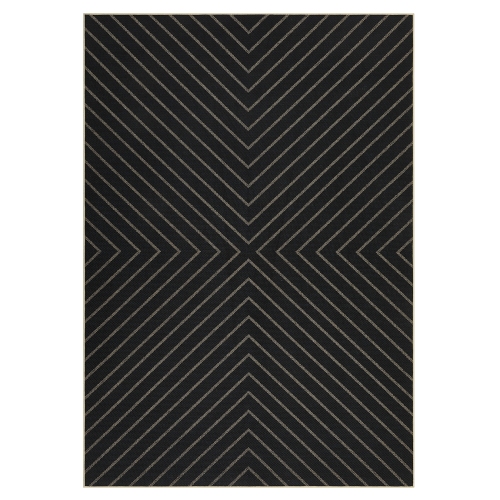
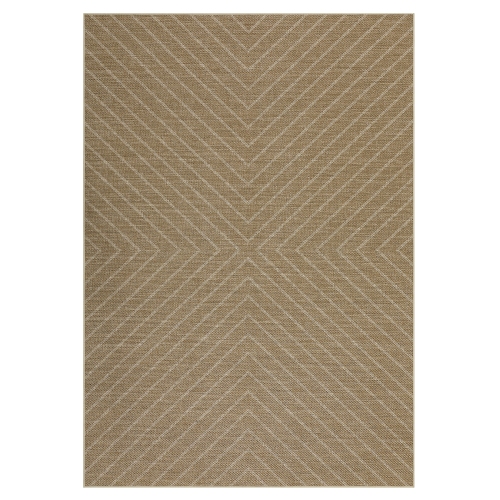
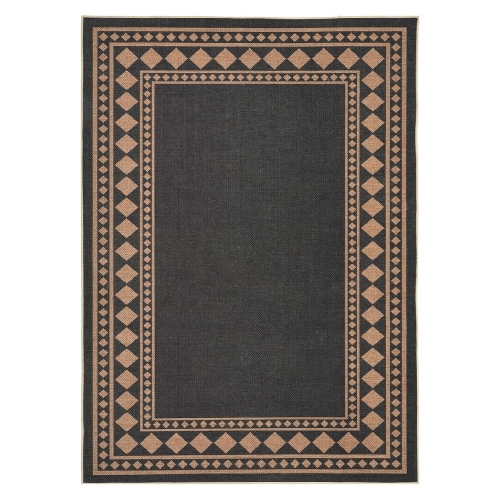
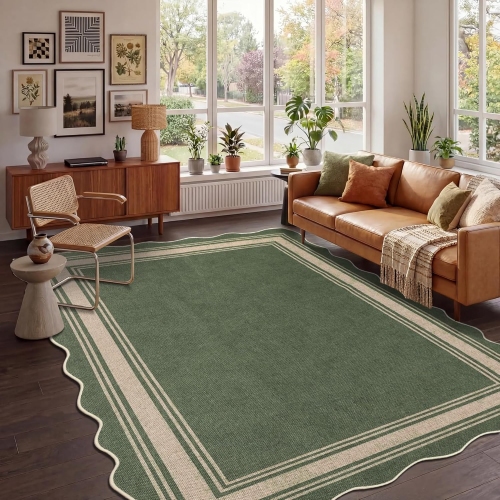
Outdoor comfort without the bulk of plush pile
Low-pile outdoor rugs add colour, texture, and a defined gathering space to patios, decks, balconies, and covered porches without the depth of a plush indoor rug. Their short surface fibres generally hold less loose grit and leaf debris than a thick pile, making them practical beneath dining tables, beside lounge chairs, and along frequently used walkways. Flatwoven outdoor rugs offer a similarly slim profile, although their construction differs: instead of a raised pile, the yarns form a closely woven surface. Both styles can create a comfortable transition between outdoor furniture and the hard surface below, with enough texture to make a seating area feel finished. Polypropylene is a common material because its fibres absorb little moisture and are generally resistant to staining. Polyester is another option, often chosen for its colour and soft feel, while blends can offer different textures and handling characteristics. Fibre content alone does not determine outdoor suitability, however. The weave, backing, edge finish, and care requirements all affect how a rug performs outside. A rug described as water-resistant is not necessarily waterproof, and rain can still leave moisture beneath it even when the upper surface feels dry. Resistance to fading also varies, so an outdoor-use designation and clear care information matter more than appearance alone. Natural-fibre looks can be achieved with synthetic yarns that resemble sisal or jute, offering a textured appearance without assuming that untreated natural fibres will tolerate repeated dampness. On a sheltered balcony, a softer woven finish may suit bare feet and relaxed seating; around an open patio dining set, a tightly constructed surface may be easier to sweep after meals. Bound or securely finished edges are worth attention wherever chairs slide or people pass regularly. Low pile describes the height of the surface, not a guarantee of grip, cushioning, or weather protection, so the full construction remains important to how the rug feels and functions.
The most useful size depends on the furniture arrangement and the amount of clear walking space around it. Under an outdoor dining table, a rug should extend far enough beyond the tabletop for chair legs to remain on it when someone pulls out a seat. A rug that fits only beneath the table can leave the back legs catching at the edge throughout a meal. In a conversation area, placing the front legs of a sofa and neighbouring chairs on the rug can connect the pieces visually without covering the entire patio. A smaller rug between two balcony chairs can define a coffee spot, provided the edges do not interrupt the route to the door. Measuring the usable floor area, furniture footprint, and door swing helps establish a comfortable fit. Overall thickness matters near thresholds: a short pile can still sit on a substantial backing, and a door may catch on the finished edge. Runners suit long, narrow spaces, while round shapes can soften a compact arrangement or echo a circular table. Colour and pattern influence the sense of space as much as shape. Sand, grey, and muted blue tones blend easily with many furniture finishes; stripes can emphasize the length of a balcony, and small repeating patterns can make scattered crumbs or minor marks less noticeable between cleanings. Unlike the raised-and-recessed texture associated with High Low Pile Area Rugs, a uniformly low outdoor surface offers a more even profile beneath moving chairs. For households with children or pets, a close weave without prominent loops may be less prone to catching claws or small toy wheels, although no rug is immune to snagging. A low profile alone does not prevent slipping. An outdoor-rated rug pad may help limit movement, but it must be compatible with both the rug and the surface underneath. Painted wood, composite decking, tile, and concrete can have different requirements, and some backings or pads may mark finishes or hold moisture against them.
Regular, straightforward care helps a low-pile outdoor rug stay pleasant underfoot and keeps grit from becoming worked into its weave. Loose dirt is often easiest to remove with a broom, a gentle shake when the rug’s size allows, or a vacuum used according to the care label. A rotating brush may be unsuitable for some woven constructions, particularly near bound edges or fringe. Food spills benefit from prompt blotting rather than vigorous rubbing, which can push residue deeper into the yarns. Mild soap and water may be suitable for washable outdoor rugs, but the recommended cleaning method should determine whether a rug can be rinsed with a hose, spot-cleaned, or cleaned another way. Strong cleaners and pressure washers can damage fibres, backing, or edge stitching unless specifically permitted. After rinsing or prolonged rain, both the rug and the surface beneath it need an opportunity to dry completely. Lifting or repositioning it can help release trapped moisture; simply leaving a wet rug flat on a deck may slow drying. A breathable construction can help with drainage, but it does not remove the need to check underneath. On exposed patios, wind can lift corners or shift a lightweight rug, so a flat placement with secure edges and suitable support is important. Occasional rotation can distribute foot traffic and sun exposure more evenly, particularly where one side sits beyond a roof overhang. Keeping rugs away from barbecue embers, fire pits, and other heat sources is important because synthetic fibres can melt or become damaged. Where snow, ice, or extended periods of wet weather are expected, clean, fully dry storage can protect a rug that is not intended to remain outside through those conditions. Rolled storage in a dry space helps avoid hard fold lines and trapped dampness. With a suitable size, compatible backing, and care routine matched to its construction, a low-pile outdoor rug can make an outdoor seating or dining area feel cohesive while remaining manageable in everyday use.
Top selling and popular products
-
 Your price for this item is $130.55
-
 Your price for this item is $129.15
-
 Your price for this item is $130.55
-
 Your price for this item is $129.15
-
 Your price for this item is $129.15
-
 Your price for this item is $130.55
-
 Your price for this item is $144.99
-
 Your price for this item is $103.99
Discover more categories related to Low Pile Outdoor Rugs
Top Collections:
Best Black Friday Deals This Year, Best Black Friday Deals On Electronics, Kindle Devices, Dyson Airwrap, Best Cameras for Sports Photography, Best Budget Office Chairs, Canon G7X Cameras, PS5 Pro Consoles, Best Black Friday Deals On Apple Products, XBOX One S Consoles
Some products may be subject to Environmental Handling Fees
(EHF) depending on your province.
Learn more about EHFs.