High Quality Bedding
If you're looking for high-quality bedding, you'll find it here. We've rounded up the best bed sheets and comforters, as well as other essentials for a great night's sleep. Whether you're shopping for a queen-sized bed or a king-sized mattress, we've got you covered.
Sort
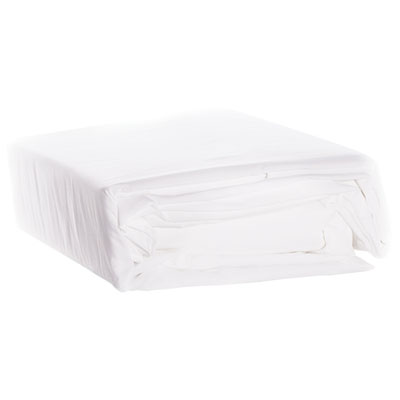
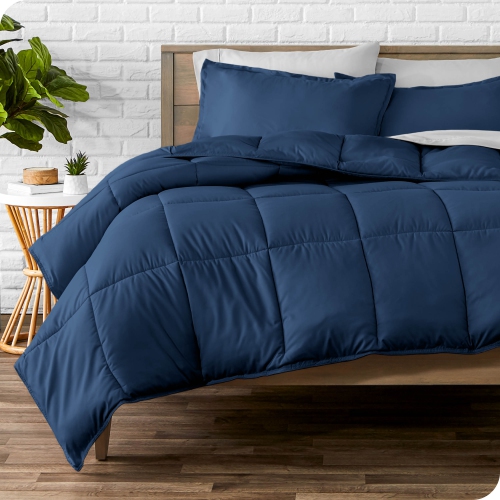
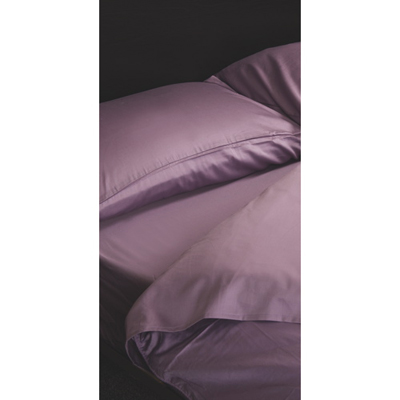
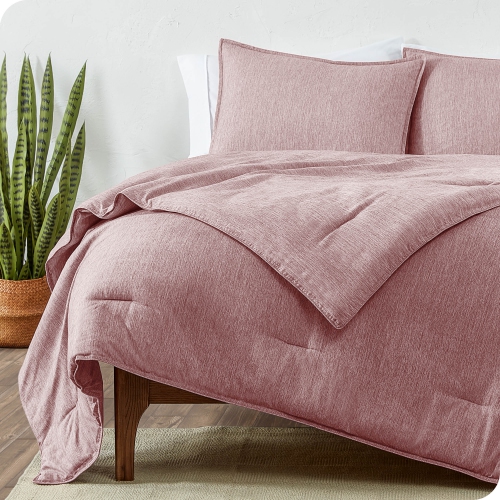


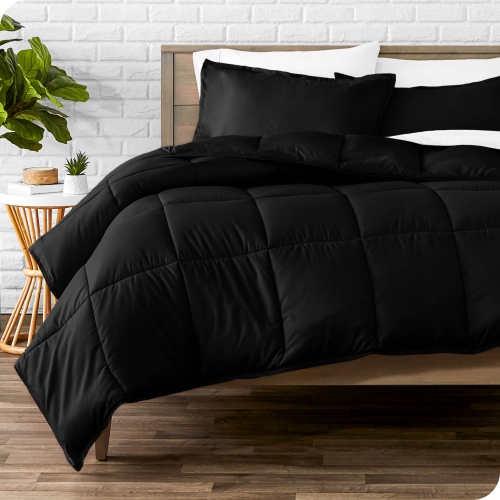
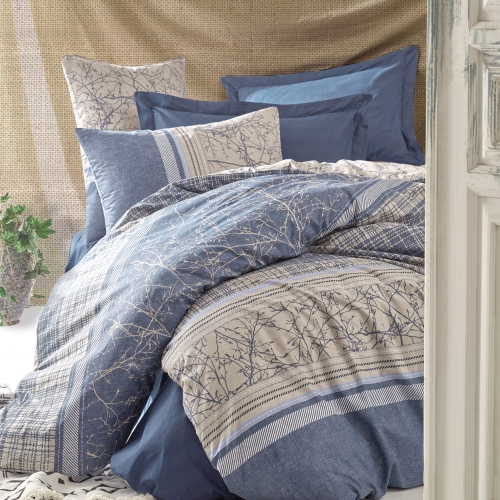
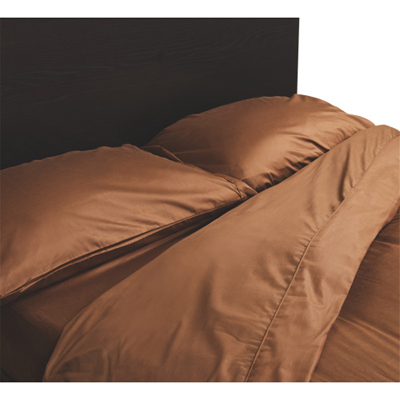
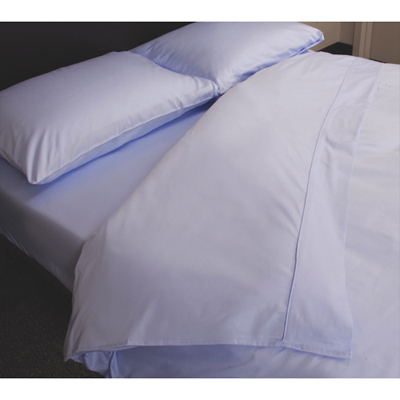
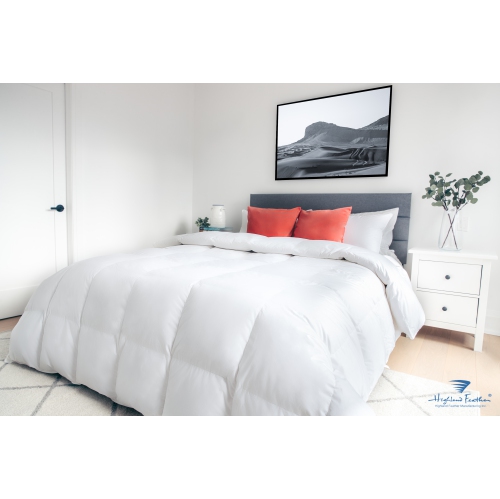
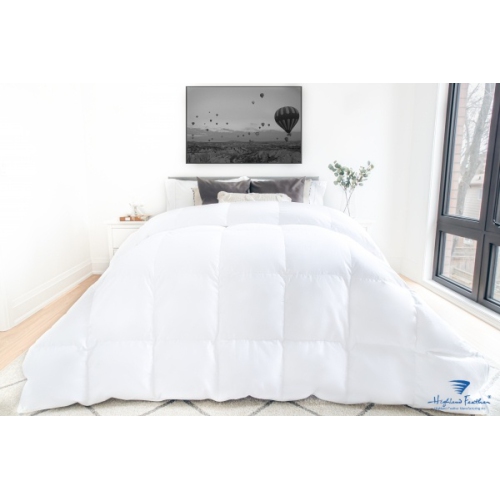
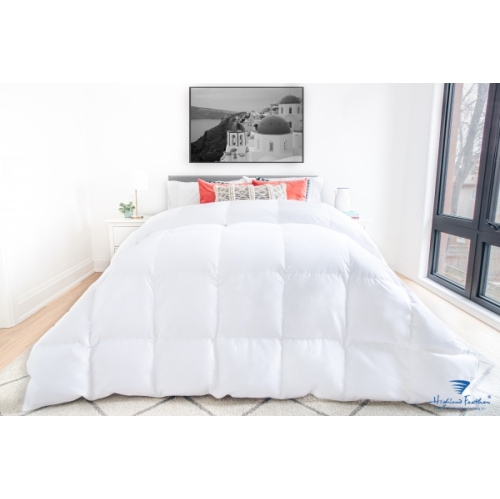
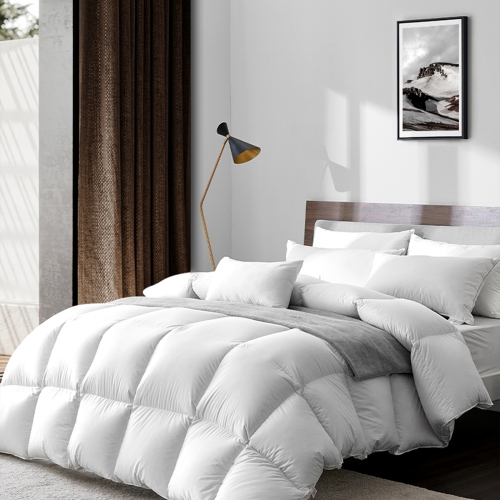
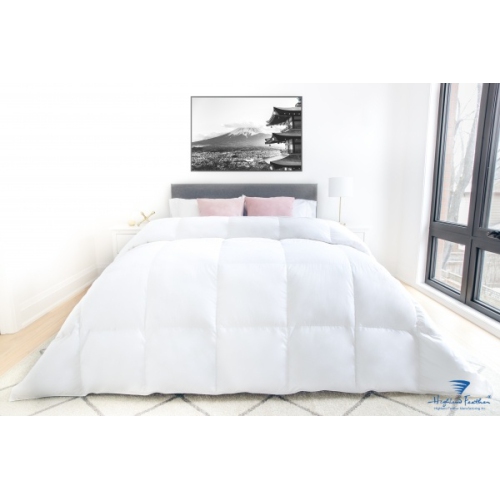
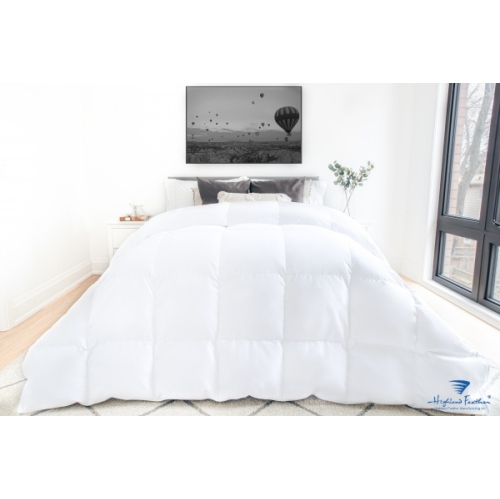
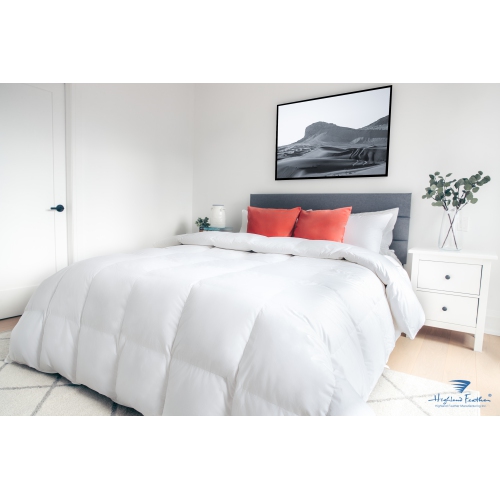
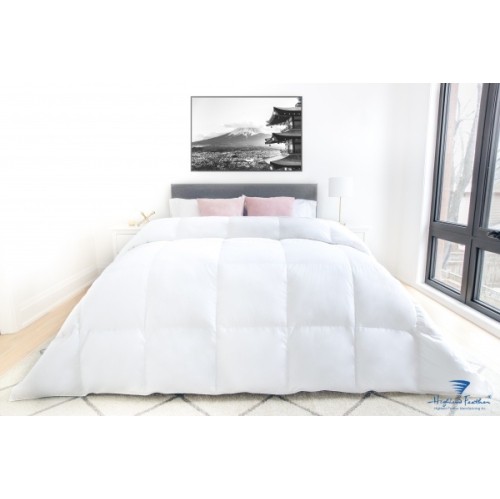
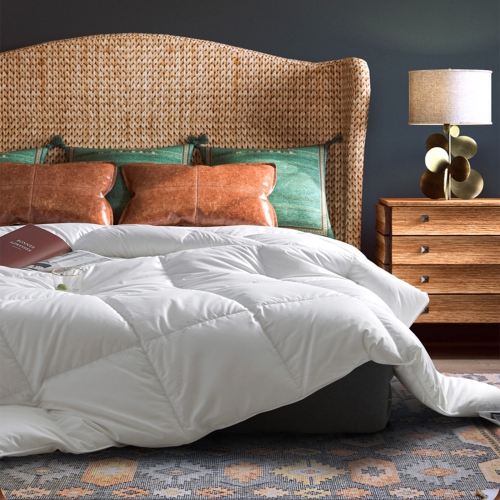
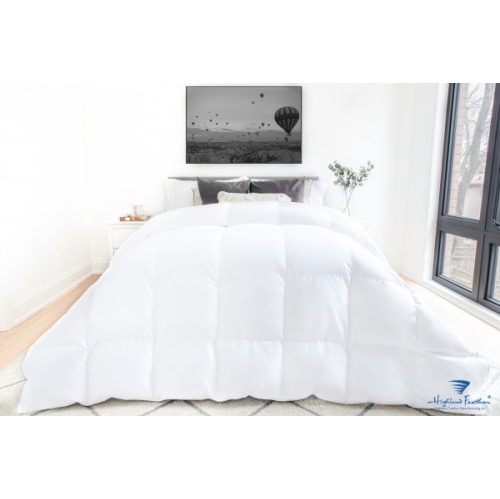




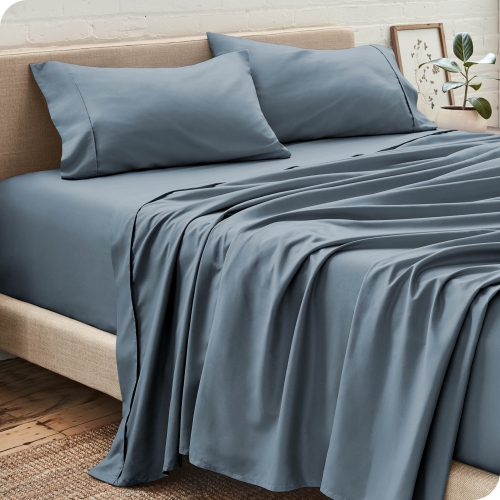
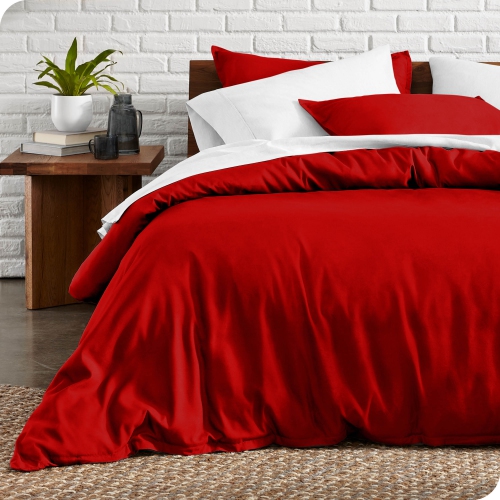
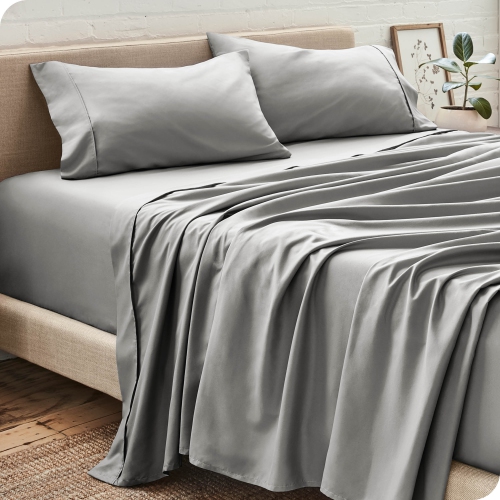
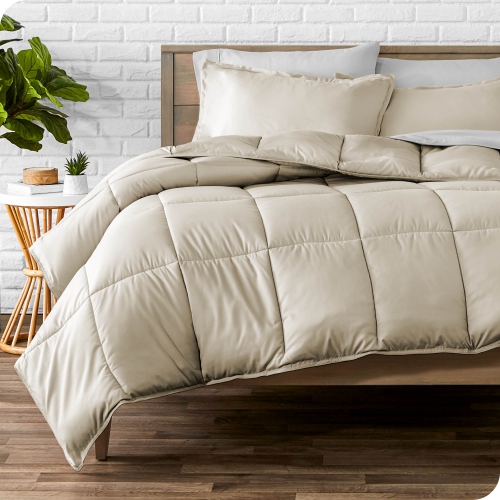
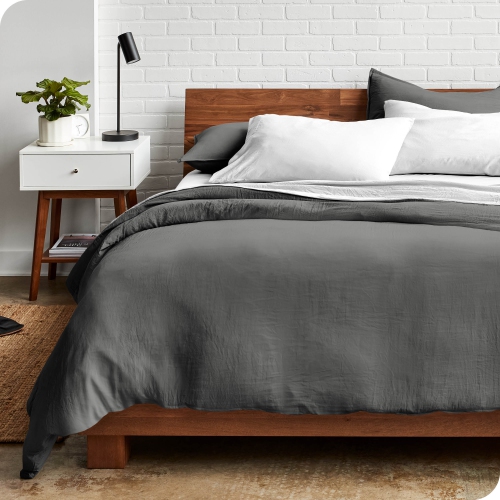
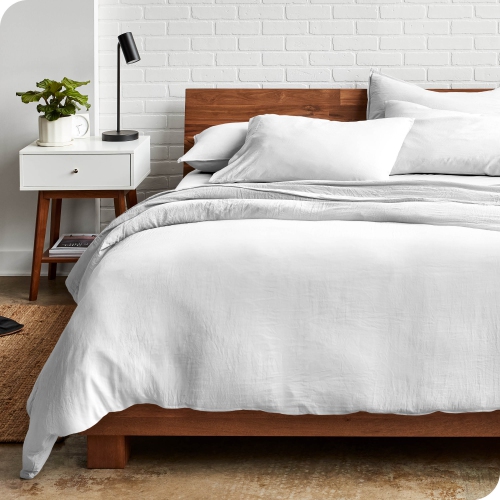
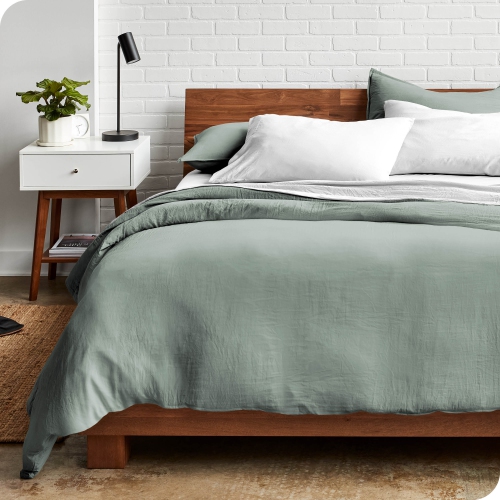
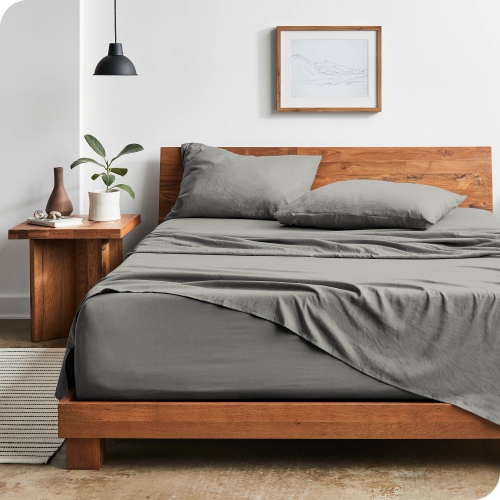
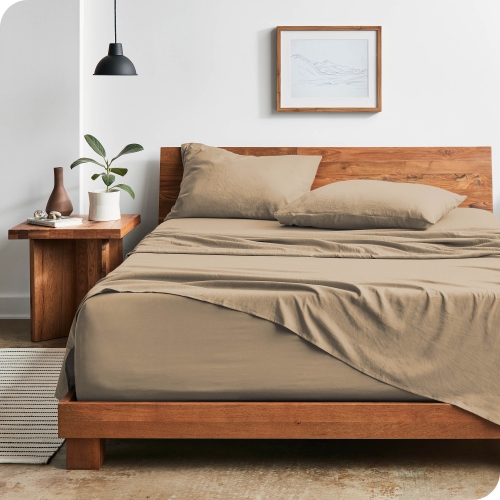
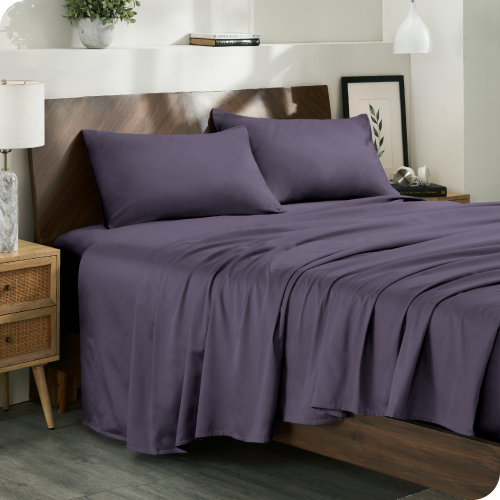
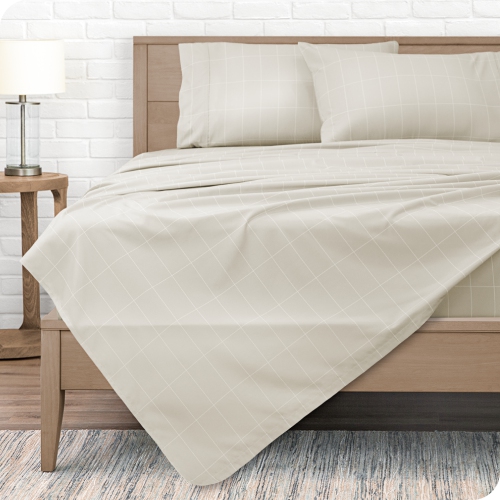

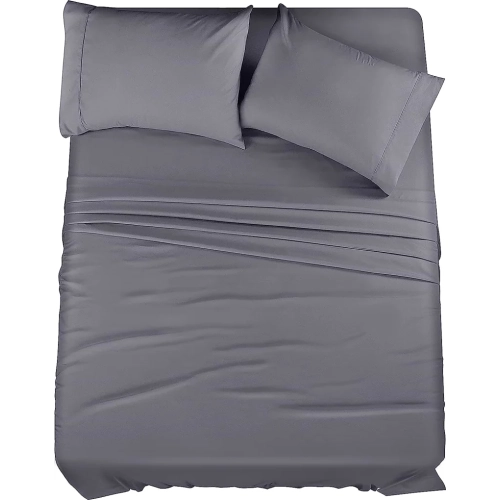
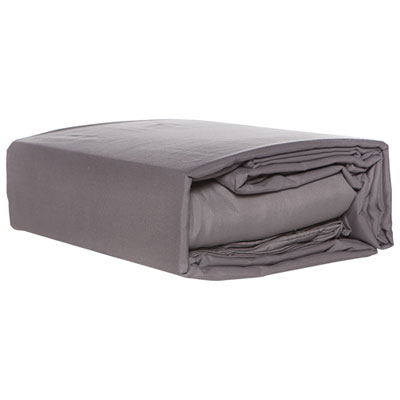
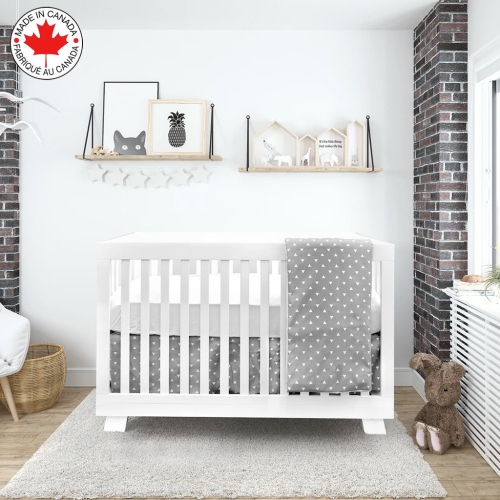
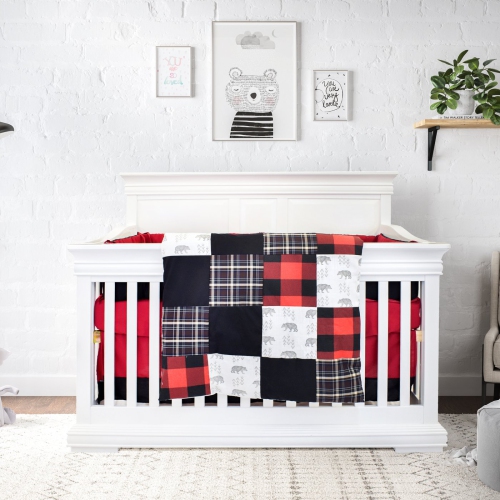
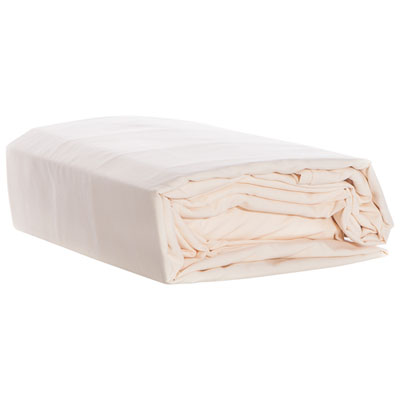
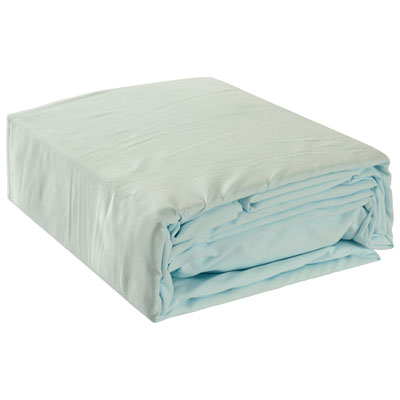
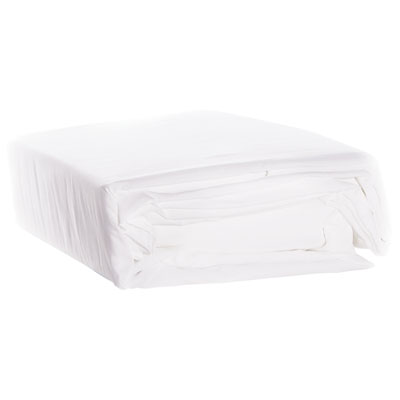
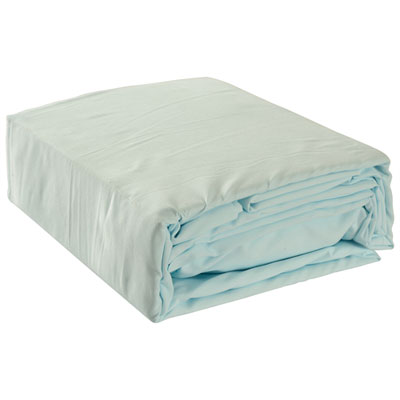
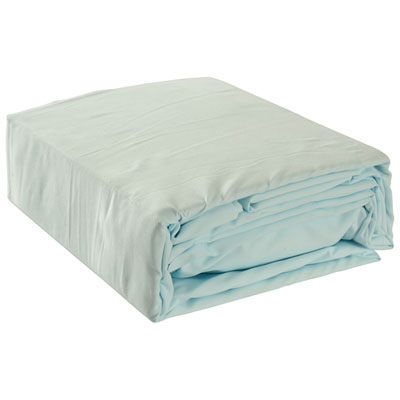
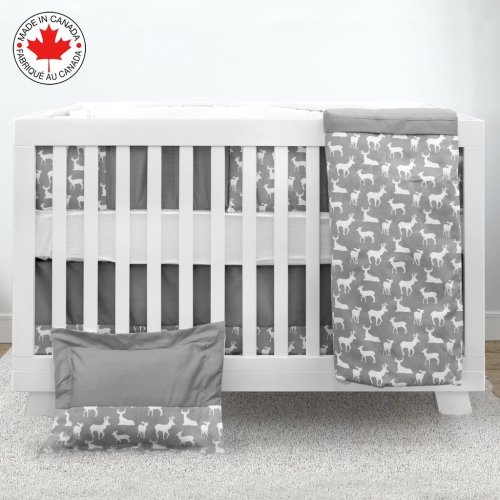
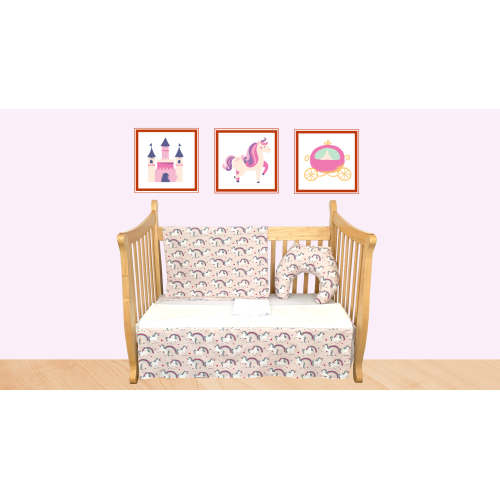
Material, fit, construction, and care shape everyday comfort
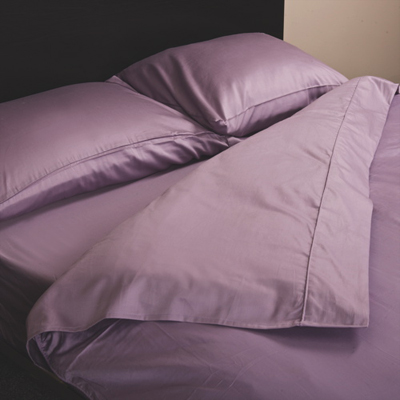
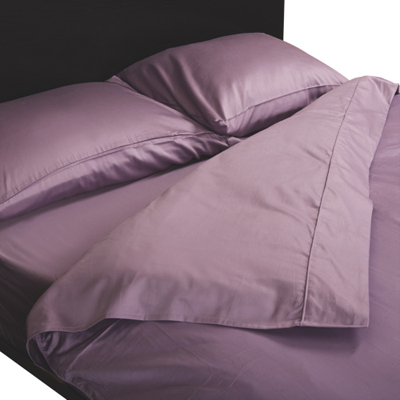
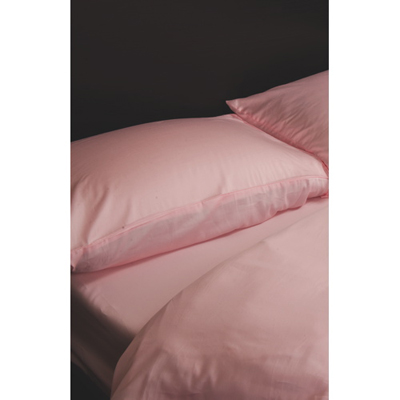
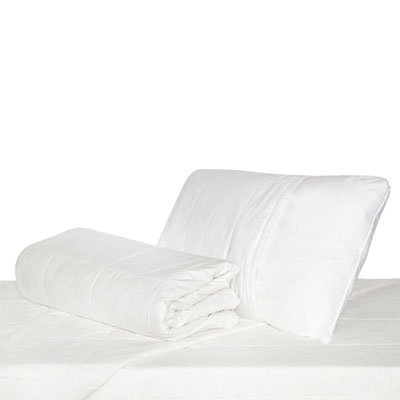
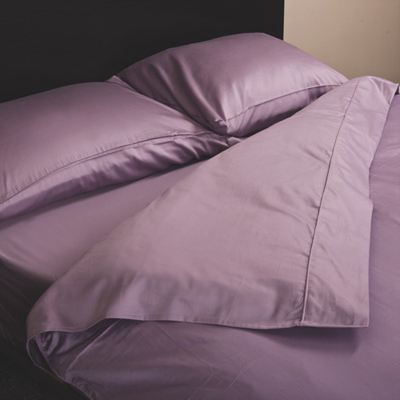
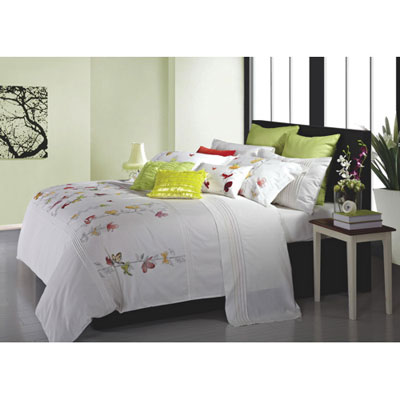
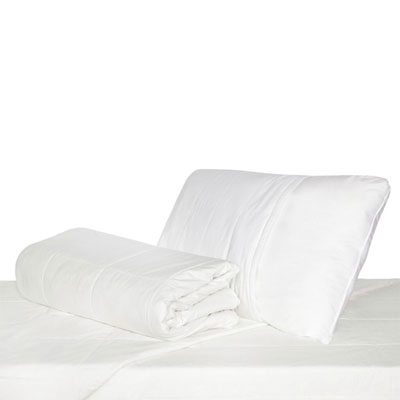
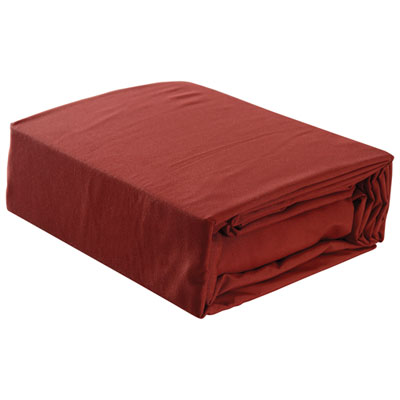
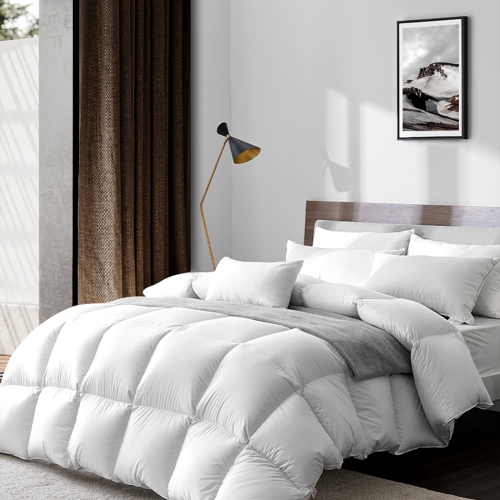
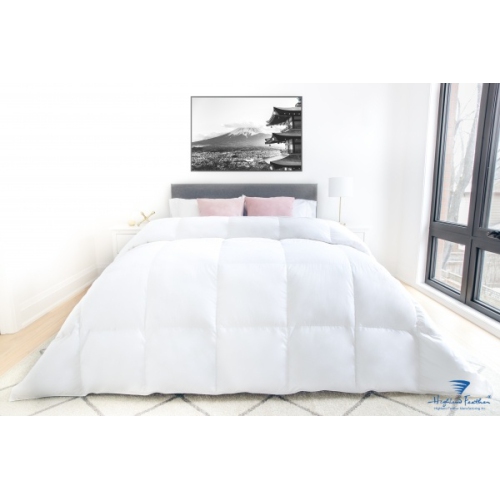
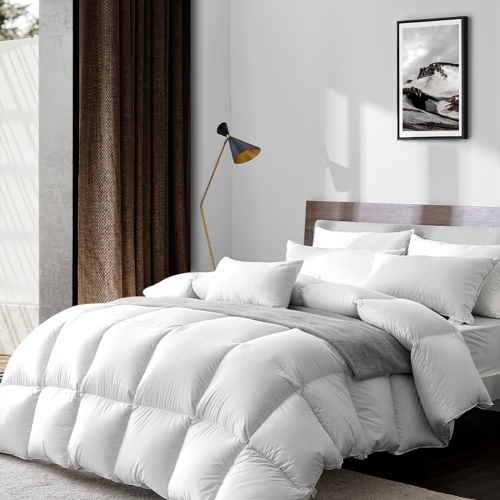
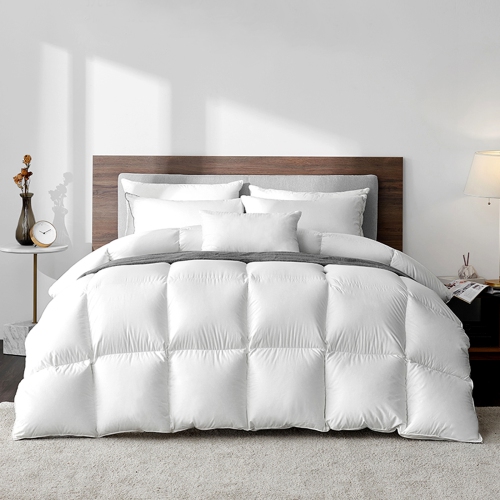
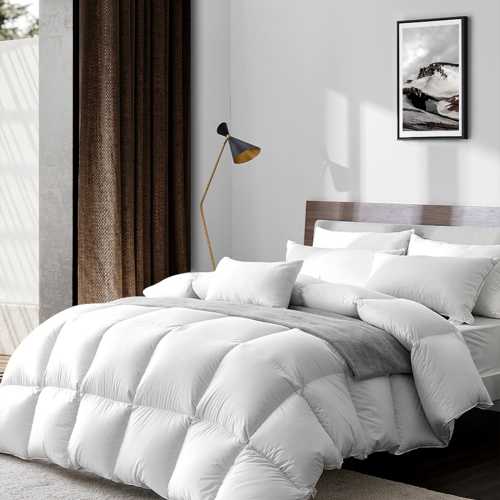
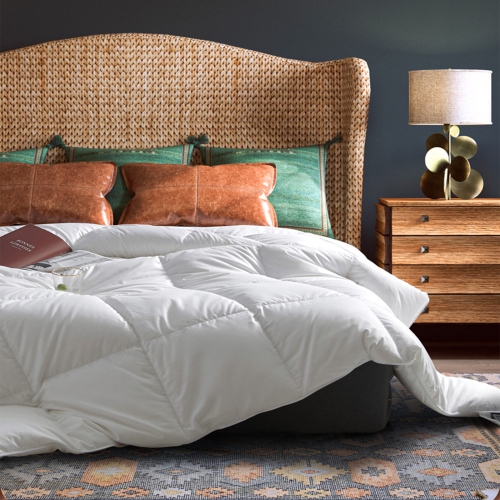
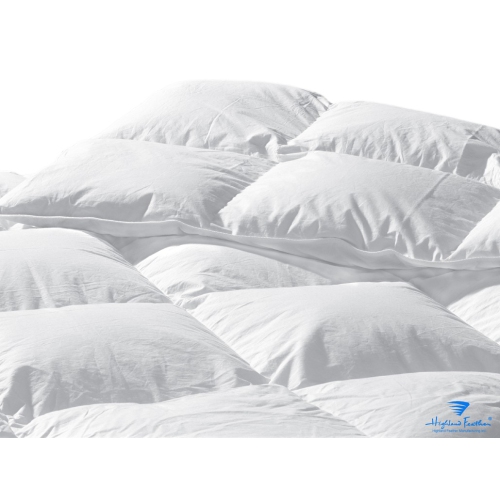
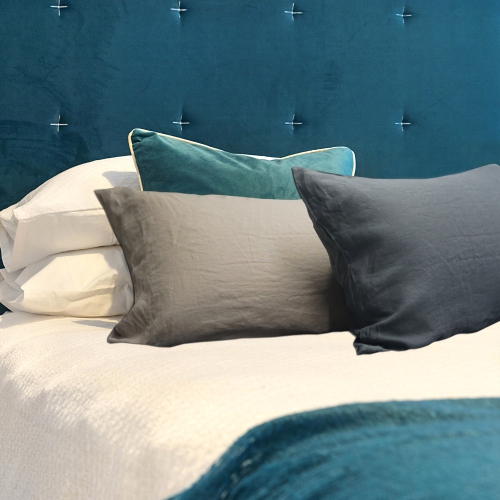
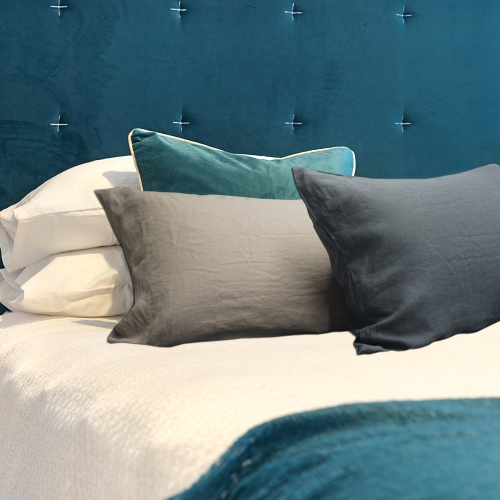
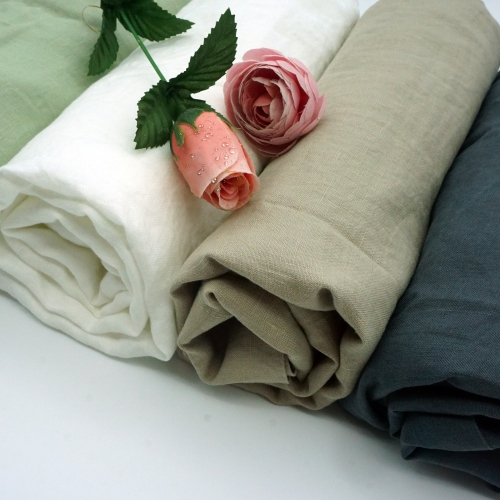
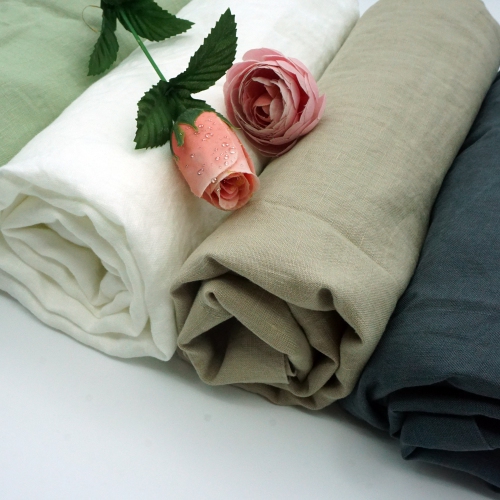
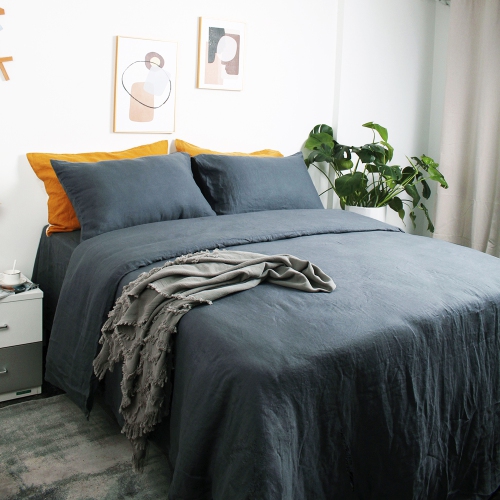
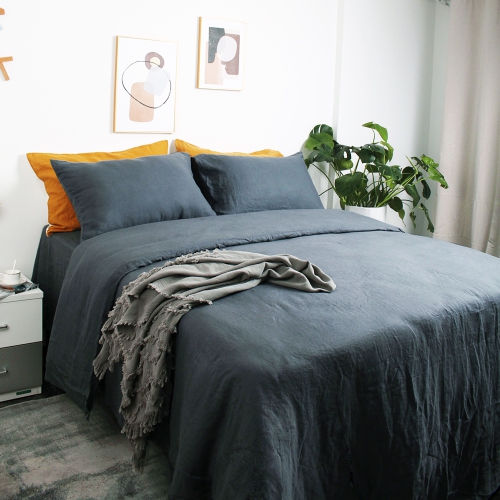
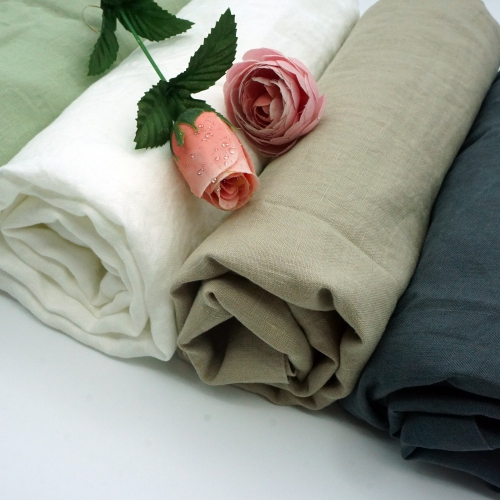
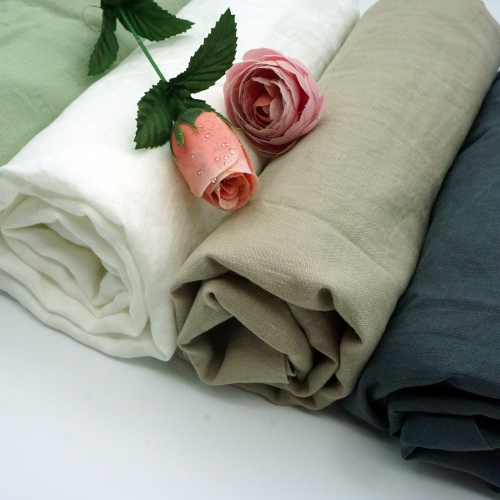
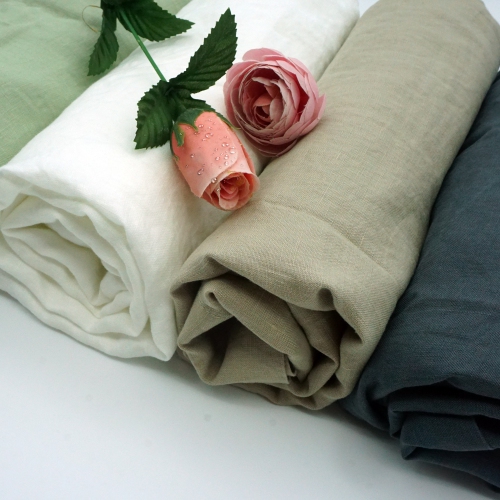
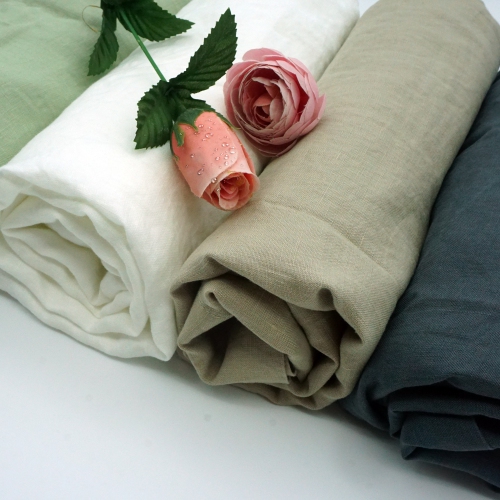
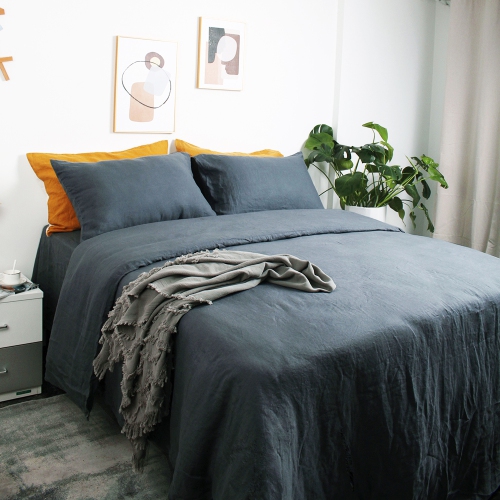
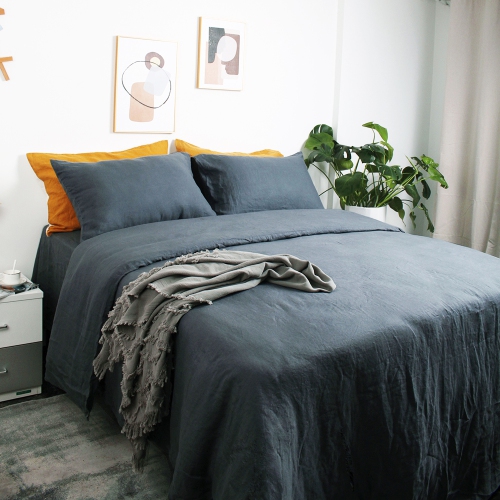
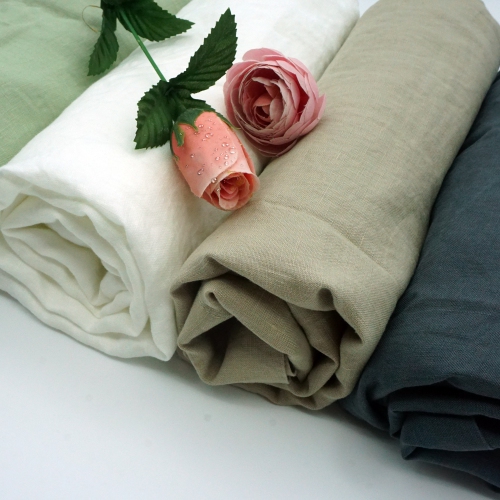
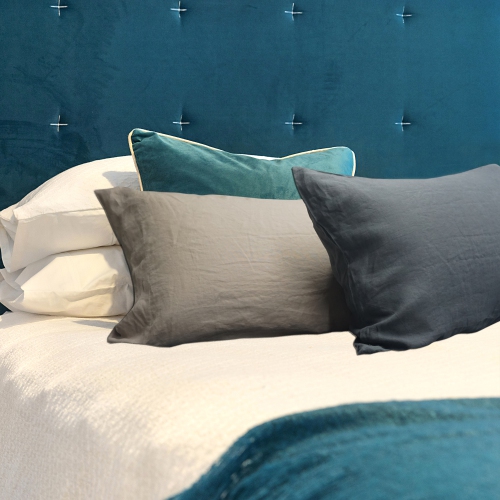
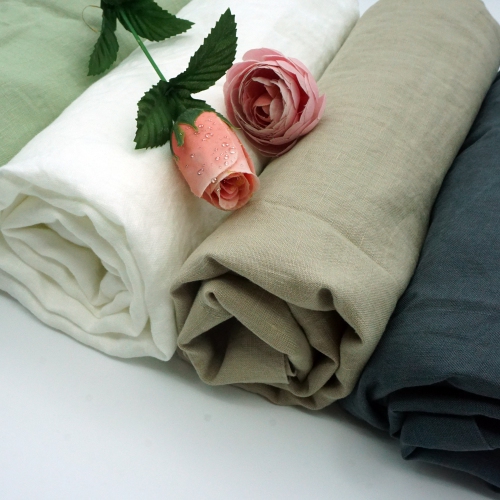
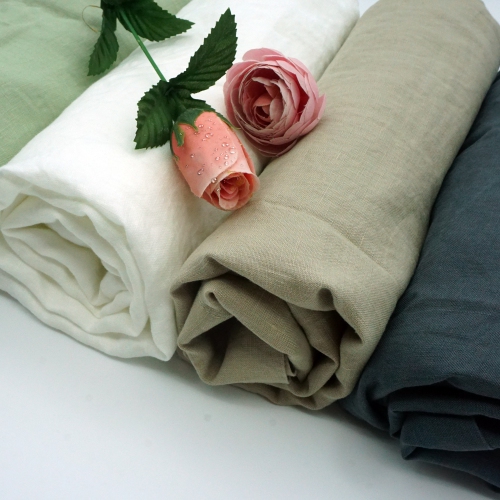
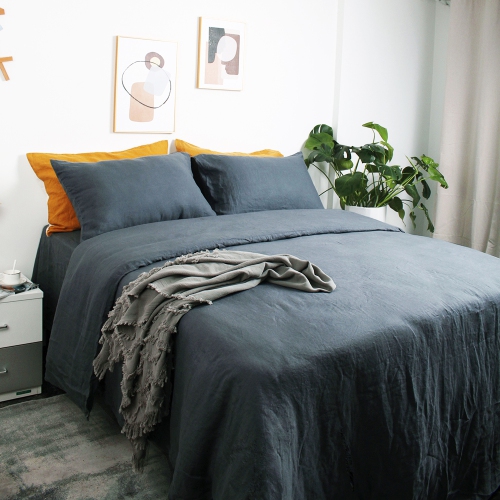
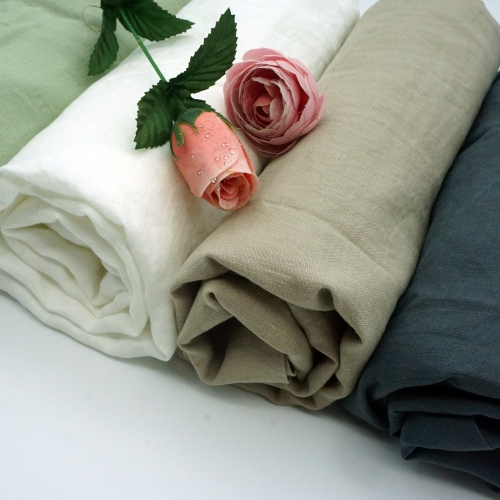
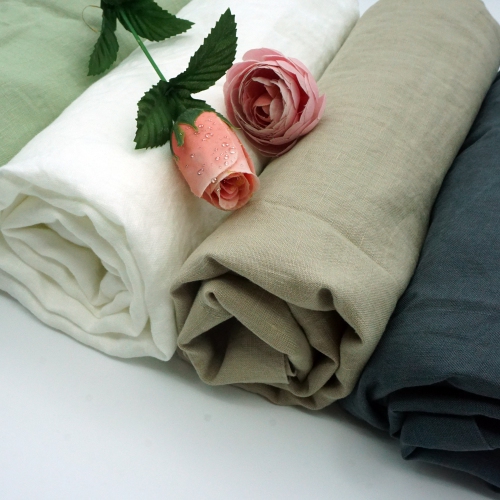
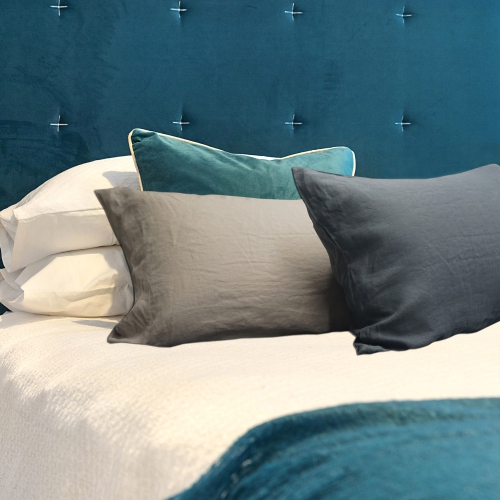
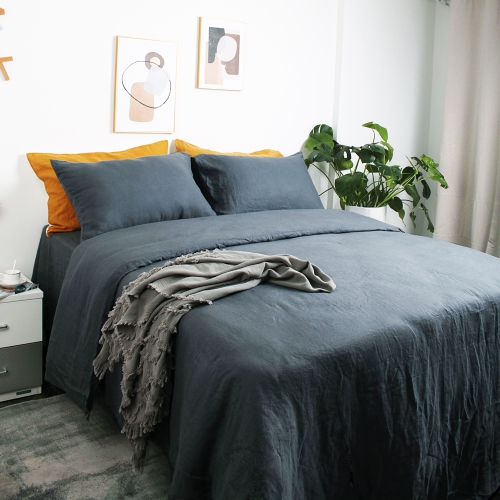
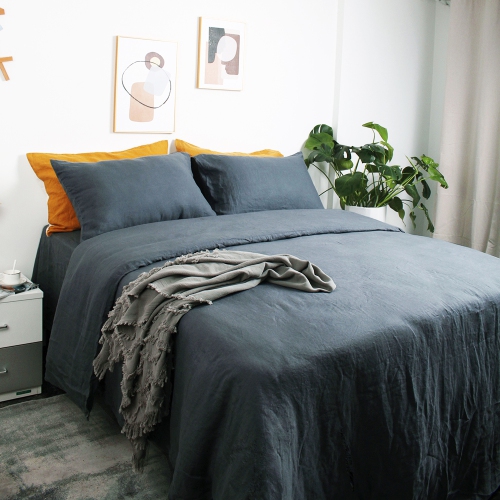
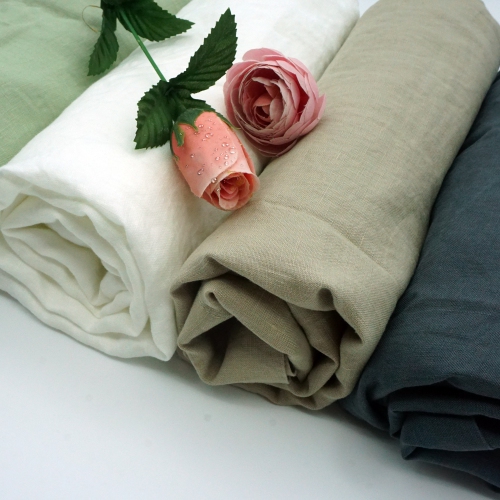
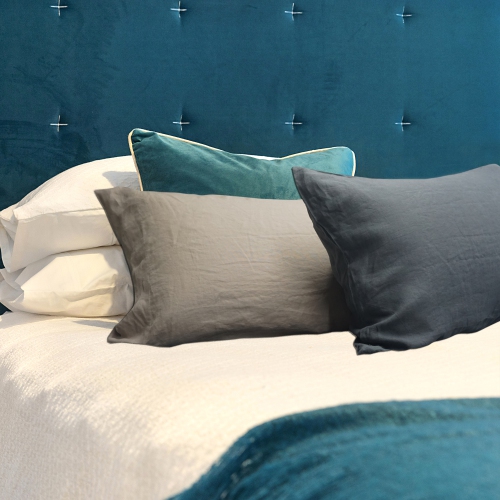
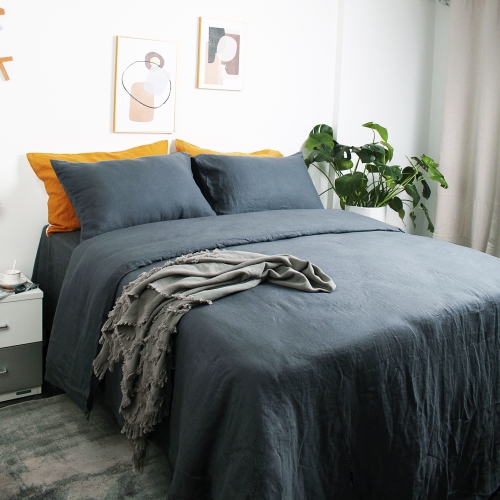
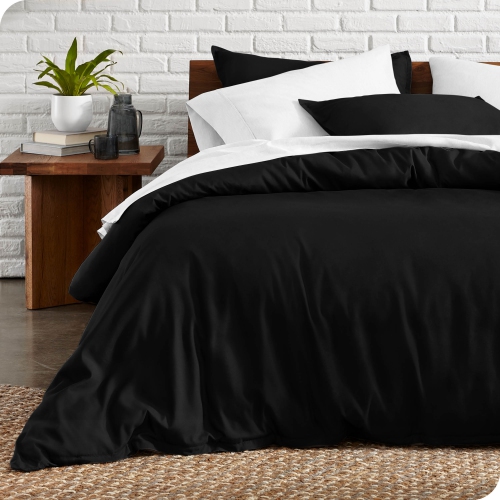
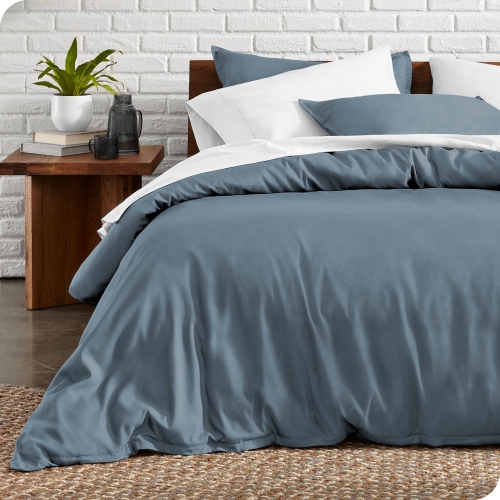
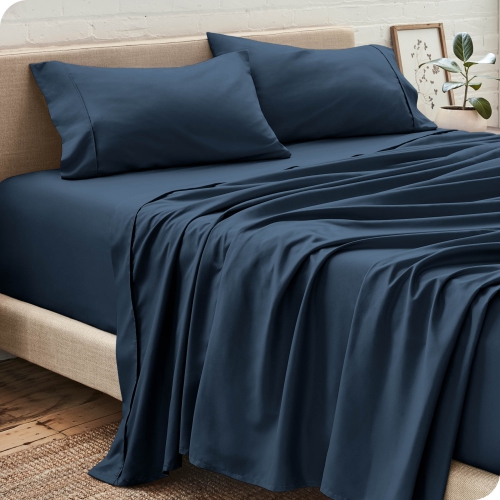
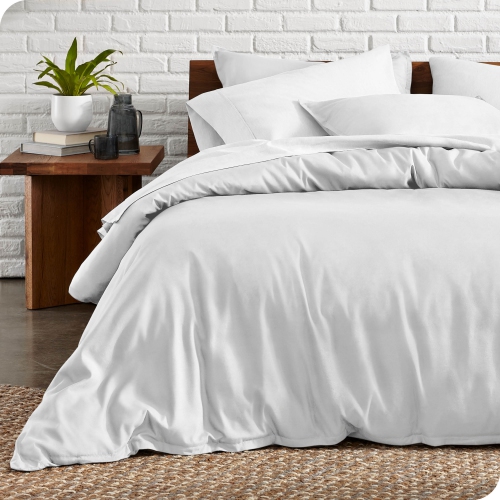
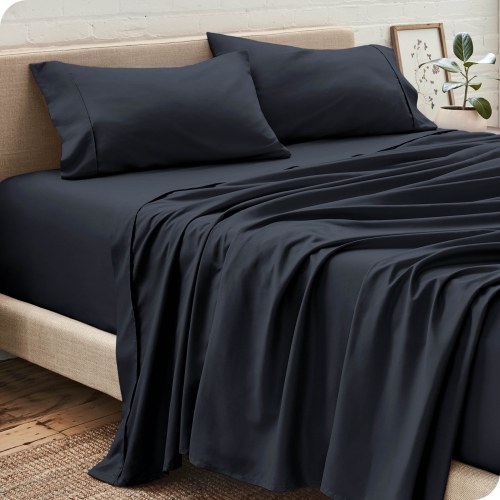
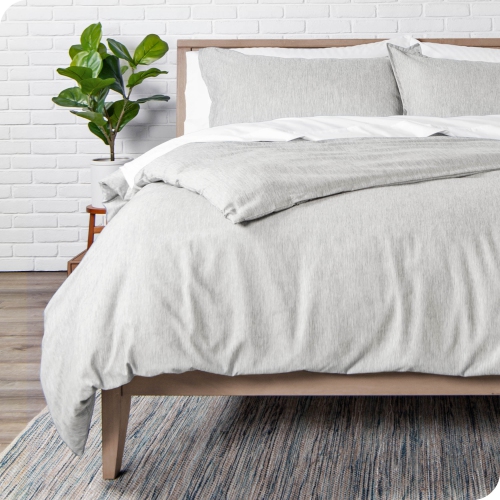
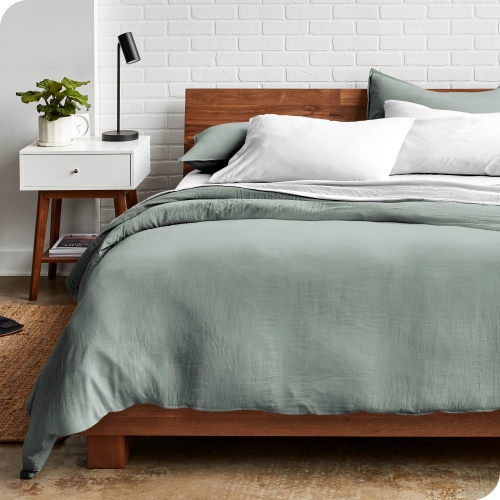
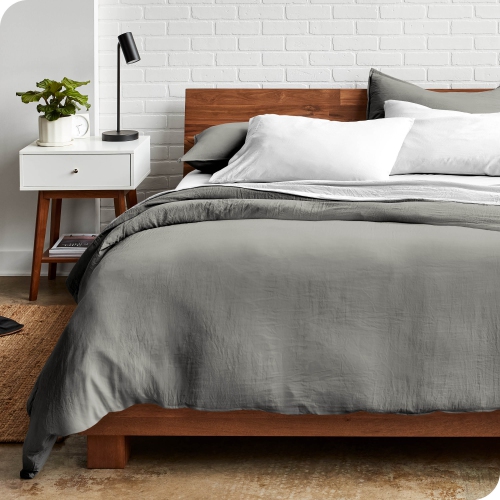
High quality bedding can make a noticeable difference to the way a bedroom feels and functions, from the first cool touch of a sheet at bedtime to the warmth of a duvet on a chilly morning. The right set should feel comfortable against the skin, fit the mattress securely, and hold its shape and softness through regular washing. Cotton remains a popular choice because it is versatile, breathable, and available in a range of weaves and weights. Long-staple cotton fibres are prized for creating smooth, durable fabric with fewer loose ends, while percale has a crisp, cool hand and sateen offers a silkier feel with a subtle sheen. Linen is valued for its airy texture and relaxed appearance; it allows heat and moisture to move away from the body and becomes softer over time. Silk has a naturally smooth surface and a lightweight, fluid drape, making it appealing for sleepers who prefer a delicate feel. Bamboo-based rayon bedding is also known for its softness and moisture-handling qualities. When comparing materials, consider the sensations you enjoy most: the fresh, lightly textured feel of linen, the familiar comfort of cotton, the smooth finish of silk, or the plush hand of brushed fabric. A set of Softest Bedding can be especially appealing for creating a restful, welcoming bed that feels inviting at the end of a long day.
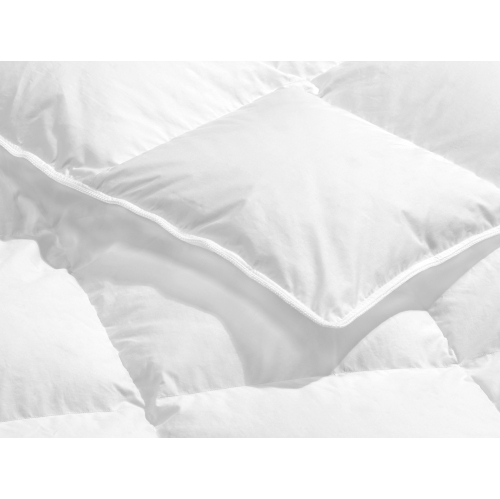
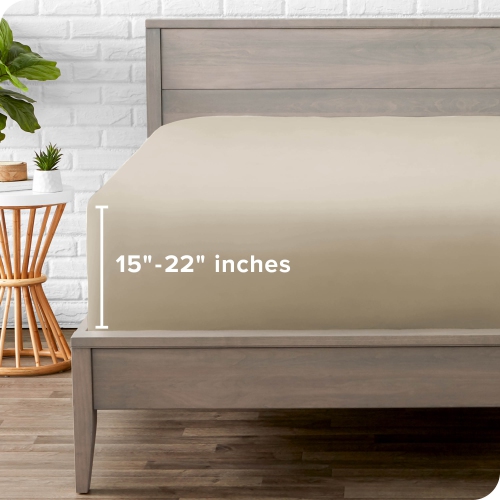
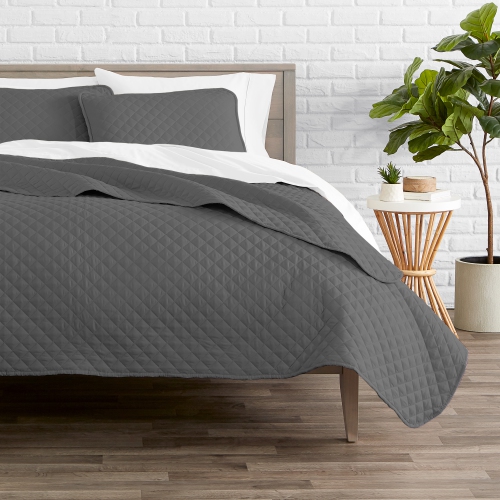
Construction details are just as important as fibre content. Thread count can offer useful context, but a higher number does not automatically indicate better bedding. The quality and length of the fibres, the accuracy of the weave, the finishing process, and the weight of the fabric all affect comfort and longevity. Look for neatly finished hems, strong elastic around fitted sheets, generous pocket depth for thicker mattresses, and dimensions that match the mattress and duvet insert. A fitted sheet that is too shallow may pull loose at the corners, while one that is too deep can bunch beneath the sleeper. Duvet covers with secure closures help keep the insert in place, and corner ties can reduce shifting during the night. Pillowcases with envelope flaps or well-finished closures provide a tidy fit and a polished appearance. For people who tend to sleep warm, lighter percale, linen, silk, or breathable cotton layers may feel more comfortable than dense flannel or heavy brushed fabrics. Cold sleepers may prefer a layered setup with a quilt, blanket, or substantial duvet that can be adjusted as room temperatures change. During the cooler months, adding texture through a quilted coverlet or woven throw can make the bed feel warm and inviting without requiring one oversized layer. Those who share a bed may benefit from separate blankets or a duvet with a flexible fill weight when each person prefers a different level of warmth.
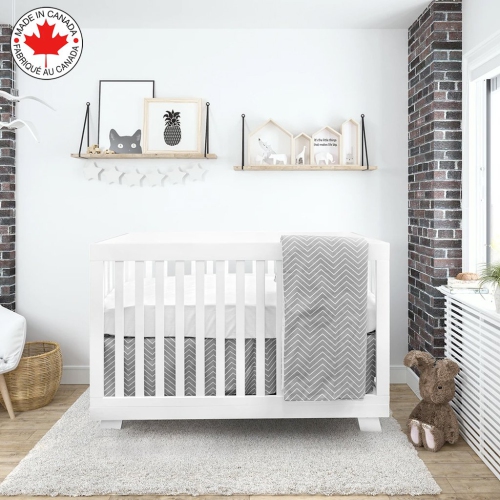
Care requirements should also guide a bedding purchase. Check the care label before choosing a set, particularly if it will be washed frequently or used in a household with children and pets. Cotton and many cotton blends are practical for regular laundering, while linen may benefit from a gentle cycle and a relaxed approach to wrinkles. Silk generally calls for more careful handling, lower temperatures, and protection from harsh detergents. Washing sheets and covers in a properly sized load helps prevent excess twisting, and removing them promptly from the dryer can reduce deep creases. Rotating between two or more sets gives each set time to be washed and fully dried, while also reducing wear on any one set. Neutral shades can create a calm, versatile foundation, whereas deeper tones and layered patterns bring character to a bedroom. Bedding can be a thoughtful gift for someone moving into a new home, furnishing a guest room, preparing a nursery, or refreshing a primary bedroom. It is also practical for students settling into residence, newlyweds building a household, or anyone who enjoys changing the feel of a room with the seasons. Before giving bedding as a gift, confirm the bed size and consider the recipient’s preferences, including whether they favour a crisp or brushed texture, sleep warm or cool, and prefer easy-care fabrics. With the right combination of material, fit, construction, and care, high quality bedding can provide everyday comfort while helping the bedroom feel complete through the changing seasons.
Construction details are just as important as fibre content. Thread count can offer useful context, but a higher number does not automatically indicate better bedding. The quality and length of the fibres, the accuracy of the weave, the finishing process, and the weight of the fabric all affect comfort and longevity. Look for neatly finished hems, strong elastic around fitted sheets, generous pocket depth for thicker mattresses, and dimensions that match the mattress and duvet insert. A fitted sheet that is too shallow may pull loose at the corners, while one that is too deep can bunch beneath the sleeper. Duvet covers with secure closures help keep the insert in place, and corner ties can reduce shifting during the night. Pillowcases with envelope flaps or well-finished closures provide a tidy fit and a polished appearance. For people who tend to sleep warm, lighter percale, linen, silk, or breathable cotton layers may feel more comfortable than dense flannel or heavy brushed fabrics. Cold sleepers may prefer a layered setup with a quilt, blanket, or substantial duvet that can be adjusted as room temperatures change. During the cooler months, adding texture through a quilted coverlet or woven throw can make the bed feel warm and inviting without requiring one oversized layer. Those who share a bed may benefit from separate blankets or a duvet with a flexible fill weight when each person prefers a different level of warmth.
Care requirements should also guide a bedding purchase. Check the care label before choosing a set, particularly if it will be washed frequently or used in a household with children and pets. Cotton and many cotton blends are practical for regular laundering, while linen may benefit from a gentle cycle and a relaxed approach to wrinkles. Silk generally calls for more careful handling, lower temperatures, and protection from harsh detergents. Washing sheets and covers in a properly sized load helps prevent excess twisting, and removing them promptly from the dryer can reduce deep creases. Rotating between two or more sets gives each set time to be washed and fully dried, while also reducing wear on any one set. Neutral shades can create a calm, versatile foundation, whereas deeper tones and layered patterns bring character to a bedroom. Bedding can be a thoughtful gift for someone moving into a new home, furnishing a guest room, preparing a nursery, or refreshing a primary bedroom. It is also practical for students settling into residence, newlyweds building a household, or anyone who enjoys changing the feel of a room with the seasons. Before giving bedding as a gift, confirm the bed size and consider the recipient’s preferences, including whether they favour a crisp or brushed texture, sleep warm or cool, and prefer easy-care fabrics. With the right combination of material, fit, construction, and care, high quality bedding can provide everyday comfort while helping the bedroom feel complete through the changing seasons.
Top selling and popular products
-
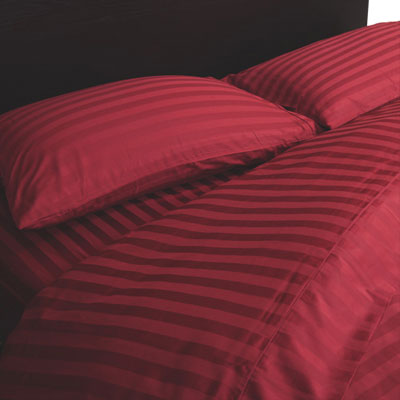 Your price for this item is $134.99
 -
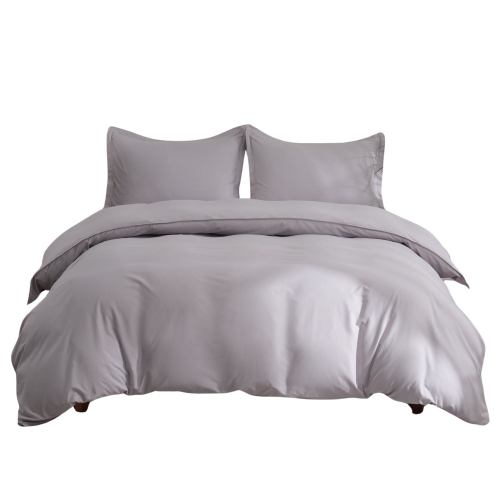 Your price for this item is $270
 -
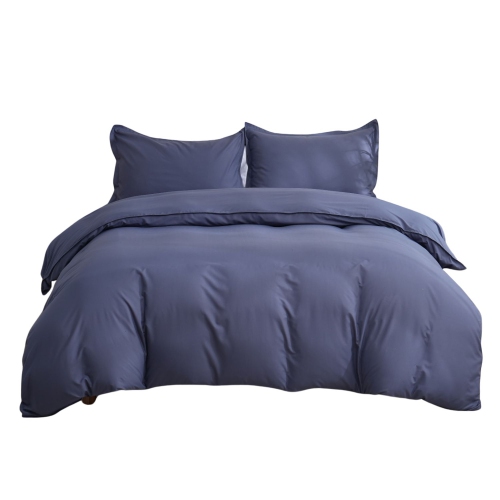 Your price for this item is $240
 -
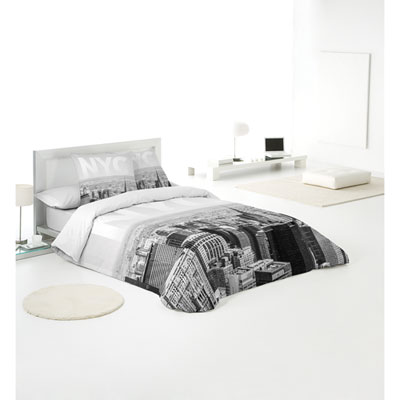 Your price for this item is $135.98
 -
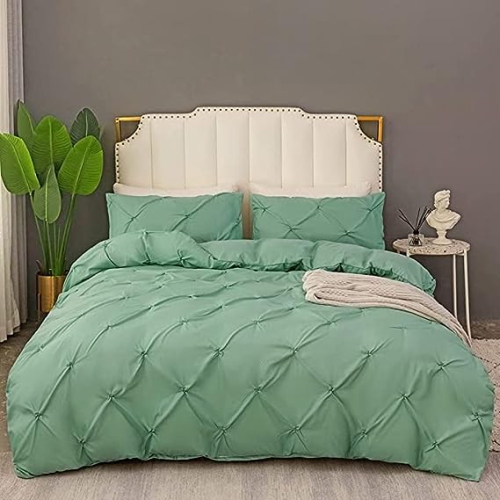 Your price for this item is $39.99
 -
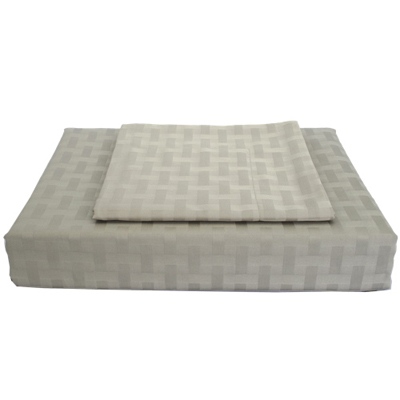 Your price for this item is $189.99
 -
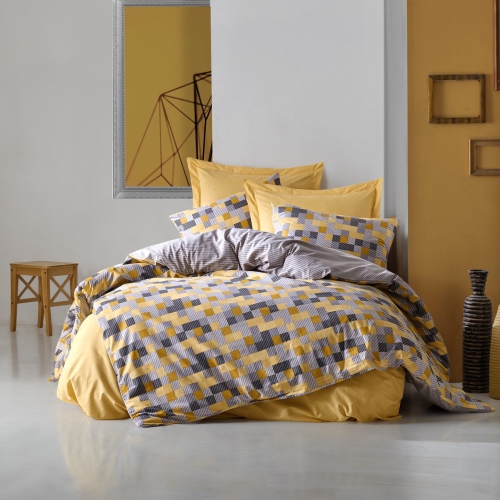 Your price for this item is $149.99
 -
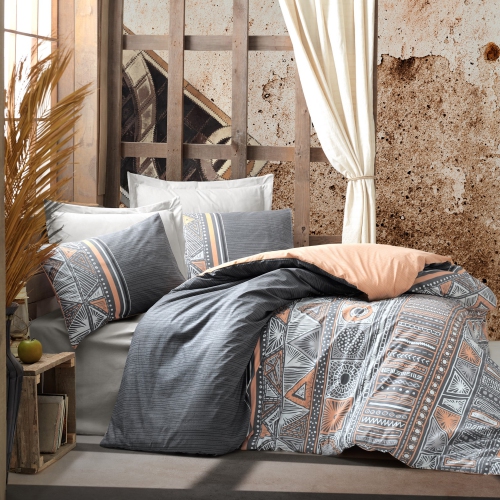 Your price for this item is $139.99
Discover more categories related to High Quality Bedding

Top Collections:
Pokemon Centers, Kindle Devices, Best Budget Office Chairs, Apple iPhones 16, Best Laptops for Writers, iPhone 15 Apple, Canon G7X Cameras, Refurbished Apple Laptops, Alarm Clock, Motorola Razr Phones
Some products may be subject to Environmental Handling Fees
(EHF) depending on your province.
Learn more about EHFs.