Softest Bedding
Indulge in the ultimate comfort and relaxation with these softest sheets. Sink into a cloud-like embrace as you wrap yourself in luxurious fabrics that are gentle on your skin and provide a cozy haven for a restful night's sleep. Crafted with the utmost care and attention to detail, these incredibly soft beddings are designed to enhance your sleep experience and transform your bedroom into a serene sanctuary.
Sort

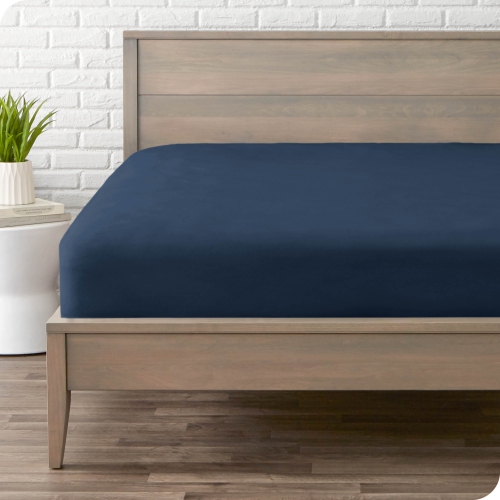
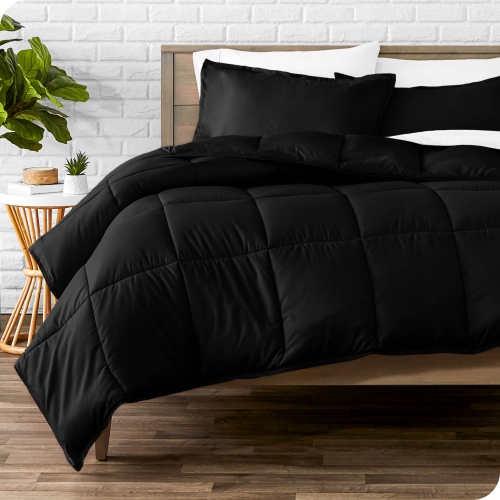
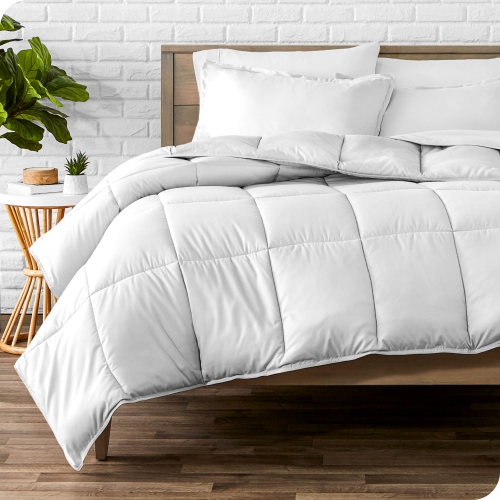
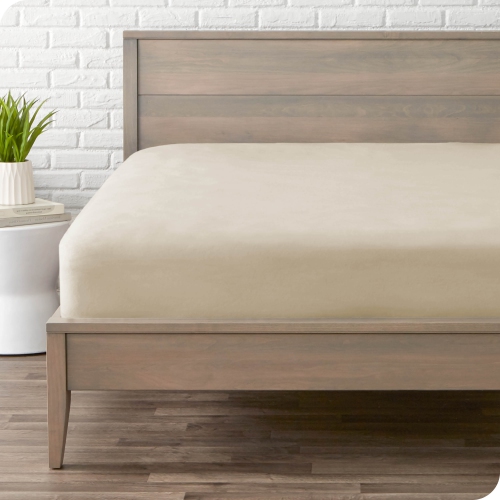
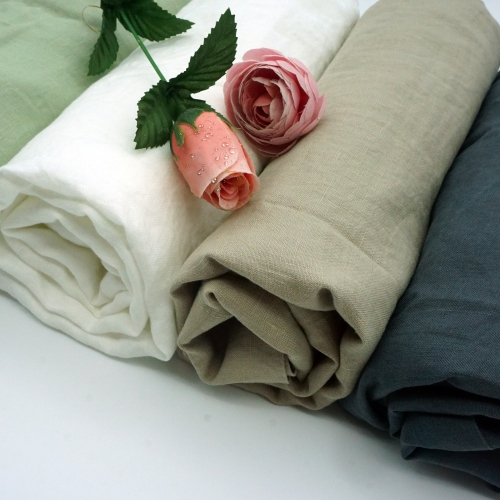
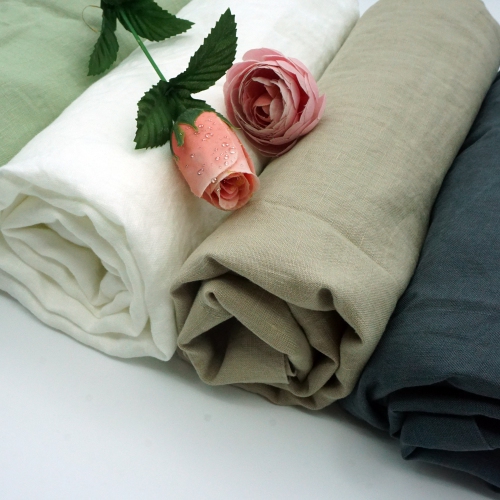
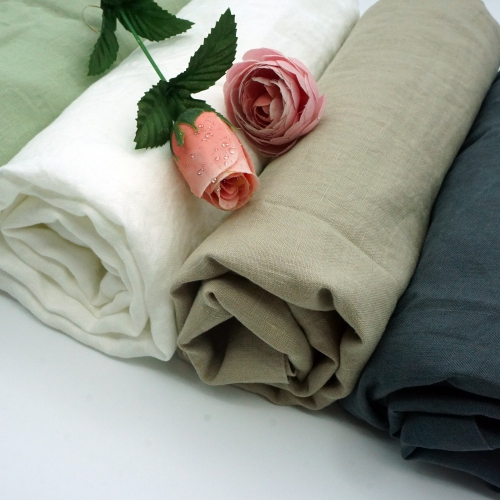
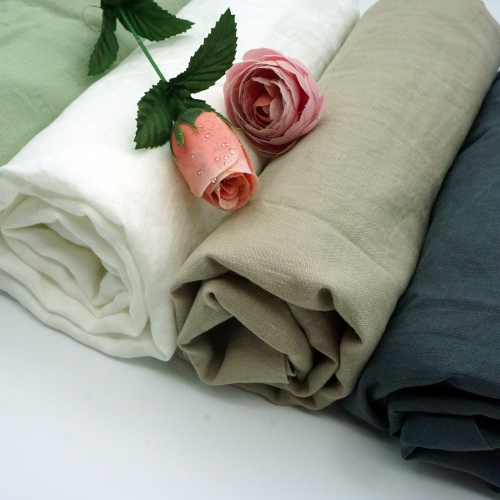
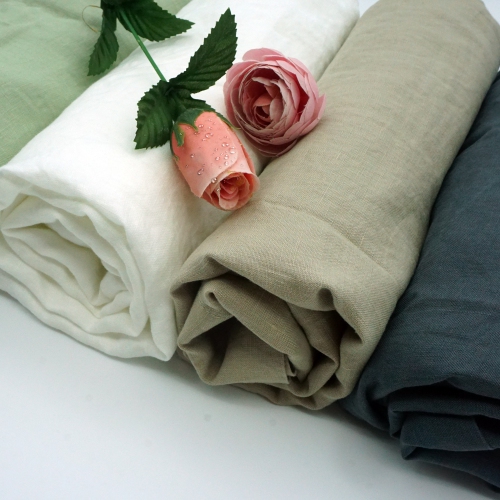
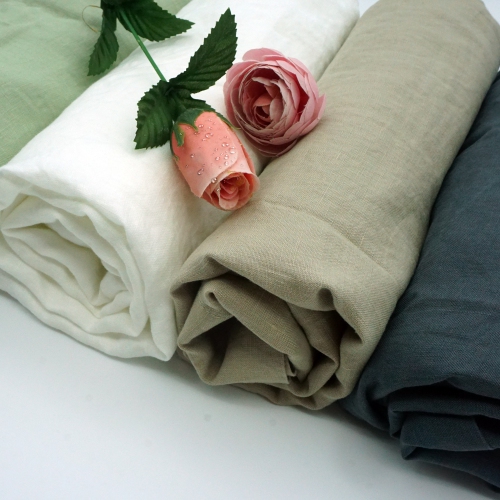
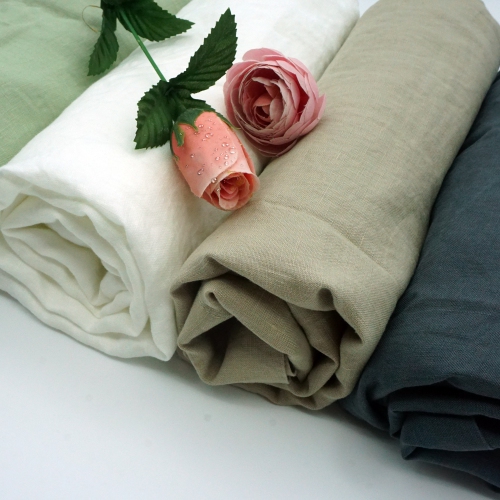
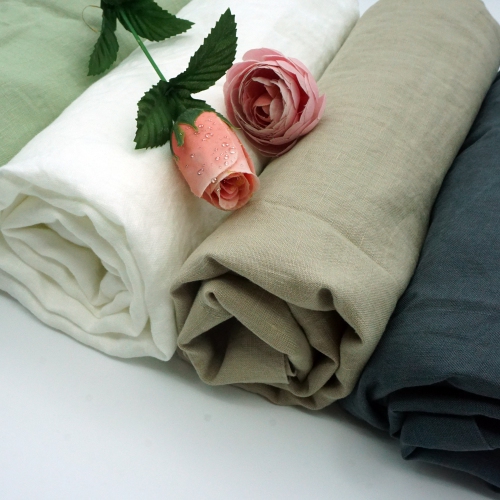
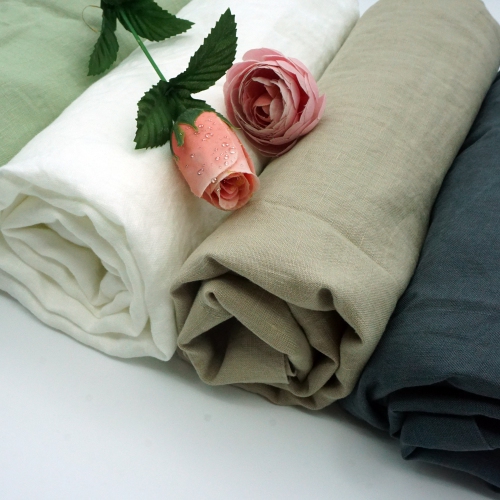
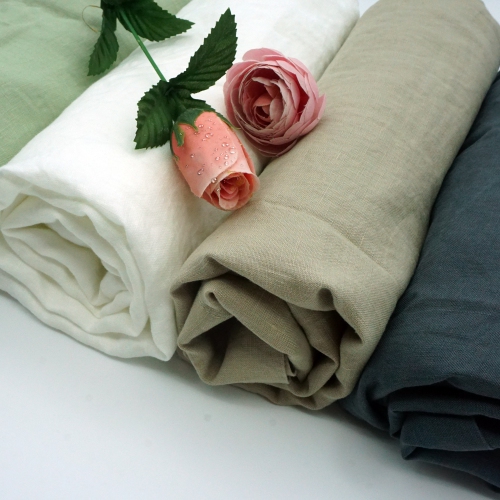

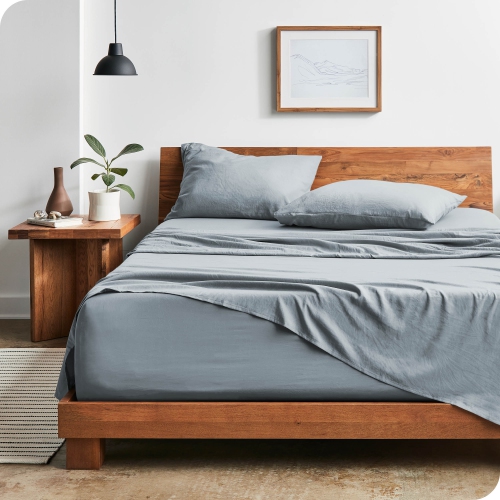
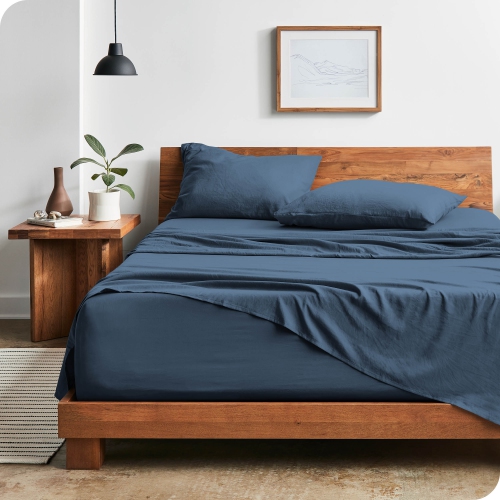
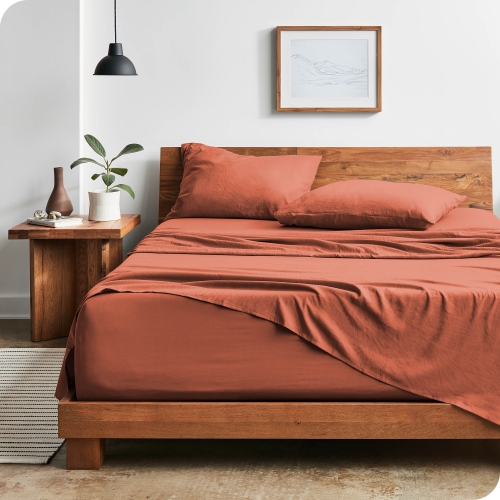
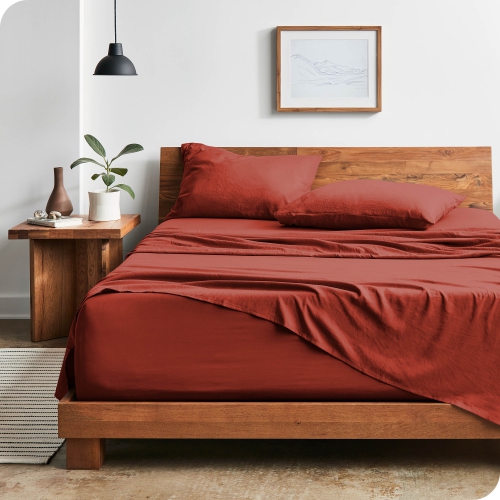
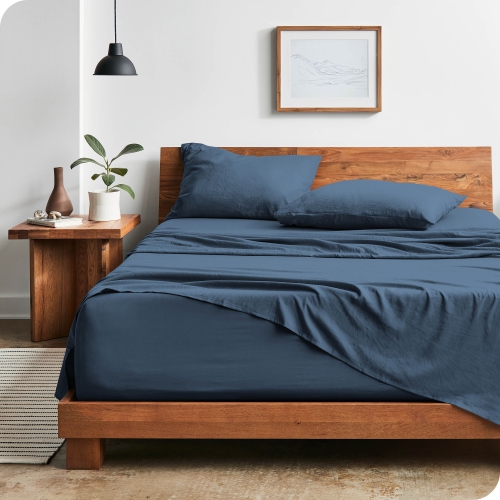
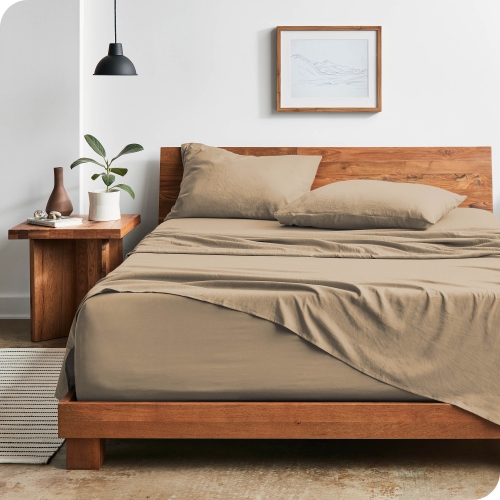



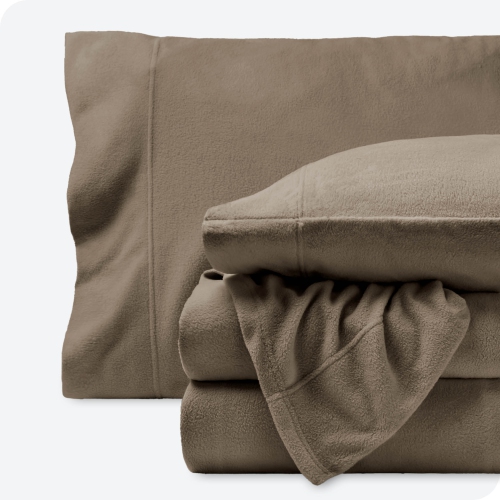
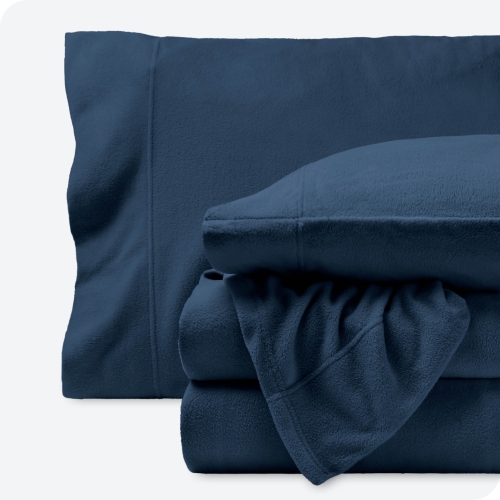
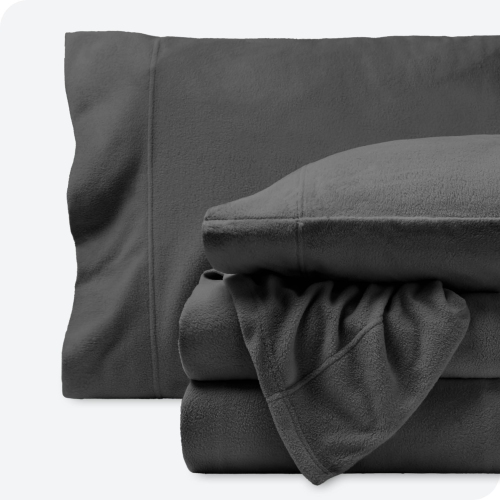
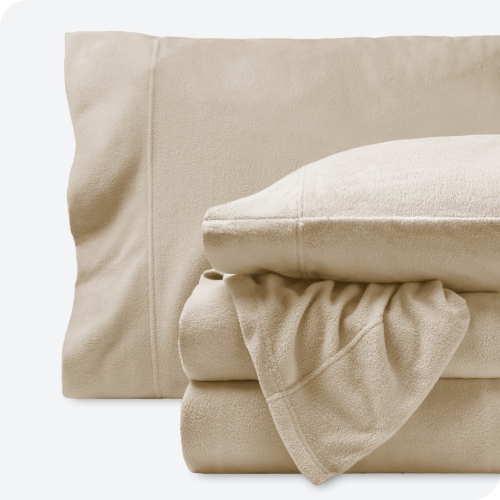
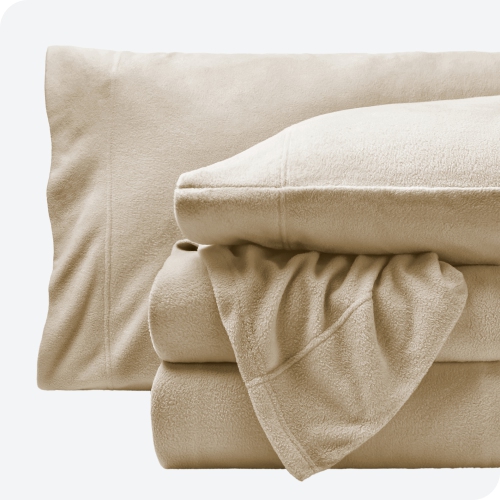
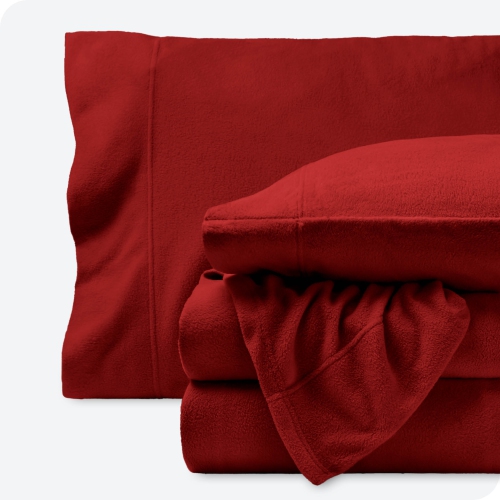
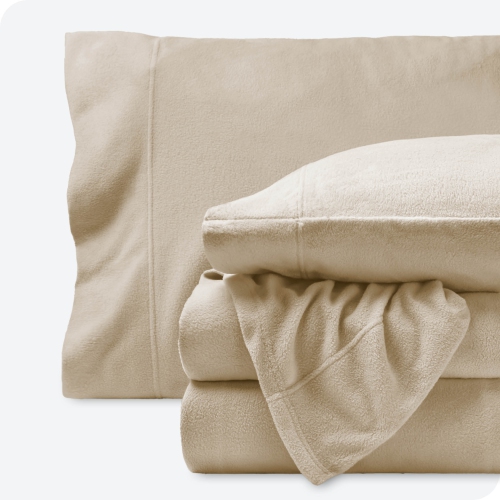
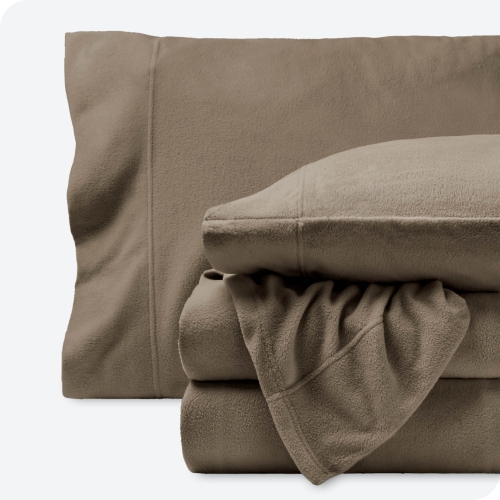
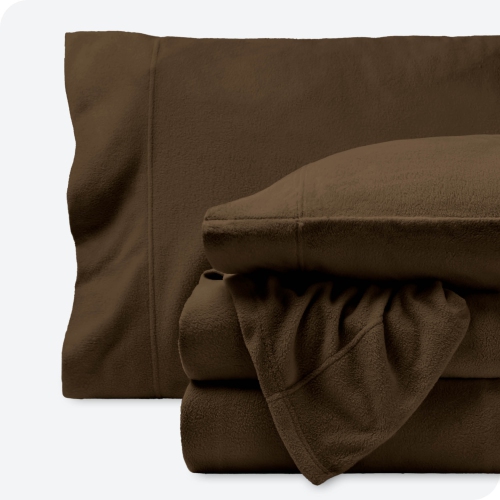
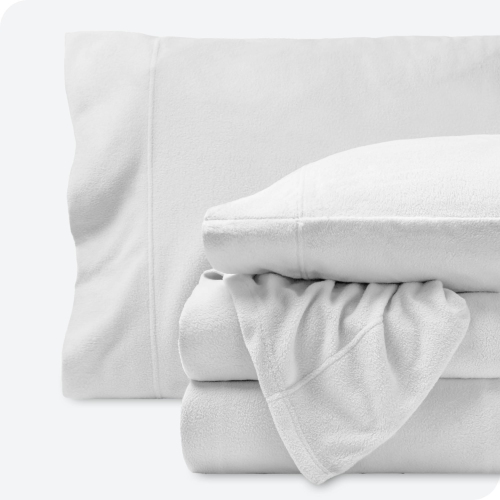
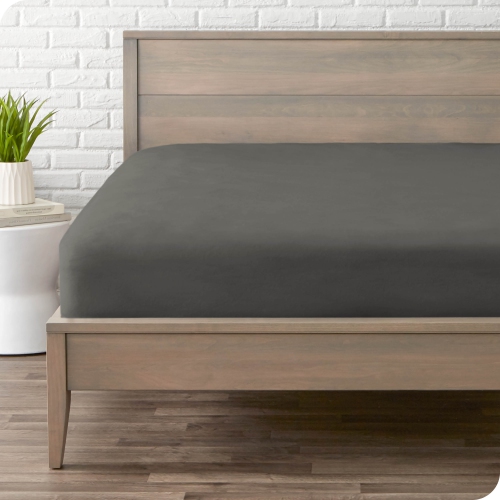
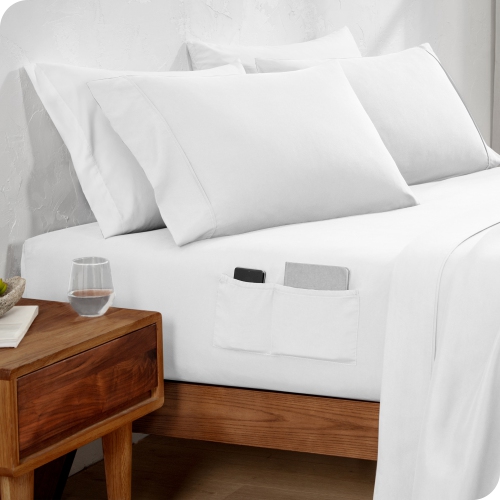
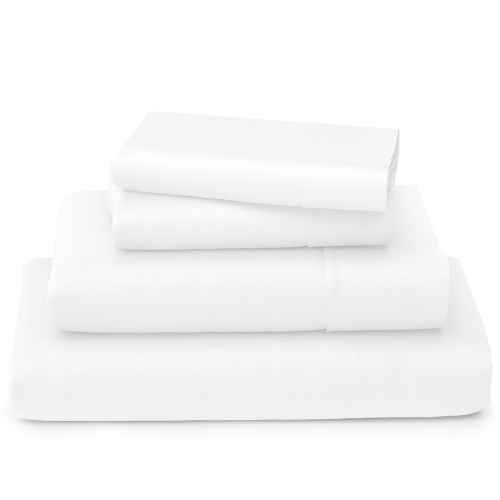
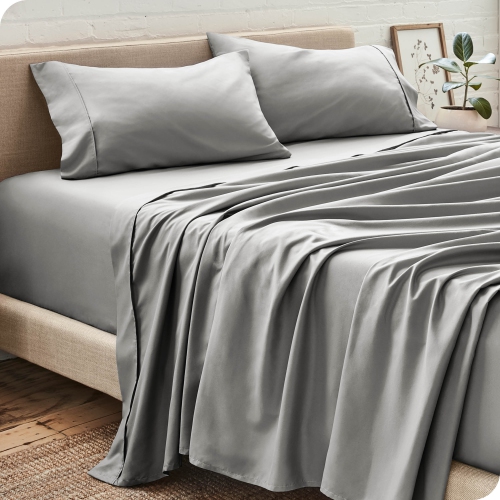
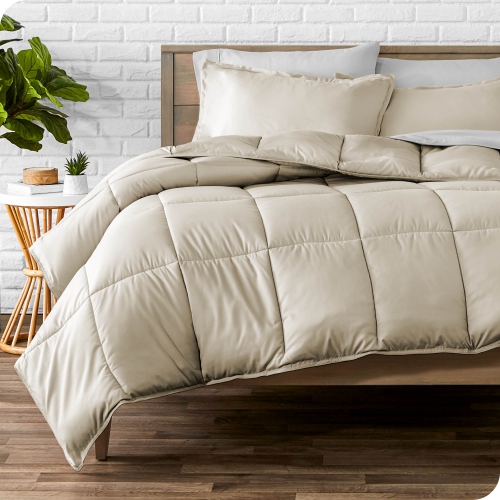
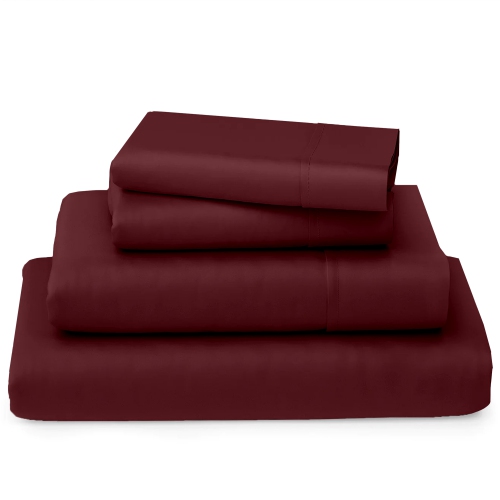
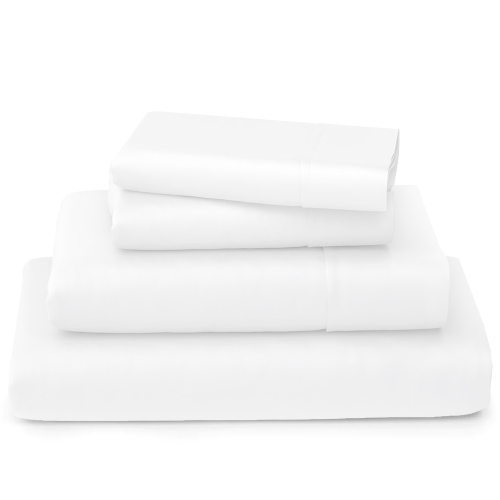
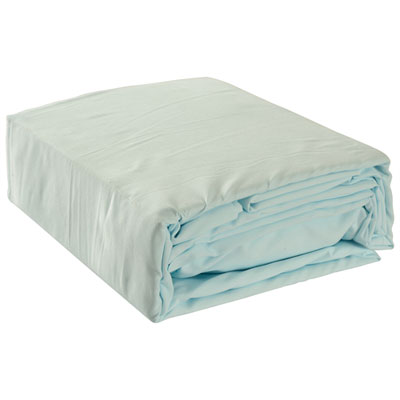
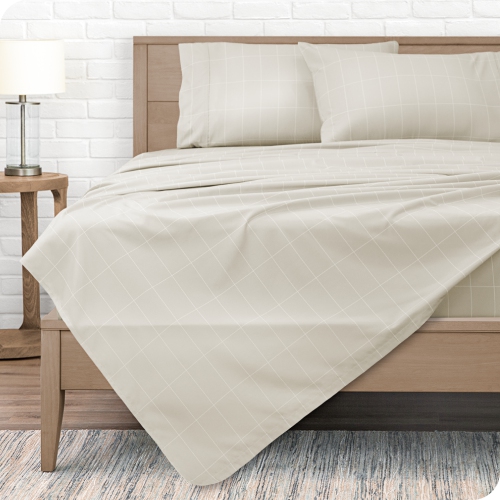
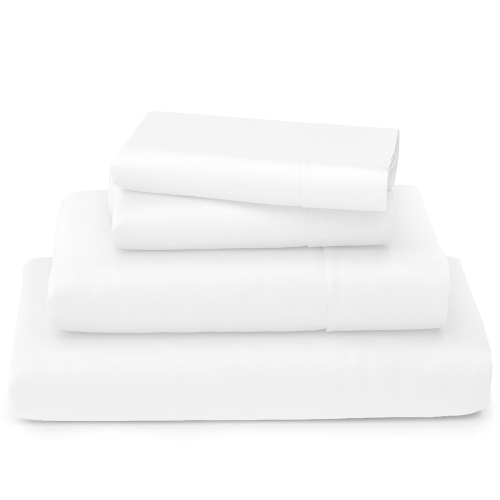
How fibres and weaves shape softness, warmth, and comfort
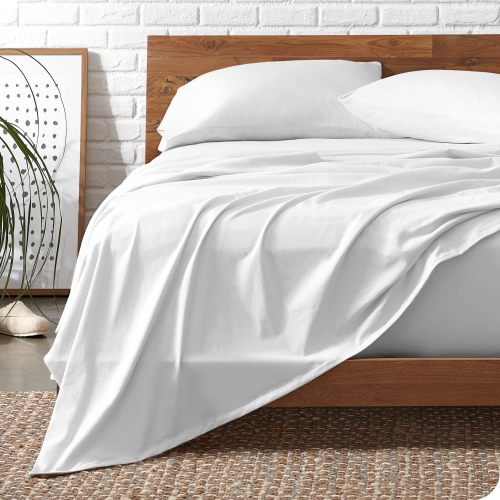
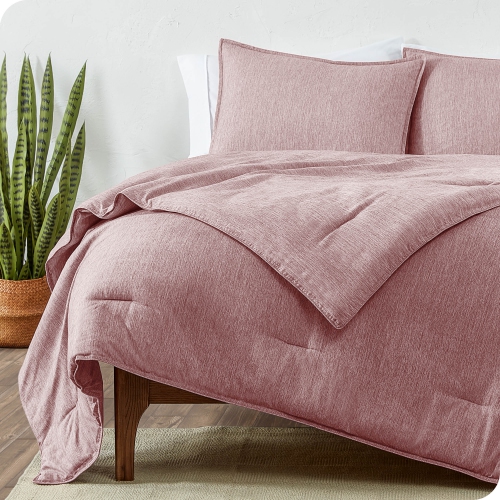
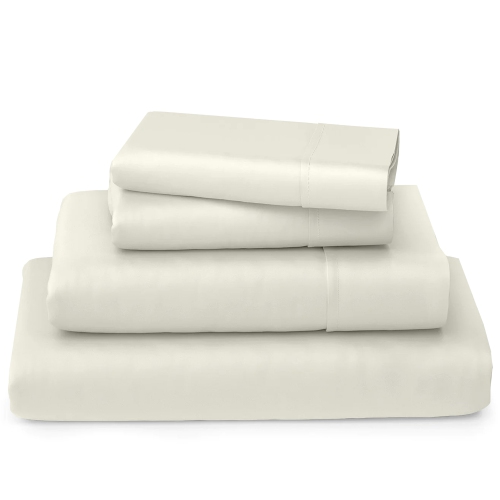
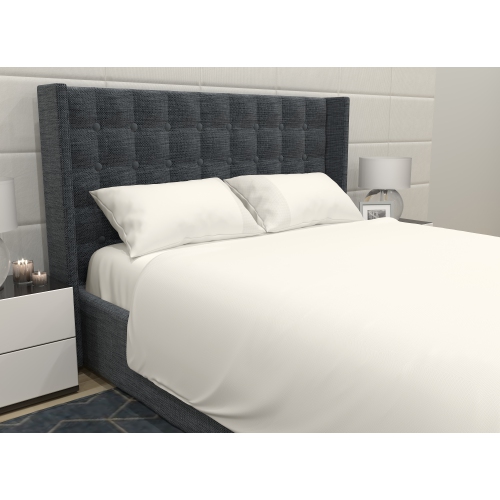
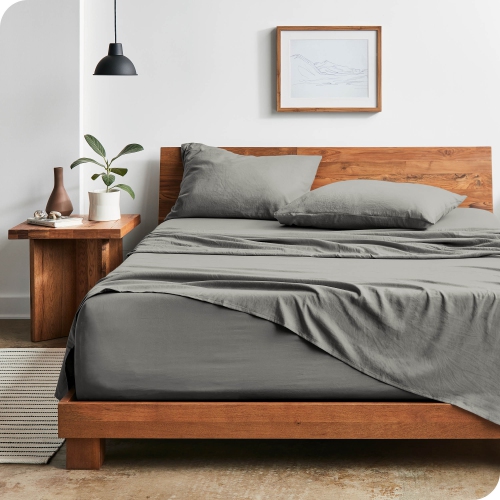
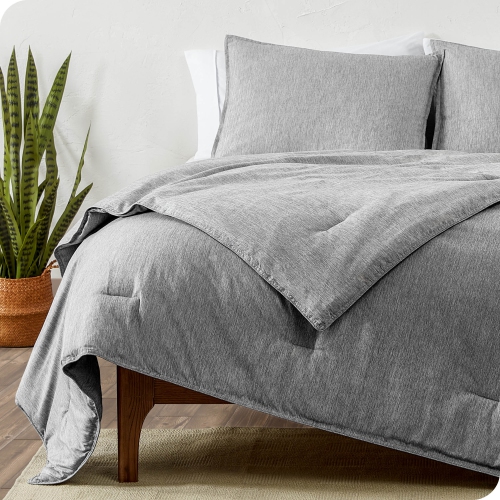
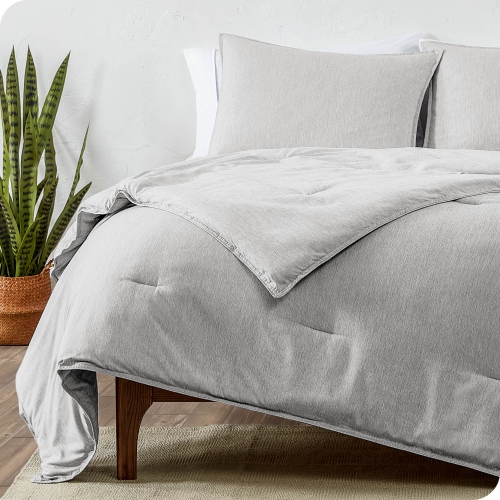
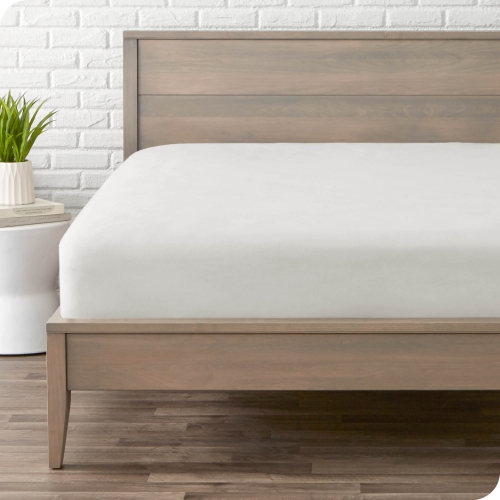
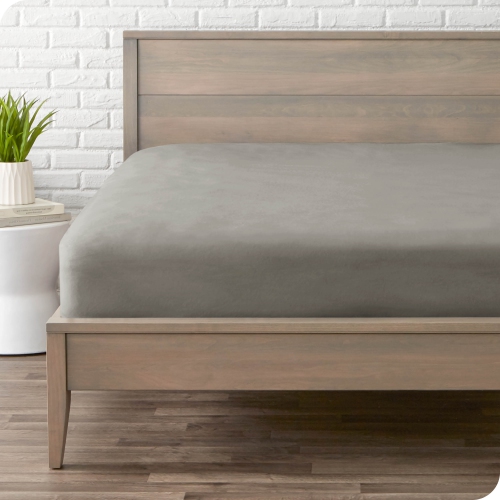
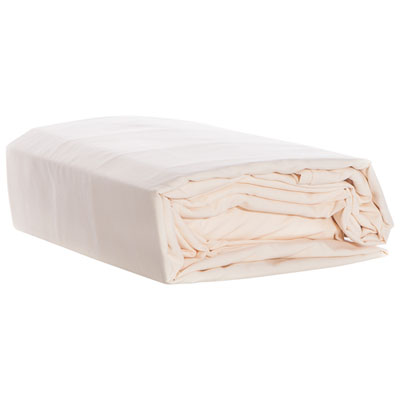
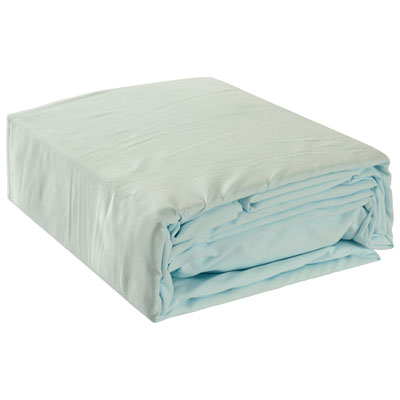
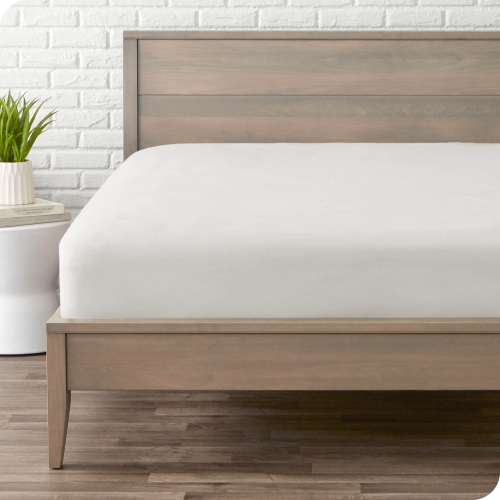
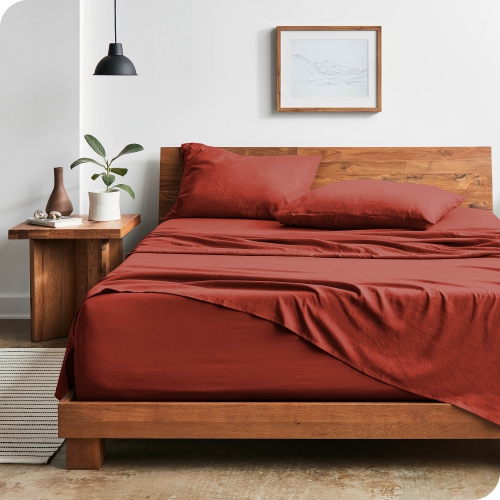
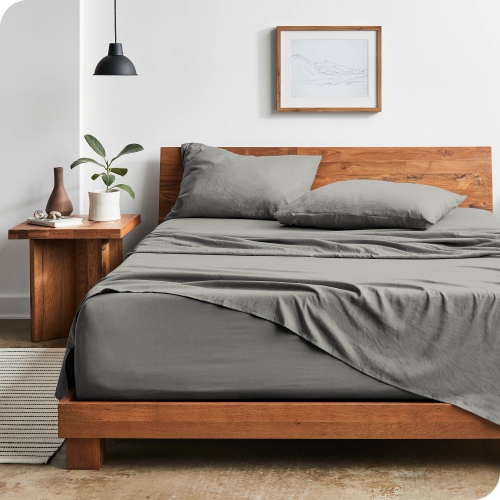
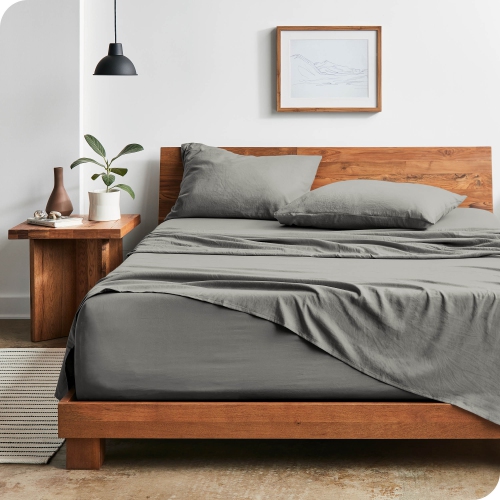
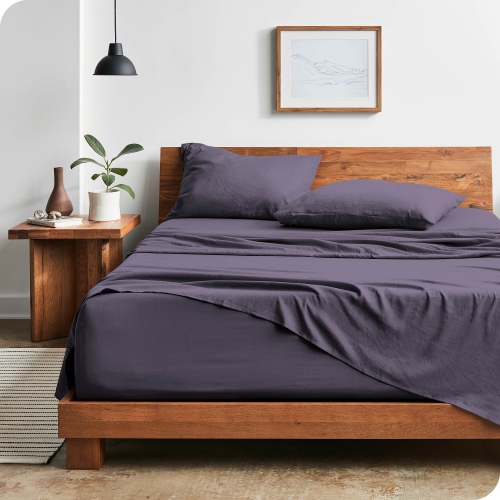
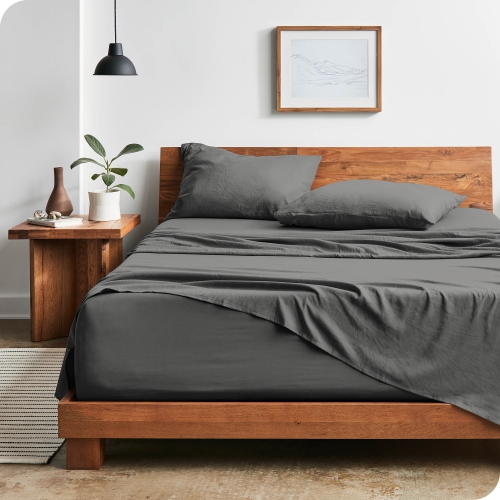
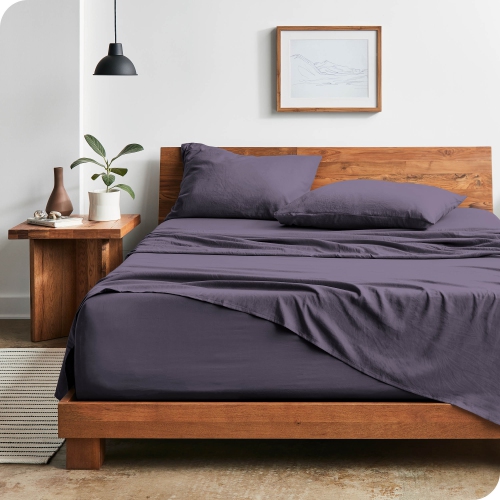
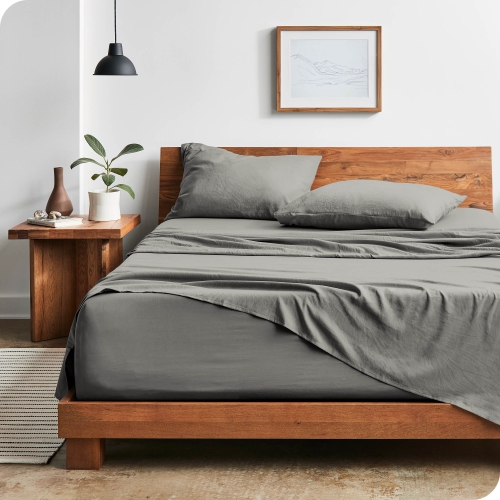
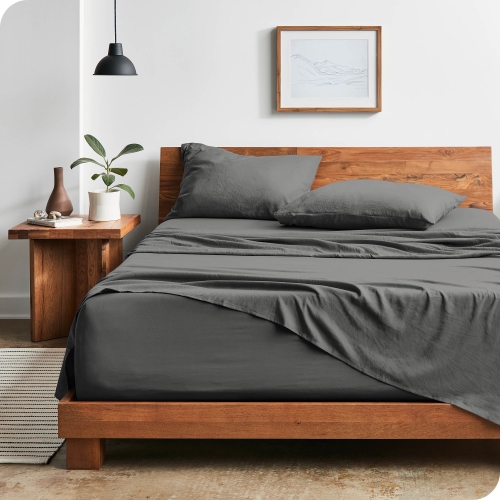
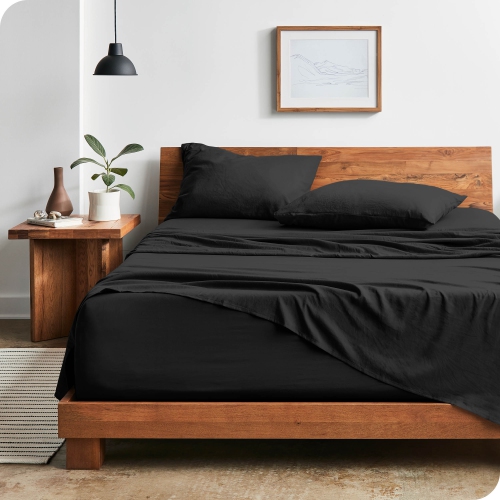
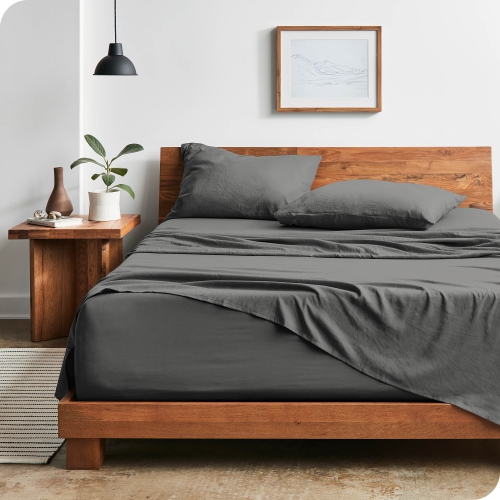
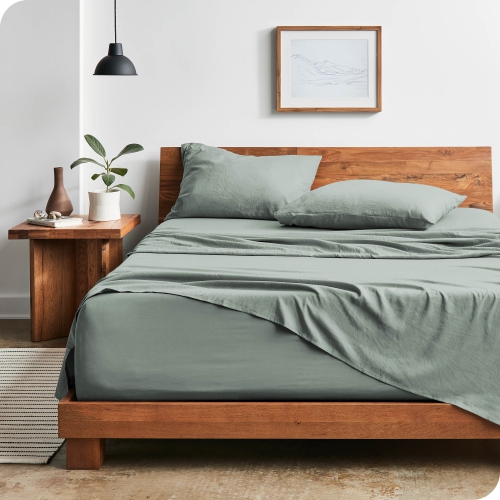
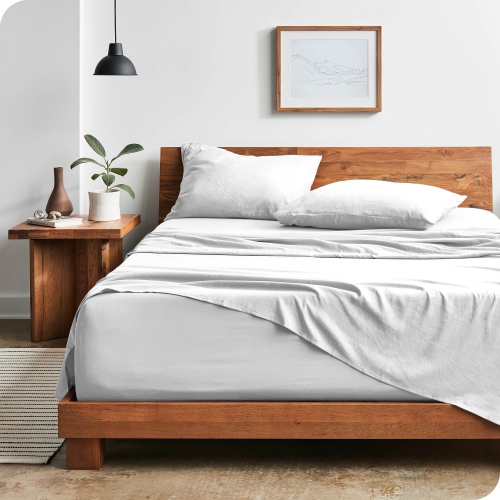
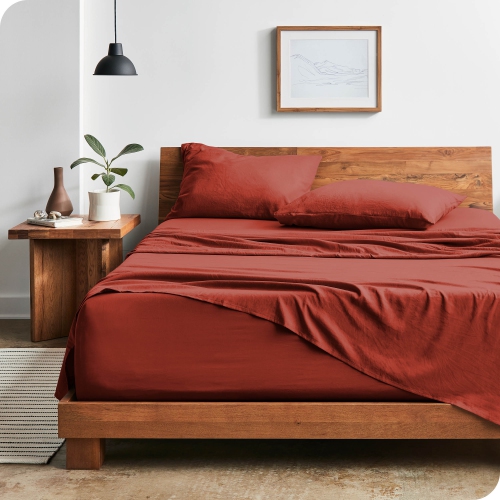
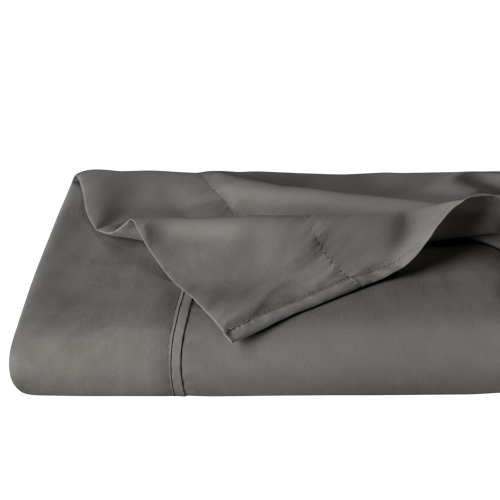
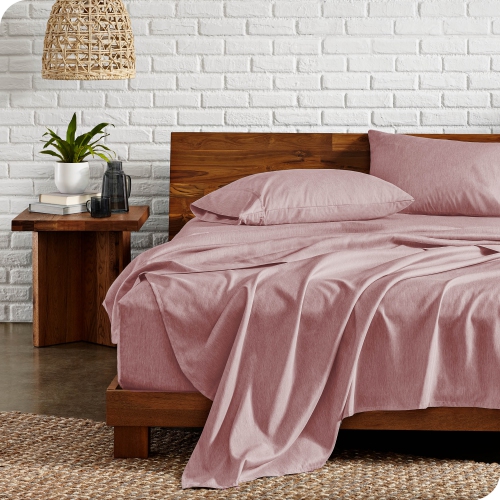
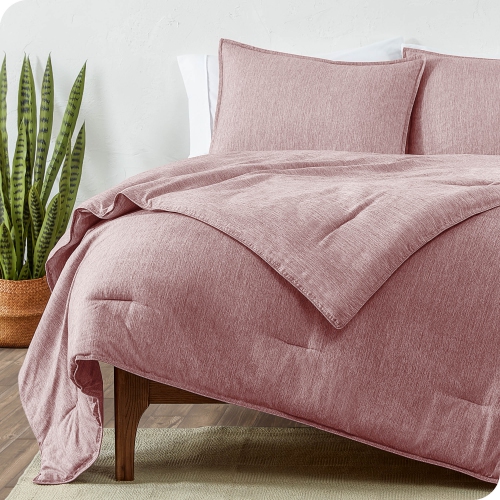
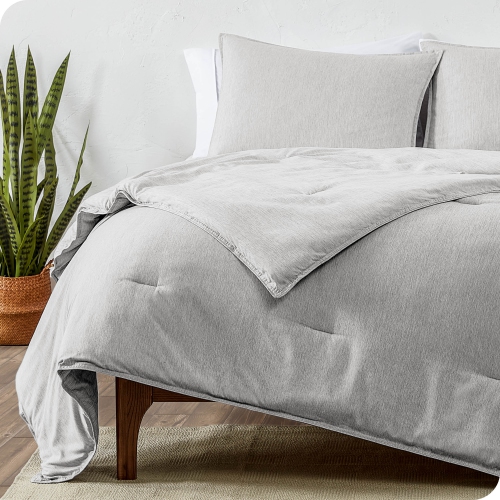
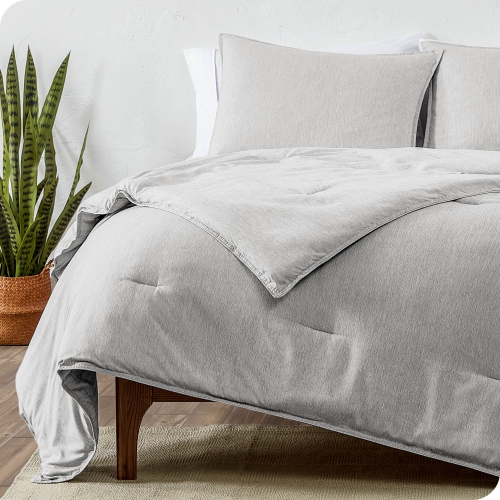
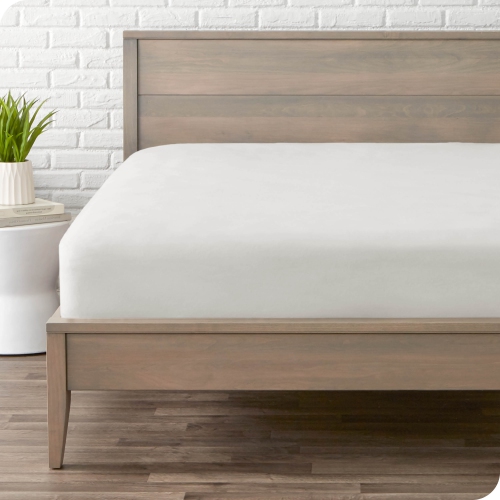
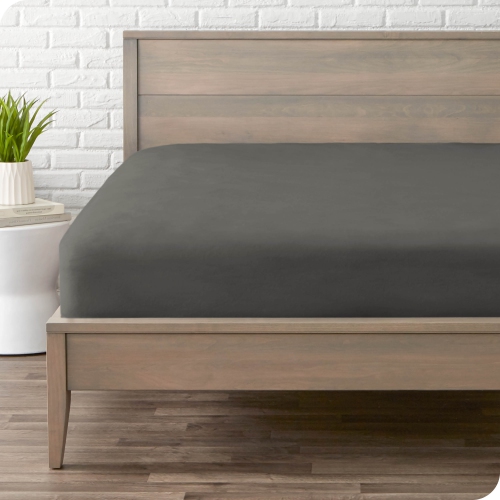
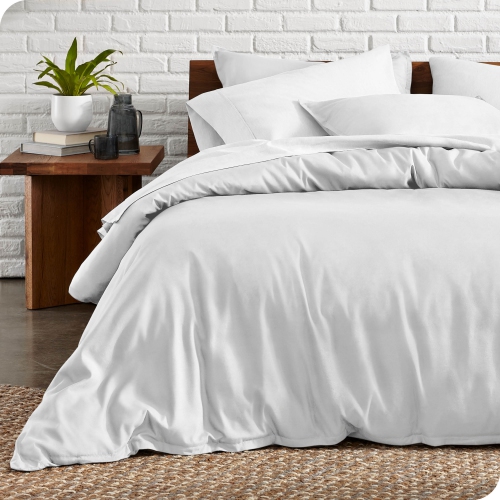
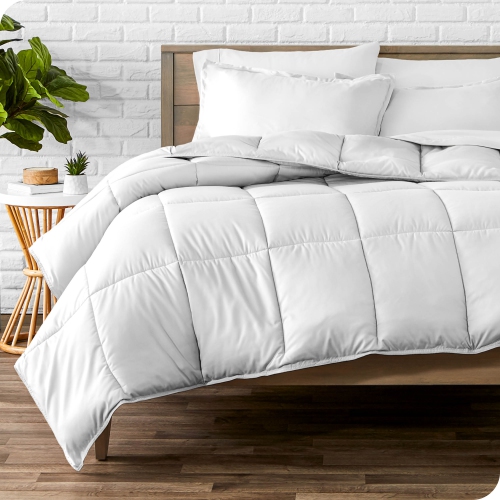
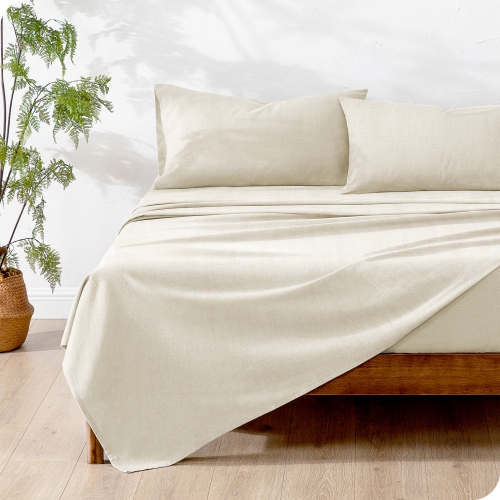
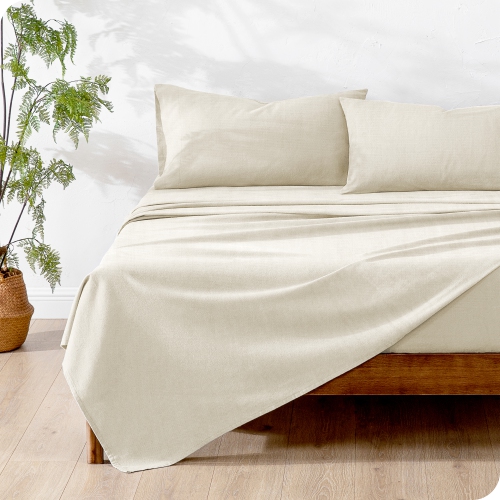
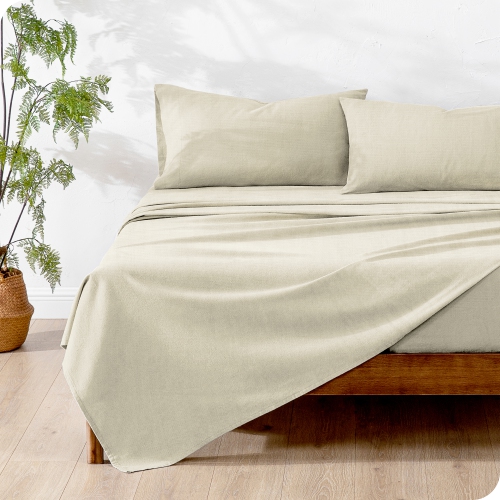
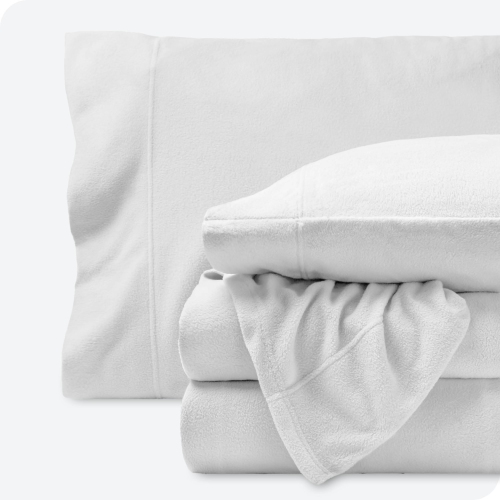
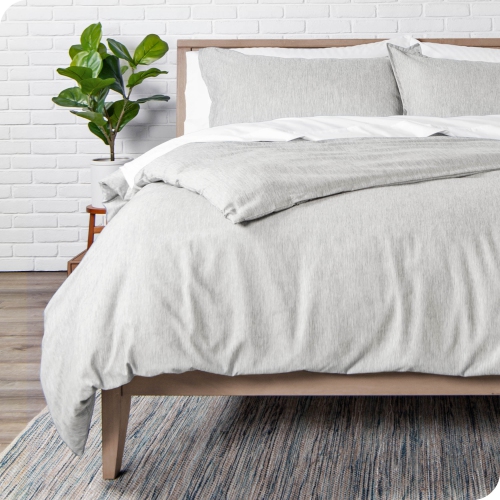
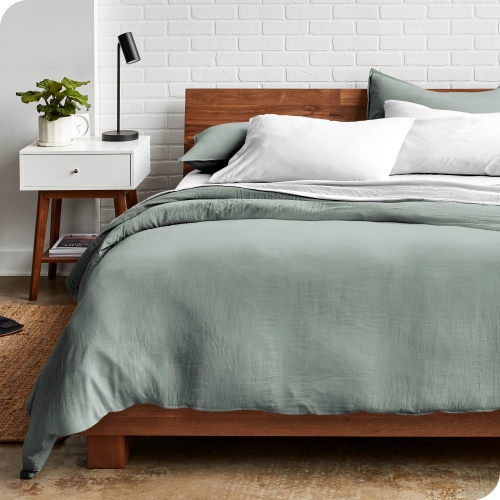
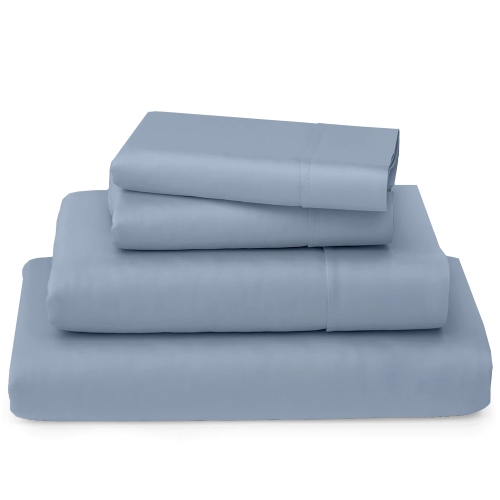
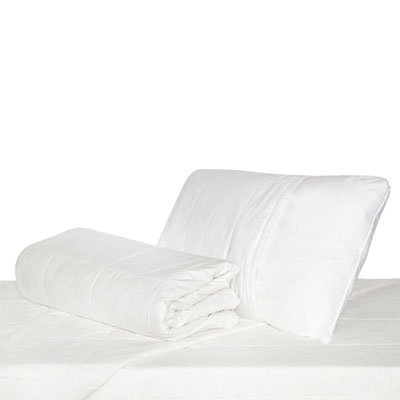
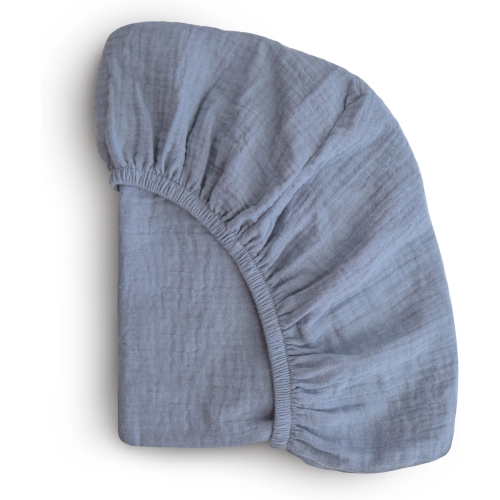
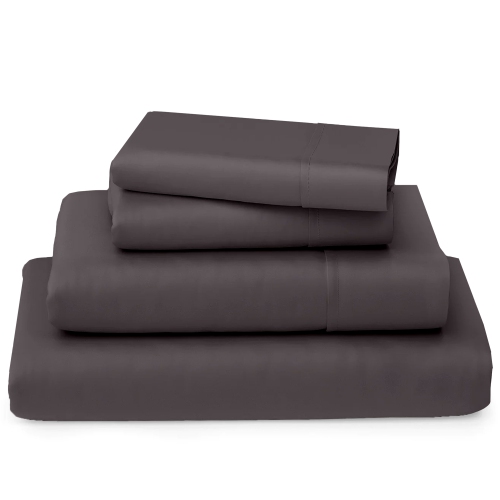
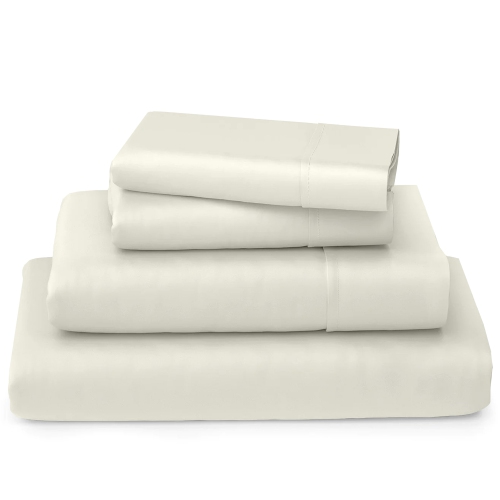
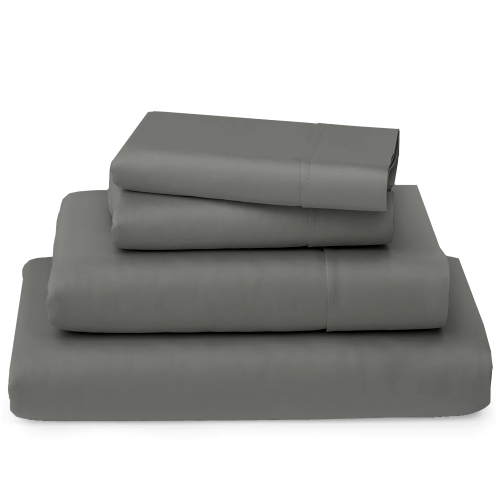
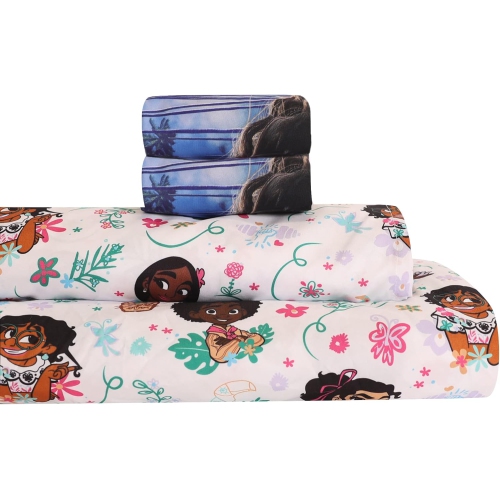
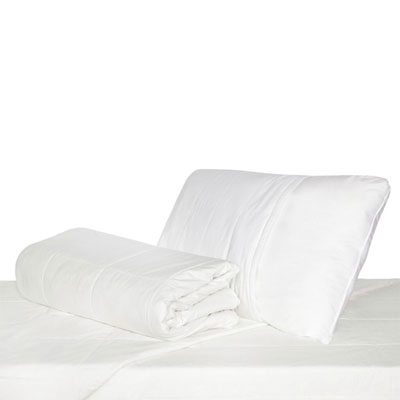
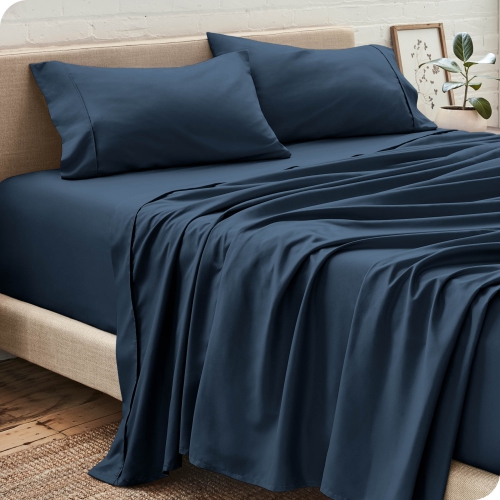
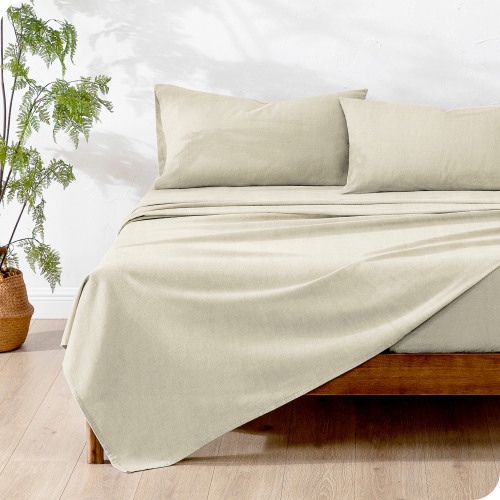
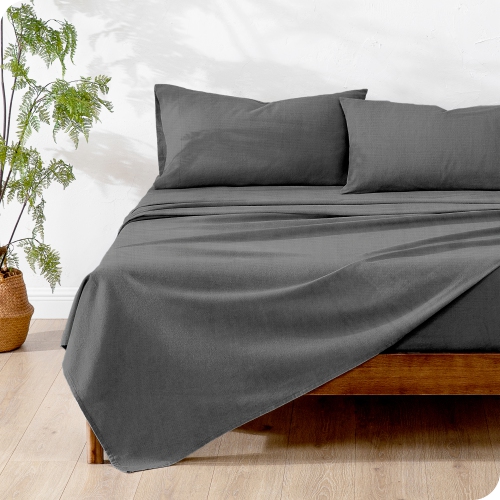
Soft bedding can change the feel of a bedroom from the moment you slide beneath the covers. The softest bedding often combines carefully chosen fibres with a weave that brings out their natural texture, making the bed feel smooth, cushioned, and inviting without sacrificing everyday practicality. Long-staple cotton is a popular choice because its extra-long fibres can be spun into a smoother, more durable yarn with fewer loose ends. When woven in a sateen construction, more threads float across the surface, creating a buttery hand feel, a subtle sheen, and a fluid drape that settles gently around the body. Cotton sateen sheets and duvet covers are especially appealing for sleepers who enjoy a polished, silky finish but still want the familiar breathability of cotton. Bamboo viscose bedding is another option for a smooth, slippery texture that feels cool to the touch and moves easily with you as you sleep. Its fluid drape can give the bed a relaxed, softly layered appearance, while its breathable feel suits people who tend to get warm under heavy covers. Brushed cotton offers a different kind of comfort: the fibres are brushed to create a lightly fuzzy surface that feels cosy and warm, much like a favourite lived-in shirt or a freshly fluffed blanket. This makes it a natural fit for cooler months, drafty rooms, guest bedrooms, and anyone who prefers a nest-like sleep environment. When comparing fabrics, it helps to distinguish sateen from percale. Sateen is typically smoother, softer, and more drapey, while percale has a crisp, lightweight feel that may appeal to sleepers who prefer a freshly laundered, hotel-inspired texture. A bedding set may include a fitted sheet, flat sheet, pillowcases, and coordinating pieces, while individual sheets, duvet covers, pillowcases, blankets, and comforters make it easier to build a combination around existing bedding.
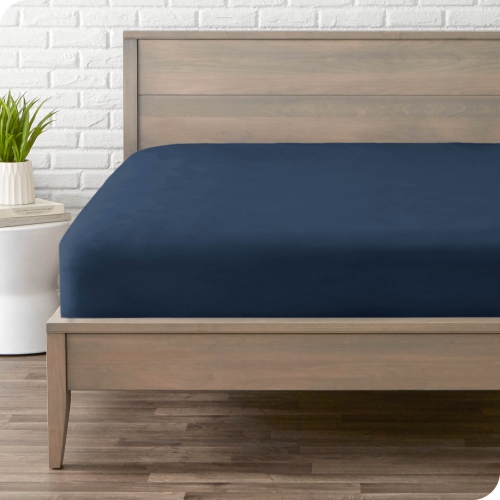
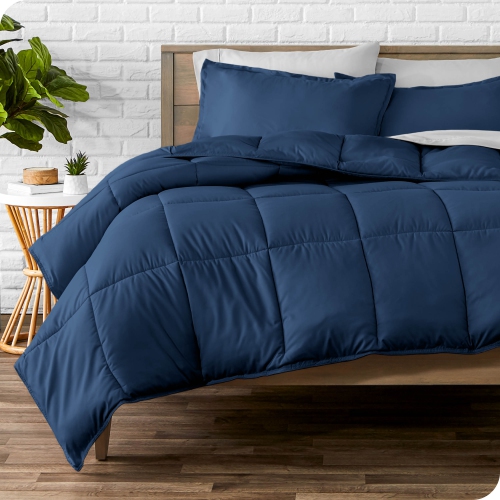
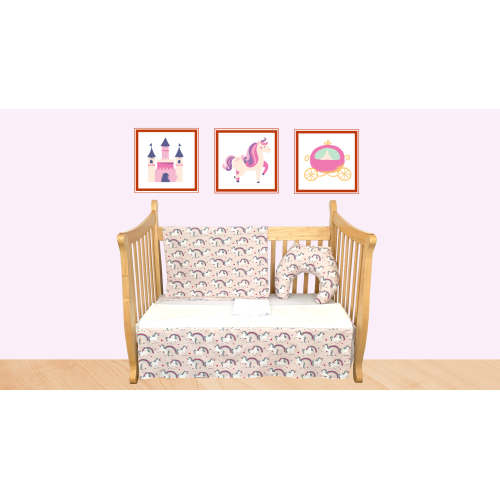
The right soft bedding also depends on the way it will be used and cared for. Consider the warmth of the bedroom, whether the sleeper tends to feel hot or cold, and how much layering is comfortable throughout the night. A lightweight bamboo viscose or cotton layer can suit someone who prefers a cooler sleeping surface, while brushed cotton and plush blankets add warmth and tactile comfort during colder conditions. Duvet covers are useful for changing the look and feel of a bed without replacing the duvet insert, and they can be paired with a smooth sheet set for a balanced combination of textures. For a guest room, soft neutral bedding creates a welcoming first impression and gives visitors a comfortable place to settle after travelling. A coordinated set can also be a thoughtful gift for someone moving into a new home, setting up a first apartment, refreshing a bedroom, or preparing a nursery or guest space. When choosing a gift, practical details such as mattress depth, bed size, preferred colour palette, and fabric feel are worth considering. Twin, double, queen, king, and other size options are not always interchangeable, and a fitted sheet that is too shallow may pull loose at the corners while an overly generous one can bunch beneath the sleeper. Deep-pocket designs may be useful for taller mattresses or beds topped with a mattress pad. Thread count can provide some information, but it should not be the only measure of softness; fibre quality, yarn construction, weave, finishing, and the overall feel of the fabric are equally important. Long-staple cotton is often valued for its smooth surface and resistance to pilling, while brushed fabrics are selected for their soft nap rather than a glossy finish. Reading the care instructions is also important, particularly for bedding that will be washed frequently. Following the recommended water temperature, drying method, and cycle settings can help preserve the fabric’s texture and fit. Avoiding excessive heat may reduce shrinkage, and skipping fabric softener can help natural fibres remain breathable because softener residue may build up on the surface over time and dull the original feel.
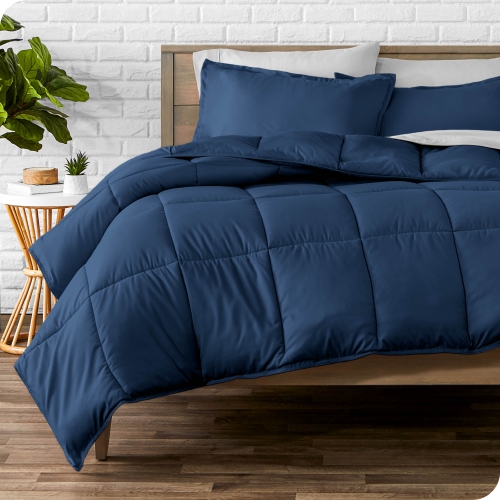
Soft bedding is most effective when it supports the complete sleep setup rather than acting as a single decorative layer. Smooth sheets can create a comfortable foundation, a duvet cover can add a touch of warmth and visual depth, and extra pillows or a throw blanket can make the bed feel inviting for reading, relaxing, or settling in after a long day. Mixing textures can also make a room feel more personal: sateen provides a sleek, silky surface, brushed cotton introduces a gentle fuzzy finish, and a knitted or quilted layer adds dimension without relying on one fabric throughout. For sleepers who share a bed, separate blankets or breathable layers can make it easier for each person to adjust their comfort without disturbing the other. People with sensitive skin may prefer bedding with a smooth, low-texture surface, while sleepers who love the feeling of a warm cocoon may favour brushed cotton or a plush top layer. During the cooler months, layering gives you flexibility as indoor temperatures change, allowing a lighter cover on milder nights and an additional blanket when the air feels crisp. Colour and pattern matter as well: calming neutrals can create a restful bedroom, deeper tones can give the space a cosier appearance, and simple patterns can add character while remaining easy to coordinate with existing décor. For more options that balance material quality, construction, comfort, and everyday use, explore High Quality Bedding. Whether the goal is a smoother sleep surface, a warmer cocoon, a welcoming guest room, or a useful housewarming gift, choosing bedding by fibre, weave, weight, size, and care requirements makes it easier to find a soft, comfortable fit for the bedroom.
The right soft bedding also depends on the way it will be used and cared for. Consider the warmth of the bedroom, whether the sleeper tends to feel hot or cold, and how much layering is comfortable throughout the night. A lightweight bamboo viscose or cotton layer can suit someone who prefers a cooler sleeping surface, while brushed cotton and plush blankets add warmth and tactile comfort during colder conditions. Duvet covers are useful for changing the look and feel of a bed without replacing the duvet insert, and they can be paired with a smooth sheet set for a balanced combination of textures. For a guest room, soft neutral bedding creates a welcoming first impression and gives visitors a comfortable place to settle after travelling. A coordinated set can also be a thoughtful gift for someone moving into a new home, setting up a first apartment, refreshing a bedroom, or preparing a nursery or guest space. When choosing a gift, practical details such as mattress depth, bed size, preferred colour palette, and fabric feel are worth considering. Twin, double, queen, king, and other size options are not always interchangeable, and a fitted sheet that is too shallow may pull loose at the corners while an overly generous one can bunch beneath the sleeper. Deep-pocket designs may be useful for taller mattresses or beds topped with a mattress pad. Thread count can provide some information, but it should not be the only measure of softness; fibre quality, yarn construction, weave, finishing, and the overall feel of the fabric are equally important. Long-staple cotton is often valued for its smooth surface and resistance to pilling, while brushed fabrics are selected for their soft nap rather than a glossy finish. Reading the care instructions is also important, particularly for bedding that will be washed frequently. Following the recommended water temperature, drying method, and cycle settings can help preserve the fabric’s texture and fit. Avoiding excessive heat may reduce shrinkage, and skipping fabric softener can help natural fibres remain breathable because softener residue may build up on the surface over time and dull the original feel.
Soft bedding is most effective when it supports the complete sleep setup rather than acting as a single decorative layer. Smooth sheets can create a comfortable foundation, a duvet cover can add a touch of warmth and visual depth, and extra pillows or a throw blanket can make the bed feel inviting for reading, relaxing, or settling in after a long day. Mixing textures can also make a room feel more personal: sateen provides a sleek, silky surface, brushed cotton introduces a gentle fuzzy finish, and a knitted or quilted layer adds dimension without relying on one fabric throughout. For sleepers who share a bed, separate blankets or breathable layers can make it easier for each person to adjust their comfort without disturbing the other. People with sensitive skin may prefer bedding with a smooth, low-texture surface, while sleepers who love the feeling of a warm cocoon may favour brushed cotton or a plush top layer. During the cooler months, layering gives you flexibility as indoor temperatures change, allowing a lighter cover on milder nights and an additional blanket when the air feels crisp. Colour and pattern matter as well: calming neutrals can create a restful bedroom, deeper tones can give the space a cosier appearance, and simple patterns can add character while remaining easy to coordinate with existing décor. For more options that balance material quality, construction, comfort, and everyday use, explore High Quality Bedding. Whether the goal is a smoother sleep surface, a warmer cocoon, a welcoming guest room, or a useful housewarming gift, choosing bedding by fibre, weave, weight, size, and care requirements makes it easier to find a soft, comfortable fit for the bedroom.
Top selling and popular products
-
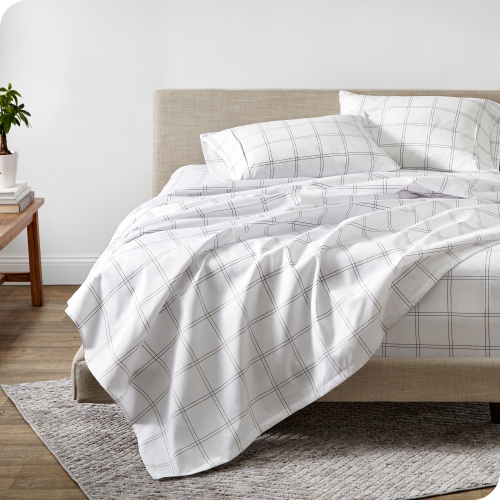 Your price for this item is $95.99
 -
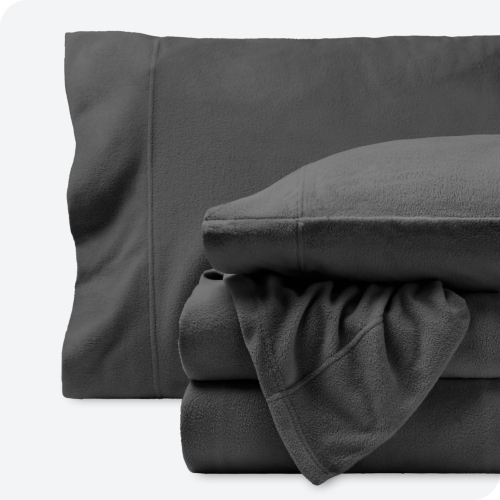 Your price for this item is $122.99
 -
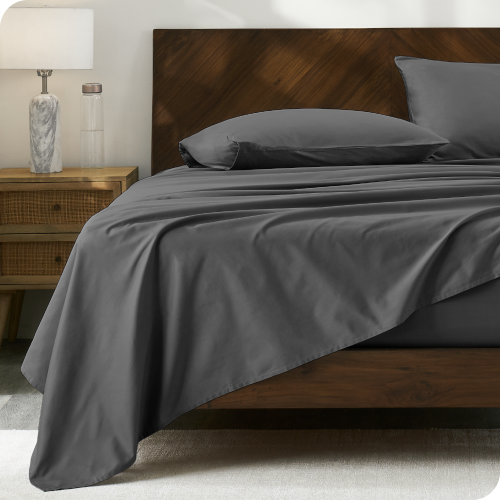 Your price for this item is $156.99
 -
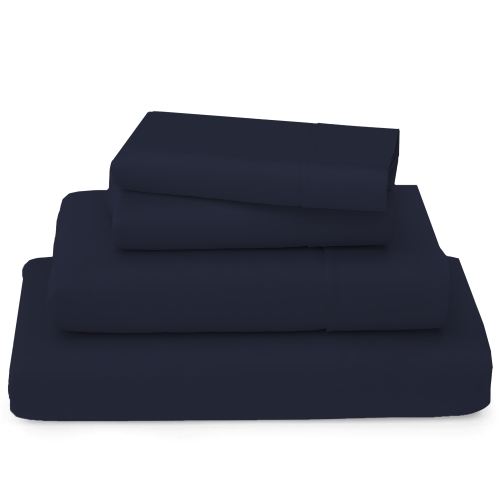 Your price for this item is $34.99
 -
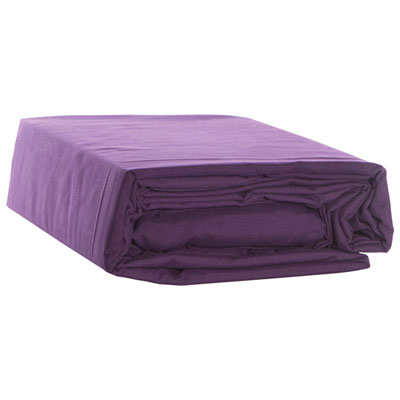 Your price for this item is $80.98
 -
 Your price for this item is $80.99
 -
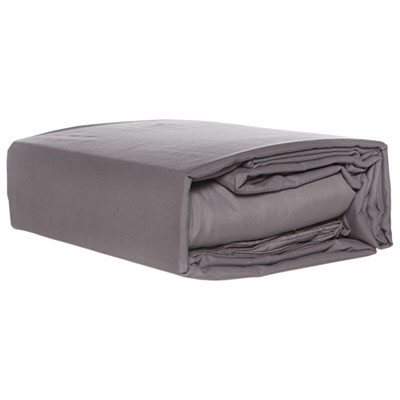 Your price for this item is $99.99
 -
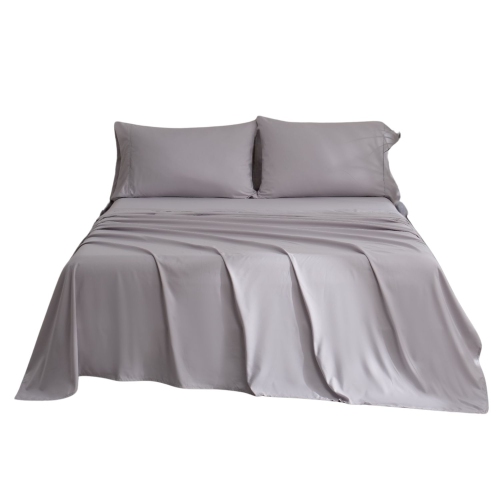 Your price for this item is $240
Discover more categories related to Softest Bedding
Top Collections:
Pokemon Centers, Kindle Devices, Best Budget Office Chairs, Apple iPhones 16, Canon G7X Cameras, iPhone 15 Apple, Alarm Clock, Refurbished Apple Laptops, Flip Phones, Best Laptops for Writers
Some products may be subject to Environmental Handling Fees
(EHF) depending on your province.
Learn more about EHFs.