High Weight Capacity Bar Stools
High Weight Capacity Bar Stools are designed to provide reliable seating solutions for kitchens, home bars, and dining areas. These stools offer robust support while combining comfort and style, making them a great addition to any space. Whether you’re outfitting a busy breakfast counter or upgrading your entertainment area, High Weight Capacity Bar Stools deliver both durability and sleek design to match your décor needs. Explore a variety of options to find the perfect fit for your home or business.
Sort
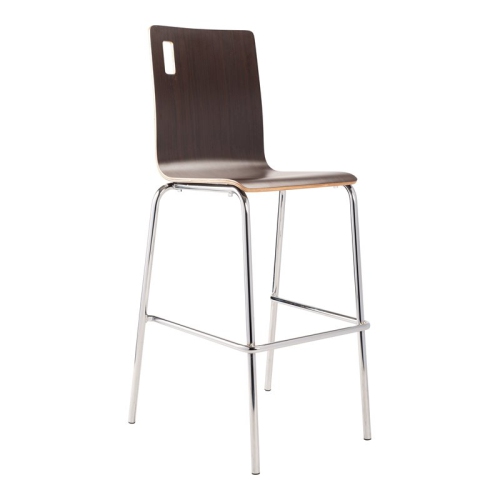
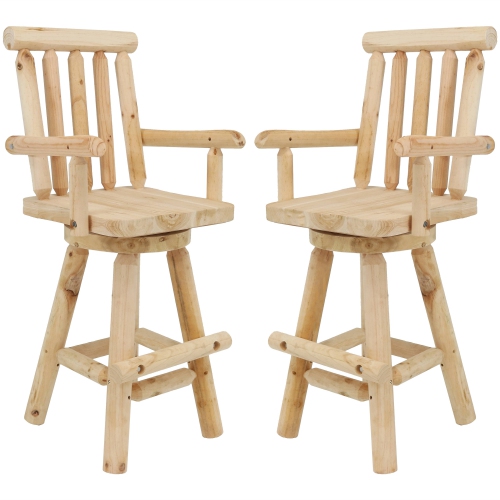
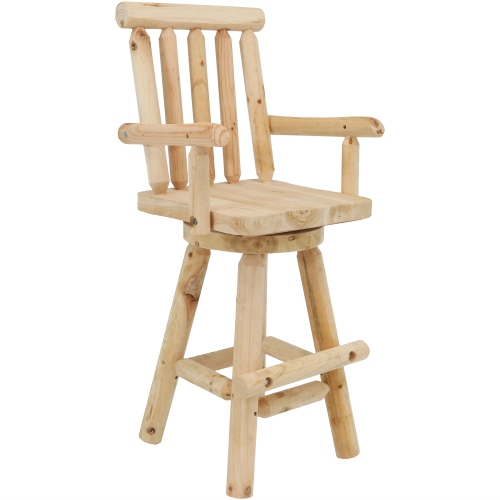
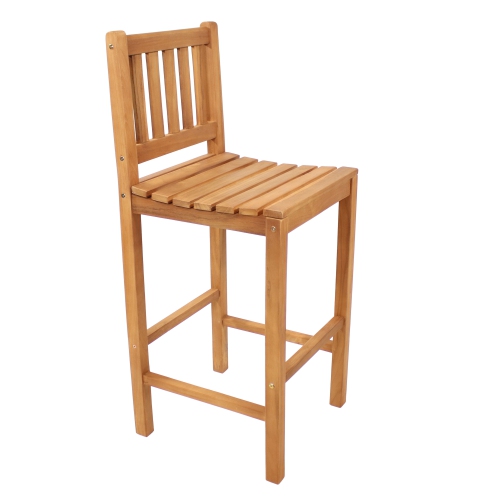
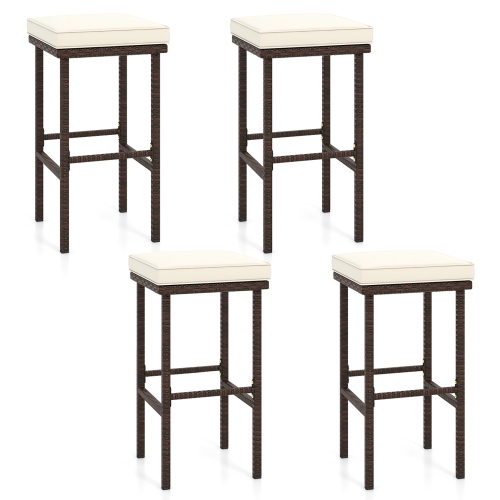
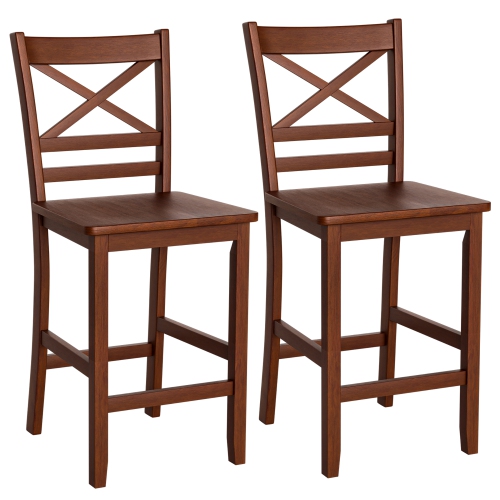
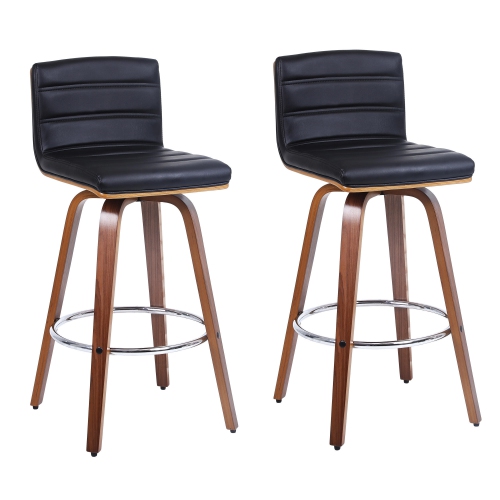
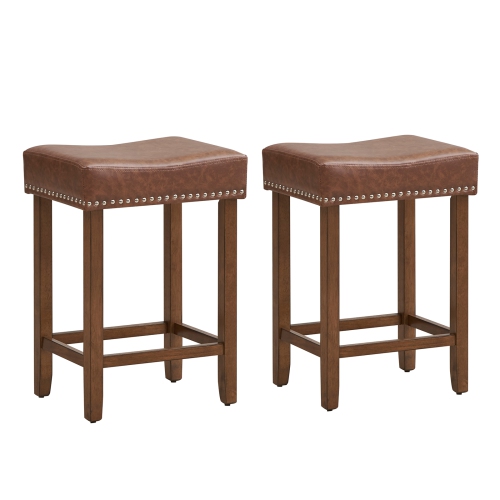
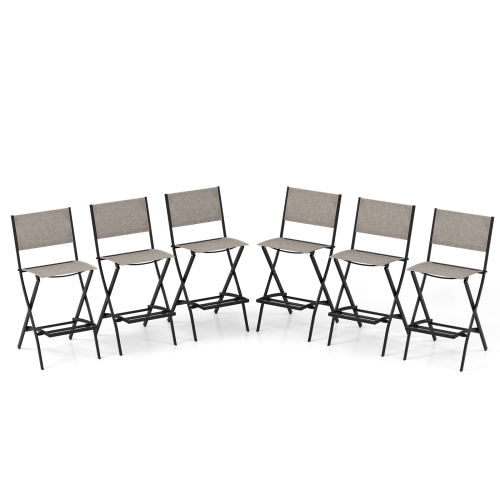
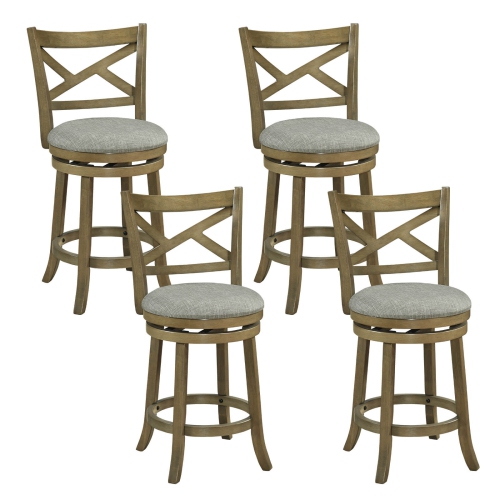
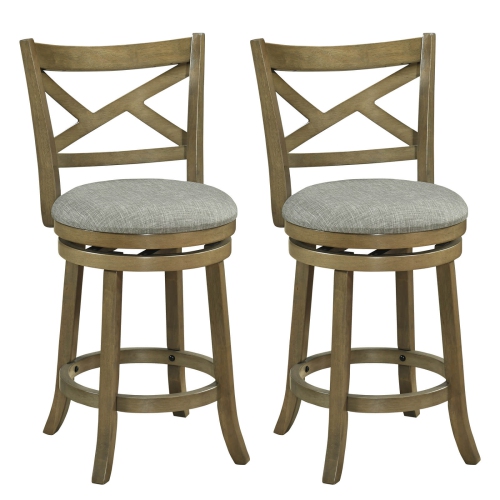
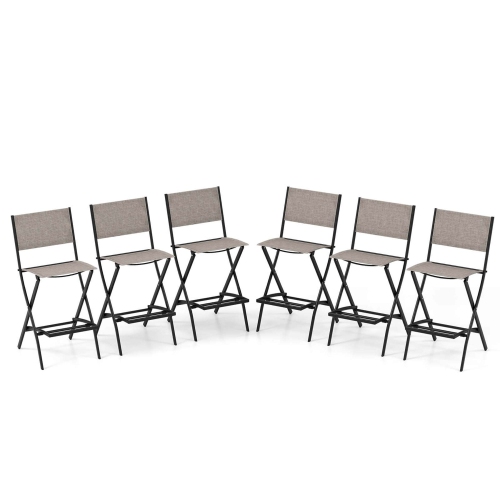

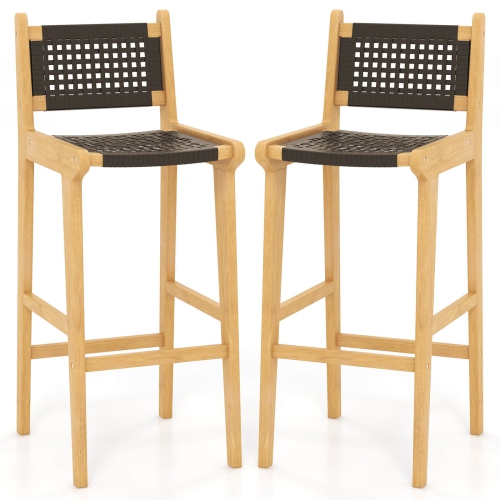
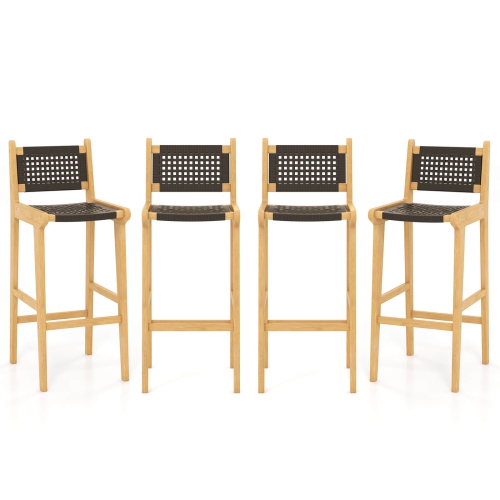
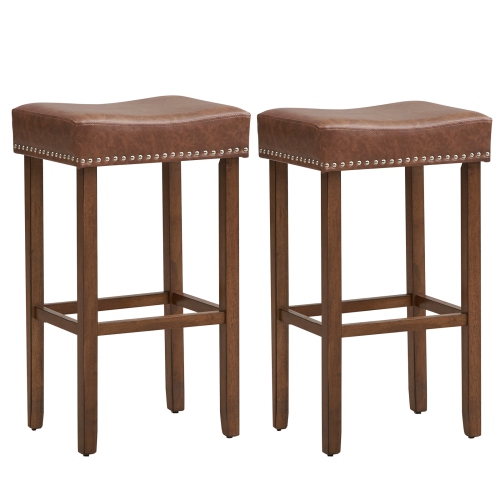
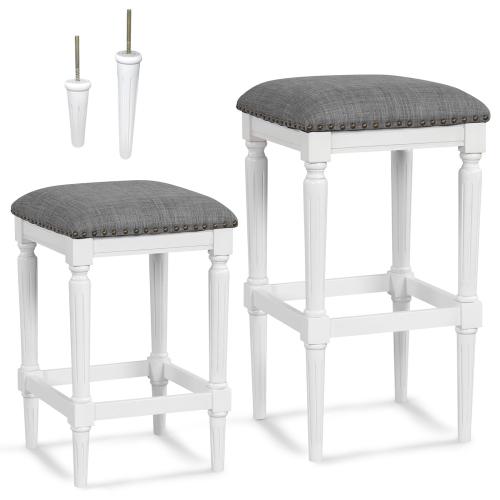
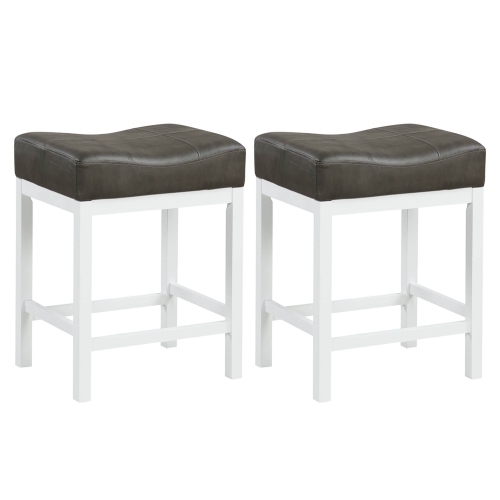
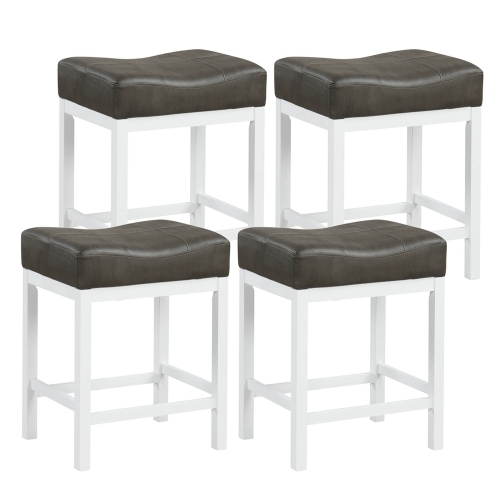
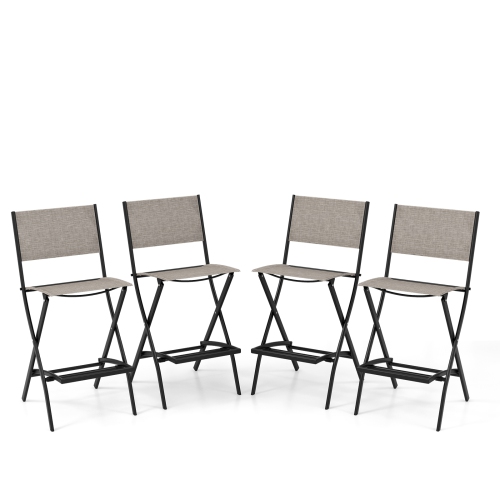
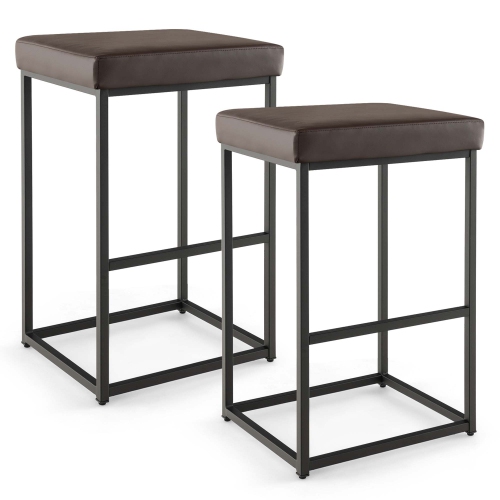
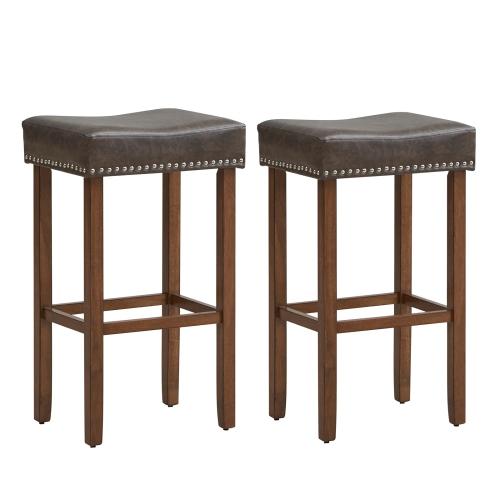
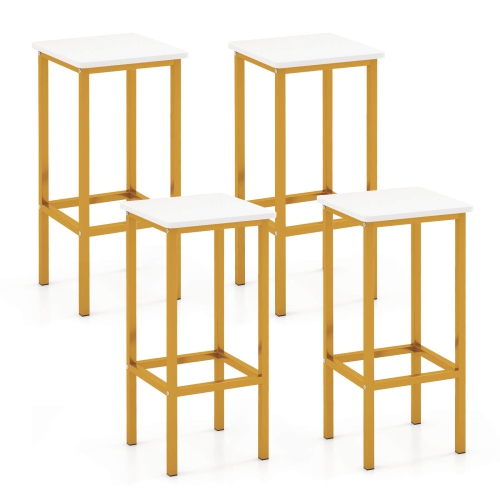

Why stool weight ratings matter more than appearances
High weight capacity bar stools bring supportive seating to kitchen islands, breakfast bars, games rooms, and other raised gathering spaces. Often described as heavy-duty bar stools, these seats are designed to accommodate higher loads than many standard stools, with some models carrying stated capacities of 400 lb, 500 lb, or more. There is no single weight rating that defines the entire category, so the manufacturer’s stated maximum capacity is more useful than terms such as “strong” or “oversized” on their own. That rating applies to the complete stool, including its frame, seat attachment, and any swivel or height-adjustment mechanism, rather than just the legs. A substantial-looking base or a wide cushion does not independently establish how much weight a stool can support. For households with people of different sizes, clearly documented capacities make it easier to select seating that suits its intended users without relying on appearance. Fit also involves the relationship between the seat and the surface above it. Counter-height stools commonly have seats around 24 to 26 inches from the floor, while bar-height stools often measure around 28 to 32 inches. These are general ranges rather than interchangeable sizes; the actual counter or bar measurement determines which height feels comfortable. Approximately 10 to 12 inches between the seat and the underside of the surface is a useful starting point for legroom, with extra attention to any apron, drawer, or support beam beneath the top. Seat width and depth matter just as much as height, especially when the stool will be used for a full meal rather than a brief coffee break. A generously sized seat should support the user comfortably without its front edge pressing behind the knees. Overall width is a separate measurement: armrests, angled legs, and broad bases can occupy considerably more space than the seat itself. Leaving room between stools helps people sit down, turn, and step away without bumping neighbouring seats or blocking a busy kitchen walkway.
The construction of high weight capacity bar stools balances load support, everyday comfort, and the demands of repeated use. Steel frames can provide a rigid foundation, particularly when the design includes substantial tubing, secure welds, and bracing between the legs. Solid wood frames offer a different look, with visible grain and finishes that can coordinate with dining furniture or cabinetry, but their strength also depends on sound joinery and the way the seat and legs connect. Neither material alone guarantees a particular capacity. Reinforced joints, correctly fitted hardware, and a base proportioned to the seat all contribute to a well-built stool, while the published rating remains the reference for load limits. Crossbars and footrest rings may help brace the frame as well as provide a place to rest the feet, although a footrest should not be treated as a step unless the manufacturer explicitly permits it. Comfort comes from more than thick padding. A contoured wood seat can offer a supportive sitting position, while an upholstered seat combines cushioning with a softer contact surface. Foam density, cushion shape, and the firmness of the underlying support influence how the seat feels over longer periods. Backrests provide a surface to lean against during meals or conversation, and armrests can offer a comfortable resting position when their height and spacing suit the user. The usable width between the arms is particularly important, since external dimensions can overstate the space actually available for sitting. Armless designs allow a more open approach from either side, while backless stools can tuck beneath a suitable overhang and keep sightlines clear. Swivel seats make it easier to turn towards a conversation without dragging the whole stool across the floor, but they also need clearance from nearby walls and counters. Adjustable-height designs can accommodate different surfaces within their stated range; their capacity and adjustment instructions should be checked for the complete assembly. For anyone comparing frame styles and seating shapes, Sturdy Barstools offers a related seating category, with individual specifications still essential to assessing suitability.
Materials and finishes shape how heavy-duty bar stools live with everyday use, from crumbs after breakfast to frequent movement around a shared island. Smooth, sealed seats are generally straightforward to wipe down according to their care instructions, while upholstery introduces texture, colour, and a different cleaning routine. Woven fabrics can soften the appearance of a metal frame, but spills may require prompt blotting and a cleaner approved for that particular covering. Coated upholstery can offer a wipeable surface, although abrasive pads and unsuitable cleaning products may damage its finish. Leather, wood, painted metal, and other materials each have their own care requirements, so a cleaning method that works for one stool may not suit another. Seams, button details, and closely spaced back slats can also affect how easily crumbs and dust are removed. Floor contact deserves similar attention: appropriate glides or protective pads help limit marks, while adjustable levelling feet, where included, can help a four-legged stool sit evenly on a slightly uneven surface. Pads should remain securely attached and suitable for the flooring rather than making the stool unexpectedly slippery. Correct assembly and periodic checks of accessible fasteners help maintain the intended fit of the components. New movement at a joint, a damaged weld, or a loose seat calls for inspection and appropriate repair before further use, not simply tighter hardware in every case. Intended use matters as well. A stool suited to family meals is not automatically approved for a café, workplace lounge, or other commercial setting, even if its weight rating is high; commercial suitability should be explicitly stated. In a home, the most practical choice may be a supportive backed seat for lingering over dinner, a compact armless design for a narrow breakfast ledge, or a swivel stool for a bar facing a games area. Higher capacity does not necessarily make a tall seat accessible to someone who has difficulty climbing onto it, so seat height, stable footing, and ease of entry remain important. Together, documented load capacity, comfortable proportions, suitable construction, and manageable care make these stools a useful part of a well-planned gathering space.
The construction of high weight capacity bar stools balances load support, everyday comfort, and the demands of repeated use. Steel frames can provide a rigid foundation, particularly when the design includes substantial tubing, secure welds, and bracing between the legs. Solid wood frames offer a different look, with visible grain and finishes that can coordinate with dining furniture or cabinetry, but their strength also depends on sound joinery and the way the seat and legs connect. Neither material alone guarantees a particular capacity. Reinforced joints, correctly fitted hardware, and a base proportioned to the seat all contribute to a well-built stool, while the published rating remains the reference for load limits. Crossbars and footrest rings may help brace the frame as well as provide a place to rest the feet, although a footrest should not be treated as a step unless the manufacturer explicitly permits it. Comfort comes from more than thick padding. A contoured wood seat can offer a supportive sitting position, while an upholstered seat combines cushioning with a softer contact surface. Foam density, cushion shape, and the firmness of the underlying support influence how the seat feels over longer periods. Backrests provide a surface to lean against during meals or conversation, and armrests can offer a comfortable resting position when their height and spacing suit the user. The usable width between the arms is particularly important, since external dimensions can overstate the space actually available for sitting. Armless designs allow a more open approach from either side, while backless stools can tuck beneath a suitable overhang and keep sightlines clear. Swivel seats make it easier to turn towards a conversation without dragging the whole stool across the floor, but they also need clearance from nearby walls and counters. Adjustable-height designs can accommodate different surfaces within their stated range; their capacity and adjustment instructions should be checked for the complete assembly. For anyone comparing frame styles and seating shapes, Sturdy Barstools offers a related seating category, with individual specifications still essential to assessing suitability.
Materials and finishes shape how heavy-duty bar stools live with everyday use, from crumbs after breakfast to frequent movement around a shared island. Smooth, sealed seats are generally straightforward to wipe down according to their care instructions, while upholstery introduces texture, colour, and a different cleaning routine. Woven fabrics can soften the appearance of a metal frame, but spills may require prompt blotting and a cleaner approved for that particular covering. Coated upholstery can offer a wipeable surface, although abrasive pads and unsuitable cleaning products may damage its finish. Leather, wood, painted metal, and other materials each have their own care requirements, so a cleaning method that works for one stool may not suit another. Seams, button details, and closely spaced back slats can also affect how easily crumbs and dust are removed. Floor contact deserves similar attention: appropriate glides or protective pads help limit marks, while adjustable levelling feet, where included, can help a four-legged stool sit evenly on a slightly uneven surface. Pads should remain securely attached and suitable for the flooring rather than making the stool unexpectedly slippery. Correct assembly and periodic checks of accessible fasteners help maintain the intended fit of the components. New movement at a joint, a damaged weld, or a loose seat calls for inspection and appropriate repair before further use, not simply tighter hardware in every case. Intended use matters as well. A stool suited to family meals is not automatically approved for a café, workplace lounge, or other commercial setting, even if its weight rating is high; commercial suitability should be explicitly stated. In a home, the most practical choice may be a supportive backed seat for lingering over dinner, a compact armless design for a narrow breakfast ledge, or a swivel stool for a bar facing a games area. Higher capacity does not necessarily make a tall seat accessible to someone who has difficulty climbing onto it, so seat height, stable footing, and ease of entry remain important. Together, documented load capacity, comfortable proportions, suitable construction, and manageable care make these stools a useful part of a well-planned gathering space.
Top selling and popular products
-
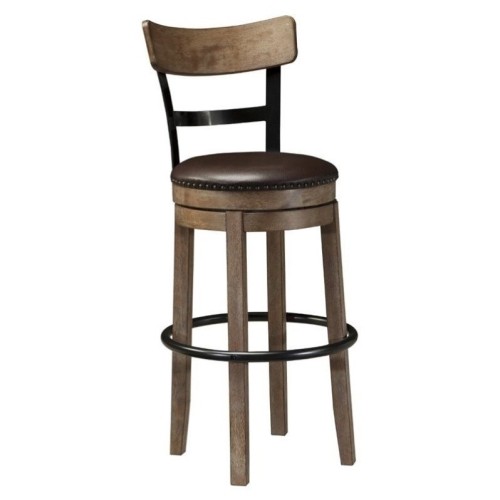 Your price for this item is $416.66
 -
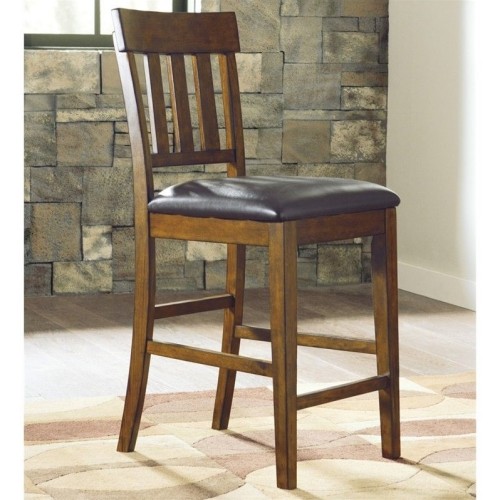 Your price for this item is $667.74
 -
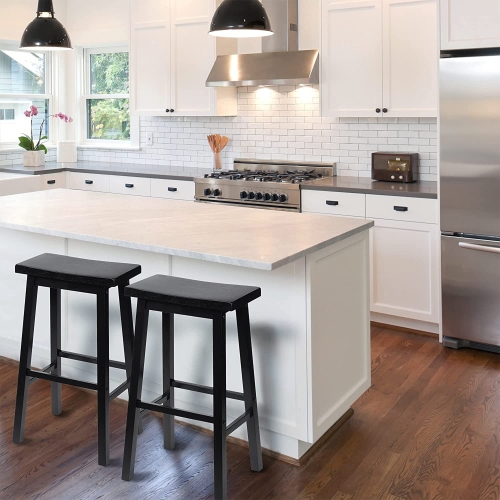 Your price for this item is $538.99
 -
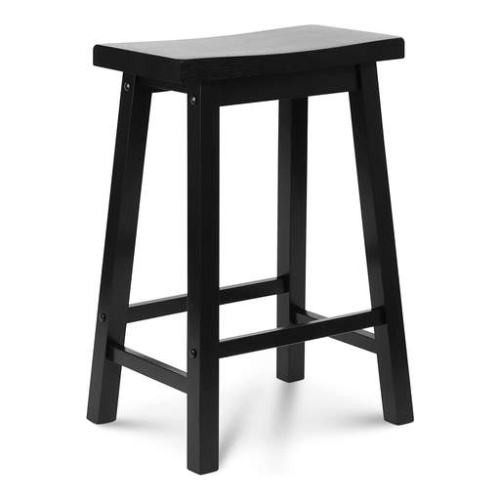 Your price for this item is $87.99
 -
 Your price for this item is $207.99
 -
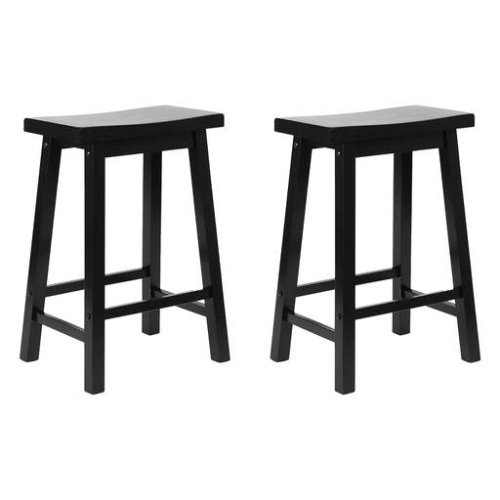 Your price for this item is $214.99
 -
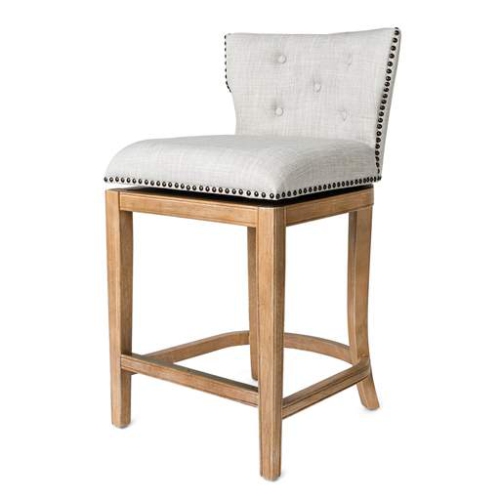 Your price for this item is $529.99
 -
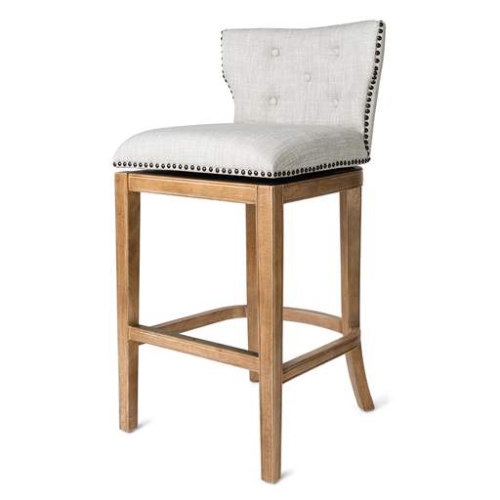 Your price for this item is $406.99
Discover more categories related to High Weight Capacity Bar Stools

Top Collections:
Pokemon Centers, Kindle Devices, Best Budget Office Chairs, Apple iPhones 16, Canon G7X Cameras, iPhone 15 Apple, Alarm Clock, Refurbished Apple Laptops, Flip Phones, Best Laptops for Writers
Some products may be subject to Environmental Handling Fees
(EHF) depending on your province.
Learn more about EHFs.